Connexion

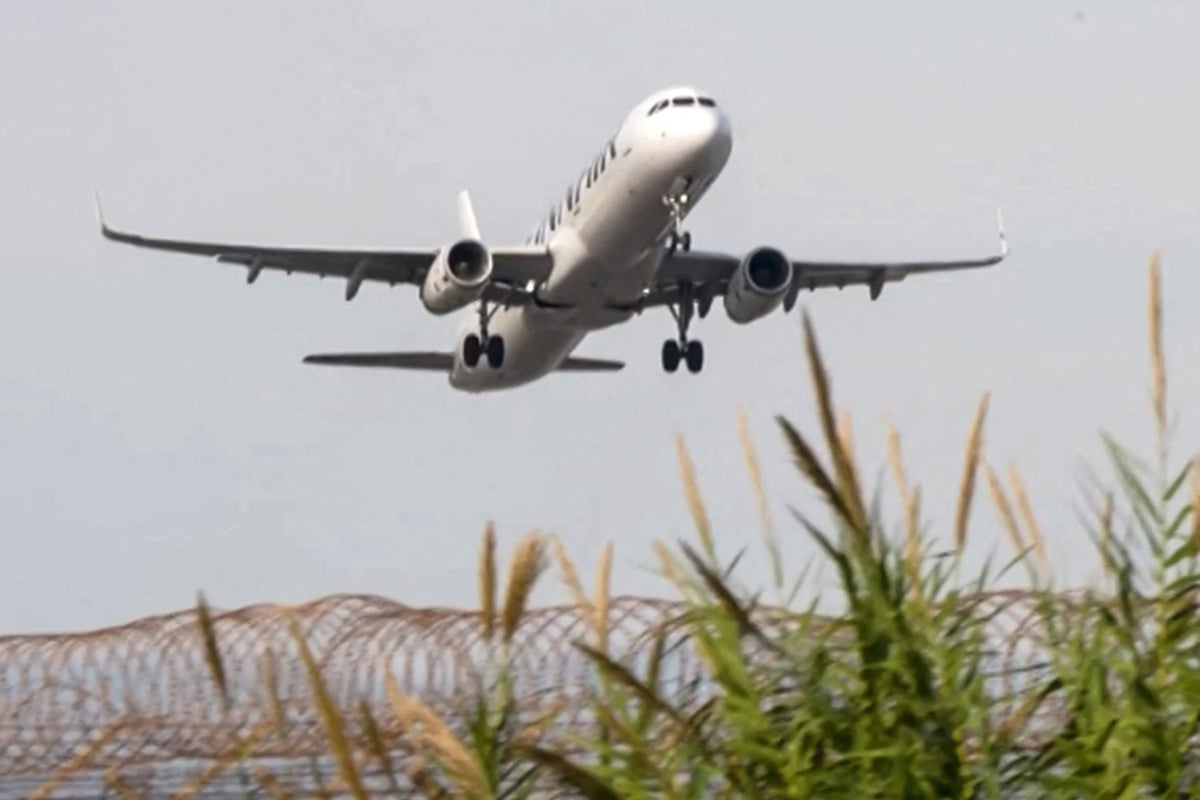
Un drone suspect survole une base militaire américaine en Angleterre
Téhéran a menacé de frapper des bases américaines en Europe si elles servaient à attaquer l’Iran.


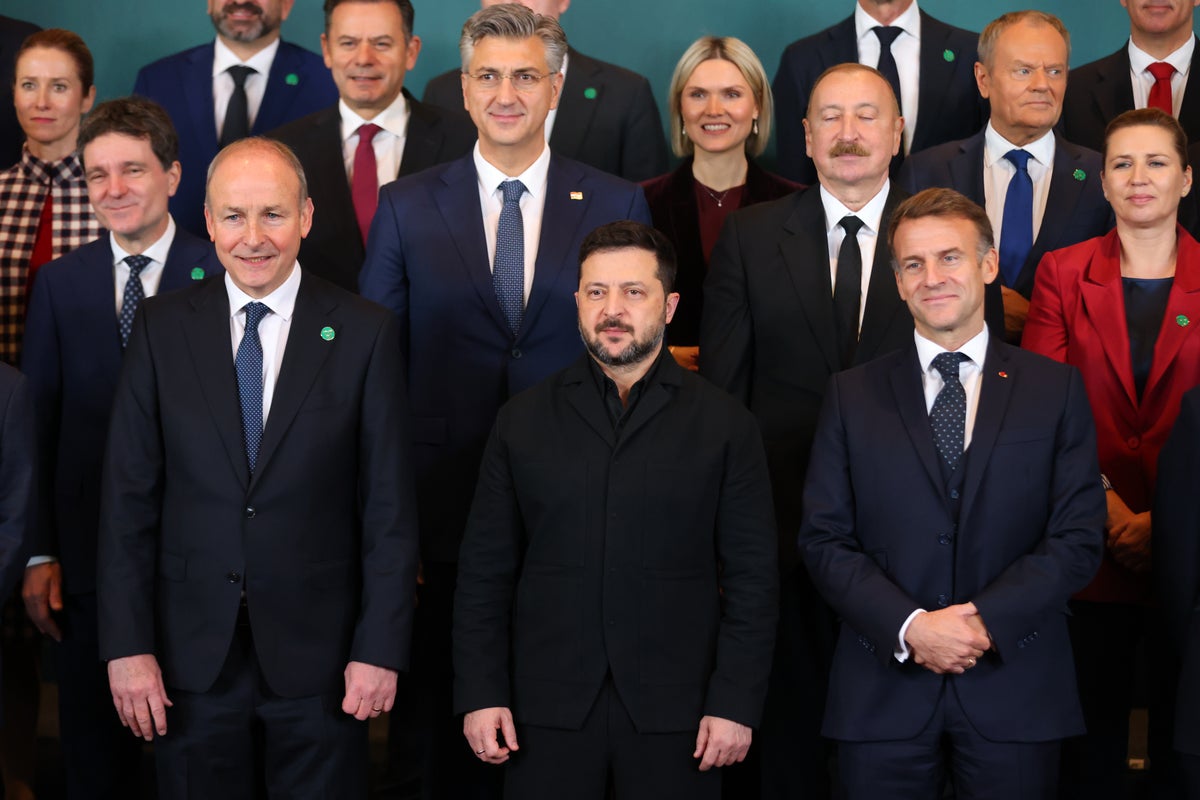
Forty European countries, including Ukraine, signed a declaration on 12 November reaffirming that states have the right to choose their own alliances and that any decisions affecting European security must involve Europeans.
The declaration comes as Russia pushes for broader negotiations on Europe's security architecture, including its longstanding demands to limit NATO's expansion and military presence near Russian borders. European leaders have warned that such discussions must not come at the expense of Ukraine's sovereignty or allow Moscow to dictate the security arrangements of other countries.
The Dublin Declaration on key principles of European security was adopted at the ninth European Political Community summit in Ireland. It also links future discussions on European security arrangements to the end of Russia's war against Ukraine, reinforcing the position that a ceasefire and peace must come before negotiations over the continent's wider security architecture.
The signatories reaffirmed that every state has the right to determine its own relations with other countries and freely choose whether to join treaties, alliances, or international organizations.
The document also reiterates support for Ukraine's independence, sovereignty, and territorial integrity within its internationally recognized borders. It calls for robust and credible security guarantees to prevent another Russian attack.
The declaration states that Ukraine's security is an integral part of Euro-Atlantic security and that future developments in European strategic stability will depend on the conclusion of Russia's war against Ukraine.
It also says that discussions on additional risk-reduction and risk-management mechanisms should take place once the conditions are met and peace is restored in Europe. At the same time, signatories commit to strengthening their defense capabilities, military cooperation, and European defense industry.
The document further reaffirms NATO's role as the foundation of collective security for its members, including their commitment to Article 5, and calls for a stronger European Union capable of responding to security threats.
EU foreign policy chief Kaja Kallas said a ceasefire must come before discussions about Europe's wider security architecture. She made the remarks on arrival at the informal EU summit in Dublin, according to European Pravda.
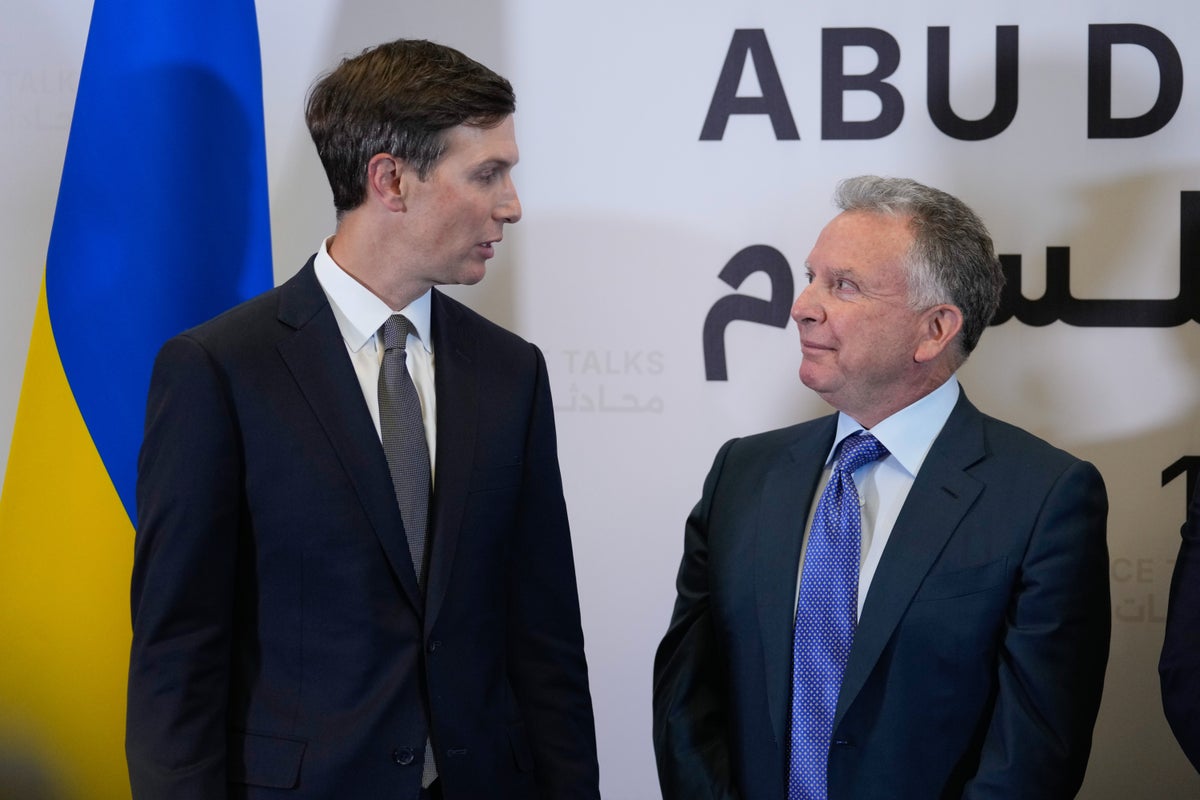
Kallas welcomed US envoy Jared Kushner's statement that Europeans would take part in upcoming peace talks, saying she hoped the EU would have meaningful influence over the negotiations.
However, she warned that shifting the focus to Russia's demands for a new security architecture would play into Moscow's hands.
"If we start to talk about what Russia is asking regarding the security architecture, we actually walk into the traps that Russia is setting us," Kallas said.
She argued that such discussions risk diverting attention from the absence of a ceasefire and Russia's responsibility for the war.
"We have one aggressor and one victim," she said, urging European leaders to keep the focus on ending Russia's aggression.
The Dublin declaration gives that position a collective political expression: European security cannot be negotiated over Ukraine's head, and Russia cannot dictate the alliances or security choices of sovereign European states.

© Peter Morrison/Associated Press
Europeans are less supportive of more EU countries having nuclear weapons

© AFP/Getty

© Atul Loke for The New York Times
© Copyright 2026 The Associated Press. All rights reserved

Steve Witkoff and Jared Kushner, who is also President Donald Trump's son-in-law, brokered talks this week between delegations from Moscow and Kyiv
© PA Wire
Move by Norway ‘a further tightening’ of current rules
Russians ‘have no business’ in Finland, says minister
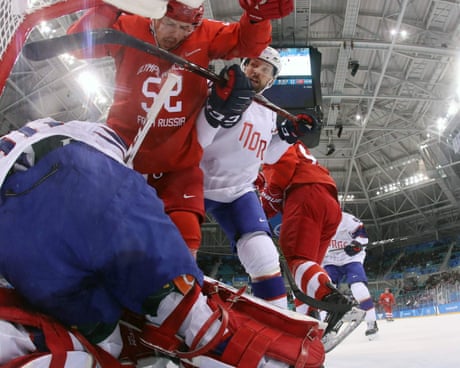
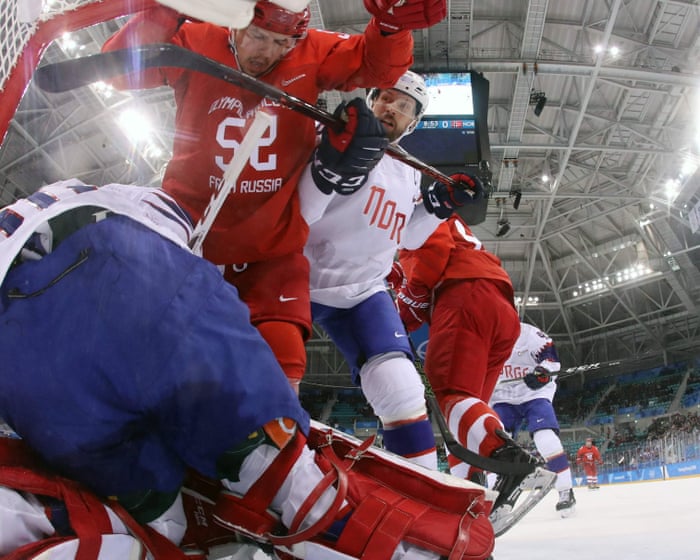
Norway’s government announced that it would prevent Russian and Belarusian professional athletes from coming to Norway to compete, hours after neighbouring Finland announced a similar move.
The government said it intended to prevent athletes from these countries coming to Norway as long as the war in Ukraine continues. In a statement, it noted that while Norway already had strict rules for visas for Russian and Belarusian citizens, recent “relaxations introduced by international sports federations” meant that more athletes and support staff from the two countries may come to the Scandinavian nation to compete.
Continue reading...
© Photograph: Ronald Martinez/AFP/Getty Images
© Photograph: Ronald Martinez/AFP/Getty Images
© Photograph: Ronald Martinez/AFP/Getty Images
Russia has blamed Ukraine for previous assassinations of senior military officials linked to the war effort
© AFP/Getty
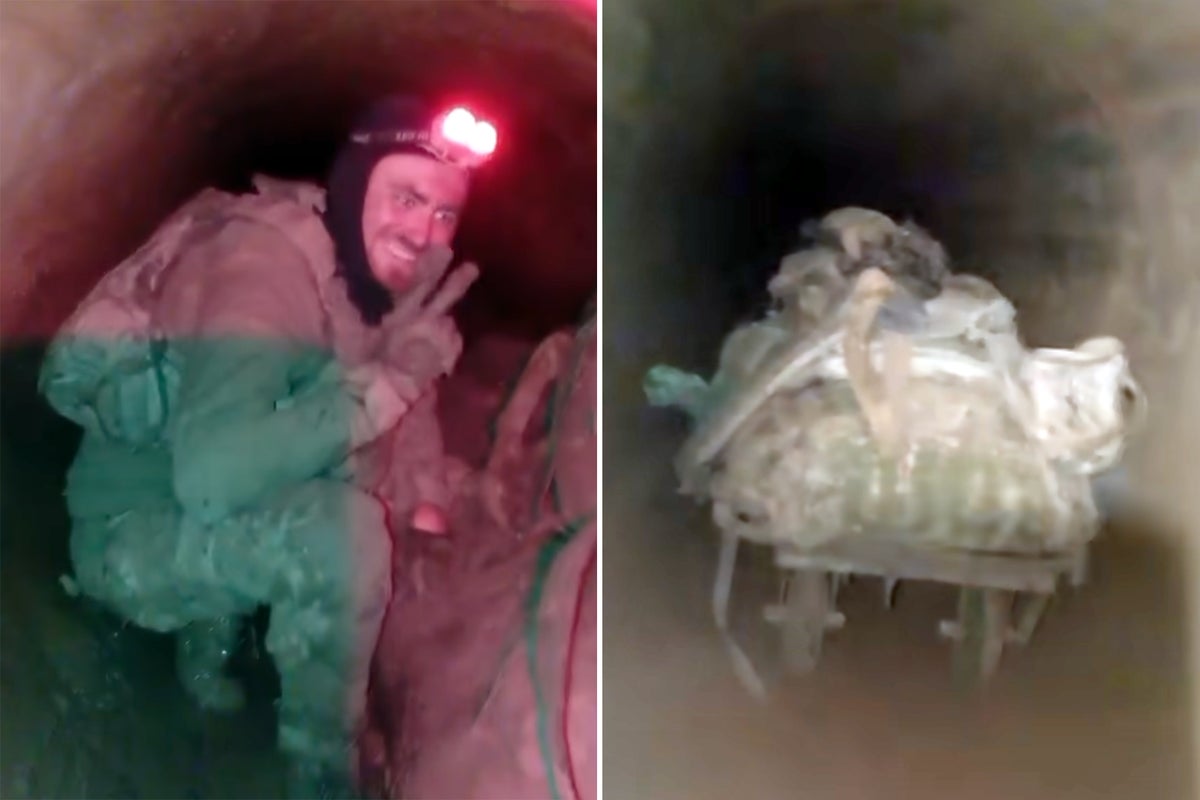
The Khartiia unit said 100 soldiers were killed and 30 captured as they attacked Russians from underground and above ground
© Skelya 425
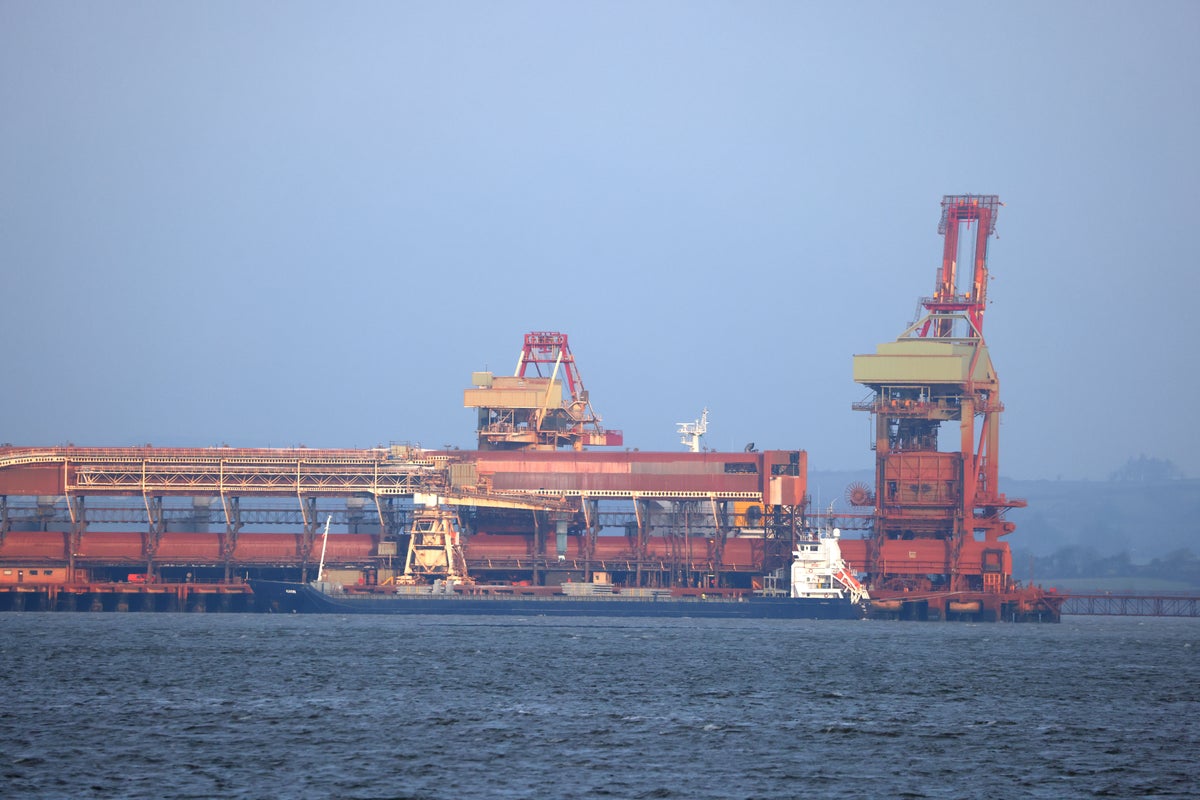
Alumina goes into products from toothpaste and lipstick to missiles and drones
© AP
President Volodymyr Zelensky said speed restrictions on Starshield ‘limit our ability to intercept jet-powered Shaheds and counter other drones’
© AFP/Getty
Kushner revealed that he and fellow US envoy Steve Witkoff are scheduled to travel to Moscow on Thursday for discussions with Putin
© AFP/Getty

© Altaf Qadri/Associated Press
Thousands of Ukrainians are held in Russian captivity
© AP
Fresh peace talks in Abu Dhabi failed to reach a meaningful breakthrough, but a potential positive may have emerged for Kyiv, write James C. Reynolds and Alex Croft

© Getty/The Independent
The man was taken to the Zaporizhzhia region in southern Ukraine to join a Russian assault but reached Ukrainian-held territory after his group came under drone attack
© AFP/Getty
A deal giving Moscow a slice of Ukrainian territory and sanctions relief could be on the table in weeks – yet European leaders are busy squabbling
Donald Trump has lost substantial power over domestic policy after last week’s devastating midterm losses, but his ability to cement his legacy by upending US foreign policy remains largely intact.
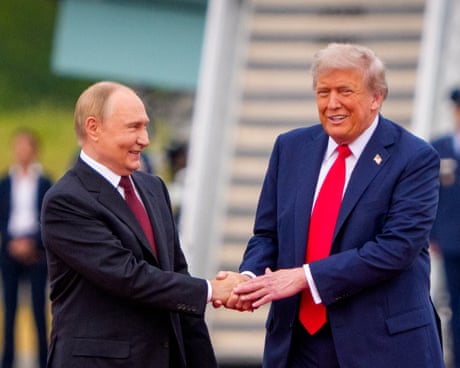
There is every reason to fear a ”great betrayal” of Ukraine in the coming weeks, one that would reward Vladimir Putin for Russia’s war of aggression against Kyiv, and also do lasting damage to the European security order. Yet lilliputian European leaders are too busy squabbling over who should represent them in future peace talks to focus on how to prevent a sellout. Despite fundamental European interests being at stake in this week’s three-way US-Russia-Ukraine negotiations in Abu Dhabi, Europe is relegated to a side room, represented by a posse of officials from the UK, France, Germany, the EU and Nato.
Continue reading...
© Photograph: Andrew Harnik/Getty Images
© Photograph: Andrew Harnik/Getty Images
© Photograph: Andrew Harnik/Getty Images
Zelensky says Ukraine will be doing ‘everything’ to make results happen by end of 2026
© X/@ukraine_map
Trump-appointed judge Jeffrey T Kuntz partially denies British broadcaster’s motion to dismiss over edit
Federal judge Jeffrey T Kuntz ruled on Tuesday that Donald Trump’s lawsuit against the BBC can proceed, denying in part the British broadcaster’s motion to dismiss the case. The president’s $10bn defamation lawsuit stems from the BBC’s splicing together of disparate comments he made before the 6 January US Capitol insurrection, as rendered in a Panorama documentary called Trump: A Second Chance.
“Accepting the allegations in the complaint as true, the Court finds Trump plausibly pled damages where Trump alleges a defamatory documentary released toward the election caused reputational harm,” the Trump-appointed Florida district court judge wrote. “It would be difficult for the Court to accept a different framing without completely negating the significance and fragility of political elections.”
Continue reading...
© Photograph: Peter Macdiarmid/Getty Images
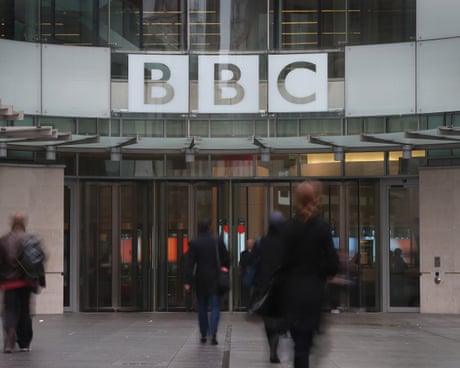
© Photograph: Peter Macdiarmid/Getty Images
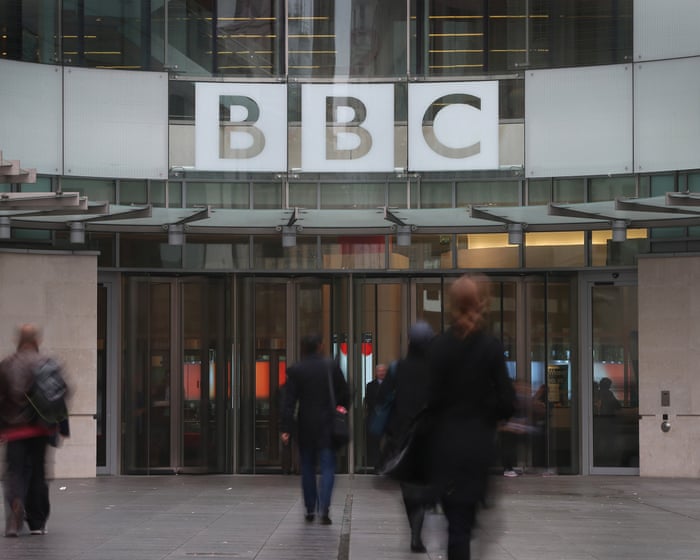
© Photograph: Peter Macdiarmid/Getty Images
Russia is reported to have lost ‘trained specialists’ in drone warfare in the assault
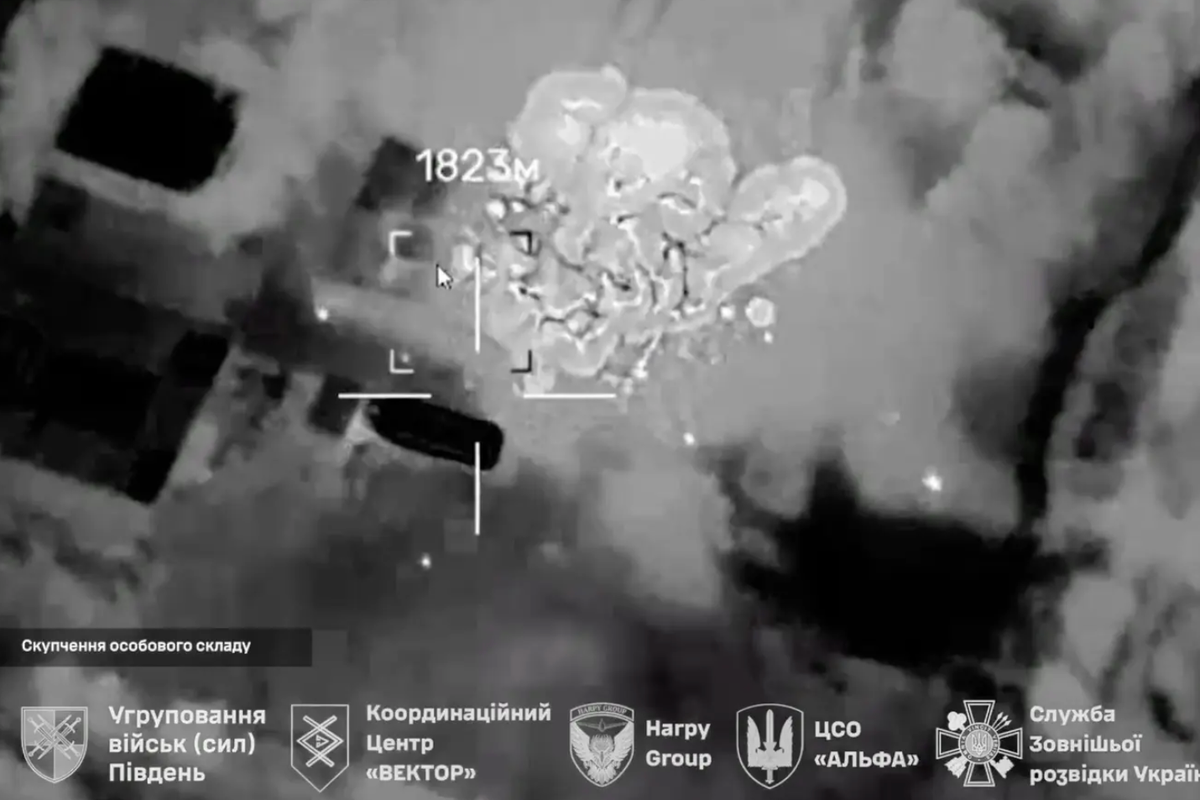
© Ukraine southern defence

© Leonhard Simon/Getty Images
US officials are seeking a ‘final end’ to Moscow’s war in resumed trilateral talks in Abu Dhabi on Tuesday
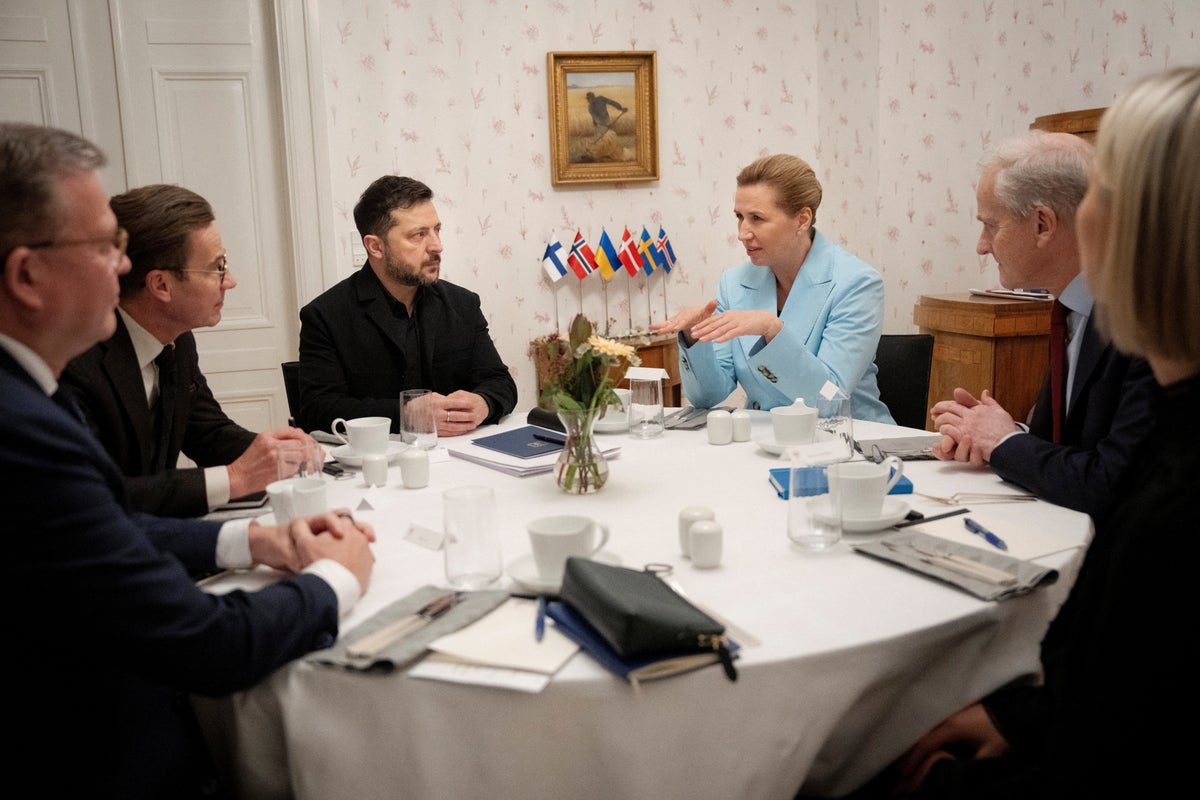
© Reuters

© Fred Tanneau/Agence France-Presse — Getty Images
The US president sees Europeans as the mirror image of his ‘woke’ domestic foes. They should brace for further betrayal this winter
Europeans have greeted the blue wave that crashed down on Donald Trump and his Republican party with jubilation and relief. Jubilation, because Trump’s second presidential administration has been the most destructive in the history of the transatlantic relationship. His disdain for Europe and his evident delight in attacking its governments – in particular that of Ukraine – have been hard to swallow.
Relief, because the midterm election results confirm that Europeans are not unique in being appalled by Trump’s actions: a large majority of Americans are too. I was in Washington immediately after the vote, and the mood was one of excitement and a newfound confidence. And like many Americans, in these results Europeans see hope that US democracy can be saved, American foreign policy moderated and the transatlantic partnership revived.
Nathalie Tocci is a professor of practice at the Johns Hopkins School of Advanced International Studies, Europe, and a senior fellow at Bocconi University’s Institute for European Policymaking
Continue reading...
© Photograph: Eric Lee/Reuters
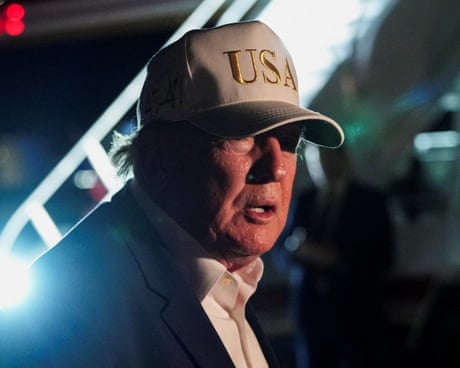
© Photograph: Eric Lee/Reuters
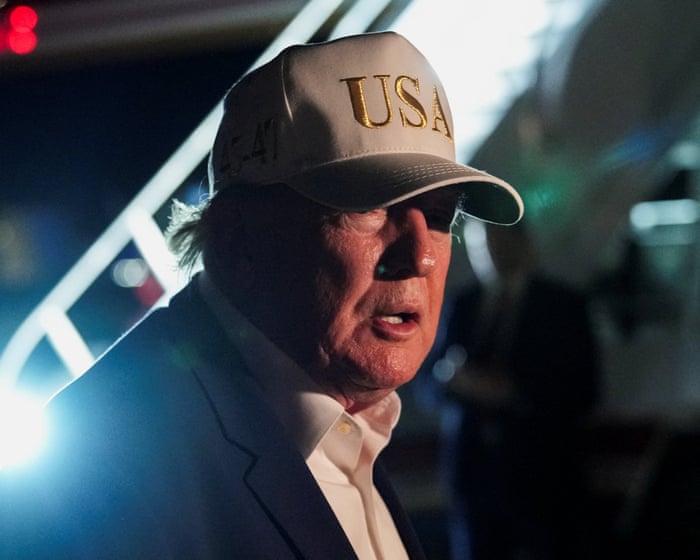
© Photograph: Eric Lee/Reuters

© Mauricio Lima for The New York Times
Trump’s comments come ahead of the Abu Dhabi peace talks
© AFP/Getty
Britain’s most senior military officer said it was the most dangerous period he has witnessed in his adult life
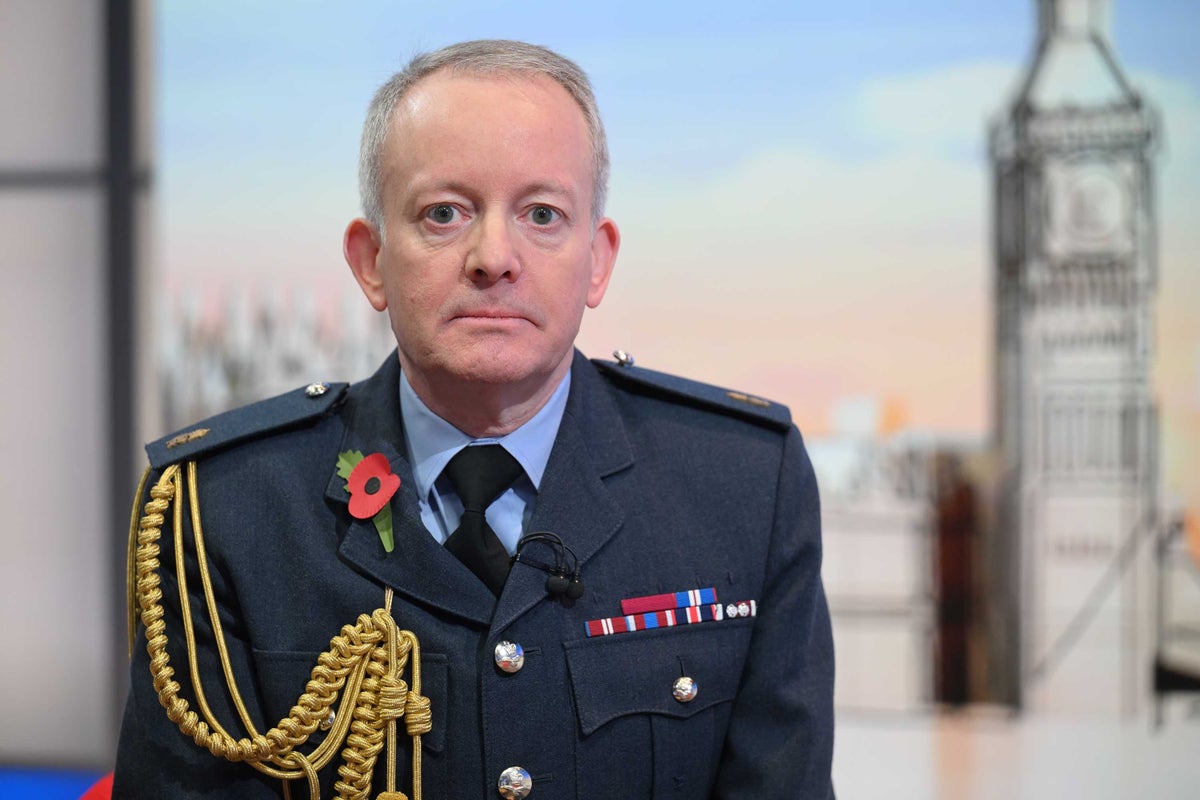
© BBC
With the global tide turning against him, the US president’s lame duck status could still aggravate old tensions and spark new explosions
It was a victory for the world, too. People in the many countries that suffered pain, loss and cruel indignities at the hands of Donald Trump over the past two chaotic, fearful years celebrated a moment of glorious, shared redemption. The monster, like others of his kind, still lurks in his gilded White House lair; far-right authoritarianism still casts a dark shadow over many nations. But the power of this most destructive of presidents is shattered, his malignant spell broken. The triumphant roar of US midterm voters was a rallying cry of democratic defiance that, echoing the American revolution of 250 years ago, reverberated around the globe.
For Iranians, Trump’s electoral humiliation raised hopes, perhaps misplaced, that his murderous war of choice against Tehran’s oppressive regime may soon cease. In Israel, many among the majority who voted for change last week will welcome the humbling of the foremost supporter of Benjamin Netanyahu’s as-yet-unvanquished extremist coalition. Ukrainians voiced optimism that a Democratic-controlled Congress will curb the sickening appeasement of Vladimir Putin’s Russia. In Europe, the beginning of the end of the Trump era brought a sense of relief – and hope that toxic transatlantic relations can be drained of Maga poison.
Continue reading...
© Photograph: Alex Brandon/AP
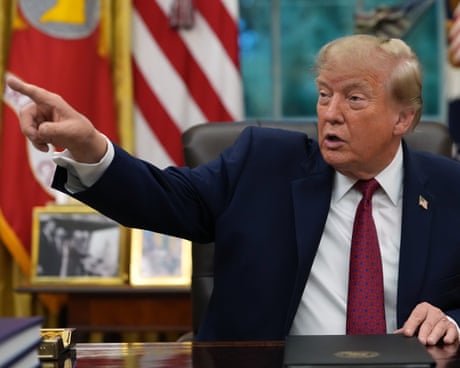
© Photograph: Alex Brandon/AP
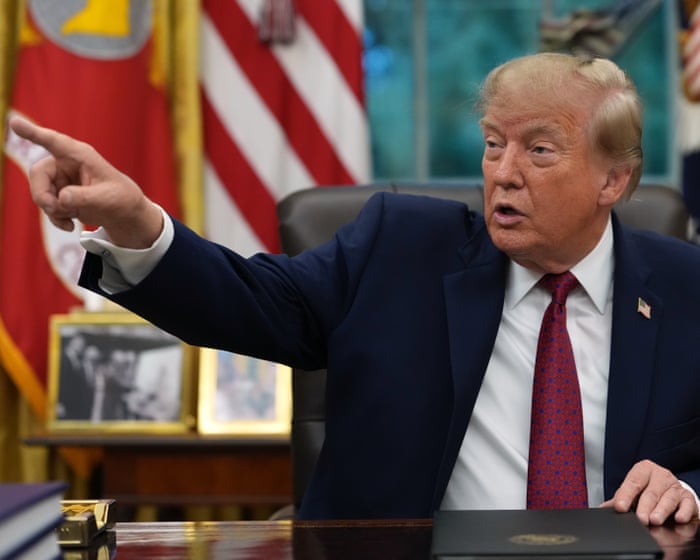
© Photograph: Alex Brandon/AP
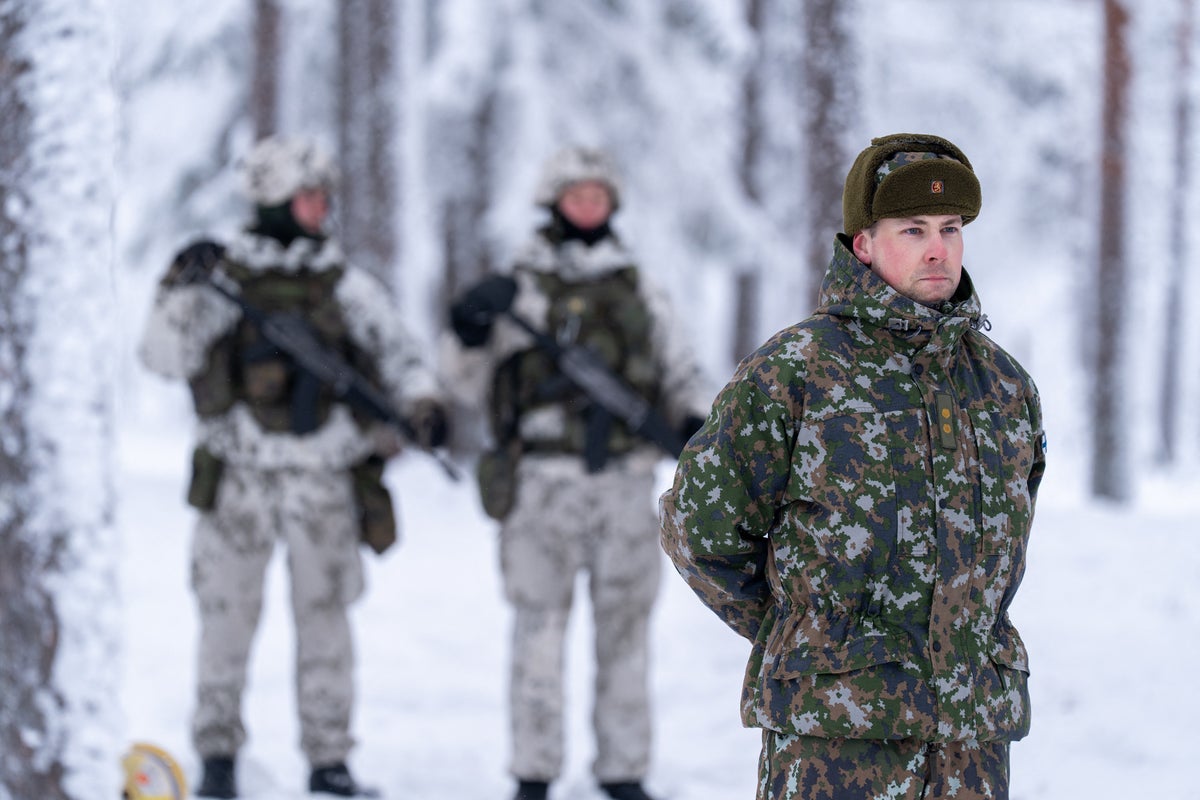
Russia has begun rebuilding its military stockpiles, Finland’s army commander warns
© AFP/Getty
Newsrooms around Europe also received hoax threats this week as offices were evacuated
© AFP/Getty
After a week in which several European sectors were thrown into disarray, how concerned should the continent be of hybrid warfare by hostile adversaries? Alex Croft reports
© AFP/Getty

© Marie Mannes/Reuters
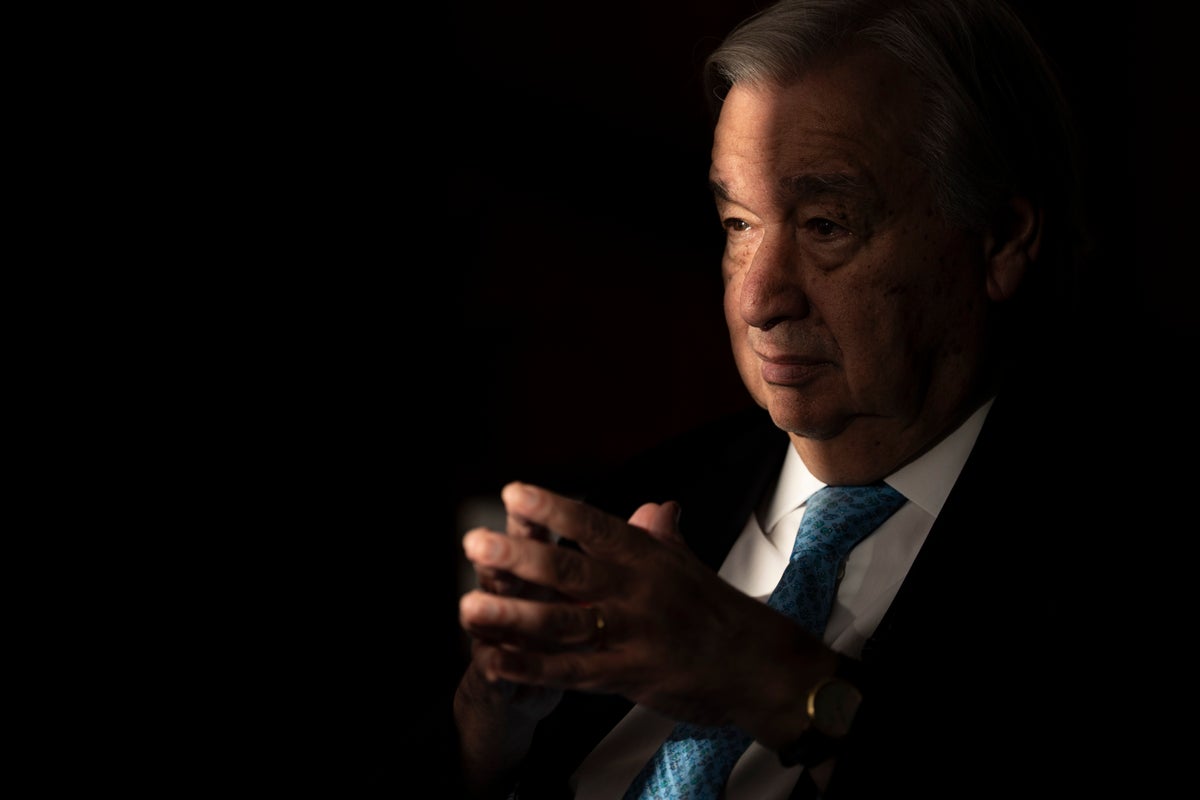
© Copyright 2026 The Associated Press. All rights reserved.

© Natalia Campos/Reuters

© Attila Kisbenedek/Agence France-Presse — Getty Images

© Yuhi Irakiza/Associated Press