❌

Vue lecture

The Kremlin calls mobilization talk “nonsense”—Zelenskyy says it has already begun, with North Korean reinforcements
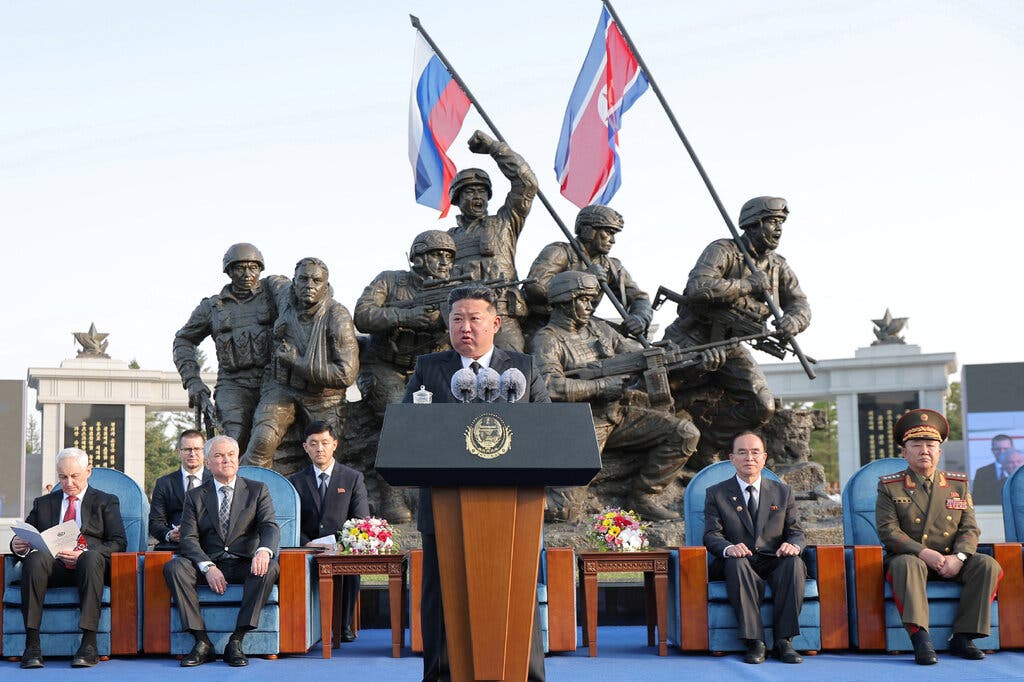
kremlin calls mobilization talk nonsense—zelenskyy says has already begun north korean reinforcements · post leader kim jong-un speaks opening memorial pyongyang russia's defense minister andrei belousov state duma speaker vyacheslav

Russia has quietly started a new round of mobilization and plans to bring in more North Korean troops, Ukrainian President Volodymyr Zelenskyy said. He cited a new report from Ukraine's military intelligence. The same day, the Kremlin published a decree enlarging Russia's army for the fourth time this year.

Russia widens recruitment at home and abroad

Zelenskyy spoke in his evening address on 28 September, after a briefing from Ukraine's military intelligence (HUR).

"In effect, the Russians have already begun additional mobilization—they are increasing the number of people they recruit through various means," he said.

Moscow also plans to recruit more foreigners, Zelenskyy said. He urged the governments of countries whose citizens Russia recruits to counter it, and said Kyiv would inform each of them.

Ukraine says Russia has been losing soldiers faster than contract recruitment replaces them. If so, an unannounced call-up lets the Kremlin refill its ranks without a formal draft. ISW says Putin may hold off on such a draft until he sees whether his strikes work. Ukrainian intelligence had expected Russia to announce a mass mobilization after this month's State Duma elections.

More than 8,000 North Koreans in Russia, 10,000 more in preparation

More than 8,000 North Korean troops are currently on Russian territory, Zelenskyy said. Pyongyang is selecting another 10,000 for training and deployment to Russia, he added.

Russia is paying, among other things, with technology, according to Zelenskyy. North Korea has launched production of Shahed-type attack drones with Russian technical support, he said.

That is a step beyond what Kyiv reported in June 2025. Moscow and Pyongyang had then only agreed to start preparing such production. In August, Zelenskyy warned that Russia could receive up to 50,000 North Korean troops.

kremlin calls mobilization talk nonsense—zelenskyy says has already begun north korean reinforcements · post leader kim jong-un speaks opening memorial pyongyang russia's defense minister andrei belousov state duma speaker vyacheslav
Explore further

North Korean missile unit deploys to Russia for ballistic strikes on Ukraine, Kyiv says

Kremlin raises the army's size again

Putin's decree sets the authorized strength of Russia's armed forces at 2,441,630, including 1,550,500 military personnel, Vedomosti reported. The decree gives no reason.

The order adds 15,500 troops and is the fourth such increase this year, Euronews said. Since March, the combined increase has reached 47,860 soldiers. Putin's 2022 "partial mobilization" decree also remains in force, the outlet noted.
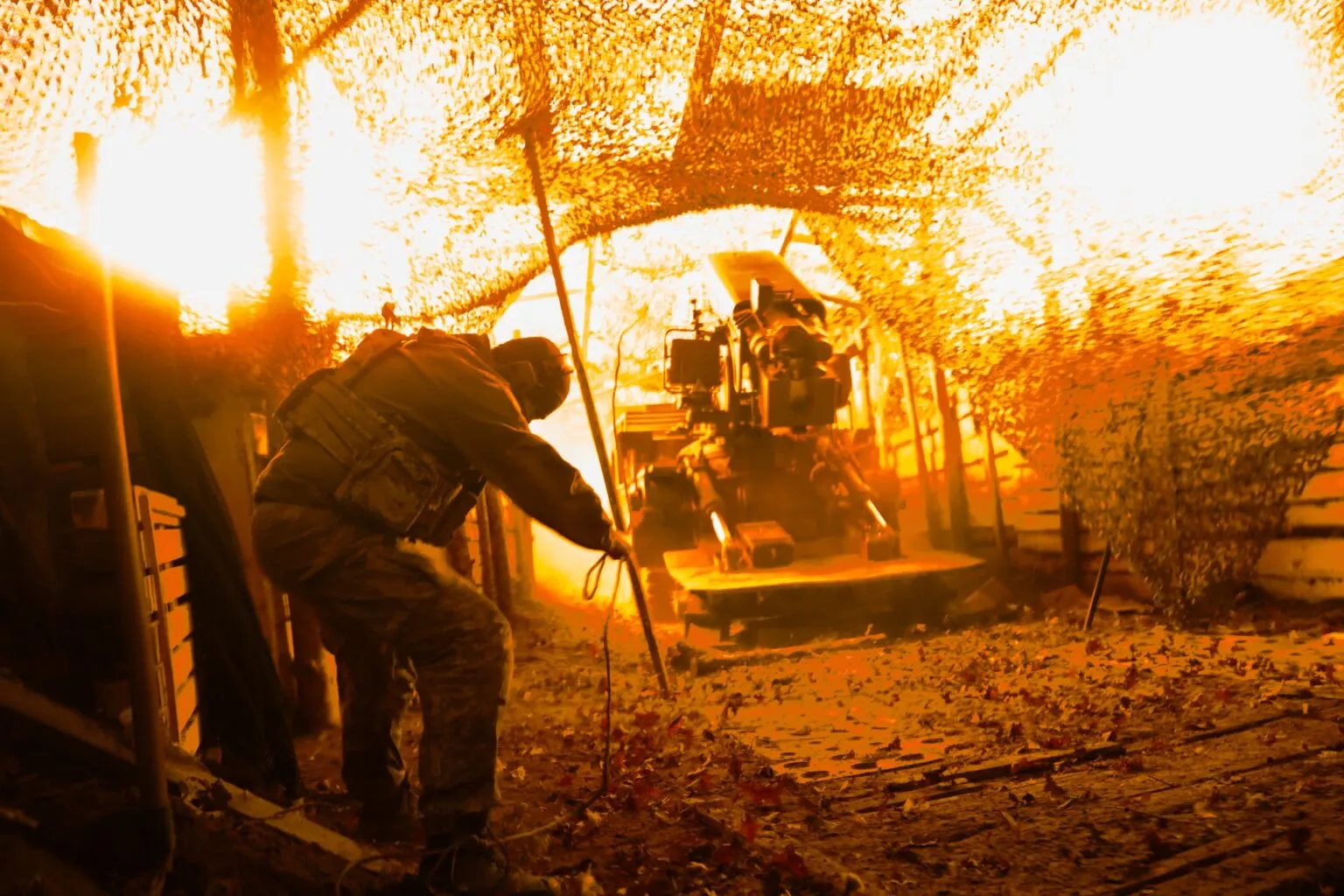
A soldier from Ukraine’s 100th Mechanized Brigade operates an artillery gun firing beneath camouflage netting.
Explore further

Russia could open northern front by February if it orders new mobilization, Ukraine intel says

Moscow keeps denying a call-up

In early September, Putin claimed that reports of a coming mobilization were "complete nonsense" and "an information attack on Russia." Russian officials gave similar assurances days before the 2022 call-up.

Ukraine's military and foreign intelligence had earlier said that Russia's General Staff prepared a scenario to mobilize 600,000 people over 2026 and 2027, 300,000 each year.
  •  

Russia’s mass drone attacks on Ukraine have a goal—likely Ukraine’s capitulation by spring 2027, ISW says

kyiv strike

Russia is likely attempting to force Ukraine to capitulate by spring 2027 through a large-scale campaign of long-range strikes, the Institute for the Study of War (ISW) said in its 27 September report. Russian President Vladimir Putin's new theory of victory relies heavily on the mass use of jet-powered drones and ballistic missiles against Ukraine, the institute assesses.

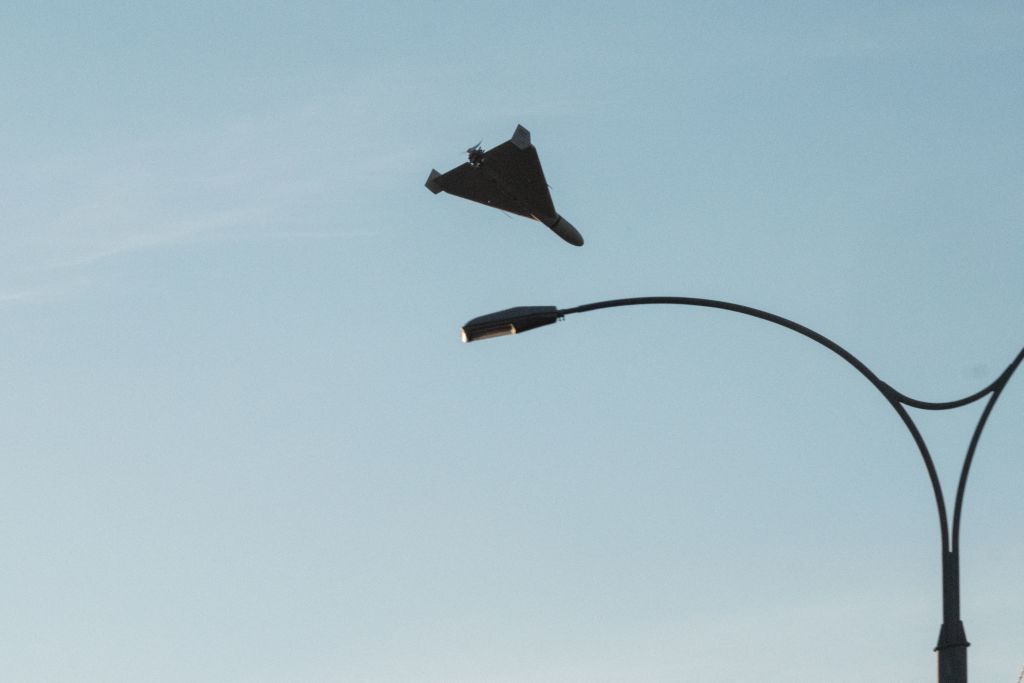
Russia keeps shifting to faster jet-powered drones that Ukraine's defenses struggle to stop, forcing it to spend scarce missiles on them. Russia's use of jet-powered drones rose eightfold from June to August, with Moscow launching around 7,700 such drones since their initial deployment, Ukrainian Air Force spokesperson Yurii Ihnat said on 23 September. But Putin likely does not expect the campaign to last indefinitely, and he may hold off on a new mobilization until he sees whether the strikes work, ISW assesses.

Putin's modified theory of victory

Putin's modified theory of victory largely depends on Russia's ability to mass-launch cheap jet-powered Gerans that get through Ukrainian defenses often enough, the institute notes.

Even a Kremlin-linked Russian milblogger claimed on 27 September that the Russian strategy, which relies heavily on long-range strikes, is costly and cannot continue indefinitely, not least because Ukraine is hitting Russia harder too, according to the analysis.

At the same time, Putin stated on 25 September that Ukraine "must feel" Russia's "retaliatory" strikes. ISW assesses that this suggests he intends to intensify Russia's strike campaign in winter, as he has in previous winters.

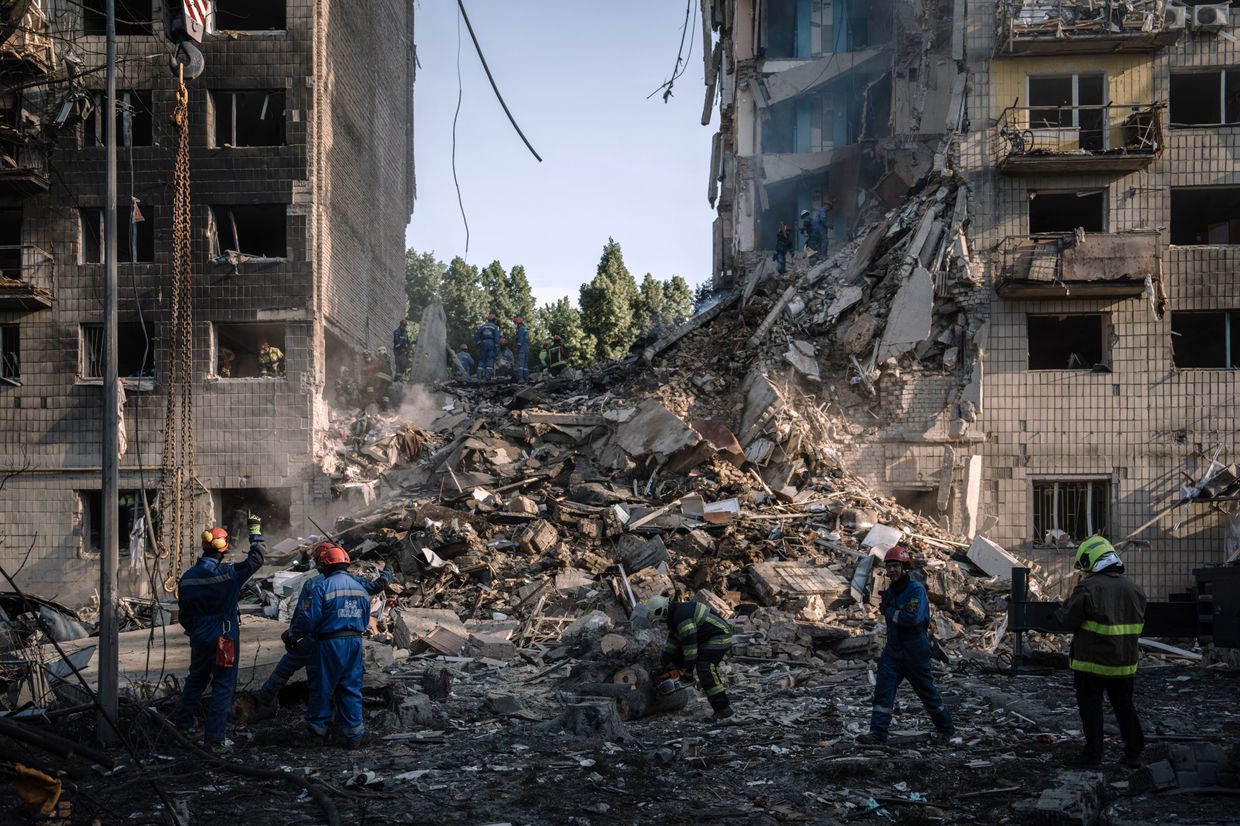
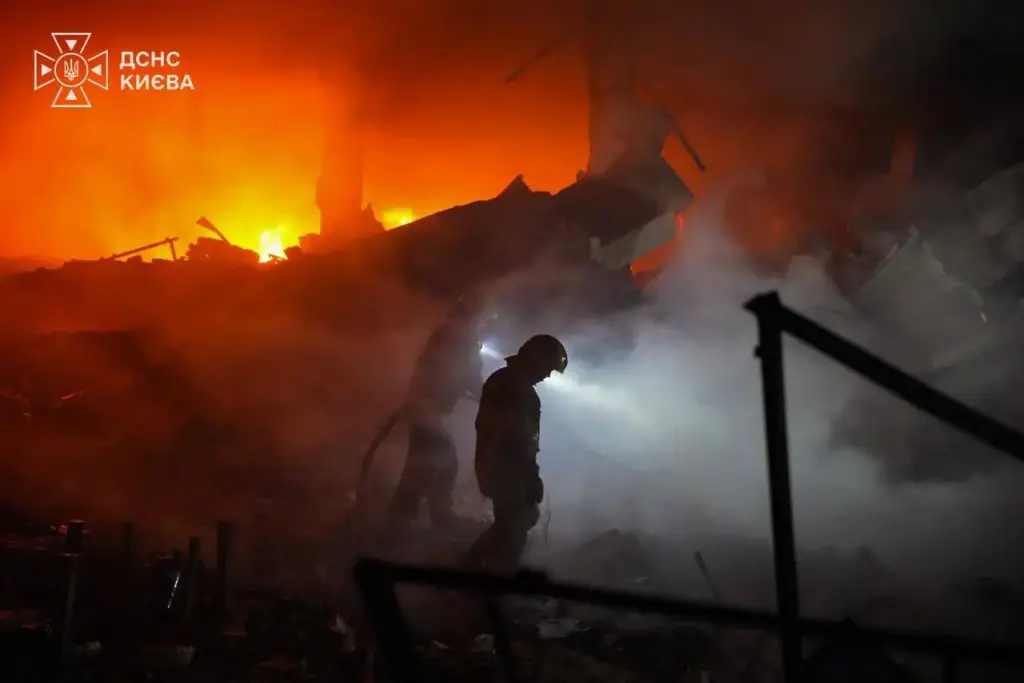
The aftermath of the Russian attack on Kyiv, Ukraine, 27 December 2025. Photo: National Police

If Putin is counting on Ukraine to break and capitulate this winter, he may be ignoring what the campaign will cost Russia over time, the institute notes. This strategy also counts on Ukraine's shortage of Patriot interceptors against ballistic missiles, and on the country's power grid and other vital systems giving way under months of strikes.

Until that approach runs out, Putin is unlikely to back down on his demands or agree to real ceasefire talks, ISW assesses.

Ukrainian interceptors could disrupt Russia's plan

A Kremlin-linked Russian milblogger claimed on 27 September that Russian forces launched predominantly jet-powered Geran-5 drones at Odesa, Mykolaiv, and Kyiv during the night of 26–27 September. According to the blogger, Russia's diverse arsenal of strike weapons and Ukraine's shortage of air defense assets allow Russian forces to maintain the current pace of strikes and expand the range of targets, ISW writes in its analysis.

At the same time, Ukrainian President Volodymyr Zelenskyy said on 26 September that Ukraine's interception rate for jet-powered Shahed drones currently stands at 55%. Of more than 2,730 such drones Russia had launched in September by then, Ukrainian forces had downed or suppressed more than 1,500, he added.

Geran-5 (Above) and Geran-4 (Below)
Jet-powered drones Geran-5 (above) and Geran-4 (below). Image: TurDef

Ukraine is testing interceptor drone prototypes in combat conditions, Ukrainian Presidential Office head Kyrylo Budanov told Novyny.LIVE on 27 September. The mass deployment of interceptors capable of shooting down jet-powered Gerans could begin within several months, he added. Ukrainian companies have already successfully tested several interceptor drones capable of intercepting Russian jet-powered drones in field conditions, the institute notes.

At the same time, it remains unclear whether Ukraine will be able to scale up its interceptor program quickly enough and achieve sufficient success to disrupt the intensification of Russia's campaign during the winter, ISW notes.

Why Putin may hold off on a new mobilization

Expanding Russia's arsenal of strike weapons is cheaper than carrying out a second mobilization economically, militarily, and socially, a Kremlin-linked Russian milblogger cited by the institute claimed.

Putin may put off large-scale forced mobilization until he sees whether the strikes deliver, ISW assesses, though his officials have been laying the groundwork for it despite Kremlin denials. Still, the need to replace Russia's enormous battlefield losses could push him to order such a mobilization as early as this fall, ISW notes, as Ukrainian and other sources have repeatedly reported he is preparing to do.

  •  

A century ago, bright red trousers made soldiers easy targets. Ukraine’s ex-army chief says the West is wearing them again

Zaluzhnyi ambassador Ukraine

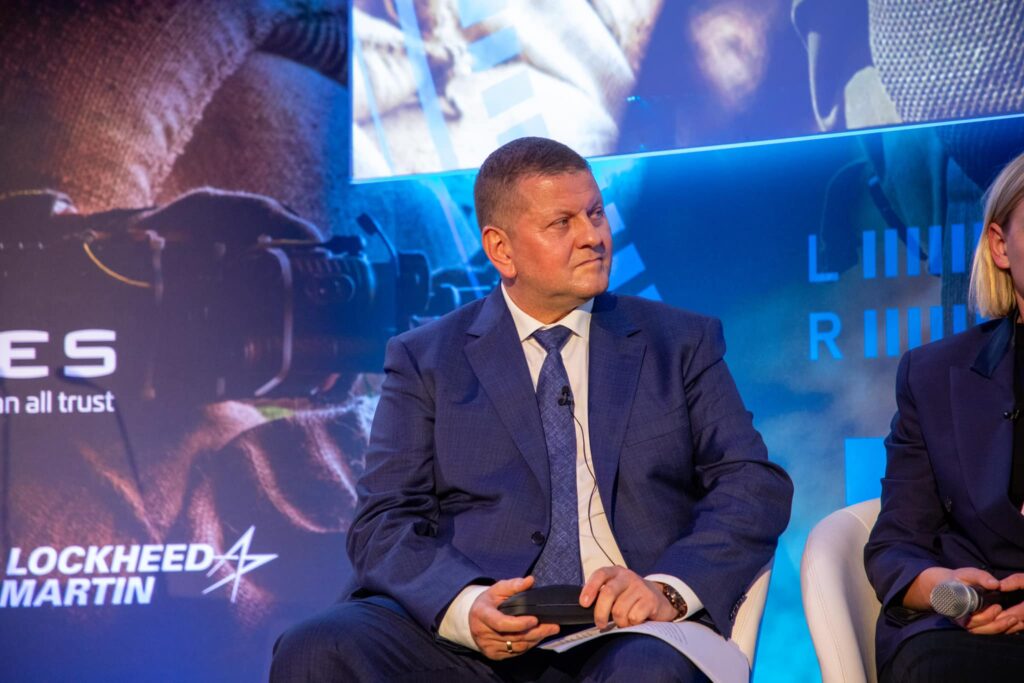
Ukraine's former top commander has a warning for anyone betting that new gadgets will win the war, he wrote in a column for Ukrainska Pravda. Valerii Zaluzhnyi, the country's Commander-in-Chief until 2024 and now its ambassador to the UK, argues 2026 is a war of technologies and, no less, of the strategies and doctrines that must keep pace with them. Bolting modern tech onto an old Soviet playbook, he says, drove mobilization into a dead end.

A year ago, Zaluzhnyi warned that Ukraine would need thousands of counter-drone systems and mass drone production to cope with the growing role of UAVs in war. A year later, those capabilities still aren't there at the scale he called for, mobilization has hit the dead end he now describes, and the four measures he proposed have not kept pace with how quickly drones are spreading.

Drones are already cheap, widespread, and shaping the war, and the front has gone static, Zaluzhnyi writes, while Russian strikes keep reaching railways and fuel stations far behind it.

This is no longer a drone war

The drones filling headlines no longer exist on their own, Zaluzhnyi writes. They have evolved into more familiar weapon types, cheaper and more effective—anyone still treating drones as a stand-alone class is about three years behind. Fixating on individual gadgets, he argues, misses the real contest: strategy and doctrine.

He reaches back to World War I for the danger he sees, running the line from Verdun and the Somme to Robotyne and Bakhmut. Before that war, soldiers in one army marched in bright red trousers that were supposed to help against repeating rifles, machine guns, and long-range artillery, and later against tanks and aircraft.

Today's faith in old security guarantees, he warns, is that same proud symbol worn onto a modern battlefield.

"The red trousers taught them nothing," he writes of those still moving tanks and artillery toward the fight by yesterday's logic.

New weapons, old strategy

The war has surrendered itself to marketers and wheeler-dealers, Zaluzhnyi writes—people who, without understanding or strategy, stoke it for quick profit while flaunting the pace of technological progress. Trying to retake land with Soviet methods and new weapons drove mobilization into a dead end, and fewer and fewer people were willing to take the one chance it offered.

"Damn marketing that kills," he adds.

The way out, he argues, is to treat technology as a new weapon, build tactics around it, and only then reshape the force.

That is what he calls doctrine, built through resource and technological alliances into a strategy for victory. Ukraine and Russia, he writes, have become real-time testing grounds.

What he warned a year ago

In September 2025, Zaluzhnyi named the four fights Ukraine had to win to survive mass drone warfare: counter-drone systems at scale, state-level drone production, integrated battlefield networks, and channeling tech talent into defense industries.

The counter-drone systems he put first are still short of the scale he warned Ukraine would need. Mobilization, he writes, has hit a dead end, and marketers—not the doctrine he calls for—are setting the pace.

  •  

He had survived Mariupol, Russian captivity and took over Ukraine’s Azov grouping in Donetsk. Now Brigadier General Prokopenko warns Russia may mobilize up to 600,000 for its next offensive

Denys Prokopenko (callsign Redis), commander of the Azov Regiment

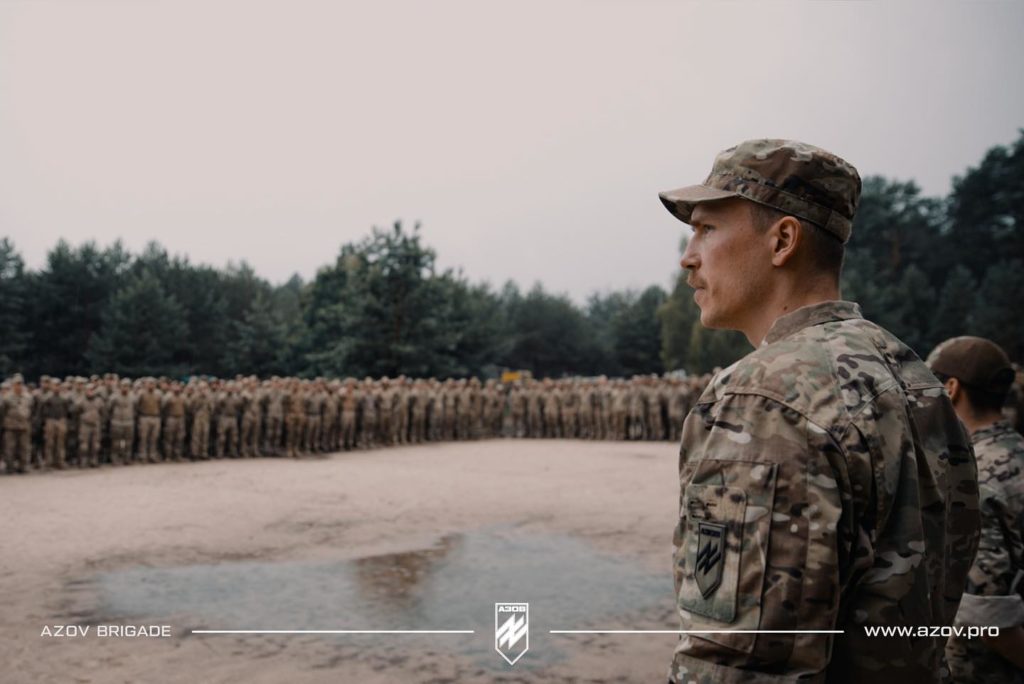
Russia may call up as many as 600,000 troops for its next offensive, one of Ukraine's most battle-hardened commanders warns. Brigadier General Denys Prokopenko, who commanded the Mariupol defense, survived Russian captivity, and, on 13 September, took charge of the newly formed Azov grouping fighting in Donetsk Oblast, said covert recruitment is already underway and that open mobilization could begin after Russia's elections, in late September or early winter, Novyny.LIVE reported.

Prokopenko is forecasting the war on the ground he now defends. He commands the Azov grouping, one of two forces Ukraine has assembled to hold the Donetsk front, the sector where Russia is pushing hardest toward the fortress-city belt. That gives his reading the weight of a commander answerable for the line, not a distant analyst.

He expects a Russian mobilization of up to 600,000, double the 300,000 fall call-up reported earlier, all aimed at Russian President Vladimir Putin's declared goal of seizing every inch of Donetsk and Luhansk oblasts.

Russia eyes the fortress cities and the north

By the end of the fall campaign, Prokopenko said, Russia will try to gain a foothold in one of the Donbas strongholds, Dobropillia, Kostiantynivka, Druzhkivka, Kramatorsk, Sloviansk, or Sviatohirsk, to use as a springboard, though he insisted Ukraine will not let it.

He also warned of a second front in the north. Part of the reserve massed by early winter, he said, could be thrown at Sumy and Chernihiv oblasts, according to UA.News.

"The aim is to create a buffer zone in the Sumy and Chernihiv regions and continue the terror against our capital," he told the Yalta European Strategy forum, forcing Ukraine to keep reserves pinned there rather than sending them east.

October forces a tactics shift

September will bring the peak of Russia's summer offensive, Prokopenko said, because the attackers need a result to show for it. October will bring a change, driven by rain, fog, and shorter days.

"Russian forces will be forced to move from small infantry-group tactics to heavy armored vehicles and to attempt mechanized breakthroughs into the depth," he said.

That approach failed before, he argued, and will fail again.

  •  

Russia strikes conscription offices in Kharkiv and Zaporizhzhia, injuring dozens, Ukraine says

Russia strikes conscription offices in Kharkiv and Zaporizhzhia, injuring dozens, Ukraine says

Editor's note: This story was updated with the latest information from the Kharkiv Oblast Prosecutor's Office.

Russian drones struck Ukrainian conscription offices in the cities of Kharkiv and Zaporizhzhia early on July 7, injuring at least three people in Kharkiv, while also damaging military infrastructure, Ukraine's Ground Forces said. At least one soldier was wounded in Zaporizhzhia.

The attack comes as Russia increases its efforts to disrupt mobilization in Ukraine.

"As a result of the attack, (Russian) drones hit the building of the Kharkiv conscription office and the surrounding area, as well as near the Zaporizhzhia conscription office," the Ground Forces said.

Two other districts of Kharkiv came under attack that same day, in which one woman was killed and over 80 people, including eight children, were reported injured or suffered shock in Kharkiv, according to the local prosecutor's office.

The strikes are the latest in what Ukrainian military officials describe as a deliberate Russian campaign to target enlistment infrastructure and undermine mobilization efforts.

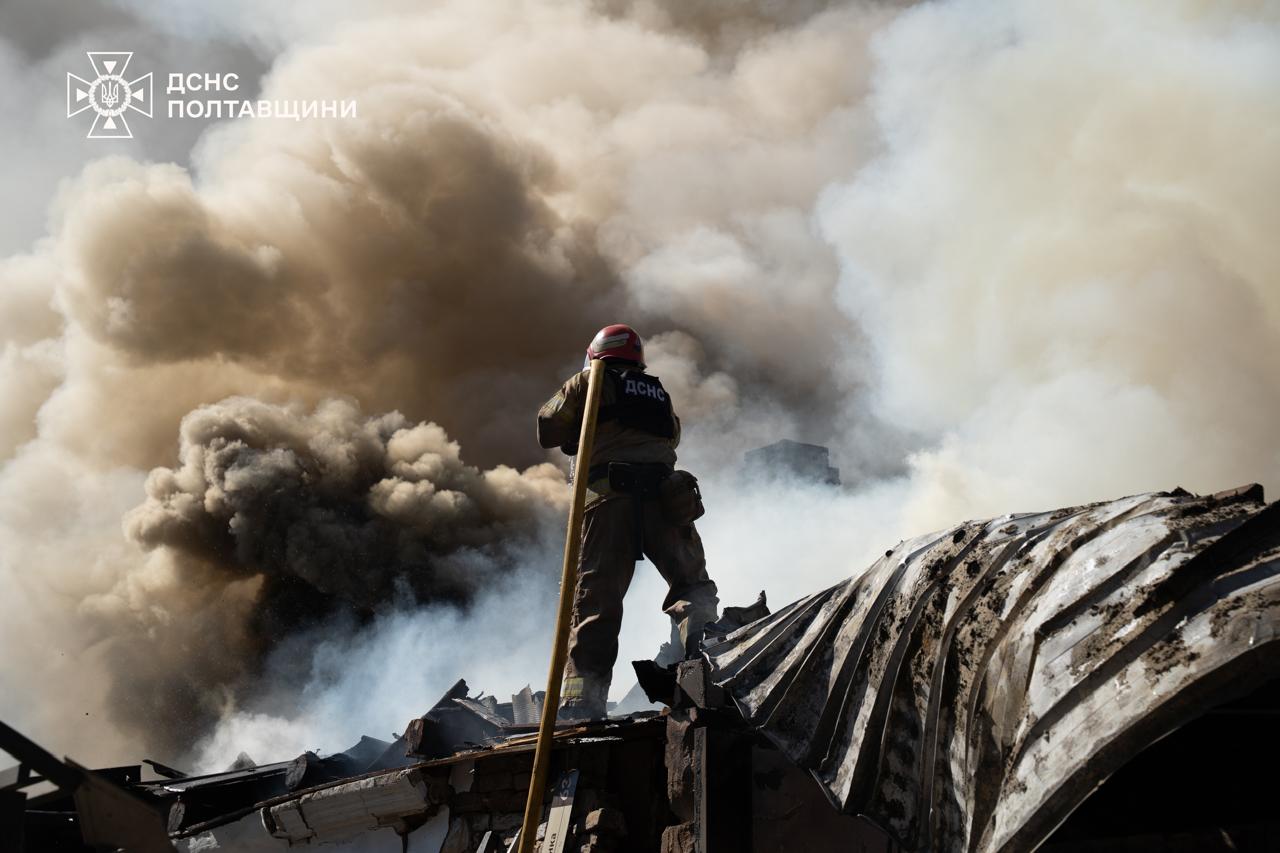
On July 3, a deadly Russian strike on the central city of Poltava killed two people and injured 47 others. The attack caused a fire at the city's military conscription office and heavily damaged nearby civilian buildings, including civilian houses.

Speaking on national television after the Poltava attack, Ukraine's Ground Forces spokesperson Vitalii Sarantsev said Russia was intentionally striking enlistment centers to disrupt Ukraine's ability to replenish its Armed Forces.

"We will continue to strengthen our army, train our troops, and involve more people in defense to deliver a strong response to the enemy," Sarantsev said.

HUR publishes Russian military order, claims proof of Moscow increasing military footprint in Armenia
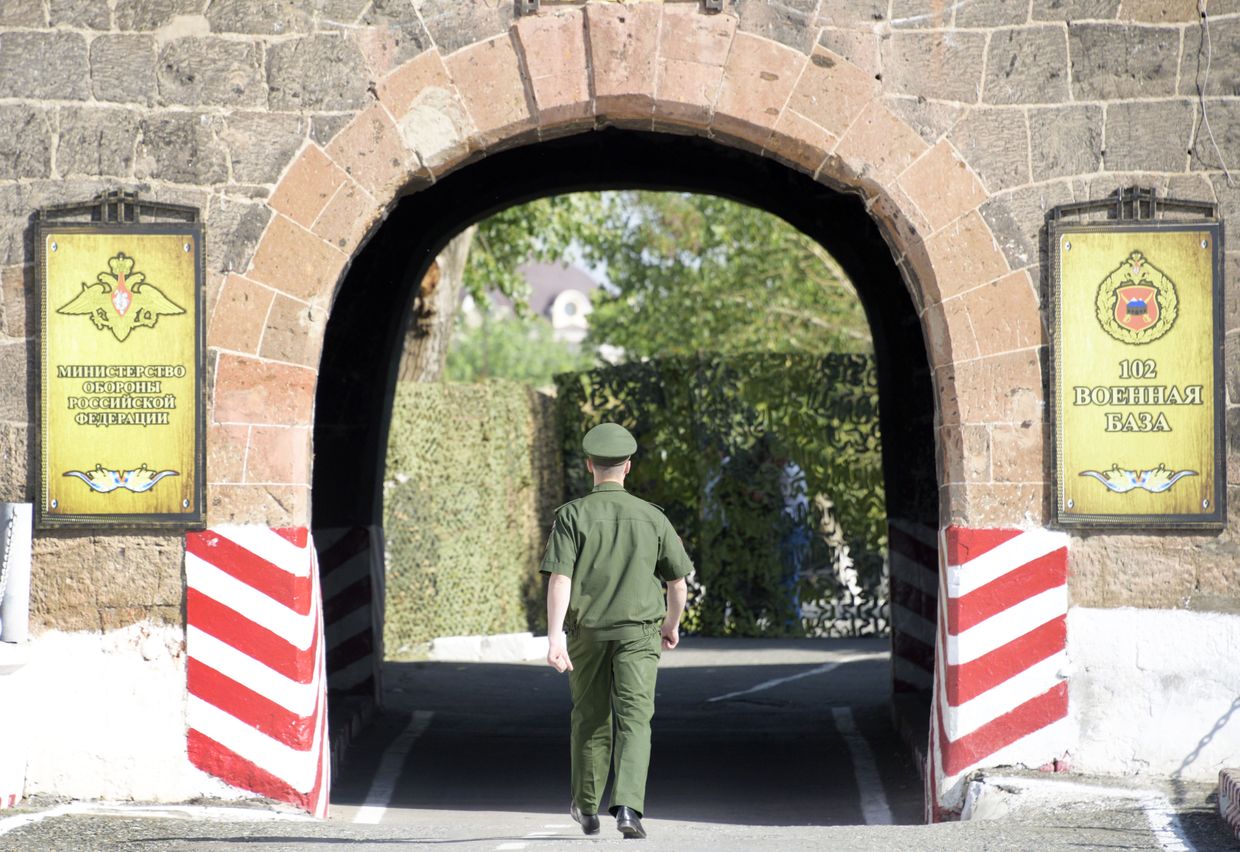
HUR first made the claim on July 5, saying Russia was increasing its forces at the Gyumri base to exert greater influence in the South Caucasus and “destabilize the global security situation.”
Russia strikes conscription offices in Kharkiv and Zaporizhzhia, injuring dozens, Ukraine saysThe Kyiv IndependentChris York
Russia strikes conscription offices in Kharkiv and Zaporizhzhia, injuring dozens, Ukraine says
  •  

Russia targets Ukrainian conscription offices to disrupt mobilization, military spokesperson says after Poltava attack

Russia targets Ukrainian conscription offices to disrupt mobilization, military spokesperson says after Poltava attack

Editor's note: This item has been updated to include the statement from Ground Forces spokesperson Vitalii Sarantsev.

A Russian strike on Poltava, central Ukraine, killed two people and injured 47 others on the morning of July 3, local and military officials said.

The attack, which occurred around 9 a.m. local time, sparked fires and damaged civilian infrastructure, according to Governor Volodymyr Kohut and Ukraine's Ground Forces.

The State Emergency Service reported that 84 emergency workers, including psychologists, pyrotechnicians, and medics, were deployed at the site of the attacks. Firefighters extinguished the fires, cleared the rubble, and rescued 10 people from the damaged buildings.

According to the statement of Ukraine's Ground Forces, one of the strikes caused a fire at the Poltava conscription office, a local military facility. A separate strike near the Poltava conscription office set fire to a private residential property, authorities said.

Speaking on national television, Ukraine's Ground Forces spokesperson Vitalii Sarantsev said that Russia was deliberately targeting conscription offices to disrupt Ukraine's mobilization efforts.

"We will continue to strengthen our army, train our troops, and involve more people in defense to deliver a strong response to the enemy," Sarantsev said.

This wasn't the first time Russia has been linked to such attacks. Back in February, Moscow recruited the man who carried out a deadly bombing at a military enlistment office in the city of Rivne in northwestern Ukraine.

‘Major casualties among civilians’ — US freeze on air defense missiles is terrible news for Ukraine
The halting of deliveries of air defense missiles from the U.S. will lead to“major casualties among civilians,” a deputy commander in Ukraine’s air defense told the Kyiv Independent. Politico reported on July 1 that the U.S. Defense Department (DOD) had halted shipments of some weapons previously
Russia targets Ukrainian conscription offices to disrupt mobilization, military spokesperson says after Poltava attackThe Kyiv IndependentKollen Post
Russia targets Ukrainian conscription offices to disrupt mobilization, military spokesperson says after Poltava attack
  •  

'Resilience and confident actions' — Umerov praises Ukraine's new 18-24-year-old recruits

'Resilience and confident actions' — Umerov praises Ukraine's new 18-24-year-old recruits

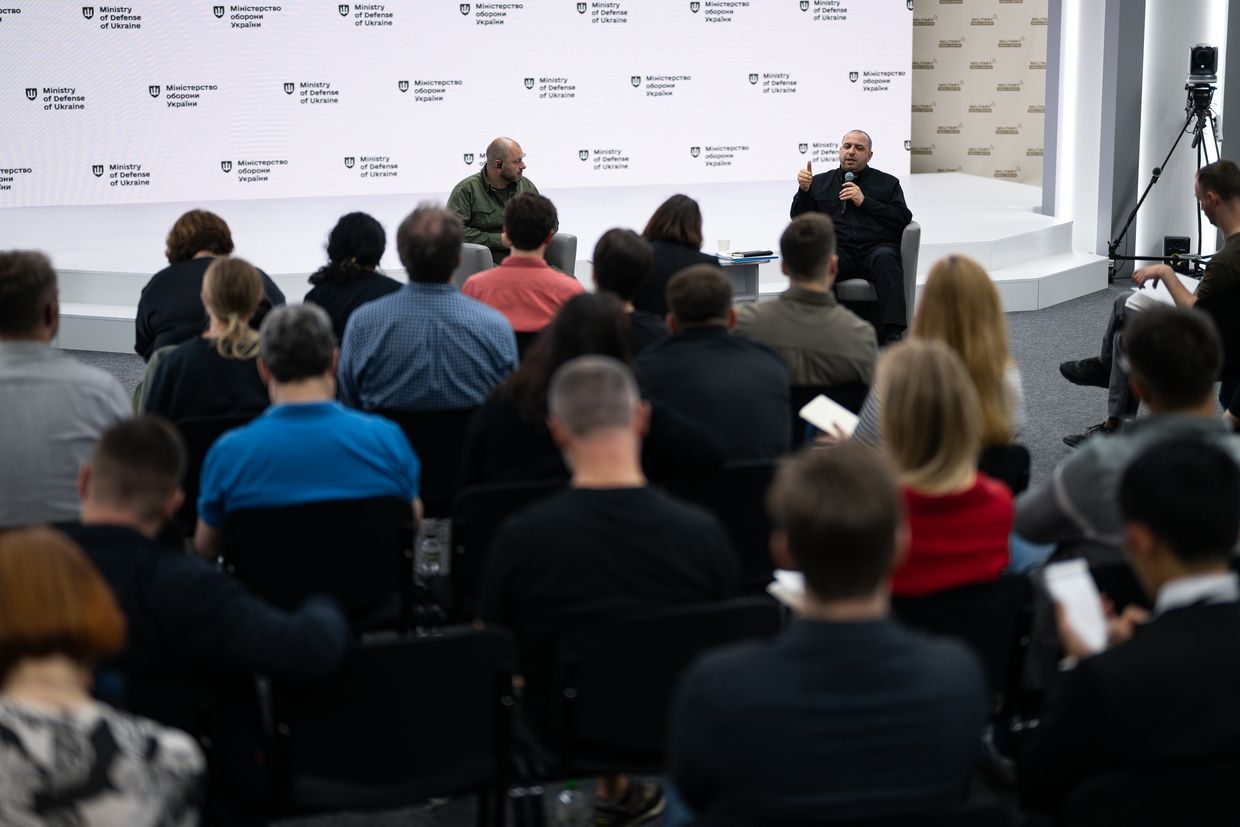
Ukraine's one-year military contract for volunteers aged 18 to 24 is proving effective on the battlefield, Defense Minister Rustem Umerov said at a June 26 press briefing, citing fresh reports from commanders across the front line.

Umerov said units made up of young contract soldiers had shown "resilience, professionalism, and confident actions in combat," challenging early skepticism about the new recruitment model.

"We saw them on the battlefield — and it's truly motivating."

The contract, launched in February, offers substantial benefits to young volunteers. It includes basic general military training, vocational training, and an adaptation course in an army unit. Volunteers will receive a one-time monetary aid payment of Hr 1 million ($24,000) and a monthly allowance of up to Hr 120,000 ($3,000).

The campaign initially faced backlash from some front-line troops and activists, who argued it created unfair disparities in pay and support. Now, the initiative is being credited with improving performance in specific units, Umerov said, citing internal military assessments received by the ministry two weeks ago.

Umerov, however, hasn't shared the number of soldiers recruited through the campaign.

The campaign is under constant evaluation based on financial, personnel, and training metrics. Umerov said the Defense Ministry is working to enhance the motivational package further, using data and feedback from participants and focus groups.

Despite pressure from international partners, particularly the United States, to lower Ukraine’s mobilization age from 25 to 18, service for those aged 18–24 remains voluntary. President Volodymyr Zelensky has consistently rejected compulsory mobilization starting at 18, warning that it could damage Ukraine's long-term future.

In a recent interview, Zelensky said Ukraine's Western allies have at times withheld new sanctions on Russia over Kyiv's refusal to lower the draft age. He stressed that the "weapons and technology," rather than raw manpower, were more decisive on the battlefield.

Ukraine faces personnel challenges as Russian forces continue to press along the front line. While a mobilization reform law lowered the draft age from 27 to 25 in 2024, the pace of new enlistment has slowed, leaving infantry units understaffed.

"The younger generation is a powerful human resource that deserves support and development," Umerov said.

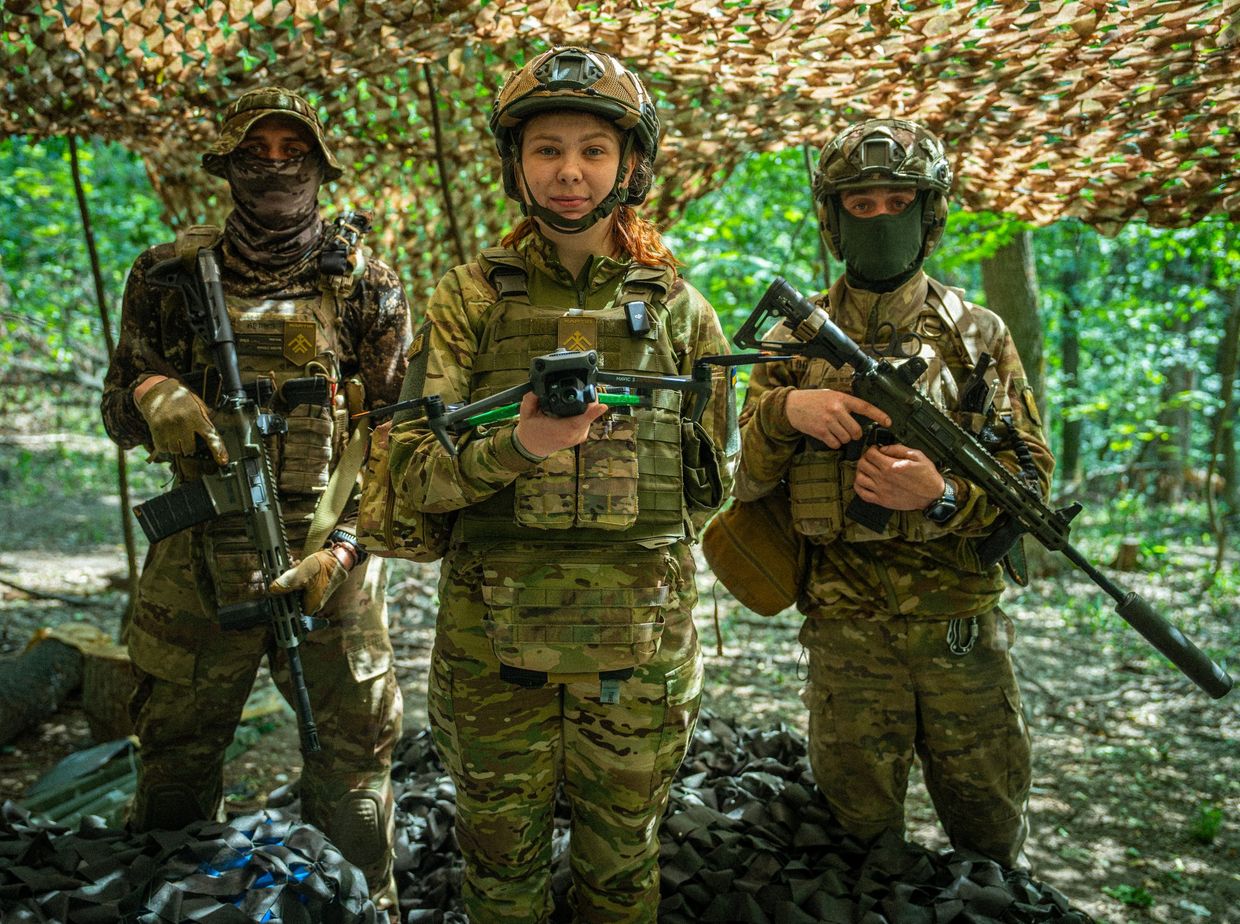
Facing manpower shortage, Ukrainian brigade turns to women in first-ever female recruitment drive
Editor’s note: This article originated as a winning story idea in a vote by members of the Kyiv Independent’s community. Join our community today and join our exclusive members-only Discord channel, where you can discuss and suggest stories, ask our journalists questions, and more. “Her strength is her
'Resilience and confident actions' — Umerov praises Ukraine's new 18-24-year-old recruitsThe Kyiv IndependentNatalia Yermak
'Resilience and confident actions' — Umerov praises Ukraine's new 18-24-year-old recruits
  •  

Over 20,000 Russian soldiers prosecuted for refusing to fight in Ukraine, media reports

Over 20,000 Russian soldiers prosecuted for refusing to fight in Ukraine, media reports

More than 20,000 Russian soldiers have been prosecuted for refusing to fight in Ukraine, a Russian independent media outlet Mediazona reported on June 26, citing online data from military courts.

As of late May, Mediazona had documented 20,538 such cases since September 2022 (when the Kremlin announced a first wave of partial mobilization) compared to 10,025 cases reported as of June 2024.

Of these, 18,159 were cases of soldiers going AWOL, 1,369 cases of failure to comply with an order, and 1,010 cases of desertion.

According to Mediazona, 17,721 of the accused have already been sentenced.

The Insider reported that Moscow uses a systematic program of "gulag-style" abuse directed at its soldiers in Ukraine in order to "maintain order" and punish perceived offenders.

Reports of Russian soldiers being abused by commanders and fellow troops have emerged since the full-scale war against Ukraine began.

Moscow has only intensified its war effort despite calls by Kyiv, the U.S., and European partners for an unconditional ceasefire as a first step toward a peace deal.

According to President Volodymyr Zelensky, Russia recruits around 40,000-45,000 men for its military every month.

Although Russia did go through phases of mobilization and has made great use of its prison population, most new recruits have for a while been volunteer contract soldiers, lured in by one-time signup bonuses often more than several years' average salary in poorer regions of Russia.

In late 2024, Russian President Vladimir Putin signed a decree to increase the size of Russia's Armed Forces to about 2.4 million, including 1.5 million military personnel.

’50,000 Russian troops pinned down’ — Ukraine halts advance in Sumy Oblast, summer offensive ‘faltering,’ Syrskyi says
“This year’s wave of the enemy’s ‘summer offensive’ from Russian territory is faltering,” Commander-in-Chief Oleksandr Syrskyi said.
Over 20,000 Russian soldiers prosecuted for refusing to fight in Ukraine, media reportsThe Kyiv IndependentTim Zadorozhnyy
Over 20,000 Russian soldiers prosecuted for refusing to fight in Ukraine, media reports
  •  

Over 450 draft officers, staff transferred in response to reported abuses, Ukraine's military chief says

Over 450 draft officers, staff transferred in response to reported abuses, Ukraine's military chief says

The Ukrainian military leadership aims to overhaul the draft office system amid numerous reports of abuses since the start of Russia's invasion in 2022, Commander-in-Chief Oleksandr Syrskyi told journalists on June 21.

To "clean up the system", 136 officers and 325 other service members from the draft offices involved in misconduct were transferred to other positions in the army, Syrskyi said at a briefing attended by the Kyiv Independent.

Mobilization of men through the draft offices remains the main source of manpower for the Ukrainian army which defends against Russia's much more numerous forces in a war of attrition, Syrskyi added.

Draft offices are often accused, at times justly, of forced conscription without compliance with fundamental civil rights and ill-treatment of conscripts in recruitment centers. These reports are used by Russian propaganda to help escalate social tensions in Ukraine and further damage Ukraine's recruitment efforts.

"Cases of forced detention of citizens (by the draft officers) are absolutely unacceptable," Syrskyi said during the briefing.

Ukrainian leadership expects the newly appointed commander of Ukraine's Ground Forces, Brigadier General Hennadii Shapovalov, to "overcome problematic issues," Syrskyi added.

Shapovalov's appointment on June 17 followed the resignation of Mykhailo Drapatyi earlier this month after a Russian missile strike killed at least 12 Ukrainian soldiers at a training ground in Dnipropetrovsk Oblast.

Inspections are underway in the draft centers to send draft officers without battlefield experience to the front, replacing them with soldiers wounded in battles, Syrskyi said.

Draft offices should fulfill their duties and "disallow these shameful cases that sometimes occur," according to Syrskyi.

"Corrupt officials and violators of the law in the mobilization process must be exposed. All necessary measures should be taken against such violators," Syrskyi added.

Ukraine is failing the mobilization test
Ukrainian society largely does not want to mobilize. Nearly 6 million Ukrainian men have not updated their information in military enlistment centers, and most of them likely don’t have grounds for a deferment or exemption. Forced mobilization of these men is categorically opposed by society. Rosy-cheeked aunts gather and shout
Over 450 draft officers, staff transferred in response to reported abuses, Ukraine's military chief saysThe Kyiv IndependentIllia Krotenko
Over 450 draft officers, staff transferred in response to reported abuses, Ukraine's military chief says
  •  

Kremlin hardliners 'in shock' after Operation Spiderweb, tell Putin to declare all-out war in Ukraine, Telegraph reports

Kremlin hardliners 'in shock' after Operation Spiderweb, tell Putin to declare all-out war in Ukraine, Telegraph reports

Russian President Vladimir Putin is facing renewed pressure from hardliners to formally declare war on Ukraine, with critics inside the Kremlin warning what he calls his "special military operation" no longer goes far enough.

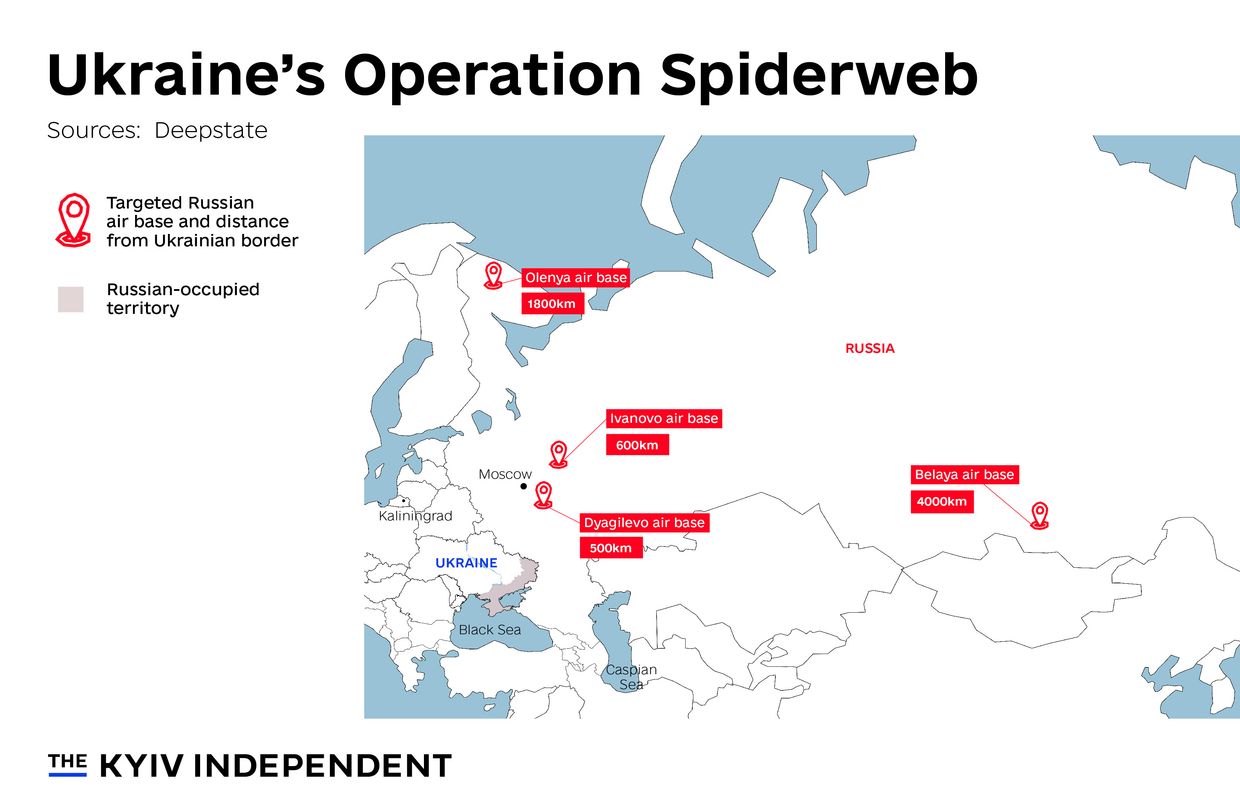
Anger intensified following Ukraine’s June 1 drone strike, dubbed Operation Spiderweb, which targeted four Russian air bases deep inside the country and reportedly damaged at least 20 Russian nuclear bombers. "Shock and outrage" is how one senior official described to the Telegraph the mood in the Kremlin, while another called the attack "a personal tragedy."

Kremlin hardliners 'in shock' after Operation Spiderweb, tell Putin to declare all-out war in Ukraine, Telegraph reports

Russia has apparently redeployed dozens of long-range bombers to more remote bases within the country following the strike, Russian independent media outlet Agentstvo reported on June 11, citing OSINT analyst AviVector.

Despite the escalation, the Kremlin has so far avoided any dramatic shift in strategy. "This did not catalyse a political discussion or a change in the format of military operations," a former Kremlin official told the Telegraph. Another source close to the Russian Defense Ministry said, "Could the president declare war on Kyiv? Right now, unlikely. As cynical as it may sound, the leadership is satisfied with the current situation."

Hardliners argue that only a formal war declaration would permit true escalation—full-scale mobilization, regular missile strikes, and potentially the use of tactical nuclear weapons. One analyst told the Telegraph that a formal war declaration would give the Russian government sweeping authority to shift the country fully onto a wartime footing.

However, despite record levels of defense spending, the Kremlin has avoided taking that step—seeking instead to preserve the illusion of control and protect the broader population from the immediate impact of the war.

The Kremlin is projected to allocate 6.3 percent of its GDP to defense this year — the highest level since the Cold War — yet still far below what would typically indicate a country fully mobilized for war. By contrast, Ukraine spent 34 percent of its GDP on defense last year, while British military spending surpassed 50 percent of GDP during the Second World War.

"Mobilization undermines economic stability," said one current government employee. According to him, those in Putin’s inner circle have convinced the president that large-scale mobilization could trigger the collapse of the war effort. "And why is it needed now? We have Kalibr missiles, we have volunteers. Their resources are not yet exhausted," he was quoted as saying.

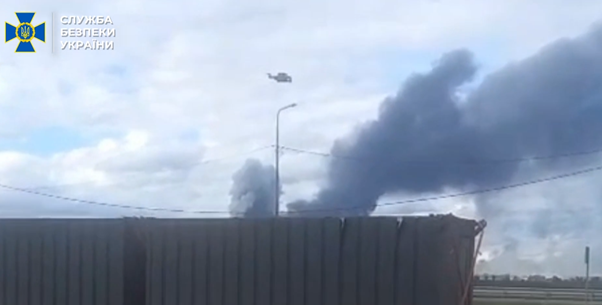
Ukraine’s SBU releases fresh video of Operation Spiderweb, teases ‘new surprises’
“The SBU is hitting and will hit (Russia) where it considers itself unreachable!” SBU chief Vasyl Maliuk said. “We are working on new surprises, no less painful than the Operation Spiderweb.”
Kremlin hardliners 'in shock' after Operation Spiderweb, tell Putin to declare all-out war in Ukraine, Telegraph reportsThe Kyiv IndependentMartin Fornusek
Kremlin hardliners 'in shock' after Operation Spiderweb, tell Putin to declare all-out war in Ukraine, Telegraph reports
  •  
❌