Vue lecture

Ukraine sinks Russian ship and hits three refineries processing millions of tons a year, same night
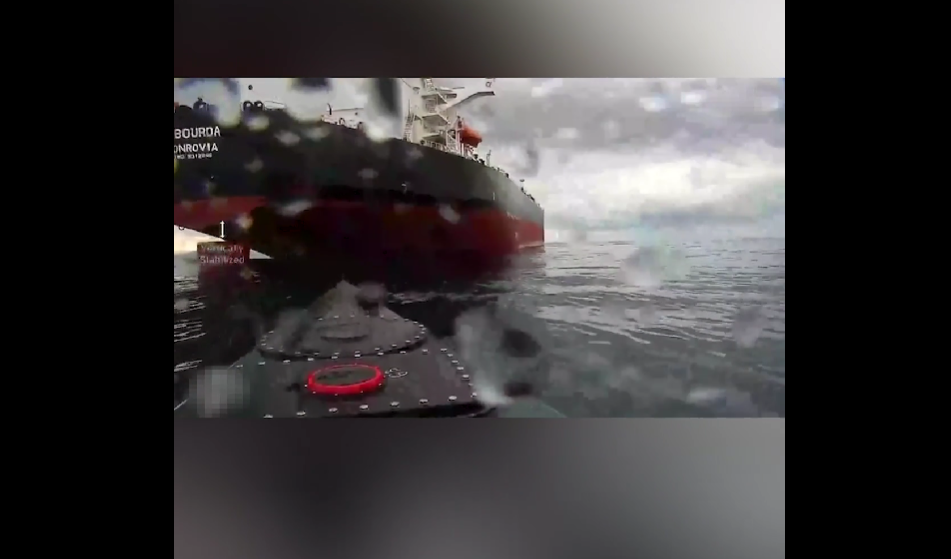
Ukrainian weapon is approaching Russia's sanctioned Russian container ship Yanina. Source: Supernova+

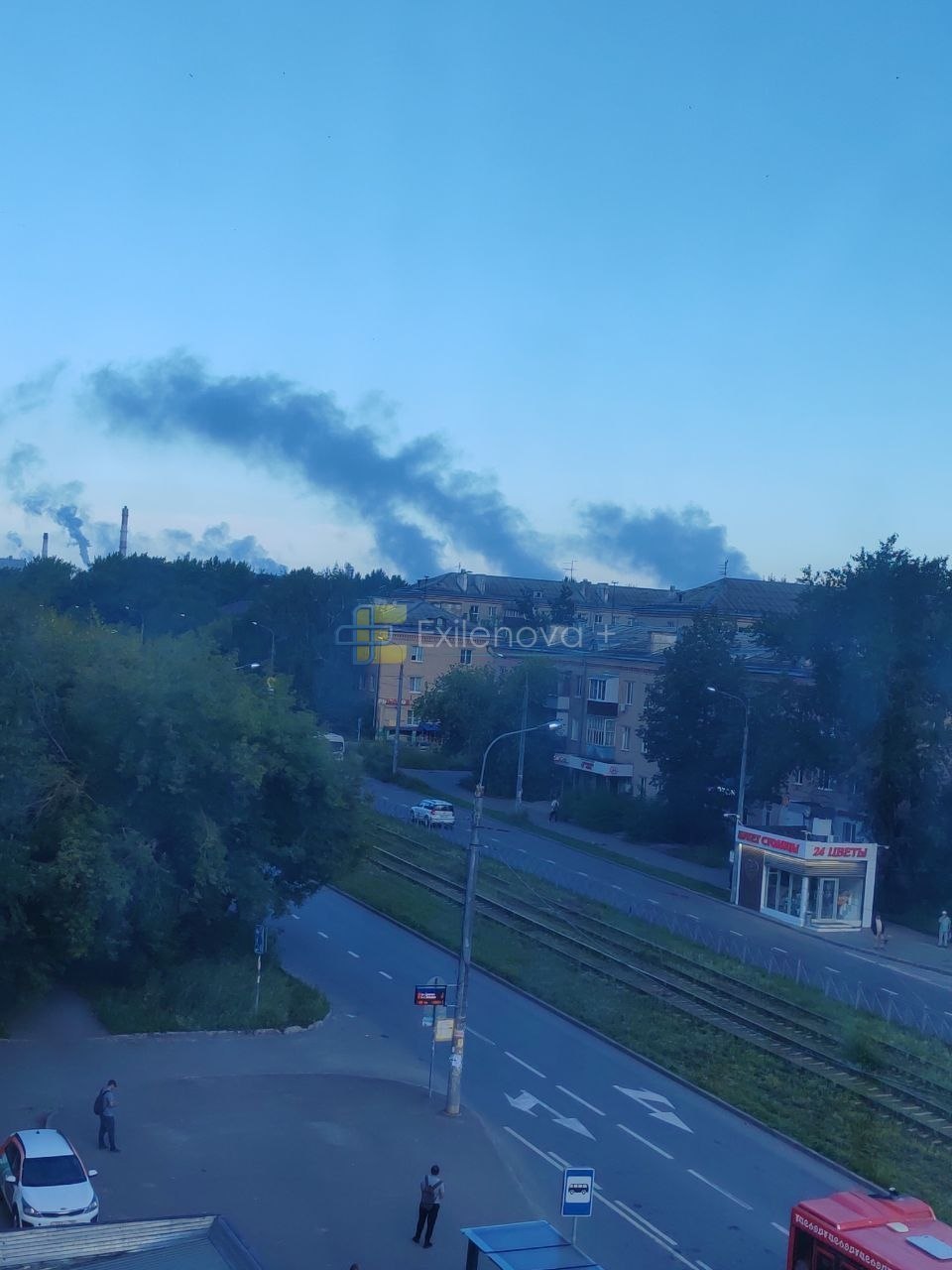
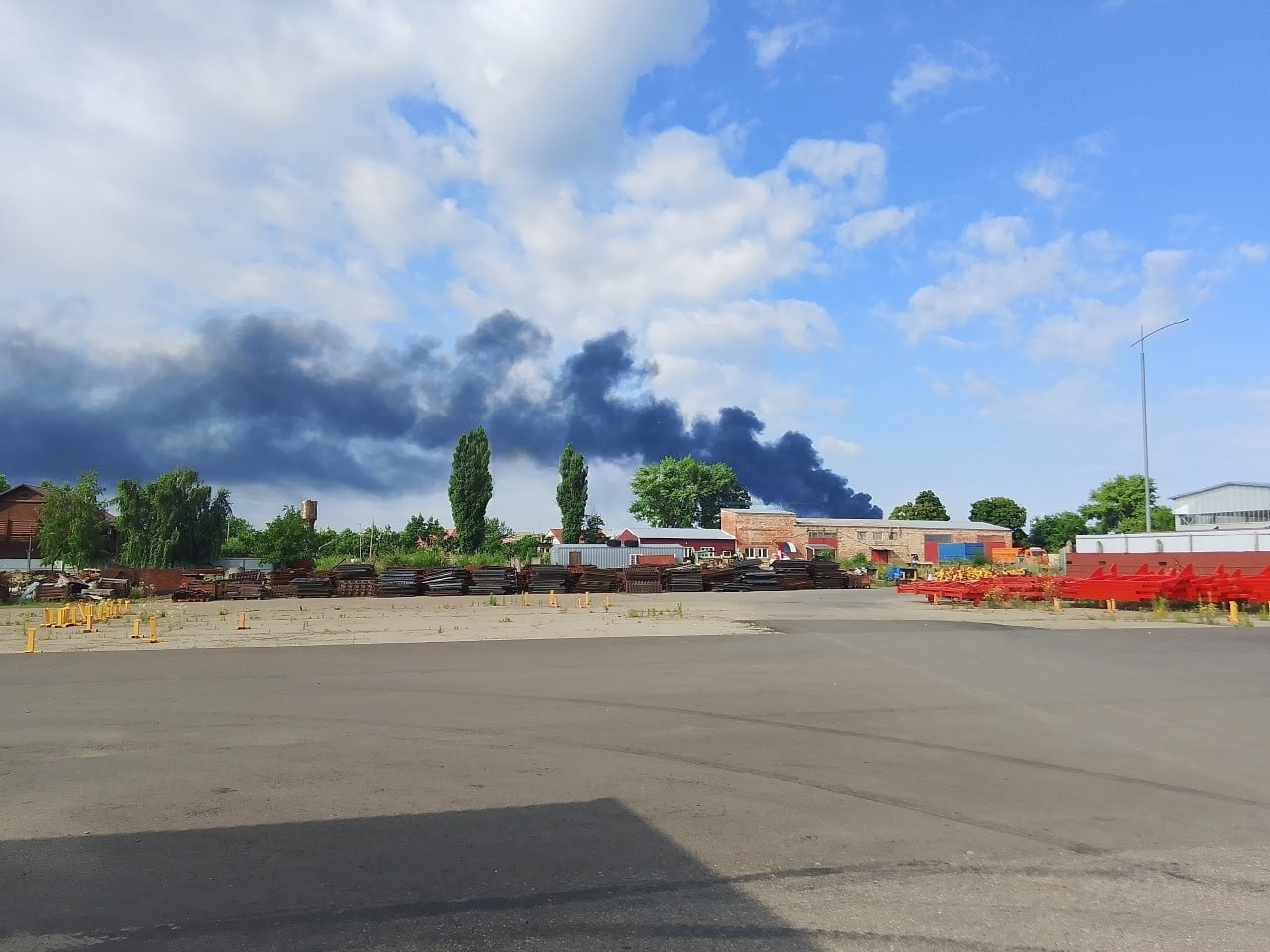
Ukraine sank a Russian ship and set three refineries on fire deep inside Russia. Ukrainian midstrikes hit targets in the Black and Azov seas, sinking the sanctioned Russian container ship Yanina, and struck the refineries in Bashkortostan nearly 1,600 kilometers away, President of Ukraine Volodymyr Zelenskyy said on 1 August.

Yanina is a Russian-flagged container ship with a capacity of more than 100,000 tons, which, "thanks to the accuracy of our Defense Forces, went to the bottom," Zelenskyy stated. The three Russian oil refineries process millions of tons of oil per year.

"We continue our just pressure. The plan of long-range sanctions is being carried out step by step," he said, framing the strikes as the deliberate targeting of the objects that sustain Russia's war.

The strikes answer the Kyiv barrage in kind

Zelenskyy tied the counterstrikes directly to attacks on Ukraine, such as the Kyiv ballistic strike hours earlier, casting them as returning the war to Russia. Ukraine's soldiers "return the war to Russia and respond to its strikes against life," he said, thanking them for their accuracy, and describing Ukraine's targets as consistently defined objects that enable the war.

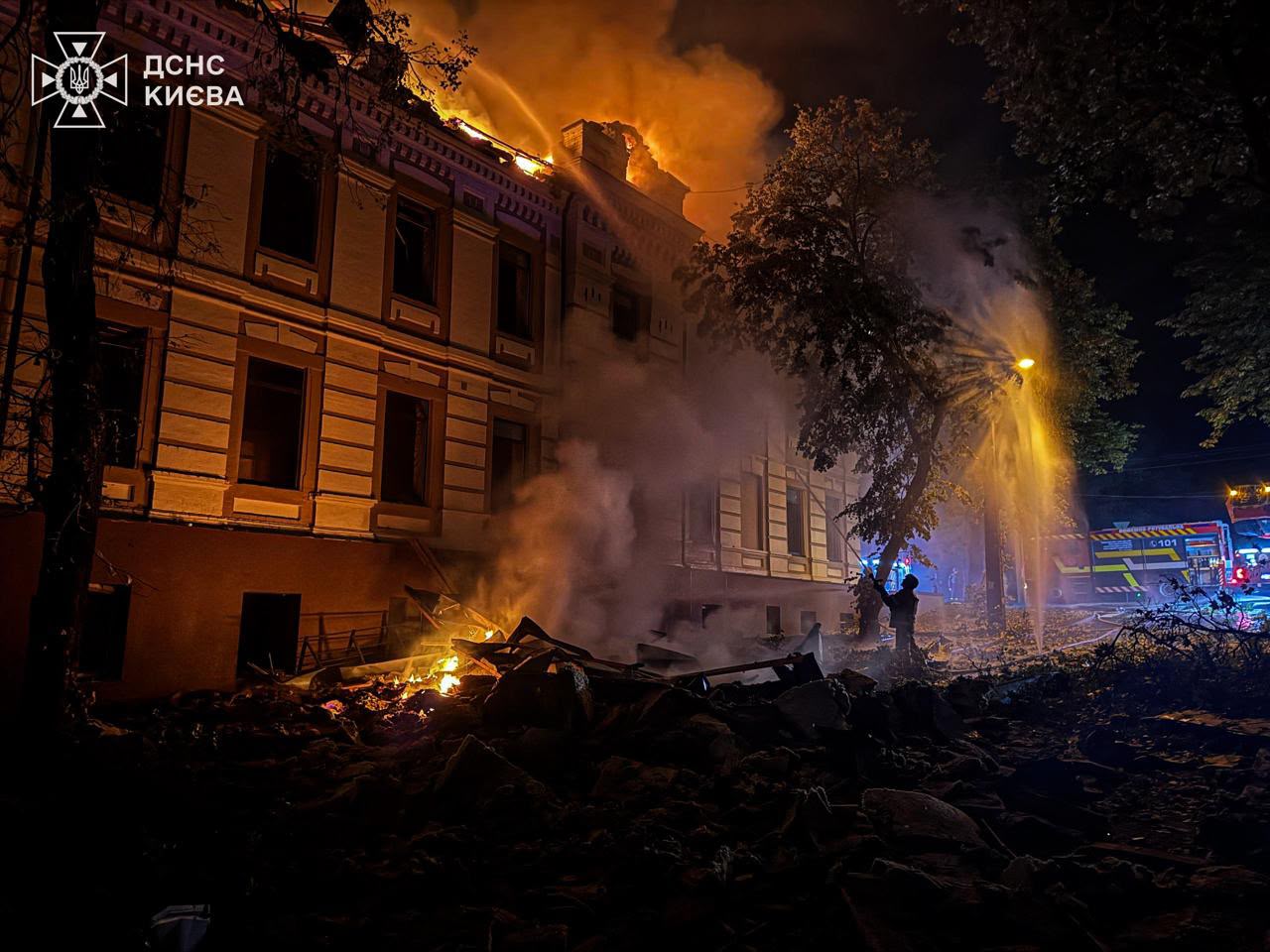
The same day, Russia's overnight barrage of 27 ballistic missiles and 185 drones killed at least nine people in Kyiv's residential districts, damaged an embassy, and burned ambulances.

Ukraine's strikes the same night sank a cargo ship and hit oil refineries, infrastructure that fuels the Russian military rather than apartment blocks. That distinction between striking civilians and striking war-enabling infrastructure is the line Ukraine draws through its whole deep-strike campaign, and Zelenskyy drew it again here, calling the refineries and the ship "objects that ensure the war."

The refinery campaign has idled nearly half of Russia's capacity

The Bashkortostan strikes extend a campaign that has become near-nightly and is measurably hurting Russia's oil industry. Ukraine's deep-strike units have spent 2026 hitting refineries, pipelines, and depots that turn Russian crude into fuel and cash. Bashkortostan, a refining hub roughly 1,300 to 1,600 kilometers from Ukraine, has been struck repeatedly, including Transneft-Ural pipeline nodes on 8 and 23 July.

The cumulative damage is substantial. The campaign has idled 42.74% of Russian refining capacity and cost the industry $13.5 billion since August 2025, by the General Staff's count, and Zelenskyy has said 40% of Russia's refining capability has been taken out of commission, with fuel rationing now spread across most Russian regions.

Reaching three refineries in Bashkortostan in a single night, nearly 1,600 kilometers from Ukraine, shows the range and tempo the campaign has built, striking the deep rear that Russia long treated as safe.

  •  

The drones hit Volgograd, then kept flying 1,100 km to Tatarstan

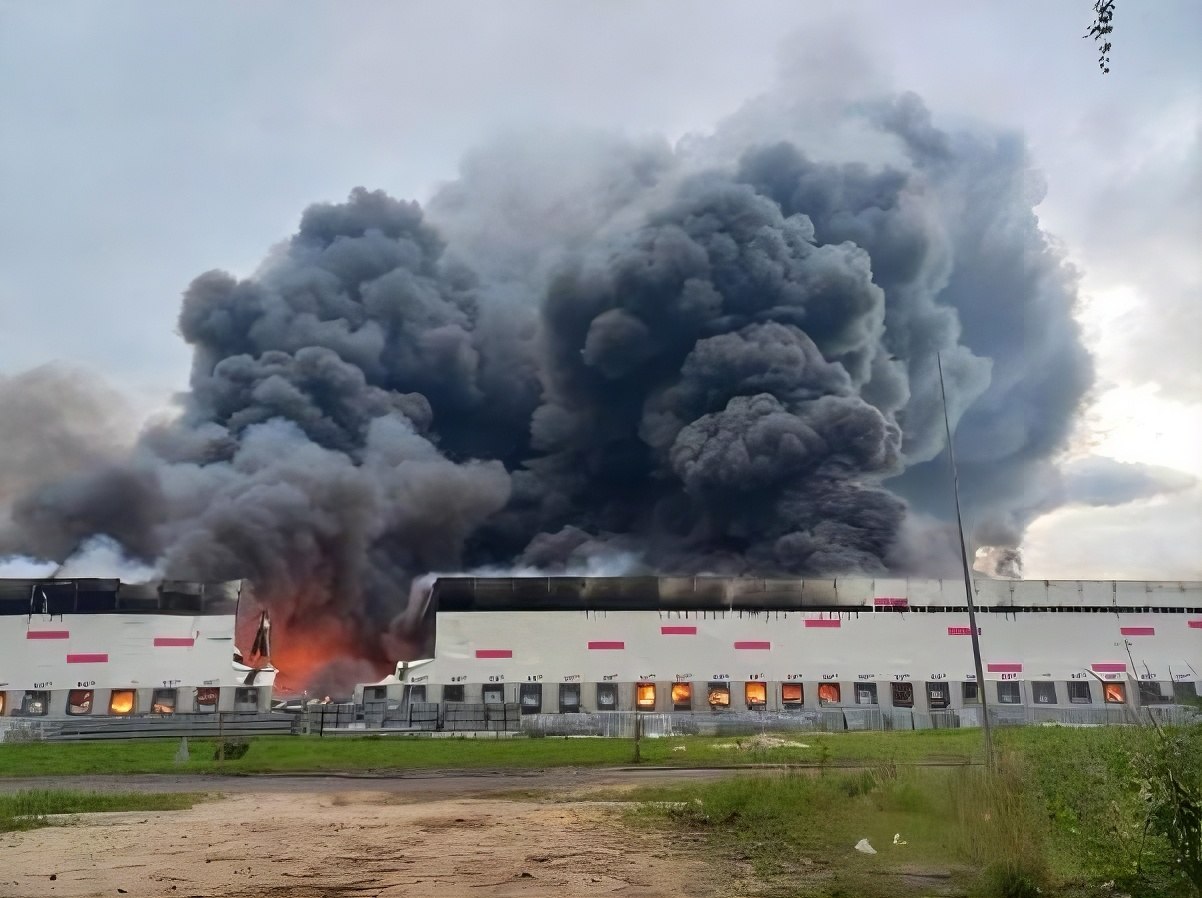
drones hit volgograd kept flying 1100 km tatarstan · post large fire sends up black smoke over russia after ukrainian drone strike wildberries logistics center 31 2026 x/@bayraktar_1love bayraktar_1love hoivgso

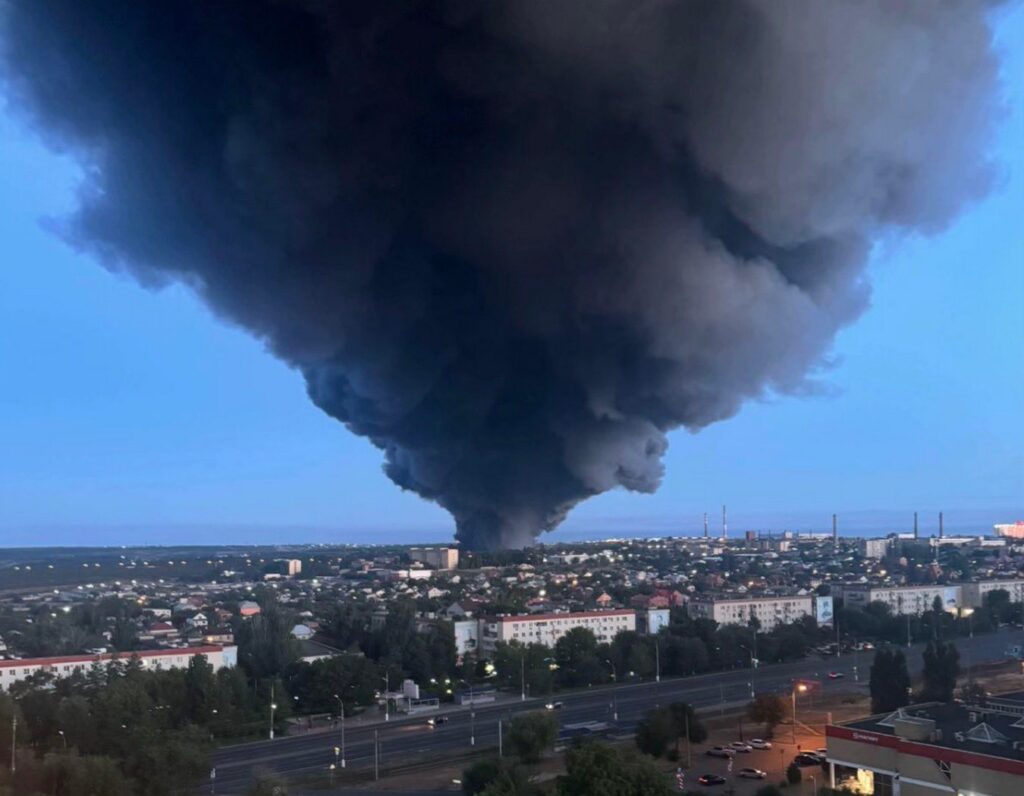
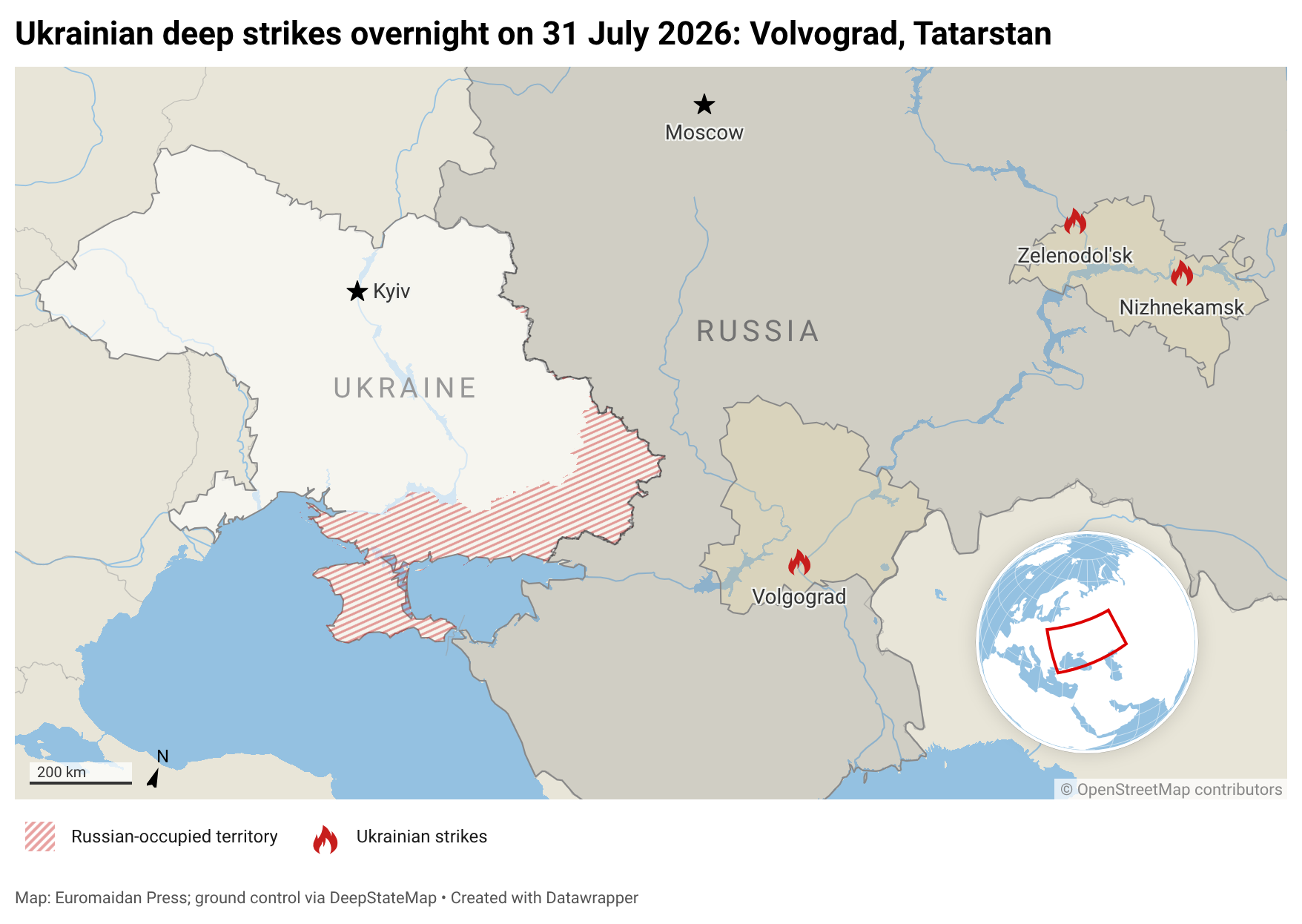
Ukrainian drones struck deep inside Russia overnight into 31 July, lighting fires at a major refinery and a warehouse hub in Volgograd and reaching more than 1,100 km east into Tatarstan by morning, Russian officials and monitoring channels reported. The retailer and the local governor both acknowledged the blazes. The wave extended Ukraine's twin campaigns against Russian fuel and commercial logistics.

Oil and fuel exports remain Moscow's largest source of war funding, and Kyiv's deep-strike drones keep eating into the refining capacity that keeps that money flowing. Fire trucks and shuttered plants have become a recurring picture from the near rear to a thousand kilometers deep in Russia's interior.

Volgograd: a refinery and a Wildberries hub ablaze

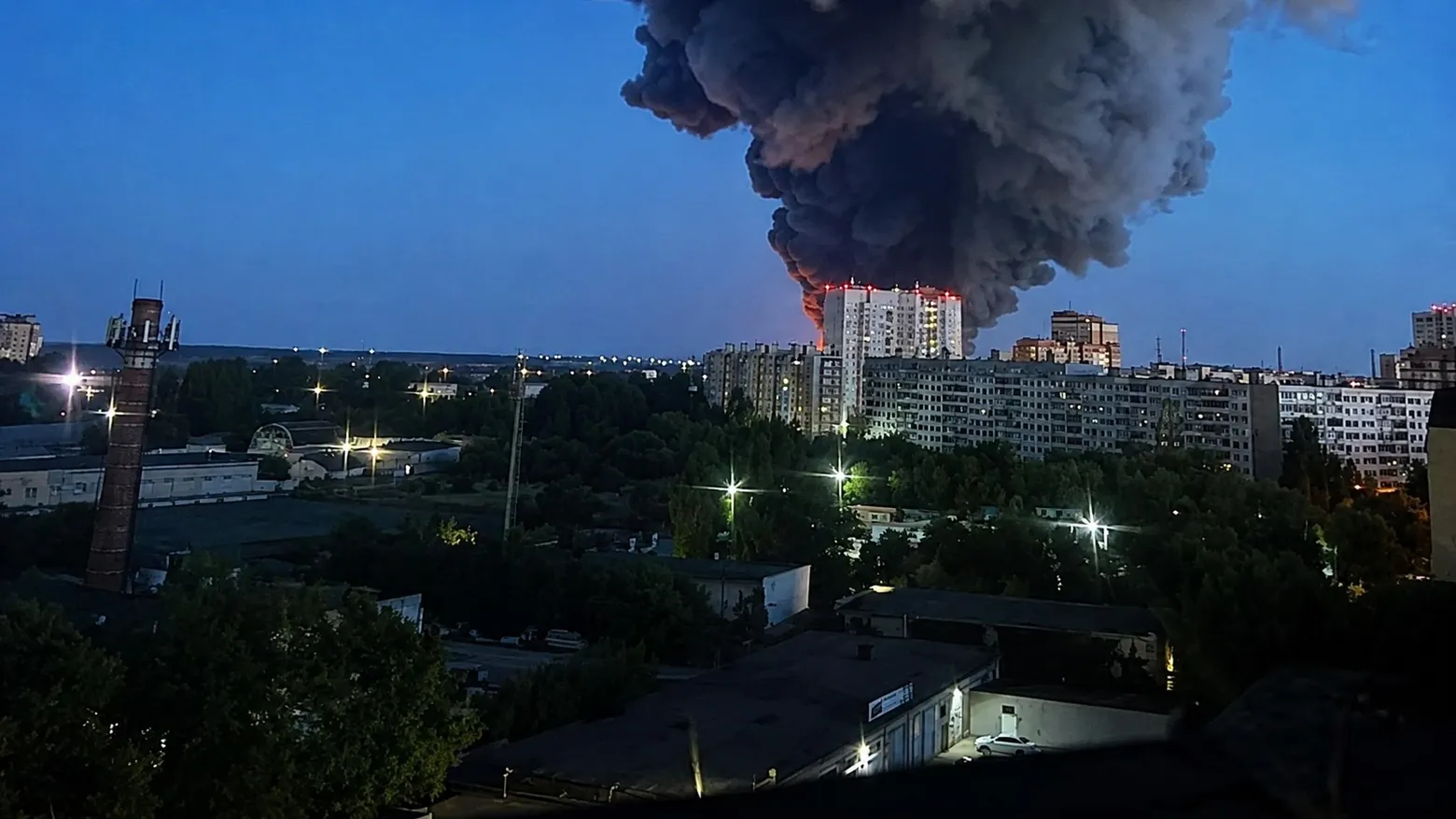
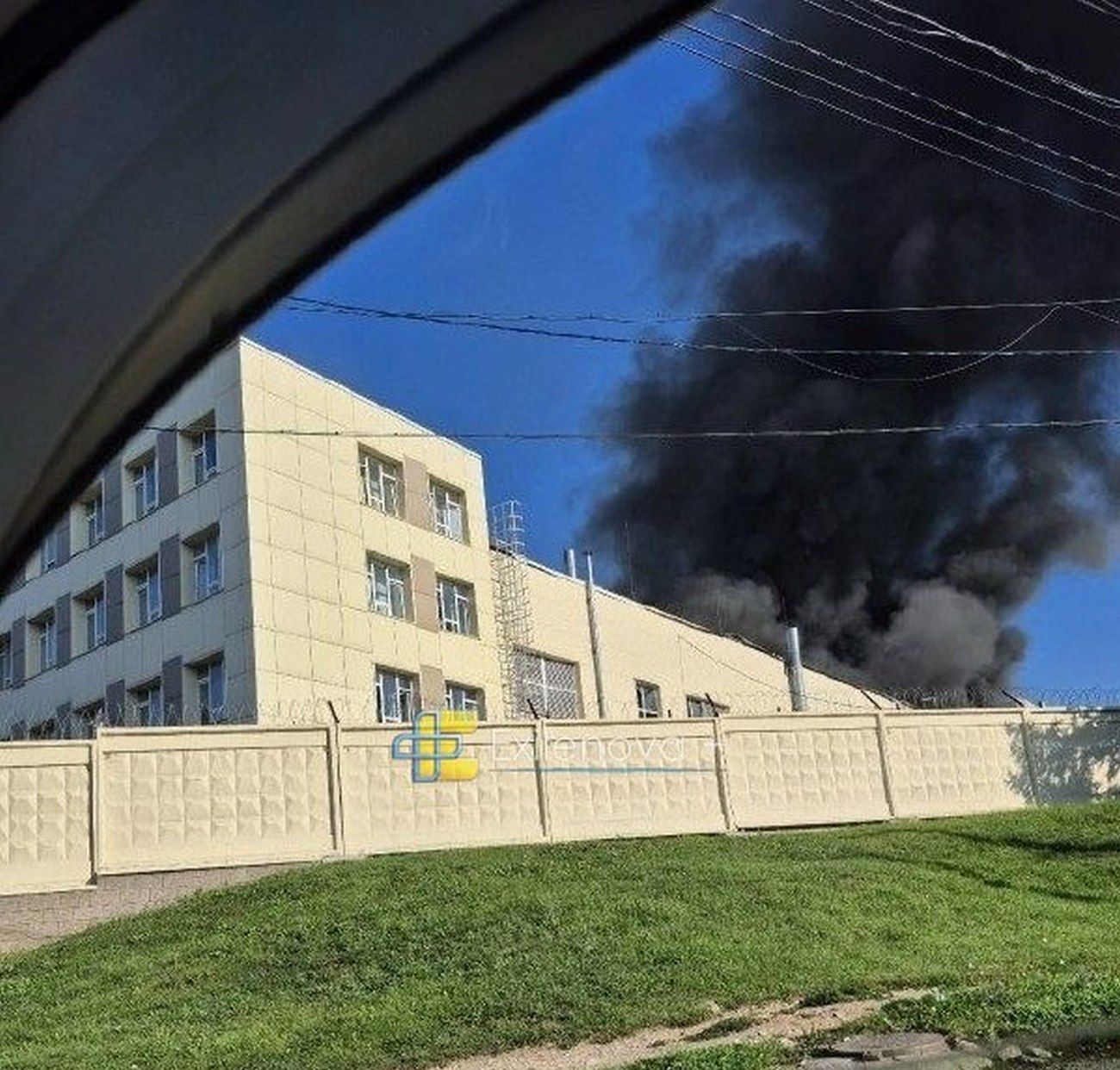
The Ukrainian monitoring Telegram channel Exilenova+ began reporting explosions in Volgograd around 02:30, then shared photos and videos of dense smoke. It identified two targets: a Wildberries logistics complex and Lukoil's Volgograd refinery, and by 03:46 counted at least two sites struck. The Russian news Telegram channel Astra reached the same conclusion through open-source analysis of eyewitness footage.

Volgograd Oblast Governor Andrei Bocharov confirmed the drone strikes. He said fires broke out overnight at a fuel-and-energy enterprise in the south of the city and at warehouses in the Dzerzhinsky district, and five people were allegedly hospitalized.

Ukraine sets another Wildberries warehouse ablaze in Volgograd

Ukrainian drones struck at least two warehouses of Wildberries — Russia's biggest online retailer, its answer to Amazon — overnight on 31 July, hitting sites in Volgograd and Zelenodolsk in Tatarstan.

A fire broke… pic.twitter.com/p9m037ByJs

— Euromaidan Press (@EuromaidanPress) July 31, 2026

Wildberries confirmed a fire at its logistics center after the strike. The hub spans more than 48,000 m² and serves Volgograd, Astrakhan, and neighboring regions, and it was still burning hours later.

drones hit volgograd kept flying 1100 km tatarstan · post smoke rises over russia after ukrainian drone strike 31 2026 exilenova+ ukraine news reports
Smoke rises over Volgograd, Russia, after a Ukrainian drone strike, 31 July 2026. Photo: Exilenova+

The refinery is Lukoil's Volgograd plant, the largest fuel producer in Russia's Southern Federal District, with a design capacity of about 15.7 million tons of crude a year. It makes diesel and aviation fuel that supply Russian forces in Ukraine's south, and it sits about 500 km from the front line. Ukraine had already struck it at the end of May, and it was ablaze again by morning.

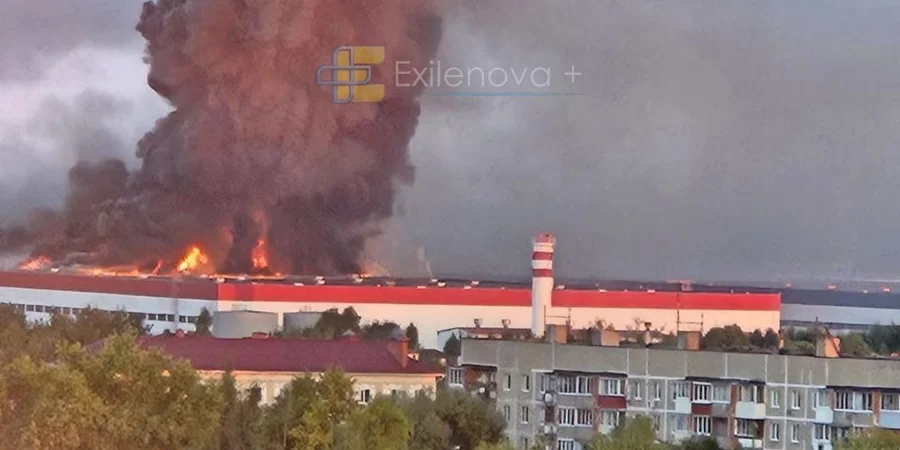
drones hit volgograd kept flying 1100 km tatarstan · post large fire black smoke over russia after ukrainian drone strike wildberries logistics center 31 2026 exilenova+ ukraine news reports
A large fire and black smoke over Volgograd, Russia, after a Ukrainian drone strike on a Wildberries logistics center, 31 July 2026. Photo: Exilenova+

Tatarstan: smoke over Zelenodolsk, explosions in Nizhnekamsk

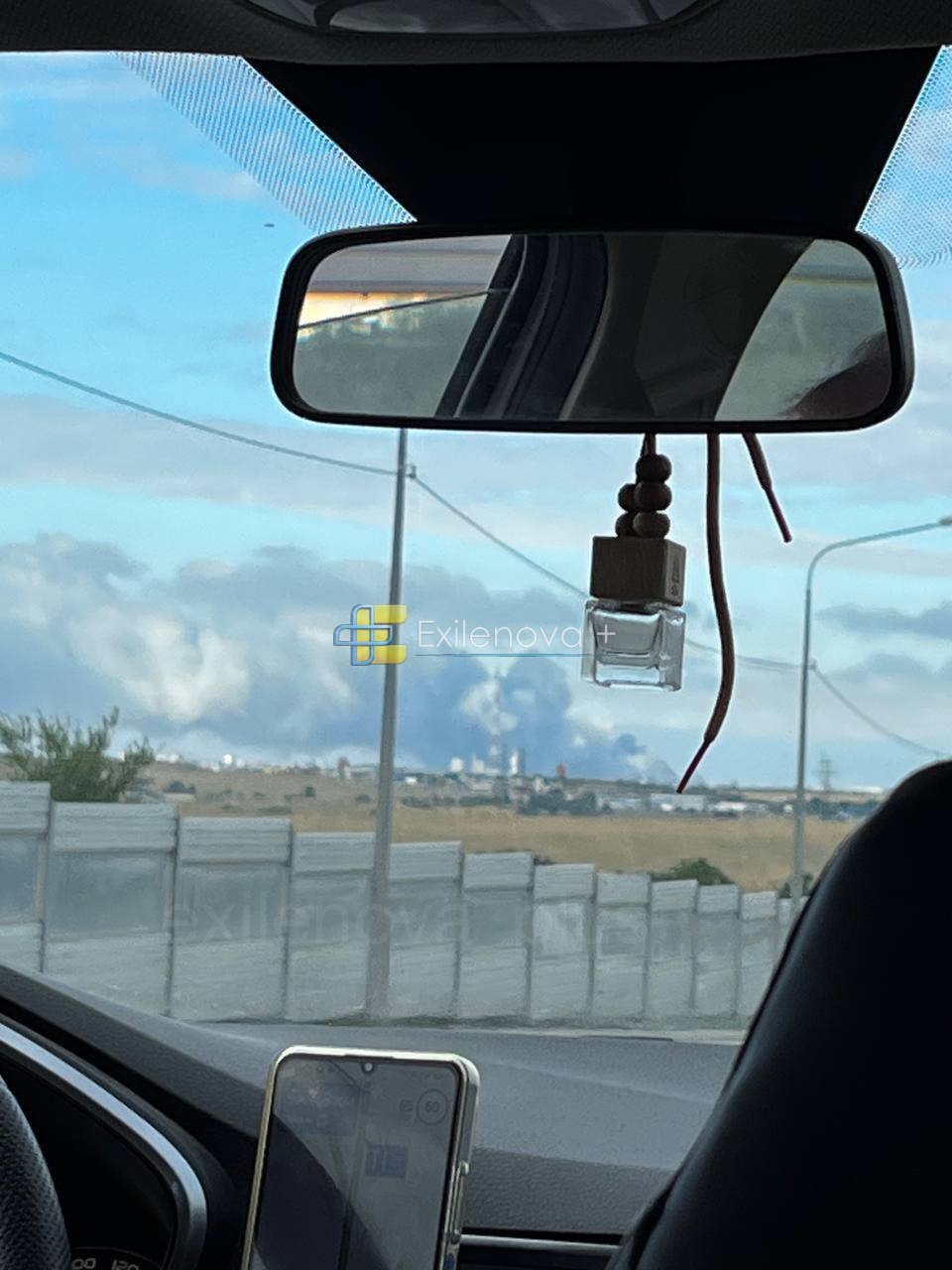
By morning, residents near Kazan reported explosions across Tatarstan. Astra's analysis pointed to a second Wildberries complex in Zelenodolsk, with smoke seen over the building, and Exilenova+ placed the strike there too, though no official confirmation of a hit followed. One of the shared videos showed a near miss, with a drone striking the ground next to the warehouse. 

drones hit volgograd kept flying 1100 km tatarstan · post smoke rises over kazan russia's after ukrainian drone attack 31 2026 fire exilenova+ ukraine news reports
Smoke rises over Kazan, Russia's Tatarstan, after a Ukrainian drone attack, 31 July 2026. Photo: Exilenova+

Zelenodolsk district head Mikhail Afanasyev claimed a drone was repelled with no destruction, and Wildberries said that the warehouse was operating normally. Drones had already targeted it on 23 July.

ukraine's defense forces sent fp-1 drones ryazan—a refinery warehouse burned · post fire wildberries logistics center ryazan russia 29 2026 пожежа на логістичному центрі рязань рф липня фото exilenova+ ukraine
Explore further

Ukraine’s Defense Forces sent FP-1 drones to Ryazan—a refinery and a warehouse burned

In Nizhnekamsk, locals described over 30 explosions and a flare burning intensely at a refinery, though whether a strike caused it stayed unclear. Exilenova+ said a local refinery cut pressure amid the raid. The city's main oil-processing plants, TANECO and TAIF-NK, sit in one industrial zone. Mayor Radmir Belyaev claimed drones were downed with no damage. Airports in Kazan, Nizhnekamsk, and Bugulma temporarily halted flights.

A campaign against warehouses and refineries

The drive against Wildberries opened on 18 July and has hit at least 18 distribution centers in two weeks, knocking out more than 15% of the retailer's storage, one tally found. Ukraine has kept Wildberries under sanctions since 2021 and lists it as a retailer that also moves military gear.

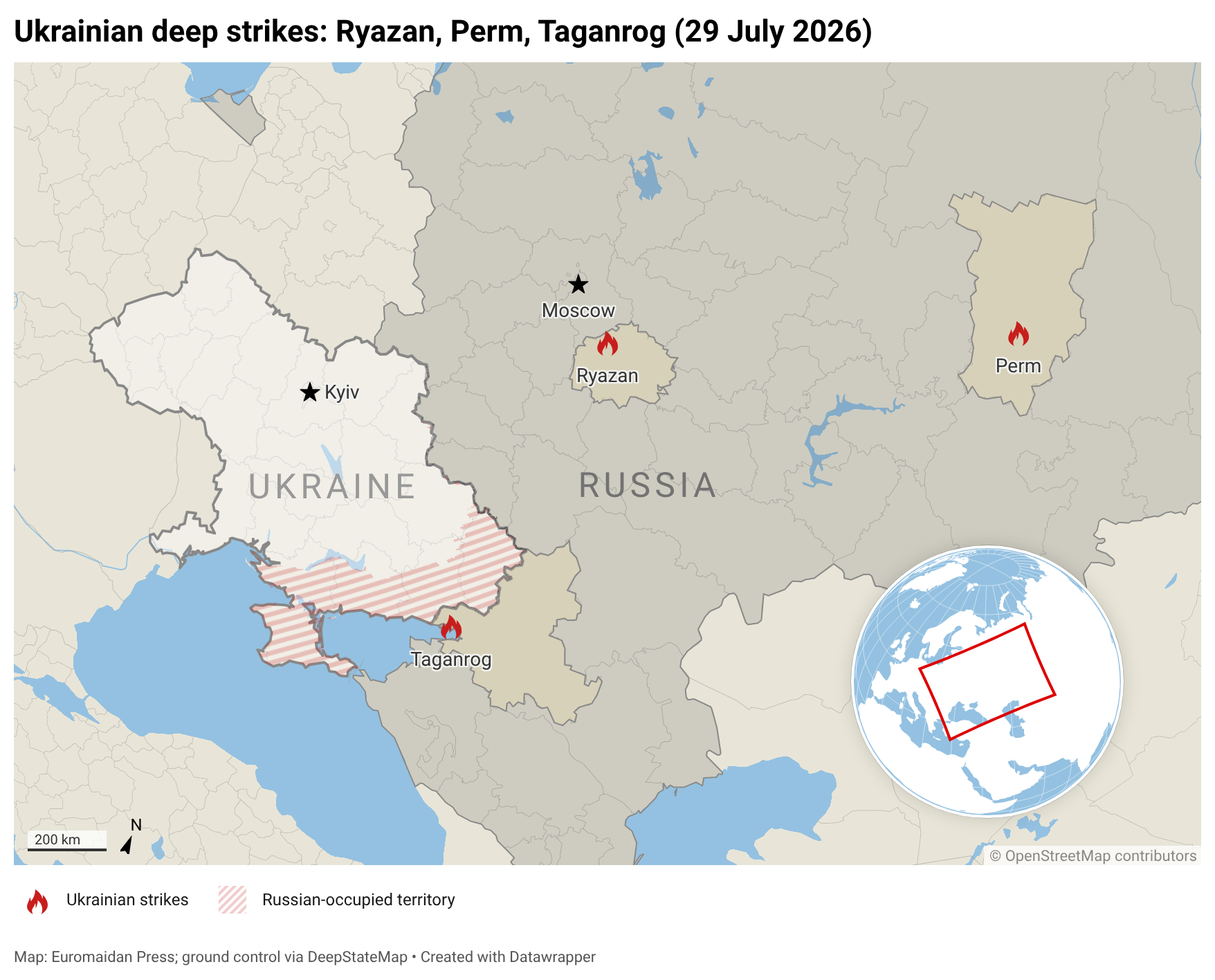
The refinery strikes run in parallel and stretch back to last August. On 29 July, drones hit a Lukoil refinery in Perm, which halted about a third of its capacity per Reuters sources, and Rosneft's Ryazan plant. Of 26 refineries knocked out in recent months, Russia had returned only eight to full work by late July, the Financial Times reported.

  •  

Ukraine’s Defense Forces sent FP-1 drones to Ryazan—a refinery and a warehouse burned

ukraine's defense forces sent fp-1 drones ryazan—a refinery warehouse burned · post fire wildberries logistics center ryazan russia 29 2026 пожежа на логістичному центрі рязань рф липня фото exilenova+ ukraine

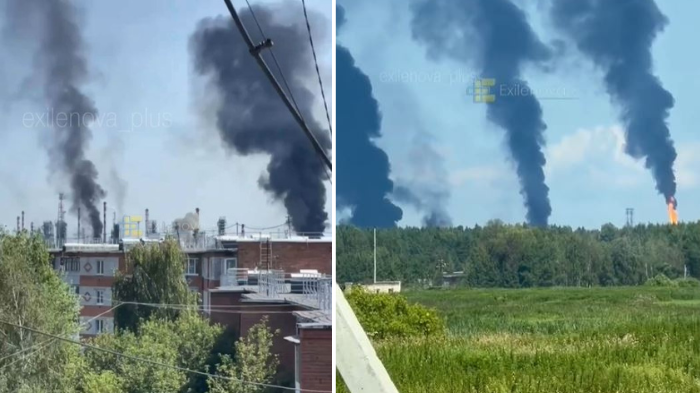
Ukrainian drones hit two sites in the Russian city of Ryazan on the morning of 29 July, Ukrainian monitoring channel Exilenova+ reported, sharing footage of the drones and fires. An oil refinery and a warehouse of Russia's biggest online marketplace both caught fire, and the retailer closed the site and moved its people out. Ukrainian forces also struck the southern city of Taganrog overnight, and another refinery fire surfaced hours later in the Urals.

Ukraine's long-range drone campaign goes after the money that keeps the invasion running, squeezing the oil revenue that feeds Russia's federal budget and the commercial networks that turn Russian goods and fuel into cash far behind the front.

Drones over the city from before dawn

An air-raid alert went off in Ryazan at 04:30, and drones kept appearing over the city afterward. Ryazan lies about 460 km from Ukraine's border, southeast of Moscow. Eyewitness videos showed drones and the fires that started after the impacts. Open-source channels then narrowed the targets down to a marketplace sorting complex and the local refinery. Exilenova+ shared videos a large fire at the complex with thick smoke above it. 

Ukrainian drones set a Wildberries warehouse ablaze in Ryazan

Residents of Ryazan (about 460 km from Ukraine's border, southeast of Moscow) reported explosions early on 29 July, and videos showed thick black smoke over the industrial zone.

The marketplace evacuated staff, shut… pic.twitter.com/Grc9HEivOv

— Euromaidan Press (@EuromaidanPress) July 29, 2026

Governor Pavel Malkov confirmed the attack. His first message stated that a fire had broken out at one of the enterprises, without naming it. He wrote later that "as a result of falling UAV debris there is a fire in industrial areas." The same post repeated the ban on publishing photos and video of strike aftermath.

Russian news Telegram channel Astra confirmed the hit on the Wildberries logistics center. The complex stands in the Ryazansky industrial park near the village of Tyushevo, in Ryazan municipal district. Wildberries also lists the site as Ryazan: Tyushevskaya. Astra's open-source analysts placed the fire there after examining frames filmed by witnesses.

russia keeps hitting ukraine's couriers—so ukraine went after russia's amazon oil depot warehouses hit near moscow · post warehouse burns ukrainian drone strike oblast morning 20 2026 пожежа у московській
Explore further

Russia and Ukraine justify their strikes the same way. Only one justification holds up

Sources put the facility's area at about 74,800 m² and call the site one of the marketplace's largest logistics complexes in central Russia. Militarnyi noted Ukraine's Defense Forces flew FP-1 drones made by the company Fire Point.

Rosneft's plant took another hit

Exilenova+ also noted a blaze at Rosneft's Ryazan refinery, which paused crude processing in mid-May after an earlier drone attack. Reports of explosions on the grounds came first, and confirmation of a fire followed. The consequences were still being clarified. The plant belongs to Rosneft and ranks among Russia's largest oil-processing enterprises, with capacity near 17 million tons of crude a year. 

Taganrog and Perm

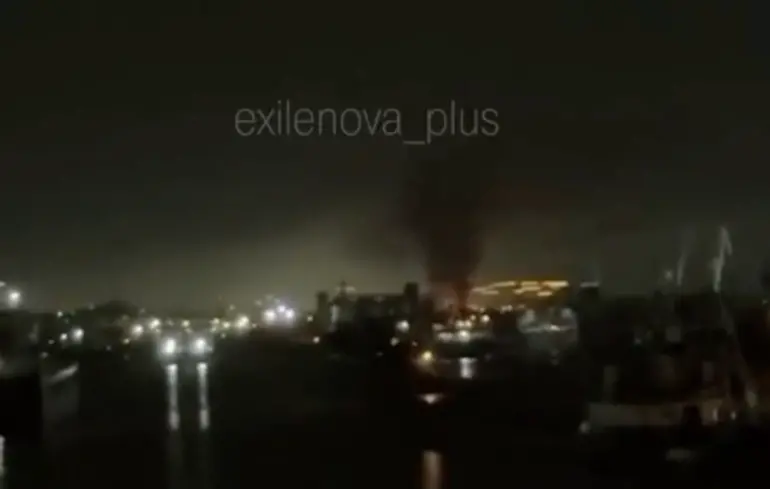
Ukrainian forces struck Taganrog in Rostov Oblast overnight, and residents there wrote about it on social media. Governor Yuri Slyusar claimed a missile strike. He stated that "as a result of missile debris falling on a residential apartment building, a woman was killed and a man was injured." 

At 10:00 that same morning, Exilenova+ posted about a fire in Perm, at the Lukoil-Permnefteorgsintez refinery more than 1,500 km from Ukraine, showing black smoke rising over the facility.

Fire erupts at Prmnefteorgsintez refinery 1,500 km from Ukraine

One of the oil processing units is reportedly on fire.

📹Exilenova+ pic.twitter.com/Fbas0VDM7e

— Euromaidan Press (@EuromaidanPress) July 29, 2026

Deep-strike campaign

Ukrainian forces have struck every large Russian refinery since the start of the year, and gasoline output in early July dropped to 65% of average summer consumption.

Strikes on Wildberries logistics centers began on 18 July. Drones have since burned warehouses in Moscow Oblast, Tambov Oblast, Krasnodar, Stavropol Krai, Leningrad Oblast, St. Petersburg, Voronezh, and occupied Crimea. On the morning of 20 July, FP-1s struck two logistics sites in Moscow Oblast, the Wildberries distribution center in the village of Koledino and the Yuzhnye Vrata logistics park near Domodedovo, and both went up in flames. Drones returned to the Koledino area on 28 July, where monitors judged that air-defense fire probably pushed the hit onto a third-party warehouse next door.

One reason drones keep coming for the marketplace is what its warehouses hold. It sells and stores goods for military use, among them helmets, body armor, and fiber-optic cable for drones. The company had built a section called "Everything for the SVO," the Kremlin's shorthand for its war against Ukraine, and removed it from the site and the app days ago.

  •  

A Siberian fuel plant 2,000 km from the war zone goes offline—drones struck it days ago

siberian oil plant 2000 km ukraine goes offline after drone assault · post smoke rises over tyumen refinery ukrainian strike 25 2026 news reports

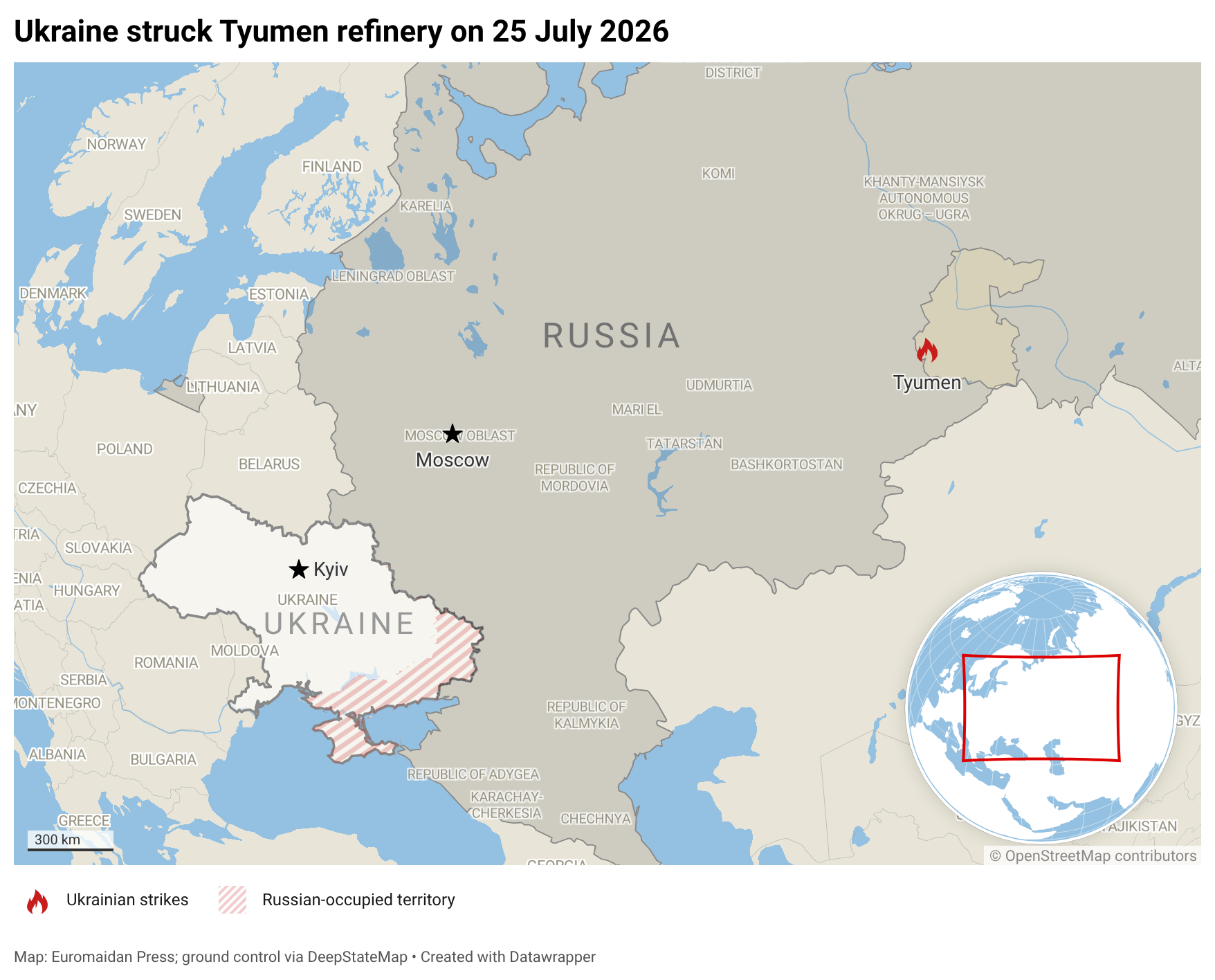
Russia's Tyumen oil refinery has fully halted crude processing and fuel output since a late-July Ukrainian drone strike, two industry sources told Reuters on 28 July. The plant sits more than 2,000 kilometers from Ukraine, deep in western Siberia. How long the damaged gasoline production will take to repair remains unclear.

Ukraine's drone campaign against Russian fuel plants and depots has pushed rationing from Russian border regions all the way into Siberia, turning gasoline supply and oil revenue into pressure points on Moscow's war economy. Every refinery knocked offline trims the fuel and cash that sustain Russia's invasion, and Kyiv often keeps returning to the same targets faster than Moscow can rebuild them.

The plant stopped making fuel

RI-Invest, which owns the Tyumen refinery, shut down crude processing and all product output on 25 July, when the Ukrainian drones hit the facility, according to the two sources in a Reuters report carried by The Moscow Times. The drone strike that day damaged the plant's secondary units and set them on fire. 

The blaze hit a diesel hydrotreating unit rated at 2.6 million tons a year. It also struck the combined high-octane gasoline complex, which pairs a catalytic reformer with an isomerization unit. Neither source could estimate how long the gasoline repairs would run, according to Reuters.

oil sites 1300 km east port terminal near front—russia's deep rear had one loud night · post smoke rises over rostov-on-don sea after ukrainian drone strike overnight 27 2026 rostov
Explore further

Oil sites 1,300 km east, a port terminal near the front—Russia’s deep rear had one loud night

A plant already patching an older fire

The same diesel hydrotreating unit spent last month under repair after a 6 June fire from internal causes. The gasoline complex was built under a license from the US firm UOP and started operating in 2018. The refinery's full capacity reaches 9 million tons a year, the sources said. In 2024 it processed 5.7 million tons of crude, turning out 0.5 million tons of gasoline and 2.8 million tons of diesel.

Drones over Siberia, far from any front

On 25 July, Tyumen Oblast Governor Alexander Moor confirmed the drone attack on the region and reported no casualties. 

Ukrainian drones had already reached the same plant on 20 June. The lost output tightens a home fuel market that has run short since spring, as Kyiv escalated its campaign against oil-processing plants.

Tyumen Oblast is currently also bracing for major flooding as the Tura River rises.

  •  

Moscow struggles to stockpile all the missiles it needs—so it fires them straight off the line, Ukraine says

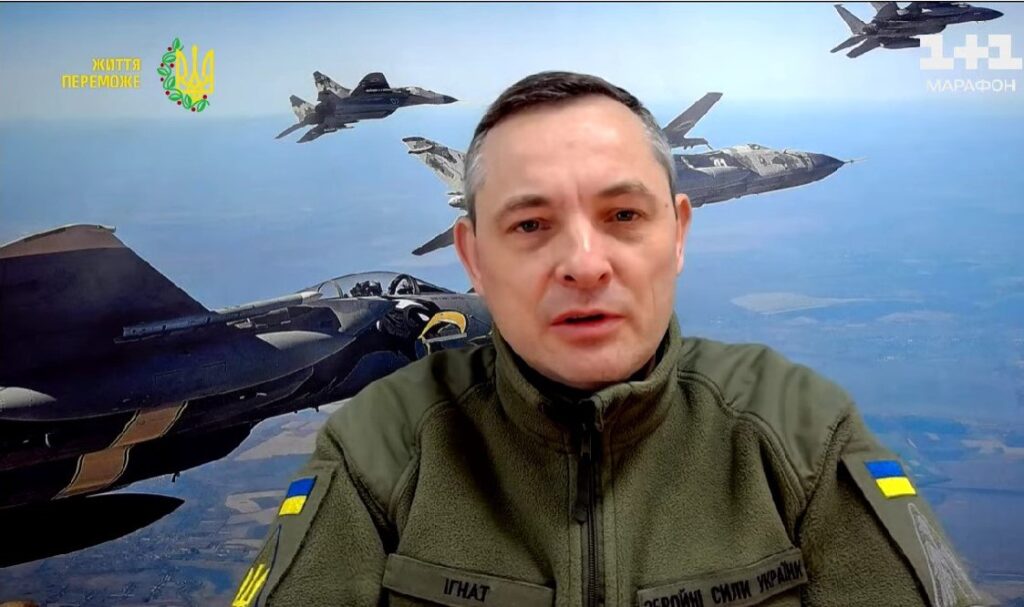
moscow can't hoard its missiles anymore—so fires straight off line ukraine says · post colonel yurii ihnat ukraine's air force communications chief speaks yedyni novyny telethon 16 2026 photo_5318 877840441197343_y

Russia has reshaped its air war on Ukraine, tilting toward ballistic missiles and daytime strikes, Ukraine's Air Force said. Recovered missile debris suggests Moscow is struggling to accumulate all the weaponry its attacks require, even as its daily drone attacks continue unchanged.

Russia's aerial assault on Ukrainian cities has grown heavier through 2026, and ballistic missiles now account for a growing share of the missile threat.

Ballistic missiles crowd out cruise missiles

Air Force spokesman Yurii Ihnat said Russian forces now favor ballistic missiles over cruise missiles, NV reported. Over the past week, Russia launched more than 50 ballistic missiles, he said. Ihnat added that Moscow cannot build up all the weaponry its attacks demand.

"Debris found with markings three weeks, a month, or two months old — that is, missiles that just came off the assembly line — shows that they can't accumulate and scale everything up there, and that they do have a problem with this," Ihnat said.

Ihnat noted that Ukrainian long-range strikes are adding to Russia's difficulties. Ukraine's Defense Forces now hit not only oil refineries but also factories with unique technologies that make missile parts, he said.

Aftermath of a massive Russian ballistic missile attack on Kyiv, 19 July 2026. Photo: Ukraine's State Emergency Service
Explore further

Russia launches record ballistic missile barrage on Kyiv, firing over 40 missiles in under an hour

Strikes move into daylight

"The enemy seeks to achieve the effect of surprise, so that our Defense Forces have less time to prepare. When everyone gets used to ballistics flying at night — from 2:00 to 4:00 — by striking in the morning, the enemy tries to achieve certain goals precisely through surprise," Ihnat said.

The daily drone barrage grinds on

Russia's overall Shahed-drone tactic has not changed, Ihnat said. Its forces keep hitting Ukraine with Shahed drones — the Iranian-designed attack drones Moscow launches in swarms — every day and every night.

Overnight on 27 July, Russia sent 147 strike drones at Ukraine, including Shahed, Gerbera, and Italmas types plus Parodiya decoys. Air-raid alerts sounded across several oblasts. A Russian strike damaged homes and a shop in Dnipro, and an attack on Zaporizhzhia killed one person.

  •  

Ukraine draws up a new target list for its long-range drones—and vows to keep firing

ukraine draws up new target list its long-range drones—and vows keep firing · post president volodymyr zelenskyy chairs meeting military commanders deep strikes russia 26 2026 middle news ukrainian reports

The parts of Russia that once felt too far away to worry about are now on Ukraine's strike map, President Volodymyr Zelenskyy said after a meeting with his top military commanders on 26 July. Kyiv will press ahead with its long-range campaign and has updated which sites to hit first, he added. The commanders did not reveal the targets themselves.

Russia built its war economy behind a rear it assumed no one could touch, and Ukraine's deep-strike campaign has spent years taking that assumption apart, region by region. The further Kyiv's drones travel, the harder it becomes for Moscow to call any refinery or warehouse safe, no matter how remote it is.

Kyiv's commanders sign off on the next phase

Zelenskyy convened Ukraine's military leadership to review the long-range strikes. He left with two decisions—keep the operations going and refresh the priority list. 

Photos the President posted showed new Commander-in-Chief of the Armed Forces Mykhailo Drapatyi, acting Defense Minister Yevhenii Khmara and Chief of the General Staff Ihor Skybiuk among those at the table. Kyiv chose the new priorities by one measure: how much each site damages Russia's ability to keep waging the war.

ukraine draws up new target list its long-range drones—and vows keep firing · post commander-in-chief armed forces mykhailo drapatyi (center) chief general staff ihor skybiuk (right) meeting 26 2026 right
Commander-in-Chief of the Armed Forces Mykhailo Drapatyi (center) and Chief of the General Staff Ihor Skybiuk (right) at the meeting, 26 July 2026. Photo: Zelenskyy/Telegram

Zelenskyy once again called the effort Ukraine's plan of "long-range sanctions," carried out along set priorities.

one plant makes seats save russian pilots—ukraine's flamingo missile torched 1200 km home · post column black smoke rises over kirov after ukrainian struck avitek russia 24 2026 лшкщм vyatka
Explore further

One plant makes the seats that save Russian pilots—Ukraine’s Flamingo missile torched it 1,200 km from home

Russia's depth stops being an advantage

Ukrainian strike distances now run past 3,000 km, Zelenskyy noted, saying Kyiv keeps building the range to reach further. For years, Russia's size kept its factories and fuel plants out of harm's way. 

"The strategic depth of the rear, which for a long time was a Russian advantage, is now becoming a particular problem for Russia's political and military leadership," he said. 

Most of Russia's air defense, he noted, sits bunched around Moscow, state residences, the Kerch Strait Bridge and St. Petersburg. Ukrainian drones, he added, have shown they can reach targets in the Urals, in Siberia and in other lands far from the capital.

ukraine draws up new target list its long-range drones—and vows keep firing · post acting defense minister yevhenii khmara meeting ukraine's strikes 26 2026 news ukrainian reports
Acting Defense Minister Yevhenii Khmara at a meeting on Ukraine's long-range strikes, 26 July 2026. Photo: Zelenskyy/Telegram

What Ukraine has hit—and what it still targets

Since the plan began this year, Ukraine has run more than a thousand fire missions, striking oil sites, critical military production and key nodes of Russian logistics, Zelenskyy said. Several parallel deep- and mid-range campaigns run at once. They target:

  • oil and fuel sites in Russia and occupied territories
  • military factories
  • ships in the Azov and Black seas
  • the power grid in occupied Crimea
  • air defense, logistics and military bases across the occupied areas
  • Wildberries, a Russian Amazon-style retailer that also moves non-lethal military gear and drone components

Zelenskyy did not name the specific new targets. Neither has he reiterated all the well-known ones.

Footage from yesterday, showing a Ukrainian drone hitting Russia's Tyumen oil facility, roughly 2,000 km from Ukraine’s border

The close strike was filmed at the Antipinsky plant. Flames were rising before the drone reached the site.

📹 Exilenova+ pic.twitter.com/z2TL9Gl7OZ

— Euromaidan Press (@EuromaidanPress) July 26, 2026

The goal is a push toward talks

The point of all this pressure, Zelenskyy said, is to force Russia toward negotiations. He wants the strikes to make weapons components harder to build, pile up oil and economic losses, and, in his words, bring the war back to its "home harbor." Ukraine has handed Russia's leadership everything it needs to end the war on decent terms, he said, and its partners know what that takes. 

"Our precision is working effectively to create conditions for real diplomacy," Zelenskyy said.

Recent long-range hits

Several notable long-range strikes occurred in the days before the meeting. On 24 July, an FP-5 Flamingo cruise missile hit the Avitek military plant in Kirov, about 1,200 km from Ukraine. The next day, drones hit the Tyumen oil refinery some 2,000 km out and set fire to a Wildberries warehouse in Yekaterinburg roughly 1,800 km away.

  •  

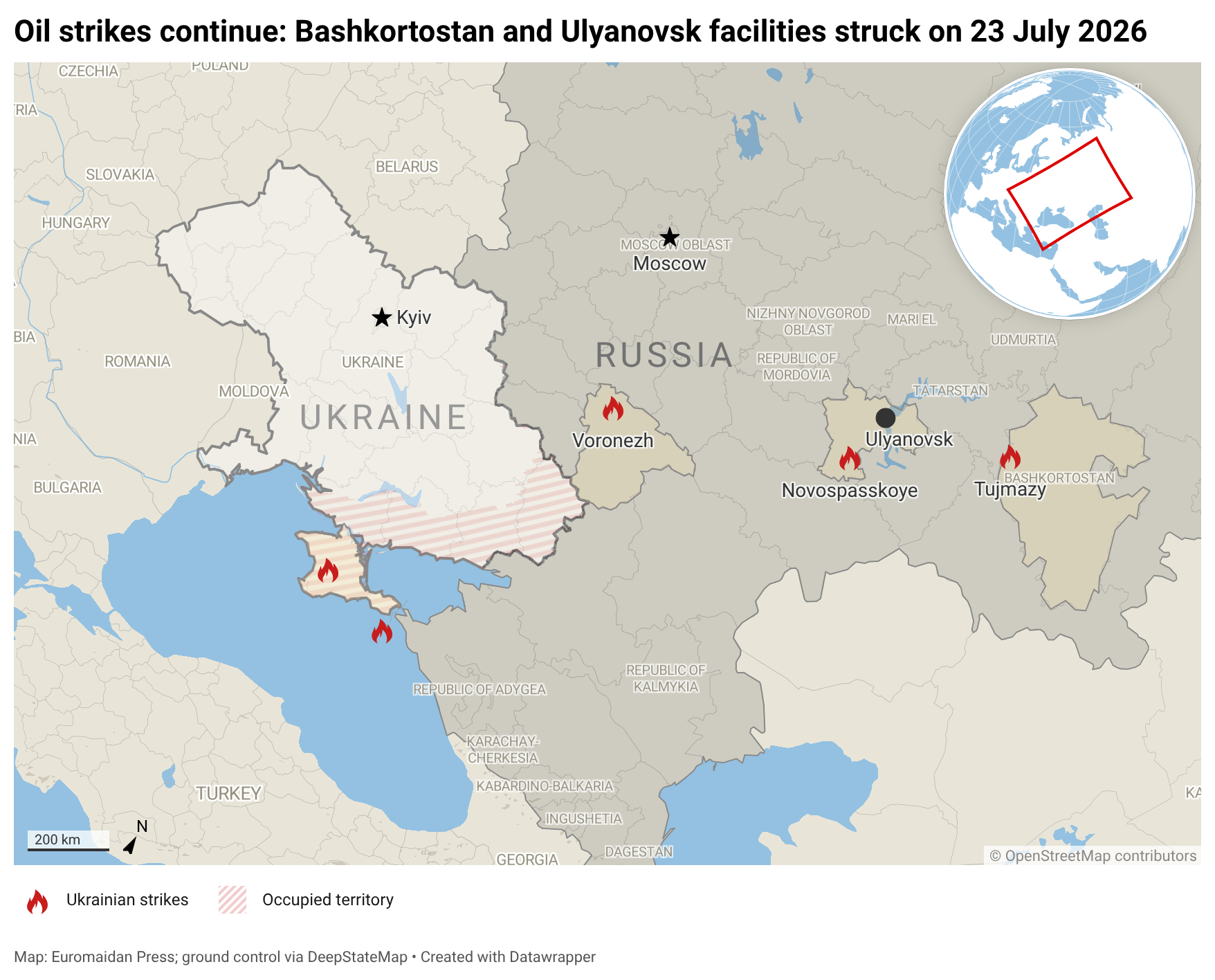
Two Russian oil sites burning north of Kazakhstan—Ukraine hit both in the dark

pipeline hub burns 1300 km war—it feeds fuel across several russian regions once · post fire oil facility novospasskoye russia's ulyanovsk oblast after ukrainian drone strike 23 2026 пожежа на

Ukrainian drones struck oil-industry sites deep inside Russia again overnight on 23 July, setting off fires that burned into the morning, monitoring channels reported. The targets sat far behind the front, and Russian air defenses reported downing drones over more than a dozen regions. Ukraine's military had not claimed the strikes by morning.

Oil sales bankroll the invasion, and Ukraine's long-range drone campaign routinely reaches the refineries, depots, and pipelines that turn crude into fuel and cash far inside Russia. Kyiv keeps coming back to the same fuel-and-money network about as fast as Moscow can patch it. The General Staff says the effort has idled 42% of Russian refining and cost the industry $13.5 billion since August 2025.

Bashkortostan: a pipeline node, not just a refinery

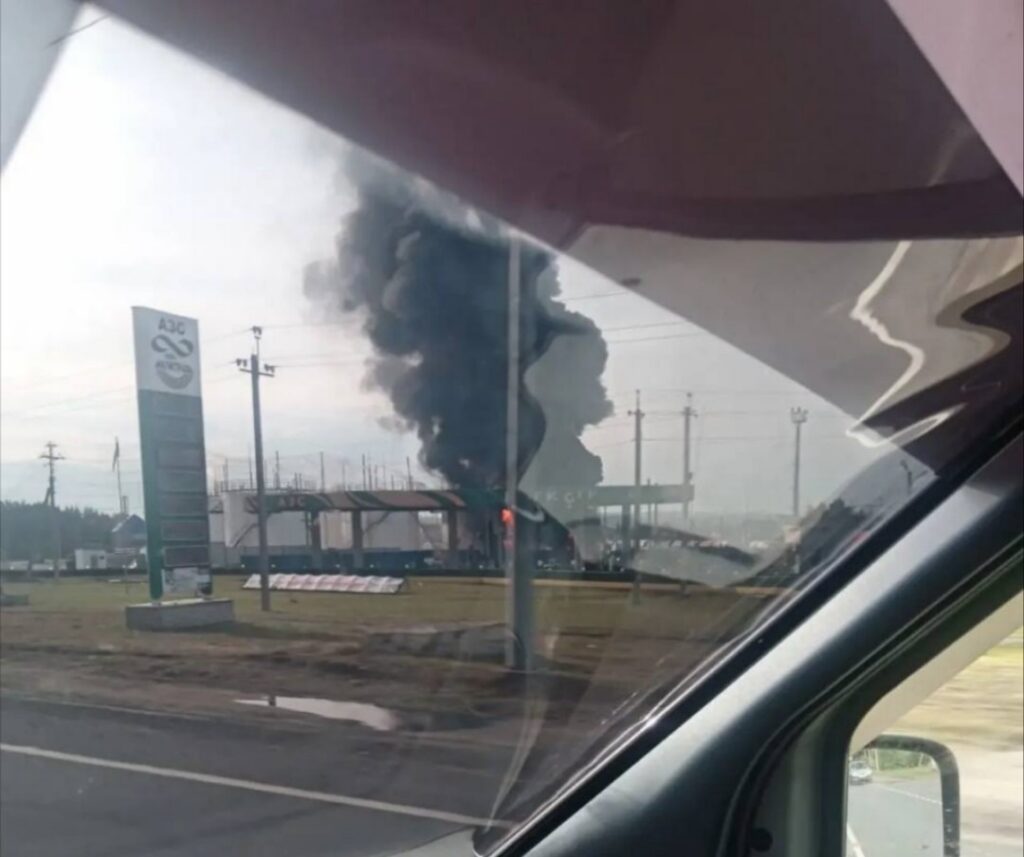
Ukrainian monitoring Telegram channels Exilenova+ and Supernova+ reported a strike on the Subkhankulovo pipeline dispatch station near Tuymazy in Bashkortostan, about 1,300 kilometers from the front. Residents reported roughly eight impacts and a burning storage tank. Long-range Liutyi drones carried out the strike, Supernova+ said. The station belongs to Transneft-Ural and moves crude and fuel between Bashkortostan, Tatarstan, and other Russian regions.

A Transneft oil-pipeline station is on fire deep inside Russia

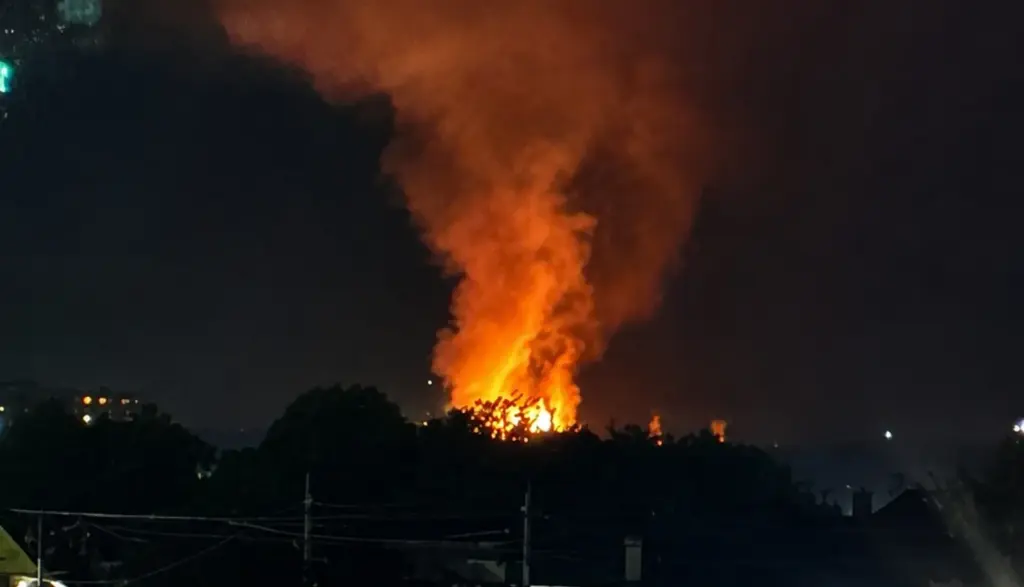
A fuel tank is ablaze about 1,300 km from the war zone. New footage shows flames at Transneft's Subkhankulovo pipeline station in Bashkortostan. Residents reported about 8 impacts.

📹Exilenova+ pic.twitter.com/QZmVtka0sw

— Euromaidan Press (@EuromaidanPress) July 23, 2026

Russian news Telegram channel Astra placed the fire at the station from eyewitness footage. Bashkortostan's emergencies committee later confirmed a fire, blaming falling debris — the explanation Russian officials routinely give for such strikes. A node like this is slower to repair than a single refinery, because it feeds several pipeline routes at once. 

Ukraine burned another Transneft-Ural station in the same republic on 8 July.

Ulyanovsk Oblast: fire at the NS-Oil site

Drones also hit the NS-Oil facility at Novospasskoye, about 800 kilometers from the war zone. Supernova+ published footage of a large fire, and Militarnyi reported drones had struck the refinery. Ulyanovsk governor Alexei Russkikh claimed drones hit a fuel-and-energy site and started a fire.

Drones hit a Russian fuel facility 800 km from the front

A strike on NS-Oil's liquefied gas base in Ulyanovsk Oblast sparked a fire still burning hours later, black smoke drifting over Russia's Volga region.

📹Exilenova+ pic.twitter.com/sFWyCA28Ux

— Euromaidan Press (@EuromaidanPress) July 23, 2026

Monitoring channels differed on the target. Exilenova+ described a liquefied-gas base, while Astra identified the refinery itself. The plant makes gasoline, diesel, and fuel oil. Accounts of its size varied widely, with Astra citing 30,000 tonnes a year and other channels putting it as high as 600,000. 

Ukrainian drones hit the same plant in October last year.

Elsewhere overnight

Drones also reached Voronezh, the capital of a Russian region, bordering Ukraine's occupied northeast, where residents reported explosions. Voronezh governor Alexander Gusev claimed a falling drone set a detached house alight and killed a three-year-old boy, injuring his parents. He said the roof of an online retailer's warehouse was damaged. The company—Wildberries—had already halted night work after earlier strikes.

In occupied Crimea, the monitoring channel Krymsky Veter reported explosions near Feodosia, Yevpatoria, Sevastopol, and Yalta, and said Russian-installed Sevastopol governor Mikhail Razvozhaev claimed a drone attack on the city. Russia's Defense Ministry claimed it downed 223 drones overnight.

A parallel naval operation, codenamed MoLoChKa, keeps burning the shadow-fleet tankers that carry Russian oil to export and fuel to occupied Crimea. The force hit eight more vessels the day before, two more today, and its public scoreboard shows it closing on 200 ships this month.
  •  

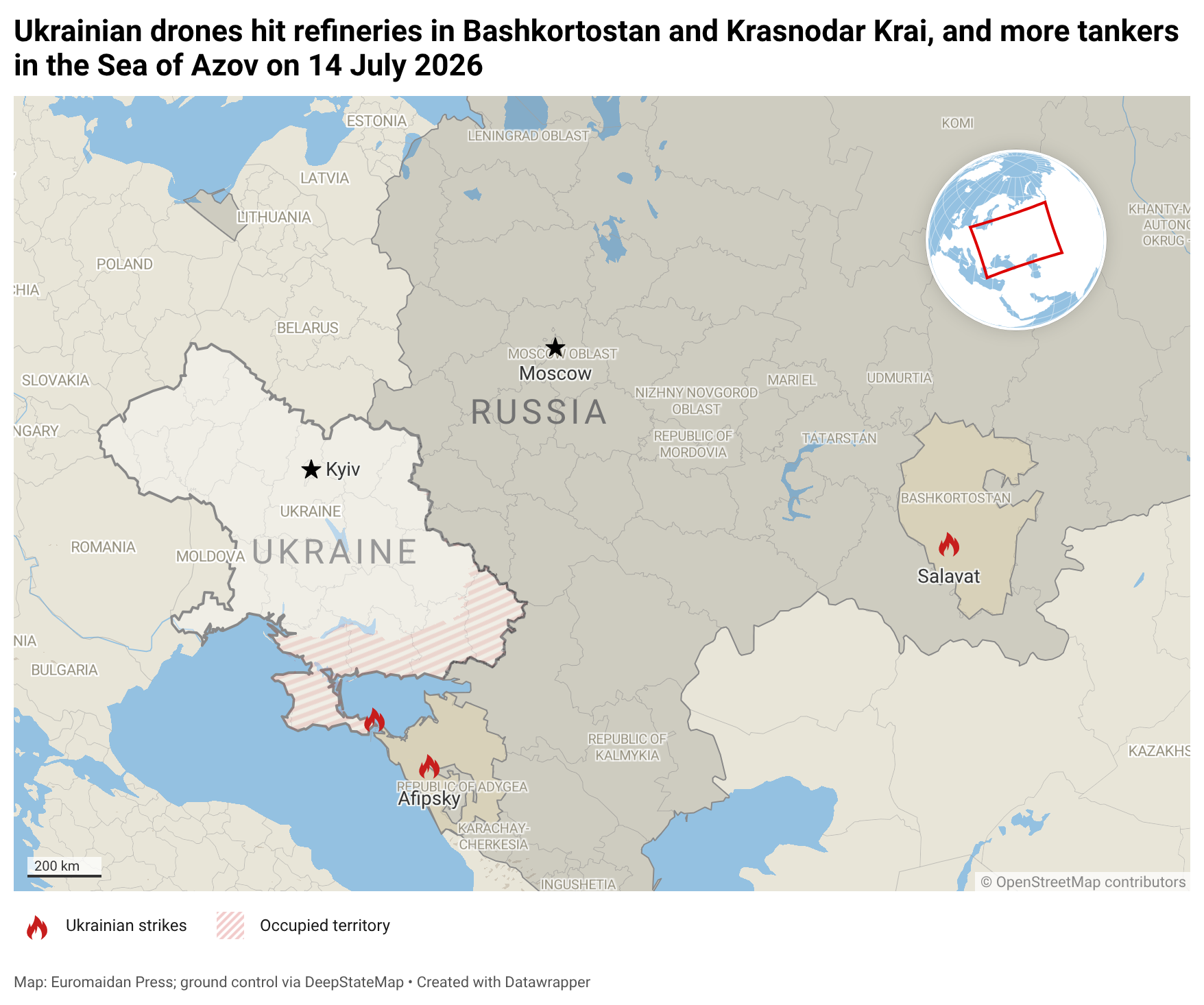
A plant making 150 products from gasoline to polyethylene caught fire 1,300 km from the war zone—Ukraine hits two refineries overnight

plant making 150 products gasoline polyethylene caught fire 1300 km war zone—ukraine hits two refineries overnight · post blazes afipsky oil refinery after ukrainian drone attack krasnodar krai russia 14

Ukrainian drones set fires at two Russian oil facilities at opposite ends of the country overnight on 14 July, according to monitoring channels and Russian regional authorities. The Gazprom Neftekhim Salavat petrochemical complex burned in Bashkortostan, some 1,300 km from the war zone, while the Afipsky refinery caught fire in Krasnodar Krai, around 400 km from the front. A Rosneft oil depot next to the Salavat plant was likely hit as well.

Ukraine's deep-strike campaign has idled more than 40% of Russia's refining capacity and pushed processing to its lowest level in two decades, forcing Moscow to ration gasoline in dozens of regions and smuggle fuel to the front hidden in grain trucks. With Omsk hit 2,500 km away and now Salavat burning, no major Russian gasoline producer sits beyond drone range anymore, and every repeat strike on plants like Afipsky resets repairs faster than Russia can finish them — a shortage of 400,000-600,000 tons a month that Belarusian and Kazakh supplies cover only halfway.

The last big gasoline producer still standing

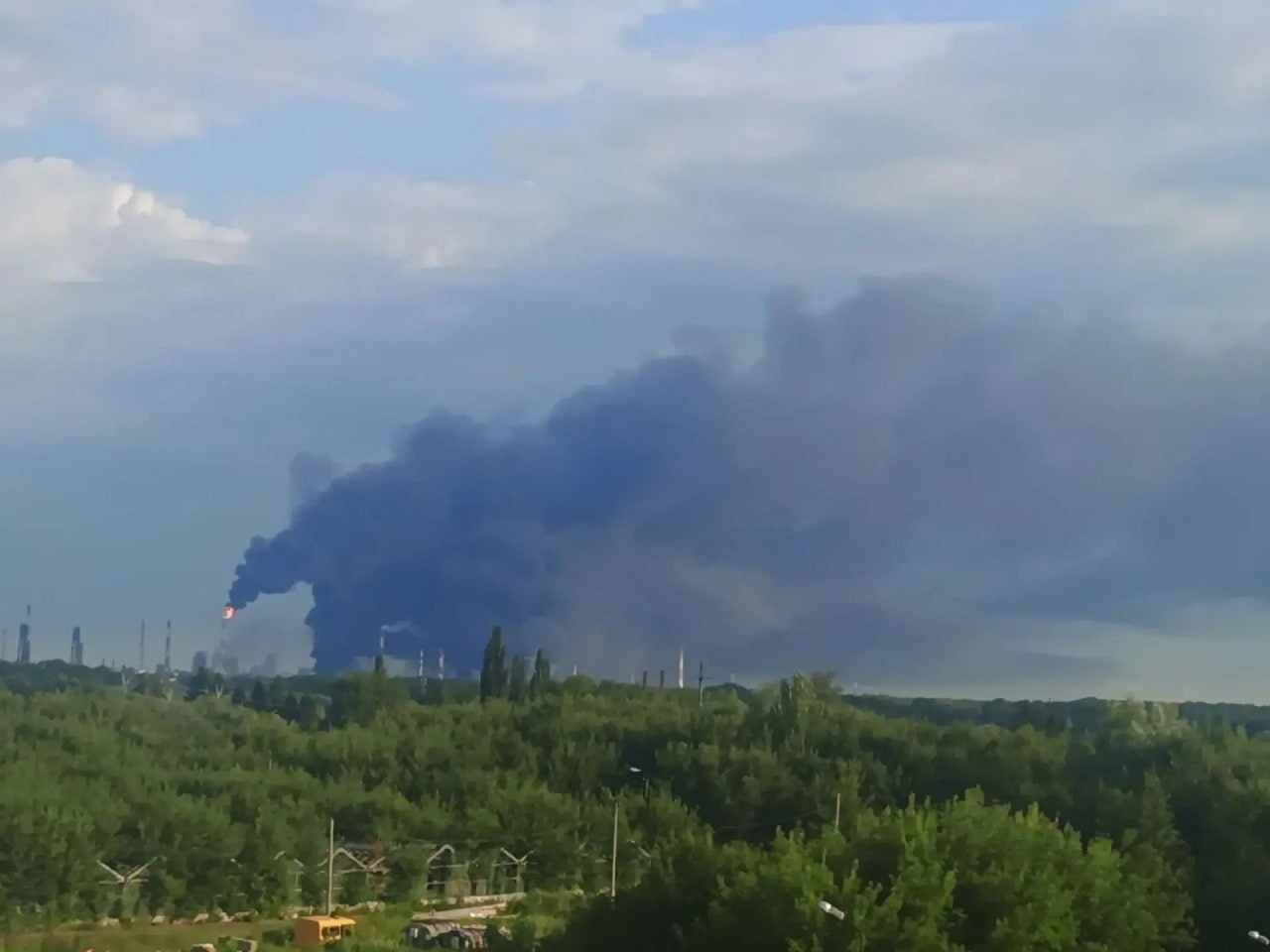
Residents of Salavat heard a series of explosions in the early hours, then watched thick black smoke climb over the industrial zone, visible across the city. Ukrainian monitoring Telegram channel Exilenova+ published footage of the fires. Russian news Telegram channel Astra confirmed through its OSINT analysis that the Gazprom Neftekhim Salavat complex was struck and burning.

plant making 150 products gasoline polyethylene caught fire 1300 km war zone—ukraine hits two refineries overnight · post black smoke rises over gazprom neftekhim salavat complex after ukrainian drone strike
Black smoke rises over the Gazprom Neftekhim Salavat complex after the Ukrainian drone strike, Salavat, Bashkortostan, Russia, 14 July 2026. Photo: Exilenova+
The plant is one of Russia's largest refining and petrochemical complexes. It processed 7.2 million tons of crude in 2024 — 2.7% of Russia's total refining — and produced 1.5 million tons of gasoline, 2.5 million tons of diesel, and 0.7 million tons of fuel oil, Reuters reported, citing industry sources. Its design capacity reaches 10 million tons a year, and it makes some 150 kinds of products, from jet fuel to polyethylene, ammonia, and plasticizers.

The complex was the last major gasoline producer that strikes had not yet touched in 2026. Its loss means roughly 11,000 tons of daily fuel deliveries gone from the Russian market — about 5% of domestic demand. Drones already struck the plant twice in September 2025, after which the regional head insisted it worked on as normal.

Preliminary damage: primary unit and polyethylene workshop

Ukrainian monitoring channel Supernova+ reported preliminary hits on the AVT-6 primary oil distillation unit and workshop No. 20, which produces high-density polyethylene. Nothing leaves a refinery without primary distillation, so damage there stops the whole production chain.

The strike likely reached beyond the complex itself. The Rosneft-Opt oil depot nearby probably caught fire too, according to Astra.

Bashkortostan head Radiy Khabirov claimed a "massive attack" of drones on Salavat's industrial zone was repelled. He attributed the "pockets of smoke" to falling debris of downed drones and stated nobody was hurt. Russia's aviation authority restricted operations at the Ufa airport during the attack.

Drones struck a refinery 1,300 km from the war zone: Gazprom Neftekhim Salavat is burning in Russia

Overnight on 14 July, residents of Salavat in Bashkortostan heard the explosions, then watched the smoke climb over a plant that refines 7.2 million tons of crude a year and makes… pic.twitter.com/emkIb4L3A1

— Euromaidan Press (@EuromaidanPress) July 14, 2026

Afipsky burns again at the other end of the fuel map

In Krasnodar Krai, the first explosions near the Afipsky refinery sounded around midnight, and a powerful fire followed, Ukrainian monitoring channel Krymsky Veter reported. The blaze rose near the plant's tank farm, according to Astra's analysis of witness footage. The Krasnodar Krai operational headquarters confirmed the fire at the refinery after the drone attack.

fires both ends russia's fuel chain lukoil depot stavropol krai ferry port facing kerch · post smoke oil fire drifts over industrial area near russia 13 2026 4a4773de-e3fe-4db0-a597-58f2dd5605cd ukraine news
Explore further

Fires at both ends of Russia’s fuel chain: a Lukoil depot in Stavropol Krai and a ferry port facing Kerch

The export-oriented plant runs two primary distillation units with capacities of 9,786 and 8,829 tons per day and does not currently make gasoline or diesel for the domestic market, Reuters reported. Together with the affiliated Krasnodar refinery, it processed 7.2 million tons in 2024 and 3 million tons in the first half of 2025. Ukraine's General Staff puts its share at about 2.1% of Russia's refining.

Drones have hit Afipsky at least eight times since May 2023, including a March 2026 strike that damaged the AT-22/4 primary processing unit and the previous attack on 11 June.

  •  

Ukrainian drone strike hits major oil refinery in Russia's Krasnodar Krai, HUR source claims

Ukrainian drone strike hits major oil refinery in Russia's Krasnodar Krai, HUR source claims

Long-range Ukrainian drones struck the Ilsky oil refinery in Russia's Krasnodar Krai on July 7, hitting one of the facility's technological workshops, a source in Ukraine's military intelligence (HUR) told the Kyiv Independent.

Located roughly 500 kilometers (311 miles) from Ukrainian-controlled territory, the refinery is among the largest in southern Russia, producing over 6 million tons of fuel annually.

It is involved in the reception, storage, and processing of hydrocarbons and distributes refined products via road and rail. The refinery is part of Russia's military-industrial complex and plays a direct role in supporting Moscow's war effort, the source said.

The Russian regional operational headquarters claimed that "drone debris" fell on the oil refinery.

The strike marks a renewed wave of Ukrainian attacks on Russian oil infrastructure, following a months-long pause since March. On July 1, Ukrainian drones struck the Saratovorgsintez oil refinery in Russia's Saratov Oblast.

Kyiv has targeted dozens of refineries, oil depots, and military-industrial sites since the start of Russia's full-scale invasion in 2022. Winter drone attacks forced at least four Russian refineries to temporarily shut down.

This is the second known strike on the Ilsky refinery. Ukrainian drones, operated by the Security Service (SBU) and Special Operations Forces (SSO), previously targeted the facility on Feb. 17, causing a fire.

Krasnodar Krai, a strategic region along Russia's Black Sea coast, has increasingly come under Ukrainian drone attacks as Kyiv extends the range of its strikes deep into Russian territory.

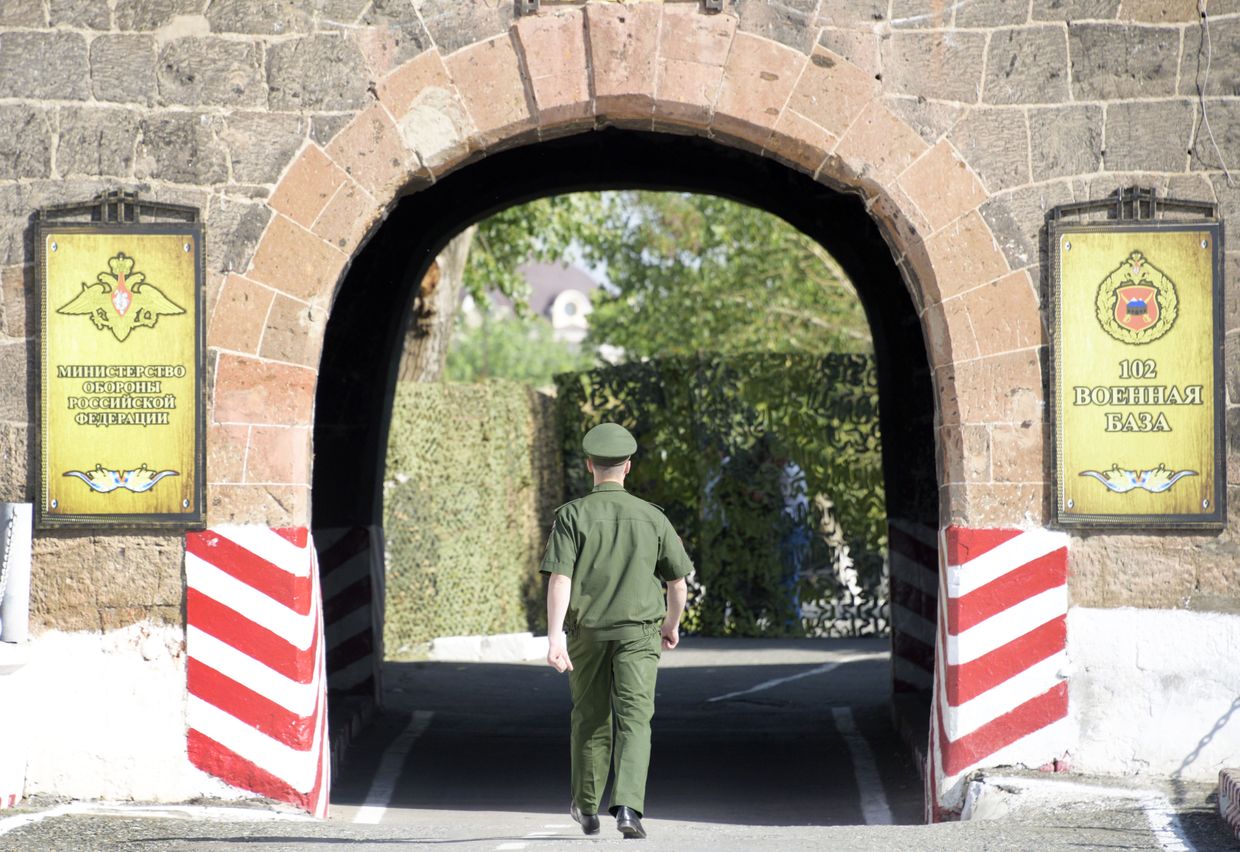
HUR publishes Russian military order, claims proof of Moscow increasing military footprint in Armenia
HUR first made the claim on July 5, saying Russia was increasing its forces at the Gyumri base to exert greater influence in the South Caucasus and “destabilize the global security situation.”
Ukrainian drone strike hits major oil refinery in Russia's Krasnodar Krai, HUR source claimsThe Kyiv IndependentChris York
Ukrainian drone strike hits major oil refinery in Russia's Krasnodar Krai, HUR source claims
  •  

'Important facility hit' — Ukraine attacks Russian oil refinery in Saratov Oblast, military says

'Important facility hit' — Ukraine attacks Russian oil refinery in Saratov Oblast, military says

Ukrainian drones struck the Saratovorgsintez oil refinery in Russia's Saratov Oblast, causing damage to the facility, Ukraine's General Staff reported on July 1.

"An important facility has been hit," the General Staff said via its official Telegram channel.

The Saratovorgsintez refinery and chemical plant, owned by Russian energy giant Lukoil, is located nearly 1,500 kilometers (930 miles) from Ukraine's border in the city of Saratov. The city hosts multiple strategic military and industrial sites.

The refinery was targeted to "reduce the enemy's offensive capabilities," the General Staff wrote.

"The occupiers use the capacity of this refinery to supply fuel and lubricants to Russian military units involved in the armed aggression against Ukraine."

The attack was a joint operation carried out by Ukraine's military intelligence agency (HUR) and other military units, the General Staff said. A fire broke out at the site of the attack and damage to the refinery's technological installations has been confirmed. The full consequences of the strike are still being investigated.

The Kyiv Independent could not verify these claims.

The report is the latest in a series of announcements on July 1 about successful Ukrainian strikes on Russian targets. Earlier in the day, HUR released footage of Ukraine's UJ-26 drones, commonly known as Bober (Beavers), targeting high-value Russian air defenses and a fighter jet in occupied Crimea.

A source in the Security Service of Ukraine (SBU) told the Kyiv Independent that Ukrainian drones struck a major Russian military plant in the city of Izhevsk, over 1,300 kilometers (800 miles) from the front lines.

Ukraine also hit a Russian command post in occupied Donetsk Oblast, according to the General Staff.

Ukraine war latest: Ukrainian drones strike Russian plant 1,300km from border, SBU source says
Key developments on July 1: * ‘With surgical precision’ — Ukrainian drones strike Russian plant 1,300km away, SBU source says * Russian missile strike on Dnipropetrovsk Oblast kills brigade commander, injures 30 people, Zelensky says * Ukrainian forces hit Russian command post in occupied Donetsk Oblast, General Staff says * Zelensky signs ratification of
'Important facility hit' — Ukraine attacks Russian oil refinery in Saratov Oblast, military saysThe Kyiv IndependentThe Kyiv Independent news desk
'Important facility hit' — Ukraine attacks Russian oil refinery in Saratov Oblast, military says

  •  
❌