Vue lecture

Russia hit Kyiv with ballistic and hypersonic missiles overnight, damaging a children’s hospital, with people trapped in a shelter (UPDATE)

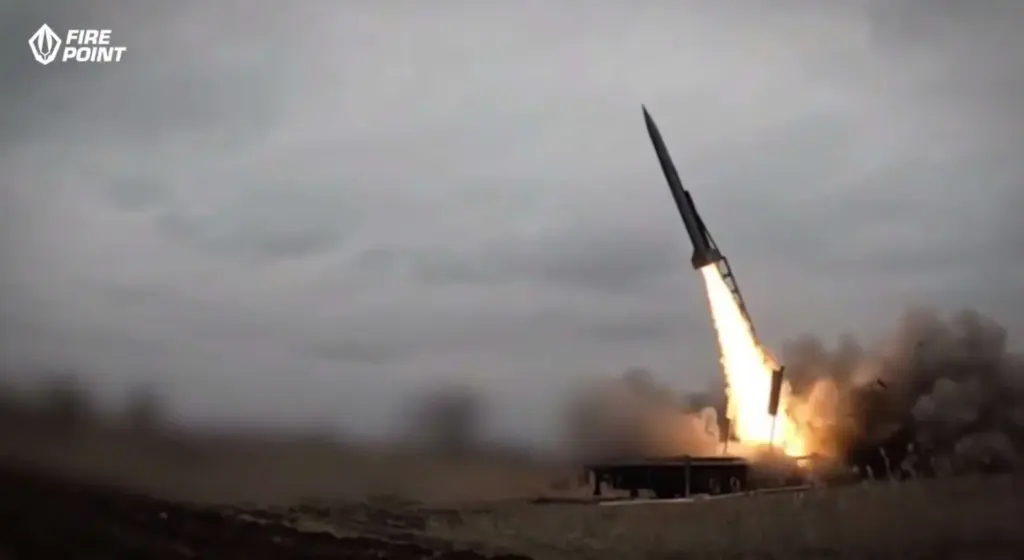
Kalibr missile launch black sea

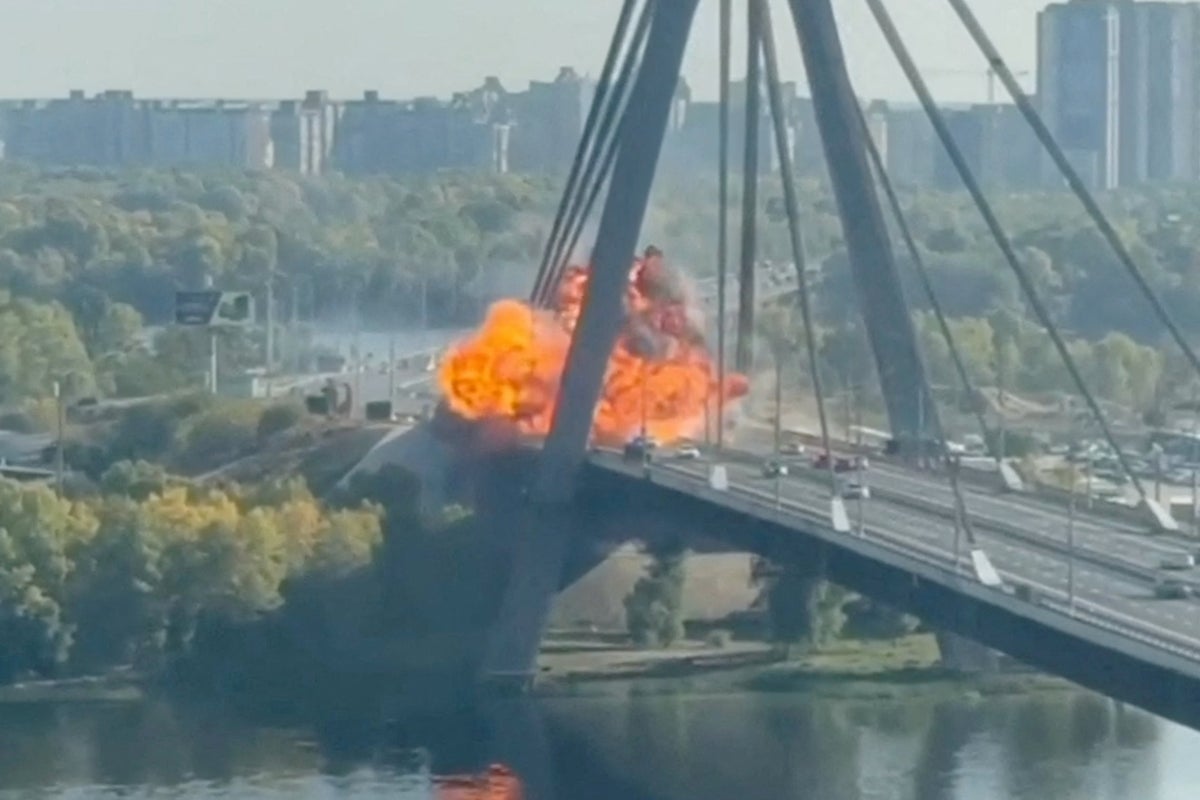
Russia has launched another massed missile attack on Kyiv in the early hours of 20 August. Russian forces struck the capital with ballistic and Zircon hypersonic missiles, with loud explosions heard across the city and region, according to Ukraine's monitoring channel Yeradar.

The strike is the latest in Russia's campaign of massed missile attacks on Kyiv. Russia has repeatedly hit the capital with ballistic and hypersonic weapons that Ukraine struggles to intercept for lack of Patriot missiles, killing civilians in their homes.

As of 1 AM, Russian Kalibr cruise missiles are approaching Ukrainian cities from Novorossiysk.

Ukraine is under a massive Russian attack right now: Russia's Kalibr missiles were launched from the Novorossiysk port

The warhead of the Kalibr family of cruise missiles typically weighs 450 kg
🎥Exilenova+ pic.twitter.com/DBgfRX7xhB

— Euromaidan Press (@EuromaidanPress) August 19, 2026

Earlier, Ukraine's Defense Ministry said that Russia went back to using imported electronics for its Kalibr cruise missiles’ guidance system after failing to replace them with homemade alternatives.

The ship-launched missile’s homing boards “are made up of more than 80–90% foreign-made components," the Ukrainian authorities reported.

The confirmed toll so far

Casualties were mounting as the attack went on. As of the latest update, one person was killed and three wounded in the attack, the Kyiv City Military Administration said, with information still being clarified.
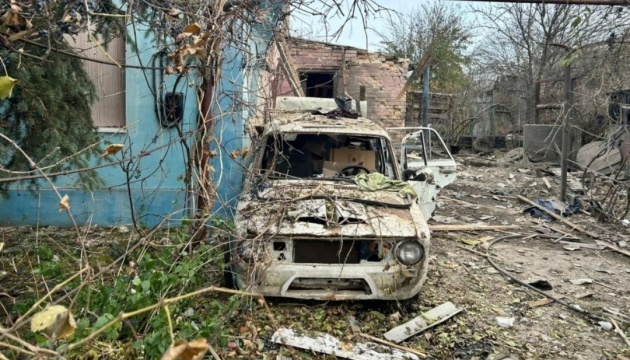
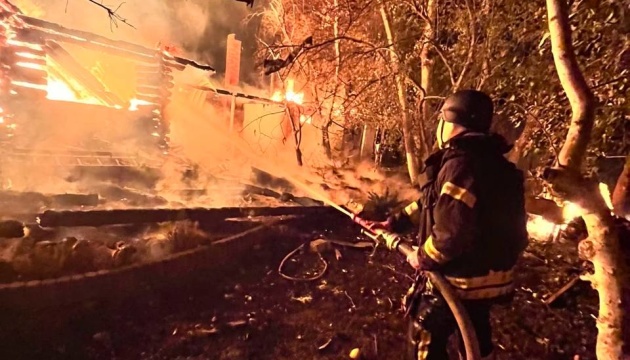
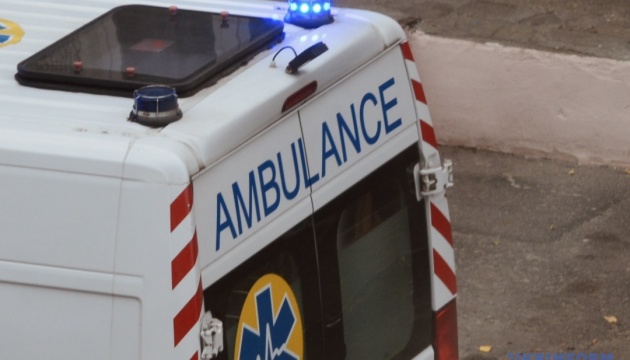
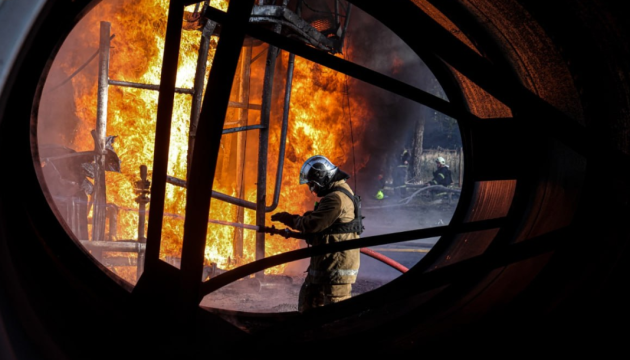
The strikes hit across several districts. A children's hospital was damaged in the Solomianskyi district, where people were reported to be trapped in a shelter, and a five-story residential building was hit. Warehouses burned in the Sviatoshynskyi district, and non-residential buildings were struck in Darnytskyi, Kyiv Mayor Vitali Klitschko reported.
The attack was still developing

Ukraine's air defenses were engaging an ongoing threat. The Air Force had warned of ballistic weapons approaching from the north and northeast, and monitoring channels reported Russian Tu-95MS strategic bombers taking off, which typically precede cruise-missile launches.

"Explosions in the capital. Kyiv is under ballistic attack. Stay in shelters," Klitschko wrote as the strikes continued.

With the attack unfolding as officials reported it, the full toll and damage were not yet known; the figures provided were preliminary.

  •  

Russia is trying to get its guns within range of Zaporizhzhia. First it has to take a prison

Par : David Axe

118th Mechanized Brigade troopers.

  • Russian forces want their guns within range of Zaporizhzhia City
  • A series of strongpoints stand in the way, including an old prison
  • Moscow announced it had captured the prison village nine months ago. It had not
  • After months of failed assaults, the Russians surrounded the village first—and this month came back to storm it

Ukraine's southeastern counteroffensive has rolled back Russian advances at the intersections of Zaporizhzhia, Dnipropetrovsk, and Donetsk Oblasts. The Ukrainian attacks set back, by months if not years, the Russian plan for marching on Zaporizhzhia City from the northeast.

But there's a shorter path for the Russians: the southern approach through the town of Orikhiv, around 50 km from Zaporizhzhia City. And the Russians may not need to travel all of it. The stated Russian objective on this axis, according to the Institute for the Study of War, is to advance within tube artillery range of Zaporizhzhia City—which means getting to within 20 or 30 km of a regional capital, not capturing it. That is what Russian forces did to Kharkiv.

The route is short but hard. And for three years, it has been blocked at its first obstacle by the ruins of a prison.

The first obstacle for the Russians is the village of Mala Tokmachka. In particular, the thickly built ruins of a former prison, which function as an interlocking series of bunkers for the Ukrainian 118th Mechanized Brigade. The second obstacle is Orikhiv itself, which sits astride all the passable roads leading to Zaporizhzhia City.

The Russian Defense Ministry announced the capture of Mala Tokmachka on 16 November 2025. Ukrainian government sources still had the village under Ukrainian control in April 2026. Russian milblogger Boris Rozhin's repeated claims that the village was nearly cleared became, in Meduza's account, the most popular Russian military meme of the first half of 2026—shorthand for the distance between what the Russian army announces and what it holds.

Observer Thorkill has watched closely as Russian forces have probed for weaknesses in Ukrainian defenses between the disputed gray zone and Zaporizhzhia City—and found very few.

Sytuacja w rejonie Orichiwa (Zaporoże).

W okolicach połowy czerwca 2026 r. ograniczone działania zaczepne rus 35 Armii w rejonie Orichiwa nabrały większego rozmachu. Jej 71 Pułk Strzelców Zmot ze składu 42 Dywizji rozpoczął natarcie w rejonie wsi Novodaniliwka w pasie obrony ukr… pic.twitter.com/kBPvFVlF6P

— Thorkill (@Thorkill65) August 17, 2026

The Russian army's 270th Motor Rifle Regiment, which is part of the 42nd Motor Rifle Division, has been trying to advance through Mala Tokmachka "for many months," Thorkill noted. But the Russian attacks "have always faltered against the strongly fortified strongpoint in the complex of ruins of the former prison buildings."

If the Russians can't capture Orikhiv, they can't get their artillery within range of Zaporizhzhia City. But they can't capture Orikhiv if they don't first capture Mala Tokmachka. And they can't take Mala Tokmachka if they don't overrun the old prison.

Map of the Orikhiv and Mala Tokmachka axis in Zaporizhzhia Oblast
The Orikhiv-Mala Tokmachka axis. Ukraine Control Map

Surround first, storm later

Frustrated in their attempts to directly assault the prison, the Russians took a different approach in early July. Borrowing tactics that have worked for Russian field armies all along the 1,200-km gray zone, the Russians set out to cut off Mala Tokmachka and starve its garrison before trying again to capture the prison complex.

The geography lends itself to this approach. The Russians control the village of Robotyne, 10 km south of Orikhiv, as well as the road leading north from Robotyne through the village of Novodanylivka, which lies just south of the Mala Tokmachka-Orikhiv conglomeration.

Russia's plan to march towards Zaporizhzhia hinges on Mala Tokmachka
Map: Euromaidan Press. Deepstatemap does not yet show Novodanylivka as captured or in the gray zone

If the conglomeration has a soft underbelly, it's Novodanylivka. And in a series of actions in early July, the 71st Motorized Rifle Regiment pushed enough small infiltration groups into Novodanylivka to take the village from the 118th Mechanized Brigade. In capturing Novodanylivka, the Russians "drove a narrow wedge into the Ukrainian defense," according to Thorkill.

The wedge was not the end of the plan. It was the preparation for it. With Novodanylivka in Russian hands and the supply route between Orikhiv and Mala Tokmachka under threat, the Russians came back to the assault.

Five days in August

In the five days to 17 August, Russian forces "massively stepped up their assault operations towards Orikhiv from several different directions, resulting in a partial collapse of Ukrainian defences," mapper AMK Mapping reported. The mapper counted a Russian gain of around 26 sq km across the sector.

Situation on the Orikhiv direction, Zaporizhzhia Oblast:

Over the last five days, Russian forces have massively stepped up their assault operations towards Orikhiv from several different directions, resulting in a partial collapse of Ukrainian defences.

In the southwest,… pic.twitter.com/uWynOf3Mb5

— AMK Mapping 🇳🇿 (@AMK_Mapping_) August 17, 2026

The Russians re-established control over the eastern part of Mala Tokmachka and began infiltrating the northern part. Several groups crossed north over the Kinska River and are now attacking Ukrainian trench fortifications on the tactical heights beyond. "If they are able to consolidate," AMK Mapping wrote, "a defense of Mala Tokmachka by Ukraine will become nearly impossible." To the northeast, Russian forces broke through north of Bilohirya, putting the Ukrainian troops there at risk of being cut off.

The Polish Centre for Eastern Studies reached a similar reading on 18 August, reporting that Russian assault sub-units had begun to replace the sabotage and reconnaissance groups, that the battle for the eastern part of Orikhiv appeared to have begun, and that the eastern part of Mala Tokmachka was most likely under Russian control.

Heavy fighting continues for the prison complex and the residential streets around it. "The goal of the offensive operations by the Russian 42nd Motorized Rifle Division is not, for the time being, the capture of Orikhiv," Thorkill wrote, "but rather the elimination of the presence of Ukrainian soldiers in the Mala Tokmachka area."

If the Russians can squeeze the Ukrainians out of Mala Tokmachka, they could pivot toward Orikhiv without worrying about Ukrainian positions at their rear. And they would be one strongpoint closer to putting a regional capital of several hundred thousand people under daily artillery fire.

A Ukrainian drone right before it strikes a Russian soldier near Lyman.
Explore further

Russian troops inch toward Lyman. Drones keep delaying the plan.

  •  

Russo-Ukrainian war, day 1638: Ground robots move from testing to combat as Ukraine’s tech war accelerates

Russo-Ukrainian war (daily review)

Exclusives

Putin's Mach-10 wonder weapon misses by 30 meters. Russia stopped building it in April.. Putin unveiled it as unstoppable in 2018. Ukrainian intelligence says the line stopped in April, and the fuel now goes to Iskanders.
Wiretaps, a mocking codename, and a seized playbook—Ukraine's anti-graft bureau reaches the President's Office again. Media reports place a deputy head of the presidential office among those searched, while investigators decline to confirm any identities.

Military

"Two targets and ammo with one drone": How a Ukrainian drone crew hunts Russian transport behind the front line. A National Guard unit uses middle-strike drones to hunt Russian military vehicles deep behind the front line.

Intelligence and technology

Ukrainian top volunteer from outgoing minister's own team, whose drones downed 12,954 Russian targets, is offering to help his successor. Serhii Sternenko, the activist whose charity has supplied hundreds of thousands of FPV drones, congratulated new Defense Minister Yevhenii Khmara with his new position.

Ukraine's 25th Airborne Brigade moves ground robots from testing to combat. The brigade is now using the machines for supply, evacuation and fire missions across its units.

No radio signal, no way to jam it: Ukraine's top-ranked strike drone can wait 48 hours for its target. Ukraine's manufacturers ranked their most effective fiber-optic strike drones in July, with Beshket, Deadliner Q1, and Vyriy Opto 10 taking the top three.

Estonia probes Russian link in suspected arson at military robot maker supplying Ukraine. A Tallinn blaze hit premises used by the maker of THeMIS ground robots, which Ukraine uses for evacuation, resupply, and mine clearance.

Humanitarian and social impact

Two officers, 101 soldiers—Ukraine's newest homecoming from Russian cells. The group spans four years of the war, from the fall of Mariupol to captures made only months ago.

Polish prosecutors charge a woman over an attack on Ukrainian children. Consulate says the siblings were targeted for speaking Ukrainian. The attacker twisted one child's arm, broke the siblings' toy drone, and threw its fragments at the 12-year-old boy, scratching him, according to the family and the consulate.

Political and legal developments

Ukraine's parliament advanced a Finnish-style shelter bill: everyone must be able to reach one within 10 minutes. Ukraine's parliament passed a first-reading bill requiring bomb shelters within 10 minutes' reach, as tens of thousands shelter in metro stations nightly.

Ukraine's former Defense Minister Fedorov is out, but man behind his procurement reform and apps like Army+ isn't going anywhere. Mstyslav Banik, the deputy who ran Ukraine's defense-procurement reform, says he is staying in the team of new Defense Minister Yevhenii Khmara.

"Fedorov instead of Khmara": Ukrainian protesters outside parliament greet news of new defense minister's appointment with disapproval. People say they will continue protesting despite the decision.

Ukraine's new defense minister says he already knows Russia's strategy for fall and winter. Yevhenii Khmara has become Ukraine's new defense minister after a vote in parliament.

Germany charged a Ukrainian for the Nord Stream blasts—Kyiv is now investigating if Russia staged the attack to frame Ukrainians. Ukraine's top prosecutors confirmed they are testing a "false flag" theory even as a Ukrainian suspect heads to trial in Germany.

Read our earlier daily review here.

  •  

Ukrainian top volunteer from outgoing minister’s own team, whose drones downed 12,954 Russian targets, is offering to help his successor

Serhii Sternenko assassination

One of Ukraine's most prominent drone volunteers has given his comments on the new defense minister. Serhii Sternenko, a civic activist and former adviser to ousted Defense Minister Mykhailo Fedorov, has congratulated Yevhenii Khmara on his appointment to lead the Defense Ministry, Sternenko wrote on his Telegram channel.

Ukraine's parliament confirmed Khmara as defense minister after removing Fedorov, and figures from his circle, rather than boycotting his replacement, are lining up to work with the new minister for Ukraine's sake.

Sternenko owns a charity foundation that has purchased 291,502 FPV drones, which have helped the Ukrainian military shoot down 12,954+ aerial targets.

Sternenko offered help and wished the minister endurance

Sternenko has framed his congratulations in terms of Ukraine's benefit.

"I wish Defense Minister Khmara success and resilience. He will need them. This is in Ukraine's interest," he wrote.

He offered his fund's expertise. Together with his team, he is ready to help the new minister with matters concerning FPV drones, because that, too, is in Ukraine's interest, Sternenko said, extending the cooperation of one of the country's largest drone-supply operations to the incoming minister.

He paired the welcome with a warning about dialogue

Sternenko's support came with a pointed caveat. He said the country "finally has a defense minister," but that many unresolved issues remain regarding "government-society" interaction.

Solving them requires engagement from the top, he argued. Their resolution requires the active involvement of the president and the emergence of agency in parliament, Sternenko said, expressing hope that, under extremely difficult conditions for Ukraine, "there will still be room for reasonable dialogue and cooperation for the sake of victory."

Earlier, Mstyslav Banik, who served as a deputy to Fedorov, said he would stay on under the newly appointed Defense Minister. He is responsible for carrying out the defense-procurement reform and became a deputy defense minister under Fedorov on 25 March 2026, having previously led the ministry's digital products. Batnik led the development of "Army+" and "Reserve+", the apps that digitized military service and mobilization.

  •  

Ukraine’s 25th Airborne Brigade moves ground robots from testing to combat

Colonel Illia Petryna

In an interview with Army Inform, Colonel Illia Petryna, commander of the 25th Separate Sicheslav Airborne Brigade, said the brigade created a ground-robotics company as a pilot unit and that it was among the first Ukrainian brigades to organize ground robots this way.

The company was initially created to test how the systems could work in combat. They are now being used for different battlefield tasks, Petryna said. Some robots carry supplies. Others are used for evacuation or provide fire support.

The move is part of Ukraine's broader effort to build dedicated units around ground robots. In February 2025, Ukraine's Defense Ministry said the military was forming units focused on unmanned ground systems after testing that had begun in summer 2024. The systems were already being used for logistics, fire strikes, and evacuating wounded soldiers.

Ukraine has since continued expanding their use. By March 2026, 167 units were using ground robots, up from 67 in November 2025. More than 9,000 combat and logistical missions were conducted with unmanned ground vehicles (UGVs) that month, according to the Defense Ministry.

Learning from the battlefield

The 25th's robotic company also gives soldiers a way to test systems and report problems directly to manufacturers.

Cooperation with manufacturers is the basis,” Petryna said. “They draw information from us about what is needed now, what is relevant at the front.”

airborne brigade
Two soldiers of the 25th Separate Sicheslav Airborne Brigade stand beside a fixed-wing reconnaissance drone.
Photo: 25th Separate Airborne Brigade / Army Inform

Soldiers use the machines in combat, identify what does not work, and pass that information back to manufacturers. The next versions can then be adapted to conditions at the front.

That creates a direct feedback loop between the battlefield and the companies developing the technology.

Petryna sees that constant adaptation as necessary because the technology and tactics of the war keep changing.

Probably, right now, no statute in the world fits how this war is being fought,” he said. “The war has changed fundamentally.”

For the 25th, the robotic company is one way to keep adapting as the battlefield changes.

  •  

Ukraine’s parliament advanced a Finnish-style shelter bill: everyone must be able to reach one within 10 minutes

Russian missile drone attacks civilians Ukraine

Ukraine has moved to guarantee its people places to hide amid Russia's terror. The Ukrainian parliament has passed a bill on shelters in the first reading, introduced by the opposition European Solidarity faction, with 296 MPs voting for the legislation on measures to ensure citizens' safety.

The bill responds to a sheltering crisis that Russia's escalating strikes have created, as the invading army cannot achieve full occupation of Ukraine. As Russia intensifies its attacks on Ukrainian cities, tens of thousands of Kyiv residents now have to sleep in metro stations each night, and in Kharkiv, the underground has become a vast cover for tens of thousands.

The bill draws on the Finnish model

The legislation draws on a country known for its civil defense. It adopts Finnish experience on ensuring citizens' access to shelters and strengthens the responsibility of central and local authorities for maintaining and funding them, according to the European Solidarity.

The faction framed shelters as the top protective priority.

"We understand that the issue of bomb shelters, the issue of shelters, is becoming problem number one for protecting the civilian population," faction co-chair Iryna Herashchenko said.

The Ukrainian deputy emphasized the importance of considering the bill before the budget process begins.

What the bill requires

The bill sets concrete standards for shelters. It defines mandatory requirements, such as drinking water, medicine, sanitation facilities, a designated responsible person, and placement within 10 minutes' reach of people.

The 10-minute rule is the core of it.

"Shelters must be where there are concentrations of people, so they can reach them in 10 minutes," MP Viktoriia Siumar said.

The bill also guarantees unimpeded access to shelters during martial law, requires regular inspections of their condition, strengthens accountability for their upkeep, and supports the expansion of the civil-defense network, including through modular structures.

  •  

No radio signal, no way to jam it: Ukraine’s top-ranked strike drone can wait 48 hours for its target

Ukraine's Deadliner Q1. Source: Stellarion

Ukrainian manufacturers have ranked the strike drones that Russian jamming cannot touch. The Beshket, Deadliner Q1, and Vyriy Opto drones ranked 1st, 2nd, and 3rd, respectively, in the July ranking of fiber-optic strike systems used by Ukraine's Defense Forces, according to Defender Media.

Fiber-optic drones are immune to the electronic warfare that defeats ordinary drones. Guided by a thin cable that unspools as they fly rather than a radio link, they cannot be jammed, which has made them one of the most important weapons on a front where both sides jam heavily.

The top drone can lie in wait for two days

The Beshket took first place for strikes. It is a drone on a 10-inch frame that reaches 90 kilometers per hour, stays up to 16 minutes aloft, and carries up to 4 kilograms of payload on eight motors, with an ambush mode that lets it wait for a target for up to 48 hours, at $2,170 on the state Brave1 Market.

The producer of the Beshket confirmed the drone's first place but declined further comment.

The runners-up are faster and cheaper

The Deadliner Q1, made by Stellarion, took second. A 10-inch drone with a 2-kilogram payload reaches 110 kilometers per hour, cruises at 60 to 70 kilometers per hour, and flies for at least 20 minutes for $1,810 on Brave1 Market. Stellarion confirmed the placement in a press release.

Third went to the Vyriy Opto 10. The 10-inch fiber-optic drone runs on a 20-kilometer cable spool, cruises at 60 kilometers per hour with a top speed of 80 kilometers per hour, flies for 21 minutes, and carries 1 kilogram, costing about $2,000 with a thermal camera.

Why these drones matter on the front

Ukraine codified 413 unmanned aerial systems in the first half of 2026. Almost all of them are Ukrainian-made. That is more than 30% above the same period in 2025 and more than 73% above the same period in 2024.

Kyiv plans to build seven million drones in 2026, roughly double its 2025 output. 

  •  

Ukraine’s former Defense Minister Fedorov is out, but man behind his procurement reform and apps like Army+ isn’t going anywhere

Mstyslav Banik, Ukraine's deputy defense minister. Source: The Ukrainian Defense Minister

A member of former Defense Minister Mykhailo Fedorov's team is moving over to the new minister. Mstyslav Banik, who served as a deputy to Fedorov, says he is staying on under the newly appointed Defense Minister, Yevhenii Khmara, Suspilne reports.

Khmara will propose that the core of the current Defense Ministry team stay in their positions. In particular, this concerns specialists responsible for procurement reform, according to sources from the ruling Servant of the People, per RBC-Ukraine.

Banik stays to continue the reform

Banik has run a central piece of the ministry's modernization. He is responsible for carrying out the defense-procurement reform and became a deputy defense minister under Fedorov on 25 March 2026, having previously led the ministry's digital products.

In 2025, he moved to the role of head of digital products at the Defense Ministry, where he led the development of "Army+" and "Reserve+", the apps that digitized military service and mobilization, before taking on procurement reform.

Khmara wants to keep the team

Banik is not the only figure Khmara wants to retain. According to reports, Khmara wants First Deputy Defense Minister Oleksii Vyskub to stay in his post as well, MPs said.

The priority behind the retentions is the reform's momentum. Khmara considers it important to continue the procurement reform, particularly the part connected to international support for Ukraine, MPs said, so keeping the specialists who built it preserves the expertise and the relationships with partners that the overhaul depends on.

Continuity amid a contested change

The retentions may temper a leadership change that drew protests. Khmara's appointment followed the removal of Fedorov, which prompted a month of rallies demanding Fedorov's return.

That the reformers are staying suggests that the change of minister need not mean a change in how Ukraine equips its forces.

Earlier, Fedorov addressed Ukrainians, saying the country cannot remain without a fully appointed defense minister, but at the same time called for mechanisms that would allow elections during the war.

  •  

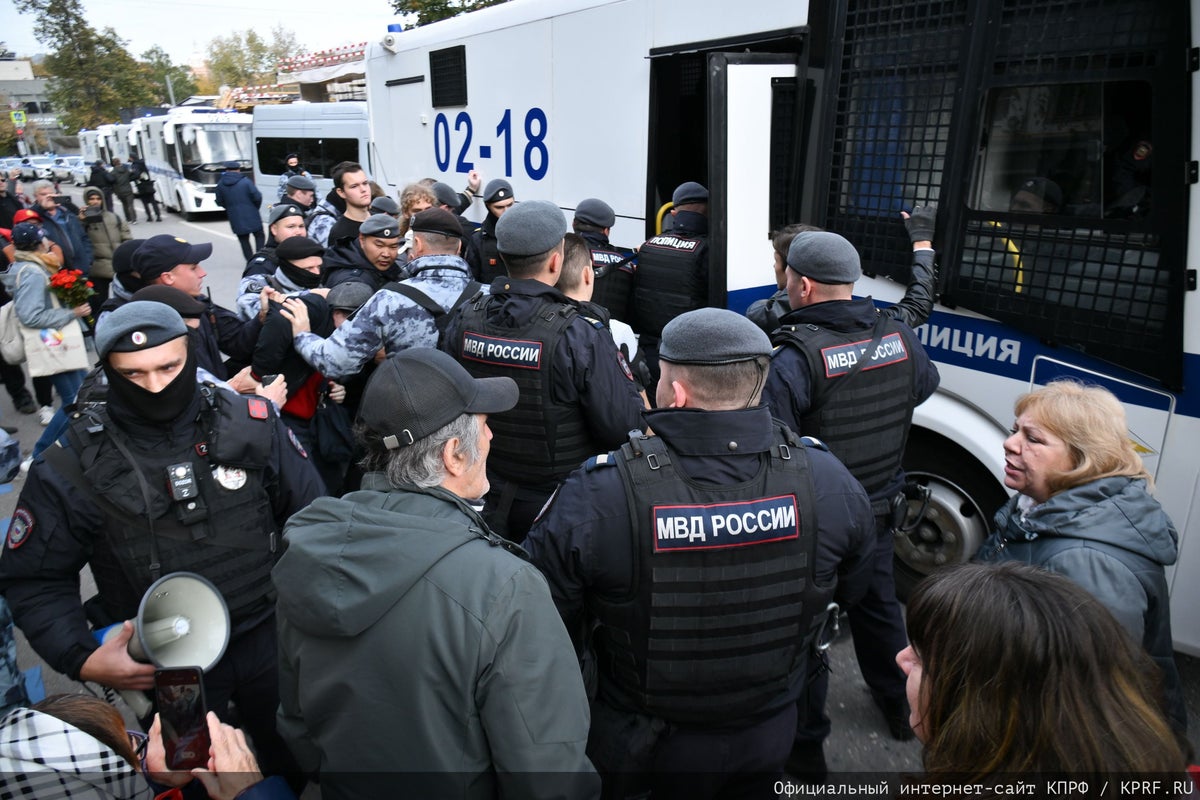
“Fedorov instead of Khmara”: Ukrainian protesters outside parliament greet news of new defense minister’s appointment with disapproval

cardboard protests against zelenskyy's firing fedorov erupt across ukraine · post residents rally dismissal defense minister mykhailo dnipro 16 2026 signs read bring [him] back animals why do need system

Ukrainian activists who spent a month calling for the former defense minister’s return have criticized the appointment of his successor. People rallying in Kyiv's Mariinskyi Park for the reinstatement of Mykhailo Fedorov as defense minister greeted the news of Yevhenii Khmara's appointment to the post with disappointment, Ukrinform reports.

The rally caps a month of protests over Fedorov's dismissal. People have gathered on Ukraine's streets since President Volodymyr Zelenskyy removed Fedorov amid a logistics-lockdown operation against Russia and successful strikes deep into its territory. Parliament approved Khmara despite the protests.

"Shame!" protesters reacted to the appointment

The crowd met the appointment with anger. They began chanting "Shame!" and beating drums as the news of Khmara's confirmation broke.

They said that the post "should belong to another person" and appealed to the Ukrainian government: "We greatly respect Khmara, but please, do not hide behind Khmara," the activists said.

"We demand dialogue"

The protesters framed their grievance as a lack of dialogue with the president. They chanted slogans including "We demand dialogue," "Do not destroy our future," "Dialogue, not ignoring," "Fedorov instead of Khmara," "Power is the people," and "Power is responsibility," and said there was no dialogue with Zelenskyy on the matter.

Some held placards reading "Return Fedorov," "Against Khmara," "Thank you for Drapatyi, return Fedorov," and others praising Fedorov's record on strikes against Russia.

The protest continues

The activists announced a pause and the next step. After the news of Khmara's appointment, they said they were ending this particular protest and called on people to come to Ivan Franko Square at 7 p.m., saying they plan to hold such actions there daily.

The day before the vote, Fedorov addressed Ukrainians, saying the country cannot remain without a fully appointed defense minister, but at the same time called for mechanisms that would allow elections to be held in full during martial law.

He did not name a specific proposal or answer the question of who exactly should launch this mechanism, adding only that "democracy cannot be a hostage to Russia."

He also stated that Fedorov declared a "systemic crisis of governance" in Ukraine and criticized the influence of private interests on the parliament's work, effectively hinting that the current leaders are ineffective.

  •  

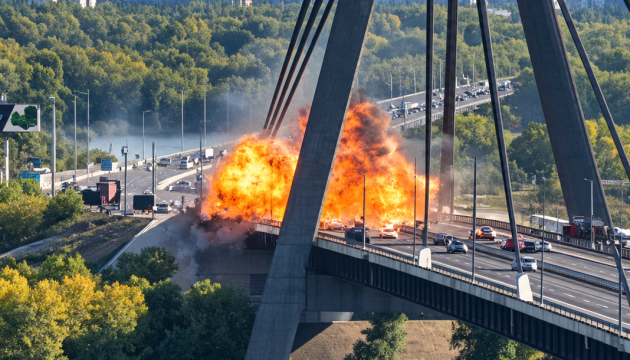
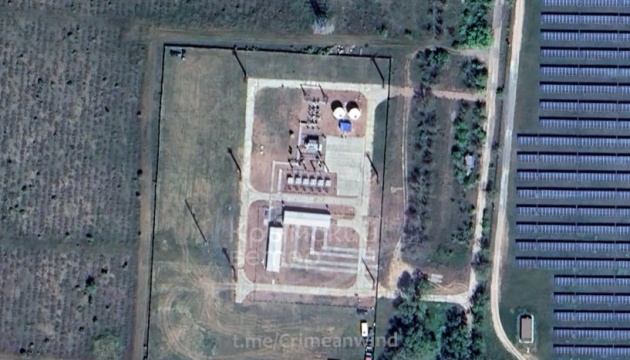
Defense forces strike road bridge and three Russian UAV depots

On the night of August 19, the Ukrainian Defense Forces struck three UAV depots, command and control centers, a bridge, and other key Russian targets in the temporarily occupied territories of the Zaporizhzhia, Kherson, Donetsk, and Luhansk regions, as well as in the temporarily occupied Crimea.

  •  

Estonia probes Russian link in suspected arson at military robot maker supplying Ukraine

A Milrem THeMIS unmanned ground vehicle crosses sandy terrain in a forest, raising dust behind its tracks.

Estonia is investigating whether Russia was behind a suspected arson attack at a Tallinn building used by Milrem Robotics, Prime Minister Kristen Michal said on 18 August.

Officials have not released evidence yet connecting Moscow to the fire.

The fire hit a site used by a defense contractor that makes unmanned ground vehicles, including THeMIS vehicles used in Ukraine. The Estonian investigation into the Milrem fire comes amid suspected or confirmed arson plots against other European factories supplying Ukraine.

Estonian prosecutors said the fire, which began overnight into 15 August, may have been deliberately set. A resident reported suspicious activity nearby. Investigators identified suspects and asked a court to detain them. No one was injured, and Milrem CEO Kuldar Väärsi told the Estonian outlet Postimees that it was too early to assess the damage.

The company executive said the site was not an office building but declined to identify its contents or what was damaged, including whether unmanned ground vehicles were inside. The company has not said whether production or deliveries were affected.

milrem building in tallinn where the fire on 14-15 august 2026 occured
The building used by Milrem Robotics on Betooni Street in Tallinn, where the fire occurred overnight on 14–15 August 2026. Screenshot: Google Maps Street View

Milrem’s THeMIS vehicles have operated in Ukraine since 2022. By 2023, the company had delivered 15 of the vehicles to Ukrainian forces and border guards. A Dutch-funded order for more than 150 additional vehicles followed in 2025. A new Dutch production line began making them in June 2026 and handed over its first vehicles for Ukraine.

Other factories supplying Ukraine have faced arson

In March, a fire damaged a Czech facility belonging to LPP Holding, which had supplied hundreds of AI-guided drones to Ukraine. Czech authorities investigated possible terrorism and later detained a fourth suspect.

In January, Lithuania charged six people over an attempt to burn a factory supplying radio-wave scanners to Ukraine. Investigators said Russia-based organizers with GRU links coordinated the operation and connected the network to attempted attacks elsewhere in Europe.

Estonia has traced earlier attacks to Russian intelligence

Estonia has also uncovered Russian-directed attacks on its own territory. In 2024, Estonia’s security service detained 10 people over a Russian-coordinated operation that included damaging cars belonging to then-Interior Minister Lauri Läänemets and a journalist and defacing monuments. Officials said the operation sought to spread fear and tension. Journalists from The Insider, Re:Baltica, and Delfi reported how the GRU recruited Baltic residents for vandalism and arson.

In 2025, an Estonian court found that a Moldovan national working for the GRU burned a supermarket as a trial run before firebombing a Ukrainian restaurant in Tallinn. His cousin filmed the second attack.

Those cases explain why investigators are examining a possible Russian role in the Milrem fire, but they do not establish who caused it.

  •  

Two officers, 101 soldiers—Ukraine’s newest homecoming from Russian cells

two officers 101 soldiers—ukraine's newest homecoming russian cells · post freed ukrainian defender raises fist among fellow released captives wrapped national flags 19 2026 4 pow exchange sbu5199714552638020898 ukraine news

Ukraine has brought another 103 servicemembers home from Russian captivity in the first stage of a new prisoner exchange, the Coordination Headquarters for the Treatment of Prisoners of War reported on 19 August 2026. Most of the returning defenders are wounded or seriously ill after captivity that, for some, reached back to 2022, the year of Russia's full-scale invasion. The United States and the United Arab Emirates helped organize the swap, the headquarters said.

Amid Moscow's full-scale invasion, prisoner swaps have become one of the few channels that still functions between Kyiv and Moscow, and each one hinges on how many enemy captives one side can put on the table for the next round. Thousands of Ukrainian soldiers and, separately, civilians remain in Russian hands, and each release still returns only a fraction of the people whose families are waiting for them.

Who came home

The freed group covers nearly every branch of Ukraine's forces. It includes members of the Armed Forces, the Navy, Territorial Defense, the National Guard and the State Border Guard Service. Alongside soldiers and sergeants, several officers were released.

The SBU said the return of the 103 Ukrainian defenders was coordinated by the Joint Center for the Search and Release of Prisoners of War, the Coordination Headquarters for the Treatment of POWs, and other authorized agencies.

📹SBU pic.twitter.com/nr5VabHYtQ

— Euromaidan Press (@EuromaidanPress) August 19, 2026

The Coordination HQ detailed the composition. The Defense Ministry accounted for 92 of those freed, and the Interior Ministry for 11. Two of the returnees are officers, the rest enlisted personnel and NCOs. Interior Minister Ivan Vyhivskyi said his ministry's 11 broke down into five National Guardsmen and six border guards.

The defenders had been captured across the Donetsk, Luhansk, Kharkiv, Zaporizhzhia, Dnipropetrovsk, Kherson and Sumy directions, as well as at Mariupol. The single largest share, 72, fell on the Donetsk front. The youngest freed defender was born in 2000, and the oldest is 59.

two officers 101 soldiers—ukraine's newest homecoming russian cells · post freed ukrainian prisoners war officials pose military flags after returning captivity 19 2026 1 pow exchange sbu5199714552638020893 ukraine news reports
Freed Ukrainian prisoners of war and officials pose with military flags after returning from Russian captivity, 19 August 2026. Photo: Security Service of Ukraine

Years behind Russian bars

The captures span the entire full-scale war. One of those freed had been held since 2022, 16 since 2023, and 48 since 2024. Another 31 were seized in 2025 and seven this year. By the same tally, the International Committee of the Red Cross had confirmed the captivity of 102 of the group before the handover, with a single case verified through other sources.

A previous swap in late June returned 160 defenders, all of them held since 2022.

two officers 101 soldiers—ukraine's newest homecoming russian cells · post freed ukrainian servicemen wrapped national flags gather after returning captivity 19 2026 5 pow exchange координаційний штаб ukraine news reports
Freed Ukrainian servicemen wrapped in national flags gather after returning from Russian captivity, 19 August 2026. Photo: Coordination Headquarters for the Treatment of Prisoners of War

Wounded and ill

The released defenders will undergo full medical examinations, receive physical and psychological rehabilitation, and obtain the state payments provided by law. The head of the President's Office, Kyrylo Budanov, said doctors were already doing everything necessary for the returnees, most of whom came back with wounds and serious illness.

Their condition fits a wider pattern Ukrainian officials have described, in which Russia starves most captives and executes many surrendered soldiers on the battlefield.

two officers 101 soldiers—ukraine's newest homecoming russian cells · post released ukrainian defenders hold state border guard service flags after return captivity 19 2026 2 pow exchange іван вигівський мвс5199720694441253107
Released Ukrainian defenders hold State Border Guard Service flags after their return from Russian captivity, 19 August 2026. Photo: Ivan Vyhivskyi / Interior Ministry

"We remember everyone still in captivity"

President Volodymyr Zelenskyy said the freed included men who had defended Mariupol. 

"We remember every man and every woman still held captive. We are doing everything possible to bring all our people home," he said.

two officers 101 soldiers—ukraine's newest homecoming russian cells · post freed ukrainian servicemen wrapped national flags gather after returning captivity 19 2026 5 pow exchange координаційний штаб ukraine news reports
Freed Ukrainian servicemen wrapped in national flags gather after returning from Russian captivity, 19 August 2026. Photo: Coordination Headquarters for the Treatment of Prisoners of War

The Security Service of Ukraine noted the swap ran through the joint center it operates to coordinate the search and release of prisoners. Oleh Ivashchenko, chief of the Main Directorate of Intelligence (HUR) and head of the Coordination Headquarters, met the returning defenders in person. 

  •  

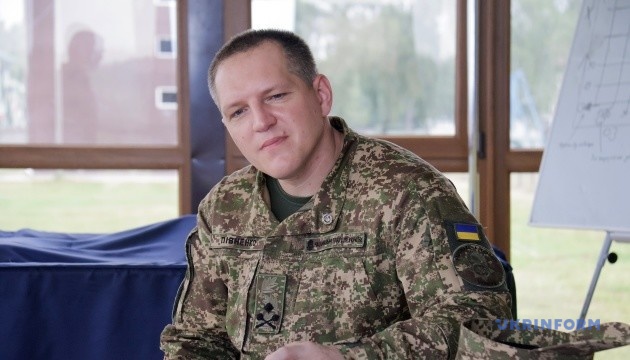
Ukraine’s new defense minister says he already knows Russia’s strategy for fall and winter

Yevhenii Khmara, Ukraine's new defense minister, on 19 August 2026, in Kyiv. Source: The Ukrainian Defense Ministry

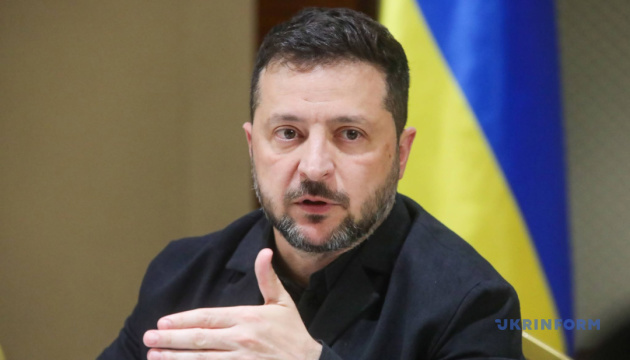
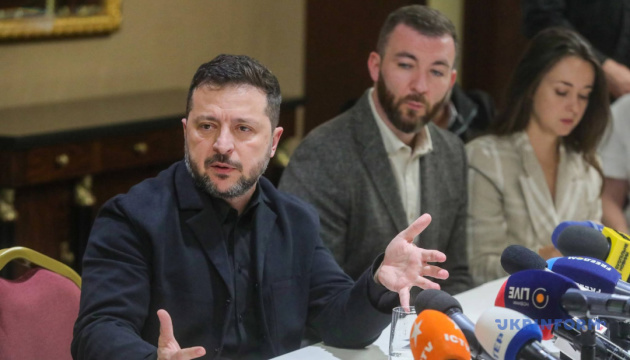
Yevhenii Khmara has become Ukraine's new defense minister after the voting in the Ukrainian parliament. He will take office after the previous Minister of Defense, Mykhailo Fedorov, whose dismissal sparked major protests across Ukraine, but this did not change the decision.

During his first speech, Khmara made it clear that he would continue his predecessor's course — the technologization of the army, according to Ukraine's Defense Ministry.

"The aggressor can only be forced into peace through the strength of our military, technological, and asymmetric solutions, first and foremost, the constant updating and effective application of technology," Khmara said.

He added that there "would be more Ukrainian weapons, and strikes would be more precise."

Threat of new wave of mobilization in Russia

Khmara also stated that intelligence data indicates Russia is preparing for a new wave of mobilization, so building up the means to destroy Russia's combat capabilities is one of the key priorities of the Defense Forces.

"A strong enemy is waging war against us, one that employs the most treacherous and cruel methods of warfare. We know about Russia's next steps, its mobilization plans, and its strategy for fall and winter," Khmara stated.

Earlier, Deputy Head of the Ukrainian Defense Intelligence, Major General Vadym Skibitsky, said in an interview with RBC-Ukraine that Russia could attempt to launch an offensive in north of Ukraine this year, but the necessary conditions for such an operation are not currently in place. Such an assault could threat Sumy, Chernihiv, and Kyiv oblasts.

Opportunities for this could arise through mobilization following the parliamentary elections in the Russian Federation in September.

Three main priorities

Also, during his speech, Khmara outlined three priorities for his position. Among them: seizing the strategic initiative in all domains of war, timely delivery of weapons to the front along with transparent procurement procedures, and human capital.

"This is about seizing the strategic initiative in all domains of war: on land, at sea, in the air, in the information space," Khmara stated.

He also emphasized the need to ensure rapid exchange of information between the front and the ministry, so that the needs of the military are promptly taken into account when making decisions.

According to the newly appointed minister, the army must receive the necessary weapons in sufficient quantities and on time, and procurement must be carried out transparently, free of unnecessary bureaucracy, and in the interests of the front and Ukraine's defense.

In addition, Khmara named "human capital, the lives and health of soldiers" as a priority.

"Technology is needed so that the Ukrainian defender has an advantage, so that the risk to a person's life is minimized," he added.

  •  
❌