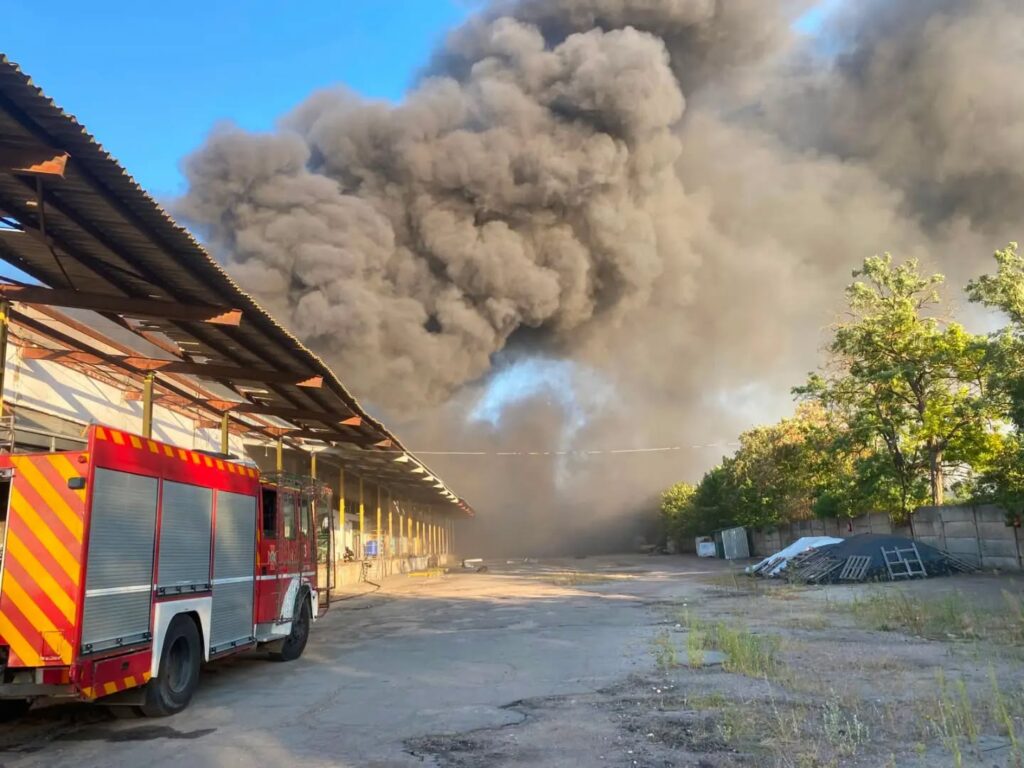
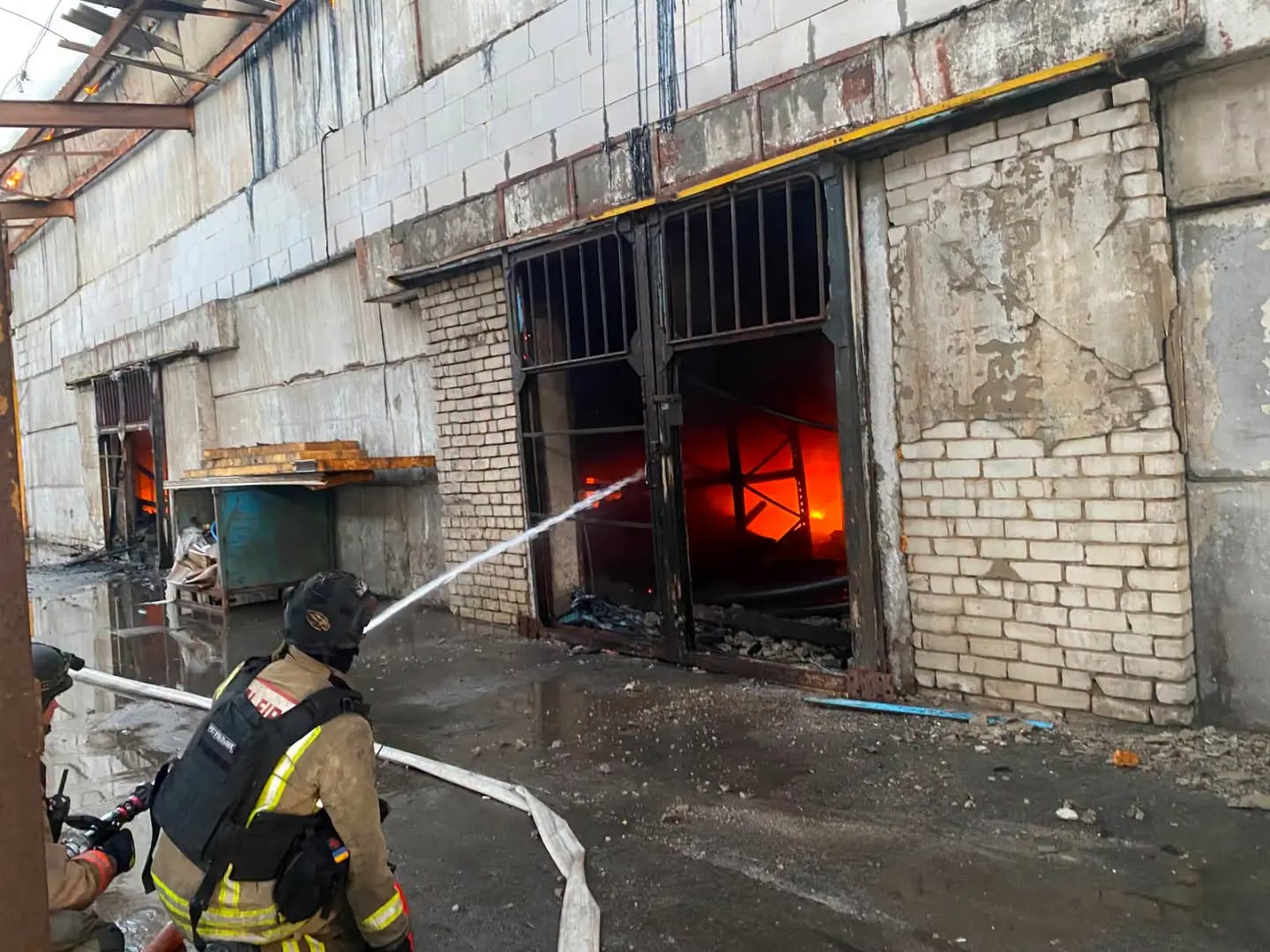
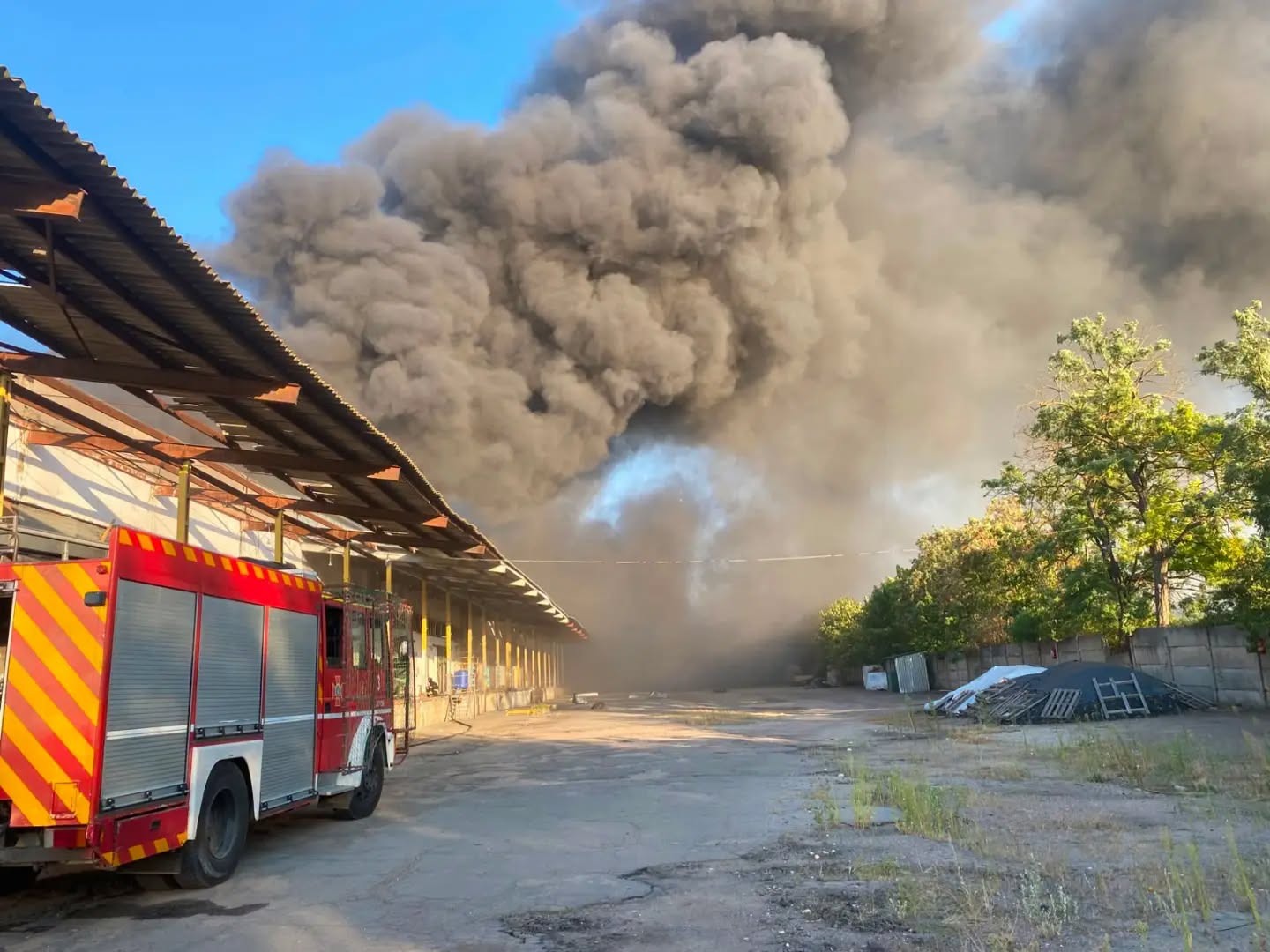
Ukraine opened a nationwide investigation into soldiers' payments five days ago. The State Bureau of Investigation has now charged a deputy commander of a separate security and servicing battalion in Odesa Oblast with issuing travel orders that sent his subordinates to fake combat groupings on paper, the bureau reported on 25 August.
Combat pay in Ukraine runs on paperwork. Assault and zonal payments depend on time spent on each mission and require documentary confirmat
Ukraine opened a nationwide investigation into soldiers' payments five days ago. The State Bureau of Investigation has now charged a deputy commander of a separate security and servicing battalion in Odesa Oblast with issuing travel orders that sent his subordinates to fake combat groupings on paper, the bureau reported on 25 August.
Combat pay in Ukraine runs on paperwork. Assault and zonal payments depend on time spent on each mission and require documentary confirmation, with the highest rates going to troops on the line of contact.
The travel orders carried the scheme
The soldiers collected the additional payment known as the Defender's Bonus for combat participation that did not happen, taking about $15,600, without grounds, according to the agency.
"In fact, soldiers remained in Odesa. Despite this, they were paid an additional bonus," officers said.
Part of that money went back to the officer who arranged it. He was detained and charged under Part Five of Article 426-1 of the Criminal Code, which covers a military official exceeding authority and carries a sentence of up to 12 years.
The case sits inside a national sweep
The bureau launched the operation, called Justice for Soldiers, on 20 August together with the General Staff, conducting 72 searches and preparing suspicions against 22 people.
Most of the cases concerned money wrongly paid to soldiers. Twelve proceedings were related to the illegal calculation and receipt of payments by soldiers, with 58 searches conducted and suspicions planned against 20 people.
Twelve of those proceedings deal with the illegal calculation and receipt of payments by soldiers. A separate strand covers commanders using troops for private labor.
A separate strand targeted the misuse of soldiers themselves. Five searches were conducted in a case involving the illegal use of military labor, in which subordinates, instead of performing military duties, were used for construction, household, and other work in the commanders' private interests.
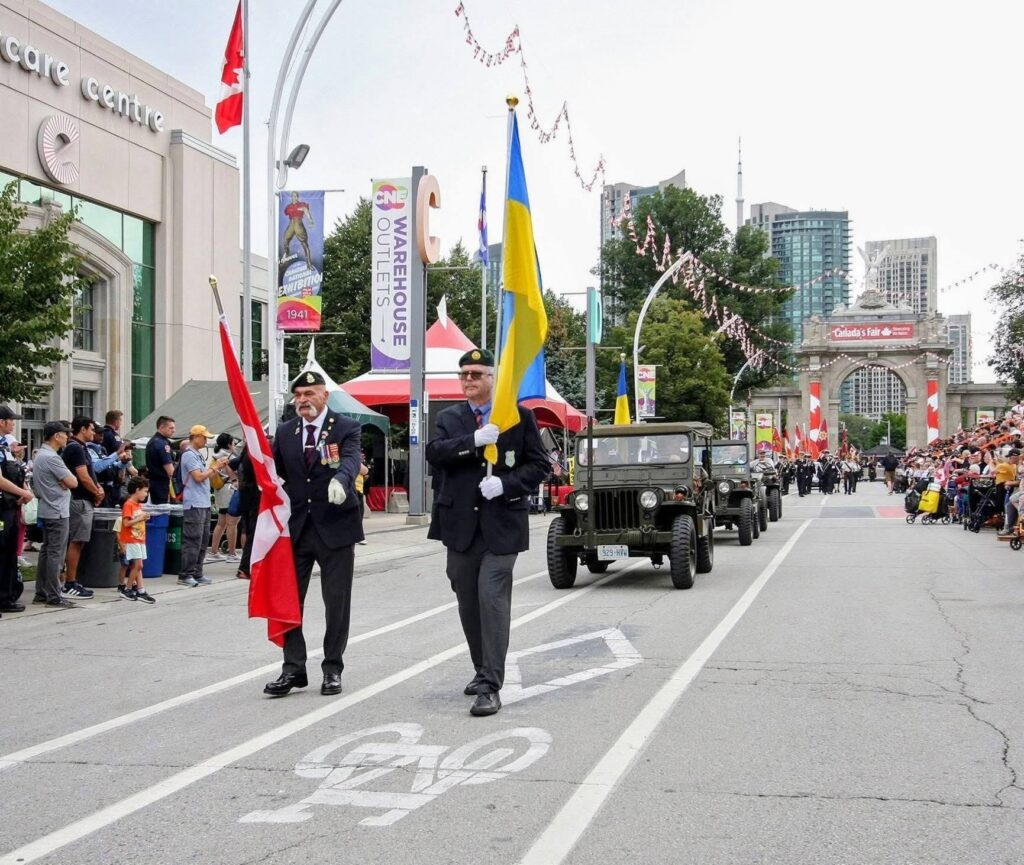
Ukrainian officers have marched in one of Canada's oldest military parades for three consecutive years, Ukraine's Consul General in Toronto, Oleh Nikolenko, said. They took part in the 105th Warriors' Day Parade in Toronto, an event honoring former and serving military personnel that draws veterans, active-duty soldiers, and their families.
The parade rests on a working military relationship. Canadian forces have trained more than 50,000 Ukrainian security forces person
Ukrainian officers have marched in one of Canada's oldest military parades for three consecutive years, Ukraine's Consul General in Toronto, Oleh Nikolenko, said. They took part in the 105th Warriors' Day Parade in Toronto, an event honoring former and serving military personnel that draws veterans, active-duty soldiers, and their families.
The parade rests on a working military relationship. Canadian forces have trained more than 50,000 Ukrainian security forces personnel since 2015 under Operation UNIFIER, roughly 16,000 of them across Europe since the full-scale invasion, with about 300 Canadian personnel currently deployed on the mission, Canada's Department of National Defense said.
The parade has opened the CNE since 1921
The Warriors' Day Parade has opened the Canadian National Exhibition every year since 1921, marching from the Princes' Gates along Princes' Boulevard to the Stanley Barracks, and organizers call it the longest-running veterans' parade in the free world, according to the CNE.
The consul general framed it as a signal
Nikolenko said Ukrainian soldiers standing among those Toronto honors carried weight beyond the occasion.
"It was very important to see Ukrainian defenders among those to whom Torontonians paid tribute. Their presence is a powerful symbol of the strength of Ukrainian-Canadian friendship, solidarity, and shared support," he stated.
European capitals opened their parades this summer
During the summer of 2026, Ukrainian defenders took part in different parades of their allies. In July, twenty-five Ukrainian soldiers marched down the Champs-Élysées at France's Bastille Day parade on 14 July, behind around 500 troops from 35 Coalition of the Willing countries, while two French Mirage 2000B fighters opened the flypast with a Ukrainian co-pilot in each cockpit.
A week later, the same soldiers led the foreign component of Belgium's National Day parade in Brussels, their first appearance in the city that hosts NATO and EU headquarters.
However, Ukraine was not invited to Poland's Armed Forces Day parade in Warsaw on 15 August, the largest in Polish history, while contingents from the US, Canada, Australia, Lithuania, and other allies did take part, Militarnyi reported.
A delegation from the Spanish Santa Clara Convent Foundation, with Sister Lucía Caram, visited Ukraine on its most important day. It handed an ambulance, a pickup, and five cars to the 11th Border Detachment, the "Forpost" brigade holding one of the hardest sectors in Kharkiv Oblast, the State Border Guard Service reported.
The vehicles are the visible part of a medical channel. Sister Lucía Caram, based in Manresa, delivered its 45th convoy to Kyiv this week, according
A delegation from the Spanish Santa Clara Convent Foundation, with Sister Lucía Caram, visited Ukraine on its most important day. It handed an ambulance, a pickup, and five cars to the 11th Border Detachment, the "Forpost" brigade holding one of the hardest sectors in Kharkiv Oblast, the State Border Guard Service reported.
The vehicles are the visible part of a medical channel. Sister Lucía Caram, based in Manresa, delivered its 45th convoy to Kyiv this week, according to Atalayar.
The surgery program moves to its next stage
Acting Border Guard Service head Major General Valerii Vavryniuk met the delegation alongside a simultaneous video call with Spanish Defense Minister Margarita Robles.
Two commitments came out of it. The border service is to continue rehabilitating severely wounded border guards in Spanish medical facilities, and to begin advanced training for its own surgeons in reconstructive surgery.
Housing came up as well
Caram raised an initiative by the HANSEN Ukrainian Mission, which offered partnership support in housing families who lost their homes to fighting in the east.
The two sides also discussed rehabilitation more broadly for border guards wounded in combat. Vavryniuk thanked Caram and Spain for the aid programs.
Catalan business pays for the convoys
Before the meeting, Caram and the head of the 10th Mobile Border Detachment laid flowers at the Nebesnyi Dozor monument in Kyiv's Darnytskyi district. She also attended Ukraine's National Prayer Breakfast, the annual interfaith event bringing together political, religious, and civic figures.
Earlier, Robles announced Spain would transfer 100 VAMTAC armored tactical vehicles to Ukraine, along with a batch of 155 mm artillery shells.
In March, Spanish Prime Minister Pedro Sánchez announced a new €1 billion military aid package for Ukraine for 2026. Part of the aid, financed through the EU SAFE instrument, was intended to support the development of joint production within Ukraine’s defense industry.
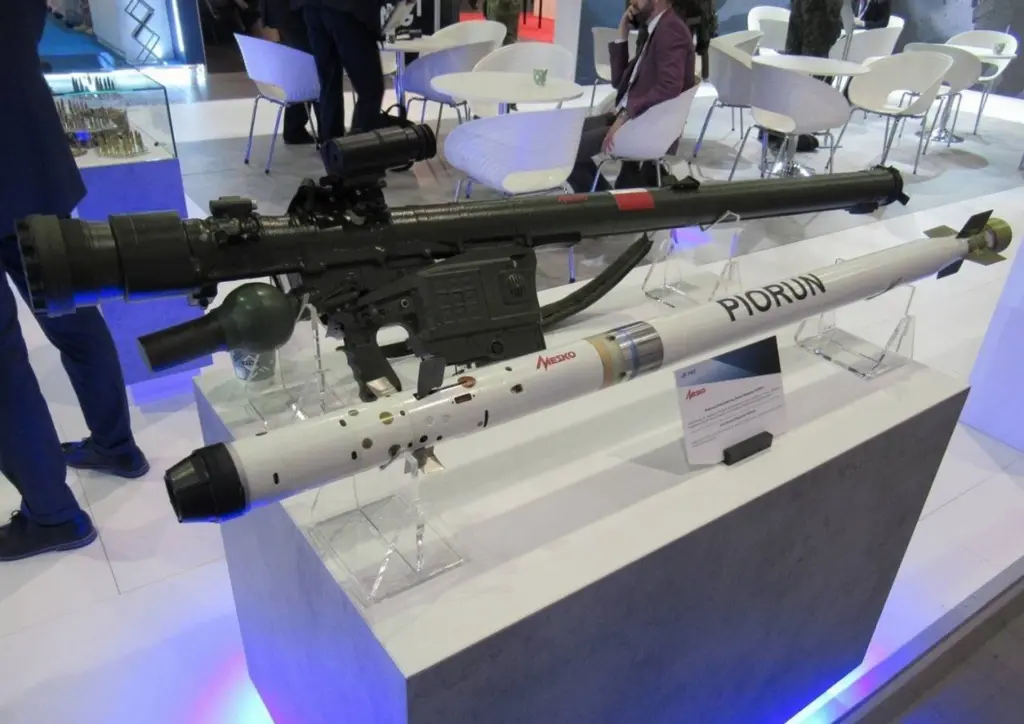
Ukrainian troops have been shooting down Russian aircraft with Polish Pioruns since 2022. Poland's Defense Ministry has signed a framework agreement worth more than $2 billion for several thousand shoulder-fired systems in the largest order ever placed for these launchers and missiles.
The money comes from SAFE, the European Union's 150-billion-euro defense loan facility created in response to Russia's war. Poland holds the largest national envelope at 43.7 billion euro
Ukrainian troops have been shooting down Russian aircraft with Polish Pioruns since 2022. Poland's Defense Ministry has signed a framework agreement worth more than $2 billion for several thousand shoulder-fired systems in the largest order ever placed for these launchers and missiles.
The money comes from SAFE, the European Union's 150-billion-euro defense loan facility created in response to Russia's war. Poland holds the largest national envelope at 43.7 billion euros, ahead of 18 other participants, TVP World reports.
Four countries split the order
The systems will go to the armed forces of Poland, Latvia, Lithuania, and Norway, the last of which is not an EU member. More than 80% of the missiles and launchers are earmarked for the Polish army, with the implementation agreement for Poland financed from SAFE funds, according to the ministry's release.
The contract also covers simulators, training, and logistics packages. Mesko, part of the state-owned PGZ defense group, manufactures the system.
"Piorun is our export hit," said Magdalena Sobkowiak-Czarnecka, state secretary at Poland's Defense Ministry, adding that other EU countries showed interest in them during talks on the SAFE mechanism.
The seeker head does the work
The Piorun is a modernized Grom that remains in Polish service. The upgrade brought a modified launch mechanism, a new and more sensitive homing head, and an electro-optical sight mounted on a rail.
Those changes improved target acquisition, resistance to countermeasures, and effective range against low-flying aircraft, helicopters, cruise missiles, and drones.
Ukraine's record set the reference
Poland approved its first Piorun transfer to Ukraine on 1 February 2022, three weeks before the full-scale invasion. Ukrainian crews have since used the system against cruise missiles, aircraft, and helicopters, and Western analysts list it among the short-range systems European industry can supply without American approval.
The ministry's announcement names no allocation for Ukraine.
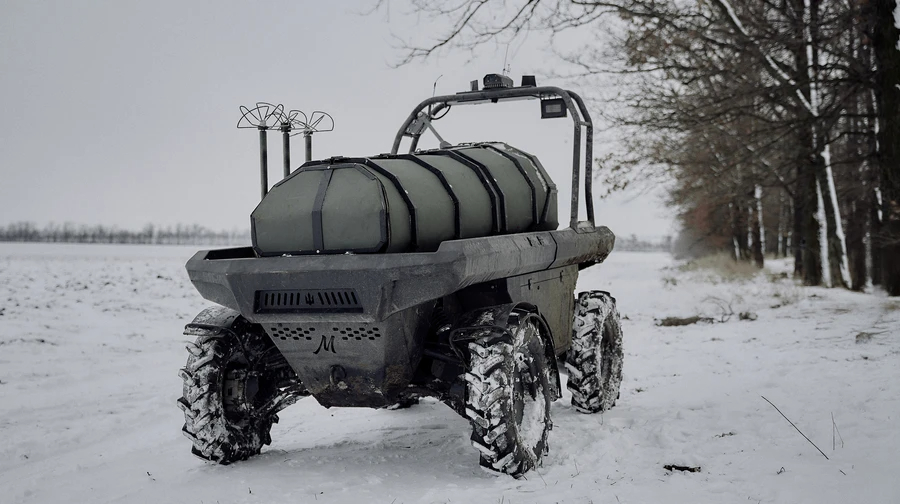
Ukraine's ground robots ran more than 100,000 missions in the first eight months of 2026. The Defense Procurement Agency will now buy logistics and strike ground robotic complexes according to specifications set by the Defense Ministry, rather than approving models one at a time, the ministry announced.
The mechanism is three days old. The agency applied the same structure to fiber-optic FPV drones on 22 August—classes, multiple lots each, no supplier above half a class
Ukraine's ground robots ran more than 100,000 missions in the first eight months of 2026. The Defense Procurement Agency will now buy logistics and strike ground robotic complexes according to specifications set by the Defense Ministry, rather than approving models one at a time, the ministry announced.
The mechanism is three days old. The agency applied the same structure to fiber-optic FPV drones on 22 August—classes, multiple lots each, no supplier above half a class. Ukraine is standardizing how it buys entire weapons categories, one category at a time.
The rules sort makers by class
Complexes will be divided into classes by operating range and payload, with four to five lots per class. No single manufacturer may take more than half the order within one class.
Suppliers must meet the technical specifications and hold at least one codified ground robotic complex. The procurement runs in a closed environment under defense security requirements.
"A tender is one of the best instruments for this, because we can buy more equipment for the same money and minimize the risk of supply disruptions by splitting the order among different manufacturers," Deputy Defense Minister Mstyslav Banik said.
Mission volume keeps climbing
Monthly figures of ground robot missions logged in the DELTA combat system rose almost without interruption: 7,511 in January, 11,028 in April, 19,969 in July. Units recorded another 15,729 between 1 and 20 August, about 790 a day compared with roughly 640 a day in July, The Defense Post reported.
Ukraine has contracted more than 22,000 ground robots since January, nearly double the total for all of 2025. The number of units operating them grew from 117 at the end of 2025 to 230 by mid-2026.
A commander disputes the evacuation case
The ministry lists casualty evacuation as one of the tender's purposes. A frontline officer challenged that three days ago.
Tetiana Chornovol, who commands an anti-tank guided missile platoon, said ground robots are too slow for evacuation and often easy targets for Russian drones, arguing brigades need staffed evacuation teams and small light-armored vehicles instead.
Ukraine's cheap interceptor drones have been knocking Russia's nightly attackers out of the sky, so Russia has now bolted a jammer onto some of its own drones to blind them, according to Serhii "Flash" Beskrestnov, an adviser to Ukraine's President on defense technology. He examined the system, found in drone wreckage, and mapped how it strikes back at the interceptor sent to hunt it.
Russia batters Ukrainian cities with long-range drones most nights, and Ukraine has le
Ukraine's cheap interceptor drones have been knocking Russia's nightly attackers out of the sky, so Russia has now bolted a jammer onto some of its own drones to blind them, according to Serhii "Flash" Beskrestnov, an adviser to Ukraine's President on defense technology. He examined the system, found in drone wreckage, and mapped how it strikes back at the interceptor sent to hunt it.
Russia batters Ukrainian cities with long-range drones most nights, and Ukraine has leaned on a cheap shield—drones costing a few thousand dollars—instead of burning through far pricier missiles. Anything that dulls that shield pushes the cost of defending the sky back up.
A jammer that waits for the interceptor
The unit rides on a Geran, Russia's version of the Iranian Shahed one-way drone. It listens for the video signal an approaching Ukrainian interceptor beams back to its pilot. Its receiver reads the interceptor's working frequency, then orders a transmitter to bury that same channel in noise, Beskrestnov found.
Explore further
How Ukraine uses AI to guide long-range drone strikes through electronic warfare and deep into Russian-controlled rear areas
By his first estimate, the jammer's signal runs about five times stronger than the interceptor's video link—enough to wipe the picture and any chance of steering the drone onto its target.
Seconds decide it
In Beskrestnov's account, the system detected a test transmitter and switched on jamming after about three seconds, and the feed cut out. The device stays nearly idle until a hunter comes close, then jumps to full power to smother the signal. It targets the ordinary analog video band around 5.8 gigahertz that many cheap interceptors still use.
Possible answers, include interceptors with terminal-guidance homing for the final stretch of flight, digital communication links, or transmitters set to non-standard frequencies.
Explore further
“Two targets and ammo with one drone”: How a Ukrainian drone crew hunts Russian transport behind the front line
An old problem for Russia's drones
Russia has tried again and again to keep its one-way drones alive against Ukraine's defenses, including wiring jammers into some Shaheds earlier this year. Spending weight and power to protect a drone from a far cheaper interceptor shows how well those cheap drones work.
A Ukrainian drone maker is pitching a weapon that works like a mortar, not a drone. F-Drones has unveiled the F5, a compact five-inch strike FPV built for assault units working treelines, built-up areas, and position support at short range, according to the company's announcement.
Fiber-optic drones are now a bulk consumable. Ukraine's military received 374,000 under state contracts in 2025 and nearly as many again in the first four months of 2026, the Defense Ministry
A Ukrainian drone maker is pitching a weapon that works like a mortar, not a drone. F-Drones has unveiled the F5, a compact five-inch strike FPV built for assault units working treelines, built-up areas, and position support at short range, according to the company's announcement.
Fiber-optic drones are now a bulk consumable. Ukraine's military received 374,000 under state contracts in 2025 and nearly as many again in the first four months of 2026, the Defense Ministry reported in April.
The F5 arrives three days after Ukraine's Defense Procurement Agency launched its first purchase of fiber-optic FPV drones, in line with ministry-set specifications rather than individual manufacturers.
The specifications come from the manufacturer
F-Drones describes a lightweight five-inch carbon frame that carries up to one kilogram and is supplied in two control configurations.
The fiber-optic version flies about six kilometers. The radio version reaches roughly twice that, up to 13 kilometers. Several drones fit in one backpack, and a ground robot can deliver nine to a position at once, compared with the six FPVs per carrier on the Black Widow ground system.
Fiber optics buys immunity at a cost
F-Drones calls the fiber version fully invulnerable to electronic warfare. Fiber-optic control does defeat jamming because the drone emits no radio signal, but the cable restricts range and maneuverability and can snap or tangle mid-flight, cutting control. Ukrainian crews have also tracked Russian operators by following reflective fibers in sunlight back to the launch point.
The company compares its drone to a mortar
The pitch is about availability, not reach.
"In its role, the F5 is closer to an 82mm mortar than to a classic long-range FPV: always nearby and ready to close out the task here and now," the company said.
The F5 ships with a codified Opera electronic initiation board, and F-Drones says the aircraft has been tested and codified by Ukraine's Defense Ministry.
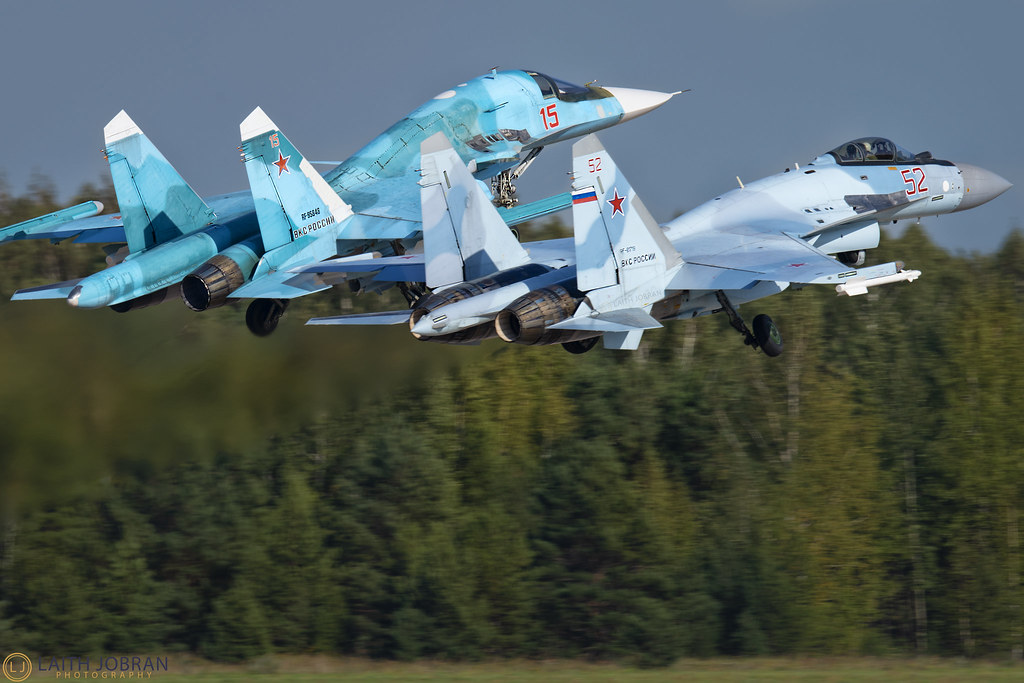
Ukraine's military intelligence has named the Russian companies that build the Su-35S fighter jet and singled out those no country has sanctioned, according to the Main Intelligence Directorate of Ukraine's Defense Ministry (HUR). The unsanctioned suppliers make parts as ordinary as wheels and fuel-system units, and one of them helped develop the aircraft. Kyiv wants sanctions efforts synchronized across every link of Russia's military-industrial complex.
More than four
Ukraine's military intelligence has named the Russian companies that build the Su-35S fighter jet and singled out those no country has sanctioned, according to the Main Intelligence Directorate of Ukraine's Defense Ministry (HUR). The unsanctioned suppliers make parts as ordinary as wheels and fuel-system units, and one of them helped develop the aircraft. Kyiv wants sanctions efforts synchronized across every link of Russia's military-industrial complex.
More than four years of harsh restrictions have made Russia's arms industry slower and costlier to run rather than idle, and it keeps closing the gaps by substituting parts and buying through third countries. Every restriction works one company at a time, which makes the depth of a sanctions list, not its length, the thing that decides whether production slows.
The 22 firms no one has sanctioned
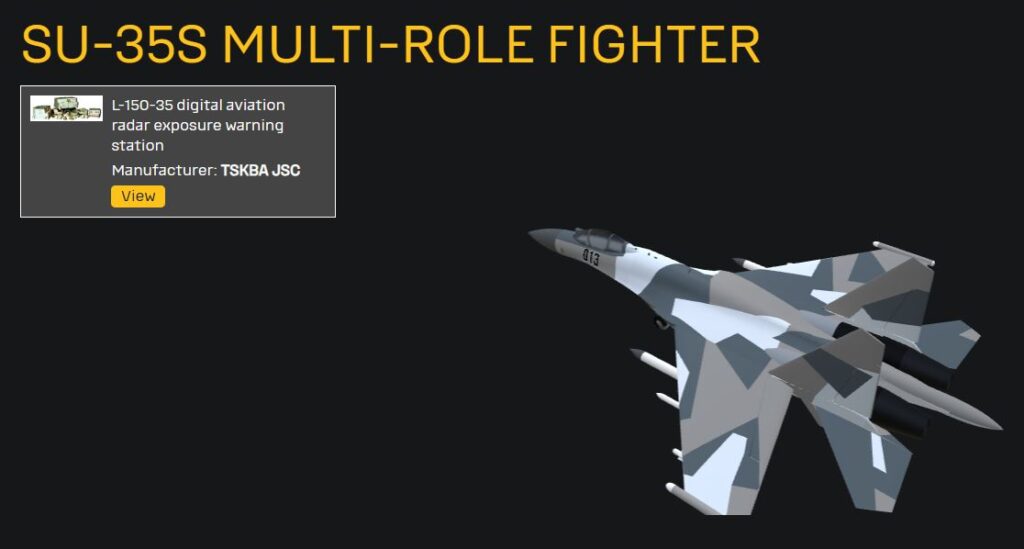
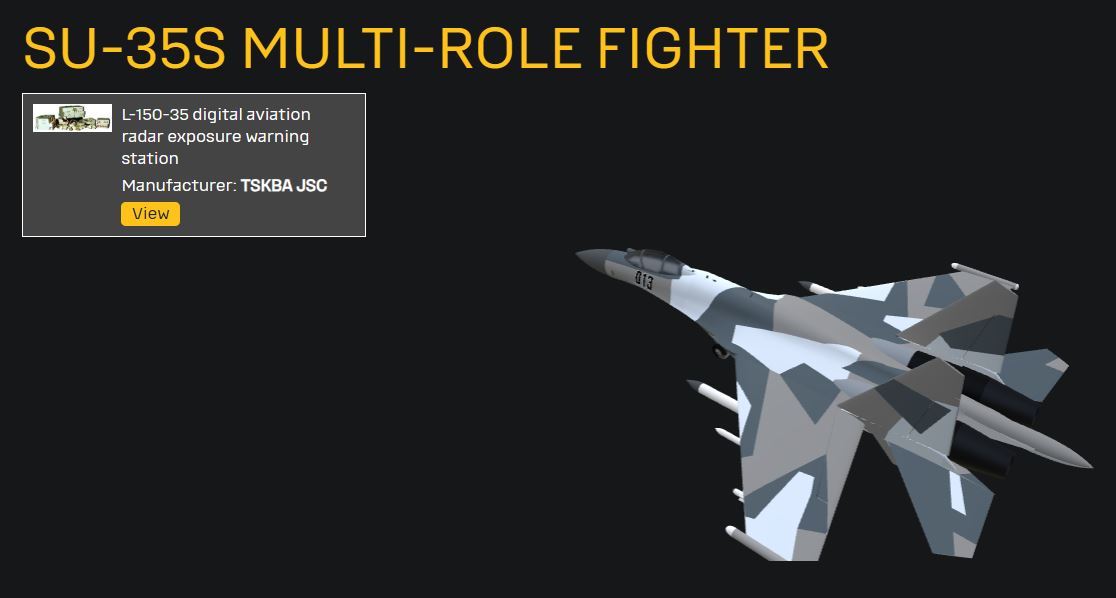
HUR identified 79 companies in the Su-35S production chain. Of those, 22 face no sanctions from any country restricting Russia over the war. The agency highlighted three. Rubin Aviation Corporation supplies the aircraft's braking and non-braking wheels. Gidroavtomatika builds the AU46-05 control units inside the fuel system. The Oktava research institute carried out design and development work on the Su-35S itself.
The 79 firms develop and produce the engines and fuel system, the control, communications, and guidance systems, the electronic warfare suite, and the main aviation missiles the jet carries into the war against Ukraine. HUR set the data out in the "Components in weapons" section of its War&Sanctions portal. The page carries a rotatable 3D model of the aircraft whose parts open onto the firms behind them, alongside directory listings and a profile for each company.
Russia uses the jet mainly to cover its own Su-34 fighter-bomber strike groups, ground troops, and installations. It also intercepts Ukrainian drones and cruise missiles, and works against Ukrainian air defense systems. Ukraine's Air Force said in July it had shot one down over the east, and such losses are hard for Moscow to replace: Russian factories ordered 12 of the jets in 2024 and delivered 10.
Explore further
Ukraine mapped Russia’s Su-35 down to individual control units—and found 22 firms nobody has sanctioned
Three sanctions regimes, loosely aligned
The gaps HUR points to exist because the restrictions are not one list. The EU legislates in packages, the US and other G7 states maintain their own designations, and Ukraine issues sanctions by presidential decree, each covering a different set of firms. Kyiv has spent years asking partners to synchronize those lists, and its own designations often run ahead of them. A company can therefore supply a frontline fighter and still trade freely under most of them.
Previously, HUR ran the same exercise on the Su-34, where a third of the production network was still unsanctioned. The same pattern shows up above the component level, with Russia's largest arms conglomerate covered by EU measures while hundreds of its subsidiaries are not, and Western machine tools still sitting inside Russian missile plants.
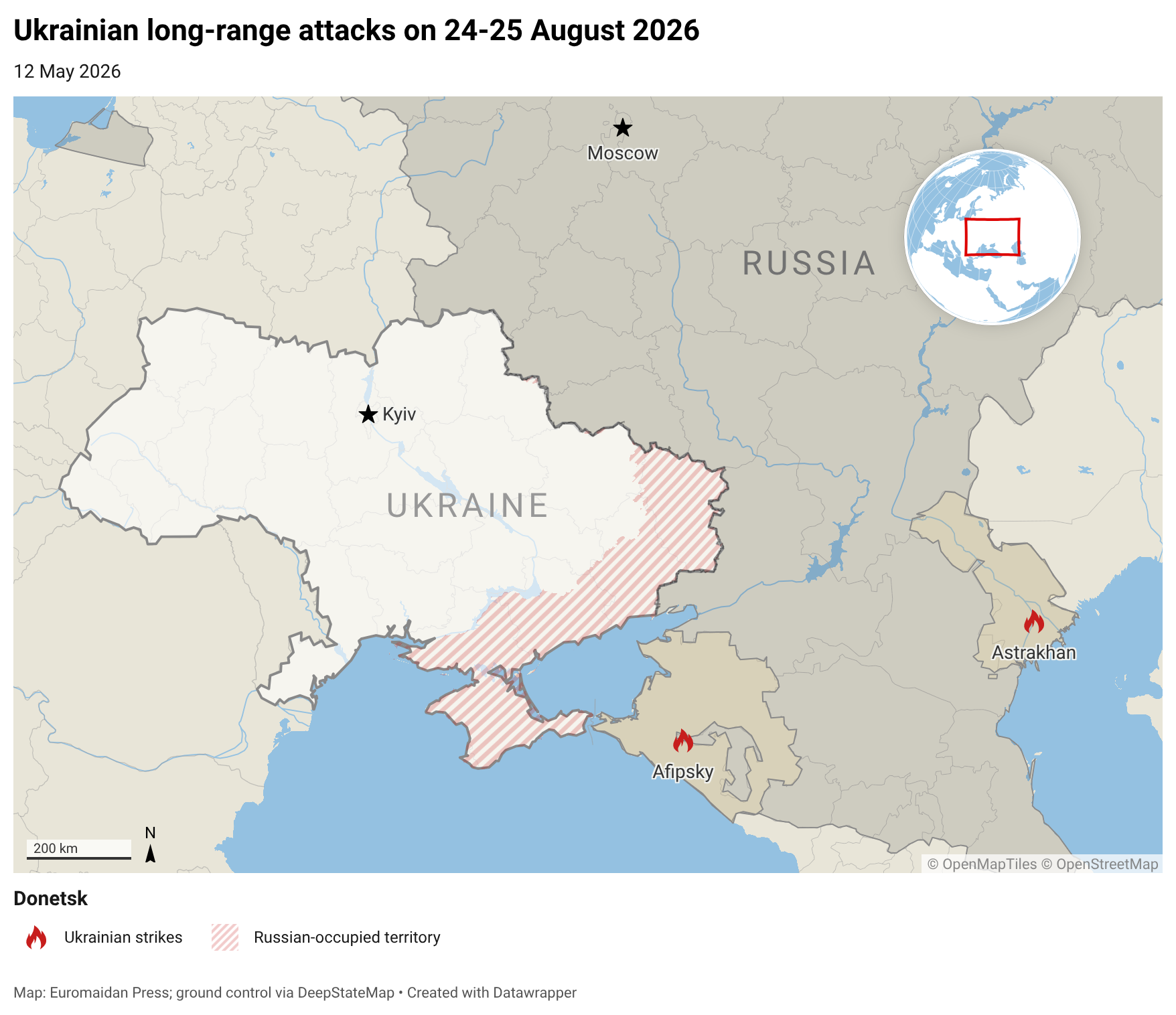
Ukrainian drones struck the Afipsky oil refinery in southern Russia overnight on 25 August, monitoring Telegram channels reported. Regional authorities claimed falling drone debris caused fires. Ukraine's General Staff later confirmed the strike, and, in the same post, a hit on a gas processing plant in Astrakhan Oblast the night before.
Ukraine's long-range drones reach deep into Russia against refineries and fuel depots, but also arms plants, military bases, rail nod
Ukrainian drones struck the Afipsky oil refinery in southern Russia overnight on 25 August, monitoring Telegram channels reported. Regional authorities claimed falling drone debris caused fires. Ukraine's General Staff later confirmed the strike, and, in the same post, a hit on a gas processing plant in Astrakhan Oblast the night before.
Ukraine's long-range drones reach deep into Russia against refineries and fuel depots, but also arms plants, military bases, rail nodes, and the warehouses of Russia's biggest online retailers — straining the economy and cutting the oil revenues that feed the war machine.
Fire at the plant, and Russia's debris account
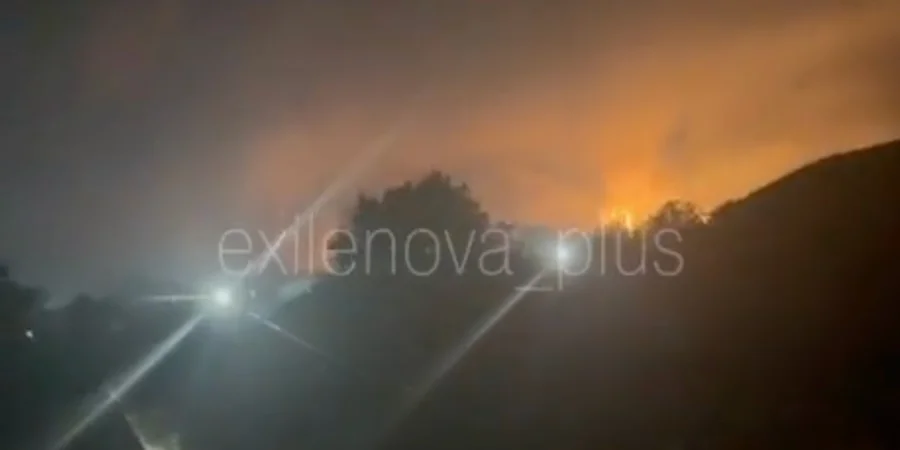
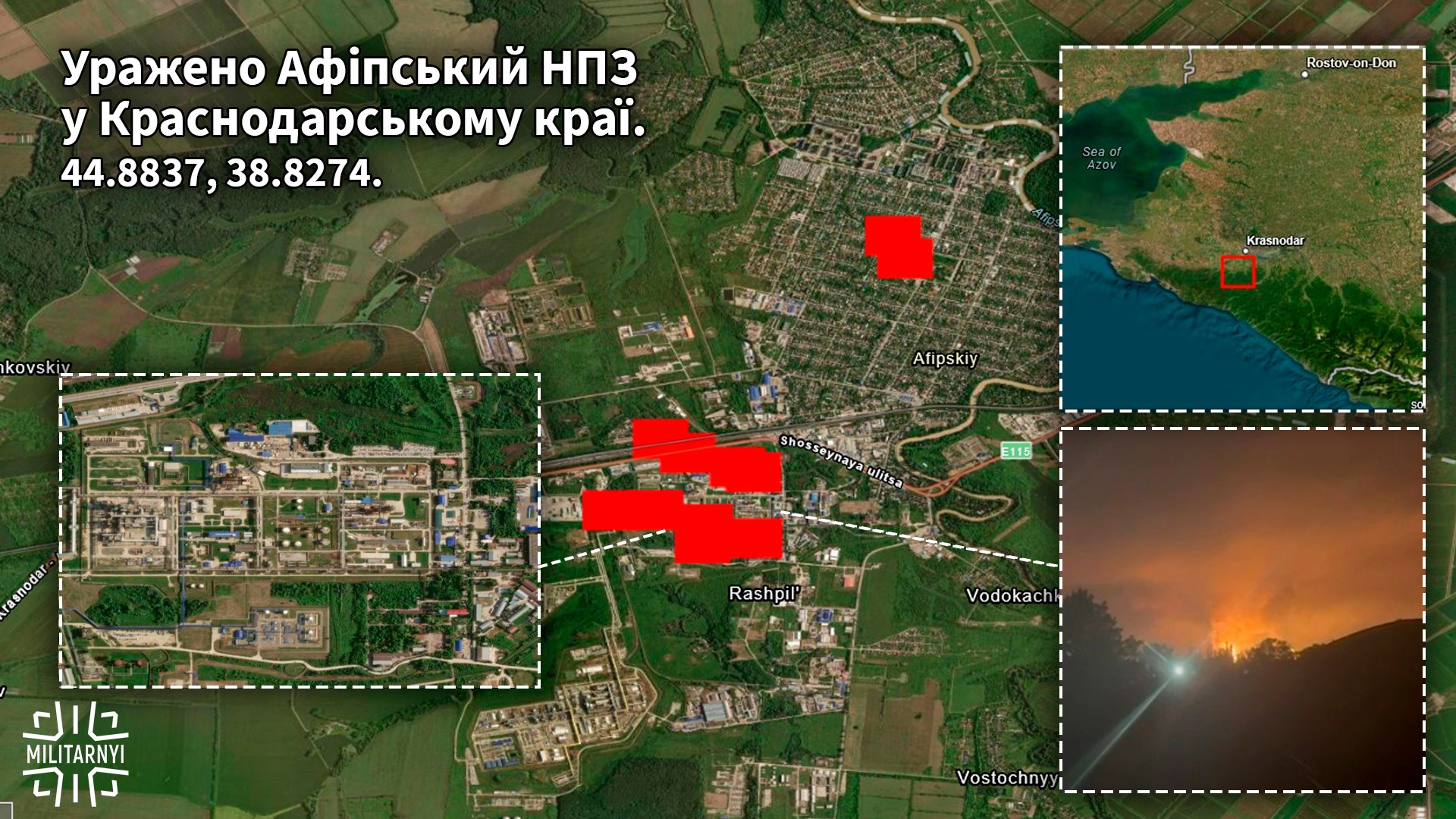
Initially, the Ukrainian monitoring Telegram channels Exilenova+ and Supernova+ reported the strike, publishing footage of the fire and placing one burning storage tank on the plant's grounds. NASA's FIRMS satellite fire data confirmed the burning site, Militarnyi reported.
Fire-detection points at the Afipsky oil refinery and in Afipsky settlement, Krasnodar Krai, Russia, 25 August 2026, with insets showing the plant, its location southwest of Krasnodar, and the fire at night. Map: Militarnyi analysis using ESRI mapping and NASA FIRMS data
The Krasnodar Krai operational headquarters stated that falling drone parts started the fire. Governor Veniamin Kondratyev claimed that debris fell on the grounds of the Afipskaya railway station, killing two people and injuring two more, and stated that fires broke out in the nearby settlement and at the refinery itself.
Ukrainian forces struck two U-272 gas separation units at the Astrakhan gas processing plant the night before, the General Staff wrote in the same post. That plant makes technical sulfur, which goes into explosives.
Drones also attacked Rostov Oblast overnight, with the Novoshakhtinsk refinery as the target, according to Supernova+.
Afipsky ranks among the largest refineries in southern Russia and handles more than 2% of the country's refining, Ukrainian sources said. Reuters, citing industry sources, put 2024 throughput at the plant together with the linked Krasnodar refinery at 7.2 million tons. Reuters also described it as export-oriented and not currently making commercial gasoline or diesel for the domestic market, a narrower picture than the product list Ukrainian sources give. Ukraine's military has previously described Afipsky as a producer of motor fuels for Russia, involved in supplying the Russian army.
The refinery Ukraine keeps targeting
Drones have reached the plant repeatedly this year, in January, March, June, and July, making the latest hit the fifth since the start of the year, The Moscow Times counted. In the July case, the Russian news Telegram channel Astra said the fire started near the tank farm.
Ukrainian drones have attacked Russian refineries more than 70 times since the start of 2026 and knocked several dozen plants out of service, The Moscow Times said, while Ukraine's General Staff counted 194 strikes on refineries in the first half of the year alone. Five stopped processing entirely after strikes since 1 August: Permnefteorgsintez, Orsknefteorgsintez, Zapsibneftekhim, and the Saratov and Volgograd refineries, the outlet said.
Russian propagandists filmed the target for Ukraine themselves. Operators of Ukraine's 422nd Separate Unmanned Systems Regiment "Luftwaffe", part of the 17th Army Corps, have destroyed a Russian logistics hub that occupation forces had set up inside a former Epicentr hardware store in occupied Melitopol, regiment commander Major Mykola Kolesnyk told Army TV.
Melitopol sits on Russia's land corridor to occupied Crimea. The city was occupied on the second day of Russia's
Russian propagandists filmed the target for Ukraine themselves. Operators of Ukraine's 422nd Separate Unmanned Systems Regiment "Luftwaffe", part of the 17th Army Corps, have destroyed a Russian logistics hub that occupation forces had set up inside a former Epicentr hardware store in occupied Melitopol, regiment commander Major Mykola Kolesnyk told Army TV.
Melitopol sits on Russia's land corridor to occupied Crimea. The city was occupied on the second day of Russia's full-scale war in 2022.
Russian occupation forces had moved a large consignment of generators and other equipment into the building for military use. Russian state television broadcast footage of the delivery.
Propaganda footage exposed the shipment
The video gave the regiment its confirmation. Russian channels posted footage showing many generators that had not been there before, Kolesnyk said, that had been brought in deliberately.
"The hub was used, above all, to supply the people fighting directly against us, as their forward positions are not far from there. Calling it a civilian facility would be a considerable stretch, because this really was a hub whose services were used directly by Russian troops," Kolesnyk explained.
Operators tracked the target before striking
The regiment watched the site before hitting it, and no civilian was harmed, according to Kolesnyk. He set the operation against the Russian strike on Kryvyi Rih on 21 August, when two waves of drones, half an hour apart, killed 16 people and injured 130, including 23 children.
The UN Human Rights Monitoring Mission in Ukraine visited the site and a hospital and said the shopping center was operational and full of civilians when it was struck, and that the attack appears to breach international humanitarian law.
Generators feed the drone war
The hub's destruction will narrow Russian capacity to equip shelters, Kolesnyk said. The generators mattered for a more specific reason.
"A generator is what makes it possible to charge batteries for the unmanned component that then flies at us. So it is an absolutely legitimate target, and I am sure we will not stop here," the commander added.
Russia is ramping up a campaign of covert mobilization to recruit troops for its war against Ukraine. Over the past month and a half, residents of at least 17 Russian regions have complained of forcible detention, beatings, and coercion into signing contracts with the Russian Defense Ministry, the independent outlet Verstka reported, citing three legal-aid organizations.
Russia recruited 403,000 soldiers in 2025 and set a target of 409,000 for 2026, Ukraine's military i
Russia is ramping up a campaign of covert mobilization to recruit troops for its war against Ukraine. Over the past month and a half, residents of at least 17 Russian regions have complained of forcible detention, beatings, and coercion into signing contracts with the Russian Defense Ministry, the independent outlet Verstka reported, citing three legal-aid organizations.
Russia recruited 403,000 soldiers in 2025 and set a target of 409,000 for 2026, Ukraine's military intelligence chief Kyrylo Budanov said. Since April, Russian companies have been ordered to nominate two to five employees each for military service.
The School of the Conscript recorded 11 complaints in July and August. Five came from Udmurtia, one each from Primorye, Irkutsk, Ryazan, and Arkhangelsk oblasts, one from Buryatia, and one from the temporarily occupied territories of Donetsk Oblast.
The victims share a profile
The men targeted are not chosen at random. In most appeals, complainants say the victims are men with alcohol, drug, or mental health problems, older or physically disabled men, men living alone, and men with pending legal trouble, said Timofey Vaskin, who heads the legal department at the School of the Conscript.
Four cases show the method
Idite Lesom documented how the coercion works in practice. In Novorossiysk, a man was taken to a police station, beaten, had drugs planted on him, and was made to sign a contract.
In Arkhangelsk Oblast, a man detained for drinking on the street was sent to the front. In Omsk, a man was taken from his workplace, held, and had the contract signed for him. In Udmurtia, a man was removed from a psychiatric register and sent to Donetsk Oblast.
Recruiters work from state records
The targeting runs on official data. Authorities know who carries debts, who is under investigation, and who has recently lost a driver's license, and those are the people they pursue, said Idite Lesom's director, Grigory Sverdlin.
Volunteers are getting harder to find, which is why the pressure is increasing, he added. Call to Conscience advised men in affected regions to grant relatives the power of attorney to represent them at enlistment offices, avoid drinking alone, and refuse to sign a contract under any circumstances.
Ukrainian investigators recovered an unencrypted American AI module from a Russian Molniya drone that killed three civilians near a Zaporizhzhia gas station on 6 July, and read the code that guided its targeting, the New York Times reported. No human operator made the final call.
Commercially sold AI boards have been turning up inside Russian strike weapons for more than a year, and autonomy is the direction both armies are moving in. What changed is the evidence rather
Ukrainian investigators recovered an unencrypted American AI module from a Russian Molniya drone that killed three civilians near a Zaporizhzhia gas station on 6 July, and read the code that guided its targeting, the New York Times reported. No human operator made the final call.
Commercially sold AI boards have been turning up inside Russian strike weapons for more than a year, and autonomy is the direction both armies are moving in. What changed is the evidence rather than the technology. Until now, autonomy had to be inferred from what a wreck lacked—an antenna, a radio trace.
Tetiana Bubynets, a 19-year-old accounting student at Zaporizhzhia National University, was declared dead at a hospital, one of her professors said. Oleksii Svirin, 41, and Roman Karpii, 48, later died of their injuries. The drone had attempted to navigate around an apartment building toward the gas station's propane tanks but struck a wall and detonated near people sheltering there.
What investigators found in the wreckage
The wreckage contained an Nvidia Jetson Orin minicomputer, an off-the-shelf AI module that costs a few hundred dollars. The chip was not encrypted. Ukrainian officials said they could read the terrain imagery loaded for visual navigation and the object-detection code that defined what the drone was trained to target, NYT reported. The drone carried no radio antennas and was flying in a wave of approximately six, none of them transmitting. A missing antenna alone would not prove self-targeting—a drone flying a preprogrammed route needs no antenna either, but it would have no use for an Nvidia chip.
Human operators had programmed the drone to fly toward the gas station and set the general target area before launch. Once near the site, the onboard system identified and selected the specific object—most likely propane tanks it had been trained to recognize—on its own, drone experts and military officials said. Vadym Kushnikov, a drone expert at the Kharkiv Aviation Institute, described the drone as "a preprogrammed tool trained in virtual reality to track specific objects," NYT reported.
Russian Molniya kamikaze drones. Photos from Russian sources via Militarnyi
Where else the Nvidia module has turned up
Kateryna Bondar, a senior fellow at the Wadhwani AI Center at the Center for Strategic and International Studies in Washington, told NYT that no earlier Russian strike by a self-targeting drone has been documented killing civilians, which would make 6 July the first such case on record. She called the Nvidia module "the best proof" that Russia was experimenting with autonomous AI.
The Jetson Orin is not new to the battlefield. The module is made by the American chipmaker Nvidia. Ukraine's sanctions on Russia's AI drone supply networks, imposed in August 2025, hit Russian, Chinese, and Belarusian drone developers and component suppliers—not Nvidia.
Ukrainian intelligence first identified the module in the V2U autonomous strike drone in June 2025, mounted in a Chinese Leetop A203 minicomputer. It has since reported Jetson-based AI modules in Russia's Lancet and Klin drones—the Klin an older Jetson TX2—and, most recently, in the S-71 Monokhrom cruise missile.
In those cases, the finding was the hardware, and what Ukrainian intelligence inferred from it. This time, the code itself was legible.
Nvidia confirmed to NYT that the photographed board was a Jetson Orin. The company said the minicomputer is a consumer-grade product "sold to students, developers and start-ups for a wide range of beneficial applications," that it does not sell the computer in Russia, and that it is widely available through resellers.
Zaporizhzhia as testing ground
Russia began test flights of AI-guided Molniya drones in May, and had begun testing self-targeting systems in the V2U several months earlier, some of those for last-mile guidance only, Ukrainian air defense experts told NYT. Local air defense officials said Russia has been aiming at civilian objects—pumps and propane tanks at gas stations—along with military recruitment centers while trying out autonomous drones in Zaporizhzhia. Why those targets were chosen for the tests is not clear.
Gas stations have been under sustained attack independently of the AI trials. Russia has destroyed approximately 200 across Ukraine since spring, around 50 in June alone, by UNITED24 Media's count.
In Zaporizhzhia, gas stations now prop plastic sheeting at odd angles around propane tanks to confuse the drones' image recognition, and Ukraine has turned to shooting down drones that electronic warfare cannot jam.
The school year in the temporarily occupied territories of Ukraine will open with propaganda. On 1 September, pupils in territories outside Ukrainian government control will begin the day with a flag-raising, Russian anthem, and a first lesson drawn from the state "Conversations about Important Things" program, the occupation outlet Donetsk News Agency reported.
Russia's curriculum now governs almost 2,000 schools in the temporarily occupied territories, shaping the edu
The school year in the temporarily occupied territories of Ukraine will open with propaganda. On 1 September, pupils in territories outside Ukrainian government control will begin the day with a flag-raising, Russian anthem, and a first lesson drawn from the state "Conversations about Important Things" program, the occupation outlet Donetsk News Agency reported.
Russia's curriculum now governs almost 2,000 schools in the temporarily occupied territories, shaping the education of more than 582,000 children, according to research by the Almenda Center of Civil Education, Ukrainska Pravda reports. Ukrainian was removed as a school subject entirely under federal standards on 15 December 2025.
Russia's education minister Sergey Kravtsov said the relevant recommendations have already been sent to the regions.
The first lesson carries a state theme
The opening session is tied to what Moscow calls the Year of the Unity of Russia's Peoples. The stated content covers cohesion among the country's peoples, "careful treatment of historical memory," and the formation of patriotic views and spiritual-moral guideposts.
"Conversations about Important Things" run every Monday in schools and colleges across Russia and the occupied territories. In practice, the sessions serve as propaganda.
Three other changes land on the same date
The flag ceremony is not the only thing new this September. A compulsory Russian identity subject, a standalone military training course, and behavior grades for children in second grade all take effect on 1 September, the Yellow Ribbon resistance movement reported.
Two new regional history textbooks also became compulsory for grades 5–7 that day. They recast Donetsk, Luhansk, Zaporizhzhia, and Kherson oblasts as historically Russian land.
Earlier, an expert mission under the OSCE's Moscow Mechanism told the OSCE Permanent Council that Russia's remaking of education in the occupied territories breaches Article 43 of the Hague Regulations and Article 50 of the Fourth Geneva Convention.
The local administration told Suspilne that Chernivtsi Oblast, on Ukraine’s borders with Romania and Moldova, has commissioned three gas-fired cogeneration units totaling 3.9 MW since the beginning of 2026. The units generate electricity and usable heat from the same gas, allowing municipal boiler houses to continue supplying heat when grid power fails.Ukraine’s Communities Ministry says smaller, decentralized plants are part of the country’s response to repeated Russian a
The local administration told Suspilne that Chernivtsi Oblast, on Ukraine’s borders with Romania and Moldova, has commissioned three gas-fired cogeneration units totaling 3.9 MW since the beginning of 2026. The units generate electricity and usable heat from the same gas, allowing municipal boiler houses to continue supplying heat when grid power fails.
Ukraine’s Communities Ministry says smaller, decentralized plants are part of the country’s response to repeated Russian attacks on energy infrastructure. Producing power close to where it is consumed helps maintain essential services when larger facilities or transmission lines are damaged.
A strike at one large plant can cut off all services. When generation is divided among boiler houses and utilities, damage to one unit affects only that site, while the others continue operating. Disabling the whole system would require attacks on many separate targets rather than on a single concentrated source.
Explore further
Kyiv misses its deadline as Zhytomyr shows how to outlast Russian strikes
According to Vasyl Zazuliak’s Facebook post, one 1.2–1.3 MW unit installed in Chernivtsi fully covered a large boiler house’s electricity demand and could send an additional 400–500 kilowatts into the grid. Zazuliak, then Chernivtsi’s deputy mayor, said the boiler house could therefore continue operating during a blackout.
The latest Suspilne report says the oblast installed two earlier units, each with 1.5 MW of capacity, during 2024–2025. Five more units totaling 10.5 MW are due by the end of 2026, followed by seven totaling 20.4 MW in 2027. Officials withheld their locations because disclosure could harm national security.
Delivery has outrun commissioning
Lviv-based investigative outlet NGL.media surveyed Ukraine’s regional administrations about cogeneration equipment supplied during 2022–2025. Its March investigation found that 59% of 137 identified units had been commissioned by February.
Ukraine’s Communities Ministry told the outlet that USAID had supplied 188 units in total, meaning the 59% figure covers the documented sample rather than the entire program. Projects often stalled because utilities could not finance connections or find specialists to install and service the equipment.
The Cabinet later allocated funding to connect 75 existing units with almost 100 MW of electrical capacity. It ordered communities to complete the connections by 1 October after acknowledging that local authorities lacked sufficient financing and technical expertise.
German investigators now count three drones around the failed 4–5 August attack on a Ukrainian cargo plane at Leipzig airport, Tagesschau reported on 25 August. Officers found the third machine and a suspected military explosive in a field near the runways. Security circles assume Russian intelligence services helped plan the attempt, and Russia denies any role.
Russia has answered Western support for Ukraine with a campaign inside Europe that runs on arson, recruited a
German investigators now count three drones around the failed 4–5 August attack on a Ukrainian cargo plane at Leipzig airport, Tagesschau reported on 25 August. Officers found the third machine and a suspected military explosive in a field near the runways. Security circles assume Russian intelligence services helped plan the attempt, and Russia denies any role.
Russia has answered Western support for Ukraine with a campaign inside Europe that runs on arson, recruited agents, and plots against arms-industry figures. While attribution in this case stays at the level of assumption, a suspected move by Moscow's services from watching people to leaving explosives on a working apron widens what German authorities have to guard rather than merely monitor.
A third drone and about 50 grams of suspected hexogen
Investigators found the third drone on the early evening of 14 August in a field in Kabelsketal, security circles told NDR, WDR, and the newspaper Süddeutsche Zeitung (SZ). The area borders the airport's western edge in Saxony-Anhalt. Forensic technicians from Germany's Federal Criminal Police Office (BKA) arrived that day, and the next day they reportedly found a substance at the site. First assessments put it at about 50 grams of hexogen, a military explosive known internationally as RDX. The perpetrators may have had a far larger attack in mind than what has become public, according to Tagesschau.
The target was a Ukrainian plane
The drone found on the tarmac was meant to hit a Ukrainian Antonov cargo aircraft that moves military goods, according to the investigation cited by the public broadcasters NDR and WDR and SZ. The bomb never went off, because its detonator was apparently defective. The plane had been apparently loaded with ammunition the previous day. Leipzig/Halle carries military freight for the German armed forces and NATO allies, and Ukraine's Antonov Airlines uses it as a base, Euronews reported the same day.
Explore further
A bomb-laden drone hit a Ukrainian An-124 in Germany, then lay unnoticed for hours
The first drone turned up on the airport grounds at around 23:42 on 4 August. Shortly afterward, at about 00:03, a second drone reportedly collided with a cargo plane of the delivery company DHL. That aircraft had broken off its landing because the first find shut the airport, and it probably hit the drone at fence height at several hundred kilometers per hour. Neither that drone nor parts of it have turned up, NDR, WDR, and SZ reported. The German broadcasters placed the damage on the tail unit, while Bild gave a different account, putting the collision about six kilometers out with minor damage to the nose, Euronews said.
Camera footage analyzed after the attempt showed a quadcopter carrying Semtex plastic explosive fly into the wing of a parked An-124 Ruslan without detonating, and Washington assessed that the drone belonged to Russian intelligence. The same airport saw a parcel ignite in July 2024, before crews could load it onto a DHL cargo plane, in what security services treated as a suspected Moscow-linked arson plot.
State-protection officers at the BKA work under orders from Federal Prosecutor General Jens Rommel to establish how the attack was meant to run and who is responsible. Investigators are following several leads, among them recovered DNA. Germany ranks among Ukraine's biggest military backers, and its authorities suspect Russia of orchestrating many of the drone incidents as part of a campaign of sabotage, espionage, and disinformation, Euronews said.
Humanitarian supplies stored for the coming winter in Kherson burned in a Russian drone attack, the Ukrainian Red Cross said. The fire at the organization's warehouse also took stock kept for emergency repairs after Russian strikes. The attack injured no staff or volunteers, and Red Cross teams keep working in Kherson and Kherson Oblast.
The war grinds on with daily Russian strikes on cities far behind the front, wearing civilians down while Russia's ground gains stay s
Humanitarian supplies stored for the coming winter in Kherson burned in a Russian drone attack, the Ukrainian Red Cross said. The fire at the organization's warehouse also took stock kept for emergency repairs after Russian strikes. The attack injured no staff or volunteers, and Red Cross teams keep working in Kherson and Kherson Oblast.
The war grinds on with daily Russian strikes on cities far behind the front, wearing civilians down while Russia's ground gains stay slow and costly, and humanitarian stock is one of the things that campaign consumes.
Winter equipment, medical supplies, and blankets among the burned stock
The attack occurred on the evening of 23 August. The fire damaged or destroyed aid worth almost UAH 28 million ($626,000), the Red Cross said. Part of the stock was equipment and materials for the autumn and winter period. Another part was held for fast response after Russian shelling, including materials for temporarily covering damaged buildings. The warehouse also stored medical supplies, blankets, hygiene kits, and equipment for supplying water and electricity.
A firefighter directing water into the burning Ukrainian Red Cross warehouse, Kherson, 23 August 2026. Photo: Ukrainian Red Cross
Kherson and the de-occupied part of Kherson Oblast come under Russian attack every day with various weapons. Authorities there report civilian casualties and damage daily. Ukrainian prosecutors have documented more than 11,000 small-drone attacks on civilians since 2024, with nearly half of the cases in Kherson Oblast.
Aid the Ukrainian Red Cross stockpiled for winter in Kherson burned in a Russian drone attack
Aid stores keep burning across Ukraine
In early August, the Ukrainian Red Cross said Russian forces had subjected its facilities to "unprecedented attacks" in July, which hurt its ability to respond quickly and deliver aid to people. A massive Russian attack on Kyiv damaged one of its warehouse complexes, burning 320,000 units of humanitarian cargo and hospital equipment worth more than $1.77 million. Russian forces destroyed a Red Cross humanitarian aid warehouse in Kherson on 20 December 2023.
Fire burning inside the Ukrainian Red Cross warehouse, with rubble outside the building, Kherson, 23 August 2026. Photo: Ukrainian Red Cross
Other aid stores have burned this summer, among them a World Health Organization medical warehouse in Dnipro and a Kyiv Oblast warehouse holding HIV-prevention supplies.

 Connexion



 22nd Unmanned Systems Regiment "Luftwaffe"