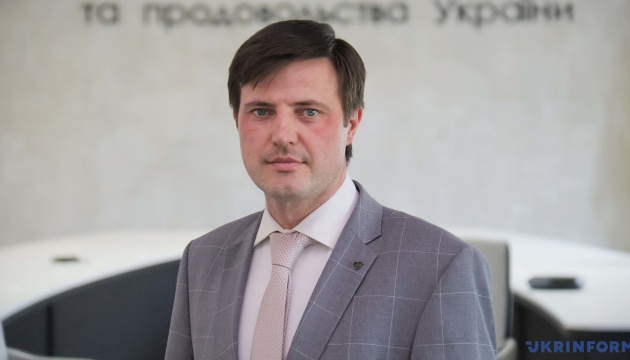
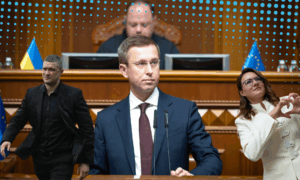
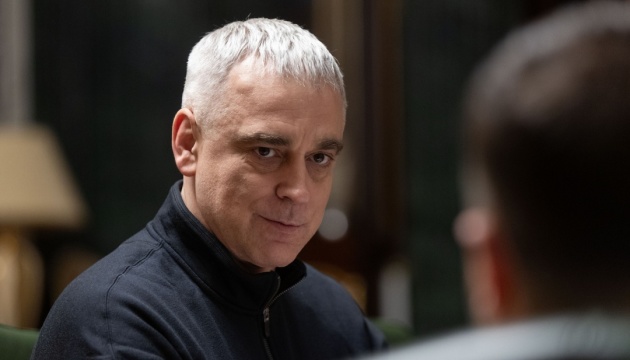
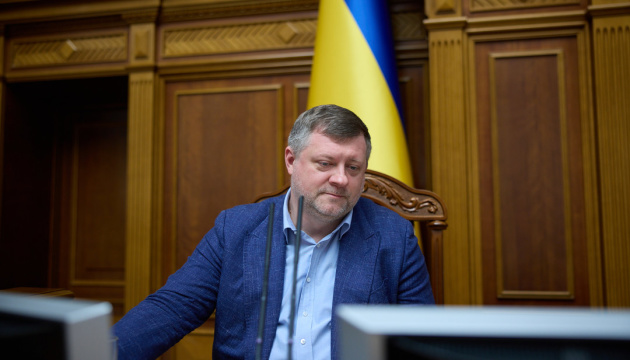
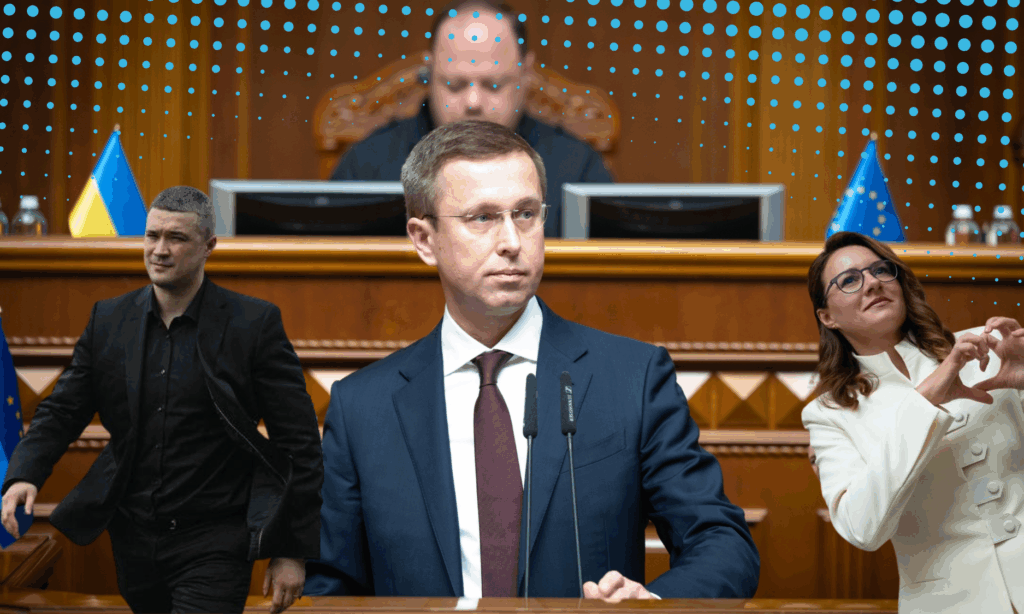
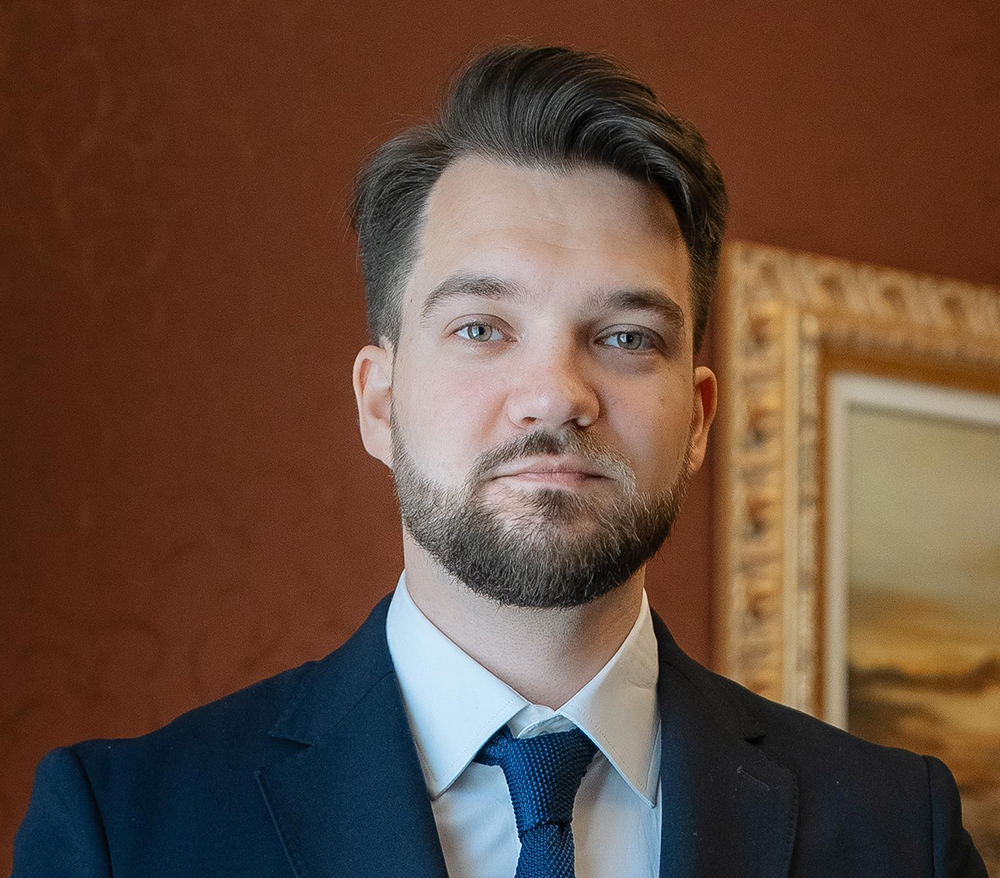
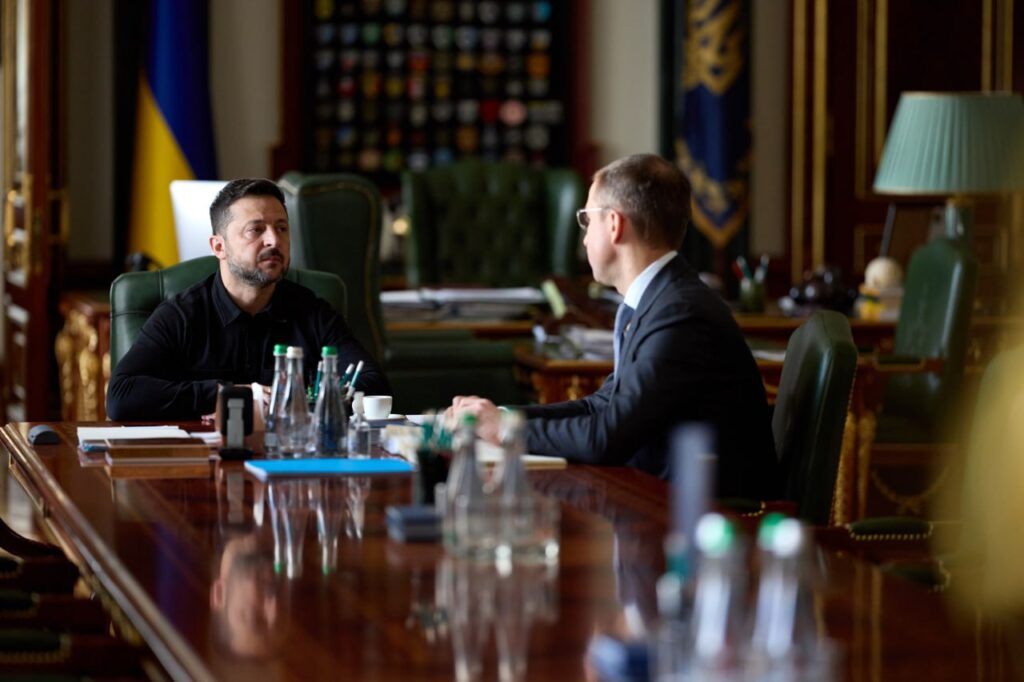
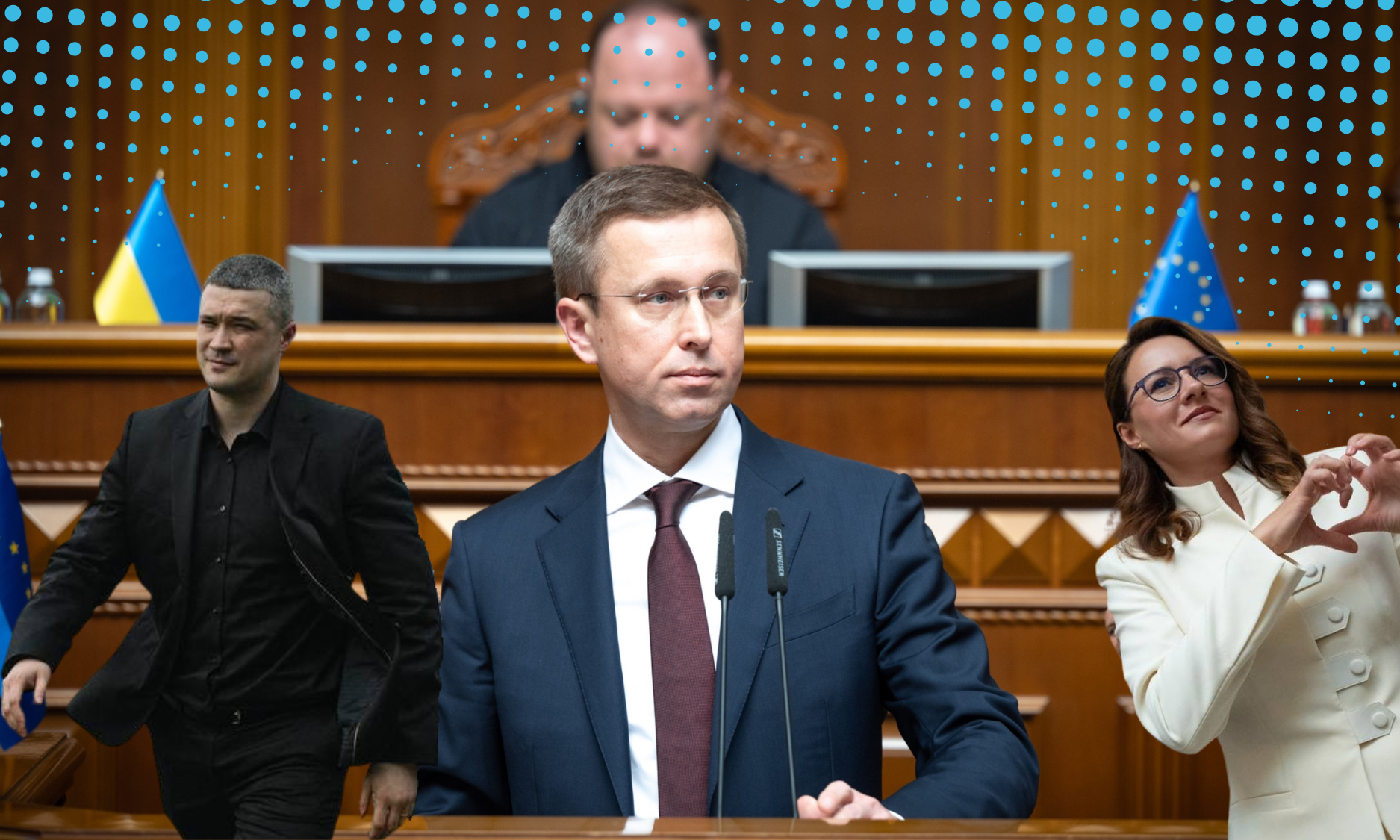
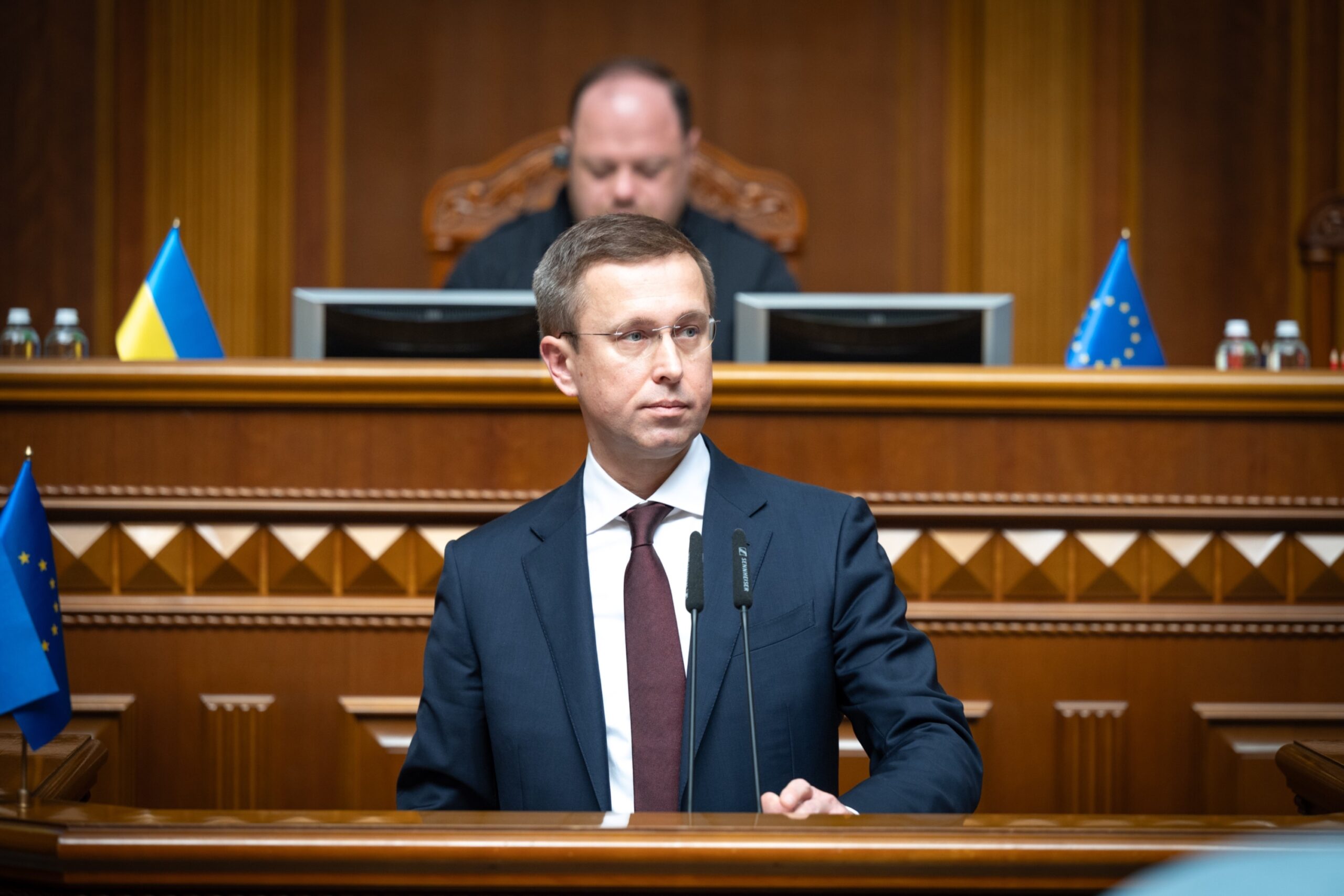
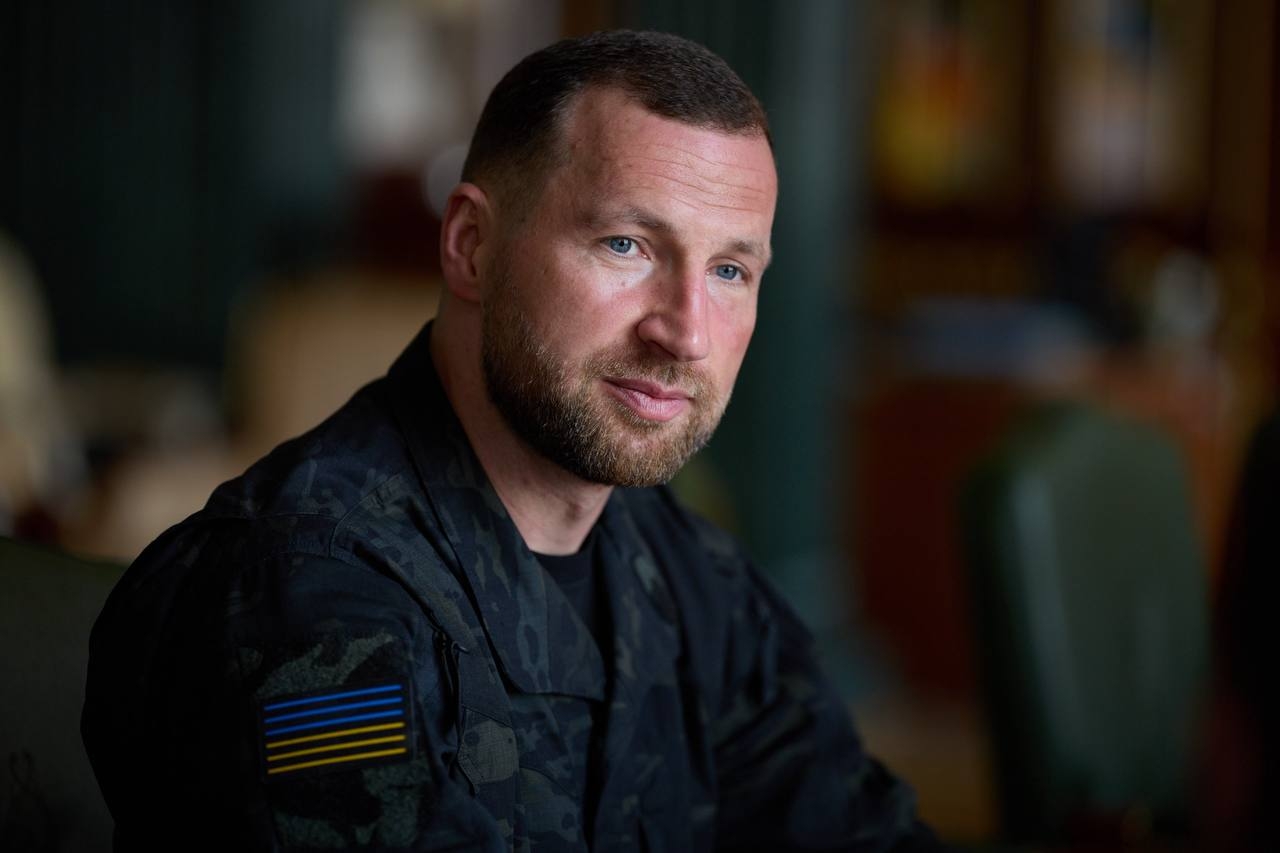
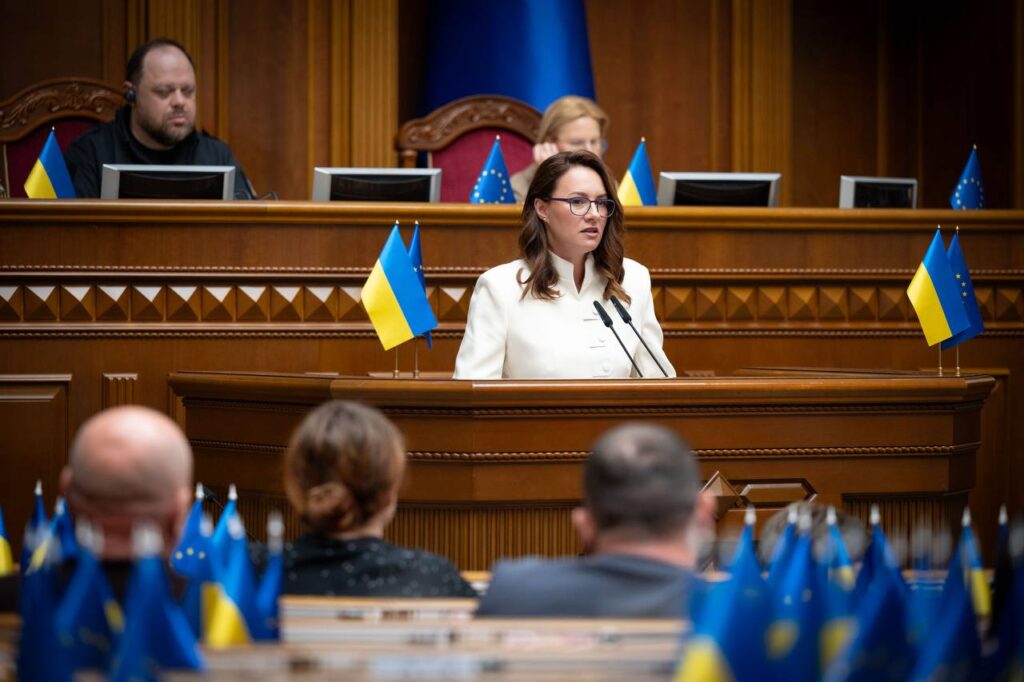
Ukraine's newly appointed Minister of Agrarian Policy and Food, Taras Vysotskyi, said he will focus on four key priorities, including European integration, recovery of agricultural production, support for frontline communities, and reform and digitalization.
Ukraine's newly appointed Minister of Agrarian Policy and Food, Taras Vysotskyi, said he will focus on four key priorities, including European integration, recovery of agricultural production, support for frontline communities, and reform and digitalization.
Exclusive
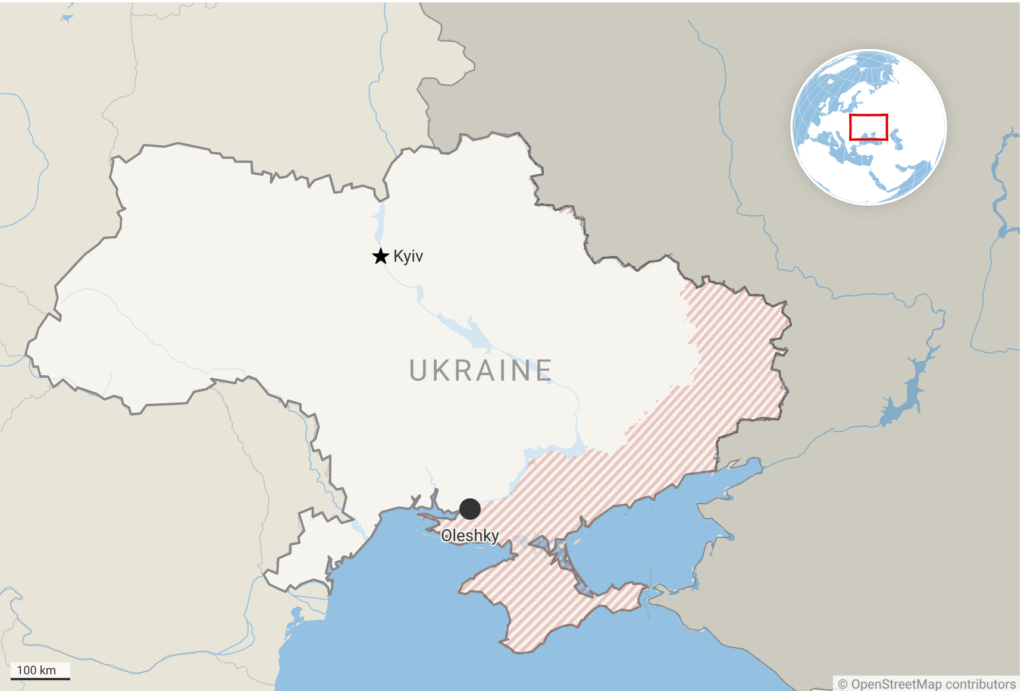
International monitors confirm Russia's blockade of occupied Oleshky, where the living starve and the dead go unburied. Four months after Euromaidan Press first reported the siege, the UN, Human Rights Watch, ISW, and the OSCE have all confirmed it. An exiled official says 100 bodies lie unburied in the town's hospital basement.
Ukraine swapped its whole Cabinet, kept the one general nobody wanted, and lost the minister everyone did. The prime minister nobody ra
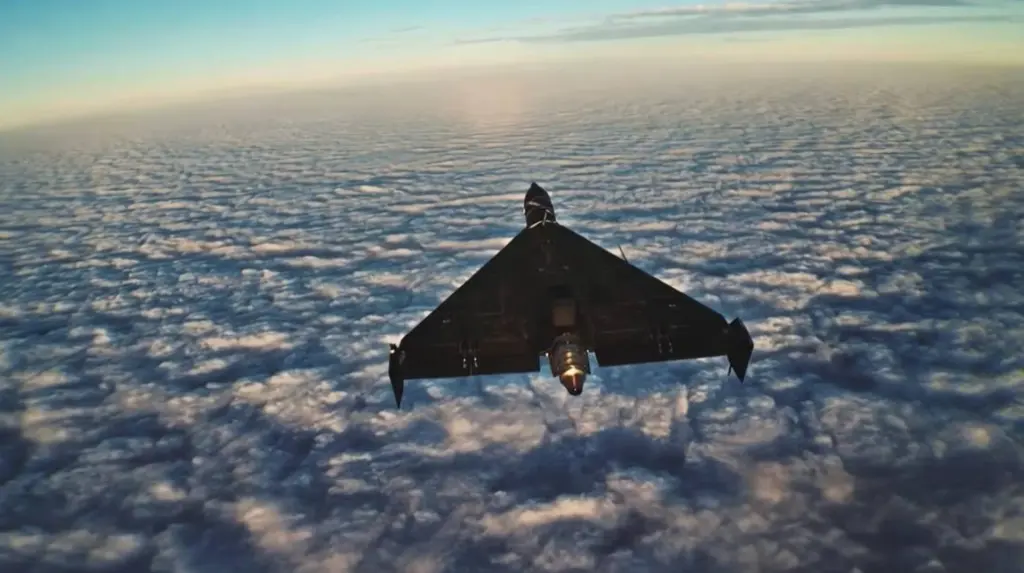
Ukraine gave its heavy-bomber drones the ability to hit within a meter. Kyiv has codified FireFly, a domestic terminal-guidance module for heavy-strike drones, and it is already in use with Perun and Vampire bombers, as well as other platforms, Defender Media reports.
FireFly attaches to a munition slung under a bomber drone and steers it after release. Once the operator locks the target and drops the bomb, the module corrects the munition's flight path on its own down
Ukraine gave its heavy-bomber drones the ability to hit within a meter. Kyiv has codified FireFly, a domestic terminal-guidance module for heavy-strike drones, and it is already in use with Perun and Vampire bombers, as well as other platforms, Defender Media reports.
FireFly attaches to a munition slung under a bomber drone and steers it after release. Once the operator locks the target and drops the bomb, the module corrects the munition's flight path on its own down to the point of impact.
The developers say it works from release altitudes of 200 to 500 meters and, depending on the platform, altitude, and weather, puts the munition 0.5 to 2 meters from the operator's chosen point.
Heavy bombers do killing FPVs cannot
The module fits munitions weighing 1 to 9 kilograms, the company can build up to 10,000 modules a month, and the system will soon be orderable through the DOT-Chain Defense marketplace.
The module solves the precision half of a problem that Ukraine's heavy bombers already half-solved.
Ukraine's reusable heavy bombers have become the weapon of choice against dug-in Russian positions. Where an FPV carries 1.5 to 5 kilograms and explodes once, a bomber carries tens of kilograms and flies back for more.
A drone battalion officer put the math bluntly: against strong cover, ten FPV strikes may achieve nothing, while one bomber sortie does the job. "Storm a treeline? Better to just take it apart with a Vampire," he said.
The Vampire, built by Skyfall, is Ukraine's best-known heavy bomber, credited with having flown millions of combat missions and used to level positions that Ukraine would once have stormed with infantry.
Precision is front Ukraine keeps pushing on
FireFly fits a wider Ukrainian drive to make cheap munitions land exactly where intended, rather than relying on scarce Western precision weapons.
Ukraine has built the same principle into other systems this year. Its first domestic precision glide bomb, the Vyrivniuvach ("Equalizer"), entered serial production with a 250-kg warhead at roughly a third of the cost of a US JDAM-ER kit.
Four months after Euromaidan Press first documented the drone siege of occupied Oleshky and neighboring communities, the United Nations, Human Rights Watch, and the Institute for the Study of War have independently confirmed the humanitarian crisis, major international outlets covered it, and the Pope has been informed. Yet interviews with residents, volunteers, and local officials indicate that conditions continue to deteriorate, with thousands of civilians trapped withou
Four months after Euromaidan Press first documented the drone siege of occupied Oleshky and neighboring communities, the United Nations, Human Rights Watch, and the Institute for the Study of War have independently confirmed the humanitarian crisis, major international outlets covered it, and the Pope has been informed. Yet interviews with residents, volunteers, and local officials indicate that conditions continue to deteriorate, with thousands of civilians trapped without food, medical care, or a safe way to leave.
International reports confirm the humanitarian catastrophe
Reports published by the United Nations, Human Rights Watch, and the Institute for the Study of War in late June and July 2026 point to a worsening humanitarian crisis in Russian-occupied Oleshky, where civilians face starvation as they remain trapped by drone attacks, landmines, and restrictions on movement.
On 25 June, the UN Human Rights Monitoring Mission in Ukraine (HRMMU) called the situation in Oleshky and neighboring territories "desperate." Continuous first-person-view (FPV) drone attacks and extensive mine contamination have severely restricted the delivery of food, medical assistance and evacuations. Ukrainian authorities estimate that up to 6,000 civilians, including more than 180 children, remain in the occupied communities.
The mission documented at least 29 civilians killed and 54 injured in Oleshky and Hola Prystan in 2026 alone, most of them in attacks involving short-range drones.
"Frequent attacks by short-range drones and the presence of landmines are having devastating consequences for thousands of people in these communities," said Danielle Bell, Head of HRMMU. "People can't get out, food can't get in, and sick and injured are not getting the medical assistance they need."
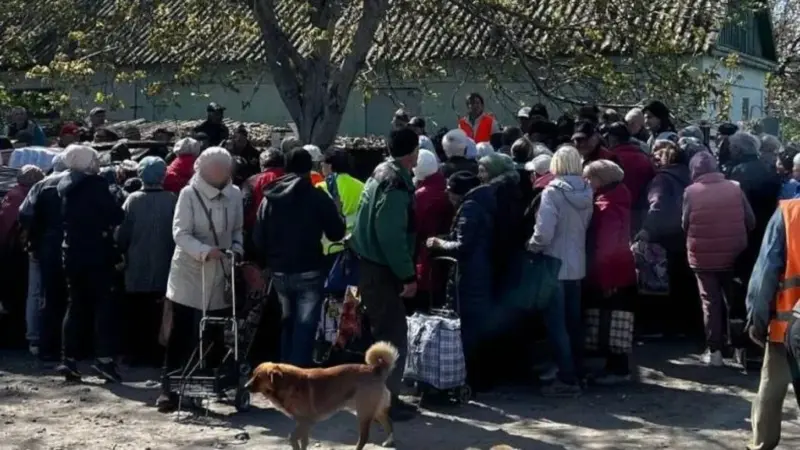
People in Oleshky wait for food supplies. Photo: BBC
HRMMU called for a local ceasefire to allow evacuations and the delivery of humanitarian aid.
Human Rights Watch reached similar conclusions. The organization documented severe shortages of food and medical care, the collapse of basic services, and constant danger from drones and landmines. Former residents said there was no organized evacuation route and that those leaving the occupied town had to pass through Russian military checkpoints before traveling through Russia and Belarus to reach Ukrainian-controlled territory.
Men who want to escape face a further trap: leaving in practice requires Russian travel documents, and applying for them, HRW found, funnels men straight to a military enlistment office. Compelling civilians in occupied territory to serve in the occupying power's forces is a war crime, the organization noted.
Human Rights Watch could not determine responsibility for individual drone strikes or the emplacement of specific mines in the area. The organization noted that Oleshky sits on the front line and has been subjected to sustained attacks by Ukrainian forces as well, and that it found credible indications Ukrainian forces may have used drones and mines on roads around the town. It said civilians wishing to leave are entitled to safe passage under international humanitarian law.
According to HRW, Russia, as the occupying power, is responsible for ensuring access to food, medical care, and humanitarian assistance.
The Institute for the Study of War (ISW) concluded that Russia is effectively blockading occupied Oleshky while failing to meet its obligations under international humanitarian law as an occupying power. The report mentioned that "the Russian military command deployed a detachment of penal recruits to Oleshky in early July, resulting in widespread abuses against the civilian population, including sexual assaults committed against women and minors."
Location of Oleshky, Kherson Oblast
On 15 July, the Organization for Security and Co-operation in Europe (OSCE) and its Office for Democratic Institutions and Human Rights (ODIHR) reported that conditions "remain especially dire in the Russian-occupied frontline areas of Kherson region."
As of May 2026, around 6,000 residents, including approximately 200 children, remained in and around Oleshky and Hola Prystan, where witnesses described towns transformed into a combat zone. ODIHR also received accounts that Russian forces prevented residents from leaving Oleshky and used civilians to shield military positions.
The crisis in Oleshky and the surrounding areas has received growing attention in international media. The Washington Post described Oleshky as a town being slowly strangled under occupation, citing accounts from recently evacuated residents, and called the situation "unbelievably awful." Le Monde published a detailed report on the suffering of the civilians. The Times' dispatch is calledFour years of horror in Ukraine's 'forgotten Bucha.'
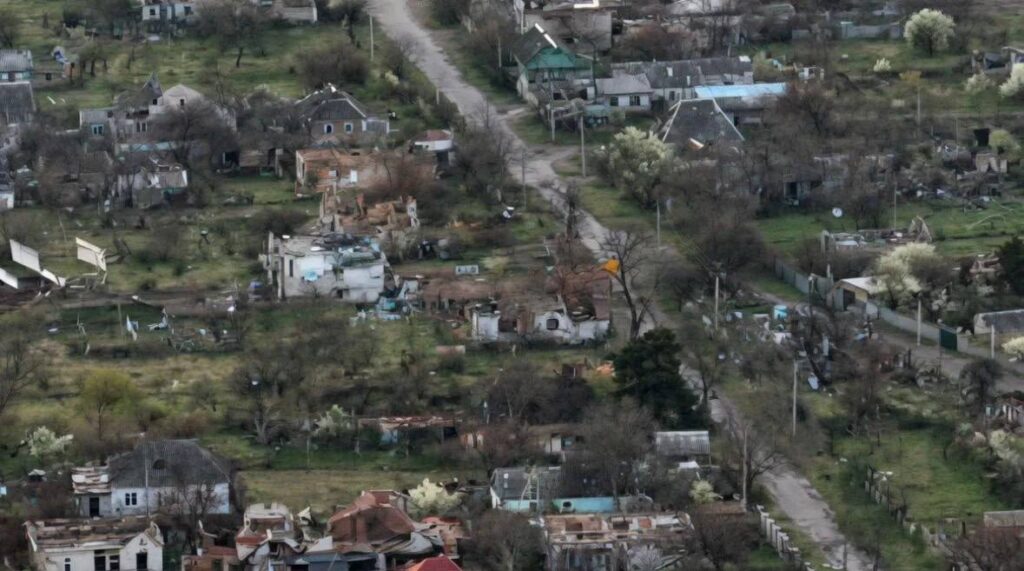
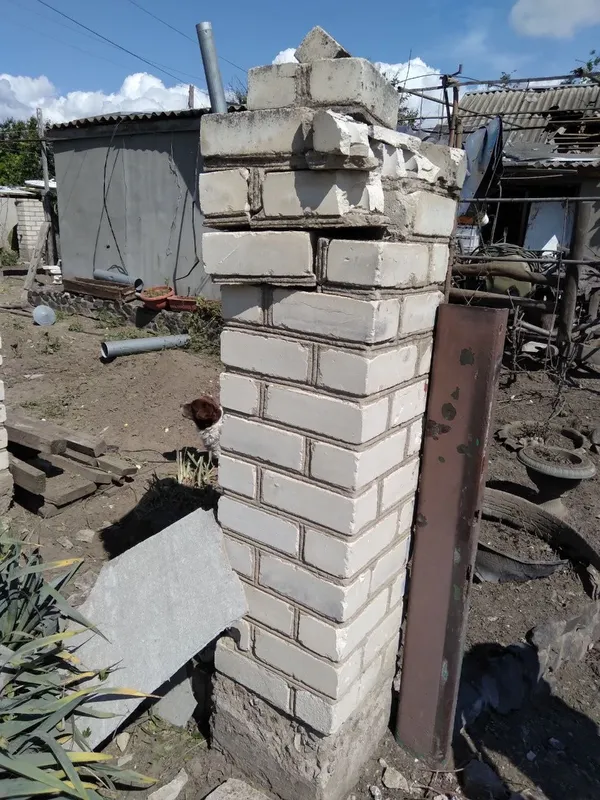
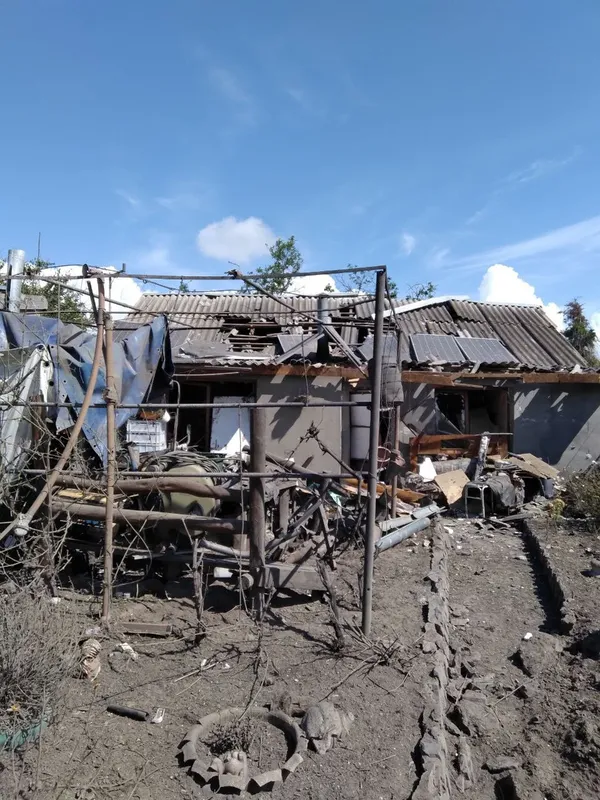
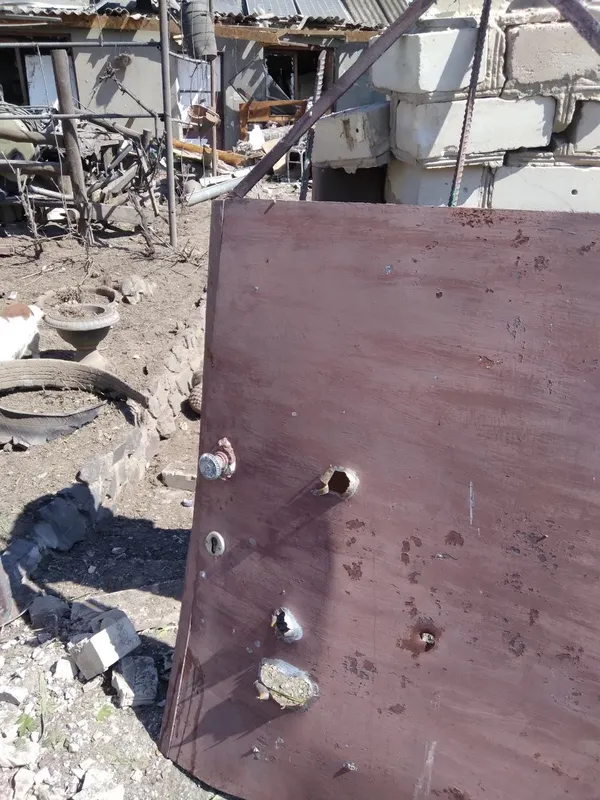
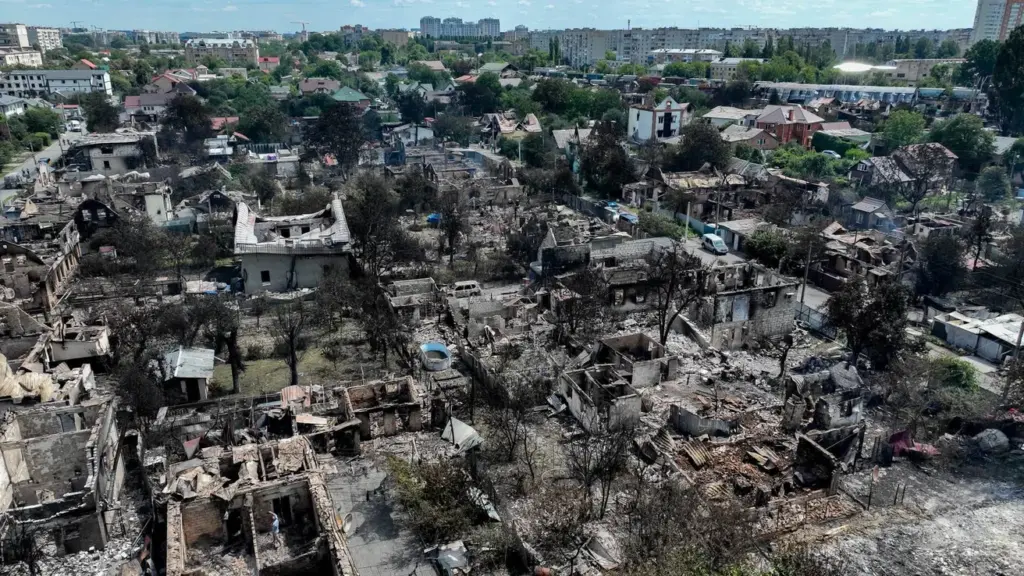
Houses damaged by drones and artillery, Oleshky. July 2026. Photos provided by Ksenia Arkhipova.
Houses damaged by drones and artillery, Oleshky. July 2026. Photos provided by Ksenia Arkhipova.
Houses damaged by drones and artillery, Oleshky. July 2026. Photos provided by Ksenia Arkhipova.
On 16 July, Ukrainian Foreign Minister Andrii Sybiha raised the humanitarian situation in Oleshky and Hola Prystan during a meeting in Kyiv with the Vatican representative, Cardinal Matteo Zuppi, stressing the urgent need for a humanitarian corridor to evacuate thousands of civilians. The same day, at a Vatican meeting of Nobel laureates, Nobel Peace Prize laureate Oleksandra Matviichuk spoke about Russia's drone attacks on civilians in the Kherson region.
While the information blockade is broken, the siege continues.
Explore further
Mined in, starved out, hunted from above—life in the towns Russia demands at the peace table
Reports from the ground
"Only one ambulance was able to leave Oleshky and come back since May 26," said Ksenia Arkhipova, the volunteer from Oleshky who helps to organize evacuation and speaks to the locals despite the problems with communication. "That's it. There is no food."
Newly arrived Russian military personnel are former convicts who loot and rob residents of the last food.
Residents tell Euromaidan Press
Arkhipova spoke to Euromaidan Press over the phone from her home in Ukrainian-controlled territory. According to her contacts in the occupied territories, the situation in the nearby villages has deteriorated dramatically. Civilians are reportedly killed while attempting to leave to buy food or bottled gas. Residents describe drones overhead that make leaving basements next to impossible.
These reports are confirmed by Oleshky Military Administration head Tetyana Hasanenko, also living in exile. She said that roads leading from villages farther from the Dnipro River, including Radensk, Chelburda, and Kostohryzove, have also become increasingly dangerous.
In Oleshky, the terror campaign is ongoing.
Three former residents speaking to their relatives have confirmed to Euromaidan Press that the newly arrived Russian military personnel are former convicts who loot and rob residents of the last food.
V., who recently escaped Oleshky and spoke to Euromaidan Press on the conditions of anonymity, said one man who lived alone was tortured to death in his basement; his neighbors found the body and managed to bury it. Others were beaten, and there are accounts of sexual violence, according to V.
The accounts were confirmed by Kherson's popular Telegram channel Kherson: Non Fake.
Posts appearing in the Oleshky community groups mentioned the robbery by former convicts. One post sought help for a dog "dying of hunger." The dog owner, who shared all the food with the pet, pleaded for evacuation.
"Now there is nothing left for people to eat," the post read.
According to Hasanenko, residents are on the brink of starvation. She described conditions in Oleshky as "hell on earth." She said the town's morgue had long been destroyed, around 100 bodies remained in the basement of the hospital for months because they could not be buried, and occupying authorities were preventing families from recovering the dead.
The reports point to the same conclusion: an urgent need for a humanitarian corridor to allow civilians to evacuate safely and humanitarian aid to reach those who remain.
Explore further
“Just give me some proof that my son is alive”: Mother from Kherson spends five years searching for her son, taken away by Russians from Oleshky boarding school
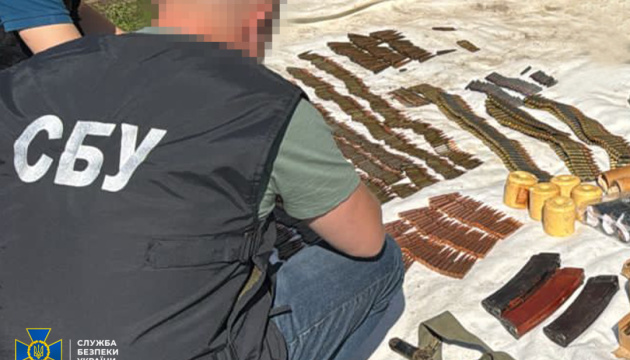
The Security Service of Ukraine (SSU), in cooperation with the State Bureau of Investigations and the National Police, has uncovered new attempts to illegally sell weapons and ammunition in Kyiv and several regions.
The Security Service of Ukraine (SSU), in cooperation with the State Bureau of Investigations and the National Police, has uncovered new attempts to illegally sell weapons and ammunition in Kyiv and several regions.
Ukraine's Defense Procurement Agency contracted for about $8 billion worth of unmanned aerial vehicles in the first half of 2026. It is double the figure for the same period last year, Ukraine's Defense Ministry said.
Purchases go partly through the state weapons marketplace, DOT-Chain Defense, where combat units select the systems they need with budget funds, and the agency handles contracts, payments, and logistics, bringing the average delivery time for in-stock items d
Ukraine's Defense Procurement Agency contracted for about $8 billion worth of unmanned aerial vehicles in the first half of 2026. It is double the figure for the same period last year, Ukraine's Defense Ministry said.
Purchases go partly through the state weapons marketplace, DOT-Chain Defense, where combat units select the systems they need with budget funds, and the agency handles contracts, payments, and logistics, bringing the average delivery time for in-stock items down to 9 days.
Ukraine received 1,028 ground robots and over $790 million in equipment through the same family of systems by mid-2026. The $8 billion in drones is the aerial side of the same overhaul, and it doubled year-on-year.
Battlefield data decides what gets bought
In March, the Defense Ministry introduced a procurement approach that bases drone demand on battlefield data rather than human judgment, which it says minimizes subjectivity and reduces the risk of corruption.
The algorithm is specific. Combat data from Ukraine's digital systems — eBaly, DOT-Chain, Brave1 Market, DELTA, and Mission Control — generates a ranking of unmanned systems by real performance. The General Staff, on units' requests, uses that ranking to set the list of systems to buy, defining quantities and types directly. The agency then contracts what the list names.
The point of the loop is that the state buys only drones that work, hit targets, and have proven themselves at the front, per the Defense Ministry.
It is the same eBaly performance system that has delivered more than 181,000 drones, robots, and other items to frontline units in 2026, with units ordering equipment based on points earned for confirmed battlefield results. Battlefield data, not procurement lobbying, determines market allocation.
Competitive tenders cut costs, and one contract saved 16%
For part of the drone fleet, the agency runs closed competitive tenders based on tactical-technical specifications from the General Staff, which widens the field of participants.
That approach has a track record. The same competitive method applied to long-range 155mm ammunition achieved savings of over 16%. It is the reform-and-savings logic that outgoing Defense Minister Mykhailo Fedorov made central to his tenure.
Also, the Defense Ministry, together with the Cabinet and the procurement agency, introduced a mechanism to adjust contract prices for fiber-optic drones, which kept contracting and the supply of that type running despite a sharp global rise in optical fiber prices. Fiber-optic drones cannot be jammed because they trail a physical cable, making them one of the most sought-after systems on the front.
In the city of Izium in the Kharkiv region, seven people—three of whom were children—were injured on Friday afternoon as a result of a Russian guided airstrike.
In the city of Izium in the Kharkiv region, seven people—three of whom were children—were injured on Friday afternoon as a result of a Russian guided airstrike.
First Deputy Chairman of the Verkhovna Rada Oleksandr Kornienko believes that parliament will approve the appointment of Yevhen Khmara as defense minister during the next plenary session in mid-August.
First Deputy Chairman of the Verkhovna Rada Oleksandr Kornienko believes that parliament will approve the appointment of Yevhen Khmara as defense minister during the next plenary session in mid-August.
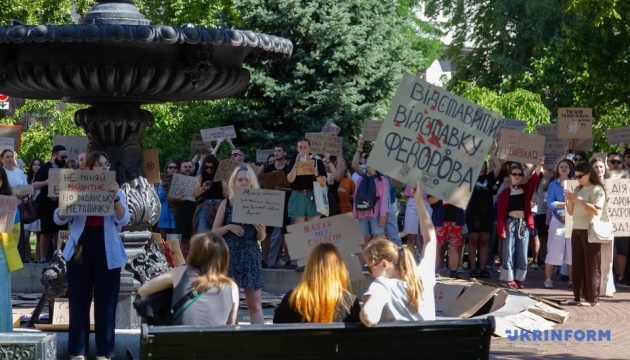
In five days, Ukraine dismissed its prime minister, installed a new Cabinet, and removed the defense minister who built its drone war—and for the first time since last summer, thousands of Ukrainians filled the streets of 17 cities against a wartime decision of their own president. The prime minister nobody protested for is gone quietly. Thousands demanded the reformer stay. He is gone anyway.
Three forces claim the ground: the constitutional institutions on paper, the
In five days, Ukraine dismissed its prime minister, installed a new Cabinet, and removed the defense minister who built its drone war—and for the first time since last summer, thousands of Ukrainians filled the streets of 17 cities against a wartime decision of their own president. The prime minister nobody protested for is gone quietly. Thousands demanded the reformer stay. He is gone anyway.
Three forces claim the ground: the constitutional institutions on paper, the Office of the President in practice, and a society.
What the week decided is who now governs Ukraine, and the question reaches past Kyiv into EU accession talks and the shape of postwar politics. Three forces claim the ground: the constitutional institutions on paper, the Office of the President in practice, and a society that has now twice in 12 months forced its leader to answer to the street.
Explore further
Ukraine’s government reshuffle followed the letter of the Constitution. But did it follow its spirit?
Five days, one government
Late on 11 July, President Volodymyr Zelenskyy signaled coming personnel changes on the diplomatic front. The next day, he set out the scope.
“Ukraine is changing its political strategy,” he wrote on Telegram, assigning each foreign-policy priority to “a specific person,” announcing that the Cabinet would be renewed, and thanking Prime Minister Yuliia Svyrydenko for her work while offering her “a new significant direction in relations with a key partner”—wording widely read as the Washington ambassadorship.
On 14 July, Parliament voted 258 to accept Svyrydenko’s resignation, which under the Constitution brought down her entire Cabinet with her.
He named three unfinished reforms: completing the ministry’s NATO-standard reorganization, moving all procurement to open tenders, and building a culture of accountability.
On 15 July, it emerged that Defense Minister Mykhailo Fedorov—the 35-year-old who built Ukraine’s drone ecosystem, and whose first months in the ministry produced an audit exposing $7.2 billion in defense overspending—would not be renominated.
In a parting post, he named three unfinished reforms: completing the ministry’s NATO-standard reorganization, moving all procurement to open tenders, and building a culture of accountability for decisions taken.
In the same accounting, he pointedly noted that Ukraine had tested a ballistic missile developed within the ministry’s area of responsibility on 14 July—the very day the government fell—with its accuracy maximized and its cost cut by 30%. “Symbolically,” he called the timing.
Much of the government stayed: Denys Shmyhal kept the energy portfolio as first deputy prime minister.
Serhii Sternenko, whose foundation delivered over 118,000 FPV drones to the army, resigned as a ministry adviser the same day, calling the state “further from victory.” By evening, the first rallies formed in Lviv.
President Volodymyr Zelenskyy with newly appointed Prime Minister Serhii Koretskyi. Photo: Zelenskyy / Telegram
On 16 July, Parliament appointed Naftogaz chiefSerhii Koretskyi as prime minister with 289 votes, then approved his Cabinet as a package with 264 votes, leaving open the two seats the president alone nominates: defense and foreign affairs.
Deputy Air Force commander Pavlo Yelizarov resigned in protest.
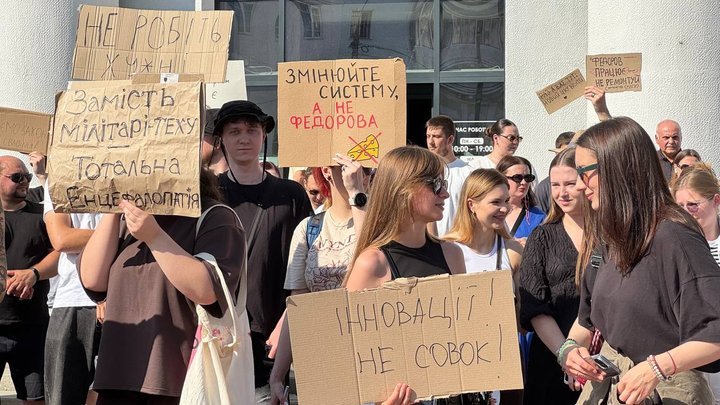
Outside, “cardboard protests” spread to Kyiv and at least 16 other cities. Deputy Air Force commander Pavlo Yelizarov resigned in protest, warning that the firing and the blocking of Fedorov’s reforms “will cause numerous casualties and destruction of Ukraine.”
Explore further
Ukraine’s deputy Air Force commander resigns the moment Fedorov loses the ministry
That evening, Zelenskyy did two things at once. He told the crowds they were right to protest even in wartime—then pressed ahead anyway, passing over both Fedorov and Interior Minister Ihor Klymenko, his own reported first choice for defense, to name special-operations commander Yevhenii Khmara acting defense minister.
Ukraine had a defense minister whom Parliament had not confirmed.
Klymenko did not stay at Interior either: the president moved him to run the National Security and Defense Council, and National Police chief Ivan Vyhivskyi took over Interior.
By 17 July, the demonstrations had entered a second day, and Ukraine had a defense minister whom Parliament had not confirmed.
The explanation the president gave
This time, Zelenskyy offered reasons. The reshuffle would refocus the government on energy resilience before another winter of Russian strikes and on EU accession—a logic under which Koretskyi, who ran Naftogaz through Russia’s campaign against the grid, is a defensible pick.
“Together we win, and together we bear responsibility for things that cause confusion and public resonance.”
On Fedorov, the president pointed to a broken relationship between the Defense Ministry and the military command, said he could not choose between the minister and Commander-in-Chief Oleksandr Syrskyi, and refused to assign the blame to either side alone.
“Together we win, and together we bear responsibility for things that cause confusion and public resonance,” he said at a press conference with British Prime Minister Keir Starmer, adding that he still wanted Fedorov on the team.
In a documented conflict between a reforming minister and his commander-in-chief, the president resolved it by removing the minister mid-reform.
The stated reasons leave the central question standing. In a documented conflict between a reforming minister and his commander-in-chief—a conflict Fedorov himself has now described in detail—the president resolved it by removing the minister mid-reform, not the commander. Nothing in the public account says why that was the choice.
Explore further
Fedorov breaks his silence: Ukraine’s army chief Syrskyi gave him an ultimatum—then blocked his reforms
Olexiy Haran, professor of comparative politics at Kyiv-Mohyla Academy and research director at the Ilko Kucheriv Democratic Initiatives Foundation. Photo: Olexiy Haran / Facebook
“It was about personal loyalty”
Oleksiy Haran, professor of comparative politics at the National University of Kyiv-Mohyla Academy and research director at the Ilko Kucheriv Democratic Initiatives Foundation, told Euromaidan Press the search for a policy rationale starts from the wrong end.
“Definitely, it was about personal loyalty.”
The problem is not this reshuffle, he argued, but where decisions get made: in the Office of the President, on Bankova Street—under Zelenskyy and, before his dismissal, under his chief of staff Andriy Yermak. “Definitely, it was about personal loyalty,” Haran said.
In his reading, this is a system Zelenskyy built and cannot imagine running any other way: the president “is not democratic in essence” and believes himself a “messianic leader”—a self-conception dented by early wartime failures, then restored by success.
Much of the Cabinet simply stayed or shuffled sideways.
Haran also punctured the “wholesale purge” framing that dominated the week’s commentary. Much of the Cabinet simply stayed or shuffled sideways. “They are just moving around,” he said. Zelenskyy speaks of a new political approach, Haran noted—“but what’s that approach about? I don’t see it.”
One appointment inside that Cabinet showed the deeper pattern. The Digital Transformation Ministry—the body that built the e-governance and digitized document app Diia and reorganized the state around it—appointed Oksana Ferchuk, the first person to lead it who was not part of Fedorov’s founding team.
As Ukrainska Pravda noted, the ministry’s reach had leaned less on its projects than on Fedorov’s political weight and his direct line to the president—a reach Fedorov himself credited to Zelenskyy’s backing.
Ukrainians’ distrust of state institutions is a long-run trend that predates Zelenskyy.
There is a deeper reading: that inner-circle rule is the inheritance of Soviet institutional distrust and the lawless 1990s, when only personal networks could be relied on. Haran is skeptical of the tidy version.
Many Soviet citizens believed the system’s promises of justice, he noted, and Ukrainians’ distrust of state institutions is a long-run trend that predates Zelenskyy rather than a trait he personally embodies. What the war changed, he added, is that trust rose toward the army, the security services, and the anti-corruption bodies.
Protesters voice their stance on the government reshuffle at a rally in Khmelnytskyi, 16 July 2026. Signs read "Don't do dumb things," "Instead of military tech—total encephalopathy," "Change the system, not Fedorov," and "Innovation, not Soviet ways." Photo: Suspilne Khmelnytskyi
The other trust system
That is the half of the story that the protests made visible. Whatever its roots, personalized power is only one of Ukraine’s two working systems of trust—and this week they collided in the open.
Nearly every career politician on the list is distrusted by more people than trust them.
Polling shows how differently the two are priced. In the latest national survey by the Kyiv International Institute of Sociology, conducted in May, Fedorov’s trust rating climbed to 50% from 38% in January, and his trust-minus-distrust balance now edges slightly ahead of the president’s own, KIIS polling shows.
The figures Ukrainians trust most are military commanders and volunteers; nearly every career politician on the list is distrusted by more people than trust them. Svyrydenko, the dismissed prime minister, was trusted by 27%—and her removal drew not a single placard.
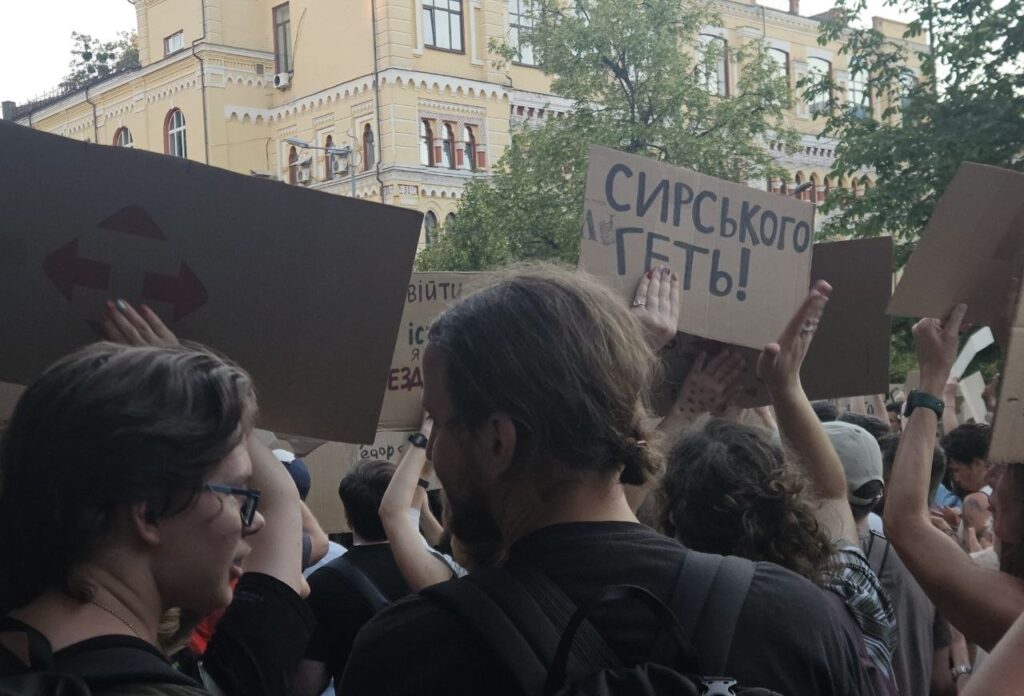
Protesters rally in central Kyiv on 17 July 2026 against the government reshuffle. One cardboard sign reads “Syrskyi out,” referring to Commander-in-Chief Oleksandr Syrskyi. Photo: Euromaidan Press
“The audit showed 300 billion in theft. They removed the auditor, not the thieves.”
Fedorov’s drew thousands. In Lviv, one cardboard sign read: “The audit showed 300 billion in theft. They removed the auditor, not the thieves.” The protesters were not demanding elections or the president’s resignation. They were defending one official on one record—open procurement, a drone industry, an audit—against a decision made without them.
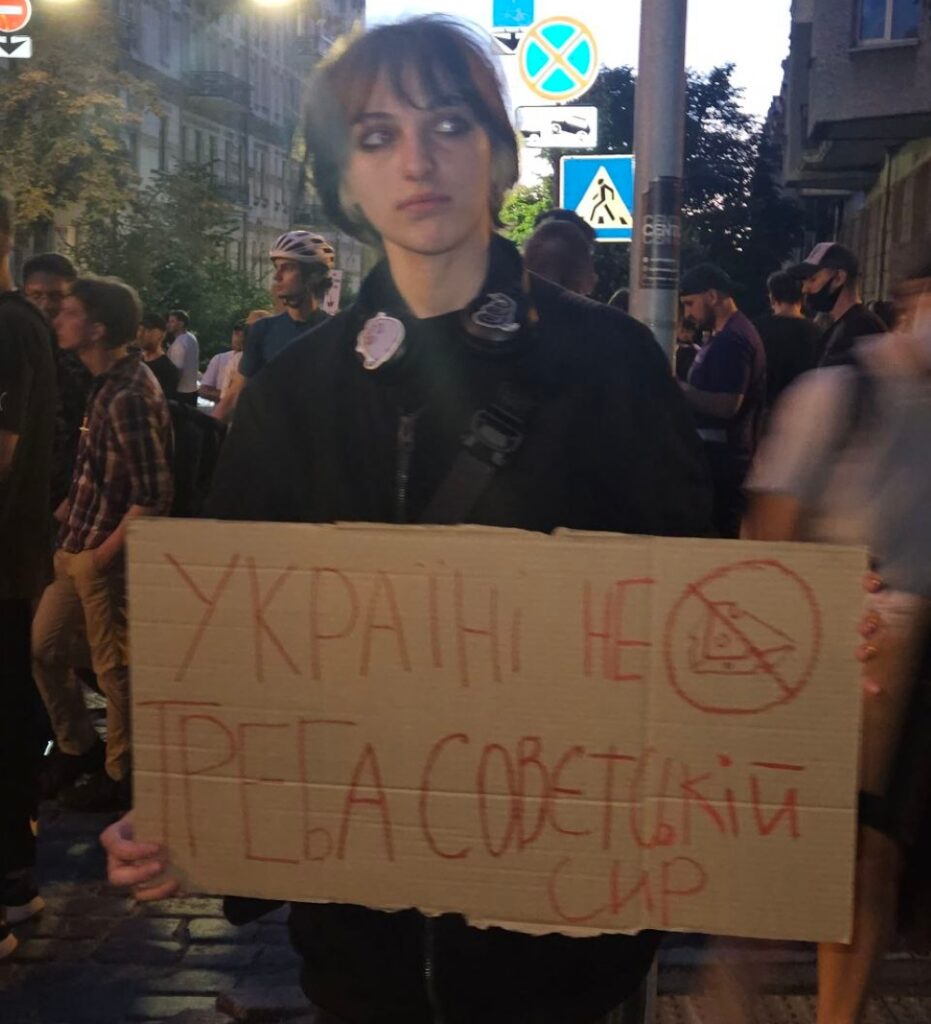
Olena Shandra, 18, protests the government reshuffle in central Kyiv on 17 July 2026. Her sign reads "Ukraine does not need Soviet cheese"—a pun on Commander-in-Chief Oleksandr Syrskyi, whose surname contains the Ukrainian word for cheese, "syr." She is the daughter of Euromaidan Press EiC Alya Shandra and attended the protests independently. Photo: Euromaidan Press
Olena Shandra, 18, stood among them at a downtown Kyiv demonstration on 17 July and told Euromaidan Press what the week looked like from the square. She read it as a contest between “Soviet Ukraine and the new one”—and, for now, the Soviet one winning through Fedorov’s removal, the minister she saw as the one person in government “really wanting to introduce something new.” She had marched last July, too, against the law targeting the anti-corruption agencies.
The president “has overstayed,” but toppling him now would be “senseless and bad for Ukraine.”
Yet she drew a hard line at where the anger should stop: the president “has overstayed,” she said, but toppling him now would be “senseless and bad for Ukraine, because it plays into the hands of our main enemy—the one outside, waiting for exactly that moment.”
It is the same civic reflex that, last July, combined with a freeze on EU aid, forced Zelenskyy to reverse a law stripping the anti-corruption agencies of their independence within days.
Ukraine ends the week with a prime minister chosen for the winter, an acting defense minister awaiting a confirmation vote, a reform program running without its architects.
The president has acknowledged the crowds’ right to stand there. He has not, so far, moved for them. Ukraine ends the week with a prime minister chosen for the winter, an acting defense minister awaiting a confirmation vote, a reform program running without its architects—and, on the squares of 17 cities, a piece of cardboard that reads “Results take time.”
One person was killed and eight others were injured after a Russian drone struck a bus in the city of Marhanets, Dnipropetrovsk region, on the evening of July 17.
One person was killed and eight others were injured after a Russian drone struck a bus in the city of Marhanets, Dnipropetrovsk region, on the evening of July 17.
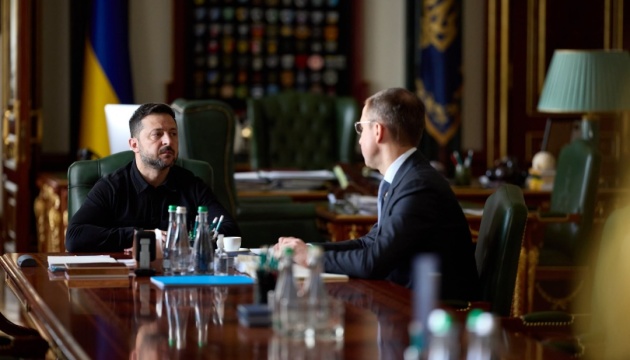
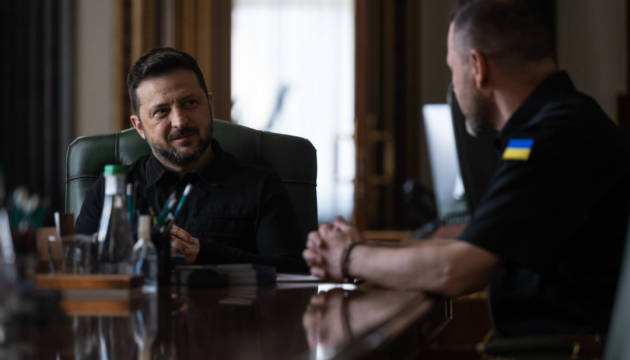
President Volodymyr Zelensky held meetings with the commander of the 3rd Army Corps of the "East" Operational Command of the Ground Forces of the Armed Forces of Ukraine, Andrii Biletskyi, and Serhii Beskrestnov "Flash".
President Volodymyr Zelensky held meetings with the commander of the 3rd Army Corps of the "East" Operational Command of the Ground Forces of the Armed Forces of Ukraine, Andrii Biletskyi, and Serhii Beskrestnov "Flash".
President Volodymyr Zelensky said that Ukraine's defense remains active and continues to carry out assigned tasks, and stressed the need to scale up drone supplies for operations at operational depth.
President Volodymyr Zelensky said that Ukraine's defense remains active and continues to carry out assigned tasks, and stressed the need to scale up drone supplies for operations at operational depth.
Since the beginning of the day, the Russian army has attacked the positions of the Defense Forces of Ukraine 100 times. The occupiers are concentrating their main efforts on the Pokrovsk direction.
Since the beginning of the day, the Russian army has attacked the positions of the Defense Forces of Ukraine 100 times. The occupiers are concentrating their main efforts on the Pokrovsk direction.
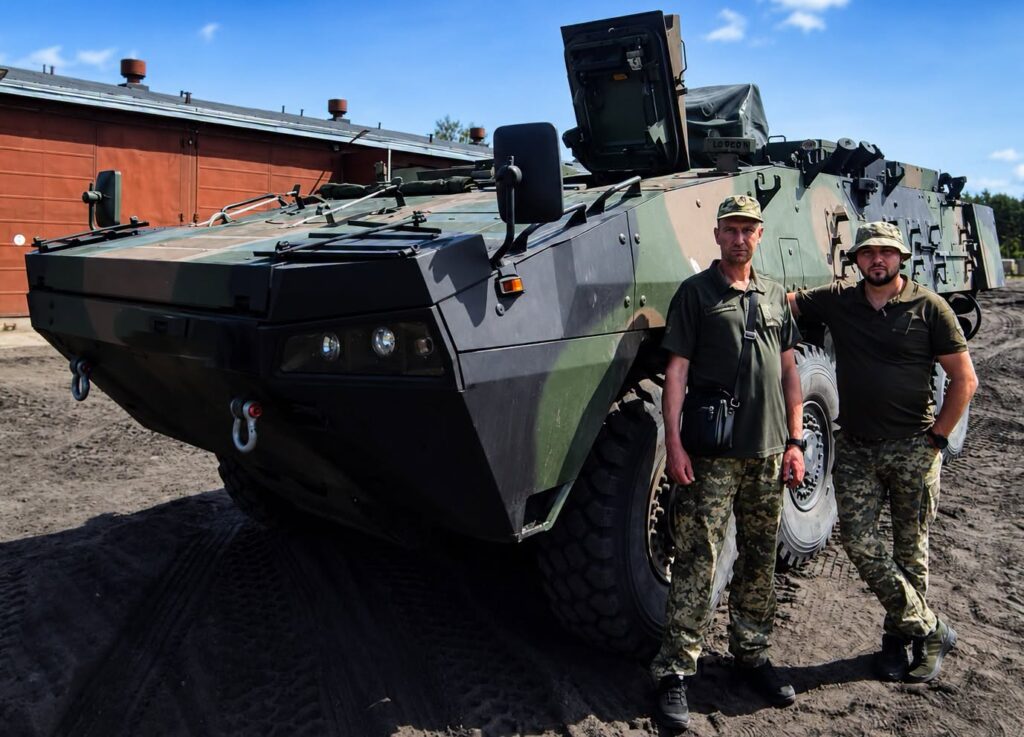
Ukraine no longer has to send its Rosomak APCs abroad for repairs. The 146th Separate Repair-Restoration Regiment has announced that its troops have completed specialized training in Poland to service and repair Rosomak armored personnel carriers.
Ukrainian specialists can now fix a significant share of Rosomak faults and battle damage themselves, without needing to send vehicles abroad for repair, the regiment said.
That shortens repair time and keeps damaged APCs closer t
Ukraine no longer has to send its Rosomak APCs abroad for repairs. The 146th Separate Repair-Restoration Regiment has announced that its troops have completed specialized training in Poland to service and repair Rosomak armored personnel carriers.
Ukrainian specialists can now fix a significant share of Rosomak faults and battle damage themselves, without needing to send vehicles abroad for repair, the regiment said.
That shortens repair time and keeps damaged APCs closer to the units that need them, at a moment when Ukraine is pushing to do more of its own military maintenance rather than depend on foreign workshops.
Ukrainian troops completed course at modern Polish military base
The training was conducted at a modern Polish base by local instructors who work with the Rosomak and covered the vehicle's structure, its main systems, diagnostics, servicing, and fault correction.
The troops gave particular attention to modern diagnostic equipment, finding hidden defects, and repairing the running gear and weapons systems. All of them passed final exams and received certificates confirming their qualification.
Domestic repair keeps vehicles in fight
Sending an armored vehicle abroad for repair means losing it for weeks or months due to transport delays, queues, and the return trip. For a wartime army, that is the time a vehicle spends off the battlefield rather than on it.
The regiment said the new knowledge will significantly improve the quality and speed of repair work and provide effective technical support for the Rosomak directly in Ukrainian units.
In 2023, former Polish Prime Minister Mateusz Morawiecki said that the Ukrainian Army purchased 100 Polish KTO Rosomak armored vehicles. He revealed the Ukrainian order would be financed through EU and US funds.
Domestic maintenance is wider Ukrainian push
The Rosomak training fits a broader Ukrainian drive toward self-sufficiency in keeping Western equipment operational. Ukraine has worked to localize repair and production for donated systems across the board, reducing the downtime and dependence that come with shipping damaged equipment back to the countries that supplied it.
The same logic runs through Ukraine's defense-industrial scaling. Ukraine built 90% of its newly authorized weapons itself in the first half of 2026, up from 70% a year earlier.
Deputy Head of the Office of the President of Ukraine Helen Kovalska and Head of the State Service of Ukraine for Ethnic Policy and Freedom of Conscience (DESS) Viktor Yelenskyi met with a delegation of the World Council of Churches (WCC) led by its General Secretary, Rev. Prof. Jerry Pillay, who is visiting Ukraine.
Deputy Head of the Office of the President of Ukraine Helen Kovalska and Head of the State Service of Ukraine for Ethnic Policy and Freedom of Conscience (DESS) Viktor Yelenskyi met with a delegation of the World Council of Churches (WCC) led by its General Secretary, Rev. Prof. Jerry Pillay, who is visiting Ukraine.
Responsible politicians in Poland and Ukraine must prevent the escalation of interethnic hostility, as conflict between the two nations would have serious consequences for both countries.
Responsible politicians in Poland and Ukraine must prevent the escalation of interethnic hostility, as conflict between the two nations would have serious consequences for both countries.
Ukraine's Defense Forces have struck two Russian tankers, a tugboat, the Svetlyak patrol ship, an oil terminal, the Slavneft-YANOS oil refinery, and several other military targets belonging to Russian occupying forces.
Ukraine's Defense Forces have struck two Russian tankers, a tugboat, the Svetlyak patrol ship, an oil terminal, the Slavneft-YANOS oil refinery, and several other military targets belonging to Russian occupying forces.
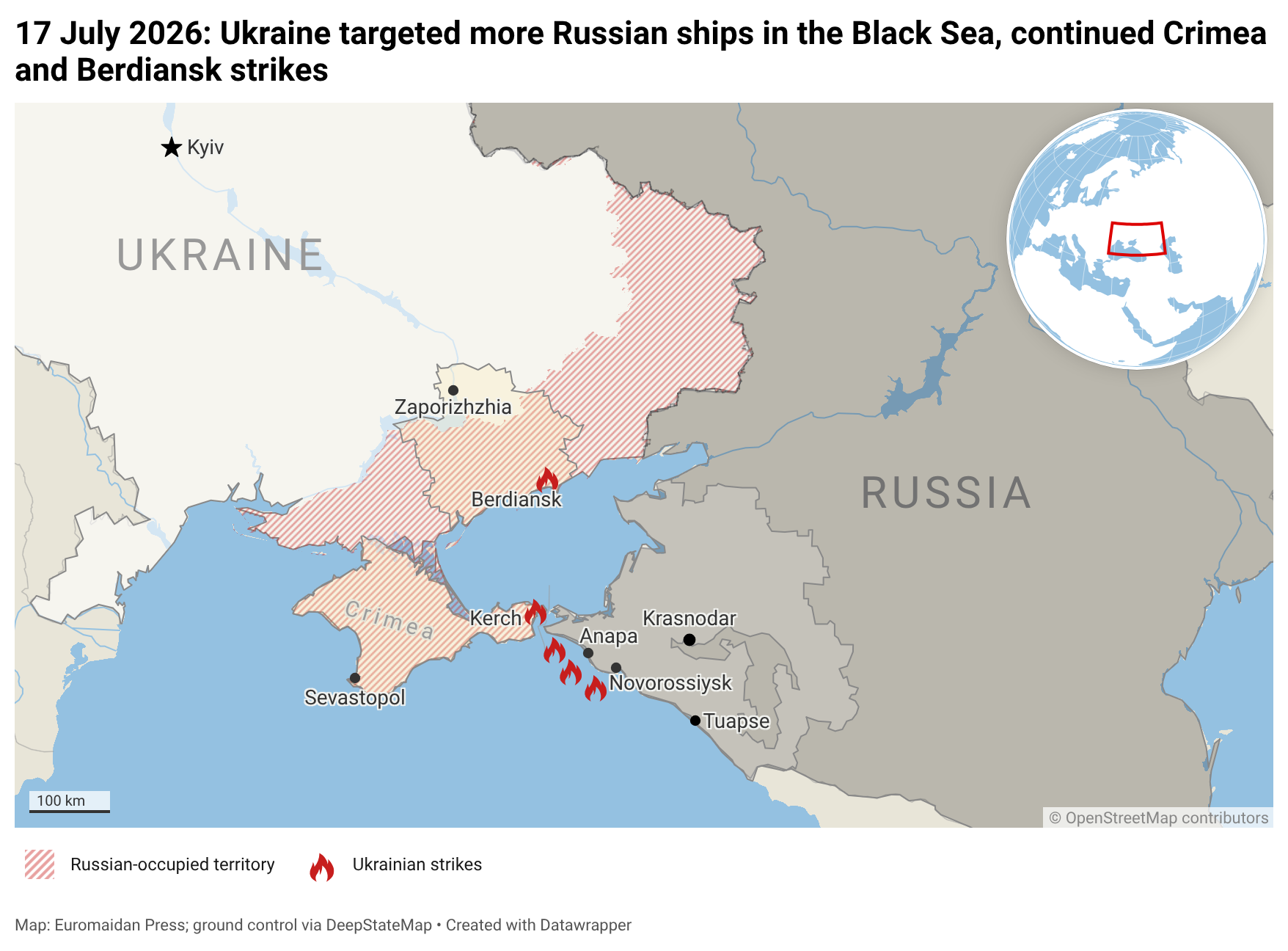
Ukraine hit a Russian warship at its own dock in Crimea. Ukraine's Defense Forces struck a Project 10410 Svetlyak-class patrol ship at Kerch, along with tankers, a refinery 700 kilometers inside Russia, and a string of fuel and logistics targets over 16 July and the night into 17 July, Ukraine's General Staff reports.
The Svetlyak-class ships patrol Russian waters, escort vessels, and support the operations of the Russian navy and other security structures.
Most consequent
Ukraine hit a Russian warship at its own dock in Crimea. Ukraine's Defense Forces struck a Project 10410 Svetlyak-class patrol ship at Kerch, along with tankers, a refinery 700 kilometers inside Russia, and a string of fuel and logistics targets over 16 July and the night into 17 July, Ukraine's General Staff reports.
The Svetlyak-class ships patrol Russian waters, escort vessels, and support the operations of the Russian navy and other security structures.
Most consequential hit was far to the north
Ukraine also struck the Slavneft-YANOS refinery in Yaroslavl on 16 July, recording an impact followed by fire on the plant's grounds.
YANOS is one of Russia's five largest refineries and the biggest in the country's central region, processing about 15 million tons of crude a year into gasoline, diesel, jet fuel, lubricants, and bitumen, including products that feed Russia's military-industrial complex and armed forces.
Ukraine has struck YANOS repeatedly throughout 2026 and keeps returning to it, part of a campaign the General Staff says has idled 42.74% of Russian refining and cost the industry $13.5 billion since August 2025.
The degree of damage at YANOS and the results of the other strikes are still being assessed, the General Staff said.
Ukraine hit tankers and gas carrier in Black and Azov seas
Beyond the ships already named, Ukraine struck two tankers — one of them a gas carrier — and a tug in the Black and Azov seas. The tankers move Russian oil, petroleum products, and liquefied gas around nternational sanctions, and carry fuel for the Russian armed forces.
The naval strikes fit a widening Black Sea campaign.
Ukraine has been hitting Russian tankers, warships, and port infrastructure night after night, driving toward the isolation of occupied Crimea and squeezing the shadow fleet Moscow uses to keep oil revenue flowing under sanctions.
Additionally, Ukraine hit the "TES-Terminal-1" oil terminal and a fuel-and-lubricants depot in Kerch, occupied Crimea, and the "Shakhtarsk" oil depot in Shakhtarsk, Donetsk Oblast.
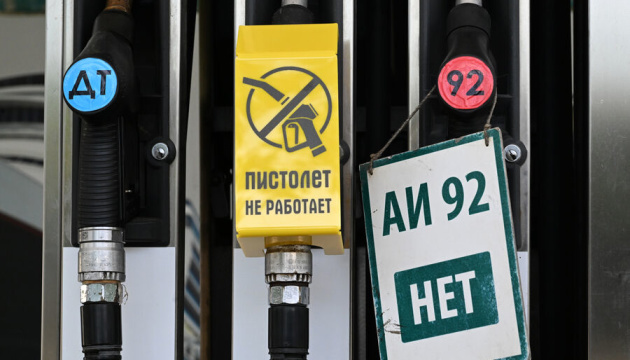
The Kerch strikes compound a fuel squeeze already choking the peninsula. Ukraine's counter-logistics and energy campaign has forced occupied Crimea to halt civilian fuel sales, ration gasoline, and declare a peninsula-wide state of emergency, as strikes on terminals, substations, and the Kerch Bridge cut the routes that keep Crimea supplied from Russia.
Consultations in the Office of the President regarding the appointment of the next head of the Kyiv City Military Administration (KCMA) are still ongoing.
Consultations in the Office of the President regarding the appointment of the next head of the Kyiv City Military Administration (KCMA) are still ongoing.
Ukraine completed a wholesale government reshuffle in just four days, with every constitutional requirement observed—formally. But according to a leading Ukrainian constitutional expert, the sequence of events tells a different story.
Instead of the parliament choosing a prime minister and the president acting on that decision, Volodymyr Zelenskyy appeared to settle the outcome.
But according to a leading Ukrainian constitutional expert, the sequence of events tell
Ukraine completed a wholesale government reshuffle in just four days, with every constitutional requirement observed—formally. But according to a leading Ukrainian constitutional expert, the sequence of events tells a different story.
Instead of the parliament choosing a prime minister and the president acting on that decision, Volodymyr Zelenskyy appeared to settle the outcome.
But according to a leading Ukrainian constitutional expert, the sequence of events tells a different story. Instead of the parliament choosing a prime minister and the president acting on that decision, Volodymyr Zelenskyy appeared to settle the outcome first, leaving parliament to ratify what had already been decided.
“Politically, however, it looked as though the decision had already been made by the Presidential Office,” says Andrii Biletskyi, a lawyer and criminologist who serves as administrative director of the Anti-Corruption Research and Education Centre (ACREC) at the National University of Kyiv-Mohyla Academy.
It raises questions about transparency, constitutional practice, and the growing concentration of power in wartime Ukraine. And it could very well damage Ukraine’s international reputation.
Explore further
“They removed the auditor, not the thieves”: why Ukrainians are protesting Zelenskyy’s reshuffle
Newly appointed Prime Minister Serhii Koretskyi speaks from the parliament rostrum in Kyiv on 16 July 2026. Photo: Sergii Koretskyi/X
The sequence ran backward
On 12 July, Zelenskyy announced the government “reset”, and the same day, Prime Minister Yuliia Svyrydenko confirmed that she would step down. Parliament voted her out on 14 July, dissolving the entire Cabinet with her. On 15 July, the president told journalists that Serhii Koretskyi was “surely the most prepared candidate for the post of prime minister of Ukraine.”
Under Article 114 of the Constitution, parliament appoints the prime minister on the president’s submission.
The formal submission reached parliament the same day, registered as Draft Resolution No. 15414, its subject of legislative initiative listed as the President of Ukraine.
“Formally, the constitutional procedure was followed,” says Biletskyi.
Under Article 114 of the Constitution, parliament appoints the prime minister on the president’s submission, which should rest on a proposal from the parliamentary majority.
“Politically, it looked as though the decision had already been made by the Presidential Office.”
“However, in practice, the sequence of events looked different,” Biletskyi said in comments shared exclusively with Euromaidan Press. The president announced Svyrydenko’s departure—though formally her resignation should have been her own initiative—and publicly indicated Koretskyi’s name before the parliamentary majority had officially nominated him.
“Legally, parliament’s role was preserved because MPs still voted on the appointment. Politically, however, it looked as though the decision had already been made by the Presidential Office, while parliament simply confirmed it,” Biletskyi said.
A parliament that confirms rather than chooses
In Biletskyi’s assessment, “parliament’s role has become largely formal.” The Constitution assigns the Verkhovna Rada a central role in appointing and overseeing the government; in reality, he says, most key political decisions appear to be made by the president and the Presidential Office, with parliament approving them afterwards.
“The system of checks and balances works best when parliament acts independently rather than simply endorsing decisions that have already been made elsewhere.”
The war explains part of the concentration of power in the executive. Still, “the system of checks and balances works best when parliament acts independently rather than simply endorsing decisions that have already been made elsewhere.”
The pattern continued past the vote. Hours after the new Cabinet was approved on 16 July, Zelenskyy appointed Yevhenii Khmara, head of the Security Service of Ukraine (SBU), as acting defense minister, saying he would seek parliamentary approval afterward. Appointment first, ratification after.
Explore further
Zelenskyy defends the right to protest and hands defense to his strike-war chief
That appointment carries a legal problem of its own, Biletskyi notes: Khmara is a serving military officer—a major general—while Ukraine’s Law on National Security requires the defense minister and his deputies to be civilians. A serving soldier or security service officer must leave active service before he can be formally appointed.
“Once the necessary legal procedures have been observed, I will turn to parliamentarians for support.”
Parliament, meanwhile, has dispersed until 18 August, MP Yaroslav Zhelezniak wrote on Telegram. Zelenskyy appeared to acknowledge the hurdle himself: “Once the necessary legal procedures have been observed, I will turn to parliamentarians for support of Yevhenii Khmara for the post of Minister of Defense of Ukraine,” he said in a statement. Until then, Ukraine’s Defense Ministry is run by a man the law does not yet permit to run it.
Prime Minister Yuliia Svyrydenko addresses the Verkhovna Rada before the vote on her dismissal, 14 July 2026. Photo: Svyrydenko/Telegram
What martial law allows
No rule bars replacing a government in wartime, Biletskyi says. Article 10 of Ukraine’s law on the legal regime of martial law states that the Cabinet’s powers may not be terminated while martial law is in force. But the provision reads together with Article 115 of the Constitution, which expressly allows the prime minister to resign, and provides that the resignation brings down the entire Cabinet.
The outgoing government must then keep working until the new one starts. That is what happened: Svyrydenko’s ministers stayed on in acting capacity until the 16 July votes.
What the EU can and cannot do
The EU cannot tell Ukraine who should be prime minister or how its government should be formed—“those are decisions for Ukraine’s constitutional institutions,” Biletskyi says. But Brussels does expect “candidate countries to have strong democratic institutions and an effective system of checks and balances.”
“The biggest consequences are likely to be reputational.”
“When major political decisions are made without a clear public explanation, it raises questions about transparency and the concentration of power,” he said. The EU has few practical tools to intervene in what is essentially an internal political matter: “The biggest consequences are likely to be reputational. A government reshuffle without a convincing public explanation can undermine trust, both inside Ukraine and among its European partners.”
The dismissal of Defense Minister Mykhailo Fedorov, folded into the same Cabinet dissolution, drew thousands of protesters into the streets.
The explanation gap remains open. Zelenskyy tied the change to winter preparation and an updated political strategy; government sources told Suspilne the president was satisfied with Svyrydenko’s work and had no complaints. The dismissal of Defense Minister Mykhailo Fedorov, folded into the same Cabinet dissolution, drew thousands of protesters into the streets of Kyiv, Kharkiv, Odesa, Lviv, and other cities.
Ukraine has arrested Ruslan Kuchynskyi, the head of an enterprise in Vyshneve in Kyiv Oblast, suspected of involvement in the improper storage of ammunition at warehouses near civilian settlements, UNIAN reports. A Kyiv court is choosing a pre-trial restraint for him after a Russian attack triggered a massive detonation that damaged 13 hectares of residential development.
The 6 July strike killed 11 people in Kyiv itself and drove the citywide toll to 19. In Vyshneve, the s
Ukraine has arrested Ruslan Kuchynskyi, the head of an enterprise in Vyshneve in Kyiv Oblast, suspected of involvement in the improper storage of ammunition at warehouses near civilian settlements, UNIAN reports. A Kyiv court is choosing a pre-trial restraint for him after a Russian attack triggered a massive detonation that damaged 13 hectares of residential development.
The 6 July strike killed 11 people in Kyiv itself and drove the citywide toll to 19. In Vyshneve, the secondary detonation burned for hours, and more than 600 residents were evacuated over the risk of further explosions.
Kuchynskyi is the first individual to face a court over the depot. The case will be heard behind closed doors because state-secret material will be disclosed, the prosecutor requested it, and the suspect's lawyer did not object. The remaining suspects will likely also have their restraint hearings held in closed session.
Russia fired missile, but depot should not have been there
Former Prime Minister Yuliia Svyrydenko called it the largest destruction of the residential sector in the entire full-scale war.
Earlier, SBU Deputy Head Major General Oleksandr Poklad reported to Zelenskyy on who inside Ukroboronprom allowed the storage, and Zelenskyy said on 11 July that the directors of two state enterprises had acted in defiance of both the law and a decision of the Supreme Commander-in-Chief's Staff.
Russia launched the strike, but the depot's location is what turned it into a neighborhood-leveling event.
"There was a direct ban on this, both under the law and under the Staff's decision, and all of it was violated," Zelenskyy said on 11 July.
He said the specific officials are known, and the state's position is that each of them must be brought to fair justice.
"Every director must feel that people's lives depend on his decisions or his inaction," Zelenskyy stated.
General Staff spokesman Dmytro Lykhovii has confirmed the Commander-in-Chief's order banning the siting of ammunition depots near civilian buildings remains in force, per Euromaidan Press.
Case sits amid defense-industry reckoning
Kuchynskyi's hearing lands in the middle of a wider shake-up of Ukraine's defense-industrial leadership. Ukroboronprom chief Herman Smetanin resigned on 15 July, days after the Vyshneve tragedy, and Defense Minister Mykhailo Fedorov confirmed his own departure the same day.
Ukroboronprom, also known as the Ukrainian Defense Industry, groups roughly 100 enterprises that produce missiles, drones, armored vehicles, and ammunition.
Dry weather will prevail across most of Ukraine over the weekend, with only the western regions, as well as Zhytomyr and Vinnytsia regions, expected to experience moderate rainfall, locally heavy showers, thunderstorms, hail, and strong wind gusts.
Dry weather will prevail across most of Ukraine over the weekend, with only the western regions, as well as Zhytomyr and Vinnytsia regions, expected to experience moderate rainfall, locally heavy showers, thunderstorms, hail, and strong wind gusts.
Ukrainian President Volodymyr Zelenskyy has proposed a different job for Ihor Klymenko than everyone expected. He offered the outgoing interior minister the post of secretary of the National Security and Defense Council (NSDC), and said the decree appointing him is being prepared.
For days, Klymenko was the name attached to a different chair. Several lawmakers from Zelenskyy's party told Reuters that the president would propose Klymenko as defense minister to replace Mykha
Ukrainian President Volodymyr Zelenskyy has proposed a different job for Ihor Klymenko than everyone expected. He offered the outgoing interior minister the post of secretary of the National Security and Defense Council (NSDC), and said the decree appointing him is being prepared.
For days, Klymenko was the name attached to a different chair. Several lawmakers from Zelenskyy's party told Reuters that the president would propose Klymenko as defense minister to replace Mykhailo Fedorov, according to US Today.
The decision could have been changed amid mass protests against the resignation across entire Ukrainian cities.
The NSDC secretaryship is what he got instead, which means Ukraine's most-tipped defense minister candidate was moved sideways as the reshuffle closed. Klymenko had led the Interior Ministry since February 2023, taking over after his predecessor Denys Monastyrsky, who died in a helicopter crash in Kyiv Oblast.
Zelenskyy frames job as enforcement
Zelenskyy said he met with Klymenko and thanked him for his work in the Interior Ministry system.
"There were many difficult challenges, and the response was always effective. Ihor Klymenko will continue to work for Ukraine in the sphere of defending our state and people," he said.
The president defined the NSDC's role in terms of follow-through. The main task, he said, is the most effective possible coordination among all parts of the security and defense sector, as well as daily oversight of decision implementation.
"Every decision of the NSDC of Ukraine and of the Staff of the Supreme Commander-in-Chief must be fulfilled in full and on time," Zelenskyy added.
He named coordination of defense production as a separate priority.
Reshuffle rebuilt top of government in fortnight
Klymenko is expected to take the security council seat at a moment when the government around it has been almost entirely remade. A new prime minister, a departing defense minister, and now a new NSDC secretary have all arrived in the same reshuffle.
It is happening itself when Ukraine is trying to scale weapons production, hold together a ballistic-missile campaign, and stand up an anti-ballistic coalition at once.
Ukrainian special forces from the National Guard's "Omega" Center destroyed a Russian Su-24M frontline bomber in occupied Crimea, the National Guard announced on 17 July. The unit said the aircraft was preparing for a combat mission against Ukrainian territory when its drones struck.
The first drone hit the Su-24M's nose section, the second struck the fuel tanks, destroying the aircraft, according to the Omega unit's account. There was no independent confirmation of the str
Ukrainian special forces from the National Guard's "Omega" Center destroyed a Russian Su-24M frontline bomber in occupied Crimea, the National Guard announced on 17 July. The unit said the aircraft was preparing for a combat mission against Ukrainian territory when its drones struck.
The first drone hit the Su-24M's nose section, the second struck the fuel tanks, destroying the aircraft, according to the Omega unit's account. There was no independent confirmation of the strike, and Russian officials had not commented on damage at Saky by the time the unit posted its claim.
The claimed strike fits a broader Ukrainian effort to make Russian air operations from occupied Crimea increasingly costly. Repeated drone attacks on Saky have forced Moscow to defend rear airbases once considered beyond Ukraine's reach while risking aircraft used in strikes on southern Ukraine.
Combat divers, now flying drones 200 kilometers deep
The detail that distinguishes the operation is the unit behind it. Omega is the National Guard's special-purpose center, and the strike was carried out by its combat divers—naval special operators—using strike drones against a target deep in occupied territory.
Наші спецпризначенці ЦСП «Омега» знищили російський бомбардувальник Су-24М на військовому аеродромі «Саки» у тимчасово окупованому Криму. pic.twitter.com/qDqYUgLw9z
Ukraine's National Guard has increasingly fielded long-range strike drones through its assault corps, including the "Azov" and "Khartiia" Corps, which the command says now operate at ranges exceeding 100 kilometers against Russian logistics, ammunition depots, command posts, air defenses, and aircrafts
Saky's month under fire
The strike is the latest in a sustained campaign against Saky, one of Russia's main aviation hubs in occupied Crimea, from which aircraft launch missile and guided-bomb attacks on southern Ukraine. Ukraine's Security Service struck the airfield on 24 June, again on 3 July, when it reported at least seven aircraft destroyed or damaged. Saky hosts Su-24 tactical bombers and Su-30SM fighters and lies roughly 200 kilometers from the nearest Ukrainian-controlled territory.
Each Su-24M strike removes an aircraft Russia uses to bomb southern Ukraine—and forces Moscow to divert more resources to defending its rear airbases against a threat that now comes from multiple Ukrainian services, using cheap drones, at growing depth.
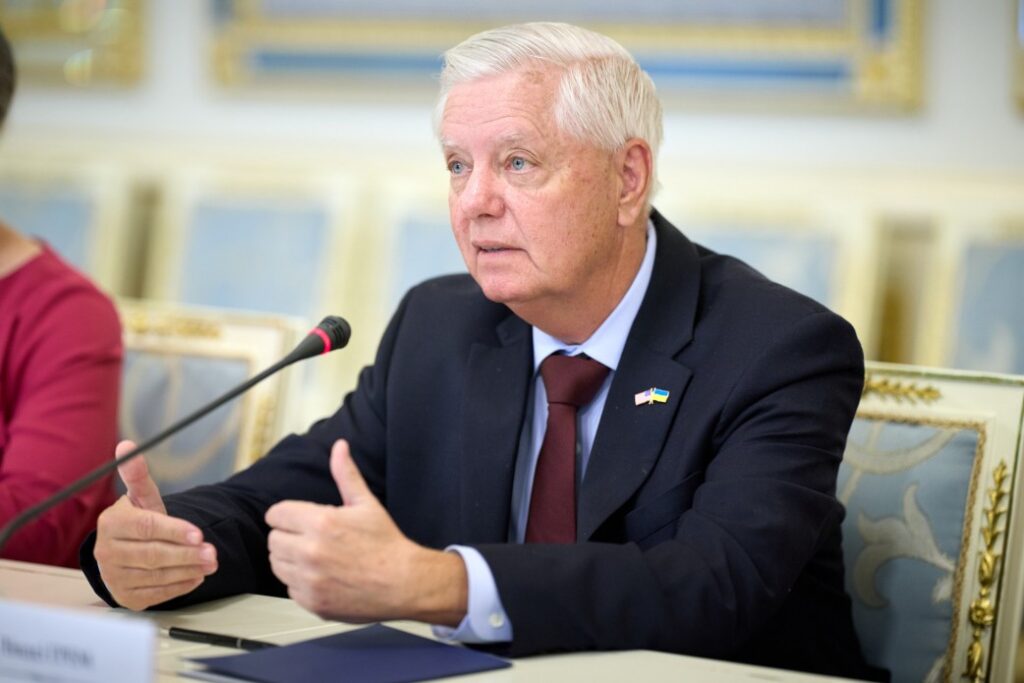
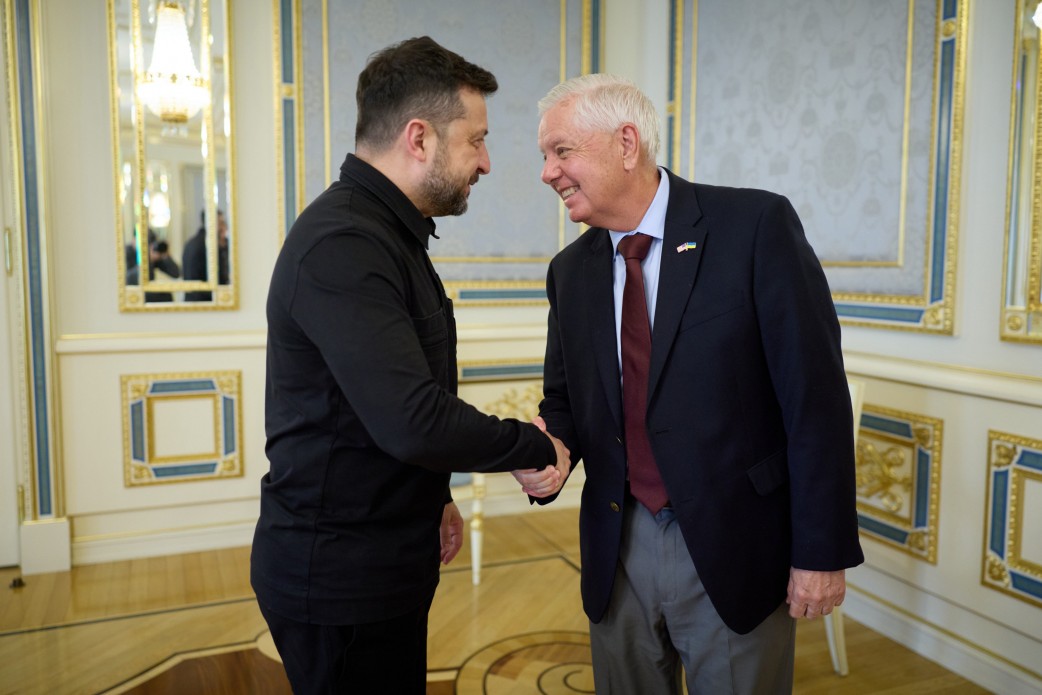
A Russia sanctions bill that stalled in Washington for more than a year now has enough co-sponsors to clear a key Senate hurdle, Axios reported. US Senate leadership formally introduced the measure days after the death of its author, the late Senator Lindsey Graham, and US President Donald Trump has signaled he is open to signing it.
For more than a year, near-unanimous Senate support for squeezing Russia's oil trade collided with a White House that kept the bill off the fl
A Russia sanctions bill that stalled in Washington for more than a year now has enough co-sponsors to clear a key Senate hurdle, Axios reported. US Senate leadership formally introduced the measure days after the death of its author, the late Senator Lindsey Graham, and US President Donald Trump has signaled he is open to signing it.
For more than a year, near-unanimous Senate support for squeezing Russia's oil trade collided with a White House that kept the bill off the floor, betting on negotiations that never delivered.
The votes are finally there
Senate Republican leaders have gotten behind the bill, with Majority Leader John Thune signing on as a co-sponsor, RFE/RL reported. Senators formally introduced the Lindsey O. Graham Sanctioning Russia Act of 2026 on 16 July, after months of talks with the White House and Ukraine advocates.
The bill now carries at least 61 co-sponsors, 39 Republicans and 22 Democrats, a person familiar with the count said. Both Republicans and Democrats are among its lead sponsors. Supporters believe those 60-plus names would give them a filibuster-proof majority on the floor.
The measure still needs floor time and a matching bill in the House.
What the bill would do
The bill would let Washington impose tariffs as high as 100% on the five biggest buyers of Russian crude and gas. That points squarely at China and India, whose purchases keep the revenue flowing that pays for the war.
It would also blacklist Russia's shadow fleet, the aging tankers that move sanctioned crude around Western restrictions. The 100% framework replaces an earlier plan for a blanket 500% tariff, reworked over months into something narrower.
The bill orders both primary and secondary sanctions, reaching Russia's leadership, its banks, its energy sector, and the networks it uses to dodge existing curbs.
Explore further
“Incredible legacy for him”: Days after Graham’s death, Trump says he’s ready to move on his Russia sanctions bill
Trump has stopped short of a full endorsement but signaled he may sign it as a tribute to Graham.
"So, we're looking at that, but they're seriously thinking it, and this is in honor of Lindsey. This was his thing. He wanted this more than any other thing.," Trump said this week.
Explore further
US Senator Graham died day after his last visit to Kyiv. His Russia’s “sanctions from hell” bill loses its architect at moment it might pass
The author
Graham died at 71, a day after his last trip to Kyiv, having spent more than a year building support for what he called sanctions "from hell." His sponsors say he had locked in White House backing just before his sudden death.
Ukraine's private air defense continues to grow. Some 51 companies have now joined the experimental program that folds private enterprises into the country's air defense system, Ukraine's Defense Ministry said.
The idea behind the program is to engage businesses in defending their own critical infrastructure, so the Air Force does not have to cover every site on its own.
Air defense crews from four enterprises are already on combat duty, and they have downed more than 5
Ukraine's private air defense continues to grow. Some 51 companies have now joined the experimental program that folds private enterprises into the country's air defense system, Ukraine's Defense Ministry said.
The idea behind the program is to engage businesses in defending their own critical infrastructure, so the Air Force does not have to cover every site on its own.
Air defense crews from four enterprises are already on combat duty, and they have downed more than 50 Shahed attack drones and Zala reconnaissance UAVs. The private crews do not act on their own — they operate as part of the overall system under the Air Force's Air Command.
Ukraine's Defense Ministry wants private and conventional air defenses to work together to repel 95% of aerial attacks, calling private crews one layer of a multi-layered shield.
Private crews already down the hard targets
At the start of June, the program counted 30 enterprises. The initiative has roughly quadrupled since spring. It counted 13 enterprises in March, 24 in May, 30 in early June, and 51 now.
The private groups are not limited to slow, easy drones. A private company's crew in Kharkiv Oblast downed a jet-powered Shahed in April 2026. This case marked the first time the business-based network intercepted the faster variant that outrun much of Ukraine's cheap interceptor fleet.
The crews train on the same equipment the Air Force uses. Training runs on virtual-reality goggles and Browning machine guns against simulated Shahed attacks, with a separate track for FPV interceptor-drone pilots.
Private air defense is one layer of wideningsystem
The private program sits within a broader decentralization of Ukraine's air defenses. Ukraine has also allowed local governments to fund community air defense units under Air Force control directly and has deployed privately operated, remotely controlled machine-gun turrets to guard infrastructure.
The push comes as Russia launches hundreds of Shaheds and dozens of missiles at Ukraine on its heaviest nights, and no single state air force can cover every substation, port, and factory across the country.
Following a meeting with Prime Minister Sergii Koretskyi, President Volodymyr Zelensky said that the critical priority of the new government would be preparation for the heating season. The Prime Minister reported that Sergii Fedorenko will lead Naftogaz.
Following a meeting with Prime Minister Sergii Koretskyi, President Volodymyr Zelensky said that the critical priority of the new government would be preparation for the heating season. The Prime Minister reported that Sergii Fedorenko will lead Naftogaz.
President Volodymyr Zelensky has offered Ihor Klymenko the position of Secretary of the National Security and Defense Council of Ukraine, and the relevant appointment decree is already being prepared.
President Volodymyr Zelensky has offered Ihor Klymenko the position of Secretary of the National Security and Defense Council of Ukraine, and the relevant appointment decree is already being prepared.
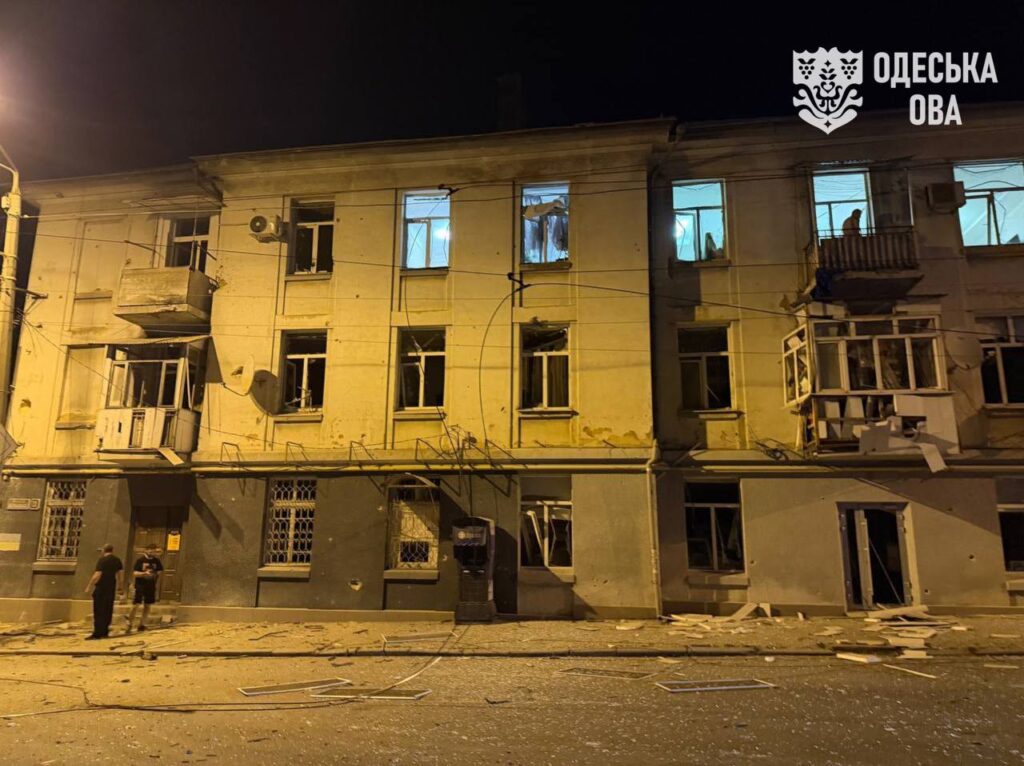
Ukrainian citizen Olena Arkhipova has been teaching other people how to keep someone alive since 2023. She was killed on the evening of 16 July, hurrying to a shelter with her three children when a Russian missile struck Odesa. The Ukrainian Red Cross Society (URCS) said her children survived and are receiving all necessary care.
Russia spent hammering Odesa for about a week, targeting Greater Odesa ports and the merchant ships anchored there, killing civilians in strikes
Ukrainian citizen Olena Arkhipova has been teaching other people how to keep someone alive since 2023. She was killed on the evening of 16 July, hurrying to a shelter with her three children when a Russian missile struck Odesa. The Ukrainian Red Cross Society (URCS) said her children survived and are receiving all necessary care.
Russia spent hammering Odesa for about a week, targeting Greater Odesa ports and the merchant ships anchored there, killing civilians in strikes on apartment buildings, homes, and shipping, and cutting the region's grain-export capacity by roughly a third, Reuters reports. Odesa's ports carry more than 90% of Ukraine's agricultural exports.
She was one of two people killed in the strike, which hit the Khadzhybeiskyi district and wounded at least eight others, including three children, according to Serhiy Lysak, head of the Odesa City Military Administration.
Arkhipova raised three children on her own. She joined the Ukrainian Red Cross in 2023 as a first-aid instructor, and in 2026 also became an instructor in first aid for animals.
Arkhipova taught people whose job is to respond
She lived in Odesa and gave herself to helping others. She ran first-aid training for workers of Ukraine's State Emergency Service and the National Police, for adults and children, for anyone who wanted to learn skills that save lives. She was an active volunteer with the Odesa regional branch of the Ukrainian Red Cross.
Colleagues describe a person who came when called
"For colleagues and friends, Olena will forever remain a bright, sincere, responsible person who was always ready to come to the aid of others," the URCS said.
According to the organization, "she taught others to save lives and every day proved by her own example that humanity, care, and not being indifferent are capable of changing the world."
The organization offered condolences to her family, her friends, and the whole volunteer community.
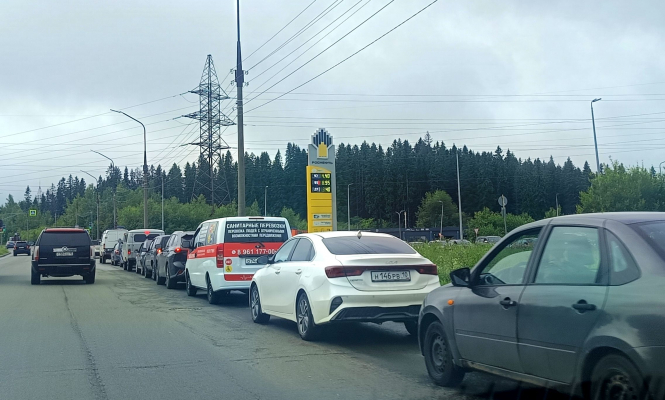
Russians are paying sorcerers to enchant their cars into using less gas. Ukraine's Foreign Intelligence Service (SVR) reports that as Russia's fuel crisis deepens, non-standard offers to reduce a car's gasoline consumption are gaining popularity.
In many regions, the agency said, drivers queue around the clock to fill just 10 to 20 liters, and quality is no longer even part of the conversation.
Ukraine's drone campaign against Russian refineries struck Russian plants at lea
Russians are paying sorcerers to enchant their cars into using less gas. Ukraine's Foreign Intelligence Service (SVR) reports that as Russia's fuel crisis deepens, non-standard offers to reduce a car's gasoline consumption are gaining popularity.
In many regions, the agency said, drivers queue around the clock to fill just 10 to 20 liters, and quality is no longer even part of the conversation.
Ukraine's drone campaign against Russian refineries struck Russian plants at least 194 times in the first half of 2026, eleven times the pace of a year earlier, and pushed rationing into more than 55 Russian regions.
The Kremlin, "where officially everything is under control," is trying to hold the situation with norms, limits, schedules, restrictions, coupons, and other post-Soviet attributes, the SVR said. Ordinary Russians are left hoping for a miracle, which is where the wizards come in.
Sorcerers open price list
Prices on the black market run about $3.20 to $6.40 a liter. Against that, the SVR notes, the magic looks almost affordable.
For $19, a client can get a "wax pouring" to remove negative energy. For about $90, a runic array. For about $115, a search of the car's interior for "magic needles" was conducted.
"For advanced users," the SVR wrote, nearly $190 buys a "Bear Paw" amulet, and around $205 a full magic ritual with salt and a gold ornament. The last one supposedly reduces fuel consumption and even "attracts" gasoline or diesel into the tank.
There is one mandatory condition the sorcerers insist on: tell no one about the ritual, or the magic will not work. It is a clause that also makes the service impossible to disprove.
Crisis magic is standing in for
The rituals are a symptom. The disease is a fuel system Ukraine has spent 2026 taking apart.
Ukraine's General Staff reported that 42.74% of Russian oil refining was offline as of 4 July, with $13.5 billion in industry losses since August 2025. Rationing has reached Siberia, thousands of kilometers from the front, jumping region to region, even where no drone has struck. Russia has banned gasoline exports, permitted the sale of lower-grade Euro-3 fuel to stretch supply, and begun importing gasoline by sea, a first for one of the world's largest oil exporters.
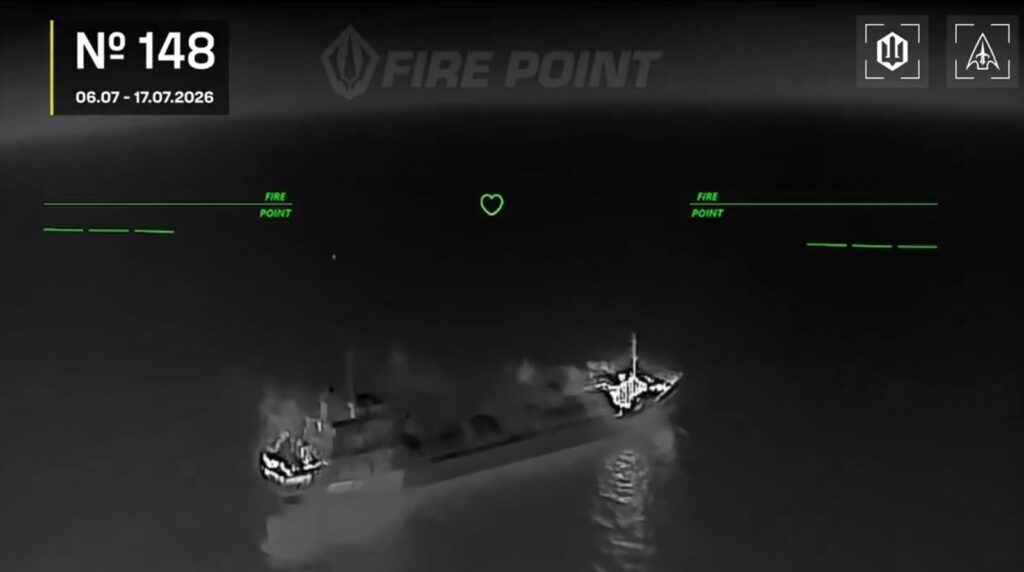
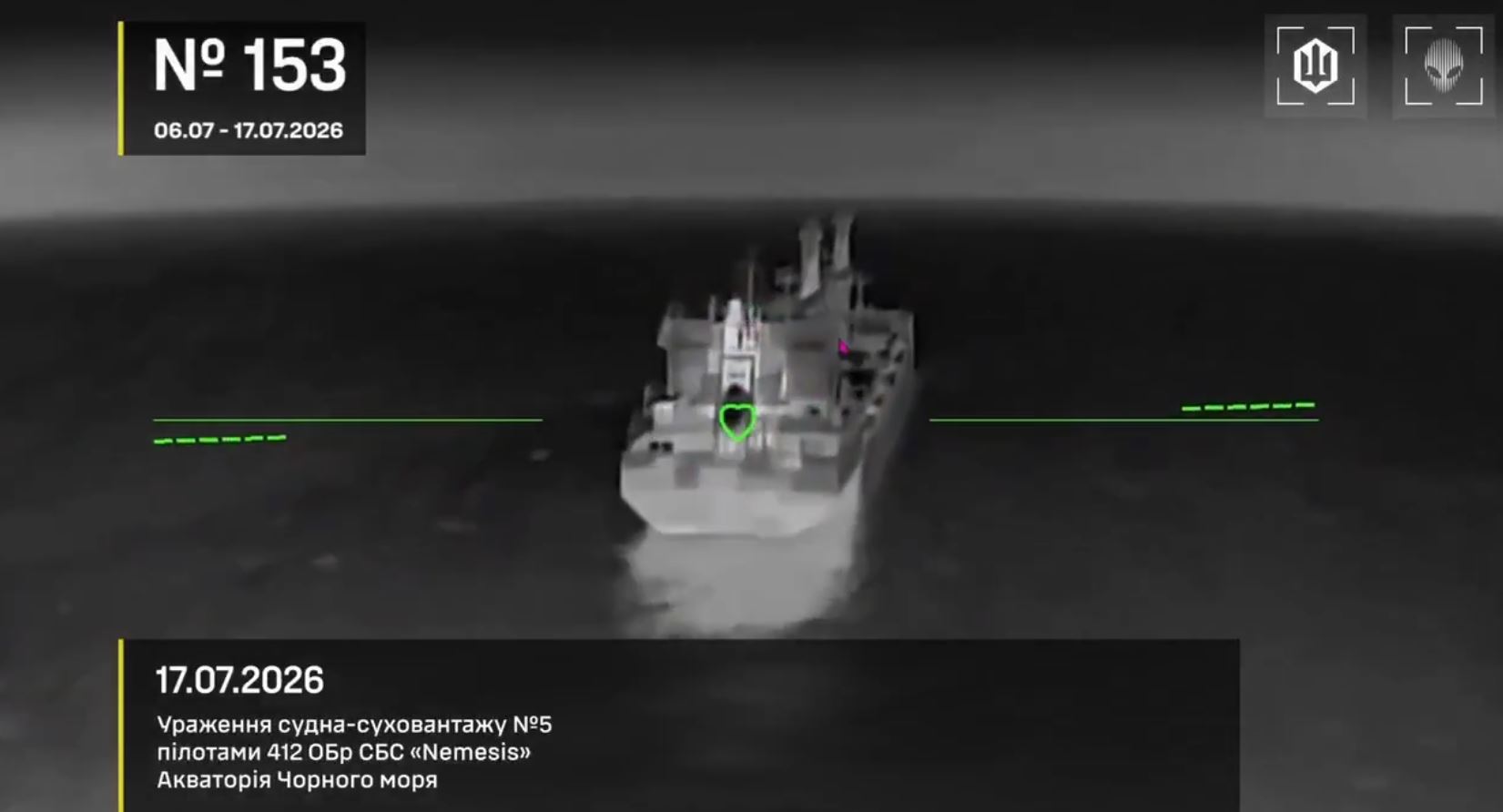
Ukraine's drones widened their assault on Russia's sanctions-dodging shadow fleet overnight on 17 July, hitting 12 more vessels in the Black Sea, according to Unmanned Systems Forces commander Robert "Madyar" Brovdi. The same night, drones struck occupied Kerch and Berdiansk, and satellites logged fires at Crimea's main rail hub as the campaign to cut the peninsula off from Russia pressed on.
Oil is the financial engine of Russia's war, and through 2026, Ukraine has turned
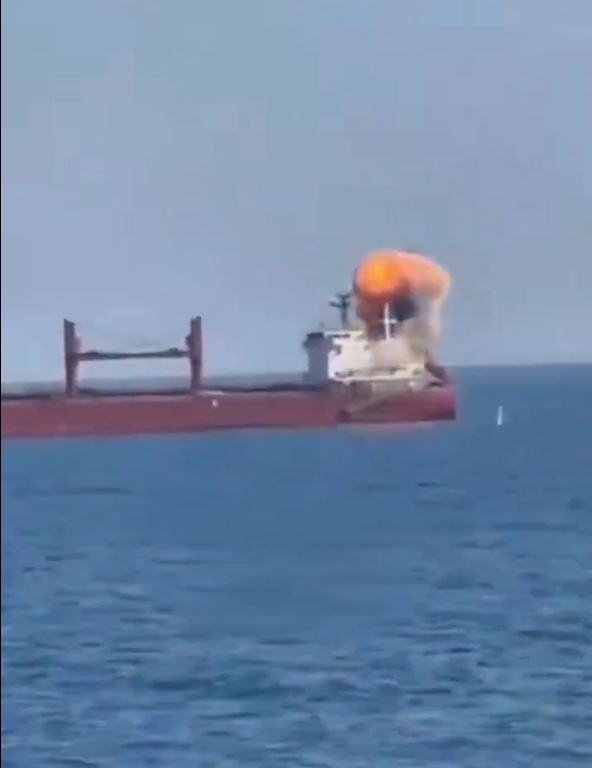
Ukraine's drones widened their assault on Russia's sanctions-dodging shadow fleet overnight on 17 July, hitting 12 more vessels in the Black Sea, according to Unmanned Systems Forces commander Robert "Madyar" Brovdi. The same night, drones struck occupied Kerch and Berdiansk, and satellites logged fires at Crimea's main rail hub as the campaign to cut the peninsula off from Russia pressed on.
Oil is the financial engine of Russia's war, and through 2026, Ukraine has turned cheap drones into a blockade of that revenue at both ends—the refineries that turn crude into cash and the tankers that move it—while tightening the noose around occupied Crimea. Each vessel struck forces Moscow to defend a maritime supply chain it once treated as low-risk, and each fire at Kerch's rail yard narrows the routes left to feed the peninsula—raising the cost of holding Crimea even as no single strike decides the war.
Twelve more ships in a single night
Brovdi saidhis operators hit nine dry-cargo ships, one tanker, one gas carrier, and one tug in the Black Sea. The strikes ran under the codename MoLoChKa, a Ukrainian term for dairy products.
Ukraine hit 12 more Russian shadow-fleet ships in the Black Sea—the 12-day total is now 159
Ukraine's Unmanned Systems Forces (SBS) struck 12 more vessels of Russia's sanctions-dodging shadow fleet in the Black Sea on 17 July, commander Robert "Madyar" Brovdi said. The day's… pic.twitter.com/N1GBbK0VWe
He put the 6–17 July total at 159 vessels of Russia's shadow fleet across both seas. Of those, 117 were hit in the Sea of Azov and 42 in the Black Sea.
A Ukrainian drone closes on a Russian dry-cargo ship, logged as the 153rd vessel hit, during Unmanned Systems Forces strikes in the Black Sea overnight on 17 July 2026. Screenshot from video: Robert "Madyar" BrovdiA drone strikes one of Russia's shadow-fleet bulk carriers in the Black Sea, recorded from another ship, on 17 July 2026. Screenshot from video: Exilenova+
Brovdi vowed the operation would run without end. Moscow will fall, he wrote, promising Ukraine would "feed and rebuild" Crimea once the peninsula is retaken.
The campaign earlier targeted the small feeder tankers that carry Russian oil down the Volga-Don Canal and across the Azov Sea to waiting export ships, now, in the Black Sea, it switched to larger ocean-going tankers and bulk carriers. In the Black Sea, the 17 July haul ran mostly to dry-cargo ships.
A fireball on the horizon caught by a CCTV camera on an occupied Crimea or from Russia's black Sea coast beach during overnight drone strikes on 17 July 2026. Screenshot: Supernova+
A day earlier, the Security Service of Ukraine's Mamai sea drones struck two shadow-fleet crude tankers in the same waters. The wider drive has already pushed the fight out of the Azov shallows and into the open Black Sea.
While the ships burned at sea, drones hit occupied Crimea from about 21:40 until morning, the monitoring Telegram channel Krymsky Veter reported. Residents heard explosions in at least Kerch, Simferopol, Feodosia, and Yevpatoria.
By morning, OSINT channels recorded a cluster of fires at Kerch's railway station, near the Crimean Bridge, and NASA FIRMS satellite data confirmed a blaze in the area, the monitoring channel Exilenova+ said. Early reports pointed to burning warehouses, rail wagons on the tracks, and possibly the Kerch oil depot and the Kerchenska electrical substation, though none of that was confirmed.
Monitoring channels also logged a fire near Shchebetivka, by the Koktebel substation, after drones reportedly struck a pumping station and the 110/35/6 kV facility there.
Crimea's supply lines under strain
The Kerch rail yard has grown critically overloaded as Ukrainian strikes hammer the peninsula's rail network. Two days earlier, occupation authorities in the northern city of Dzhankoi restricted mobile service to 16 hours a day amid power disruptions.
Reports of drone attacks and explosions continued throughout the night in Kerch. NASA FIRMS detected a fire near the Kerch railway station. pic.twitter.com/gydmLBgnwS
In occupied Berdiansk, Zaporizhzhia Oblast, Ukrainian strike drones hit energy infrastructure, sparking a fire, Exilenova+ said in a separate overnight report, sharing a video of the resulting fire.
A very toasty Russian-occupied Berdyansk airfield post Ukrainian ATACMS strike last night.
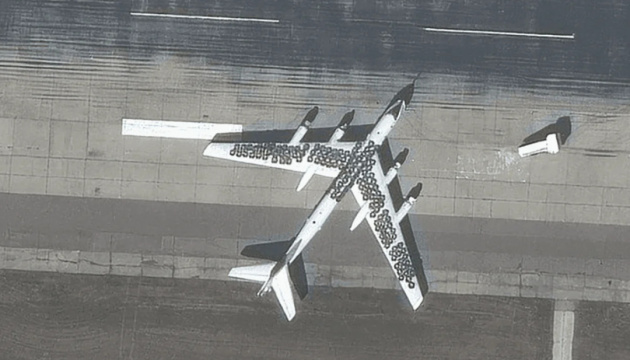
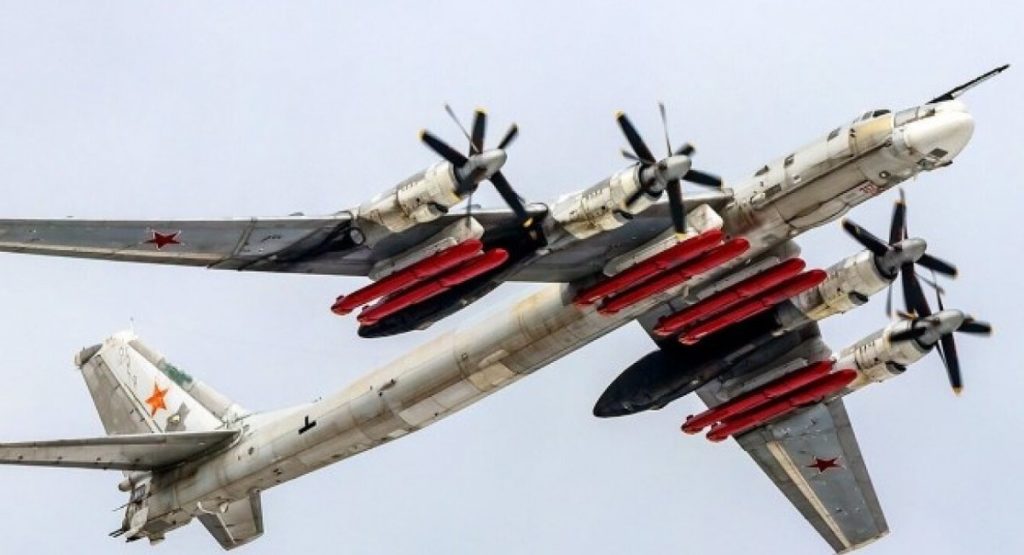
Ukraine says it destroyed one of the Russian bombers that hits its cities. The Security Service of Ukraine (SBU) said its long-range drones flew about 800 kilometers to the Engels military airfield in Russia's Saratov Oblast and struck a Tu-95 strategic bomber, tearing off its tail section entirely.
This specific aircraft had been used systematically to launch massed missile strikes on Ukraine.
The claim is the confirmation Ukraine had not yet made this morning. EP reporte
Ukraine says it destroyed one of the Russian bombers that hits its cities. The Security Service of Ukraine (SBU) said its long-range drones flew about 800 kilometers to the Engels military airfield in Russia's Saratov Oblast and struck a Tu-95 strategic bomber, tearing off its tail section entirely.
This specific aircraft had been used systematically to launch massed missile strikes on Ukraine.
The claim is the confirmation Ukraine had not yet made this morning. EP reported earlier on 16 July that open-source analysts had identified a fire at Engels-2 following an overnight drone strike, with no confirmed aircraft loss. The SBU has now claimed a specific result: a Tu-95 with its tail section destroyed.
The damage is described as critical, and the account is the SBU's own and has not yet been independently verified by imagery.
The SBU said the operation carried out tasks set by the president to reduce the military-economic potential of the aggressor state, and framed each destroyed bomber as dozens of missiles never fired at Ukrainian cities.
Engels is base Ukraine keeps coming back to
Engels-2 is one of Russia's principal strategic aviation bases, home to the Tu-95MS and Tu-160 bombers Russia uses to fire Kh-101 and Kh-555 cruise missiles at Ukrainian cities, roughly once or twice a month in salvos of dozens of missiles. Russia had around 60 Tu-95 aircraft as of 2023, a Soviet-era fleet it can no longer build, which is what makes each loss matter.
Ukraine has struck Engels since December 2022, mostly hitting fuel depots and munitions storage. A March 2025 SBU drone strike destroyed nearly 100 air-launched cruise missiles at the base. An April 2025 strike on Engels destroyed one Tu-95MS and damaged two others. If today's claim holds, it is another confirmed bomber loss at a base Russia has repeatedly expanded and failed to protect.
Bomber-hunting campaign has biggerprecedent
Ukraine's most spectacular strike on Russian strategic aviation was Operation Pavutynnia ("Spiderweb") on 1 June 2025, when SBU drones smuggled deep inside Russia struck bombers at airbases as far as Irkutsk in Siberia. Ukraine said that the operation hit over 40 Russian aircraft.
The Soviet Union built Russia's strategic bombers, and they are effectively out of production, meaning that a Tu-95 lost is a Tu-95 gone for good.
"Russia's strategic aviation can no longer feel safe even at its most remote military airfields," the SBU said.
The 800-kilometer reach it claimed for this strike is the argument: there is no longer a Russian airbase far enough back to be out of range.
Ukraine's AI-powered attack drones have cut the average survival time of newly arrived Russian recruits at the front to just 20–30 minutes, CIA Director John Ratcliffe said on 15 July at the Pennsylvania Defense and Innovation Summit.
"Our intelligence is consistent with some of the open-source reporting you may have seen in Ukraine," Ratcliffe told an audience of arms and technology industry leaders.
That's because AI-powered drones have become highly specialized, yet lo
Ukraine's AI-powered attack drones have cut the average survival time of newly arrived Russian recruits at the front to just 20–30 minutes, CIA Director John Ratcliffe said on 15 July at the Pennsylvania Defense and Innovation Summit.
"Our intelligence is consistent with some of the open-source reporting you may have seen in Ukraine," Ratcliffe told an audience of arms and technology industry leaders.
That's because AI-powered drones have become highly specialized, yet low-cost killing machines.
Speaking to some 500 defense organizations at the US Army War College, Ratcliffe framed Ukraine's drone warfare as a model:
"Ukraine's mastery of emerging technologies... is such a great equalizer and shows why we have to be leading on this in all respects."
His remarks come as Washington and its allies weigh new funding for Ukraine's drone programs and access to the AI-guidance technology behind them.
The drone arithmetic
In March 2026, President of Ukraine Volodymyr Zelenskyy said drones caused 96% of Russian losses that month—roughly 34,000 troops killed or severely wounded by unmanned systems, against 1,363 lost to artillery and everything else. Early in the war, artillery inflicted about 80% of casualties.
Explore further
Ukraine is first country to fund combat humanoid robots. But its own battlefield says wheels still win
The highest number of drone-related killings occurs in territory Ukrainian commanders describe a "kill zone." 20 to 25 kilometers deep on both sides of the contact line. In Donetsk Oblast, Russian forces lost an average of 316 soldiers per square kilometer captured in the first quarter of 2026, up from about 120 a year earlier. That is why Russia traded massed armored assaults for two- and three-man infiltration groups—small enough to slip the drone screen, though most die before reaching Ukrainian lines.
Why Washington is saying it now
Ratcliffe said Russia has gained only about 1% of Ukraine's territory in the 18 months since he became CIA director, arguing an inferior force has held off a superior one for four and a half years by scaling cheap technology faster than its larger opponent.
The US is now studying that model, weighing new funding for Ukrainian drone production, and negotiating access to the AI-guidance technology behind it. Ukraine makes roughly 10 million drones a year, which Zelenskyy says will double to 20 million. The same day as Ratcliffe's remarks, Ukraine and the EU finalized a defense-industrial agreement, the Drone Deal.
In Kyiv and other cities across Ukraine, protests against the resignation of Mykhailo Fedorov as defense minister have continued for the second day in a row.
In Kyiv and other cities across Ukraine, protests against the resignation of Mykhailo Fedorov as defense minister have continued for the second day in a row.
The situation in the area controlled by the Joint Forces Task Force remains intense, with the enemy pressing forward in the Lyman and Kupiansk sectors.
The situation in the area controlled by the Joint Forces Task Force remains intense, with the enemy pressing forward in the Lyman and Kupiansk sectors.

 Connexion