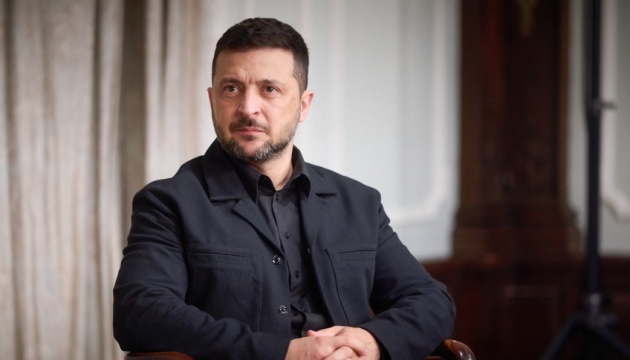
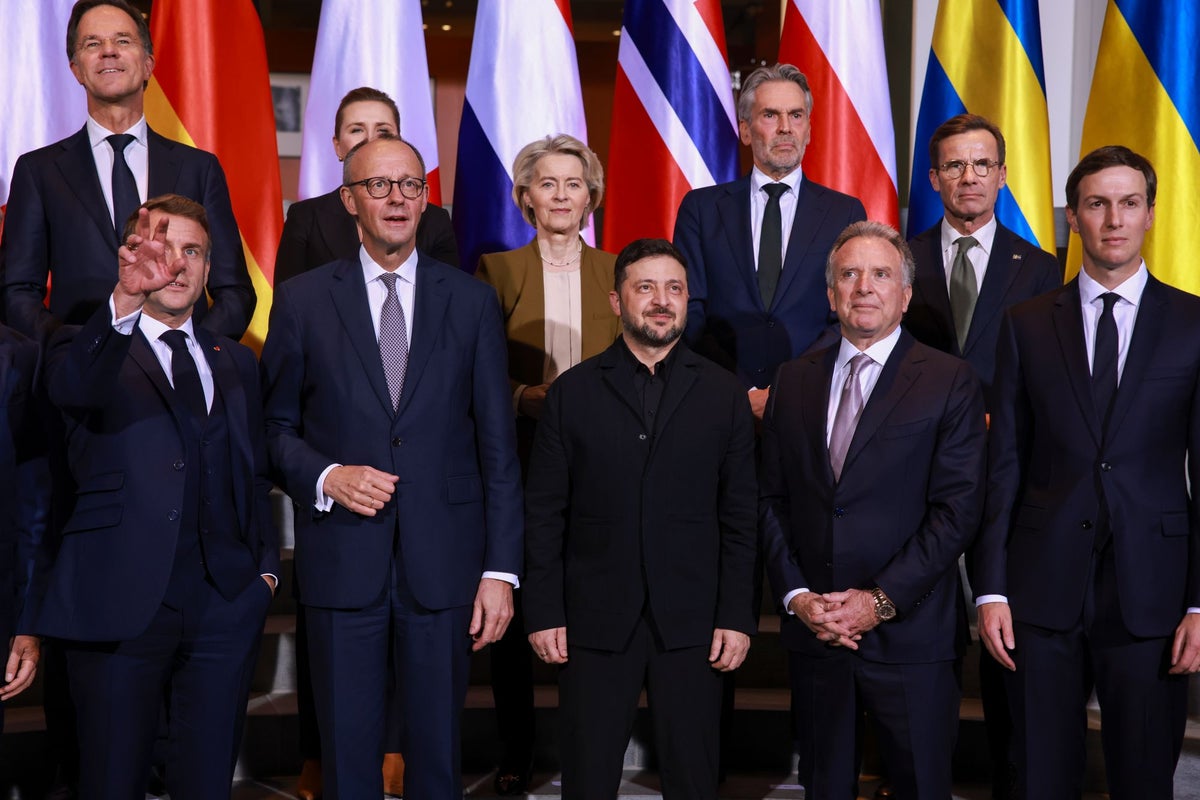
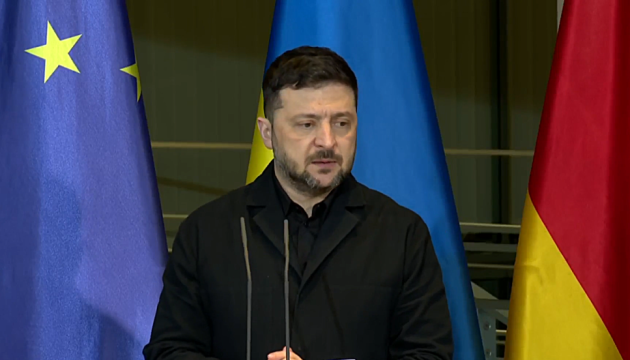
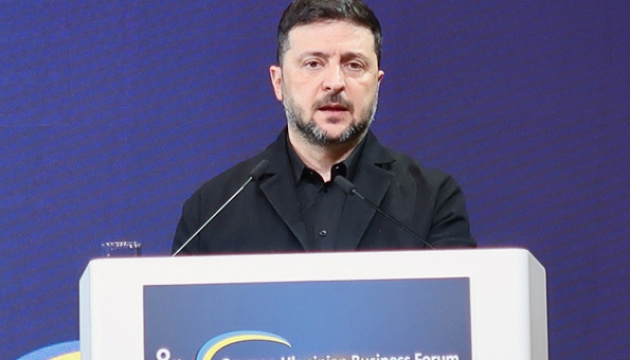
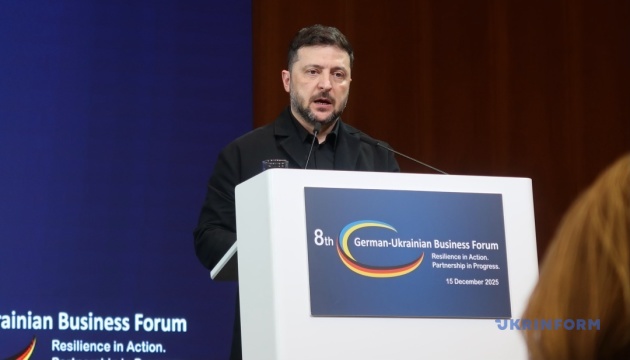
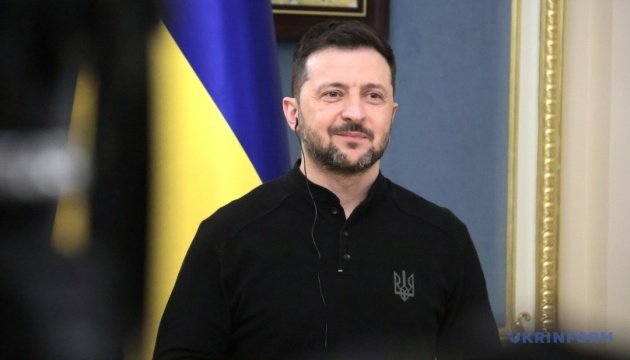
President Volodymyr Zelensky stated that several rounds of negotiations took place in Berlin, during which five documents related to ending the war were discussed. Some of them are security guarantees, while others concern post-war reconstruction.
President Volodymyr Zelensky stated that several rounds of negotiations took place in Berlin, during which five documents related to ending the war were discussed. Some of them are security guarantees, while others concern post-war reconstruction.
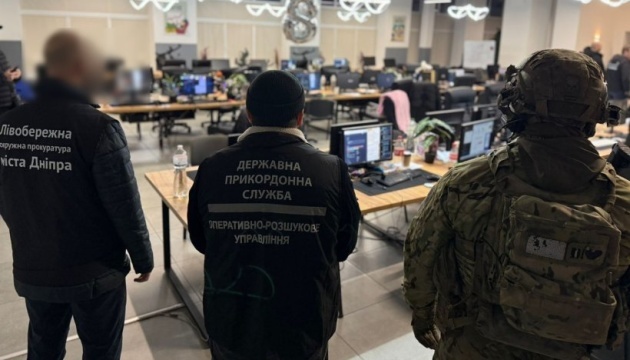
The Department for Combating Transborder Crime of the Eastern Regional Directorate of the State Border Guard Service of Ukraine, together with prosecutors in Dnipro, uncovered and shut down a large-scale fraudulent call center operating in the city.
The Department for Combating Transborder Crime of the Eastern Regional Directorate of the State Border Guard Service of Ukraine, together with prosecutors in Dnipro, uncovered and shut down a large-scale fraudulent call center operating in the city.
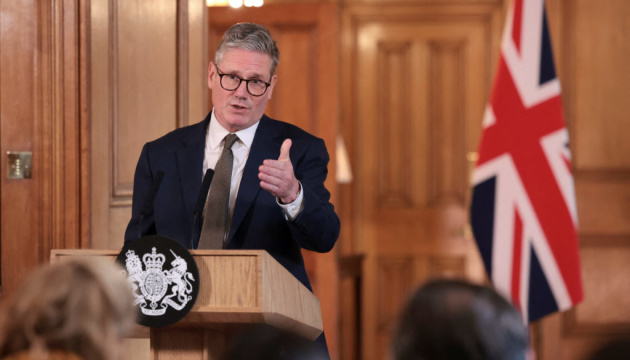
In this year's ranking of Ukrainians' trust in world leaders, UK Prime Minister Keir Starmer took first place (76.1%), while the presidents of the United States and Poland showed record declines in trust.
In this year's ranking of Ukrainians' trust in world leaders, UK Prime Minister Keir Starmer took first place (76.1%), while the presidents of the United States and Poland showed record declines in trust.
In Russia, a ban is being introduced on incoming international calls from 47 so-called "unfriendly" countries without the prior consent of the subscriber, citing the fight against telephone and internet fraud.
In Russia, a ban is being introduced on incoming international calls from 47 so-called "unfriendly" countries without the prior consent of the subscriber, citing the fight against telephone and internet fraud.
Since the launch of the Ukrainian maritime corridor, more than 162 million tonnes of cargo have been handled, including over 98 million tonnes of grain, with nearly 7,000 vessels passing through the route.
Since the launch of the Ukrainian maritime corridor, more than 162 million tonnes of cargo have been handled, including over 98 million tonnes of grain, with nearly 7,000 vessels passing through the route.
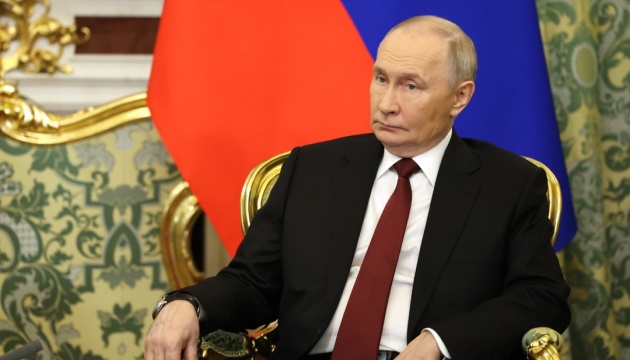
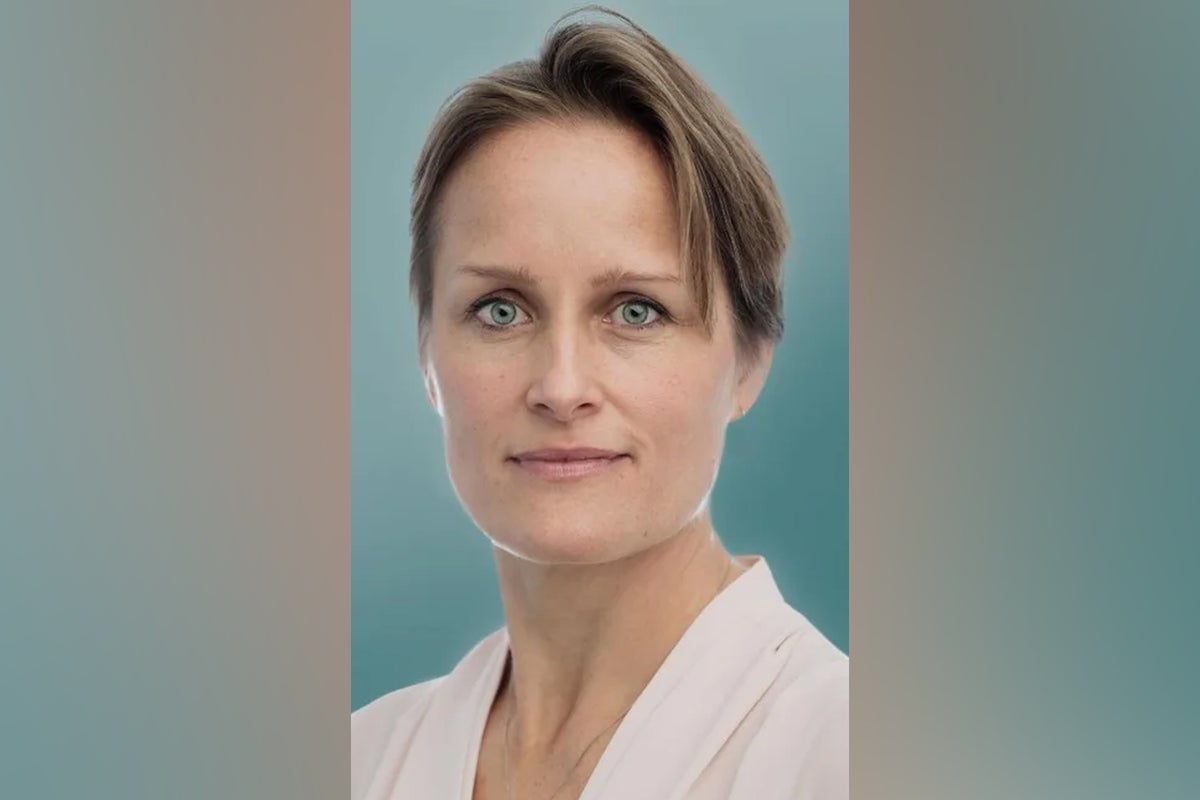
The new chief of Britain's foreign intelligence service MI6, Blaise Metreweli, has said that Russian leader Vladimir Putin is deliberately dragging out negotiations to end Russia's war against Ukraine and stressed that pressure on Russia must continue.
The new chief of Britain's foreign intelligence service MI6, Blaise Metreweli, has said that Russian leader Vladimir Putin is deliberately dragging out negotiations to end Russia's war against Ukraine and stressed that pressure on Russia must continue.
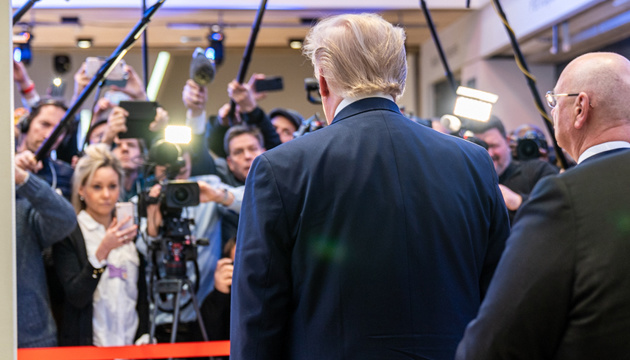
U.S. President Donald Trump has said he believes that participants in the peace process have made significant progress toward an agreement to end the war in Ukraine.
U.S. President Donald Trump has said he believes that participants in the peace process have made significant progress toward an agreement to end the war in Ukraine.
On 15 December, the EU Council adopted restrictive measures targeting 12 individuals and two organizations involved in anti-Ukrainian information campaigns and cyber operations against the EU and its allies.
The sanctions cover former military and police personnel from Europe, cyber groups, and Russian electronic warfare units in Kaliningrad.
EU sanctions the 142nd Separate Electronic Warfare Battalion
The measures target those promoting pro-Russian propaganda, disinformati
On 15 December, the EU Council adopted restrictive measures targeting 12 individuals and two organizations involved in anti-Ukrainian information campaigns and cyber operations against the EU and its allies.
The sanctions cover former military and police personnel from Europe, cyber groups, and Russian electronic warfare units in Kaliningrad.
EU sanctions the 142nd Separate Electronic Warfare Battalion
The measures target those promoting pro-Russian propaganda, disinformation, and anti-NATO narratives, undermining international support for Ukraine.
This includes the International Russophile Movement and the 142nd Separate Electronic Warfare Battalion, responsible for GPS and shortwave communication interference technologies within the EU.
Cyber threats and intelligence operations
The sanctions list also includes personnel from Russia’s military intelligence unit 29155 and the cyber group Cadet Blizzard, who participated in cyberattacks against Ukrainian government agencies, EU countries, and NATO allies, attempting to access confidential information and destabilize political situations.
What do those new measures include?
Overall, the sanctions now apply to 59 individuals and 17 organizations.
Their assets are frozen, and EU citizens and companies are prohibited from providing funds, financial assets, or economic resources to them. The individuals are also banned from entering or transiting through the EU.
Before taking any steps on the battlefield, both the military and the civilian population must have a clear understanding of what security guarantees Ukraine will receive.
Before taking any steps on the battlefield, both the military and the civilian population must have a clear understanding of what security guarantees Ukraine will receive.
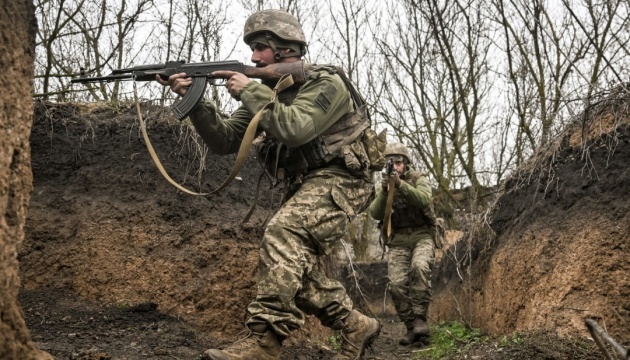
The Ukrainian Defense Forces have received reinforcements and are holding back the pressure of Russian troops in the area of the Pokrovsk-Myrnohrad agglomeration.
The Ukrainian Defense Forces have received reinforcements and are holding back the pressure of Russian troops in the area of the Pokrovsk-Myrnohrad agglomeration.
Ukraine, the United States, and European partners have agreed on parameters for achieving peace in Ukraine, including security guarantees such as the development of the Ukrainian Armed Forces, the possible deployment of peacekeeping forces to ensure the security of air and maritime space, monitoring of a ceasefire regime, and other measures.
Ukraine, the United States, and European partners have agreed on parameters for achieving peace in Ukraine, including security guarantees such as the development of the Ukrainian Armed Forces, the possible deployment of peacekeeping forces to ensure the security of air and maritime space, monitoring of a ceasefire regime, and other measures.
Fewer than 10% of Ukraine’s deep strikes actually hit protected targets inside Russia and fewer still do any significant damage, according to a new report by the Royal United Services Institute (RUSI.)
Russia’s air defense network is stronger and more comprehensive than often credited, RUSI wrote, citing October 2025 data from the Armed Forces of Ukraine. This is a major obstacle to degrading Moscow’s hydrocarbon and military industries, to weaken its ability to sustai
Fewer than 10% of Ukraine’s deep strikes actually hit protected targets inside Russia and fewer still do any significant damage, according to a new report by the Royal United Services Institute (RUSI.)
Russia’s air defense network is stronger and more comprehensive than often credited, RUSI wrote, citing October 2025 data from the Armed Forces of Ukraine. This is a major obstacle to degrading Moscow’s hydrocarbon and military industries, to weaken its ability to sustain the invasion.
But Russian air defense does have exploitable weaknesses. For one, Russia struggles to produce critical tech and materials in its own territory, relying on foreign supply chains, which are vulnerable to disruptions and sanctions.
As an example, sanctions can go after middleman companies like Electrotrade, which sold $1.1 million worth of American-made electronics to Russia since the start of 2024.
Russian companies are exposed to cyber attacks, as well as kinetic ones — when Ukrainians manage to target manufacturing pressure points that can bottleneck production.
Sanctions and cyber-attacks have slowed down Russia's advanced aircraft programs, according to a November investigation by InformNapalm.
“Russian air defences have imposed significant constraints on Ukraine’s military, shielded the Russian military and industry from the bulk of attempts to strike them in depth and improved substantially over the course of the war,” RUSI wrote. “Russia has also avoided using some parts of its air defence systems that are most concerning for NATO.”
“At the same time, Russian air defences can be penetrated and destroyed. They are not insurmountable but are a major obstacle to efficiently striking Russian forces and territory.”
How to degrade Russia’s air defense, in a nutshell
RUSI identified the following weak points. First, countries can use sanctions and export control to target Russia’s imports of:
Foreign electronics for command and control systems and radar
Raw materials, like beryllium oxide ceramics that’s used in heat sinks
Western measuring equipment and calibration tools that make air defenses effective
Western machine tools used in making advanced weapons
Sanctions can also disrupt the repair of Russian air defense facilities that have already been damaged by Ukraine. Next, Ukraine can exploit vulnerabilities by:
Hacking software to compromise Russian manufacturing
Striking at critical nodes within air defence production.
A Russian Pantsir-S1 air defense system on display. Photo: Wikimedia Commons
Russian defense evolved in tandem with Ukraine’s offense
The Soviet Union realized in the 1970s that it would struggle to keep up with NATO aircraft. Both the USSR and the Russian Federation invested heavily in integrated air and missile defense, resulting in what RUSI calls “the densest, most sophisticated and most integrated air defence networks in the world.”
This is still not enough to cover the entirety of Russia’s massive territory, not to mention the 1,000-kilometer front line and all the Ukrainian territories that Russia has captured.
Ukrainians have been able to force Russians to make tough choices about which sites to defend, and which to leave vulnerable.
The sites that are well-defended, however, have grown increasingly resilient. Both Ukraine and Russia have been evolving their attack and defense strategies with drones and missiles, learning from one another over the course of the full-scale invasion.
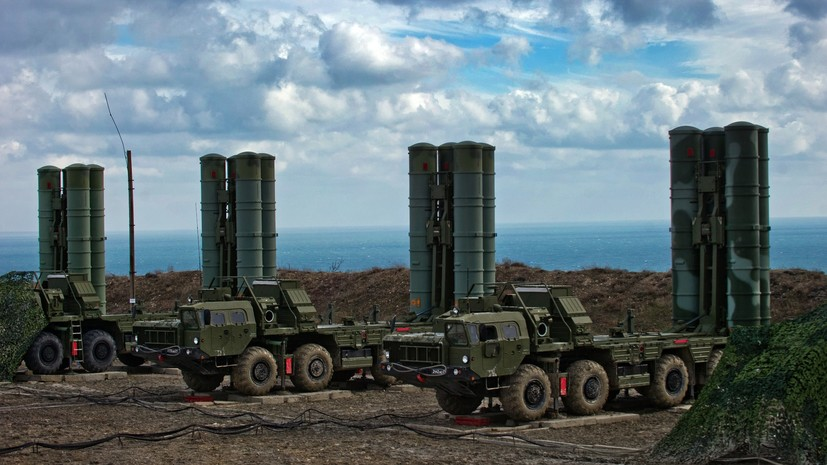
One example is Ukraine’s successful use of AGM-88 (HARM) anti-radiation missiles to target Russian radar and create paths for other weapons. These have been used in combination with drones and missiles such as Storm Shadows, to even take down batteries of S-400s, Russia’s most advanced air defense missile systems.
Yet, the Russians learned to adapt, shutting off radar at critical moments, or shooting down the HARMs in flight.
Ukraine also saw early success with guided multiple-launch rocket systems (GMLRS) and army tactical missile systems (ATACMS), but Russians have adapted to these as well. According to RUSI data, the rate of successful hits with GMLRS went from 70% in 2022, to 30% in 2023-2024, to about 8% in 2025.
The Russians also improved the efficiency of their air defense, requiring fewer interceptors on their S-400 systems to shoot down Ukrainian targets.
“With the right combination of strike systems, good intelligence and EW, hit rates can be brought back up,” RUSI wrote. “But this slowed the pace of Ukrainian strikes, removed many targets from consideration, and therefore had second-order consequences for Ukrainian options that are harder to quantify.”
Russia’s most common workhorse air defense systems
Strategic systems: S-300 and S-400 surface to air missile batteries
Long-range systems that hold Ukrainian aircraft at risk and coordinate the broader network. The S-400's brain — the Elbrus-90micro computing system — depends on Taiwanese chips Russia can't manufacture domestically. The main Russian producer is reportedly facing bankruptcy.
Tactical systems: Buk-M3 self-propelled surface to air missile
Mobile systems protecting ground forces. These are less vulnerable to supply chain disruption but still dependent on the same microelectronics ecosystem.
Short-range systems: Tor-M2, Pantsir-S2
Point defense "goalkeepers" that intercept what breaks through. Russia is reportedly burning through Pantsir interceptors faster than it can produce them. Both Pantsir assembly sites sit in Tula, 350 km from Ukraine.
A Buk-M3 surface-to-air missile launcher of the Russian Armed Forces. Illustrative photo: Russian Defense Ministry
Some targets are out of reach
Ukraine has been successful at striking Russian oil infrastructure, especially refineries, in 2025. President Volodymyr Zelenskyy claimed that attacks are happening practically every day.
This caused noticeable harm to Russia’s refining capacity. Hydrocarbon sales are Russia’s lifeline that fuels its government and military budgets.
“Russia… struggled to prepare for Ukraine’s long-range strike campaign on its territory,” RUSI wrote. Russia has continued to take hits around oil refineries, military-industrial sites and logistics hubs as Ukraine has scaled the production of a wide range of long-range strike systems.”
However, while drone strikes can send refineries up in flame, these can be repaired with relative ease. Worse, more hardened industrial targets are tougher nuts to crack.
Ukraine must expend 100-150 drones costing up to $80,000 apiece, just for ten to slip through and deal potentially negligible damage. Combined strikes with drones and missiles are more effective, but become harder to repeat against the same target in the future.
According to RUSI, Russia's air defenses have absorbed significant Ukrainian resources and put many high-value targets out of reach. Even successful combined attacks are "rarely repeatable."
However, the report found that Russia's system is vulnerable to sanctions, cyber attacks, and regular ones.
Supply chain vulnerabilities
In the report, Russia's air defense production was described as a "hub and spoke" system, with subordinate manufacturers all producing for a single central industrial company, such as the Almaz-Antey concern.
“Although the first and second tiers of Russian air defence production (at first glance) appear to be sovereign and founded on a robust research and industrial base, the industry also faces significant dependencies on foreign supply of raw materials, components and machine tools,” according to RUSI.
For instance, Russian systems use imported microelectronics that Russia struggles to make at home. The S-400 systems’ radar and command and control elements rely on the Ellbrus-90 microcomputing system, whose manufacturer faces production obstacles.
The manufacturer has long relied on Taiwanese imports of electronics, and there has been no open-source confirmation that production has successfully been established in Russia. The Taiwanese manufacturer, TSMC, reportedly terminated the contracts after the full-scale invasion began in 2022.
“Russia’s microelectronics industry is underperforming, still dependent on foreign suppliers for more complex chips, and that disruption to its operations would have a serious impact on the production of some of the most critical components of its air defence systems,” RUSI wrote.
Even when Russia does make its own microelectronics, it often depends on imports, including from the US. These include printed circuit board laminates made by the Rogers Corporation, which perform better than Russian-built analogues.
Since 1 January 2024, Russian companies have imported $1.1 million of Rogers printed circuit boards, mostly via China but also via Türkiye, India and Lithuania, according to trade records. The biggest importer in 2024, LLC Electrade-M, sold directly to Russia’s biggest military plants.
As of October 2025, LLC Electrade-M is only sanctioned by Ukraine.
Russia also imports raw materials, like beryllium oxide ceramics, used for heat sinks in high-power radio-frequency electronics. Russia has no operating plants that make their own, importing from Kazakhstan.
Cyber and kinetic attacks
Russia also relies on foreign software, which opens the door for targeted cyberattacks, RUSI wrote. Russia is aware of these vulnerabilities, but has so far stalled on making domestic analogues.
“There is a large attack surface within Russian design bureaus that could be exploited to either disrupt the design and modelling of Russian radar, or even to introduce compromises into the design,” according to the report.
Finally, the supply chain for air defense can be hit by physical attacks. There are two assembly sites to make Pantsir complexes in Tula, around 350 kilometers from the Ukrainian border.
These sites are heavily defended and likely too robust for Ukrainian drones to do a lot of harm. However, cruise missiles would do the trick, if Ukraine expands its domestically produced stockpile, or manages to source more from allied countries.
“While the clustering of these sites enables the concentration of air defence, it also means that once the defences are saturated, all sites become vulnerable,” RUSI wrote.
“Ukraine could, therefore, mount an operation to saturate the defences on an approach to Tula before delivering a significant blow to Pantsir production with cruise missiles – ironically resulting in limiting Russia’s ability to defend other targets over the course of 2026.”
Lithuania is preparing for a potential threat from Russia by creating a major facility on the border with Poland and Belarus, Delfi reports. The Lithuanian State Defense Council has approved the establishment of the Kapčiamestis brigade training ground in the Lazdijai district.
According to the president’s chief advisor, Deividas Matulionis, the location was chosen as the most strategically suitable for defending part of the Suwałki corridor.
This comes amid military chief
Lithuania is preparing for a potential threat from Russia by creating a major facility on the border with Poland and Belarus, Delfi reports. The Lithuanian State Defense Council has approved the establishment of the Kapčiamestis brigade training ground in the Lazdijai district.
According to the president’s chief advisor, Deividas Matulionis, the location was chosen as the most strategically suitable for defending part of the Suwałki corridor.
This comes amid military chiefs and intelligence agencies warning that an attack from Russia on Europe could come as early as 2028, as per Politico.
Strategic Suwałki corridor under NATO watch
The Suwałki corridor is a 100-kilometer land strip connecting Lithuania and Poland, bordered by Belarus and Russia’s Kaliningrad exclave.
It is the only route through which NATO forces can quickly reinforce the Baltic states in the event of a conflict, making it both vulnerable and strategically crucial.
“Special attention will be given to the defense of this corridor by Lithuania, Poland, and NATO,” emphasized Matulionis.
Expanding defense capabilities
In addition to the Kapčiamestis training ground, the area of the Tauragė training ground near Russia’s Kaliningrad region will be doubled.
Its territory will be extended to the Jurbarkas district, enhancing border coverage and readiness for potential threats.
President Volodymyr Zelensky stated that, so far, during negotiations with the American side on the issue of territories, the positions remain different. He emphasized that the US is acting as a mediator in these negotiations.
President Volodymyr Zelensky stated that, so far, during negotiations with the American side on the issue of territories, the positions remain different. He emphasized that the US is acting as a mediator in these negotiations.
Editorial: Thanks to the growing Russian threat against Europe and Nato – at a time when AI is changing the very nature of warfare – the new head of MI6 is right to caution that ‘the front line is everywhere’. The appropriate response can be summed up in one word: deterrence
Editorial: Thanks to the growing Russian threat against Europe and Nato – at a time when AI is changing the very nature of warfare – the new head of MI6 is right to caution that ‘the front line is everywhere’. The appropriate response can be summed up in one word: deterrence
Ukraine reaches Russian oil platforms in "safe rear areas". Ukrainian long-range drones, operated by the Alpha Special Operations Center of the Security Service (SBU), have struck oil production platforms owned by Lukoil-Nizhnevolzhskneft in the Caspian Sea for the third time in the past week, UkrInform reports.
On 11 and 12 December, SBU drones had already hit the Filanovsky and Korchagin platforms. The Filanovsky field is one of the largest discovered in Russia and in it
Ukraine reaches Russian oil platforms in "safe rear areas". Ukrainian long-range drones, operated by the Alpha Special Operations Center of the Security Service (SBU), have struck oil production platforms owned by Lukoil-Nizhnevolzhskneft in the Caspian Sea for the third time in the past week, UkrInform reports.
On 11 and 12 December, SBU drones had already hit the Filanovsky and Korchagin platforms. The Filanovsky field is one of the largest discovered in Russia and in its sector of the Caspian Sea, with estimated reserves of 129 million tons of oil and 30 billion cubic meters of gas.
This time, the strike targeted a platform at the Korchagin oil and gas condensate field. According to the source, the drones damaged critical equipment, resulting in a complete halt of production processes at the site.
Striking oil revenues as a weapon of war
The Security Service of Ukraine emphasizes that such operations are part of a systematic effort to reduce the flow of oil revenues into Russia’s budget.
These funds are used to finance the war against Ukraine, from missile production to sustaining the army.
“No Russian facility that supports the war effort is safe, regardless of its location,” the SBU source said.
Ukraine is increasingly pushing combat operations deep into Russia's rear, undermining its capacity to wage war.
The issue of Ukrainian territories remains the most sensitive and difficult topic in negotiations, even with allies. Ukrainian President Volodymyr Zelenskyy has acknowledged that Ukraine and the US currently hold differing positions on territorial issues discussed during negotiations.
Russia is demanding that Ukraine surrender the Luhansk and Donetsk regions, which Russia does not fully control. The US plan envisions the creation of a demilitarized zone. At the sam
The issue of Ukrainian territories remains the most sensitive and difficult topic in negotiations, even with allies. Ukrainian President Volodymyr Zelenskyy has acknowledged that Ukraine and the US currently hold differing positions on territorial issues discussed during negotiations.
Russia is demanding that Ukraine surrender the Luhansk and Donetsk regions, which Russia does not fully control. The US plan envisions the creation of a demilitarized zone. At the same time, it is Ukrainian forces that would be required to withdraw from the territories where this zone would be established.
Who would control this demilitarized zone remains unclear. If there are no security forces to protect it, Russian troops will enter these areas to clean out the territory from a supposedly disloyal population. This would inevitably lead to war crimes and repression.
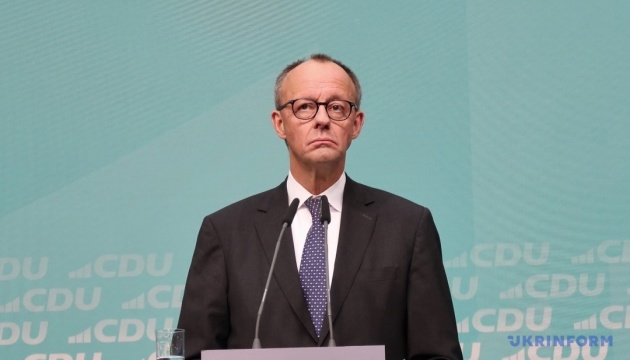
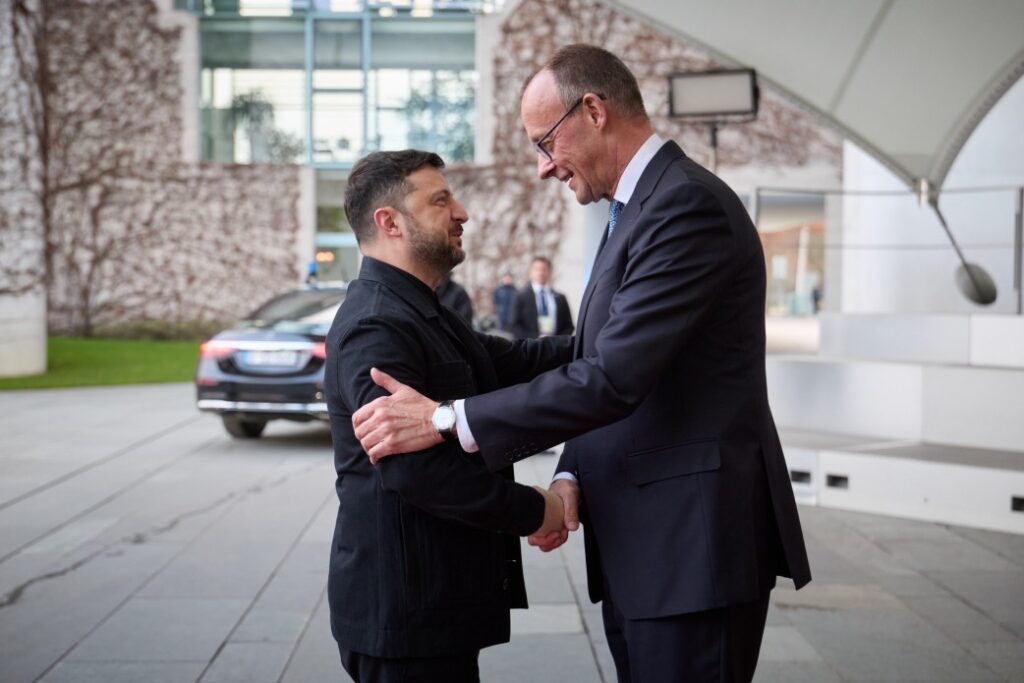
Zelenskyy made the statement in Berlin, speaking to the media alongside German Chancellor Friedrich Merz.
According to the Ukrainian president, dialogue on territorial matters has been insufficient so far.
“There has not been enough dialogue on territories, and it seems that for now we have different positions. I will say this frankly. But I believe our partners have heard my personal position,” Zelenskyy said.
He emphasized that it was crucial for him to clearly communicate Ukraine’s stance — without ambiguity or compromises that could call the country’s sovereignty into question.
The US as a mediator, not a decision-maker
Zelenskyy separately stressed that the US is acting as a mediator, not as a party imposing solutions.
“I believe the American side, as a mediator, will propose various steps to try to find at least some form of consensus. I would like the US to continue in this mediation format,” he stated.
Earlier in Berlin, Zelenskyy held talks with a US delegation led by Special Presidential Envoy Steve Witkoff and Jared Kushner. According to the president, tangible progress has been achieved on several other issues.
“There was real progress on many issues. To be honest, I don’t know how the aggressor state will perceive this,” Zelenskyy added.
Russia's territorial demands and Ukraine's firm position
Zelenskyy noted that the current draft negotiation documents no longer contain destructive provisions, and the issue of territorial concessions is no longer on the agenda.
At the same time, Kyiv’s and Moscow’s visions regarding territory remain fundamentally opposed.
“Russia wants what it wants… We clearly understand what they want. Whether we believe it or not, we know with 100% certainty what they want,” he said.
He underscored that the most important outcome of the talks was ensuring that US partners clearly understood Ukraine’s position on territorial integrity.
My hometown has been hit again. Over 12–14 December, Russia directed about 300 various airborne weapons at Odesa Oblast—with over 130 Shahed drones launched just Sunday morning alone, according to regional military authorities.
The strikes targeted critical infrastructure across the southern coast. The sheer concentration of firepower overwhelmed the city's air defenses. Four days later, this city of 1 million people remains without electricity, heating, or running wate
My hometown has been hit again. Over 12–14 December, Russia directed about 300 various airborne weapons at Odesa Oblast—with over 130 Shahed drones launched just Sunday morning alone, according to regional military authorities.
The strikes targeted critical infrastructure across the southern coast. The sheer concentration of firepower overwhelmed the city's air defenses. Four days later, this city of 1 million people remains without electricity, heating, or running water.
This is the longest continuous blackout Odesa has endured since Russia's full-scale invasion began in February 2022. Previous attacks knocked out power for hours, sometimes a day.
Now, as winter darkness falls at 4 p.m. and temperatures drop toward freezing, an entire city is learning what it means to function without the infrastructure of modern life—and demonstrating why Russia's strategy of breaking Ukrainian civilian morale through suffering has failed for nearly three years.
When the city goes dark
Blackouts are nothing new for wartime Odesa. After previous strikes, one or two districts might lose power while repair crews worked through the night. This is different. I took this photo from my apartment on Friday night. Across the city, neighbors saw the same thing—flames on the horizon, the only light breaking the darkness.
When the sun sets now, the entire city sinks into complete darkness. The only lights visible are the dim glows of shops and restaurants running on generators—and those close early, fuel being precious.
Potable water disappeared from supermarket shelves within hours of the attack. It's only now, four days later, that bottles are gradually returning to meet demand.
The free public water distribution points—pumps drawing groundwater with the help of generators—have seen lines stretching for blocks, residents clutching every container they could find at home.
How 1 million people cope
Ukraine's network of Resilience Centers—warming points where people can charge phones, power banks, and other devices—has become a lifeline. Odesa has 410 of these centers operating. Supermarkets across the city now offer free charging stations for small electronics, their generator-powered outlets surrounded by clusters of phones.
Odesa residents gather at a Resilience Center to charge devices and warm up. Composite photo: AuthorOdesa residents charging electronic devices at Tavria V and ATB supermarkets during the city-wide blackout. Composite photo: Author
Cooking at home requires preparation: those who stockpiled gas cartridges and portable burners beforehand can manage. With refrigerators useless, many have turned balconies and window ledges into improvised cold storage, bags of food dangling outside apartments in the December chill.
Others simply order takeout or dine at restaurants—Odesa has no shortage of these for every budget, and the ones with generators remain packed. But some ill-prepared businesses were forced to shut down, like my favorite bakery on the corner.
Some residents have advantages. Newer apartment buildings often have stored water reserves, backup power for essential systems, and elevators that operate on emergency schedules. Those in older Soviet-era buildings or the historic downtown have fewer options. The disparity is stark but unremarked upon—everyone is improvising.
And helping each other. "People who got water and power back offer help to others," one resident wrote. Yesterday someone proposed "rescuing food from refrigerators by gathering at the seaside and cooking it all to music." Somehow, Odesa keeps its humor.
Explore further
Russia bombs Odesa’s port—US and EU firms expand offices anyway
Emergency response and gradual repairs
Assistance has arrived from Ukraine's Emergency Service units across multiple oblasts. Tank trucks delivering water are now stationed in every district. Other regions have donated generators to power boiler facilities, racing to restore heat before temperatures drop further.
Ukraine's State Emergency Service distributes water to Odesa residents during the city-wide blackout. Composite photo: DSES Odesa
According to DTEK Odesa Electric Networks, as of 15 December power engineers had restored electricity to nearly all critical infrastructure in Odesa and the surrounding region, plus another 84,800 households.
Workers repair damaged electrical infrastructure in Odesa after Russian strikes on 13–14 December 2025. Composite photo: DTEK Odesa Electric Networks / Facebook
More connections are expected through the week, though full stabilization of the grid remains distant. Odesa will likely operate under strict electricity distribution schedules for weeks to come.
A city that refuses to stop
Odesa has always been known for its resilience and entrepreneurial spirit, and even four days into complete blackout, that reputation holds. Most supermarkets and shops remain open. Restaurants are serving customers. Public transport—everything except the electric trams—continues running.
The port, despite heavy strikes, withstood the attack; ships still ride at anchor in the harbor, and maritime trade, though reduced, continues.
Schools opened today on generator power, with lessons cut to 30 minutes to fit the shortened winter daylight. Teachers and students are adapting the way everyone else has—without complaint, because complaint changes nothing.
This is how a predominantly Russian-speaking city responds to Russia's attempt to freeze it into submission.
The future of Odesa—like so many Ukrainian towns—depends on what comes next: the terms of eventual negotiations, the durability of Western support. For now, the city waits for the lights to return—and keeps moving in the darkness.
President Volodymyr Zelensky said that for many months, the main target of Russian strike drones and missiles has been the energy sector, and now there is not a single power plant in Ukraine that has not been affected by the strikes.
President Volodymyr Zelensky said that for many months, the main target of Russian strike drones and missiles has been the energy sector, and now there is not a single power plant in Ukraine that has not been affected by the strikes.
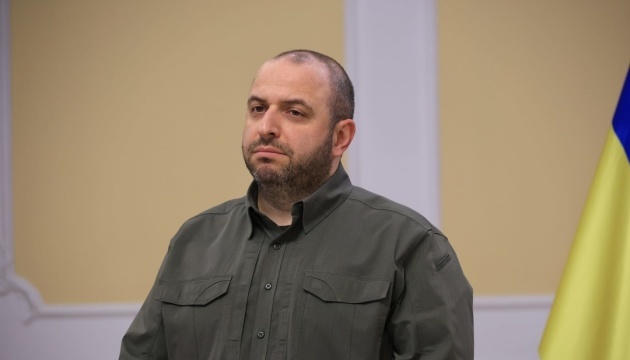
Secretary of the National Security and Defense Council Rustem Umerov noted that there has been significant progress in negotiations between Ukraine and the United States on ways to achieve peace.
Secretary of the National Security and Defense Council Rustem Umerov noted that there has been significant progress in negotiations between Ukraine and the United States on ways to achieve peace.
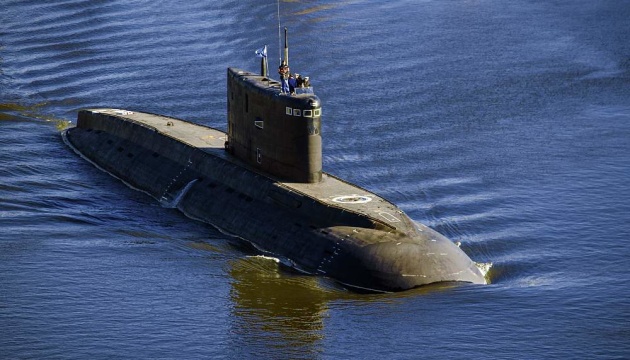
In the port of Novorossiysk, Russia, Sub Sea Baby underwater drones of the Security Service of Ukraine (SBU) for the first time in history struck a Russian Project 636.3 Varshavyanka class submarine (NATO designation: Kilo). As a result of the explosion, the submarine sustained critical damage and is effectively out of service.
In the port of Novorossiysk, Russia, Sub Sea Baby underwater drones of the Security Service of Ukraine (SBU) for the first time in history struck a Russian Project 636.3 Varshavyanka class submarine (NATO designation: Kilo). As a result of the explosion, the submarine sustained critical damage and is effectively out of service.
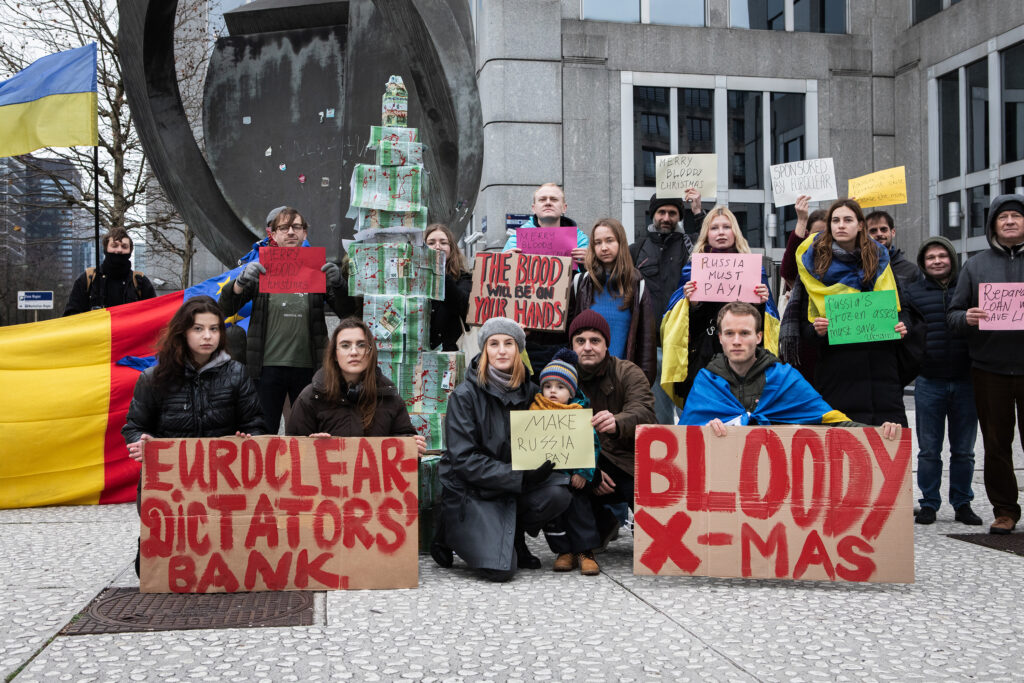
On 14 December, protesters gathered outside Euroclear headquarters with a Christmas tree that looked like it was made of blood-stained banknotes—a symbol of the Belgian profits from holding €200 billion in frozen Russian assets.
The actions were organized by the International Center for Ukrainian Victory, European Network in Solidarity with Ukraine, and Frozen Assets Action.
Two days earlier, activists rallied outside the European Commission under the banner “Ukraini
On 14 December, protesters gathered outside Euroclear headquarters with a Christmas tree that looked like it was made of blood-stained banknotes—a symbol of the Belgian profits from holding €200 billion in frozen Russian assets.
The actions were organized by the International Center for Ukrainian Victory, European Network in Solidarity with Ukraine, and Frozen Assets Action.
Two days earlier, activists rallied outside the European Commission under the banner “Ukrainian lives over profit.” Signs read “Belgium hesitates, Russia kills” and “Is De Wever the next Orbán?”—a reference to Belgian Prime Minister Bart De Wever, who on 2 December called Ukrainian victory “a fairy tale, a complete illusion.”
“Europe stands with Ukraine, Belgium stands with profits”—activists rally outside the European Commission ahead of the 18 December vote on frozen Russian assets, Brussels, 12 December 2025. Photo: Anastasiia Varvarina
Belgium’s opposition could derail a European Council vote on 18 December to approve a reparations loan backed by profits from frozen Russian state assets. If the vote fails, European taxpayers—not Russia—would foot the bill for Ukraine’s defense funding.
Protesters with Ukrainian, Belgian, EU, and free Belarus flags outside the European Commission, Brussels, 12 December 2025. Photo: Anastasiia Varvarina
Euroclear earns substantial revenue simply by holding the assets. Every month the decision is delayed, that revenue continues to flow.
The “blood money Christmas tree”—activists highlight Euroclear’s profits from frozen Russian assets while Ukraine pays in lives, Brussels, 14 December 2025. Photo: Anastasiia Varvarina
“As a father, I cannot stand by while Ukrainian children are murdered and deported by Russia. Belgium has a moral choice to make: protect Russian money, or protect Ukrainian children,” said Antonio Albaladejo Román, who lives in Brussels.
Protesters demand the use of frozen Russian assets for Ukraine outside the European Commission, Brussels, 12 December 2025. Photo: Anastasiia Varvarina
The stakes extend beyond December. In January, the EU’s annual vote to extend sanctions on Russia requires unanimous approval from all 27 member states. Hungary has already announced it will veto. Without sanctions extension, the frozen assets argument becomes moot—and Russia regains access to billions.
Activists with signs reading “Is De Wever the next Orbán?” and “Faisons payer la Russie” (“Make Russia pay”) outside the European Commission, Brussels, 12 December 2025. Photo: Anastasiia Varvarina
The Brussels protests are part of a wider campaign across European capitals. Actions took place in Prague, Warsaw, Vienna, Stockholm, and Copenhagen in the lead-up to the 18 December vote.
Activists are calling on supporters to sign petitions, contact Belgian embassies, and pressure PM De Wever directly on social media using #MakeRussiaPay and #UnblockReparationLoan.
“Make Russia pay” Euroclear protest, Brussels, 14 December 2025. Photo: Anastasiia Varvarina
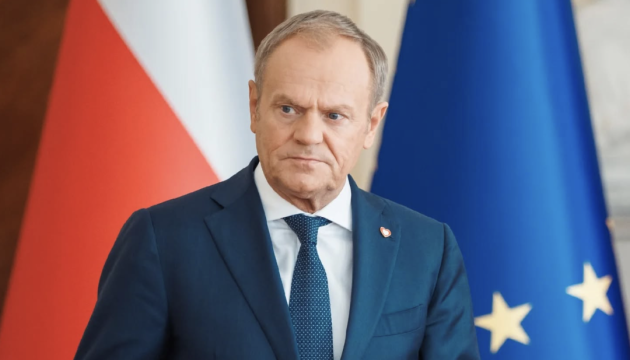
Polish Prime Minister Donald Tusk stressed that today the “international game” is being played for Poland’s security and Ukraine’s independence, and that President of Poland Karol Nawrocki, “if he does not want to or cannot help, should at least refrain from interfering.”
Polish Prime Minister Donald Tusk stressed that today the “international game” is being played for Poland’s security and Ukraine’s independence, and that President of Poland Karol Nawrocki, “if he does not want to or cannot help, should at least refrain from interfering.”
The U.S. diplomatic push to end nearly four years of fighting following Russia's invasion of Ukraine has bogged down over sharply conflicting territorial demands by Moscow and Kyiv
The U.S. diplomatic push to end nearly four years of fighting following Russia's invasion of Ukraine has bogged down over sharply conflicting territorial demands by Moscow and Kyiv
A historic moment for the Ukrainian Navy: underwater drones “Sub Sea Baby” have, for the first time in history, destroyed a Russian Project 636.3 “Varshavyanka” submarine, neutralizing its missile threat, the Security Service of Ukraine (SBU) reports.
The Russian submarine carried four “Kalibr” cruise missile launchers, which the enemy used to strike Ukrainian territory. Destroying the vessel effectively eliminates these weapons, significantly weakening the Ru
A historic moment for the Ukrainian Navy: underwater drones “Sub Sea Baby” have, for the first time in history, destroyed a Russian Project 636.3 “Varshavyanka” submarine, neutralizing its missile threat, the Security Service of Ukraine (SBU) reports.
The Russian submarine carried four “Kalibr” cruise missile launchers, which the enemy used to strike Ukrainian territory. Destroying the vessel effectively eliminates these weapons, significantly weakening the Russian Black Sea Fleet's strike capability.
The Kalibr missile attacks have severely damaged Ukraine's thermal power plants, substations, and other crucial energy infrastructure, leading to widespread power outages in the country.
"Black holes" are vulnerable to modern unmanned technologies
The operation demonstrated that autonomous underwater drones can redefine classical naval combat concepts. Submarines, which traditionally had the advantage due to the stealth of their hulls (“black holes”), are now vulnerable to modern unmanned technologies
A joint operation by the 13th Main Directorate of Military Counterintelligence of the SBU and the Ukrainian Navy showcased a new level of maritime asymmetry.
“Sea Babies" have already forced Russian ships out of Sevastopol Bay
The value of a “Varshavyanka”-class submarine is estimated at $400 million, and constructing a modern equivalent could cost up to $500 million due to international sanctions.
Previously, the submarine had been stationed at Novorossiysk port, following successful operations by “Sea Baby” surface drones that forced Russian ships out of Sevastopol Bay.
This event sends a strong signal to the world: modern unmanned systems are capable of neutralizing traditional naval forces, changing the rules of naval warfare.
The Russian submarine carried four “Kalibr” cruise missile launchers, which the enemy used to strike Ukrainian territory. Destroying the vessel effectively eliminates these weapons, significantly weakening the Russian Black Sea Fleet's strike capability.
President of Ukraine Volodymyr Zelensky will arrive in the Netherlands on Tuesday for an official visit, during which he will address both chambers of parliament, hold talks with Prime Minister Dick Schoof, and meet with King Willem-Alexander.
President of Ukraine Volodymyr Zelensky will arrive in the Netherlands on Tuesday for an official visit, during which he will address both chambers of parliament, hold talks with Prime Minister Dick Schoof, and meet with King Willem-Alexander.
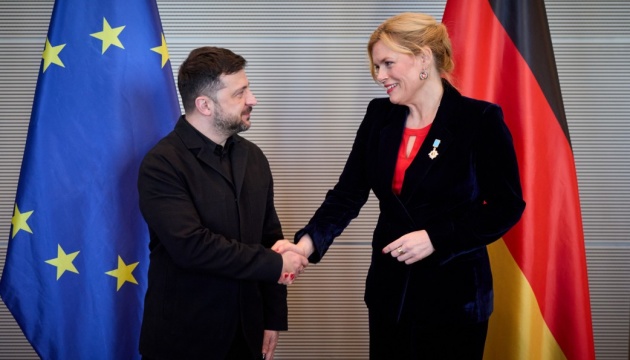
President Volodymyr Zelensky, during a meeting in Berlin with President of the Bundestag Julia Kloeckner, discussed mechanisms that would allow frozen Russian assets to be used for the benefit of Ukraine.
President Volodymyr Zelensky, during a meeting in Berlin with President of the Bundestag Julia Kloeckner, discussed mechanisms that would allow frozen Russian assets to be used for the benefit of Ukraine.
Poland has supported and will continue to support Ukraine because this aligns with its strategic interests, but Warsaw expects a partnership-based approach from Kyiv, as it does not want to be a "junior partner" in the relationship.
Poland has supported and will continue to support Ukraine because this aligns with its strategic interests, but Warsaw expects a partnership-based approach from Kyiv, as it does not want to be a "junior partner" in the relationship.
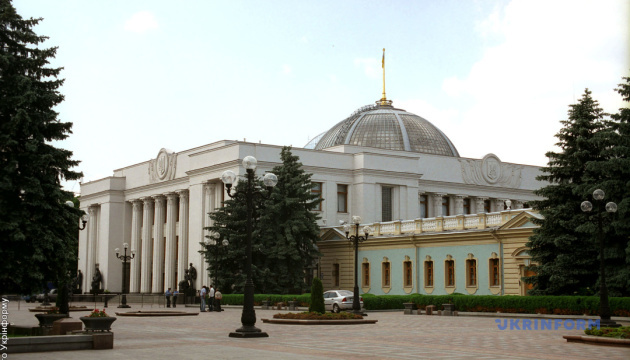
The Committee on Finance, Taxation, and Customs Policy of the Ukrainian Parliament has recommended that the parliament adopt a bill to change the name of Ukraine’s fractional currency coin (kopiika) to shah.
The Committee on Finance, Taxation, and Customs Policy of the Ukrainian Parliament has recommended that the parliament adopt a bill to change the name of Ukraine’s fractional currency coin (kopiika) to shah.
Russian forces are unlikely to sustain the Kremlin’s goal of simultaneous offensive operations across multiple directions due to growing manpower and equipment problems, according to the Institute for the Study of War. Russia’s attempts to escalate fighting along Ukraine’s Fortress Belt — a major fortified defensive line in Donetsk Oblast — are expected to stretch its forces even further.
This comes as, during the Russo-Ukrainian war, Russia continues costly ground assaults
Russian forces are unlikely to sustain the Kremlin’s goal of simultaneous offensive operations across multiple directions due to growing manpower and equipment problems, according to the Institute for the Study of War. Russia’s attempts to escalate fighting along Ukraine’s Fortress Belt — a major fortified defensive line in Donetsk Oblast — are expected to stretch its forces even further.
This comes as, during the Russo-Ukrainian war, Russia continues costly ground assaults across multiple front-line sectors, making only incremental gains while suffering heavy losses in personnel and equipment.
Russian forces face exhaustion across multiple fronts
The Institute for the Study of War (ISW) said in its 14 December report that Russian troops will likely continue to "struggle to maintain the Kremlin’s desired multi-pronged offensive operations in different operational directions." These multi-directional attacks come with high logistical costs, which Russia appears unable to meet in the long term.
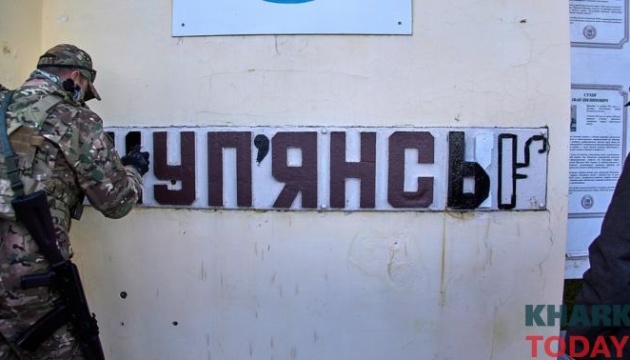
ISW noted that Russian President Vladimir Putin and top military officials have recently intensified their battlefield narratives, exaggerating claimed advances on several axes. In particular, they have emphasized operations around Vovchansk, Kupiansk, Siversk, Pokrovsk-Myrnohrad, and Hulyaipole.
On 27 November, Putin implied that Russian forces near Huliaipole would soon achieve a breakthrough in the Zaporizhzhia direction. However, ISW stated that Russia must either significantly increase the amount of manpower and matériel deployed in each direction to see real results, or pull resources from one sector to bolster another — a tradeoff that would undercut the Kremlin’s messaging of broad success across the entire frontline.
Russian military overstretched near Huliaipole and Oleksandrivka
Ukrainian military observer Kostiantyn Mashovets said on 13 December that the Russian Eastern Grouping of Forces, which operates in the Huliaipole and Oleksandrivka directions, will require regrouping or reinforcements from other parts of the front to maintain their offensive push. He stated that troops under the 5th and 36th Combined Arms Armies are already struggling to carry out operations due to their wide area of responsibility and limited resources.
Mashovets assessed that sustaining pressure near Huliaipole would require either narrowing the frontline or redeploying additional forces, potentially including elements of the 36th and 29th Combined Arms Armies from the Oleksandrivka area to reinforce the 5th Army. He judged that key 5th Army formations, including the 127th Motorized Rifle Division and the 57th Separate Motorized Rifle Brigade, are unlikely to achieve near-term success.
ISW previously assessed that a mid-November breakthrough near Huliaipole was likely enabled in part by a concentrated force grouping comparable in size to that used in the Pokrovsk-Dobropillia direction. Russia has since reinforced the area by reallocating units from other sectors, including VDV, tank, and motorized rifle formations.
Push toward Fortress Belt to drain Russian military further
ISW assessed that Russia’s attempt to begin an assault on the Fortress Belt — Ukraine’s primary fortified line in Donetsk Oblast since 2014 — will likely place even more pressure on its forces. Mashovets warned that launching an attack on key strongholds like Sloviansk and Kramatorsk would require Russia to commit forces and resources from the Western, Southern, and Central Groupings of Forces. In doing so, Russian troops would be unable to maintain activity in other directions, including Velykyi Burlyk and Orikhiv.
He added that structural issues within Russia’s wartime economy and defense industrial base will further complicate efforts to sustain the scale of operations needed for such a push. ISW noted that to follow up on tactical gains around Huliaipole or to capture remaining parts of Donetsk Oblast, Russia would need to weaken its efforts in other frontline sectors.
"The Kremlin is therefore making territorial demands of unoccupied parts of Donetsk, Luhansk, Zaporizhzhia, and Kherson oblasts because it cannot militarily seize these regions at this time," the ISW concluded.
The Trump administration is reportedly offering Ukraine security guarantees similar to NATO's Article 5—legally binding and approved by Congress. A senior US official told Axios the administration7 wants to give Ukraine "a security guarantee that will not be a blank check on the one hand but will be strong enough on the other hand."
There's a catch. Under the original 28-point "peace plan," these guarantees would be deemed invalid if Ukraine launches a missile at Moscow
The Trump administration is reportedly offering Ukraine security guarantees similar to NATO's Article 5—legally binding and approved by Congress. A senior US official told Axios the administration7 wants to give Ukraine "a security guarantee that will not be a blank check on the one hand but will be strong enough on the other hand."
There's a catch. Under the original 28-point "peace plan," these guarantees would be deemed invalid if Ukraine launches a missile at Moscow or St. Petersburg "without cause." Both Russia and the US have repeatedly blamed Ukraine for a war Russia started.
In other words: these "guarantees" come with an escape clause designed for the guarantor, not the guaranteed.
What Article 5 actually says
According to NATO, Article 5 states that an armed attack against one member shall be considered an attack against all members, triggering an obligation for each member to come to its assistance.
The Alliance stresses, however, that "this assistance may or may not involve the use of armed force." Each member nation determines its specific actions according to its own constitutional processes. If the Alliance is under threat, each member state will consider its own defensive needs before committing military support to allies.
NATO's collective defense pledge is not an automatic tripwire for war. It's a political commitment—one that only works if adversaries believe it will be honored.
NATO can barely defend itself
After three decades of downsizing and underfunding, European member states are fundamentally dependent on support from allies who—except for the United States—are unable to come to their assistance.
The numbers are damning:
As of 2024, NATO member states had accumulated a collective backlog of 433 years—each year representing one member state that did not meet its 2% spending pledge.
During the Cold War, European members invested an average of 3.5% of GDP on defense. Today, they spend just 2.27%. While all of this is a investment in European security, not all is used to rebuild the military power of NATO. Instead, a great part is invested in Ukraine. Fortunately.
The 2% target itself is only 57% of what Europe spent in the 1980s to maintain credible deterrence.
European leaders have agreed to raising spending to 5% of GDP. NATO members have agreed to use at least 3.5 % dedicated to core military defence and up to 1.5 % for broader security and related investments—and have reaffirmed strong, continued support for Ukraine (including counting eligible Ukraine aid within this spending calculation) as part of their collective defence commitments, aiming for a total of 5 % of GDP by 2035.
This is an acknowledgment that current levels are not deterring Russia. But as Lithuanian President Gitanas Nausėda pointed out: "There was a promise to invest 2% eleven years ago. Now we are talking about 3% spending. Despite long discussions, despite nice plans, we are still below the threshold of 2%."
Explore further
Trump’s NSS proves Europe and Ukraine are on their own—and must save themselves
If NATO deterrence worked
Consider what's actually happening:
The full-scale war would never have happened. NATO's 2010 Strategic Concept pledged to use political and military means to end wars that threaten the security of the Alliance. Instead, the 2022 Strategic Concept became a commitment to do less.
Russia would not be waging hybrid war against NATO members. More importantly, the Alliance would be responding in kind. It isn't.
NATO wouldn't be preparing for a possible Russian attack as early as 2030.German intelligence warns Russia intends to test NATO's collective defense commitment. Some analysts believe aggression could begin within three years.
When discussing security guarantees for Ukraine, Europe has indicated it can provide a mere 25,000 to 30,000 soldiers as a deterrence force—conditional on US military support.
Foreign military aid to Ukraine plunged 43% in July and August compared to the first half of the year, due to US policy shifts, uneven burden-sharing among European donors, and fiscal constraints.
If the Alliance cannot deter attacks against its own members, why would it deter future attacks against Ukraine? This is why Ukraine's Defense Minister has underscored that the fastest way to strengthen European security is to support Ukraine—which has several critical military capabilities its European partners lack.
The built-in excuse not to respond
The US has explicitly ruled out deploying combat troops to engage directly with Russia. It is instead signaling that Europe must take responsibility for Ukraine and its own security.
A reset of US-Russian relations—including business opportunities a "peace" would bring—appears to be the administration's main objective. The US plan bears more similarities to a business arrangement than a peace plan. Given experience, the Trump administration would likely have no qualms about blaming Ukraine for any future restart of hostilities.
As Foreign Minister Andrii Sybiha stated on the anniversary of the Budapest Memorandum: "Having had such a bitter experience in the past, Ukraine does not trust empty pledges anymore—we trust the strength of our army and weapons."
Explore further
Trump’s Ukraine plan proves the transatlantic alliance is dead
Trump's credibility problem
President Trump has sowed doubt about whether he would honor NATO's Article 5 commitments since his first presidential campaign, conditioning US protection on political demands like higher defense spending.
In March 2025, he told reporters: "If they don't pay, I'm not going to defend them. No, I'm not going to defend them." Three months later, when asked about Article 5, he said: "Depends on your definition. There's numerous definitions of Article 5. You know that, right? But I'm committed to being their friends."
The new National Security Strategy makes this explicit. It links cooperation to ideologically aligned partners and, according to War on the Rocks, "elevates the culture wars into a governing logic for national security," using ideological tests to judge allies.
The Kremlin welcomed the strategy, with spokesman Dmitry Peskov calling it "largely consistent with our vision."
Its failure to reciprocate Europe's persistent support for American-led military operations globally
Threats of annexation against allied territories
A trade war against Europe exactly as it urgently rearms
The end of defense aid to Ukraine
Persistent support for Russian demands for Ukraine's capitulation
Explore further
Europe now faces two strategic adversaries: Russia and the United States
The trust deficit
European and American discord is becoming increasingly open. Media reported a tense phone call on Wednesday between Friedrich Merz, Emmanuel Macron, Keir Starmer, and Donald Trump. Trump said "pretty strong words" were exchanged.
According to the Guardian, nearly half of Europeans see President Trump as "an enemy of Europe." In a Pew Research Center global survey, 64% said they had no confidence in Trump—compared with 57% for Putin. Roughly three-in-four or more lacked confidence in Trump in Germany, Sweden, France, Spain, and the Netherlands.
If Europe no longer trusts the US's commitment to collective defense, why should Ukraine trust US "security guarantees"?
Why should anyone trust a US security guarantee after Washington stepped back and stopped helping Ukraine defend itself during this full-scale war? Why should we believe it will step forward during the next?
US "security guarantees" come without either security or guarantees.
Hans Petter Midttun, independent analyst on hybrid warfare, Non-Resident Fellow at the Centre for Defense Strategies, board member of the Ukrainian Institute for Security and Law of the Sea, former Defense Attaché of Norway to Ukraine, and officer (R) of the Norwegian Armed Forces.
Editor's note. The opinions expressed in our Opinion section belong to their authors. Euromaidan Press' editorial team may or may not share them.
In Australia, during a shooting at Sydney’s Bondi Beach, 87-year-old Ukrainian immigrant Alex Kleytman, born in Ukraine's Odesa, survived the Holocaust and had lived in the country for nearly 60 years. He was killed while trying to protect his wife, NBC News reports.
The advocacy group, the Executive Council of Australian Jewry, said more than 3,700 anti-Jewish incidents occurred in Australia during the two years following the Hamas attack in 2023, per NPR. Hamas l
In Australia, during a shooting at Sydney’s Bondi Beach, 87-year-old Ukrainian immigrant Alex Kleytman, born in Ukraine's Odesa, survived the Holocaust and had lived in the country for nearly 60 years. He was killed while trying to protect his wife, NBC News reports.
The advocacy group, the Executive Council of Australian Jewry, said more than 3,700 anti-Jewish incidents occurred in Australia during the two years following the Hamas attack in 2023, per NPR. Hamas launched a surprise attack on Israel, killing over 1,200 people and taking more than 250 hostages. Among the victims were around 40 foreigners from over 30 countries.
On 14 December, during a festival celebrating the Jewish holiday of Hanukkah at Bondi Beach in Sydney, a shooting occurred. At least 15 people were killed, including one of the attackers, and dozens were injured. Australian police classified the attack as a terrorist act and an antisemitic incident, per Reuters.
From Siberia to Australia, and again hatred
Alex Kleytman survived the Holocaust alongside his mother and younger brother, enduring Siberia. This region of Russia served as a primary site for political repressions under the Soviet Union, housing vast networks of exile settlements, labor camps, and Gulags. After World War II, he emigrated from Ukraine to Australia.
His death was confirmed by his wife, Larisa Kleytman, also a Holocaust survivor. The couple had been together for nearly 60 years.
Moments before the tragedy, she heard several loud sounds like “booms” and immediately saw her husband fall to the ground.
After the attack, Larisa Kleytman admitted she was “shocked” and “confused” and is trying to understand what happened.
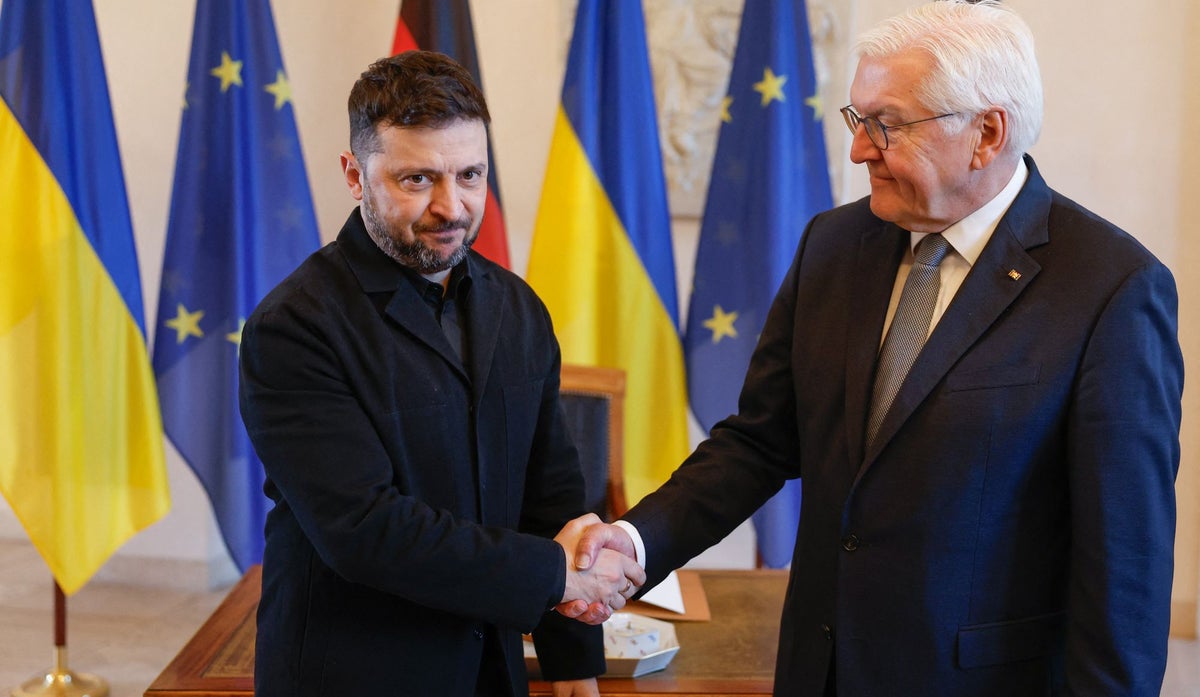
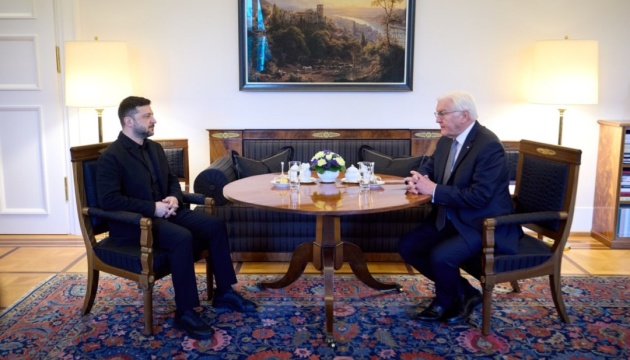
President Volodymyr Zelensky today discussed the negotiation process with Federal President of Germany Frank-Walter Steinmeier during a meeting in Berlin and expressed gratitude for Germany's support.
President Volodymyr Zelensky today discussed the negotiation process with Federal President of Germany Frank-Walter Steinmeier during a meeting in Berlin and expressed gratitude for Germany's support.

 Connexion