Connexion
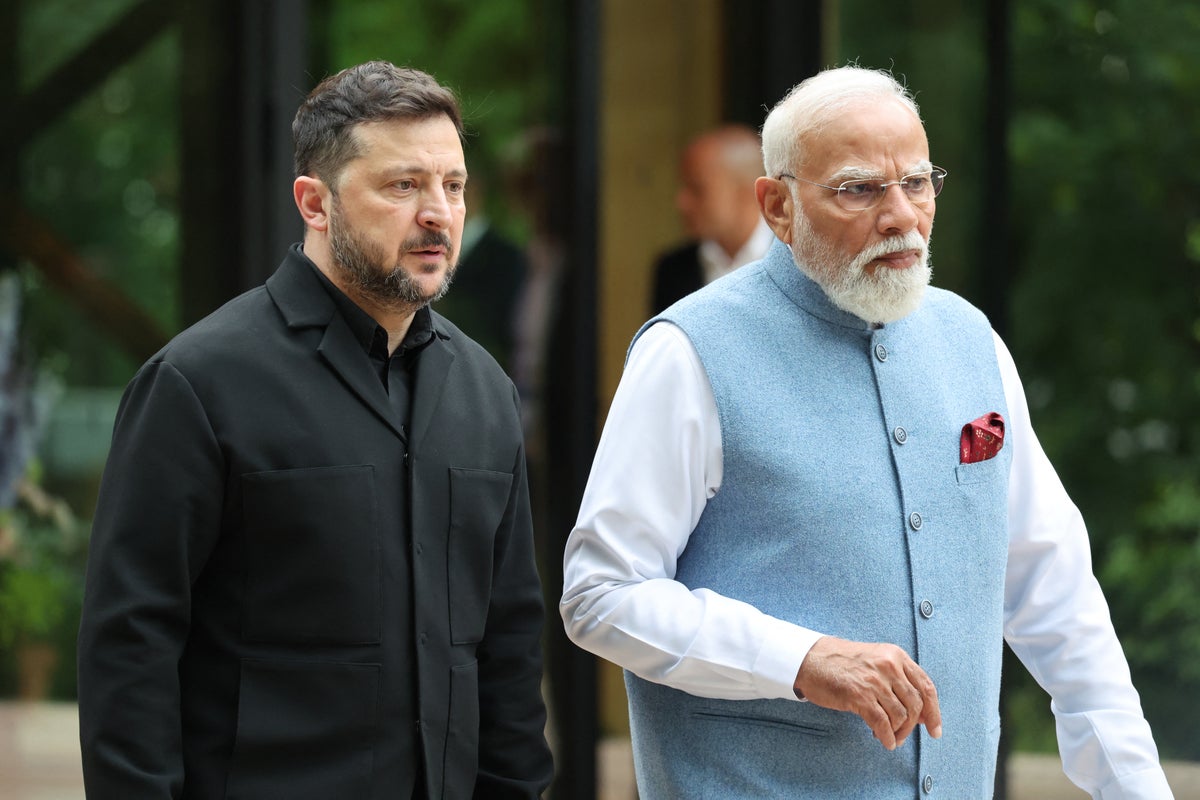
India says it wants to be more involved in ending Ukraine war as Zelensky hails peace plan
5 octobre 2026 à 06:16
Ukrainian foreign minister calls Delhi’s ceasefire proposal ‘most comprehensive’
© AFP/Getty


Ukrainian foreign minister calls Delhi’s ceasefire proposal ‘most comprehensive’
© AFP/Getty
© Copyright 2026 The Associated Press. All rights reserved


© Reuters
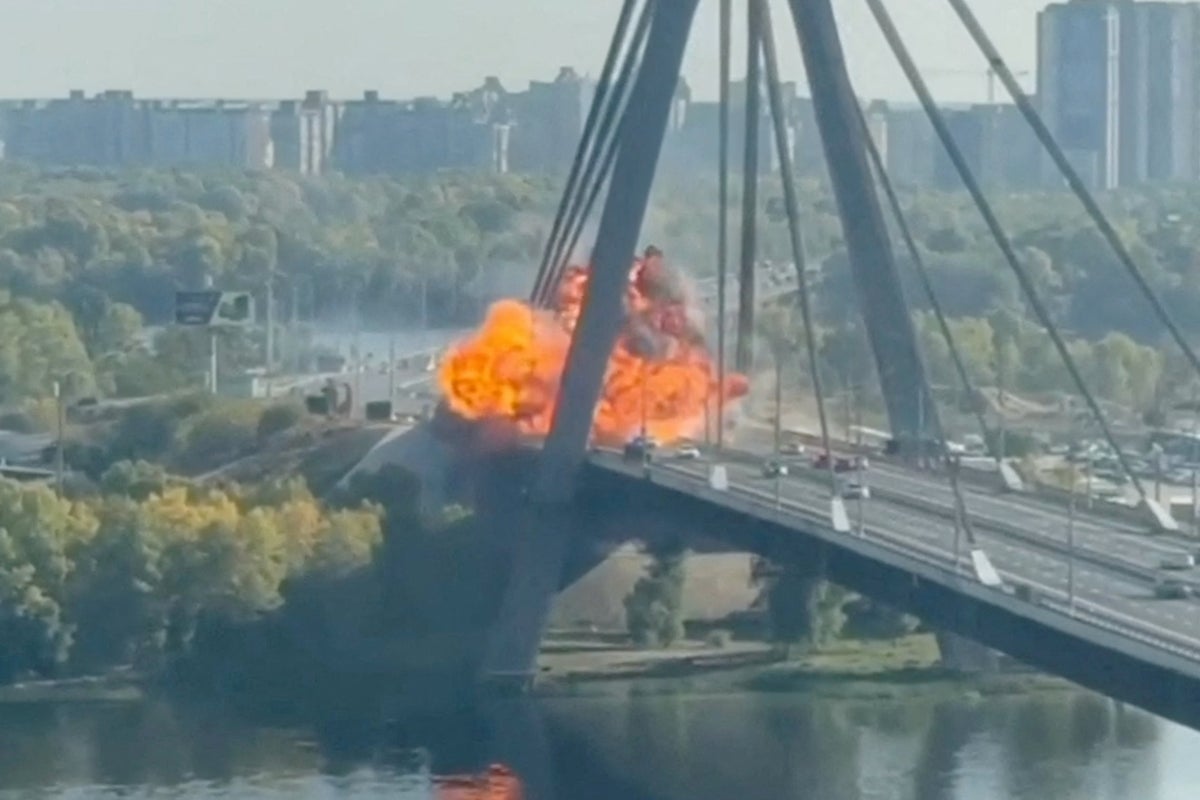
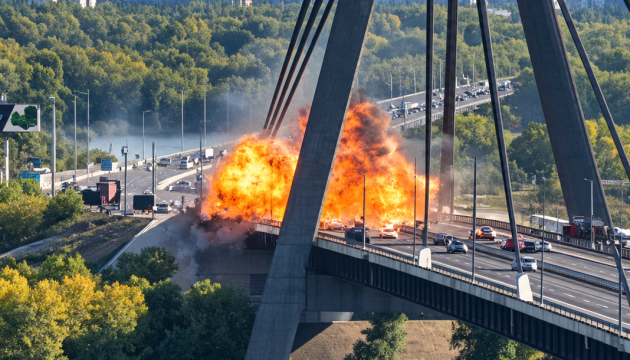
Eyewitness video showed the moment a Russian drone struck the North Bridge in the Ukrainian capital of Kyiv on Sunday (4 October).
© Reuters

© Copyright 2026 The Associated Press. All rights reserved.



Average UK diesel prices have topped £2 a litre for the first time and have rocketed in recent months due to the wars in Iran and Ukraine
© Getty/iStock
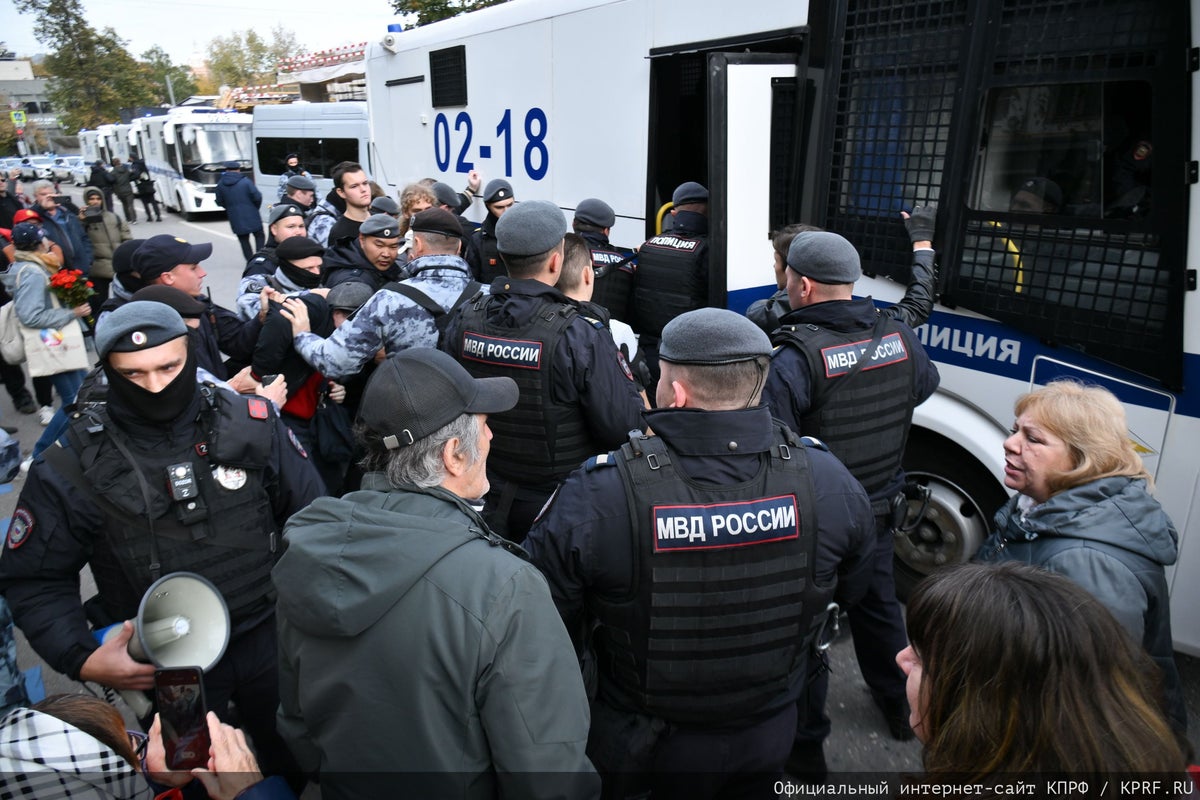
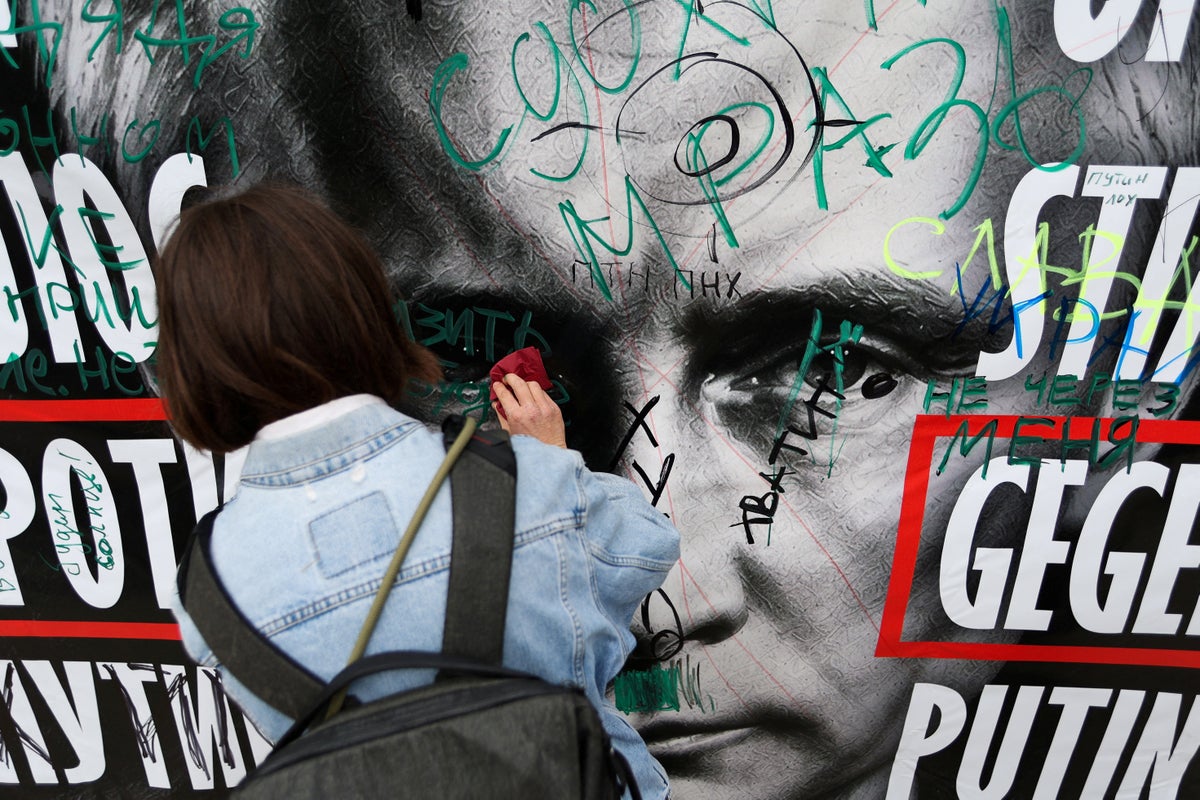
The rally marked the anniversary of the Kremlin's 1993 crushing of a parliamentary uprising
© AP

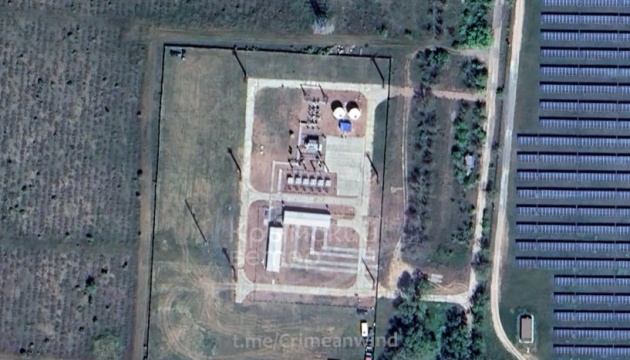

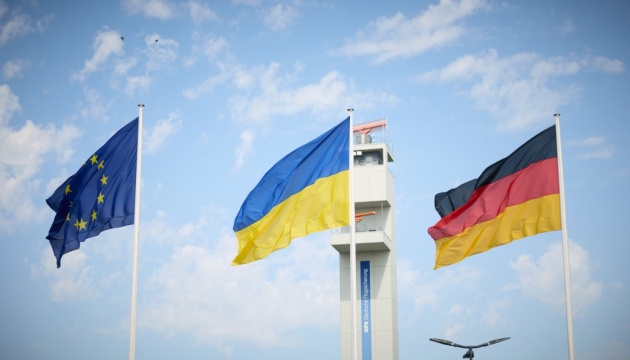
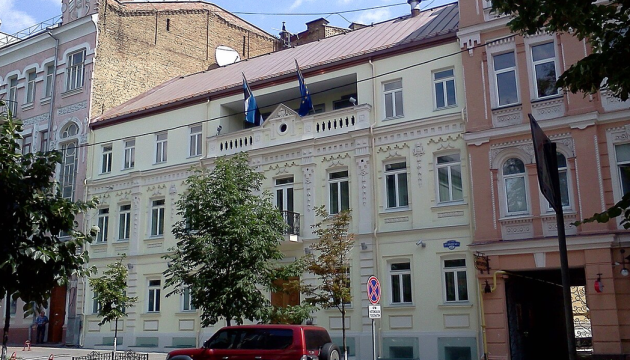
The EU Delegation and all EU embassies will keep working in Kyiv despite Russia's warning that foreign diplomats should leave or risk their lives, EU Ambassador to Ukraine Katarína Mathernová said on 4 October. Poland and Estonia also said their embassies would stay, calling the threats an attempt to intimidate Europe.
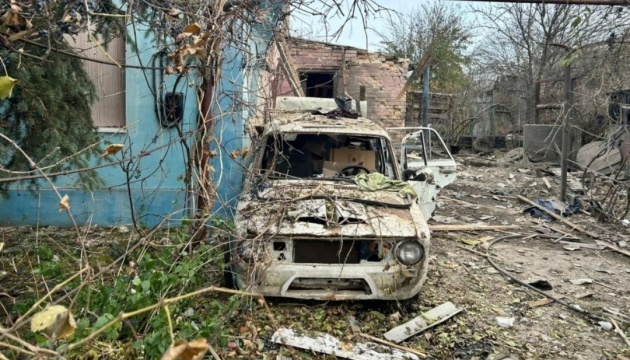
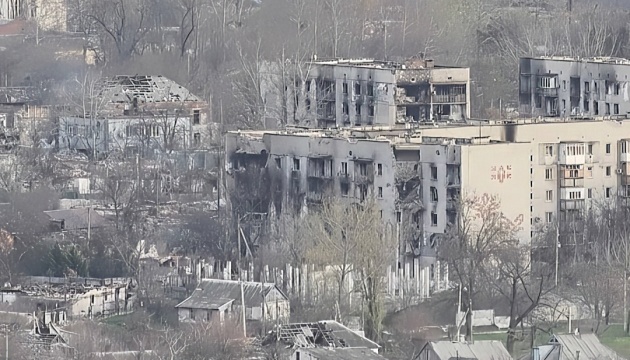
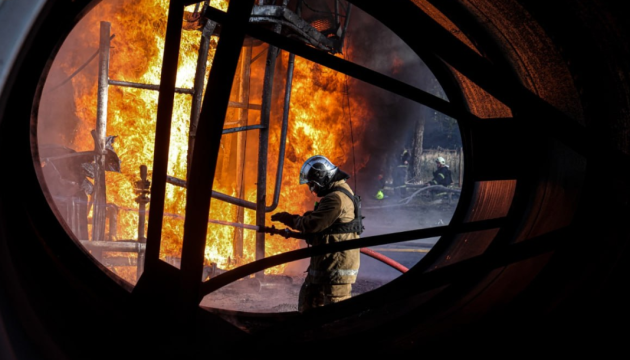
Russia attacks Kyiv daily as Moscow tries to make the city unlivable. Alongside the strikes, it now threatens the foreign missions that anchor Ukraine's support in the capital.
Russia's Foreign Ministry singled out the embassies still working in Kyiv and the foreign officials who keep visiting Ukraine, Mathernová wrote. Moscow claimed that if something happened to them, the responsibility would be theirs.
"The responsibility for russian attacks belongs to russia! Not to anybody else," Mathernová wrote, adding: "Moscow wants to scare Europe into reducing its support for Ukraine. That will not happen."
The EU Delegation continues its work while taking the security of its team seriously, she added.

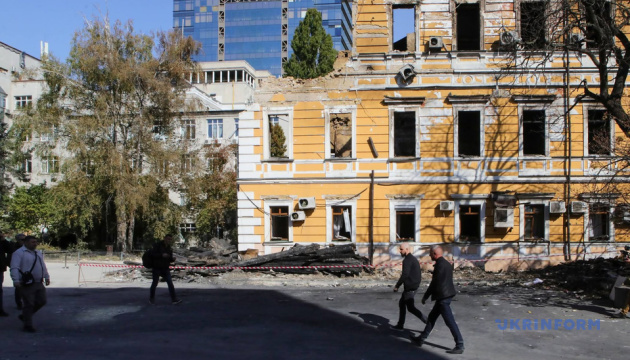
She pointed to the morning's strike on the Northern Bridge, saying the repeated attacks disrupt the connections between the two banks of the Dnipro. People worry about getting to work, reaching their families, and getting home safely, she wrote.
Poland's Foreign Ministry said it had no intention of changing how its Kyiv embassy works. The Kremlin's threats and calls for diplomats to leave show it is trying to intimidate Europe and undermine support for Ukraine, the ministry said. Such threats contradict international law and will not work, it added.
Estonia's Foreign Ministry said its embassy stays in Kyiv and its support for Ukraine remains firm. Russia's threats only strengthen Estonia's resolve to stand with Ukraine, the ministry said.

The European Commission also responded. Russia's threats show the Kremlin is losing the war and losing its self-control, Commission spokesperson Christian Wigand said, Suspilne reported.
This year alone, the EU has approved €28.3 billion ($32.3 billion) in defense procurement plans for Ukraine and is releasing another €6.6 billion ($7.5 billion) linked to military aid, Mathernová wrote. It is also moving forward with its biggest-ever sanctions listings against Russia, and this week imposed new sanctions over the deportation of Ukrainian children.
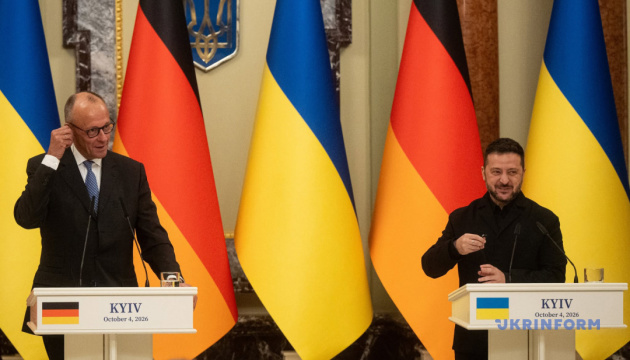
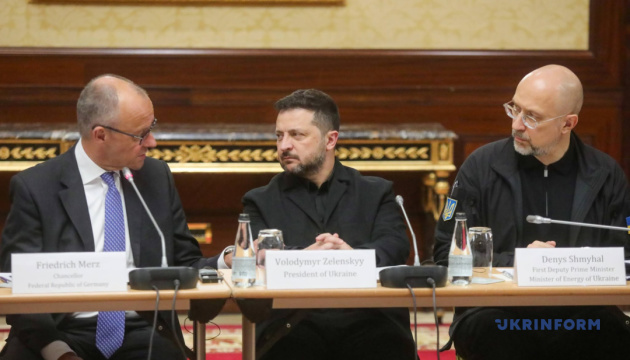
German Chancellor Friedrich Merz came to Kyiv on the same day, as Russian attacks on the city continued. He and Zelenskyy visited the National Academy of Sciences building, hit by a Russian drone in September, and Zelenskyy thanked him for coming despite the air raid alert, calling it "a needed and brave signal," in a post on Telegram. Germany remains a reliable partner at Ukraine's side even in difficult times, Merz wrote.
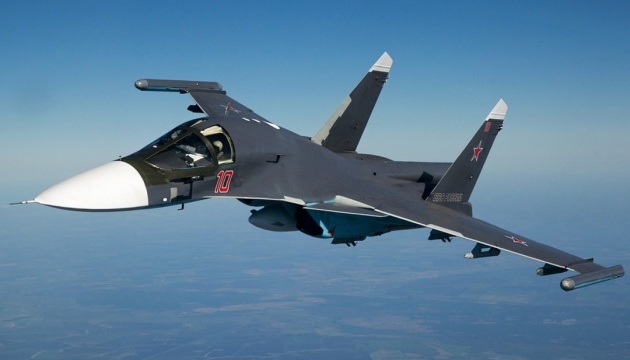

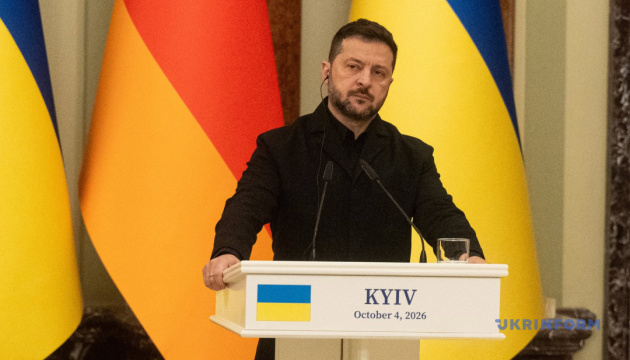
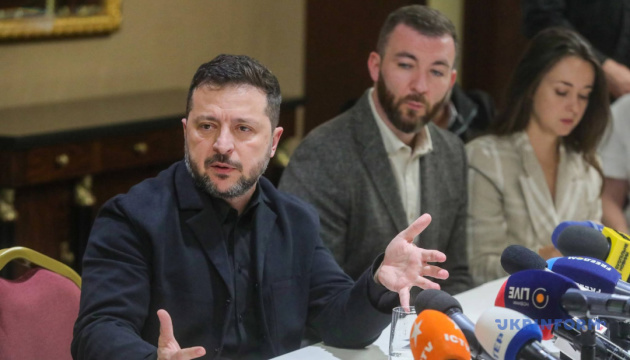
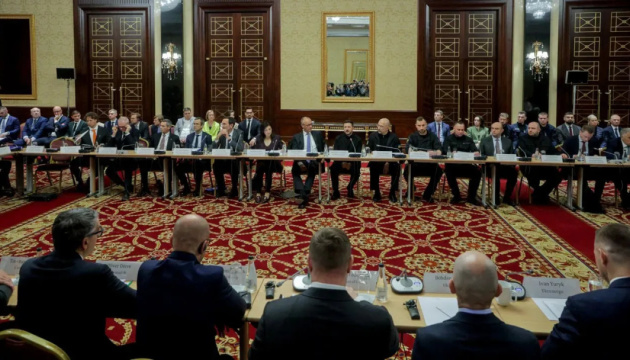
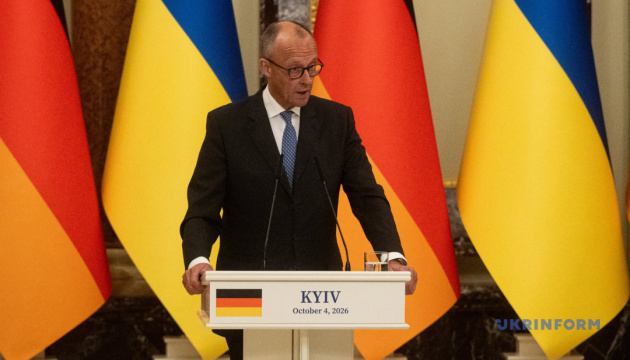
German Chancellor Friedrich Merz arrived in Kyiv on an unannounced visit on 4 October and announced more than €1.3 billion ($1.5 billion) in new German support for Ukraine, Ukrainian President Volodymyr Zelenskyy said at a joint press conference. Part of the money will fund interceptors against Russia's jet-powered drones, as Russian drones struck Kyiv again during Merz's visit. Merz also pledged to speed up Ukraine's EU accession and announced a Coalition of the Willing meeting in Berlin this winter.
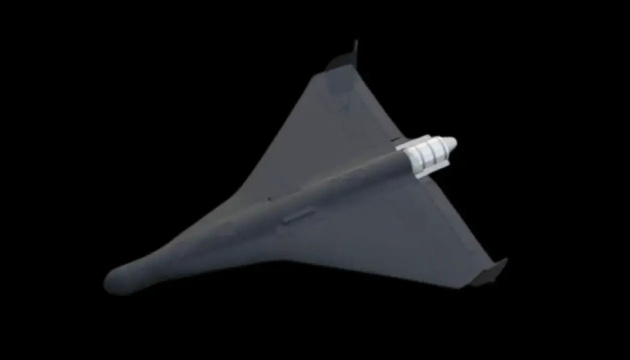
Russia now attacks Kyiv and other Ukrainian cities daily, increasingly with jet-powered drones that outrun the cheap interceptors built for slower Shaheds. That leaves Ukraine dependent on scarce air defense missiles and on partners willing to pay for new weapons fast.
The €1 billion ($1.13 billion) military part of the package includes funding for joint production of interceptor drones against jet-powered drones, Merz said. Recent technological progress means the new interceptors can quickly enter serial production, he added.
"This will quickly and noticeably strengthen Ukraine's air defense," Merz said.
The package also includes long-range weapons, combat drones, and satellite equipment, which Merz said should help Ukraine destroy Russian launchers more effectively. A separate €350 million ($394 million) will go to Ukraine's energy sector before winter, covering generators, transformer substations, and repair kits, Liga reported.

The two countries also signed an agreement on counter-drone cooperation, Merz said. He stressed that the help runs both ways, with German defense companies learning from Ukraine's war experience. The broader deal also covers joint development of weapons with a range of more than 1,000 km, Reuters reported.
Among interceptor drones, the Bars has so far shown the best results, downing up to 30% of its targets, Zelenskyy said. He expects the first results from small missiles designed to counter jet drones in the second half of October.
Before the visit, Russia's Foreign Ministry warned foreign nationals and diplomats against staying in Ukraine and threatened new massive strikes on Kyiv. Merz arrived by train with Economy Minister Katherina Reiche and a delegation of German business executives.
"Despite the threats that have reached us from Moscow in recent days, I came today... This shows: we will not let ourselves be intimidated," Merz said.
Merz and Zelenskyy visited the National Academy of Sciences, where a Russian drone killed two people and injured seven on 28 September, the State Emergency Service and the Office of the President said. An air-raid alert sounded while they spoke with rescuers, and emergency service chief Andrii Danyk showed Merz the movement of Russian drones in real time. The same day, a Russian drone hit Kyiv's Northern Bridge again.
"I can only repeat it once again from this point: Mr Putin, put an end to this senseless war," Merz said during the visit. "We are ready for talks, we are ready to discuss bringing this war to an end, but these barbaric attacks on the civilian population of Ukraine must stop," he added, Reuters reported.
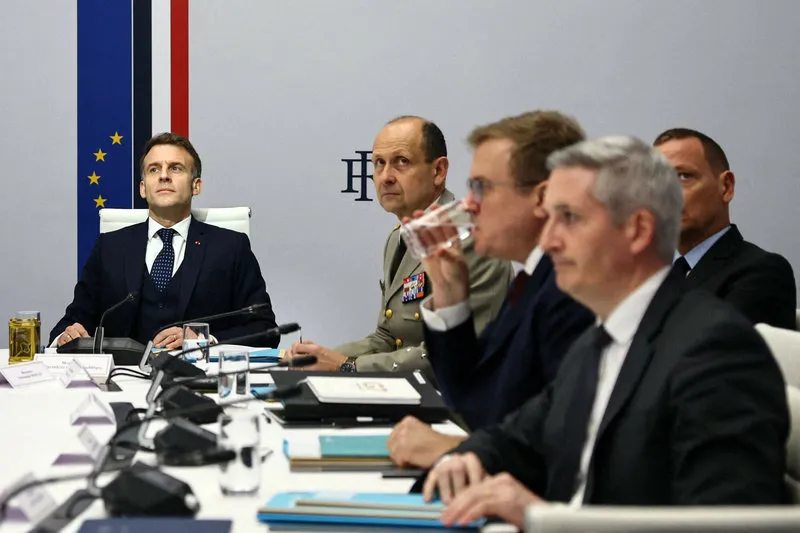
Zelenskyy called the chancellor's presence despite the alert "a needed and brave signal" from Merz personally and from all of Germany.
Germany wants to speed up Ukraine's EU accession and is working toward that in Brussels, Merz said. He welcomed Zelenskyy's assurances on rule-of-law and anti-corruption reforms, which he said matter for further financial aid. Together with France and the UK, Germany plans to host a Coalition of the Willing meeting in Berlin this winter to coordinate further support, he added.
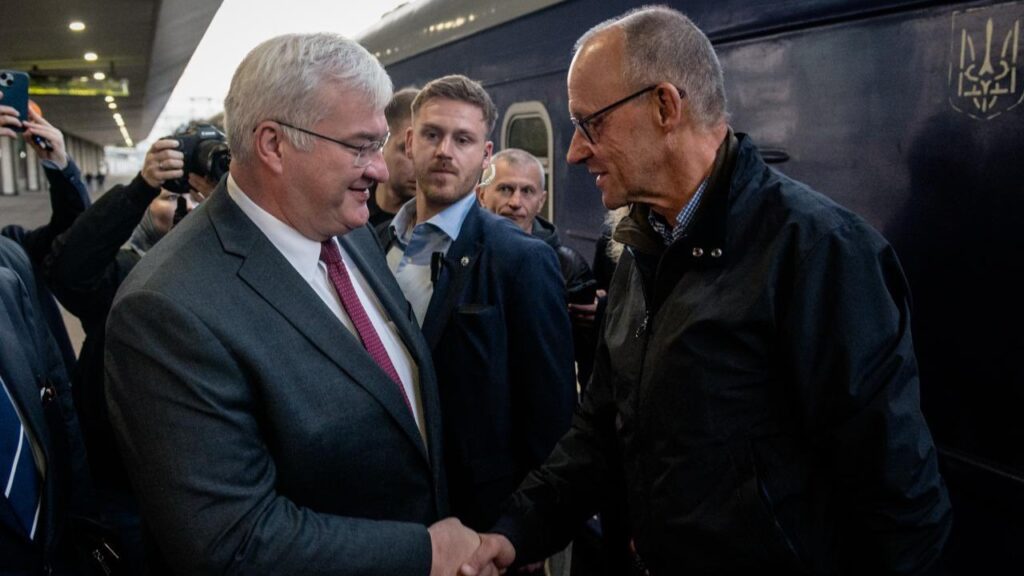
The trip was Merz's second to Ukraine as chancellor and his fourth since the full-scale invasion. He arrived just as his standing at home is slipping: the far-right AfD reached 30% for the first time in an INSA poll for Bild, while Merz's CDU/CSU fell to a record low of 18%. Days earlier, Merz had directly accused the AfD of having "Russian backers."