Mardi, le parquet de Paris a réclamé dix mois de prison avec sursis et deux ans d'inéligibilité contre Rima Hassan. L'eurodéputée de La France Insoumise (LFI) a été jugée pour un tweet – supprimé depuis – où elle citait l'un des auteurs de l'attentat meurtrier à l'aéroport de Tel-Aviv, en 1972. La décision judiciaire sera rendue le 30 novembre prochain.
Mardi, le parquet de Paris a réclamé dix mois de prison avec sursis et deux ans d'inéligibilité contre Rima Hassan. L'eurodéputée de La France Insoumise (LFI) a été jugée pour un tweet – supprimé depuis – où elle citait l'un des auteurs de l'attentat meurtrier à l'aéroport de Tel-Aviv, en 1972. La décision judiciaire sera rendue le 30 novembre prochain.
La cause du juriste Lawrence David, qui tente de forcer les 127 nouveaux députés de l’Assemblée nationale à prêter serment au roi Charles III par l’entremise d’une démarche judiciaire, a été entendue mardi à la Cour supérieure du Québec. Les délibérations se poursuivent en après-midi.
La cause du juriste Lawrence David, qui tente de forcer les 127 nouveaux députés de l’Assemblée nationale à prêter serment au roi Charles III par l’entremise d’une démarche judiciaire, a été entendue mardi à la Cour supérieure du Québec. Les délibérations se poursuivent en après-midi.
Les Québécois doivent maintenant s’aligner sur les Albertains pour se donner « un rapport de forces » dans la fédération, a plaidé le chef du Parti conservateur du Québec (PCQ), Éric Duhaime, mardi, au lendemain de la tenue d’un référendum à plusieurs questions dans la province de l’Ouest.
Les Québécois doivent maintenant s’aligner sur les Albertains pour se donner « un rapport de forces » dans la fédération, a plaidé le chef du Parti conservateur du Québec (PCQ), Éric Duhaime, mardi, au lendemain de la tenue d’un référendum à plusieurs questions dans la province de l’Ouest.
Fighters of the Bratstvo Battalion, part of the Timur Special Unit of Ukraine’s military intelligence agency (HUR), captured three Russian servicemen and gave first aid to one of them, HUR reported on 19 October. They also found and destroyed Russian sabotage groups, HUR said, adding that counter-sabotage operations in the Zaporizhzhia direction are ongoing.
Russian forces have spent months trying to get closer to Zaporizhzhia, one of Ukraine’s largest cities. They may try to use the dr
Fighters of the Bratstvo Battalion, part of the Timur Special Unit of Ukraine’s military intelligence agency (HUR), captured three Russian servicemen and gave first aid to one of them, HUR reported on 19 October. They also found and destroyed Russian sabotage groups, HUR said, adding that counter-sabotage operations in the Zaporizhzhia direction are ongoing.
Russian forces have spent months trying to get closer to Zaporizhzhia, one of Ukraine’s largest cities. They may try to use the dried-up bed of the Kakhovka Reservoir to infiltrate north toward it as autumn fog and dense vegetation set in, the Institute for the Study of War reported on 26 September. Ukrainian troops are now clearing the area of Russian saboteurs trying to get into the rear of Ukrainian positions, according to HUR.
HUR’s video shows the fighting and the captures, with one dead Russian soldier blurred. At the end, a captured Russian says two of the three men in his group were killed by a “Baba Yaga,” the nickname Russian troops use for Ukraine’s heavy bomber drones.
HUR described what the Russian groups are trying to do:
“Using small sabotage groups, the enemy is attempting to penetrate deep into the rear positions of Ukraine’s Defense Forces, build up forces to destabilize the situation, disrupt logistics, and neutralize Ukrainian defenders’ combat crews.”
Russia seeks to bring the front closer to Zaporizhzhia
Russia’s objective in the Zaporizhzhia direction is to advance within artillery range of the city, hold forward positions, and protect its rear from Ukrainian strikes, the Institute for the Study of War noted.
In January, Russian forces were trying to capture Stepnohirsk and advance along the shore of the former Kakhovka Reservoir toward Zaporizhzhia. Taking the settlement would let Russian troops place long-range artillery or fiber-optic drones there to strike the city’s outskirts, Southern Defense Forces spokesperson Vladyslav Voloshyn told Ukrinform on 14 January.
Explore further
Russia drained the Kakhovka Reservoir. Now it hides in the dry bed to creep toward Zaporizhzhia
On 22 September, Anastasiia Shevchenko, spokesperson for the Southern Forces Group, said there were no signs of preparations for a direct offensive on Zaporizhzhia and that Russian forces lacked the troops and means to advance directly toward the city.
Dense vegetation and limited visibility: combat on the reservoir bed
The Kakhovka Reservoir was a vast artificial body of water on the Dnipro River in southern Ukraine that supplied water to millions of people, as well as to agriculture and industry. On 6 June 2023, Russian forces blew up the Kakhovka Hydroelectric Power Plant, the Southern Operational Command reported.
The bed of the Kakhovka Reservoir has nearly dried out after the dam was destroyed on 6 June 2023. Photo: Maksym Pavlovsky/Dumska
After the dam was destroyed, the bed of the former reservoir quickly became overgrown with willows, poplars, and shrubs, creating a new battlefield. Ukrainian troops have fought there before.
In November 2025, fighters from the same Bratstvo unit carried out a reconnaissance and sabotage operation 7 kilometers from the shoreline of the former reservoir, HUR said. They found and eliminated Russian troops, then raised the Ukrainian flag over the islands there and took control of the area.
In April, the Bratstvo unit’s chief of staff, who goes by the call sign “Dyviziia,” described the conditions on an earlier raid across the reservoir bed:
“You’re just constantly moving through these thickets, with no way to figure out which direction to go. You can literally see everything just two meters ahead of you.”
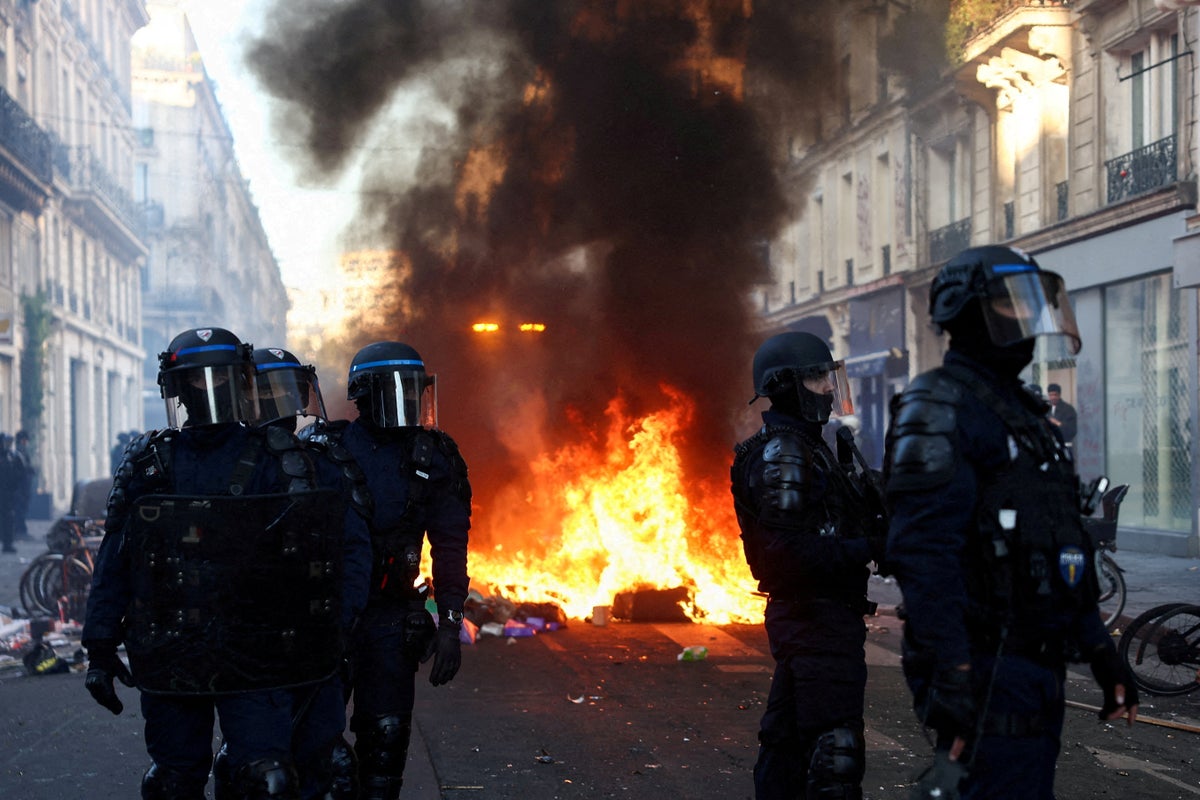
“Bismillah, c’est les ténèbres” has appeared on signs at recent demonstrations. It doesn’t make much sense (it means, “In the name of God, it’s the darkness”) but is seen as shorthand for a generational divide.
“Bismillah, c’est les ténèbres” has appeared on signs at recent demonstrations. It doesn’t make much sense (it means, “In the name of God, it’s the darkness”) but is seen as shorthand for a generational divide.
Much of Donald Trump’s unpopularity in polls stems from dissatisfaction over the economy and war on IranUS politics live – latest updates*** Continue reading...
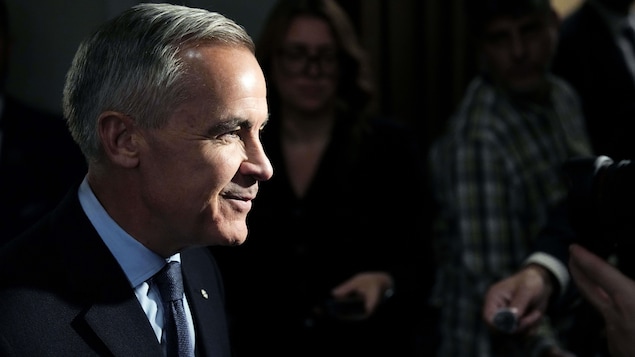
Prime Minister Mark Carney thanked Albertans for taking part in the 'democratic process,' saying on Tuesday the vote to reject the referendum question on separation is a 'great result' for the country.
Prime Minister Mark Carney thanked Albertans for taking part in the 'democratic process,' saying on Tuesday the vote to reject the referendum question on separation is a 'great result' for the country.
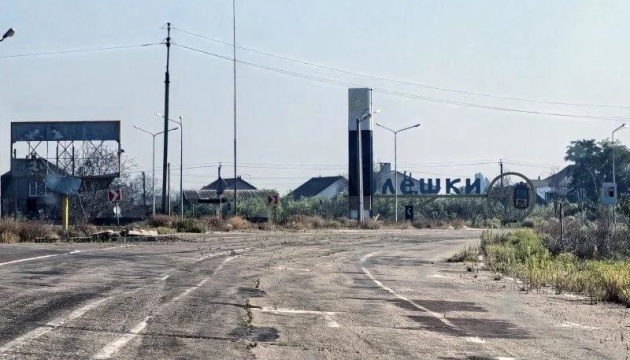
Ukrainian military personnel have delivered over four tons of humanitarian aid to residents trapped in the Russian-occupied city of Oleshky in the Kherson region.
Ukrainian military personnel have delivered over four tons of humanitarian aid to residents trapped in the Russian-occupied city of Oleshky in the Kherson region.
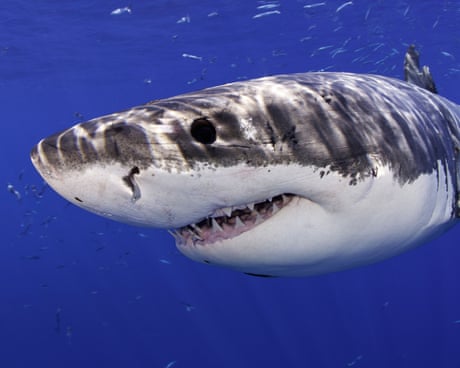
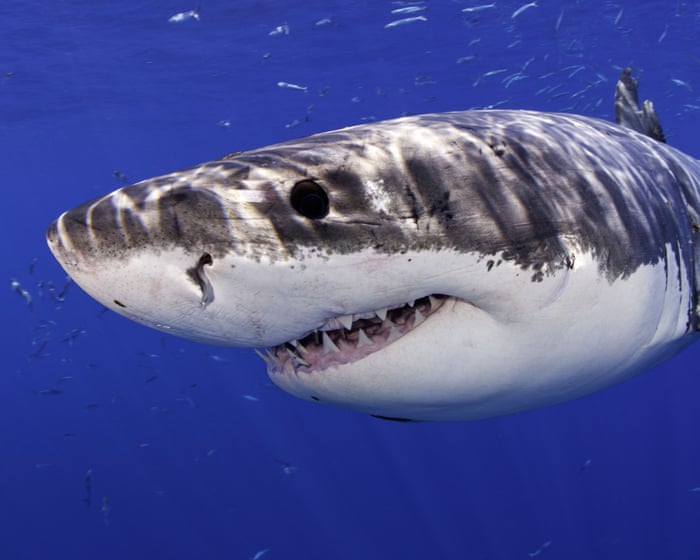
Videos show shark launching several feet from water as a group of friends pose for photos along Marina state beachA great white shark put on a spectacular display for California beachgoers over the weekend, leaping from the water off Marina state beach and photobombing visitors.Videos circulating online show a great white shark launching several feet out of the water in the background as a group of friends pose for photos along the beach. Continue reading...
Videos show shark launching several feet from water as a group of friends pose for photos along Marina state beach
A great white shark put on a spectacular display for California beachgoers over the weekend, leaping from the water off Marina state beach and photobombing visitors.
Videos circulating online show a great white shark launching several feet out of the water in the background as a group of friends pose for photos along the beach.
The plan to renovate the East Potomac Golf Links in Washington could eventually overtake areas like a miniature golf course, bike trail and picnic area.
US President Donald Trump said Russia had “behaved quite decently” toward Ukraine and suggested Kyiv should appoint someone else other than President Volodymyr Zelenskyy to negotiate on its behalf, even as Russian forces continue attacks across Ukraine and Washington faces questions over its support for Kyiv.
His comments came as Russia continues striking Ukrainian cities and infrastructure, with regular attacks killing civilians and damaging residential buildings and energy facilities.
US President Donald Trump said Russia had “behaved quite decently” toward Ukraine and suggested Kyiv should appoint someone else other than President Volodymyr Zelenskyy to negotiate on its behalf, even as Russian forces continue attacks across Ukraine and Washington faces questions over its support for Kyiv.
His comments came as Russia continues striking Ukrainian cities and infrastructure, with regular attacks killing civilians and damaging residential buildings and energy facilities. Russia has waged a violent war against Ukraine for more than 12 years, seeking to seize Ukrainian territory and undermine the country’s sovereignty, with widespread violence, grave human rights abuses, and killings of civilians throughout the conflict.
Speaking to reporters on 19 October, Trump said Zelenskyy should have settled the war long ago and could have secured a better deal by following his advice. He accused the Ukrainian president of not doing enough to end the war, claiming that Zelenskyy did not want to stop the fighting. Trump said he wanted the war to end and argued that Russia had “been fine” toward Ukraine, adding that Moscow “hasn’t been doing much.”
On the same day, a Russian drone struck a park near a cafe in Kharkiv Oblast, killing six people, including a 14-month-old girl killed in her stroller and an 11-year-old girl. Another 14 people were injured, including six children, according to Ukrainian officials.
14-month-old Anhelina, who was killed in a Russian attack on a park in Kharkiv Oblast. Her mother, Inna, later died in the hospital. 19 October 2026, Nova Vodolaha. Photo: National Police of Ukraine
Russian attacks intensify as Kyiv loses advance warnings
Russian attacks across Ukraine have intensified in recent months, with large-scale drone strikes, missile attacks, and repeated hits on energy infrastructure. The attacks have killed civilians, damaged homes and businesses, and disrupted electricity and other essential services.
Kyiv has faced repeated Russian ballistic missile attacks without the advance warnings Ukraine normally receives from international partners. The latest attack on 19 October again raised concerns about gaps in warning time, leaving residents with little time to reach shelter.
A building in Kyiv damaged in the Russian ballistic missile attack overnight on 19 October 2026. Photo: State Emergency Service of Ukraine in Kyiv
The repeated gaps have fueled concerns about Ukraine’s access to intelligence amid reports of restrictions on some US support. Ukrainian officials warned that missing launch data could weaken the country’s ability to detect incoming ballistic missiles, while Washington denied halting intelligence sharing.
Republicans push back against Trump's Russia policy
Trump's approach has drawn criticism from members of his own party, particularly over his decision to ease restrictions on Russian energy exports and his broader efforts to reach an agreement with Moscow, according to POLITICO.
Republican lawmakers have questioned whether easing pressure on Russia will help end the war or instead give the Kremlin additional revenue and leverage while its military continues attacking Ukraine. The dispute has exposed divisions within the party over how to handle Putin and the future of US support for Kyiv.
The sanctions relief followed a broader push toward economic engagement with Moscow. On 18 October, Trump's envoys Steve Witkoff and Jared Kushner had urged Zelenskyy in September to consider restoring Russian gas transit through Ukraine as part of a potential peace deal.
The proposal would revive a trade that Europe has spent years reducing because of its dependence on Russian energy. Renewed Russian energy exports could provide Moscow with additional revenue while its war against Ukraine continues.
Pressure on Kyiv as Washington considers closer ties with Moscow
Trump's comments add to tensions between Washington and Kyiv over the terms of a potential peace agreement and the level of US support for Ukraine. His suggestion that Ukraine change its negotiator raises further questions about whether his administration is willing to accept Kyiv's position in talks over its own future.
Zelenskyy has urged Washington to maintain pressure on Moscow rather than offer economic concessions. Ukrainian officials have also called for continued military assistance, particularly air defense systems, as Russia continues its campaign against Ukrainian cities and critical infrastructure.
The contrast between Trump's description of Russia's conduct and the situation on the ground remains stark. While Trump says Moscow has behaved relatively decently, Russian forces continue to launch attacks that kill civilians, damage homes, and threaten Ukraine's energy supply. The lack of advance warning before recent ballistic strikes on Kyiv has added to concerns about the consequences of reduced or unreliable US support.
Prime Minister Mark Carney thanked Albertans for taking part in the 'democratic process,' saying on Tuesday the vote to reject the referendum question on separation is a 'great day for Canada.'
Prime Minister Mark Carney thanked Albertans for taking part in the 'democratic process,' saying on Tuesday the vote to reject the referendum question on separation is a 'great day for Canada.'
Le président ukrainien est arrivé à Oslo, mardi, où il s'est entretenu avec les émissaires américains Steve Witkoff et Jared Kushner. Cette rencontre doit rétablir la diplomatie après l'accord conclu entre Donald Trump et Vladimir Poutine sur le gazole. Plusieurs pays de l'UE et de l'Otan sont présents dans le but de "développer une proposition de paix".
Le président ukrainien est arrivé à Oslo, mardi, où il s'est entretenu avec les émissaires américains Steve Witkoff et Jared Kushner. Cette rencontre doit rétablir la diplomatie après l'accord conclu entre Donald Trump et Vladimir Poutine sur le gazole. Plusieurs pays de l'UE et de l'Otan sont présents dans le but de "développer une proposition de paix".
Après une décennie à la tête de La Presse, Pierre-Elliott Levasseur tourne la page. Il quittera son poste à la présidence en mars prochain au terme d’un mandat marqué notamment par le virage du quotidien vers un modèle à but non lucratif.
Après une décennie à la tête de La Presse, Pierre-Elliott Levasseur tourne la page. Il quittera son poste à la présidence en mars prochain au terme d’un mandat marqué notamment par le virage du quotidien vers un modèle à but non lucratif.
Mitchell Fairbarn found guilty of animal cruelty after prosecutors say he hurt and frightened the 27-year-old birdA Canadian man was convicted of animal cruelty charges on Monday for snatching a flamingo named Peachy from its enclosure at an iconic Las Vegas hotel.Prosecutors said it was a malicious prank while a lawyer for the tourist insisted it was drunken foolishness not meant to harm the bird. Continue reading...
Mitchell Fairbarn found guilty of animal cruelty after prosecutors say he hurt and frightened the 27-year-old bird
A Canadian man was convicted of animal cruelty charges on Monday for snatching a flamingo named Peachy from its enclosure at an iconic Las Vegas hotel.
Prosecutors said it was a malicious prank while a lawyer for the tourist insisted it was drunken foolishness not meant to harm the bird.
Mr. Riehle, best remembered for playing an anxious character with “people skills,” built a career in theater, TV and film that lasted more than half a century.
Mr. Riehle, best remembered for playing an anxious character with “people skills,” built a career in theater, TV and film that lasted more than half a century.
Richard Riehle, seen at a premiere in Hollywood in 2011. His character’s workplace anxiety and reliance on “people skills” made him one of the most memorable characters in the film “Office Space.”
Après un 17 octobre très agité pour l'exécutif, le Premier ministre, Sébastien Lecornu, et le ministre de l'Intérieur, Laurent Nuñez, ont présenté, mardi, devant l'Assemblée, des mesures en vue de la mobilisation de samedi. Dispositif policier "massif", militaires Sentinelle ou encore interdiction des manifestations "pas déclarées"... Voici ce qu'il faut retenir.
Après un 17 octobre très agité pour l'exécutif, le Premier ministre, Sébastien Lecornu, et le ministre de l'Intérieur, Laurent Nuñez, ont présenté, mardi, devant l'Assemblée, des mesures en vue de la mobilisation de samedi. Dispositif policier "massif", militaires Sentinelle ou encore interdiction des manifestations "pas déclarées"... Voici ce qu'il faut retenir.
Coyote euthanized after reportedly roaming Atwater Village comfortably for months and attacking one-year-old boyOne Los Angeles neighborhood has been at war over a wild coyote, and over the weekend it all came to a head.For months, the animal had been roaming the trendy Atwater Village, showing up in broad daylight, sleeping in back yards and approaching residents. At least one person had reportedly fed the coyote and others affectionately nicknamed it Wiley. But some residents feared the creatu
Coyote euthanized after reportedly roaming Atwater Village comfortably for months and attacking one-year-old boy
One Los Angeles neighborhood has been at war over a wild coyote, and over the weekend it all came to a head.
For months, the animal had been roaming the trendy Atwater Village, showing up in broad daylight, sleeping in back yards and approaching residents. At least one person had reportedly fed the coyote and others affectionately nicknamed it Wiley. But some residents feared the creature had become dangerously too cozy.
Un pirate informatique qui a commis une fraude de 1,6 million de dollars, infecté 1500 ordinateurs et volé des centaines d’identités a été condamné à trois ans et demi de pénitencier. L’usurpation d’identité est un « fléau » et doit être suffisamment punie pour dissuader les criminels, selon la juge.
Un pirate informatique qui a commis une fraude de 1,6 million de dollars, infecté 1500 ordinateurs et volé des centaines d’identités a été condamné à trois ans et demi de pénitencier. L’usurpation d’identité est un « fléau » et doit être suffisamment punie pour dissuader les criminels, selon la juge.
Le Salon de jeux en construction sur le site adjacent à l’Hôtel Rimouski sera exploité par une entreprise privée. Loto-Québec a lancé un appel de propositions en septembre.
La gestion des opérations des autres salons de jeux de la société d’État, situés à Québec et à Trois-Rivières, se fait également de cette manière. Les employés seront embauchés à l’externe et non par Loto-Québec, comme c’est le cas dans les casinos.
L’entreprise sélectionnée parmi les soumissions reçues s’occupera de
Le Salon de jeux en construction sur le site adjacent à l’Hôtel Rimouski sera exploité par une entreprise privée. Loto-Québec a lancé un appel de propositions en septembre.
La gestion des opérations des autres salons de jeux de la société d’État, situés à Québec et à Trois-Rivières, se fait également de cette manière. Les employés seront embauchés à l’externe et non par Loto-Québec, comme c’est le cas dans les casinos.
L’entreprise sélectionnée parmi les soumissions reçues s’occupera de l’animation, de l’exploitation et de la gestion du personnel.
L’appel de propositions stipule que la société d’État lui versera 35 % des revenus nets provenant de l’exploitation des tables de jeux traditionnels.
Évalué à 15 M$, le projet devait être installé dans l’ancienne salle de bal de l’Hôtel Rimouski. Le projet a finalement été relocalisé dans une nouvelle section construite sur l’actuel stationnement de l’établissement à la suite d’une révision des plans d’agrandissement et de modernisation du Centre de congrès.
Une fois en activité, le Salon de jeux devrait permettre la création d’environ 135 emplois.
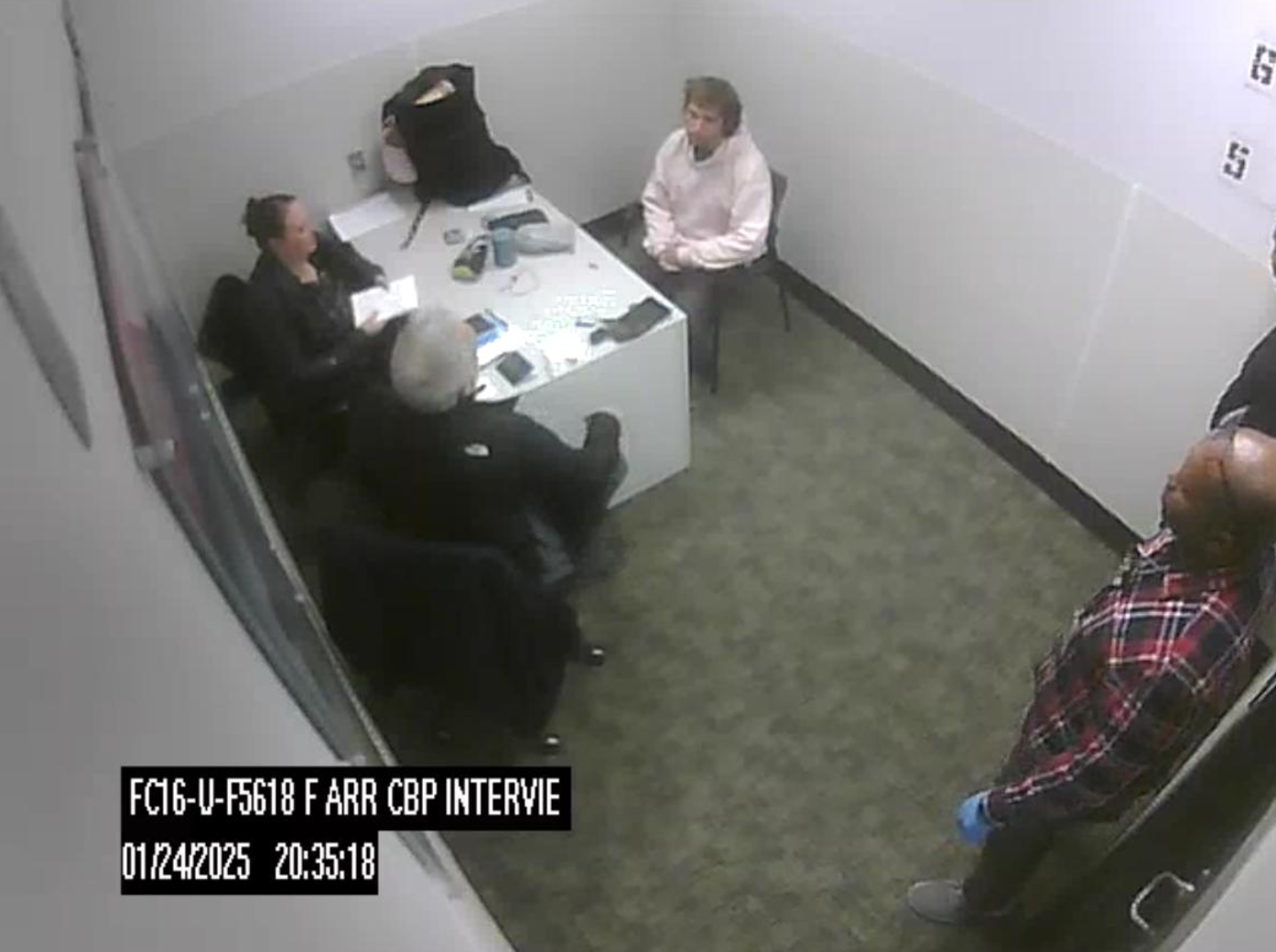
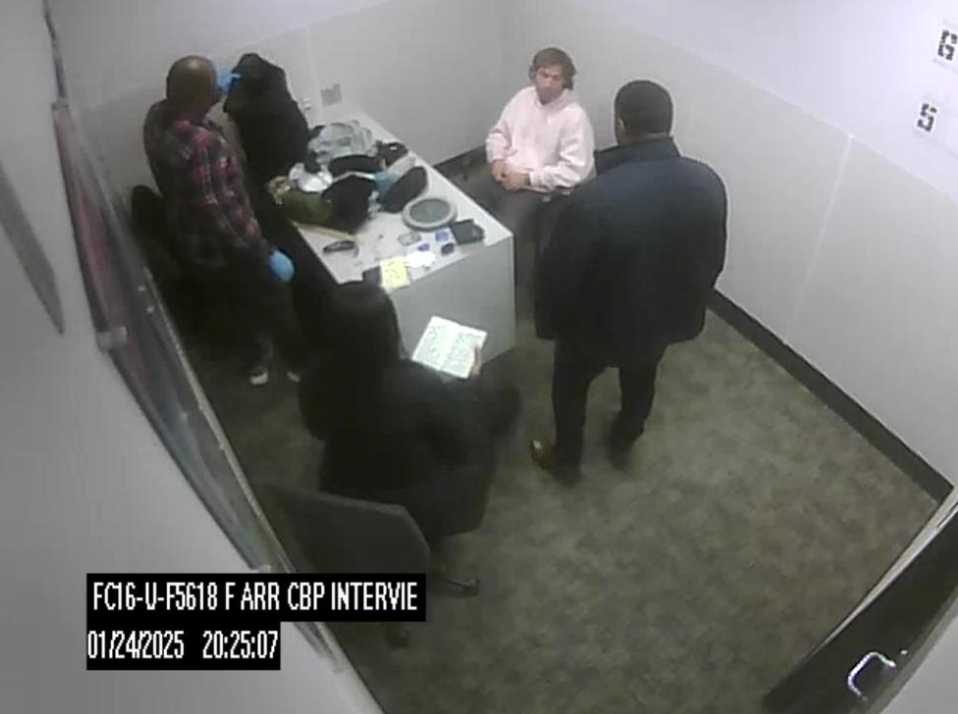
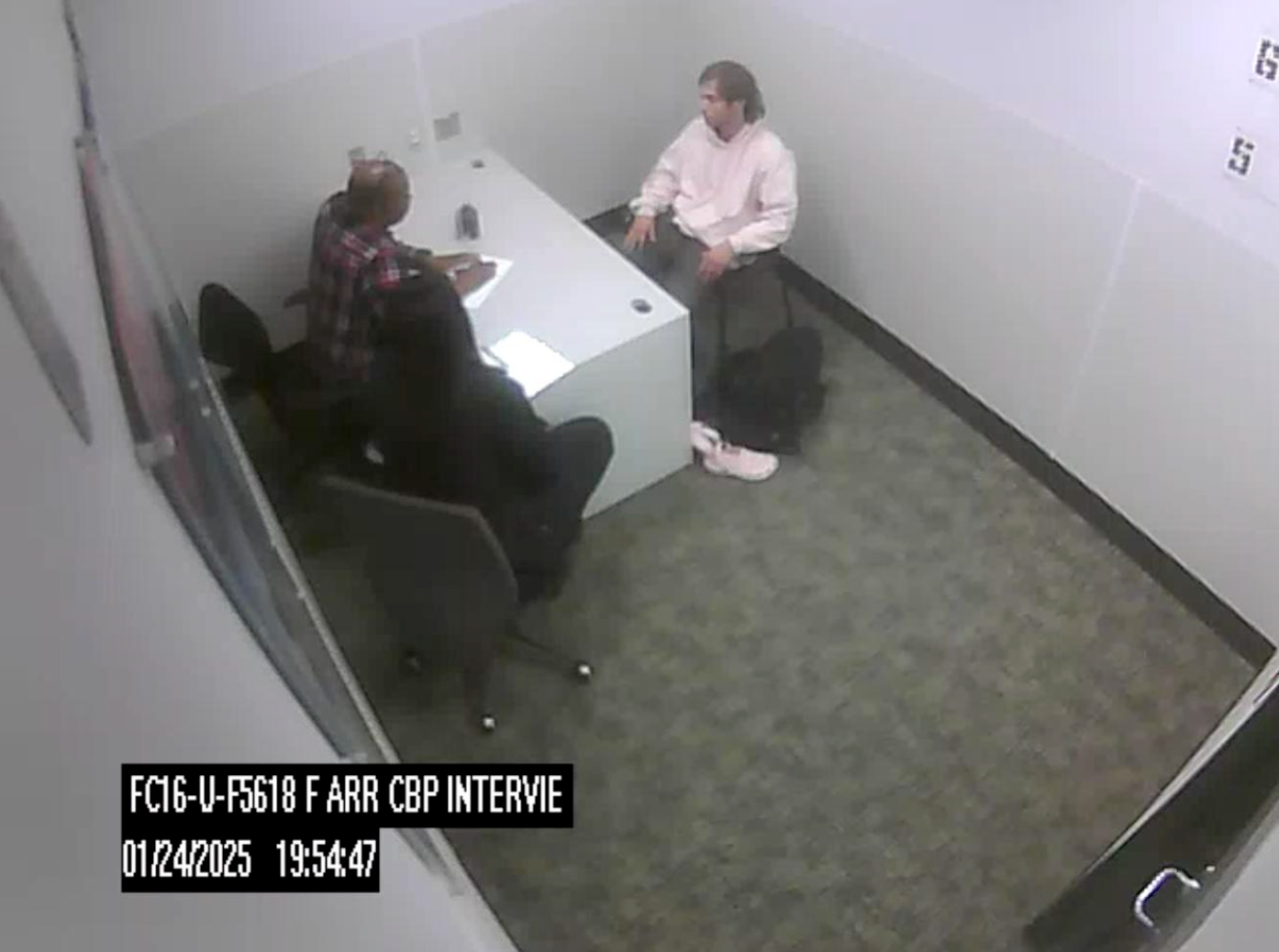
When a Department of Homeland Security official sent out an alert to stop Samuel Tunick, a Stop Cop City activist, at an airport in January 2025, they said the reason was because he was suspected of “terrorist activities,” according to new filed court records which include a screenshot of the alert and photos of Tunick’s interrogation.Tunick ultimately provided Customs and Border Protection (CBP) officials with a code that, when entered, wiped his security- and privacy-focused GrapheneOS phon
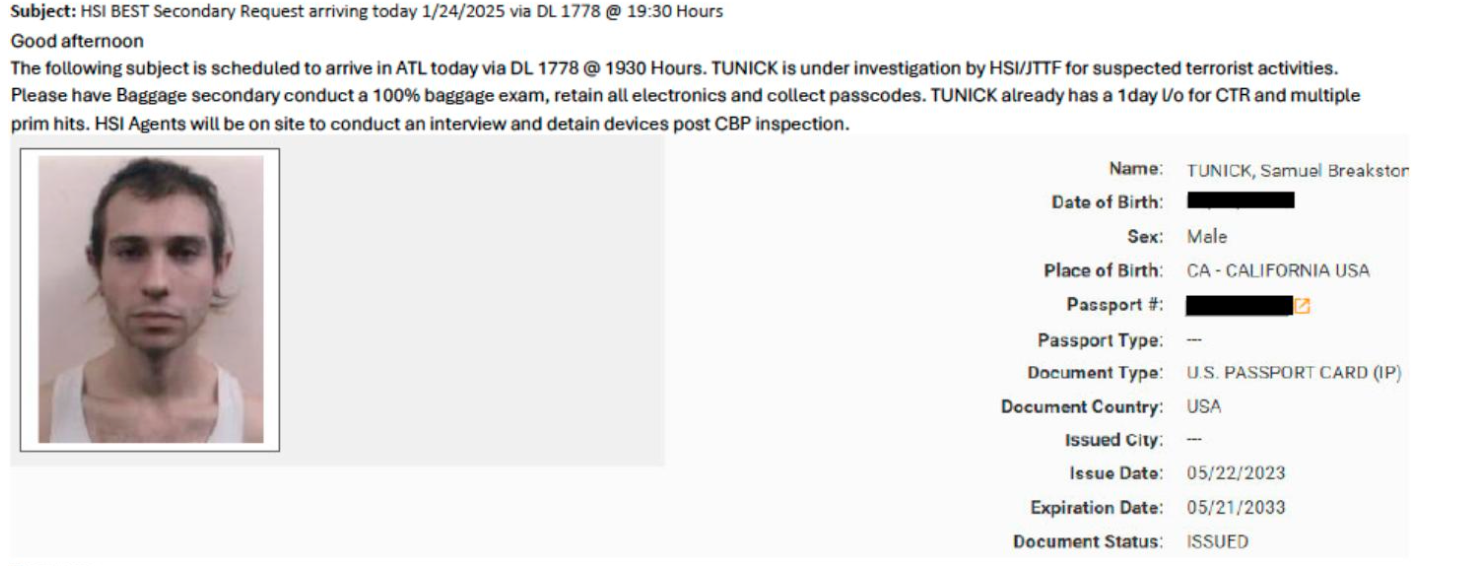
When a Department of Homeland Security official sent out an alert to stop Samuel Tunick, a Stop Cop City activist, at an airport in January 2025, they said the reason was because he was suspected of “terrorist activities,” according to new filed court records which include a screenshot of the alert and photos of Tunick’s interrogation.
Tunick ultimately provided Customs and Border Protection (CBP) officials with a code that, when entered, wiped his security- and privacy-focused GrapheneOS phone. Tunick is now being criminally charged for that alleged act, in one of the most high profile technology civil rights cases in recent memory.
The court records also showed that CBP officials lied to Tunick during his interrogation. Instead of saying he was being targeted for suspected terrorism — although this search happened just at the start of the second Trump administration, it has dramatically broadened what organizations or people may be considered such — they said they needed his phone to look for “kiddie porn.”
“Good afternoon,” an email sent from a Homeland Security Investigations (HSI) official, part of Immigration and Customs Enforcement (ICE), to CBP and other officials reads. “The following subject is scheduled to arrive in ATL [Hartsfield-Jackson Atlanta International Airport] today via DL 1778 @ 1930 Hours. TUNICK is under investigation by HSI/JTTF for suspected terrorist activities.” The email includes a photo of Tunick, and asks the officials to direct him to secondary inspection, retain all of his electronics, and collect their passcodes.
Image: screenshot of the court document.
As 404 Media first revealed in December, Tunick was charged because he allegedly “did knowingly destroy, damage, waste, dispose of, and otherwise take any action to delete the digital contents of a Google Pixel cellular phone, for the purpose of preventing and impairing the Government’s lawful authority to take said property into its custody and control.” Matthew Dodge, one of Tunick’s lawyers, previously told 404 Media he only found one other case using the same obscure law, a drug trafficking case. “This is extraordinarily rare,” Dodge said.
Tunick was part of the Stop Cop City movement in Atlanta, which broadly protested the building of a large police training center, and which authorities investigated for arson, vandalism, and doxing. Tunick is not suspected of any crime beyond the alleged wiping of the phone, and has previously put his current prosecution in the context of the wide spanning cases against other Stop Cop City protesters.
Images: screenshots of the court document.
The newly filed court record, in which Tunick’s lawyers argue that evidence should be thrown out, include new photos and descriptions of the airport encounter. The CBP officials asked Tunick if they were going to find “kiddie porn” on his phone, which Tunick immediately denied. “As the evidentiary hearing made clear, these unfounded accusations were nothing more than pretext for a fishing expedition into the depths of Mr. Tunick’s devices,” the lawyers wrote. They added, “Officer Findley acknowledged that officers had no reason whatsoever to believe Mr. Tunick possessed child pornography,” referring to one of the officials.
Tunick faces a maximum of five years in federal prison for allegedly wiping the phone.
“I hope people understand that the charges against me are meant to intimidate people against protecting their data and their privacy, and the government hopes to set a precedent that no one has the right to privacy,” Tunick previously told 404 Media.
🌧️Le sud-est de la #France est en proie à de fortes #inondations après un violent épisode méditerranéen qui a fait un mort près de #Marseille. 🚨⚠️L’Occitanie et la région Provence-Alpes-Côte d’Azur sont touchées, et la Haute-Corse est placée en vigilance rouge pluie-inondation.
🌧️Le sud-est de la #France est en proie à de fortes #inondations après un violent épisode méditerranéen qui a fait un mort près de #Marseille. 🚨⚠️L’Occitanie et la région Provence-Alpes-Côte d’Azur sont touchées, et la Haute-Corse est placée en vigilance rouge pluie-inondation.
A Republican ad features Amy Acton’s estranged mother calling her daughter a liar. The two have not spoken since Dr. Acton’s mother backed her husband after his arrest on rape charges.
A Republican ad features Amy Acton’s estranged mother calling her daughter a liar. The two have not spoken since Dr. Acton’s mother backed her husband after his arrest on rape charges.
Les conséquences des crises internationales successives continuent de peser sur le quotidien des Libanais. Parmi eux, les enfants grièvement blessés par la guerre qui tentent de se reconstruire, entre soins, rééducation et retour à l'école. Certains viennent du sud du pays, d'autres ont été évacués de Gaza pour être soignés à Beyrouth. Tous doivent désormais apprendre à vivre avec ce que la guerre leur a pris.
Les conséquences des crises internationales successives continuent de peser sur le quotidien des Libanais. Parmi eux, les enfants grièvement blessés par la guerre qui tentent de se reconstruire, entre soins, rééducation et retour à l'école. Certains viennent du sud du pays, d'autres ont été évacués de Gaza pour être soignés à Beyrouth. Tous doivent désormais apprendre à vivre avec ce que la guerre leur a pris.

 Connexion