A New Play in Budapest Signals a Cultural Reawakening for Hungary

© Akos Stiller for The New York Times

© Akos Stiller for The New York Times

/2026/09/17/6aabbabf869f8294552723.jpg)

© Copyright 2026 The Associated Press. All rights reserved

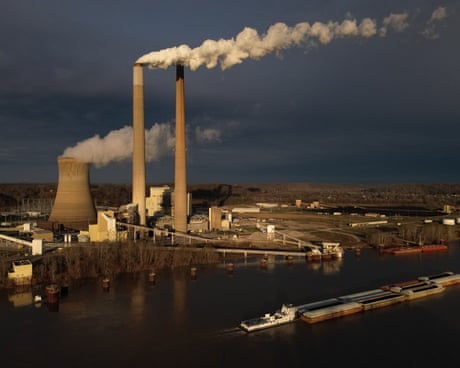
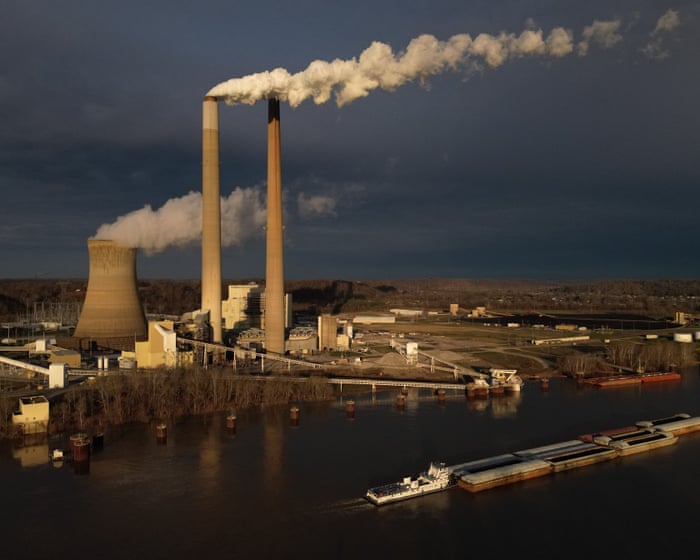
The US decision to remove limits on coal and gas plant emissions is rooted in a perception of manliness in these industries
You can impress a certain kind of person at a party by reciting the fact that there are more yoga instructors in the US than there are coalminers. In fact, the disparity is greater than this catchy phrasing suggests: there are actually more yoga instructors in the US than there are people employed in the entirely of the coalmining industry, miners and otherwise. It’s not even especially close: about 38,000 people in the US work in coal, according to the Bureau of Labor Statistics, compared to about 100,000 yoga instructors who are registered with the Yoga Alliance, an industry group.
If you looked only at the numbers, you might think a politician would be incentivized to talk about the interests of the yoga industry, about the dignity that yoga jobs give to American families, or about the need to foster growth in the yoga industry, more than they talk about these things for coal; after all, yoga, not coal, is putting food on the table in more American households. But no politician would ever talk about the interests of yoga teachers, or wax poetic about their role in the American dream, the way they do with coal miners; if they did, they’d be laughed out of the room. And we all know why: yoga is thought of as decadent, cosmopolitan and feminine, while coal mining is imagined as hardscrabble, honorable and masculine.
Moira Donegan is a Guardian US columnist
Continue reading...
© Photograph: Carolyn Kaster/AP

© Photograph: Carolyn Kaster/AP

© Photograph: Carolyn Kaster/AP

© Copyright 2026 The Associated Press. All rights reserved


© Justin Tang/The Canadian Press, via Justin Tang
Les corps policiers recommandent d'utiliser leur ligne téléphonique réservée aux appels non urgents.

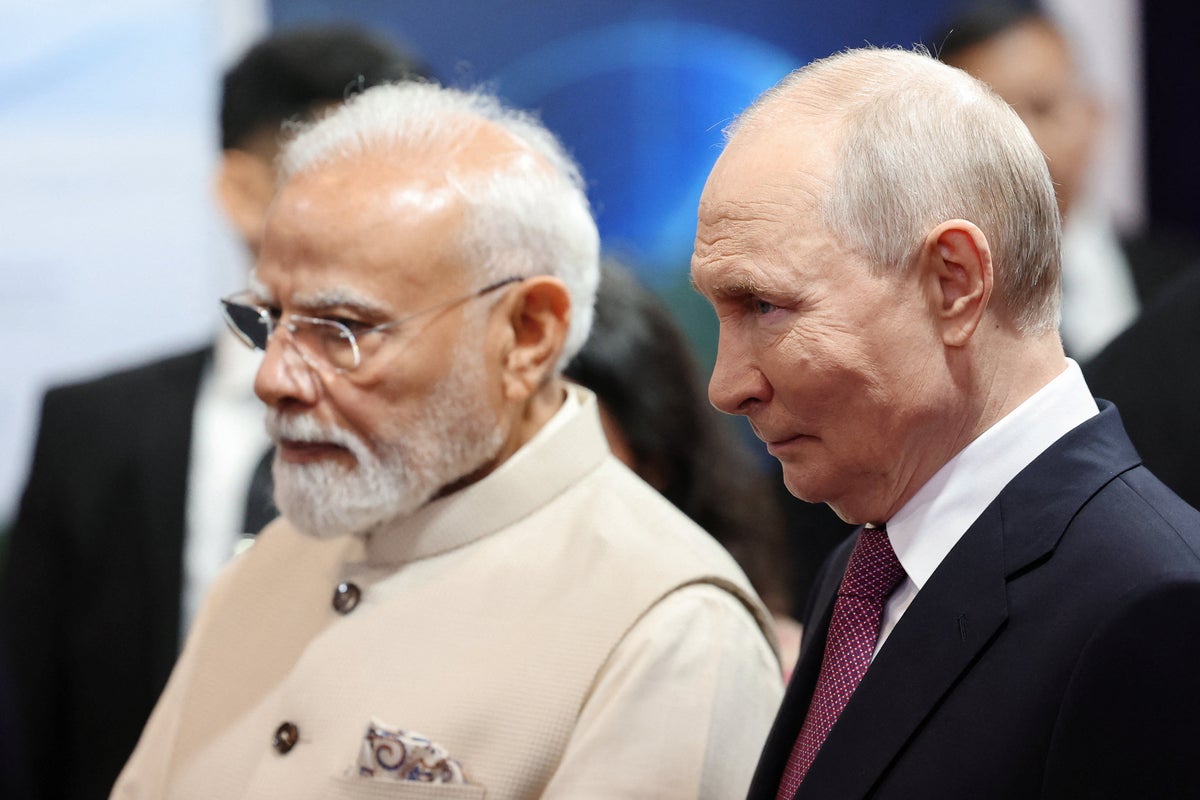
Graham’s bill to hit Russian oil importers has potential implications for US-India ties and international energy market, says New Delhi
© Reuters

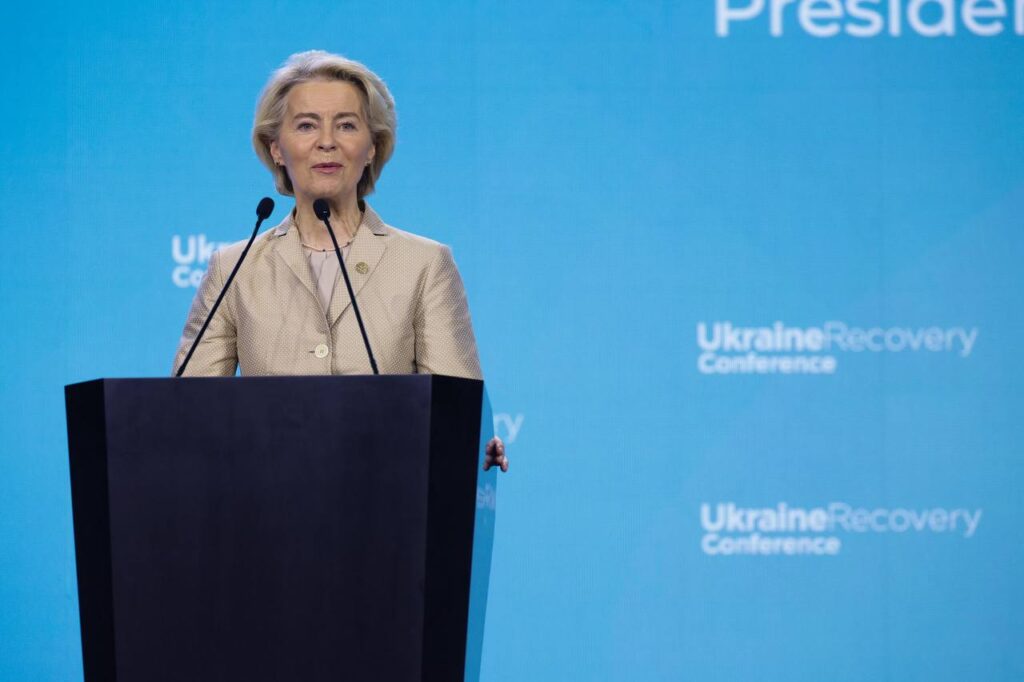
The EU plans to use money remaining under its €150 billion Security Action for Europe (SAFE) program to create a new program for joint projects with Ukrainian companies, European Commission President Ursula von der Leyen said on 16 September. She announced the plan during her State of the Union address to the European Parliament in Strasbourg.
Russia's full-scale war against Ukraine has pushed the EU to spend more on defense and build up its own weapons industry. SAFE was created as part of that effort, giving EU member states €150 billion in loans for defense spending. Ukraine is also facing heavy defense costs, with President Volodymyr Zelenskyy putting its additional defense funding gap for 2026 at $27 billion.
"Using the remaining funds from SAFE, we will be setting up a new programme for joint projects with Ukrainian companies," von der Leyen told the European Parliament.
EU Defense Commissioner Andrius Kubilius estimated that the unused portion of SAFE could amount to €10 billion to €20 billion, UNN reported. The exact sum will be known only after member states report on their SAFE projects by the end of October. The announcement caught several governments off guard: Poland and other capitals say the Commission never discussed it with them, and Warsaw had been counting on taking up the funds other countries declined for its own projects.
The proposal would allow unused money from member states' SAFE allocations to be redirected to joint projects with Ukrainian firms. One likely destination is Freya, the joint European-Ukrainian air and missile defense system meant as a cheaper answer to the American Patriot, which von der Leyen described as the start of the collaboration rather than the end of it.
In 2025, Ukraine gained associate partner status in SAFE and access to the EU's European Defense Fund, allowing Ukrainian companies to compete for contracts and co-develop military systems with European firms.
Fifteen member states have since said they plan to buy Ukrainian weapons through the program, and Canada joined it in December 2025 as the first non-European partner. Bulgaria agreed SAFE-funded joint weapons production with Ukraine in March 2026.
The war is costing Ukraine more every year, the government says. Its draft 2027 budget proposes ₴4.885 trillion ($110 billion) for defense needs, nearly 44% of GDP.


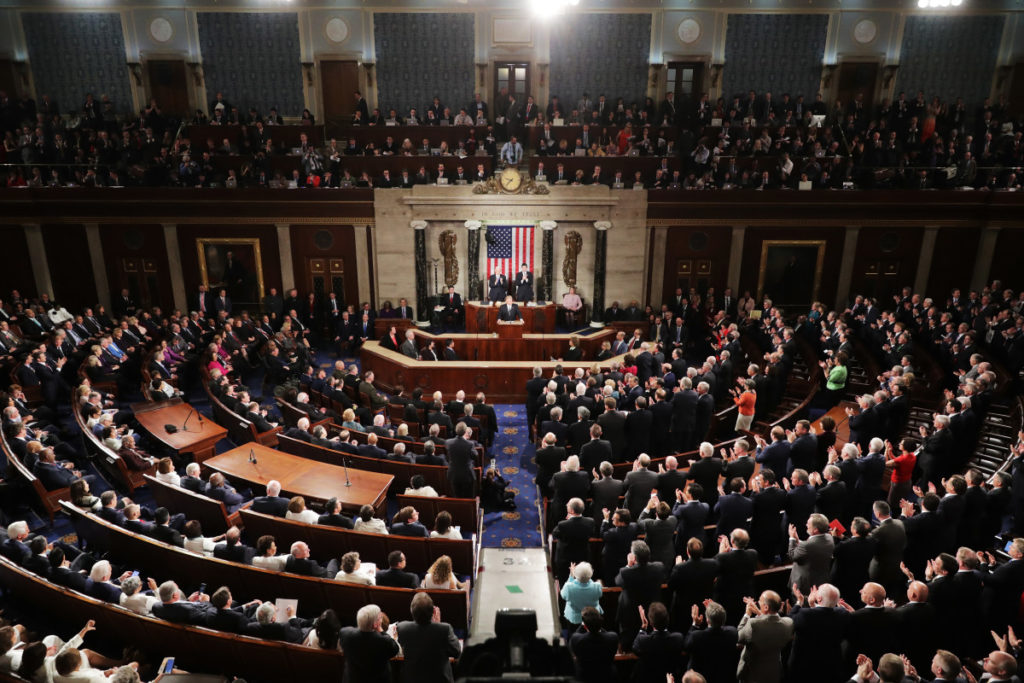
The US House of Representatives has approved sweeping new sanctions on Russia and the countries and companies that help finance its war, sending the measure to the president to sign into law, The Hill reported. The vote breaks a nearly two-year stretch in which Congress passed no major measure to back Ukraine. It also hands Washington fresh power to choke the oil money that keeps Moscow's war running.
For most of the full-scale war, US backing for Kyiv came through emergency spending battles, not laws built to cut off Moscow's income. Washington's long wager that negotiations would end the fighting kept its sharpest economic tools on the shelf. That bet has now shifted toward squeezing the customers who keep the Kremlin's oil trade alive.
In the House, 58 Democrats broke from their party's leaders on 16 September to join most Republicans. The bill passed 262-159, with 203 Republicans and one independent also voting yes, and seven Republicans joining 152 Democrats against.
Whether the full weight of the bill lands is now Trump's call. A White House official said he planned to sign it, and the White House had pushed House Republican leaders to move it. The bill directs him to impose the tariffs and mandates sanctions on Putin, senior officials, and Russian banks, though he can waive them by certifying that it serves US national interests, and how far he goes stays uncertain.
His posture on Russia keeps shifting. Days before the vote, he urged Kyiv to stop striking Russian oil refineries. He said the strikes were pushing diesel prices up worldwide. Those same strikes drain the war economy this bill sets out to squeeze.
The bill directs Washington to impose tariffs of up to 100% on the five biggest buyers of Russian crude, the five biggest buyers of its gas, and the five countries doing most to help Moscow evade oil sanctions—a target aimed squarely at China and India. Countries whose Russian gas imports are less than 15% of everything Russia exports in gas, and that take significant steps to cut them, would be exempt from the gas-based tariff. There is no such carve-out for crude.
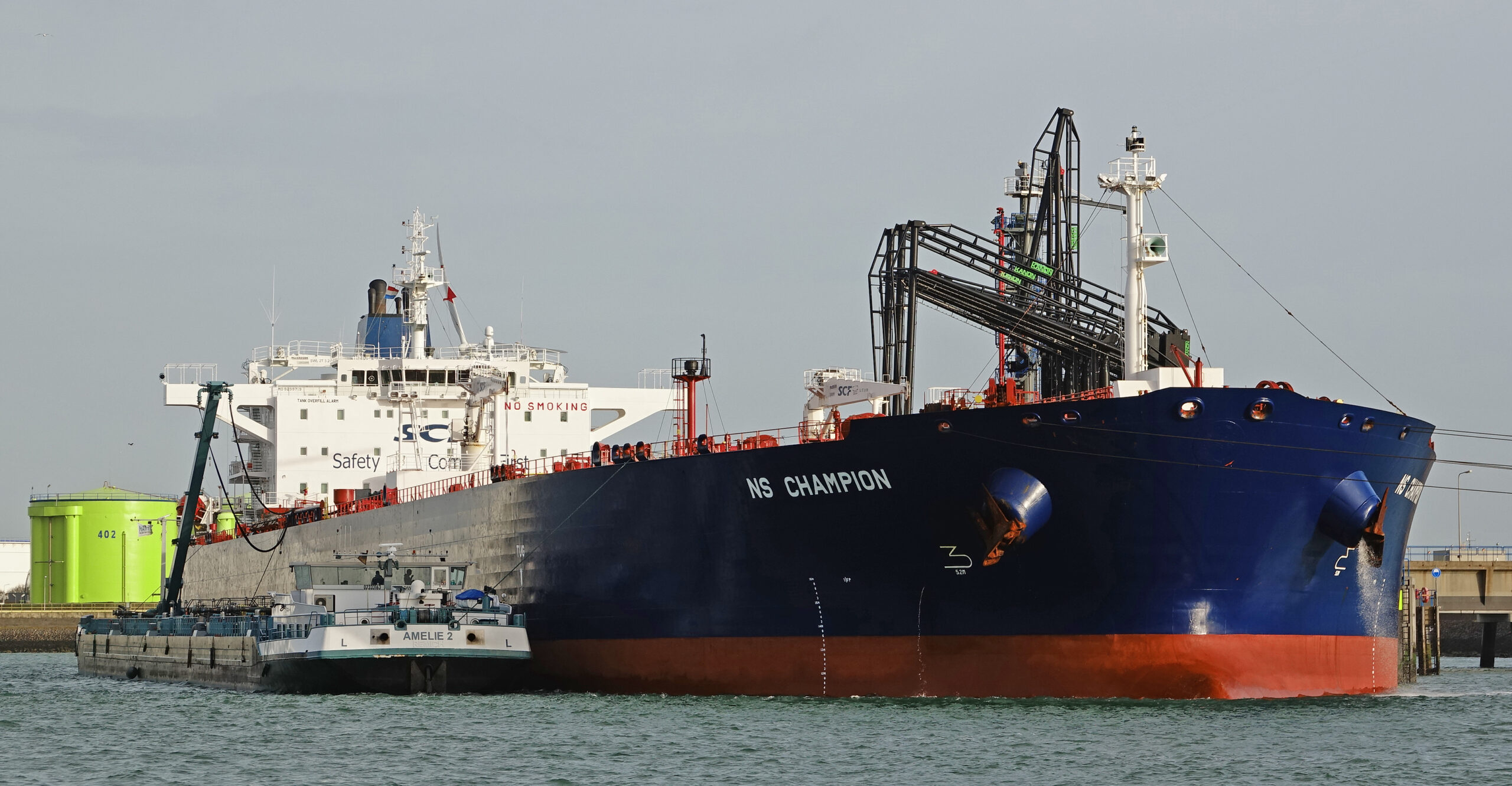
It also blacklists Russian officials, banks, and the aging tankers of Russia's shadow fleet, the vessels that move sanctioned crude around Western restrictions. The measure also extends US sanctions on Iran's energy and weapons sectors, a piece Trump asked for. That is why the bill's full name is the Lindsey O. Graham Sanctioning Russia and Iran Act.
For more than a year, the package sat frozen. It had a veto-proof majority of co-sponsors, but the White House wanted room to negotiate with Moscow, and the bill never reached a vote. Its author, Senator Lindsey Graham of South Carolina, spent more than a year negotiating the measure before he died in July. Lawmakers in both parties revived and fast-tracked it in his name, and Trump dropped his resistance and signaled he would sign.
Not everyone wanted it. Most House Democrats voted against, saying the bill hands the president broad new tariff powers and lets him waive away the sanctions it claims to impose. Nearly a dozen Republicans privately pressed leaders to strip the new powers out, alarmed they could push up prices at home before the midterm elections. Their leaders moved it through anyway. Ukrainian President Volodymyr Zelenskyy had lobbied for weeks, even watching an early Senate vote from the chamber.
"To Vladimir Putin—we have your number," said Senator Richard Blumenthal, who co-wrote the bill, after the vote. "And to Ukraine—you are not alone."
Ukraine welcomed the vote within hours. Foreign Minister Andrii Sybiha thanked the House for its bipartisan leadership and said Ukraine honors Graham's legacy. Parliament speaker Ruslan Stefanchuk thanked both chambers of Congress and House Speaker Mike Johnson. He singled out Blumenthal for carrying the bill through after Graham's death. What matters for Ukraine, Stefanchuk said, is that pressure on Russia's war funding is turning into concrete decisions.
President Zelenskyy called the timing symbolic: the House voted during another Russian missile and drone attack on Ukraine. The bill and other strong sanctions steps are "an extremely powerful instrument capable of stopping this terrorist war," he said.

© Alex Kent/The New York Times


© Jeff Kowalsky/Agence France-Presse — Getty Images

© Magdalena Chodownik/Anadolu, via Getty Images

© Elijah Nouvelage/Getty Images
/2026/09/07/6a9ebb49a671e310542454.jpg)

© Jenn Ackerman for The New York Times
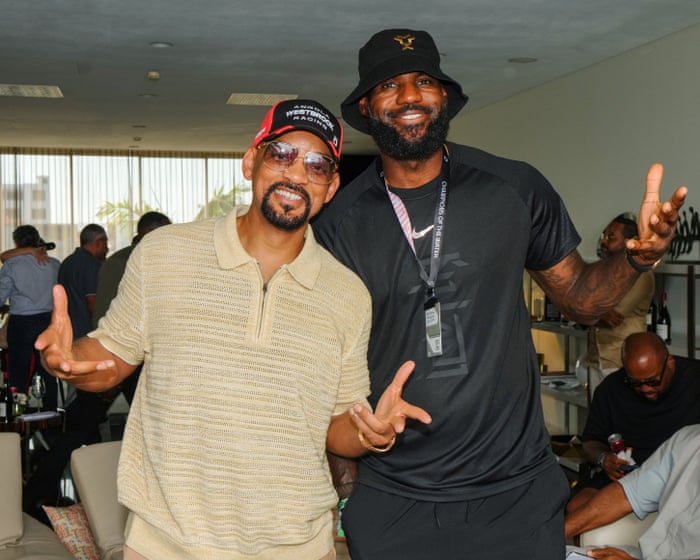
LeBron James was once one of the world’s most outspoken athletes. Now he’s plugging a predictions market and an authoritarian leader
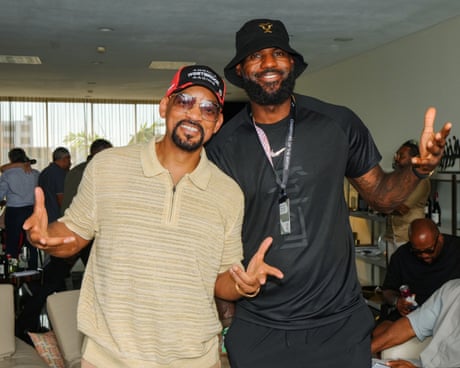
There was a time when LeBron James’s views on abuses of political power were considered dangerous enough that Donald Trump’s allies told him to shut up and dribble. But over time, James has become less outspoken. After he built a reputation as a voice on social issues and human rights, anti-government protesters in Hong Kong burned his jersey over what they saw as his lack of support for their campaign. Alongside plenty of other US athletes, he has barely spoken on politics during Trump’s second term in power. There was the recent dismal sight of him promoting a prediction market (although at least he kept his clothes on). Now he is happily associating with – and helping promote – an authoritarian leader.
On Sunday, Angola’s president, João Lourenço, welcomed two of the most famous people in America – James and Will Smith – to his presidential palace.
Continue reading...
© Photograph: Malcolm Griffiths/Getty Images

© Photograph: Malcolm Griffiths/Getty Images

© Photograph: Malcolm Griffiths/Getty Images
Universities need protect their position in education so that students have an independent pathway to employment
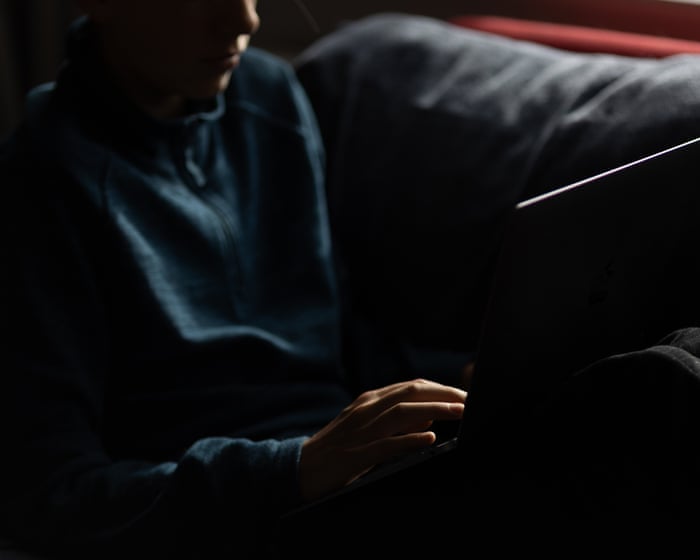
AI companies like OpenAI are insinuating themselves into the pathway from education to work. Soon they may claim it entirely, a disastrous result for students.
We know that students are using AI at school and at university. In conversations with those I teach, I’m struck by the trust many place in it. They turn to ChatGPT and similar tools for personal problems as well as study help. Some even doubt their abilities without AI.
Ella Hafermalz is an associate professor of work and technology at the Kin Center for Digital Innovation at Vrije Universiteit Amsterdam
Continue reading...
© Photograph: Matt Cardy/Getty Images

© Photograph: Matt Cardy/Getty Images

© Photograph: Matt Cardy/Getty Images

© Alejandro Cegarra for The New York Times