❌

Vue lecture

7 Takeaways From the Second Georgia Senate Debate

Representative Mike Collins, who lags Senator Jon Ossoff in public polls, hit his opponent harder in a second and final debate on Tuesday.

© Miguel Martinez/Atlanta Journal-Constitution, via Associated Press

  •  

5 Takeaways From a Heated and Personal Maine Senate Debate

Par : Tim Balk
Senator Susan Collins, a Republican, and her Democratic challenger, Troy Jackson, disagreed over the war in Iran and President Trump in the third of four debates in a key race.

© Ryan David Brown for The New York Times

Troy Jackson, left, and Senator Susan Collins of Maine faced off on Tuesday in a debate that at times turned personal and tense.
  •  

El-Sayed, Releasing His Platform on A.I., Calls It an ‘Existential Crisis’

Par : Tim Balk
Dr. Abdul El-Sayed of Michigan is the first Democrat running in a battleground Senate race to publicly call for a pause on artificial intelligence development.

© Nick Hagen for The New York Times

Dr. Abdul El-Sayed speaking in Detroit last month.
  •  

The Oct. 7 Attack Changed Israel, but Not Its Politics

As Israelis prepare to vote for the first time since the Hamas-led assault, they remain divided over whether to hold Prime Minister Benjamin Netanyahu responsible for negligence or fault the “treason” of his generals.

© Amit Elkayam for The New York Times

A roadside memorial for Liraz Assulin, who was killed by Hamas-led gunmen as she tried to escape the Nova music festival on Oct. 7, 2023.
  •  

He Would Be Florida’s First Black Governor. Can He Sway Black Voters?

Byron Donalds, the Republican nominee for governor, is working to win over Black voters who usually support Democrats as his party girds for the possibility of low turnout.

© Scott McIntyre for The New York Times

Byron Donalds, a Republican congressman since 2021, is hoping to become Florida’s first Black governor.
  •  

Trump, Playing Defense in Ohio, Tries to Shore Up Republicans in Tough Races

The president rallied in Youngstown for Senator Jon Husted and Vivek Ramaswamy, who are in competitive contests against Democratic opponents.

© Kenny Holston/The New York Times

President Trump won Ohio by 11 percentage points two years ago, but this year the state’s races for Senate and governor are seen as closely contested.
  •  

James Talarico Was Targeted by False Rumor He Was in Ohio

The Democratic nominee for Senate in Texas spent nine days off the trail with what he and his campaign said was a bad case of the flu. His opponents fueled rumors, including one that spread widely before it was debunked.

© Desiree Rios for The New York Times

James Talarico, the Democratic nominee for Senate in Texas, is trying to defeat Ken Paxton, the state’s Republican attorney general, in one of this year’s top races.
  •  

An Ad Targeting Susan Collins’s Opponent, Troy Jackson, Airs in the Wrong Portland

Par : John Yoon
An executive with the Republican super PAC that paid for the ad attacking Troy Jackson, the Democratic Senate candidate in Maine, blamed its vendor for running the ad in Oregon.

© Ryan David Brown for The New York Times

Troy Jackson is trying to unseat Senator Susan Collins, a fifth-term Republican, in Maine.
  •  

After Lockdown, Sea of Protesters Flows Through India’s Capital

The raucous demonstrations by opposition groups on Monday followed days of an effective lockdown and mass detentions of young protesters by security forces.

© Priyanshu Singh/Reuters

Protesters climbing on top of a bus while marching to the Supreme Court in New Delhi on Monday.
  •  

Zelenskyy says Ukraine could hold elections if Russia agrees to 60-day ceasefire. Moscow counters with truce lasting only voting day

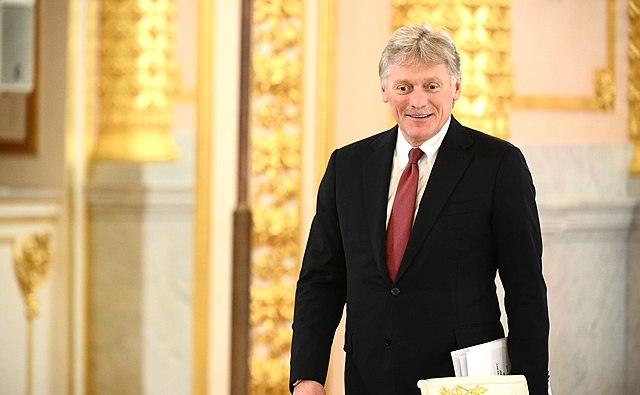
Dmitry Peskov

Russia offers Ukraine a single day without strikes for its elections. Russian leader Vladimir Putin is ready to order a halt to strikes on Ukraine only on the day of a presidential election, if Kyiv decides to hold one, Kremlin spokesperson Dmitry Peskov says, Russian state agency TASS reported.

The offer answers Ukraine’s call for a real pause: on 11 October, President Volodymyr Zelenskyy stated Ukraine could hold elections if Putin agreed to a full ceasefire of at least 60 days, ABC News reported. Against the backdrop of Russian strikes that killed more than 150 Ukrainian civilians in a single week, Moscow counters with a one-day truce confined to voting day.

“...If they really want to hold elections in Kyiv, the president of Russia, the supreme commander-in-chief, will be ready to give the order not to strike Ukraine on election day. Specifically on election day,” Peskov said.

His statements followed US President Donald Trump’s call on 10 October for Ukraine to choose a new president, saying a change of leadership could help reach peace with Russia, according to Suspilne.

Trump also criticized Ukrainian strikes on Russian oil refineries amid his new agreements to supply a low volume of diesel into the US.

Moscow rejects the 60-day pause

Peskov has outright dismissed the longer truce. Ukraine needs 60 days not to hold elections but to heal its wounds and continue the war, he argues.

He has claimed Russia had been willing to resume peace talks after Russia’s own State Duma elections, but accused Ukraine of launching massive strikes on Moscow to disrupt that vote. Peskov has gone further, claiming Ukraine shelled polling stations and killed several members of district election commissions in the Russian-occupied regions it calls its own.

What Peskov left out

The accusations are Russia’s and remain unverified. Peskov offered no evidence for the claims about polling stations or election officials, which echo long-running Kremlin talking points.

He also made no mention of Russia’s own strikes on Ukrainian civilian targets over the same period, including attacks on energy sites and residential buildings.

  •  

Democrats Tie Corruption to High Costs in Final Midterms Push

Party leaders are working to connect Washington profiteering and the influence of billionaires and corporate America to affordability, in what they hope will be a potent closing message.

© Alex Kent/The New York Times

“Corruption is why things don’t work for the American people.” Senator Jon Ossoff, a Democrat running for re-election in Georgia, said in a recent campaign video.
  •  

Inside Elon Musk’s $276 Million Midterm Rescue Mission for Republicans

The world’s richest person has quietly become by far the biggest known midterm donor, trying to save Republicans’ Senate majority with some of the largest donations in American political history.

© Demetrius Freeman for The New York Times

Elon Musk has shown less public interest in elections in recent months, but he has patched up his relationship with President Trump and quietly spent enormous amounts to help Republicans in the midterms.
  •  

Can a Democrat Beat Darline Graham? 5 Takeaways From the South Carolina Senate Debate

Dr. Annie Andrews, the Democratic challenger, accused Senator Darline Graham of taking her cues from President Trump. Ms. Graham said Dr. Andrews wouldn’t say no to socialists.

© Sean Rayford for The New York Times

  •  

In Maine Senate Race, Anxious Democrats Turn to Bernie Sanders for a Jolt

Par : Tim Balk
Three months after a jarring summer candidate switch, some Democrats in the state are worried about the enthusiasm for their nominee, Troy Jackson, who is in a close race.

© Cj Gunther/Reuters

Democratic Senate candidate Troy Jackson campaigning with Senator Bernie Sanders in Lewiston, Maine, on Sunday.
  •  

Republicans Held Onto the Great Plains for Years. Now They’re Nervous.

Republicans have dominated the center of the country for a quarter-century. Now they face several tough races for Senate and governor.

© Nick Oxford for The New York Times

Close races have turned the region’s defining challenges, like soaring diesel costs and the struggling cattle industry, into top-tier national issues.
  •  

In the Senate, Collins Often Defies Trump but Rarely Stops Him

A New York Times analysis of Senator Susan Collins’s voting record shows that she frequently breaks with Republicans but more seldom changes an outcome.

© Haiyun Jiang/The New York Times

  •  

Labour Holds Off Green Party in Election for Starmer’s Former London Seat

Sagal Abdi-Wali won a special election in central London that was seen as an early test for Prime Minister Andy Burnham.

© Peter Nicholls/Getty Images

Labour’s candidate Sagal Abdi-Wali takes a selfie with supporters during her campaign launch in London last month.
  •  

Indian Opposition Leaders Detained as Protests Over Voter Rolls Intensify

Lawmakers in the capital were forcibly removed for a second consecutive day as police cracked down on demonstrations against the deletion of voter names.

© Adnan Abidi/Reuters

Police detaining Indian opposition leader Rahul Gandhi, during a protest organized by opposition parties demanding the resignation of Chief Election Commissioner Gyanesh Kumar, in New Delhi, India, on Wednesday.
  •  

Italy Weighs Controversial Law Giving Bonus Seats to Election Winners

Supporters of the legislation say it will bring stability to a country with a long history of short-lived governments, but critics see the measure as a threat to democracy.

© Antonio Bronic/Reuters

Prime Minister Giorgia Meloni of Italy speaking on Wednesday at a summit meeting in Split, Croatia. She has set a record for leading Italy’s longest-serving government.
  •  

‘Maricarmen,’ Whose Eviction Enraged Spaniards, Dies at 87

María del Carmen Abascal, aged and ailing, became a symbol of the country’s housing crisis when she was evicted two weeks ago, prompting mass protests and triggering national elections.

© Fernando Sanchez/Europa Press, via Getty Images

María del Carmen Abascal packs a bag with her belongings in Madrid last month.
  •  

Bolsonaro Family Emerges Triumphant in Brazil’s Elections, Mounting a Surprising Resurrection

The Bolsonaro family emerged triumphant in Brazil’s elections, mounting a surprising political resurrection in Latin America’s largest nation.

© Diego Herculano/Reuters

The presidential candidate Flávio Bolsonaro in Brasília on Sunday.
  •  

The Kremlin calls mobilization talk “nonsense”—Zelenskyy says it has already begun, with North Korean reinforcements

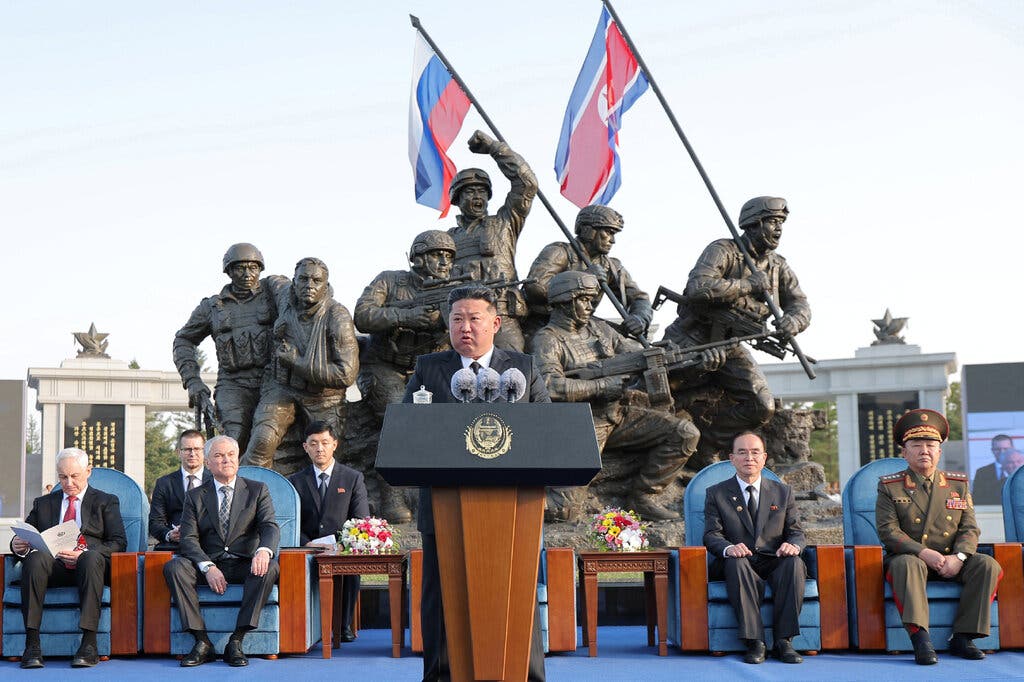
kremlin calls mobilization talk nonsense—zelenskyy says has already begun north korean reinforcements · post leader kim jong-un speaks opening memorial pyongyang russia's defense minister andrei belousov state duma speaker vyacheslav

Russia has quietly started a new round of mobilization and plans to bring in more North Korean troops, Ukrainian President Volodymyr Zelenskyy said. He cited a new report from Ukraine's military intelligence. The same day, the Kremlin published a decree enlarging Russia's army for the fourth time this year.

Russia widens recruitment at home and abroad

Zelenskyy spoke in his evening address on 28 September, after a briefing from Ukraine's military intelligence (HUR).

"In effect, the Russians have already begun additional mobilization—they are increasing the number of people they recruit through various means," he said.

Moscow also plans to recruit more foreigners, Zelenskyy said. He urged the governments of countries whose citizens Russia recruits to counter it, and said Kyiv would inform each of them.

Ukraine says Russia has been losing soldiers faster than contract recruitment replaces them. If so, an unannounced call-up lets the Kremlin refill its ranks without a formal draft. ISW says Putin may hold off on such a draft until he sees whether his strikes work. Ukrainian intelligence had expected Russia to announce a mass mobilization after this month's State Duma elections.

More than 8,000 North Koreans in Russia, 10,000 more in preparation

More than 8,000 North Korean troops are currently on Russian territory, Zelenskyy said. Pyongyang is selecting another 10,000 for training and deployment to Russia, he added.

Russia is paying, among other things, with technology, according to Zelenskyy. North Korea has launched production of Shahed-type attack drones with Russian technical support, he said.

That is a step beyond what Kyiv reported in June 2025. Moscow and Pyongyang had then only agreed to start preparing such production. In August, Zelenskyy warned that Russia could receive up to 50,000 North Korean troops.

kremlin calls mobilization talk nonsense—zelenskyy says has already begun north korean reinforcements · post leader kim jong-un speaks opening memorial pyongyang russia's defense minister andrei belousov state duma speaker vyacheslav
Explore further

North Korean missile unit deploys to Russia for ballistic strikes on Ukraine, Kyiv says

Kremlin raises the army's size again

Putin's decree sets the authorized strength of Russia's armed forces at 2,441,630, including 1,550,500 military personnel, Vedomosti reported. The decree gives no reason.

The order adds 15,500 troops and is the fourth such increase this year, Euronews said. Since March, the combined increase has reached 47,860 soldiers. Putin's 2022 "partial mobilization" decree also remains in force, the outlet noted.

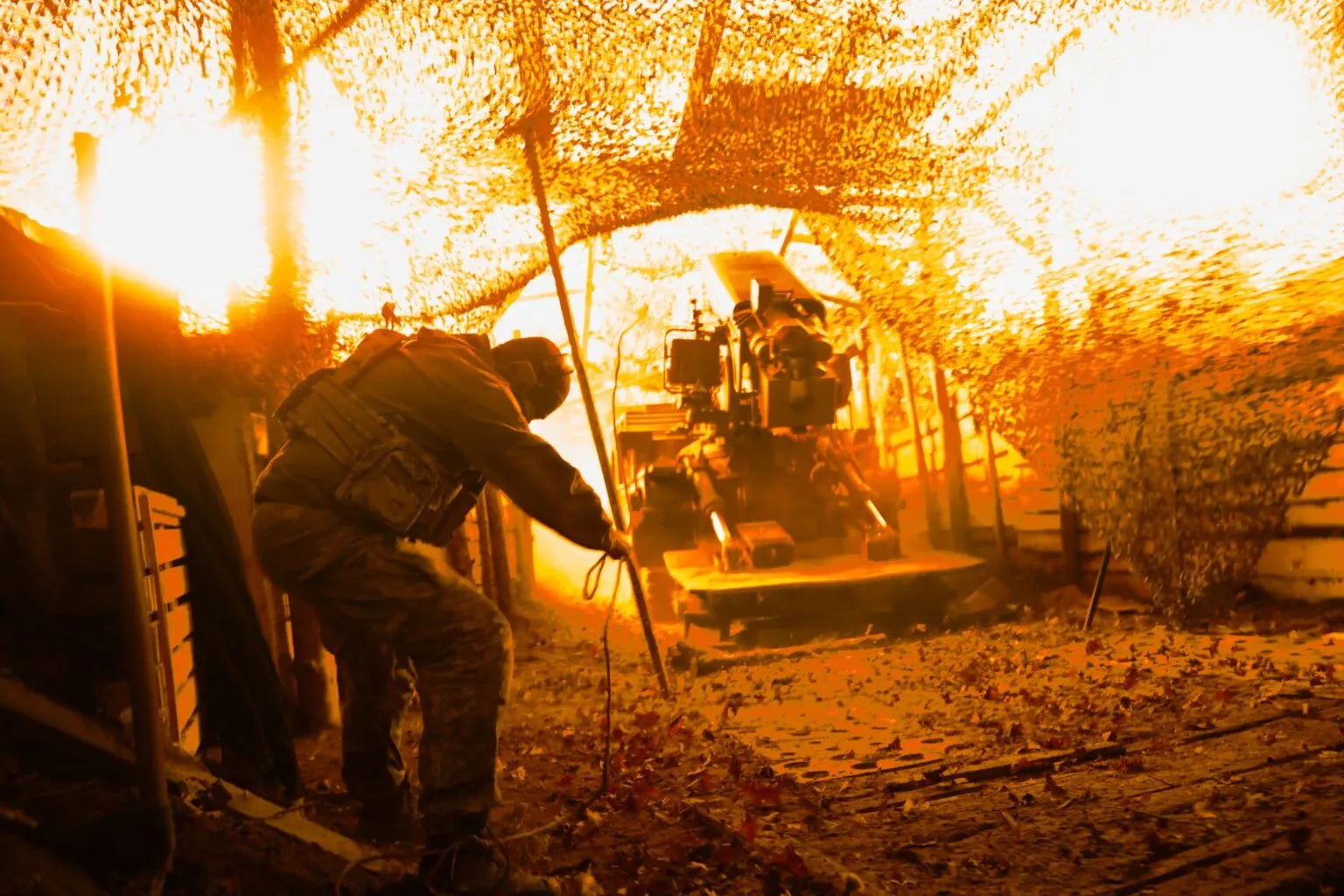
A soldier from Ukraine’s 100th Mechanized Brigade operates an artillery gun firing beneath camouflage netting.
Explore further

Russia could open northern front by February if it orders new mobilization, Ukraine intel says

Moscow keeps denying a call-up

In early September, Putin claimed that reports of a coming mobilization were "complete nonsense" and "an information attack on Russia." Russian officials gave similar assurances days before the 2022 call-up.

Ukraine's military and foreign intelligence had earlier said that Russia's General Staff prepared a scenario to mobilize 600,000 people over 2026 and 2027, 300,000 each year.

  •  

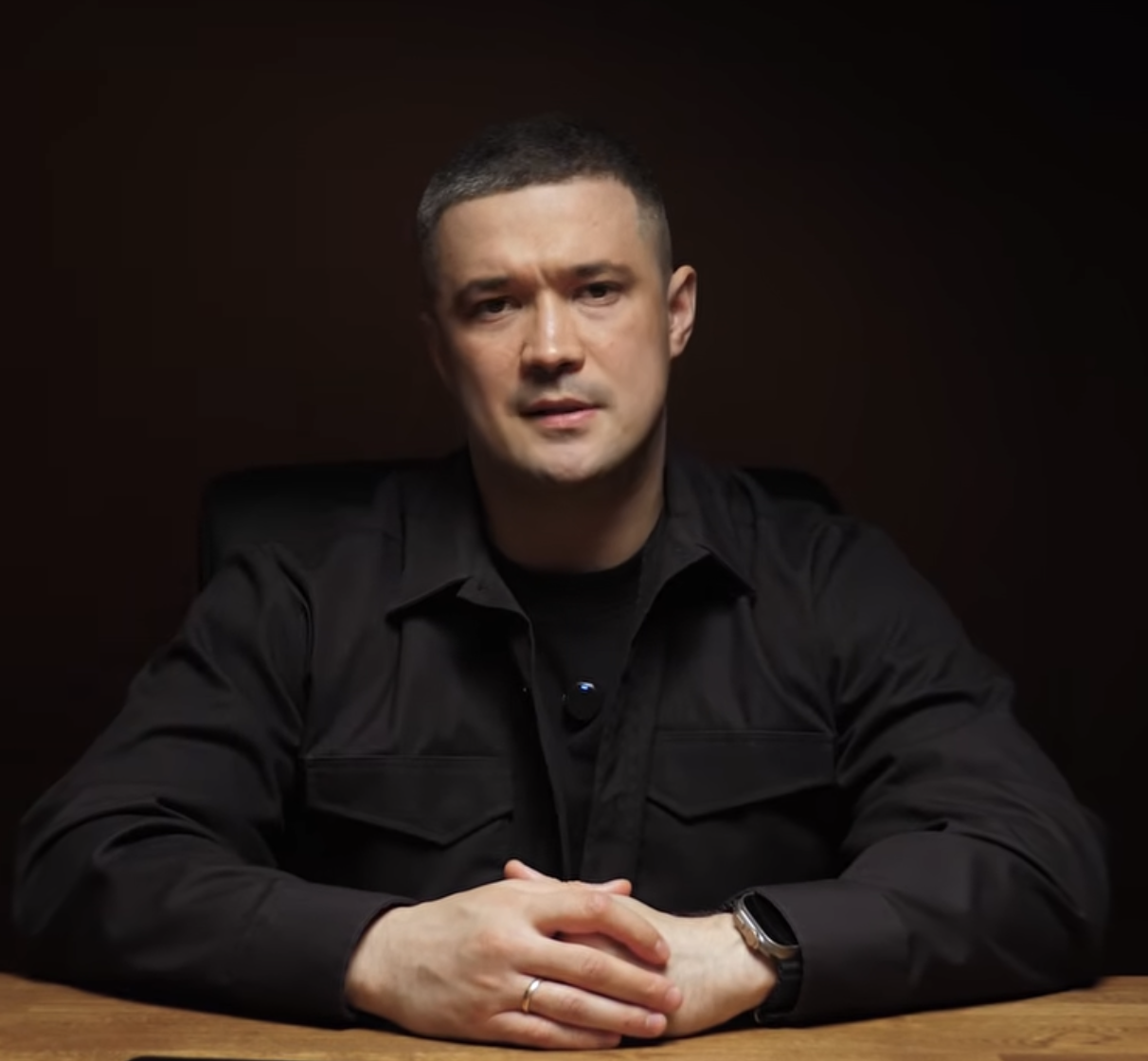
L’appel aux élections de Mykhailo Fedorov: un reboot démocratique?

Un commentaire à chaud sur la vidéo enregisrée par l’ancien ministre de la défense Fedorov, où il formule une critique du fonctionnement politique du pays et appelle à des élections.
Vous entendrez parler de crise politique, de fragilisation de l’équipe présidentielle, de l’émergence d’un opposant politique. Rien de cela n’est faux, on rentre dans une zone de turbulence. Mais pour moi, le vrai sujet n’est pas forcément là.

Les critiques que l’ancien ministre fait dans sa vidéo ne sont pas nouvelles. Elles sont partagées par un grand nombre d’Ukrainiens: nécessité de faire vivre la démocratie, critique de la gestion d’équipe par le président, inacceptabilité de la corruption en temps de guerre. Comme je l’ai dit à plusieurs reprises, les Ukrainiens savent faire la part des choses entre ce qu’ils reprochent à leur président et à leur parlement, et la nécessité de soutenir leurs institutions pour préserver la souveraineté de l’Etat. Mais tout le monde sait que le jour où les élections se tiendront, ce bilan va peser.

Sur le fond, les critiques de Fedorov ne sont pas le signe d’un dysfonctionnement politique, mais plutôt d’un fonctionnement assez sain. Un acteur politique de premier plan se positionne comme une alternative à Zelensky. Ce n’est pas un militaire mais un civil; ce n’est pas non plus quelqu’un d’étranger à la défense de l’Ukraine. C’est une personnalité qui a des soutiens dans la société; il est populaire dans les milieux tech des forces armées et de la société. Fedorov a clairement la posture d’un canddiat à la prochaine présidentielle. Et c’est tout ce que l’on peut souhaiter à une démocratie: une pluralité de candidats portant des projets sérieux. Que cet opposant potentiel soit issu du cercle même des proches de Zelensky est aussi, finalement, très banal dans un fonctionnement démocratique. Il y a peut-être une crise politique, mais pas de crise systémique.

Ce qui est nouveau dans l’adresse de Fedorov, c’est cependant l’idée que les élections sont possibles. L’argument politique est recevable: la guerre s’est installée dans la durée, refuser la tenue d’élections, c’est aussi donner à la Russie une victoire en la laissant rythmer le timing du jeu politique ukrainien. Mais Fedorov ne parle pas seulement du principe. Sans rentrer dans le détail, il dit: la tenue d’élections est possible. L’Ukraine doit retrouver un processus d’alternance démocratique, sans attendre la sortie de loi martiale.

Et là, il faut se rappeler qui est Fedorov: ancien ministre de la numérisation qui a transformé une bureaucratie d’imprimante et de papier en un système modernisé et rapide. Ancien ministre de la Défense qui a accompagné l’innovation et l’esprit d’initiative qui permettent aujourd’hui à l’armée ukrainienne d’accomplir des choses que personne n’avait anticipées. S’il travaille vraiment à un projet permettant de tenir des élections en temps de guerre, nous avons tout intérêt à suivre le sujet de près. J’imagine que le vote électronique sera au coeur de ce projet – collègues spécialistes du sujet, réglez vos radars, car ce sera riche d’enseignements.

J’attends la suite avec intérêt plus qu’avec inquiétude. Une fois de plus, l’Ukraine pourrait être là où personne ne l’attend.

  •  

How much longer will Orbán be Putin and Trump’s man in Brussels?

Viktor Orbán, Hungary’s prime minister since 2010, faces an election dogfight. Behind in the polls, he has been effectively endorsed by both the Kremlin and the White House, and a host of conservative world leaders. As wars in Iran and Ukraine exacerbate the fissures that have weakened NATO, as well as the U.S.’s relationship with the European Union, this is an election that is being followed with bated breath in Washington, Moscow, Kyiv and Brussels. 

Before the elections on April 12, a scandal engulfed the Hungarian government. On leaked recordings, foreign minister Péter Szijjártó can be heard deferentially acquiescing to his Russian counterpart Sergey Lavrov and passing on information from EU meetings. Szijjártó appeared willing to help the Kremlin’s cause in Brussels, to remove oligarchs and their relatives from the EU blacklist, and to block efforts to aid Ukraine. Hungary’s advocacy for the Kremlin’s agenda culminated in its recent veto of fresh sanctions on Russia and over $100 billion in loans to Ukraine. On X, Polish prime minister Donald Tusk wrote that while “Hungary is and will be in the European Union, Victor Orbán and his foreign minister left Europe long ago.” And the Irish taoiseach Micheál Martin described Szijjárto’s calls with Lavrov as both “sinister” and “alarming.”

Szijjárto alleged that “foreign intelligence services, with the active involvement of Hungarian journalists, have been intercepting my phone calls.” It is a plot, the Hungarian government claims, to influence the upcoming polls. Orbán directly blames Ukraine for seeking to unseat his government. The opposition, led by Peter Magyar, has a healthy lead in the polls and describes the Hungarian government’s closeness to the Kremlin as “treason.” According to European intelligence reports, Moscow sent a three-person team to Hungary, overseen by Putin confidant Sergei Kiriyenko who ran an operation to interfere in the Moldovan election back in September. His tactics encompassed “vote-buying networks, troll farms, and on-the-ground influence campaigns.” A Kremlin-linked media consultancy, facing EU sanctions, was hired to dismiss Magyar as a Brussels stooge and portray Orbán as the only candidate strong enough to to be treated as an equal by world leaders, as evidenced by the strength of his relationship with Trump. 

Despite a war with Iran that doesn’t appear to be going entirely to plan, the U.S. president took time out to back Orbán with enthusiasm and at considerable length on Truth Social. Trump said Orbán was “a true friend, fighter, and WINNER.” JD Vance, the vice president, is scheduled to visit Hungary on April 7, just five days before the election. And secretary of state Marco Rubio went to Hungary in February. It is now part of the U.S. National Security Strategy to work towards “cultivating resistance to Europe’s current trajectory within European nations.” To that end, notes the U.S. government, “the growing influence of patriotic European parties indeed gives cause for great optimism.” Orbán speaks MAGA’s language on immigration, traditional values and the Christian essence of Western societies. He is, like Putin and Trump, in MAGA’s view, an implacable opponent of secular, progressive, globalist politics as symbolised by Brussels.

Orbán, the longest serving current head of government in the EU, has become a figurehead for populist, nationalist movements across the world. The recent CPAC Hungary summit was attended by several of these leaders including France’s Marine Le Pen, Italian deputy prime minister Matteo Salvini, and the Netherlands’ Geert Wilders,who called Orbán “a lion on a continent led by sheep.” Latin American leaders close to Trump , including Javier Milei of Argentina and Jose Antonio Kast of Chile, also attended. Milei, who gave the longest speech at the summit, said Orbán was “a beacon for all… who refuse to accept that the West's destiny is one of managed decline.” This international network, with the United States and Russia included, has a vested ideological interest in seeing Orban continue to remain a thorn in the EU's side. 

But what can Brussels do? The answer, it appears, is not much. The EU is consensus driven; it needs all its parts to act in concert, giving holdouts like Orbán considerable power to hold the whole bloc hostage. But given Orbán’s prominence as an ideologue, when Hungary blocks sanctions or delays support for Ukraine, it is more than a single nation going rogue. Alice Weidler, co-chair of the far-right AfD, the largest opposition party in the German Bundestag, was among those who spoke at the CPAC Hungary conference last month. Robert Fico, prime minister of Slovakia, is an Orbán ally. On April 19, Bulgaria will have its eighth general election in just five years. Former president Rumen Radev’s new Progressive Party leads the polls and shares Orbán’s pro-Kremlin, anti-EU inclinations.

So polarized is the Hungarian election, that right wing groups are deploying their own observers from Argentina, Austria, the Czech Republic, Kenya, Poland, Germany, Italy, Spain, Serbia, Tanzania and the United States to monitor proceedings. EU observers have said the Hungarian government controls the national media and a recent documentary alleges that a desperate government is resorting to vote-buying, gerrymandering and intimidation tactics. It’s hard to see how either Orbán or Magyar will accept the election result without protest, unless the margin is crushing. But, given Trump’s disdain for NATO allies and the EU, an Orbán election defeat would be a much-needed victory for European unity. 

A version of this story was published in this week’s Coda Currents newsletter. Sign up here.

The post How much longer will Orbán be Putin and Trump’s man in Brussels? appeared first on Coda Story.

  •  

Moldova's pro-Russian political bloc to participate in upcoming elections

Moldova's pro-Russian political bloc to participate in upcoming elections

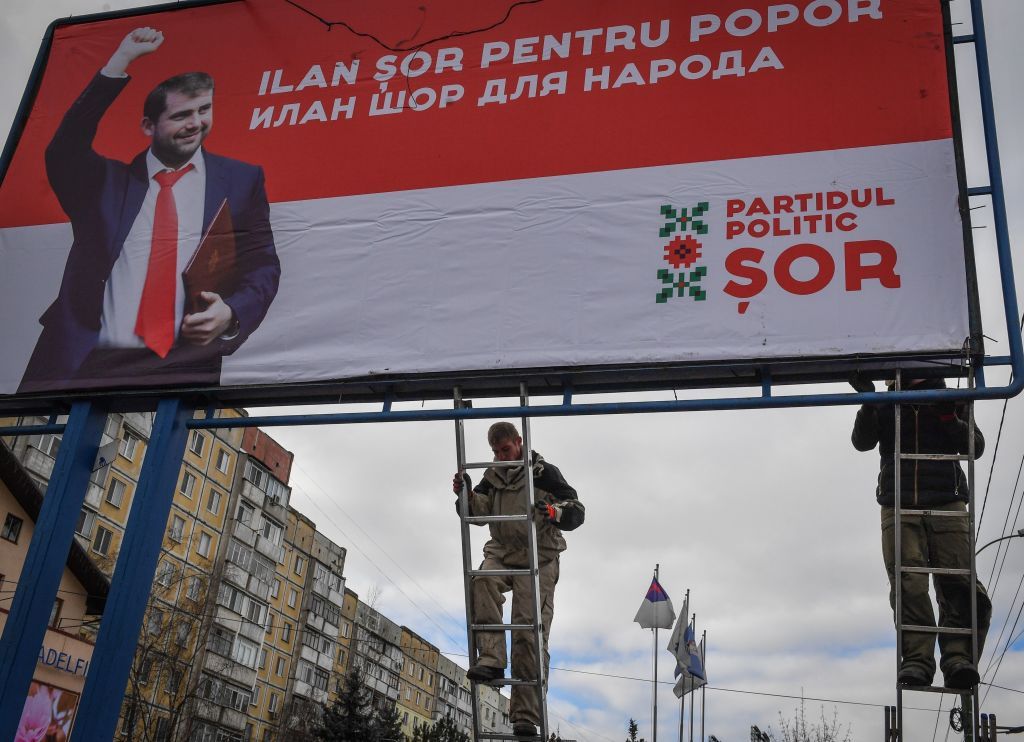
Moldova's Victory bloc, a pro-Russian political alliance, plans to participating in the country's September parliamentary elections, the bloc's founder Ilan Shor announced on July 6.

Shor, an exiled pro-Kremlin oligarch, established the Victory bloc in August 2024. The bloc includes his own Shor party, which is banned in Moldova.

Victory will submit documents in the coming days registering the bloc for participation in the September vote, Shor said.
"Our main goal in these elections is to overthrow the fascist regime and hold early democratic elections within the next six months," Shor said.

The candidate list will be headed by Evghenia Gutul, the head of Moldova's Gagauzia region, who is currently on trial for illegally funding the banned Shor party. Gutul maintains ties to Moscow and is currently under U.S. sanctions.
The upcoming September elections carry high stakes for Moldova, one of the pooerest countries in Europe. Moldovan President Maia Sandu said on July 4 that Chisinau's European path rests on the outcome of the vote.
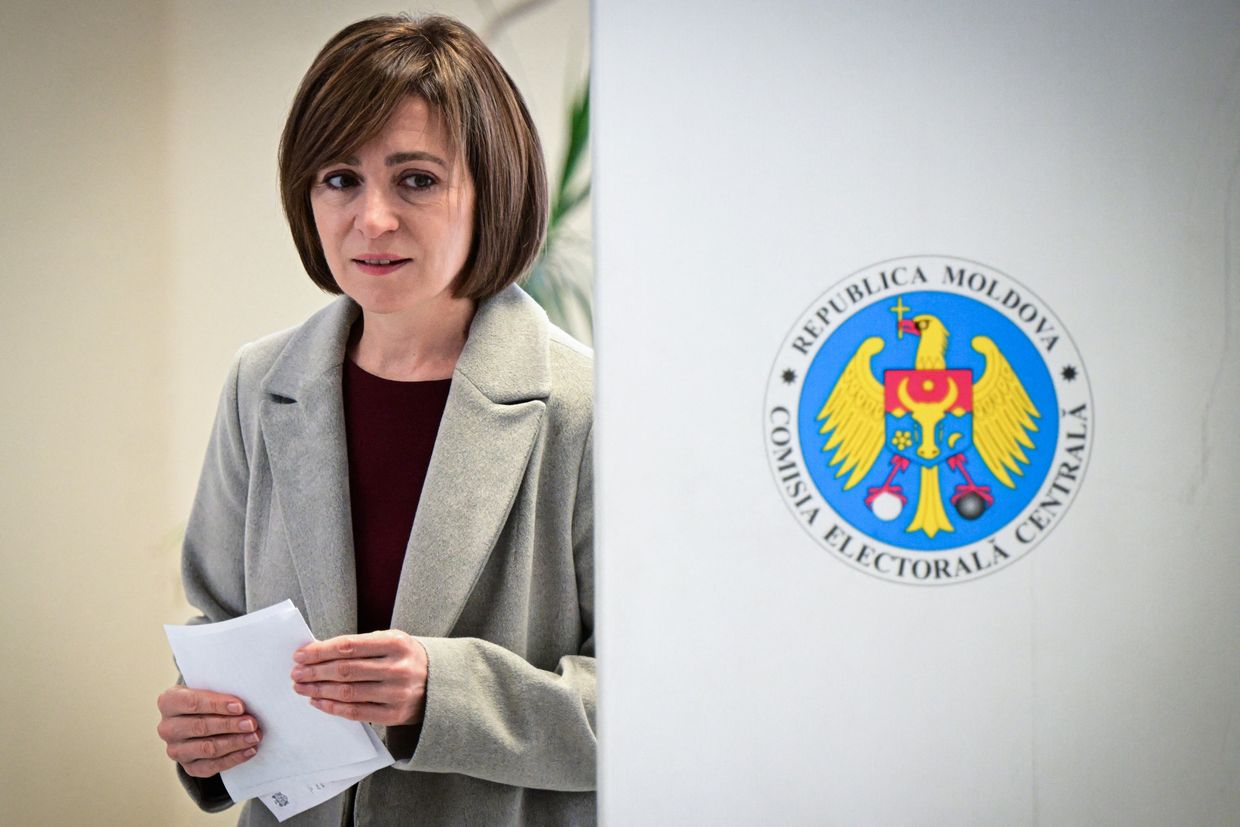
European Commission President Ursula von der Leyen pledged on July 4 that the European Union will help Moldova defend itself against hybrid threats by "agents of autocracy" as elections approach.

Moldova was granted EU candidate status in 2022. Sandu's ruling Party of Action and Solidarity aims to maintain its parliamentary majority and move the country closer to full membership by 2030.

Ukraine war latest: Drones attack Russia’s Black Sea Fleet; Russian pipelines explode in country’s Far East, HUR says
Key developments on July 5-6: * Drones reportedly attack Russia’s Black Sea fleet * Pipelines supplying Russian military explode in Russia’s Far East, HUR source says * Ukrainian drone strike on Russian airfield hits bomb depot, aircraft * Ukraine hits Russian electronic warfare facility making Shahed, Iskander components, General Staff says * Ukraine’s army chief warns of new Russian offensives in northeast as he visits Kharkiv Oblast front Drones attacked Russia’s Black Sea Fleet at the
Moldova's pro-Russian political bloc to participate in upcoming electionsThe Kyiv IndependentThe Kyiv Independent news desk
Moldova's pro-Russian political bloc to participate in upcoming elections

  •  

Musk launches 'America Party' following public feud with Trump

Musk launches 'America Party' following public feud with Trump

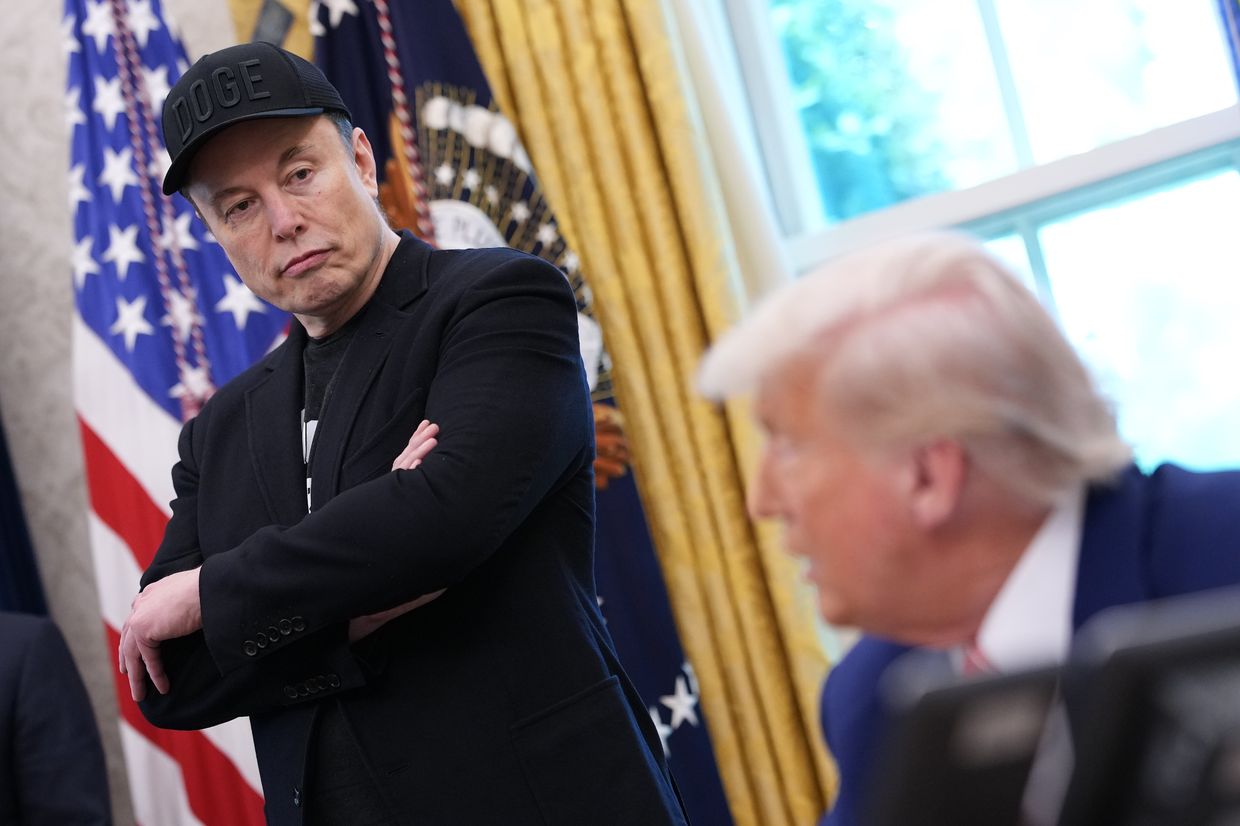
Weeks after a high-profile public falling out with U.S. President Donald Trump, tech mogul Elon Musk announced the creation of a new political party in the United States, dubbed the "America Party."

Musk said on July 5 that the party's aim is to "give you back your freedom" and challenge the traditional two-party Republican and Democratic system.

The announcement came a day after Trump signed his sweeping tax cut and spending bill into law, a legislative act that Musk has fiercely opposed. It remains unclear if the America Party has been formally registered with election authorities, but Musk indicated it would launch "next year."

Musk's decision follows a poll he conducted on X on July 4, asking his followers if he should create a new political party.He cited the overwhelming support, writing: "By a factor of 2 to 1, you want a new political party and you shall have it! When it comes to bankrupting our country with waste & graft, we live in a one-party system, not a democracy."

The strained relationship between Musk and Trump began to deteriorate significantly after a period where Musk publicly supported Trump's re-election bid and held a high-profile role in the U.S. government's Department of Government Efficiency (DOGE).

In May, Musk announced his departure from DOGE, citing the end of his "scheduled time." Initially, Trump praised him as "one of the greatest business leaders and innovators the world has ever produced."

However, tensions escalated sharply on May 22 after the U.S. House of Representatives passed the "One Big Beautiful Bill Act," a significant tax-cut and spending bill that Trump signed into law on Friday.

Musk vehemently condemned the legislation, calling it a "massive, outrageous, pork-filled Congressional spending bill is a disgusting abomination." He argued that the bill's spending would exacerbate the "already gigantic budget deficit" and "burden American citizens with crushingly unsustainable debt."

Adding to the friction earlier this week, Trump threatened to cut off billions of dollars in federal subsidies to Musk's companies and even hinted at the possibility of deporting the South Africa-born entrepreneur.

‘Disingenuous’ Hegseth paused Ukraine weapons despite Pentagon finding aid wouldn’t hurt US readiness, NBC reports
A senior military review had concluded that while some munitions stockpiles, including precision weapons, were low, they had not fallen below critical thresholds, according to NBC. Still, U.S. Defense Secretary Pete Hegseth opted to stop the shipment. This is reportedly his third such move since February.
Musk launches 'America Party' following public feud with TrumpThe Kyiv IndependentAnna Fratsyvir
Musk launches 'America Party' following public feud with Trump
  •  

Moldova's EU future rests on September election, President Sandu says

Moldova's EU future rests on September election, President Sandu says

Moldovan President Maia Sandu said on July 4 that her country's European Union aspirations depend on Moldovan citizens as a crucial September 28 election approaches.

Sandu hopes her pro-European Party of Action and Solidarity (PAS) will retain its parliamentary majority, paving the way for Moldova, one of Europe's poorest nations, to join the EU by 2030.

Sandu made her remarks at the conclusion of the 27-nation bloc's inaugural summit with Moldova. Her PAS party faces a challenge from the pro-Russian Socialist Party and its allies in the upcoming election. Sandu secured re-election last year by a narrow margin against a Socialist challenger in the ex-Soviet state, located between Ukraine and Romania. A referendum seeking public backing for EU membership also just barely surpassed a 50% majority.

"Prosperity and peace do not occur for nothing, you have to build them. With collective effort and unity. When citizens are united and choose the correct path and proceed along it," Sandu told a news conference after the summit. "The European Union is already happening here. The only risk is if we stop. If we decide this autumn that nothing will stop us, then everything is possible."

Sandu and her party have condemned Russia's invasion of Ukraine and accuse Moscow of destabilizing Moldova. Russia, in turn, claims many Moldovans desire to maintain ties with Moscow and accuses Sandu of fostering Russophobia.

Opinion polls suggest that no single party will likely secure a parliamentary majority. If no majority emerges, pro-European parties would need to engage in coalition talks.

At the summit, which included European Commission President Ursula von der Leyen and European Council head Antonio Costa, the EU announced the disbursement of the first €270 million ($318 million) tranche of an Economic Growth Plan for Moldova.

‘Disingenuous’ Hegseth paused Ukraine weapons despite Pentagon finding aid wouldn’t hurt US readiness, NBC reports
A senior military review had concluded that while some munitions stockpiles, including precision weapons, were low, they had not fallen below critical thresholds, according to NBC. Still, U.S. Defense Secretary Pete Hegseth opted to stop the shipment. This is reportedly his third such move since February.
Moldova's EU future rests on September election, President Sandu saysThe Kyiv IndependentAnna Fratsyvir
Moldova's EU future rests on September election, President Sandu says
  •  
❌