Connexion
Ai-Petri’s maker began building EW gear after Russia took Crimea in 2014. It’s now shown system, named for peninsula’s highest peak, at Polish expo
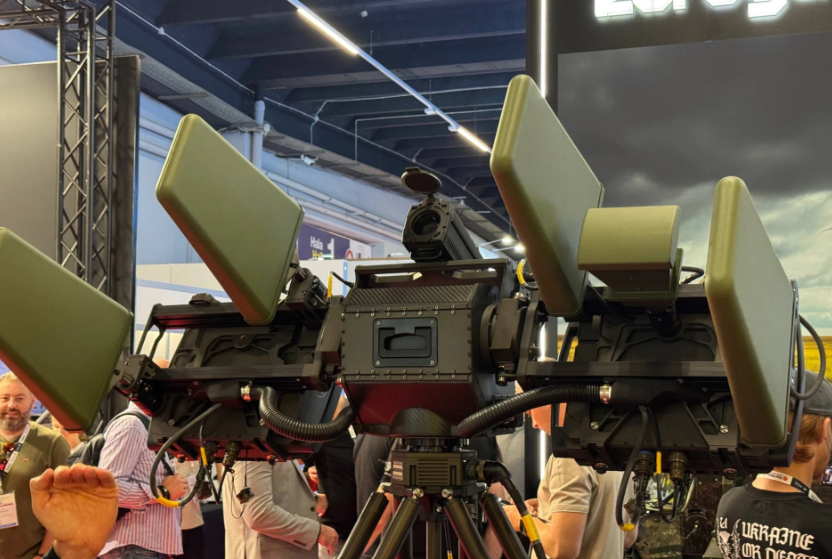
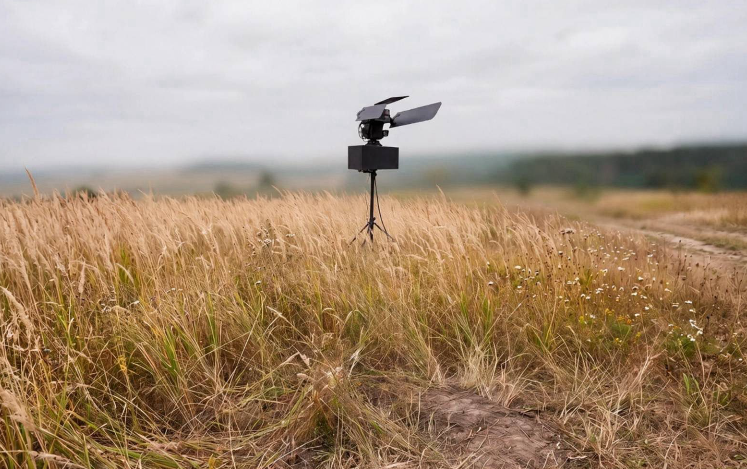
Ukraine has shown its Ai-Petri, an electronic-warfare system that jams drones and can even disrupt Russian glide bombs at Poland's MSPO 2026 expo. It was named after the highest peak in occupied Crimea, a representative of its maker, Storkway, told the outlet Oboronka. The company began developing electronic-warfare gear in 2014, the year Russia annexed Crimea.
Ai-Petri takes on two of its hardest jobs at once. It jams the control links that strike and reconnaissance drones need to fly and see, and it can interfere with the guided glide bombs, or KABs, that Russia drops on Ukrainian positions from a distance.
The company says roughly 400 are already deployed along the line of contact. The scale matters as much as the specifications, because coverage is what turns a jammer into a shield.
Ai-Petri jams drones and glide bombs
Ai-Petri's tactical versions have gone to the front since 2024, working with the 12th Special Purpose Center, the representative said.
The system can scan a full 360 degrees and detect targets 20 to 30 kilometers out, depending on terrain, across radio bands from 300 to 6,000 megahertz.
A pickup carries the whole system
Ai-Petri comes in fixed and mobile forms. The mobile one is carried on a pickup and set up by two crew in about 10 minutes.
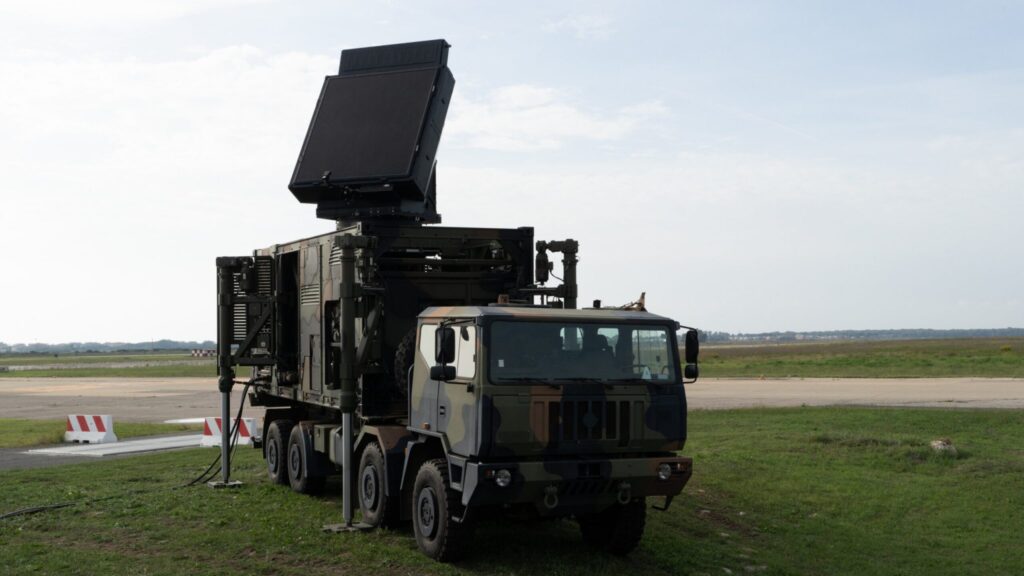
It is built around a rotating platform of jamming modules, each with two channels, plus a detection antenna and a radar that listens for the radio signatures of approaching drones. In detection mode, it draws 250 watts, with jamming a target pushing that to 2,000.
The maker patches it like an antivirus
The pitch is adaptability, the company's representative said.
"If Russia invents a virus, we immediately make an antivirus," the Storkway representative said, describing how feedback from troops informs new jamming profiles that are quickly built to counter each new Russian system.
The company wrote its own software for Ai-Petri around a situational-awareness tool called Lira, which pulls in data from other radars to build a single picture for spotting and countering aerial threats.
Read also
-
Ukrainian commander, whose unit destroyed 57,000 Russia’s targets: US telling allies to brace for years of war at Ramstein means no “miraculous de-escalation” is coming
-
“I will continue to work just as productively”: former intelligence chief Budanov shrugs off third Russian arrest order as an acknowledgment of his effectiveness
-
Russia is switching its cheap Molniya strike drones to digital video. When the change is complete, Ukraine’s analog detectors go blind, Flash warns