❌

Vue normale

Russian ballistic missiles hit Kyiv before sirens, gap that lands hard amid fears that Washington could cut data that warns of launches
12 octobre 2026 à 18:43

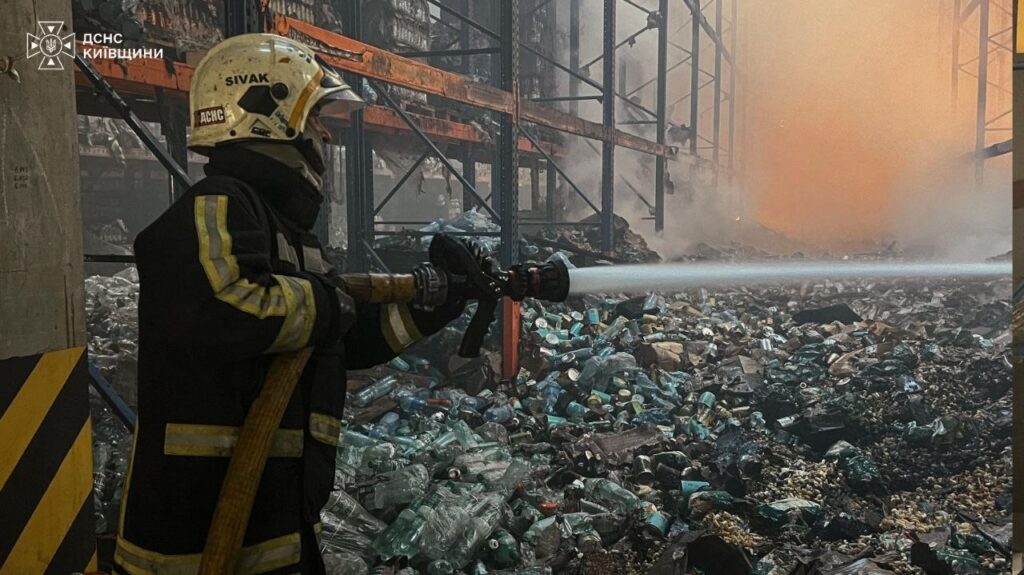
just power plants russia’s drones also went after warehouses groceries hardware chain · post firefighter puts out fire warehouse burned food drink stock hit russian attack bucha district kyiv oblast

Russian forces struck several districts of Kyiv late on 12 October with what the Air Force called, by preliminary data, six ballistic missiles. For once, the air-raid alert reached people only after the attack had begun, Ukraine’s Air Force reported.

Reports of Russian ballistic launches are part of the intelligence the US shares with Ukraine, and that data is what lets sirens sound before the missiles arrive, giving civilians a few minutes to hide. Those minutes save lives, which is why the warning gap landed hard amid fears that Washington could cut Ukraine off from such intelligence amid US President Donald Trump's agreement with Russia to let its diesel into the US.

The alert came late because Ukraine’s radar detected the ballistic targets only during the attack, with no advance data on launches from Russian territory, according to the Air Force.

“No information was received about launches from enemy territory. The causes are being established,” the Air Force said.

The stakes are human, presidential adviser Serhii Beskrestnov, known as Flash, stressed.

“This information is needed first of all by civilians, so that people have time to hide in a shelter,” he said.

Beskrestnov says he does not want to believe the US would leave Ukraine without that data because it is a matter of civilian survival. He urged caution on the cause, saying there were nuances and that it was too early to draw conclusions.

When the sirens fall behind the missiles

However, Ukraine usually sees the launches first. The warning system normally flags Russian ballistic launches before the missiles reach their targets, giving people time to move, but on 12 October, that did not happen, the Air Force noted.

Beskrestnov later added a note of doubt about what flew. The suspected S-400 missiles were not being recorded by partners’ intelligence services, he wrote, stopping short of blaming the lapse on a loss of US data.

Two cities hit within the same hour

The damage in Kyiv was concrete. A missile struck a transport-infrastructure site in the Dniprovskyi district, and another hit a four-story warehouse in the Desnianskyi district, Mayor Vitali Klitschko said.

Russia struck Kharkiv at about the same time with nine S-8000 Banderol loitering munitions, Mayor Ihor Terekhov reported. One of the last strikes hit a residential building, where people may be trapped under the rubble and a fire is burning.

“Very serious destruction, an entire stairwell collapsed,” Terekhov said.

“Zelenskyy is helping Democrats”: Trump’s MAGA base accuses Ukraine of trying to swing US midterms, says journalist in US

12 octobre 2026 à 13:19

The White House in Washington DC, USA. Illustrative image: Wikimedia Commons.

Three weeks before the US elections, the American right has a new villain for high fuel prices: Ukraine. Ukrainian journalist in the US, Ostap Yarysh, says the MAGA wing of US conservatives is pushing a claim that Ukraine deliberately strikes Russian oil refineries to raise fuel prices, trick US President Donald Trump, and help the Democratic Party before the November congressional vote.

The accusation casts Kyiv’s refinery strikes as a planned political move against Republicans, and it has spread from anonymous social media accounts to national television and members of Congress, Yarysh notes. Yet experts tie the fuel-price spike mainly to the US war with Iran, and the closure of the Strait of Hormuz, not to Ukraine, and even Russia’s promised 300,000 tons of diesel would barely cover a day's US demand.

The messaging runs through influential American figures. Utah Senator Mike Lee wrote on X that “Zelenskyy is working overtime. To help Democrats in November.”

Zelenskyy is working overtime.

To help Democrats in November. https://t.co/HTvapB5Wt3

— Mike Lee (@BasedMikeLee) October 10, 2026

Fox News host Rachel Campos-Duffy called Zelenskyy ungrateful for continuing to bomb refineries and complicate the president’s position before the midterms, according to Yarysh’s account.

Blogger Jack Posobiec, who has a multimillion audience, has urged Washington to immediately stop sharing intelligence with Ukraine and cut off its funding, framing the strikes as an attempt to hurt Trump before the vote.

When you cannot fix the problem, try to control the story

Yarysh reads the campaign as damage control. The Republicans’ weak position before the vote stems mainly from the economy and a jump in domestic fuel prices, he says, a problem the promised Russian diesel cannot solve.

Blaming Ukraine serves two purposes, Yarysh argues: it channels voter anger toward an outside culprit, and it gives Trump a ready explanation if Republicans lose in November, that Zelenskyy set him up to help the Democrats.

Not everyone on the right is buying the blame

Even inside MAGA, some push back on that rhetoric. Yarysh points to far-right activist Laura Loomer, who argued that buying Russian oil fills the coffers of Iran’s regime, which she said "chants death to America."

Buying Russian oil puts money back into the coffers of the Islamic regime of Iran that chants Death to America.

We know this.

— Laura Loomer (@LauraLoomer) October 11, 2026

With three weeks to the vote, Yarysh warns that Ukraine should expect many more such accusations, as the information attack is likely to intensify rather than fade before election day.

Russia’s sabotage of Europe should bring Ukraine more weapons through US purchase scheme, with clear statement of where its red lines lie, NATO’s top European commander says

12 octobre 2026 à 12:50

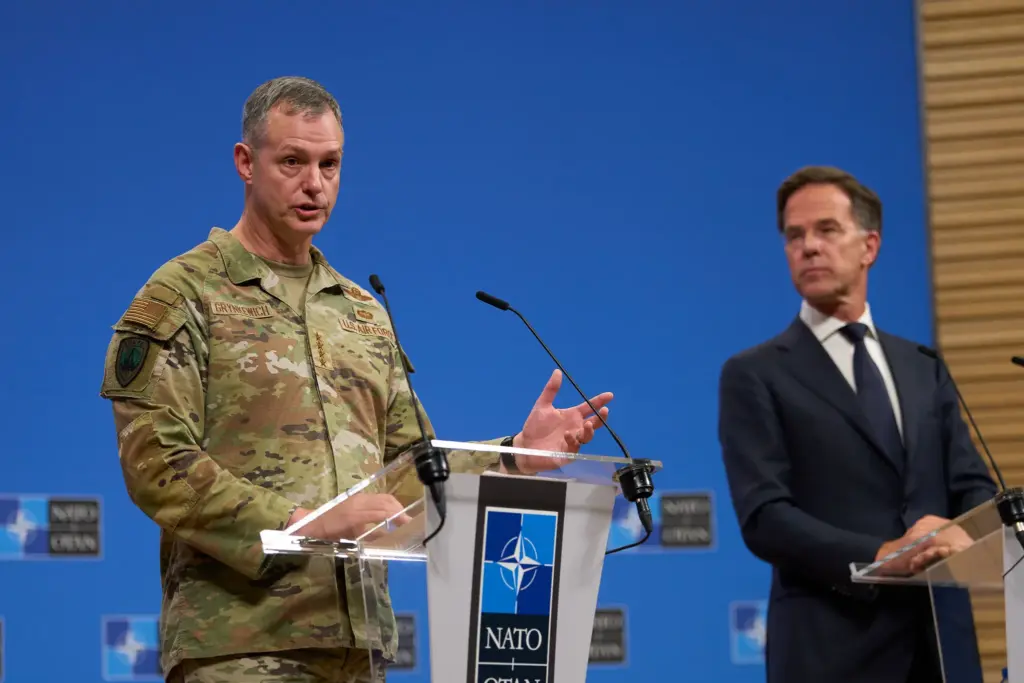
NATO Secretary General Mark Rutte and Supreme Allied Commander Europe Gen. Alexus G. Grynkewich announce the launch of “Eastern Sentry” during a joint press conference on 12 September 2025. Photo: NATO/Flickr

Russian sabotage assaults on Europe should end with more weapons flowing to Ukraine, NATO’s top commander in Europe says. NATO should respond to the attacks by increasing contributions to the alliance’s PURL weapons program or by sending Ukraine more air-defense interceptor missiles, Supreme Allied Commander Europe General Alexus Grynkewich said at the Warsaw Security Forum, Ukrinform reports.

The remark runs counter to a fresh scare. After US President Donald Trump’s diesel deal with Russia, European officials said that Washington had threatened to halt weapons for Ukraine through PURL, the Financial Times reports, unless Kyiv stopped hitting Russian refineries. Grynkewich’s call to expand the program ran the other way.

One of the main goals of Russia’s hybrid operations, from airspace violations to sabotage and cyberattacks, is to break the West’s will to keep backing Ukraine, he stated. The sharpest answer is to prove that assumption wrong, he argued, turning each attack into a reason to send more.

The PURL program that lets allies fund US-made weapons for Ukraine, which drew nearly $5.5 billion in pledges before May.

Name the culprit out loud, and watch Moscow lose its cover

Once responsibility for a specific attack is established, countries should publicly name who did it, Grynkewich noted, so Russia understands it has been exposed and that its network was never as untraceable as it believed.

Moscow bets it can escape blame because the West cannot work out who is behind an attack, in his telling. The response, he urged, should be to show that the West can.

One voice, not thirty-two, is what Russia actually fears

Coordination is the other half. Allies must craft a joint response rather than send Moscow chaotic, uncoordinated signals from individual states, he stressed, and must spell out clearly where their red lines lie.

That unity is itself a deterrent. A single, agreed answer tells Russia the alliance is harder to split than its hybrid campaign assumes, and that attacks meant to divide the West only harden its resolve, he contends.

Built by Ukraine’s ex-defense minister and unit that wrecked $12 billion of Russian gear, new interceptor downs two jet drones over Kyiv

12 octobre 2026 à 12:30

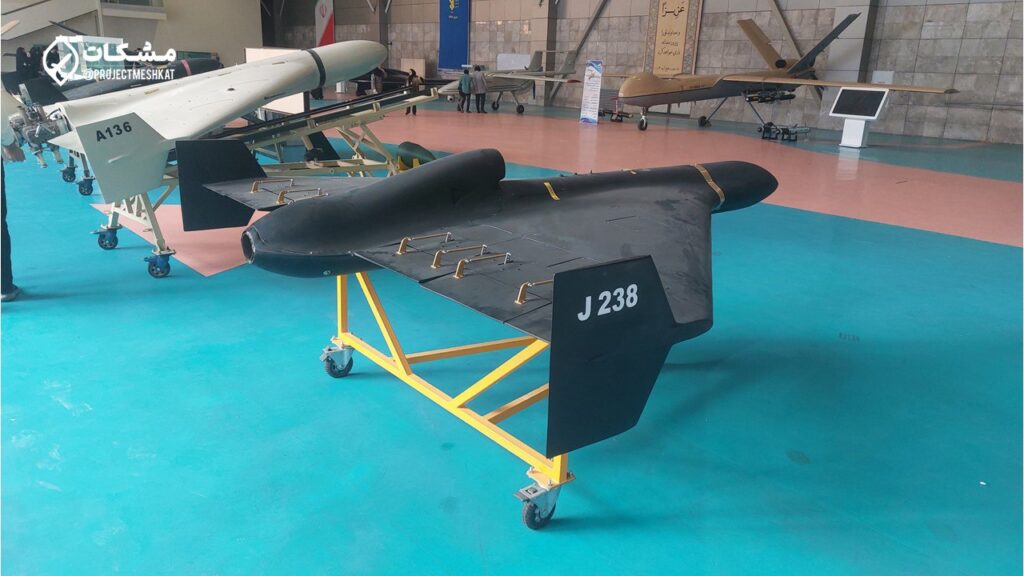
Jet powered Shahed-136 kamikaze drone Credit: Open sources

A month from idea to first kill. A new interceptor drone built by former Defense Minister Mykhailo Fedorov's team with Pavlo Yelizarov, the commander of Lasar's Group unit, soldiers, and engineers, has shot down two Russian jet-powered Geran-5 drones heading for Kyiv, Fedorov says, just one month after development began.

Russia's jet-powered Gerans fly far faster than the propeller Shaheds that Ukraine learned to shoot down, and they remain the hardest targets for its air defenses, which catch only about 55 percent of them. The new drone is fast enough to catch a jet drone before it reaches a city, Fedorov noted, adding that the two Geran-5 kills are the first confirmed for the interceptor.

Crews from Lasar's Group in Ukraine's National Guard ran the combat trials and downed the two drones within days. Fedorov announced the drone on 12 October, Yelizarov's birthday.

A former minister and a legendary commander behind the kill

Yelizarov joined Ukraine's Defense Forces in 2022 and, in January 2026, became deputy commander of the Air Force, responsible for small-scale air defense and systems for intercepting Russian drones, Forbes Ukraine reports. He founded Lasar's Group, which destroyed $12 billion worth of Russian equipment.

Fedorov, who ran the Digital Transformation and Defense ministries before moving to the private sector, says the interceptor is one of several projects his team continues to develop in Ukraine, combining engineering, military experience, and resources.

The next goal: a drone that hunts Shaheds on its own

The drone is not finished evolving. Testing continues as the team refines the technology and raises production, Fedorov said, with the next step a fully autonomous version that can detect and intercept Russian drones without an operator.

The developers also plan to scale the interceptor's use to protect more Ukrainian cities, he added. The push fits a wider drive: Ukraine aims to build up to 400 interceptors a month to chase the faster Gerans.

  • ✇Euromaidan Press
  • Russia is building satellite network that could put all of Europe in reach, defense executive warns
    Russia is building a satellite network that could soon put all of Europe within its reach. The “Rassvet” satellite system is an extraordinary threat, first to Ukraine and then to the rest of Europe, Oleksandr Danyliuk, the head of the private European aerospace and defense technology company Destinus, said at the Warsaw Security Forum, according to Ukrinform. Rassvet is Russia’s answer to Starlink, a low-orbit satellite network built by Bureau 1440 to give Moscow’s forces communications
     

Russia is building satellite network that could put all of Europe in reach, defense executive warns

12 octobre 2026 à 11:58

Illustration of the Russian Rassvet satellites by Bureau 1440

Russia is building a satellite network that could soon put all of Europe within its reach. The “Rassvet” satellite system is an extraordinary threat, first to Ukraine and then to the rest of Europe, Oleksandr Danyliuk, the head of the private European aerospace and defense technology company Destinus, said at the Warsaw Security Forum, according to Ukrinform.


Rassvet is Russia’s answer to Starlink, a low-orbit satellite network built by Bureau 1440 to give Moscow’s forces communications that no one else can switch off. European states must invest more quickly in cheap, effective, mass-produced systems to counter it.

“They will be able to navigate to any point in Europe without problems. This needs to be stopped,” said Danyluik, a former Ukrainian finance minister, said.

Cheap systems, made at scale

Danyliuk’s prescription is already being used on Ukraine’s front. Europe should invest in inexpensive, effective systems that can be mass-produced, he argues, the same approach Ukraine uses, and that Russia also turns against it.

“This gap needs to be filled as quickly as possible,” he said.

He urged allies not to overlook threats that might look secondary today, pointing to Rassvet as exactly that kind of slow-building danger.

Appearing strong is not enough to deter Russia, Danyliuk argued, because Moscow can gauge how ready European states actually are.

Ukraine races to catch up

Both sides are now scrambling to own the satellite link rather than rent it. Ukraine is building a satellite system of its own, similar to Starlink but beyond any single company’s control, President Volodymyr Zelenskyy said on 4 October.

He argued Kyiv should be free to turn Starlink on Russian military targets, warning that China and other states will share comparable satellite technology with Moscow within months.

By Ukrainian estimates, Russia still needs five to eight years to complete Rassvet, which so far reaches Ukraine only in brief passes. That window is the time Danyliuk says Europe must use.

For years, Hungary tied Ukraine’s whole EU course to ethnic Hungarians’ language rights. Kyiv has now passed the schooling law meant to lift the block

12 octobre 2026 à 11:19

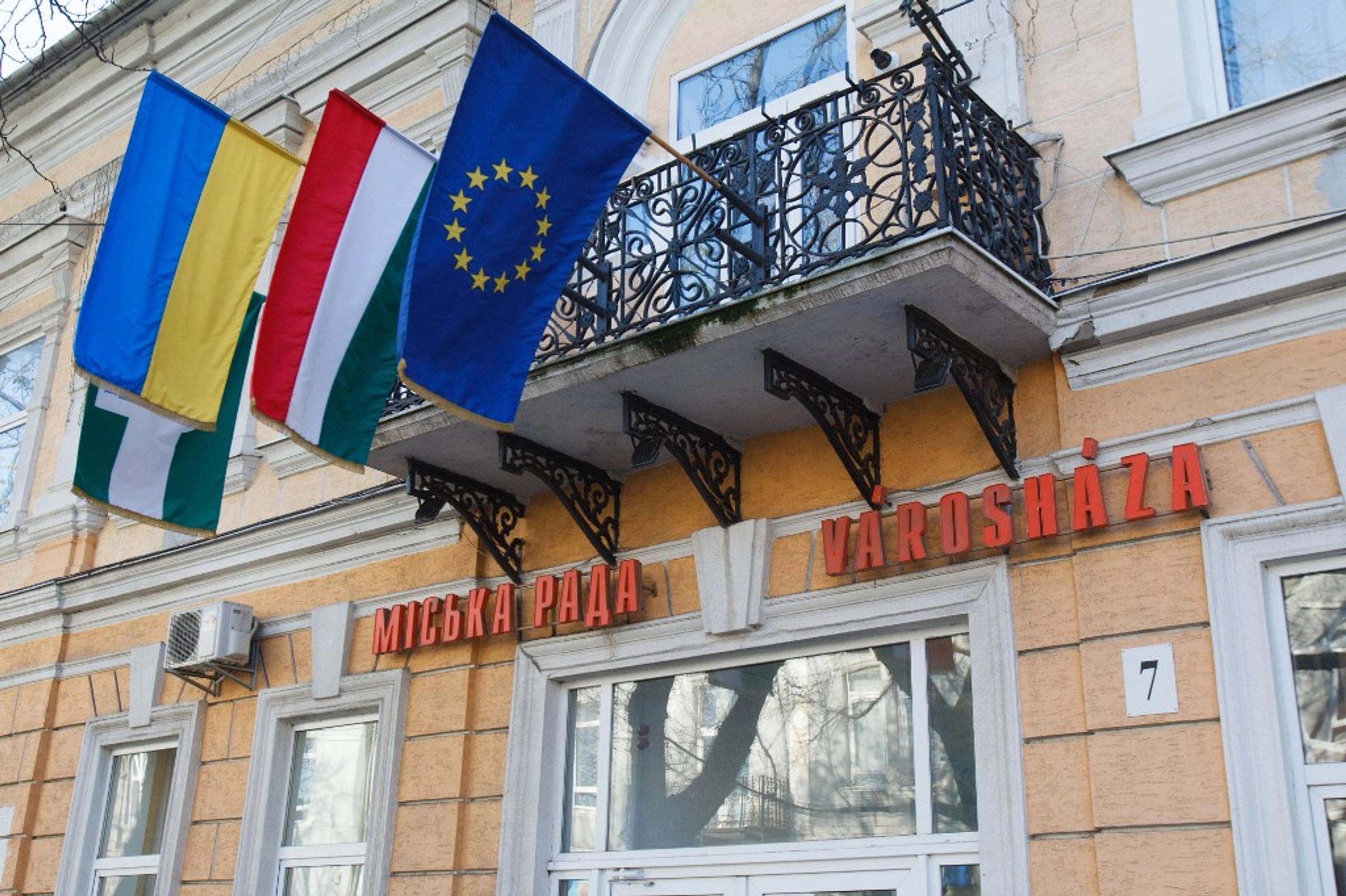
russia faked ukrainian phone numbers threaten hungarians ukraine — help orbán win hungary's election kyiv says · post local hungarian eu flags city hall building zakarpattia oblast's town berehove home

Kyiv just cleared the important roadblock for Budapest, which stood between Kyiv and EU membership talks. Ukraine’s parliament has passed a bill on schooling in minority languages, meant to finally lift Hungary’s block on the country’s path toward EU membership, with 266 of the 450 lawmakers voting in favor, UNIAN reports.

Hungary has been the lone EU member blocking the opening of four of Ukraine’s negotiating clusters, stages of the membership process, over how Kyiv treats the Hungarian minority in Ukraine's Zakarpattia region. Roughly 80,000 ethnic Hungarians live in it, and Budapest had tied Ukraine’s entire EU course to their language rights.

Lawmakers have instructed the parliament’s speaker to sign the law without delay and send it to President Volodymyr Zelenskyy.

What the law changes in schools

The bill keeps Ukrainian as the main language of education, but guarantees classes in minority languages where they exist. Minorities may study in the official languages of EU member states alongside Ukrainian, and pupils may use their language in other forms of communication on school grounds.

A school can gain the status of a national-minority institution if more than half of its pupils study in that minority language, provided that language is an official EU language. Parents of at least two-thirds of a minority class can also ask the school to expand the list of subjects taught in Ukrainian.

The dispute dates back years

Ukraine’s 2017 education law and 2019 language law narrowed minority-language schooling and required more Ukrainian in secondary grades, which then-Hungarian leader Viktor Orban treated as an attack on the Hungarians of Zakarpattia, blocking Kyiv’s NATO and EU steps for years, EUalive reports. Kyiv’s position was that the laws applied to all minorities and excluded Russian.

Hungary’s newer government, in office since spring 2026, inherited the veto. Budapest lifted it on the first cluster, which the EU opened in June, Ukraine’s first since gaining candidate status in 2022, but made the rest conditional on this law.

With the bill passed, Hungary is set to allow the EU to open two more clusters, on the internal market and competitiveness, at a Council meeting in Luxembourg on 13 October. Kyiv aims to open all its clusters by year’s end.

Zelenskyy says Ukraine could hold elections if Russia agrees to 60-day ceasefire. Moscow counters with truce lasting only voting day

12 octobre 2026 à 10:57

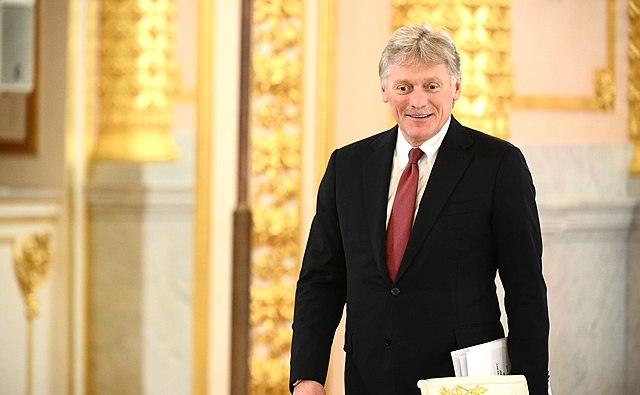
Dmitry Peskov

Russia offers Ukraine a single day without strikes for its elections. Russian leader Vladimir Putin is ready to order a halt to strikes on Ukraine only on the day of a presidential election, if Kyiv decides to hold one, Kremlin spokesperson Dmitry Peskov says, Russian state agency TASS reported.

The offer answers Ukraine’s call for a real pause: on 11 October, President Volodymyr Zelenskyy stated Ukraine could hold elections if Putin agreed to a full ceasefire of at least 60 days, ABC News reported. Against the backdrop of Russian strikes that killed more than 150 Ukrainian civilians in a single week, Moscow counters with a one-day truce confined to voting day.

“...If they really want to hold elections in Kyiv, the president of Russia, the supreme commander-in-chief, will be ready to give the order not to strike Ukraine on election day. Specifically on election day,” Peskov said.

His statements followed US President Donald Trump’s call on 10 October for Ukraine to choose a new president, saying a change of leadership could help reach peace with Russia, according to Suspilne.

Trump also criticized Ukrainian strikes on Russian oil refineries amid his new agreements to supply a low volume of diesel into the US.

Moscow rejects the 60-day pause

Peskov has outright dismissed the longer truce. Ukraine needs 60 days not to hold elections but to heal its wounds and continue the war, he argues.

He has claimed Russia had been willing to resume peace talks after Russia’s own State Duma elections, but accused Ukraine of launching massive strikes on Moscow to disrupt that vote. Peskov has gone further, claiming Ukraine shelled polling stations and killed several members of district election commissions in the Russian-occupied regions it calls its own.

What Peskov left out

The accusations are Russia’s and remain unverified. Peskov offered no evidence for the claims about polling stations or election officials, which echo long-running Kremlin talking points.

He also made no mention of Russia’s own strikes on Ukrainian civilian targets over the same period, including attacks on energy sites and residential buildings.

Russia is hacking cameras across Europe to track arms bound for Ukraine. At home, Ukraine has secured about 40,000 that could guide strikes — WSJ

12 octobre 2026 à 10:41


The ordinary security camera watching a street or a parking lot has quietly become a weapon of war. Ukraine’s Security Service has identified about 40,000 surveillance cameras since Russia’s 2022 invasion that Russian forces and spy agencies could have used to snoop, find targets and correct strikes, and has protected, reoriented or blocked them, The Wall Street Journal reported.

The discovered threat reaches well beyond Ukraine: Dutch intelligence warned in July that Russian state actors are systematically hacking cameras across Europe to track arms deliveries to Ukraine and the whereabouts of Ukrainian troops.

AI makes it faster

About 1.2 billion internet-connected cameras now watch the world, in doorbells, traffic lights, and baby monitors, and almost any of them can be hacked, the journalists found.

In Ukraine, the danger is lethal. In 2024, Russian hackers took over residential webcams in Kyiv, including one that a condominium association had installed, to find targets and adjust missile strikes on the capital, Ukraine's Security Service says.

Spying on Europe’s edge

Evidence of European reach keeps surfacing. Cybersecurity firm CloudSEK has recently uncovered an exposed server it suspects belongs to a Russian-speaking hacker, containing hundreds of webcam images of Ukrainian defense, government, energy, and communications sites, as well as scenes of daily life.

Many of the images came from locations near Ukraine’s border with NATO member Romania, CloudSEK says.

The Dutch warning and the server point the same way: cameras far from the front line are feeding Russia data on how the West arms Ukraine.

Ukraine turns the lens back on Russia

Ukraine also uses the same tactic inside the occupied territory. The international hacker group Team OneFist took control of a camera in Sevastopol, in occupied Crimea, and used it to watch Russian ships, submarines, and helicopters, spotting a previously unknown air base that Ukraine later struck, damaging planes and air defenses.

Team OneFist also reached cameras on the Kerch Strait Bridge, learning that Russia had installed motion sensors beneath the bridge to guard against waterborne attacks. Penetrating a well-placed camera gets analysts closer to targets at less risk than any secret agent.

❌