The cease-fire last October ostensibly brought an end to Israel’s war in Gaza after the Hamas-led attacks on Oct. 7, 2023. A year later, however, Israeli strikes, though less frequent, haven’t stopped.
The cease-fire last October ostensibly brought an end to Israel’s war in Gaza after the Hamas-led attacks on Oct. 7, 2023. A year later, however, Israeli strikes, though less frequent, haven’t stopped.
It’s been a year since Israel and Hamas signed an agreement to end the war in Gaza. But life in Gaza looks nothing like peace.
The aging Palestinian leader, Mahmoud Abbas, pushed off the planned vote until late 2027. Palestinians haven’t had major elections for about two decades.
The aging Palestinian leader, Mahmoud Abbas, pushed off the planned vote until late 2027. Palestinians haven’t had major elections for about two decades.
The attorney general of the United Arab Emirates said that the co-pilot had been inspired by the Sept. 11 attacks after years of developing extreme Islamist views.
The attorney general of the United Arab Emirates said that the co-pilot had been inspired by the Sept. 11 attacks after years of developing extreme Islamist views.
Emirati investigators said that the co-pilot in the FlyDubai flight had intended to crash into Ben Gurion Airport in Tel Aviv “with the aim of causing the greatest possible loss of life.”
The choice drew condemnation from Israel over Ms. Pillay’s role leading a U.N. commission that said the country had committed genocide against Palestinians.
The choice drew condemnation from Israel over Ms. Pillay’s role leading a U.N. commission that said the country had committed genocide against Palestinians.
Ms. Pillay, a human rights lawyer, was drawn into the international spotlight last year as chair of a commission that found that Israel had committed genocide in Gaza.
Ms. Pillay, a human rights lawyer, was drawn into the international spotlight last year as chair of a commission that found that Israel had committed genocide in Gaza.
Hussein al-Sheikh, deputy to the Palestinian president, Mahmoud Abbas, in Ramallah, West Bank, in February. He was said to have sent the letters to European officials notifying them of the postponement.
A top aide to Ambassador Mike Huckabee skewed information to portray the Netanyahu government in a favorable light, according to multiple officials and documents obtained by The Times.
A top aide to Ambassador Mike Huckabee skewed information to portray the Netanyahu government in a favorable light, according to multiple officials and documents obtained by The Times.
Israel had threatened to close the British Consulate in East Jerusalem, a center of outreach to Palestinians for decades. A last-minute agreement means a smaller diplomatic service will remain.
Israel had threatened to close the British Consulate in East Jerusalem, a center of outreach to Palestinians for decades. A last-minute agreement means a smaller diplomatic service will remain.
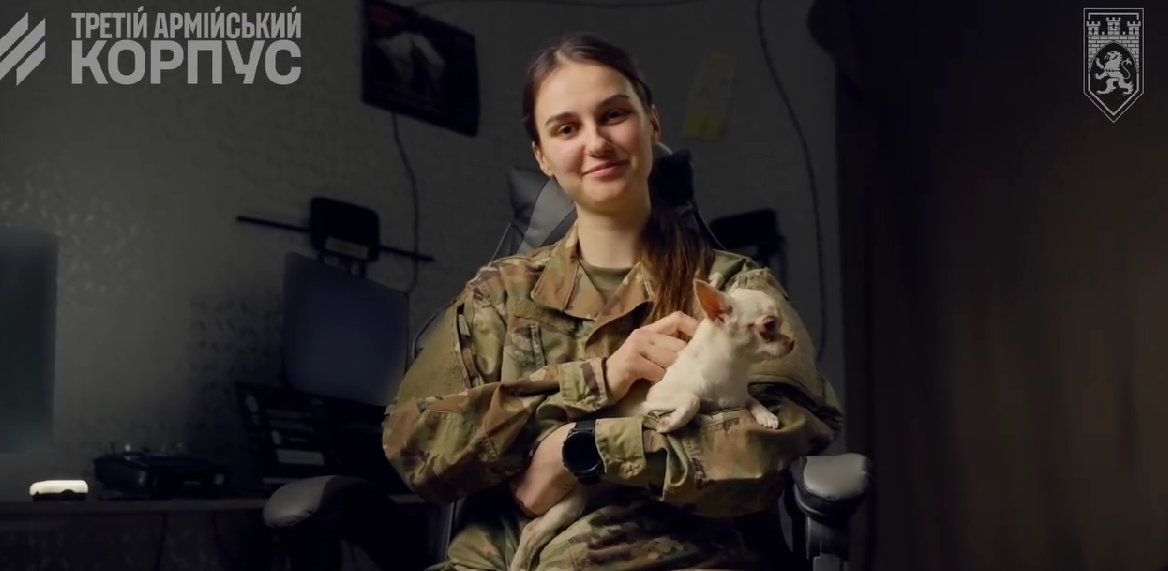
Natalia is 25 years old and from Odesa. She has served in two armies—the Israeli and Ukrainian militaries. In the Armed Forces of Ukraine, she has, among other things, carried out missions as part of a UAV, FPV drone, and strike-wing crew on the Zaporizhzhia and Kupiansk fronts, NV reported on 5 October.
During the Russo-Ukrainian war, women in Ukraine have the right to voluntarily enlist in the military. As of March, more than 75,000 women were serving in the armed forces, more than 55
Natalia is 25 years old and from Odesa. She has served in two armies—the Israeli and Ukrainian militaries. In the Armed Forces of Ukraine, she has, among other things, carried out missions as part of a UAV, FPV drone, and strike-wing crew on the Zaporizhzhia and Kupiansk fronts, NV reported on 5 October.
During the Russo-Ukrainian war, women in Ukraine have the right to voluntarily enlist in the military. As of March, more than 75,000 women were serving in the armed forces, more than 55,000 of them as service members, the commander-in-chief said, and their number has been growing every year. Recently, discussion around the mandatory mobilization of women has intensified. Keith Kellogg, former US Special Presidential Envoy for Ukraine under President Donald Trump, said that he considered mobilizing women in Ukraine appropriate. In response, Iryna Vereshchuk, Deputy Head of the Office of the President of Ukraine, said she would rather see more missiles and more will from the United States than advice to mobilize women.
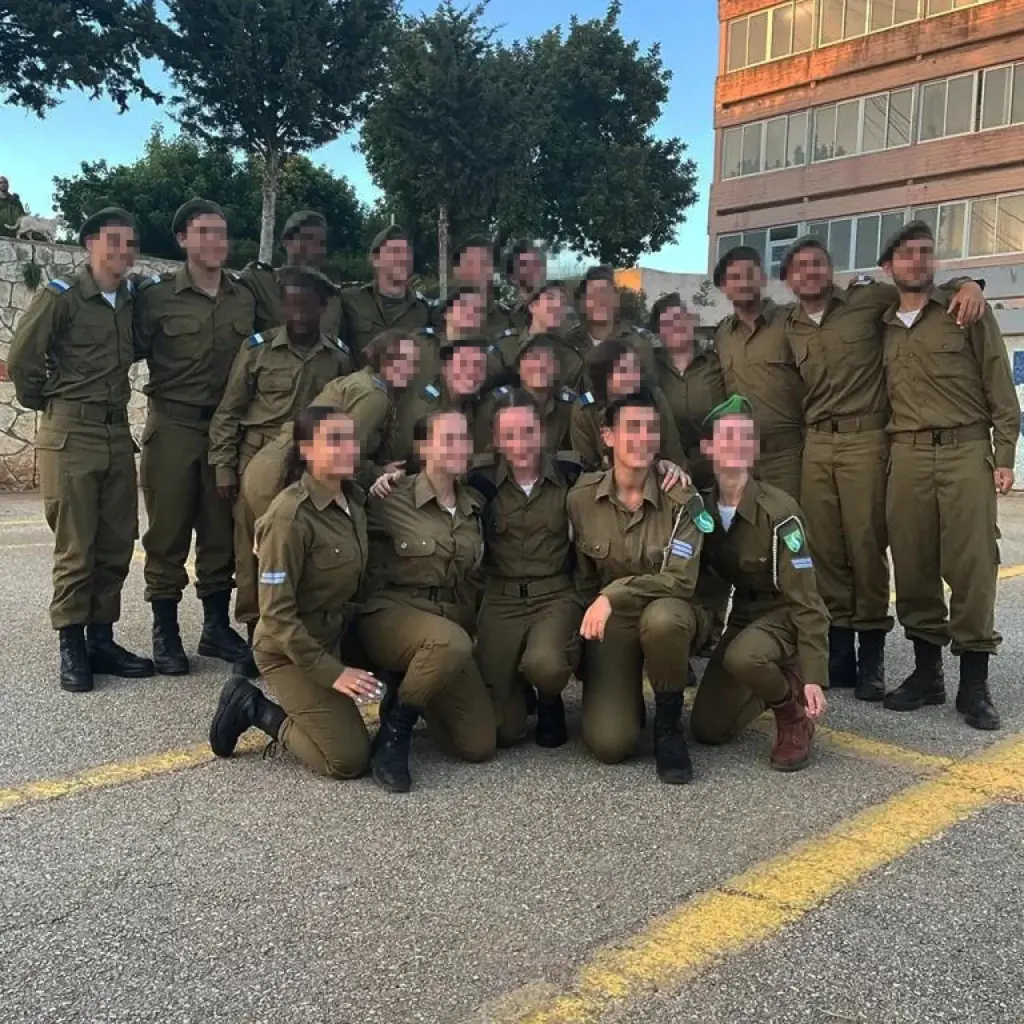
In Israel, Natalia served in a search-and-rescue brigade as a rescue soldier and in the engineering corps during a deployment along the northern border.
Natalia was born in Russia’s Saint Petersburg but does not remember her life there
The young woman was born in St. Petersburg, where her family lived at the time. When she was a year and a half old, her mother returned to Odesa with her and her older son. Natalia says she remembers her life exclusively in Ukraine.
She spent the first nearly two years studying at Lviv University, but later decided to leave the university and look for other educational opportunities. Natalia studied, among other places, in Denmark through a scholarship program. After completing it, she planned to enroll at a European university to study sound engineering, but the coronavirus pandemic began at that time.
She moved to Israel under a program for Jewish youth at the end of 2020. After the program ended, due to quarantine restrictions and closed airports, Natalia faced a choice: obtain a work visa or acquire citizenship under the Law of Return. She chose the latter—and with it, she also became obligated to perform military service.
In May 2022, Natalia joined the Israeli military and chose a combat unit.
“When the war started in Israel itself, I still had six months of mandatory service left. I was discharged and immediately transferred to reserve service. Once I managed to resolve all the bureaucratic issues so that this would not be considered desertion, I returned to Ukraine,” the young woman says.
Natalia returned to Ukraine in March 2025, and in August signed a contract with the Armed Forces of Ukraine.
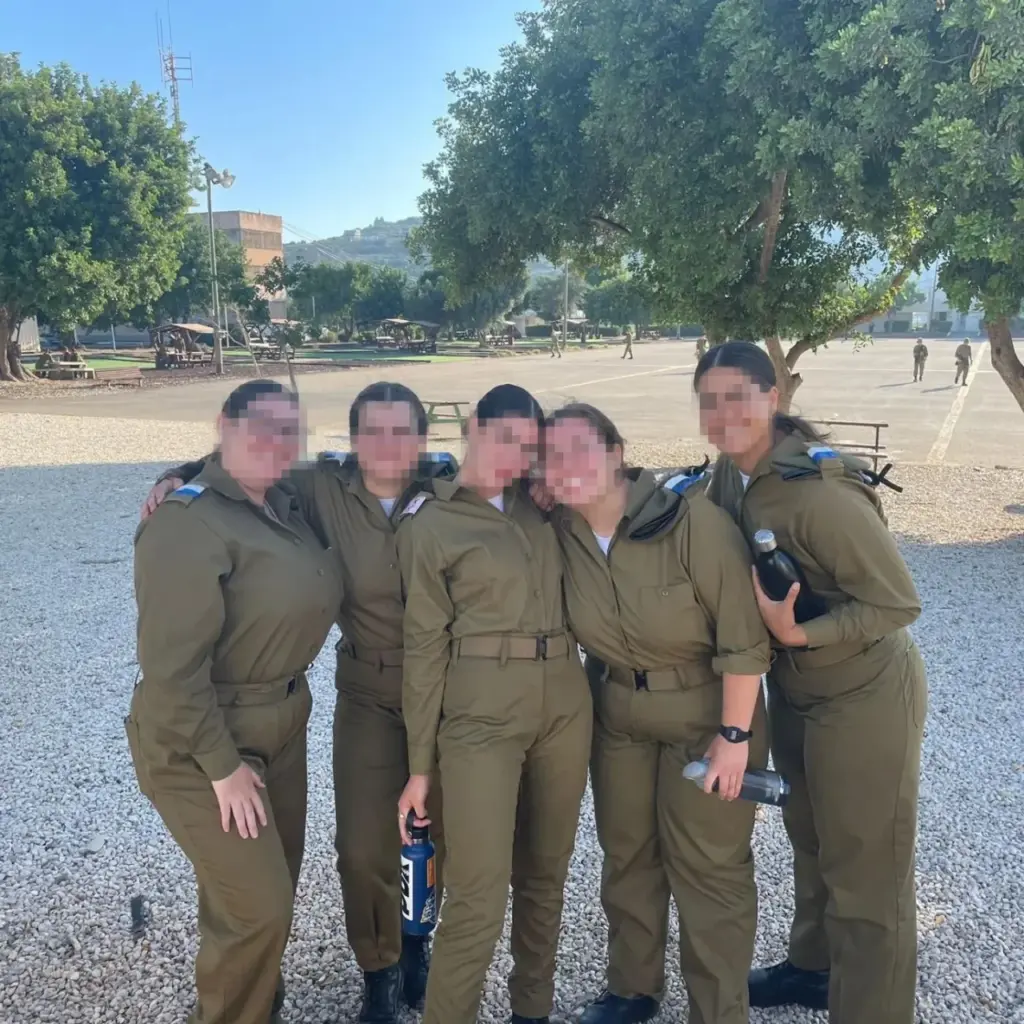
Natalia (right) and her fellow servicewoman. Photo courtesy of Natalia/NV
“The army—both Israeli and Ukrainian—gives you a deeper understanding of what society is made of”
Among the advantages of the Ukrainian army, she highlights its ability to quickly adapt to circumstances. In particular, she mentions the use of drones, OSINT, and solving complex technological tasks with minimal resources.
“The West could learn from this situational agility. They often spend huge budgets on developments that should be cheap and mass-produced,” the veteran says.
However, such Ukrainian ingenuity is largely a consequence of a lack of funding, Natalia notes.
In the Israeli military, Natalia highlights society’s readiness for the constant threat of war and more systematic planning of military service.
“There, preparation for and perception of the army begin at school: by the age of 14–15, teenagers already understand where they want to go, what skills they need, and undergo selection for special or intelligence units,” the young woman says.
She then gives the opposite example of the situation in Ukraine.
Explore further
This Ukrainian female soldier flies one of war’s heaviest drones. She turns down promotion twice to keep doing it
“In Ukraine, with very rare exceptions, people hide until they are mobilized, and suddenly face the reality of conscription without having any understanding of the system,” the veteran says.
Asked how adapted the Ukrainian army is to women, she answered: “In no way,” adding that the Israeli army is “also largely not fully adapted.”
In Ukraine, this is reflected, in particular, in the provision of clothing and equipment that often does not correspond to women’s sizes and physiology. She says she had to purchase her own anatomically fitted body armor. She cited the example of veteran Natalia Lishchyshyna, who had her breasts amputated due to prolonged wearing of body armor that was not adapted to the female anatomy.
In Israel, by contrast, there is a practice of reimbursing expenses for equipment that service members purchase at their own expense.
Serving in the military in both countries provides an opportunity to better understand what society is actually made of, the young woman says.
“The army—both Israeli and Ukrainian—gives you a deeper understanding of what society is made of. You encounter people you would never have crossed paths with in your civilian bubble because of differences in views or socioeconomic circumstances,” Natalia says.
She believes this makes it easier to accept mistakes, difficulties, and new challenges.
The Ukrainian army is not adapted to women in any way, Natalia says
In Natalia’s view, the problem is not only the living and working conditions but, above all, the lack of mechanisms necessary for the systematic mandatory mobilization of women. At the same time, she believes voluntary recruitment should be encouraged and expanded.
One of the problems is the lack of a legal procedure for temporary childcare in cases when both parents are simultaneously carrying out combat missions, Natalia says, stressing that she means the period of their service, rather than situations involving the death of one of the parents.
Another shortcoming is insufficient protection against sexual violence and harassment in the Ukrainian military.
“Here, any complaint goes through the direct chain of command. If the commander is not interested in resolving the problem or is involved in it themselves, the woman is left defenseless,” the veteran says.
In Israel, by contrast, there is a separate hotline and mechanisms for documenting such cases without directly approaching a commander.
Natalia (second from left) during her service in the Israeli army. Photo courtesy of Natalia/NV
Women in combat positions can also still be taken insufficiently seriously, denied participation in combat missions, or transferred to staff positions without their consent.
Natalia also emphasizes the lack of systematic military training for civilian women “at any level” and gives school education as an example.
“Even with the weak level of the school curriculum for the subject ‘Defense of Ukraine,’ boys had at least some basic knowledge. Girls were not involved in it at all,” the veteran says.
For now, Natalia believes that women’s military service should remain voluntary, as society as a whole is still not ready to fully accept women in the military.
Gali and Ziv Berman were taken hostage when their kibbutz was attacked on Oct. 7, 2023. They were freed a year ago but are still adjusting to freedom and trying to rebuild their lives.
Gali and Ziv Berman were taken hostage when their kibbutz was attacked on Oct. 7, 2023. They were freed a year ago but are still adjusting to freedom and trying to rebuild their lives.
The twin brothers Gali and Ziv Berman were abducted by gunmen in the Oct. 7, 2023, attacks.
Gali and Ziv Berman were taken hostage when their kibbutz was attacked on Oct. 7, 2023. They were freed a year ago but are still adjusting to freedom and trying to rebuild their lives.
Gali and Ziv Berman were taken hostage when their kibbutz was attacked on Oct. 7, 2023. They were freed a year ago but are still adjusting to freedom and trying to rebuild their lives.
The twin brothers Gali and Ziv Berman were abducted by gunmen in the Oct. 7, 2023, attacks.
Jonathan Powell, Britain’s national security adviser, visited Israel last week to try to negotiate over the looming closure of his country’s consulate in Jerusalem, according to three officials.
Jonathan Powell, Britain’s national security adviser, visited Israel last week to try to negotiate over the looming closure of his country’s consulate in Jerusalem, according to three officials.
Trump’s counter-terrorism ‘czar’, Sebastian Gorka, was scheduled to speak at conference but White House says he will no longer attendA National Conservatism (NatCon) conference beginning today in Jerusalem advertises a talk from the Trump administration’s anti-terrorism czar alongside speeches from far-right Israeli politicians, European figures who have faced disciplinary action over alleged antisemitism, and Christian nationalist and far-right figures from the United States.The Jerusalem event
Trump’s counter-terrorism ‘czar’, Sebastian Gorka, was scheduled to speak at conference but White House says he will no longer attend
A National Conservatism (NatCon) conference beginning today in Jerusalem advertises a talk from the Trump administration’s anti-terrorism czar alongside speeches from far-right Israeli politicians, European figures who have faced disciplinary action over alleged antisemitism, and Christian nationalist and far-right figures from the United States.
The Jerusalem event is perhaps the most significant recent gathering to feature large contingents of Israeli nationalists alongside Christian nationalists and far-right European nationalists from a milieu sometimes shadowed by accusations of antisemitism.
A replacement FlyDubai plane, carrying passengers who were on an aircraft from Dubai to Tel Aviv that made an emergency landing in Saudi Arabia, arrives at Ben Gurion International Airport in Israel, last week.
A FlyDubai plane carrying passengers from an earlier flight that had been forced to divert after a cockpit attack, arriving near Tel Aviv on Wednesday.
A FlyDubai plane carrying Israeli passengers who had earlier been aboard another FlyDubai aircraft that made an emergency landing in Saudi Arabia approaches Ben Gurion International Airport near Tel Aviv on Wednesday.
Israeli carriers in Cyprus in 2025. Two Israeli airlines, Israir and Arkia, said Friday that they had obtained “the required permissions” to land at Dubai’s airport.
Israel’s conduct in Gaza shows the danger of using AI in warfare. Humans must remain at the center of wartime decisionsAs tech leaders warn about the threats of artificial intelligence, most conjure up images of AI agents running amok, such as hacking systems used to run our critical infrastructure, banks or even militaries. Yet one serious danger is mentioned less frequently – the threat posed by AI–empowered lethal weapons. Fully autonomous versions of these weapons are colloquially known as k
Israel’s conduct in Gaza shows the danger of using AI in warfare. Humans must remain at the center of wartime decisions
As tech leaders warn about the threats of artificial intelligence, most conjure up images of AI agents running amok, such as hacking systems used to run our critical infrastructure, banks or even militaries. Yet one serious danger is mentioned less frequently – the threat posed by AI–empowered lethal weapons. Fully autonomous versions of these weapons are colloquially known as killer robots.
Israel’s conduct in Gaza shows that, in an important respect, such AI weapon systems are already here. An algorithm has been deciding who lives and who dies.
The progressive Senate candidate is offering olive branches to Jewish voters and campaigning with Kamala Harris to attract Black voters. Polling shows it may be working.
The progressive Senate candidate is offering olive branches to Jewish voters and campaigning with Kamala Harris to attract Black voters. Polling shows it may be working.
Dr. Abdul El-Sayed narrowly won a bruising primary, but along the way, he alienated Jewish voters with his criticism of Israel and Black and independent voters with his left-wing policies.
Prime Minister Benjamin Netanyahu of Israel said the co-pilot who set upon the pilot had undergone “Islamist radical indoctrination” but did not elaborate.
Prime Minister Benjamin Netanyahu of Israel said the co-pilot who set upon the pilot had undergone “Islamist radical indoctrination” but did not elaborate.
A FlyDubai plane carrying Israeli passengers who had earlier been aboard another FlyDubai aircraft forced to make an emergency landing after a cockpit attack.
Brett McGurk, who was the top Middle East adviser to President Joseph R. Biden Jr., offered the first inside-the-room account of American efforts to manage the Gaza war.
Brett McGurk, who was the top Middle East adviser to President Joseph R. Biden Jr., offered the first inside-the-room account of American efforts to manage the Gaza war.
President Joseph R. Biden Jr. at the White House in May 2024. He spoke with Prime Minister Benjamin Netanyahu of Israel only twice in the first three months of that year.
The United Arab Emirates has said it is leading the investigation into the episode, and FlyDubai’s service between Dubai and Tel Aviv has been suspended.
The United Arab Emirates has said it is leading the investigation into the episode, and FlyDubai’s service between Dubai and Tel Aviv has been suspended.
A passenger raises his arms in relief as he walks through the domestic arrivals doors with his dog and luggage at Ben Gurion Airport near Tel Aviv on Wednesday.
Capt. Smit Machchhar suffered stab wounds while fending off an attack from his co-pilot, saving the lives of around 170 people on board, officials said.
Capt. Smit Machchhar suffered stab wounds while fending off an attack from his co-pilot, saving the lives of around 170 people on board, officials said.
“I don’t deserve to die like this,” said one passenger on Flight 1073 from Dubai to Tel Aviv. The motive of the cockpit stabbing remains unknown, officials said.
“I don’t deserve to die like this,” said one passenger on Flight 1073 from Dubai to Tel Aviv. The motive of the cockpit stabbing remains unknown, officials said.
A routine flight turned terrifying when a violent altercation broke out inside the cockpit and the aircraft dropped 17,000 feet in two minutes. Passengers subdued a knife-wielding attacker.
A routine flight turned terrifying when a violent altercation broke out inside the cockpit and the aircraft dropped 17,000 feet in two minutes. Passengers subdued a knife-wielding attacker.
Passengers of a FlyDubai aircraft that made an emergency landing in Saudi Arabia were welcomed at Ben-Gurion International Airport in Israel on Wednesday.
The passenger, Miriam Ohayon, said people on board felt the jet lose control and heard screams. “When they opened the cockpit, there was a lot of blood,” she told Israeli television.
The passenger, Miriam Ohayon, said people on board felt the jet lose control and heard screams. “When they opened the cockpit, there was a lot of blood,” she told Israeli television.
Yehonatan Ovadia, who opposed the mounting of the flag in a small New York town, belongs to a Hasidic branch that is anti-Zionist. He is now in ICE custody.
Yehonatan Ovadia, who opposed the mounting of the flag in a small New York town, belongs to a Hasidic branch that is anti-Zionist. He is now in ICE custody.
Yehonatan Ovadia, center, at a demonstration against Israel in New York this year. He is in federal immigration detention because of a protest he attended in 2023.
The Supreme Court had ordered the military to ensure a West Bank family that fled violence could go back. But settlers blocked the effort, with the authorities accused of not doing enough to confront them.
The Supreme Court had ordered the military to ensure a West Bank family that fled violence could go back. But settlers blocked the effort, with the authorities accused of not doing enough to confront them.
Official statements said bilateral relations were discussed. But the question of who bears responsibility for failing to prevent the Oct. 7 attack is a major election issue in Israel.
Official statements said bilateral relations were discussed. But the question of who bears responsibility for failing to prevent the Oct. 7 attack is a major election issue in Israel.
Gali Baharav-Miara, Israel’s attorney general, at a cabinet meeting in Jerusalem. As the country heads into elections next month, she is bracing for what could be her biggest battle yet.
The warning from the leader of the United Arab Emirates, which lacked specific details about the nature of an attack, never reached the chiefs of Israel’s security establishment, Israeli officials said.
The warning from the leader of the United Arab Emirates, which lacked specific details about the nature of an attack, never reached the chiefs of Israel’s security establishment, Israeli officials said.
Donald Trump avait proposé l’an dernier de transférer les Palestiniens qui se trouvent dans le territoire vers des pays voisins, dont la Jordanie et l’Égypte.
Israël Katz, ministre israélien de la défense, a affirmé hier que le président américain n’avait pas renoncé à cette idée.
Il a indiqué qu’Israël était prêt à déplacer les Palestiniens «par la mer et par les airs» s’il recevait le feu vert de Washington.
Katz soutient qu’il n’y a pas d’autre solution pour les Gazaouis.
[L'ar
Donald Trump avait proposé l’an dernier de transférer les Palestiniens qui se trouvent dans le territoire vers des pays voisins, dont la Jordanie et l’Égypte.
Israël Katz, ministre israélien de la défense, a affirmé hier que le président américain n’avait pas renoncé à cette idée.
Il a indiqué qu’Israël était prêt à déplacer les Palestiniens «par la mer et par les airs» s’il recevait le feu vert de Washington.
Katz soutient qu’il n’y a pas d’autre solution pour les Gazaouis.
Un gouvernement solidaire adopterait immédiatement 6 mesures:
hausser le salaire minimum à 20 $;
plafonner les hausses de loyer aux taux d’inflation;
annuler la politique de retour au bureau visant les fonctionnaires;
créer un ministère des femmes et de l’égalité des genres;
fermer le bureau du Québec à Tel-Aviv;
bloquer les projets de pipelines et gazoducs sur le territoire québécois.
QS lancerait 3 grands chantiers, pour être réalisés au cours d’un premier mandat:
La dernière version du plan de paix américain prévoyait de façon progressive deux mouvements en parallèle:
le désarmement du Hamas
le retrait des forces israéliennes de la bande de Gaza
Le Hamas avait accepté ce plan.
Benyamin Nétanyahou, premier ministre israélien, a lui affirmé hier que l’armée israélienne ne commencerait pas à se retirer du territoire palestinien tant que le Hamas n’aurait pas été «véritablement désarmé».
Le gouvernement israélien redoute un désarmem
La dernière version du plan de paix américain prévoyait de façon progressive deux mouvements en parallèle:
le désarmement du Hamas
le retrait des forces israéliennes de la bande de Gaza
Le Hamas avait accepté ce plan.
Benyamin Nétanyahou, premier ministre israélien, a lui affirmé hier que l’armée israélienne ne commencerait pas à se retirer du territoire palestinien tant que le Hamas n’aurait pas été «véritablement désarmé».
Le gouvernement israélien redoute un désarmement fictif.
Donald Trump a annoncé hier qu’un accord avait été conclu sur le désarmement complet du mouvement palestinien Hamas et de tous les autres groupes armés dans la bande de Gaza.
C’était l’un des points qui bloquaient la mise en œuvre de la deuxième phase du plan de paix américain pour Gaza.
Le président américain a précisé que l’armée israélienne quittera le territoire palestinien lorsque le Hamas sera désarmé.
Le Hamas n’avait pas encore confirmé publiquement l’accord hier soir.
That Iran's Supreme Leader, Ayatollah Ali Khamenei, should disappear, or be disappeared, from the scene was not a novel notion.
Throughout my nearly five years in Tehran at the turn of this century, speculation about his health and longevity was a near-constant background hum. He was reported, or rumoured, to be mortally stricken by prostate cancer, his constitution already weakened by an assassination attempt in 1981 that left his right arm largely useless. Who would succeed him was far f
That Iran's Supreme Leader, Ayatollah Ali Khamenei, should disappear, or be disappeared, from the scene was not a novel notion.
Throughout my nearly five years in Tehran at the turn of this century, speculation about his health and longevity was a near-constant background hum. He was reported, or rumoured, to be mortally stricken by prostate cancer, his constitution already weakened by an assassination attempt in 1981 that left his right arm largely useless. Who would succeed him was far from clear, and the object of further speculation.
As he lived on into more recent times, reaching the same age of 86 attained by his predecessor – the Islamic Republic's founding father Ayatollah Ruhollah Khomeini – the prospect of his demise became a more immediate issue, though the question of succession remained equally shrouded in uncertainty. As Supreme Leader, Ayatollah Khamenei was the commanding voice behind the ruthless crackdown that took the lives of tens of thousands of citizens early this year in the latest and greatest of many escalating protests, at which the slogan "Marg Bar Diktator!" — Death to the Dictator! — became an increasingly prominent slogan.
Their wish was confirmed to be true at 5 a.m. local time on Sunday morning by Iranian broadcasters. The previous morning, Khamenei’s compound in Tehran was demolished as the Israeli-American onslaught got under way while the Ayatollah was heading a meeting of the Defence Council. That ensured that top military figures were also killed, including the commander of the Revolutionary Guards, Mohammad Pakpour, the Army Chief of Staff Abdolrahim Musavi, and Khamenei's top military adviser, Ali Shamkhani, who had been wounded but survived the attack in June last year.
The Iranian leadership appears to have been caught by surprise, as it was last year when the opening Israeli strike, which culled many top military leaders as well as nuclear scientists, was launched between two rounds of indirect negotiations between Iran and the U.S. Oman, which was mediating the talks, was furious then, denouncing Israel as the real destabilising factor in the region.
Perhaps the Iranian leaders — and the Omani mediators — thought that such a dirty trick could only be pulled once. But it has happened again, with no evidence that the talks in Geneva had broken down. The chief Omani negotiator, Badr Albusaidi, was livid. Only hours before the strike, he was in Washington for meetings “to explain that a peace agreement between the U.S. and Iran is now within reach. No nuclear weapons. Not ever. Zero stockpiling. Comprehensive verification. Peacefully and permanently. Let’s support the negotiators in closing the deal.”
After learning of the attack, he expressed his outrage in another tweet: “I am dismayed. Active and serious negotiations have yet again been undermined. Neither the interests of the United States nor the cause of global peace are well served by this. And I pray for the innocents who will suffer. I urge the United States not to get sucked in further. This is not your war.”
But Donald Trump and the U.S. were already thoroughly sucked in, and it was indeed their war, or at least his. According to the Israelis, the date had been decided jointly weeks before, after months of planning. Which meant that the Geneva negotiations, focused on the nuclear issue, were simply deceptive camouflage designed to give time for the U.S. to complete the marshalling of its biggest naval and air buildup in the region since the 2003 invasion of Iraq.
Trump and the Israeli prime minister Benjamin Netanyahu soon made it clear that the campaign now had little to do with the niceties of Iran's nuclear programme: the agenda was regime change in Tehran, and a surprise attack to decapitate the regime was an essential element.
With Iran's air defences largely taken out in last year's 12 days of war, it was like shooting fish in a barrel. Hundreds of air, missile and drone strikes were carried out on missile launchers, military bases and other targets around the country, with inevitable "collateral damage", including a girl's primary school in the southern town of Minab where scores of children were reported killed.
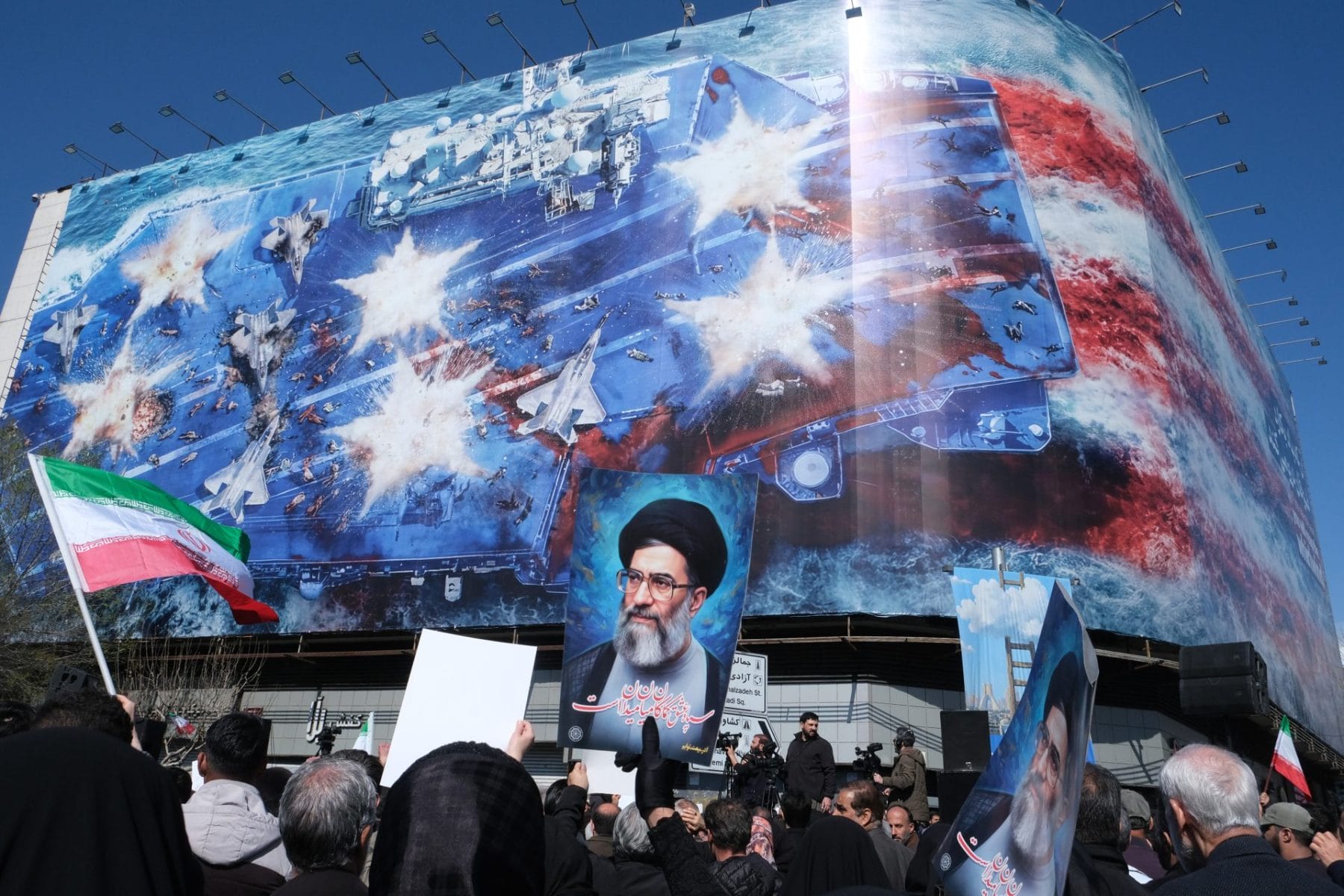
People gathered in Tehran's Revolution Square to mourn the assassination of Iran's Supreme Leader Ayatollah Ali Khamenei on March 1, 2026.
The Iranians did their best to live up to their dire warnings of deadly reprisals against Israel, and against American bases and allies on the Arab side of the Gulf and elsewhere. Missiles hailed down on airports and other installations in Kuwait, Bahrain, the UAE, Saudi Arabia and even Oman, despite its active mediation. While some U.S. bases may have been hit, so too were many civilian sites such as Dubai's iconic Burj al Arab hotel. Explosions too are being heard in Beirut, after Hezbollah fired rockets and drones at northern Israel to "avenge" Khamenei's death and the Israel Defense Forces struck back.
Air traffic was halted throughout a region rich in international hubs, sowing chaos worldwide. Iran's declaration that the strategic Strait of Hormuz was closed to shipping forced cargo shippers to suspend the voyages that transport some 20% of the world's oil and a lot of liquid gas, causing tremors through international markets. Once again, a decision taken by a tiny circle of men in Washington, Jerusalem and Tehran instantly rewired daily life, reminding us who actually gets to pull the global emergency brake.
What all this would do to Iran's relations with the Arab side of the Gulf was one of many open questions. While Oman was actively mediating, the other Arab oil states had been pressing the Americans not to allow a campaign that would predictably destabilise the region, and declaring their airspace not available for any hostilities. But any sympathy for Tehran quickly evaporated when the missiles started flying in: the Gulf Arab states closed ranks.
Trump and the Israelis made it clear that this was not one quick spectacular strike, but an ongoing campaign that would last days, perhaps even weeks. Presumably at the end, Iran would find its missile capabilities "obliterated," in Trump's favourite term, along with any nuclear activities.
Once the bombs stop falling, Trump and Netanyahu urged, the Iranians should come out of their basements and take over a government that would be theirs for the taking. A historic opportunity that would likely not recur for generations, Iranians were told.
But it is hard to imagine such regime change being wrought remotely from the skies. The regime lost little time in filling the leadership vacuum, setting up a three-man ruling council in line with the constitution, composed of the President, Masood Pezeshkian, the head of the Judiciary, Gholamhossein Mohseni-Ejei, and Ayatollah Alireza Arafi from the Council of Guardians. All regime loyalists, and the latter two noted hard-liners. So business as usual as far as they are concerned. But the fact is that the assassination of the Supreme Leader and the attendant bludgeoning of the regime's capabilities will inevitably usher in a new and unpredictable phase in Iran's turbulent history.
On the streets, reactions were fractured: jubilation in areas that had long chanted “Death to the dictator”, state-promote mourning in others, but also fear and a grim resignation, an understanding that power vacuums are often filled with fresh repression or civil war.
A smooth transition to a peaceful democracy is about the least likely scenario among the many possibilities. So too is an imminent return of the monarchy, with a comeback by Israeli-backed Reza Pahlavi, son of the Shah ousted by the 1979 revolution. So far there has been no sign visible to the outside world of a split in the ranks of the defenses built up by the Islamic Republic, which still has regular military forces numbering around 400,000, Revolutionary Guards of up to 190,000, and its auxiliary militia enforcers, the Basij, who may be able to mobilise around a million at street level.
There must be much anger among regime loyalists, which may fall on the heads of any opposition protestors who imagine they can move in and take over the reins of government from the bombed-out wreckage of the Islamic Republic. The U.S. military is not likely to be able to remain engaged in the detail of defanging the regime once the main thrust of the campaign is done. But Israel likely will. Its equivalent of the CIA, the Mossad, has spent years building up formidable intelligence at street level, and will be doing its utmost to continue hamstringing the regime from within and fomenting opposition.Among the many unanswerable questions is whether all this will lead simply to chaos and fragmentation, which is probably Israel's preferred outcome, or to a more compliant regime willing to compromise with the U.S. in order to get crippling economic sanctions lifted. As Trump concedes the war might last weeks, who knows what Iran will eventually emerge from the smoke and the rubble?
 Connexion