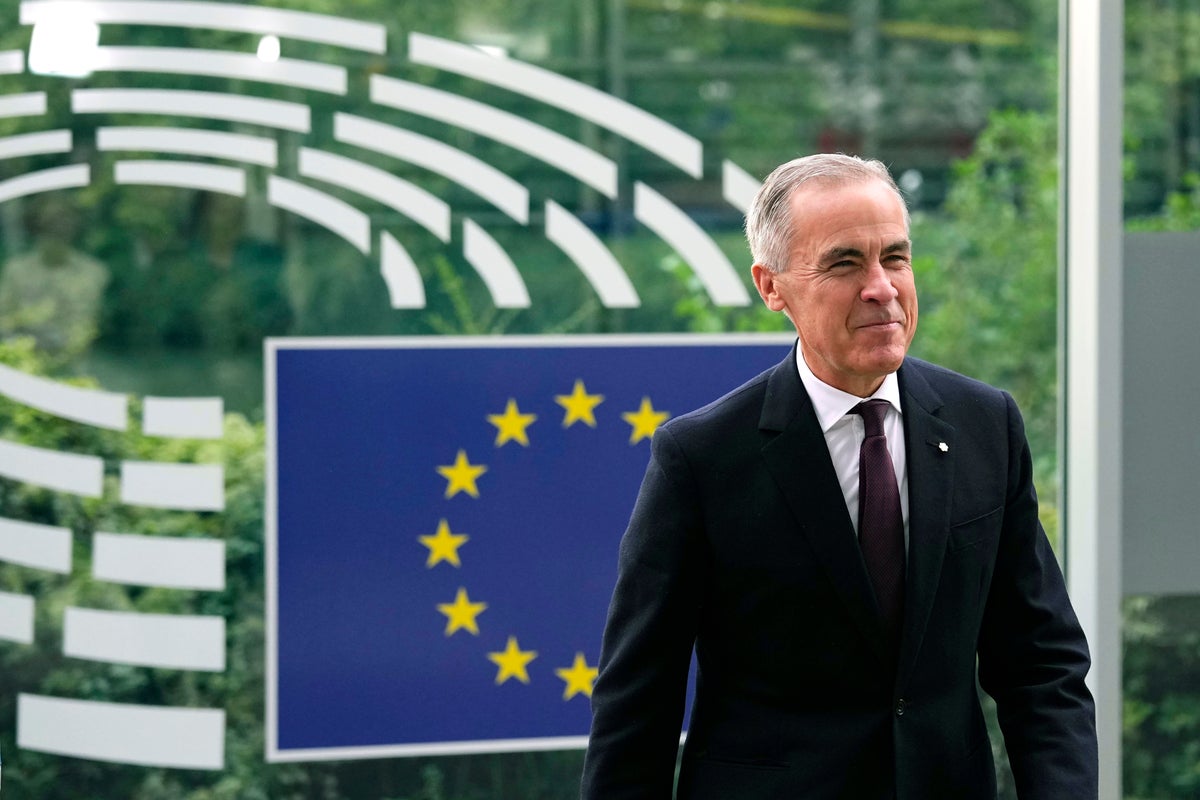
Eric Ham: Canada pivots to EU as Trump goes ballistic
— Permalien

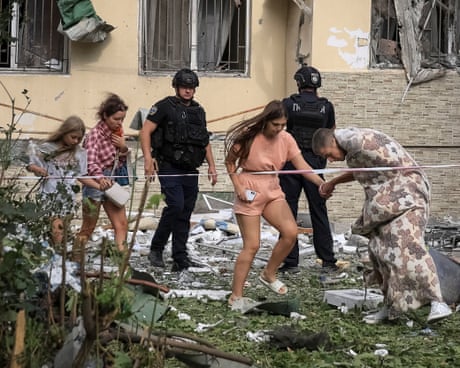
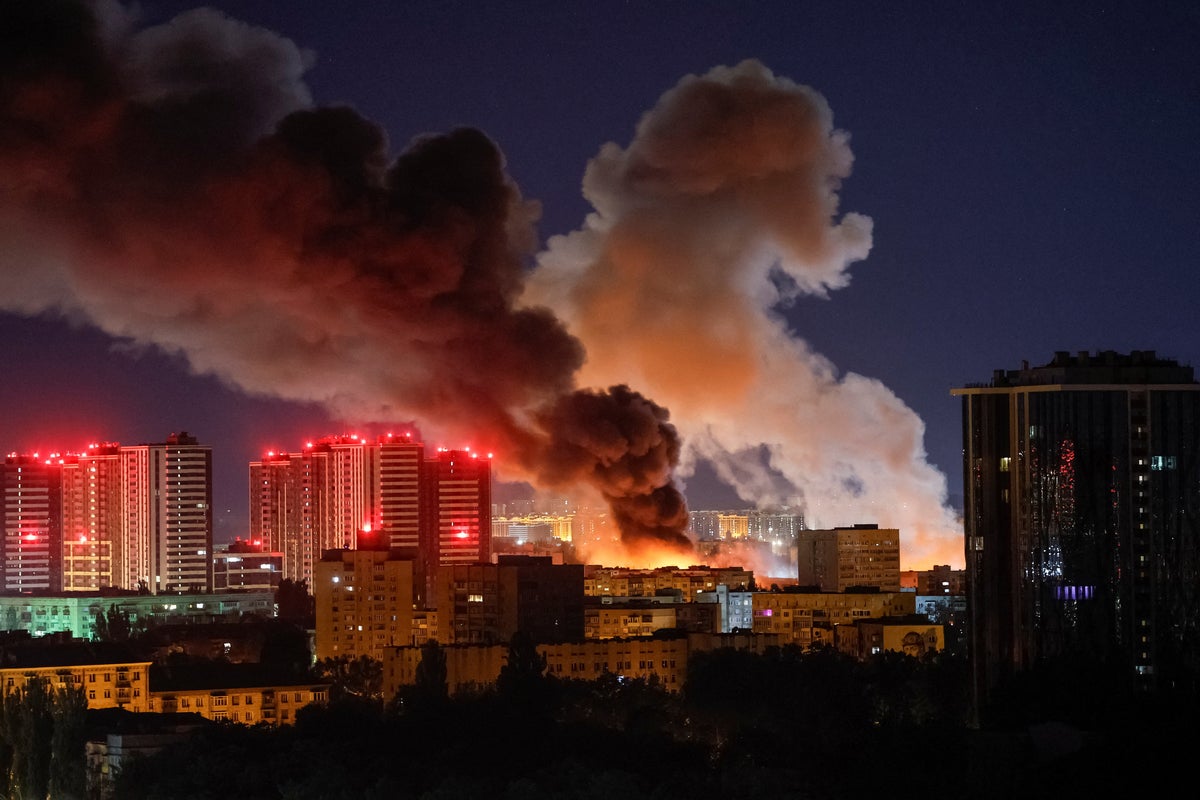
Russian strikes in Kyiv, a female militia march in Tehran, protests in Pristina and Alfie Hewett at the US Open – the past seven days as captured by the world’s leading photojournalists
Continue reading...
© Photograph: Nina Liashonok/Reuters

© Photograph: Nina Liashonok/Reuters

© Photograph: Nina Liashonok/Reuters
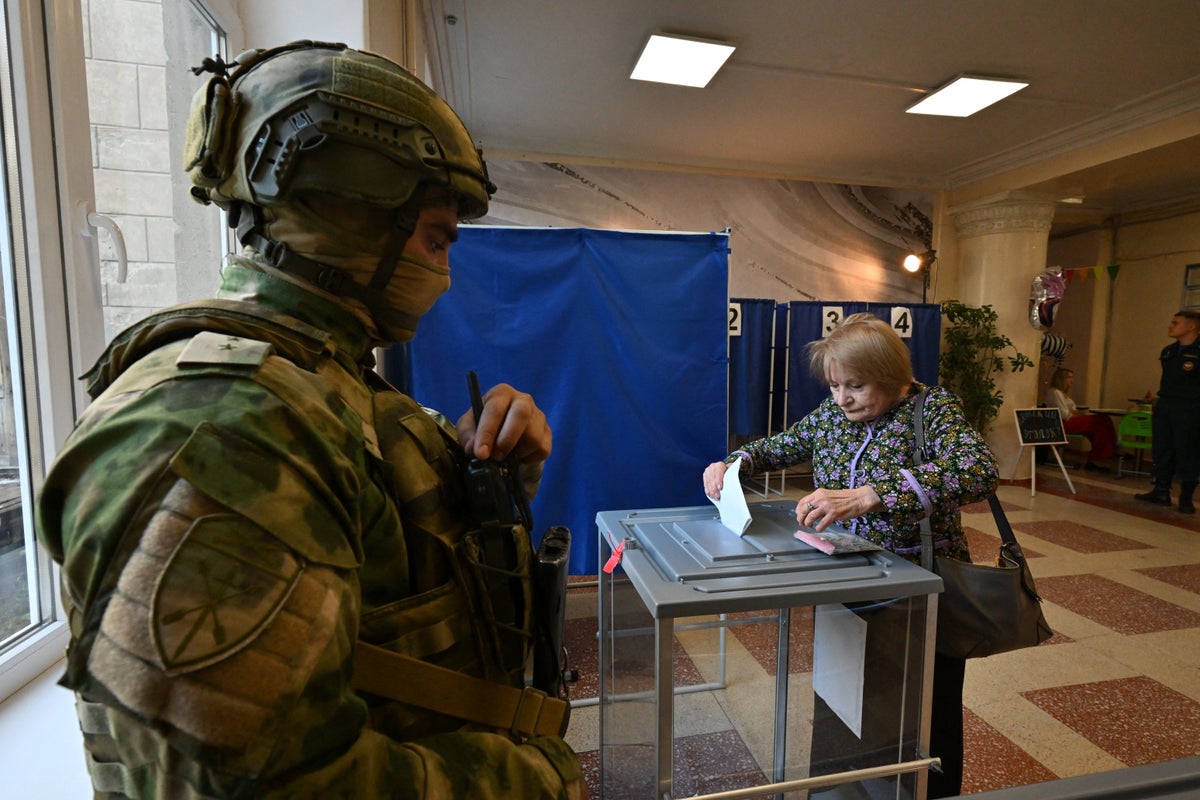
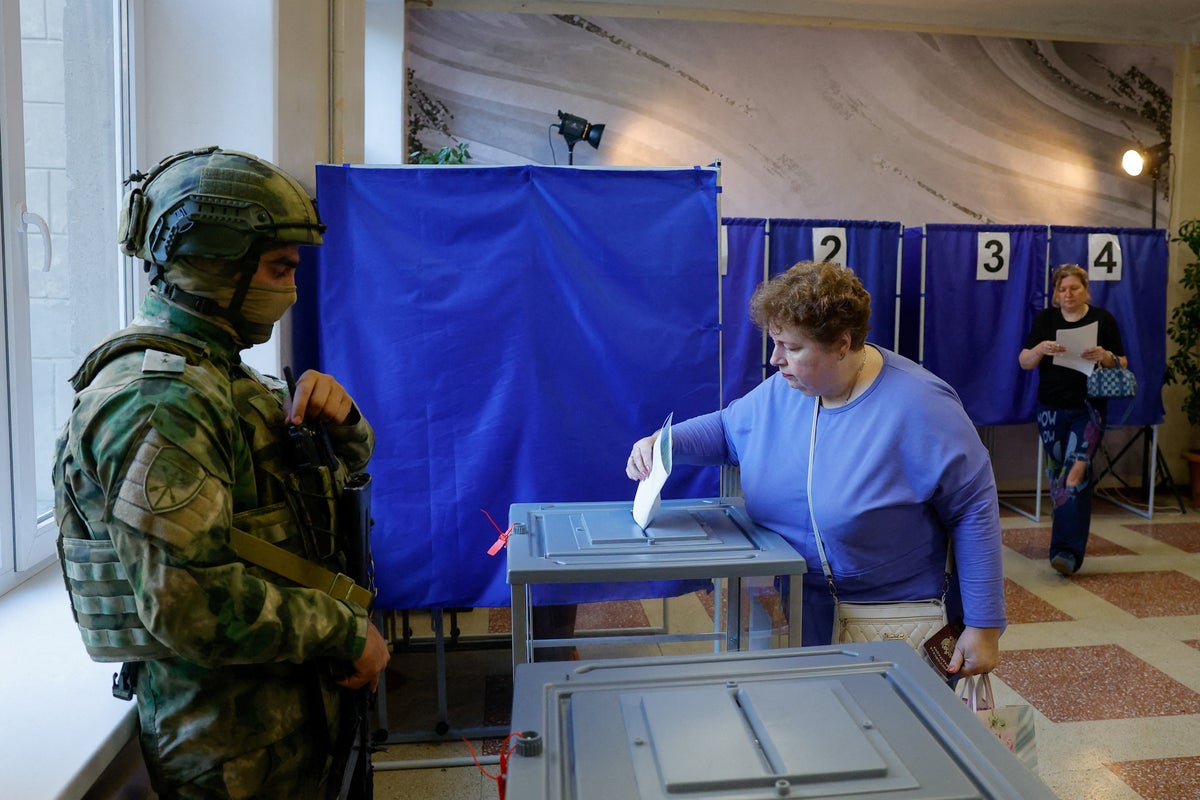
Russians are going to the polls for the first time since the full-scale invasion of Ukraine in 2022
© AFP/Getty
Sam Kiley, world affairs editor, explains the significance of the insignificant Russian Duma elections
© Reuters
Kyiv denounced the election as illegal because residents of illegally annexed regions of Ukraine were included
© AP

The frictions in Russia’s wartime economy are growing

© Sputnik

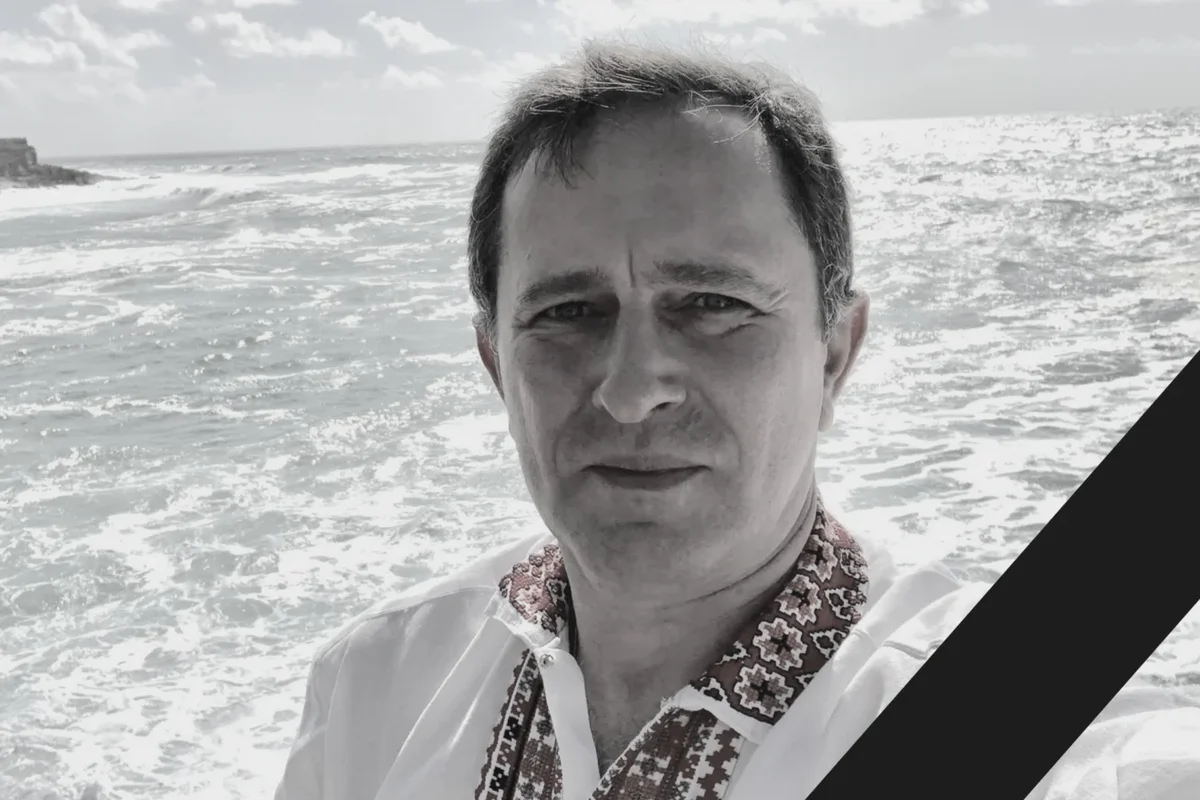
Tributes have been paid to Pavlo Sadokha, a leading voice for Ukrainians in Portugal

© Ukraine World Congress


© Jonas Ekstromer/Agence France-Presse — Getty Images


© Akos Stiller for The New York Times


© Yves Herman/Reuters


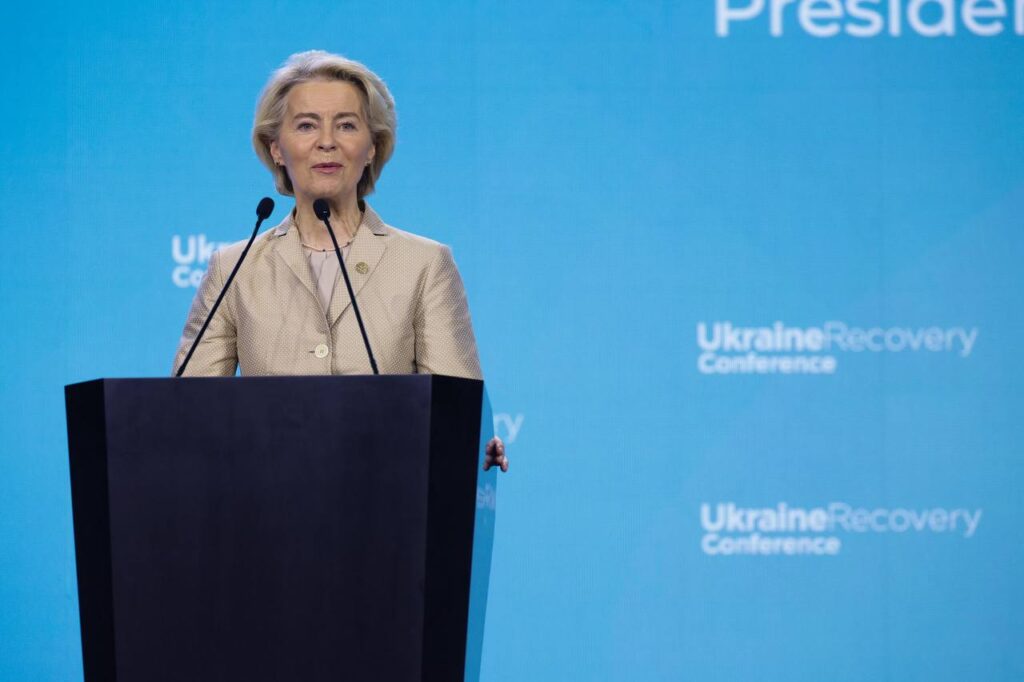
The EU plans to use money remaining under its €150 billion Security Action for Europe (SAFE) program to create a new program for joint projects with Ukrainian companies, European Commission President Ursula von der Leyen said on 16 September. She announced the plan during her State of the Union address to the European Parliament in Strasbourg.
Russia's full-scale war against Ukraine has pushed the EU to spend more on defense and build up its own weapons industry. SAFE was created as part of that effort, giving EU member states €150 billion in loans for defense spending. Ukraine is also facing heavy defense costs, with President Volodymyr Zelenskyy putting its additional defense funding gap for 2026 at $27 billion.
"Using the remaining funds from SAFE, we will be setting up a new programme for joint projects with Ukrainian companies," von der Leyen told the European Parliament.
EU Defense Commissioner Andrius Kubilius estimated that the unused portion of SAFE could amount to €10 billion to €20 billion, UNN reported. The exact sum will be known only after member states report on their SAFE projects by the end of October. The announcement caught several governments off guard: Poland and other capitals say the Commission never discussed it with them, and Warsaw had been counting on taking up the funds other countries declined for its own projects.
The proposal would allow unused money from member states' SAFE allocations to be redirected to joint projects with Ukrainian firms. One likely destination is Freya, the joint European-Ukrainian air and missile defense system meant as a cheaper answer to the American Patriot, which von der Leyen described as the start of the collaboration rather than the end of it.
In 2025, Ukraine gained associate partner status in SAFE and access to the EU's European Defense Fund, allowing Ukrainian companies to compete for contracts and co-develop military systems with European firms.
Fifteen member states have since said they plan to buy Ukrainian weapons through the program, and Canada joined it in December 2025 as the first non-European partner. Bulgaria agreed SAFE-funded joint weapons production with Ukraine in March 2026.
The war is costing Ukraine more every year, the government says. Its draft 2027 budget proposes ₴4.885 trillion ($110 billion) for defense needs, nearly 44% of GDP.
Russia will pretend strike was accidental to 'paralyse' Nato response, says Donald Tusk
© AP
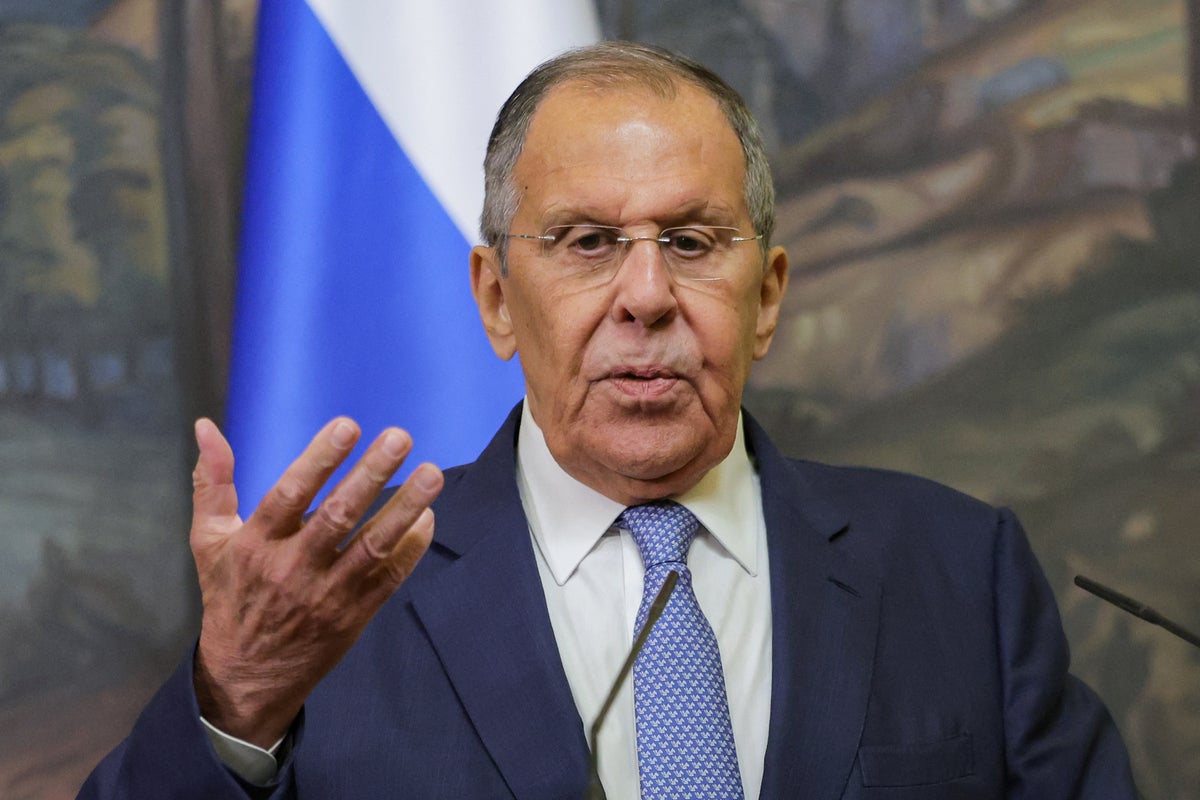
Veteran Putin ally Sergei Lavrov suggested a fight with Europe would not prove difficult for Moscow
© AFP/Getty
Prime Minister Mark Carney said Canada was seeking a ‘unique alliance’ with the EU – but not membership
© AP
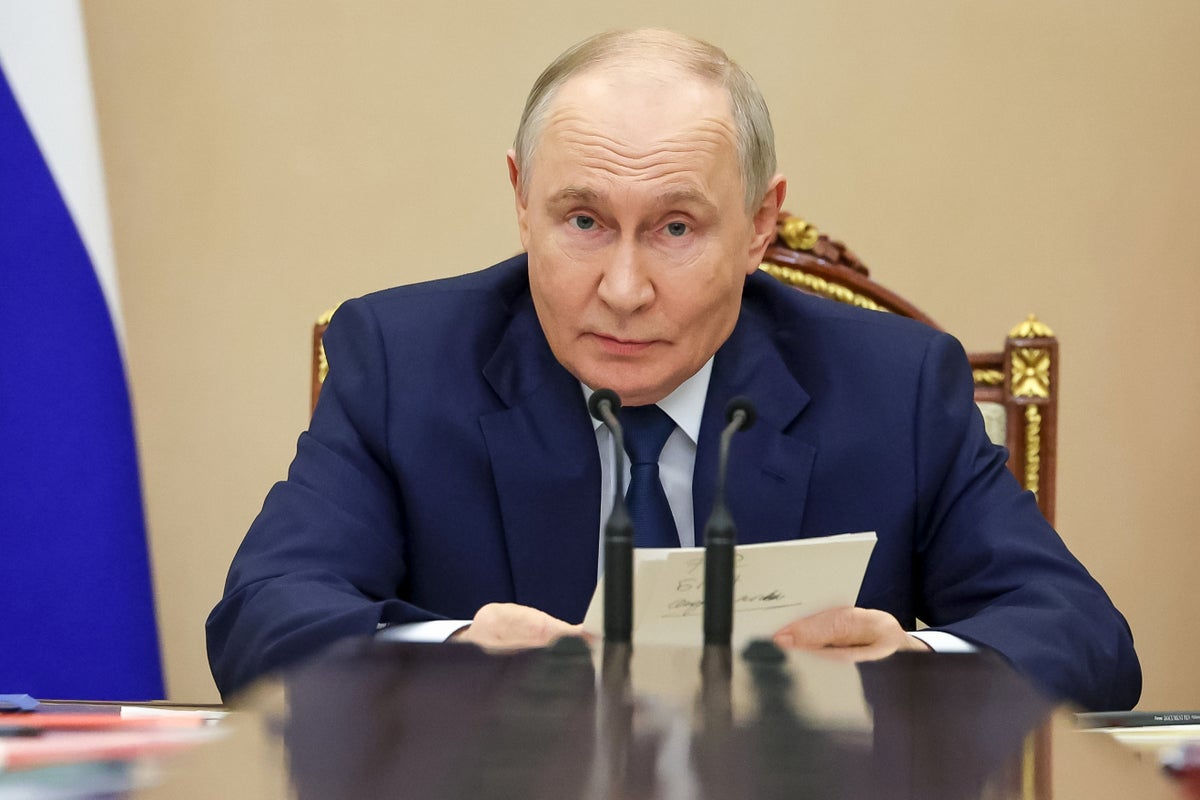
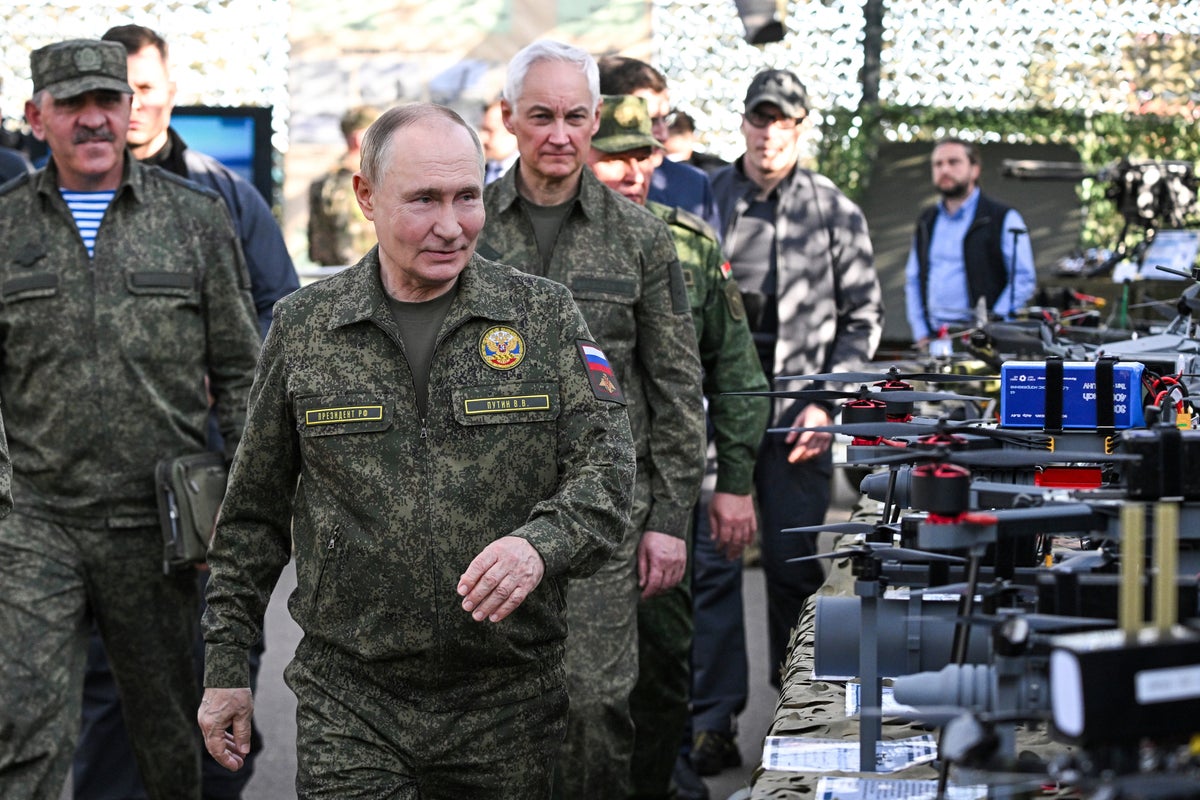
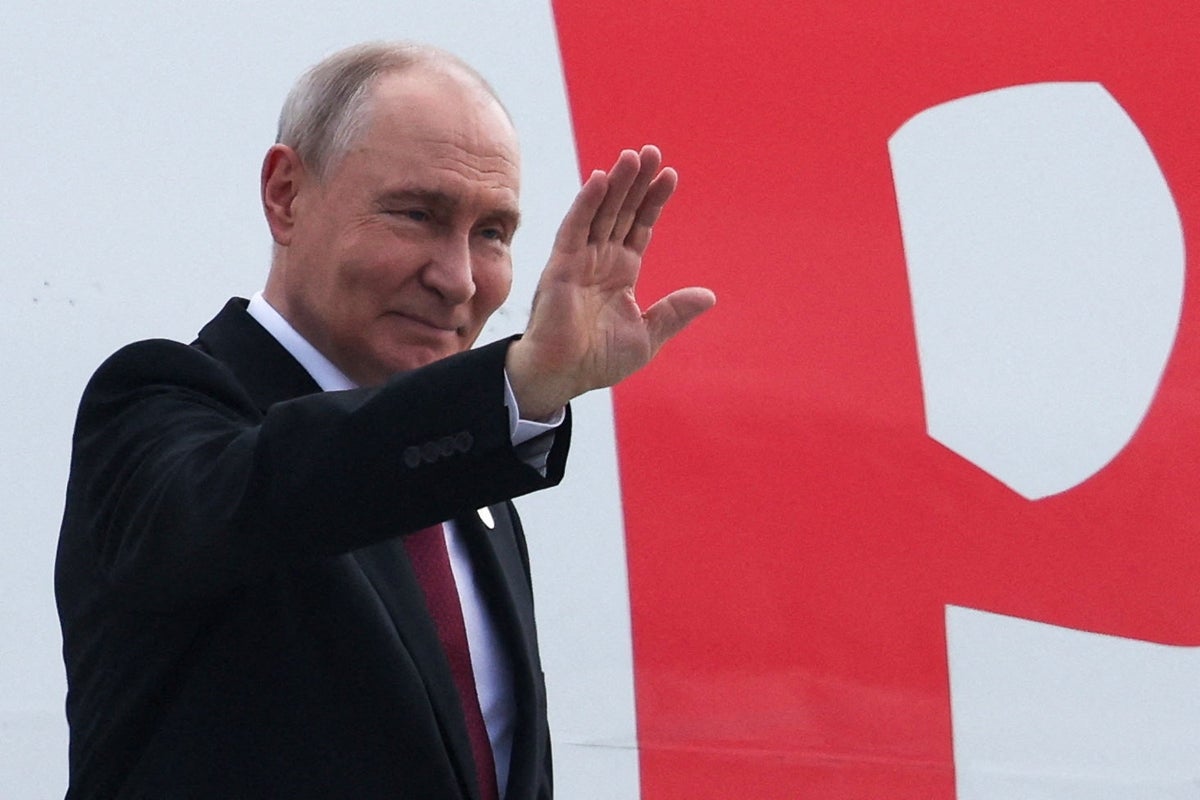
Putin has been facing declining approval ratings, mounting casualties and ‘net-zero’ territorial gains since March this year as polls open today. Experts tell Maira Butt what this could mean for the future of Russia
© Reuters
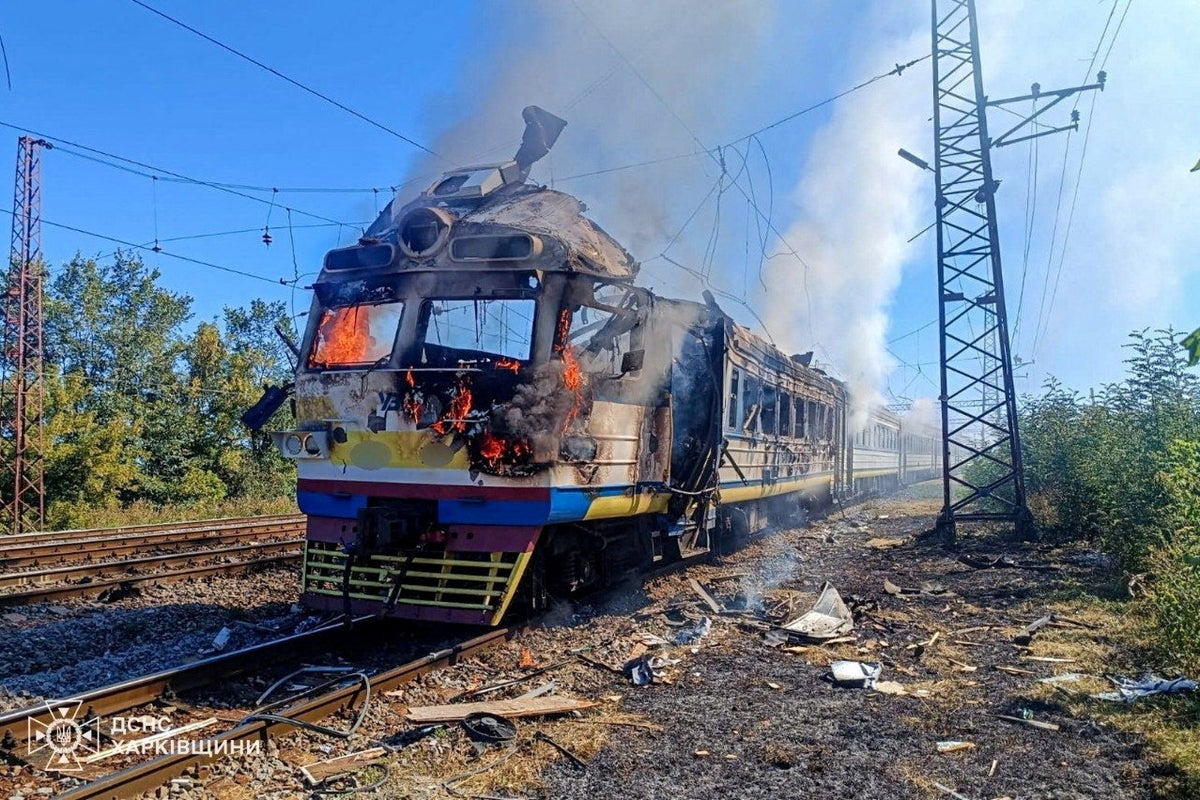
Four men and a woman were killed on the bus attack in Nikopol
© Reuters


© Copyright 2026 The Associated Press. All rights reserved
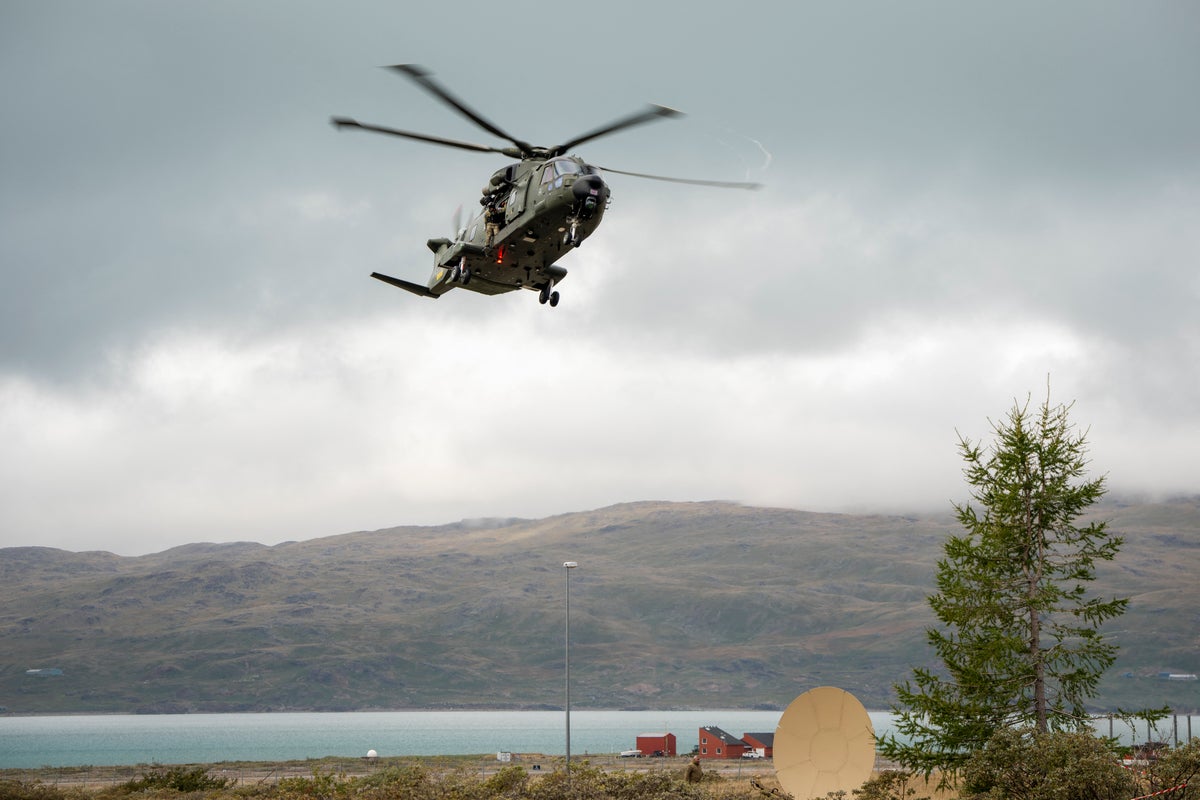
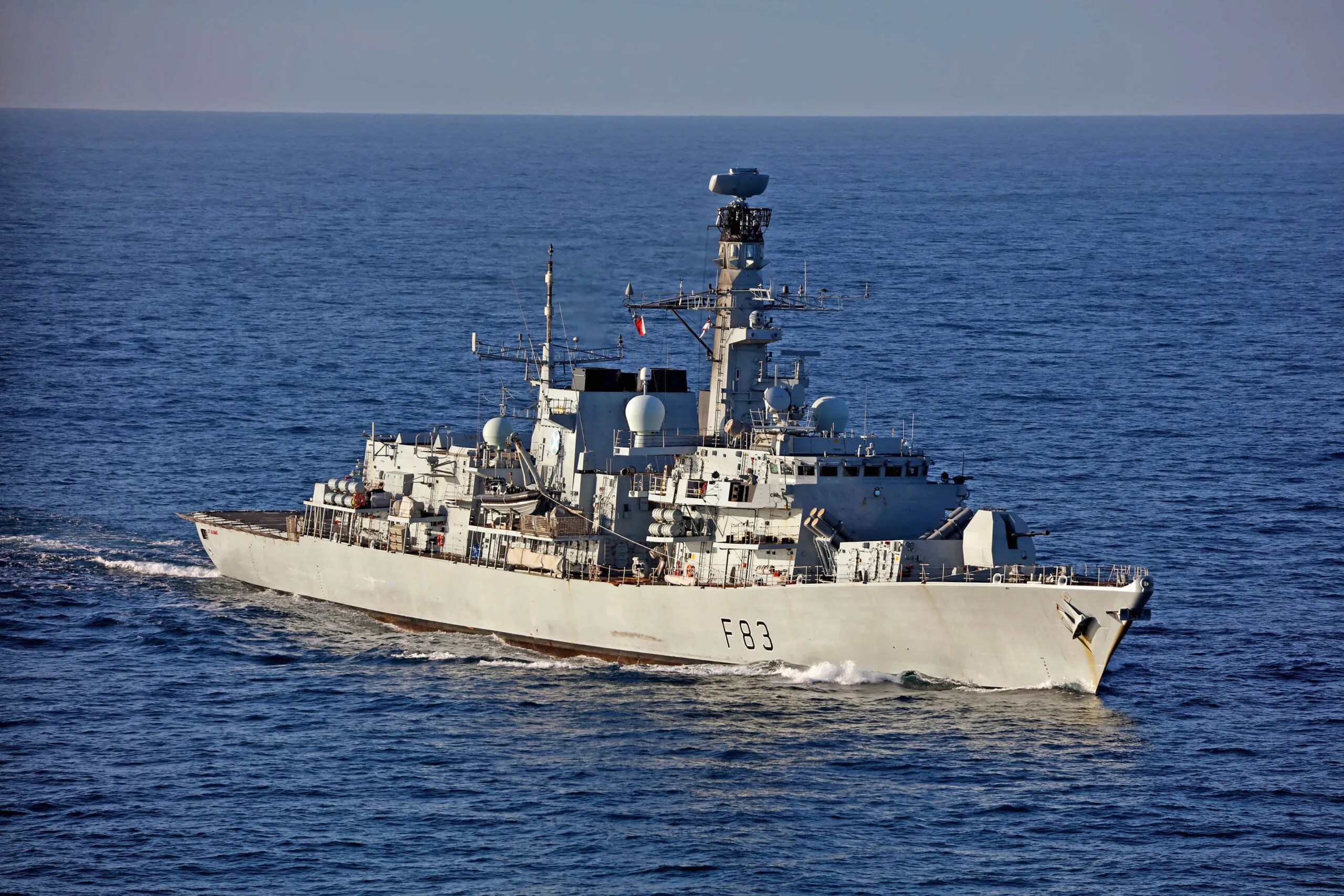
Moscow accused Denmark of ‘dangerous’ fly-bys near its warships
© AFP/Getty

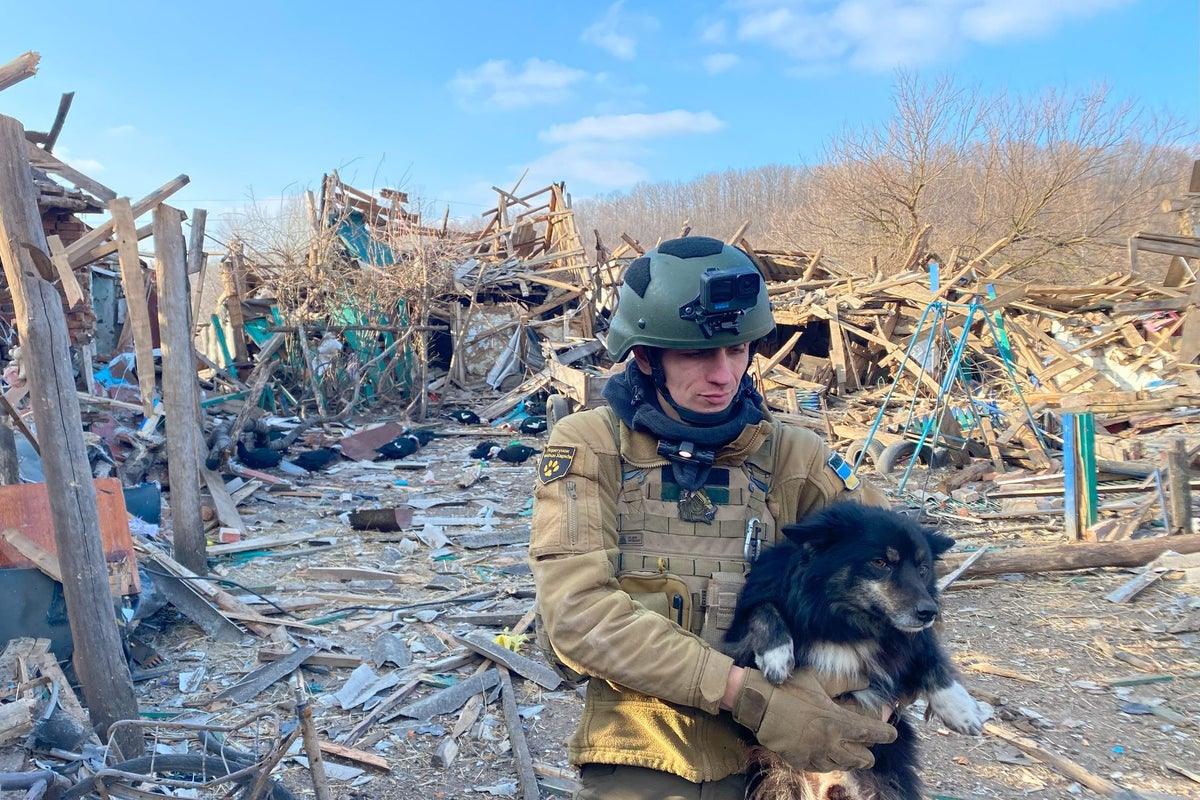
Volunteers travel to some of the frontline’s most dangerous areas to evacuate stranded animals

© PETA Germany


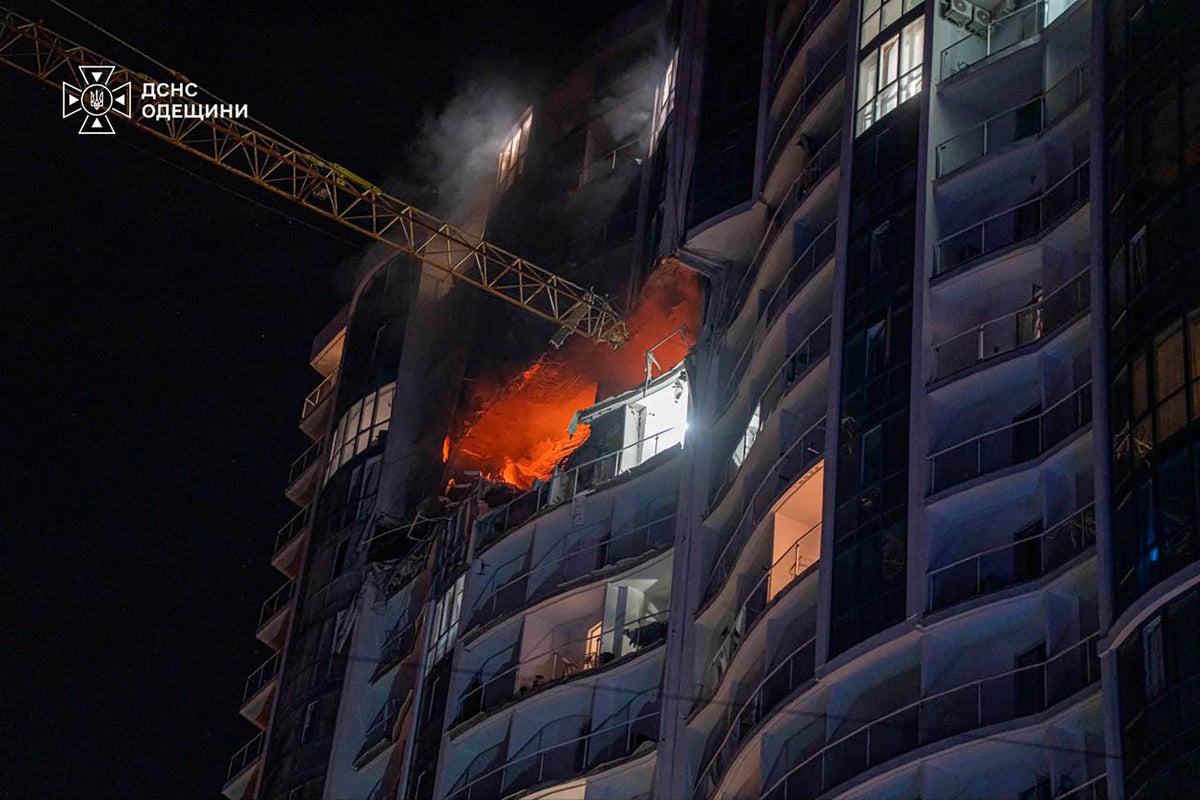
© State Emergency Service of Ukraine, via Reuters
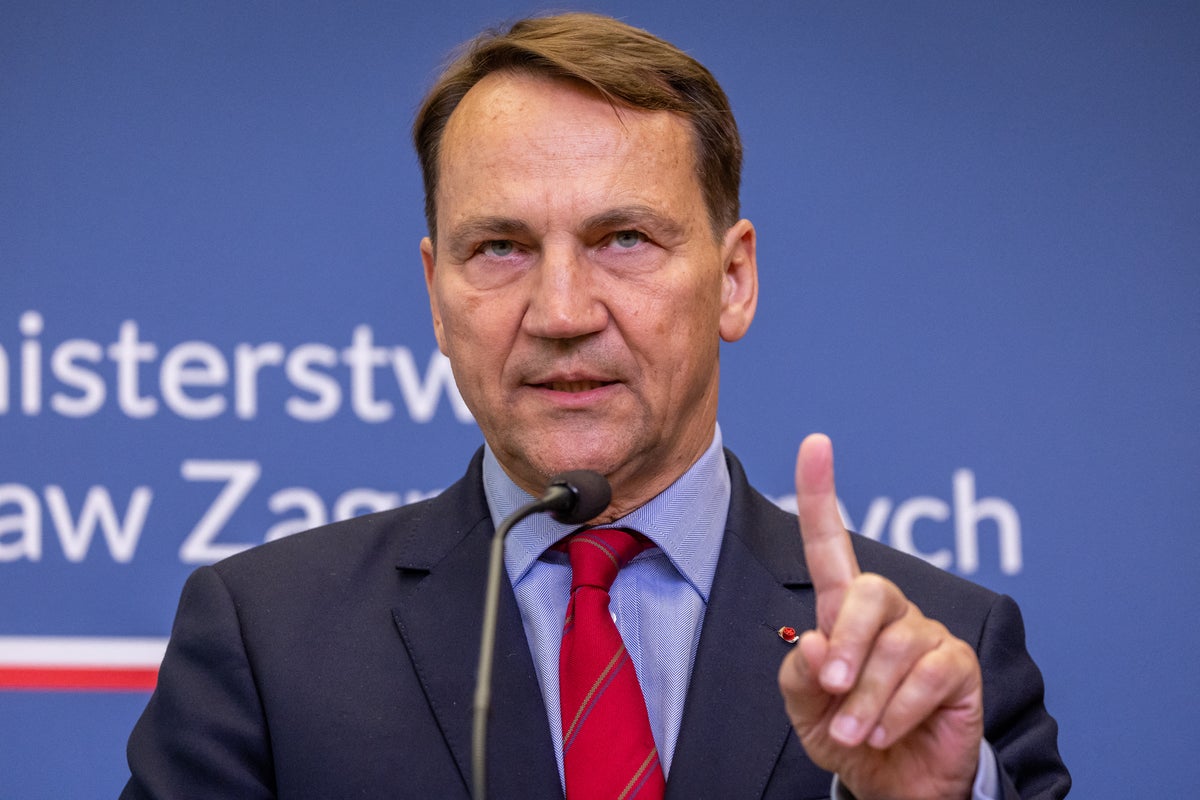
Poland’s foreign minister said that the alliance had ‘overwhelming air superiority’ over Moscow
© AFP/Getty
Johnson and other signatories had a close call on Ukraine’s border with Poland - it’s all part of Putin’s plan even if it was a fluke, explains world affairs editor Sam Kiley
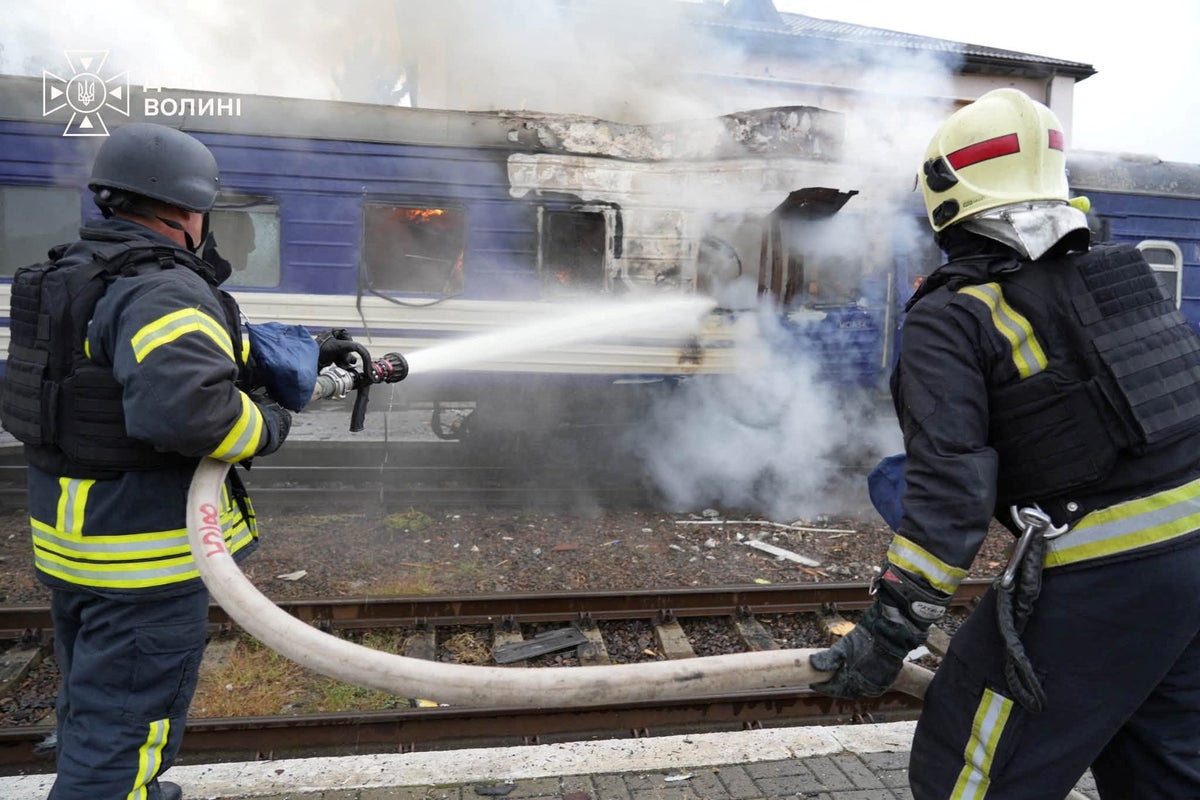
© Emergency Service of Ukraine
Russia has secured ‘near-zero net gains’ since March, said the ISW
© Reuters


© Jessica Gow/TT News Agency, via Associated Press


© Copyright 2026 The Associated Press. All rights reserved


© Max Rossi/Reuters


© Clodagh Kilcoyne for The New York Times


© Todd Heisler/The New York Times
Russian officers have been overly optimistic about the battlefield situation in areas of the Donetsk region, military bloggers say
© Reuters
Three teenage boys were injured in Moscow’s attack on Pavlohrad
© Reuters
Ukraine wants to replace around one third of its frontline troops with unmanned ground vehicles by the end of the year
© Reuters
The current center-right coalition relies on outside support from the Sweden Democrats, an anti-immigration party with far-right roots
© AP
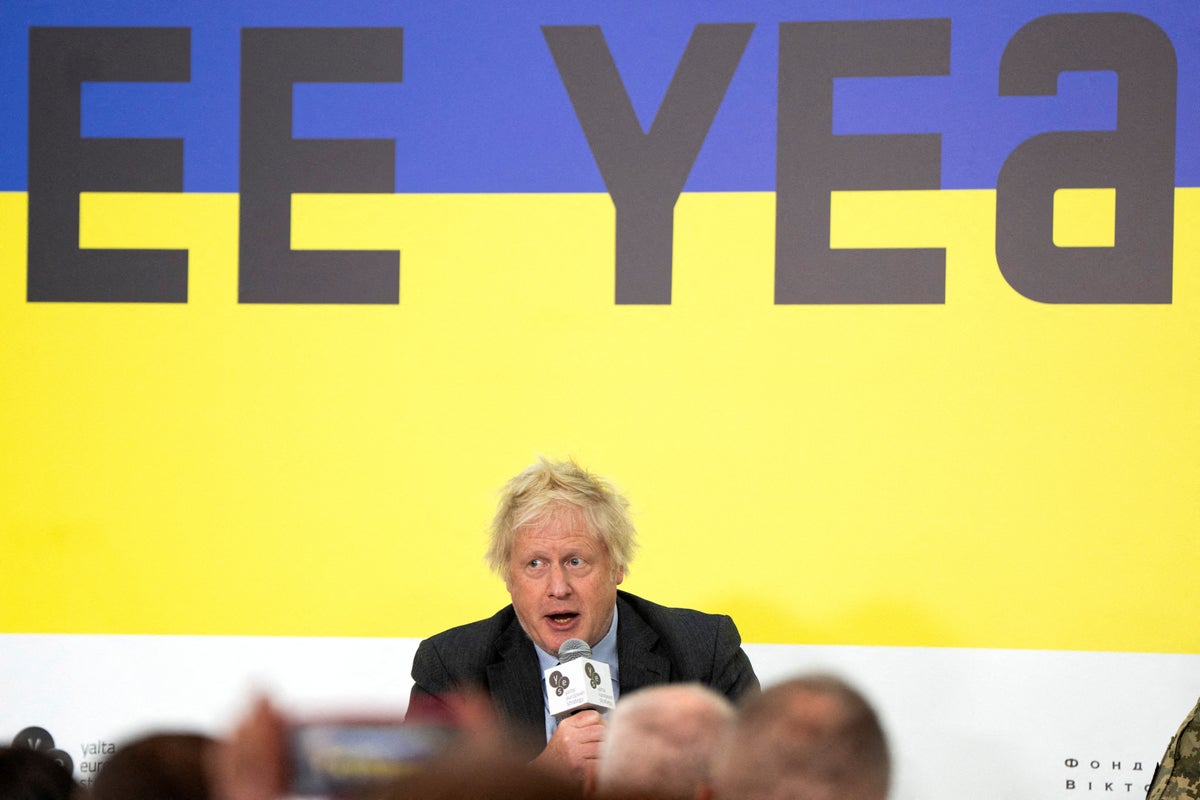
Johnson says Ukrainians are enduring such 'random and senseless attacks' every day
© Reuters


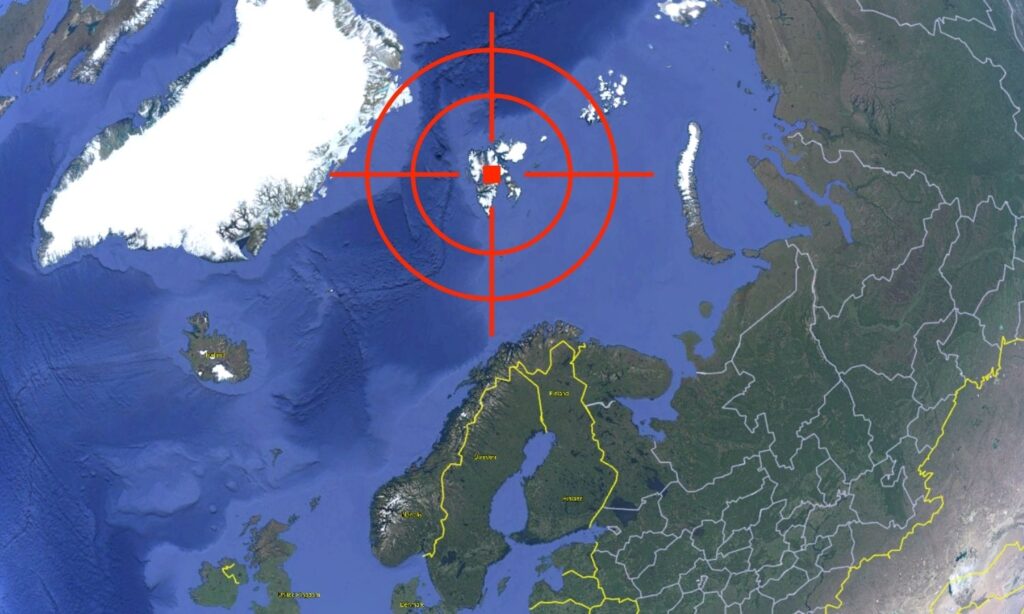
Russia rehearsed an operation to disable critical undersea cables near Norway’s Svalbard archipelago this spring, according to two Western officials cited by Reuters.
The exercise comes as Russia continues a broader hybrid campaign against European countries, using covert sabotage, cyberattacks, espionage, and surveillance of critical infrastructure alongside its war against Ukraine.
The operation involved Russia’s Main Directorate of Deep-Sea Research, known as GUGI, which used deep-sea submersibles to simulate deploying technology designed to disable undersea cables.
British, Norwegian, and US forces tracked the Russian vessels and confronted them at sea, preventing them from completing the exercise, the officials told Reuters. The vessels eventually left the area.
No cables were damaged.
The operation took place near two 1,400-kilometer fiber-optic cables connecting Svalbard with mainland Norway. The cables carry satellite data from SvalSat, the world’s largest satellite ground station and part of NASA’s Near Space Network.
Britain and Norway disclosed in April that they had uncovered covert Russian activity in Arctic waters, but the details of the operation, including the technology involved and US participation, had not previously been reported.
Norwegian Defense Minister Tore Sandvik said the joint operation sent Russia a message that covert activity would be detected and face consequences.
The US and UK have sanctioned GUGI over its activities in European waters.
European governments have become increasingly concerned about Russian activity around telecommunications cables, power lines, and pipelines. Reuters reported that since 2023, vessels have increasingly been observed moving slowly over or near sensitive infrastructure, raising concerns that they could be mapping potential targets.
NATO has expanded monitoring in response. Its Baltic Sentry operation increases surveillance around critical infrastructure in the Baltic Sea, while the UK-led Nordic Warden monitors northern European waters.
Windward data cited by Reuters showed that vessels classified as “drifting” in the North Sea increased 52% in 2025, to 13,079. At least 11 subsea cables were damaged or cut in the Baltic between October 2023 and the end of 2025.
Western officials are increasingly concerned that Russia could use sabotage against European infrastructure to test NATO's response without immediately triggering open conflict. Some US intelligence officials have raised the possibility that Moscow could eventually test the alliance’s Article 5 mutual-defense commitment, according to Reuters.
Russia’s Defense Ministry did not respond to Reuters’ request for comment. The Kremlin has repeatedly denied conducting sabotage operations in NATO countries.
The Svalbard exercise did not damage infrastructure, but it involved rehearsing capabilities that could be used against critical European infrastructure in a future conflict.
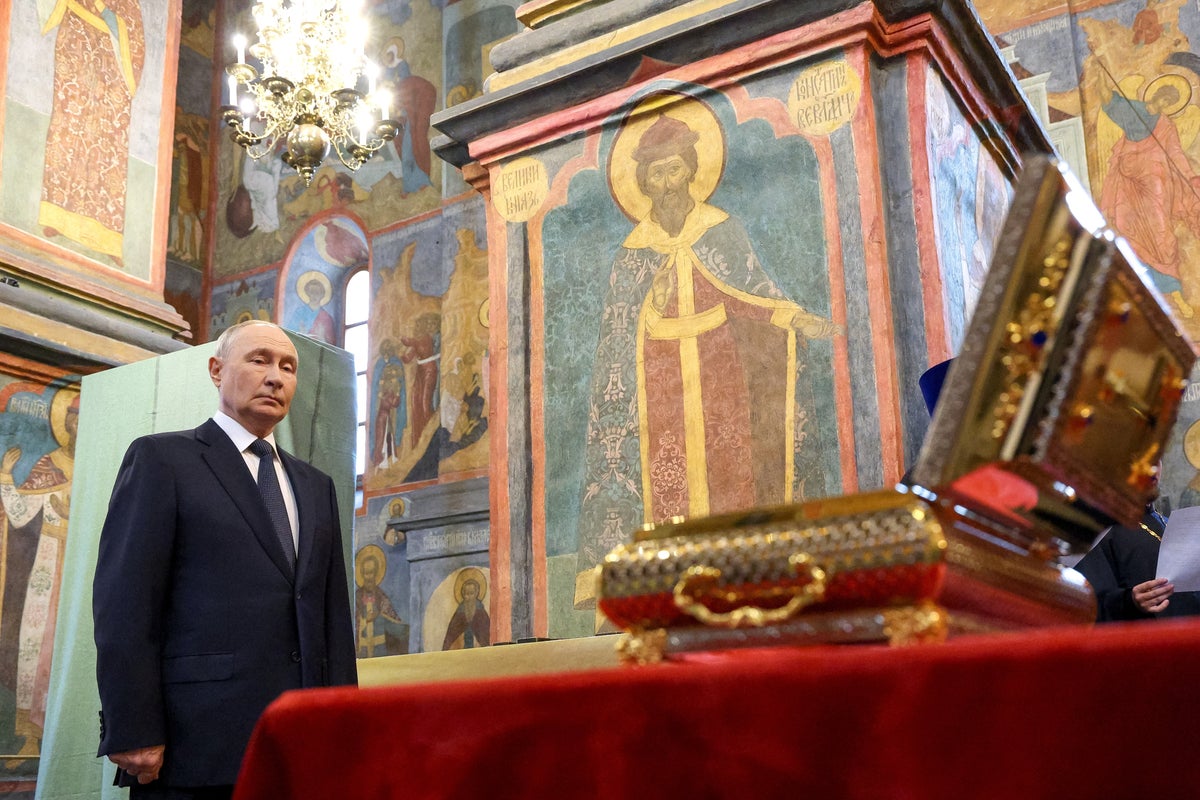
Donskoy, whose name was given to a Soviet tank column funded by the church in World War Two, was declared a saint in 1988
© Reuters
Russian attack on Pavlohrad took place in broad daylight 'when there were many people on the streets'
© AFP/Getty


Romania's domestic intelligence service says it prevented a Russia-coordinated sabotage operation on its soil, Militarnyi and Radio Svoboda reported. For months, it watched a Russian citizen who was filming military sites across the country—including, it says, Ukraine's Antonov cargo planes.

A wave of arson, drone incursions, and covert surveillance blamed on Russian handlers has spread across the continent, aimed at the logistics that keep Ukraine armed.
The Romanian Intelligence Service (SRI) announced on Tuesday that it had prevented the plot with national and international partners. The man had been under SRI monitoring since February 2026, part of a wider investigation into sabotage attempts on Romanian soil.
An intermediary instructed him to make photos and videos of targets of strategic military interest, SRI said. The list ran from NATO-used bases and communications nodes to defense institutions, critical infrastructure, and Ukraine's Antonov cargo planes.
SRI says the pattern matches saboteur networks run by Russian entities across Europe. It points to similar cases foiled in Romania in 2024 and 2025. The service added that Russia keeps leaning on people from vulnerable groups to carry out this work.
The case recalls an incident in Germany. On 4 August, workers found a drone rigged with explosives and a detonator beside an An-124 Ruslan at Leipzig airport. The Ruslan is a giant Antonov cargo plane. Ukraine's Antonov fleet moves oversized loads few other planes can carry, a standing target for a Kremlin trying to slow Western support without firing a shot.
Germany's government blamed Russia, and the attempt sharpened tensions between Berlin and Moscow. Russia denies any role in Europe's sabotage wave and has not addressed Romania's findings.
The disclosure comes days after Russian Shahed attack drones struck the Orlivka ferry crossing in Odesa Oblast, overnight on 1 September. The crossing sits on the Ukrainian-Romanian border.

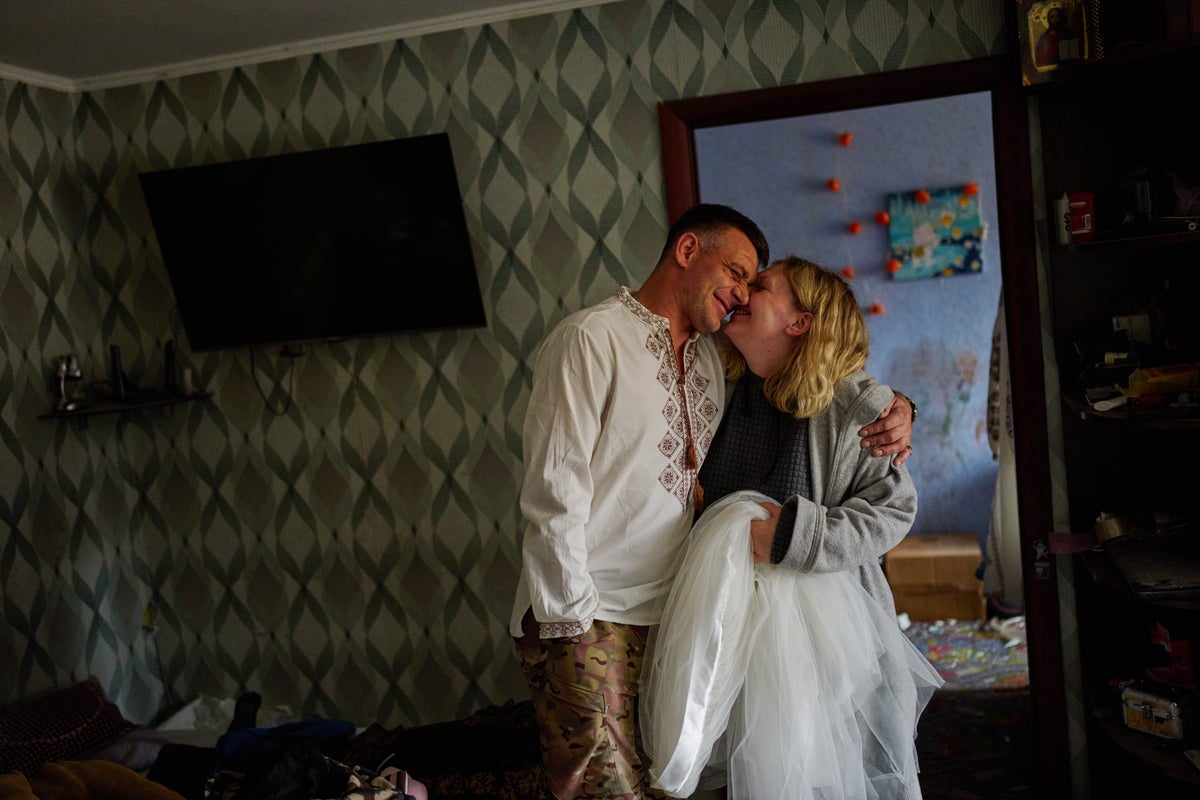
The couple dug their wedding clothes out of the rubble and got ready for their big day

© Copyright 2026 The Associated Press. All rights reserved


© Copyright 2026 The Associated Press. All rights reserved.
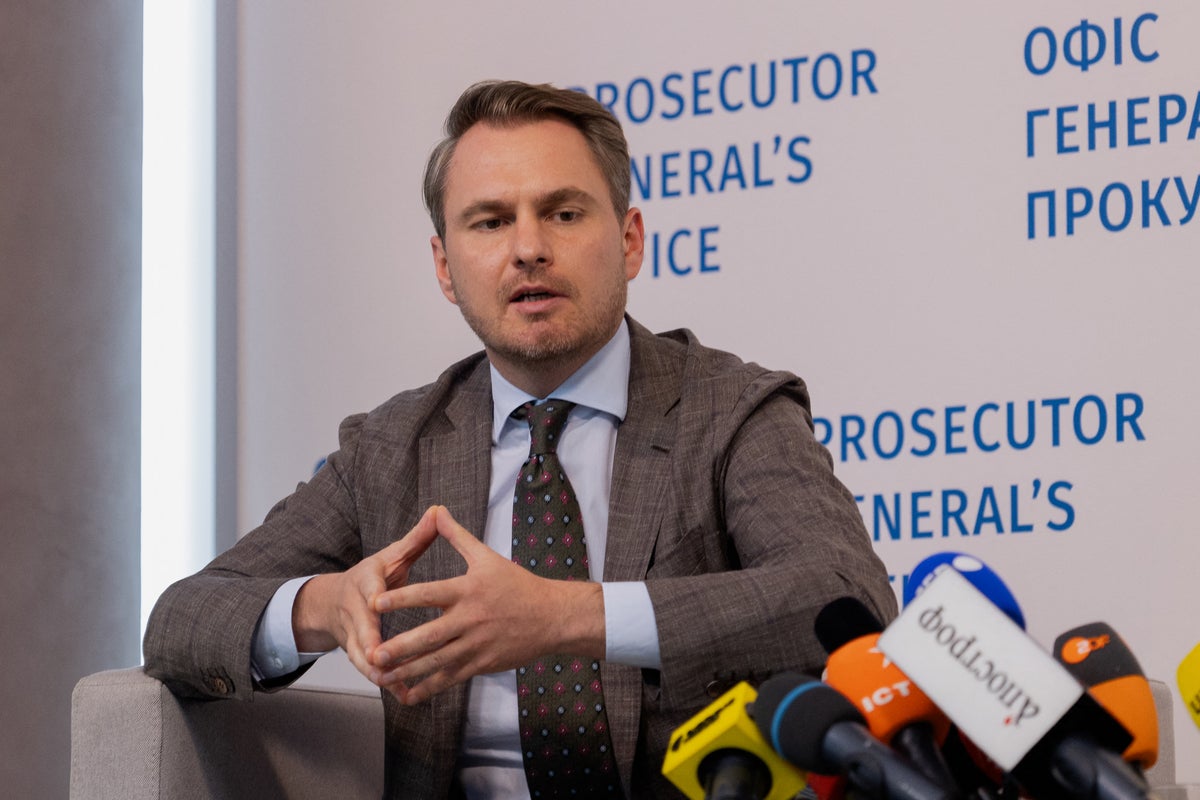
Resignation comes after anti-graft agency finds prosecutor general’s office involved with criminal organisation dealing with fraudulent call centres
© AFP/Getty
Drone exploded 160km from main airport as Moldova forced to shut airspace due to incoming Russian drones
© AFP/Getty
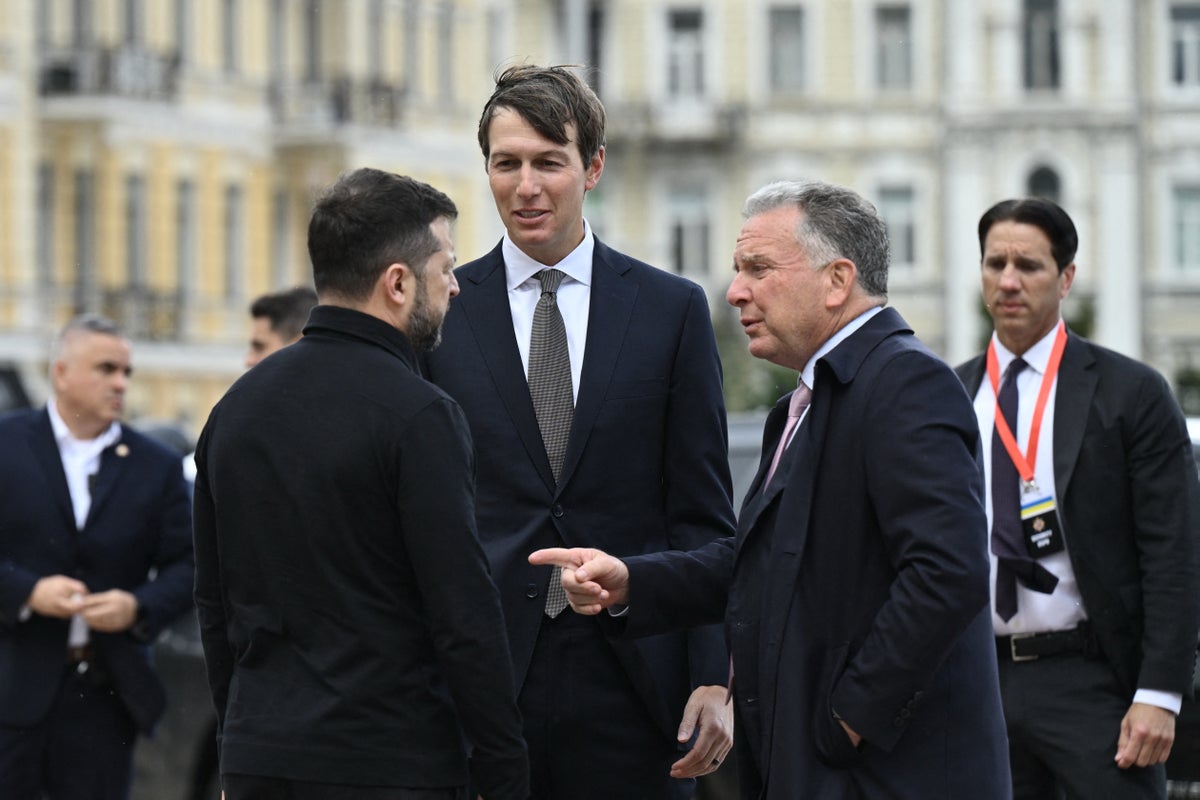
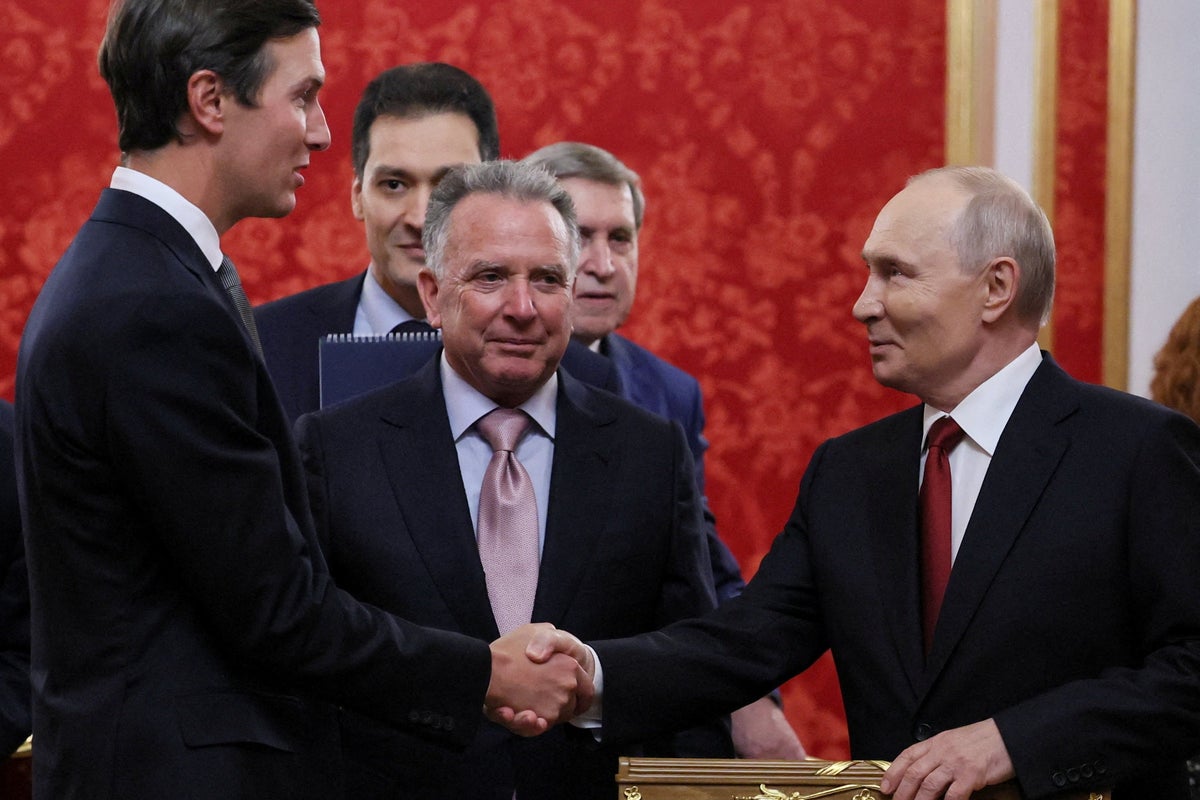
The AfD and the Trump administration, with its special envoys Steve Witkoff and Jared Kushner, are bound into a commercial friendship run out of the Kremlin by one man, writes world affairs editor Sam Kiley
© Reuters


© Copyright 2022 The Associated Press. All rights reserved.
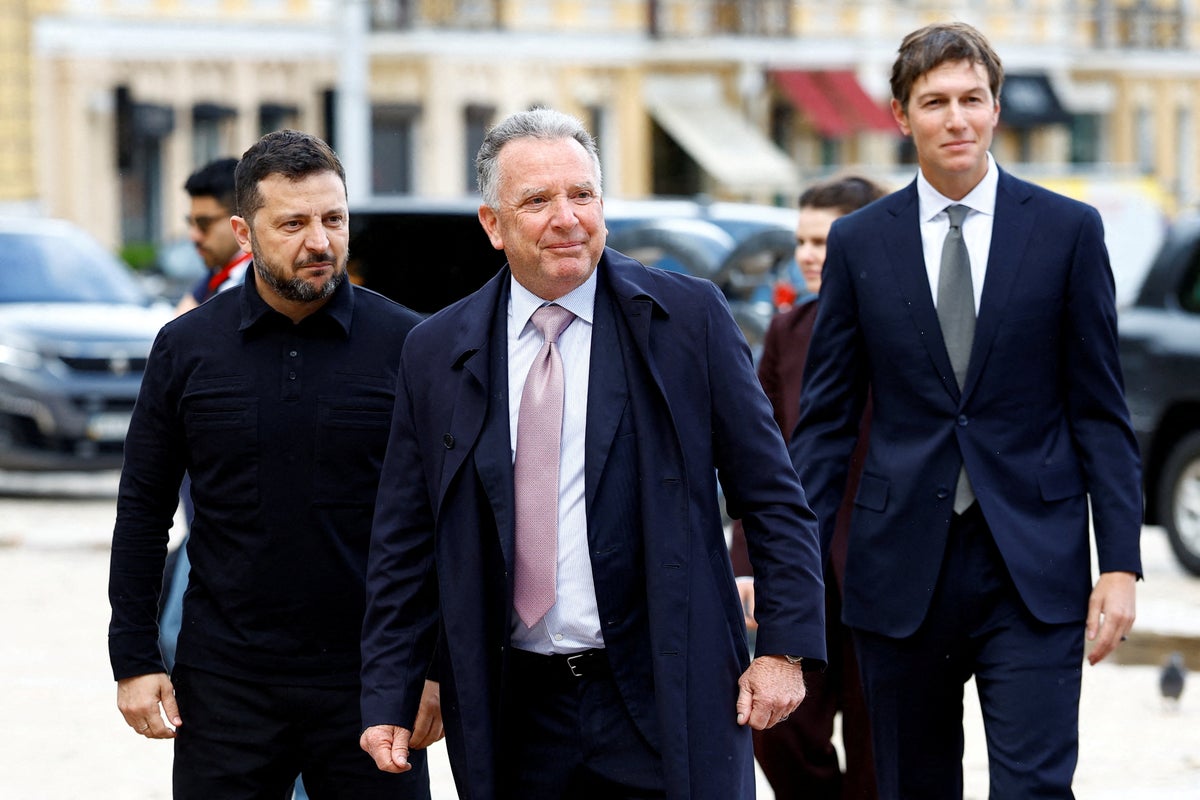
Russian ballistic missiles rain on Ukraine just a day after US peace envoys held a press conference in Kyiv alongside Zelensky
© Reuters
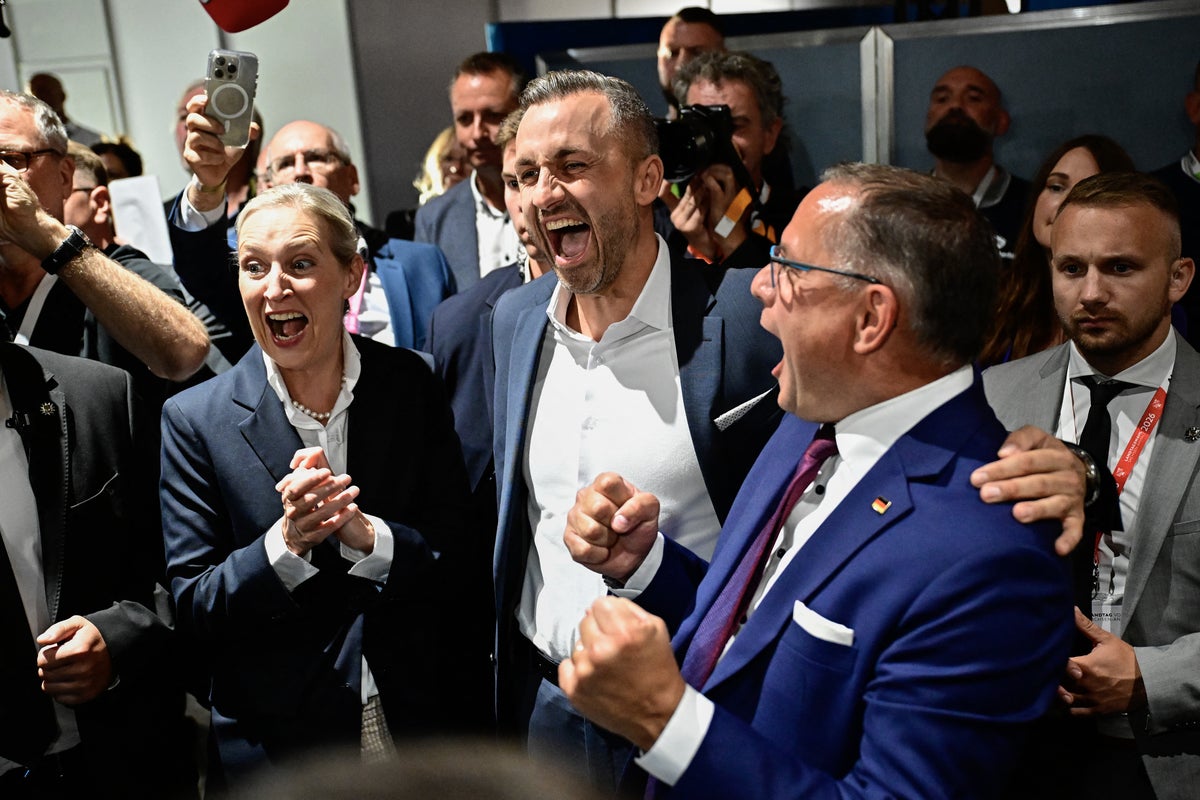
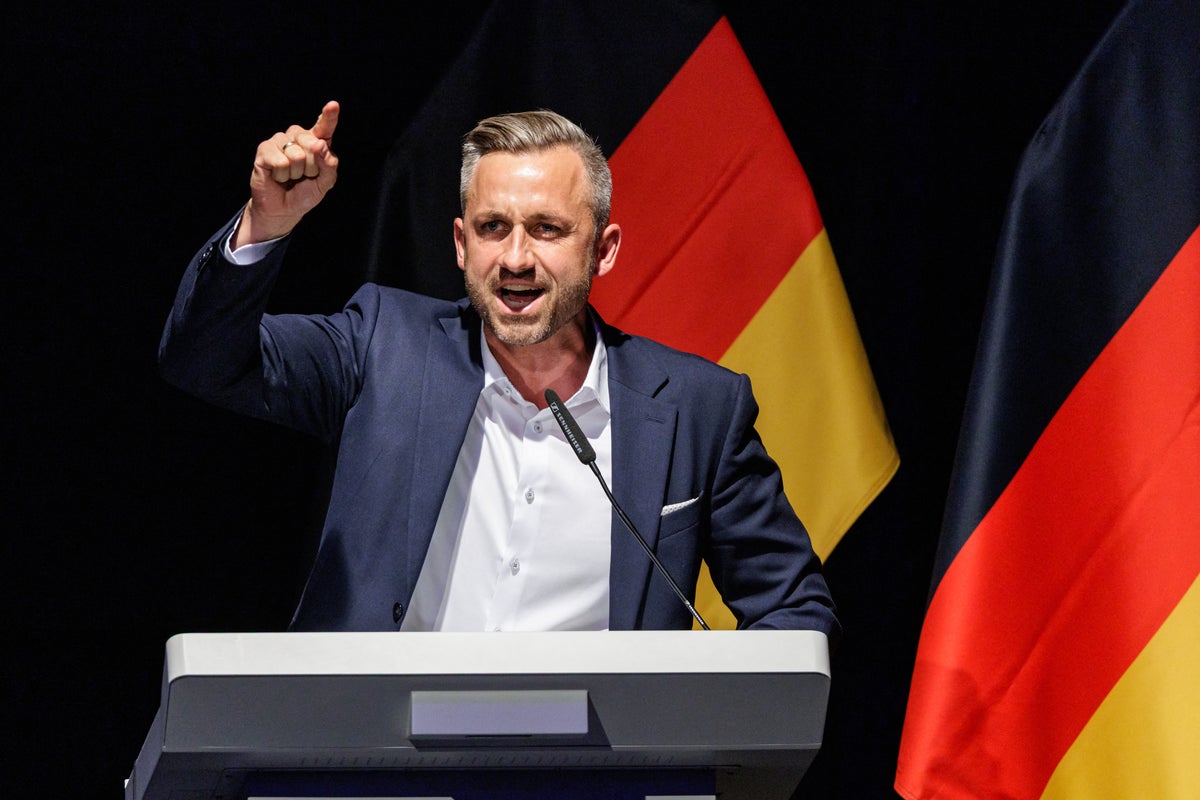
The pro-Russian AfD could become the first far-right party to take control of a regional parliament in Germany since the Second World War. Their victory creates a large political headache for the country’s leaders, report Chris Stevenson and James C Reynolds
© AFP/Getty
The discussions have been described as ‘substantive’ as the US seeks to bridge the chasm between Kremlin demands and Ukrainian red lines
© AFP/Getty

Exclusive: Ukrainian media partners with OpenAI in bid to stay profitable as war bites

© Maksym Zabelia / Supplied
Germany’s AfD party is on course to win a state election this weekend, creating a problem for the rest of the country’s political parties, writes James C. Reynolds
© AFP/Getty
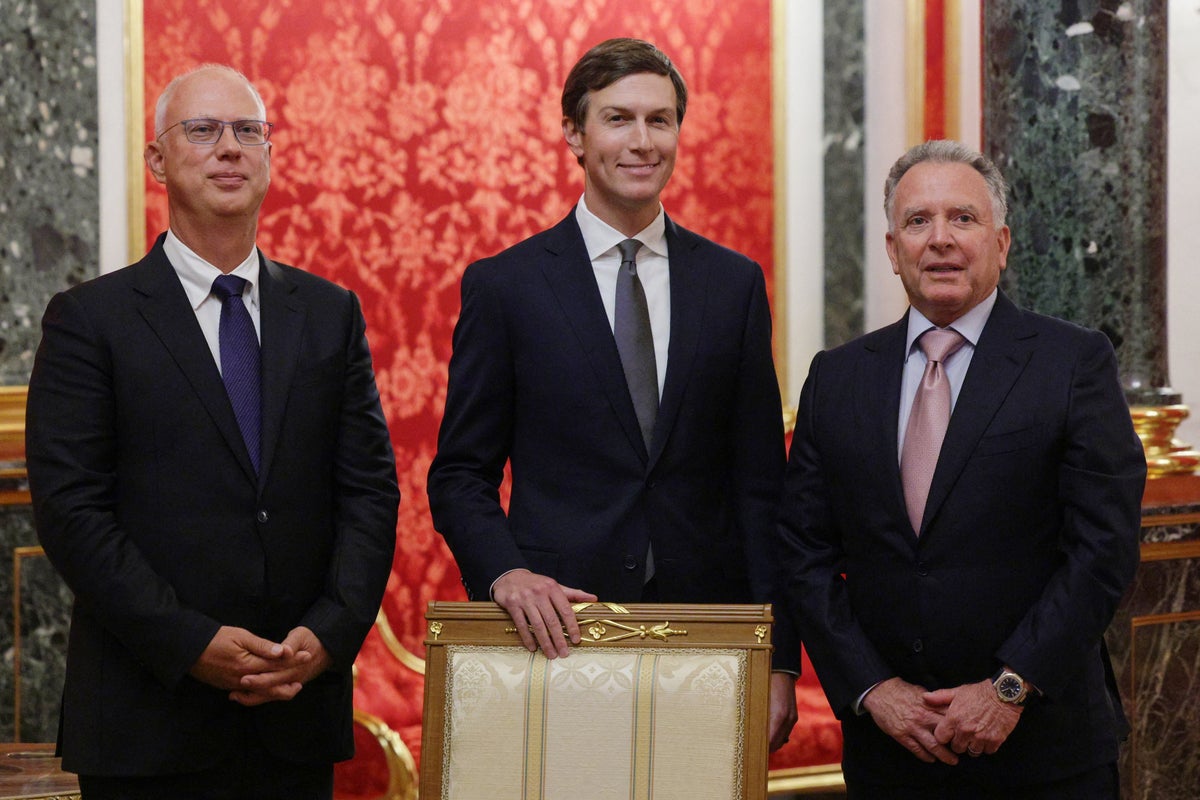
Steve Witkoff and Jared Kushner have visited Moscow and Kyiv over the weekend
© Reuters
Steve Witkoff and Jared Kushner are visiting Moscow and Kyiv over the weekend
© Reuters