Germany Identifies a Plot After Finding a Weapons Cache, but Names No Culprit

© Bernd Von Jutrczenka/DPA, via Associated Press


© Bernd Von Jutrczenka/DPA, via Associated Press


Finland is investigating a suspected violation of its airspace by a Russian aircraft over the Gulf of Finland, its Defense Ministry said. Authorities have not identified the aircraft or said whether the crossing was deliberate, and the country's border guard has opened an inquiry. The case adds Finland to a growing list of NATO states reporting Russian intrusions along the alliance's frontiers.
A Russian aircraft is suspected of violating Finnish airspace in the western Gulf of Finland on the afternoon of 20 August, Defense Minister Antti Häkkänen said. He said the country treats every such case seriously and that an inquiry is running.
"Every suspected territorial violation is taken seriously. An investigation is underway," Häkkänen said.
The ministry statement did not name the aircraft. The Border Guard later identified it as a Russian Il-20 reconnaissance plane, Finnish broadcaster Yle reported, saying the suspected crossing lasted about three minutes and reached some 4.7 nautical miles into Finnish airspace at its deepest. It said it would release more as the inquiry advances.
The suspected crossing follows two earlier Finnish cases this year. Finland suspected Russian military aircraft of entering its airspace in May, off Porkkala while one avoided a thunderstorm, and again in June, summoning Russia's chargé d'affaires over the two incidents.
Other members of the alliance keep logging similar incidents. Romania has destroyed a sea drone and recovered aerial-drone debris on its soil, and Russian drones have struck near Moldova's border with Ukraine. Kyiv has also accused Russia of steering Ukrainian drones toward Finland and the Baltic States through electronic warfare.
Finland joined NATO in 2023 and has since rearmed sharply, ending a domestic ban on nuclear weapons as part of a wider defense shift. It has stepped up support for Ukraine, most recently backing a power-plant project before Russia's winter energy campaign. Helsinki has also argued it is too early to negotiate with Moscow while the war continues.


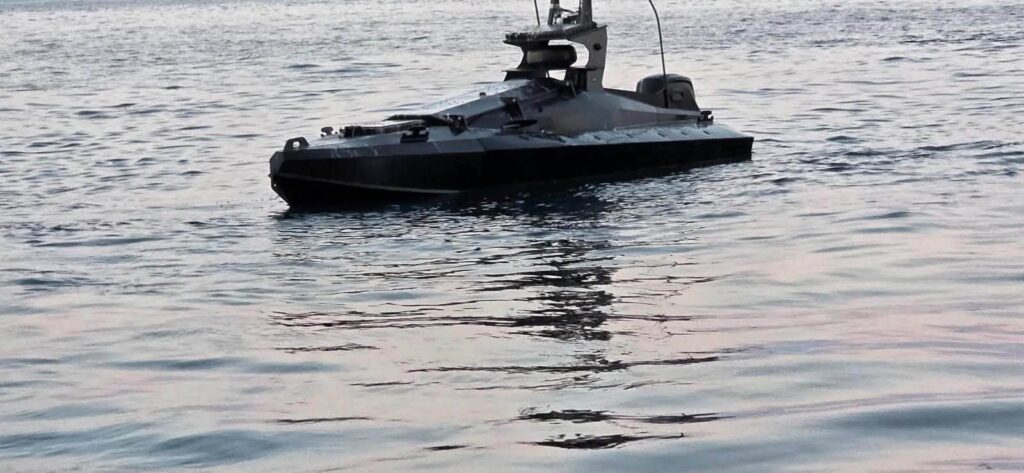
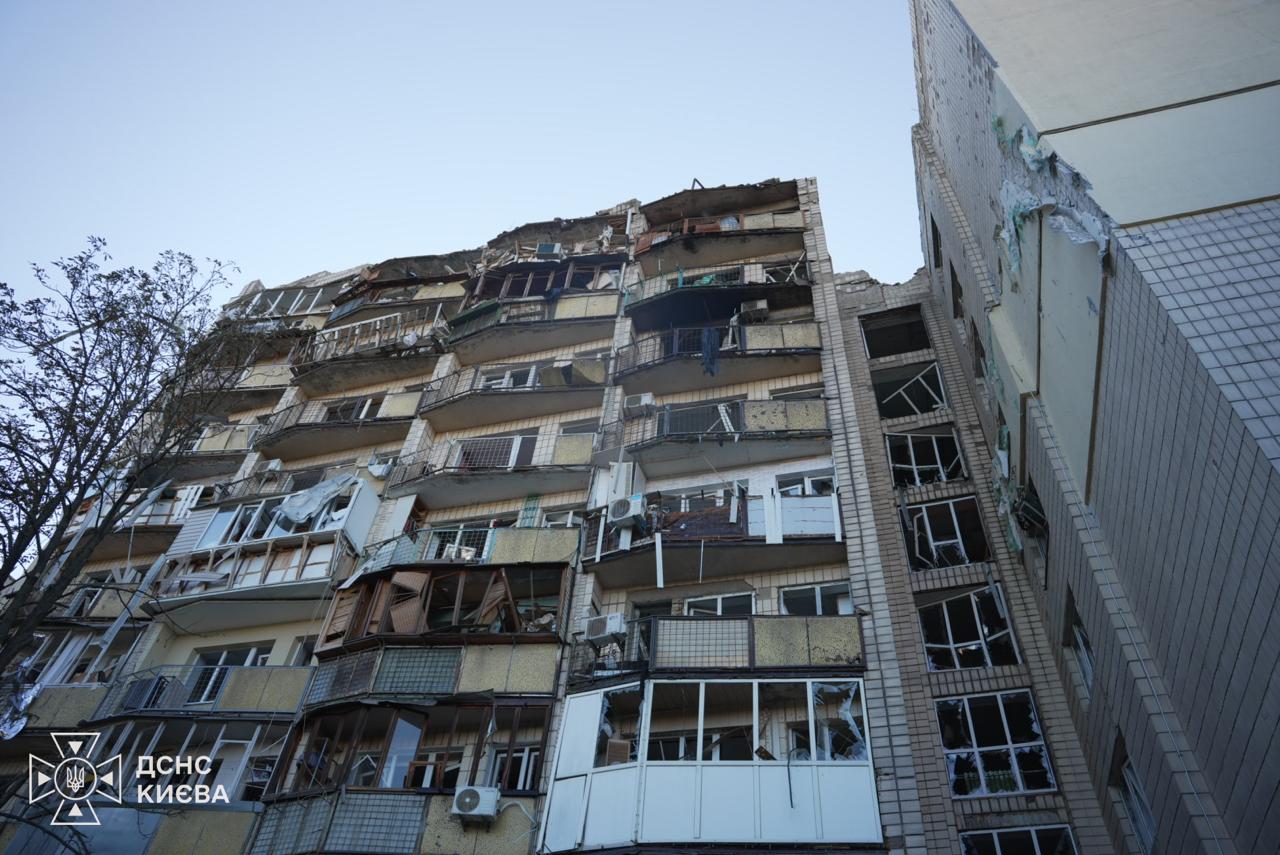
Romania destroyed an explosives-laden maritime drone near its critical Neptun Deep gas platform and recovered debris from a separate aerial drone that crashed on its soil, the Romanian Defense Ministry reported. The incidents came during a major Russian attack on Ukraine on 20 August that killed 14 people in Kyiv city and oblast, caused incidents in Moldova, and triggered air defense activation in Poland.
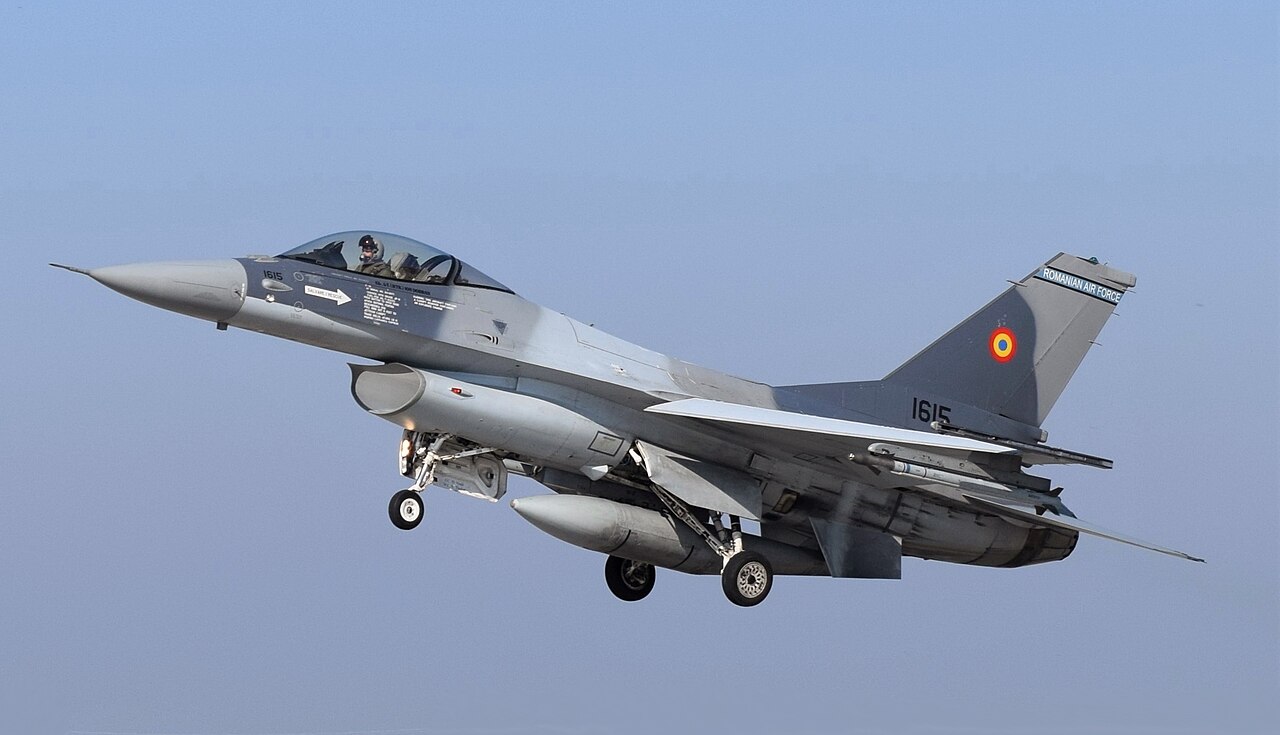
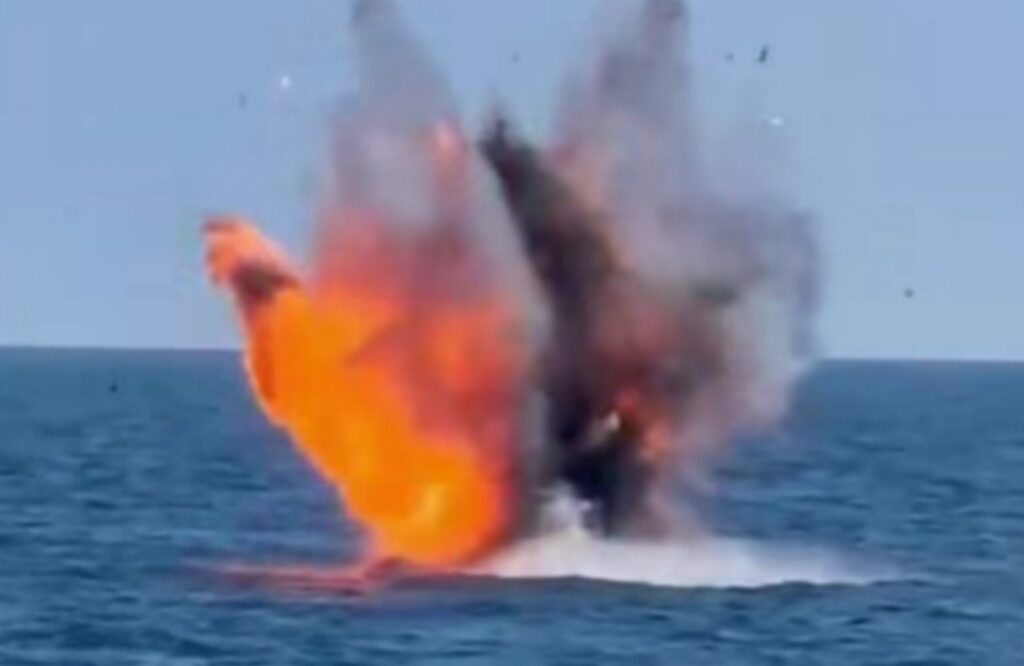
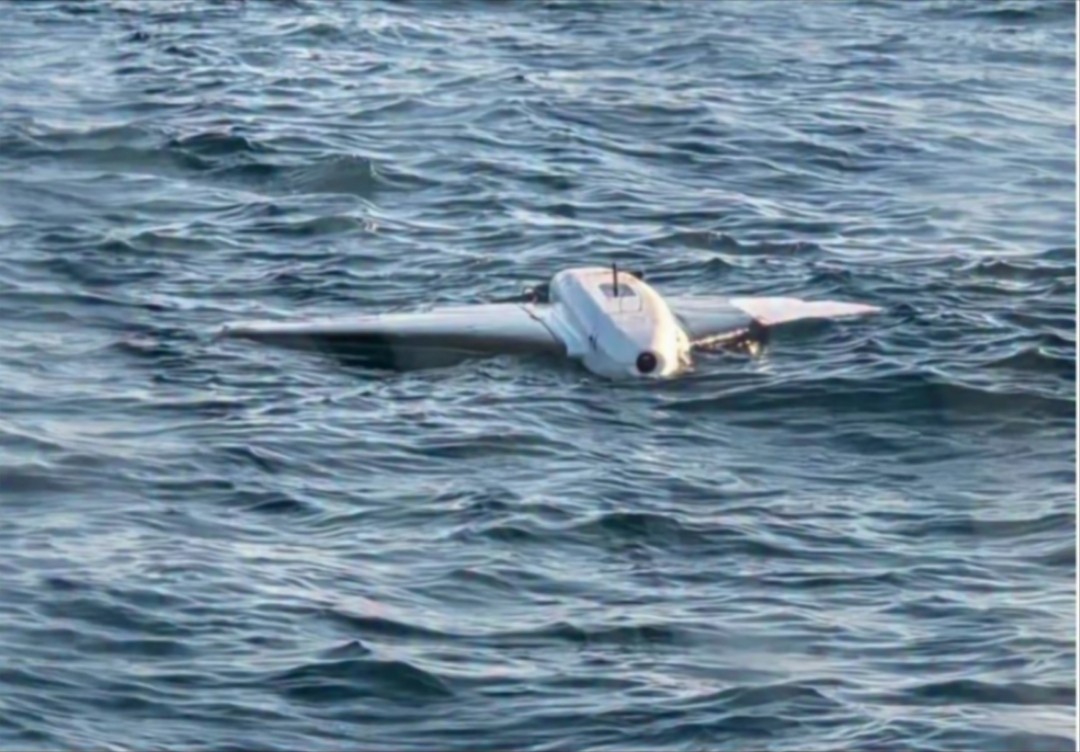
A commercial vessel spotted a drifting maritime drone near the Neptun Alpha production platform, approximately 80 nautical miles east of Constanța, at around 06:28, the Defense Ministry said. Two Romanian F-16s scrambled with orders to fire. One engaged the target with its onboard cannon—the first time Romania used a cannon against a drone and the first engagement against a maritime drone. All previous shootdowns used air-to-air missiles against aerial drones.
The country's Defense Minister Radu Miruță said the drone was carrying explosives and was spotted just hundreds of meters from the platform where several hundred people work. Through a recently established direct communication channel, Ukraine confirmed the drone was not of Ukrainian origin. President Nicușor Dan directly blamed Russia, condemning "the intensification of these types of irresponsible incidents on the part of the Russian Federation."
The engagement came nine days after Romanian navy divers destroyed two Gerbera-type drones drifting near the same platform by controlled detonation.
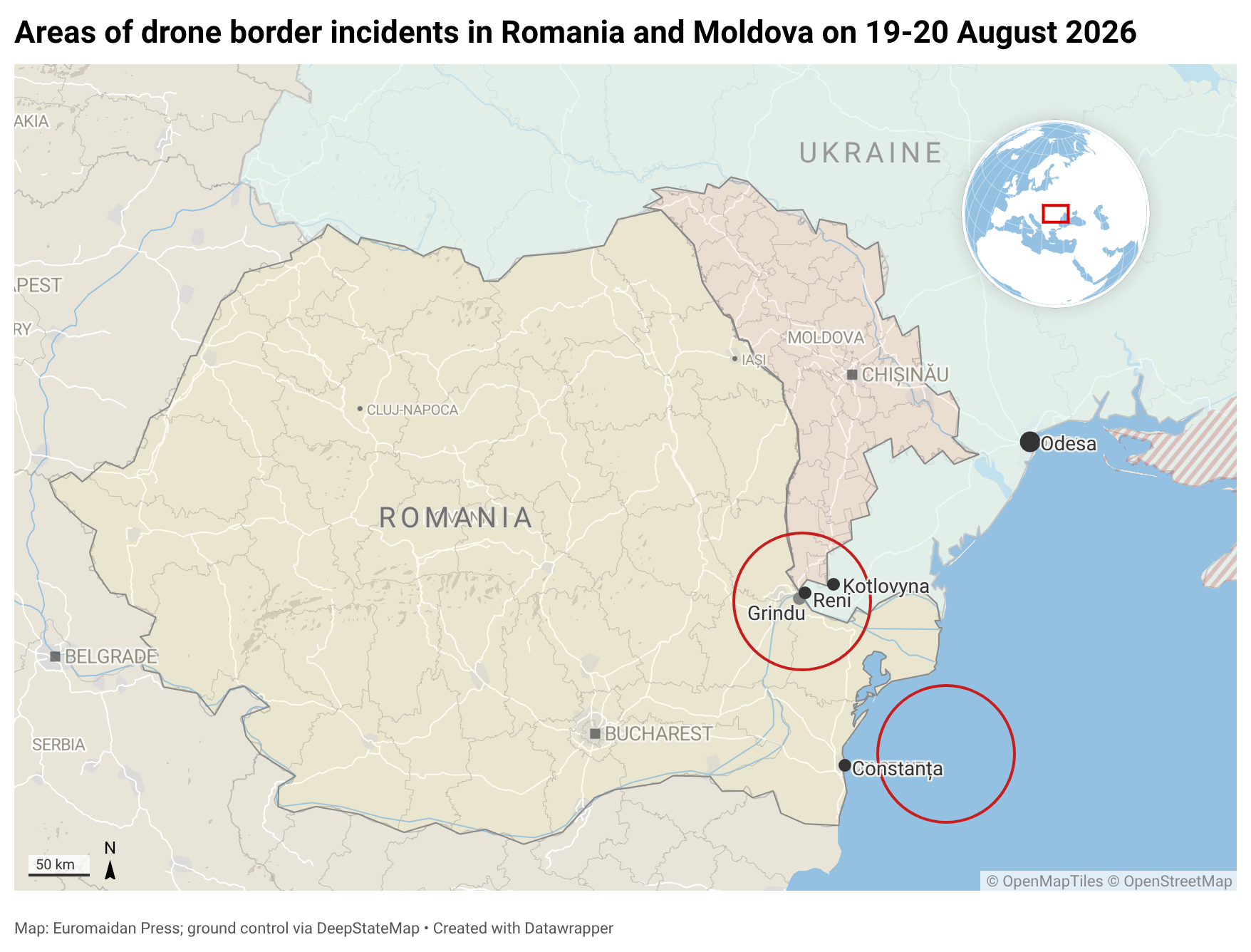
Earlier overnight, Romanian radar detected aerial targets near the Ukrainian border at 02:23, the Defense Ministry said. Two Spanish F-18s from NATO's air policing mission and a Romanian IAR-330 SOCAT helicopter scrambled. At 03:21, a drone crossed into Romanian airspace 13 km east of Galați and crashed three minutes later near the village of Grindu in Tulcea County. No casualties or damage were reported. The fragments posed no explosive hazard.
The crash came four days after a Spanish F-18 shot down another drone over Romanian airspace, Euronews reported. Romanian F-16s intercepted three Russian drones in July.
Poland's Operational Command activated military aircraft and ground-based air defense systems during the Russian attack as a preventive measure. The Netherlands provided air defense support. No breach of Polish airspace was recorded.
Moldova faced multiple incidents. At 03:16, the country's National Army detected what was preliminarily identified as a Shahed-136/Geran-2 drone crossing from Ukraine near Kotlovyna in Odesa Oblast into Moldova's Gagauzia region. It returned to Ukrainian airspace six minutes later, public broadcaster Moldova1 said.
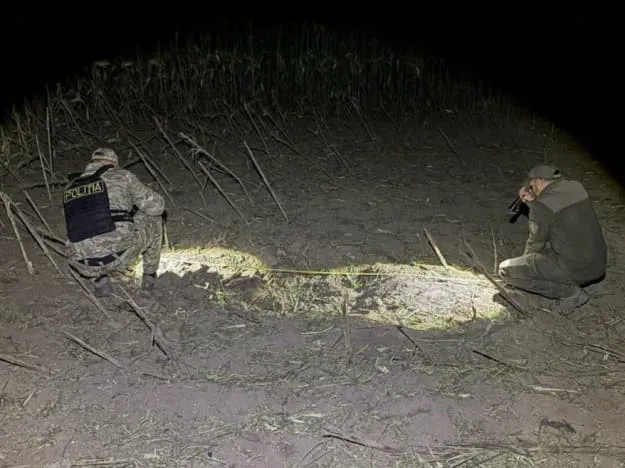
Separately, an explosion at a truck parking lot on Ukrainian territory about 150 meters from the Giurgiulești-Reni border crossing at around 03:45 sparked a fire that spread onto Moldovan soil, Newsmaker reported. Border police found drone fragments in a crater approximately 1 km inside Moldovan territory.


Russian strikes in southern Odesa Oblast overnight into 20 August left 13,000 utility customers without power, Odesa Oblast head Oleh Kiper reported. President Volodymyr Zelenskyy also said drones attacked a checkpoint on Ukraine’s border with Moldova.
Russia has intensified attacks on southern Ukraine’s Danube region, where ports and transport routes lie close to Moldova and Romania. The spillover from the attacks has forced these neighboring countries to close airspace, scramble aircraft, and shoot drones down.
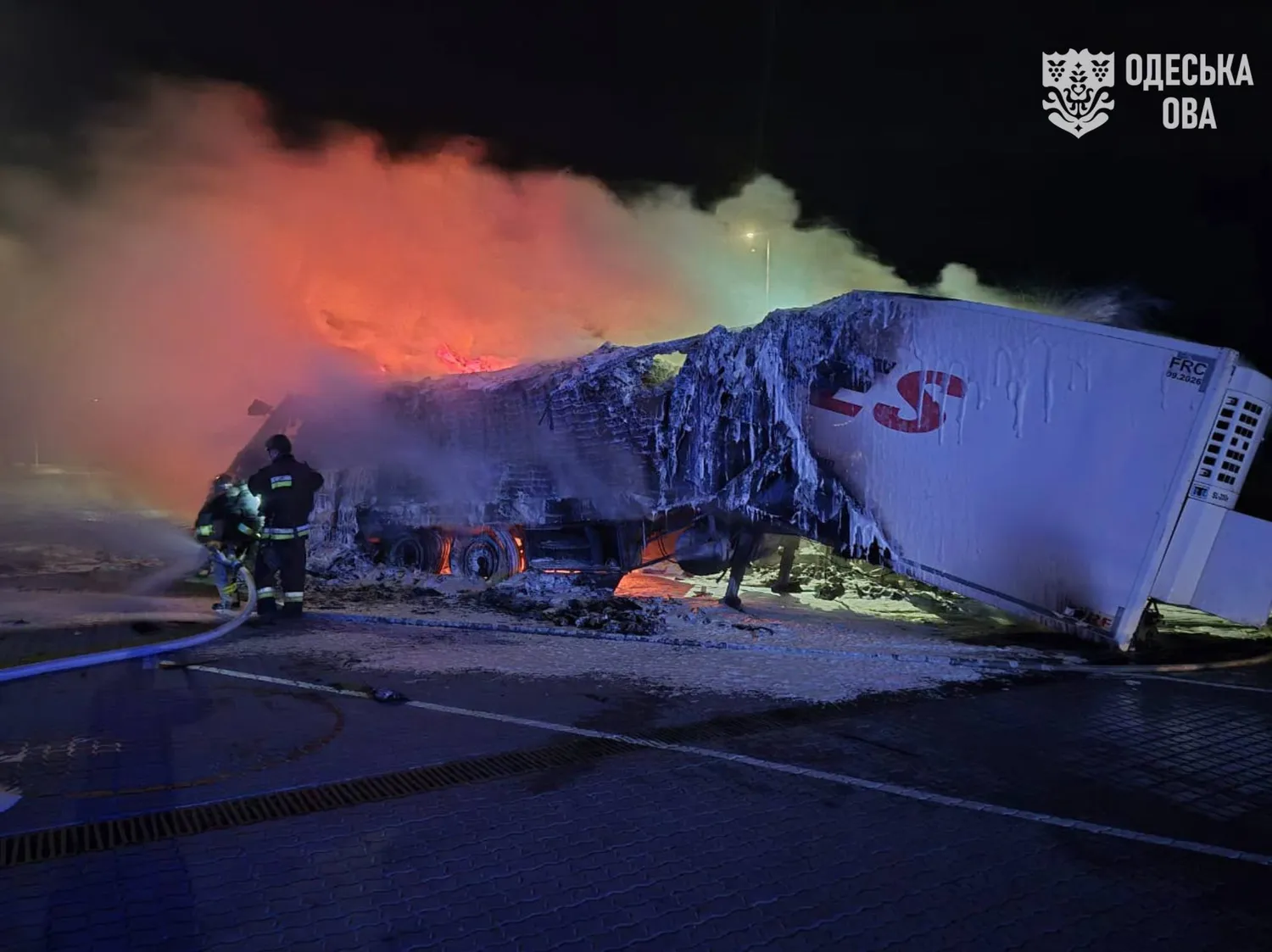
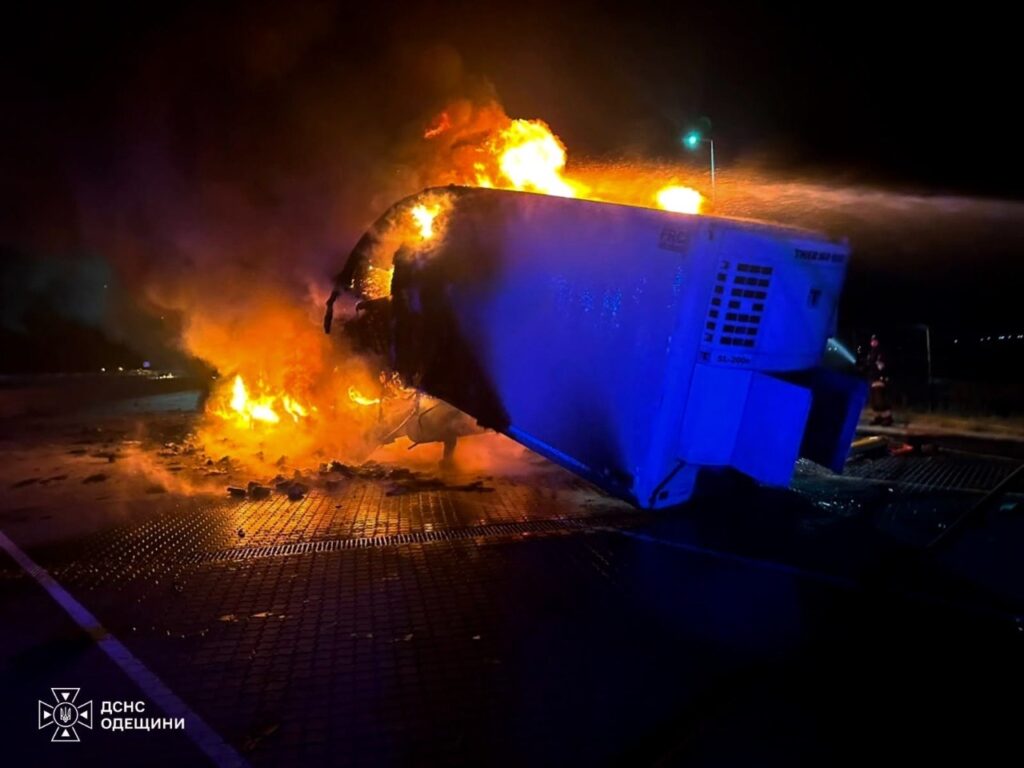
The Odesa Oblast Military Administration said Russian strikes disrupted power in several communities, and repair crews began restoration work. It did not identify damaged electrical equipment or say whether the grid had been shut down as a precaution. Two truck trailers carrying food caught fire at another location, but firefighters extinguished both blazes, the State Emergency Service said. No casualties were reported.

Zelenskyy did not identify which crossing was attacked or describe the damage. The Izmail District State Administration later reported that Russia attacked the Reni community with Shahed-136 drones. It recorded a hit on an unspecified site near the Reni–Giurgiulești international checkpoint.

People and freight cross between Ukraine and Moldova through checkpoints such as Reni–Giurgiulești. The district administration did not describe the damage or say whether the checkpoint remained open.
At 03:16 on 20 August, surveillance systems operated by Moldova’s National Army detected an unauthorized flight, public broadcaster Moldova1 reported.
The object was preliminarily identified as a Shahed-136/Geran-2, a long-range explosive drone used by Russia. It crossed from Ukraine near Kotlovyna in southwestern Odesa Oblast and flew toward Etulia in Moldova’s autonomous Gagauzia region. It returned to Ukrainian airspace at 03:22.
Similar incidents occurred earlier in August. An unidentified aerial object exploded in a Moldovan field 12 kilometers from Ukraine on 9 August. On 17 August, Moldova closed part of its airspace for 15 minutes after Ukraine’s Air Force warned that a Russian Banderol, a jet-powered missile-drone, had crossed from Odesa Oblast. The object later exploded near Talmaza.
On 20 August, Romania’s Defense Ministry said its radars detected targets near Ukraine at 02:23 and scrambled two Spanish F-18s and a Romanian helicopter. A drone entered Romanian airspace east of Galați at 03:21 and crashed near Grindu at 03:24. Its impact started a fire that went out on its own. Romania reported no casualties or material damage.
Four days earlier, a Spanish F-18 shot down a drone that entered Romania from Moldova. NATO said it appeared to be Russian.
Russia has recently intensified attacks on Ukraine’s Danube ports and struck the Mayaky bridge connecting southern Ukraine with Moldova and Romania. Such attacks can disrupt Ukraine’s transport links and force neighboring militaries to react within minutes.


Romania detected more than 100 drones involved in seven attacks on Ukraine’s Danube ports in recent days, interim Romanian Defense Minister Radu Miruță told Romanian channel Digi24 on 17 August 2026. He said the attacks were the most intense recorded recently and that Ukrainian forces destroyed most of the drones “a few dozen meters from Romanian airspace.”
Russia’s growing attacks on Ukraine’s Danube ports put a key export route at risk as Kyiv seeks other outlets while its Black Sea ports are under attack. They also put Ukraine's southern border region under pressure as Kyiv develops trade links with Moldova and Romania, and NATO routes more military aid through Romania.
The latest drone swarms remained over Ukraine, and officials found no indication that Romania’s threat level had risen, Miruță stated. The Romanian military nevertheless remained on alert as attacks intensified across the Danube.
With Russia hitting its ports, Ukraine is turning to Romania and Moldova to keep trade moving. Kyiv and Chișinău are discussing a rail link through Moldova to Romania’s Constanța port, though Ukraine estimates it could carry only about 10% of its grain exports.
The rail proposal comes as Russian port strikes have cut monthly agricultural exports by 20–30% and left up to 10 million tons of grain in storage without buyers, Agriculture Minister Taras Vysotskyi has said.
NATO said in December that a second aid hub in Romania would begin operating in January. It was designed to supplement the main center in Rzeszów, Poland, and route supplies toward Ukraine’s southern and eastern fronts.
Russian drones targeting Ukraine have repeatedly entered Romania as Moscow attacks Ukrainian ports across the Danube. More than 40 such incursions had been recorded by early June, Romanian Foreign Minister Oana Țoiu said.
The most serious occurred on 29 May, when a drone hit an apartment building in Galați. Two people were injured, and about 70 residents fled or were evacuated.
Vladimir Putin suggested that the aircraft might have been Ukrainian, but Romania’s forensic investigation later identified it as a Russian-built Geran-2.
Romanian forces later shot down three drones in 72 hours in July, while Miruță said Spanish pilots and Romanian troops destroyed a fourth on 16 August.
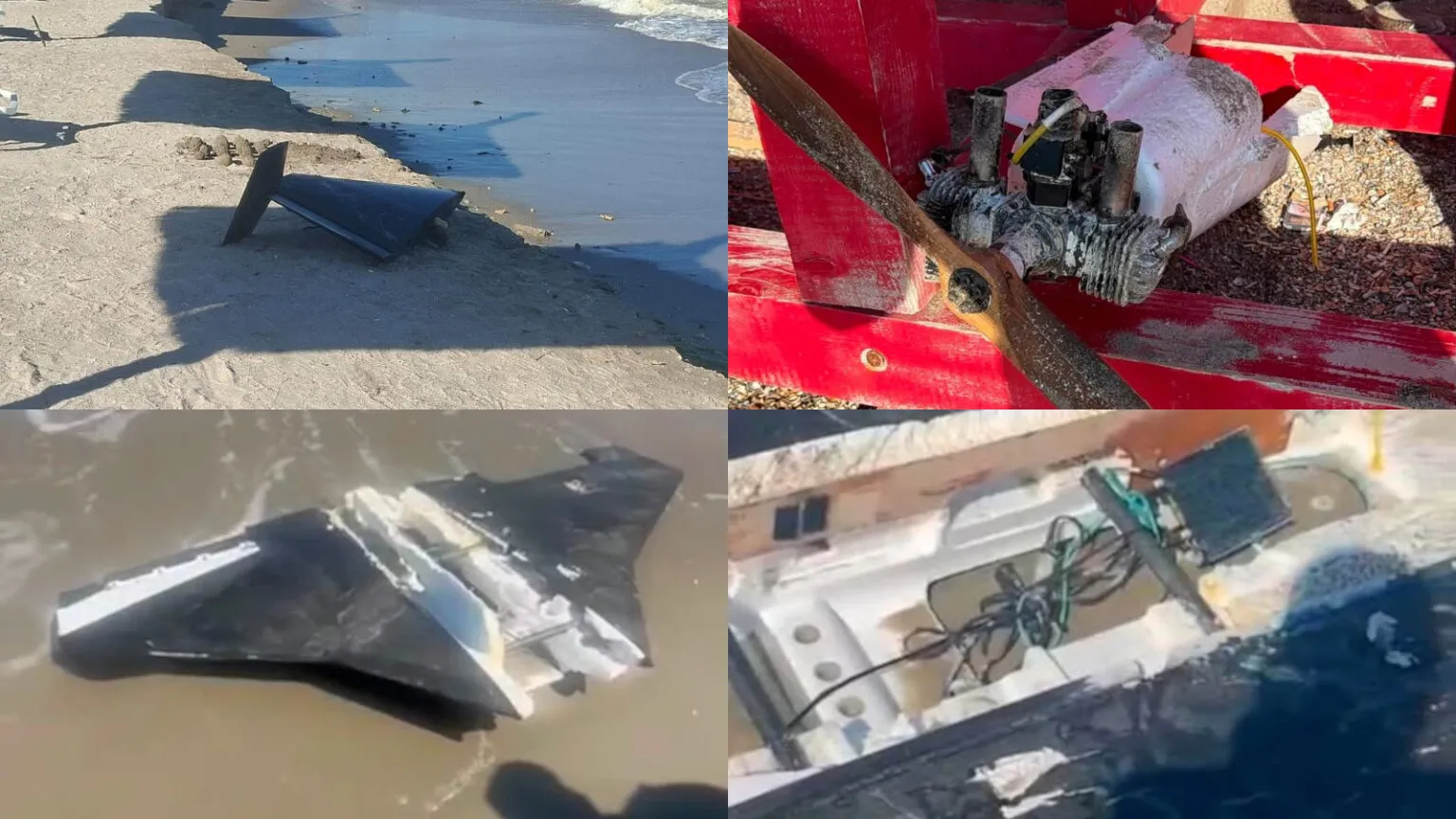
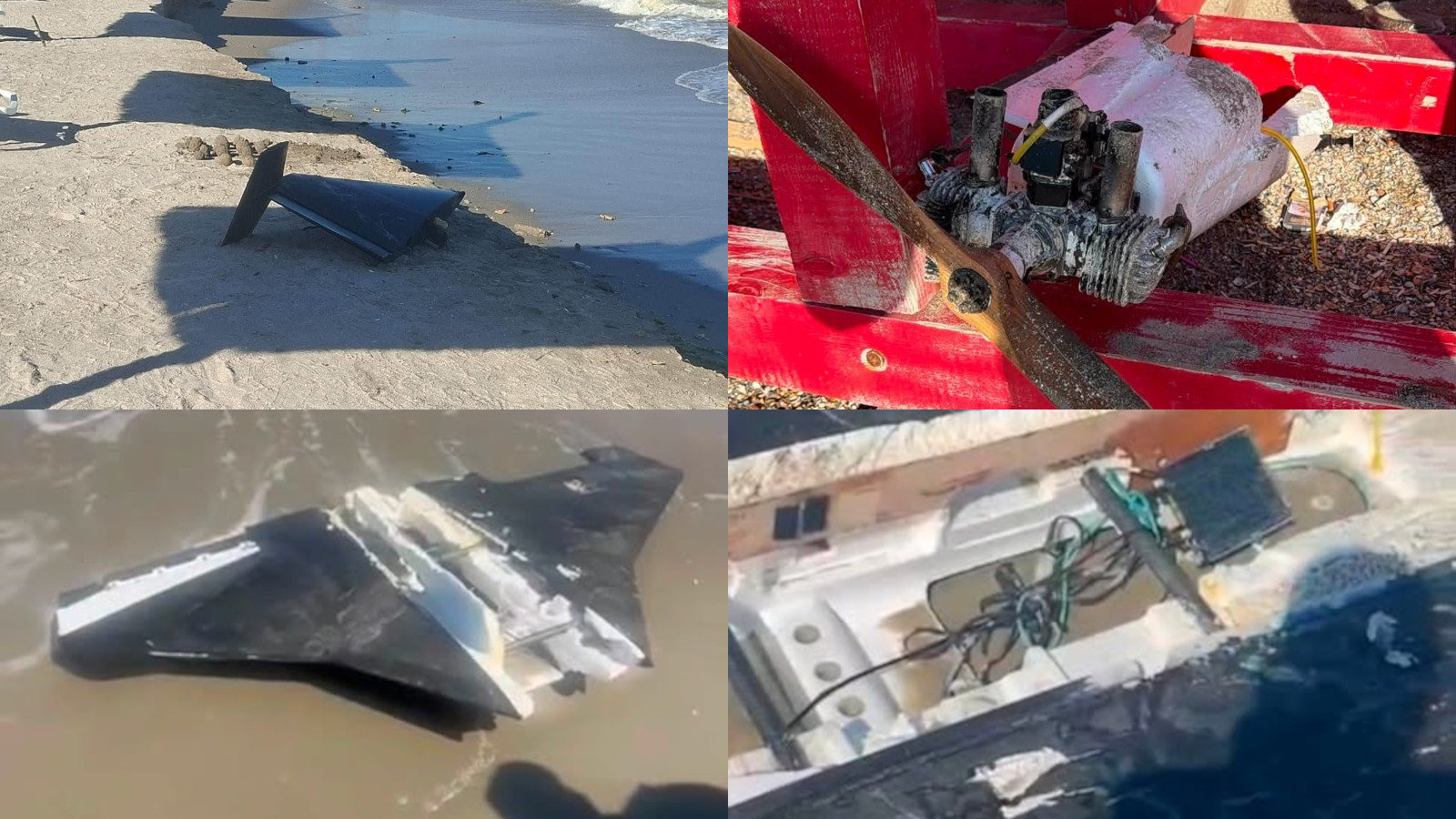
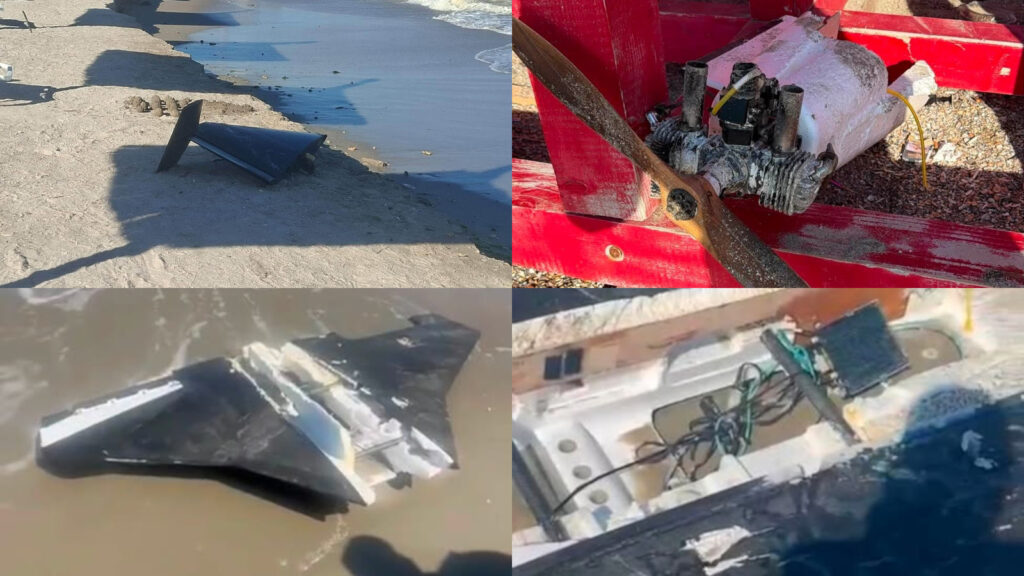
Debris from drones intercepted over Ukraine has also washed onto Romania’s coast, prompting temporary access restrictions while specialists checked for explosives.
Bucharest is buying low-altitude radars and ground interceptors through the EU’s SAFE program. Miruță said drones often fly at 70 to 150 meters, and ground systems would be cheaper to use than fighter-launched missiles.


More than 100 drones were detected near Romania over the past 96 hours, with NATO fighter jets scrambled seven times in response to the increased aerial activity, Romanian Defense Minister Radu Miruță said, according to Antena 3 CNN.
The figures come as Romania faces a growing number of drone incidents linked to Russia’s war against Ukraine. Romanian forces have recently shifted from monitoring and escorting drones to actively destroying those that enter Romanian airspace, while NATO aircraft are increasingly being called on to respond to aerial threats along the alliance’s eastern flank.
According to Miruță, Romanian authorities detected more than 100 drones in the vicinity of Romanian territory during the four-day period. NATO fighter jets participating in air-policing missions were activated seven times.
Miruță did not report how many of the detected drones entered Romanian airspace, nor how many were identified as Russian or Ukrainian.
Miruță said most of the drones were destroyed by Ukrainian air defenses outside Romania, but close enough for their debris to reach Romanian shores.
“[Russia’s war in Ukraine] is a real war, with real consequences. That is why we are taking every measure we can to limit the indirect consequences that are also being felt here,” Miruță wrote on Facebook.
The report comes shortly after Romania destroyed two Russian Gerbera-type drones that were found drifting in the Black Sea near the Neptun Deep offshore gas project on 11 August. Romanian military divers carried out controlled detonations after Ukraine confirmed the drones were not Ukrainian.
The latest figures follow a significant change in Romania’s response to drone incursions.
In late July, Romanian F-16s shot down three drones over Romanian territory and territorial waters in three consecutive days. One of the drones was identified as a Russian Shahed-type attack drone, while investigations were conducted into the others.
The July incidents marked a shift from Romania’s previous approach of tracking or escorting drones that crossed into its airspace during Russian attacks on Ukraine. Four of the five drones shot down in EU and NATO countries at that point had been neutralized by Romanian military pilots, according to Miruță.
Romanian President Nicușor Dan called the repeated violations of Romanian airspace “inadmissible and intolerable” and Bucharest prepared a diplomatic protest to Moscow after one of the downed drones was identified as Russian.
Romania has repeatedly dealt with drones crossing its border during Russian attacks on Ukrainian territory, particularly in the vicinity of Ukrainian ports on the Danube and the Black Sea.
In June, a Ukrainian sea drone that had lost control, which Kyiv attributed to Russian electronic warfare, exploded near an oil terminal in the Romanian port of Constanța. No one was injured, but more than 1,000 people were evacuated from the area as a precaution.
The incidents have also extended beyond Romania. On 14 August, NATO fighter jets shot down a foreign drone after it entered Latvian airspace. Latvia said the drone had entered its airspace as a result of Russian electronic warfare activity.
The repeated incidents have made drone activity around NATO’s eastern border an increasingly regular consequence of Russia’s war against Ukraine.


Russia's war drifted into Romania's Black Sea waters again, and this time the country's military blew the intruders up, acting Defense Minister Radu Miruță said. A vessel near an offshore gas field spotted two floating Russian drones, and army bomb-disposal divers destroyed them. Ukraine confirmed the aircraft were not its own.
Miruță announced the operation on Facebook, sharing a video. Crews working near the gas platform first noticed the drones in the water. Miruță identified both as Gerberas. A coast guard vessel carrying Romanian army sappers then sailed to the scene. The divers found two uncrewed aircraft adrift, along with several other fragments.
The drones lay in Romania's exclusive economic zone, roughly 90 nautical miles (about 167 km) east of Constanța, Militarnyi reported. Miruță said Romania's Defense Ministry then contacted Kyiv:
"The Ministry of National Defense contacted the Ukrainian partners, who confirmed the systems do not belong to them."

To protect the shipping route and the work around the platform, the military destroyed the drones in a controlled blast, Suspilne relayed.
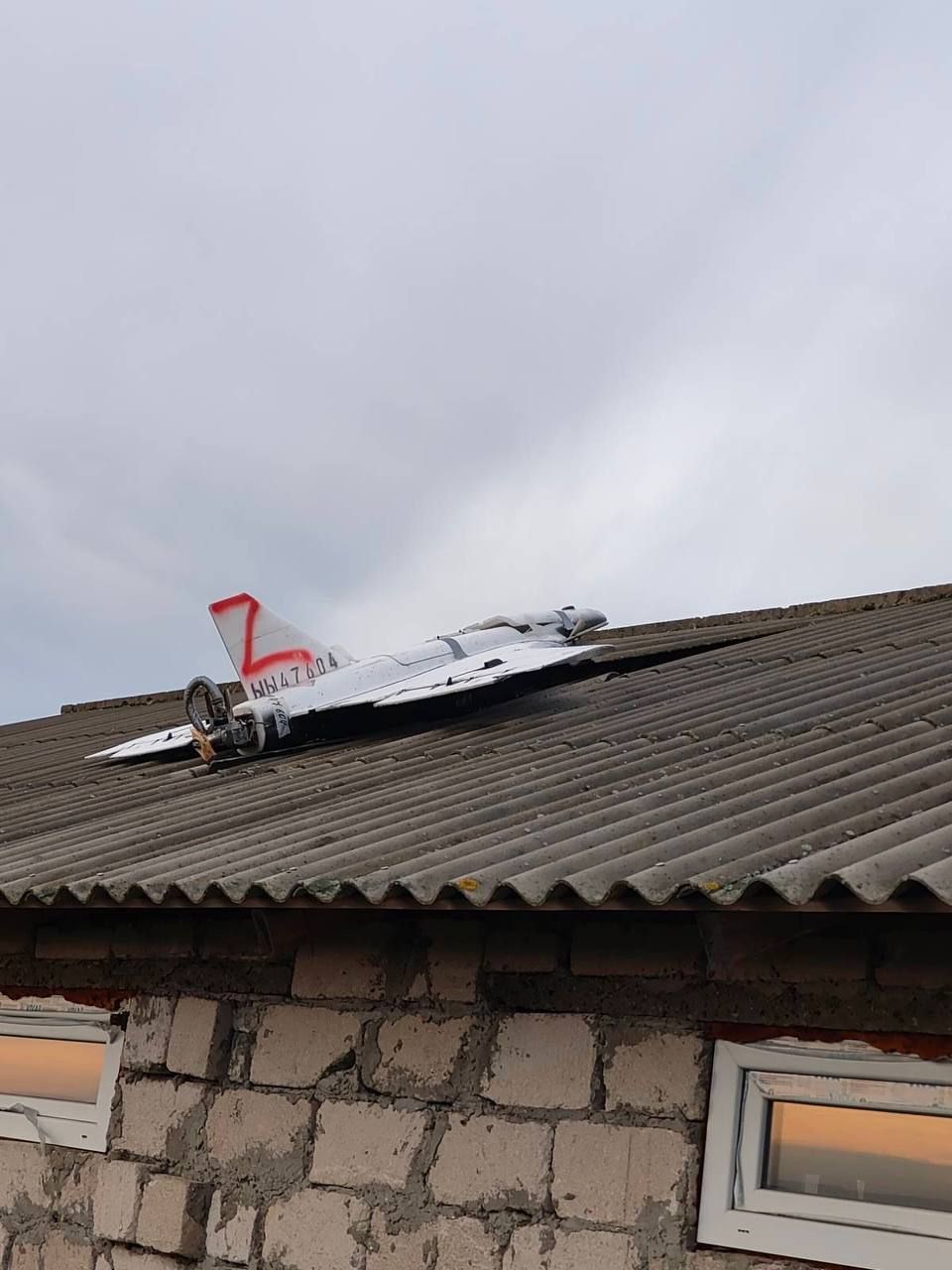
Russia designed the Gerbera as a decoy. The cheap foam aircraft forces Ukrainian air defenses to waste time and interceptors, and helps Russian crews locate those defenses. Later, Russia fitted some Gerberas with warheads, turning the decoy into a strike drone. The same model can also carry smaller attack drones or gather intelligence.
Custom Code
Ukraine's Air Force reported that last night Russia hit Ukraine with an Iskander-M ballistic missile, a Kh-31P anti-radar missile, and Kh-35 guided missiles, plus 138 Shahed-type strike drones — among them jet-powered ones, Gerberas, and Parodiya decoys — fired from several sites inside Russia and from occupied territory.
The main targets were Sumy Oblast in the northeast and Odesa Oblast, Ukraine's Black Sea coastal region that lies northeast of Romania's shore. By morning, air defenses had downed or suppressed 112 of the drones, though strikes hit 16 locations.
The drones surfaced far from any battlefield. Russian uncrewed aircraft have repeatedly drifted into neighboring states during Moscow's attacks on Ukraine. Romania itself has shifted from escorting stray drones to shooting them down.
Neptun Deep is Romania's largest offshore gas project, due to start production in 2027. Bucharest is counting on the field to cut its reliance on outside supply and to feed neighbors that still lean on Russia. The two drones drifted into the waters around it.


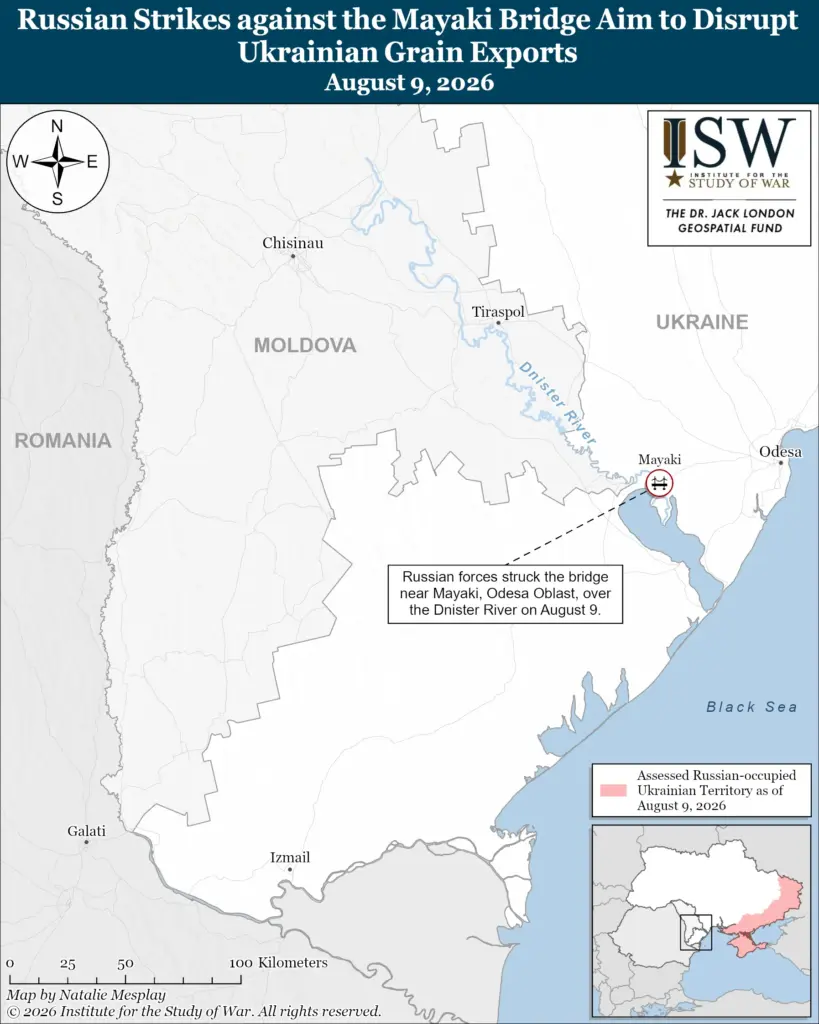
Russian forces struck the Mayaki bridge on the M-15 highway on 9 August, the Institute for the Study of War reported. The strike severed a road link that ties southern Ukraine to Moldova and Romania. That Odesa–Reni route crosses the Dniester and feeds the Danube ports. Those ports have become Kyiv's main export outlet since Russian strikes crippled its Black Sea shipping.
Russian milbloggers reported the attack, though their accounts diverged sharply. One claimed that Russian forces had destroyed the span. Others published footage purporting to show that it still stands. A local outlet serving nearby Izmail reported on 9 August that the strike damaged the crossing. Ukraine's State Border Guard Service separately confirmed that authorities briefly restricted traffic on the route. Moscow had already targeted the same structure in December 2025.
Russia likely hit the Mayaki bridge to choke Ukrainian grain exports, ISW assessed. Those exports now move through a land corridor that Kyiv has leaned on since strikes disrupted its maritime routes. Moscow has steadily intensified this campaign since July 2026. Navy Spokesperson Captain Third Rank Dmytro Pletenchuk offered one measure on 31 July. He said Russian strikes had damaged more than 20 ships near the Black Sea and sharply slowed cargo flows. Meanwhile, the country's main farmers union weighed in on 15 July. The Ukrainian Agri Council estimated that Russian attacks had cut about a third of Ukraine's grain-export capacity.
Minister of Agrarian Policy and Food Taras Vysotskyi has described the fallout. He said the strikes are forcing Kyiv to reroute grain and cargo through the Danube River. Russia used the same playbook in July 2023. Back then, then-Minister Mykola Solskyi reported that strikes destroyed 60,000 tons of grain at Chornomorsk port overnight on 19 July. Therefore, ISW concluded, Russia is likely shifting its strikes from the sea corridor to the land corridor. The aim, analysts wrote, is to block grain exports and weaken Ukraine's wider economy.
Russian forces are likely shifting their strikes from Ukraine's sea corridor to its land corridor to block grain exports and degrade the economy. — Institute for the Study of War
Turkish Foreign Minister Hakan Fidan raised a separate track on 9 August. He said Ankara had proposed a Russian–Ukrainian moratorium on strikes against merchant ships in the Black Sea. Both Moscow and Kyiv have received the offer, Fidan added, and Türkiye now awaits their response.


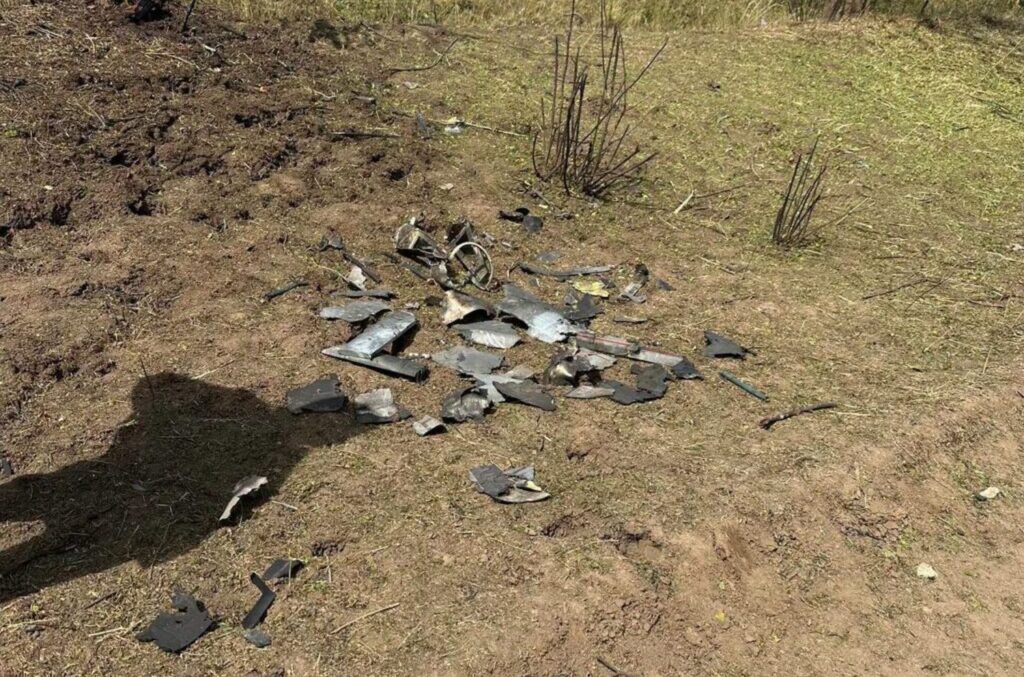
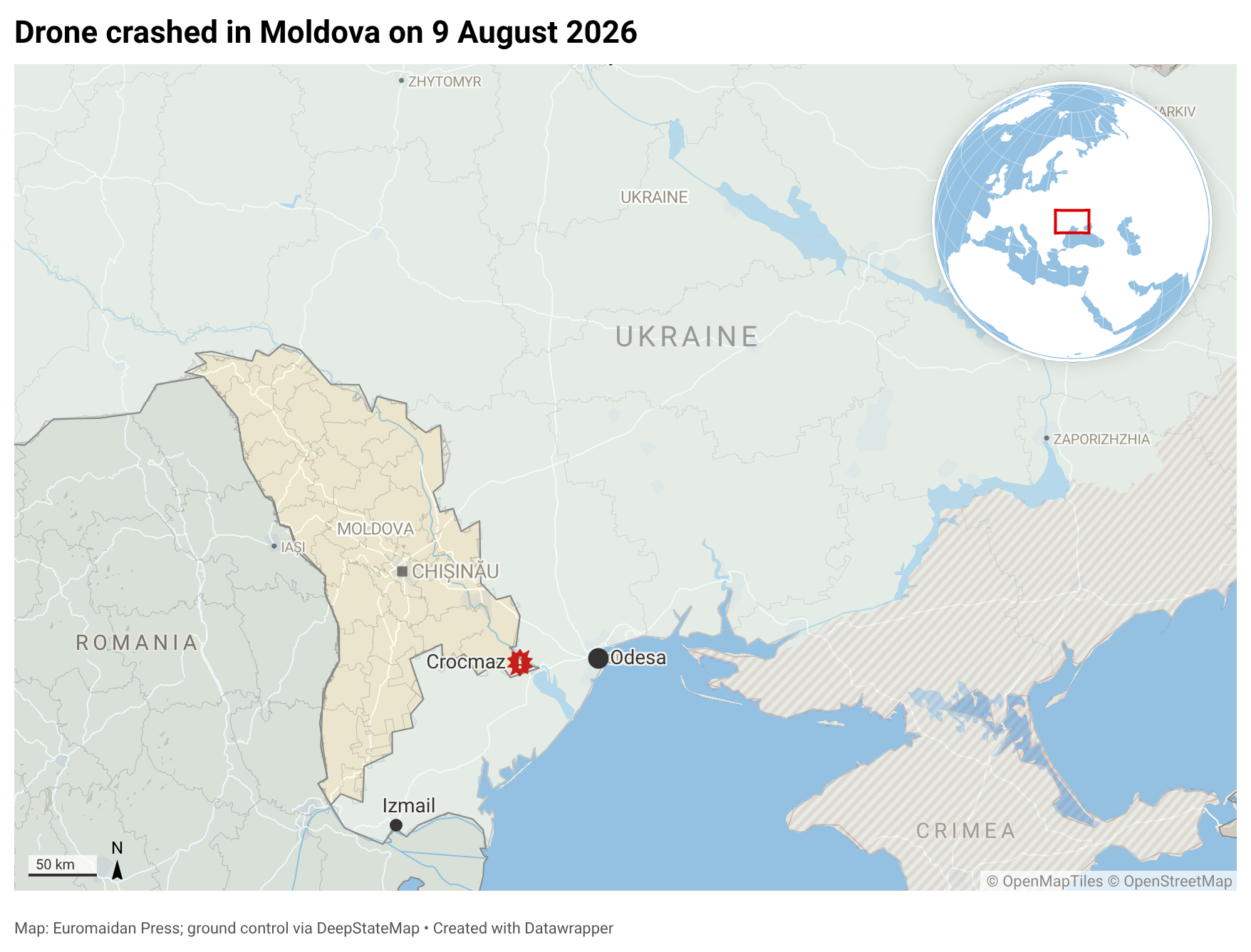
A combat drone exploded near a village on Moldova's border with Ukraine on 9 August, sparking a grass fire but hurting no one, Moldovan police said. Investigators recovered fragments and will examine them to establish the drone's type and origin. It was one of two blasts the war pushed across Europe's borders in two days, with Bulgaria fielding a separate drone explosion and summoning Ukraine's ambassador.
The blast rang out around 13:20 near Crocmaz, in Moldova's Ștefan Vodă district in the southeast, and set dry grass alight, NewsMaker reported. The village lies on the Dniester, upstream of Ukraine's Dniester estuary.

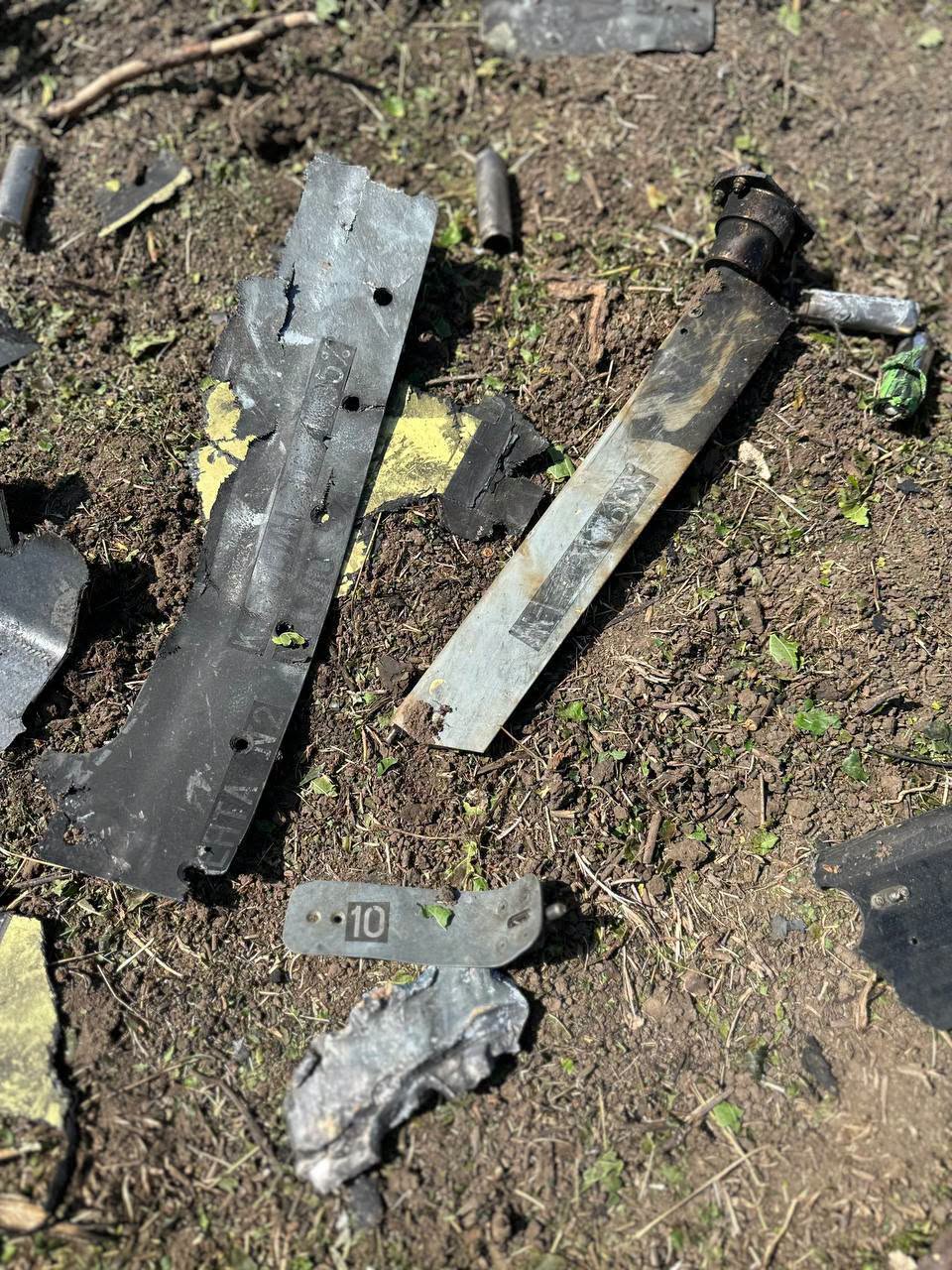
Firefighters and patrols confirmed no civilians were hurt and no homes were damaged. Police found fragments that they preliminarily identified as parts of a combat drone. Those pieces will undergo a ballistic-technical examination to determine the drone's exact type, its affiliation, and how it fell. Crocmaz sits right on the Ukrainian border. The district council posted photos of the object and told residents to avoid the cordoned area and report any fragments to the 112 line.

The drone fell hours after Russia hit Odesa with missiles and drones overnight on 9 August. Much of Moldova's eastern border runs along Odesa Oblast, so wreckage from the war often drifts across. Russian drones have crashed on Moldovan soil during such attacks before. Whether this one was Russian or something else is for the examination to show.
Also today, Bulgaria's Foreign Ministry summoned Ukraine's ambassador, Olesia Ilashchuk, over a drone that exploded on 8 August near the Romanian border, by a Trans-Balkan gas pipeline compressor station, Bulgarian National Television reported. Its defense bloc said the drone was likely a Ukrainian decoy, with no sign it was launched on purpose.