Vue normale

  • ✇Euromaidan Press
  • US forecasters see Ukraine’s corn exports falling 39% as Russia bombs ports
    The US Department of Agriculture's Foreign Agricultural Service (FAS) forecasts that Ukraine's grain exports will fall steeply in the 2026-27 season, with corn shipments dropping 39% to 14 million tonnes and wheat 26% to 10.8 million, World Grain reported. The agency tied the decline to Russia's summer campaign against the Odesa ports, which handle roughly 90% of the country's grain. The forecast puts Washington's own numbers behind what Kyiv has warned for weeks. Ukrai
     

US forecasters see Ukraine’s corn exports falling 39% as Russia bombs ports

11 août 2026 à 07:34

The US Department of Agriculture's Foreign Agricultural Service (FAS) forecasts that Ukraine's grain exports will fall steeply in the 2026-27 season, with corn shipments dropping 39% to 14 million tonnes and wheat 26% to 10.8 million, World Grain reported. The agency tied the decline to Russia's summer campaign against the Odesa ports, which handle roughly 90% of the country's grain.

The forecast puts Washington's own numbers behind what Kyiv has warned for weeks. Ukraine's agriculture ministry projects farm exports could fall by almost half this season, and the FAS estimate — from a body with no stake in Ukraine's budget — points the same way. The difference is where the FAS looks: not at the ships that cannot sail, but at the grain that cannot follow them out.

Grain with nowhere to go

The clearest sign of the blockage is in ending stocks — grain left sitting in the country when the season closes. The FAS expects Ukraine's corn stocks to jump more than tenfold, to 13.5 million tonnes from 1.3 million, and wheat stocks to more than double to 8.2 million. That is grain the harvest produced and the ports could not move.

Ukraine has more than 74 million tonnes of storage for grain and oilseeds, the FAS noted, including about 23 million tonnes of certified warehouse space. Even so, the agriculture ministry has said the country may need another 10 to 12 million tonnes of temporary storage to get through the corn harvest if the Black Sea disruptions continue — most acutely in regions near the front line.

Why Odesa decides the harvest

Almost everything moves through Odesa. Three deepwater ports in Odesa Oblast carry more than 90% of Ukraine's farm exports, and Russia spent the summer hitting them and the ships that call there. Missiles struck the Turkish-owned bulk carrier Golden Leo as it left Odesa loaded with grain on 19 July, killing 10. Days earlier, a Russian drone hit a Palau-flagged corn ship twice as it sailed for Greece.

The land routes that remain — rail, road, and the Danube — cannot take up the slack, and traders have pulled back from buying grain they have no way to ship.

Farming is Ukraine's biggest export earner, bringing in more than half of what the country made selling goods abroad last year. Ukraine is also among the world's largest corn suppliers, which is why a cut of this size registers well beyond its own budget. For the farmers holding this year's crop, the FAS forecast describes a harvest they may not be able to sell.

  • ✇Euromaidan Press
  • Ukraine and Moldova discuss rail corridor for grain amid Russian Black Sea attacks
    Ukraine and Moldova are discussing transporting Ukrainian grain by rail through Moldovan territory to the Romanian port of Constanta, an option driven by intensified Russian attacks on shipping in the Black Sea, according to unnamed sources in both countries cited by Reuters. The talks come as Russian strikes on vessels using the Black Sea corridor have disrupted traffic during the harvest season and forced Ukraine to cut its export forecast. On 22 July, no ship passed
     

Ukraine and Moldova discuss rail corridor for grain amid Russian Black Sea attacks

11 août 2026 à 07:18

Ukrainian grain

Ukraine and Moldova are discussing transporting Ukrainian grain by rail through Moldovan territory to the Romanian port of Constanta, an option driven by intensified Russian attacks on shipping in the Black Sea, according to unnamed sources in both countries cited by Reuters.

The talks come as Russian strikes on vessels using the Black Sea corridor have disrupted traffic during the harvest season and forced Ukraine to cut its export forecast. On 22 July, no ship passed through the corridor at all, and the country's agriculture ministry has already lowered its projection for the 2026–2027 season by up to five million tons.

Discount sought, volume guarantees demanded

Kyiv is asking for a discount of 50 percent off the nominal rate to transport its grain, according to the agency's sources. A source at Moldovan Railway said Moldova responded with a counterproposal: guarantees from Ukraine on the volumes of grain it would transport through the route.

"We are currently collecting information on potential volumes from interested shippers. The information-gathering process has not yet been completed," a senior Ukrainian industry official told Reuters.

Ukraine expects corridor to cover 10 percent of exports

Ukraine estimates the Moldovan corridor could handle 10 percent of its grain exports. Agriculture Minister Taras Vysotskyi said earlier that his ministry had lowered its grain export forecast for the 2026–2027 season from 43 million tons to 38–40 million tons because of Russian attacks on ports.

Ministers discuss rail links

A day before the Reuters report, Moldova's Minister of Infrastructure and Regional Development, Vladimir Bolea, visited Ukraine's Odesa region and met with his Ukrainian counterpart, Mykola Kalashnyk, to discuss improving rail connections and expanding the transit network between the two countries.

Moldova's premier defends transit revenue

Moldovan Prime Minister Vasile Tofan said his country should not pass up the opportunity to earn millions of euros from transiting Ukrainian grain cargo. He dismissed suggestions by Moldovan farming groups that Ukrainian grain prices would depress the value of their own produce.

"Let's not look for enemies where there are none," he said on Moldovan television.

Russian attacks on shipping

Russia intensified strikes on vessels using the Ukrainian Black Sea corridor in July. On 13 July, Russian forces struck a civilian ship flying the flag of Togo while it was unloading mineral fertilizer off the coast of Odesa region, killing five crew members and injuring five others.

The following day, 14 July, Russia attacked two civilian vessels in the Black Sea — cargo ships flying the flags of Tanzania and Liberia. The captain of one of the ships was killed. On the evening of 17 July, a vessel flying the flag of the Marshall Islands was struck. Attacks continued afterward.

On 22 July, no vessel passed through the sea corridor. The Ukrainian government called the disruption "deliberate economic and humanitarian terror," coming at the height of the harvest season.

Ukraine convened an urgent session of the UN Security Council over the attacks, calling on all states — particularly those "which this directly concerns" — to demand that Russia stop striking shipping. Separately, the Southern Mining and Processing Plant (Pivdennyi HZK) announced it was suspending extraction and temporarily scaling back operations.

  • ✇Euromaidan Press
  • US House takes up Graham sanctions bill targeting Russia’s oil money and shadow fleet
    A bipartisan group of US House members introduced the House version of the Lindsey O. Graham Sanctioning Russia and Iran Act of 2026 on 10 August, advancing the sweeping sanctions package during the chamber's summer recess just days after the Senate passed it. The move puts the bill one chamber from becoming law. If the House passes it, it would hand the president authority to impose tariffs of up to 100% on the biggest buyers of Russian crude and gas—China and India ch
     

US House takes up Graham sanctions bill targeting Russia’s oil money and shadow fleet

11 août 2026 à 06:54

US Senator Lindsey Graham russia sanctions bill senate kyiv 10 2026 presidentgovua

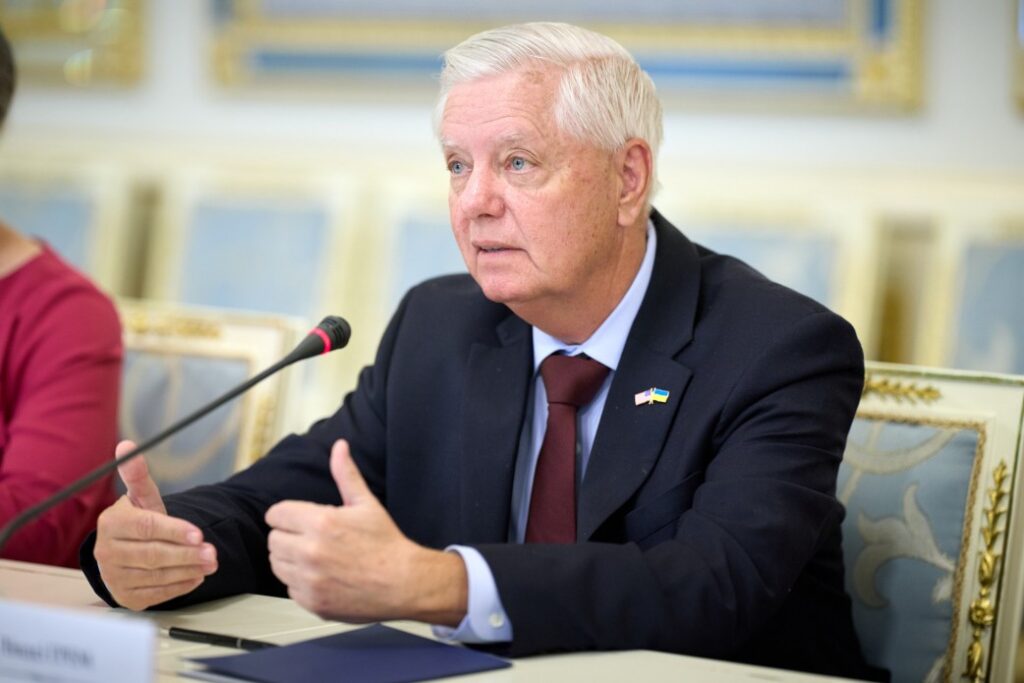
A bipartisan group of US House members introduced the House version of the Lindsey O. Graham Sanctioning Russia and Iran Act of 2026 on 10 August, advancing the sweeping sanctions package during the chamber's summer recess just days after the Senate passed it.

The move puts the bill one chamber from becoming law. If the House passes it, it would hand the president authority to impose tariffs of up to 100% on the biggest buyers of Russian crude and gas—China and India chief among them—and to blacklist the aging tankers of Russia's shadow fleet, the vessels that move sanctioned oil around Western restrictions. The target is the oil revenue that pays for Russia's war on Ukraine, at a moment when Ukrainian deep strikes have already knocked a large share of Russian refining capacity offline.

What the bill would do

The package imposes primary and secondary sanctions on Russian officials, oligarchs, entities propping up Russia's defense-industrial base, and foreign actors that materially aid Moscow's military operations. It targets major Russian banks and the foreign financial institutions that do significant business with them, and it goes after the shadow fleet and sanctions-evasion networks—ships, owners, operators, insurers, and ports that knowingly move Russian oil. The tariff framework, up to 100% on the top five buyers of Russian oil and the top five buyers of its gas, replaces an earlier plan for a blanket 500% tariff, with the US trade representative setting the specific rate for each country. The bill also folds in Iran, extending the Iran Sanctions Act of 1996.

Sanctions could be lifted only if the president certifies to Congress that Russia has signed a peace deal accepted by a free and independent Ukrainian government and has halted hostilities and efforts to subvert Kyiv.

A bill born from a stall—and a death

Graham and Democratic Senator Richard Blumenthal introduced the measure in 2025 with 500% tariffs. It drew more than 80 Senate cosponsors and went nowhere for over a year, as the White House kept it off the floor while betting on negotiations that never delivered. Graham secured President Trump's sign-off, then died on 11 July of an aortic dissection, a day after his last visit to Kyiv. The Senate renamed the bill in his honor and passed it 86-11 on 7 August.

The House is not a rubber stamp

The House text is identical to the Senate-passed version, so the companion functions largely as a whip count—a way for members to signal support before a floor vote expected this fall, once the chamber returns from recess on 31 August. Passage is not guaranteed: some House members have voiced fundamental concerns about handing the president broad tariff powers that could raise costs for US importers and consumers.

  • ✇Euromaidan Press
  • Two Russian refineries burn – Orsk hit by drones 1,500 km out, Komsomolsk ablaze 6,500 km east
    Two Russian oil refineries caught fire on 11 August, but the two incidents tell very different stories. In Orsk, in Orenburg Oblast, drones sparked a blaze that Ukrainian monitoring channels quickly linked to Kyiv's long-range campaign. Meanwhile, thousands of kilometers farther east, a Rosneft plant in Komsomolsk-on-Amur burned for reasons that remain unexplained. A drone strike deep in Orenburg Oblast Early on 11 August, residents of Orsk reported explosion
     

Two Russian refineries burn – Orsk hit by drones 1,500 km out, Komsomolsk ablaze 6,500 km east

11 août 2026 à 05:55

“Orsknefteorgsintez” Orsk Oil Refinery

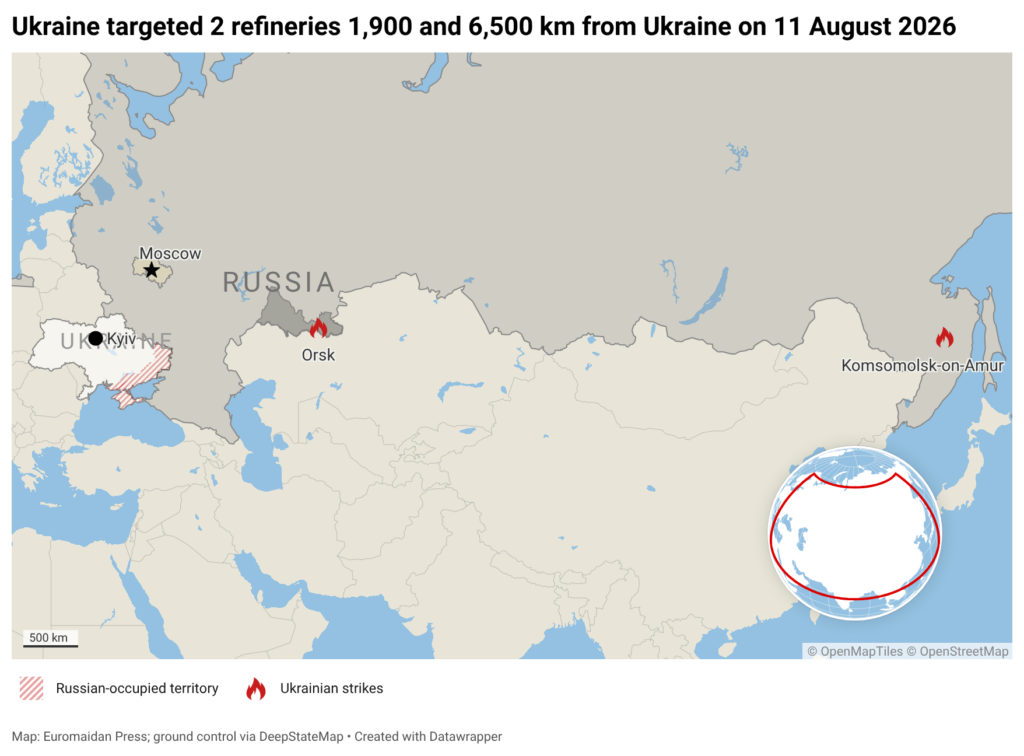
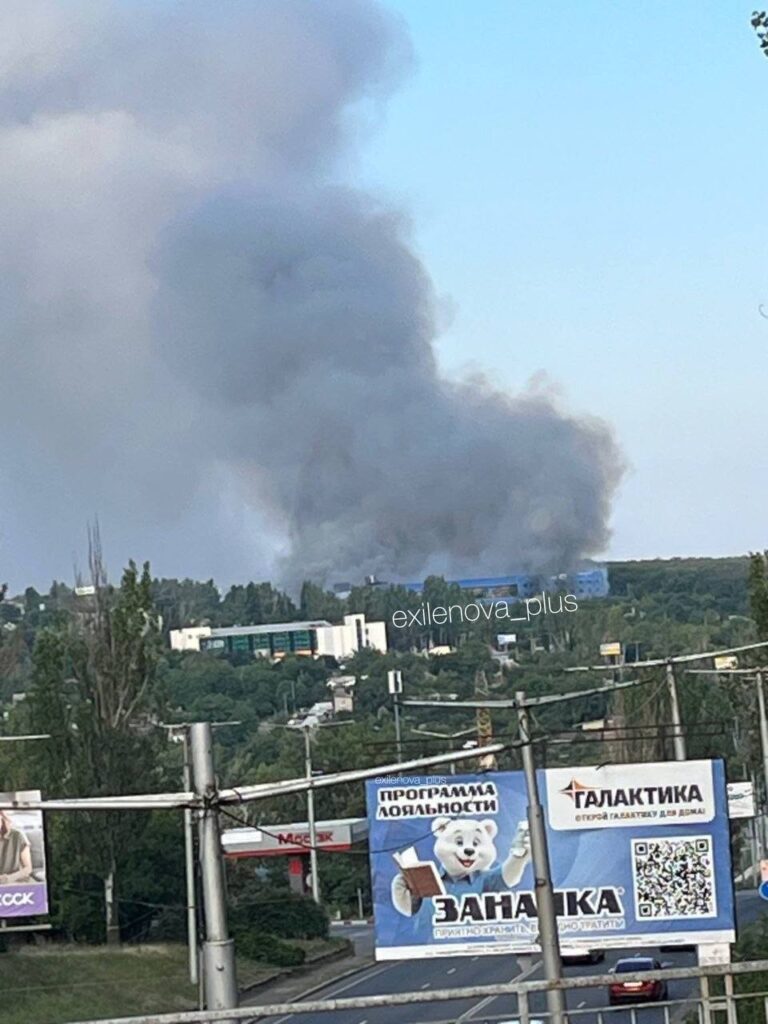
Two Russian oil refineries caught fire on 11 August, but the two incidents tell very different stories. In Orsk, in Orenburg Oblast, drones sparked a blaze that Ukrainian monitoring channels quickly linked to Kyiv's long-range campaign. Meanwhile, thousands of kilometers farther east, a Rosneft plant in Komsomolsk-on-Amur burned for reasons that remain unexplained.

A drone strike deep in Orenburg Oblast

Early on 11 August, residents of Orsk reported explosions near the Orsknefteorgsintez refinery, and a large fire soon followed. OSINT analysts at the Telegram channel Exilenova+ reported the strike. By their assessment, the drones flew more than 1,500 kilometers from Ukraine's border to reach Orsk. Preliminary findings pointed to damage at the plant's hydrocracking complex. Modernized in recent years, the unit can process 1.6 million tonnes a year.

Russian officials confirmed the attack, though they did not name the target at first. Orsk Mayor Artem Vorobyov urged residents to stay indoors and away from windows. Orenburg Governor Yevgeny Solntsev, meanwhile, activated the "Kovyor" (Carpet) airspace-safety plan across a 100-kilometer radius. Authorities also imposed temporary flight restrictions at the Orsk airport.

"The strike drones covered more than 1,500 kilometers from Ukraine's border to reach Orsk—among the deepest targets yet in the refinery campaign," Exilenova+, via OSINT monitoring

An unexplained blaze in the Far East

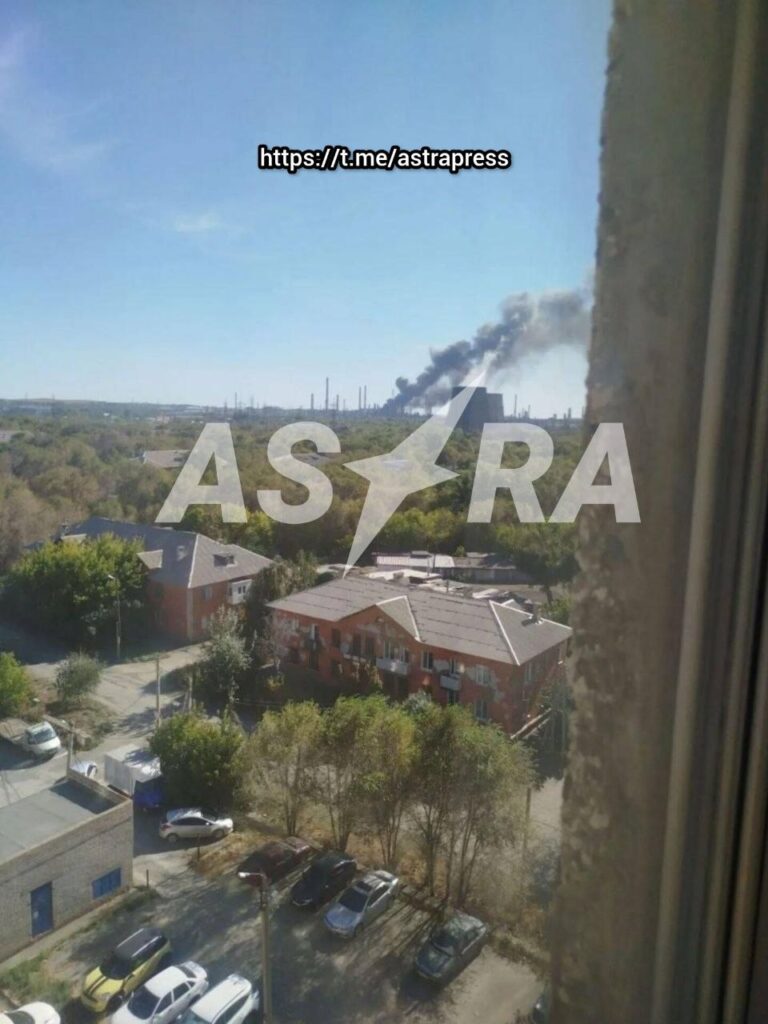
Far to the east, the picture is murkier. Around 11:00 local time, residents of Komsomolsk-on-Amur reported a fire near the city's refinery. ASTRA then geolocated the footage to Rosneft's RN-Komsomolsk plant. Notably, Ukrainian analysts cautioned that the fire does not appear to stem from a drone strike. After all, the site sits roughly 6,500 kilometers from Ukraine—far beyond the range of Kyiv's long-range drones. Coverage from the Kyiv Independent, meanwhile, flagged no clear cause.

The plant's press service reported no injuries, as relayed by Russian state agency TASS. Commissioned in 1942, the RN-Komsomolsk refinery has a design capacity of about 8 million tonnes of crude per year. In fact, it supplies more than 60% of the petroleum products across Russia's Far Eastern Federal District. Moreover, it produces gasoline, diesel, marine fuel, and other products for the region.

Ukraine's campaign against Russian oil refineries

The Orsk plant is no stranger to such strikes. Drones previously hit Orsknefteorgsintez on 3 October and 11 November 2025, and again on 29–30 April 2026. Since 2022, Ukraine has widened its deep-strike campaign against Russian oil refineries, fuel depots, and pipelines. Such targets power the Kremlin's army and bankroll the war through oil exports. Increasingly, Russian oil refineries have become the signature target of Ukraine's long-range war. Just the night before, on 10 August, Ukraine's General Staff confirmed a strike on the TANECO refinery in Tatarstan. A fire broke out there, too.

As of publication, Kyiv had not claimed the 11 August Orsk strike. Still, the timing fit a familiar pattern—a long-range campaign aimed at the fuel that keeps Russia's war machine moving.

  • ✇Euromaidan Press
  • Ukrainian drones set a newly opened Wildberries mega-hub ablaze near Voronezh
    Ukrainian drones struck a Wildberries logistics complex in Voronezh Oblast overnight into 11 August, setting off a massive fire at one of the Russian retailer's largest and newest hubs, according to Russian and Ukrainian monitoring channels. Voronezh Oblast Governor Alexander Gusev said one person was killed, a 49-year-old man who was outside during the attack, suffered severe wounds, and died in hospital. Two others were hospitalized, one caught outside and one on the
     

Ukrainian drones set a newly opened Wildberries mega-hub ablaze near Voronezh

11 août 2026 à 04:55

Russia's Voronezh Oblast

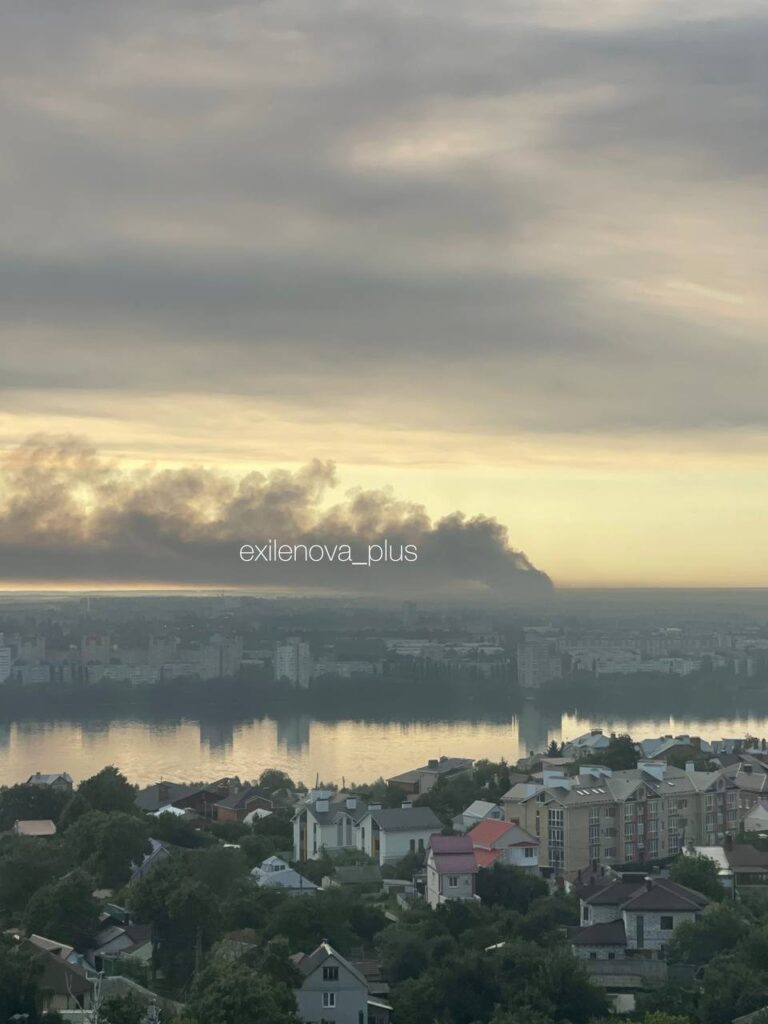
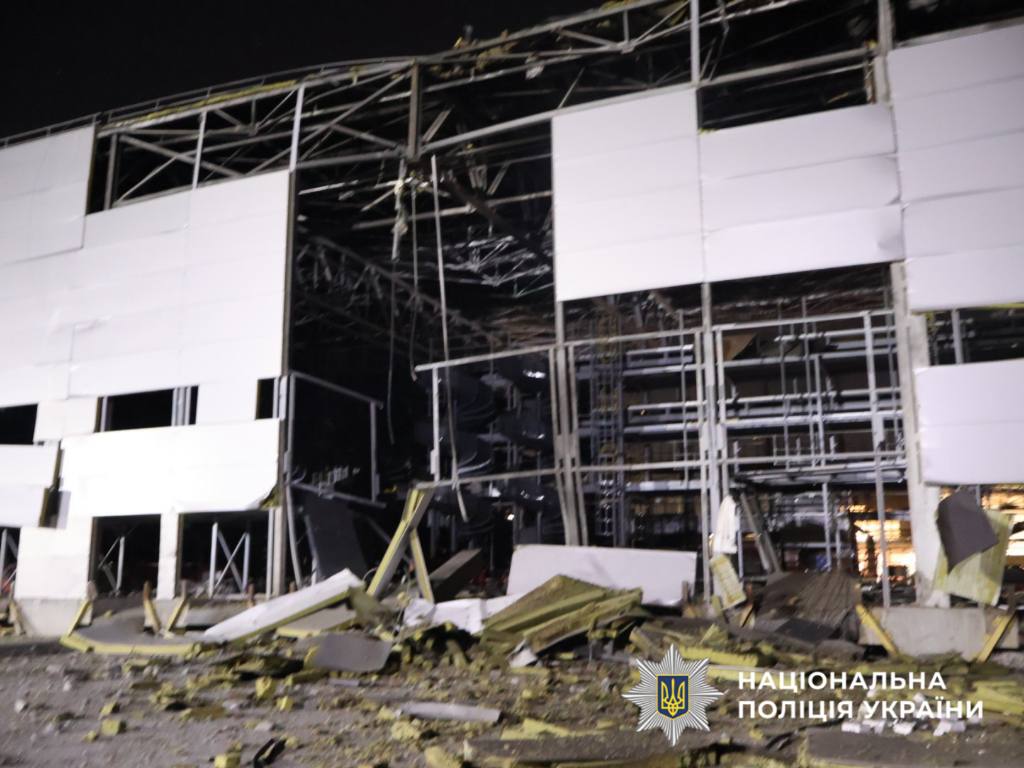
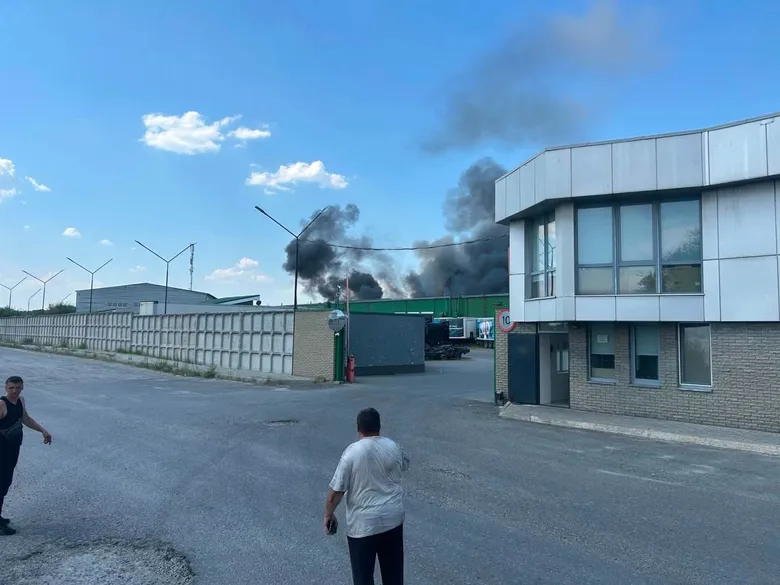
Ukrainian drones struck a Wildberries logistics complex in Voronezh Oblast overnight into 11 August, setting off a massive fire at one of the Russian retailer's largest and newest hubs, according to Russian and Ukrainian monitoring channels.

Voronezh Oblast Governor Alexander Gusev said one person was killed, a 49-year-old man who was outside during the attack, suffered severe wounds, and died in hospital. Two others were hospitalized, one caught outside and one on the grounds of the logistics center.

Gusev reported fires at two warehouses in the Novousmansky district, with firefighters containing one blaze across about 16,000 square meters and battling another over roughly 20,000 square meters. Debris also damaged three trucks and a car, he said. Russian outlet Astra and Ukrainian monitoring channels identified the site as a Wildberries complex, which Gusev did not name, placing it at the village of Aleksandrovka.

The struck hub opened fully in late 2025, spans about 152,900 square meters, and can hold more than 90 mn items. Wildberries said it had evacuated staff at its logistics sites across the oblast in line with safety requirements. Gusev claimed Russian air defenses detected and destroyed 15 drones over Voronezh and five districts of the oblast.

The strike is the latest in a widening Ukrainian long-range campaign against Wildberries, described by Ukrainian officials as Russia's answer to Amazon and targeted, President Volodymyr Zelenskyy has said, because the platform helps supply the Russian military with parts for drones and other equipment. Russia rejects the claim.

Ukraine had already hit its 16th Wildberries warehouse in under three weeks by 5 August, when drones set fire to a logistics center in Oleksin, Tula Oblast.

Unmanned Systems Forces commander Robert "Madyar" Brovdi said on 4 August that the campaign had struck 15 sites in 18 days, thirteen of them knocked out of action or seriously damaged. Russian outlet Agentstvo put the count at more than 20 warehouses since mid-July. On 7 August, drones reached a Wildberries hub in Yekaterinburg, more than 1,700 kilometers from Ukraine, and earlier fires hit sites in Moscow Oblast, Tambov Oblast, Krasnodar, Stavropol Krai, Leningrad Oblast, St. Petersburg, and occupied Crimea, as well as Voronezh Oblast itself. Estonian military intelligence has estimated the strikes have caused up to $2 bn in direct damage

  • ✇Euromaidan Press
  • With Ukraine short of Patriot interceptors, Russia sees no reason to enter real negotiations, ISW says
    Russia has rebuilt its missile industry around the weapons most likely to pierce Ukraine's thinning air defenses. The Institute for the Study of War (ISW) made that case on 10 August. Kyiv's Patriot interceptor shortage, it assessed, now hands Moscow no reason to negotiate. Because Kyiv can no longer reliably stop ballistic missiles, the Kremlin sees a clear military path to its maximalist aims. Factories retooled around the missiles that get through Since April 2026
     

With Ukraine short of Patriot interceptors, Russia sees no reason to enter real negotiations, ISW says

11 août 2026 à 03:42

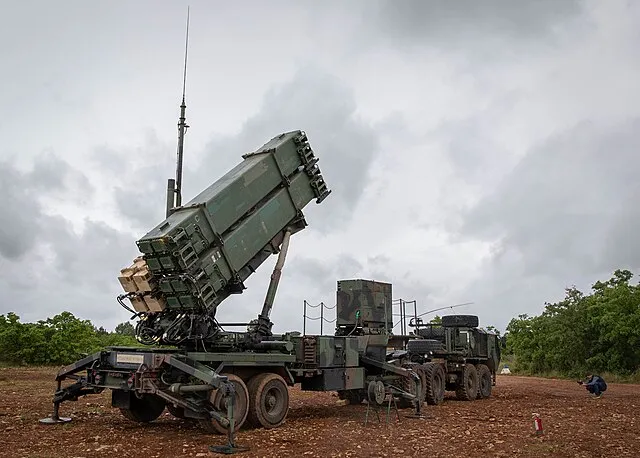
A Patriot air defense launcher raised into firing position on a military trailer.

Russia has rebuilt its missile industry around the weapons most likely to pierce Ukraine's thinning air defenses. The Institute for the Study of War (ISW) made that case on 10 August. Kyiv's Patriot interceptor shortage, it assessed, now hands Moscow no reason to negotiate. Because Kyiv can no longer reliably stop ballistic missiles, the Kremlin sees a clear military path to its maximalist aims.

Factories retooled around the missiles that get through

Since April 2026, Russian plants have prioritized ballistic and cruise missiles built to evade interception. HUR Deputy Head Major General Vadym Skibitskyi reported the shift. Monthly ballistic launches have more than tripled between April and July, he said. Meanwhile, output of key missile types runs 10 to 20% above plan. Moscow also met its full-year Zircon and Onyx targets by 3 August. To free capacity, it suspended the less accurate Kinzhal and Kh-32 lines. Skibitskyi flagged a newer twist, too: S-400 launchers now fire specially developed RM-48U rounds along a ballistic path. Russia is also striking Ukraine's defense plants, he warned, to choke off Kyiv's own ballistic-missile program.

Fired fresh, not from the stockpile

Crucially, these strikes draw on newly built missiles rather than war reserves. That approach lets Moscow sustain larger, more frequent salvos. Its stockpile stays intact for the occasional very large barrage. Unmanned Systems Forces commander Major Robert "Magyar" Brovdi put numbers on the trend. Russia can already loose a simultaneous salvo of 77 missiles, and it is pushing toward 200. He stressed that he meant weapons of all types, not ballistics alone. Kalibr cruise missiles, by contrast, are piling up unused. Moscow is shipping them to fleets beyond the Black Sea as Ukrainian crews down nearly all of them. Repeated strikes have meanwhile driven the Black Sea Fleet back to the port of Novorossiysk.

"The Patriot shortage hands Russia an opening to do serious damage over the winter — and a reason to keep meaningful talks at bay," - Institute for the Study of War assessed

Why the Patriot interceptor shortage stalls negotiations

This reprioritization feeds a winter strategy meant to break Ukraine's will to fight, ISW assessed. The Patriot is still the only system Kyiv fields that can down Russian ballistic missiles. And Kyiv has warned partners it cannot close the interceptor gap before the cold months. As a result, the Kremlin thinks it can hammer cities without paying a battlefield price. That calculation could drag the war into 2027, ISW noted. Putin's theory of victory still rests on outlasting Ukraine's defenses and Western resolve. On 9 August, Deputy Foreign Minister Mikhail Galuzin restated Moscow's line. Any "freeze" that ignores the war's "root causes" is unacceptable, he said — shorthand for the Kremlin's original demands.

Russian ballistic missiles struck the grounds of a Kyiv children’s hospital and set a warehouse ablaze — overnight strikes across Ukraine killed at least 9

11 août 2026 à 03:25

kyiv oblast

Russia struck the capital with ballistic missiles early on 11 August. One of them came down on the grounds of a Kyiv children's hospital in the Shevchenkivskyi district. Rescuers also fought a warehouse fire nearby that left one man injured.

The Kyiv children's hospital strike

Two craters opened on the hospital grounds, while the impact shattered windows and ruptured a gas line, rescuers reported. Utility crews sealed the leak within the hour. Staff at the Kyiv children's hospital had moved patients into the shelter before the strike, so it hurt no one there.

"Luckily, the children and medics were in the shelter — there were no casualties," - State Emergency Service reported

A warehouse ablaze and one man hurt

At a second address in the same district, a strike ignited a fire across 1,200 square meters of warehouse space. Crews first contained the flames, then put them out. Medics soon treated the lone casualty, a 28-year-old man. Earlier, the Air Force had warned of the ballistic threat before the missiles arrived.

Kyiv Oblast also under fire

The wider Kyiv Oblast took damage as well. In the Bucha district, the strike wrecked warehouse buildings and three trucks, although it caused no casualties. Officials said the enemy had again hit the region with ballistic missiles and attack drones.

A far deadlier night beyond Kyiv

Elsewhere, the toll climbed sharply. In Zaporizhzhia, a combined missile and guided-bomb strike killed six people and injured 19, regional authorities reported. Across the oblast, meanwhile, Russian forces launched 938 strikes on 58 settlements in a single day, injuring 52 residents in total. Officials also logged 341 reports of damage to homes, vehicles, and infrastructure.

In central Dnipropetrovsk Oblast, drones and artillery hit five districts more than 20 times. The strikes killed three people, among them a 15-year-old boy, and hurt five others, including a 7-year-old girl. To the northeast, an attack on Zlatopil in Kharkiv Oblast damaged civilian infrastructure and injured a resident.

Meanwhile, in Mykolaiv, drones hurt a 75-year-old woman and damaged homes and an industrial site, and officials described her condition as satisfactory. In nearby Snihurivka, six more drone strikes damaged houses, a shop, and a car, though they caused no injuries.

The strikes add to a wave of Russian attacks on Ukrainian cities this summer. The capital had already endured ballistic missiles days earlier, on the night of 8 August. That evening, explosions also echoed through Kyiv and Dnipro during a mass drone assault.

July was Ukraine’s deadliest month for civilians since 2022 — and Russia is scaling its ballistic missile salvos toward 200 at once

10 août 2026 à 09:05

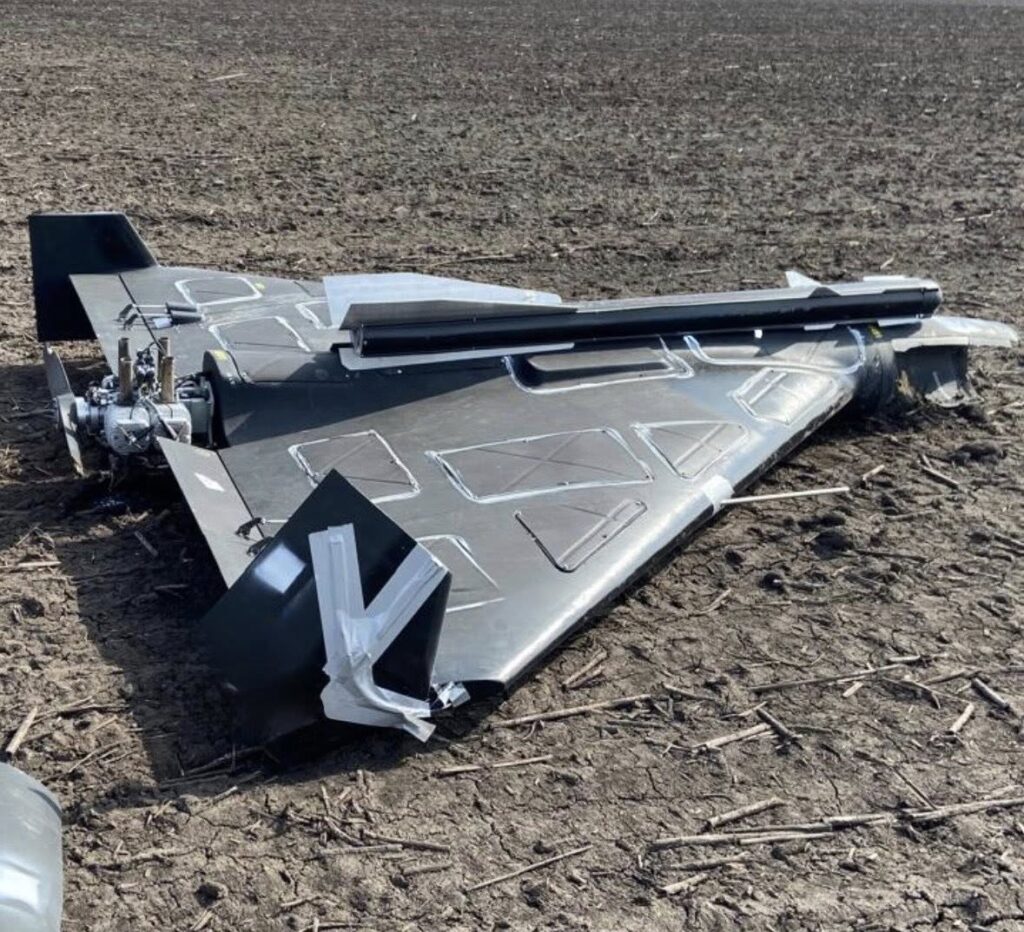
Shahed R-60 missile decoy Flash

Russia can currently fire a simultaneous salvo of 77 ballistic missiles, and it aims to lift that ceiling to 200. Robert "Magyar" Brovdi, who commands Ukraine's Unmanned Systems Forces, told the Associated Press. He called the plan one of Ukraine's gravest weak points.

Kyiv's only reliable shield against ballistic missiles is the US-made Patriot, and its interceptor stocks are critically low. During mass barrages, dozens of warheads therefore slip through and reach their targets. Only a handful of countries can build such interceptors, and all are short, defense analysts have warned. The AP, for its part, could not independently verify Brovdi's numbers.

Ballistic missiles remain the hardest to stop

That shortfall has already turned lethal. Intensified strikes made July the deadliest month for Ukrainian civilians since April 2022, the UN human-rights office in Ukraine documented. Air defenses downed just 29 of the 195 ballistic missiles Russia fired that month, roughly 15%. Another 40 fell short on their own. Yet the largest single-night launches recorded so far run to only a few dozen. That is well below the salvo of 77 that Brovdi describes, and a fraction of the 200 Moscow is reaching for.

"Even if they only manage half of that, it will all be flying at us."
- Robert "Magyar" Brovdi, commander, Ukraine's Unmanned Systems Forces

Production running ahead of plan

His warning tracks Ukrainian intelligence. Russia's defense industry is overfulfilling its monthly targets, hitting 110% to 120% on the main missile types. So said Deputy Military Intelligence Chief Vadym Skibitskyi in an interview with RBC-Ukraine. He put July output for the Kh-101 cruise missile at 140% of plan, the Kalibr at 111%, and the Kh-35 at 200%. A pause in strikes, he judged, is unlikely.

The pivot to jet-powered drones

Moscow's factories are also retooling around drones. Russia plans to assemble 11,000 strike drones of various types in August 2026, Skibitskyi said. That mix spans the Geran-1 through Geran-5, the Harpia, and several Gerbera variants. Output dipped in July as the industry shifted toward the turbojet Geran-4 and Geran-5.

Those jet models fly faster and demand different interceptors or short-range air defense. They already made up half of one recent attack. The concentration of jet-powered Shaheds, meanwhile, has climbed 2.5 times in recent weeks, Brovdi added. Taken together, the assessments point one way: more missiles and faster drones, launched in larger waves, against defenses Ukraine is scrambling to rebuild.

  • ✇Euromaidan Press
  • Ukraine’s Crimea campaign could strike seven times more targets with faster funding, Brovdi says
    Ukraine's Crimea campaign aims to make the occupied peninsula unusable to Russian forces, its drone-forces commander told The Associated Press. Russia annexed Crimea in 2014. The campaign is only the first phase, said Maj. Robert "Madyar" Brovdi. His units could strike seven times more military targets with faster Western funding, he said. The constraint is financing, not factory output. Brovdi put his forces at 14 percent of the strength a full-capacity operation would
     

Ukraine’s Crimea campaign could strike seven times more targets with faster funding, Brovdi says

10 août 2026 à 07:47

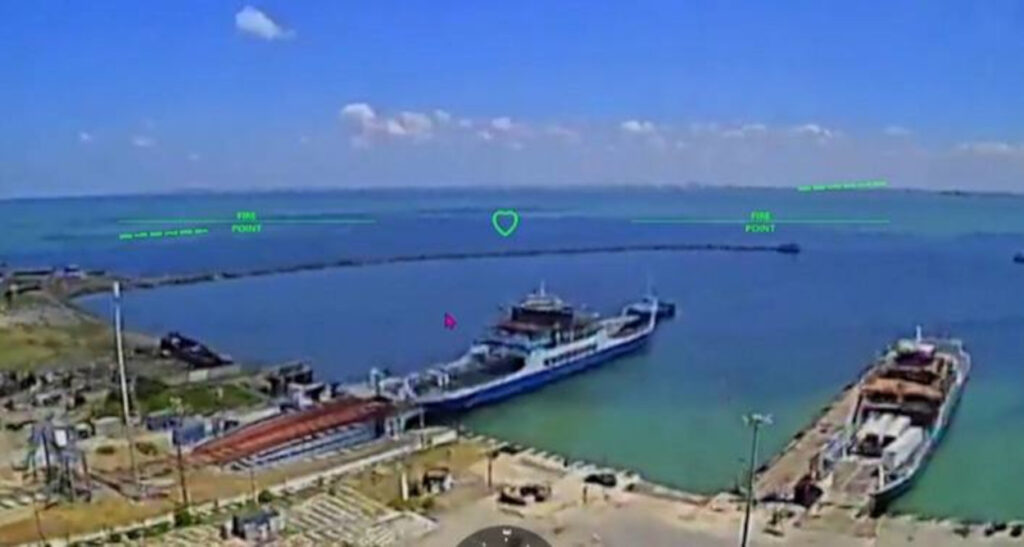
A photo shared by Robert “Madyar” Brovdi shows the Russian ferry “Maria” before it was struck in Ukrainian drone operations, with the damaged “Panagia” ferry visible to the right. Photo: Robert "Madyar" Brovdi

Ukraine's Crimea campaign aims to make the occupied peninsula unusable to Russian forces, its drone-forces commander told The Associated Press. Russia annexed Crimea in 2014. The campaign is only the first phase, said Maj. Robert "Madyar" Brovdi. His units could strike seven times more military targets with faster Western funding, he said.

The constraint is financing, not factory output. Brovdi put his forces at 14 percent of the strength a full-capacity operation would require. He traced the gap to the timing of allied money, not to Ukraine's drone production. "It's not that the production capacity of Ukrainian manufacturers doesn't allow us to make the necessary quantities" of drones, he said. He added: "It's the banal problem of untimely financing, which our partners do allocate, but which moves significantly slower than our plans."

Even so, Brovdi framed the peninsula as decisive. "Crimea falls within the key conceptual pillars on the path to ending the war," he said.

What the Crimea campaign has hit

The summer strikes have hit rail bridges, oil depots, and power infrastructure. These aim to cut supply lines and blind Russian air defenses as drones approach. To pry open a "window" for those drones, the force destroyed more than 300 air defense assets in recent months. Those included surface-to-air systems, radar stations, and electronic-warfare equipment.

Where Starlink connectivity reaches, an average of three drones can now destroy even a heavily defended target, Brovdi said. In turn, his crews match the munitions to each aim. One mix suits a bridge pier; another fits a fuel truck or a moving train. Even so, his forces avoid civilian infrastructure, he added. Still, strikes on the power grid have cut electricity for residents. Brovdi said he has twice publicly apologized to Ukrainians living in Crimea.

He also pointed to one measure of progress. Across four recent large-scale Russian barrages from the peninsula, launch sites fired only five missiles in total. He credited that drop, however, to the destruction of Russian air defenses. The AP could not independently verify the claim.

Forcing Russia off the peninsula

Much of Russia's Soviet-era air defense runs on the power grid. That is one reason Crimea's electricity network keeps drawing fire. As a result, losing power leaves Russian soldiers "blind," Brovdi said, with only machine guns and rifles.

Meanwhile, Ukraine is working to dismantle Crimea's role as a naval base. "Creating conditions that make it impossible for any kind of military capability … to remain there will make Crimea uninteresting … as a military staging ground," he said.

The offensive began in late June. Two weeks in, Ukrainian intelligence indicated Russia had ordered its military commands and security services off the peninsula, Brovdi said. In addition, a covert order called for removing secret archives and artworks. The AP could not independently verify the account.

Russian countermeasures and the missile threat

Russia is pushing back against the Crimea campaign. It is installing jamming systems that will degrade Starlink to some degree, Brovdi said. Russia is also building its own satellite network to rival the service. "This is a risk for the entire planet," he said, "because a dictatorship will gain access to information across the whole globe."

Other threats are mounting as well. Jet-powered Shahed drones are harder for Ukraine to shoot down. Their concentration has risen two and a half times in recent weeks, he said. Moreover, Russia can now fire a simultaneous salvo of 77 ballistic missiles and plans to raise that to 200. As a result, the danger is pressing. Ukraine is short of interceptors for the US-made Patriot, its only defense against ballistic missiles.

"Even if they only manage half of that, it will all be flying at us," Brovdi said. The only way to bring the number down is to hit every facility that builds the missiles, he added. That, he said, is why Ukraine's long-range strikes inside Russia matter.

Wildberries in the crosshairs

One civilian-facing target Brovdi named was Wildberries, Russia's largest online marketplace. Many call it the country's answer to Amazon. "Wildberries is, first of all, a supply platform—it's the war's quartermaster," he said. The company also runs a dedicated section selling goods for Russia's military, he noted.

For now, these strikes aim to make ordinary Russians feel the war directly. He declined to give a timeline. Instead, the strikes will continue "until it becomes impossible for it to recover quickly," he said.

Finally, he cast the retailer as a pressure point on morale. "Ultimately, Wildberries is, forgive the expression, a consumer gambling addiction," he said, comparing lost access to restrictions on social media. "It turned out to be a sensitive sensor of the comfort of Russia's massive population—people who consider themselves completely untouched by the actions of the aggressor country."

  • ✇Euromaidan Press
  • Russia’s advance in Ukraine slows as casualties per square kilometer rise 3.5-fold, Radio Svoboda reports
    The pace at which Russian forces are occupying Ukrainian territory has fallen sharply since the start of 2026, while the scale of Russian losses has not, Radio Svoboda's Russian Service reports, citing data from the Ukrainian project DeepState, which tracks the front line. DeepState's figures show Russia seized 450 to 550 square kilometers a month at the 2025 peak. The rate then declined steadily from December 2025 through July 2026: 445 square kilometers in December, 1
     

Russia’s advance in Ukraine slows as casualties per square kilometer rise 3.5-fold, Radio Svoboda reports

10 août 2026 à 07:12

F-10 strike drone.

The pace at which Russian forces are occupying Ukrainian territory has fallen sharply since the start of 2026, while the scale of Russian losses has not, Radio Svoboda's Russian Service reports, citing data from the Ukrainian project DeepState, which tracks the front line.

DeepState's figures show Russia seized 450 to 550 square kilometers a month at the 2025 peak. The rate then declined steadily from December 2025 through July 2026: 445 square kilometers in December, 160 in April, and 27 in July. A comparable Russian project, Slivochny Kapriz, which by contrast credits the Russian army with any area where its personnel have been spotted—even without confirmed control—recorded a similar slowdown, from 550–600 square kilometers a month last year to 112 in June.

A shrinking prize in northern Donbas

At the end of last year, roughly 5,000 square kilometers remained under Ukrainian control in northern Donbas, including three "fortress" cities larger than Pokrovsk: Kostiantynivka, Kramatorsk, and Sloviansk. Even using Slivochny Kapriz's more generous estimate of the current pace, capturing that territory would take a year and a half.

Losses hold steady as gains shrink

Despite the slowdown, Ukrainian military estimates of Russian losses have not fallen and remain at roughly the level recorded in the second half of 2025. Both Ukraine's General Staff and its Ministry of Defense now publish official loss estimates. According to the General Staff, Russia lost nearly 164,000 people from February through June 2026—five months—an average of 32,800 a month. The Ministry of Defense's verified count for the same period was 157,000 killed and wounded, or 31,500 a month on average. The General Staff puts Russia's total losses since the start of the full-scale invasion at 1.4 million, a figure that includes killed, missing, wounded, and other losses, not only irrecoverable ones.

Western officials have offered comparable figures. UK intelligence chief Anne Keast-Butler said in May 2026 that the Russian army had lost 500,000 servicemen killed alone; at a ratio of two to three wounded per fatality, that implies total Russian losses of 1.5 to 2 million, according to British intelligence. US Secretary of State Marco Rubio estimated Russian losses at 7,000 soldiers a week roughly six months ago, a figure that broadly matches Ukrainian military estimates.

The cost of a square kilometer has tripled

The American Institute for the Study of War calculated in 2024 that Russia lost 125,800 people while capturing 2,356 square kilometers between September and November—53 losses per square kilometer. Radio Svoboda's own calculations, based on General Staff and DeepState data, put the 2025 figure at 85 losses per square kilometer. By the latest 2026 estimates, that figure has risen to 290—3.5 times the 2025 rate.

Drones make breakthroughs impossible, officials say

The slowdown is now widely attributed to Ukraine's growing advantage in drone warfare. CIA Director John Ratcliffe, citing US intelligence, said the average lifespan of a Russian recruit arriving at the front in Ukraine is 20 to 30 minutes. He said the Russian advance has slowed because Ukraine has made major gains in the use of drones and asymmetric warfare methods that are leveling the battlefield: "AI drones have become specialized and inexpensive killing machines."

Current Time, the Russian-language network run by Radio Svoboda, reports that the slow pace of both armies' advances today stems from the specific nature of this war: drones have made rapid breakthroughs impossible.

A Ukrainian drone operator, whose name Radio Svoboda withheld for security reasons, said the decline in the Russian advance stems from a collapse in the training level of Russian troops: "He's worse than he was a year ago. Actually, he's simply not there. They grabbed men from the garage, gave them a rifle, and said: 'Run!'"

The operator said Russian commanders now resort to any means necessary to force some forward movement: "In Kostiantynivka, they now drop supplies for the [infiltrated] soldiers a block away from where they're sitting, just so there's some kind of advance. It's absurd, but unfortunately, that's the reality." That tactic helps Russian forces advance, he said, but at a catastrophic cost: only one soldier in 15 survives.

Russian infiltration groups of two to six fighters cover 15 to 20 kilometers on foot to reach positions, carrying "everything that will help them survive," which makes them, in the operator's words, "the easiest possible target for us." He acknowledged that some Russian soldiers still slip through: "Recently, while we were destroying Russian equipment near one settlement, we missed some motorcyclists who are now hiding somewhere in the tree lines." Stopping the Russian advance entirely, he said, is simply not possible: "We're constantly adjusting our tactics, but so are they—though technology helps us, while for them, as usual, everything is done with an axe."

Kremlin prepares for a new mobilization wave

President Volodymyr Zelenskyy said recently that Russian leader Vladimir Putin is preparing to announce a new mobilization wave after Russia's State Duma elections in September, aiming to recruit 300,000 to 500,000 people. The Kremlin denies planning a mobilization, but the Institute for the Study of War says Russian authorities are taking steps consistent with preparations for a large-scale draft.

Analysts point to a law Putin signed in November 2025 allowing reservists to be sent into combat zones without a formal mobilization declaration. On 22 July, the State Duma passed in three readings a law expanding the pool of people with criminal records or under investigation who may sign military service contracts during mobilization and martial law. The day before, a draft amendment was published under which Russia's National Guard would revise its civil defense rules to explicitly reference mobilization and martial law, requiring advance protective measures for its employees, civilian staff, and their families "from dangers arising during mobilization, during martial law, in wartime," according to Meduza.

The Ukrainian drone operator said mobilization could increase the pace of the Russian advance: "You can't keep track of everyone."

  • ✇Euromaidan Press
  • ISW: Russia strikes the Mayaki bridge linking southern Ukraine to Romania and Moldova
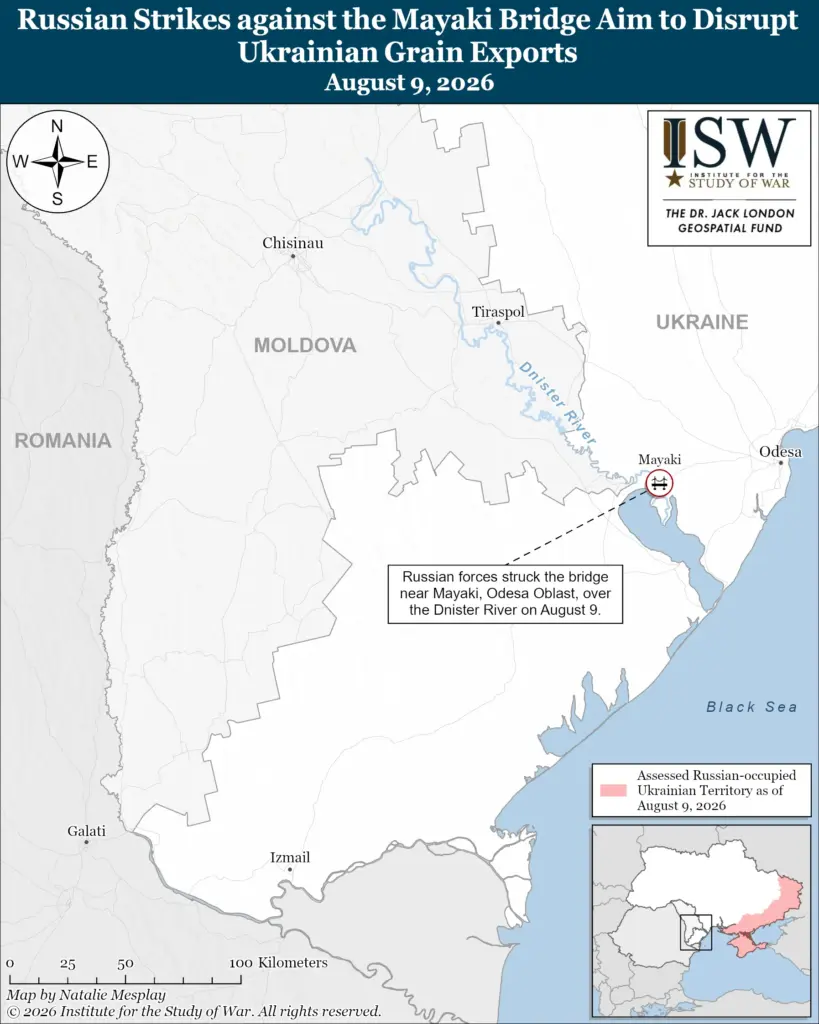
    Russian forces struck the Mayaki bridge on the M-15 highway on 9 August, the Institute for the Study of War reported. The strike severed a road link that ties southern Ukraine to Moldova and Romania. That Odesa–Reni route crosses the Dniester and feeds the Danube ports. Those ports have become Kyiv's main export outlet since Russian strikes crippled its Black Sea shipping. Conflicting claims over the Mayaki bridge Russian milbloggers reported the attack, though their
     

ISW: Russia strikes the Mayaki bridge linking southern Ukraine to Romania and Moldova

10 août 2026 à 06:51

ISW

Russian forces struck the Mayaki bridge on the M-15 highway on 9 August, the Institute for the Study of War reported. The strike severed a road link that ties southern Ukraine to Moldova and Romania. That Odesa–Reni route crosses the Dniester and feeds the Danube ports. Those ports have become Kyiv's main export outlet since Russian strikes crippled its Black Sea shipping.

Conflicting claims over the Mayaki bridge

Russian milbloggers reported the attack, though their accounts diverged sharply. One claimed that Russian forces had destroyed the span. Others published footage purporting to show that it still stands. A local outlet serving nearby Izmail reported on 9 August that the strike damaged the crossing. Ukraine's State Border Guard Service separately confirmed that authorities briefly restricted traffic on the route. Moscow had already targeted the same structure in December 2025.

Why the land corridor matters

Russia likely hit the Mayaki bridge to choke Ukrainian grain exports, ISW assessed. Those exports now move through a land corridor that Kyiv has leaned on since strikes disrupted its maritime routes. Moscow has steadily intensified this campaign since July 2026. Navy Spokesperson Captain Third Rank Dmytro Pletenchuk offered one measure on 31 July. He said Russian strikes had damaged more than 20 ships near the Black Sea and sharply slowed cargo flows. Meanwhile, the country's main farmers union weighed in on 15 July. The Ukrainian Agri Council estimated that Russian attacks had cut about a third of Ukraine's grain-export capacity.

Minister of Agrarian Policy and Food Taras Vysotskyi has described the fallout. He said the strikes are forcing Kyiv to reroute grain and cargo through the Danube River. Russia used the same playbook in July 2023. Back then, then-Minister Mykola Solskyi reported that strikes destroyed 60,000 tons of grain at Chornomorsk port overnight on 19 July. Therefore, ISW concluded, Russia is likely shifting its strikes from the sea corridor to the land corridor. The aim, analysts wrote, is to block grain exports and weaken Ukraine's wider economy.

Russian forces are likely shifting their strikes from Ukraine's sea corridor to its land corridor to block grain exports and degrade the economy. — Institute for the Study of War

Türkiye floats a Black Sea moratorium

Turkish Foreign Minister Hakan Fidan raised a separate track on 9 August. He said Ankara had proposed a Russian–Ukrainian moratorium on strikes against merchant ships in the Black Sea. Both Moscow and Kyiv have received the offer, Fidan added, and Türkiye now awaits their response.

  • ✇Euromaidan Press
  • Zaluzhnyi, Fedorov, and Budanov lead Ukraine’s trust ranking as Zelenskyy places fourth – KIIS
    Ukrainians place the most trust in Valerii Zaluzhnyi, Ukraine's ambassador to the United Kingdom and former commander-in-chief of the Armed Forces, according to a nationwide survey the Kyiv International Institute of Sociology (KIIS) conducted between 16 and 31 July. Some 66% of respondents said they trust him, against 24% who do not—a net balance of +42%. Close behind sits Mykhailo Fedorov, the former defense minister who previously led the Ministry of Digital Transfor
     

Zaluzhnyi, Fedorov, and Budanov lead Ukraine’s trust ranking as Zelenskyy places fourth – KIIS

10 août 2026 à 06:36

Zelenskyy Fedorov

Ukrainians place the most trust in Valerii Zaluzhnyi, Ukraine's ambassador to the United Kingdom and former commander-in-chief of the Armed Forces, according to a nationwide survey the Kyiv International Institute of Sociology (KIIS) conducted between 16 and 31 July. Some 66% of respondents said they trust him, against 24% who do not—a net balance of +42%.

Close behind sits Mykhailo Fedorov, the former defense minister who previously led the Ministry of Digital Transformation and launched the Diia app. Pollsters recorded 63% trust and 16% distrust for him, producing the strongest net balance in the survey at +46%.

Kyrylo Budanov, head of the President's Office and former chief of Ukraine's Defence Intelligence, rounded out the top three. He drew 61% trust and 22% distrust, for a balance of +39%.

Zelenskyy ranks fourth

President Volodymyr Zelenskyy followed the three military and government figures, trusted by 56% of respondents and distrusted by 38%, for a net balance of +18%. At the opposite end of the ten-name list, former president Petro Poroshenko drew the weakest result—20% trust against 76% distrust, a balance of −56%.

The institute also flagged a rise in confidence in Fedorov as the standout shift since its May 2026 telephone survey, the only change it called significant.

Firm trust versus tentative trust

Sociologists further split the responses into "completely" and "rather" trust. Across the leading figures, roughly half—or fewer—of those expressing trust chose the softer "rather" option rather than "completely," the institute noted, a distinction it argued carries political weight.

Those who "completely" trust Zelenskyy mostly want to see him as president after the war—while those who "rather" trust him mostly want someone else.
— Kyiv International Institute of Sociology

KIIS interviewed 1,808 respondents using a mixed-mode design, splitting the sample evenly between computer-assisted telephone interviews and face-to-face tablet interviews on territory controlled by Ukraine.

  • ✇Euromaidan Press
  • Zelenskyy says Russia could receive up to 50,000 North Korean troops
    Russia has decided to bring between 30,000 and 50,000 North Korean troops onto its territory, up from initial deployments of hundreds and then thousands, Ukrainian President Volodymyr Zelenskyy said in an interview with the "Yedyni Novyny" telemaraphon on 8 August. The figure marks a sharp rise from what Zelenskyy gave two weeks earlier. In a 25 July address, he said Russia wanted 30,000 additional North Korean troops and that preparations to receive them had been under
     

Zelenskyy says Russia could receive up to 50,000 North Korean troops

10 août 2026 à 06:26

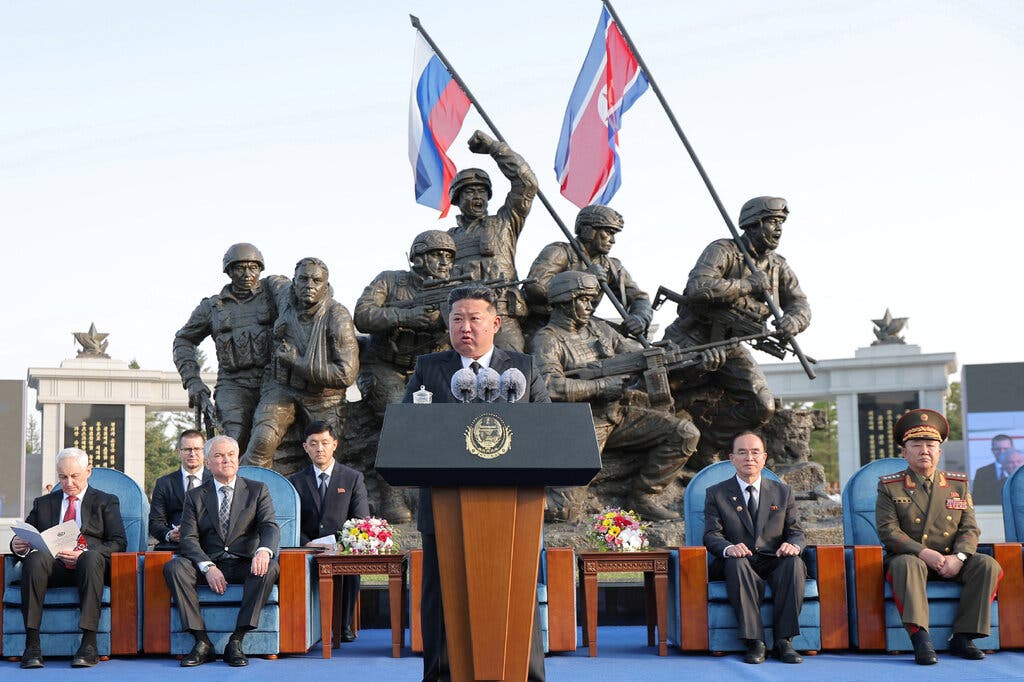
russia can't fill its own ranks—so asks north korea 30000 more soldiers new missile launchers ukraine says · post korean leader kim jong-un speaks opening memorial pyongyang russia's defense minister

Russia has decided to bring between 30,000 and 50,000 North Korean troops onto its territory, up from initial deployments of hundreds and then thousands, Ukrainian President Volodymyr Zelenskyy said in an interview with the "Yedyni Novyny" telemaraphon on 8 August.

The figure marks a sharp rise from what Zelenskyy gave two weeks earlier. In a 25 July address, he said Russia wanted 30,000 additional North Korean troops and that preparations to receive them had been underway in Russia's Voronezh region since June.

Rising troop estimates

"North Koreans appear on the territory of the Russian Federation from time to time. We see this, we know this," Zelenskyy said, adding that Russia had now made "a decision for 30,000 to 50,000 North Koreans to be on the territory of Russia." He said North Korea "will build up experience of modern warfare" and would receive licenses from Russia.

Russia and North Korea have not announced plans to expand their cooperation, Radio Svoboda reported.

Missile deployment already underway

Ukrainian authorities said Russian forces used a North Korean missile for the first time in a long period last week, striking Radushne, near Kryvyi Rih.

A North Korean missile unit has begun deploying in western Russia and may be equipped with 120 ballistic missiles and six launchers for strikes on Ukraine, Reuters reported on 5 August, citing Andrii Cherniak, a spokesperson for Ukraine's Defense Intelligence directorate (HUR). Pyongyang has already sent a new batch of 40 KN-23 and KN-24 missiles along with personnel, Cherniak said, though the final deployment configuration and total missile count are to be settled at high-level talks next month.

Foreign Minister Andrii Sybiha separately said North Korean missile launchers would "immediately become a legitimate target" if deployed in Russia, Radio Svoboda reported.

Kyiv seeks South Korean support

Zelenskyy argued the deployments carry risks beyond Ukraine. "They are studying this war," he said, warning that North Korea could apply lessons learned to future "crises and escalation" in the Pacific that would threaten "other states in the Asian direction."

He said Ukraine wants closer cooperation with South Korea, "primarily" on air defense systems, and said Kyiv is ready to work with Seoul on drone technology as well. Zelenskyy acknowledged that South Korea faces "a legal restriction under the Constitution" on such cooperation but said Ukrainian diplomats remain in contact with South Korean counterparts, as well as with Japan, over the Russia–North Korea partnership.

Military alliance since 2024

Russia and North Korea signed a comprehensive strategic partnership treaty in 2024, cementing a military alliance between the two countries.

Zelenskyy confirmed on 14 December that North Korean soldiers were fighting alongside Russian forces in Kursk Oblast, and Ukrainian intelligence reported that North Korean troops had been placed on high alert the following day. Ukraine's Special Operations Forces (SSO) captured North Korea's first documented prisoner of war in the war on 26 December, Militarnyi reported. The SSO described the raid as an operation "to destroy the enemy in the Kursk sector," in which its forces also seized a Russian BTR-82 armored personnel carrier along with weapons and documents. That prisoner died of his wounds, South Korea's National Intelligence Service confirmed on 27 December.

On 11 January 2025, Zelenskyy announced that Ukrainian forces had captured two more North Korean soldiers, also wounded, in Kursk Oblast; both survived and were taken to Kyiv, where they were questioned by the Security Service of Ukraine (SBU). Ukraine's Defense Intelligence directorate had previously reported that the first North Korean units arrived in the war zone on 23 October 2024.

South Korea's intelligence agency confirmed the capture on 12 January and pledged cooperation with Ukraine. Two days later, Foreign Ministry spokesperson Lee Jae-woong said Seoul was open to discussing relocating the two men, citing a constitutional provision under which North Koreans are considered South Korean nationals, Yonhap reported. At the time, neither soldier had expressed an intention to defect.

In late February 2025, the two soldiers — identified by the Wall Street Journal as Ri, 26, and Paek — gave the first Western interviews of North Korean troops captured in the war, published 27 February. They said they had been told they would be fighting South Korean forces, not Ukraine, and that they were not paid for their service. Paek was shot and lay wounded for five days before capture, later having several toes amputated due to gangrene; Ri was shot in the arm and jaw. South Korea's Foreign Ministry confirmed on 19 February that it would accept North Korean POWs who sought asylum, saying "they should not be sent against their will to a place where there's a threat of persecution."

By late February 2025, Zelenskyy said around 4,000 North Korean soldiers had been killed or wounded fighting for Russia; North Korea's overall troop commitment was estimated at roughly 11,000–12,000 by early 2025. Losses continued to mount — by January 2026, Ukraine put North Korean dead in Kursk Oblast at 6,000, where the contingent remained stationed and continued carrying out strikes on Ukrainian border communities. Ukrainian soldiers have described North Korean troops as reluctant to surrender, with some reportedly attempting suicide rather than be captured.

Drones strike Russian oblasts overnight: thick smoke over a Nizhnekamsk refinery as Crimea’s Krasnoperekopsk industrial zone burns

10 août 2026 à 06:03

makiivka

Drones struck several Russian oblasts overnight into 10 August. A probable strike hit a Nizhnekamsk refinery in the Republic of Tatarstan, while fires spread across occupied Crimea. Local Telegram channels and Ukrainian monitoring groups reported the attacks. Kyiv has not claimed them, and the damage stays unverified.

Thick smoke over the Nizhnekamsk refinery cluster

Residents of Nizhnekamsk reported explosions on the morning of 10 August. Footage online showed drones crossing the city, with dense black smoke above one district, local channels said. Which Nizhnekamsk refinery took the hit stayed unclear. The city hosts two major plants — the TAIF-NK and TANECO complexes.

TAIF-NK processes 7.3 million tons of crude and 1 million tons of gas condensate a year. Its 49 products include AI-92 and AI-95 gasoline, diesel, and jet fuel. TANECO belongs to the Tatneft group. It ranks among Russia's largest and most advanced refineries. Its design capacity exceeds 16 million tons of crude a year.

Ukraine's Defense Forces struck both TANECO and TAIF-NK on 12 June, the General Staff confirmed. Ukrainian units hit the same cluster again in July.

Fires flare in occupied Crimea's Krasnoperekopsk

Explosions rocked Krasnoperekopsk — known in Ukrainian as Yany Kapu — overnight. Numerous fires burned by morning, the monitoring channel Crimean Wind reported. Around 7 blasts sounded between 2 and 3 a.m. Subscribers described a fire behind the railway station in the industrial area.

By the morning of 10 August, NASA's FIRMS satellite system flagged multiple heat signatures there, Crimean Wind said. The hotspots clustered in the town's southern industrial zone. Russian forces store and repair equipment in the area, the channel added.

Drones also crossed Sevastopol. Residents heard aircraft and gunfire near the Balaklava thermal power plant. The Russian-installed governor, Mikhail Razvozhaev, claimed 15 drones fell, mostly over the sea. He admitted, though, that falling debris ignited a forest fire near Inzhir beach and forced a campsite evacuation. A blast in Simferopol briefly cut power around 4 am before supply returned.

Moscow and Rostov cite downed drones

In the capital, Mayor Sergei Sobyanin said air defenses downed 13 drones approaching Moscow overnight. He gave no details on any consequences. Over Rostov Oblast, Governor Yuri Slyusar said more than 70 drones destroyed. Information on casualties and damage was still coming in, he said.

Both counts reflect Russian air-defense claims rather than independently confirmed strikes.

Overnight, Russia's aviation authority Rosaviatsia restricted takeoffs and landings at Begishevo airport in Nizhnekamsk. The curbs also covered 14 other airports, among them Kazan, Ufa, Samara, and Moscow's Domodedovo and Vnukovo.

  • ✇Euromaidan Press
  • WHO humanitarian warehouse in Dnipro destroyed in strike, Director-General says
    A World Health Organization humanitarian warehouse in Dnipro was destroyed in a strike on 7 August, WHO Director-General Tedros Adhanom Ghebreyesus reported on 9 August, without naming those responsible. Ghebreyesus's account added to a pattern the organization has tracked since the start of Russia's full-scale invasion: 3,148 strikes on Ukrainian healthcare facilities, which have killed 240 people and injured 1,055 more, according to World Health Organization Ukraine d
     

WHO humanitarian warehouse in Dnipro destroyed in strike, Director-General says

9 août 2026 à 13:30

Dnipro WHO Humanitarian Warehouse,

A World Health Organization humanitarian warehouse in Dnipro was destroyed in a strike on 7 August, WHO Director-General Tedros Adhanom Ghebreyesus reported on 9 August, without naming those responsible.

Ghebreyesus's account added to a pattern the organization has tracked since the start of Russia's full-scale invasion: 3,148 strikes on Ukrainian healthcare facilities, which have killed 240 people and injured 1,055 more, according to World Health Organization Ukraine data.

The warehouse held humanitarian medical supplies intended for medical facilities at the front line, Ghebreyesus said.

Evacuation before the strike

A WHO staff member and drivers helping evacuate cargo were working at the site before the strike that destroyed it. Before the attack began, they managed to remove 130 of approximately 300 pallets of medical supplies. Preliminarily, no one was injured.

Ghebreyesus withholds blame

Ghebreyesus said he had no data on who struck the warehouse and did not name a culprit. Similar caution from international organizations in describing attacks in Ukraine has occurred before, including after the strike on the Kyiv-Pechersk Lavra.

"Attacks on healthcare facilities MUST STOP. Otherwise people are left without life-saving medical care. Even wars have their rules. One of them—health must be protected!" Ghebreyesus added.

Other recent strikes on healthcare infrastructure

On 6 August, five people were killed in Dnipropetrovsk oblast—three in Kamianske district and two in Pavlohrad, where an Ukrposhta depot was also destroyed. On the night of 1 August, Russia struck the territory of Kyivmedspetstrans twice, burning five ambulances. On 2 June, five medical facilities in the capital were damaged by Russian strikes.

  • ✇Euromaidan Press
  • Poles protest in 22 cities as attacks on Ukrainians escalate
    Demonstrators gathered in 22 Polish cities on Sunday, 9 August, to protest a rise in violence against Ukrainians, with most rallies beginning after 17:00, RMF24 reported. The Sunday rallies followed a demonstration two days earlier, on Friday, 7 August, under the slogan "My Poland doesn't hit, insult, or incite," when organizers submitted a petition signed by more than 11,000 people to the prime minister's office and the Ministry of Interior and Administration, demandin
     

Poles protest in 22 cities as attacks on Ukrainians escalate

9 août 2026 à 13:25

poland

Demonstrators gathered in 22 Polish cities on Sunday, 9 August, to protest a rise in violence against Ukrainians, with most rallies beginning after 17:00, RMF24 reported.

The Sunday rallies followed a demonstration two days earlier, on Friday, 7 August, under the slogan "My Poland doesn't hit, insult, or incite," when organizers submitted a petition signed by more than 11,000 people to the prime minister's office and the Ministry of Interior and Administration, demanding decisive measures against violent attacks on Ukrainian citizens.

Nationwide campaign led by pro-democracy group

The Committee for the Defense of Democracy organized the nationwide campaign. Organizers said the demonstrations respond to increasingly frequent verbal and physical attacks on people targeted because of their origin, language, or appearance. The rallies were also meant to show solidarity with those experiencing violence and discrimination.

A slogan from Auschwitz

The phrase that became the demonstrations' slogan, "Don't be indifferent," was spoken by Marian Turski on 27 January 2020, during commemorations of the 75th anniversary of the liberation of the Auschwitz-Birkenau concentration camp. Turski, a former prisoner of the camp, used the speech to urge people not to accept cruel treatment of minorities, violations of human rights, and historical falsehoods.

Recent incidents

The number of attacks on Ukrainians in Poland has sharply increased in recent weeks. In Kraków, a 39-year-old man who had verbally insulted two people of Ukrainian nationality turned himself in at a police station on 8 August and was detained, according to reporting cited a day before the Sunday protests.

Separately, Tobiasz Bocheński, a member of the European Parliament and former candidate for mayor of Warsaw, said that if the Law and Justice party came to power, it would ensure the deportation of Ukrainian men of conscription age who are not legally employed in Poland. Poland's Ministry of Interior and Administration said such statements amount to populism.

  • ✇Euromaidan Press
  • Zelenskyy’s Kosovo comments in Belgrade prompt flag removal in Prishtina
    The flag came down from a building in central Prishtina on 9 August, Mayor Përparim Rama said in a Facebook post, after President Volodymyr Zelenskyy remarked on Kosovo during his visit to Serbia. Rama said "the state of Kosovo must be respected." "Our compassion and solidarity will always be on the side of peoples facing war, violence, and persecution," Rama wrote. "Because we, better than many others, know what it means to fight for freedom, dignity, and the right
     

Zelenskyy’s Kosovo comments in Belgrade prompt flag removal in Prishtina

9 août 2026 à 13:19

The flag came down from a building in central Prishtina on 9 August, Mayor Përparim Rama said in a Facebook post, after President Volodymyr Zelenskyy remarked on Kosovo during his visit to Serbia. Rama said "the state of Kosovo must be respected."

    "Our compassion and solidarity will always be on the side of peoples facing war, violence, and persecution," Rama wrote. "Because we, better than many others, know what it means to fight for freedom, dignity, and the right to exist as a state."

    What Zelenskyy said in Belgrade

    The exchange was reciprocal: Zelenskyy reaffirmed Ukraine's refusal to recognize Kosovo's unilateral declaration of independence, while Vučić reiterated Serbia's backing for Ukraine's territorial integrity, including Crimea.

    At the 8 August joint news conference in Belgrade, Zelenskyy said Ukraine's position had not shifted. "Our position on what you said, about the unilateral declaration of Kosovo's independence, remains unchanged," he said. "We have always emphasized this, and Ukraine's policy has not changed. Likewise, we are grateful to our partners for respecting Ukraine's territorial integrity and sovereignty, including, of course, Crimea's belonging to Ukraine. This position of Serbia is also unchanged, including in the UN General Assembly."

    Vučić's position

    Vučić, in turn, tied his support for Ukraine's territorial integrity to Serbia's own stance on Kosovo. "We support the UN Charter, UN resolutions, and that means the territorial integrity of all UN members, which means the territorial integrity of Ukraine as well," he said. "Likewise, we are very grateful to Ukraine for supporting the territorial integrity of the Republic of Serbia. And as far as we are concerned, we will continue this principled policy. There are no 'buts' about this. This is being stated very clearly and firmly now."

    Kosovo's recognition status

    Kosovo is a partially recognized state on the Balkan Peninsula, in the Kosovo and Metohija region, with a population of about 1.7 million, according to Suspilne. Its capital and largest city is Prishtina. Kosovo is recognized by 22 of the European Union's 27 member states. Ukraine does not recognize Kosovo's independence.

    ❌