Vue normale

  • ✇Euromaidan Press
  • A US-Russia deal won’t end the war. It will start the next one
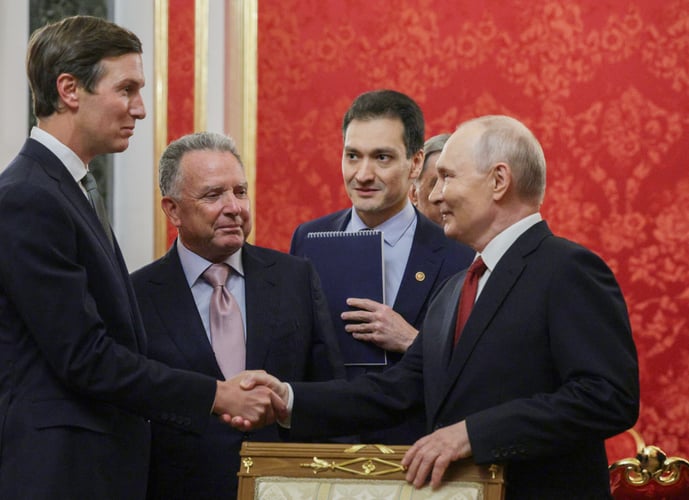
    After talks between President Putin and President Trump's representatives Steve Witkoff and Jared Kushner ended, the White House called them "substantive." Putin's aide Yuri Ushakov called the meeting "substantive, constructive and exceptionally frank," adding that the US representatives "formulated a number of considerations on ways to reach a settlement." According to Bloomberg, Putin is prepared to end the war only on Moscow's terms, and Russian demands have h
     

A US-Russia deal won’t end the war. It will start the next one

7 septembre 2026 à 19:08

After talks between President Putin and President Trump's representatives Steve Witkoff and Jared Kushner ended, the White House called them "substantive." Putin's aide Yuri Ushakov called the meeting "substantive, constructive and exceptionally frank," adding that the US representatives "formulated a number of considerations on ways to reach a settlement."

According to Bloomberg, Putin is prepared to end the war only on Moscow's terms, and Russian demands have hardened because the Kremlin believes it holds a military advantage. Putin expects to seize the rest of Donetsk Oblast by the end of 2026, Reuters reported, citing a person close to the Kremlin: "There is no chance of reaching an agreement on the front line until Putin finishes taking the rest of Donetsk Oblast."

Witkoff has made many trips to Moscow. He arrived in Kyiv for the first time only the day after. That speaks volumes about where America's focus lies: Russia, not Ukraine.

The danger, though, is not the deal alone. Two American processes are running at once—a peace negotiated on Moscow's terms and a review that would pull US forces from Europe—and together they lower both the political and the military cost of a Russian attack on NATO. Everything below is why that convergence, not the handshake in Moscow, is the thing to watch.

Negotiating a Russian lie, not its strategic demand

Russia has long used disinformation to create strategic ambiguity, offering the West four different tales—all unpleasant, one designed to look like an "easy way out."

The first—give up Crimea, Luhansk, Donetsk, Zaporizhzhia, and Kherson—is what Trump's plan offers. But Putin's demands transcend Donbas, as both his 2024 speech and Russia's military operations show. His stated prerequisites require Ukrainian withdrawal from territory Russian forces do not even occupy, the "demilitarisation" and "denazification" of the Ukrainian government—meaning its replacement with a pro-Russian one—and Ukrainian neutrality excluding NATO.

The second: Foreign Minister Lavrov said in January that "nothing will work without settling the issue of Novorossiya"—which adds Kharkiv, Dnipropetrovsk, Mykolaiv, and Odesa.

The third, "one people, one nation," claims all of Ukraine. And the fourth—"the Russian World," the only one formalised in Russian strategic documents—encompasses the "former territories of Kyivan Rus, the Kingdom of Muscovy, the Russian Empire, the Soviet Union, and the contemporary Russian Federation." Its ultimatum of 17 December 2021 demanded that the US leave the European continent entirely.

This is what Russia is fighting for, and why the Kremlin sees an existential war: Russia becomes a Great Power or remains a pariah state. Trump is negotiating the first lie. If he intended a just and lasting peace, he would be addressing the fourth—Russia's actual strategic aim—not the one designed to look easy.
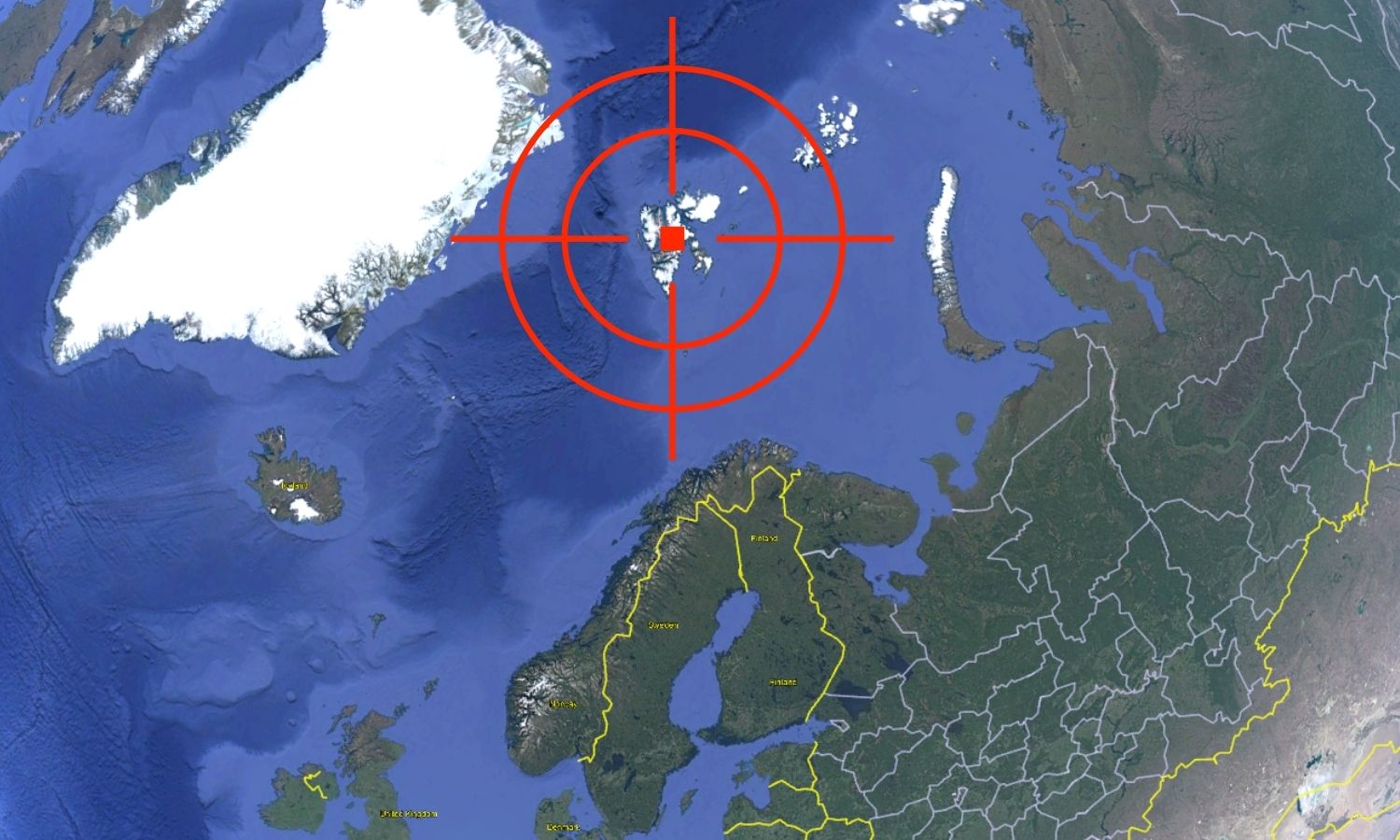
Svalbard in the crosshairs on a map. Collage: Euromaidan Press
Explore further

NATO vows to defend every inch. Svalbard is where Russia plans to prove it won’t.

The so-called peace plan

Six months before Trump took office, I concluded his "peace plan" was a blueprint for Russian victory over Ukraine and the West. The 28-point plan published by Axios in November 2025—which alarmed European leaders, excluded NATO, and imposed demands on the EU beyond America's authority—proved the point.

The transactional logic is explicit. On 2 September, Trump said: "We want to have good relations with Russia, Ukraine, with everybody. Be great for business. Russia's got great land and very valuable land."

Asked whether Washington would pressure Russia if talks stalled, Kushner sidestepped and applied a corporate frame to the war: "In the business world, you think in terms of win-win." Of Putin, he added: "he has certain objectives... but there are different aspirations he has for his country that can also be achieved once this is concluded."

The administration does not care about peace or war, international law or the security architecture—only trade. And it has signalled that the aggressor should be rewarded, implying might makes right. This is why Treasury Secretary Scott Bessent recently blamed Ukraine—not Russia—for high fuel prices: "Ukraine has decided that they want to blow up Russian energy assets." He said it after a meeting with Russia's finance minister.

U.S. President’s envoys, Steven Witkoff and Jared Kushner on 6 September in Kyiv. Source: President's Office of Ukraine
US President’s envoys, Steven Witkoff and Jared Kushner on 6 September in Kyiv. Source: President's Office of Ukraine

The sequence of talks

The US representatives went to Moscow first, Kyiv second—carrying the aggressor's terms to the victim, not the other way around. Since they are effectively negotiating European security, an objective team would have consulted US allies in Europe first. According to the EU Ambassador to Washington, Jovita Neliupšienė, Moscow has not abandoned its military objectives, and "the top priority remains unchanged: to provide Ukraine with everything it needs to defend itself"—implying US and European strategy are no longer aligned. We already know the US is not planning to provide Ukraine any defence aid. French, British and German security advisers were allowed to join only the final Kyiv session—informed, but not allowed to influence their own security.

It is strategically absurd to let Europe's two strategic adversaries negotiate European security—which is what happens when we insist on solving the war from within NATO and the EU rather than through a coalition of like-minded countries able to stand up to both Russia and Washington.

The military half

For Europe, the ongoing US review of its troop levels and basing matters as much as the peace process—and it is equally transactional. Defence Secretary Pete Hegseth announced the review at NATO on 18 June, framing it as a transition to "NATO 3.0," with Europeans taking on conventional defence and the US concentrating on strategic and nuclear priorities.

The Pentagon's Terms of Reference reportedly examine troop levels, basing, overflight rights, capability gaps Europeans would have to fill—and, tellingly, "the degree to which individual allies support broader US strategic priorities." The Pentagon expects four options ready by 6 November, with a decision in December. There is no reason for optimism.

There are roughly 80,000 US personnel in Europe. At the June meeting, Washington indicated it would immediately reduce the aircraft, reconnaissance drones and naval assets it would activate for Europe in a crisis. Defenders note that Congress set a floor of 76,000 and that European allies have largely filled earlier gaps. But the floor guards the headcount, not the cavalry. The assets that decide a European war—the aircraft, drones and naval power surged in a crisis—are exactly what Washington signalled it would hold back.

More troubling is a Pentagon questionnaire—sent partly in response to Europe's unwillingness to back Trump's war on Iran—asking whether governments have been "publicly supportive of US foreign policy priorities," whether they restrict US basing and overflight, and whether those restrictions could be removed. It reads as a loyalty test: the US making the size and location of its commitment conditional not on military utility but on political alignment—turning the alliance into a competition for American favour and gutting any European strategic autonomy.
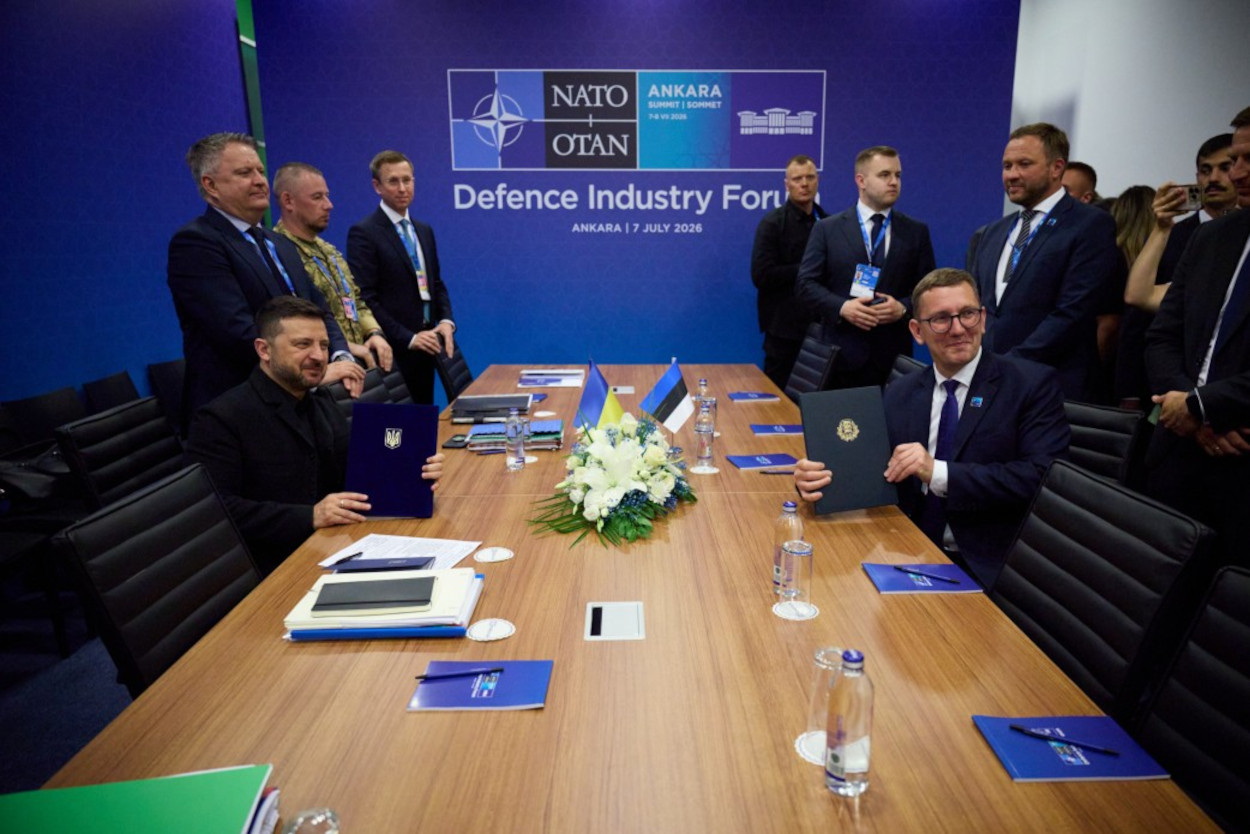
Ukrainian President Volodymyr Zelenskyy and Estonian Prime Minister Kristen Michal on the sidelines of the NATO summit in Ankara, 7 July 2026. Photo: Ukrainian President's Office
Explore further

NATO no longer deters Russia. A new coalition could

Be afraid

If the USA and Russia reach an agreement, be afraid. It would mean the Kremlin has convinced the White House to give it what it wants—and that Russia is positioned to do what a growing number of European intelligence services warn of: war against NATO by 2029.

The US will want its forces out of Europe before Russia moves. Russia will await the outcome of both processes before it strikes, to reduce the risk of a US response. On my read of both timelines, the assault comes while Trump is still in office—and Russia may attack within three years. Europe will not be ready until 2035.

The two processes are not coordinated. They do not need to be. Both flow from the same transactional instinct, and both land on the same variable: Russia's calculation of whether it can attack NATO and survive the response. A deal on Moscow's terms removes the political cost of aggression—it tells the Kremlin that force sets borders and the West will ratify what the battlefield delivers. The force-posture review removes the military cost, cutting the reinforcement flow that makes an assault on NATO expensive. Lower the political cost through the "peace" and the military cost through the withdrawal, and both sides of Moscow's equation fall at once. That is the link: not a plan, but a convergence—two American processes that together make a Russian war on NATO cheaper to start.

Hans Petter Midttun

Hans Petter Midttun, independent analyst on hybrid warfare, Non-Resident Fellow at the Centre for Defense Strategies, board member of the Ukrainian Institute for Security and Law of the Sea, former Defense Attaché of Norway to Ukraine, and officer (R) of the Norwegian Armed Forces. 

Editor's note. The opinions expressed in our Opinion section belong to their authors. Euromaidan Press' editorial team may or may not share them.

Submit an opinion to Euromaidan Press
Russo-Ukrainian war, day 1657: Ukraine’s newly appointed top commander wants to break with a Soviet-inherited system

7 septembre 2026 à 17:49

Russo-Ukrainian war (daily review)


Exclusive

Ukraine's Swedish radar planes have flown inside Russian missile range for six months. None has been shot down.. Kyiv said nothing until this week. The planes can see 450 km, and Russia's best missile flies nearly as far.
Ukraine put its own peace proposals on the table as two US envoys reached Kyiv for the first time. Security guarantees topped the Ukrainian list, and the day's diplomacy ran in consecutive sessions that widened to include three European governments' security chiefs.
Ukraine logged impacts at 11 sites while the American peace delegation was still in Moscow. The strike package mixed jet-powered attack drones, decoys, and cruise missiles across several oblasts.
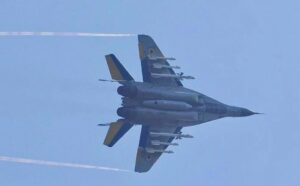
Ukraine is running short of its best missiles for hunting Russia's jet drones. Now MiG-29s are firing 1970s weapons. The R-73 was the missile for the job. Ukraine has burned through enough of them to bring back a weapon that was obsolete in 2022.
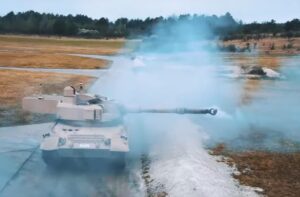
Ukraine is taking 1980s Leopards from across Europe and giving them radar-guided anti-drone guns and gunner-less turrets. Thirty-one get a Belgian turret the crew doesn't sit in. Others become radar-guided drone killers, built in Rome and paid for with frozen Russian money.

Team news

Vacancy: deputy editor-in-chief.

Military

Ukraine's new top commander is pushing to unwind a Soviet-inherited command model mid-war. He wants combat-tested sergeants to have real authority. Ukraine inherited a system where officers decided everything and sergeants were senior soldiers with no ladder of their own.

Russia deploys missile brigade to Belarus as fears grow over new threat to Kyiv. The move comes as Russia steps up aerial attacks on Kyiv from the north and Belarus allows Moscow to use its territory to help guide strikes against Ukrainian targets.

Some ten robot boats. Five hundred Russian air sorties. One very lopsided hunt. Missions that once took a night now stretch to five days, and Russia keeps its fleet hidden, a naval drone unit commander says.

Ukrainian drones took Ryazan's blending unit after knocking out two of its four crude units. Satellite imagery in August showed half the plant's primary distillation capacity already out of action.

Ukraine's drone forces say they hit 58,465 Russian targets in August, nearly 1,900 a day. Three named campaigns did the strategic damage. Most of the volume is small front-line hits.

Intelligence and technology

Ukrainian AI targeting module placed third among 60-plus entries in NATO contest. NATO and Ukraine ran the challenge through their first jointly staffed body.

Ukrainian university and the Flamingo missile-maker opened an engineering course. On the first try, zero of 150 passed. Even students who scored well on the university entrance exam flunked the physics round.

Ukraine's Brave1 says it can down Russia's Banderol missiles with cruising speed 650 km/h for less than what they cost, and has destroyed at least four. In July, Ukrainian troops downed Banderols with Swedish Bofors L70 anti-aircraft guns designed in the late 1940s.

Ukraine has 67 companies working to shoot down Russia's jet-powered drones en masse, Zelenskyy says. Only three to five have real results. He called the whole air-defense push "Plan B" to diplomacy's "Plan A".

China calls itself neutral—but its fiber ends up in the drones that hit Ukraine. The papers, reviewed by Western governments, trace drone-grade material straight from a Chinese state firm to a sanctioned Russian plant.

International

Ukrainian journalist asks Trump's envoy to his face whether he was disgusted to sit across from "international criminal" Putin. Witkoff wouldn't answer directly. Earlier, Russia's FSB put a $400,000 bounty on Ukrainian journalist Dmytro Gordon.

Humanitarian and social impact

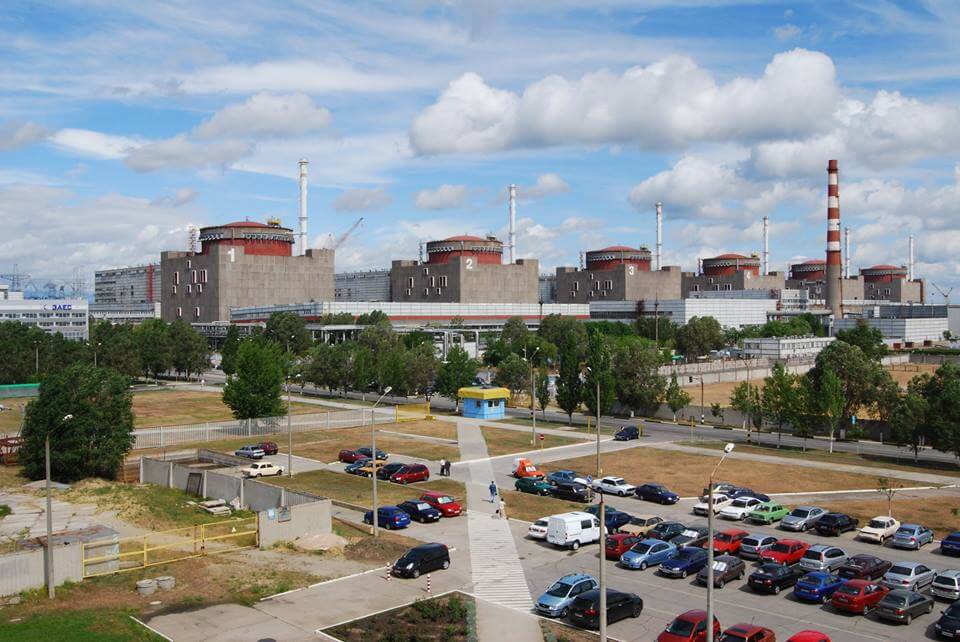
Russia burns occupied Zaporizhzhia nuclear plant's last-resort generators as everyday power, Ukraine says. Off-site power has been gone since 20 August, and the plant has cut its running generators to two to stretch the fuel that is left.

"Now on the 1,657th day": Ukraine's crews restored power to over 900,000 homes last week as Russia keeps striking grid before winter. Crews brought it back to 596 settlements, most of them in Odesa and Donetsk.

Kyiv stockpiles food and water as Russia's new aerial tactics threaten a brutal winter. Russia has already targeted food storage around Kyiv, while Ukraine's limited air defenses struggle to stop ballistic missiles and faster drones.

Political and legal developments

Russia's FM says war must end so there is "no more Nazism" in Europe. Russian occupation official already said what that means: erasing Ukraine and stopping its aid. The collaborator put it plainly: "denazification is re-Russification".

Read our earlier daily review here.

Ukraine’s new top commander is pushing to unwind a Soviet-inherited command model mid-war. He wants combat-tested sergeants to have real authority

7 septembre 2026 à 17:17

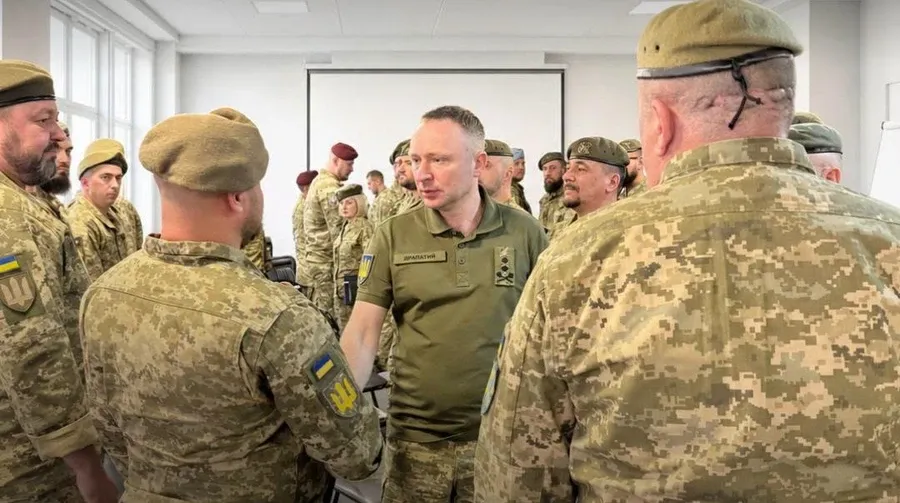
Ukrainian Commander-in-Chief Mykhailo Drapatyi met the senior sergeants. Source: Drapatyi

Ukraine's new top commander wants the army's combat-tested sergeants to have real careers, real authority, and clear paths to promotion — not just a role training recruits. Commander-in-Chief Mykhailo Drapatyi has met the senior sergeants of the force's branches, corps, and command bodies and set concrete steps to reform the sergeant corps, saying most had come straight from combat zones, Texty reported.

The push targets an old weakness. Ukraine inherited its rank system from the Soviet army in 1991 — a centralized model in which officers decided almost everything and sergeants were little more than senior soldiers, with no authority or career ladder of their own. A 2020 reform law began to change that by aligning the system with NATO standards, making the sergeant an independent figure.

Drapatyi, who became commander-in-chief in July 2026 with a mandate to carry that overhaul forward and a reputation for favoring decentralized command, is now pressing it directly.

Sergeants outgrow the training role

The sergeant's job long ago stopped being only about preparing troops, Drapatyi said. Sergeants now settle new arrivals into combat areas, handle supply and equipment, ready personnel for tasks, and command them directly in battle.

"A sergeant was a soldier yesterday. Today, he is a commander who is closest to the soldier and sees the real state of the unit on the ground best of all," Drapatyi said.

Drapatyi assigns the reform tasks

The meeting worked through the structure of the corps, the split of responsibility between sergeants and officers, training, appointments, and pay. For each, Drapatyi continued, he set specific tasks, defined next steps, and named the people responsible.

"We cannot build a modern, combat-capable sergeant corps on old approaches," Drapatyi said.

He believes that a sergeant's combat experience should turn into authority, professional development, responsibility, and a real say in how troops are trained and led.

  • ✇Euromaidan Press
  • Russia burns occupied Zaporizhzhia nuclear plant’s last-resort generators as everyday power, Ukraine says
    The Russian-occupied Zaporizhzhia Nuclear Power Plant lost the 330-kV Ferosplavna-1 line—which the International Atomic Energy Agency (IAEA) called the plant's only remaining off-site power line—on 20 August and has since run on emergency diesel generators, Ukraine's state nuclear operator Energoatom said on 6 September. A day earlier, the IAEA said the plant's diesel reserves were under increasing strain and warned it could lose all power within days unless external power
     

Russia burns occupied Zaporizhzhia nuclear plant’s last-resort generators as everyday power, Ukraine says

7 septembre 2026 à 16:58

ukraine’s nuclear plants have power — grid damaged russia still can't carry · post zaporizhzhia plant europe’s largest facility has been under russian occupation since 2022 uatomorg russia-znpp-nuclear-weapon-joint-control-kyiv russia's overnight

The Russian-occupied Zaporizhzhia Nuclear Power Plant lost the 330-kV Ferosplavna-1 line—which the International Atomic Energy Agency (IAEA) called the plant's only remaining off-site power line—on 20 August and has since run on emergency diesel generators, Ukraine's state nuclear operator Energoatom said on 6 September. A day earlier, the IAEA said the plant's diesel reserves were under increasing strain and warned it could lose all power within days unless external power was restored or fuel deliveries continued.

The Zaporizhzhia plant has been under Russian control since March 2022, when Russian forces seized the facility during the invasion. The plant stopped generating electricity in September 2022, and all six reactors have been in cold shutdown since April 2024, leaving the plant dependent on external or backup power for cooling and other essential safety systems. Repeated damage to the plant's external power connections has forced it onto emergency diesel generators multiple times, including during a month-long loss of off-site power in 2025.

How much diesel the Zaporizhzhia plant has left

The plant's most recent delivery to its off-site fuel farm took place in March, and the next one, set for May, is still held up by military activity, the IAEA reported on 20 August. At that point, the plant reported having more than 10 days of diesel available for its emergency generators.

By 29 August, the plant was down to about 10 days of diesel—its minimum regulatory reserve—and IAEA Director General Rafael Grossi said that was roughly how long it had left without restored power or more deliveries. Several dozen tons reached the plant on 27 and 28 August, but a week later the agency shortened the warning to within days, with the plant down to two generators and running its cooling pumps on and off to save fuel. No nuclear plant should have to throttle its essential cooling systems to conserve diesel, Grossi said.

How the plant lost its last external power line

Ferosplavna-1 is a backup line from the thermal plant next door, one of 10 the IAEA counted before the war. The main 750-kV Dniprovska line failed on 24 March. Technicians repaired it under a June ceasefire, but it has never been switched back on, because a substation more than 100 kilometers away was badly damaged. Ferosplavna-1 has carried the plant alone since. It went down on 26 April for the 15th time since 2022, by both counts, and cut out repeatedly around a June attack on the thermal plant. It went dead on 20 August—the 27th loss by Energoatom's count, the 26th by the IAEA's.

Ukrainian technicians began repairs on 5 September under a local ceasefire the IAEA brokered, with a few days' work expected. The line was still dead on 7 September, its 19th day without off-site power, the plant's Russian-installed management claimed to Russian media. Fixing it may not bring the power back anyway, Rosatom chief Aleksei Likhachev claimed the same day, blaming Ukrainian inaction for the other line still sitting repaired and unconnected—which the IAEA puts down to the wrecked substation.

Energoatom's assessment of the generator risk and Russian claims

Russian forces run the plant's emergency generators as everyday power, outside the conditions they were built for, Energoatom said on 6 September. Weeks of continuous running raise the risk of several backups failing together, and constant starts under load make the systems that start them likelier to fail. Even in cold shutdown, a blackout would threaten control of the safety systems and the spent fuel pools, and the plant is already in gross violation of its safe-operation limits, it said. Only a Russian pullout, military and civilian, and a handover back to Energoatom would guarantee safe operation, the company said, which also wants both grid lines back.

The plant has enough fuel for its generators but cannot restock while the access roads are shelled, the plant's Russian-installed management claimed to Russia's state news agency TASS on 31 August. TASS blamed Ukrainian forces for the shelling, though the quoted remarks named no one.

If the generators quit, the plant loses the power that keeps cooling going. The reactors have not produced electricity since September 2022, so there is far less heat to remove, and in a total blackout the fuel would take considerably longer to be damaged or melt, the agency said on 5 September. Such a scenario must be prevented all the same, the agency said, and the fix is restored off-site power or continued diesel deliveries.

“Now on the 1,657th day”: Ukraine’s crews restored power to over 900,000 homes last week as Russia keeps striking grid before winter

7 septembre 2026 à 16:51

Ukraine's energy workers

Russian strikes cut power to nearly a million Ukrainian families across four oblasts last week. Ukraine's largest private energy company, DTEK, brought it back, fully or partly restoring electricity to 596 settlements in Donetsk, Odesa, Dnipropetrovsk, and Kyiv oblasts between 31 August and 6 September, the company said.

Russia is hammering Ukraine's power grid again as the cold season nears, and the country's winter-resilience plans were less than half complete at the start of September.

Odesa and Donetsk absorb the worst

Most of the week's work was in Odesa Oblast, which Russia has been striking without pause. Ukrainian crews there returned power to more than 366,000 families, DTEK said.

Much of that damage followed a massed missile-and-drone strike on the region's main energy facilities on 2 September, after which national operator Ukrenergo imposed temporary grid limits to keep damaged equipment from overloading.

Donetsk Oblast came close behind, with power restored to nearly 360,000 homes despite what the company called an extremely difficult situation for its repair teams. In Dnipropetrovsk Oblast, crews reconnected almost 172,000 homes, and in Kyiv Oblast nearly 9,000 more.

Strikes keep cutting the grid

The reconnections are happening under continued fire. Russia keeps attacking energy sites in Odesa and Dnipropetrovsk oblasts, damaging lines faster than they can be fully secured. DTEK crews can only begin repairs once the military and emergency services have cleared access to the damaged equipment.

"Russia keeps attacking our energy system. Despite everything, we keep working and restoring power — now on the 1,657th day," said Alina Bondarenko, chief executive of DTEK Grids.

Winter sharpens the threat

The timing is the danger. Ukraine has until the heating season to shore up a grid that Russia has spent the war trying to break.

This year's attacks have again concentrated on the energy system as temperatures start to fall.

  • ✇Euromaidan Press
  • Ukrainian AI targeting module placed third among 60-plus entries in NATO contest
    A Ukrainian company has placed third in a NATO contest to find ways of keeping an enemy's airfields shut down over time. Its artificial-intelligence targeting module finished among the top three of more than 60 entries in the Persistent Airfield Denial Innovation Challenge, Ukraine's Defense Ministry said. The challenge was run jointly by NATO Allied Command Transformation and the NATO-Ukraine Joint Analysis, Training and Education Center, the first jointly staffed NATO
     

Ukrainian AI targeting module placed third among 60-plus entries in NATO contest

7 septembre 2026 à 16:20

The 123rd Aircraft Repair Plant in Staraya Russa, Novgorod Oblast, Russia, targeted by Ukrainian drones overnight on 17 March 2026. Illustrative photo via Exilenova+

A Ukrainian company has placed third in a NATO contest to find ways of keeping an enemy's airfields shut down over time. Its artificial-intelligence targeting module finished among the top three of more than 60 entries in the Persistent Airfield Denial Innovation Challenge, Ukraine's Defense Ministry said.

The challenge was run jointly by NATO Allied Command Transformation and the NATO-Ukraine Joint Analysis, Training and Education Center, the first jointly staffed NATO-Ukraine body. The result shows NATO is building a direct channel for Ukraine's combat-tested technology into its own capability development.

On the NATO side, the finalists' proposals were evaluated by representatives of the Alliance's Commands, as well as the NATO Defense Innovation Accelerator DIANA.

An AI module lands third place

Organizers received more than 60 applications and brought nine finalists to Warsaw. The Ukrainian team took third place with a module designed to enhance the autonomy and accuracy of strike systems. The Ukrainian Defense Ministry did not name the developer.

A Czech firm, LPP Holding, won with a long-range system designed to work with minimal outside control, and a Polish team came second with a plan for the pre-planned destruction of key airfield infrastructure.

JATEC feeds Ukraine's lessons to NATO

Ukrainian experts helped define the problem and judge the entries, including officers from the Air Force Command, the Unmanned Systems Forces, and the National Guard's Omega unit.

The challenge, which carried up to €250,000 in prize funding, was the second of the two bodies to run together, after a 2025 round that fast-tracked European firms to counter Russian glide bombs.

In July 2026, Russian aviation used approximately 8,000 guided aerial bombs against Ukrainian cities.

The winning solutions now move to testing and combat validation, which the Defense Ministry said will show how well they work and whether they can scale.

Ukrainian university and the Flamingo missile-maker opened an engineering course. On the first try, zero of 150 passed

7 septembre 2026 à 14:39

Ukrainian engineers.

A Ukrainian university and the company behind the country's Flamingo cruise missile opened a program to train engineers for the country's weapons industry, and on the first try, not a single applicant passed the entrance exams, the Kyiv Aviation Institute (KAI) told LB.ua. The school runs the course with the drone and missile-maker Fire Point.

More than four years of full-scale war have rebuilt Ukraine into what is now one of the world's busiest makers of drones and missiles. The industry has grown roughly tenfold since 2022 and now aims to build millions of drones a year. Scaling it takes engineers, not only money and factories.

Zero out of 150

The 150 candidates were sorted in two stages. First came the math and physics scores on the Ukrainian university entrance exam (NMT). Then a round of exams designed with Fire Point's engineers. Even applicants who scored well on the NMT couldn't clear that second round.

KAI president Kseniia Semenova said the physics proved too hard. The problems sat at the level of national olympiads, far above a normal entrance test. Anyone can learn them, she said, but only with real preparation. Getting in cold is very hard, she added, and candidates should commit a year ahead. From September, KAI and Fire Point will run preparatory courses.

Weak science in the schools

Semenova traced the failure to the classroom. Teaching of the natural sciences in Ukrainian schools is very weak, she said, and few students will even sit physics on the NMT. Those who do tend to score poorly.

Interest in KAI is climbing anyway. First-year enrollment rose 40% this year, KAI says, led by aviation transport and rocket-and-space technology. But the harder tracks, applied mechanics, composite materials, and engines, aren't growing.

Ukraine’s Brave1 says it can down Russia’s Banderol missiles with cruising speed 650 km/h for less than what they cost, and has destroyed at least four

7 septembre 2026 à 12:53

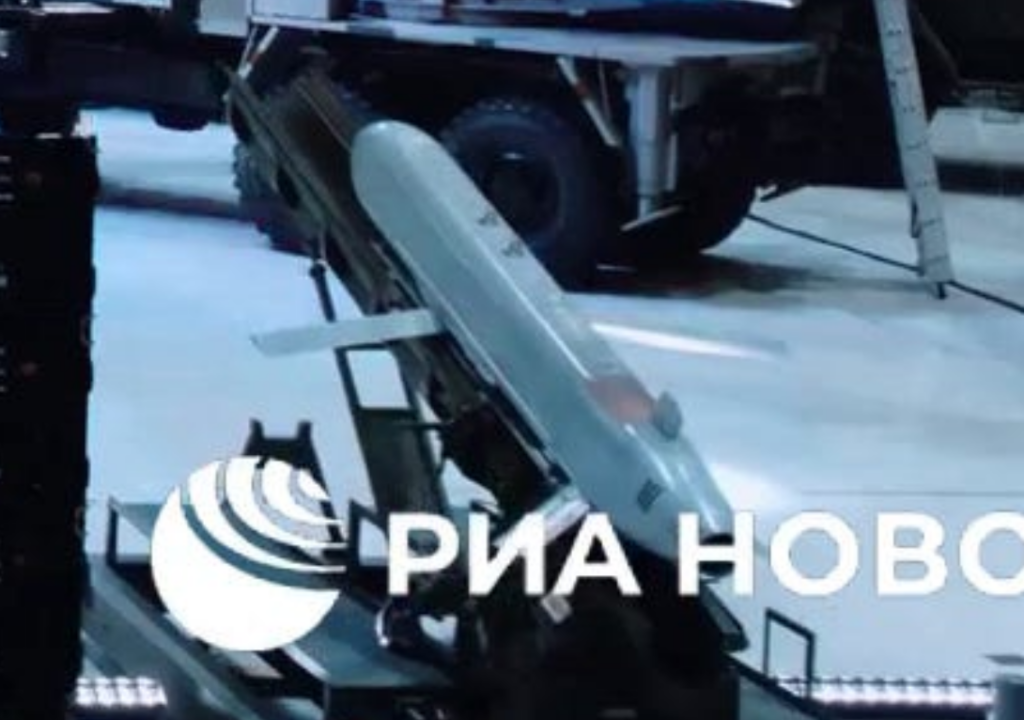
A Russian Banderol missile-drone. Credit: RIA Novosti

Ukraine says it has found a way to shoot down Russia's Banderol jet missiles for less than the missiles themselves cost. A system from a developer in the Brave1 defense-tech cluster has already destroyed at least four of them, Brave1 said, releasing video of the intercepts.

The point is the price tag, not the kills. The Banderol is built to be cheap for Russia and expensive for Ukraine to stop, forcing Kyiv to spend scarce, costly air-defense missiles on a low-cost weapon. A counter that costs less than the target flips that math back against Russia.

A cluster developer downs four Banderols

Russia introduced a new missile-drone called "Banderol" to terrorize Ukrainian cities, and Ukraine already has a technological answer

A Brave1 said the country built an interceptor that destroys "Banderols" at a fraction of the cost of the missile-drones themselves
🎥 Brave1 pic.twitter.com/9TKWdFWfyW

— Euromaidan Press (@EuromaidanPress) September 7, 2026

The footage Brave1 shared shows a defender in the cluster hitting at least four Banderol missiles.

"The cost of interception is substantially cheaper than the cost of the drone-missiles themselves," the cluster said.

It added that several products capable of countering the Banderol now exist, and that it is scaling the ones that work.

Kronshtadt built the missile to bleed defenses

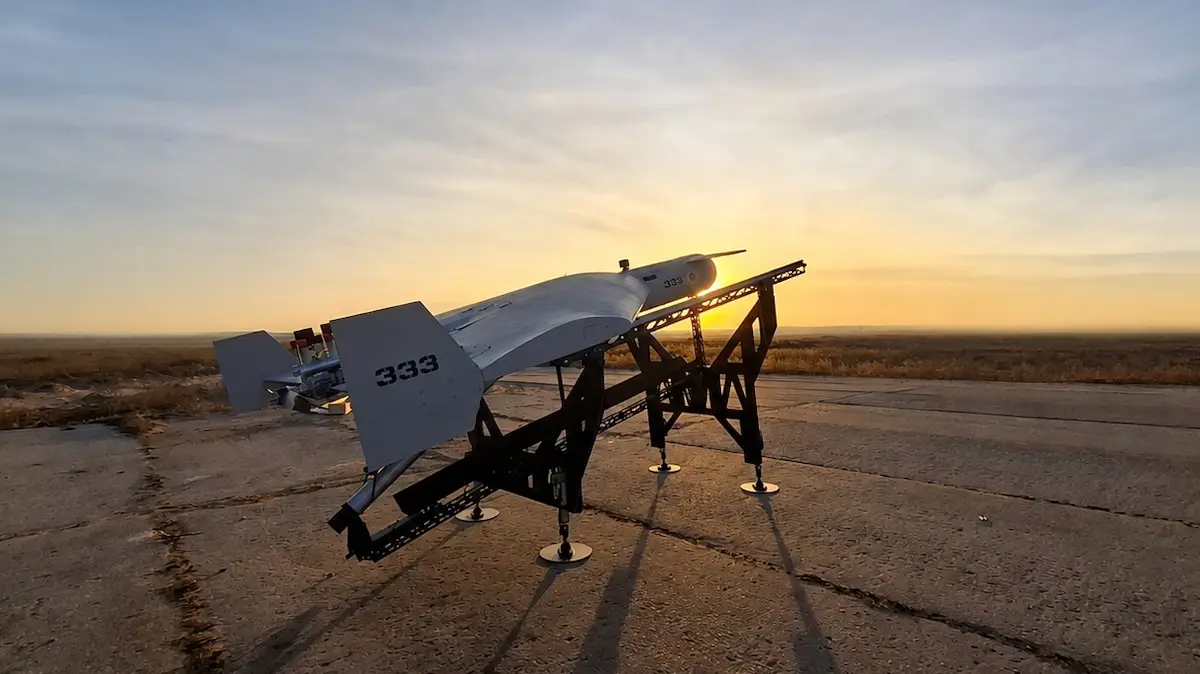
The S8000 Banderol is a hybrid of a cruise missile and a jet-powered attack drone, made by the sanctioned Russian firm Kronshtadt, which also builds the Orion reconnaissance drone that launches it. It flies at a cruising speed of 520 to 560 km/h and up to 650 km/h at full throttle, and carries a 114.3-kilogram fragmentation-high-explosive warhead, of which 49.5 kilograms is explosive.

The design is built for cheap mass production: it runs on a Chinese hobby turbojet sold online for about $16,000, and Ukrainian media have put the cost of a single Banderol near $100,000, Ukrainska Pravda reported. Russia has used it to strike Odesa, Kharkiv, Kyiv, and Black Sea ports.

Ukraine keeps finding cheap answers

Brave1's system is the newest in a pattern of low-cost counters. In July, Ukrainian troops downed Banderols with Swedish Bofors L70 anti-aircraft guns designed in the late 1940s. The task now is to turn scattered successes into enough deployed systems to blunt a weapon Russia is firing in growing numbers, which is what Brave1 says it is racing to do.

Ukraine has 67 companies working to shoot down Russia’s jet-powered drones en masse, Zelenskyy says. Only three to five have real results

7 septembre 2026 à 09:44

ukraine spent three years learning catch russian drones—so russia made fly faster · post geran-3 jet-powered attack drone wild hornets c1c840787fca380485636007cf683d71 news ukrainian reports

Ukraine now has 67 companies working to shoot down Russia's jet-powered drones en masse, President Volodymyr Zelenskyy said. He gave the number at a Kyiv press conference alongside US presidential envoys Steve Witkoff and Jared Kushner, Ukrinform reported.

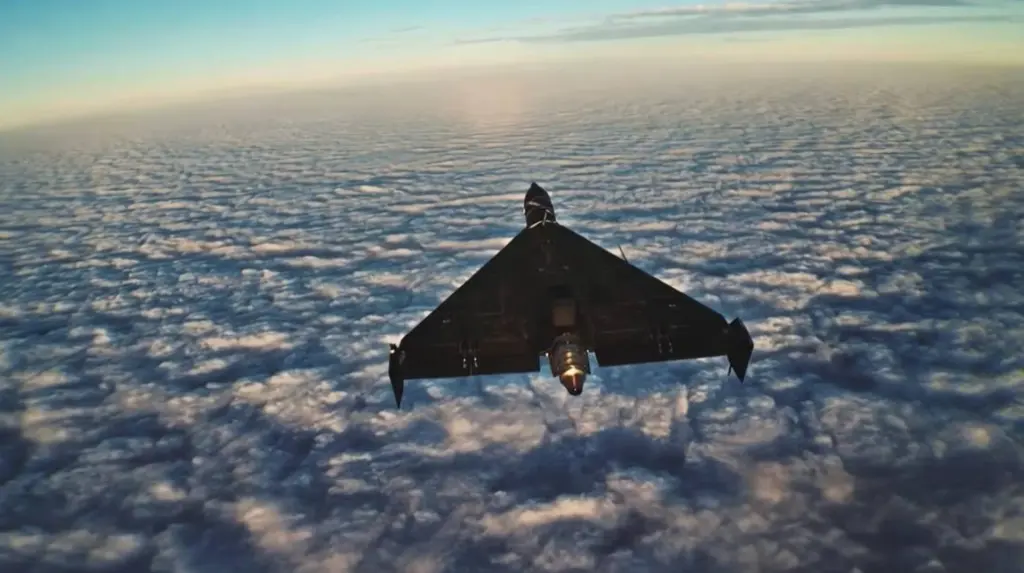
Most of those firms are still chasing the problem, and only a few have working systems. The race matters because Russia's jet-powered Geran drones fly too fast for the mobile gun teams that once downed the slower models. Russia has sharply expanded the jets' use over the summer, launching them by day as well as by night and driving air-raid alerts over Kyiv almost hourly.

Prototypes outnumber proven interceptors

"Today, we have about 60 companies in Ukraine already working on intercepting jet-powered drones, and doing so on a mass scale. To be precise, there are 67," Zelenskyy said.

He added that three to five have shown real results, and the next step is mass production.

Zelenskyy calls it all "Plan B"

Zelenskyy framed the entire defensive build-up as a fallback.

"All this defense is 'Plan B,' though right now it is very relevant. 'Plan A' is to accelerate diplomatic possibilities as much as possible, to reduce escalation from Russia," he said.

He spoke as the US envoys pressed a peace push in Kyiv, with no breakthrough announced.

He also called anti-ballistic defense Ukraine's weak point, saying he would raise it in upcoming meetings in Norway and Canada, and that the US plans to increase production of Patriot interceptors next year while Germany expands its own output under existing licenses.

Ukraine needs the interceptors to down Russian ballistic missiles that come several times per week. Each Russian attack on Kyiv costs the city budget about $12 million.  More than four thousand buildings in Kyiv have been damaged by Russian strikes, with each attack adding to a repair bill the city carries alongside the human losses.

  • ✇Euromaidan Press
  • China calls itself neutral—but its fiber ends up in the drones that hit Ukraine
    Shipping documents show how a Chinese state company kept supplying Russia's drone factories with the raw material used in its long-range attack drones, Politico reported. Chinese parts have been recovered from downed Russian drones before. These records are the first to show the raw material shipped straight to the factory—a sanctioned arm of Russia's nuclear giant Rosatom. Russia's mass-produced attack drones run on parts sourced worldwide that keep slipping past Weste
     

China calls itself neutral—but its fiber ends up in the drones that hit Ukraine

7 septembre 2026 à 09:42

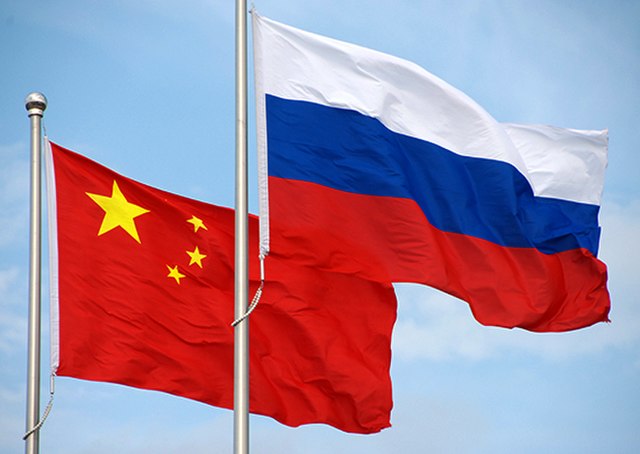
Flags of Russia and China.

Shipping documents show how a Chinese state company kept supplying Russia's drone factories with the raw material used in its long-range attack drones, Politico reported. Chinese parts have been recovered from downed Russian drones before. These records are the first to show the raw material shipped straight to the factory—a sanctioned arm of Russia's nuclear giant Rosatom.

Russia's mass-produced attack drones run on parts sourced worldwide that keep slipping past Western export controls, and Ukrainian cities take the hits almost nightly. Kyiv has spent the war naming the foreign suppliers behind that hardware, one component at a time.

What the documents show

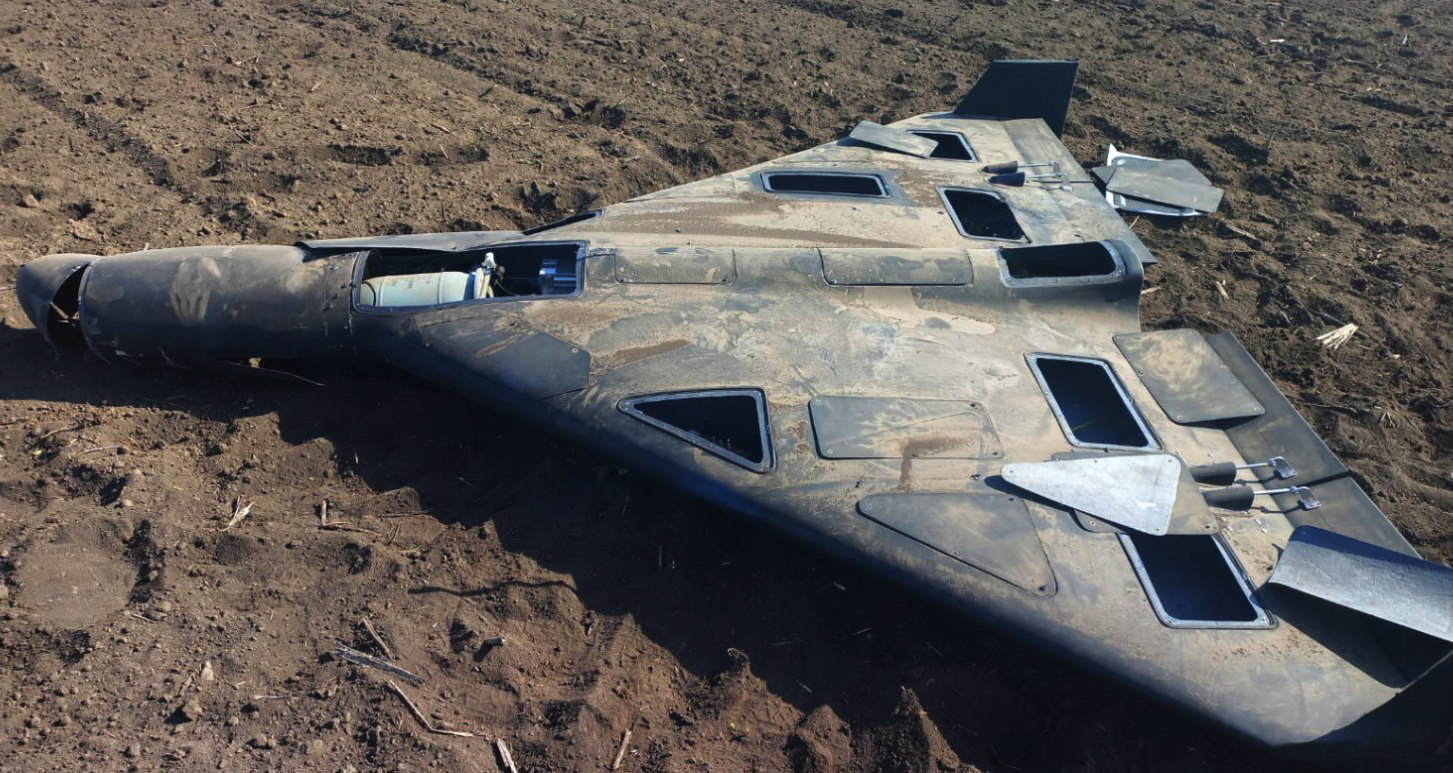
The papers trace 46 metric tons of carbon-fiber chemicals from Jilin Chemical Fiber Group to Alabuga-Volokno, a Rosatom subsidiary in Tatarstan. The exporter disguised the cargo under a customs code meant for civilian fibers like nylon, said weapons expert David Albright, who studies Russia's drone production. That precursor, polyacrylonitrile, is the raw ingredient for the light carbon fiber in Russia's Shahed-type attack drones.

The MICH 2000 drone can fly up to 2,000 km and carry a warhead weighing up to 60kg. Photo courtesy of the manufacturer
Explore further

Ukraine’s new Tu-95 killer is a $48,000 copy of a drone China refused to sell

Drones of that type killed at least 15 people at a shopping mall in central Ukraine in August. Albright estimated the load could yield enough for as many as 1,300 kamikaze drones. The Kyiv-based Ukrainian Security and Cooperation Center, a think tank close to Ukraine's government, gathered the documents and shared them with Western governments. The US House Select Committee on China judged them legitimate, and Ukraine confirmed their authenticity.

Why Beijing can't plead ignorance

Alabuga-Volokno has faced Western sanctions since 2023 from the US, UK, EU, Ukraine, and others. Jilin faces none. Albright said the documents would let the State Department sanction the Chinese supplier. Serhii Kuzan, who heads the Ukrainian center, called China arguably the main and only source of these composite materials.

Former US officials rejected any idea that Beijing was unaware.

"The idea that Chinese state-owned enterprises can hide things from the Chinese government just doesn't wash," said Dennis Wilder, a former CIA deputy assistant director for East Asia and the Pacific.

Explore further

Russia’s jam-resistant drones run on a Chinese modem no one has sanctioned

Denials and a summit

Rosatom claimed it works in full compliance with the law. China's embassy in Washington called the evidence an attempt to "smear and scapegoat China," saying Beijing has never supplied lethal weapons.

The disclosure lands as US President Donald Trump prepares to meet Xi Jinping in Washington this month. In late August, Xi told Vladimir Putin their ties were set to strengthen.

  • ✇Euromaidan Press
  • Vacancy: deputy editor-in-chief
    Want to take Ukraine's story global? We need someone ambitious. Euromaidan Press is looking for a Deputy Editor-in-Chief who's ready to push this publication to the next level. If you're the kind of person who sees potential everywhere and wants to build something bigger—not just maintain what exists—keep reading. We're an independent English-language outlet connecting Ukrainian realities to global audiences. We need someone who can see where we could go, not just where we are. Wha
     

Vacancy: deputy editor-in-chief

7 septembre 2026 à 09:34


Want to take Ukraine's story global? We need someone ambitious.

Euromaidan Press is looking for a Deputy Editor-in-Chief who's ready to push this publication to the next level. If you're the kind of person who sees potential everywhere and wants to build something bigger—not just maintain what exists—keep reading.

We're an independent English-language outlet connecting Ukrainian realities to global audiences. We need someone who can see where we could go, not just where we are.

What you'll actually do:

  • Edit and publish English-language content (obviously, but it needs to be sharp)
  • Help run the show—you'll have real input on where we're heading
  • Set and maintain quality standards across all platforms
  • Figure out what international audiences actually want to read about Ukraine (not just what we think they should)
  • Work with the team and write your own pieces when needed
  • Track what works, what doesn't, and adjust accordingly
  • Look at our current strategy and ask "how can we do this better?"
  • Push us forward—propose new directions, challenge assumptions, help us grow

You'll fit if you:

  • Have editing experience (media management is a plus, but ambition matters more)
  • Actually understand what's happening in Ukraine and globally
  • Ideally have worked in English-language or international media
  • Speak fluent English and Ukrainian, based in Ukraine
  • Can write, adapt, translate, and edit quickly without losing quality
  • Know how to translate meaning across cultures (not just words)
  • Get how social media and search engines actually work
  • Fact-check reflexively and think critically
  • Want to lead and build, not just execute

What we offer:

  • Full-time, remote, flexible schedule
  • 24 days vacation + 10 sick days
  • Competitive salary
  • A team that cares about what we do
  • Real influence on how this media outlet develops
  • The chance to shape how the world understands Ukraine

How to apply:

  • Send your CV, a short note about why you want this (not a formal cover letter—just tell us), and examples of your work to euromaidanpress (a) gmail.com
  • Subject line: "Deputy Editor-in-Chief application"
  • We'll send a quick test task, then chat if it looks like a fit.

  • ✇Euromaidan Press
  • Kyiv stockpiles food and water as Russia’s new aerial tactics threaten a brutal winter
    Kyiv is building reserves of food and drinking water to help residents during prolonged power outages and other emergencies, the Kyiv City Council said on 7 September. The preparations come as Russia continues to target Ukraine’s critical infrastructure and food supply chains, while Ukrainian officials warn that water systems could also come under attack. Kyiv is therefore preparing for a broader range of disruptions this winter, not just power outages. The city is p
     

Kyiv stockpiles food and water as Russia’s new aerial tactics threaten a brutal winter

7 septembre 2026 à 08:26

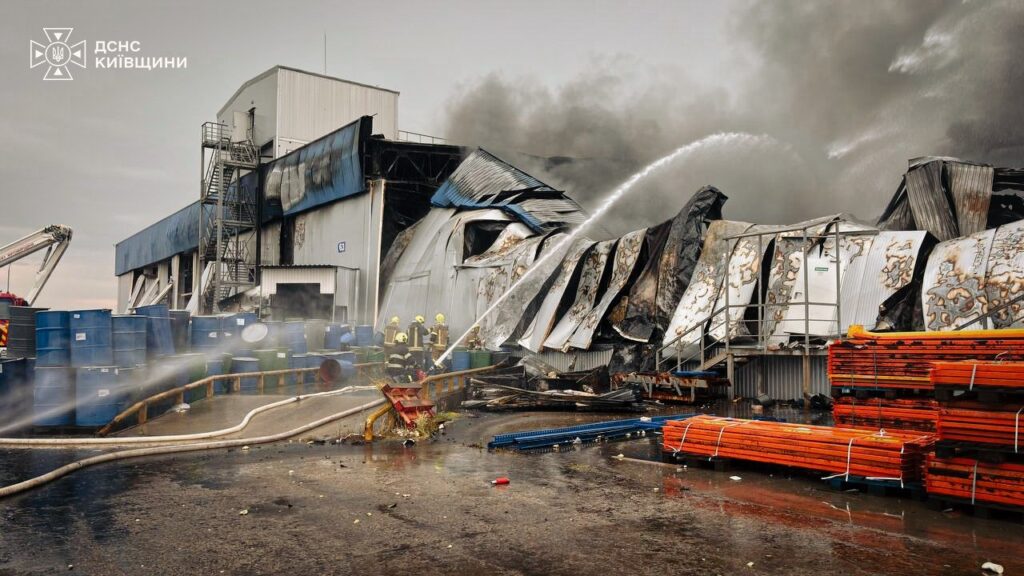
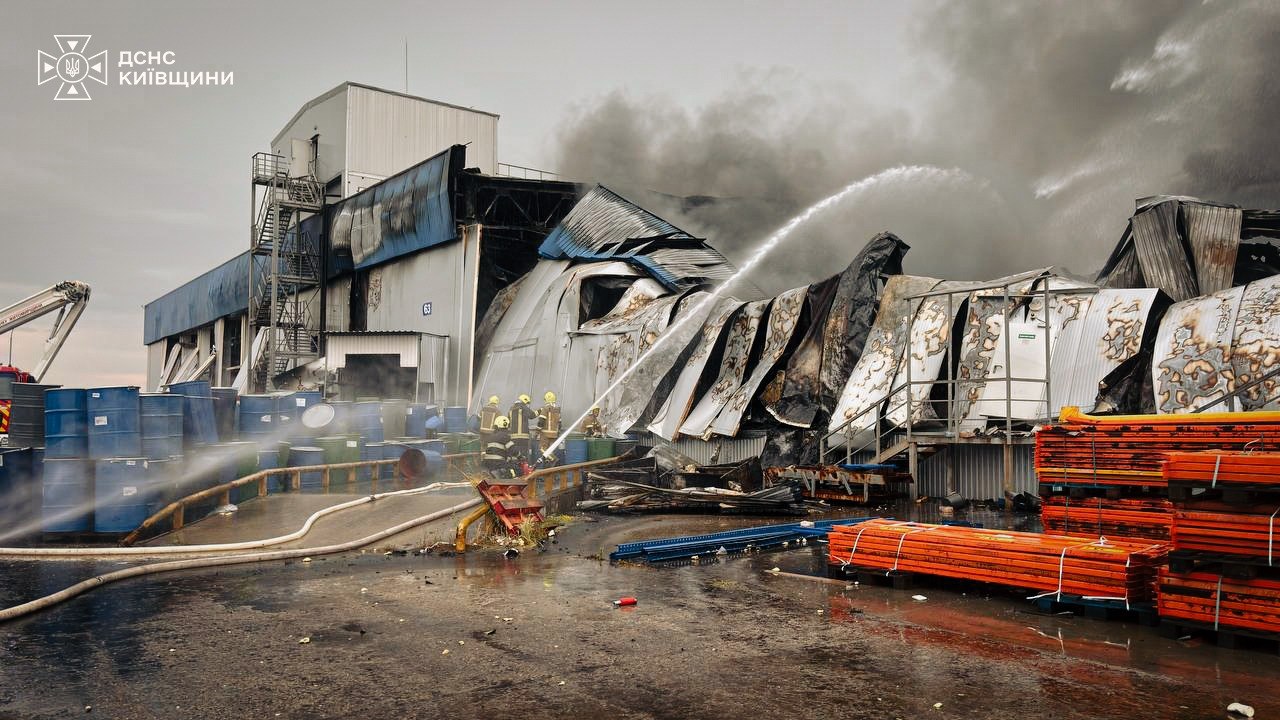
Ukrainian firefighters respond to a blaze at warehouses hit by a Russian drone strike in Kyiv Oblast’s Brovary district, 18 August 2026. Photo: Ukraine's State Emergency Service

Kyiv is building reserves of food and drinking water to help residents during prolonged power outages and other emergencies, the Kyiv City Council said on 7 September.

The preparations come as Russia continues to target Ukraine’s critical infrastructure and food supply chains, while Ukrainian officials warn that water systems could also come under attack. Kyiv is therefore preparing for a broader range of disruptions this winter, not just power outages.

The city is preparing the reserves ahead of the 2026–2027 fall and winter season, with priority given to low-income residents and people facing difficult circumstances.

The supplies will also be available at Points of Invincibility, emergency support centers set up to provide basic services during prolonged blackouts, for people affected by emergencies, and for workers involved in emergency and other urgent response operations.

Kyiv prepares for attacks on food and water supplies as Russia makes air attacks harder to stop

Russia has increasingly targeted infrastructure connected to Ukraine’s food supply in recent months. Russian strikes have hit food warehouses and distribution facilities around Kyiv, contributing to shortages and periods of empty supermarket shelves in the capital and other parts of the country.

Ukrainian officials have also warned that Russia could target water infrastructure as part of its attacks on critical civilian systems, raising concerns about access to drinking water during prolonged disruptions.

This year, the threat is particularly acute as Russia has expanded its use of ballistic missiles and introduced faster, jet-powered Geran drones that are harder for Ukraine to intercept. Ballistic missiles can only be reliably intercepted by a limited number of air defense systems, while the faster drones reduce the time available to detect and engage them.

Ukrainian firefighters respond to a blaze at warehouses hit by a Russian drone strike in Kyiv Oblast’s Brovary district, 18 August 2026. Photo: Ukraine's State Emergency Service
Explore further

Russia has destroyed 90% of Ukraine’s modern commercial storage capacity. Retail logistics are being reshaped

Kyiv prepares for another difficult winter

Russia's strikes have repeatedly targeted Ukraine's energy infrastructure during previous winters, causing extended blackouts and disruptions to heating and other essential services.

Kyiv is now preparing for the possibility that attacks could again leave residents without electricity or access to essential supplies for extended periods.

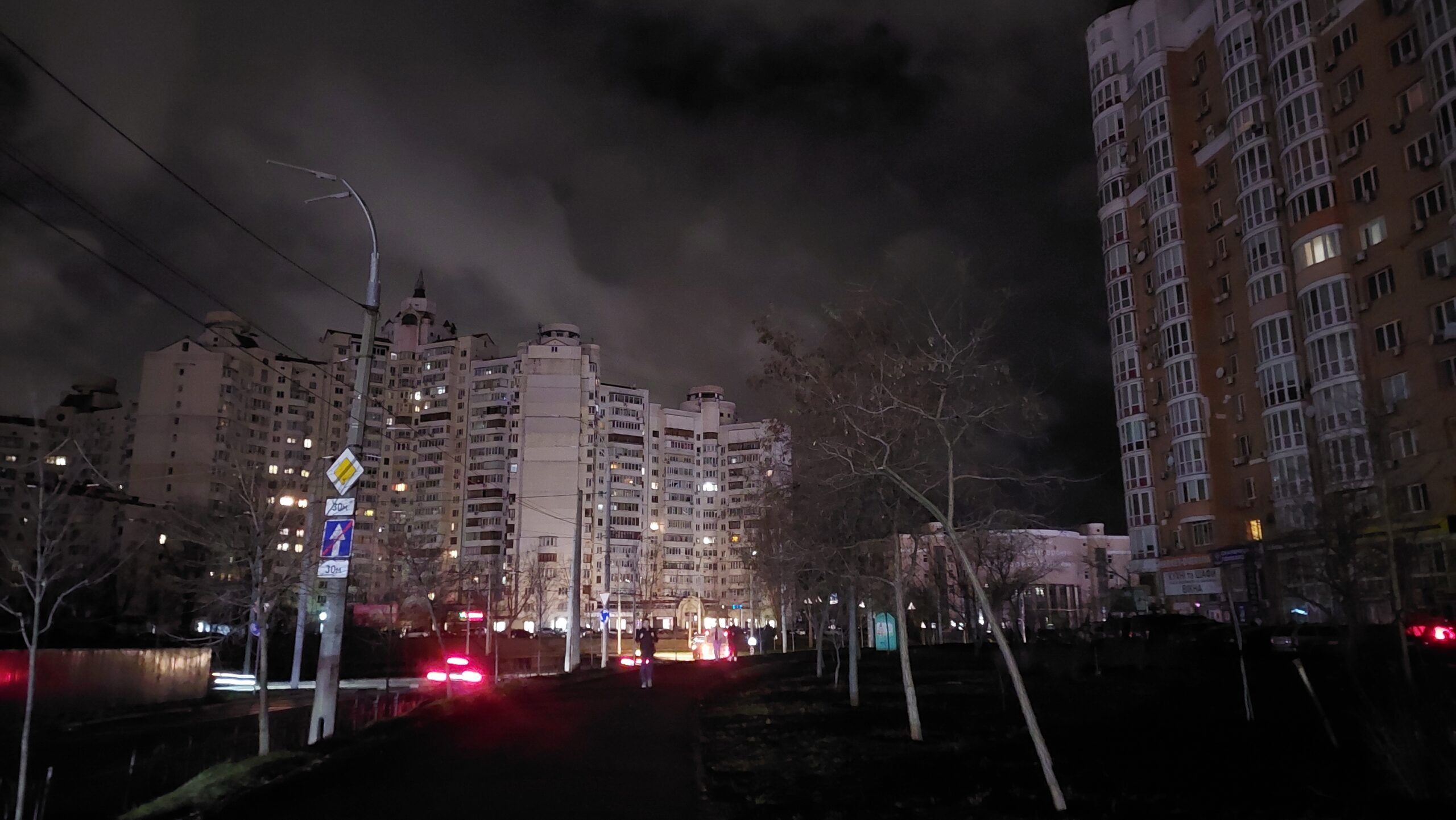
During blackouts, apartment blocks in Kyiv are mostly dark, with scattered lights from apartments with battery-powered sources. Generators power businesses on the ground floor. Street lights are largely off.
Explore further

Behind the black windows: How Kyiv survives a winter in the dark

Kyiv says food supply remains stable, for now

Oleh Kuіavskyi, deputy head of the Kyiv City State Administration, said the city's preparations are focused not only on accumulating supplies but also on ensuring they can quickly reach people who need them.

“Food security in the capital is not only about having the necessary reserves, but also a clear system for their distribution and delivery to those who need help most,” Kuіavskyi said, according to the Kyiv City Council.

He said Kyiv's consumer market remains stable and predictable, while the city continues to hold agricultural food fairs across its districts to help maintain access to basic food products.

Grocery shortage
Empty shelves in a Lviv supermarket. Photo: Times of Ukraine/Telegram

Reserves could feed 25,000 people

According to the city council, Kyiv has already formed and is maintaining reserves of key food products for use if the energy system comes under severe strain.

With support from charitable and civic organizations, the city can organize hot meals for up to 25,000 people, officials said.

The city's Department of Industry and Entrepreneurship Development also plans to purchase another 20,000 food packages for use during emergencies.

The reserves are being coordinated through Kyiv's Humanitarian Headquarters, established in February 2022. The body coordinates the city administration, district administrations, municipal companies, charities, and donors, including the accounting and distribution of emergency resources.

Russia’s FM says war must end so there is “no more Nazism” in Europe. Russian occupation official already said what that means: erasing Ukraine and stopping its aid

7 septembre 2026 à 07:28

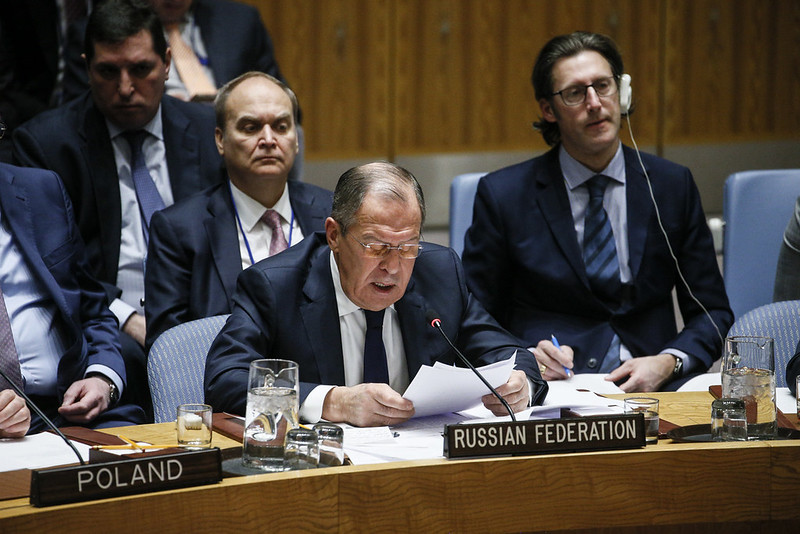
Russia UN Security Council

Russia's foreign minister says the war has to end so that "no more Nazism" is left in Europe. Sergei Lavrov made the claim in a speech to students, casting Russia's war once again as a fight against a Nazi threat.

Earlier, Aleksei Selivanov, a sanctioned collaborator who became a senior official in the occupation administration of Zaporizhzhia Oblast, revealed the meaning behind the term "denazification". "Denazification is re-Russification," he said, adding that where Russian troops arrive, Ukrainian nationhood "ceases to exist," according to United24.

"Wherever Russian troops arrive, Ukrainians cease to exist."

At an official event in Moscow, Russian Lieutenant Colonel Alexey Selivanov openly admitted their true goal is the total erasure of Ukrainian identity. pic.twitter.com/53zI9G2GwS

— UNITED24 Media (@United24media) August 31, 2026

Russia reportedly points on Germany, one of Ukraine's main supporters

Meanwhile, Andrii Kovalenko, Head of the National Security and Defense Council's Center for Countering Disinformation, linked Lavrov's statement to the recent conflict between Germany and Russia over the drone attack on Ukraine's plane in Leipzig.

"Russia’s aggression is now becoming even more overt, with the main focus being placed on the political dismantling of the current elites who refused to acknowledge this aggression right under their noses," Kovalenko said.

Germany has been a long-term supporter of Ukraine, sending tons of aid, including Gepard anti-drone guns and Leopard tanks.

Russia plans Ukraine's new power figures after the war

"This war must be ended so that there is no more Nazism in Europe, which has again spread its metastases here," Lavrov said.

He added that leaving Ukraine's leadership in power would betray those who defeated Nazism in 1945.

The framing collapses on contact with the facts. It was Russia that launched the full-scale invasion on 24 February 2022, and it continues the war today.

Ukraine has no Nazi government. Its president, Volodymyr Zelenskyy, is Jewish and was elected democratically. "Denazification" has functioned since the invasion's first day as a pretext, drawing on the Soviet myth of the Great Patriotic War to recast an attack on Ukrainian identity as a war on fascism.

Earlier, Lavrov said that one of Russia's war goals in Ukraine was to protect the "honor and dignity" of Russian citizens, including their right to use the Russian language and practice the Orthodox faith, the Institute for the Study of War (ISW) reported.

In August, Patriarch Kirill, the leader of the Russian Orthodox Church (ROC), said during a sermon at the Holy Trinity Seraphim-Diveyevo Convent that the Soviet Union's creation of the nuclear bomb was the result of divine intervention.

  • ✇Euromaidan Press
  • Russia deploys missile brigade to Belarus as fears grow over new threat to Kyiv
    Russia has deployed units of its 101st Missile Brigade to Belarus, a formation equipped with the Oreshnik intermediate-range missile system, according to Ukraine’s military intelligence chief Oleh Ivashchenko, Ukrinform reports. Russia has been ramping up missile and drone attacks on Ukraine in recent weeks, including increasingly frequent strikes on Kyiv from the north, launched from Russian territory close to Belarus. Russia used Belarusian territory to launch its 202
     

Russia deploys missile brigade to Belarus as fears grow over new threat to Kyiv

7 septembre 2026 à 06:56

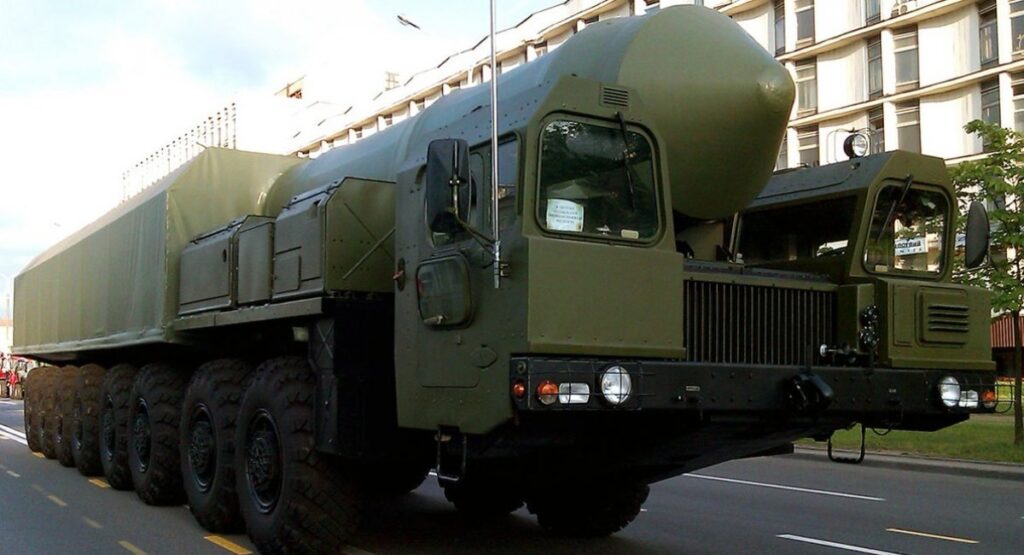
isw kremlin continues its nuclear threats while dangling economic carrots sway washington russia's rs-26 intercontinental ballistic missile rubezh oreshnik militarnyi appears focused reshaping ties through mix promises all refusing engage

Russia has deployed units of its 101st Missile Brigade to Belarus, a formation equipped with the Oreshnik intermediate-range missile system, according to Ukraine’s military intelligence chief Oleh Ivashchenko, Ukrinform reports.

Russia has been ramping up missile and drone attacks on Ukraine in recent weeks, including increasingly frequent strikes on Kyiv from the north, launched from Russian territory close to Belarus. Russia used Belarusian territory to launch its 2022 invasion of northern Ukraine, while Belarus is now allowing Russia to use its territory to support drone attacks. The latest deployment could give Moscow another launchpad for strikes deeper into Ukraine or potentially against targets in Europe.

Belarus not preparing to enter war, but threat remains

Ivashchenko said in an interview with Ukrinform that Ukraine currently assesses the military threat from Belarus as low and sees no signs that Belarus is preparing to directly enter the war.

But he said Kyiv is concerned by the growing Russian military presence in Belarus and the role Belarusian territory is playing in Russian attacks on Ukraine.

“Units of the 101st Missile Brigade of the Russian Armed Forces, which are equipped with the Oreshnik missile system, are also deployed on the territory of Belarus,” Ivashchenko told Ukrinform.

The Oreshnik is a Russian intermediate-range ballistic missile system that Moscow has presented as a new weapon capable of striking targets deep inside Europe. Russia first used an Oreshnik missile against Ukraine in November 2024, striking the city of Dnipro.

Oreshnik has been stationed in Belarus

Russia has maintained Oreshnik missile systems in Belarus since at least December 2025, when Belarusian leader Aliaksandr Lukashenka said an Oreshnik system had been placed on combat duty there as part of expanded military cooperation with Moscow.

The system is capable of carrying nuclear warheads, although Russia has used Oreshnik against Ukraine in a non-nuclear strike. Ukrainian intelligence has previously said the deployment is aimed in part at increasing pressure on Europe and NATO by shortening the missile's flight time to European targets.

The Oreshnik systems in Belarus remain under Russian control rather than Belarusian command, according to Ukrainian intelligence.

Explore further

Nuclear-capable but carrying concrete: Expert explains Russia’s Oreshnik is psychological weapon, not military one

Belarus allows Russia to use its territory to guide drone strikes

Ivashchenko also said Belarus has allowed Russia to deploy radio-signal repeaters that help guide Russian Shahed-type attack drones toward Ukrainian civilian and critical infrastructure targets.

“If Belarus did not give such permission, this indicates that Minsk no longer controls Russia’s activities on its own territory,” he said, according to Ukrinform.

The use of Belarusian territory to support Russian attacks has stopped short of Belarusian forces directly entering the war, but it demonstrates Minsk's growing role in enabling Russia's military operations. 

That cooperation makes the prospect of Russia using Belarusian territory for additional military capabilities less remote, particularly as Moscow expands its forces and intensifies attacks on Kyiv from the northern direction.

Renewed concern over a northern Russian offensive

The comments come as Russian strikes on Kyiv have intensified in recent weeks, while Ukrainian officials have increasingly warned about the possibility of another Russian offensive from the north toward Kyiv and Chernihiv.

There is no reported Russian ground offensive from Belarus underway. But the northern direction remains a major concern for Ukraine because of the precedent set in 2022, when Russian forces crossed from Belarus and advanced toward Kyiv before withdrawing in early April.

For now, Ivashchenko assesses the military threat from Belarus as low. The deployment of Russian missile forces nevertheless adds another significant Russian weapons capability to Belarus, while leaving open questions about how Moscow could use the territory in a future escalation.

Ukrainian journalist asks Trump’s envoy to his face whether he was disgusted to sit across from “international criminal” Putin. Witkoff wouldn’t answer directly

7 septembre 2026 à 06:50

U.S. President’s envoys, Steven Witkoff and Jared Kushner on 6 September in Kyiv. Source: President's Office of Ukraine

At a Kyiv press conference on 6 September, Ukrainian journalist Dmytro Gordon asked US special envoy Steve Witkoff, to his face, whether he found it repugnant to sit across a table from Russian President Vladimir Putin. Witkoff did not answer directly, saying only that settling the war means keeping relations and communication open with both sides, according to Gordon.

US President Donald Trump began his peace efforts as soon as he returned to the White House in January 2025, promising to end the war in a single day. It did not happen. Instead, Russia has only stepped up its strikes on civilians and expanded the volume and types of weapons it uses for mass terror.

“And finally, aren’t you disgusted to be sitting at the same table with an international war criminal, the butcher of the Ukrainian people, who is personally responsible for the tragedy in Ukraine?” Gordon asked.

It is a reference with legal grounding, as the International Criminal Court issued an arrest warrant for Putin in 2023 over the deportation of Ukrainian children.

The questions Witkoff would not answer

Witkoff did not provide direct answers to the questions. He only added that, in order to resolve the war, it is important to maintain relations and communication with both sides of the conflict.

According to Trump’s special envoy, he has traveled to Moscow approximately eight times, where he met with Putin and his team, and said they "have always received respect from President Putin".

In practice, however, none of these meetings resulted in anything other than an intensification of the strikes. In the winter of 2025, a specific peace plan was discussed that, at the time, consisted of 20 points.

Yet as the discussions continued, Russia intensified its terror against civilians, destroying an entire thermal power plant in Kyiv and plunging millions of Kyiv residents and people in other cities into darkness amid temperatures as low as -15°C. Now, as the US is holding its anti-ballistic missile interceptors, this scenario will likely continue this winter.

“The language of force”

“Don’t you think that Putin, the Russians, and Russia understand only one language well — the language of force?” the journalist asked.

There was no direct answer to this question either. Instead, Witkoff said that their job is to bring the two sides together and improve communication.

Earlier, there have been numerous occasions when channels of communication between Russia and Ukraine have existed. This was confirmed by Kyrylo Budanov, Head of the Office of the President of Ukraine and former intelligence chief, according to The New York Times.

Russia attempted to murder Gordon

In 2025, the Security Service of Ukraine said it had foiled an assassination attempt against journalist and media manager Gordon. According to the agency, the FSB of Russia was behind the plot to murder the prominent media figure.

According to investigators, the Russian intelligence service offered a $400,000 reward for carrying out the assassination.

As then-SBU chief Lieutenant General Vasyl Maliuk told journalists, Dmytro Gordon “triggers” Russians, while the Russian authorities regard him as Ukraine’s main “propagandist.”

  • ✇Euromaidan Press
  • Some ten robot boats. Five hundred Russian air sorties. One very lopsided hunt
    Russia flew hundreds of warplane sorties against a small group of Ukrainian sea drones, according to the ArmyInform. The drones belong to Group 13, a Ukrainian military-intelligence unit. The unit is running out of Russian warships to sink and now strikes land targets from the sea, its commander, known by his call sign Thirteenth, said. Years ago, Russia entered its all-out war against Ukraine with a commanding navy and treated the Black Sea as its own. A country left w
     

Some ten robot boats. Five hundred Russian air sorties. One very lopsided hunt

7 septembre 2026 à 05:15

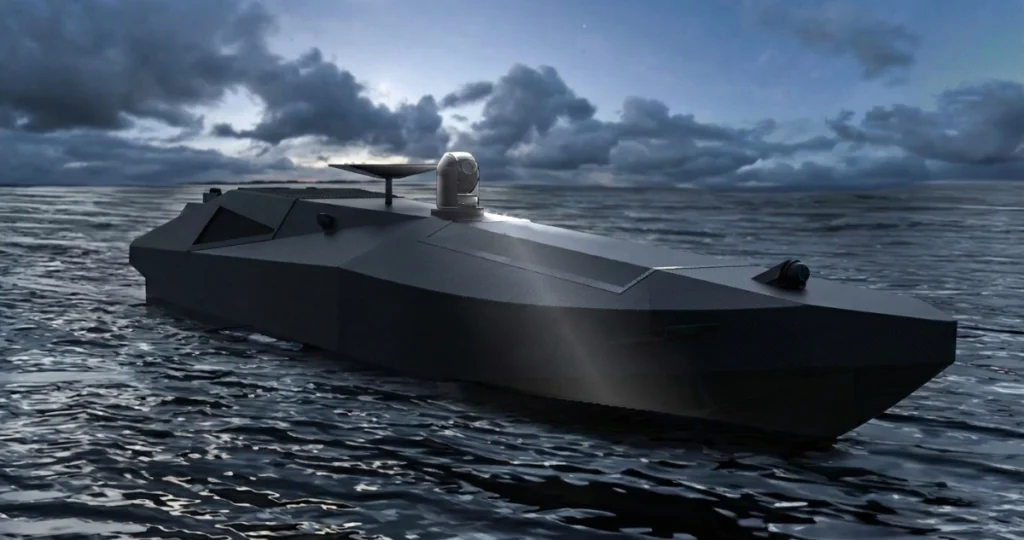
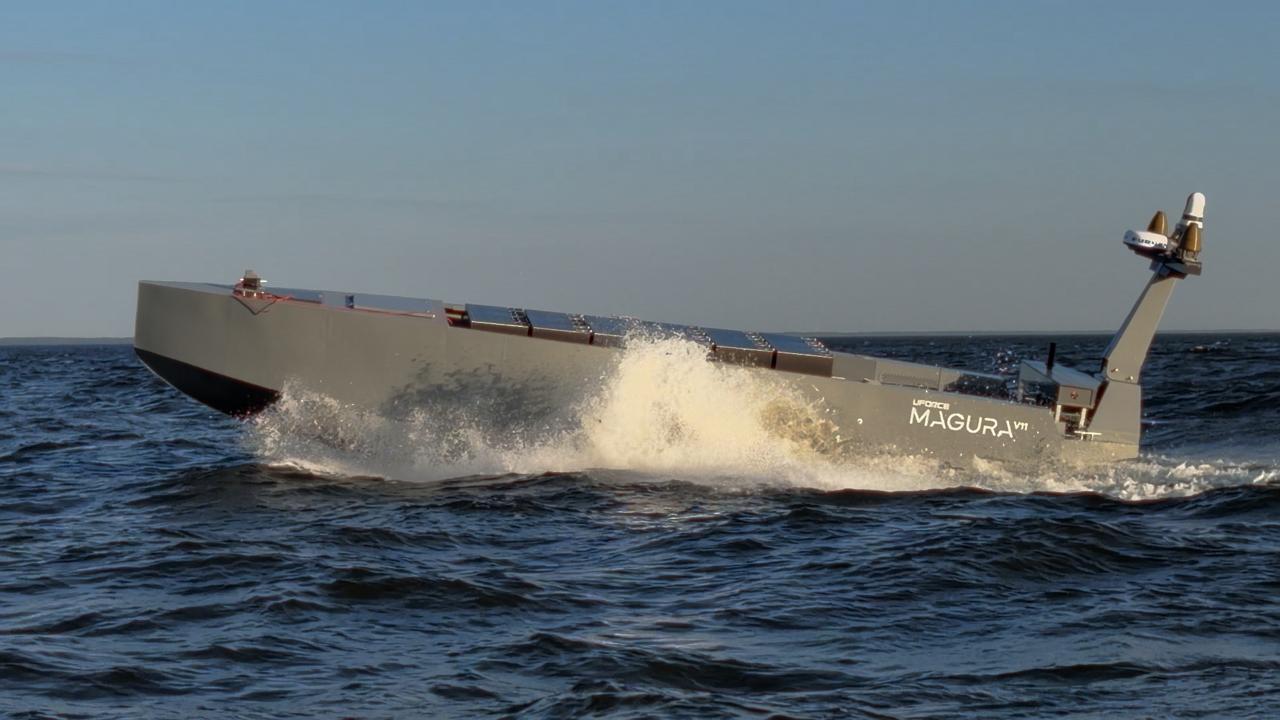
Ukraine's Magura 5 naval drone at sea, a stealthy black unmanned surface vessel equipped with sensors and used by Group 13 to strike Russian Black Sea Fleet ships

Russia flew hundreds of warplane sorties against a small group of Ukrainian sea drones, according to the ArmyInform. The drones belong to Group 13, a Ukrainian military-intelligence unit. The unit is running out of Russian warships to sink and now strikes land targets from the sea, its commander, known by his call sign Thirteenth, said.

Years ago, Russia entered its all-out war against Ukraine with a commanding navy and treated the Black Sea as its own. A country left with almost no warships has since answered with cheap robot boats, turning expendable machines into the tool that now contests that sea.

More than 500 sorties to hunt one small drone group

Group 13 hunts Russian warships with Magura sea drones—uncrewed attack boats. Russia flew more than 500 aircraft sorties against a group of eight to 10 Magura drones at the time, the commander said. Moscow spent more on locating the drones than the unit's entire mission cost, he added. Missions have grown longer, too. What once took a day now takes three, four, or five days.

MV11 from the MAGURA family
Explore further

Biggest Magura sea drone doesn’t ram ships. It carries other drones and stays out seven days

The commander split the unit's rise into three stages: victory at sea, an end to Russian air dominance over the water, and now strikes on land from the sea. The bar set in 2023 and 2024 is unrealistic to hold in the Black Sea today, he said, because there are no ship targets left, and what remains is harder to reach. A struck S-400 air-defense system does not pay off like a sunk warship, he added.

The bill for Russia

The damage runs past destroyed hardware. Each Russian sailor killed leaves a family pension to pay and training to write off, the commander said. He pointed to the Syrian Express, Russia's sea supply line to Syria. It once ran a short route and now goes through the Baltic Sea, and the whole bill runs into the millions, he said.

ukraine’s new magura w6p naval drone won’t kamikaze—but can patrol 1000 km militarnyi patrols offering longer range smarter sea reconnaissance reports latest model shifts strike operations focus maritime intelligence gathering
Explore further

Ukraine’s new Magura W6P naval drone won’t kamikaze—but it can patrol 1000 km

The unit's capabilities came together in a strike on the Ivan Khurs, a Russian reconnaissance ship, its first target. The later sinking of the missile boat Ivanovets killed 40 Russian crew in minutes, the commander recalled. He expects the unit to be remembered as revolutionaries, likening its sea drones to the first tanks more than a century ago.

❌