Vue lecture

CIA says US strikes dealt years-long blow to Iran’s nuclear program, AP reports
CIA says US strikes dealt years-long blow to Iran’s nuclear program, AP reports

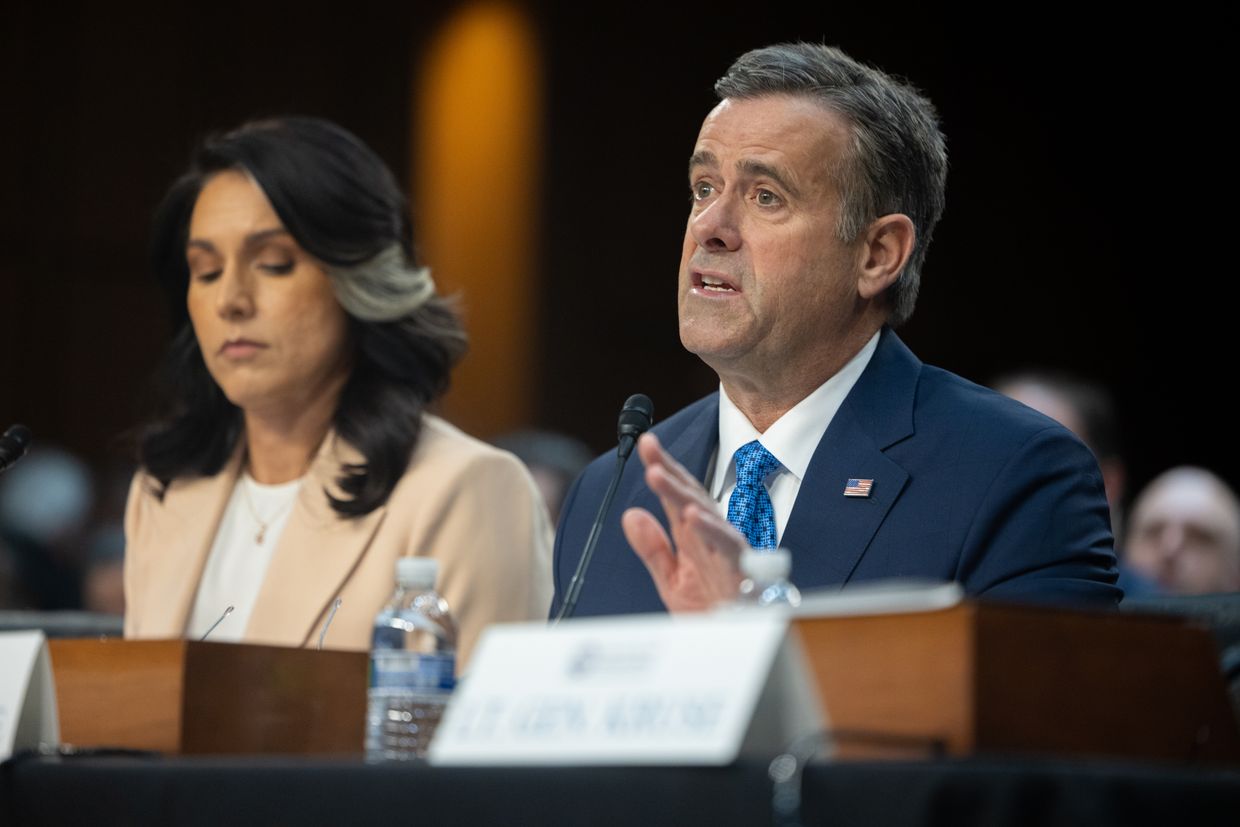
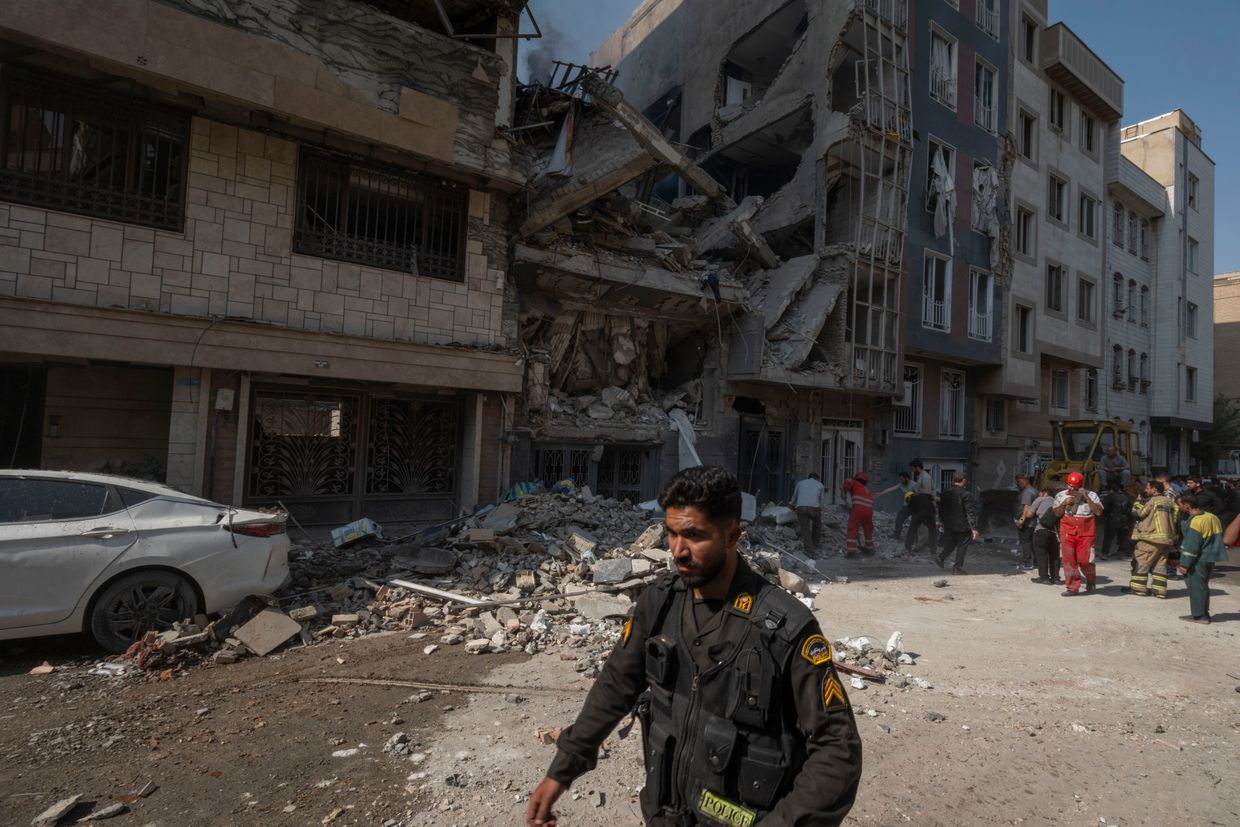
CIA Director John Ratcliffe told U.S. lawmakers that recent American military strikes dealt a major blow to Iran’s nuclear program by destroying the country’s only metal conversion facility, a U.S. official told Associated Press on June 29.

Speaking on condition of anonymity due to the sensitivity of the intelligence, the official explained that Ratcliffe outlined the significance of the strike during a classified briefing last week, calling it a major setback that would take Tehran years to recover from.

Ratcliffe also told lawmakers that most of Iran’s stockpile of enriched uranium likely remains buried under rubble at the Isfahan and Fordo nuclear sites, two of the three key facilities targeted by U.S. strikes.

While the uranium may still be intact, the official emphasized that the destruction of the metal conversion facility has left Iran without a crucial component needed to build a nuclear weapon. "You can’t do a nuclear weapon without a conversion facility," Secretary of State Marco Rubio said during the NATO summit. "We can’t even find where it is, where it used to be on the map. You can’t even find where it used to be because the whole thing is just blackened out. It’s gone. It’s wiped out."

President Donald Trump has continued to defend the operation, which came just before a ceasefire between Israel and Iran took effect last Tuesday.

"It was obliterating like nobody’s ever seen before," Trump said in an interview with Fox News. "And that meant the end to their nuclear ambitions, at least for a period of time." Defense Secretary Pete Hegseth echoed that assessment, stating the sites were “destroyed.”

A preliminary report by the U.S. Defense Intelligence Agency, however, concluded the strikes inflicted significant damage but did not completely demolish the Fordo, Natanz, and Isfahan facilities.

Rafael Grossi, Director General of the International Atomic Energy Agency, said on CBS’ "Face the Nation" that three major Iranian nuclear sites with “capabilities in terms of treatment, conversion and enrichment of uranium have been destroyed to an important degree.”

However, he cautioned against overstating the damage. “Some is still standing,” Grossi said, adding, “If they so wish, they will be able to start doing this again.” He emphasized that inspectors must be allowed in to fully assess the extent of the destruction. “Frankly speaking, one cannot claim that everything has disappeared, and there is nothing there,” he said.

The destroyed metal conversion facility, located at the Isfahan nuclear site, had played a central role in Iran’s nuclear weapons development. The facility’s function—to convert enriched uranium gas into dense metal—is a critical step in producing the explosive core of a nuclear bomb. Ratcliffe emphasized this point during the classified hearing, describing the facility’s elimination as a strategic win that effectively undercuts Iran’s ability to weaponize its uranium.

Ratcliffe also told lawmakers that the 12-day U.S. assault severely weakened Iran’s air defense systems. According to the U.S. official, the CIA director explained that Iran now lacks the capability to defend against future Israeli airstrikes, making any attempts to rebuild its nuclear program highly vulnerable.

‘It’s time to move your bill’ — Senator says Congress will soon vote on new Russian sanctions after talks with Trump
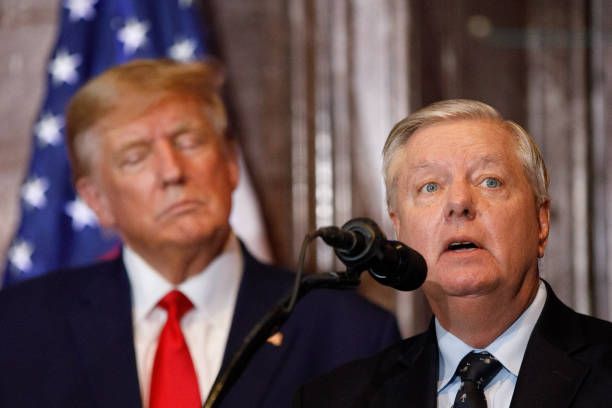
“For the first time yesterday the president told me... he says, ‘it’s time to move your bill’,” Graham said in an interview with ABC News, stressing that it would be Trump’s purview as to whether the bill would ultimately be signed into law.
CIA says US strikes dealt years-long blow to Iran’s nuclear program, AP reportsThe Kyiv IndependentDmytro Basmat

CIA says US strikes dealt years-long blow to Iran’s nuclear program, AP reports
  •  

Slovak FM suggests forgiveness for Russia, calls for dialogue to end Ukraine war

Slovak FM suggests forgiveness for Russia, calls for dialogue to end Ukraine war

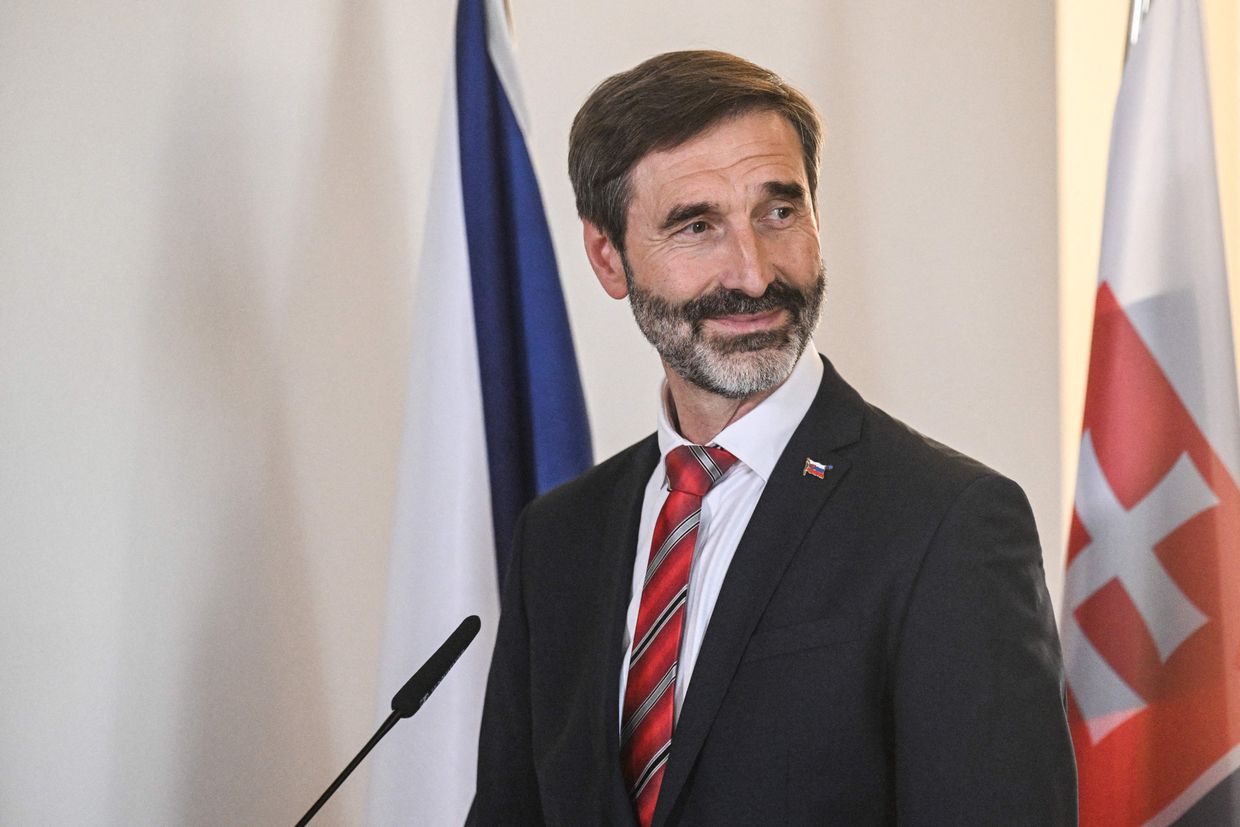
Slovakia’s Foreign Minister Juraj Blanar has suggested that the international community may need to "perhaps" forgive Russia’s actions and resume dialogue with Moscow as a means to end the war in Ukraine.

His remarks came after Slovakia requested that the adoption of the 18th package of EU sanctions against Russia be postponed until a decision is made on the consequences for the member states from RePowerEU, the European Commission's initiative to end dependence on Russian fossil fuels by 2030 in response to Russia's invasion of Ukraine.

Blanar, speaking to domestic media, said the ongoing war cannot be resolved on the battlefield and stressed the importance of diplomacy and international law. "Let us return to respect for international law and seek ways to communicate with the Russian Federation," he said on June 29. "And perhaps even forgive everything that has happened."

The comments mark another example of how Slovakia’s current leadership is diverging from the broader pro-Ukraine stance of the EU and NATO.

Under Prime Minister Robert Fico, Bratislava has adopted a more conciliatory tone toward Moscow, including continuing diplomatic engagement while most Western nations cut ties following Russia’s full-scale invasion in 2022.

Earlier this year, Fico attended Russia’s Victory Day Parade in Moscow, where he met with President Vladimir Putin. However, he dismissed the idea of engaging with President Volodymyr Zelensky.

"I see no reason to meet with the Ukrainian president," Fico said in a recent interview with Slovak broadcaster STVR. "My meeting with President Zelensky has no significance because he hates me," he added.  Zelensky has not yet responded to Fico's claims.

While Fico halted Slovak military support for Ukraine upon taking office in 2023, he has paradoxically voiced support for Ukraine’s European Union membership. "Ukraine's EU membership brings more advantages than disadvantages for Slovakia," the prime minister said.

Ukrainian drone strike on Crimea air base destroys 3 Russian helicopters, SBU claims
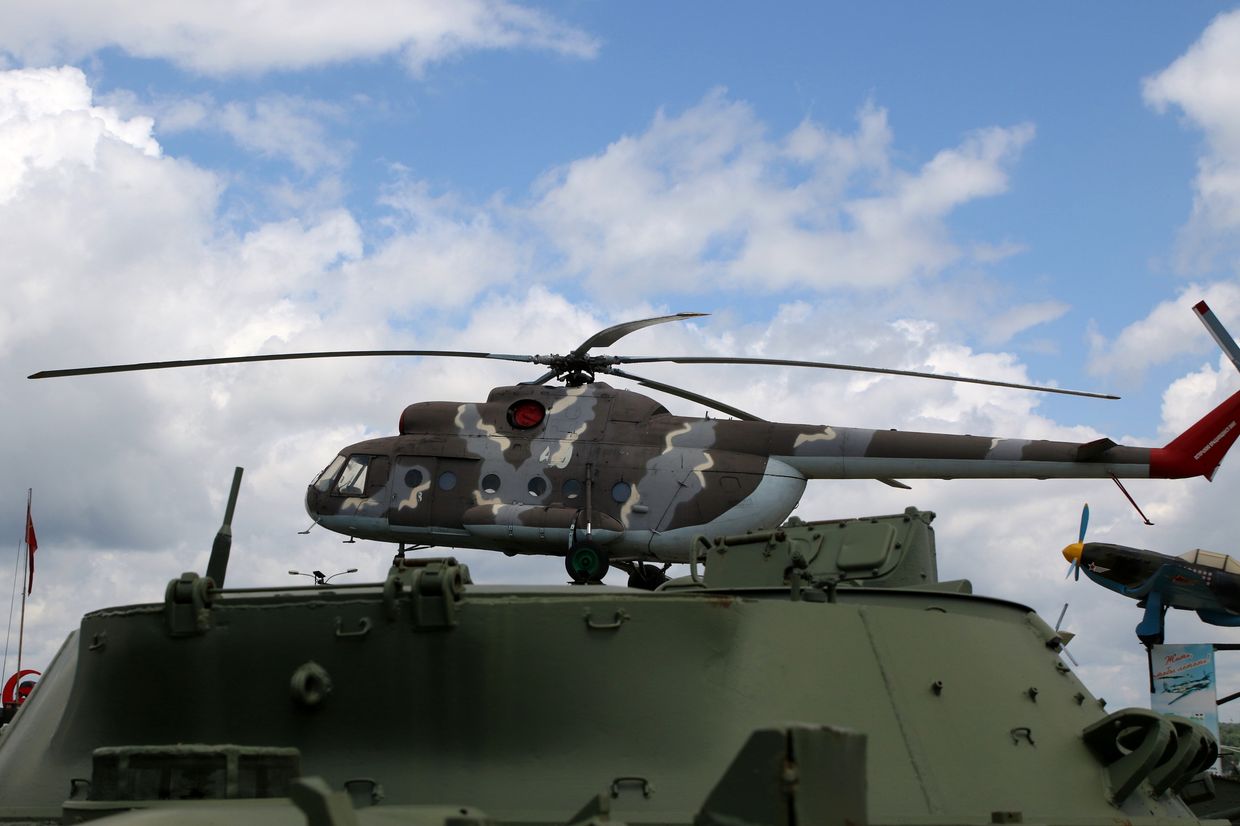
The attack destroyed Mi-8, Mi-26 and Mi-28 attack helicopters, and a Pantsyr-S1 self-propelled anti-aircraft missile and gun system, the Security Service of Ukraine told the Kyiv Independent.
Slovak FM suggests forgiveness for Russia, calls for dialogue to end Ukraine warThe Kyiv IndependentKateryna Denisova
Slovak FM suggests forgiveness for Russia, calls for dialogue to end Ukraine war
  •  

US, Russian spy chiefs agree to keep direct line open, Moscow says

US, Russian spy chiefs agree to keep direct line open, Moscow says

The Director of Russia’s Foreign Intelligence Service (SVR), Sergey Naryshkin, told Russian state media on June 29 that he had agreed to remain in open contact with Central Intelligence Agency (CIA) Director John Ratcliffe, following a recent phone call between the two.

"I had a phone call with my American counterpart, and we reserved for each other the possibility to call each other at any time and discuss issues of interest to us," Naryshkin said. He did not specify when the conversation took place, and Ratcliffe has not publicly confirmed the call.

Russian state media claimed the last known exchange between the two intelligence chiefs occurred in March.

The remarks come amid broader efforts by the administration of U.S. President Donald Trump to normalize relations between Washington and Moscow. During a phone call on Feb. 12, Presidents Trump and Vladimir Putin agreed to reset U.S.-Russia ties and revive dialogue on "topics of mutual interest," including a potential resolution to the war in Ukraine.

That call was followed by the first round of bilateral talks, held on Feb. 18 in Saudi Arabia—the first official meeting between U.S. and Russian officials in over three years. Both sides pledged to begin restoring diplomatic relations and to appoint senior teams tasked with negotiating a Ukraine peace agreement.

Despite these efforts, progress on peace has been limited.

Two earlier rounds of talks between Moscow and Kyiv in Istanbul failed to produce a ceasefire. On June 5, Trump declined to say when or if further sanctions on Russia might be imposed, stating only that there is a deadline “in (his) brain.”

U.S. Secretary of State Marco Rubio later told Politico that Trump would resist European pressure to toughen sanctions, arguing that doing so could jeopardize the fragile window for negotiations with the Kremlin.

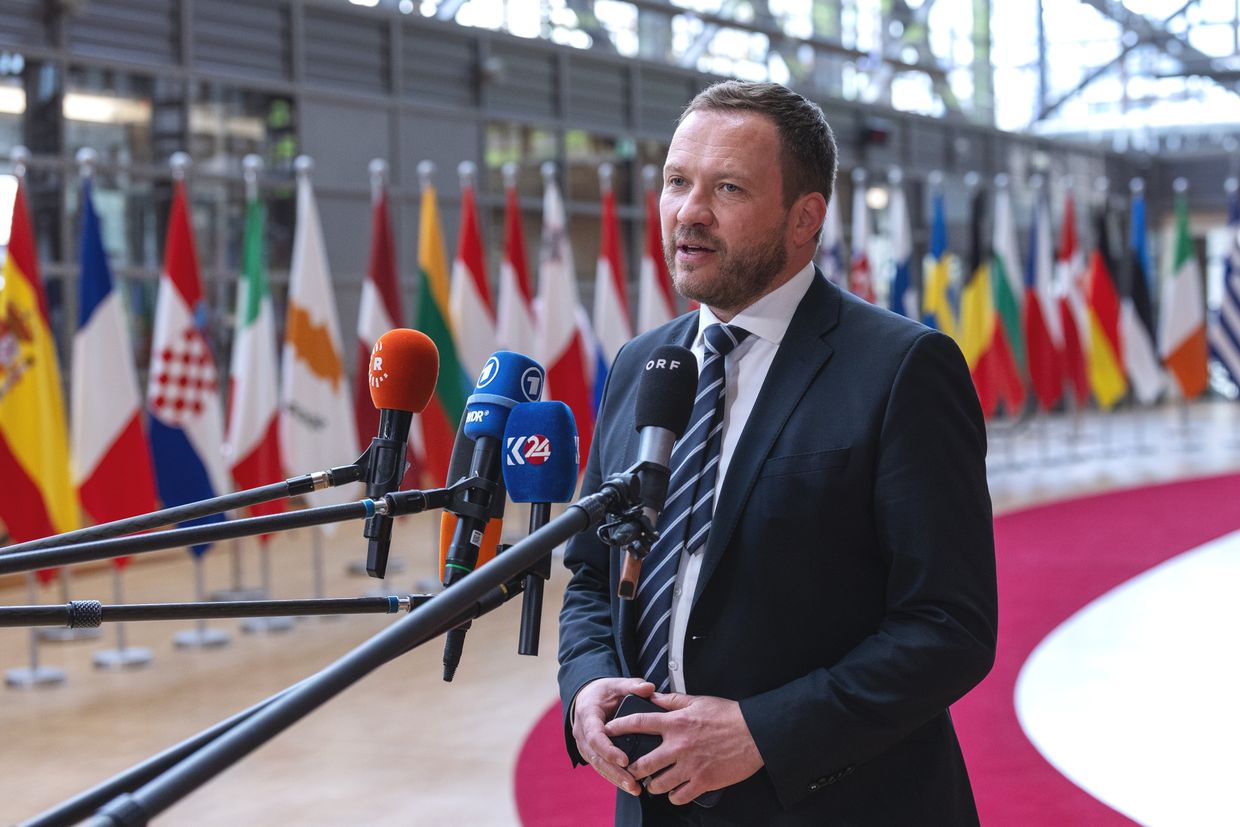
‘Putin cannot stop’ – Estonian foreign minister says war in Ukraine existential for Russian president
As Russia continues to intensify its onslaught on Ukraine more than three years into the full-scale invasion, Kyiv faces a new challenge – keeping its Western allies, namely the new U.S. administration, engaged in the struggle. This became clear during the NATO summit in The Hague on June 24-25, where
US, Russian spy chiefs agree to keep direct line open, Moscow saysThe Kyiv IndependentMartin Fornusek
US, Russian spy chiefs agree to keep direct line open, Moscow says
  •  

Azerbaijan cancels Russian events over 'extrajudicial killings' of 2 citizens in Russia's Yekaterinburg

Azerbaijan cancels Russian events over 'extrajudicial killings' of 2 citizens in Russia's Yekaterinburg

Azerbaijan has cancelled all planned cultural events hosted alongside Russian state and private organizations, the country's Culture Ministry announced on June 29, over the deaths of two Azerbaijani citizens during police raids in the Russian city of Yekaterinburg.

Azerbaijan’s Foreign Ministry said on June 28 that Ziyaddin and Huseyn Safarov died during a raid carried out by Russian authorities. Azerbaijan called the killings "ethnically motivated public and deliberate unlawful actions" and said that Russia's action have "recently taken on a systematic nature."

The raid was reportedly conducted amid an investigation into an unsolved 2001 murder. Several other people were injured in the raid and a total of nine individuals were detained.

In a comment to Azerbaijani public broadcaster ITV, Sayfaddin Huseynli, the brother of the deceased, claimed that the two men were tortured to death "without any trial or investigation, despite their innocence."

The official cause of death was not immediately known.

As a result of the incident, Azerbaijani state media also reported that the government had cancelled a planned visit by Russian Deputy Prime Minister Alexey Overchuk, stating that the country "does not consider it appropriate under the current circumstances for Overchuk or any other official representative of Russia to visit."

Tensions between Baku and Moscow have continued to sour in recent months since Russia's downing of an Azerbaijan Airlines plane that killed 67 passengers. Since then, Azerbaijani lawmaker have blamed Russia for February cyberattack, and the country's President Ilham Aliyev skipped out on attending Russia’s Victory Day parade in Moscow in May.

As relations dwindle, Ukraine has sought to build relations with Baku. Ukraine’s Foreign Minister Andrii Sybiha also visited Azerbaijan in May.

In February, Aliyev's office announced it was delivering $1 million in humanitarian aid to Ukraine in the form of electrical equipment to support the country's energy grid amid Russian attacks.

Azerbaijan's primary regional foe, Armenia, also a historic ally of Moscow, has also effectively severed relations with the Kremlin.

Earlier this year, Yerevan formally signed a law to begin Armenia's accession process to the European Union. The decision comes growing rift with Russia accelerated after the Kremlin failed to prevent Azerbaijan's September 2023 offensive in Nagorno-Karabakh, leading to the mass exodus of the region's Armenian population.

Ukraine war latest: Russia launches largest attack of war, targeting Ukrainian regions far from front lines; F-16 pilot killed in attack
Key developments on June 28-29: * Russia launches largest attack of war, targeting Ukrainian regions far from front lines * F-16 pilot killed during Russia’s overnight massive air attack, Air Force says * Ukrainian drone strike on Crimea air base destroys 3 Russian helicopters, SBU claims * ‘It’s time to move your bill’ — Senator
Azerbaijan cancels Russian events over 'extrajudicial killings' of 2 citizens in Russia's YekaterinburgThe Kyiv IndependentThe Kyiv Independent news desk
Azerbaijan cancels Russian events over 'extrajudicial killings' of 2 citizens in Russia's Yekaterinburg


  •  

'It's time to move your bill' — Senator says Congress will soon vote on new Russian sanctions after talks with Trump

'It's time to move your bill' — Senator says Congress will soon vote on new Russian sanctions after talks with Trump

After holding a discussion with U.S. President Donald Trump, Senator Lindsey Graham said on June 29 that the U.S. president was ready for the Senate to vote on a bill to impose new sanctions on Russia.

Voting on the bill is expected to begin following the end of the July congressional break, Graham said.

"For the first time yesterday the president told me... he says, 'it's time to move your bill'," Graham said in an interview with ABC News, stressing that it would be Trump's purview as to whether the bill would ultimately be signed into law.

When asked if Graham expected Trump to sign the bill, the senator responded: "Yes, I think we're in good shape... But he has a waiver. It's up to him how to impose it."

Graham said he held the talk with Trump during a round of golf on June 28. No specific timeline was provided as to when the bill can be expected to be moved, although Congress is set to reconvene on July 9.

Signed by 84 co-sponsors, Senators Lindsey Graham (R-S.C.) and Richard Blumenthal (D-Conn.) have been working on a revised version of their bill that would impose secondary sanctions on Russian trading partners, while shielding Ukraine’s allies from penalties and making technical adjustments.

"So what does this bill do? If you're buying products from Russia and you're not helping Ukraine, then there's a 500 percent tariff on your products coming into the United States. India and China buy 70 percent of Putin's oil. They keep his war machine going," Graham explained.

Despite pressure, Trump has thus far refused to impose additional sanction against on his own accord. Amid discussion around the Senate bill, Trump has reportedly asked Graham to to soften his proposed sanctions, having previously postponed a vote on the bipartisan measure.

Amid the slow process of moving the proposed bill, Graham described the move as a "big breakthrough."

Ukraine has repeatedly urged the United States to impose additional sanctions on Russia as Moscow continues increase the frequency and magnitude of its attacks on Ukrainian cities.

Graham's comments come just hours after Hungarian Foreign Minister Peter Szijjarto claimed that Washington lifted sanctions that hindered the expansion of the Paks Nuclear Power Plant, where Russia's state-owned energy company Rosatom is to build two new reactors.

Hungarian FM says US lifted Russian sanctions that hindered expansion of Paks Nuclear Power Plant
“Construction of the major pieces of equipment for the Paks nuclear plant is proceeding in Russia and France,” Foreign Minister Peter Szijjarto said, as cited by Bloomberg.
'It's time to move your bill' — Senator says Congress will soon vote on new Russian sanctions after talks with TrumpThe Kyiv IndependentThe Kyiv Independent news desk
'It's time to move your bill' — Senator says Congress will soon vote on new Russian sanctions after talks with Trump
  •  

Hungarian FM says US lifted Russian sanctions that hindered expansion of Paks Nuclear Power Plant

Hungarian FM says US lifted Russian sanctions that hindered expansion of Paks Nuclear Power Plant

Hungarian Foreign Minister Peter Szijjarto said on June 29 that Washington has lifted sanctions that hindered the expansion of the Paks Nuclear Power Plant, where Russia's state-owned energy company Rosatom is to build two new reactors.

"Construction of the major pieces of equipment for the Paks nuclear plant is proceeding in Russia and France," Szijjarto said, as cited by Bloomberg.

"On-site in Paks, construction can now proceed at a faster pace."

The expansion project, which has endured significant delays, is led by Rosatom and will add to the four active reactors.

The anti-Russian sanctions were imposed by former U.S. President Joe Biden's administration. The U.S. has not reacted to Szijjarto's comments so far.

Since returning to the Oval Office in 2025, U.S. President Donald Trump has tried to push Russia and Ukraine into peace talks to end the war at all costs and has not yet imposed additional sanctions on Russia for its ongoing war against Ukraine.

Meanwhile, Russia has found loopholes to circumvent sanctions, such as using its shadow fleet or relying on other financial mechanisms.

Hungary's Energy Minister Csaba Lantos said in 2023 that he expects the Paks II to be finished in 2032.

Vladyslav Vlasiuk, the Ukrainian president's commissioner for sanctions, said the situation with the expansion of the nuclear plant is "much more complicated." He accused the Hungarian foreign minister of "manipulation."

Vlasiuk explained in a Facebook post that Paks faces a sanctions exemption from the EU. The U.S. has not lifted the sanctions, though there is a new licence that offers the possibility of conducting transactions related to civilian nuclear energy that began prior to November 2024.

EU fails to adopt new Russia sanctions due to Hungarian, Slovak opposition, source says
Unlike Ukraine-skeptic Hungarian Prime Minister Viktor Orban, Slovakia has not previously attempted to block EU sanctions.
Hungarian FM says US lifted Russian sanctions that hindered expansion of Paks Nuclear Power PlantThe Kyiv IndependentKateryna Hodunova
Hungarian FM says US lifted Russian sanctions that hindered expansion of Paks Nuclear Power Plant
  •  

Zelensky signs decree to withdraw from Ottawa Convention banning anti-personnel mines

Zelensky signs decree to withdraw from Ottawa Convention banning anti-personnel mines

President Volodymyr Zelensky signed a decree to withdraw from the Ottawa Convention banning anti-personnel mines, a step that follows the Baltic nations and Poland's move to boost their defense as the war rages on in Ukraine.

The 1997 treaty, joined by over 160 countries, bans the use, production, stockpiling, and transfer of anti-personnel landmines in efforts to protect civilians from the scattered explosives that could still injure them long after the conflict is over.

"Russia has never been a party to this convention and uses anti-personnel mines extremely cynically," Zelensky said in justifying the decision. "And not only now, in the war against Ukraine. This is the signature style of Russian killers — to destroy life by all methods at their disposal.

Earlier in March, the Baltic states and Poland announced their intention to withdraw from the Ottawa Convention, a significant shift in defense policy that shows how countries near Ukraine are preparing for a potential war in Europe.

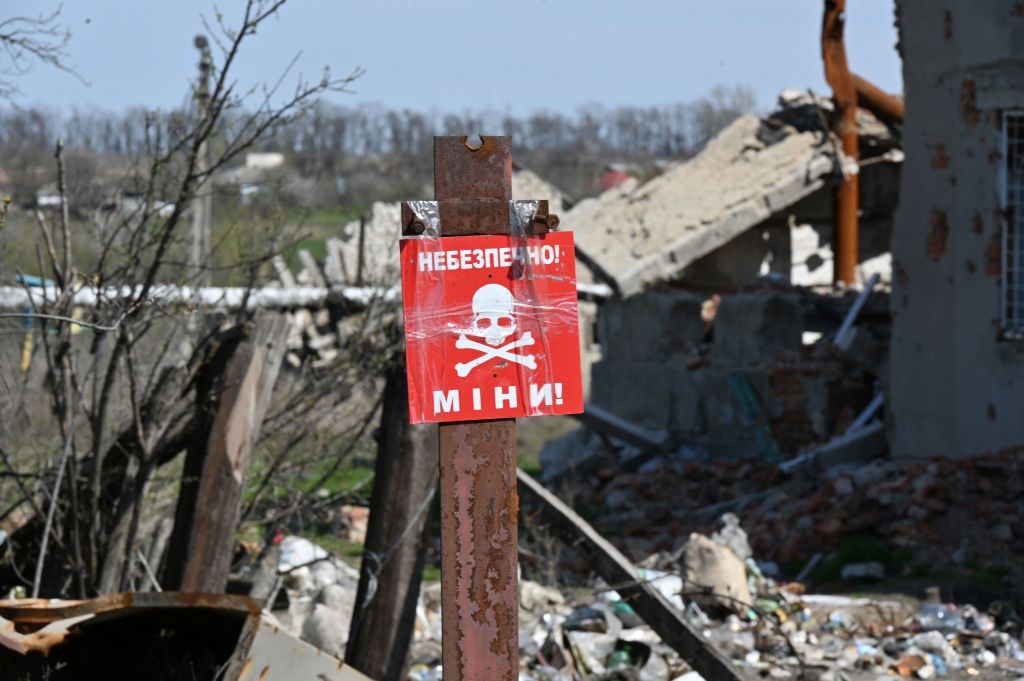
Anti-personnel mines are scattered across the battlefield in Ukraine, with soldiers and civilians often losing their feet or limbs due to detonations. Territories liberated by Ukraine since 2022 have been heavily covered with mines, making it extremely difficult and dangerous to clear them. Russia has used more than a dozen variants of anti-personnel mines since it launched a full-scale invasion of Ukraine in 2022, according to Human Rights Watch's June report.

In a surprise move that angered Moscow, the Biden administration in 2024 approved the provision of anti-personnel mines to Ukraine. Then Defense Secretary Lloyd Austin said it was to help Ukraine stall the Russian advances in the east as the front-line situation deteriorated.

"This is a step that the reality of war has long demanded," lawmaker Roman Kostenko, secretary of the parliament's defense committee, said in the Facebook post announcing a significant move forward in withdrawing from the major mine treaty.

Now that Zelensky signed the decree enacting the decision of the National Security and Defense Council of Ukraine, it will land on the parliament's table, Kostenko said. The dates when the decision will take effect are still unclear.

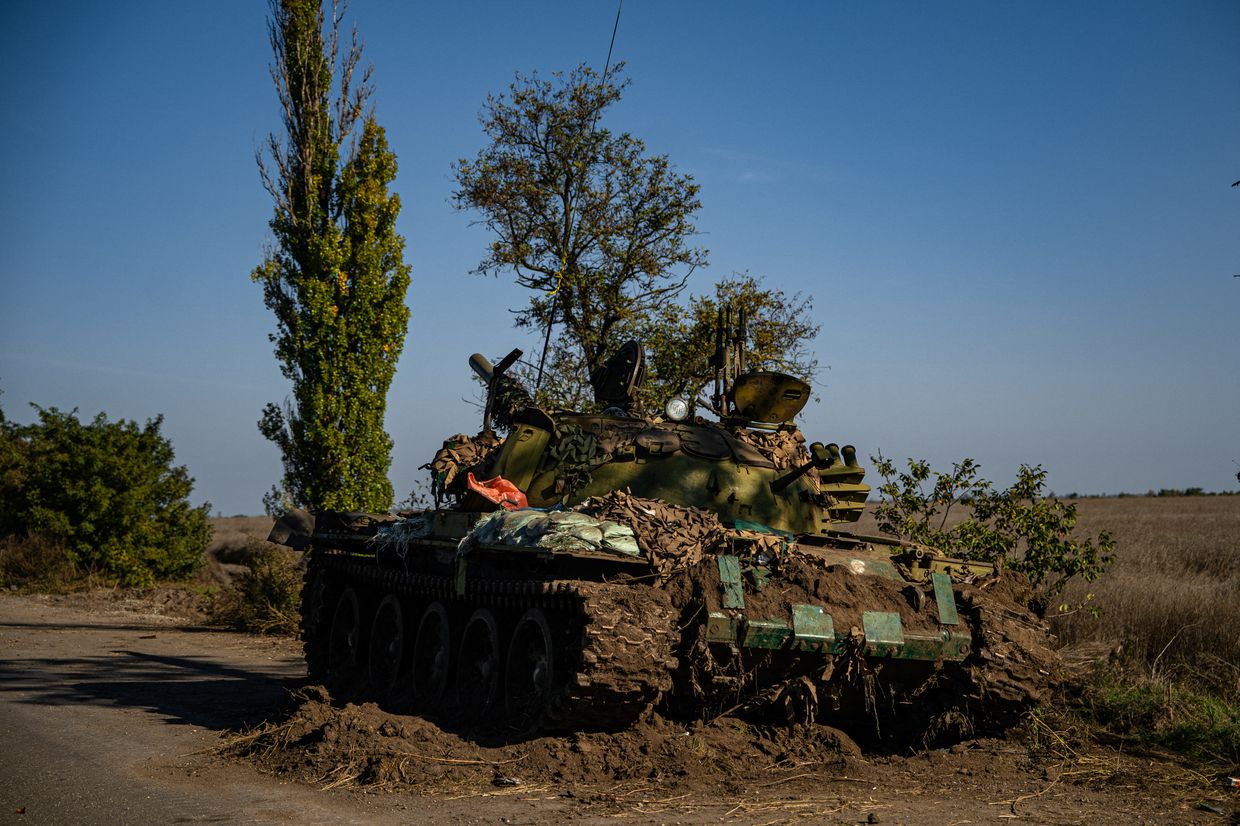
Russia revives obsolete T-62 tanks amid equipment shortages, Ukraine’s intel claims
“The key factors limiting the ability to produce modern armored vehicles in Russia are a lack of industrial capacity and a shortage of imported high-tech components,” Ukraine’s military intelligence said.
Zelensky signs decree to withdraw from Ottawa Convention banning anti-personnel minesThe Kyiv IndependentKateryna Denisova
Zelensky signs decree to withdraw from Ottawa Convention banning anti-personnel mines
  •  

F-16 pilot killed during Russia's overnight massive air attack, Air Force says

F-16 pilot killed during Russia's overnight massive air attack, Air Force says

A lieutenant colonel flying a U.S.-made F-16 fighter jet was killed during the overnight aerial strike while on duty, the Air Force said on June 29.

Russia launched a "massive" missile and drone strike across Ukraine early on June 29, unleashing 537 aerial targets, including 477 drones and 60 missiles, according to the Air Force..

Maksym Ustymenko, born in 1993, was killed after shooting down seven aerial targets, the Air Force said in a statement. The Air Force added that his aircraft was damaged while he was trying to shoot down the last one, losing altitude and crashing.

"Maksym Ustymenko did his best to take the plane away from the settlement, but did not have time to eject," the Air Force said on Telegram, honoring that he died "like a hero."

"The work of Ukrainian pilots is extremely dangerous and risky, both when striking enemy ground targets and repelling air attacks," the Air Force added, saying that the F-16 pilots destroy dozens of Shahed-type drones.

In his evening address, President Volodymyr Zelensky posthumously awarded Ustymenko with the Hero of Ukraine award.

"Today, he was killed defending our skies and our people from yet another massive Russian attack... It is painful to lose people like him," Zelensky said in offering condolence to loved ones.

Russia has intensified its aerial campaign on Kyiv and other cities over the past month. Zelensky said that Russia has launched over 2,700, or roughly 9.5%, of the total number of Shahed-type drones deployed during the entire full-scale war in June alone.

Though well protected with Western air defense systems compared to other cities, Kyiv has also faced a number of deadly attacks in June, with the June 17 missile and drone strike on Kyiv killing 30.  

The Air Force said that Ukraine had to use "all available means" to repel the Russian aerial attack overnight on June 29, including elite F-16 jets.

Ukraine received its first batch of F-16 jets in the summer of 2024, but it has not revealed many details about how and where they are used in operations since they are a high-priority target for Moscow. Their pilots have received months of training abroad.

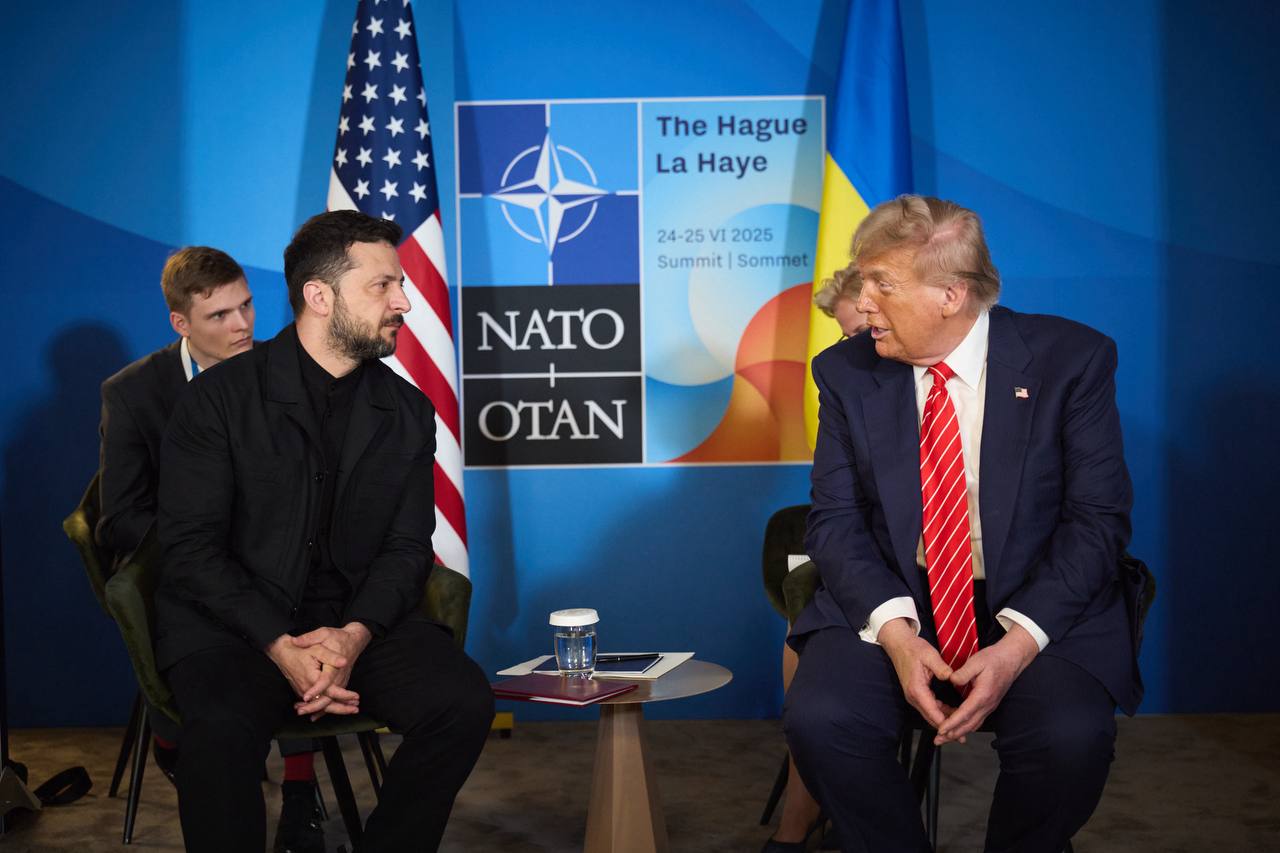
Ukraine war latest: US signals more Patriot missiles for Kyiv after Zelensky-Trump talks at NATO summit
Key developments on June 25: * Zelensky, Trump hold talks on NATO summit sidelines * ‘Something unknown’ hits key Russian drone facility in Taganrog, Ukrainian official says * Russia has launched over 28,000 Shahed drones at Ukraine since 2022, with nearly 10% fired in June alone, Zelensky says * Donetsk Oblast city “on
F-16 pilot killed during Russia's overnight massive air attack, Air Force saysThe Kyiv IndependentThe Kyiv Independent news desk
F-16 pilot killed during Russia's overnight massive air attack, Air Force says
  •  

General Staff: Russia has lost 1,018,940 troops in Ukraine since Feb. 24, 2022

General Staff: Russia has lost 1,018,940 troops in Ukraine since Feb. 24, 2022

Russia has lost around 1,018,940 troops in Ukraine since the beginning of its full-scale invasion on Feb. 24, 2022, the General Staff of Ukraine's Armed Forces reported on June 29.

The number includes 1,220 casualties that Russian forces suffered just over the past day.

According to the report, Russia has also lost 10,976 tanks, 22,915 armored fighting vehicles, 53,508 vehicles and fuel tanks, 29,689 artillery systems, 1,425 multiple launch rocket systems, 1,189 air defense systems, 420 airplanes, 337 helicopters, 42,624 drones, 28 ships and boats, and one submarine.

Ukrainian drone strike on Crimea air base destroys 3 Russian helicopters, SBU claims
The attack destroyed Mi-8, Mi-26 and Mi-28 attack helicopters, and a Pantsyr-S1 self-propelled anti-aircraft missile and gun system, the Security Service of Ukraine told the Kyiv Independent.
General Staff: Russia has lost 1,018,940 troops in Ukraine since Feb. 24, 2022The Kyiv IndependentKateryna Denisova
General Staff: Russia has lost 1,018,940 troops in Ukraine since Feb. 24, 2022
  •  

Ukraine approves new 'Murakha' ground robot for combat use

Ukraine approves new 'Murakha' ground robot for combat use

The Defense Ministry has approved the Ukrainian-made ground-based robotics complex "Murakha" ("Ant") for combat operations, the ministry announced on June 28.

Since 2024, Ukraine has been scaling up robotics development in hopes that mass production of unmanned ground vehicles (UGVs) will "minimize human involvement on the battlefield."

The Murakha is a tracked robotic platform designed to support front-line units working under challenging conditions, such as under enemy artillery and in heavily mined terrain, the Defense Ministry said.

Its larger size makes it one of Ukraine's leading UGVs in terms of load capacity. The Murakha can reportedly carry over half a ton of weight across dozens of kilometers. It can also cross difficult terrain and shallow water.

According to the Defense Ministry, the Murakha's multiple control channels allow it to function successfully even in areas of the battlefield where Russian electronic warfare (EW) systems are operating.

Mobile robots are capable of performing several tasks on the battlefield, including offensive and defensive activities, evacuation of the wounded, logistical support for units, and mining and demining.

In April, the Defense Ministry unveiled the D-21-12R UGV, a ground-based robot equipped with a machine gun.

Ukrainian drones strike missile, drone arsenal in Russia’s Bryansk Oblast
Ukraine’s military intelligence (HUR) struck on June 28 the 1060th Material-Technical Support Center in the city of Bryansk, Ukraine’s General Staff said. The facilities store a Russian missile and drone arsenal, Ukrainska Pravda reported, citing a source in HUR.
Ukraine approves new 'Murakha' ground robot for combat useThe Kyiv IndependentDmytro Basmat
Ukraine approves new 'Murakha' ground robot for combat use
  •  
❌