Connexion

The Nobel Peace Prize recipient is selected in secret by five Norwegians.

© Javad Parsa/NTB, via Agence France-Presse — Getty Images

© Javad Parsa/NTB, via Agence France-Presse — Getty Images

© Eiko Junge/Agence France-Presse — Getty Images
© Eiko Junge/Agence France-Presse — Getty Images
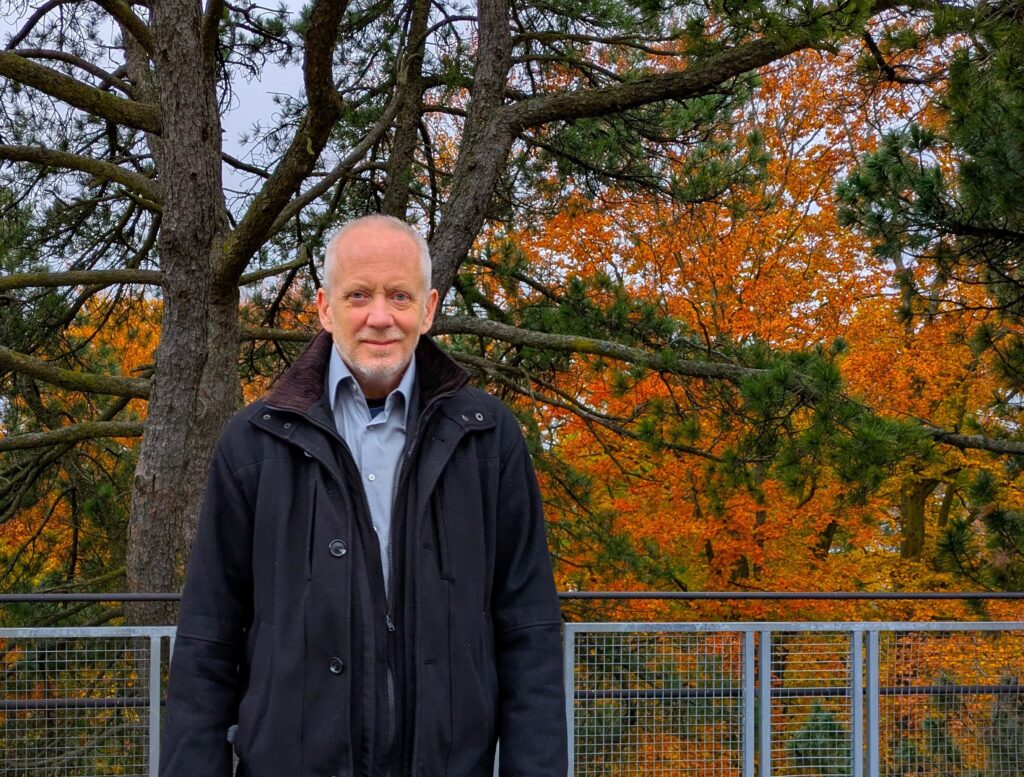
It is rare to hear a European say "I'm sorry" to the Ukrainians. Dag Øistein Endsjø, who nominated the Ukrainian people and President Volodymyr Zelenskyy for the Nobel Peace Prize 2026, shared it several times during our interview.
Mr. Endsjø is a professor of religious studies at the University of Oslo in Norway. He comes across as courteous and reserved. But when he talks about Europe not helping Ukraine as much as it could, his eyes give away deep personal emotion.
"Just thank you for keeping us safe. Thank you for the extreme sacrifice you've been making for all of us. And I'm sorry that my government and the other governments haven't done enough," he said, speaking to me not as a journalist but as one of the Ukrainians.
These words cut through because tens of millions of us live under daily psychological and physical terror, feeling forgotten and betrayed.
At the same time, Professor Endsjø names things as they are, even when it is uncomfortable. When the full-scale invasion began, he says, he doubted Ukraine would hold. And he admits that Norway has profited from the war: by its own Finance Department's calculation, about €106 billion in additional revenue from higher oil and gas prices.
He was honest with us. Our questions were sharp too, even those about US President Donald Trump's chances to win this year's award, and he answered them the way he answers everything: straight.
People who defend themselves, yes! Who defends a free and democratic state against unprovoked aggression, yes, I think so.
It's not a reward for the war, because the war could stop tomorrow if Russia just realized they didn't want to break international rules and pulled out. This is not about continuing the war. On the other hand, the war would stop the moment Ukraine threw out Russia. That, regrettably, seems to take more time.
This is not, in any way, about rewarding or promoting war as such. This is about standing up against war, because not standing up against war has only provoked more war and aggression from Russia.
Russia is attacking free and democratic countries unprovoked. They started in 2008 with Georgia, and then moved on to Ukraine, and as so many others point out, they have their plans.
"Moldova, if Ukraine hadn't been able to resist this invasion, would also have been under Russian rule now for sure. Poland and the Baltics would have been under extreme pressure, maybe also invaded," Mr. Endsjø says.
Yes, in the beginning, when I saw those lines of tanks heading for Kyiv, I was afraid that everything was lost. Also noting the lackluster reaction from the free world and how they only came with condemnations and no ammunition, just a flight out.
That is because of Russia. If Ukraine hadn't defended itself and just given up, the war would have been even closer to Europe. We would be even more under threat with probably even more degrees of sabotage and terrorist attacks around in Europe.
No. The other way around. If Ukraine had given up, it would have been a more direct threat to NATO countries.
Yes, while sabotaging and even murdering people around in Europe, and acting like a state of terrorism. So, no, it would remain aggressive. You can listen to various prominent Russians on Russian TV. You know, you're not allowed to say anything on Russian TV unless the government approves it...
People are again and again threatening Finland, Poland, Britain, and the Baltic. Just as they made up these fake republics in Luhansk and Donetsk in 2014, they have tried to do the same in Estonia and Latvia already.
So if it hadn't been for Ukraine and Ukraine's resistance, the risk of direct war between NATO and Russia would have been even greater. Because Ukraine keeps Russia at bay.
I, as a non-Ukrainian but fellow European, like any other European, have no right whatsoever to tell the Ukrainians what to do.
If the Ukrainians themselves find that this most horrible war is too much, and you want a ceasefire and you want to stop, and it's not for me to criticize. It's not for any European to criticize. We cannot tell the Ukrainians what to do after that horrible sacrifice you've made already.
I only hope that Europe and the rest of the free world will assist Ukraine even more, so that you will be even more successful in throwing out the Russian occupation army of the entire of Ukraine, including Crimea.
They will not use nuclear weapons. If they wanted to do it, they would have done that already. China and India are completely clear that they will not accept any use of nuclear weapons, so that would mean that Russia would be completely isolated and completely devastated economically in weeks. So that's not going to happen.
This is just a proposal from Putin and American so-called negotiators. They're supposed to be negotiating, but this is not a negotiation. This is just about trying to make Ukraine give up without even a fight, which Russia is unable to do, and, incredibly, in some way, try to force Ukraine to give up its rightful ownership of its occupied territories.
This is just appeasement, just as what Chamberlain did in 1938 and what Europe has done again and again in 2008 and 2014. This would be a completely terrible mistake.
"Ukraine deserves the Nobel Prize, no matter how long they keep on fighting against this horrible aggression by this dreadful kleptocracy," Mr. Endsjø says.
I, as a European, think that other Europeans cannot demand anything of the Ukrainians, whoever they are. This must be up to the Ukrainian people and the Ukrainian government.
I think so. Very many do believe that. But this depends on whether the West keeps on, and the free world continues to support Ukraine. Here in Norway, we are in a particular situation because, as our own Finance Department calculated last year, we have earned an extra 106 billion euros from the war (additional government revenues generated by high energy prices — ed.) due to higher oil and gas prices.
We don't support you as much as we should. We should have given you those 106 billion euros.
That is the point: that this is a war against the free world from a horrible dictatorship. More or less, you can call it a kleptocracy — that's the most, I guess, the most precise definition of Russia today. It's not a democracy whatsoever. It's most of all a kleptocracy where the top leaders just steal whatever they can get their hands on.
If Ukraine had fallen, it's not just that that would be horrible for Ukraine as such, but that would mean also that Russia would have had its hands on all the immense resources Ukraine has. Also, all the million men and women who probably would have been forced into the Russian army, and made it an even more dangerous enemy to the West.
So this is about the survival of all of us. Ukraine is the free world. We belong together. Ukraine should have been in NATO and the EU a long time ago.
This is like World War II all over again. They say: "If we only get Donbas, we're going to at least have proper negotiations."
Donbas, that is the Ukrainian Sudetenland. That's just what the West forced Czechoslovakia to do in 1938 and 1939. The Sudetenland wasn't just a nice little border region. It was the defense line of Czechoslovakia. So the moment the Germans got that, they were defenseless against the full-scale invasion that followed in the months afterward.
"Donbas, it's not just a small border region. It's the most important line of defense," Mr. Endsjø says.
Forcing Ukraine to give up anything whatsoever is rewarding the Russian aggression.
But I have to give Putin right in one thing when he says: "We are, you know, continuing World War II." That's true, because you have to remember what Russia did in World War II. They started it together with Nazi Germany in 1939. They occupied the Baltic countries, they occupied Moldova, they occupied half of Poland, they split Poland with Nazi Germany, and they tried to occupy Finland.
When Norway was invaded by Nazi Germany, Russia congratulated Germany. They were on Germany's side. The only thing that made Russia shift sides in World War II was the German invasion. What did they do after World War II? They didn't liberate any country - they occupied. They just changed one occupation for another.
"Eastern Europe wasn't liberated before 1990 and 1991. That's the actual end of World War II, when the Russian occupation of Eastern Europe ended," he stresses.
They even talk about the northern parts of Northern Norway. In 1945, they did have designs. They wanted Svalbard and the northern islands. They had plans to take the regions closest to Norway, which were also part of the Soviet Union. They want everything they have ever had, and they want it back.
Trump has been nominated for the Peace Prize several times, but I don't think he really has a chance. What I did note is that last year's recipient, Mrs. Machado from Venezuela, was probably chosen partly due to it. I don't criticize the prize, as she is a democratically elected leader, a good candidate, and a good recipient.
"But I believe part of the reason she got it was that the Nobel Committee wanted a recipient who would not provoke President Trump," he says.
I consider that they are going to worry about that again, about whether the recipient is going to provoke Trump or not. You never know what his reaction will be anyway. I don't think they really see him as a serious candidate — someone who just started an immense war in Iran, drawing the whole world economy down.
My nomination has gone viral — there are thousands of posts online. I usually don't get 750,000 views on my Facebook posts, but I did with my post about Ukraine. I really do believe that Zelenskyy and Ukraine are the most worthy recipients at this point in time.
It does. Look at Norway in 1940. It was peace, but it wasn't peace. It was an occupation. It was killing, it was murder, and even worse in other parts of Europe. What happened in Norway was nothing compared to what happened in Poland, the Baltics, Ukraine, and Belarus.
Thank God the current Western leaders understand this: they are not going to force Ukraine to give up, to let millions of people live under horrible occupation, and give up more land. They stand by Ukraine now, and I hope they will support it even more, especially Norway.
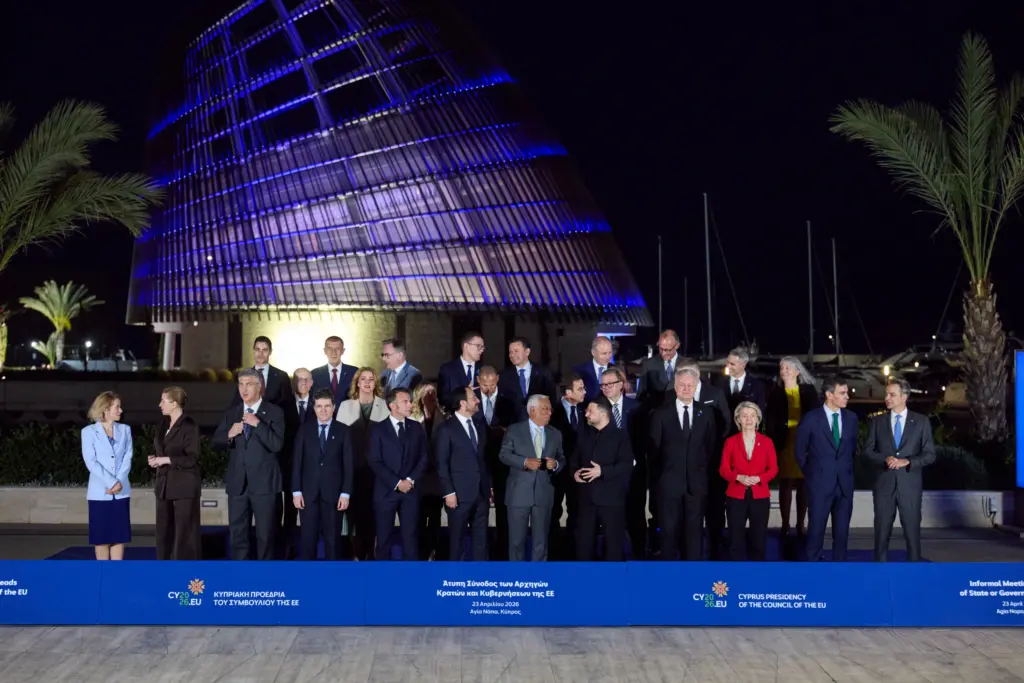
The European Union has approved nearly €3 billion in new funding for Ukraine, including nearly €800 million provided for the first time through the Ukraine Support Loan. The payment is the eighth regular disbursement under the EU’s Ukraine Facility.
The funding will support Ukraine’s budget, recovery, modernization, and reform efforts as the country continues to fight Russia’s full-scale war and pursue EU membership.
The latest payment follows Ukraine’s completion of 10 targets under its Ukraine Plan, the roadmap for reforms and investments linked to the Ukraine Facility. Ukraine has now completed 84 of the 95 targets required under the plan so far, according to the Council of the EU.
Funding under the Ukraine Facility is tied to Ukraine meeting these targets. It is intended to strengthen Ukraine’s macro-financial stability, keep public administration running, and support recovery and modernization.
The Ukraine Facility entered into force in March 2024 and provides more than €50 billion in grants and loans for Ukraine through 2027.
The EU also amended Ukraine’s plan to include approximately €92 million in non-repayable support from Norway.
Norway is the first non-EU country to contribute to Pillar I of the Ukraine Facility, which provides support through Ukraine’s reform and investment plan.
Sweden has provided more than €253 million in additional voluntary contributions over the past year, while the UK recently contributed more than €17 million to Pillar II, the Ukraine Investment Framework.
Following the latest disbursement, Ukraine will have received more than €32 billion through the Ukraine Facility since mid-2024.
More than €40 billion of the facility’s total funding is earmarked for reforms and investments under the Ukraine Plan, with payments tied to Ukraine’s progress toward the agreed targets.
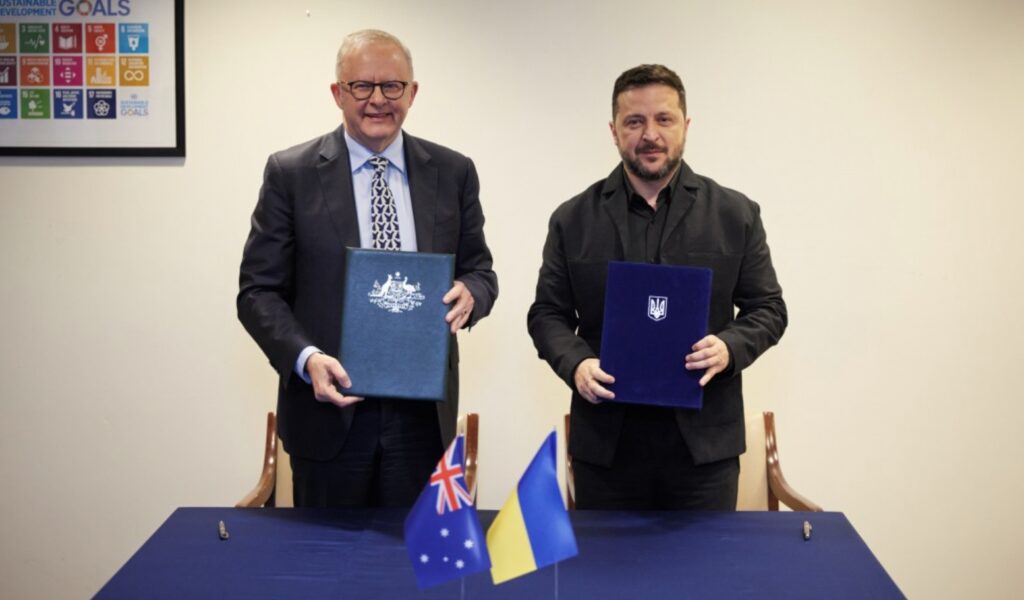
A new bilateral security agreement puts Australia's support for Ukraine on a long-term footing, the Australian government said. The pact bundles fresh money for Kyiv, wider sanctions on Russia, and a new role for Australia in a multinational effort to rebuild Ukraine's Navy.
Australia sits half a world from the front, yet it wants what Ukraine has learned. The deal runs both ways—Australia sends money and equipment, and treats more than four years of Ukrainian war-fighting as a lesson for its own forces. One-off aid packages are giving way to long-term security pacts as Ukraine's partners lock in support—and, more and more, ask to learn from the force that has spent years fighting Russia.
Prime Minister Anthony Albanese and President Volodymyr Zelenskyy signed the agreement on 24 September. Albanese pledged an additional A$60 million ($42 million) in support. It splits into A$45 million ($32 million) of Australian Defence Force equipment, A$10 million for Ukraine's Energy Support Fund, and A$5 million in humanitarian aid. That lifts Australia's total contribution to almost A$1.9 billion ($1.3 billion). Australia also widened its sanctions on Russia to almost 1,900 measures and listed nearly 300 shadow-fleet vessels—the aging tankers Moscow uses to move oil around Western price caps.
Australia will also join the Maritime Capability Coalition for Ukraine, a UK- and Norway-led group building up Ukraine's Navy. The government cast the move as another two-way exchange: it helps Ukraine at sea while giving Australian planners insights into advanced maritime capabilities and their operational use.
The agreement frames the partnership as a trade in know-how, not just aid. Deputy Prime Minister Richard Marles said that through deeper cooperation Australia could "lend our strengths and insights to help grow Ukraine's defence industrial base, and likewise learn from the hard-fought lessons of Ukraine's resistance in developing our future capabilities." Ukraine has shown what an innovative, agile force can do in a drone-heavy war, and Canberra wants the lessons. Australia has already supplied 49 retired M1A1 Abrams tanks and 120 Bushmaster protected vehicles, hardware Ukrainian crews took straight into frontline use. Two Australian companies are also developing Arrow interceptor drones for delivery to Ukraine.
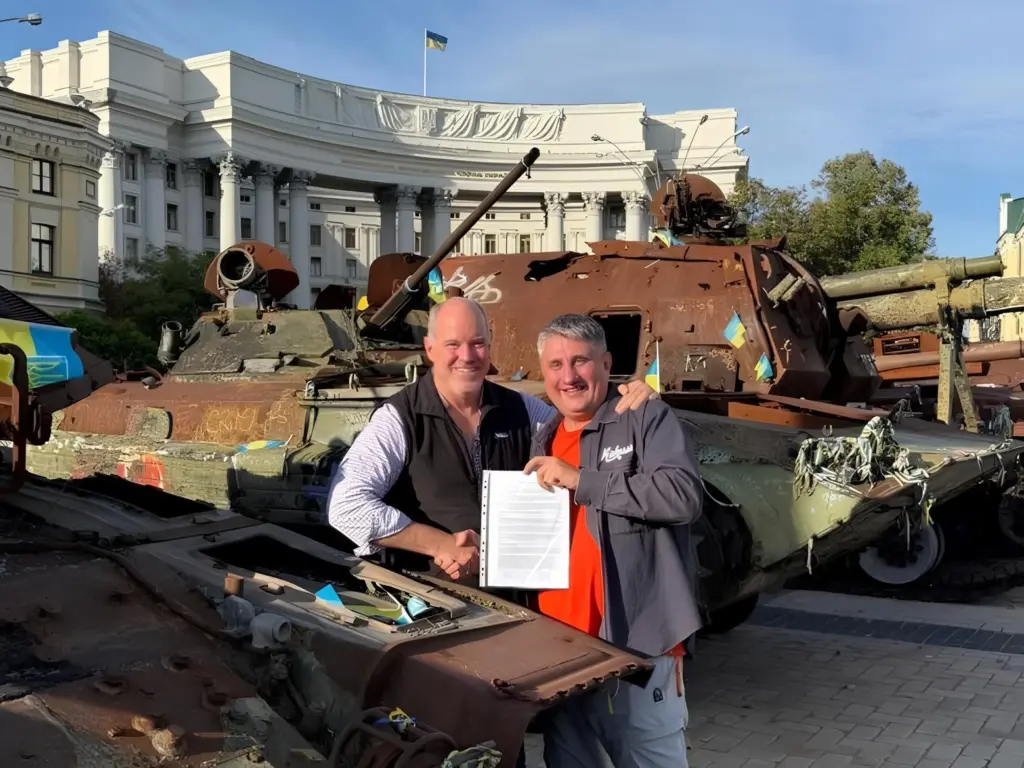
TAF Industries signed a joint-venture memorandum with Danish firm Upteko for production but says bureaucracy is slowing the process. Meanwhile, Resist.UA agreed to invest in BlueShadow, a Danish maritime-defense startup whose founder commanded a US nuclear submarine and whose engineering team works largely in Ukraine, Defender Media reported.
Ukraine's defense industry has outgrown much of its own 2022-era hardware in two years of rapid wartime iteration, but a government fee of 20-30% on export permits and over 200 stalled co-production bids have left the country's foreign arms sales far behind battlefield demand. Deals like the two in Denmark route Ukrainian technology into allied markets without waiting for Kyiv's export apparatus to catch up.
Drone maker TAF Industries plans to produce its first batch in Denmark by the end of 2026, through a joint venture with local firm Upteko. The two signed a memorandum in August 2026, but paperwork on both sides has slowed things down.
"We need to pass a fairly large number of bureaucratic procedures to make it possible," chief business development officer Mykhailo Diachenko told NordicDefenceWatch.
He called the year-end target reachable, "though maybe it will look more like a miracle."
TAF wants footholds in other countries that support Ukraine. It has started the process in Norway and is negotiating with Sweden's Recas. Diachenko said the goal is local production plus sharing Ukrainian combat experience and technology with European partners. TAF builds FPV drones, with capacity near 1 million units a year.
Ukrainian fund Resist.UA signed a letter of intent to invest an undisclosed sum in Danish maritime-defense startup BlueShadow's €2 million ($2.29 million) pre-seed round, the company announced. BlueShadow's software collects data from maritime sensors, commercial feeds, and open sources, merges them into a single operational picture, and uses AI to detect threats, Defender Media reported.
The company has also built an open software platform it says can help intercept Shahed-type drones. BlueSentry, designed to protect ports, offshore wind farms, undersea cables, and maritime borders from hybrid attack, is one product that the company plans to launch in the Baltic and North seas in October. BlueDragon, now in prototype testing with Defense Ministry certification targeted for late 2026 and deployment planned for spring 2027, is designed to defend Odesa with autonomous swarms of armed sea drones meant to shoot down Russian attack drones.
Founder Charles Maher is a former US Navy submarine commander who ran a nuclear-powered boat, Defender Media reported. Almost his entire engineering team works in Ukraine, drawing on more than 15 Ukrainian suppliers. Resist.UA this summer launched Resist 2.0, an Estonia-based fund aiming to raise €50 million for Ukrainian defense-tech companies.
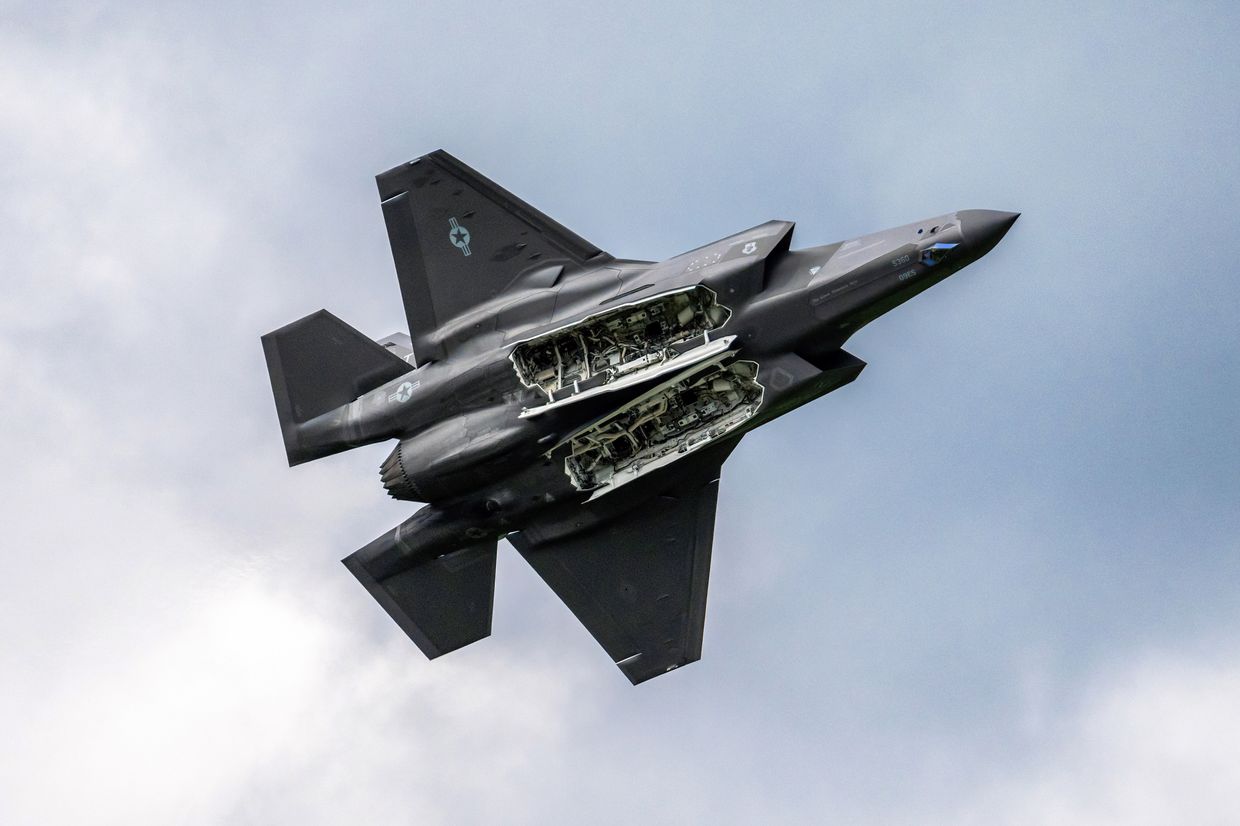
Norway will send F-35 fighter jets to Poland in the fall to protect the Rzeszow-Yasenka airport, one of the key transportation hubs for NATO military aid to Ukraine, Norwegian Defense Ministry announced on June 30.
The news came as Russia has escalated attacks against Ukrainian cities over the past weeks, launching record 400-500 unmanned aerial vehicles (UAVs) per night.
Norway is thus strengthening its contribution to NATO's air and missile defense, while the main goal of the mission is to support the protection of Polish airspace and a key logistics center for assistance to Ukraine, the statement read.
"This is a vital contribution. We are helping ensure that support to Ukraine reaches its destination, and that Ukraine can continue its fight for freedom," Norwegian Defense Minister Tore Sandvik said.
The Rzeszow-Jasionka airport is located less than 100 kilometers (62 miles) from the Ukrainian border and transports a significant percentage of Western materiel bound for the front lines in Ukraine. Polish Prime Minister Donald Tusk said that 90% of aid for Ukraine was going through the airport in Rzeszow as of Novermber 2024.
It is also a main stopover point for foreign leadership traveling to Kyiv on official visits.
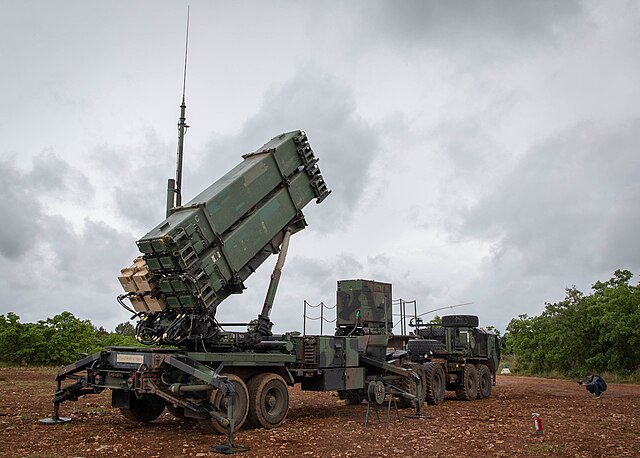
In January, German Defense Minister Boris Pistorius announced that Berlin will deploy the promised Patriot air defenses around the Polish airport to protect it.
 The Kyiv IndependentYuliia Taradiuk
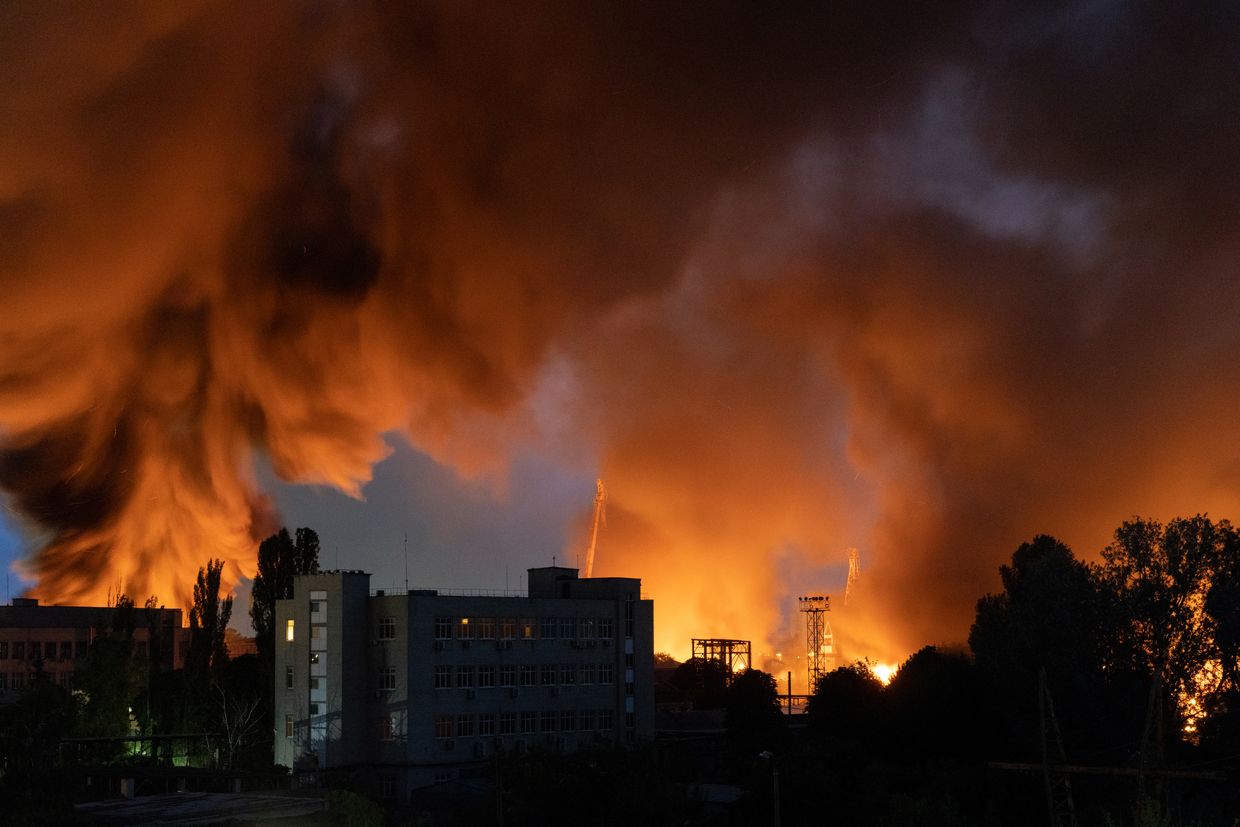
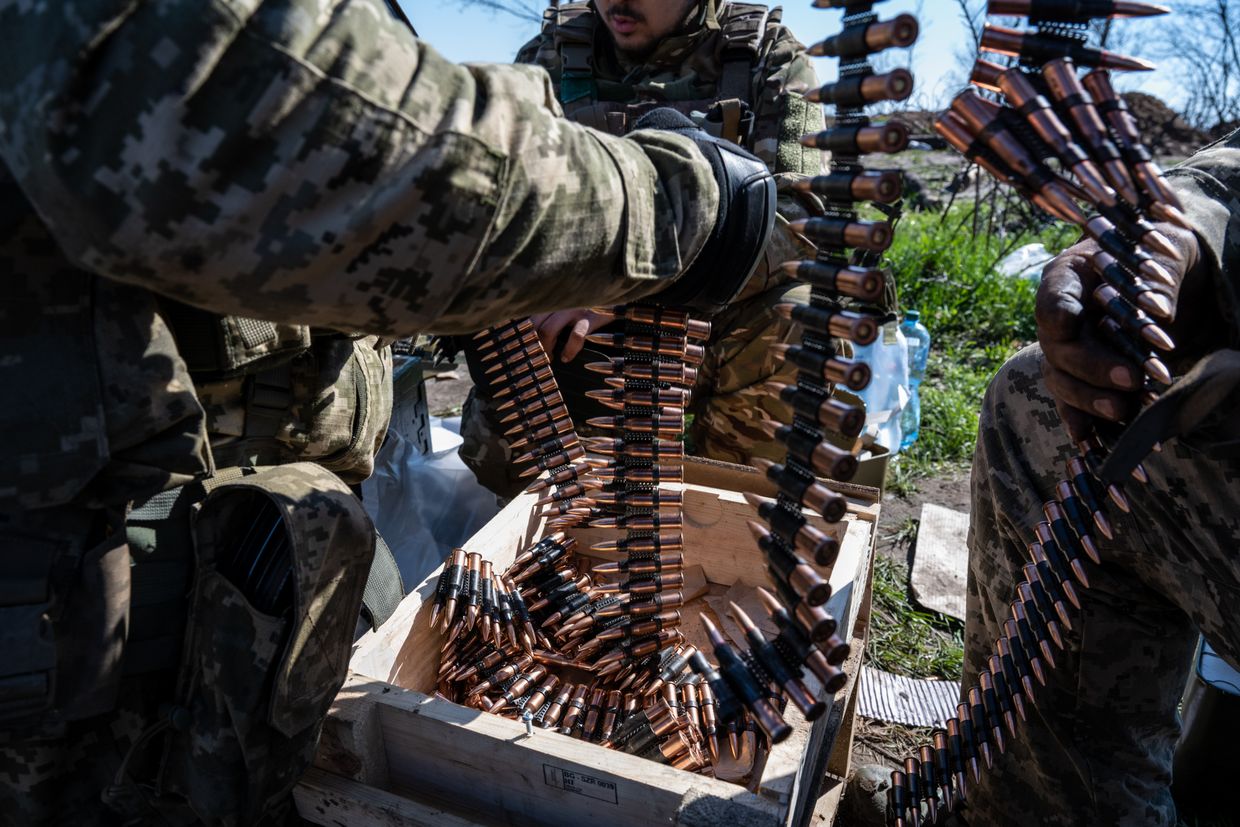
Lithuania has signed a memorandum with American defense firm Northrop Grumman and Norwegian Nammo to secure the production of ammunition amid Russia's war against Ukraine, the Lithuanian Defense Ministry announced on June 24.
"By strengthening our national defense industry, we are investing in both technological capabilities and Lithuania’s resilience to crises. This Memorandum of Understanding will allow us to better equip our armed forces and help Lithuania become an important link in international supply chains," Lithuanian Vice Minister of National Defense Loreta Maskalioviene said.
"The investment and expertise of our allies... will significantly contribute to strengthening of the national defense industry and security not only in Lithuania, but also in the entire region, including Ukraine. The development of the defense industry and investment in production must come without delay," Lithuanian Finance Minister Rimantas Sadzius said.
Russia's full-scale war against Ukraine has sparked concern in Europe that Russia could attack NATO's eastern flank, including Poland, the Baltic countries, and Finland.
Ukrainian intelligence has evidence that Russia is preparing new military operations in Europe, President Volodymyr Zelensky said on June 22.
The partnership will be implemented at the state-owned Giraite Armament Factory, the announcement said, adding that the factory is set to be integrated into Northrop Grumman’s international supply chains.
Northrop Grumman will supply ammunition produced in the Lithuanian defense factory to the international market.
Nammo, as a subcontractor, will provide Northrop Grumman with the 35 mm ammunition production technology.
"It will enhance national strategic autonomy in defense and deepen partnerships with NATO allies, the United States, and Norway. The planned production of ammunition is of critical importance to the Lithuanian Armed Forces, our allies, and Ukraine," Lithuanian Defense Minister Dovile Sakaliene said.
The memorandum will initiate negotiations for the production of medium caliber ammunition, ranging in size from 20-50 mm.
The Giraite Armament Factory will be provided with 35 mm ammunition production technology from the two defense firms, the announcement said.
Sakaliene noted that the new partnership will ensure an uninterrupted supply of ammunition to Lithuania's Armed Forces.
NATO is holding a summit in The Hague from June 24-25 with world leaders, including Zelensky and U.S. President Donald Trump present.
The White House has confirmed that Trump and Zelensky will hold a meeting at the NATO summit.
The Kyiv IndependentKollen Post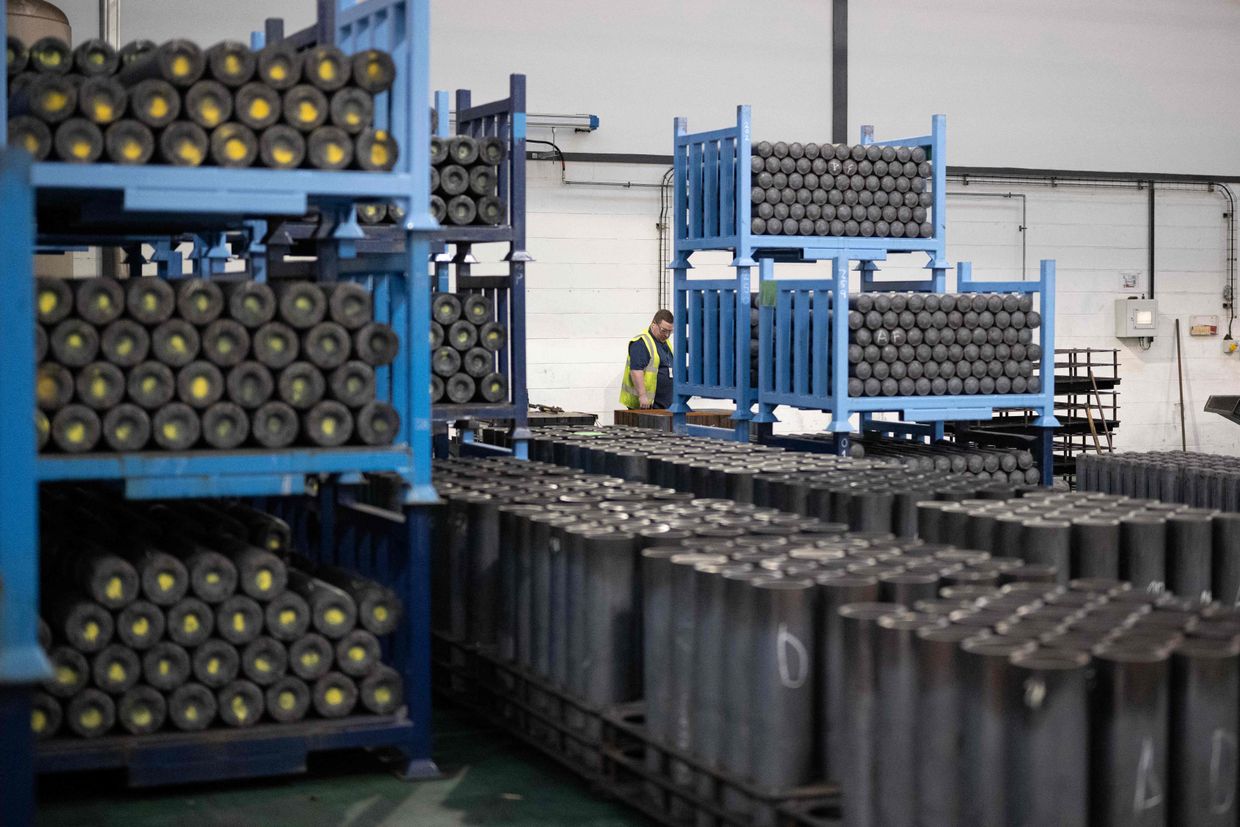
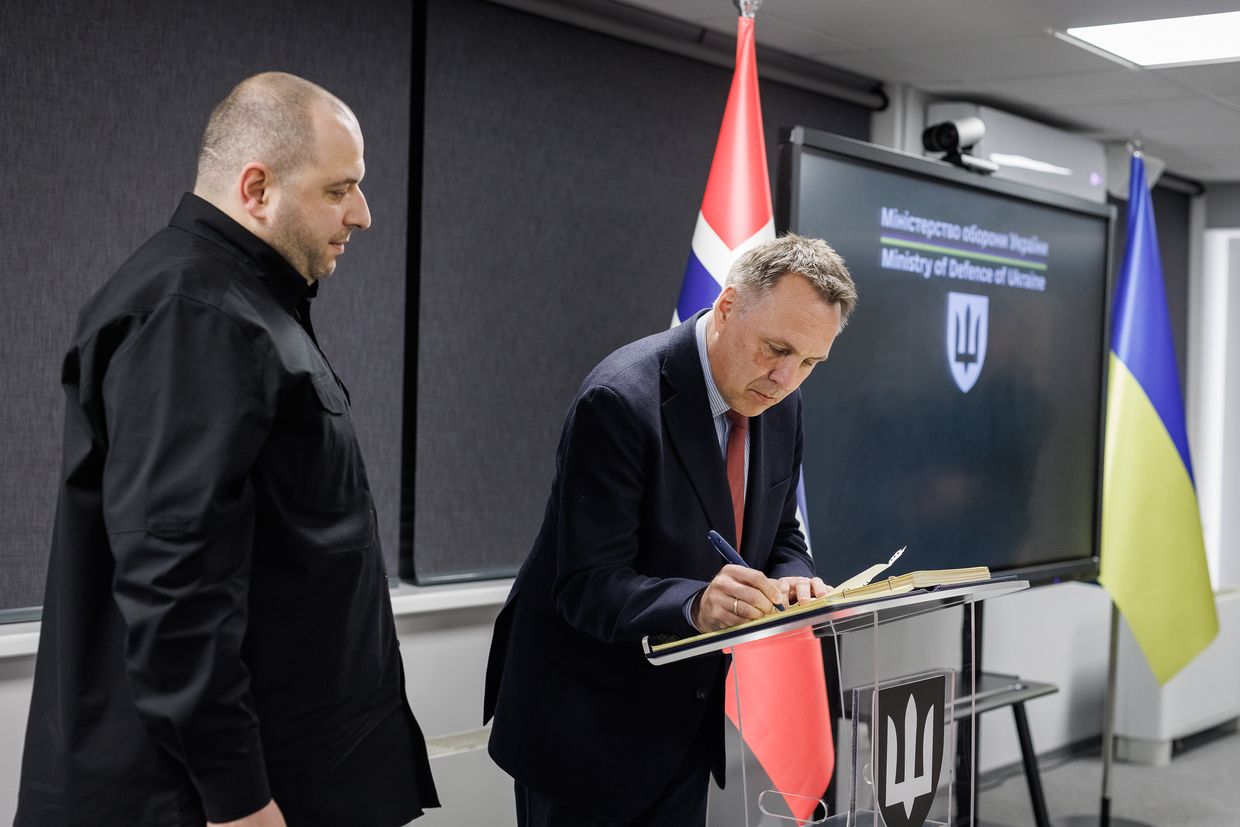
Norway will invest $400 million in Ukraine's defense industry to support drone and air defense missile production, President Volodymyr Zelensky said in his nightly address on June 22.
The announcement followed a visit to Ukraine by Norwegian Defense Minister Tore Onshuus Sandvik.
"Today, Norway’s Minister of Defense visited Ukraine. A decision has been reached to invest $400 million in our production – new funding, primarily for drones," Zelensky said.
Zelensky added that the two countries are also working together to establish joint air defense production inside Ukraine.
"We are working together to create all the necessary conditions to produce air defense systems in Ukraine — jointly with partners, jointly with Norway," Zelensky said.
He added that Norway's largest defense company – Kongsberg Defence & Aerospace – has already opened an office in Ukraine as part of the cooperation.
"We are expediting all processes to the maximum extent," Zelensky said.
On X, Norway's defense ministry confirmed that Kongsberg has signed agreement with a major Ukrainian company to jointly develop and produce missiles for air defense systems in Ukraine.
The collaboration will focus on producing missiles for the National Advanced Surface-to-Air Missile System, or NASAMS.
"The Norwegian NASAMS system saves lives in Ukraine every day, and is crucial in protecting critical infrastructure. That is why it is important for the Norwegian Government to finance this development of cheaper missiles for the NASAMS system in Ukraine," said Minister Sandvik.
The announcement marks deepening ties between Kyiv and Oslo as Ukraine seeks to expand its domestic defense industry amid Russia’s ongoing full-scale invasion and reduced military aid from the United States.
The Kyiv IndependentSonya Bandouil