❌

Vue lecture

ISW connects drone crashes in Moldova and Romania, a Starlink fire in Poland, and a Berlin airport shutdown into one Russian pattern
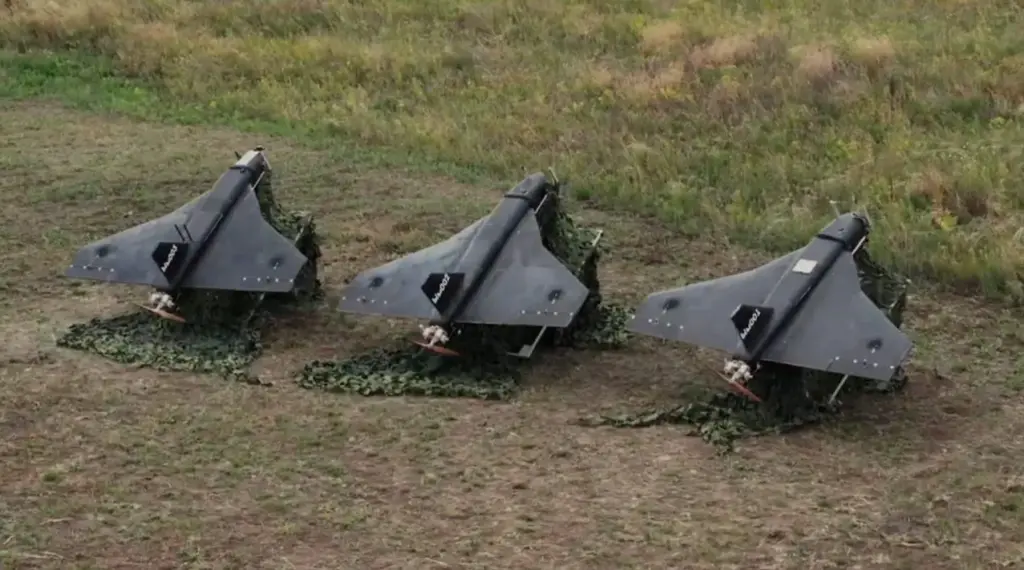
Three gray, triangular-wing drones sit on camouflage netting in a grassy field.

Several recent incidents across Europe were conducted by Russia or are likely attributable to Russia, ISW assessed in its 24 September report, though authorities have not officially linked the Polish and German incidents to Moscow.

Russia's full-scale war against Ukraine has expanded into a parallel campaign of provocations against European defense and logistical infrastructure. The Kremlin is using drones, arson, and undersea cable sabotage to degrade Europe's will and ability to support Ukraine, while deliberately intensifying the frequency of airspace violations to erode the boundary between hybrid and kinetic war.

Drones over Moldova and Romania

Four Russian drones flew over Bukovyna and targeted an energy facility and border crossings with Moldova and Romania, Chernivtsi Oblast Military Administration head Ruslan Osypenko reported. Ukrainian forces shot down three. The fourth flew toward Suceava County in northeastern Romania.
isw drone incursions sabotage intelligence warnings across europe coincidences—they russian operations · post two gerbera crash sites moldova romania 24 2026 two-russian-drones-crashed-in-moldova-and-romania-on-september-24-2026-scaled ukraine news ukrainian reports
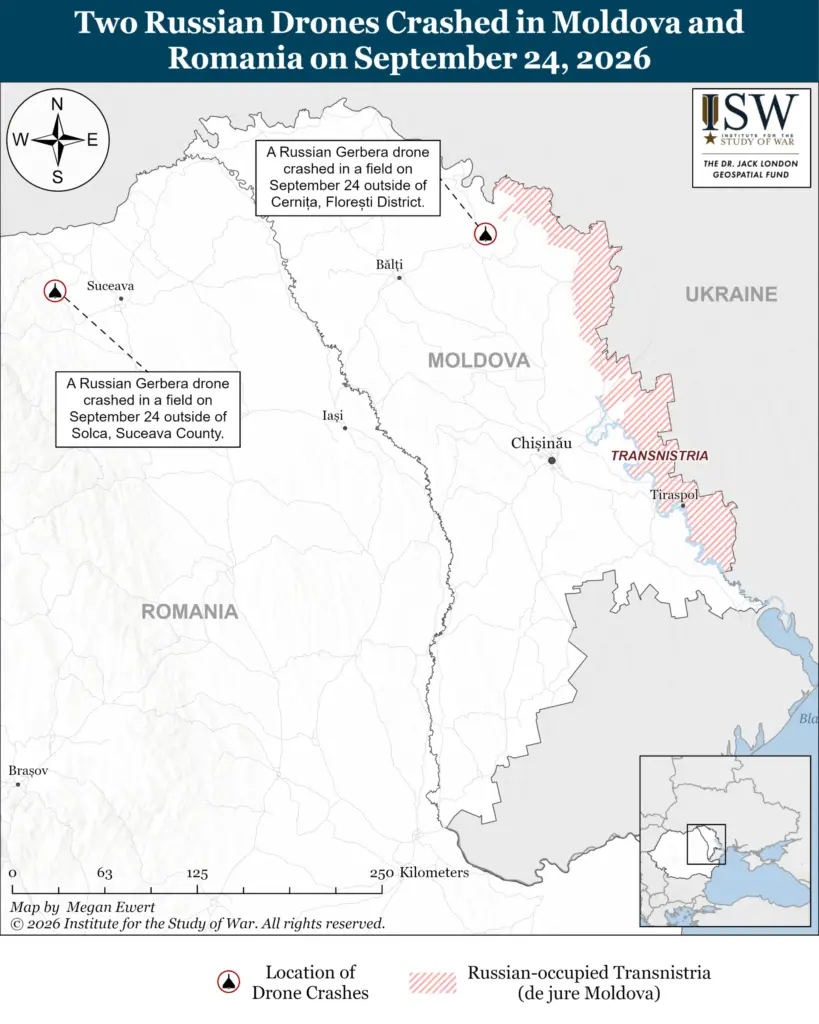
ISW map showing two Russian Gerbera drone crash sites in Moldova and Romania on 24 September 2026. Map: ISW

A drone crashed in Cernița, Florești district, Moldova—preliminarily identified as a Russian Gerbera type, the first such device found in the country. It carried an onboard camera, hit a tree, and exploded, Moldovan police said. Romania's Defense Ministry reported a second aerial vehicle entered Romanian airspace for four minutes and crashed near Solca in the same border region; geolocated footage confirmed it was also a Gerbera, ISW noted. Poland evacuated the Hrubieszów and Dorohusk border crossings for 30 minutes, Prime Minister Donald Tusk said. Three countries were put on alert by a single night of Russian strikes.

"Intentional and accidental Russian drone incursions into NATO and Moldovan airspaces are likely part of the Kremlin's efforts to normalize airspace violations by intensifying their frequency," ISW assessed.

Sabotage in Poland and Germany

A fire engulfed the power system and backup generator at a Starlink ground station in Wola Krobowska, central Poland, on the evening of 23 September. Deputy Prime Minister Krzysztof Gawkowski confirmed it was sabotage aimed at cutting internet access, including for Ukraine's military. Authorities have not identified who was responsible, but the act aligns with Russia's "new" doctrine of attacks, Gawkowski said. The station is now operating normally.

German authorities suspended operations at Berlin-Brandenburg airport for 45 minutes the same evening after staff reported a drone sighting, Die Zeit reported. Federal police could not confirm it. ISW assessed both incidents fit Russia's wider pattern of sabotage against European defense assets, though neither has been officially attributed to Russia.
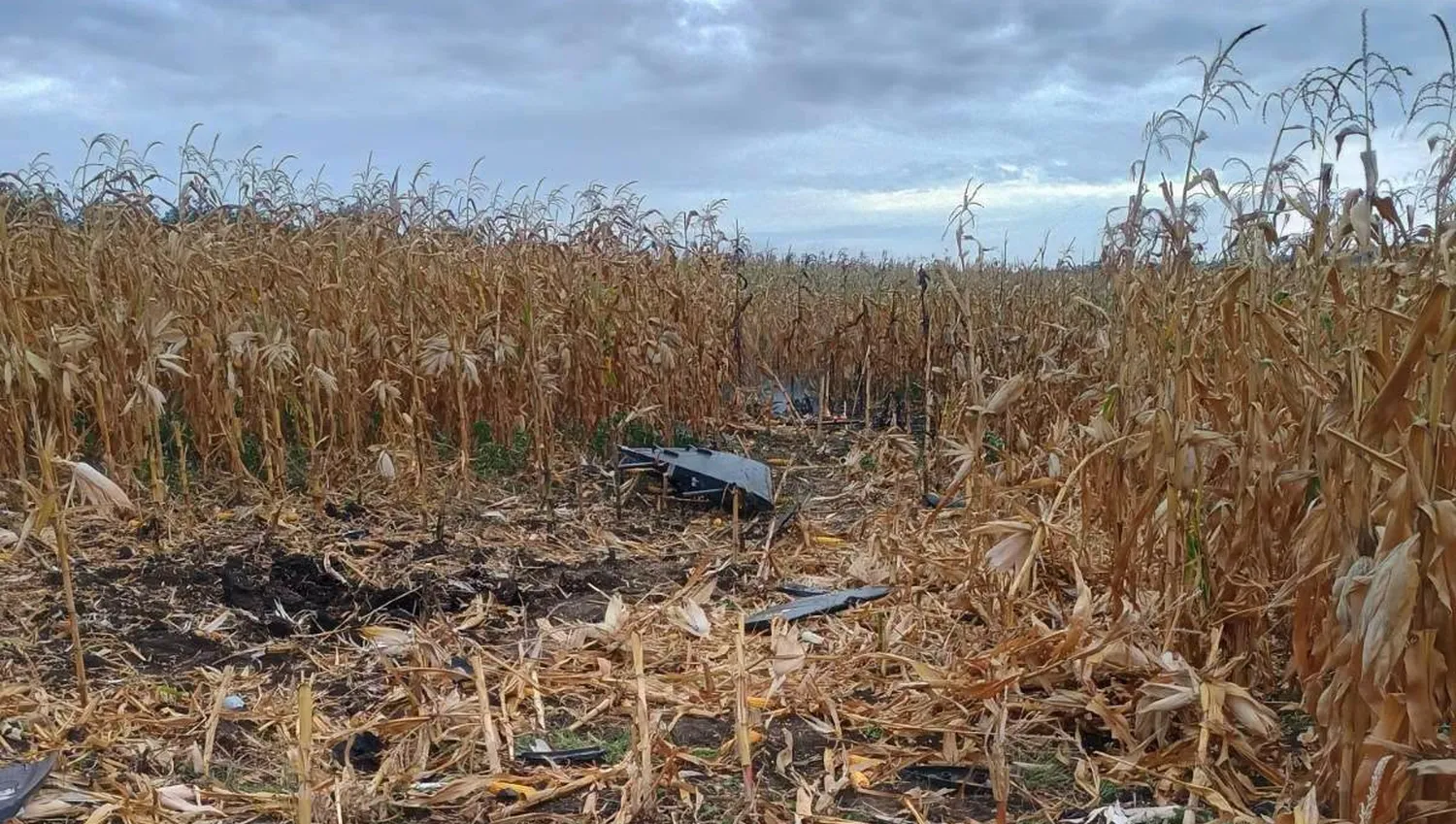
Scattered debris and a scorched patch of ground in a cornfield beneath a cloudy sky.
Explore further

Russian attack puts three countries on alert as drones enter Moldova and Romania

Western intelligence warnings

A Lithuanian Defense Ministry source reported on 23 September that Russia could launch Gerbera drones from a shipping container in the Mediterranean against Spain, France, and Italy. Danish Defense Intelligence assessed on 24 September that Russia will intensify its hybrid war in coming months, including destructive cyber attacks and sabotage carrying a high risk of casualties, and that there is a low but growing risk of a limited Russian military attack on a NATO border state. It sees no indications of an outright invasion. The CIA reportedly warned Poland that Russia may sabotage underwater cables to disrupt its banking system, according to Newsweek Polska journalists.

NATO tracked and confronted Russian submersibles rehearsing deployment of a new cable-disabling weapon near Svalbard in spring 2026—no cables were damaged, but the operation demonstrated Moscow's intent, Reuters reported. Shadow fleet vessels likely served as drone-launch platforms for incursions into NATO airspace, ISW noted.

"The increasing frequency of such warnings suggests that Western intelligence agencies are picking up indicators that the Kremlin is looking to diversify its platforms and means for conducting attacks against NATO and European states and is considering conducting such attacks," ISW assessed.
ISW said it has not yet seen evidence that Russia has conducted the attacks the warnings describe.

Denmark's assessment—that a limited Russian military strike on a NATO border state could come in the coming months—suggests the boundary between hybrid provocations and military action is narrower than European policy has assumed. ISW's synthesis reframes what governments have treated as separate incidents into one campaign.

"Intentional and accidental Russian drone incursions into NATO and Moldovan airspaces are likely part of the Kremlin's efforts to normalize airspace violations by intensifying their frequency," ISW assessed.
"The increasing frequency of such warnings suggests that Western intelligence agencies are picking up indicators that the Kremlin is looking to diversify its platforms and means for conducting attacks against NATO and European states and is considering conducting such attacks," ISW assessed.
  •  

Zelenskyy says Ukraine has agreed on a new Patriot interceptor package—won’t say with whom

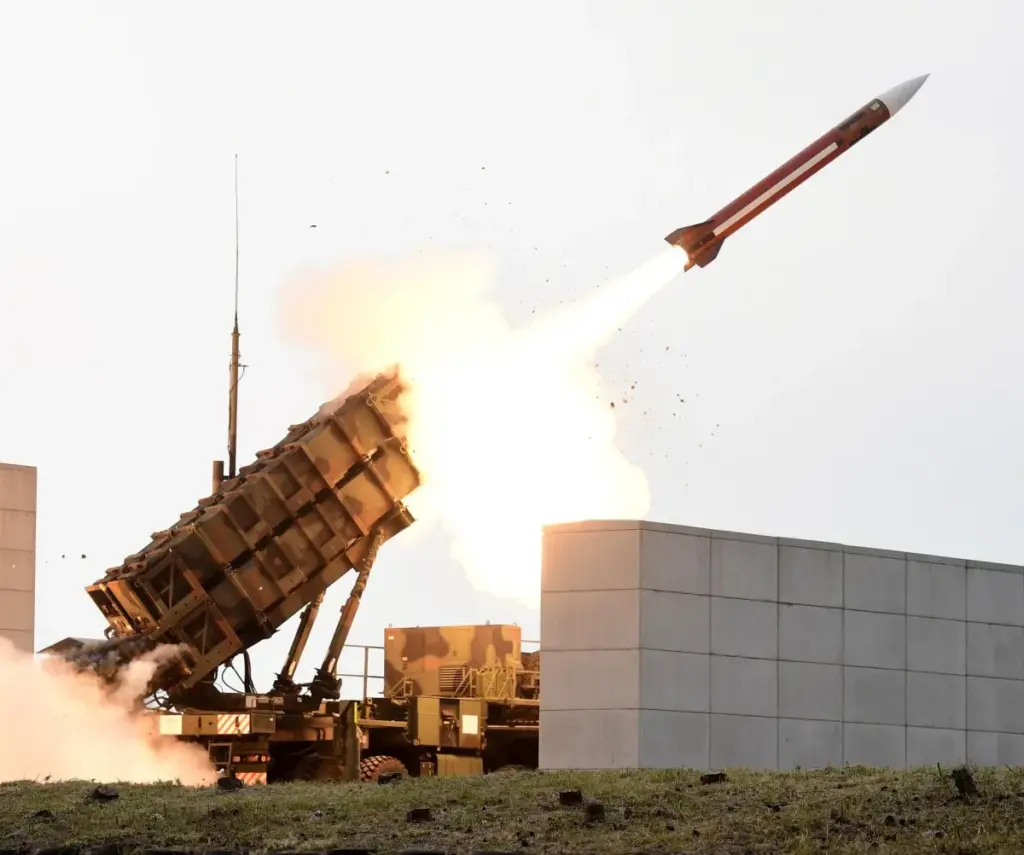
brussels cleared ukraine spend eu loan money american patriot missiles get through upcoming winter russian attacks · post pac-2 missile launch yonhap пуск ракети illlustrative militarnyi news ukrainian reports

Ukrainian President Volodymyr Zelenskyy announced that Ukraine has agreed on a new package of Patriot interceptor missiles with an unnamed partner, Suspilne reported. He made the announcement on 24 September during a meeting with the Ukrainian community in the United States. Zelenskyy did not reveal the partner's identity, the quantity, or the delivery timeline.

Russia's aerial campaign against Ukrainian cities is heading into its most dangerous winter yet, with ballistic strikes on hospitals, power stations, and residential buildings pushing monthly civilian casualties to their highest level since the war's opening weeks. The gap between the interceptors Ukraine needs and what allies have so far committed has become a central factor in both the defense of Ukrainian cities and the diplomatic standoff.

What Zelenskyy said

Zelenskyy made the announcement during a broader address to the diaspora about diplomacy, the peace effort, and cooperation with US President Donald Trump's team.

"We agreed today—I won't say with whom—on a package of [interceptor] missiles for Patriot systems. This is an important decision," Ukrainian President Volodymyr Zelenskyy told the Ukrainian diaspora in New York.

He gave no further details. Zelenskyy said ending the war was the most important question facing Ukraine and awarded decorations to community members who had contributed to the country's defense.

Before the New York trip, the interceptor question had been raised with several partners. After meeting Trump on 22 September, Zelenskyy said he had asked Washington for a winter package of Patriot interceptors. That same week, he pitched Japan's Prime Minister Sanae Takaichi on air-defense cooperation, noting that Mitsubishi Heavy Industries runs the only plant outside the US licensed to assemble PAC-3 missiles. Suspilne noted the issue had also been discussed with other partners Zelenskyy did not name.

Intercepting more, but not enough

On 24 September, air defenses intercepted 60% of the ballistic missiles Russia fired at Kyiv—a figure the president called significant.

"It was 60%—not 10% and not zero. And this year we had moments when it was zero. Not because someone lacks experience, but because someone lacks missiles," Zelenskyy told journalists in New York.

Since 12 August, Ukraine's Air Force has stopped publishing detailed figures on how many missiles Russia launches, reporting only what it downs—which makes Zelenskyy's percentage a rare public benchmark. By that count, Russia has fired at least 794 ballistic missiles at Ukraine since January, about 43% of all missiles used this year, with July's 174 the monthly high.

The overnight attack

Hours after Zelenskyy spoke in New York, Russia launched 295 drones at Ukraine overnight on 24–25 September. In Odesa, Russian drones killed two people—a 40-year-old woman and a 51-year-old man—and injured two others. In Kyiv, Shaheds struck high-rises in Solomianskyi district, and strikes across the broader region killed a 14-year-old boy.

1000 patriot missiles arrive too late winter so ukraine asked ramstein arms coalition open its warehouses · post ukraine's defense minister yevhenii khmara right commander-in-chief major general mykhailo drapatyi meeting
Explore further

1,000 Patriot missiles arrive too late for this winter, so Ukraine asked the Ramstein arms coalition to open its warehouses

Romania scrambled jets as drones drifted toward its airspace. A woman was injured in Dnipropetrovsk Oblast, and the morning brought further Russian strikes on Zaporizhzhia and Poltava, injuring two more people.

The interceptor crisis

Zelenskyy's announcement lands in the middle of a worsening shortage. In August, he told CNN that Ukraine held roughly 1% of American Patriot stocks and that 5% would get Kyiv through the winter. ISW assessed the same month that the interceptor shortage was one reason Russia saw no incentive to negotiate.

The EU has moved to fill the gap. Brussels cleared Ukraine to spend loan money on Patriot missiles and later released €6.1 billion ($7.1 billion) for interceptors and drones. But Ukraine's air force commander warned that newly ordered missiles would arrive too late for this winter and asked the Ramstein coalition to open existing stockpiles.

At least one partner has now moved from discussion to commitment. The quantity and delivery date remain unknown, and Russia produces ballistic missiles faster than Ukraine's allies have so far been willing to part with the interceptors that stop them.

"We agreed today—I won't say with whom—on a package of [interceptor] missiles for Patriot systems. This is an important decision," Ukrainian President Volodymyr Zelenskyy told the Ukrainian diaspora in New York.
"It was 60%—not 10% and not zero. And this year we had moments when it was zero. Not because someone lacks experience, but because someone lacks missiles," Zelenskyy told journalists in New York.
  •  

Two plants make 70% of Ukraine’s steel. Russia hit both. Then ports closed, rail costs rose 30%, and the EU’s carbon tax kicked in

two plants make 70% ukraine's steel russia hit both ports closed rail costs rose 30% eu's carbon tax kicked · post arcelormittal kryvyi rih steelworks прес-центр кривий ріг ukraine news

Russian missile strikes shut down or damaged four of Ukraine's largest steel plants in August and September, halving steel output and prompting the operator of the country's largest plant to call on the government to pass a dedicated rescue plan, RBC-Ukraine reported.

Russia's full-scale war has already cost Ukraine the Azovstal plant in Mariupol, one of its largest steel mills, and more than two years of disrupted production across the sector. The latest strikes hit plants that produce the bulk of remaining capacity, concentrated in a single month, in what the industry describes as a deep crisis for a sector that supplies 6% of the country's GDP.

Steel output halved as missiles hit plants producing 70% of Ukraine's steel

The 11 August strike on Zaporizhstal killed seven workers and injured 21 as they headed for a shelter, Metinvest said; a second ballistic strike on the plant followed on 27 August. Two died and 13 were injured at ArcelorMittal Kryvyi Rih, and five were killed at Kametstal. Russia also hit the Dnipro Metallurgical Plant. On 12 September, Russia struck both Zaporizhstal and ArcelorMittal Kryvyi Rih again with ballistic missiles.

Zaporizhstal and Kametstal, both part of the Metinvest group, stopped entirely. ArcelorMittal Kryvyi Rih—Ukraine's largest steel plant—partially shut down. Zaporizhstal and ArcelorMittal alone produce more than 70% of Ukraine's steel.

August steel production fell to 277,000 tons, down 57.3% year on year and 39.4% from July, according to Ukrmetalurhprom data cited by GMK Center. Rolled-metal output dropped to 270,000 tons.

Strikes, a port blockade, and rising costs hit at once

The strikes came on top of a Black Sea port blockade that has shut down maritime exports of iron ore and steel since late July. A 30% increase in rail tariffs took effect on 1 August. Alternative routes—rail through western border crossings, Danube ports, and roads—can carry at most 50% of what the Black Sea ports handled, GMK Center analyst Andrii Hlushchenko said. Steelmakers also have to compete with farmers for that limited rail capacity.

Rail exports of iron ore and metals dropped 2.5 times in the first 15 days of September compared with the same period last year, Ukrzaliznytsia said. Shipping iron-ore pellets through European ports costs $50–60 per ton, making many deliveries unprofitable.

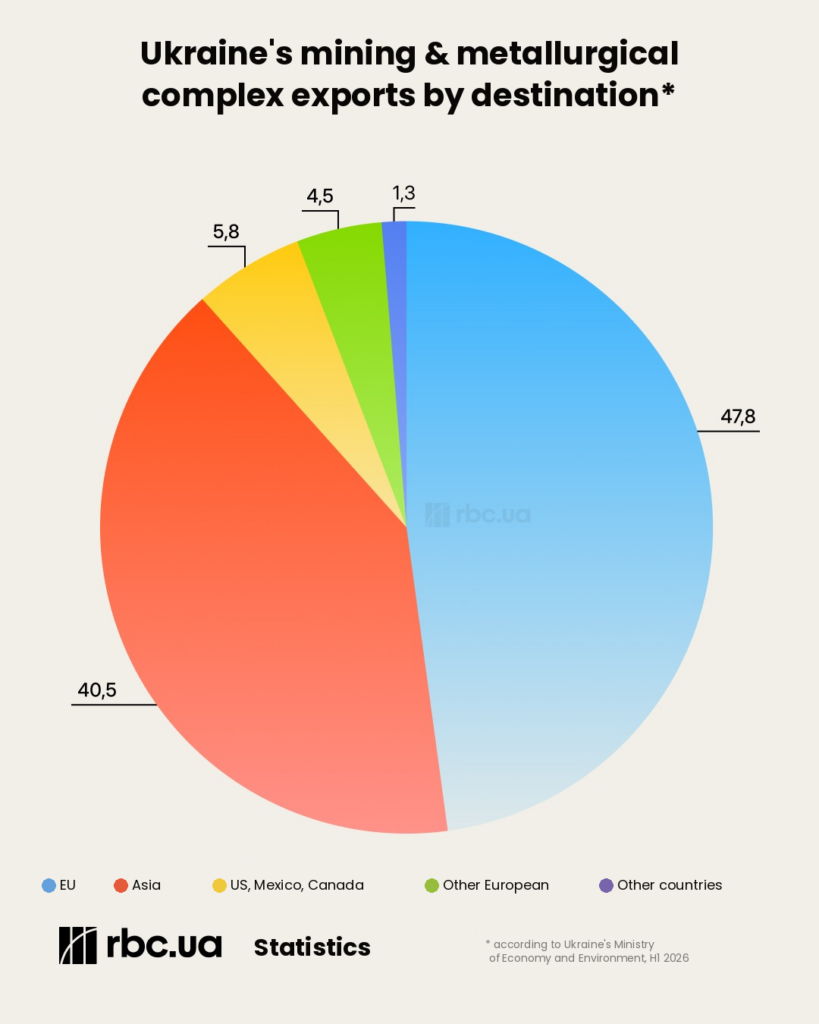
Ukraine's mining and metallurgical complex exports by destination. Infographic: RBC Ukraine

The steel sector generated 6% of Ukraine's GDP last year, brought in 13% of all foreign-currency earnings, and paid UAH 27 billion (about $606 million) into budgets between January and July. Deputy chair of the parliamentary economic committee Dmytro Kysylevskyi called the situation "a perfect storm."

Meanwhile, Türkiye re-rolls Russian slabs and sells the resulting steel on Ukraine's domestic market. China uses cheap Russian energy to undercut Ukrainian prices.

"We are effectively importing Russian metal in the form of finished products," Ukrmetalurhprom President Oleksandr Kalenkov said.

ArcelorMittal calls for a Cabinet rescue resolution

ArcelorMittal Kryvyi Rih CEO Mauro Longobardo said the government should pass a dedicated Cabinet resolution assigning specific tasks and deadlines to multiple agencies at once.

"No single agency can solve the full set of problems. Without a single document with assigned responsibilities and deadlines, each issue is dealt with in isolation and stalls," ArcelorMittal Kryvyi Rih representatives said.

The resolution should cover EU negotiations on deferring the carbon border tax (CBAM) until at least the end of martial law plus one year, restoring steel quotas to last year's level, stabilizing rail tariffs, securing long-term electricity contracts for industry, and launching anti-dumping investigations against Turkish and Chinese imports, Longobardo said.

Ukraine's Economy and Environment Ministry said it is in talks with the European Commission on easing CBAM and expanding quotas. A Cabinet source told the outlet that Black Sea trade negotiations with Russia are possible in October, after the Duma elections that ended on 20 September.

  •  

Explosives found meters from the drone that crashed near a Bundeswehr air base—investigators say it matches the GRU’s Leipzig attack devices

explosives found meters drone crashed near bundeswehr air base—investigators say matches gru's leipzig attack devices · post police officers search debris wunstorf base lower saxony germany 15 2026 german dpa

Investigators found what they believe is explosives meters from a crashed drone near the Bundeswehr's Wunstorf air base in Lower Saxony, Germany, and the device matches the construction of drones used in the GRU-attributed Leipzig airport attack, Süddeutsche Zeitung, NDR, and WDR reported on 22 September. Germany's federal prosecutor and the Federal Criminal Police Office (BKA) have taken over the investigation, and the same reporting traced one of the Leipzig suspects to a sanctioned GRU colonel who directs sabotage against countries arming Ukraine.

Russia's sabotage campaign against countries supporting Ukraine has escalated from arson packages and recruited proxies to explosives-laden drones targeting military infrastructure inside NATO. Germany's military counterintelligence has attributed repeated sabotage on German soil to Russia, while Finnish President Stubb called the broader alarm about Russian threats an "overreaction"—a position the accumulating evidence from Germany and Poland does not support.

Explosives found days after the drone crash

A farmer discovered the drone, broken into several pieces, on the evening of 14 September, about one kilometer from the Wunstorf air base, Militarnyi reported. Days later, police found a suspicious substance just meters from the crash site. Security sources told SZ, NDR, and WDR they believe it is an explosive, though forensic analysis has not yet been completed.

The drone's design is similar to the devices used in the Leipzig airport attack on 4 August, when attackers tried to destroy Ukrainian cargo planes with explosives-laden drones. At least one component was manufactured using a 3D printer, the reporting found. Investigators believe the drone may have been near the military airfield for a long time—possibly up to two years.

Wunstorf air base houses the Bundeswehr's entire A400M transport fleet. The facility is Germany's central hub for moving troops and materiel worldwide. An explosives-laden drone near this base would represent a direct threat to the Bundeswehr's central global logistics hub.

The Wunstorf find was discussed at the weekly intelligence briefing in the Chancellery on 22 September, the outlets reported.

Leipzig suspect linked to sanctioned GRU colonel

The federal prosecutor's investigation connects the Wunstorf case to the Leipzig attack. In that case, Germany's government has officially blamed Russia. Two suspects were identified: Oleg L., a Latvian with a Russian passport, and Andrei K., a dual Belarusian-Russian citizen whose DNA was found at the Leipzig scene.

SZ, NDR, and WDR reported that Oleg L. maintained years-long contacts with GRU Colonel Denis Smolyaninov. The EU sanctioned Smolyaninov for directing sabotage operations against countries supporting Ukraine. Andrei K. had previously been noticed for minor offenses in the Baltic states and Finland and entered Germany on an Italian tourist visa. Moscow denied involvement in the Leipzig attack.

A drone violated the no-fly zone around NATO's missile shield base in Poland

The Wunstorf case came to light in the same week that a drone violated the no-fly zone around the US-operated Aegis Ashore missile defense base in Redzikowo, northern Poland, on 15 September.

Polish troops guarding the facility called civilian emergency services instead of neutralizing the drone, TVP World reported. Poland's defense ministry said the drone was a civilian device that "posed no threat" and remained under military surveillance, but Defense Minister Władysław Kosiniak-Kamysz ordered a full report into the incident.

  •  

Vivaldi’s secret weapon was the targeting, not the robots: Third Corps reconnaissance mapped Russian command nodes, then hit them to cause panic

vivaldi's secret weapon targeting robots third corps reconnaissance mapped russian command nodes hit cause panic · post graphic ukraine's army / telegram під час операції вівальді нрк десантували щоб порушити

Ukraine's Third Army Corps dropped kamikaze ground robots on Russian command nodes identified by reconnaissance during Operation Vivaldi, a corps intelligence officer told Radio NV. The strikes aimed to break command coordination and force Russia to divert combat troops to guard its own headquarters, while a parallel campaign destroyed a diesel pipeline that fed about half the daily fuel needs of Russia's entire West grouping.

Russia's full-scale war against Ukraine is now in its fifth year, with Moscow pushing simultaneously along the front and striking cities behind it with drones, cruise and ballistic missiles, and glide bombs. The Vivaldi operation is the first time Ukraine has publicly shown how a reconnaissance-to-robot strike chain works against command nodes without risking infantry, a method that could be replicated across other sectors where Russia's coordination depends on forward headquarters within drone range.

Reconnaissance identified command nodes, robots hit them

One of the tasks set by corps commander Brigadier General Andrii Biletskyi was to disrupt command and communications in the Russian chain of command, the officer said. Brigade and corps reconnaissance identified areas where a strike could break Russian control.

"Reconnaissance of the brigades and the corps identified such areas that could affect the disruption of enemy command. It was into these areas that robots were dropped to create panic, disrupt command, and prevent the enemy from being effective," the officer told Radio NV.

To protect their command posts from the robots, Russian forces had to pull in additional personnel—troops that could not then be used to resist the Third Corps' ground assault.

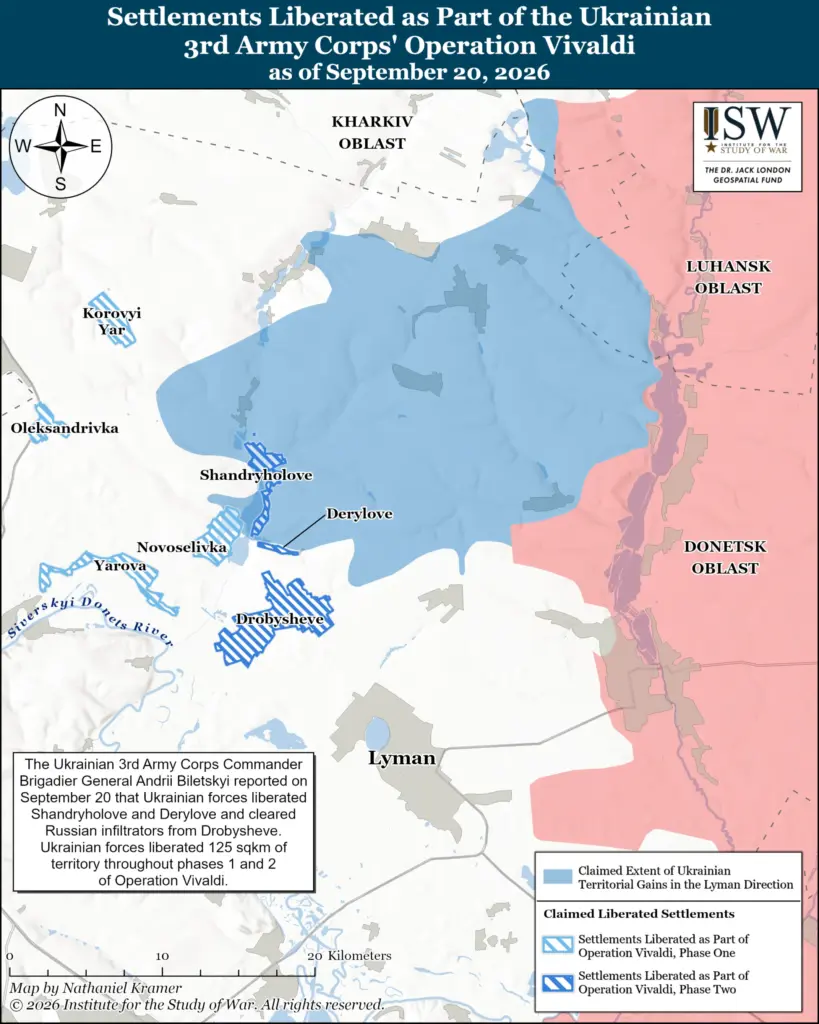
Map: ISW

The Third Corps announced on 20 September that heavy bomber drones delivered kamikaze ground robots more than 10 km behind Russian lines, calling it a world first.

The same intel operation identified a frontline diesel pipeline

The same intelligence operation uncovered a pipeline running from Voronezh Oblast to temporarily occupied Luhansk Oblast. The pipeline carried finished diesel, not crude oil, and supplied about 50% of the daily fuel needs of Russia's forces on the direction, the officer said.

The corps struck both the intake point where fuel entered the pipeline and the output point where it was loaded onto tankers. The strikes forced Russia to dismantle the pipeline entirely. Russian forces now truck fuel from Voronezh Oblast, a 400 km supply run.

The pipeline's destruction affected not just the Lyman direction but the entire West grouping, including the Kupiansk and Borova directions, the officer said. The logistical disruption left frontline Russian drone units unable to refuel generators to charge batteries, and electronic warfare systems had to operate in a reduced mode.

Repair bases struck, 250 km logistics detour

Third Corps intelligence also located the repair base of Russia's 20th Army and its 144th Division. Ukrainian strikes during the preparatory phase forced Russia to relocate the base to Voronezh Oblast, increasing the repair route to 250 km.

Russia's 20th Army and its 144th Division, reinforced by assault detachments from the First Tank Army, remain the main strike force on the Oskil-Sviatohirsk direction, the officer said. The First Tank Army has been sending additional assault units to stabilize the Russian defensive line after Vivaldi, but these reinforcements are taking critical losses on logistics routes before reaching the combat zone.

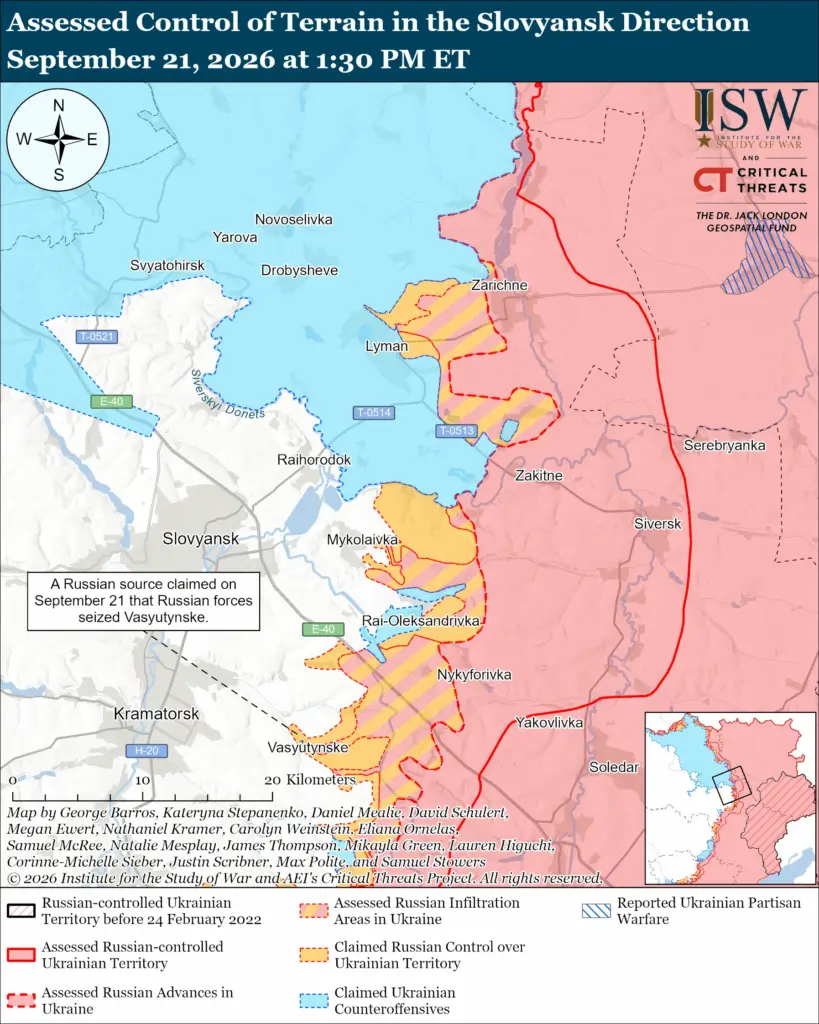
vivaldi's secret weapon targeting robots third corps reconnaissance mapped russian command nodes hit cause panic · post isw slovyansk-direction-september-21-2026 ukraine news ukrainian reports

Rubikon pulled out, Russian drone units at 70–90% strength

The officer said the corps headquarters specifically targeted Russia's most effective drone formations. During the preparatory phase, the elite Russian drone unit Rubikon was identified as a critical threat that could isolate the area of operations and obstruct Ukrainian maneuver.

Ukrainian reconnaissance located and passed targeting data to strike assets. Rubikon suffered heavy losses in equipment and personnel, and a senior Russian commander—misjudging the Third Corps' offensive potential—pulled the unit to rear areas for recovery at what turned out to be the worst possible moment, just as Ukraine's assault began.

Russian drone units on the direction are now staffed at 70–90%, the officer said. The corps is working to degrade their capability through targeted strikes on launch sites, pilot positions, and logistics in the second and third echelons.

Four seasons, two public

The officer said Russia's current task is to stabilize its defensive line, restore its observation network, and bring in additional reserves for counterattacks. Russia does not have enough personnel and will have to pull troops from training grounds before they finish their courses, shortening training cycles.

Operation Vivaldi has at least four "seasons," of which only the first two have been made public. The operation's name refers to Italian baroque composer Antonio Vivaldi, and The Four Seasons is his best-known set of four violin concerti.

Biletskyi confirmed the liberation of Shandryholove, Derylove, and full control over Drobysheve on 20 September, bringing the total to 40 km² of freed territory in the second season alone. Russian losses have reached an estimated 3,000 personnel overall, over 12,000 drones in the first season, and hundreds of vehicles, according to the Third Corps. ISW assessed that the operation disrupted Russia's plan to encircle the fortress belt of Donetsk cities—Sloviansk, Kramatorsk, Druzhkivka, and Kostiantynivka.

  •  

300 Russian shadow fleet ships disabled in 11 weeks—the Azov Sea is at a standstill, Ukrainian drone force commander says

300 russian shadow fleet ships disabled 11 weeks—the azov sea standstill ukrainian drone force commander says · post seen cameras moments before strikes strike thats about thme telegram madyar ukraine

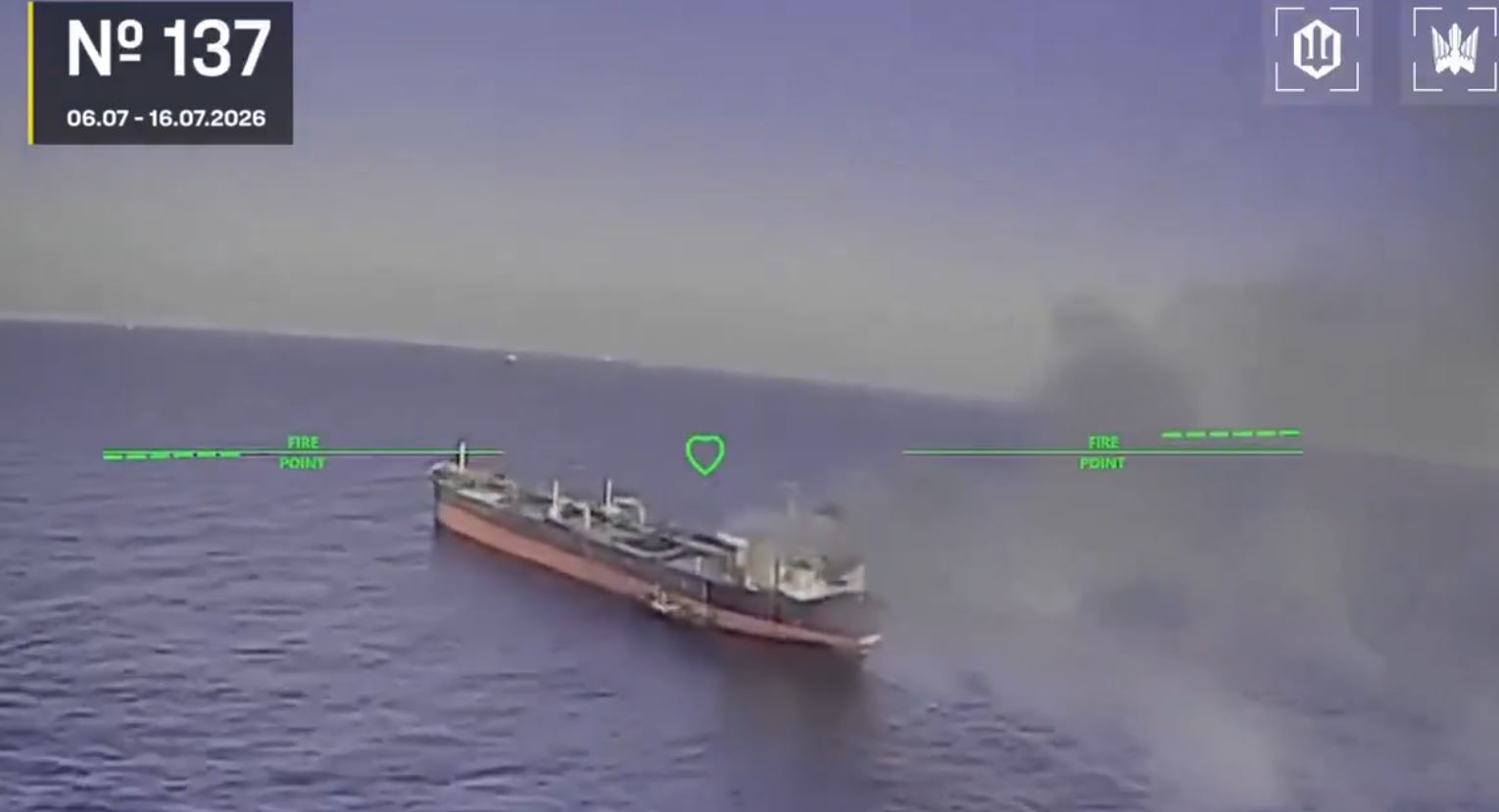
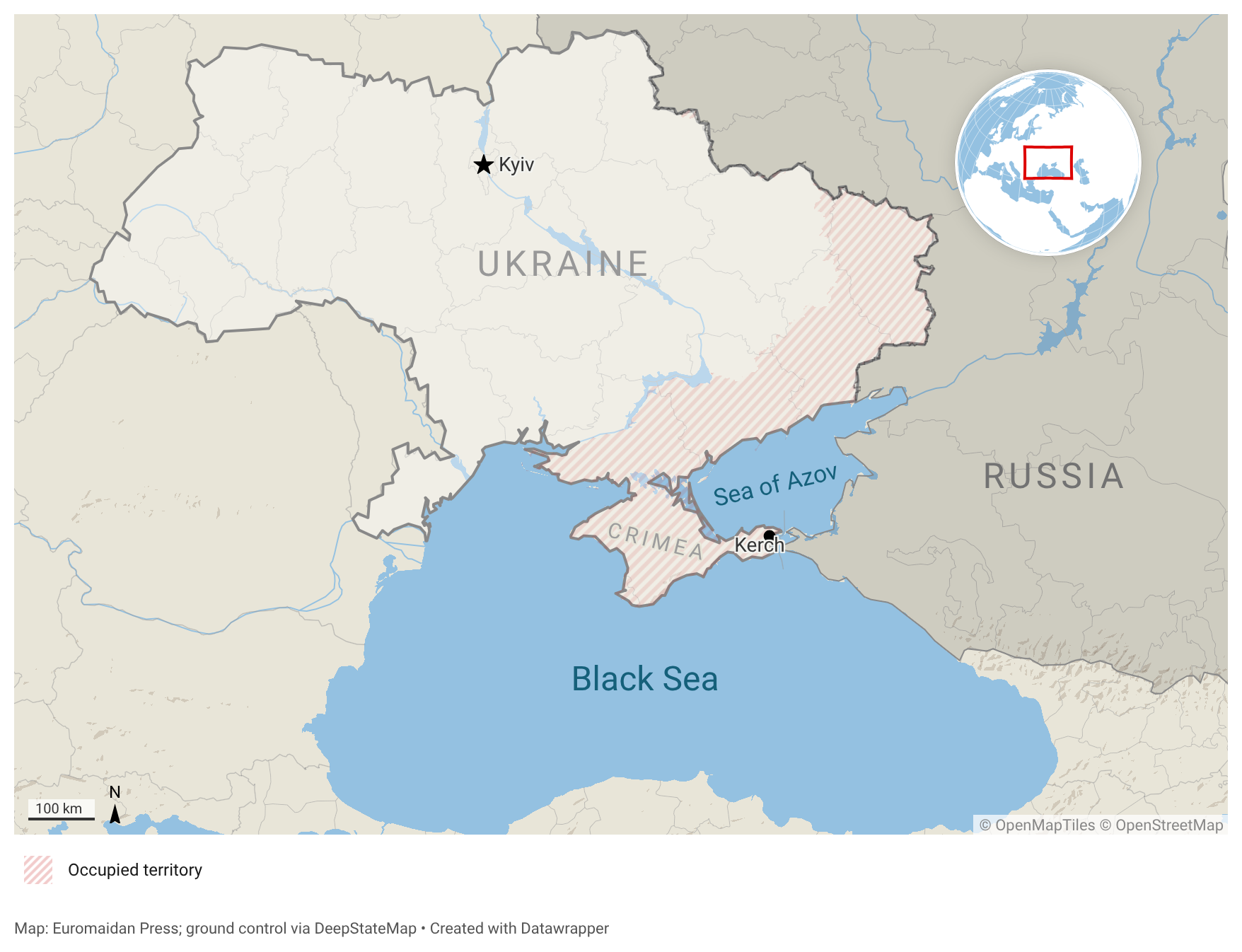
Operation MoLoChKa has now disabled 300 Russian shadow fleet ships in 11 weeks, SBS commander Robert "Madyar" Brovdi announced. The Unmanned Systems Forces (SBS) campaign has frozen the Azov Sea and the Kerch Strait, Brovdi said.

The Black and Azov seas have turned from Russian supply corridors into contested waters where Russia's shadow fleet—the aging tanker armada it uses to evade oil sanctions—now moves at its own risk, according to the SBS.

134 in the Azov, 166 in the Black Sea

SBS drones struck 134 vessels in the Azov Sea and 166 in the Black Sea since Operation MoLoChKa began on 6 July, the SBS wrote—all, Brovdi specified, stripped of the ability to move under their own power. He called it the "300th fleet," playing on the Ukrainian army's code for a wounded man, and "a suitcase without a handle and a torment for the worm budget."

The Azov Sea "stands and will stand, together with the Kerch Strait," Brovdi said. The northern and northeastern Black Sea operates on what he called a "maybe we'll slip through" gamble.

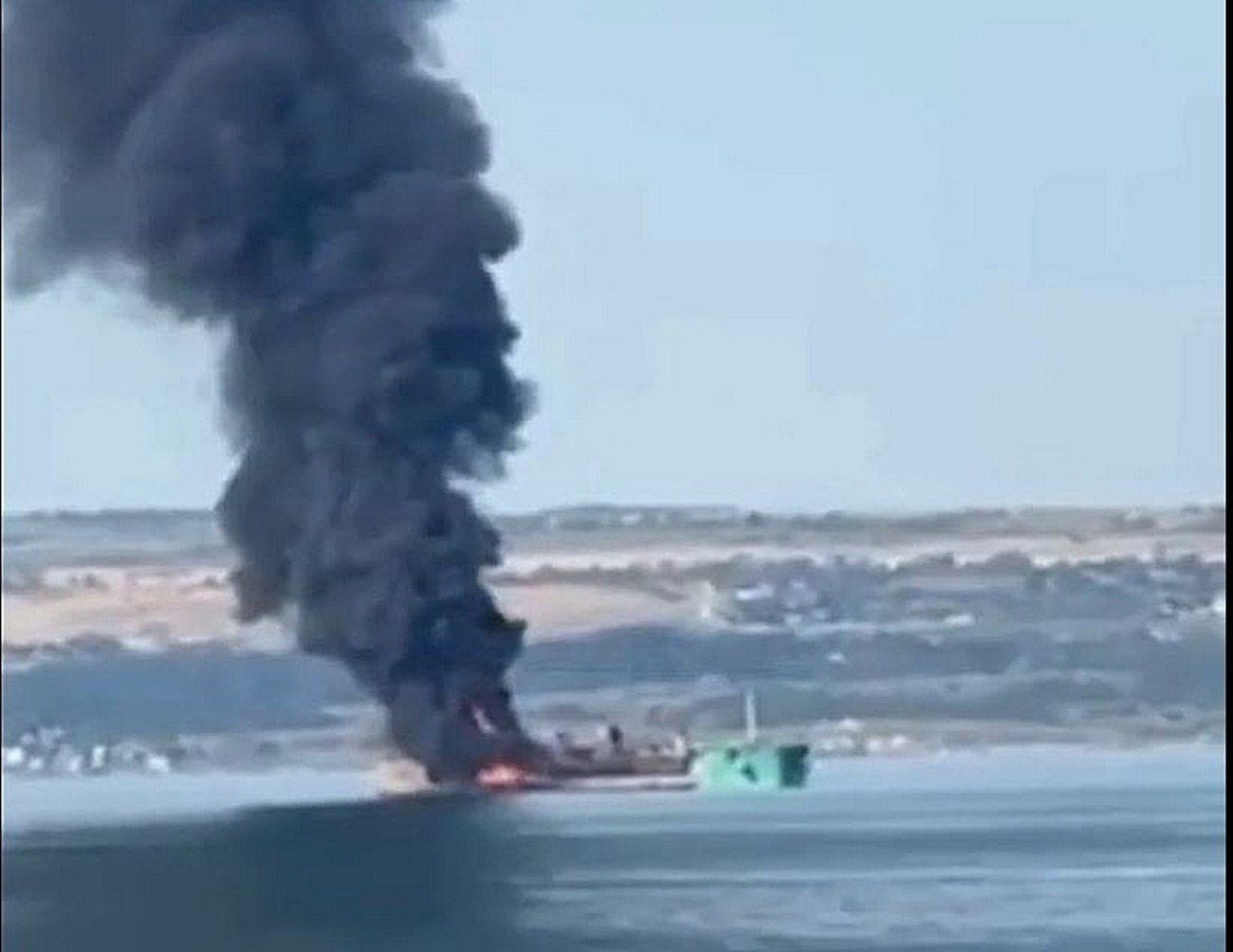
isw ukraine has opened new phase crimea's isolation hunting seaborne fuel tankers · post russian tanker burns off sea azov coast after ukrainian drone strike ablaze exilenova+ 1 appears have
A Russian tanker burns off the Sea of Azov coast after a Ukrainian drone strike. Photo: Exilenova+/Telegram

The 300-ship count is the latest in a rapid progression. The SBS reported 201 vessels disabled by 29 July—just three weeks into the operation—when Brovdi said Crimea's supply route was "blocked indefinitely." By 11 September, the tally had reached 285, with 215 struck in July, 54 in August, and 16 in the first 11 days of September. The pace slowed as traffic in the strike zone thinned out.

The SBS figures are the unit's own and cannot be independently verified.

ukraine's spy service navy team up strike two russian crude tankers black sea · post shadow-fleet tanker marked 137th vessel struck 6–16 2026 operation sight ukrainian drone sbs video oil
Explore further

Ukraine hits 201 Russian shadow fleet ships in three weeks. Commander says Crimea’s supply route is now blocked indefinitely

Commercial shipping retreating from Russian ports

In late August, MSC Mediterranean Shipping Co., the world's largest container carrier, suspended new bookings for transport through the Russian port of Novorossiysk. Russia itself closed the Don-Azov shipping channel and the Kerch Strait in July after the opening wave of strikes.

By early August, Ukraine had turned Novorossiysk—Russia's main Black Sea export gateway—into a chokepoint, and in mid-August Ukrainian forces struck four Russian warships there in a single night. A 141-meter vessel disappeared near Novorossiysk the same week.

crimea black and azov sea reusable

A parallel campaign against Crimea's power grid

The SBS is running a second operation alongside MoLoChKa. Operation Crimean Switch Off, also launched on 6 July, had struck 374 energy nodes across occupied Crimea and other occupied areas in eastern and southern Ukraine by 10 September. The campaign has blacked out Crimea on multiple nights. Brovdi has said the SBS could strike seven times more targets with faster funding.

  •  

Trump announced a “massive” potash deal with Belarus—Lukashenka said the same day there is no spare potash to sell

trump announced massive potash deal belarus—lukashenka said same day spare sell · post alyaksandr lukashenka vladimir putin valaam island russia 1 2025 presidentgovby putin_lukashenko ukraine news ukrainian reports

US President Donald Trump announced a "massive deal" to buy Belarusian potash at prices far below what the US pays Canada, but Belarusian dictator Alyaksandr Lukashenka publicly contradicted him the same day, saying Belarus has no spare volumes to sell.

Washington has spent a year courting Lukashenka with sanctions relief and envoy visits in pursuit of both prisoner releases and trade openings—but the potash episode shows the limits of that courtship when the dictator's own supply chain cannot deliver what the US President has already promised his voters.

Trump promised cheaper potash for American farmers

Trump wrote on Truth Social on 21 September:

"The United States is working on a massive Deal with respect to the purchase of Potash from Belarus. The pricing would be for substantially less than we are currently paying to Canada, very good news for our Farmers and Ranchers."

Potash is a key ingredient in fertilizer. Canada is the world's largest supplier—the US takes 53% of Canadian potash exports, and 80% of the potash American farms use comes from Canada. Canadian potash remains exempt from US tariffs despite the ongoing trade war between the two countries.

The announcement came as Trump's trade dispute with Ottawa deepened—he recently called Canada a "terrible trade partner," and on 16 September European Commission President Ursula von der Leyen offered Canada associate EU membership, which Trump said could be a "hostile act."

Lukashenka said all output is contracted

The same day, Lukashenka told officials Belarus cannot deliver. "Even if we wanted to supply potash to other, Western markets, we simply do not have those volumes—everything is contracted," he said during a meeting with the head of Belarus's State Customs Committee, Uladzimir Arlouski.

Arlouski reported that 85% of all Belarusian exports and imports now move eastward—primarily to China, other Asian countries, and Russia. Budget revenues grew almost 3.5% over eight months, and 5.2% so far this month.

U.S. Special Envoy for Belarus John Coale meets self-proclaimed president Aliaksandr Lukashenka. Photo: BelTA
2026

Trump’s State Department refused to recognize Lukashenka in 2020. Today he’s a “friend.”

A deal built on sanctions relief and prisoner swaps

The potash announcement followed a year-long US effort to engage Lukashenka. Washington lifted sanctions on Belarus's potash industry in exchange for the release of hundreds of political prisoners. US special envoy John Cole has played the central role, meeting Lukashenka last week and securing the release of 25 prisoners—far fewer than the 200 he had previously promised.

Over the course of Cole's effort, at least several hundred people have been freed, among them Nobel Peace Prize laureate Ales Bialiatski and Siarhei Tsikhanouski, husband of the internationally recognized winner of Belarus's 2020 presidential election. But human rights groups and freed prisoners say Lukashenka runs a "carousel"—arresting new political opponents to replace the ones he releases. Lukashenka denied this. "There are no political prisoners in Belarus," he claimed during last week's meeting with Cole.

With US midterms six weeks away on 3 November and the Republican Party struggling in the polls, Trump has been scrambling for wins on fuel and food prices. The same week, he urged Zelenskyy to stop hitting Russian refineries, blaming Ukraine rather than his own war with Iran for record US diesel prices—a move a senior European official told Politico was a search for "scapegoats."

  •  

Ukraine shut down this Samara refinery in June—now its drones are back, and both distillation units are burning again

one refinery night moscow ufa now samara—ukraine working through russia's fuel chain · post smoke plume burning kuibyshev stretching across samara skyline 22 2026 exilenova 5877644049043362820 ukraine news ukrainian reports

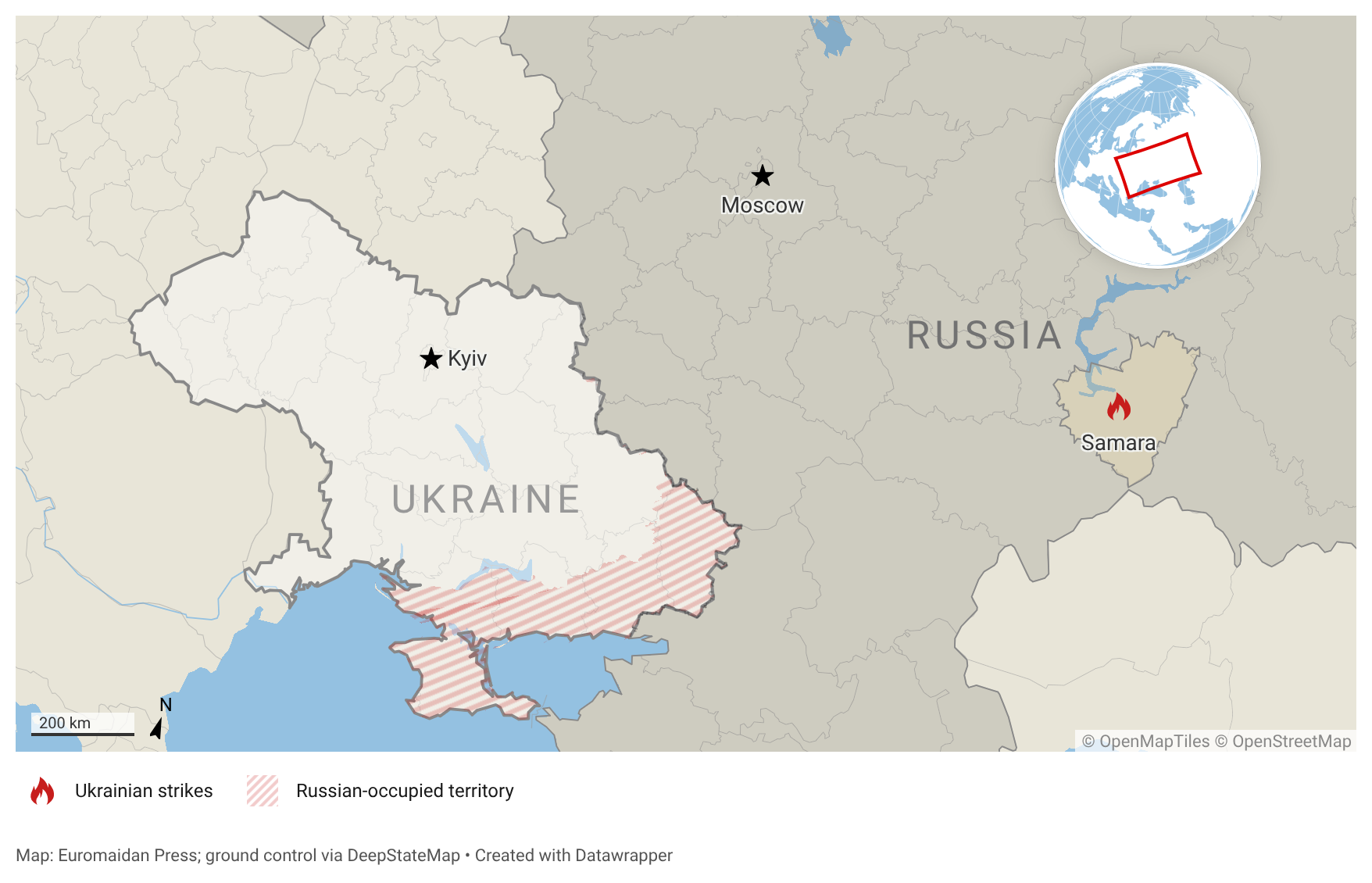
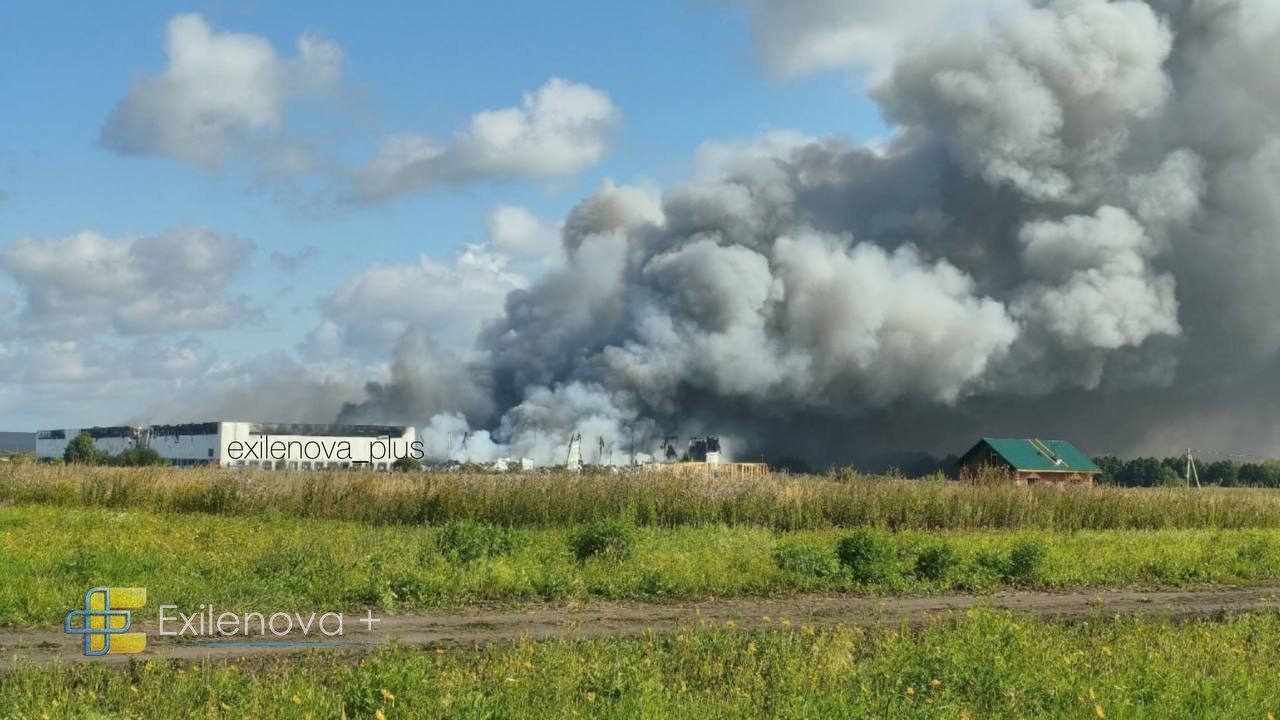
Ukrainian drones struck Rosneft's Kuibyshev refinery in Samara overnight on 22 September, hitting two primary crude-processing units and triggering a large fire, Ukrainian drone and missile maker Fire Point confirmed. The strike is part of Ukraine's ongoing campaign against the fuel infrastructure that sustains Russia's war—the same plant had to halt crude processing after a drone attack in June. The attack came one day after US President Donald Trump for the second time in a week urged Ukraine's leader, Volodymyr Zelenskyy, to stop the refinery campaign.

Ukraine strikes Russian refineries to degrade the fuel supply that funds and sustains Russia's invasion—every barrel of diesel or aviation fuel that never leaves a wrecked distillation column is a barrel that cannot power Russian tanks, aircraft, or export revenue. With nearly half of Russia's refining capacity now offline, the campaign has become one of Ukraine's most effective tools for raising the economic cost of the war. 

FP-1 drones hit both primary processing units

Fire Point said its FP-1 drones struck the Kuibyshev refinery, hitting the AVT-4 and AVT-5 atmospheric-vacuum distillation units—the plant's primary crude-processing installations. A large fire broke out on the refinery grounds. The Kuibyshev refinery is part of Rosneft and has a designed processing capacity of about 7 million tons of crude oil per year. It is located more than 900 km from the war zone in Ukraine.

one refinery night moscow ufa now samara—ukraine working through russia's fuel chain · post smoke kuibyshev fire seen residential neighborhood samara 22 2026 exilenova 5877644049043362825 ukraine news ukrainian reports
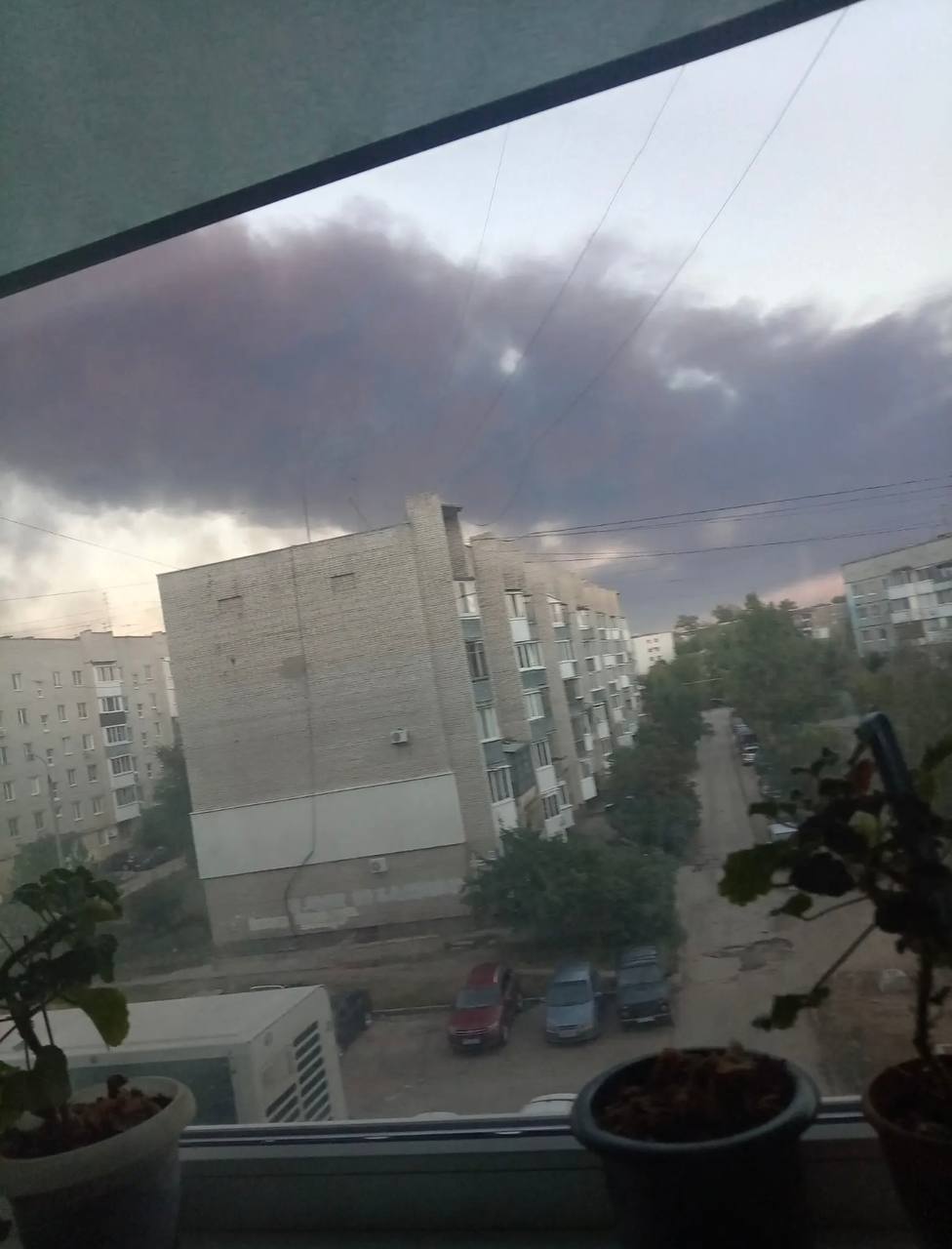
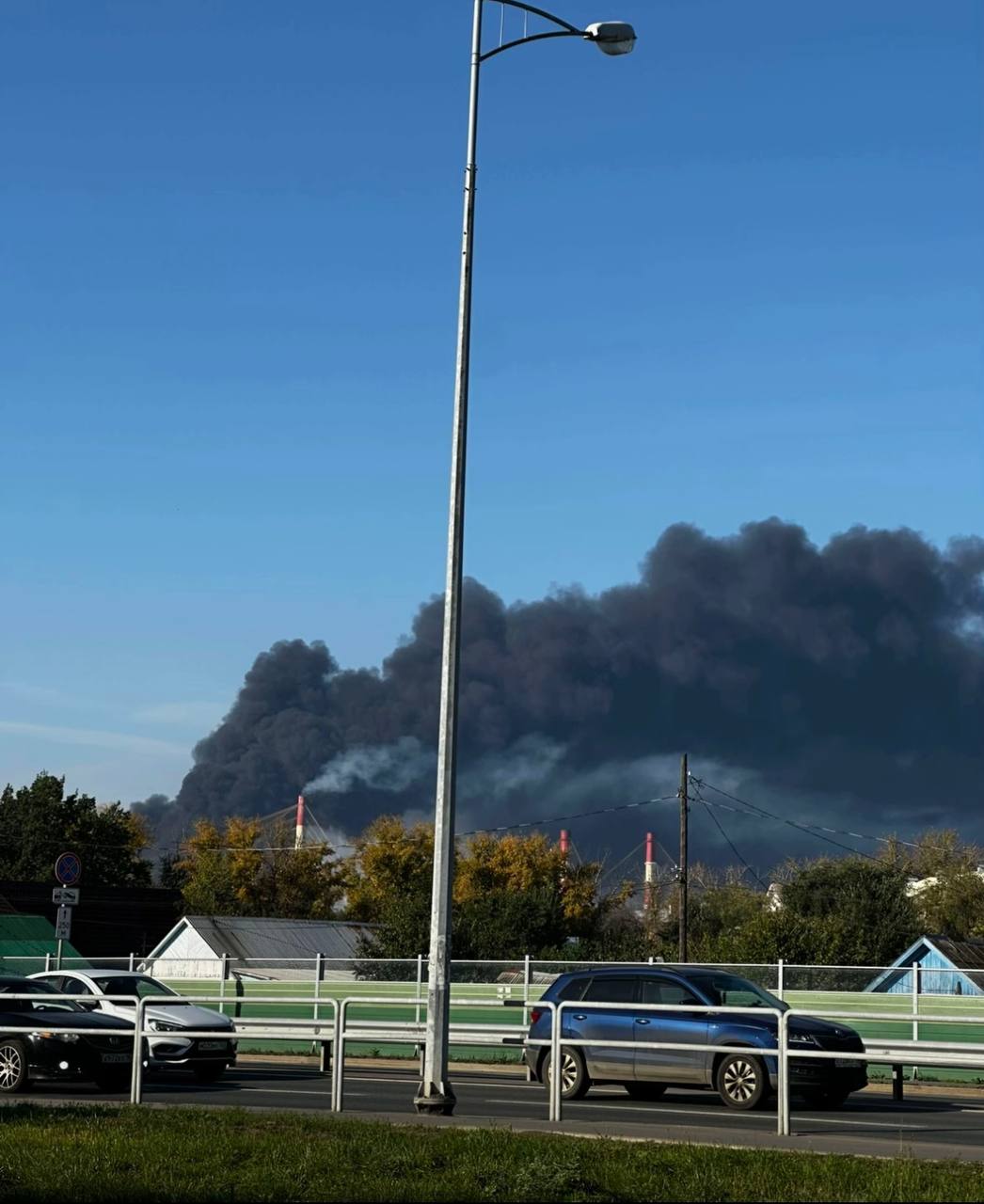
Smoke from the Kuibyshev refinery fire seen from a residential neighborhood in Samara, 22 September 2026. Photo: Exilenova+
In 2024, the plant processed 4.7 million tons of crude and produced about 800,000 tons of gasoline, 1.4 million tons of diesel, and 1.3 million tons of fuel oil.

Samara, moment of attack pic.twitter.com/U47yrene3z

— Exilenova+ (@Exilenova_plus) September 22, 2026

Ukrainian Telegram channel Exilenova+ began reporting explosions and air defense activity in Samara Oblast at 3:50 a.m. By 4:24 a.m., the channel posted videos showing a night fire at the refinery. OSINT channel World Militaries identified the AVT-5 unit as the initial fire site.

one refinery night moscow ufa now samara—ukraine working through russia's fuel chain · post geolocation samara fire worldmilitares / telegram osint tg 5010492582932450907 ukraine news ukrainian reports
Geolocation of the Samara fire. Source: world.militares / Telegram

Russian news Telegram channel Astra separately confirmed the fire at the Kuibyshev refinery.

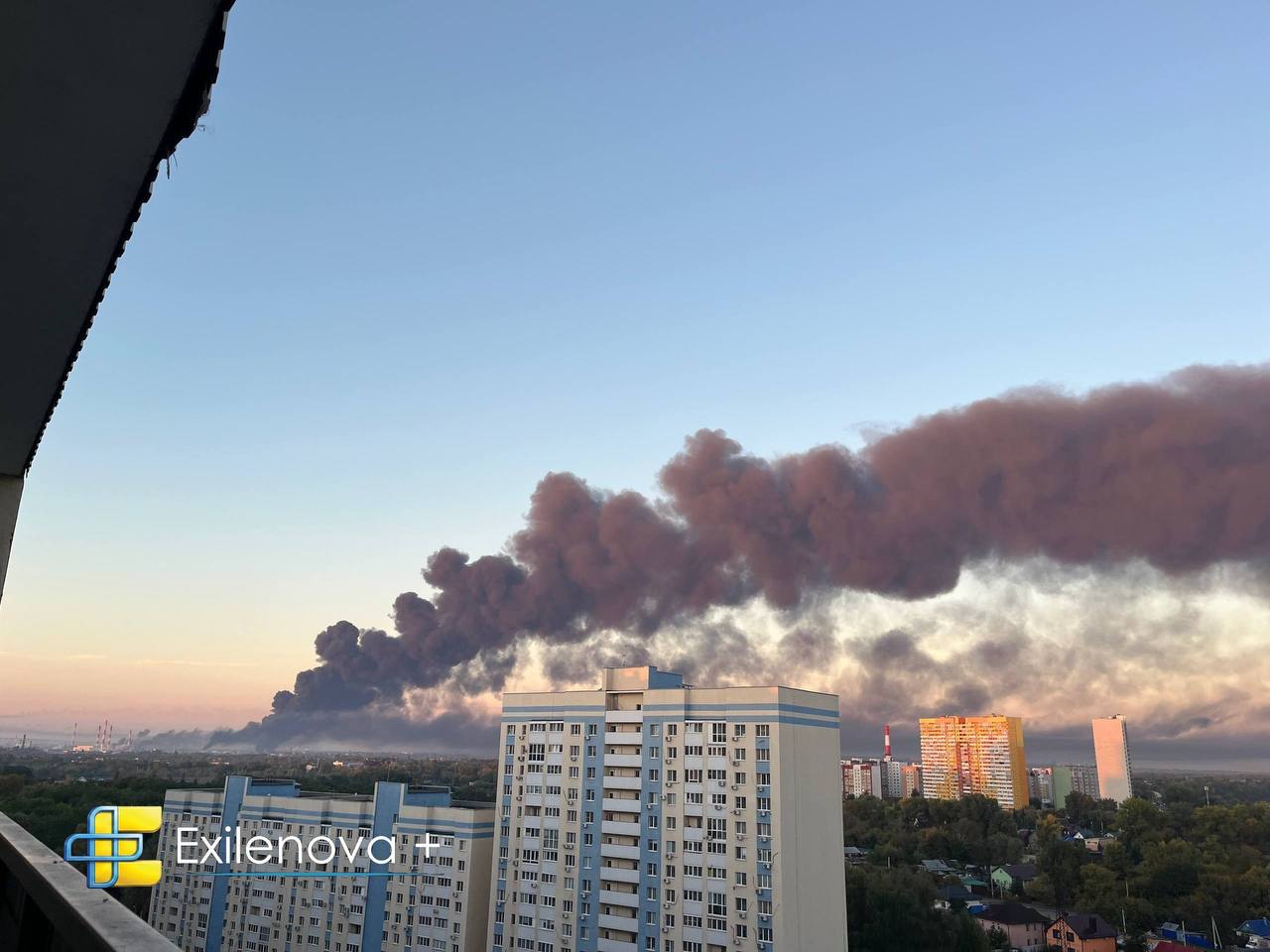
By morning, the fire was still burning. The smoke plume stretched about 100 km across Samara Oblast, Exilenova+ reported.

Smoke from the Kuibyshev Oil Refinery in Samara has already stretched for 100 km across Russian territory. pic.twitter.com/U5KQ0v1eTW

— Exilenova+ (@Exilenova_plus) September 22, 2026

The Kuibyshev refinery stopped processing crude in June 2026 after Ukrainian drones hit its AVT-4 and AVT-5 units—the same pair now struck again. Each unit processes about 10,000 tons of crude per day, or roughly 73,000 barrels. The refinery had also suspended operations after a drone attack in August 2025.

Samara on the map reusable

Other targets in the overnight wave

Exilenova+ also reported that Ukrainian forces struck a military base in the city of Pochep in Bryansk Oblast overnight, with fire observed at the site. Residents of Tolyatti in Samara Oblast reported explosions, and witnesses suggested the Tolyattikauchuk synthetic rubber plant had been hit, Suspilne reported.

Samara Oblast Governor Vyacheslav Fedorishchev confirmed the attack, claiming Russian air defenses intercepted "dozens of drones." He said drones "targeted industrial enterprises" but did not name which ones. Russia's Defense Ministry claimed 297 Ukrainian drones were intercepted over 14 oblasts and occupied Crimea.

one refinery night moscow ufa now samara—ukraine working through russia's fuel chain · post black smoke kuibyshev fire seen highway near samara 22 2026 exilenova 5877644049043362821 ukraine news ukrainian reports
Black smoke from the Kuibyshev refinery fire seen from a highway near Samara, 22 September 2026. Photo: Exilenova+

Part of an ongoing campaign against Russian fuel infrastructure

Ukraine's General Staff confirmed strikes on both the Bashneft-UNPZ refinery in Ufa and the Kuibyshev refinery in Samara, with fire observed at both sites. Ukraine has been striking Russian refineries continuously for months—hitting targets in Saratov and Volgograd on 11 September, Slavyansk-na-Kubani on 14 September, Syzran on 15 September, Yaroslavl on 17 September, and Ufa on 21 September, the night before the Kuibyshev strike. Earlier, the General Staff said the campaign has disabled 45% of Russia's oil-refining capacity. The strikes have also pushed Russia's fuel crisis into Central Asia, where shortages forced Kazakhstan to seek emergency supplies.

one refinery night moscow ufa now samara—ukraine working through russia's fuel chain · post smoke plume kuibyshev fire seen high-rise samara 22 2026 exilenova 5877644049043362770 ukraine news ukrainian reports
Smoke plume from the Kuibyshev refinery fire seen from a high-rise in Samara, 22 September 2026. Photo: Exilenova+

Trump urged Zelenskyy to stop the campaign for the second time in a week during their 21 September call, telling him "don't hit diesel fuel" and blaming Ukrainian strikes—not the Iran conflict—for rising US diesel prices.

Each plant hit again after a previous shutdown means Russia's repair cycle cannot keep up—the forced downtime compounds, diesel exports are already banned, and gasoline production is falling faster than alternative supply from Kazakhstan or anywhere else can replace it.
  •  

Moldova counted 39 Russian drone incursions in eight months, against 17 in all of 2025

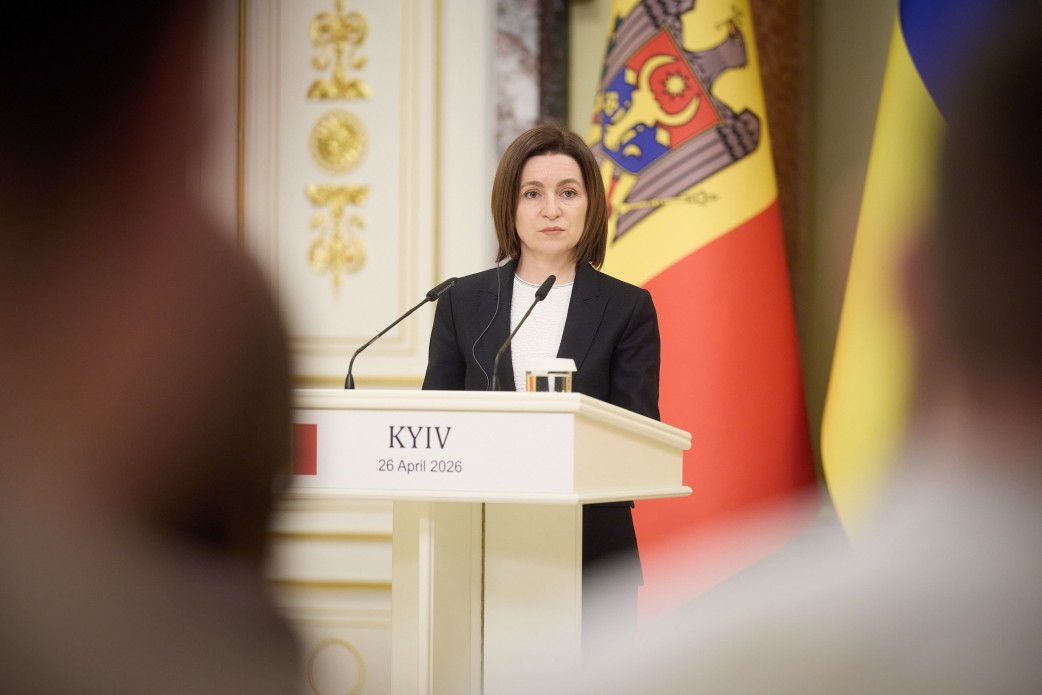
moldova counted 39 russian drone incursions eight months against 17 all 2025 · post maia sandu chairs meeting moldova's national security council 21 2026 sandu/facebook ukraine news ukrainian reports

Russian drones have entered Moldovan airspace 39 times since the start of 2026, against 17 in all of last year, President Maia Sandu said after a meeting of the country's National Security Council, Liga reported. Moldova's military can defend individual sites and little more, and Sandu said the country has to speed up building air defenses it spent three decades without. The council also ordered better protection for the energy facilities the country runs on, drones included.

Russia's drone war has outgrown Ukraine's borders, and the countries around it answer with what they have: Poland scrambles jets and extends sirens along its eastern edge, Italian fighters under NATO command downed a Geran over Lithuania, Romanian F-16s shot down three drones over the Danube delta in a single 72 hours. Moldova is the one state in that arc with no alliance behind it and no interceptors of its own, so nothing over its territory stops a drone or costs Russia anything for sending it, which is how a violation hardens into a routine.

What Moldova has to shoot with

Moldovan forces hold portable anti-aircraft missiles, anti-aircraft machine guns, and electronic warfare equipment, Sandu said. Their capabilities are mostly limited to protecting individual pieces of critical infrastructure. Three decades of ignoring air defense will not be paid off in five, she said, and Moldova is working with partners to speed the process up.

The military is now working to extend the range its air defenses cover. Moldova received €120 million from the EU to buy a medium-range system, and it is looking with international partners for more modern and cheaper ways to bring drones down.

Chișinău is also deepening cooperation with countries in the region to receive and pass on threat data faster. Interception is the part Moldova cannot yet do: Romania has shot down drones that reached it after crossing Moldovan territory, while Moldova mostly records them.

romania's jets shoot down bulgaria's navy blows up moldova only now funding air defense russia hits ukraine · post moldovan president maia sandu kyiv anniversary chernobyl nuclear disaster 26 2026
Explore further

Moldova is investing in air defense against the Russian drones crossing from Ukraine—Romania shoots down the ones that reach it

A month of incidents

The pace has picked up this month. A drone tracked over Moldova on 8 September held up seven flights, among them Volodymyr Zelenskyy's plane as it took off for King Harald V's funeral in Norway.

Three days later, Moldova temporarily withdrew its staff from three border crossings on Ukrainian territory because of the threat of Russian strikes, after Russia hit at least five of Ukraine's western crossings since late August.

On the morning of 18 September, a loud explosion went off near Chișinău and police found drone wreckage at the site. In August, a blast near the village of Talmaza marked the country's third airspace breach in nine days.

Warning the public is the other gap

Moldova is still building the system that would tell people a drone is overhead. MD-Alert needs more time to implement and is costed at €5 million, Sandu said, and until it works the government will use whatever notification mechanisms it already has.

The council that produced the drone count was convened on energy, and its decisions ran from gas reserves and fuel stocks to cyber vulnerabilities. Among them, Sandu wrote, were measures to better protect the facilities the country's energy supply depends on from hostile action, including the danger of drones.

  •  

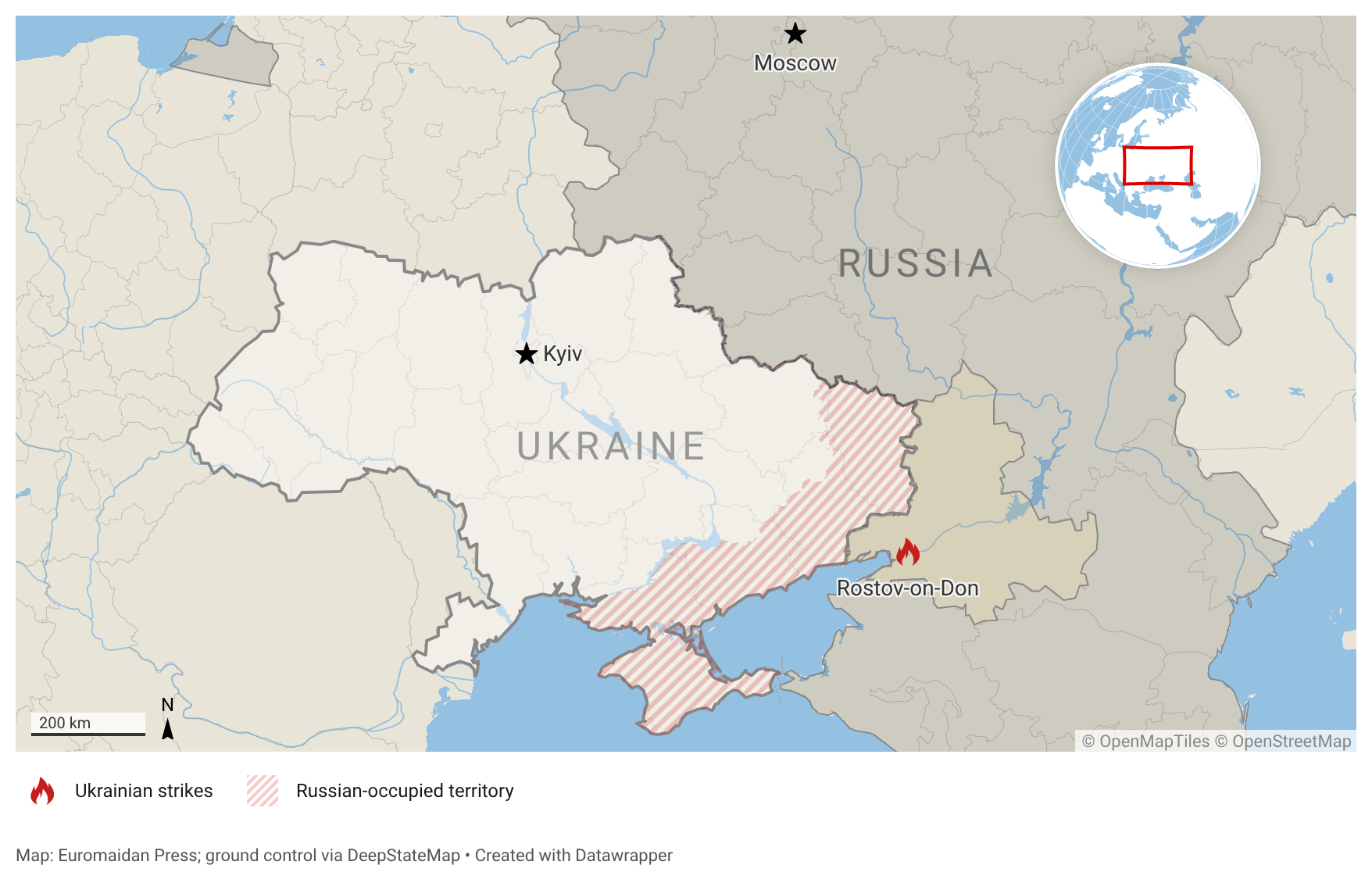
Drones hit Rostov-on-Don for the second straight night—OSINT monitors say the military airbase was likely the target again

drones hit rostov-on-don second straight night—osint monitors say military airbase likely target again · post fire over after ukrainian drone attack 18 2026 пожежа у російському ростові унаслідок атаки українських

Ukrainian drones struck Rostov-on-Don for the second consecutive night, with OSINT channels reporting the military airbase was likely targeted again, Militarnyi reported on 18 September. The previous night's strike hit the same installation, and Ukrainian President Volodymyr Zelenskyy reported the destruction of three military aircraft and three helicopters there.

Russia's full-scale war against Ukraine grinds through its fifth year with Russian military airfields serving as launch pads for guided-bomb strikes on Ukrainian cities and front-line positions. Ukraine's drone campaign against these bases and against the defense-industrial plants that supply them aims to destroy the aircraft, radars, and production lines Russia needs to sustain the war.

Second consecutive overnight strike

The attack began around midnight, Russian news Telegram channel Astra reported. Rostov-on-Don city mayor Aleksandr Skryabin stated around 02:00 that air defenses were active and urged people to take cover indoors.

Rostov Oblast governor Yurii Slyusar claimed more than 50 drones were downed overnight over Rostov-on-Don, Taganrog, Bataysk, and five other districts. He listed damage to private houses, apartment buildings, cars, and gas pipes but made no mention of the airbase.

Ukrainian OSINT channel Supernova+ suggested the airbase was the target again. Krymsky Veter reported a fire near the airfield. However, Astra noted the published footage had not been verified by its OSINT expert, and the results of the repeat strike on the base remain unverified.

Residents told Astra they heard no air-raid sirens and did not know where shelters were located. The Moscow Times reported locals described "deafening bangs" from around 00:30.

drones hit rostov-on-don second straight night—osint monitors say military airbase likely target again · post fire over after ukrainian drone attack 18 2026 пожежа у російському ростові унаслідок атаки українських
Explore further

Drones hit Rostov-on-Don for the second straight night—OSINT monitors say the military airbase was likely the target again

Russia's Defense Ministry claimed 629 Ukrainian drones downed overnight across all regions.

Ukraine's General Staff did not mention the airbase

Ukraine's General Staff reported verified results from several earlier strikes, including a hit on Kombinat Kamensky, a solid-rocket-fuel factory in Kamensk-Shakhtinsky, also in Rostov Oblast. The batch did not mention the Rostov-on-Don airbase. That does not necessarily mean the second attack did not take place—the General Staff can report strike results on the same day or days later, once damage is assessed.

Previous night: reported aircraft kills

The previous strike hit the Rostov-on-Don Central military airfield overnight on 17 September. Zelenskyy reported hits on a military transport An-12, two An-26 aircraft, and three helicopters. The SBU said a fire erupted on the aircraft parking area and secondary detonation of ammunition followed, with local residents reporting a large-scale blaze visible across the city. There is no independent verification of these figures.

drones hit rostov-on-don second straight night—osint monitors say military airbase likely target again · post fire over after ukrainian drone attack 18 2026 пожежа у російському ростові унаслідок атаки українських
Explore further

Drones hit Rostov-on-Don for the second straight night—OSINT monitors say the military airbase was likely the target again

Ukraine's General Staff had earlier reported strikes on the same airfield on 6 September. Ukrainian forces also reported destroying a Podlyot radar and two Pantsir-S1 air defense systems at the base, though no imagery was released.

Ukraine has been systematically targeting Russian military airfields and their air defenses with drones across the front, from occupied Crimea to Rostov Oblast. In August, a combined strike also hit a Rostov Oblast airfield alongside a major refinery.

  •  

Russian e-commerce will lose $4.8 billion to the drone campaign against its warehouses, analysts estimate

warehouse built hold 54 million items fire tambov oblast russia · post helicopter carrying water bucket above burning wildberries logistics center kotovsk 26 2026 exilenova+ ukraine news ukrainian reports

Ukrainian drone strikes on the warehouses of Russia's biggest online marketplaces will cost the country's e-commerce 400 million orders and 400 billion rubles ($4.8 billion) in revenue this year, the research firm Data Insight estimates, The Moscow Times reported. It prices what the campaign has done to a whole consumer market, not only to the companies whose warehouses burned. Sellers are cutting back on the platform at the center of it, and Wildberries' payout delays are pushing some of them out.

Ukraine's long-range drone campaign has widened from military targets to the infrastructure that funds and equips the war, and the country's biggest online marketplaces sit inside that logic: Russians bought $300 million in body armor, thermal sights, and drone components on Ozon in the twelve months to July.

The forecast, cut by a fifth

Data Insight lowered its growth forecast for Russian online retail by 20%, founder Fyodor Virin said. The market will now grow to 9.6 billion orders this year instead of 10 billion, and to 15 trillion rubles ($178 billion) in sales instead of 15.4 trillion.

That is exclusively the effect of the Ukrainian strikes on marketplace warehouses, Virin said, and most of the loss falls on Wildberries. The bombardment of the depots cut sales because goods were unavailable in a given city or entirely, and because delivery times grew as parcels had to travel further.

All of it lands in the second half of the year. Strikes on Wildberries warehouses began on 18 July and on Ozon's on 25 August, according to Virin. Euromaidan Press reported the first strike on an Ozon warehouse on 22 August.

About 30% of the orders that got stuck or disappeared from sale were cancelled outright, Virin estimates. The rest of the unmet demand went mostly to other online platforms and, to a lesser degree, to physical retail. Payout delays that began in mid-August have pushed some sellers to pull their stock, and Wildberries blamed the first missed round on a DDoS attack.

warehouse built hold 54 million items fire tambov oblast russia · post burned-out buildings wildberries logistics center kotovsk 26 2026 exilenova+ ukraine news ukrainian reports
Explore further

A warehouse built to hold up to 54 million items burned down in Tambov Oblast, Russia

What the companies lost

Damage to RWB, the company that runs Wildberries, from the loss of warehouses and infrastructure may reach 147 to 280 billion rubles ($1.7–3.3 billion), while sellers have provisionally lost 445 to 507 billion rubles ($5.3–6 billion), Data Insight's lead analyst Sergei Semko estimated. All of the marketplace's key logistics complexes have been hit, and it could lose a fifth of its network and over half its main hubs at once.

Much of what the sellers lost will not come back. On 22 July, Wildberries' founder said the warehouses were insured but that standard policies do not cover drone-strike risk, and Ozon has told sellers that losses from military action are an entrepreneurial risk neither it nor insurers will compensate.

Total losses for Ozon and its sellers are far lower, at around 100 billion rubles ($1.2 billion). Ozon has a much more branched warehouse network and rents most of its large complexes, Alfa-Bank analysts said. Its shares still fell as much as 29% in a single August session on a day when the Moscow exchange lost 2.9%.

  •  
❌