Connexion
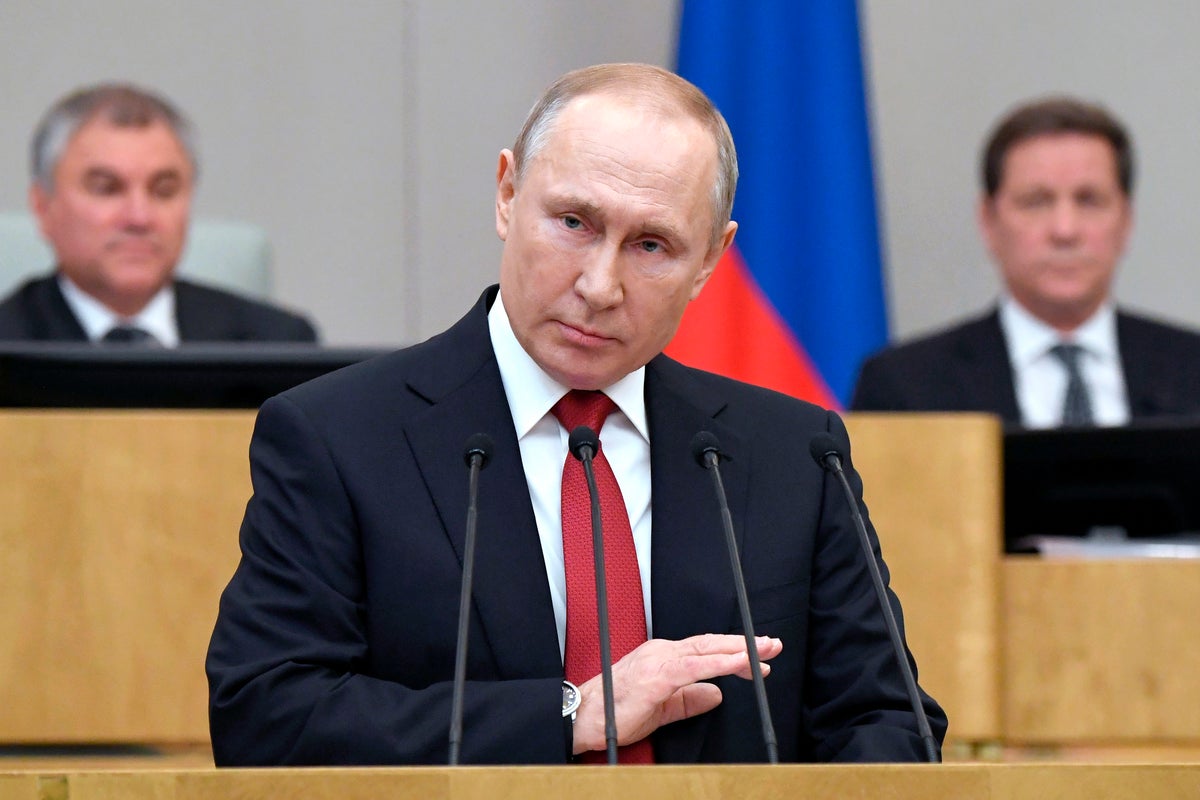
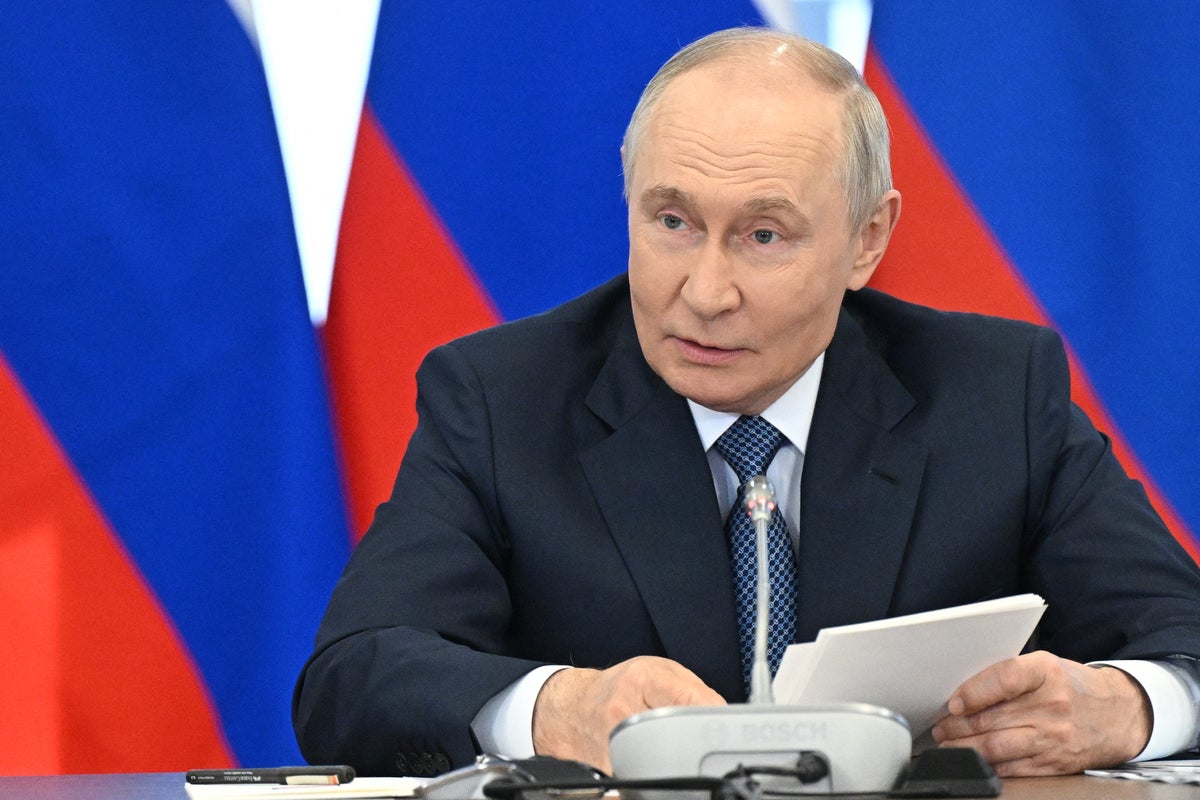
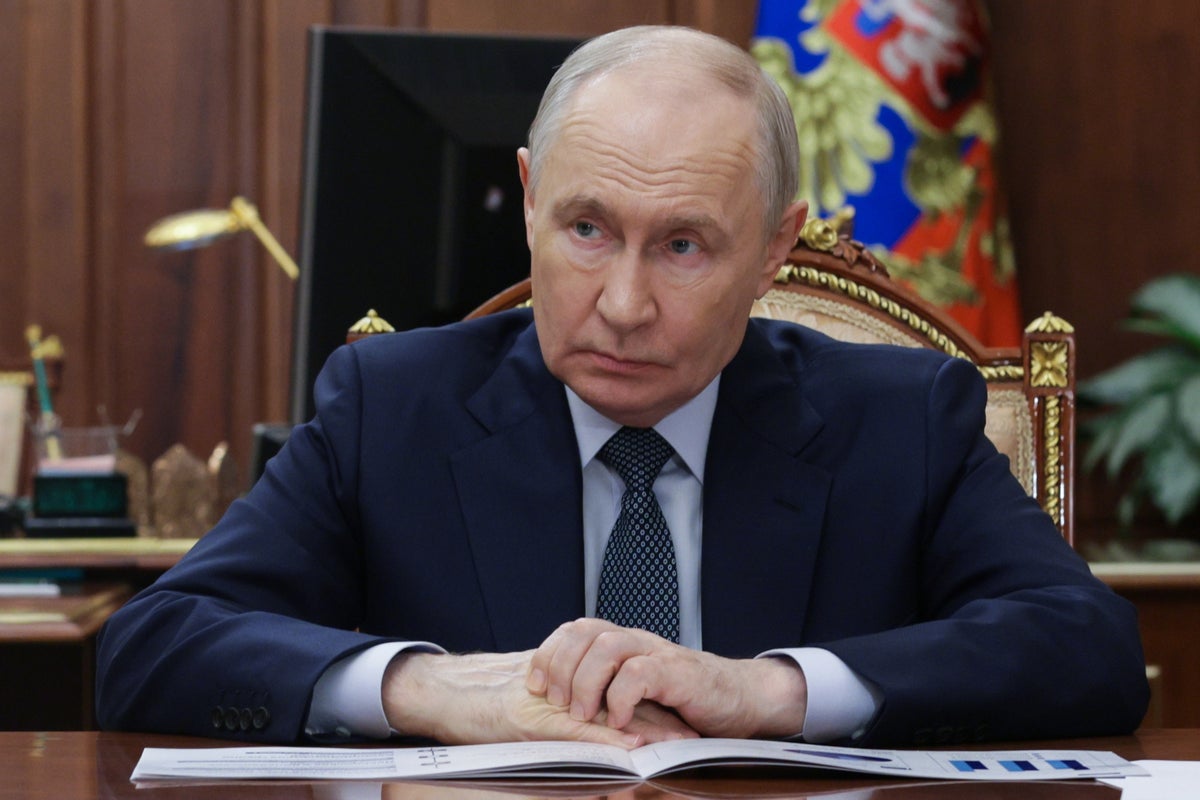
‘Putin has repeatedly threatened the UK and Nato over Ukraine – but he is too weak to follow through’
Putin’s posturing is a poor attempt to scare off broader Western support for Kyiv, say experts. Suha Kidwai reports
© AP

Putin’s posturing is a poor attempt to scare off broader Western support for Kyiv, say experts. Suha Kidwai reports
© AP
Crisis is the Kremlin’s ‘biggest domestic challenge’ since the outbreak of war against Ukraine, say experts

© Social media
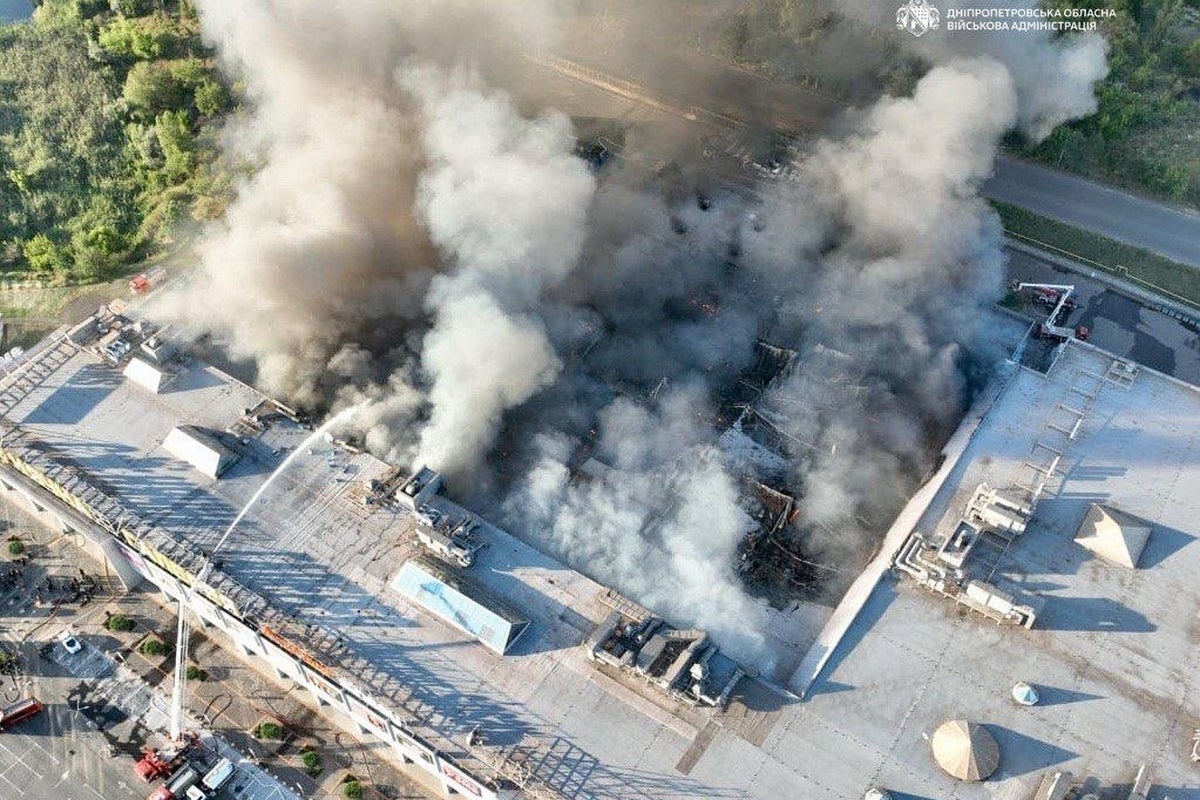
Nine people, including two children, are missing following Russia’s attack on a Ukrainian mall, according to local official
© AP
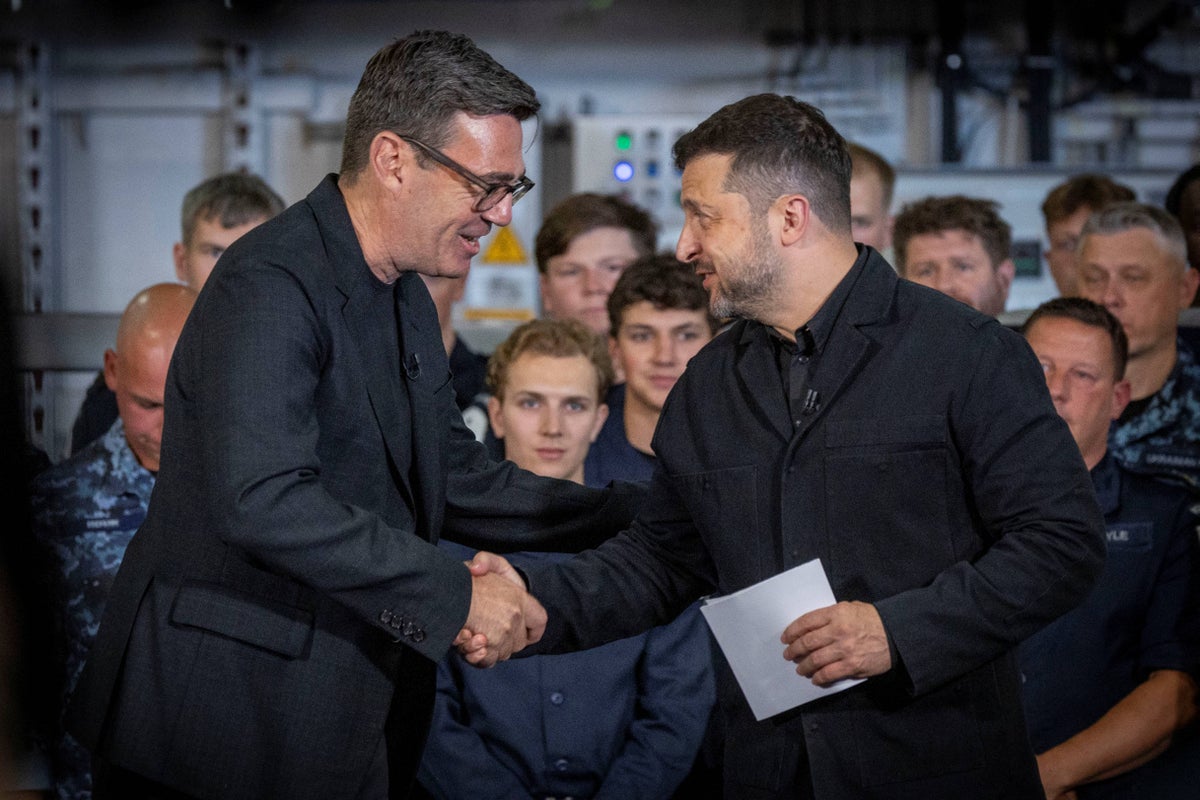
Ukraine increasingly contributes battlefield-tested designs and operational knowledge, while Britain can provide engineering expertise, industrial capacity, certification, capital and access to international markets
© POOL/AFP via Getty Images
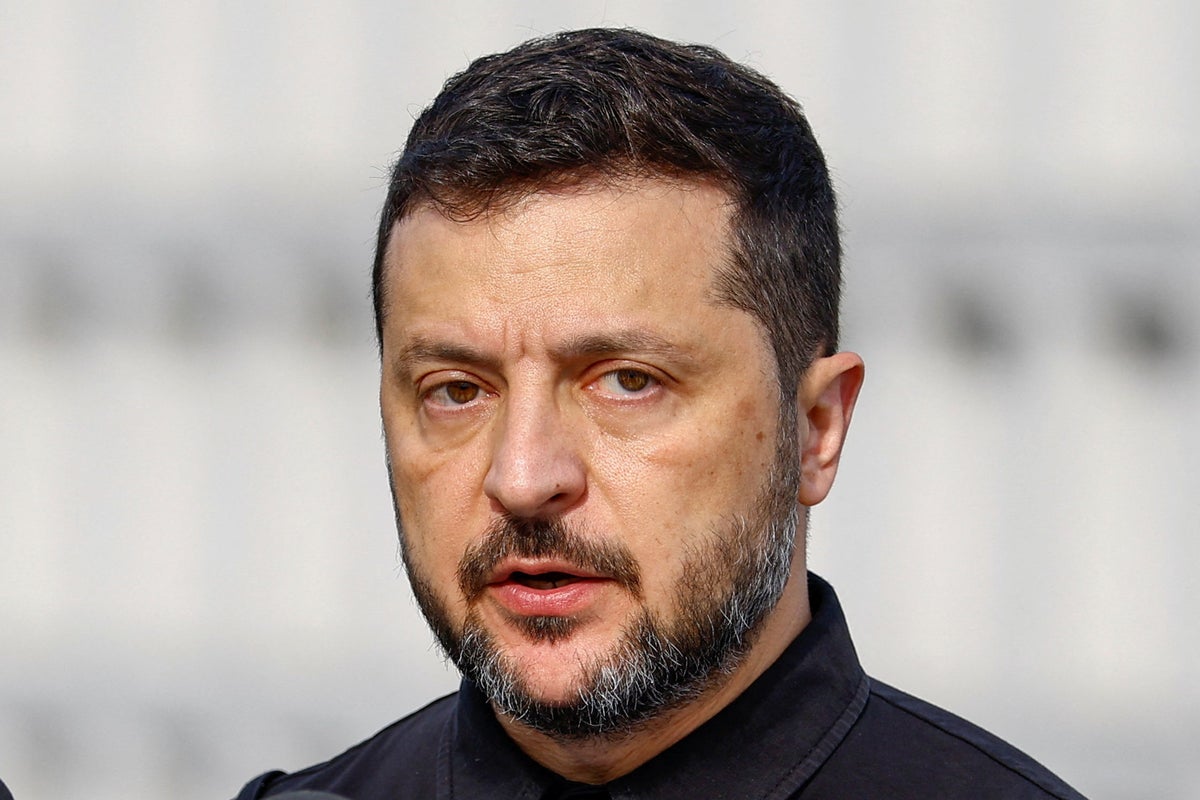
Anti-corruption bodies continue to scalp high-ranking Ukrainian officials amid a widening graft probe. James C. Reynolds and Alex Croft report
© Reuters
Analysts say that Putin could seize assets if cash is needed for his stalling invasion
© Copyright 2026 The Associated Press. All rights reserved.
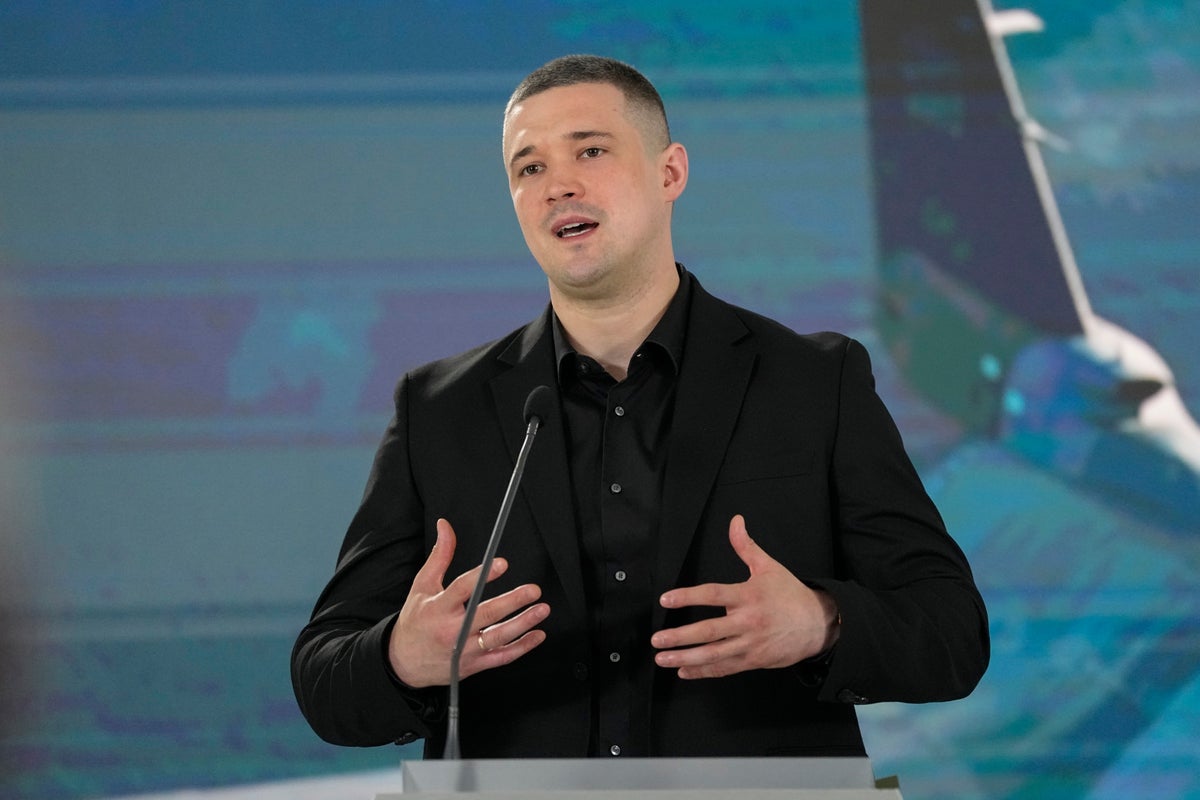
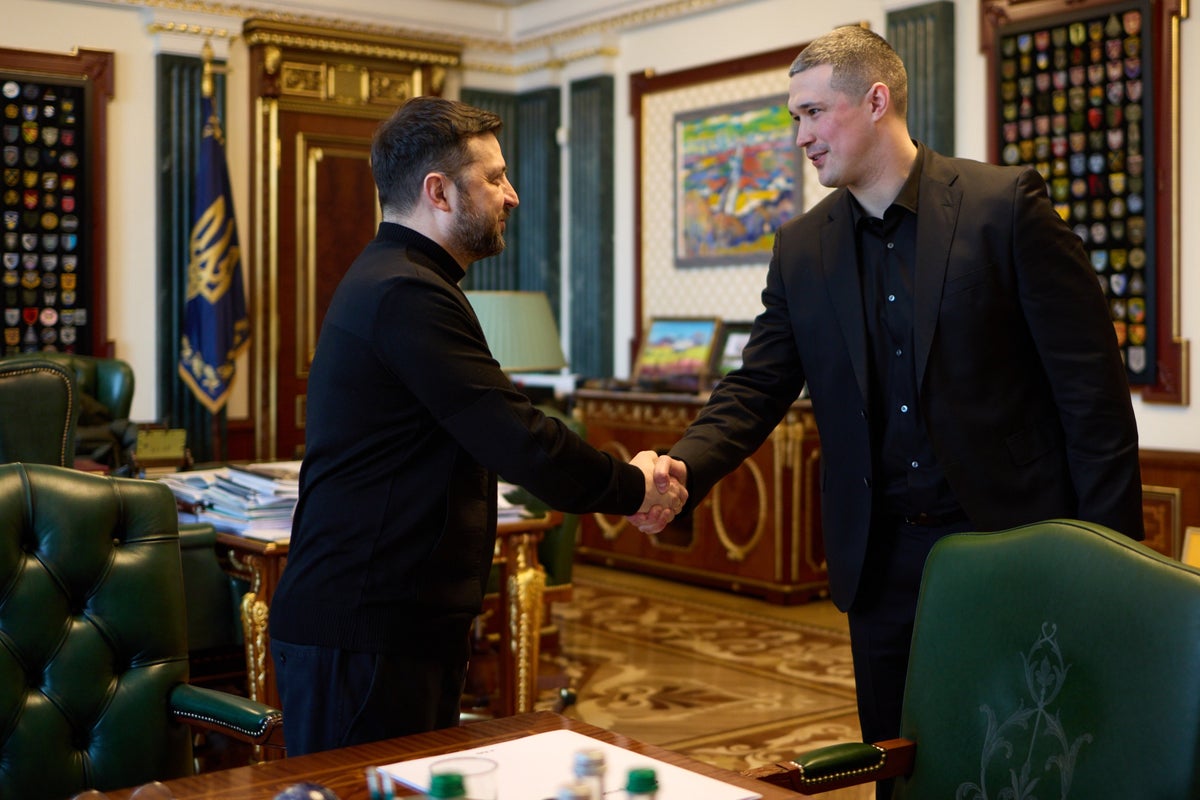
Mykhailo Fedorov says Ukraine faces ‘systemic crisis of governance’
© X/ZelenskyyUa
Poland says it is activating a range of defensive measures in response to the strikes unfolding across the border
© AFP/Getty
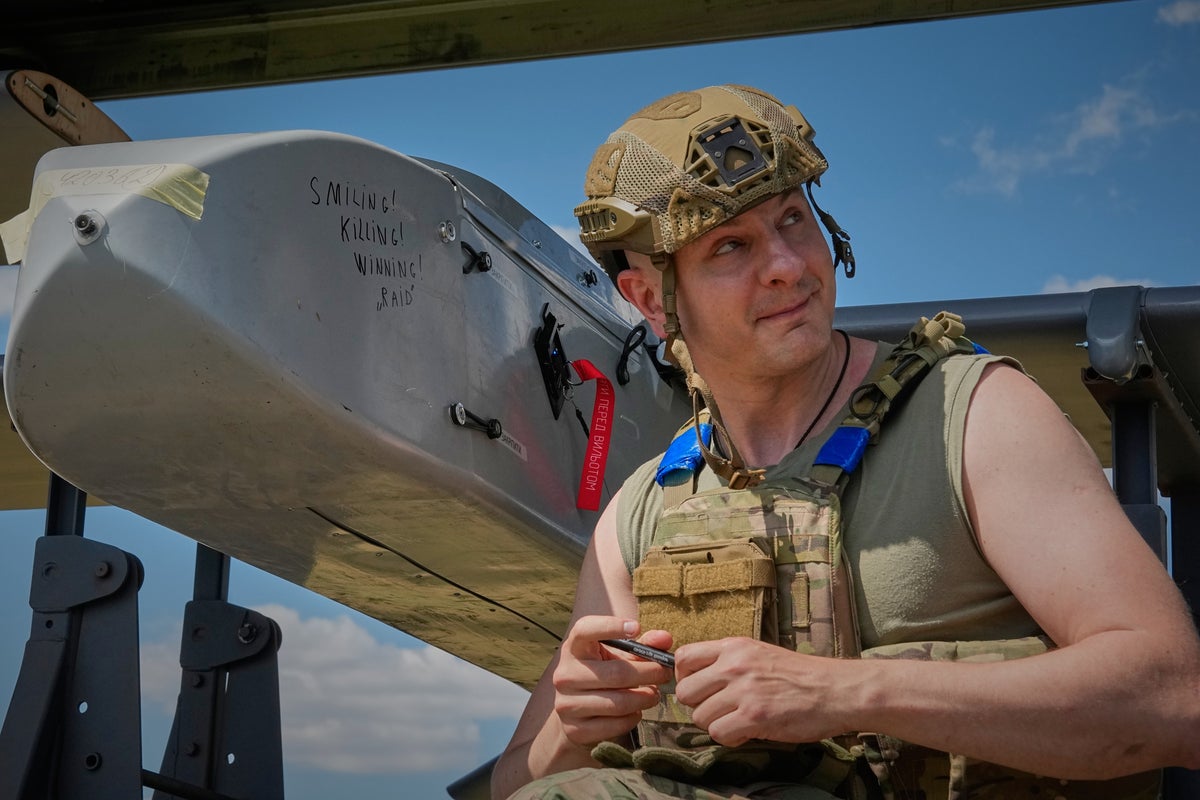
Ukraine is projecting the conflict deep into Russian territory
© Copyright 2026 The Associated Press. All rights reserved.
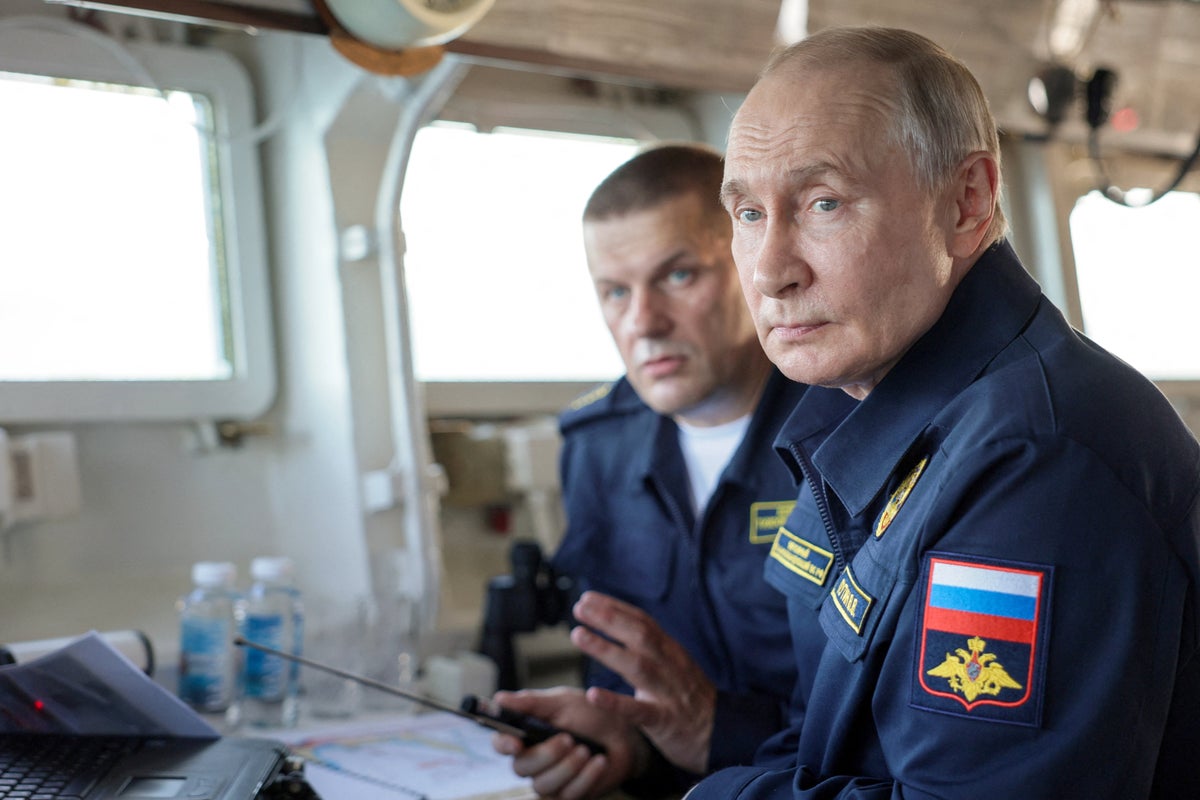
The withdrawals are causing liquidity problems in Russia, a senior finance official said
© Reuters
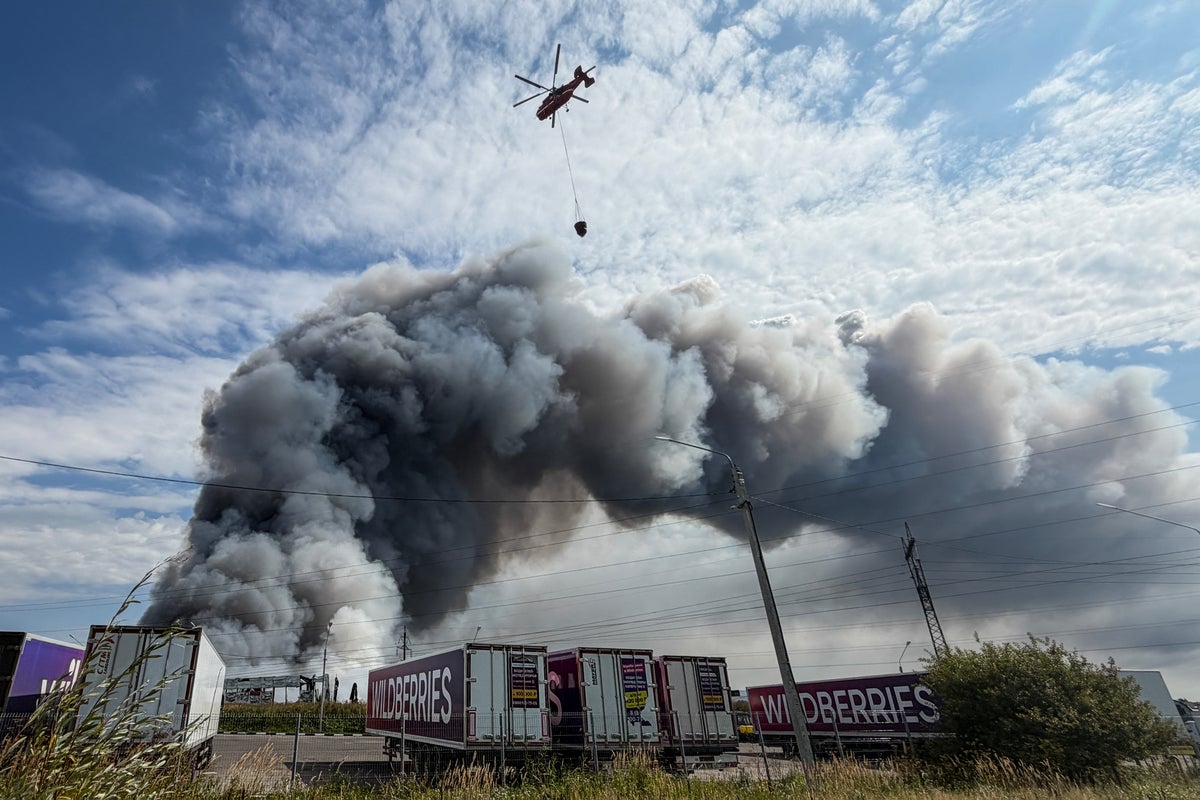
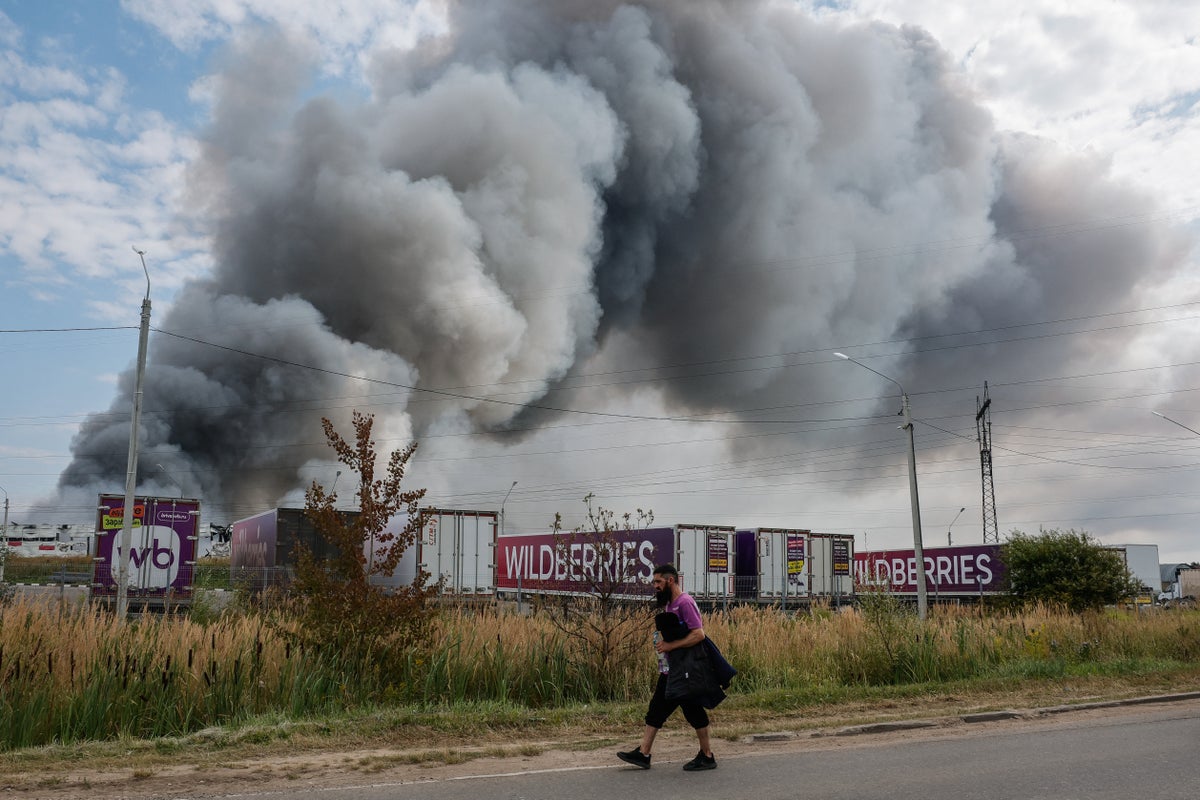
The economist’s claims come as Ukraine has repeatedly attacked Russia’s oil refineries and largest retailer Wildberries this summer
© AP
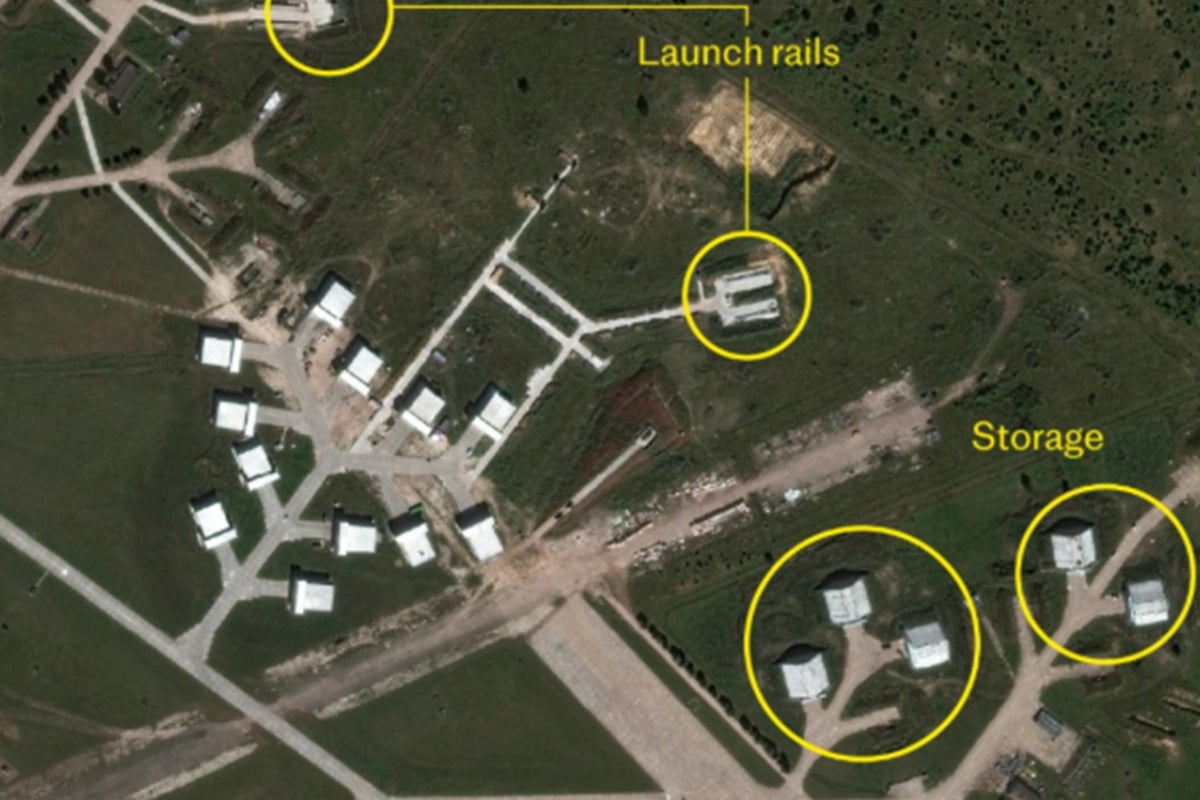
Nato has raised the alarm over the threat of a Russian attack amid repeated incursions by Moscow’s drones
© Vantour
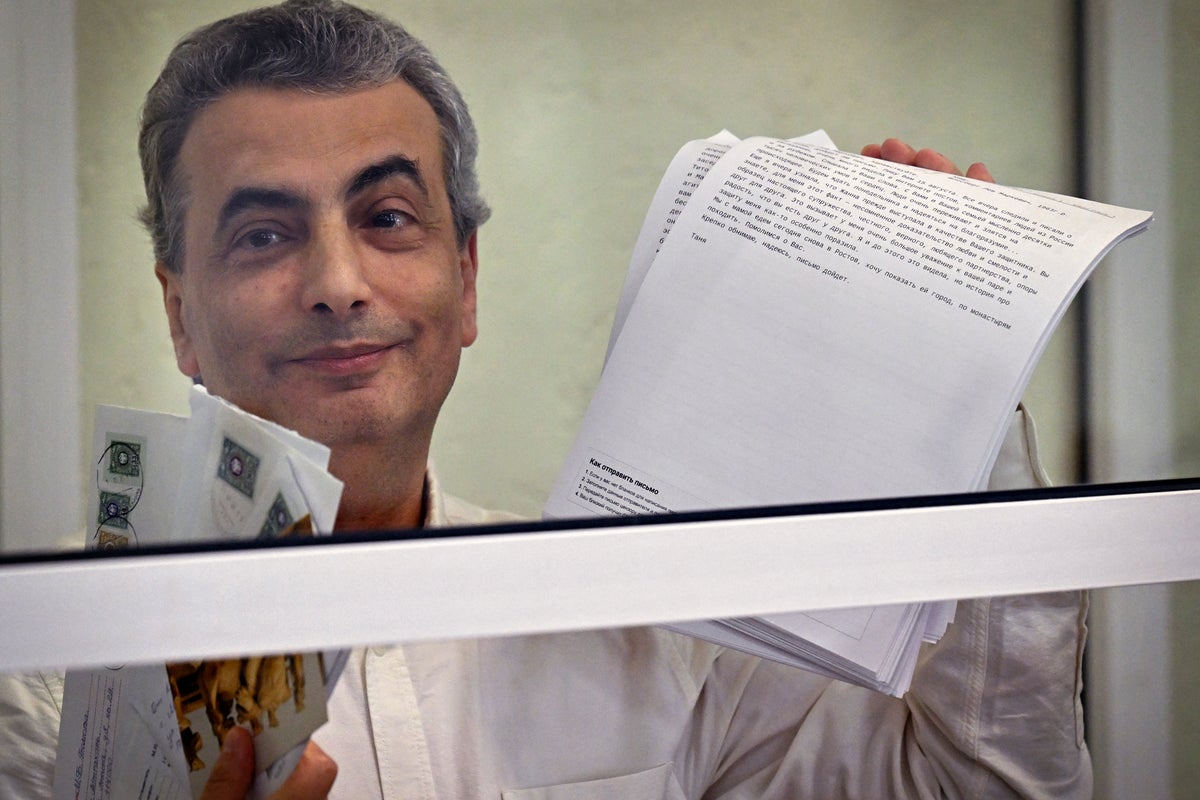
Lev Shlosberg was sentenced to 11 years in jail on Monday
© AFP/Getty
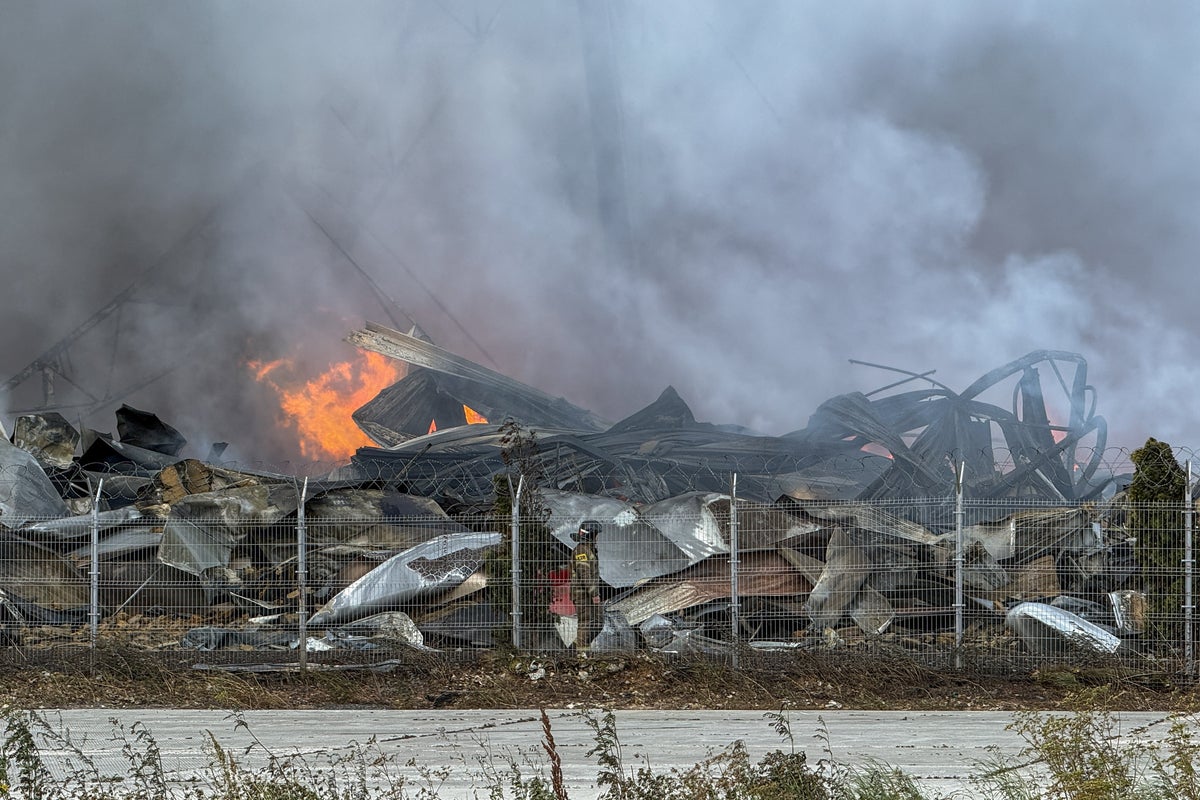
Ukraine has successfully targeted Wildberries hubs seven times in six weeks as part of a campaign to bring the war to Russia
© Reuters

© John Thys/Agence France-Presse — Getty Images
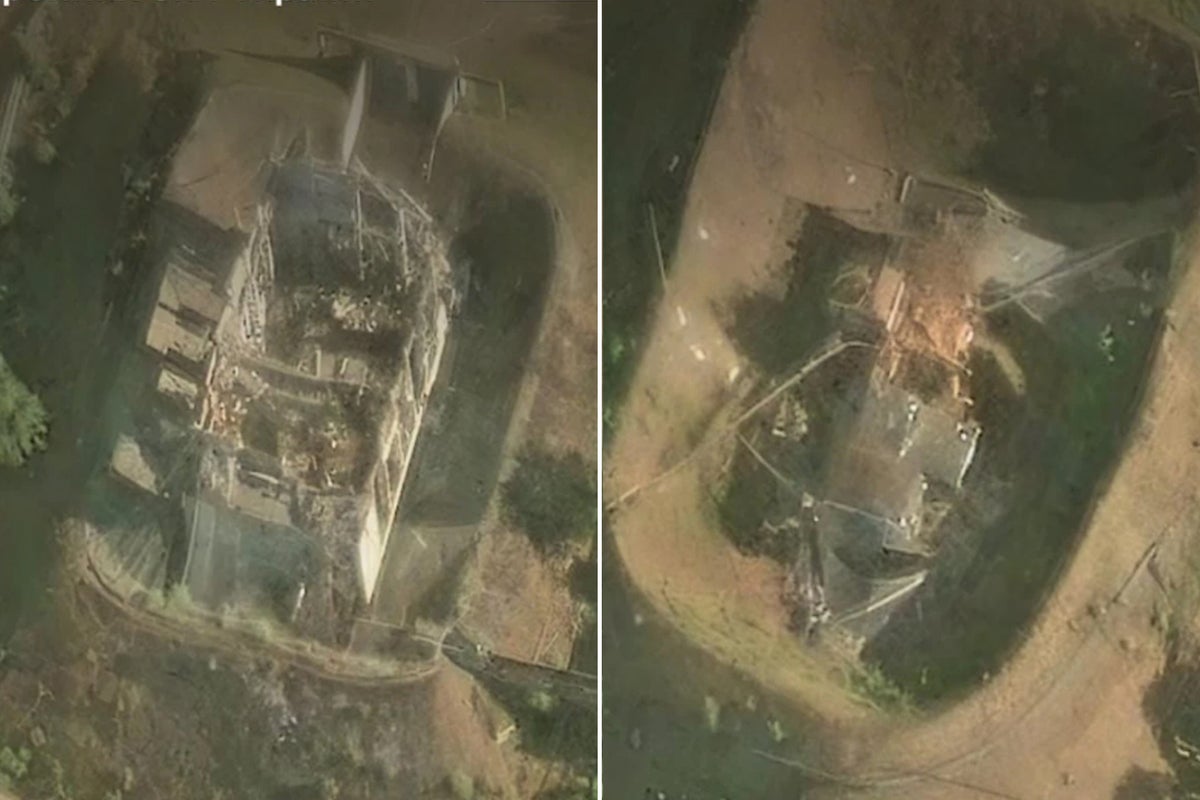
The attack on the rocket fuel plant was part of what Moscow says was Kyiv’s largest drone attack of 2026
© General Staff of the Armed Forces of Ukraine
Kyiv has been striking targets beyond enemy lines in recent months
© AFP/Getty

© Alessandro Grassani for The New York Times

© Ksenia Kuleshova for The New York Times

© Nina Liashonok/Reuters
© Ksenia Kuleshova for The New York Times
© Nina Liashonok/Reuters

© Kirsty Wigglesworth/Associated Press

© Christophe Archambault/Agence France-Presse — Getty Images

© Miroslav Lelas/Agence France-Presse — Getty Images
Russian official says suspect was acting ‘on instructions from Ukrainian intelligence agencies’. Kyiv has not publicly commented on the attack
-c43158eeb8145f2aa04250e28b449d03-copy-b4be2514.jpeg?width=1200&auto=webp&trim=0%2C0%2C0%2C0)
© Social media
Russian authorities said Kyiv fired around 600 drones to the capital of Moscow
© AFP/Getty

© Asim Hafeez for The New York Times

© Danilo Arnone/Reuters
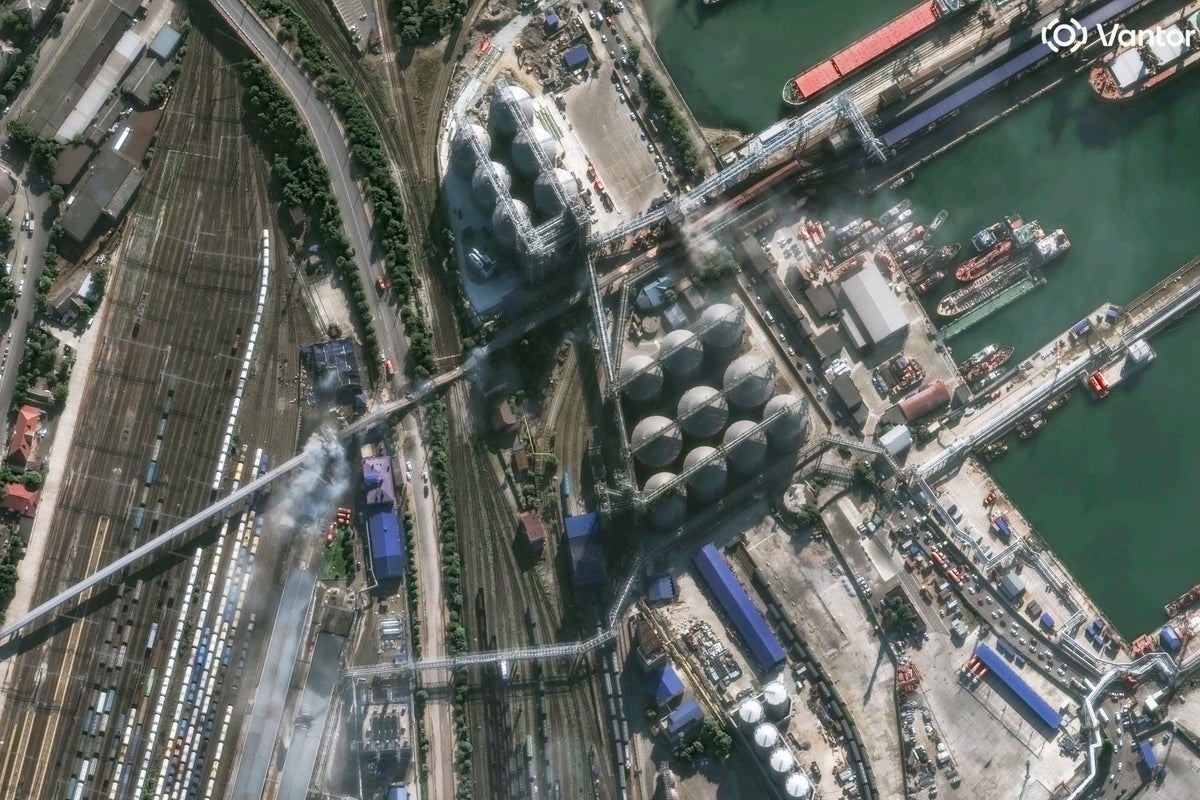
Reports in Russia claim the deceased is a former Ukrainian navy official who defected to Russia
© Social media

© Joe Giddens/Press Association, via Associated Press

© Borja Suarez/Reuters
An anti-missile launch pad was left ‘ablaze and sputtering for three hours’, according to Ukraine’s military
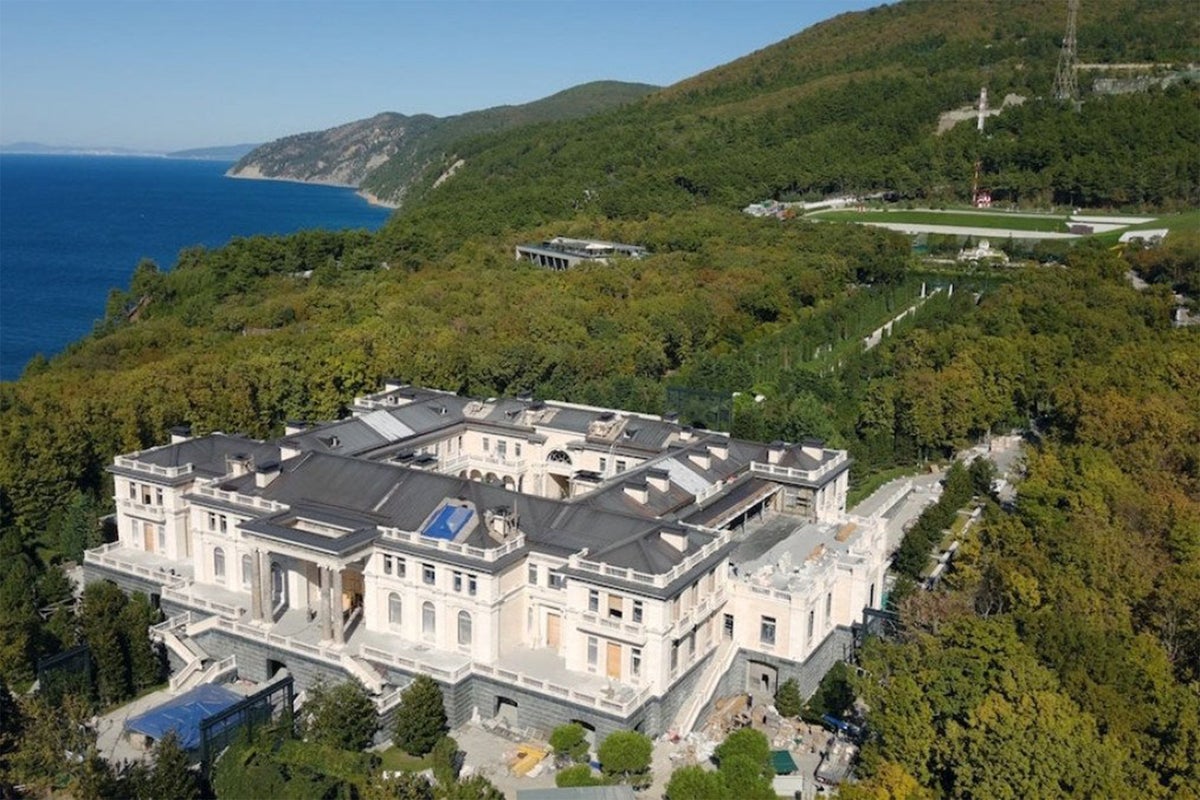
© Alexei Navalny/Youtube

© Guglielmo Mangiapane/Reuters
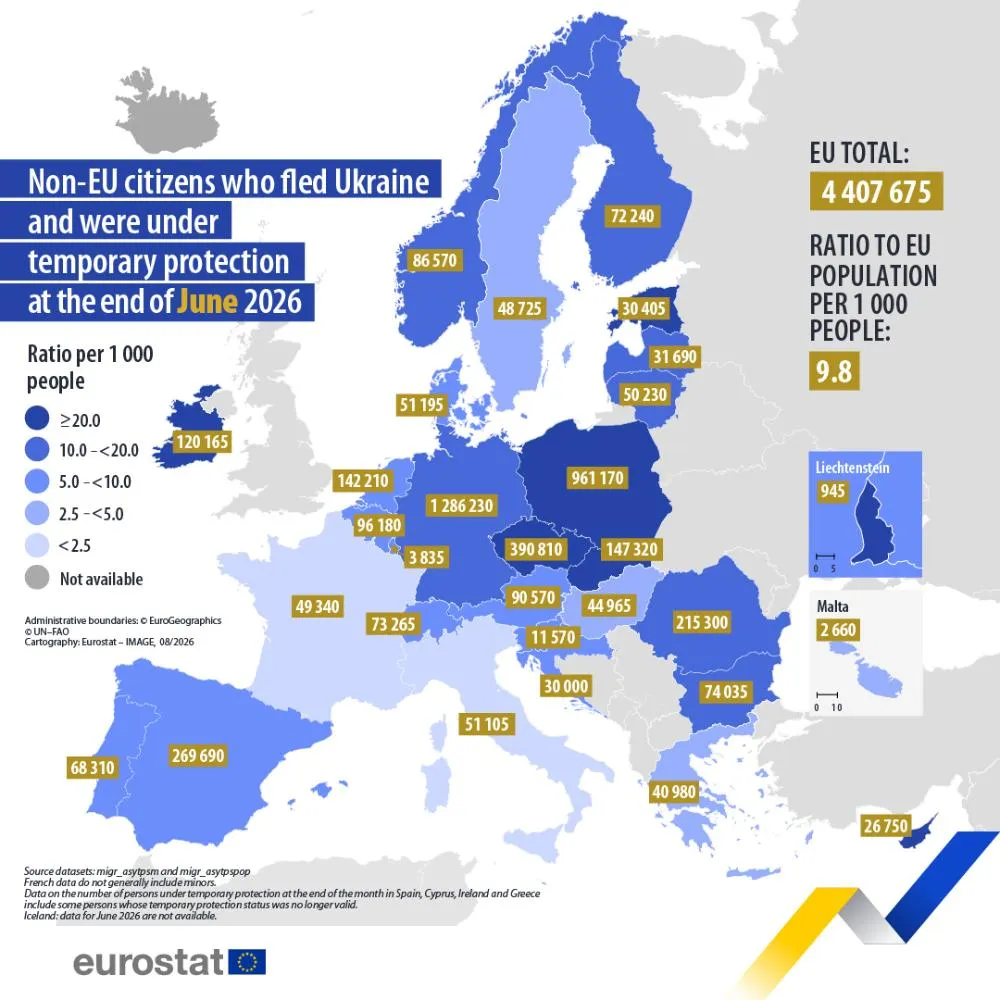
The number of Ukrainian citizens holding temporary protection status in EU countries reached 4.41 million as of 30 June 2026, the highest since the mechanism was activated in March 2022, according to data published by Eurostat on 11 August. The total rose by 24,380 (+0.6%) from the previous month.
The displacement is one dimension of the broader demographic damage that Russia's war is inflicting on Ukraine. The country's population has contracted from over 41 million before the full-scale invasion to roughly 31 million, driven by displacement, war casualties, and a fertility rate that has collapsed to among the lowest in the world. Only 23% of Ukrainian women refugees with children say they plan to return, even if the war ends.
The figure has been edging upward since mid-2023. It crossed 4 million in September 2023, reached 4.2 million by October 2024, and has now hit a new high. New decisions granting protection are now falling: EU countries issued 155,640 in the first quarter of 2026, down 17% from the previous quarter, and 2025's annual total was 14% below 2024's — even as the overall number of people already holding the status keeps rising.
The numbers suggest an accumulation effect: fewer people are leaving the system than are entering it. Cumulatively, EU countries have issued 7.1 million temporary protection decisions since March 2022, meaning roughly 2.7 million of those decisions are no longer active — as people returned to Ukraine, moved on, switched to other residence statuses, or were deregistered.
Ukrainian citizens accounted for over 98.5% of all beneficiaries. Adult women made up 43.4%, adult men 27%, and minors nearly a third (29.6%). The share of adult men has risen from 23% in October 2024, around the time Czech Interior Minister Lubomír Metnar's government pushed for the new military-compliance condition adopted by the Council in August.
The EU's temporary protection mechanism, activated in March 2022, has been renewed annually since. The most recent extension, a Council decision that took effect on 5 August, prolonged the framework to March 2028 while adding a new condition: Ukrainian men of military age applying for the first time must now prove they have met their mobilization obligations, including through Ukraine's Reserve+ app. The June data predates that rule, making it a baseline for measuring its impact.
Earlier, Zelensky says his forces struck Russia’s Novorossiysk naval base with drones, missiles and unmanned boats
© AFP/Getty
Ukrainian leader accused Russia of using Korean ballistic missiles to exploit shortages of American air defences
© AFP/Getty

© Henry Nicholls/Agence France-Presse — Getty Images

© Amelia Nierenberg/The New York Times
First used in the 1991 Gulf War, the US Patriot air defence system has seen demand spike sharply this year
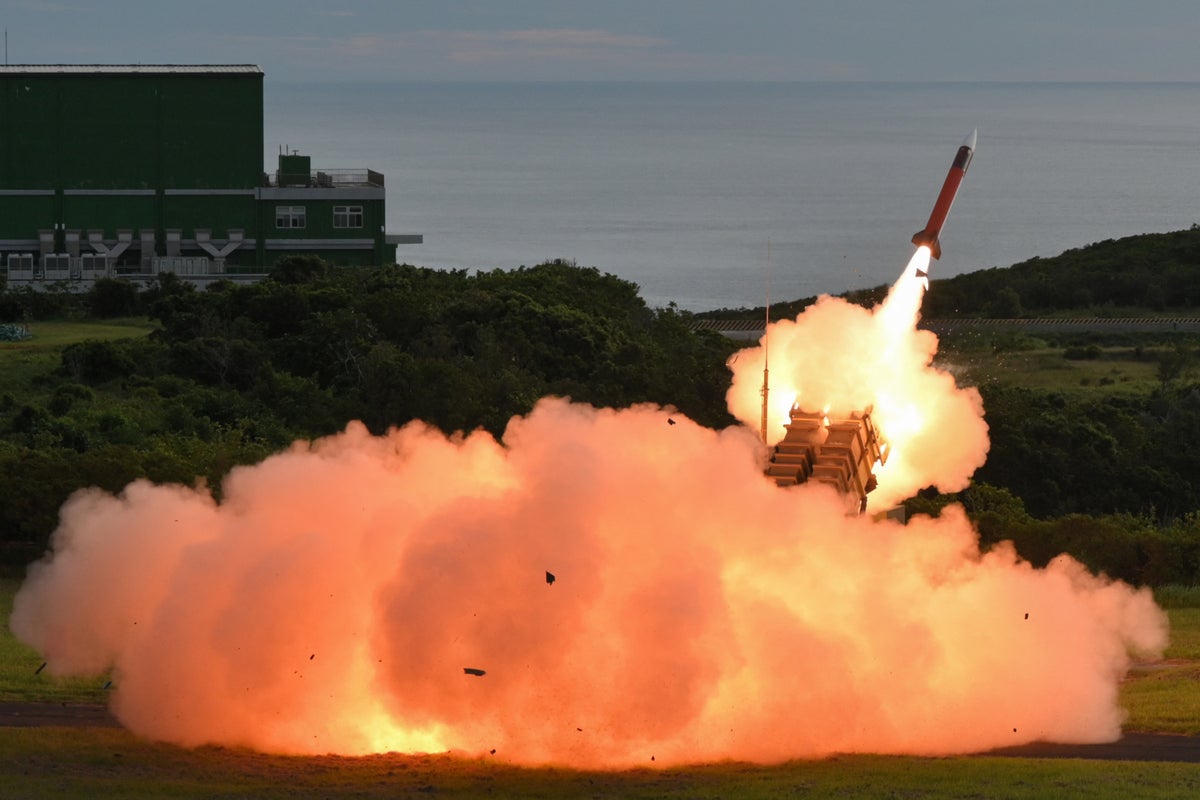
© AFP via Getty Images
Ukrainian warns Putin is poised to escalate the conflict as air defences run dry
© AFP/Getty
Ukraine said the attacks on key air defence systems would allow them to strike deeper into Russia
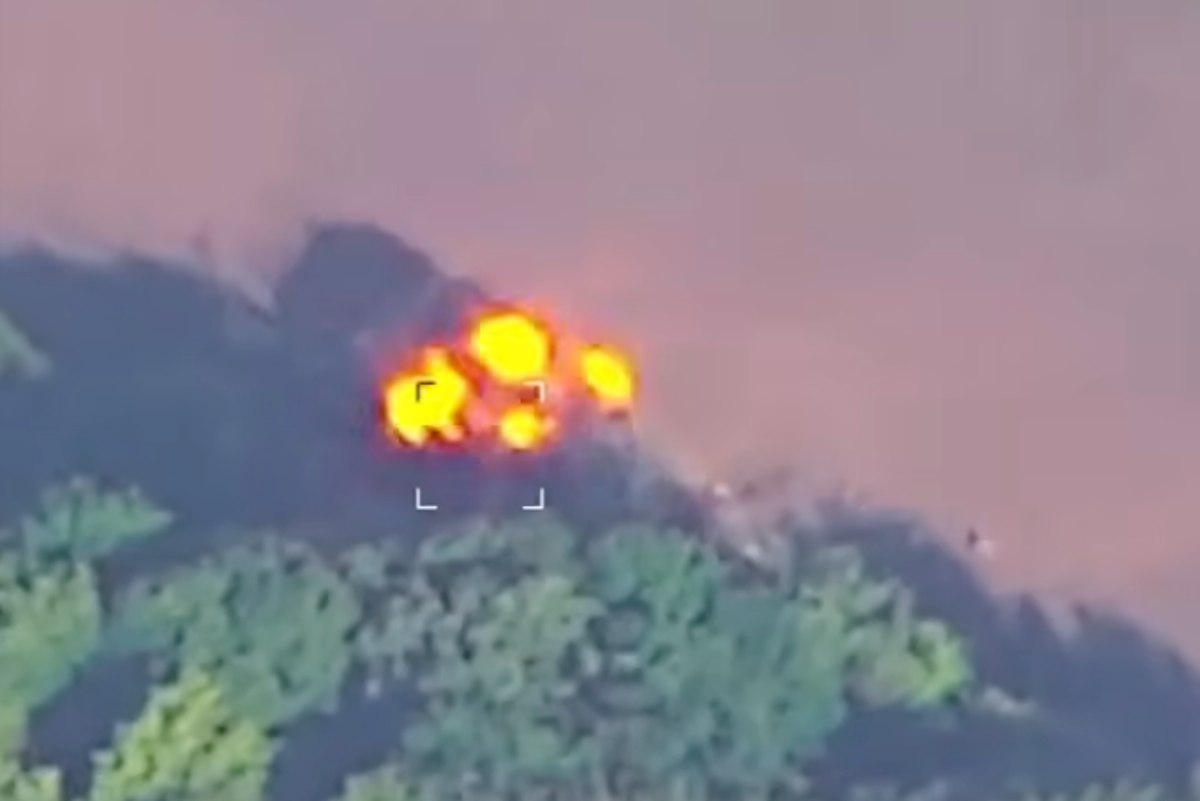
© Ukraine
Moscow denies Ukrainian claims that Kyiv’s forces are killing Russian troops faster than they are being recruited
© AFP/Getty
A ride from Tangier, the largest city in northern Morocco to the Spanish enclave of Ceuta takes less than two hours. The border crossing has its own, sleepier rhythm, quite different from the tourist-driven bustle of Tangier. In Ceuta, traders run their errands, Morocco-based expats make visa runs and Spanish people catch ferries to the mainland. On most days, the border crossing seems almost ordinary. The fences, though menacing and topped with razor wire, are less imposing up close and officers make small talk with the expats waiting to get their visas stamped.
Then there are those days when the routine collapses and Ceuta becomes the center of Europe’s migration debate.
The territory is a geographic and political paradox. Despite falling under Spain’s — and the European Union’s — jurisdiction, it sits on the northern edge of Africa, surrounded by Morocco and separated from the Spanish mainland by the Strait of Gibraltar. It is an entry point to Europe, yet not fully part of the Schengen zone, requiring additional immigration checks for travelers crossing to the mainland.
When more than 60,000 people — mostly Moroccan men and teenagers — rushed into Ceuta (almost doubling the coastal city’s population), the images reverberated across Europe. There seemed to be no dramatic buildup to the incident, nor any obvious explanation why thousands of people chose that day to make their way to Spain.
Europe’s far-right politicians seized the narrative, portraying the influx as an imminent invasion, warning that the men were on their way to “Calais” and “Germany.” Italy temporarily suspended the Schengen free movement regime with Spain, meaning travellers arriving by sea and air would now be subject to border checks. Spain threatened to take “proportional measures” in response and did so at midnight on August 8, when it imposed similar checks for visitors from Italy.
The standoff between European governments — led by socialist Pedro Sánchez in Spain and conservative Giorgia Meloni in Italy — is not simply a test for European border security. Instead, what transpired in Ceuta poses bigger questions about the shifting nature of state sovereignty itself: How are we to understand borders, if they’re shaped by forces beyond the state’s reach?
Borders are not just lines separating geographic entities. They are systems built on surveillance, diplomatic bargains and digital networks. Ceuta is the place where all three converge. Its borders, already protected by the sea, have been fortified with steel, outsourced through diplomacy and tested by coordinated rumors.
The crossings into the enclave are blocked by a multi-layered barrier of fences and wire. Morocco administers a fence separating it from the neutral area between the two countries. Two fences on the Spanish-controlled territory follow, creating an enclosure monitored by the Spanish Civil Guard. The physical infrastructure is reinforced with motion sensors, thermal and CCTV cameras, maritime communication systems and facial recognition technology.
Even the sea has now been incorporated into the border system. Just three days after the Ceuta border chaos, Spanish authorities installed a 500-metre floating barrier and anchored naval buoys to create another monitored enclosure.
The EU has funded most of the fortifications. The Border Violence Monitoring Network’s report says that since the construction of Ceuta’s border barrier in the 1990s, the EU has spent tens of millions of dollars to make the Spanish-Moroccan frontier more secure, technologically up-to-date and heavily surveilled. With the recent mass crossing, Spain will now receive additional emergency financial aid.
Yet, the architecture of physical surveillance, built and re-built with European money for decades, cannot prevent the human cost of attempting to cross a border. In Ceuta alone, at least 100 people died according to local authorities. “The rationale behind increasing surveillance is that you'll be able to save lives and smash the [people trafficking] gangs, right?” asked Nathan Akehurst, who has written about Ceuta’s border for Jacobin. “Where was that in this case?”
Akehurst’s question touches upon the human-centered rationale for heavy border surveillance. But there is also a political one. It is not only Spain, as a EU member, that receives funds to manage migration. Morocco has received €427 million since 2015, for migration-related expenses, including technology and training. That’s part of Europe’s wider strategy of border externalization, a practice where Europe moves border control beyond its own territory.
The practice has been around for decades, but went into overdrive after 2015, when approximately 1.3 million people, mostly from Syria, came to the continent seeking asylum. Many of them reached Europe through Turkey, prompting the EU to strike a deal with Ankara: €6 billion in funds, visa liberalization and EU-ascension negotiations in exchange for stricter border controls and curbing irregular arrivals to Greece. The EU also agreed to resettle within Europe one Syrian from Turkey for every Syrian returned to Turkey from Greece. But by 2020, when the EU failed to resettle Syrians, Turkey’s president Recep Tayyip Erdoğan declared he would no longer prevent migrants from crossing Turkey en route to the EU.
“Border externalization is basically paying other countries, but also subjecting them, through a carrot and stick approach, to performing functions that are usually performed by a state itself at their borders,” explained Josephine Solanki from the Transnational Institute, an Amsterdam-based think tank. It leaves space for leaders like Erdoğan, Solanki added, to bargain for influence by turning migrants “into political leverage.”
The cost of outsourcing borders is not just material. It is measured in control that Europe cedes to the foreign governments it relies on for migration policy enforcement.
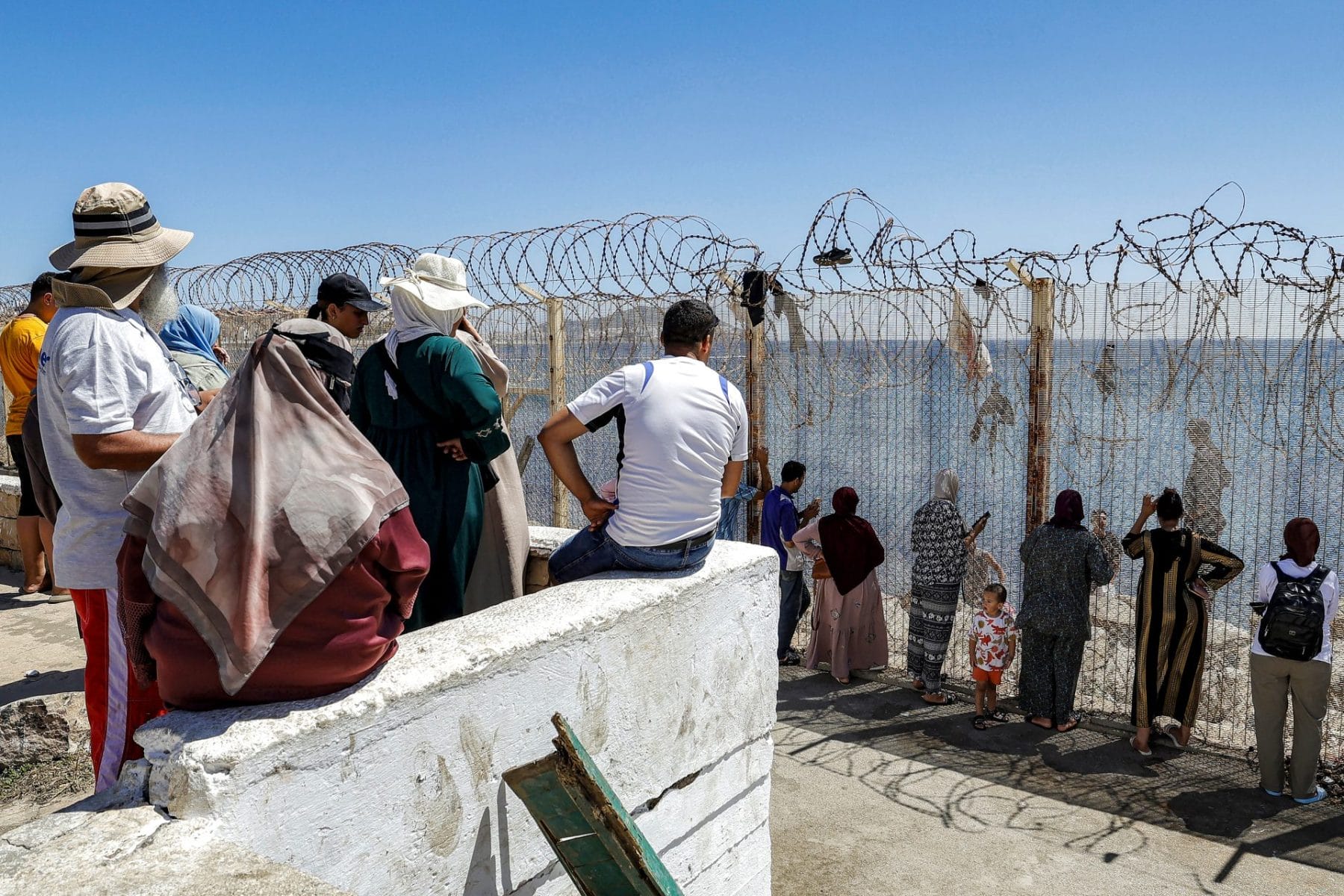
In Ceuta, migrants claimed local authorities did not stop them from crossing the border. A young Moroccan man told the New York Times a day after the event: “They opened the border and let everyone go by.”
Border outsourcing agreements were made, among others, with authoritarian regimes in Tunisia, Egypt and Libya, where EU funds were used to detain migrants and quell domestic protests, rights organizations say. Alliances with “deeply unreliable and authoritarian actors” in the name of stability, said Nathan Akehurst, “is short-termist, insane and loses Europe any credibility it has left.” These alliances also allow Europe to “shift the blame to the Moroccans, the Eastern Libyans, the Turkish or whoever decides to take advantage of that moment.”
It is yet to be revealed who, if anyone, has taken advantage of the mass crossing into Ceuta. Local and international media have uncovered now-deleted posts that shared tips on routes and equipment for the journey. One of the main networks was called Hrig Sebta network — “Sebta” being the Arabic name of Ceuta and “hrig” being the Maghrebi term for undocumented migrants, literally referencing the burning of identity papers.
In the wake of Ceuta, European ministers pledged to tackle online misinformation to avoid migration crises, but remained cautious when asked about thousands of posts reportedly linked to Russia. Other theories attributed the crossing to Morocco’s tensions with Spain over its closer ties with Algeria, or to Spain’s position on Palestine.
But those rumors, and what appears to be a weeks-long coordinated online campaign behind them, reveal something deeply human that fences can’t deter: movement that is spurred by hopes for a better life.
“[The crossing] would have happened anyway at some point,“ Akehurst argues. “There would have been a crossing because all of the circumstances that generate that are already there before someone with a twitter account throws a match on the fire.”
Yet, let’s pause at the match. It’s not about someone with a social media profile creating chain messages. It is about the ecosystem that can jeopardize borders by creating information flows, turning rumors into perceived opportunities.
Moroccan newspaper TeleQuel already published a report about social media posts amplifying the next hrig — another attempted crossing into Ceuta — on August 15.
When packaged to a hungry audience, rumors carry the currency of truth. They’ve driven migration long before social media was even conceptualized. Now those rumors speed through digital space owned and operated by private companies not prone to accountability and sitting well outside the reach of any single state.
And the EU has understood that for years. “It is necessary to structure the information space, as we have organized in the past the territorial space, the maritime space and the air space,” Thierry Breton, the European Commissioner for Internal Market of the EU said back in 2018. He warned about Big Tech companies treating digital space as a no-man’s-land that they would write rules for.
The no man’s land between Morocco and Spain appears calmer now. But the turmoil of the crossing revealed a new, digital dimension to border governance. Information has always found a way to spread; digital platforms have given it new channels: ones which allow those behind the information to remain faceless, while the information itself passes from screen to screen. It reaches a boiling point, spills over from the digital space and then can be disappeared, even before anyone has had a moment to scroll back.
Sara Kontar
Nadia Beard
Zach Campbell
Lorenzo D'Agostino
The post The manufactured crisis of Ceuta appeared first on Coda Story.
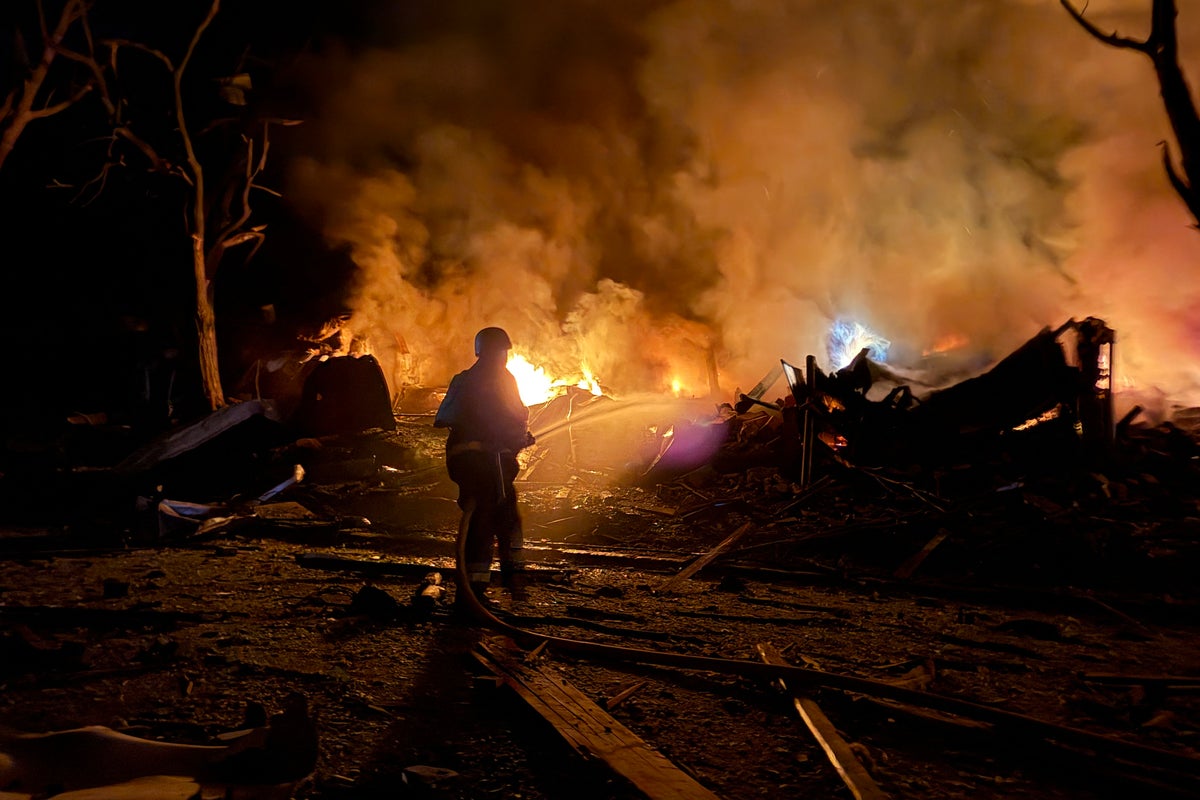
Ukrainian drone attack hits targets over 600 miles deep inside Russia, killing 13 people
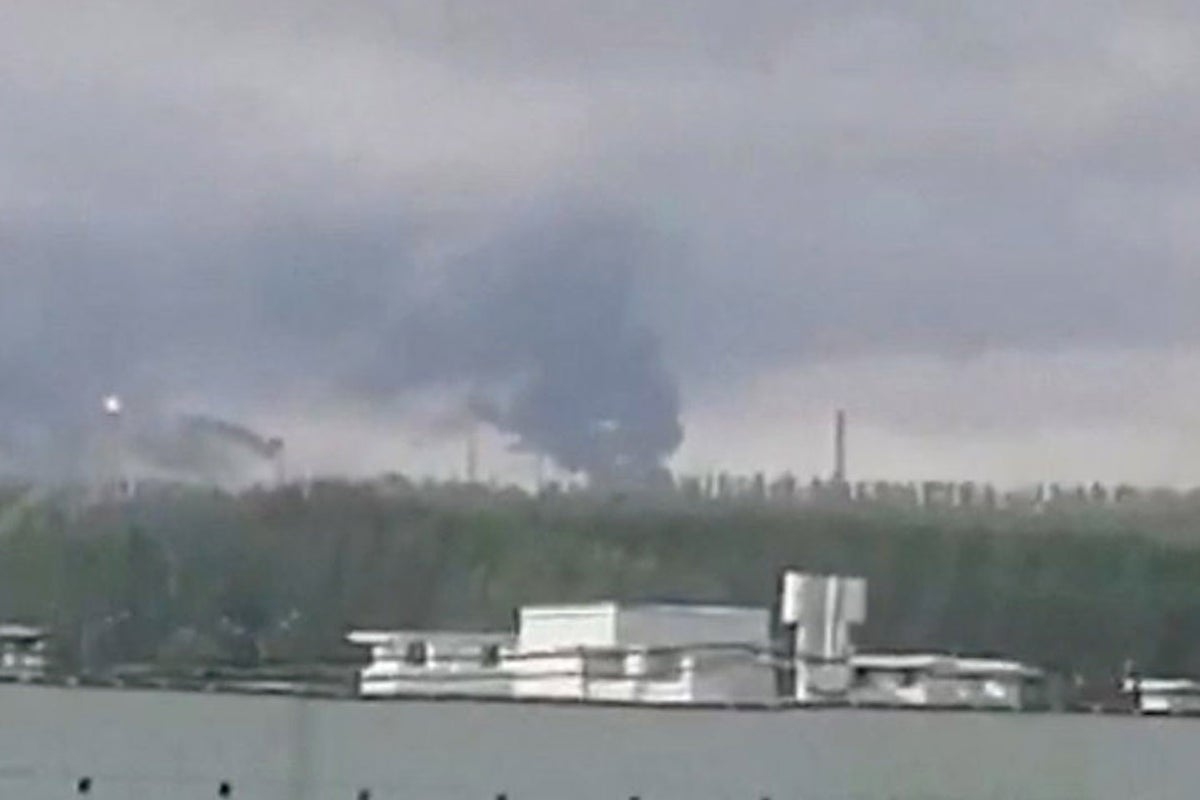
© Social media
Ukraine and Russia accused each other of deadly attacks on Sunday
© AFP/Getty