❌

Vue lecture

Russia's Wagner Group abused civilians in secret prisons in Mali, investigation finds

Russia's Wagner Group abused civilians in secret prisons in Mali, investigation finds

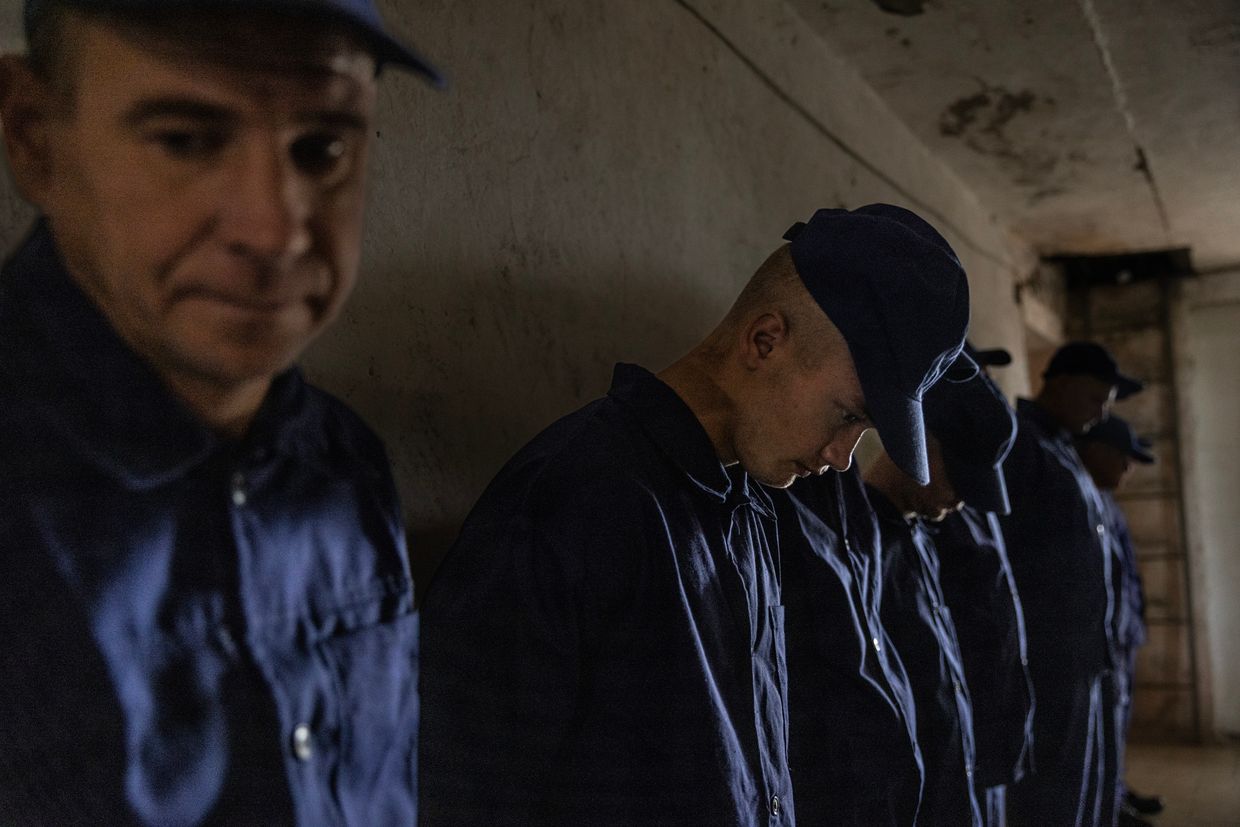
Since 2021, Russian Wagner mercenaries have detained, tortured, and forcibly disappeared hundreds of civilians in secret prisons across Mali, according to a joint investigation published on June 12 by Forbidden Stories, France 24, Le Monde, and IStories.

The investigation found that mercenaries with Russia's Wagner Group, working alongside Malian government forces, had systematically abducted and detained civilians, holding them in prisons at former United Nations bases and military bases across Mali.

Drawing on eyewitness accounts and satellite imagery, the investigation identified six detention centers where Wagner held civilians between 2022 and 2024. The total number of Wagner detention centers in Mali is likely to be much higher.

Prisoners were subjected to systematic torture – including beatings, waterboarding, electric shocks, starvation, and confinement in sweltering metal containers.

The investigation was carried out as part of the Viktoriia project, in memory of Ukrainian journalist Viktoriia Roshchyna, who was captured by Russian forces in 2023 while investigating the illegal detention of civilians in Russian-occupied territories of Ukraine. She was killed in Russian captivity in 2024.

The Russian mercenary group, known for its deployment in Ukraine and short-lived rebellion against the Kremlin in 2023, has a strong presence across the African continent, backing Russian business interests and Moscow-friendly regimes.

The mercenaries have been particularly active in Mali since late 2021 and have been accused of perpetrating war crimes. In December 2024, Human Rights Watch accused Wagner mercenaries and Malian government forces of deliberately killing 32 civilians.

The Wagner Group recently announced its withdrawal from Mali, where it fought alongside Malian government forces to fend off Islamist insurgents. Wagner has been active across the African continent for years and has been previously accused of committing human rights abuses.

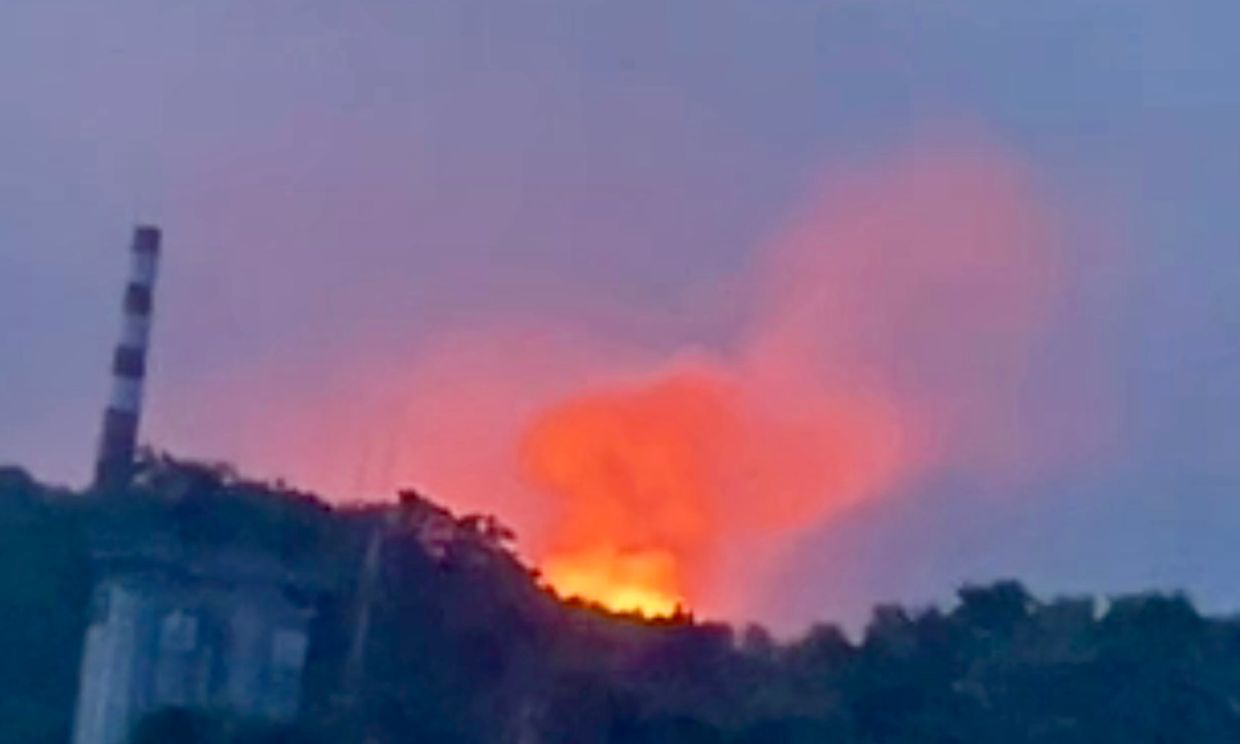
Ukraine war latest: Ukraine strikes targets in Russia, including gunpowder plant
Key developments on June 11: * Ukrainian drones strike targets in Russia, including gunpowder plant, General Staff says * Zelensky urges ‘stronger’ EU sanctions on Russia, lower oil price cap * Ukraine repatriates bodies of 1,212 fallen soldiers * Ukraine’s SBU releases fresh video of Operation Spiderweb, teases ‘new surprises’ * NATO summit statement
Russia's Wagner Group abused civilians in secret prisons in Mali, investigation findsThe Kyiv IndependentThe Kyiv Independent news desk
Russia's Wagner Group abused civilians in secret prisons in Mali, investigation finds
  •  

G7 ready to lower Russian oil price cap without US support, Reuters reports

G7 ready to lower Russian oil price cap without US support, Reuters reports

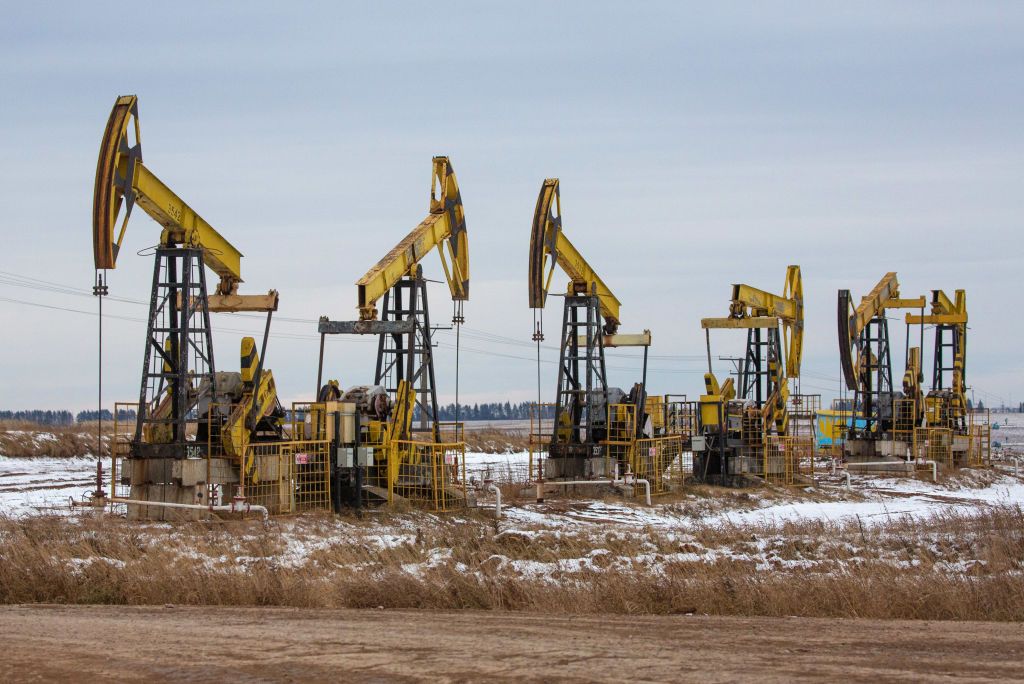
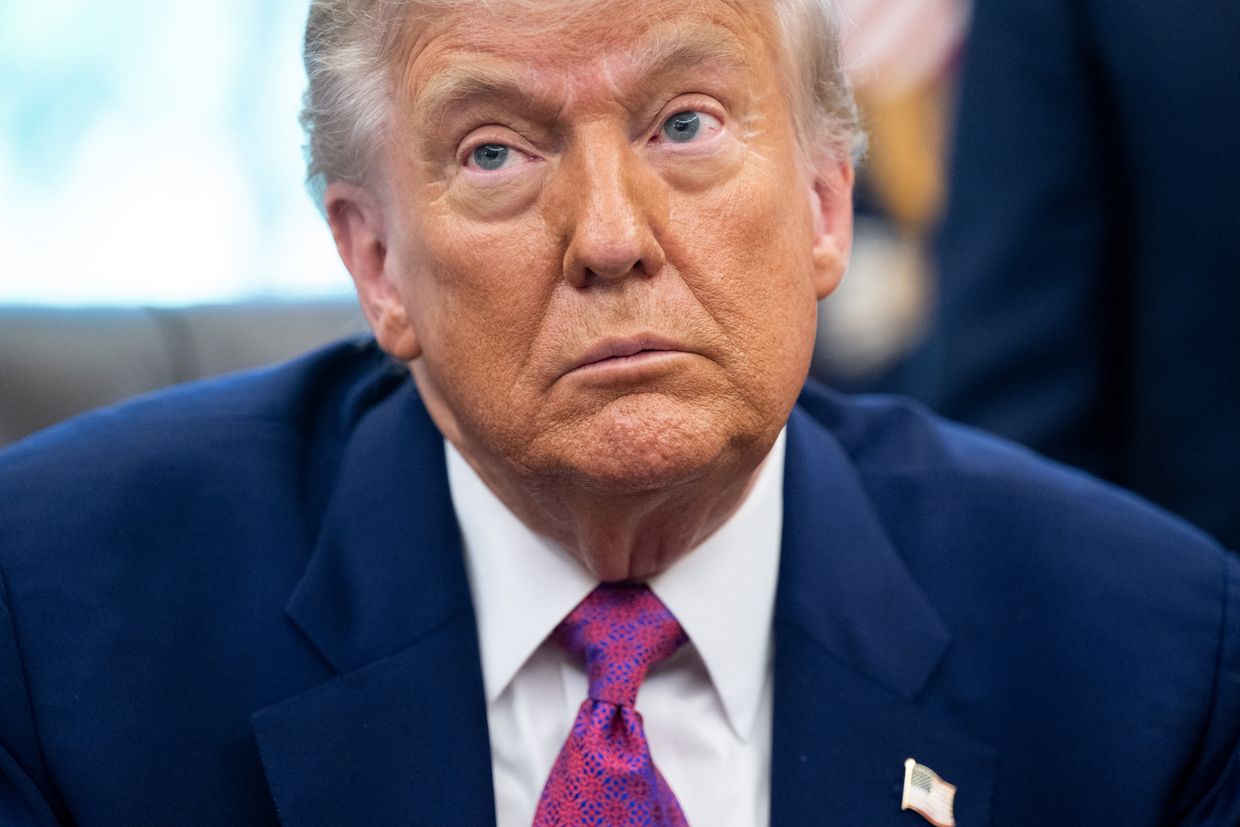
Most Group of Seven (G7) nations are prepared to lower the Russian oil price cap from $60 to $45 a barrel even without support from the United States, Reuters reported on June 12, citing unnamed sources familiar with the matter.

According to Reuters, the European Union and United Kingdom, backed by other European G7 countries and Canada, are ready to lead the charge in lowering the Russian oil price cap – even if U.S. President Donald Trump opts out.

The price cap, which bans Western companies from shipping, insuring, or otherwise servicing Russian oil sold above $60 per barrel, was first introduced in December 2022 as a measure to limit the Kremlin's ability to finance its war against Ukraine.

The G7 had previously attempted to lower the Russian oil price cap; however, the proposal was dropped after U.S. Treasury Secretary Scott Bessent reportedly declined to support it.

It is unclear whether the U.S. will support the decision this time around. Japan's position is also undecided.

Participating country leaders will revisit the price cap discussion at the upcoming G7 summit. Canada, which holds the G7 presidency this year, will host the summit on June 15-17 in Kananaskis County, located in the western province of Alberta.

The summit agenda will include topics such as support for Ukraine in the Russian war, global economic stability, digital transformation, and climate change.

President Volodymyr Zelensky is expected to attend the summit and seek a meeting with U.S. President Donald Trump.

EU could impose Russian oil price cap without US support, Kallas says
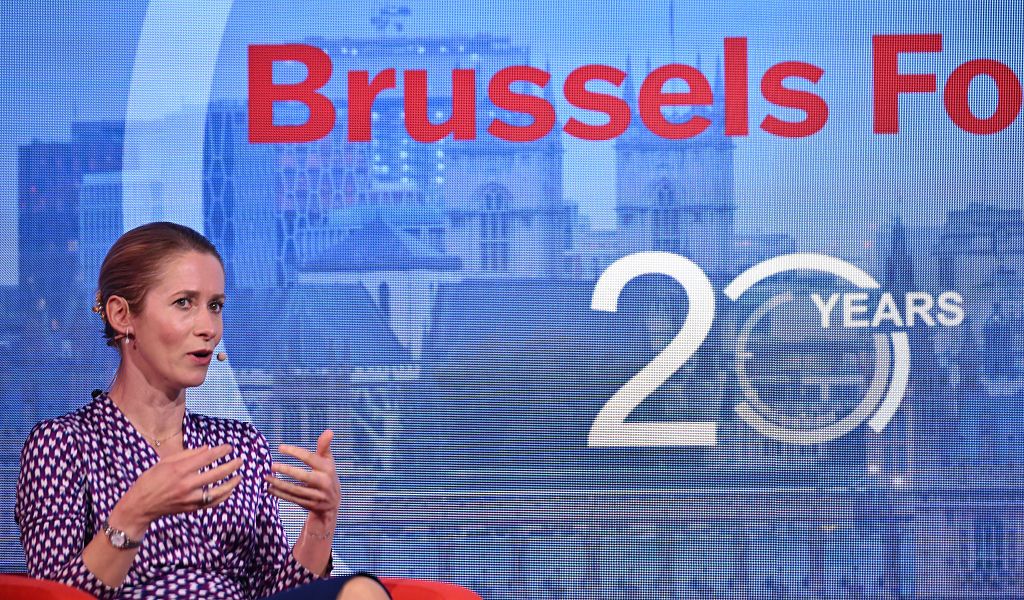
The European Union can impose an additional price cap on Russian oil without U.S. support, EU High Representative Kaja Kallas said at the Brussels Forum on June 11.
G7 ready to lower Russian oil price cap without US support, Reuters reportsThe Kyiv IndependentVolodymyr Ivanyshyn
G7 ready to lower Russian oil price cap without US support, Reuters reports
  •  

Putin announces creation of separate drone branch in Russian military

Putin announces creation of separate drone branch in Russian military

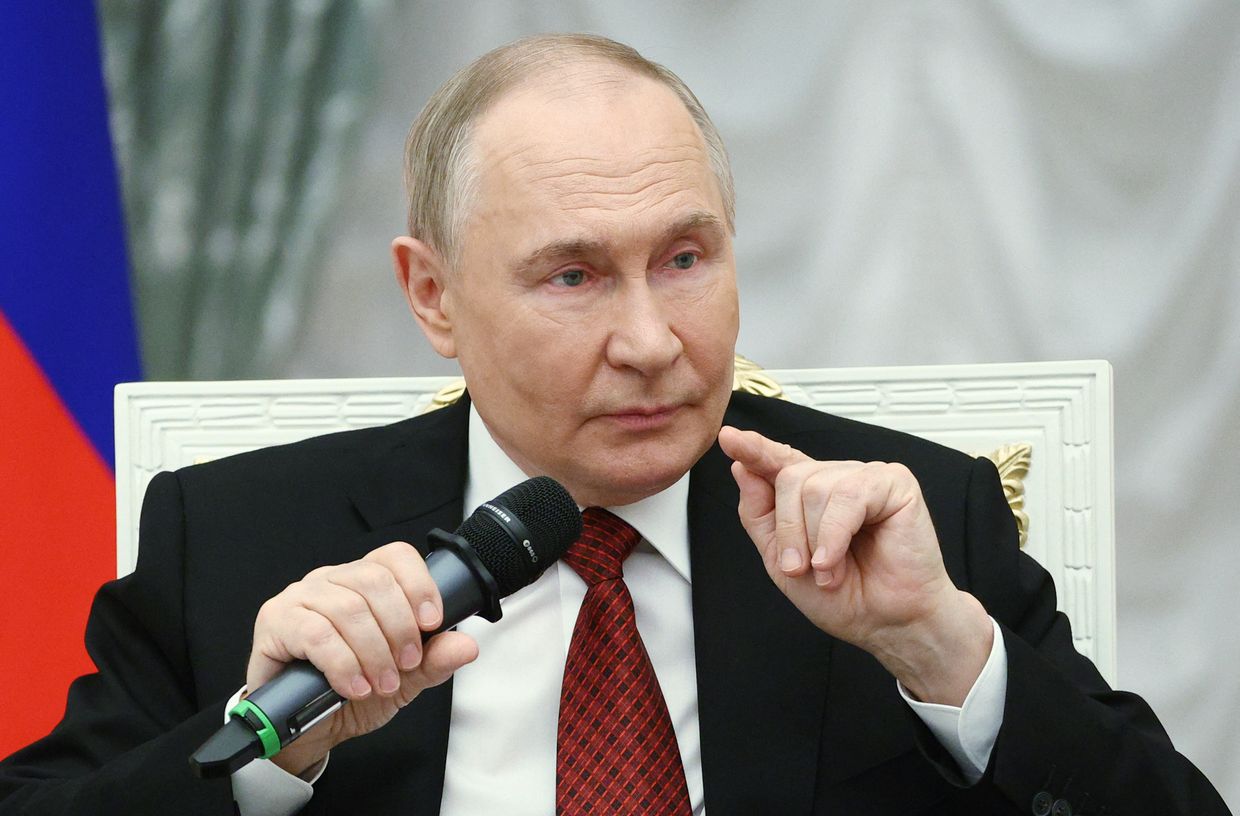
Russia will establish a dedicated military branch for unmanned systems, President Vladimir Putin said on June 12 during a meeting on the state armament program.

"We have accumulated a great deal of experience to create this branch of the armed forces," Putin said, noting the move includes personnel training, manufacturing, and deployment of modern equipment.

The announcement comes as both Russia and Ukraine increasingly use drones for strike missions and surveillance. Unmanned systems have become central to battlefield operations and enabling deep strikes.

Ukraine established its own Unmanned Systems Forces (USF) in June 2024 to formalize and scale its drone-based operations on the battlefield. The USF has since launched hundreds of deep strikes into Russian territory and worked to integrate drone technology across combat units.

Russia, meanwhile, has ramped up drone production over the past year, launching waves of Iranian-designed Shahed-type suicide drones in near-daily attacks on Ukrainian cities.

President Volodymyr Zelensky said on May 27 that Moscow intends to produce up to 500 drones daily, with Russian manufacturers gearing up to manufacture 300-350 drones each day.

Russian drone production has been supported by a steady flow of components from China and a workforce that includes teenagers and foreign laborers from African countries.

The Kremlin's move mirrors Kyiv's earlier military reform and signals Russia's recognition of drones as a critical pillar of modern warfare.

As Russian losses in Ukraine hit 1 million, Putin’s war economy heads toward breaking point
Russian losses in Ukraine hit a massive, and grim milestone on June 12 — 1 million Russian soldiers killed or wounded during the 39-month-long full-scale war, according to figures from Kyiv. Although hugely symbolic, the number is unlikely to prompt a change in tactics from Moscow as it gears up for
Putin announces creation of separate drone branch in Russian militaryThe Kyiv IndependentChris York
Putin announces creation of separate drone branch in Russian military
  •  

Russia exploits medical exemptions to bypass sanctions, Lithuania says

Russia exploits medical exemptions to bypass sanctions, Lithuania says

Russia is exploiting automatic medical exemptions in EU sanctions regulations to import dual-use goods for its military, Lithuania's Deputy Foreign Minister Gabija Grigaite-Daugirde told Bloomberg on June 12.

According to Grigaite-Daugirde, Lithuanian customs authorities blocked 28,854 goods in 2024 that were allegedly destined for Russia and Belarus "under the guise of medical exemption."

Many of the flagged shipments contained parts for motor vehicles, refrigerators, copiers, and microelectronics — all of which can have military applications.

"We have witnessed parts for motor vehicles, refrigerators, copying machines, and other types of microelectronics being exported directly to Russia, claiming that these are bound for medical use," she said.

Under current EU rules, medical exemptions are automatically granted, leaving customs authorities to investigate the shipments retroactively. Lithuania has called for reforms allowing exporters to apply for exemptions before shipments are approved.

"Leaving automatic exemptions from sanctions for medical goods is like closing a door but leaving a keyhole," Grigaite-Daugirde said. "Russia definitely finds a way to pass."

As Moscow shifts to a wartime economy and seeks Western-made technology for its arms production, its efforts to circumvent sanctions have grown "desperate," she added.

Lithuania, a key EU and NATO member bordering both Belarus and Russia's heavily militarized Kaliningrad exclave, has taken a hardline stance on enforcement and regularly pushes for tougher sanctions within the bloc.

Why can’t the West match Russia’s ammunition production?
The West is failing to catch up to Russia’s production of the most basic unit of war for the past half-millennium — gunpowder. The modern propellants and explosives that power war have largely been offshored. While Western manufacturers are churning out shell casings, they are short on the materials to fill
Russia exploits medical exemptions to bypass sanctions, Lithuania saysThe Kyiv IndependentKollen Post
Russia exploits medical exemptions to bypass sanctions, Lithuania says
  •  

Ukrainian forces 'gradually pushing back' Russian troops from Sumy Oblast, Zelensky says

Ukrainian forces 'gradually pushing back' Russian troops from Sumy Oblast, Zelensky says

Ukrainian forces are gradually driving Russian troops back from parts of Sumy Oblast, President Volodymyr Zelensky said on June 12, amid escalating cross-border assaults in the region.

"Today, there was a report from Commander-in-Chief (Oleksandr) Syrskyi — the front and, above all, the Pokrovsk direction, the Kursk operation, the border area of Sumy Oblast," Zelensky said in a video address.

"Our units in Sumy Oblast are gradually pushing back the occupiers. Thank you to each of our soldiers, sergeants, and officers for this result."

The statement follows weeks of intensified Russian offensives along the northeastern border. Russian troops have advanced into Sumy Oblast since Ukraine's withdrawal from most of its positions in Russia's Kursk Oblast in March.

Since March, Russia has reportedly taken control of about 200 square kilometers (80 square miles) in northern Sumy Oblast, including roughly a dozen small villages. As of May 31, mandatory evacuations were ordered for 213 settlements.

In May, Russian President Vladimir Putin ordered his military to create a so-called "security buffer zone" along the border with Ukraine, while Zelensky said on May 28 that Moscow had massed 50,000 troops near Sumy.

In a separate interview with Bild on June 12, Zelensky dismissed Moscow's claims of significant territorial gains as "a Russian narrative" aimed at shaping global perceptions. He stressed that Ukrainian forces have managed to hold off a renewed offensive for nearly three weeks.

Sumy Oblast, which shares a long border with Russia, has been under near-constant attack since the start of the full-scale invasion in 2022.

On June 3, Russian strikes on the city of Sumy killed six people and injured 28 others, including children.

As Russian losses in Ukraine hit 1 million, Putin’s war economy heads toward breaking point
Russian losses in Ukraine hit a massive, and grim milestone on June 12 — 1 million Russian soldiers killed or wounded during the 39-month-long full-scale war, according to figures from Kyiv. Although hugely symbolic, the number is unlikely to prompt a change in tactics from Moscow as it gears up for
Ukrainian forces 'gradually pushing back' Russian troops from Sumy Oblast, Zelensky saysThe Kyiv IndependentChris York
Ukrainian forces 'gradually pushing back' Russian troops from Sumy Oblast, Zelensky says
  •  

Russia converts Kerch Airport in Crimea into military base, investigation shows

Russia converts Kerch Airport in Crimea into military base, investigation shows

Kerch Airport in occupied Crimea is being repurposed from civilian to military use, according to a June 12 investigation by Radio Free Europe/Radio Liberty's Schemes project, citing satellite imagery and Russian real estate registry data.

On March 4, 2025, the Russian-backed authorities officially transferred part of the airport's land to Russia's Defense Ministry for indefinite use, according to the investigation.

Russia illegally annexed Crimea in 2014 after a discredited referendum under military occupation. Since then, the peninsula has become a heavily militarized zone.

Satellite images from the Planet Labs imaging company show ongoing construction at the site, including the installation of protective and camouflage structures around the runway.

The changes suggest the airport is being converted into a military facility capable of supporting drone operations or housing short-range air defense systems such as the Pantsir-S1 or Tor-M2, according to aviation expert Anatoly Khrapchinsky.

The new runway will be suitable for drone launches, Khrapchinsky noted.

Kerch Airport has not hosted regular commercial flights since 2007 and was previously used as a truck holding area for freight vehicles crossing the nearby ferry. That function was relocated in March 2025, officially as part of a "reorganization."

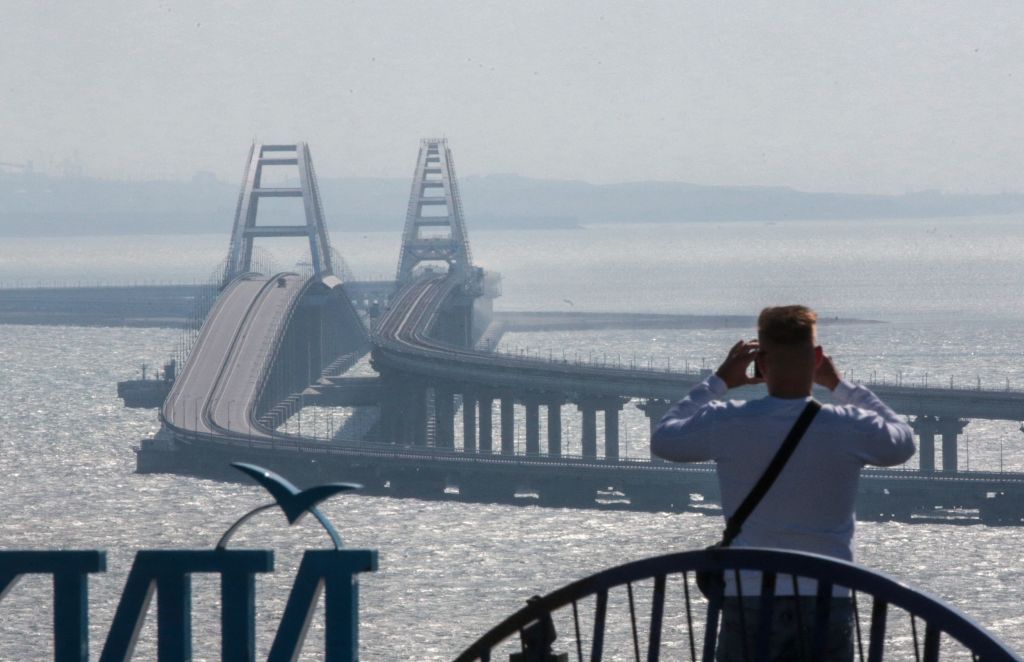
The city of Kerch, situated near the strategic Kerch Strait, lies just across from Russia's Krasnodar Krai and is home to the crucial Crimean Bridge, built after Russia's illegal annexation of the peninsula in 2014.

Germany to supply new Iris-T air defense systems to Ukraine, rules out Taurus missiles
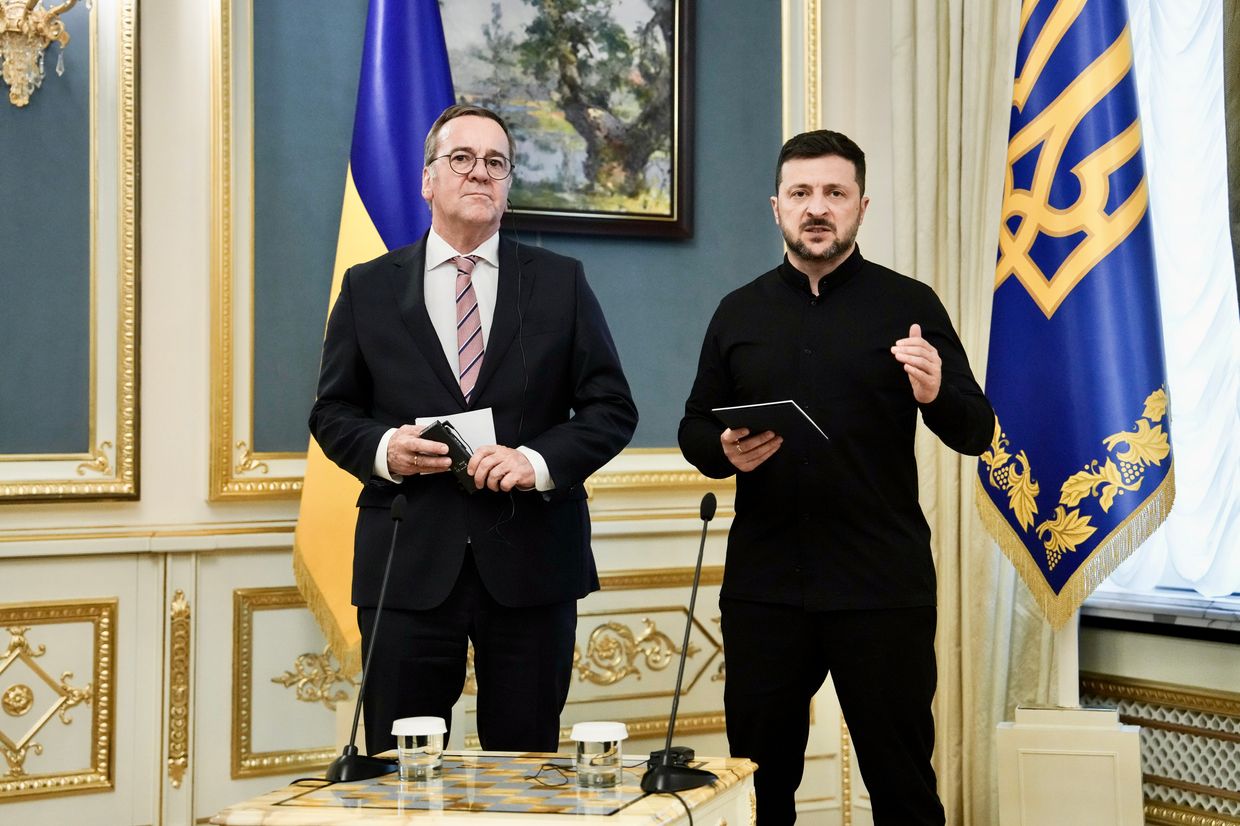
Germany will deliver new IRIS-T air defense systems to Ukraine under a three-year supply plan, President Volodymyr Zelensky said during a joint press conference with German Defense Minister Boris Pistorius, who said Berlin has no plans to provide Taurus long-range missiles.
Russia converts Kerch Airport in Crimea into military base, investigation showsThe Kyiv IndependentTim Zadorozhnyy
Russia converts Kerch Airport in Crimea into military base, investigation shows
  •  

Russia reportedly redeploys bombers to Far East bases after Ukraine's Operation Spiderweb

Russia reportedly redeploys bombers to Far East bases after Ukraine's Operation Spiderweb

Russia has redeployed dozens of long-range bombers to more remote bases within the country, Russian independent media outlet Agentstvo reported on June 11, citing OSINT analyst AviVector.

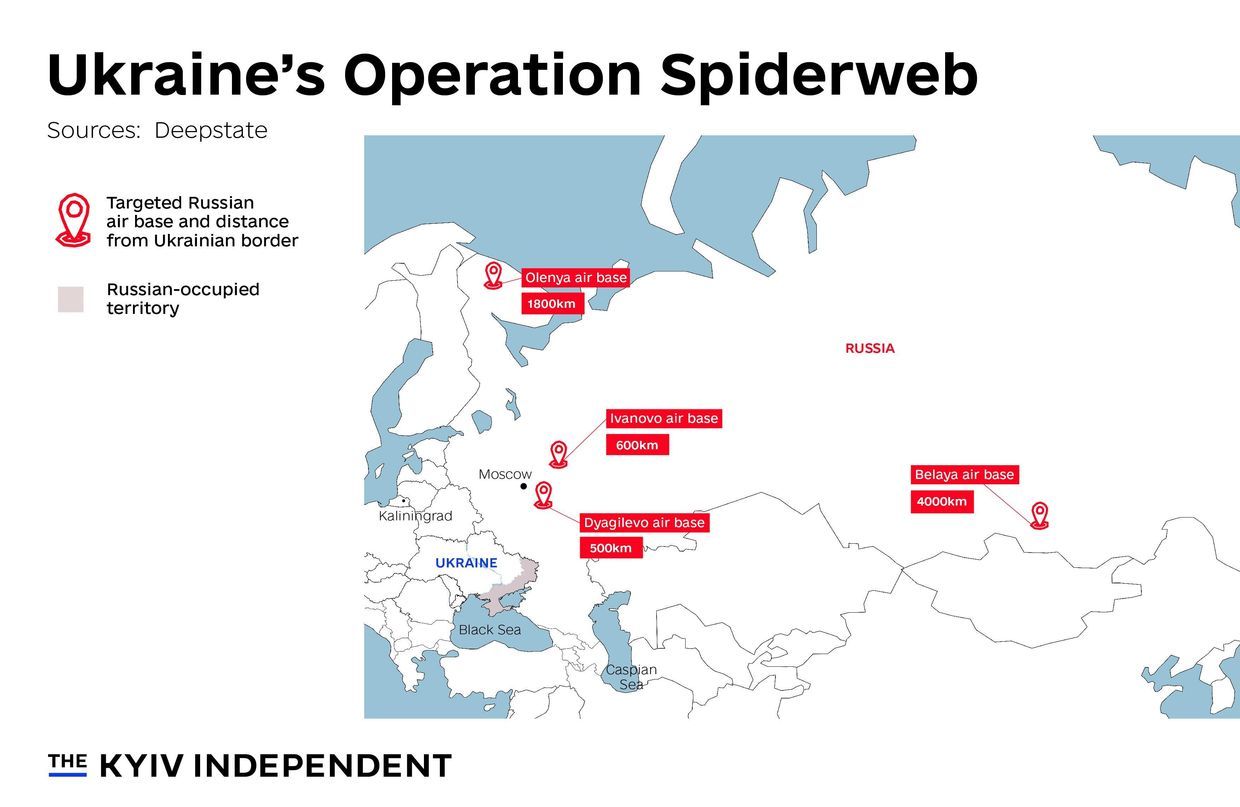
The relocation comes in the wake of Ukraine's Operation Spiderweb, the unprecedented mass drone strike on June 1 that targeted four Russian air bases deep inside the country.  

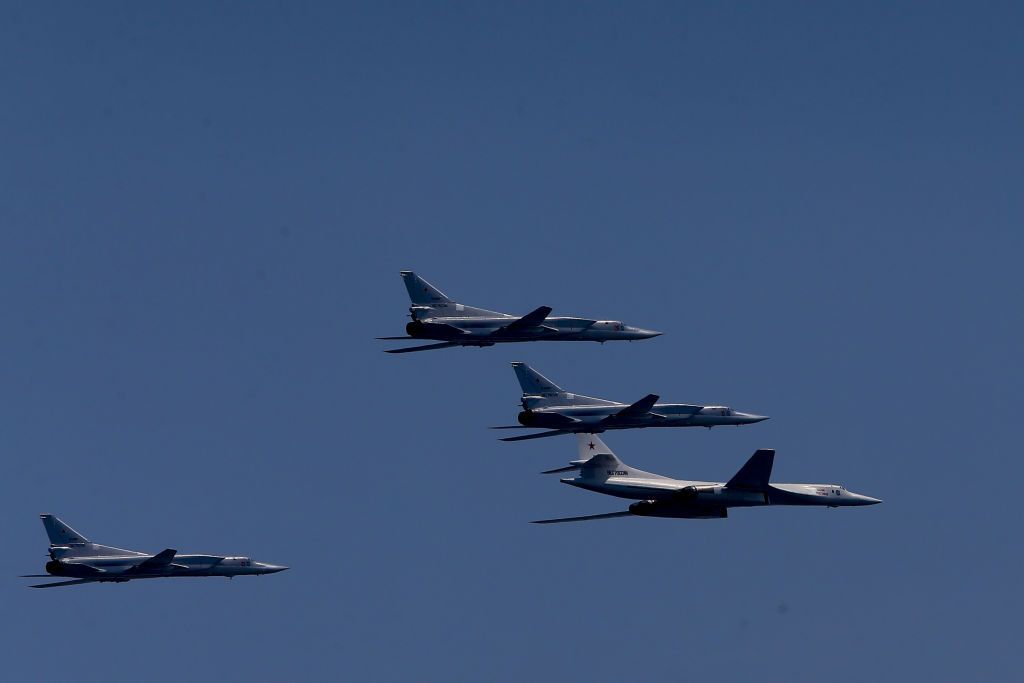
The Security Service of Ukraine (SBU) said 117 drones were launched from hidden positions across Russia, damaging 41 aircraft, including Tu-95, Tu-22M3, and Tu-160 bombers.

According to Agentstvo, all Tu-160 bombers have been evacuated from Belaya airfield in Irkutsk Oblast and Olenya airfield in Murmansk Oblast. Some were relocated to Anadyr in Chukotka, Yelizovo in Kamchatka, and Borisoglebskoye in Tatarstan.

Tu-22M3 and Tu-95MS bombers were also redeployed. Eleven Tu-22M3s and all Tu-95MS aircraft near Murmansk reportedly relocated to the Ukrainka airfield in Amur Oblast, Engels-2 in Saratov Oblast, Borisoglebskoye in Tatarstan, and Mozdok in North Ossetia.

Russia reportedly redeploys bombers to Far East bases after Ukraine's Operation Spiderweb
Ukraine's Operation Spiderweb. (Nizar al-Rifai/The Kyiv Independent))

The reported relocation of bombers is the latest sign that Ukraine's drone warfare is forcing the Kremlin to rethink its strategic posture, even far from the front lines.

Western analysts and military officials praised Ukraine's ingenuity in the Spiderweb operation. NATO Admiral Pierre Vandier called the mission a modern reinvention of the "Trojan Horse," demonstrating Ukraine's growing technical sophistication and deep-strike capability.

President Volodymyr Zelensky claimed that roughly half of the targeted aircraft are damaged beyond repair. Russia has acknowledged losses but insisted all damaged aircraft will be restored.

  •  

Over 100,000 Russian families seek missing soldiers through Ukrainian project, Kyiv says

Over 100,000 Russian families seek missing soldiers through Ukrainian project, Kyiv says

More than 100,000 Russian families have contacted a Ukrainian-run initiative in search of information about missing Russian soldiers, Ukraine's Coordination Headquarters for the Treatment of the Prisoners of War (POWs) said on June 12.

The announcement comes as Russia and Ukraine are conducting a series of the most extensive prisoner exchanges since the beginning of the large-scale war in 2022. The latest phase of the exchange occurred on June 12.

The initiative, called "I Want to Find" (Russian: "Хочу найти"), has received 100,324 requests from Russian citizens seeking answers about relatives who vanished while serving in Russia's military, the Coordination Headquarters said.

The actual number of missing Russian troops is believed to be significantly higher. Since launching its full-scale invasion of Ukraine in February 2022, the Kremlin has largely concealed the scale of its military losses, forcing many families to search independently, Ukrainian officials said.

In May 2025 alone, the project received a record 12,320 inquiries — the highest monthly figure since the program began in January 2024.

Through the project, families can verify whether their relatives have been captured or killed, which may enable them to pressure Russian authorities to pursue prisoner exchanges. As of June, Ukraine has confirmed 2,415 Russian soldiers held in captivity, with 1,126 of them already exchanged for Ukrainian defenders, the Coordination Headquarters said.

"Many more Russians remain in captivity, but not all families know about the program or have submitted requests," the agency added.

A detailed analysis of the requests revealed that some of Russia's most severely depleted units include the 15th Separate Motorized Rifle Brigade (Military Unit 90600), which accounts for 2,277 missing personnel — the highest of any single unit. Of the 20 most-affected units, 17 are motorized rifle brigades, often deployed in Russia's most brutal infantry assaults, commonly referred to as "meat grinder" tactics.

The data also showed that 26% of missing soldiers were under the age of 30. The youngest reported missing was 18, and the oldest was 67.

The project has also uncovered a shift in public sentiment, claiming 75% of those submitting requests said they do not support Russia's war in Ukraine.

According to the Ukrainian General Staff, Russia has lost over 1 million troops since the start of its invasion — a figure reported for the first time on June 12, with 1,140 casualties recorded in just one day. The total reported Russian losses stand at 1,000,340 as of that date.

The Kremlin has not commented on the figures.

As Russian losses in Ukraine hit 1 million, Putin faces an economic time bomb
Russian losses in Ukraine hit a massive, and grim milestone on June 12 — 1 million Russian soldiers killed or wounded during the 39-month-long full-scale war, according to figures from Kyiv. Although hugely symbolic, the number is unlikely to prompt a change in tactics from Moscow as it gears up for
Over 100,000 Russian families seek missing soldiers through Ukrainian project, Kyiv saysThe Kyiv IndependentChris York
Over 100,000 Russian families seek missing soldiers through Ukrainian project, Kyiv says
  •  

EU approves new tariffs on Russian, Belarusian agricultural goods

EU approves new tariffs on Russian, Belarusian agricultural goods

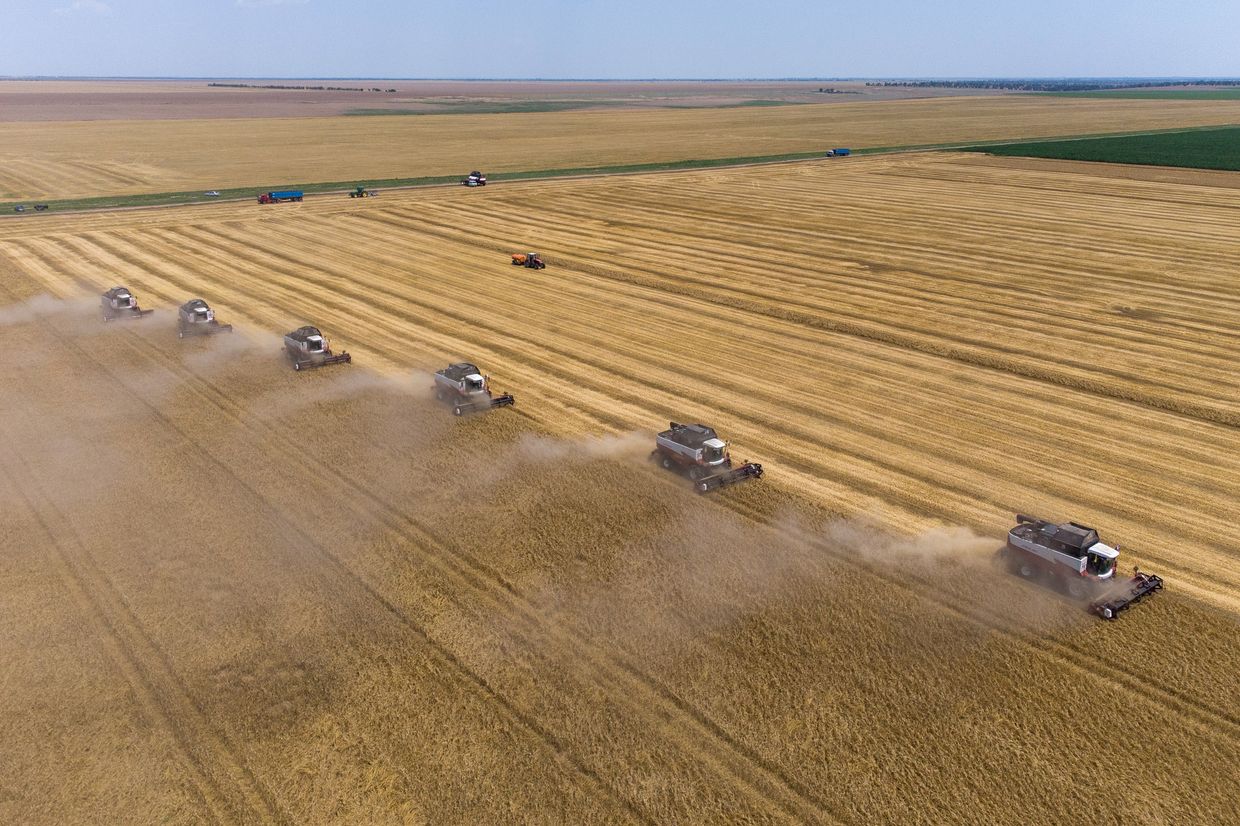
The Council of the EU on June 12 approved fresh tariffs on fertilizers and remaining agricultural goods from Russia and Belarus, aiming to reduce Russian export revenues.

The measures target those goods that have not yet been subject to additional customs duties and will enter into force on July 1. The tariffs on fertilizers will increase gradually over the next three years.

The step comes as the EU readies additional sanctions against Russia as it continues to wage its all-out war against Ukraine.

"Polish Presidency motto is 'Security, Europe!' and these measures increase our economic security by reducing dependencies from Russia," said Michal Baranowski, the trade undersecretary at the Polish Economy Ministry.

"We are further reducing Russia’s export revenues and therefore its ability to finance its brutal war. This is united Europe at its best," he said in a statement.

The new tariffs will apply to goods that made up around 15% of all agricultural imports from Russia in 2023. Fertilizer tariffs will focus on certain nitrogen-based products, the Council said in a statement.

Russian fertilizers accounted for more than a quarter of all of the EU's imports in this sector in 2023, worth almost $1.5 billion.

Apart from stifling Russia's trade revenue, the step also aims to reduce the EU's dependence on Russian and Belarusian goods, protect European farmers, and diversify the supply.

The EU adopted higher tariffs on cereals, oilseeds, and some other products from Russia and Belarus in May 2024. Earlier this year, the European Commission proposed imposing similar measures on all remaining agricultural products from the two countries.

Putin’s suspected daughter found working in anti-war galleries in Paris
Nastya Rodionova, a Russian writer and artist who has been based in Paris since 2022, had only met gallery manager Luiza Rozova in passing at events before she learned who the 22-year-old’s parents were. Described by a number of people as a “very nice and well-mannered girl,” Rozova is
EU approves new tariffs on Russian, Belarusian agricultural goodsThe Kyiv IndependentKate Tsurkan
EU approves new tariffs on Russian, Belarusian agricultural goods
  •  

US Ambassador to Russia Tracy leaving post, embassy says

US Ambassador to Russia Tracy leaving post, embassy says

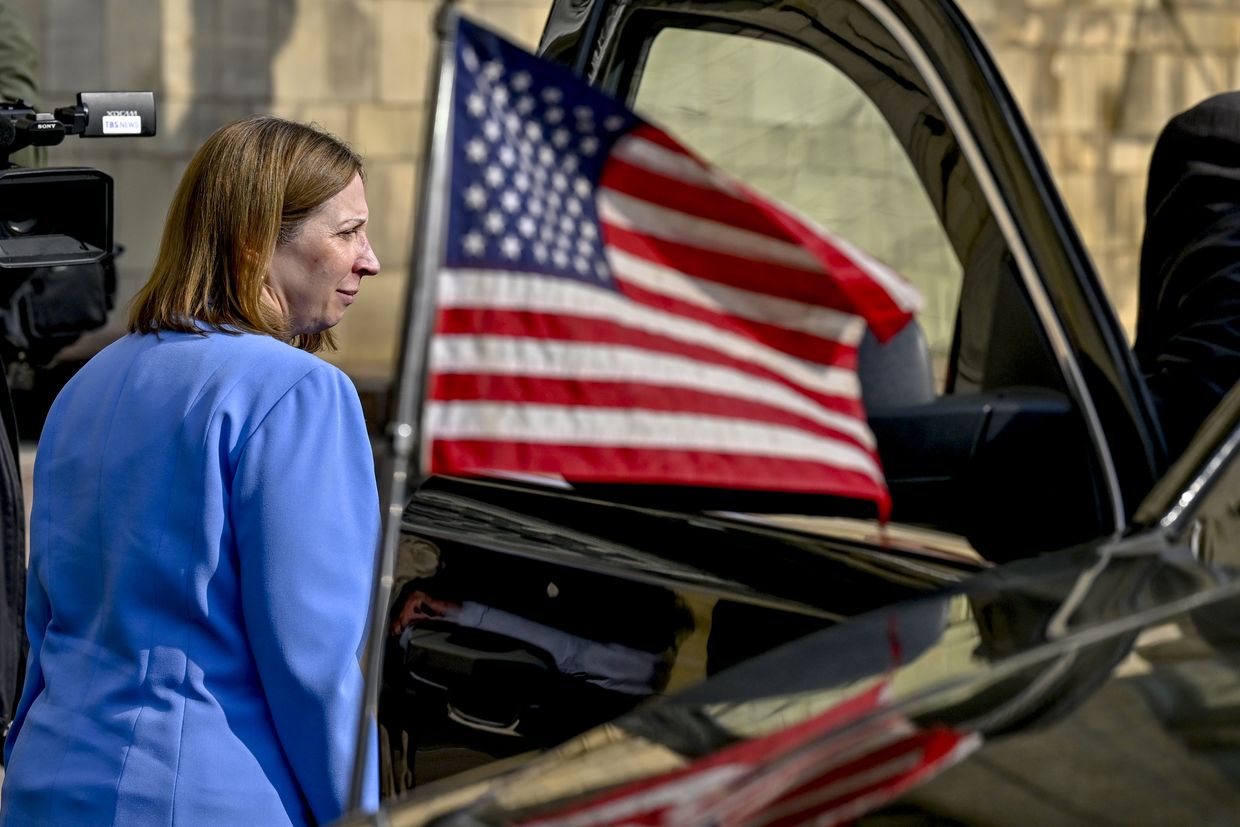
U.S. Ambassador to Moscow Lynne Tracy will soon be stepping down from her post, the U.S. Embassy in Russia announced on June 12.

The statement said that Tracy is "concluding her mission at the U.S. Embassy in Russia," without providing further details.

The move comes as U.S. President Donald Trump makes a decisive break from the previous Biden administration’s Russia policy, aiming to restore relations and negotiate a peace deal in Ukraine.

Tracy replaced John Sullivan at the key diplomatic post in Moscow in January 2023, after being nominated by former President Joe Biden.

A seasoned diplomat, Tracy previously served as the U.S. ambassador to Armenia and held posts at diplomatic missions in Russia, Turkmenistan, Pakistan, Kazakhstan, Afghanistan, and Kyrgyzstan.

The embassy announced a live stream on June 13 to "bid farewell" to the outgoing envoy.

Tracy led the U.S. mission in Russia in one of the lowest points of the U.S.-Russian relationship in decades, as Washington imposed massive sanctions on Moscow and backed Ukraine against Russian aggression.

Though diplomatic contacts during this period were limited, Tracy played a key role in negotiating the release of U.S. citizens held in Russia, such as Wall Street Journal reporter Evan Gershkovich.

The ambassador is concluding her mission after around two years, a similar time period to her predecessor. It is not immediately clear who will replace her.

In April, Bridget Brink, the U.S. ambassador to Ukraine, unexpectedly resigned, later explaining the move by opposition to Trump's foreign policy.

Russia also appointed its new envoy to the U.S., Alexander Darchiev, earlier this year amid a thaw in U.S.-Russian ties under Trump.

America’s weak strongman
Over the past two months, financial investors have hit upon a new trading strategy, based on a simple rule: TACO — Trump Always Chickens Out. America’s president threatens to slap massive import tariffs on friends and foes alike, or to remove the Federal Reserve chair, only to back down when
US Ambassador to Russia Tracy leaving post, embassy saysThe Kyiv IndependentTimothy Snyder
US Ambassador to Russia Tracy leaving post, embassy says
  •  

Ukraine, Russia carry out another exchange of POWs under Istanbul deal

Ukraine, Russia carry out another exchange of POWs under Istanbul deal

Editor's note: The story is being updated.

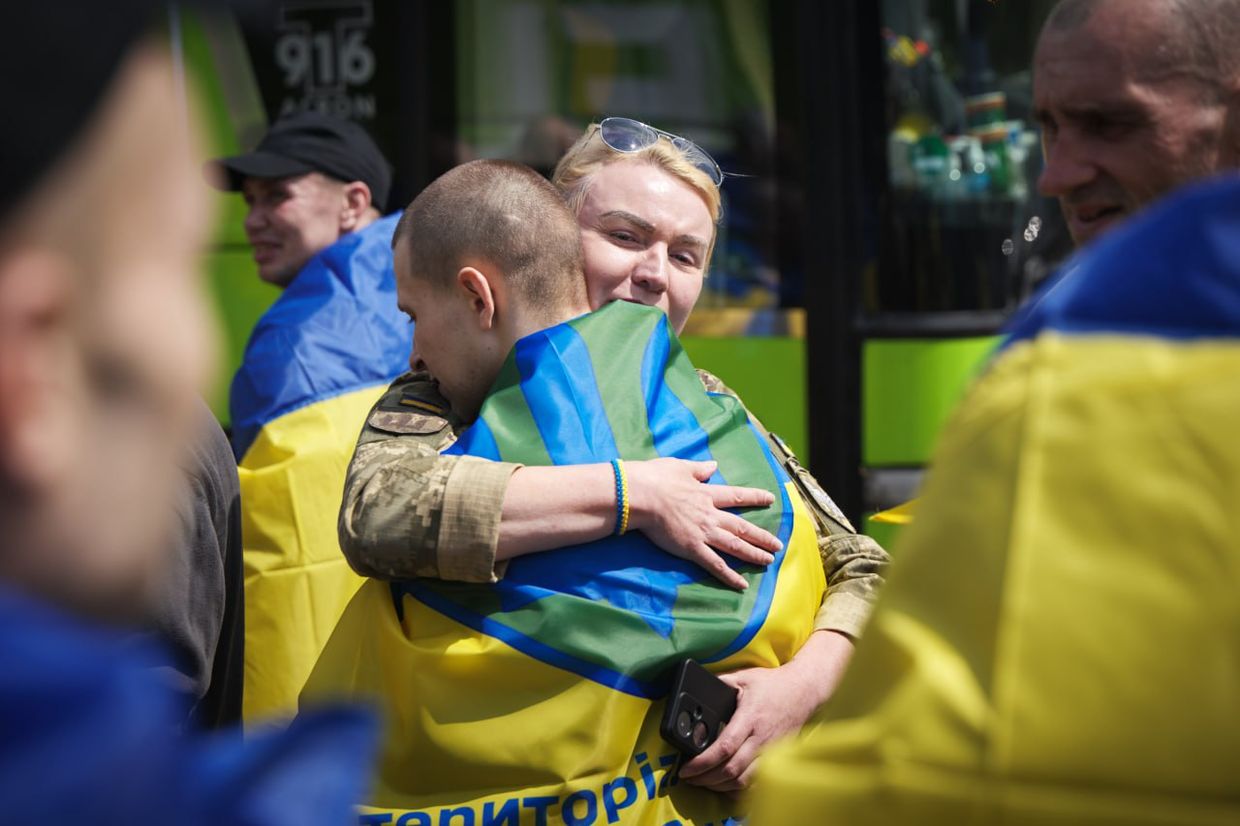
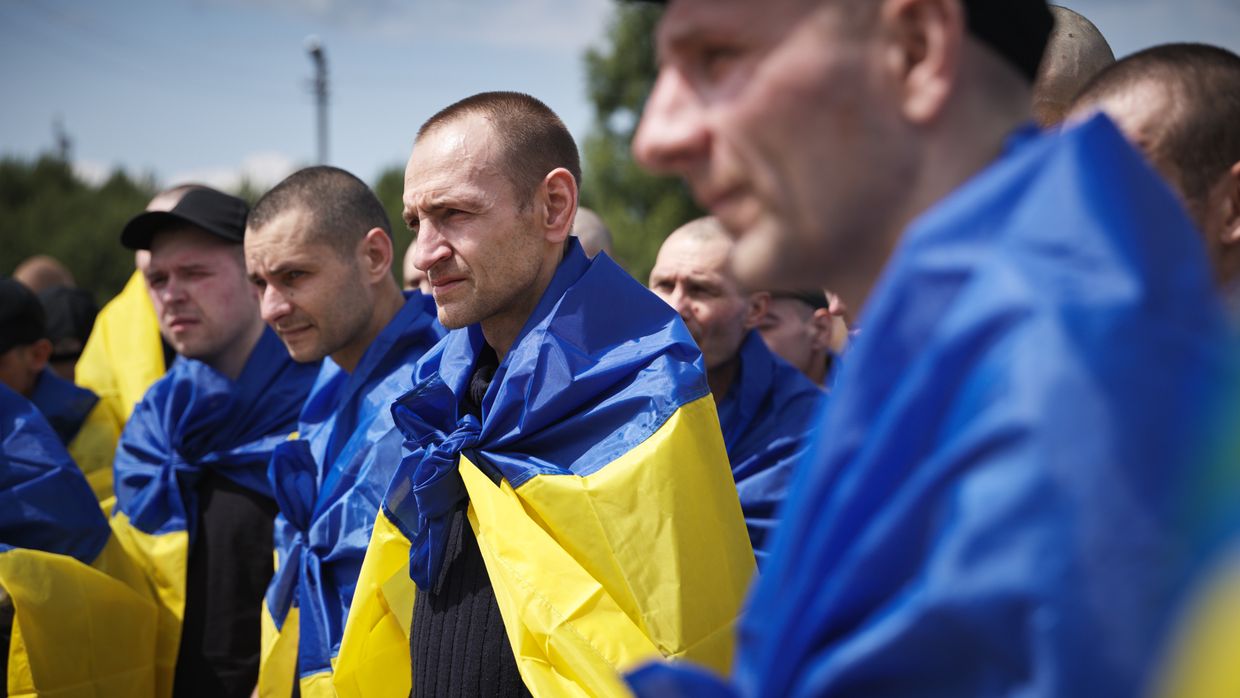
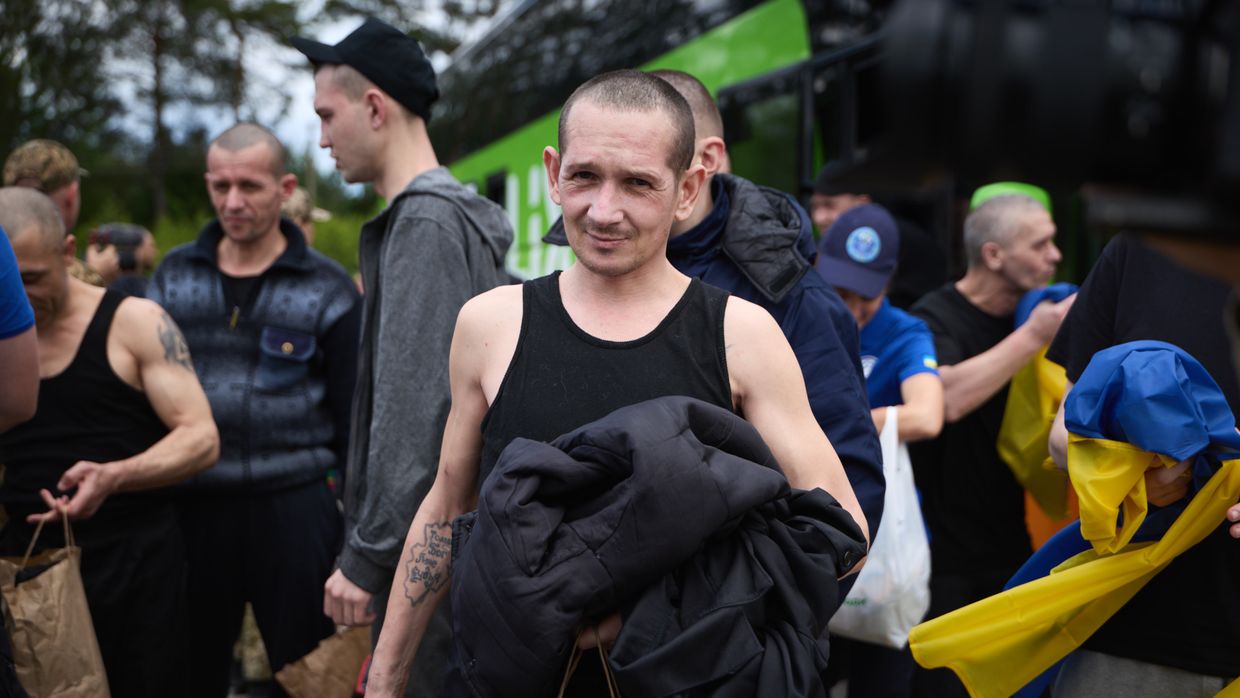
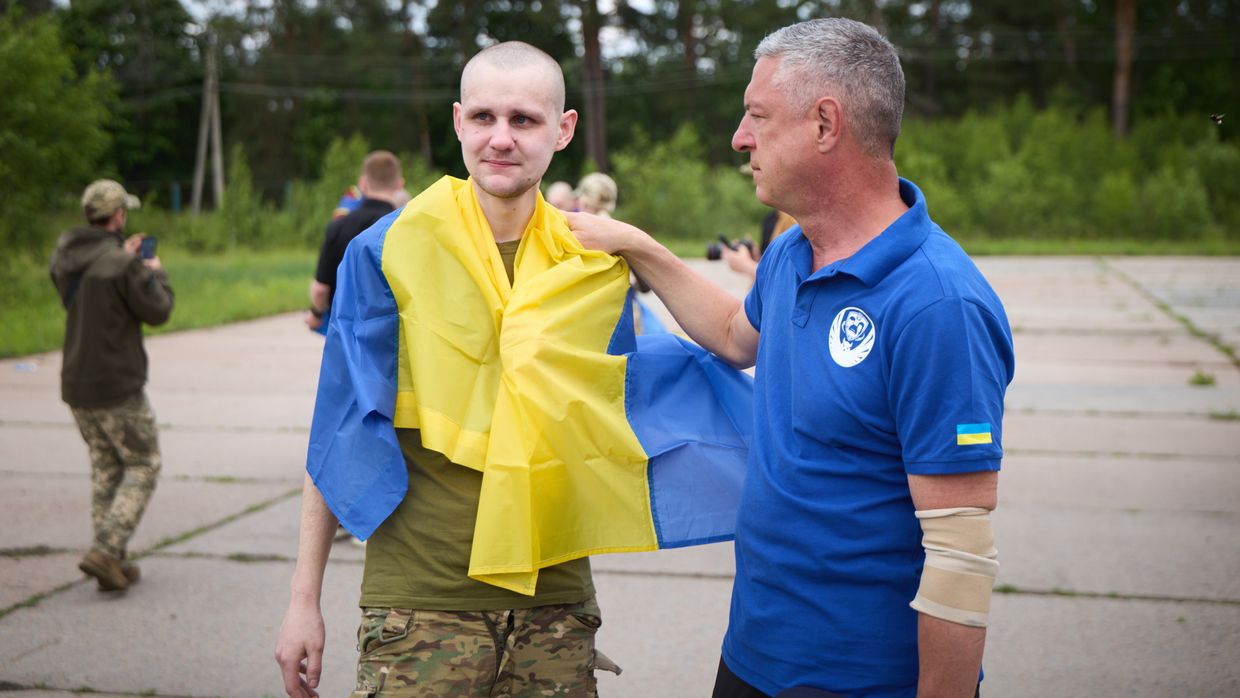
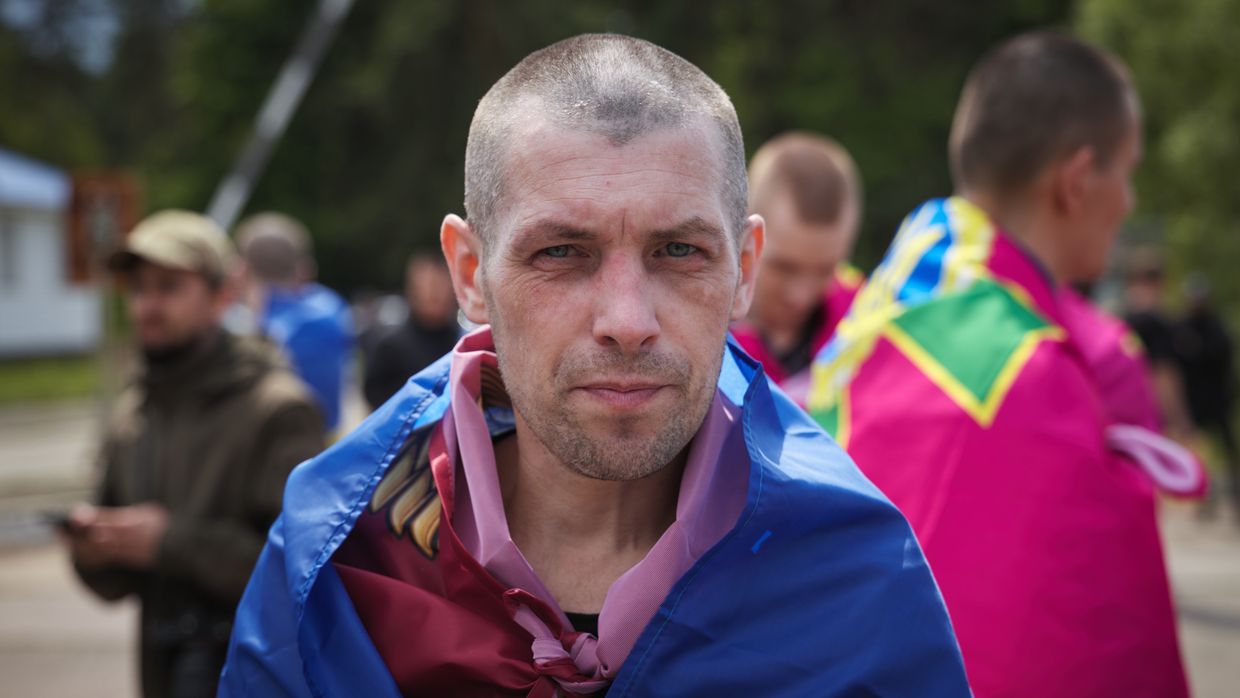
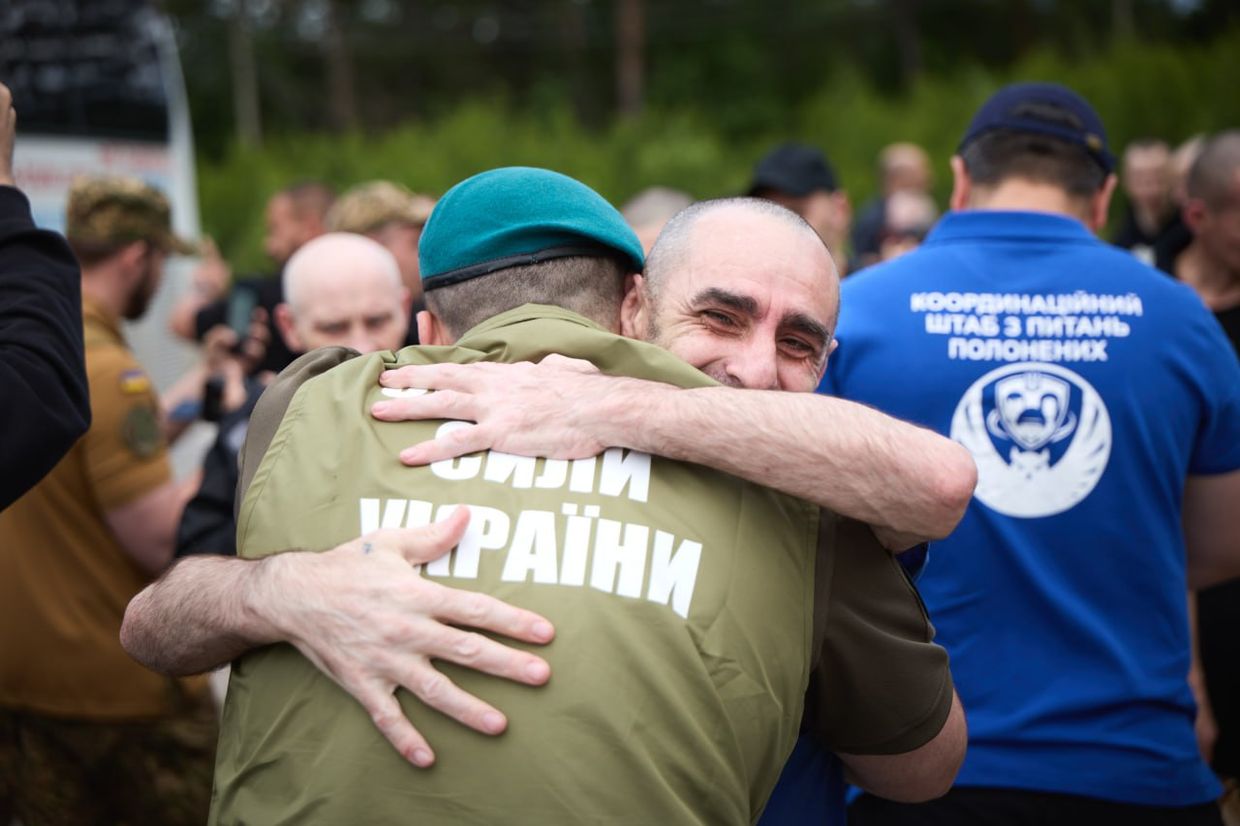
Ukraine has brought home another group of service members from Russian captivity, President Volodymyr Zelensky announced on June 12, saying the latest exchange focused on "severely wounded and seriously ill warriors."

The prisoners of war (POWs) were released as part of a prisoner exchange with Russia agreed upon during recent peace talks in Istanbul, Ukraine's Coordination Headquarters for the Treatment of the POWs said.

The June 12 release follows a similar exchange on June 10, which also prioritized severely injured and ill captives. As during the previous swap, the number of personnel released was not immediately disclosed.

Ukraine, Russia carry out another exchange of POWs under Istanbul deal
Ukrainian service members released from Russian captivity under a prisoner exchange on June 12, 2025. (President Volodymyr Zelensky/X)
Ukraine, Russia carry out another exchange of POWs under Istanbul deal
Ukrainian service members released from Russian captivity under a prisoner exchange on June 12, 2025. (President Volodymyr Zelensky/X)
Ukraine, Russia carry out another exchange of POWs under Istanbul deal
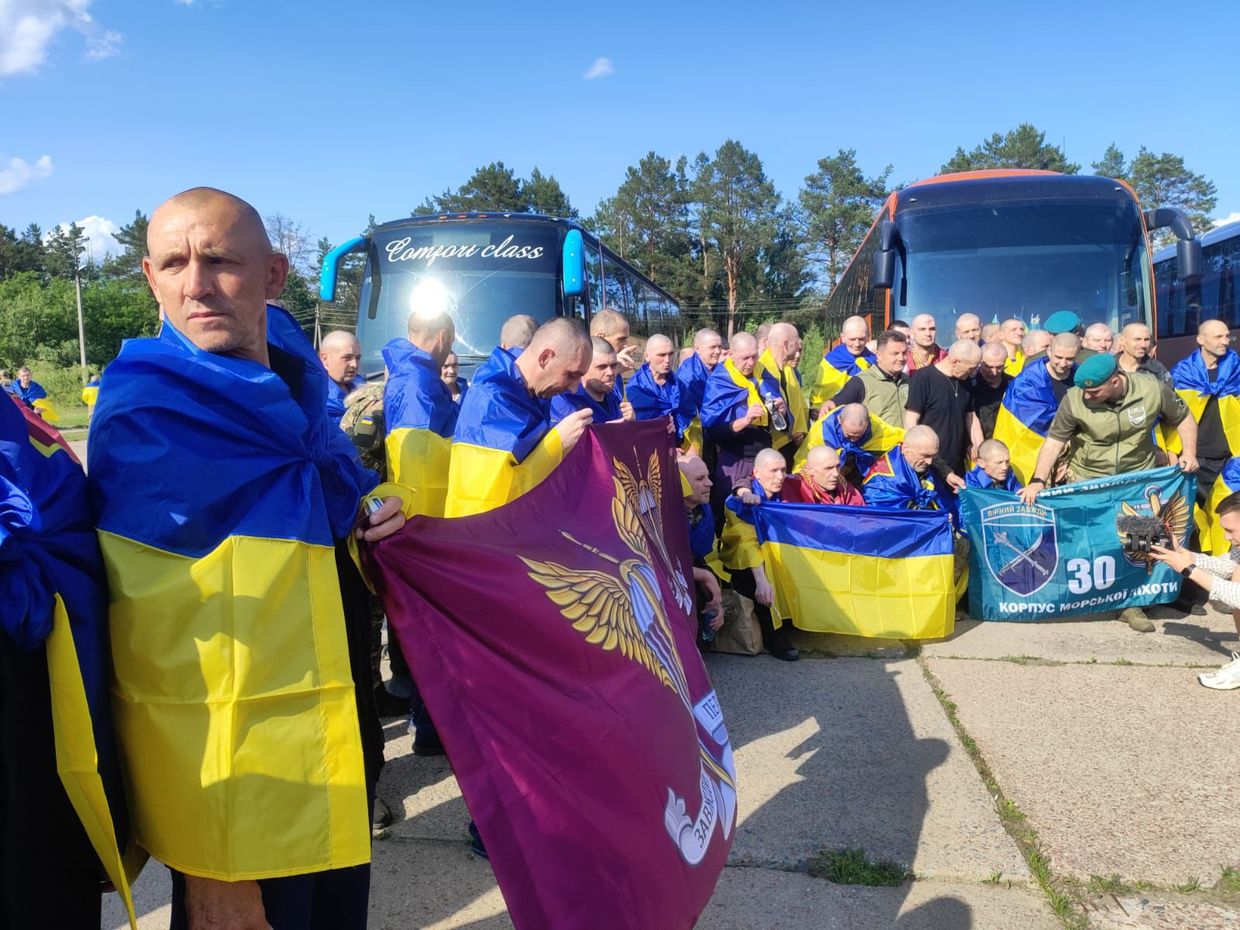
Ukrainian service members released from Russian captivity under a prisoner exchange on June 12, 2025. (President Volodymyr Zelensky/X)
Ukraine, Russia carry out another exchange of POWs under Istanbul deal
Ukrainian service members released from Russian captivity under a prisoner exchange on June 12, 2025. (President Volodymyr Zelensky/X)

Russia's Defense Ministry has also announced that its soldiers had been released from Ukrainian captivity as part of the swap, without disclosing their numbers.

Some of the POWs had been held by Russia for more than three years, according to the headquarters. Many of the released defenders had been classified as missing in action.

"This is part of a major exchange that continues in phases," the headquarters said in a statement. "These soldiers require urgent medical care and will receive full assistance, including psychological rehabilitation and financial compensation for their time in captivity."

0:00
/
Ukrainian service members released from Russian captivity under a prisoner exchange on June 12, 2025. (Ukraine's Coordination Headquarters for the Treatment of the POWs)

Soldiers from multiple Ukrainian military branches, including the Armed Forces, Air Assault Forces, Navy, Air Force, Territorial Defense Forces, National Guard, Border Guard Service, and the State Special Transport Service, were freed in the exchange. Many had served in combat operations across Donetsk, Luhansk, Kharkiv, Kherson, and Zaporizhzhia oblasts.

The Istanbul deal was reached during a second round of direct talks between the Ukrainian and Russian delegations on June 2. While no political breakthrough was achieved, both sides agreed to a phased exchange of prisoners and the repatriation of fallen soldiers’ remains.

Ukraine, Russia carry out another exchange of POWs under Istanbul deal
Ukrainian service members released from Russian captivity under a prisoner exchange on June 12, 2025. (President Volodymyr Zelensky/X)
Ukraine, Russia carry out another exchange of POWs under Istanbul deal
Ukrainian service members released from Russian captivity under a prisoner exchange on June 12, 2025. (President Volodymyr Zelensky/X)

As part of that agreement, Russia pledged to return the bodies of up to 6,000 Ukrainian service members.

Ukraine has brought back the bodies of 1,212 fallen service members on June 11. Vladimir Medinsky, aide to Russian President Vladimir Putin, claimed Ukraine released the remains of 27 Russian service members, while Kyiv did not confirm this.

The recent prisoner swap comes weeks after the largest such exchange of the war to date, which took place between May 23 and 25, with each side releasing 1,000 captives. Since Russia's full-scale invasion began, more than 5,000 Ukrainian POWs have been returned home, according to official figures.

Ukraine continues to push for an "all-for-all" formula to bring every captured Ukrainian soldier back, but Moscow has so far rejected such a comprehensive agreement. Meanwhile, the Coordination Headquarters said preparations are underway for the next phase of exchanges in the coming weeks.

Ukraine, Russia conduct second prisoner swap under Istanbul deal
“All of them require immediate medical attention,” President Volodymyr Zelensky said.
Ukraine, Russia carry out another exchange of POWs under Istanbul dealThe Kyiv IndependentTim Zadorozhnyy
Ukraine, Russia carry out another exchange of POWs under Istanbul deal
  •  

Risks vs. Harms: Youth & Social Media

Risks vs. Harms: Youth & Social Media

Since the “social media is bad for teens” myth will not die, I keep having intense conversations with colleagues, journalists, and friends over what the research says and what it doesn’t. (Alice Marwick et. al put together a great little primer in light of the legislative moves.) Along the way, I’ve also started to recognize how slipperiness between two terms creates confusion — and political openings — and so I wanted to call them out in case this is helpful for others thinking about these issues.

In short, “Does social media harm teenagers?” is not the same question as “Can social media be risky for teenagers?”

The language of “harm” in this question is causal in nature. It is also legalistic. Lawyers look for “harms” to place blame on or otherwise regulate actants. By and large, in legal contexts, we talk about PersonA harming PersonB. As such, PersonA is to be held accountable. But when we get into product safety discussions, we also talk about how faulty design creates the conditions for people to be harmed due to intentional, malfeasant actions by the product designer. Making a product liability claim is much harder because it requires proving the link of harm and the intentionality to harm.

Risk is a different matter. Getting out of bed introduces risks into your life. Risk is something to identify and manage. Some environments introduce more potential risks and some actions reduce the risks. Risk management is a skill to develop. And while regulation can be used to reduce certain risks, it cannot eliminate them. And it can also backfire and create more risks. (This is the problem that María Angel and I have with techno-legal solutionism.)

Let’s unpack this a bit by shifting contexts and thinking about how we approach risks more generally.

Skiing is Risky.

Skiing is understood to be a risky sport. As we approach skiing season out here in the Rockies, I’m bracing myself for the uptick in crutches, knee wheelies, and people under 40 using the wheelchair services at the Denver airport. There is also a great deal of effort being put into trying to reduce the risk that someone will leave the slopes in this state. I’m fascinated by the care ski instructors take in trying to ensure that people who come to the mountains learn how to take care. There’s a whole program here for youngins designed to teach them a safety-first approach to skiing.

And there’s a whole host of messaging that will go out each day letting potential skiers know about the conditions. We will also get fear-mongering messages out here, with local news reporting on skiers doing stupid things and warnings of avalanches that too many folks will ignore. And there will be posters at the resorts telling people to not speed on the mountains because they might kill a kid. (I think these posters are more effective as scaring kids than convincing skiers to slow down.)

No matter what messaging goes out, people will still get hurt this season like they do every season. And so there are patrollers whose job it is to look for people in high-risk situations and medics who will be on hand to help people who have been injured. And there’s a whole apparatus structured to get them of the mountain and into long-term care.

Unless you’re off your rocker, you don’t just watch a few YouTube videos and throw yourself down a mountain on skis. People take care to learn how to manage the risks of skiing. Or they’re like me and take one look at that insanity and dream of a warm place by a fire or sitting in a hot tub instead of spending stupid amounts of money to introduce that kind of risk into their lives.

Crossing the Street is Risky.

The stark reality is that every social environment has risks. And one of the key parts of being socialized through childhood into adulthood is learning to assess and respond to risks.

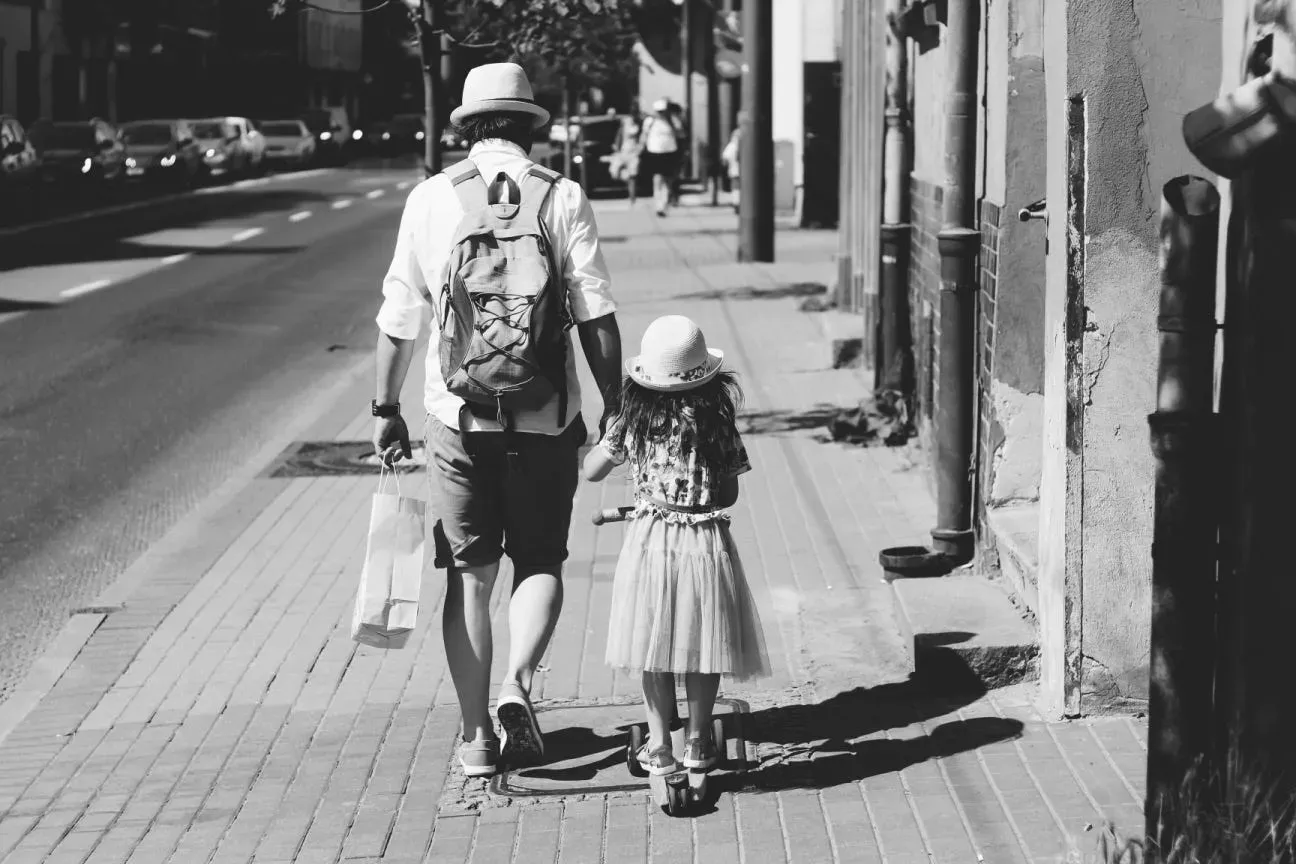
Consider walking down the street in a busy city. As any NYC parent knows, there are countless near-heart attacks that occur when trying to teach a 2-year-old to stop at the corner of the sidewalk. But eventually they learn to stop. And eventually they learn to not bowl people over while riding their scooter down that sidewalk. And then the next stage begins — helping young people learn to look both ways before crossing the street, regardless of what is happening with the light, and convincing them to maintain constant awareness about their environment. And eventually that becomes so normal that you start to teach your child how to J-walk without getting a ticket. And eventually, the child turns into a teenager who wanders the city alone, J-walking with ease while blocking out all audio signals with their headphones. But then take that child — or an American adult — to a city like Hanoi and they’ll have to relearn how to cross a street because nothing one learns in NYC about crossing streets applies to Hanoi.

Is crossing the street risky? Of course. But there’s a lot we can do to make it less risky. Good urban design and functioning streetlights can really help, but they don’t make the risk disappear. And people can actually cross a street in Hanoi, even though I doubt anyone would praise the urban design of streets and there are no streetlights. While design can help, what really matters for navigating risk is rooted in socialization, education, and agency. Mixed into this is, of course, experience. The more that we experience crossing the street, the easier it gets, regardless of what you know about the rules. And still, the risk does not entirely disappear. People are still hit by cars while crossing the street every year.

The Risk of Social Media Can Be Reduced.

Can social media be risky for youth? Of course. So can school. So can friendship. So can the kitchen. So can navigating parents. Can social media be designed better? Absolutely. So can school. So can the kitchen. (So can parents?) Do we always know the best design interventions? No. Might those design interventions backfire? Yes.

Does that mean that we should give up trying to improve social media or other digital environments? Absolutely not. But we must also recognize that trying to cement design into law might backfire. And that, more generally, technologies’ risks cannot be managed by design alone.

Fixating on better urban design is pointless if we’re not doing the work to socialize and educate people into crossing digital streets responsibly. And when we age-gate and think that people can magically wake up on their 13th or 18th birthday and be suddenly able to navigate digital streets just because of how many cycles they took around the sun, we’re fools. Socialization and education are still essential, regardless of how old you are. (Psst to the old people: the September that never ended…)

In the United States, we have a bad habit of thinking that risks can be designed out of every system. I will never forget when I lived in Amsterdam in the 90s, and I remarked to a local about how odd I found it that there were no guardrails to prevent cars from falling into the canals when they were parking. His response was “you’re so American” which of course prompted me to say, “what does THAT mean?” He explained that, in the Netherlands, locals just learned not to drive their cars into the canals, but Americans expected there to be guardrails for everything so that they didn’t have to learn not to be stupid. He then noted out that every time he hears about a car ending up in the canal, it is always an American who put it there. Stupid Americans. (I took umbrage at this until, a few weeks later, I read a news story about a drunk American driving a rental into the canal.)

Better design is warranted, but it is not enough if the goal is risk reduction. Risk reduction requires socialization, education, and enough agency to build experience. Moreover, if we think that people will still get hurt, we should be creating digital patrols who are there to pick people up when they are hurt. (This is why I’ve always argued that “digital street outreach” would be very valuable.)

But What About Harms?

People certainly face risks when encountering any social environment, including social media. This then triggers the next question: Do some people experience harms through social media? Absolutely. But it’s important to acknowledge that most of these harms involve people using social media to harm others. It’s reasonable that they should be held accountable. It’s not reasonable to presume that you can design a system that allows people to interact in a manner where harms will never happen. As every school principal knows, you can’t solve bullying through the design of the physical building.

Returning to our earlier note on product liability, it is reasonable to ask if specific design choices of social media create the conditions for certain kinds of harms to be more likely — and for certain risks to be increased. Researchers have consistently found that bullying is more frequent and more egregious at school than on social media, even if it is more visible on the latter. This makes me wary of a product liability claim regarding social media and bullying. Moreover, it’s important to notice what schools have done in response to this problem. They’ve invested in social-emotional learning programs to strengthen resilience, improve bystander approaches, and build empathy. These interventions are making a huge difference, far more than building design. (If someone wants to tax social media companies to scale these interventions, have a field day.)

Of course, there are harms that I do think are product liability issues vis-a-vis social media. For example, I think that many privacy harms can be mitigated with a design approach that is privacy-by-default. I also think that regulations that mandate universal privacy protections would go a long way in helping people out. But the funny thing is that I don’t think that these harms are unique to children. These are harms that are experienced broadly. And I would argue that older folks tend to experience harms associated with privacy much more acutely.

But even if you think that children are especially vulnerable, I’d like to point out that while children might need a booster seat for the seatbelt to work, everyone would be better off if we put privacy seatbelts in place rather than just saying that kids can’t be in cars.

I have more complex feelings about the situations where we blame technology for societal harms. As I’ve argued for over a decade, the internet mirrors and magnifies the good, bad, and ugly. This includes bullying and harassment, but it also includes racism, xenophobia, sexism, homophobia, and anti-trans attitudes. I wish that these societal harms could be “fixed” by technology; that would be nice. But that is naive.

I get why parents don’t want to expose children to the uglier parts of the world. But if we want to raise children to be functioning adults, we also have to ensure that they are resilient. Besides, protecting children from the ills of society is a luxury that only a small segment of the population is able to enjoy. For example, in the US, Black parents rarely have the option of preventing their children from being exposed to racism. This is why white kids need to be educated to see and resist racism. Letting white kids live in “colorblind” la-la-land doesn’t enable racial justice. It lets racism fester and increases inequality.

As adults, we need to face the ugliness of society head on, with eyes wide open. And we need to intentionally help our children see that ugliness so that they can be agents of change. Social media does make this ugly side more visible, but avoiding social media doesn’t make it go away. Actively engaging young people as they are exposed to the world through dialogue allows them to be prepared to act. Turning on the spicket at a specific age does not.

I will admit that one thing that intrigues me is that many of those who propagate hate are especially interested in blocking children from technology for fear that allowing their children to be exposed to difference might make them more tolerant. (No, gender is not contagious, but developing a recognition that gender is socially and politically constructed — and fighting for a more just world — sure is.) There’s a long history of religious communities trying to isolate youth from kids of other faiths to maintain control.

There’s no doubt that media — including social media — exposes children to a much broader and more diverse world. Anyone who sees themselves as empowering their children to create a more just and equitable world should want to conscientiously help their children see and understand the complexity of the world we live in.

In the early days of social media, I was naive in thinking that just exposing people to people around the world to each other would fundamentally increase our collective tolerance. I had too much faith in people’s openness. I know now that this deterministic thinking was foolish. But I have also come to appreciate the importance of combining exposure with education and empathy.

Isolating people from difference doesn’t increase tolerance or appreciation. And it won’t help us solve the hardest problems in our world — starting with both inequity and ensuring our planet is livable for future generations. Instead, we need to help our children build the skills to live and work together.

Put another way, to raise children who can function in our complex world, we need to teach them how to cross the digital street safely. Skiing is optional.

  •  
❌