❌

Vue lecture

EU blacklists 1,569 Russian arms suppliers and their bosses in its biggest sanctions round ever, as Trump eases up on Moscow
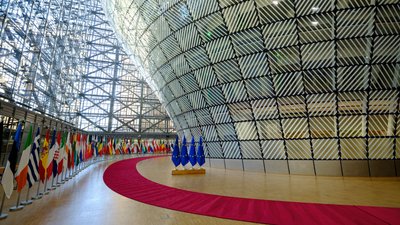
trade banks energy crypto—the eu keeps its full russia economic sanctions wall standing 2027 · post flags member states headquarters council european union brussels belgium 17 2025 getty images/thierry monasse

The EU adopted its largest-ever round of sanctions listings on 12 October, targeting the suppliers behind Russia’s war industry, the Council of the EU announced. The bloc acted as Russia keeps killing Ukrainian civilians every day, while US President Donald Trump eases sanctions on Russian diesel.

Russia’s planned winter campaign against Ukraine’s infrastructure depends on arms factories fed by a web of component suppliers and on oil revenue that still flows despite Ukraine’s refinery strikes, so every supplier cut off from that web raises the cost of waging it. As Washington eases off, Europe’s own pressure has a gap: its ports still take record volumes of Russian Arctic gas, and a full ban on long-term contracts starts only in 2027.

Missile suppliers top the list

More than half of the new listings hit the supply chain for ballistic missiles that Russia “uses to kill Ukrainian civilians every day,” EU foreign policy chief Kaja Kallas said in the statement. Russian attacks killed more than 150 people in the past week, Ukrainian President Volodymyr Zelenskyy said on 11 October.

The list names 826 Russian companies, mid-level firms the Council calls the “core” of Russia’s arms industry, with at least €20 billion in yearly turnover, and 743 people who run them. They make parts for missiles, drones, and military aircraft, from semiconductors and radars to explosives and navigation systems. Their assets are frozen, EU firms may not finance them, and the executives may not enter the EU.

Foreign ministers ratified a deal EU envoys reached on 7 October. Ukraine’s sanctions commissioner Vladyslav Vlasiuk said 60% of the listings came from Ukrainian proposals.

Ministers reject the diesel deal

EU foreign ministers in Luxembourg vowed to keep the sanctions despite Trump’s diesel deal with Russian President Vladimir Putin, Euronews reported. Kallas addressed Washington directly as she arrived.

“The US is our biggest ally, but our message is clear: if we want to end this war, the only way we can do this is (by) putting more pressure on Russia,” Kallas said.

Irish Foreign Minister Helen McEntee called the deal “concerning,” and Lithuanian Foreign Minister Kęstutis Budrys said it was “not the European way.” Kallas warned that an energy truce covering only refineries would favor Russia, since Ukraine has one refinery and Russia “plenty.”

Trump announced the diesel deal on 9 October, and the US Treasury waived sanctions on Russian diesel until April 2027. Zelenskyy said the EU would provide about €3 billion more in military aid this week.

Washington presses Kyiv

Trump expects Ukraine to stop hitting Russian refineries under his proposed energy ceasefire, a White House official told Axios. Zelenskyy said Kyiv would halt such strikes if Moscow did the same. On 10 October, Trump told reporters it was time for Ukraine to get a new president. Germany’s foreign minister, Britain’s defense secretary, and a senior lawmaker from Chancellor Friedrich Merz’s party backed Zelenskyy, while the Kremlin sided with Trump.

Zelenskyy offered to hold elections after a 60-day ceasefire, and Kallas said elections are impossible while the war goes on. The Institute for the Study of War assessed that Russia exploits Ukraine’s legal ban on wartime elections to drag out the war.

  •  

Ten casualties to one, by a NATO official’s count: Russia’s September in Ukraine’s kill zones

A masked Russian soldier in camouflage and body armor wears a helmet bearing Russian flag and “Z” patches.

Russia suffered vastly more casualties than Ukraine in September, a senior NATO military official told Bloomberg. Ukraine’s General Staff put the month’s Russian toll only slightly lower.

September’s toll lands on a recruitment system that was already falling short. Ukraine’s military intelligence (HUR) estimated that Russian losses outran new contracts in June and July, when monthly losses ran lower. In August, Ukrainian President Volodymyr Zelenskyy, citing military intelligence, warned that Russia is preparing a mass call-up after its parliamentary elections. That vote ended on 20 September.

Where the numbers come from

Russian casualties passed 50,000 in September, up to 28,000 of them killed, the official said. Ukraine’s losses over the same month came to about 5,000, according to the official, who spoke on condition of anonymity. Russia does not release casualty figures, Bloomberg noted. In late August, Pavlo Palisa, deputy head of Ukraine’s Presidential Office, put Russia’s July losses at 43,000 killed and wounded. Bloomberg could not confirm his figures.

To push forward, Russia keeps feeding troops into “kill zones,” the official said. These are stretches of ground saturated with armed drones, mines, and artillery fire. Maksym, call sign Rumyn, is a deputy company commander in the 46th Airmobile Brigade’s drone battalion. In April, he said the zone once ran 3–5 km deep and is now several times larger.

Ukraine's Third Army Corps commander Brigadier General Andrii Biletskyi announcing "Operation Vivaldi," 15 September 2026. Screenshot from video: Ukraine's Third Army Corps
Explore further

Ukraine suffered 10 times fewer casualties than Russia in Vivaldi counteroffensive, veteran says. Ukraine’s innovations in drone and ground robot tactics are changing frontline warfare

Rising stakes for Moscow

Russia’s defense spending is expected to near $199 billion this year, Bloomberg reported, citing two sources close to the government. That is about 40% above the plan the government set in late 2025.

Russian President Vladimir Putin would struggle to wind down the invasion without a political cost, Martin Jäger said last week. He heads Germany’s Federal Intelligence Service (BND).

  •  

Hours after Trump declared an energy ceasefire, Russia hit Kharkiv power plant, one of 200-plus strikes on Ukraine’s grid this week, Zelenskyy says

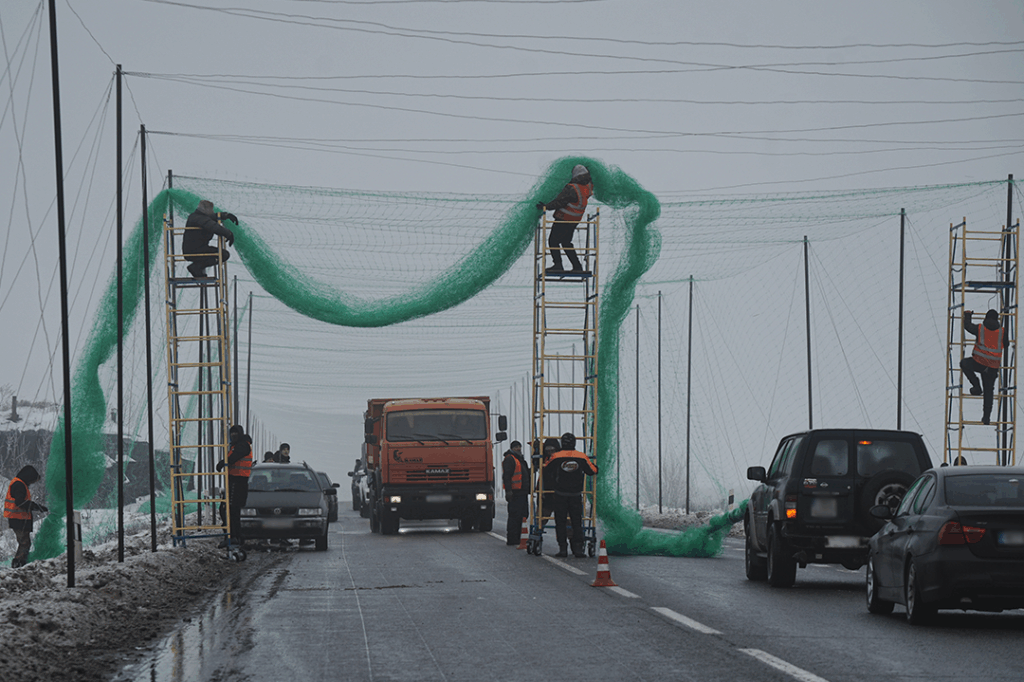
fishing nets used mediterranean millennia — now italy wants turn drone shields over ukrainian cities · post workers install anti-drone ring road northern outskirts kharkiv 2026 6ea9c925f4eb5b85 italy's senate has

Russia hit the CHP-5 thermal plant in Kharkiv on the evening of 11 October. It came hours after US President Donald Trump announced an energy ceasefire between Ukraine and Russia, President Volodymyr Zelenskyy said in his nightly address.

Trump had announced the energy truce earlier that day, though Kyiv reported no part in any such deal, as well as Moscow. Yet in this one week, Russia carried out more than 200 strikes on Ukraine’s power generation and transmission and 17 on its gas and oil sites, killing more than 150 people and wounding more than 700, according to Zelenskyy.

“All day today, there were Russian Shaheds in the sky. There are Shaheds in the sky now, too. There were strikes by aerial bombs. There were strikes on our energy. Just now there was a strike on CHP-5 in Kharkiv,” Zelenskyy states.

Ukraine welcomes the agreement Trump announced and is ready to stop striking Russian energy if Russia does the same. For that to mean anything, he stresses, it has to become part of reality.

A one-word answer from Moscow

Ukraine has offered many de-escalation steps, Zelenskyy notes, but Russian ruler Vladimir Putin met them all with the same refusal. He voices hope that the Russian leader would finally tell the US, Ukraine, and the world something other than killing and deception, something that leads to a real and dignified peace.

Ukraine wants peace, and the question is whether Russia does. The Armed Forces have received all the relevant orders to defend the country, he confirms.

Allies line up fresh support

Zelenskyy says he also spoke with members of the US Congress and, the day before with the UK prime minister, French President Emmanuel Macron, and Norway’s prime minister, all of whom offered help.

Ukraine is also working with the EU on financing for its defense and budget stability, and preparing new steps on European integration.

  •  

Trump declares immediate energy ceasefire between Russia and Ukraine. Zelenskyy says it was news to him, but Ukraine’s ready

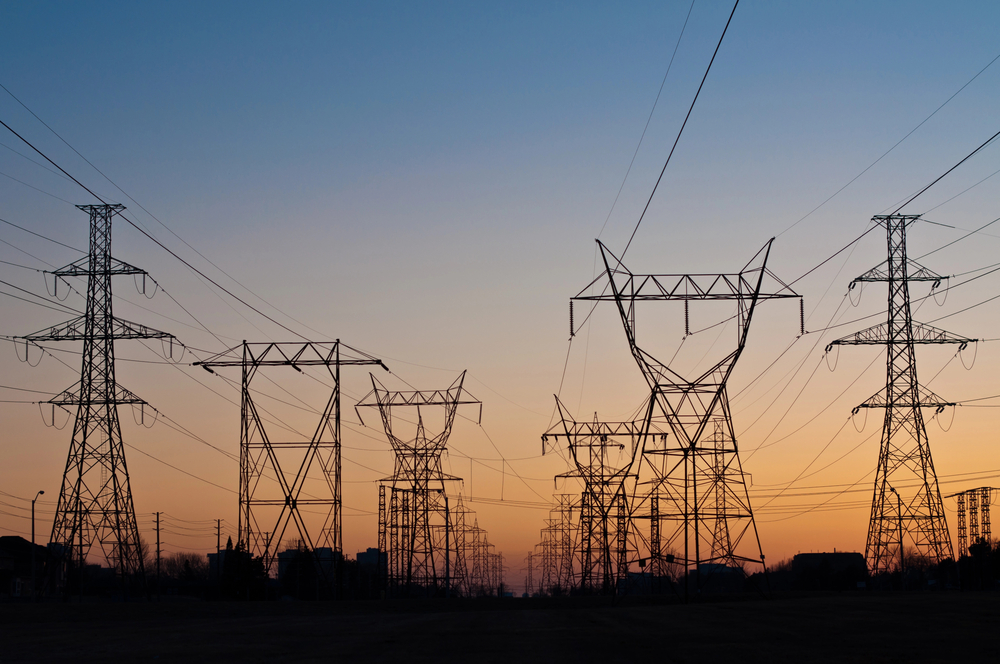
Nordic energy infrastructure power grid transmission towers silhouetted against sunset sky

US President Donald Trump has announced an immediate energy ceasefire in the war between Russia and Ukraine, saying both sides agreed to stop striking each other’s energy facilities, in a post on Truth Social. Ukraine, however, knew nothing about the deal.

Russia has spent the war hitting Ukraine's power plants, refineries, and grids, while Ukraine answered with strikes on its refineries and plants that produce missiles. If confirmed, a halt before winter would be a major break. Yet about seven minutes before Trump’s announcement, Russia struck at Kyiv’s thermal plant, cutting power to several districts of the capital at once.

“Effective immediately, there is an ENERGY CEASEFIRE in the War between Russia and Ukraine. Both parties have agreed. Do not break it!” Trump wrote.

News for Zelenskyy

President Volodymyr Zelenskyy told Axios the announcement “was news" for him. But if Russians agree to an energy ceasefire, Ukraine will agree, he added. Moscow gave no immediate confirmation.

The announcement follows days of friction over energy. Washington has just eased sanctions on Russian diesel and pressed Kyiv to stop hitting Russian refineries, while Russian strikes killed more than 80 Ukrainian civilians in two days.

A truce no one in Kyiv confirmed

Zelenskyy had already signaled Ukraine’s terms. He said on Sunday that Kyiv was ready to stop striking Russian refineries if Moscow halted its attacks on Ukrainian energy, so the condition was on the table before Trump spoke, not settled by him.

If Trump negotiated it with Putin, then he should say when the ceasefire begins, Zelenskyy added, underlining that Ukraine had not been party to any such agreement.

Ukrainians greet it with doubt

The reaction in Kyiv was wary. Trump already declared an energy ceasefire once, and Putin broke it within five minutes, said Andrii Kovalenko, former head of Ukraine’s Center for Countering Disinformation, asking whether Trump was now “announcing it to himself.”

Meanwhile, lawmaker Yaroslav Zhelezniak called for an explanation, warning that Trump’s “energy ceasefire” might mean Ukraine stops hitting Russian refineries and tankers while Russia merely promises not to strike Ukrainian oil tankers it would struggle to find in the first place.

  •  
❌