❌

Vue normale

  • ✇Euromaidan Press
  • Ten casualties to one, by a NATO official’s count: Russia’s September in Ukraine’s kill zones
    Russia suffered vastly more casualties than Ukraine in September, a senior NATO military official told Bloomberg. Ukraine’s General Staff put the month’s Russian toll only slightly lower. September’s toll lands on a recruitment system that was already falling short. Ukraine’s military intelligence (HUR) estimated that Russian losses outran new contracts in June and July, when monthly losses ran lower. In August, Ukrainian President Volodymyr Zelenskyy, citing military intelligence, warn
     

Ten casualties to one, by a NATO official’s count: Russia’s September in Ukraine’s kill zones

12 octobre 2026 à 08:08

A masked Russian soldier in camouflage and body armor wears a helmet bearing Russian flag and “Z” patches.

Russia suffered vastly more casualties than Ukraine in September, a senior NATO military official told Bloomberg. Ukraine’s General Staff put the month’s Russian toll only slightly lower.

September’s toll lands on a recruitment system that was already falling short. Ukraine’s military intelligence (HUR) estimated that Russian losses outran new contracts in June and July, when monthly losses ran lower. In August, Ukrainian President Volodymyr Zelenskyy, citing military intelligence, warned that Russia is preparing a mass call-up after its parliamentary elections. That vote ended on 20 September.

Where the numbers come from

Russian casualties passed 50,000 in September, up to 28,000 of them killed, the official said. Ukraine’s losses over the same month came to about 5,000, according to the official, who spoke on condition of anonymity. Russia does not release casualty figures, Bloomberg noted. In late August, Pavlo Palisa, deputy head of Ukraine’s Presidential Office, put Russia’s July losses at 43,000 killed and wounded. Bloomberg could not confirm his figures.

To push forward, Russia keeps feeding troops into “kill zones,” the official said. These are stretches of ground saturated with armed drones, mines, and artillery fire. Maksym, call sign Rumyn, is a deputy company commander in the 46th Airmobile Brigade’s drone battalion. In April, he said the zone once ran 3–5 km deep and is now several times larger.

Ukraine's Third Army Corps commander Brigadier General Andrii Biletskyi announcing "Operation Vivaldi," 15 September 2026. Screenshot from video: Ukraine's Third Army Corps
Explore further

Ukraine suffered 10 times fewer casualties than Russia in Vivaldi counteroffensive, veteran says. Ukraine’s innovations in drone and ground robot tactics are changing frontline warfare

Rising stakes for Moscow

Russia’s defense spending is expected to near $199 billion this year, Bloomberg reported, citing two sources close to the government. That is about 40% above the plan the government set in late 2025.

Russian President Vladimir Putin would struggle to wind down the invasion without a political cost, Martin Jäger said last week. He heads Germany’s Federal Intelligence Service (BND).

  • ✇Euromaidan Press
  • Germany stays in Russia’s sabotage crosshairs, and its industry now braces for the long haul
    German industry expects Russian sabotage against the country’s companies to persist and take more forms, the deputy head of the Federation of German Industries (BDI) told Handelsblatt. His warning follows alarms from Germany’s intelligence services, which describe the country as a main target of Russia’s covert campaign in Europe. Russia keeps striking Ukrainian cities and power plants every day while trying to weaken the European support that keeps Ukraine fighting. Germany is home to
     

Germany stays in Russia’s sabotage crosshairs, and its industry now braces for the long haul

12 octobre 2026 à 07:42

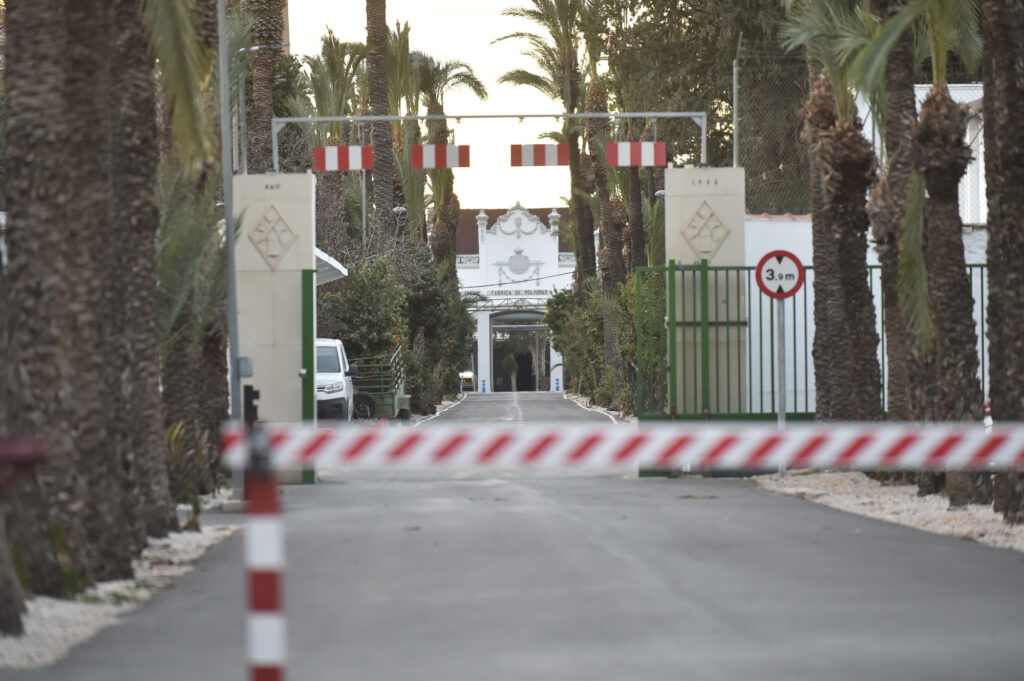
germany stays russia’s sabotage crosshairs its industry now braces long haul · post entrance rheinmetall company 30 2025 javalí viejo murcia spain ukraine news ukrainian reports

German industry expects Russian sabotage against the country’s companies to persist and take more forms, the deputy head of the Federation of German Industries (BDI) told Handelsblatt. His warning follows alarms from Germany’s intelligence services, which describe the country as a main target of Russia’s covert campaign in Europe.

Russia keeps striking Ukrainian cities and power plants every day while trying to weaken the European support that keeps Ukraine fighting. Germany is home to arms makers producing with and for Ukraine, so pressure on its companies targets the supply behind Ukraine’s defense.

Industry expects attacks to last and change form

The warning came from Holger Lösch, the BDI’s deputy managing director.

“German industry is preparing for the threat to persist and for attack methods to become more varied,” he told Handelsblatt. “Companies don’t end up in the crosshairs by chance,” he added.

Russian influence and sabotage operations are no longer an abstract scenario, and companies, critical infrastructure, and defense supply chains are already among their targets, Lösch said. Companies now receive more threat warnings, and their cooperation with the authorities has improved significantly, he noted. “What is still missing are joint procedures to quickly derive concrete measures from warnings,” Lösch said, calling the protection of the economy a cornerstone of national security.

German intelligence describes a Russian shadow war

The warning comes a week after a public hearing of the intelligence oversight panel of the Bundestag, Germany’s parliament, on 5 October. There, Martin Jäger, head of Germany’s Federal Intelligence Service (BND), said Russia was waging a shadow war against Germany. “Germany has become a main obstacle to Russian hegemonic power projection in Europe and thus a target of Russian action,” Jäger said. “The danger of attacks against targets in Germany remains real and present,” he warned.

Sinan Selen, head of the Federal Office for the Protection of the Constitution (BfV), Germany’s domestic intelligence agency, told the same hearing that Russia was showing a readiness for sabotage and killings.

German Chancellor Friedrich Merz said on 1 October that Germany was preparing for further hybrid attacks, “including serious ones,” and would respond “quickly and very clearly,” as it did after the drone attack at Leipzig airport.

Drone bombs, arson, and paid saboteurs on German soil

In August, a drone carrying Semtex explosives hit the wing of a Ukrainian An-124 cargo plane at Leipzig/Halle Airport but did not explode. Germany blamed Russia on 1 September, and German Foreign Minister Johann Wadephul said Germany was not at war with Russia but was a “target of war.”

German authorities suspect Russian intelligence of commissioning an arson attack near two Munich defense firms, and a confidential Federal Criminal Police Office (BKA) assessment counted more than 165 suspected sabotage cases in Germany between January and August. The same assessment recorded 747 suspicious drone incidents involving 1,068 drones over critical infrastructure, military sites, and defense companies.

russia hired desperate hunt german drone-maker boss arms ukraine · post stefan thumann head drone maker donaustahl штефан туманн news ukrainian reports
Explore further

The throwaway agents Moscow sent after a Bavarian drone boss arming Ukraine—and how Germany stopped them

Germany’s Military Counterintelligence Service (MAD) warns that the threat from low-level agents, locals paid small sums for one-off jobs such as arson or photographing military sites, has increased significantly. European intelligence agencies also report that Russia is increasingly targeting defense company executives, including at smaller drone makers, and the BfV has advised some German firms to hire close protection.

As long as Germany keeps backing Ukraine, Russian pressure on its companies is unlikely to ease, and the gap between warnings and action that industry flagged leaves smaller firms, with fewer resources for security, the most exposed.

❌