Vue lecture

Putin dismisses mobilization reports as Ukraine warns Russia could call up 600,000 to war

Vladimir Putin walks through a doorway in a military uniform, followed by Russian Chief of the General Staff Valery Gerasimov.

Asked about reports in Ukrainian and Western media that Russia could order a mass mobilization after September’s parliamentary elections, Vladimir Putin replied: “That’s complete nonsense. It’s an information attack on Russia,” RBC reported. He was speaking after the Shanghai Cooperation Organization summit in Bishkek.

Ukraine’s military and foreign intelligence services say Russia’s General Staff has prepared a scenario for mobilizing an additional 600,000 people during 2026 and 2027—300,000 each year. Their briefing described a contingency, not an issued call-up, and did not say mobilization had begun. If activated, the agencies said, the recruits would primarily reinforce units fighting Ukraine and newly formed military units.

Ukraine’s intelligence services linked the scenario to mounting battlefield losses and a slowdown in contract recruitment. They said Russia lost roughly 240,000 personnel from January through July, including at least 140,000 killed or permanently lost, while recruiting about 232,000 contract soldiers. The figures could not be independently verified.

Russia’s military also rehearsed procedures for mobilizing residents of Kaliningrad Oblast in July, Ukrainska Pravda reported, citing The Wall Street Journal.

Reports of a possible draft have generated concern inside Russia. More than 20,000 people crossed into Georgia through the Verkhny Lars checkpoint in a single day amid fears of mobilization, as EP previously reported.

Ukraine’s warnings and Russia’s denials

Ukrainian President Volodymyr Zelenskyy said in August that Moscow planned to mobilize several hundred thousand people after the elections and roughly the same number in 2027, citing military intelligence. HUR deputy chief Vadym Skibitskyi later assessed that a call-up could provide troops for a northern offensive by February 2027, while stressing that the agency saw no preparations underway at the time.

Dmitry Medvedev, Vasily Nebenzya, and the State Duma’s defense committee have all denied plans for another mass draft. Russian officials issued similar denials shortly before Putin announced the 2022 call-up. RBC notes that the decree authorizing that mobilization was never formally revoked. No new call-up has been publicly announced or reported as underway.

  •  

Ukraine confirms strike hit Novatek fuel plant at Russia’s Ust-Luga port

A thick gray plume of smoke rises above a distant tree line beneath a pink early-morning sky.

Ukraine’s General Staff confirmed that Ukrainian forces struck the Novatek-Ust-Luga production complex in Russia’s Leningrad Oblast on 1 September, saying the target was hit and a fire followed. The scale of the damage remains under assessment.

Russian authorities initially acknowledged damage and a fire but did not identify the facility. Ukraine’s military intelligence later named the Novatek complex as the target, and the General Staff has now confirmed the strike and said the facility supports Russia’s armed forces. It did not explain how, nor say whether, production was disrupted.

Ukraine’s military intelligence agency, HUR, was first to identify the target, saying on 1 September that its operators had struck the complex alongside Ukraine’s Defense Forces in a joint deep-strike operation. Key elements of the site’s oil-processing installation and other equipment were hit, and a large fire broke out, the agency said. The General Staff confirmed the strike the following day.

Video of the overnight attack on the port of Ust-Luga in Russia’s Leningrad region. pic.twitter.com/dXG5XTkhab

— Exilenova+ (@Exilenova_plus) September 1, 2026

The Novatek complex at Ust-Luga separates stable gas condensate—a liquid produced during natural gas extraction—into fuel and petroleum components and handles their shipment through the Baltic port. Its design capacity exceeds six million tons a year, the General Staff said. The plant produces light and heavy naphtha, kerosene, a diesel fraction, and a marine-fuel component.

A thick gray plume of smoke rises above a distant tree line beneath a pink early-morning sky.
Explore further

Drone attack damages Russia’s Baltic oil port as drone crosses Latvia into Estonia

Ukraine has repeatedly targeted the Ust-Luga port

Before Ukraine named the target, Leningrad Oblast Governor Alexander Drozdenko acknowledged infrastructure damage and a fire at Ust-Luga on 1 September, but did not identify the specific facility. HUR subsequently named the Novatek complex as the target and reported damage to key equipment.

The operation continued Ukraine’s campaign against Ust-Luga’s energy and port infrastructure. Ukrainian agencies confirmed the first strike on Novatek’s complex overnight on 24–25 March. Drones returned on 31 March, setting fuel-storage tanks ablaze, damaging a pier and pumping equipment, and temporarily halting port operations, followed by another reported attack on 7 April. Ukrainian drones last hit the port on 14 August, marking the sixth such attack there in 2026.

  •  

Russian propagandists fake Polish newspaper claiming Ukraine faces famine

Side-by-side comparison of a fabricated Polish newspaper front page claiming 63% of Ukrainians face hunger and the genuine front page without the claim.

Russian propagandists used the Matryoshka disinformation network to circulate a digitally altered front page of the Polish regional weekly Przegląd Regionalny warning of a “hungry fall and winter” in Ukraine, the country’s Center for Countering Disinformation reported.

The fake turns genuine anxiety over Russian attacks on warehouses and food logistics into an unsupported prediction of mass starvation. The Center said Matryoshka routinely disguises fabricated material as reporting by established Western outlets, lending Russian narratives borrowed credibility while creating the impression that foreign media consider Ukraine’s situation hopeless.

The fabricated Przegląd Regionalny front page claimed Russian strikes would push 63% of Ukrainians to the brink of famine over a “hungry autumn and winter.” No such article ran—the real front page of that issue looked entirely different, and the circulated image was built using graphics-editing software, the Center said.

The image spread through Matryoshka, a network that dresses invented content in the mastheads of recognized Western outlets. In this case, the campaign was meant to frighten Ukrainians and weaken public confidence, according to the Center.

Although it impersonated a Polish outlet, the Center described Ukrainians—not Polish readers—as the campaign’s target: the Polish masthead supplied an apparently independent foreign voice for a Russian narrative.

The fake works because the disruption it points to is real. Russian attacks on warehouses and food logistics had destroyed up to 90% of Ukraine’s modern food storage capacity, and suppliers were moving stocks and changing delivery routes and storage methods in response, Agriculture Minister Taras Vysotskyi said on 28 August 2026, according to Interfax-Ukraine.

Supermarket chain ATB has temporarily capped purchases of certain essential goods at 6 units of any single product per customer, citing both Russian strikes and resellers buying in bulk.

What the fake predicts, though, is not what officials expect. Presidential defense-technology adviser Serhii “Flash” Beskrestnov urged Ukrainians not to panic and said a systemic food shortage was not expected, ZN.UA reported.

How Russia spreads disinformation in Poland

Russia has repeatedly exploited Poland’s information space to turn political, economic, and security anxieties against Ukraine. Polish Deputy Prime Minister Krzysztof Gawkowski said Russian intelligence had offered Poles €3,000–€4,000 ($3,500–$4,600) to spread disinformation before the 2025 presidential election.

After Russian drones entered Poland that September, Prime Minister Donald Tusk said the Kremlin was using real fears and emotions to fuel anti-Ukrainian sentiment. False claims about Ukrainians living off Polish taxpayers have also fed hostility as bilateral relations frayed.

  •  

Putin calls Zelenskyy’s airspace warning “state terrorism” as shares in Russia’s national airline fall 5%

Vladimir Putin stands behind a lectern during a press conference, with the RIA Novosti logo visible above him.

Russian President Vladimir Putin said Moscow would “find a way to respond” if civilian “tragedies” followed President Volodymyr Zelenskyy’s warning that Ukrainian drone operations were making Russian skies unsafe. Zelenskyy told foreign airlines and insurers that the “safe moments” in Russian airspace were over.

Zelenskyy’s warning seeks to extend the cost of Russia’s war beyond damaged military and energy facilities to airlines, insurers, and travelers. It does not mean Russian airspace is legally or completely closed. However, carriers that continue flying over Russia face higher costs from repeated airport shutdowns during drone alerts, as well as the danger that military activity in Russian airspace could endanger civilian aircraft.

Putin spoke after a 1 September Shanghai Cooperation Organization summit in Bishkek, where Russia and China coordinate regional security. Zelenskyy’s warning amounted to “a bid for state terrorism” if he had made it publicly, the Russian president said, adding that Russia does not negotiate with “terrorists.” Putin also said Russian forces were preparing massive strikes on Ukraine’s energy infrastructure.

In his evening video address, Zelenskyy said Ukraine did not threaten civilian aircraft but would keep striking Russian military targets and parts of the economy supporting the war. Ukraine’s Presidential Office head Kyrylo Budanov backed the decision, saying long-range weapons would systematically strike military targets in Russia while the invasion continued.

Ukrainian President Volodymyr Zelenskyy during his evening address, 1 September 2026. Screenshot from video: Zelenskyy
Explore further

“Russian airspace will effectively be closing”: Zelenskyy warns airlines Russian skies are no longer safe

Shares in Aeroflot, Russia’s national airline, fell to an intraday low of 30.36 rubles at about 20:40 Moscow time, down 5.11%, Meduza reported, citing Moscow Exchange data. The timing does not establish that Zelenskyy’s speech alone drove the decline.

Wall Street Journal correspondent Yaroslav Trofimov posted a chart of the decline on X, writing, “Aeroflot shares after Zelensky’s warning.”

Aeroflot shares after Zelensky’s warning. https://t.co/L7h2S99jqT pic.twitter.com/Q80gPfYWlo

— Yaroslav Trofimov (@yarotrof) September 1, 2026

European and US carriers already avoid Russian airspace, but airlines from China, Türkiye, the United Arab Emirates, and other Gulf states continue using it, Reuters reported. Aviation-risk firm Osprey Flight Solutions assessed that daily attacks deep inside Russia were nearly certain through 2026 and warned of possible misidentification.

Andrii Kovalenko, head of Ukraine’s Center for Countering Disinformation, said it was “strange” to hear terrorism accusations from “the leader of a terrorist organization masquerading as the Russian state.” Putin’s reaction showed Moscow feared pressure on its airspace, he argued.

Previous closures of Russian airspace due to Ukrainian attacks

Russian airports were repeatedly shut during Ukrainian drone alerts well before Zelenskyy’s warning. On 6 July 2025, Moscow airports canceled 171 flights while airports in five other cities suspended operations.

A 27 May attack closed airports serving Moscow and several other cities after Russia claimed it intercepted 99 drones. Another wave caused flight disruption and mobile internet outages around Moscow, while a 29 May alert again halted flights at Moscow airports.

More recently, Russian authorities restricted operations at Moscow airports during Ukrainian drone attacks, delaying more than 450 flights

  •  

US welcomes Russia back to G20 but rules out economic relief, source says

US Treasury Secretary Scott Bessent speaks in front of a G20 Asheville 2026 backdrop.

US Treasury Secretary Scott Bessent told Russian Finance Minister Anton Siluanov that “nothing is possible until the war is over” during their 31 August meeting, a source familiar with the exchange told Reuters.

Siluanov’s return marked the first in-person G20 appearance by Russia’s finance minister since 2022, raising European concerns that Moscow was being treated as a normal partner again. Bessent’s response indicated that renewed contact would not bring economic relief while the war continues, although Washington announced no new sanctions or steps to enforce existing ones.

Bessent and Siluanov met on the sidelines of a G20 finance meeting, a forum of major economies, in Asheville, North Carolina. A US official said the talks focused on President Donald Trump’s peace plan for Ukraine. Russia’s Finance Ministry said it discussed Russian-American financial cooperation and work within the G20.

The condition also covered agreements in other areas, Reuters’ source said. Reuters did not specify what form of economic relief Bessent meant. Asked why Washington received Siluanov, White House spokesman Kush Desai said to AFP that the administration was working with Russia to end the bloodshed.

Siluanov last joined a G20 finance meeting virtually in April 2022, prompting Western officials to walk out.

Europe warns against normalization

European officials were preparing further sanctions against Moscow, and German Finance Minister Lars Klingbeil said they wanted Washington’s cooperation. He called Siluanov’s reception a “quite troubling” signal and said relations with Russia could not be normalized while the war continued, Reuters reported.

Klingbeil said European officials agreed that dialogue could help deliver a frank message to Moscow. They nevertheless refused to join the customary group photograph with Siluanov, which organizers ultimately took without him.

US eased Russian oil sanctions during Iran war

Washington sanctioned major Russian oil companies in October 2025. After the US-Israeli war with Iran disrupted supplies through the Strait of Hormuz, however, the Treasury issued temporary licenses allowing Russian oil already at sea to reach buyers.

Bessent defended the relief as a way to prevent a sharper oil price spike, while senators warned that it increased Moscow’s war revenue, Euromaidan Press reported. The waiver briefly lapsed in mid-May before Bessent extended it for another 30 days, despite telling European allies he would not do so, according to Politico.

The licenses were intended to stabilize global supplies but also kept revenue flowing to Moscow. Washington has not announced a new Russia-related enforcement measure or timetable following Bessent’s meeting with Siluanov.

  •  

Russia’s UN envoy denies reports of post-election mass mobilization

Russian soldiers stand beside a field artillery gun in a snow-covered position.

Russian UN Ambassador Vasily Nebenzya denied reports that Moscow could launch another mass mobilization after September’s parliamentary elections, saying none was planned or expected “as far as I know,” The Moscow Times reported

Russia has avoided another draft since its 2022 mobilization triggered protests and an exodus, relying instead on contract soldiers. Ukraine says those recruits no longer replace battlefield losses, and Moscow may mobilize several hundred thousand people after the elections. That could replenish its forces and support new offensives, although Ukrainian intelligence sees no preparations now.

Nebenzya’s remarks followed a question about more than 20,000 people crossing Russia’s Verkhny Lars border checkpoint into Georgia in one day amid fears of post-election mobilization, Meduza reported.

His comments extend a series of Russian denials. Deputy Security Council Chairman Dmitry Medvedev dismissed reports of another mobilization as “nonsense” in late July. The State Duma’s defense committee said a mass compulsory call-up was not under consideration because the army was recruiting contract soldiers, The Moscow Times reported.

Russia has avoided another mass draft since its September 2022 mobilization triggered protests and an exodus. Officials had also denied that mobilization was planned shortly before President Vladimir Putin announced it, Meduza noted.

Russian government seeks new wartime penalties

Moscow is separately seeking penalties for people and companies that ignore mobilization and military-supply orders issued by regional authorities. The bill would not itself order a new call-up.

The government submitted it to the State Duma, the lower house of Russia’s parliament, on 20 August, The Moscow Times reported. Companies could face fines of up to 1 million rubles or suspension for up to 90 days.

Russian law already punishes such defiance in areas under martial law but imposes no nationwide penalty elsewhere in Russia, according to the bill. Its authors said a “significant number” of violations had been recorded.

Ukraine says a new draft could provide troops for a northern offensive

President Volodymyr Zelenskyy said on 11 August, citing Ukrainian military intelligence, that Russia planned to mobilize several hundred thousand people after the elections and roughly the same number in 2027.

HUR, Ukraine’s military intelligence agency, later assessed that a post-election mobilization could enable Russia to build a strike force for a northern offensive by February 2027. Its deputy chief, Vadym Skibitskyi, stressed, however, that the agency currently sees no evidence that such preparations have begun.

  •  

Russia occupied Anton’s home when he was 10. At 18, he volunteered to fight against Ukraine

Two soldiers kneel behind a low brick barrier and fire rifles across an open training field.

Now held in a POW camp in western Ukraine, Anton does not consider himself a traitor. He calls Putin “my President” and said he joined Russia’s army to defend “my land,” the BBC reported.

The BBC interviews show what more than a decade of Russian rule has produced in occupied Donbas. Moscow has replaced Ukrainian schools, media, and public institutions while presenting the occupied regions as permanent parts of Russia. It also recruits residents or forces them to fight against Ukraine.

The BBC said prisoners could refuse and were interviewed without guards or cameras.

Almost all its Ukrainian-born interviewees from territories occupied since 2014 said they had enlisted willingly. Anton said he was not a traitor and called Vladimir Putin “my President.”

His friends also volunteered. Messages announcing their deaths followed: “Dead, dead, dead.”

Forced conscription of Ukrainians in occupied territory

One prisoner from Donetsk Oblast told the BBC he had been forced to fight. He wanted only to return to his wife and children.

The BBC cited an official intelligence-based estimate that Russia forcibly conscripted more than 50,000 Ukrainians in occupied areas. It noted that other estimates were higher.

Ukrainian veteran Pavlo Pshenychnyi told Hromadske that occupation authorities used planted drug evidence to push him into Russia’s army. They threatened him with up to 12 years in prison.

Article 51 of the Fourth Geneva Convention prohibits occupying powers from compelling protected residents to serve in their armed forces.

Anton and the Russification of occupied Ukrainian territory

Russia took control of Anton’s home while he was still in primary school. By adulthood, he called himself Russian and dismissed his Ukrainian surname as irrelevant.

Putin’s 2025 policy decree set a 95% target for “all-Russian civic identity” by 2036 and ordered the integration of occupied Ukrainian regions into Russian education, culture, and media.

Kherson-based outlet MOST reported that Russia will introduce compulsory textbooks on 1 September, presenting four occupied Ukrainian regions as historically Russian.

Ukraine’s Center for Countering Disinformation reported in 2025 that more than 100 teenagers from occupied Luhansk attended a Russian military camp. They received firearms, drill, and guard-duty training.

The center described the camp as part of a wider effort to spread Russian war propaganda and hostility toward Ukraine.

Petro Yatsenko of Ukraine’s POW Coordination Headquarters told the BBC that these prisoners were strongly pro-Russian. He said their national identity was “very blurred.”

Ukraine still considers them Ukrainian and treats Russia’s control of their home regions as temporary, the BBC noted.

  •  

HUR: Russia seeks rest of Donetsk Oblast, not a peace deal, by year-end

A person walks along a war-damaged street past a burned-out car, rubble, shattered buildings and a collapsed utility pole.

Ukraine's military intelligence (HUR) sees no battlefield signs that Russia is preparing for a ceasefire, deputy chief Major General Vadym Skibitskyi said in an interview with RBC-Ukraine on 18 August 2026. The agency expects no peace agreement before the end of 2026.

Russia’s General Staff plans to capture the remainder of Donetsk Oblast by year-end, Skibitskyi said. Meanwhile, HUR estimates that Russian personnel losses exceeded contract recruitment in June and July, leaving Moscow unable to create new military formations without mobilization.

HUR estimates Russia lost more troops than it recruited in both June and July. Losses exceeded new contract personnel by 3,000 in June and by at least 1,000 in July, leaving recruitment unable to replace battlefield losses. The agency says Russia’s operational reserve is only about one-tenth the size of the part already engaged in combat against Ukraine.

Russia has set a 2026 target of recruiting 409,000 personnel. Without mobilization, however, Moscow cannot create new formations or turn existing brigades into divisions because it lacks personnel, Skibitskyi said. The recruitment plan for Russia’s unmanned-systems forces is only 30% complete, and the command is trying to fill the gap with personnel from other military branches, he added.

If Russia mobilizes after its September parliamentary elections, it could assemble a powerful strike group by around February 2027, according to HUR. Skibitskyi did not rule out its use for a northern offensive. At present, however, HUR sees no conditions, indicators, or troops for such an operation.

Russia previously targeted September for Donbas

In April, Skibitskyi told the Financial Times that Moscow aimed to capture all of Donbas by September, after missing its deadlines to take Kostiantynivka and Druzhkivka. Russia was transferring 20,000 troops from strategic reserves to sustain the offensive, although this amounted to less than one month's worth of its battlefield losses.

By early August, DeepState reported 36 square kilometers of additional Russian-controlled territory across Ukraine in July, a figure that included map corrections for May and June. Without those corrections, Russia gained about 88 square kilometers.

DeepState reported limited progress near Rodynske and Kostiantynivka and toward Sloviansk and Kramatorsk, the heart of Ukraine’s “fortress belt.” At that pace, Russia had “no chance” of capturing all of Donetsk Oblast even by 2027, the group said. It cautioned that another wave of mobilization or a wider deployment of North Korean troops could change the forecast.

  •  

Nearly 500 Africans recruited into Russia’s army have died, Ukraine says

A Kenyan man holds two printed photographs of his son killed fighting for Russia.

486 Africans recruited into Russia’s armed forces are dead, while Ukraine is holding 35 citizens from 17 African countries as prisoners of war, Ukraine’s Ministry of Foreign Affairs (MFA) told Ukrainian public broadcaster Suspilne in findings published on 16 August 2026. Its overall tally rose only slightly from May, climbing from 2,965 recruits from 36 countries to at least 2,982 from 37.

Russia’s recruitment in Africa is part of a broader effort to enlist foreigners for its war. A joint human-rights investigation found that Russia had recruited at least 27,000 people from more than 130 countries since 2022. The system helps Moscow replenish its forces while shifting battlefield risk onto foreigners, many of whom are drawn in by financial pressure, deception, or coercion.

The largest groups of recruits came from Kenya, Egypt, Cameroon, Ghana, Nigeria, Uganda, Algeria, and Mali, the ministry told Suspilne.

Russia’s wider recruitment pipeline in Africa

Russian security services use a “broad arsenal of manipulative methods,” the Ukrainian MFA said. Recruiters promise civilian jobs, education, high salaries, Russian citizenship, or migration benefits. In many cases, foreigners must sign Russian-language military contracts under threat of deportation or imprisonment.

The FIDH–Truth Hounds–KIBHR report found recruiters using social media and intermediaries to advertise civilian jobs. Of 16 foreign POWs interviewed, 13 said they had been promised they would not fight. Most reached combat positions within weeks.

The human toll on African recruits

Kenyan engineer Francis told journalist Dmytro Karpenko, who interviews prisoners captured while fighting for Russia, that he thought he had accepted a security job. In Russia, he received a military uniform instead. After two weeks of training, he reached the front and was captured.

Nigerian recruits Hamzat Kazeen Kolawole and Mbah Stephen Udoka died in an assault after receiving little or no training, Ukrainian military intelligence said. Botswana reported “heartbreaking calls” from its citizens describing “perilous conditions” at the front.

Ukraine’s response to Russia's recruitment campaign

Ukraine’s diplomatic missions regularly inform African officials about the recruitment of their citizens and run awareness campaigns, according to the ministry.

The MFA and Ukraine’s POW Coordination Headquarters also launched Stop Russian Recruiters, a website that explains recruitment methods, shares victims’ accounts, advises people at risk and their families, and accepts reports about recruiters.

  •  

A 12-year-old dies in occupied Kherson Oblast where no hospital or ambulance is left, Ukrainian official says

Residents, many elderly and carrying shopping trolleys, gather outdoors in occupied Oleshky, Kherson Oblast.

A 12-year-old with a high fever died without medical care in Russian-occupied Kherson Oblast, Hola Prystan official in exile Svitlana Linnyk told Ukrinform on 13 August 2026.

No medicine or medical worker was available locally, and the child’s mother could not reach an ambulance pickup point, she said.

The child's reported death comes amid a wider humanitarian crisis in Russian-occupied Kherson Oblast. UN and OSCE monitors found drone attacks, mines, and movement restrictions obstructing medical aid and evacuations around Oleshky and Hola Prystan, two occupied communities across the Dnipro from Kherson city. About 6,000 civilians, including 200 children, remained in and around the two communities as of May. Similar medical shortages span occupied Ukraine, while access to free medicines has been tied to having a Russian passport.

The Hola Prystan community where the child died has no operating hospital or rural medical post, Linnyk said. Only two pharmacies remain: one in the city of Hola Prystan and another in the nearby village of Nova Zburivka. Both are selling their remaining supplies.

The nearest hospital is in Skadovsk, an occupied Black Sea port about 60 kilometers by road from Hola Prystan. Nova Zburivka’s ambulance has not operated since 2025. 

Russian occupation authorities have distributed no humanitarian aid for at least eight months to villages surrounding Hola Prystan, or for over a year in the city itself, Linnyk said. 

Linnyk said a Moscow Patriarchate priest occasionally brought supplies but gave them only to Russian passport holders. This reflects a broader pattern of tying basic services in occupied Ukraine to accepting Russian citizenship.

Ukrainian children face a medical system stripped bare 

The medical dangers surrounding the 12-year-old’s death are not confined to Hola Prystan.

In April 2025, Ukraine’s National Resistance Center reported that occupation officials were administering vaccines to children under six in Luhansk Oblast. It described the vaccines as uncertified and of unknown origin.

That November, the Center said a Russian inspection found Crimea’s main children’s hospital lacked breathing bags and cardiac monitors. It said infant mortality on the occupied peninsula had risen 9% over the previous year.

Aid comes with a Russian passport

Hola Prystan is not the only occupied community where access to care has depended on Russian citizenship.

In 2023, Russian-installed officials in occupied Zaporizhzhia Oblast threatened to deny medical care to residents without Russian passports. A 2025 Kremlin policy later tied free medicines for chronic illnesses to Russian citizenship.

Ukraine’s Health Ministry reported in July 2024 that Russian forces had destroyed 214 medical facilities. It said the full toll remained unknown because authorities had limited access to occupied territories. 

  •  

Colombian veterans, a British bomb-disposal expert, a Finnish teenager: who are the 16,000 foreigners fighting for Ukraine?

Ukrainian service members and Colombian volunteer fighters in camouflage and tactical gear gather beneath trees near the front line.

About 16,000 foreign volunteers from at least 72 countries serve in Ukraine's Defense Forces, Military Ombudsman Olha Reshetylova said. Reshetylova said nearly 40% are citizens of Latin American countries.

The figures show the scale of foreign volunteers' participation in Ukraine's military as Russia's invasion strains Ukraine's manpower. Reshetylova's office monitors their rights and uses complaints to identify recurring problems.

Reshetylova announced the figures during a 4 August meeting of the heads of Ukraine's foreign diplomatic missions.

"Ukraine values [foreign service members'] contribution and understands their responsibility to uphold their rights," she said.

Since 27 January 2026, her office has received more than 300 requests from foreign service members, their relatives, and authorized representatives—requests concerning pay, benefits, supplies, combatant status, medical care, and early contract termination. The office has proposed legal changes in response.

Reshetylova did not explain how the figure of 16,000 was calculated. In February 2026, a Ukrainian Ground Forces official said that more than 10,000 foreigners had served or were serving in Ground Forces units.

That cumulative figure covered a narrower part of Ukraine's Defense Forces and is not directly comparable with Reshetylova's estimate.

Foreign recruits bring combat experience and specialist skills

The International Legion, the main destination of most foreign volunteers, draws members from more than 50 countries. Its members include veterans of the war against ISIS, career soldiers, medics, and newcomers motivated by duty, adventure, experience, or personal loss. 

On the front line, Colombian veterans have played a significant role in aiding Ukrainian forces in Zaporizhzhia Oblast, bringing military and police experience gained fighting drug cartels and rebels in Colombia.

Some foreign service members also contribute specialist skills beyond infantry combat. British bomb-disposal expert Christopher "Swampy" Garrett cleared mines and trained more than 2,000 Ukrainian troops, police officers, and international volunteers.

Garrett was killed on 6 May 2025 while dismantling a Russian explosive device in Izium. 

Contracts, captivity, and the human cost

Beyond the battlefield, foreign service members can face contract disputes in Ukraine, prosecution at home, or imprisonment by Russia.

Finnish volunteer Leo Åland struggled to end his six-month contract. He was killed in combat after serving in Ukraine's military for just over four months.

British ex-soldier gets 19-year sentence in Russia on “terrorism” charges while he was fighting for Ukraine in Russia’s Kursk Oblast. Source: RBC-Russia

In December 2025, a Swiss court convicted Avi M. of serving in Ukraine's military. Swiss law prohibits citizens from joining foreign armed forces.

Russia has prosecuted captured foreign members of Ukraine's military as mercenaries rather than treating them as prisoners of war. A Russian court sentenced British fighter James Scott Rees Anderson to 19 years following his capture in Kursk Oblast.

  •  

Teens making drones: Russia’s demographic collapse

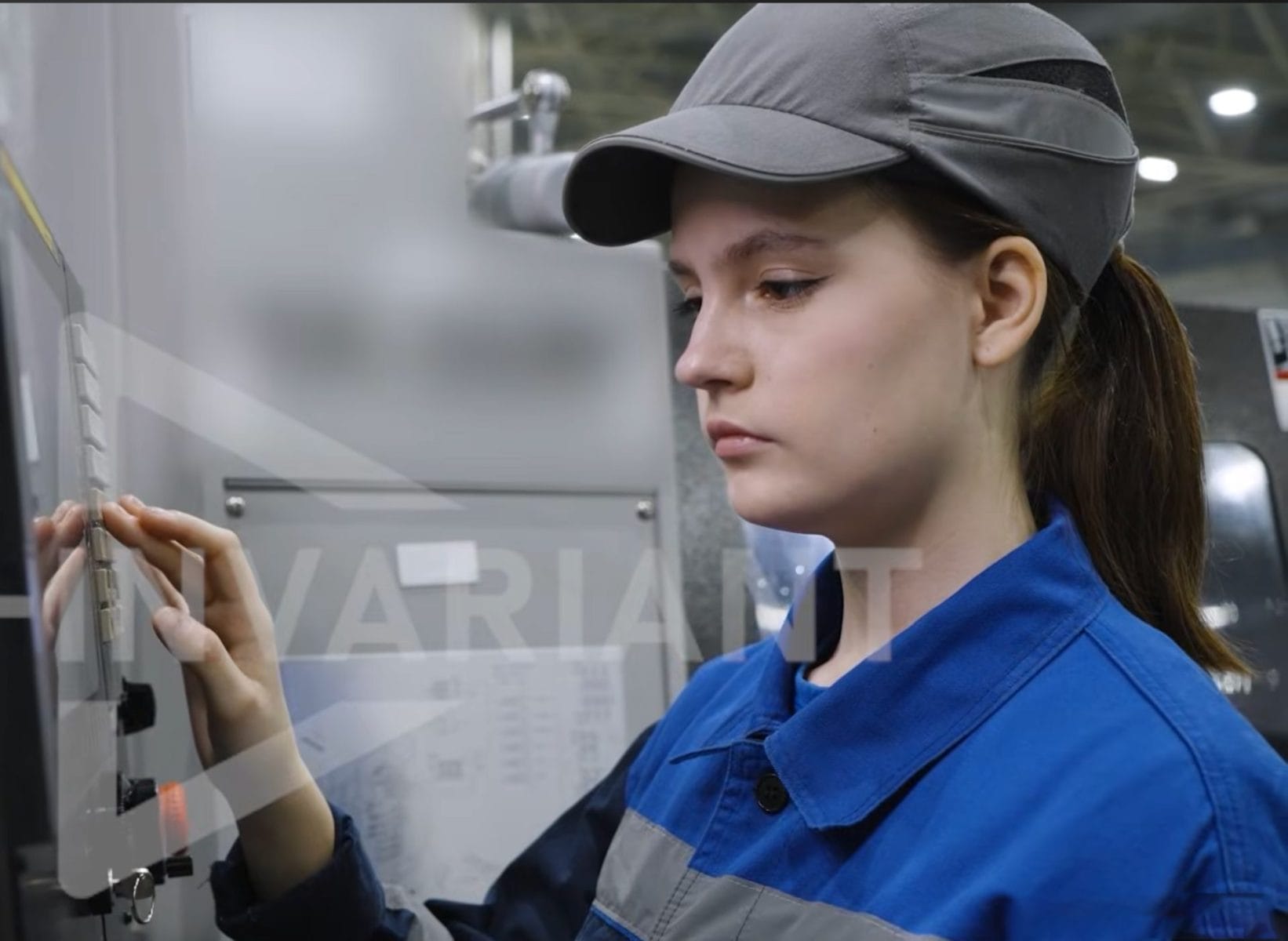
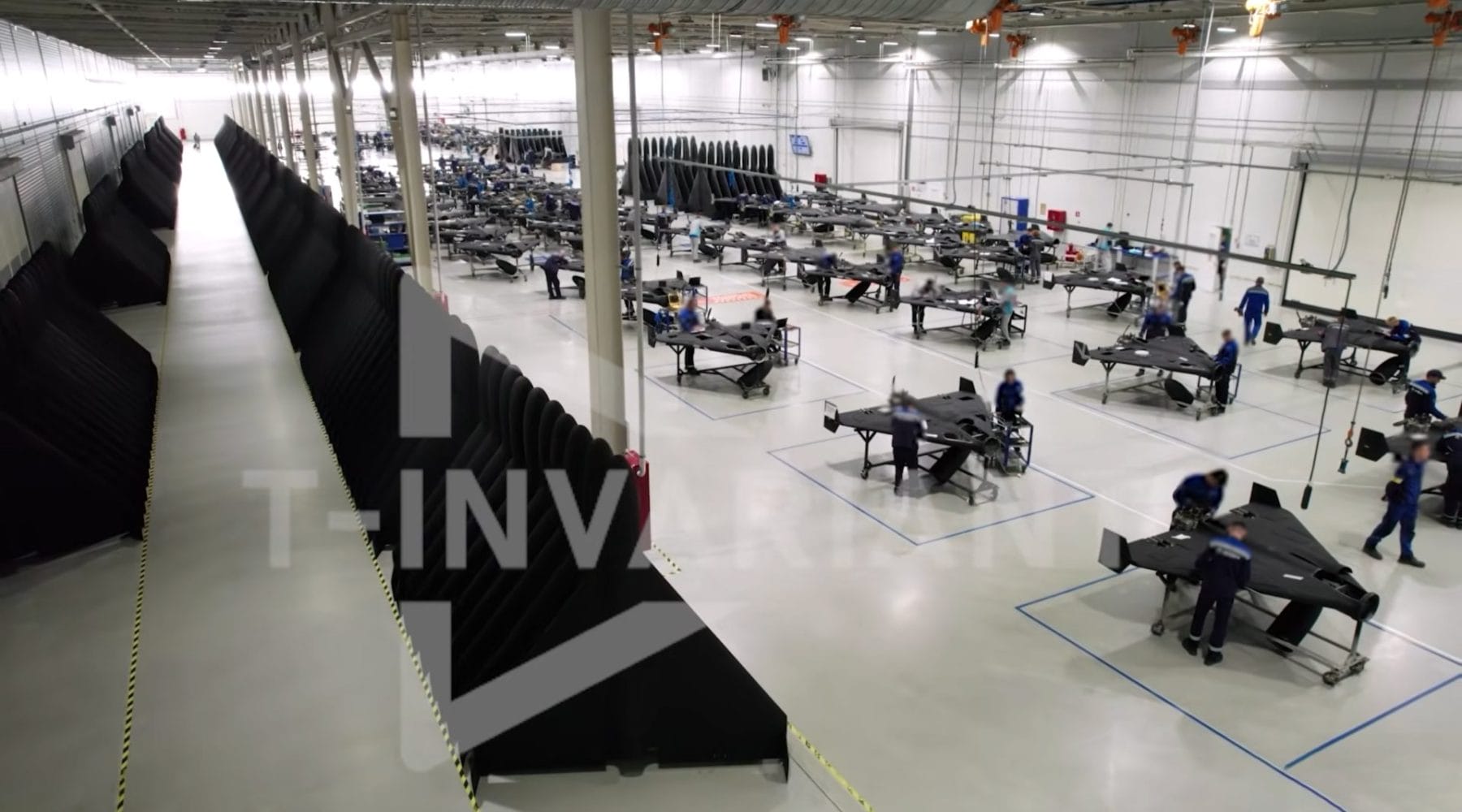
My name is Darina,” says an elfin teen, ponytail pulled through the back of her cap, and “next year I’ll be earning 150,000 rubles (nearly $2,000) a month.” Darina works at what she calls “the world’s largest drone factory,” helping to assemble versions of the Iranian Shahed drone. “My parents are proud of me. Wanna do the same?” She asks as she advertises a polytechnic in Tatarstan. The Russian government, in the face of war and looming demographic disaster, has been relaxing child labor laws since 2022, making it easier to put 14-year-olds to work. Now, legislators are open about the need to reform “outdated” restrictions on employing minors in industries that were “considered dangerous 20 years ago.” Drone production is not the only part of the war effort to which teenagers are being recruited. This month in a “content camp” in Moscow, soldiers and state media propagandists trained 120-plus teens on how to make videos, use AI, and grow their audiences as aspiring influencers. Vladislav Golovin, a former soldier and a leader of Russia’s Young Army Cadets National Movement, said the program had “created a huge team of kids who understand how to broadcast government values.” 

But many young people, subject to year-round conscription, subject to internet shut downs and subject to surveillance, have little desire to spread propaganda. Instead, according to Google Trends data, growing numbers of Russians are seeking information on how to emigrate. A new exodus would accelerate Russia’s deep demographic crisis. Already, up to a million people are thought to have left Russia since the full scale invasion of Ukraine in 2022. According to one recent count, nearly 210,000 Russian soldiers have been killed in the war with Ukraine, with other estimates suggesting over 1.2 million casualties, including 325,000 deaths. And Russian fertility rates are the lowest they have been for 200 years. Anton Kotyakov, the labor minister, has told Vladimir Putin that the country faces a labor shortage of 11 million people by 2030.

So concerning is this crisis that Rosstat, the national statistics agency, has stopped publishing monthly demographic data. State officials and local governors have been told to compete to come up with the most innovative solutions to a seemingly intractable problem. The pressure on Russian officials and the Kremlin is leading to desperate measures, including guidance from the Russian health ministry that women who say they do not want to have children should be referred to a psychologist. Nothing the Russian state has tried has worked, from financial incentives (extended even to schoolgirls under 18) to banning advertising that supposedly promotes “child-free” lifestyles and so-called “LGBTQ propaganda.”   

Darina, 16, assembles Shahed-style drones at a factory in Alabuga, Tatarstan, Russia. Screenshots from YouTube video by T-invariant.

Alongside “anti-woke” policies disguised as family values, is rising xenophobia and anti-immigrant rhetoric that has led to a marked decline in the number of foreigners living in Russia. The Kremlin’s anti-migrant policies include a new system to monitor migrant workers through biometric registration, location tracking, and intensified police oversight. The Russian parliament is currently debating enhancing the number of offences that can be punished by deportation or substantially increased fines. Much of it is targeted at Russia’s Central Asian migrants who make up an overwhelming majority of immigrant labor. Some Central Asian governments, notably Kyrgyzstan and Tajikistan, have now urged their citizens to think twice about going to Russia for work. 

Russia has been publicizing political stunts such as its “shared values visa” in which applicants from 46, largely developed, nations are given temporary residence permits if they profess to support “traditional Russian values.” The visa, the Kremlin has said, is “Russia’s response to what it perceives as the harmful effects of Western neoliberal policies.” But only a tiny fraction of the immigrants Russia needs will be Westerners who apply for such a visa; instead, Russia has been diversifying its pool of migrant workers by looking further east. Around 72,000 work permits were issued to Indian nationals in 2025, up from just 5,000 in 2021. Russian officials have signaled they are ready to accept “unlimited” numbers of workers from South Asian countries like India, Sri Lanka, and Myanmar.

While the Kremlin is looking to South Asia and Africa to address its immediate need for workers (and soldiers), the ambition in the longer term is to boost Russian birthr rates, despite the signal failure of ongoing attempts. 

In the U.S., there have been several moves borrowed from the Kremlin’s playbook, including the restriction of abortion, the attempt to deny women birth control, and even alarm at the fall in teen pregnancies. But data released this month showed that women in the U.S. gave birth to 710,000 fewer babies in 2025 than they did in 2007, a reflection of two decades of steadily dropping birth rates. Russian demographer Salavat Abylkalikov, at the Leibniz Institute for East and Southeast European Studies in Germany, says “if the birth rate has fallen below the level of simple reproduction, it is almost impossible to raise it back.” Especially when financial incentives cover just a fraction of childcare costs. 

In any case, Abylkalikov says, “in Russia, death is much more profitable than birth: in Nizhny Novgorod Oblast, the government provides around 1,000,000 rubles (about $12,000) for each child, but if one person goes to war and dies, the family receives up to 12 million rubles in total. That's more than $120,000. This is the economy of death.” The evidence, from countries like Russia, Hungary and the U.S., is that appeals to tradition, to religion and to female “responsibility” do not work, when support for families is limited. And while migration is an obvious fix to demographic questions everywhere, it’s politically toxic.

Russia knows it is hurtling towards demographic doom but can do little to halt the momentum. Its policies are riddled with inconsistencies — a strong line in anti-migration rhetoric and bullying, while being forced to import workers and soldiers from Asia and Africa; a patriarchal view of women’s roles, mostly confined to the domestic, while increasingly reliant on women to take the jobs of the men who are fighting and dying in Putin's war; and encouraging more women to give birth, while employing children to build drones. With family values like these, no wonder young Russians are hesitant to procreate.

The post Teens making drones: Russia’s demographic collapse appeared first on Coda Story.

  •  

Why Europe must disable Russia’s crypto ecosystem

Someone recently asked me what mark out of 10 I’d give for the efforts of governments to tackle financial crime. It got me thinking about that one bright spot of recent times — the West’s response to Russia’s full-scale invasion of Ukraine four years ago — and how it is now looking. Back in 2022, a lot of us were pleasantly surprised by the speed and ambition with which Western governments sanctioned the Russian government, state-owned companies and wealthy individuals. While Western pressure did not prevent the war, the asset freezes did impose a real cost on those conducting it. Four years on, however, those sanctions are beginning to look a bit shopsoiled. If they began at 7/10, they’re now scoring a lot lower.

There are reasons for this: Donald Trump does not appear particularly interested in Ukraine; the now former Hungarian prime minister Viktor Orbán has been snarling things up; and so on, as laid out in this analysis from Tom Keatinge. To make things worse, Trump’s latest adventure in Iran has pushed the oil prices sharply higher, earning more money for Russia while also giving Trump cover to lift sanctions, a temporary measure he has recently extended.

Keatinge argues that European countries need to be far more focussed on going after Russia’s payment mechanisms, particularly digital. “The extent to which crypto activity supports Russia’s war effort is clear,” he writes, “yet repeated initiatives to elevate the importance of opening a concerted line of effort on this issue are ignored. This must change.”

I agree, though it won’t be easy, considering the diffuse crypto ecosystem, and the increasing sophistication of Russian involvement in it. As long as Telegram is willing to host markets, the markets will continue to function to some extent whatever Western countries do (see the story of Xinbi, a Chinese-language hub for illicit crypto.) However, it does look like someone somewhere has lost patience with the ease with which Russia is funding itself.

“The sanctioned Russia-linked cryptoasset exchange Grinex announced an immediate suspension of its operations, citing a ‘large-scale cyberattack,’” reports Elliptic. According to the statement, which Kyrgyzstan-registered Grinex posted on Telegram, it lost around $13 million worth of USDT in the hack, blaming the theft on Western intelligence agencies.

“Today the attempts to destabilise our fatherland’s financial sector hit a new level, with the direct theft of the assets of Russian citizens and companies with the involvement of complex cyberattacks,” the statement said. Grinex is the successor to Garantex, which was shut down just over a year ago after years of effort by Western law enforcement. I would be surprised if Western countries had decided to take direct action against Grinex, as the exchange claims they did. Westerners tend to be a bit too legalistic for this kind of smash-and-grab, and I would expect any operation to more closely resemble what worked a year ago, conducted with Tether’s cooperation.

Instead, I suspect this attack is the work of hacktivists, perhaps working for or with the Ukrainians. Whatever the answer, it is embarrassing for the Russians, shows their crypto-security is not impregnable, and has made a noticeable dent in trading volumes of the A7A5 ruble-denominated stablecoin, which has become a key sanctions evasion tool. Three birds with one stone.

The important point is that sanctions were never supposed to be permanent: they are a foreign policy tool, not a law enforcement one. Hundreds of billions of Russian-owned dollars are languishing in various frozen bank accounts, and Western countries need to start thinking about what to do with them. They can confiscate them, investigate them or — if they’re feeling brave — use their potential return as leverage to persuade wealthy Russians to break with the Kremlin. What they shouldn’t do is leave them as they are to gather dust.

Hopefully, now that Orbán is out of the way, European countries will be able to take firmer collective action but they also need to be imaginative, and to start behaving as if they actually want Ukraine to win, rather than just not lose.

A defeat for transparency 

Of course, the United States will have a lot to say about that too, and what it ends up saying about how to tackle the Russian crypto operations will depend on what happens in the midterm elections this year. So, it strikes me as a big deal that crypto firms are once more pouring tens of millions of dollars into campaign vehicles in their quest for, what they euphemistically refer to as, “regulatory clarity.” Among them, of course, is Tether.

If you’re wondering quite how it’s possible to spend that much money on elections, I draw your attention once more to the great Integrity Index, with its records for who’s been spending what. It boggles my mind that, for example, the three Democratic rivals to the Republicans’ Susan Collins for the Maine Senate seat have raised more than $17 million just for the primary. Collins herself has raised over $10.5 million. There really shouldn’t be that much money in politics.

Besides, when it comes to value for money, investing in court cases beats investing in politics every day of the week. I don’t know how much the (ironically) anonymous plaintiffs in the 2022 case against corporate transparency in Luxembourg paid their lawyers, but its effects just seem to keep compounding to the benefit of those who want to hide their wealth from society. 

The European Union’s retreat from revealing the ownership of shell companies has given cover for Britain’s tax havens as they resisted efforts from London to force them to open up their own corporate registries. It looks like those efforts may have finally failed. “We are committed to full transparency, but I don’t think there will be any turning back,” said the British Virgin Islands’ Junior Minister for Financial Services Lorna Smith in comments confirming that the islands are in fact very much not committed to full transparency.

A version of this story was published in this week’s Oligarchy newsletter. Sign up here.

The post Why Europe must disable Russia’s crypto ecosystem appeared first on Coda Story.

  •  
❌