Belgium's foreign minister said the kingdom's opposition to using Russia's frozen assets for Ukraine has not changed, Reuters reported. A push by four member states to revive the plan "generated little enthusiasm or appetite" among European Union foreign ministers, he said. Belgium points instead to part of an already-agreed European loan arriving sooner.
Russia's invasion has become a contest of endurance in which Moscow spends at war rates and counts on Western money thinning out first. Ukraine's army runs on financing decided in foreign capitals, so how fast Europe settles who pays sets what Kyiv can order and field. EU governments have held some $243.7 billion of Russian central-bank money since Russia's full-scale invasion began in February 2022. About €214 billion of it sits at Euroclear, the Brussels depository at the center of the argument.
Nothing has changed, Belgium's foreign minister told the room
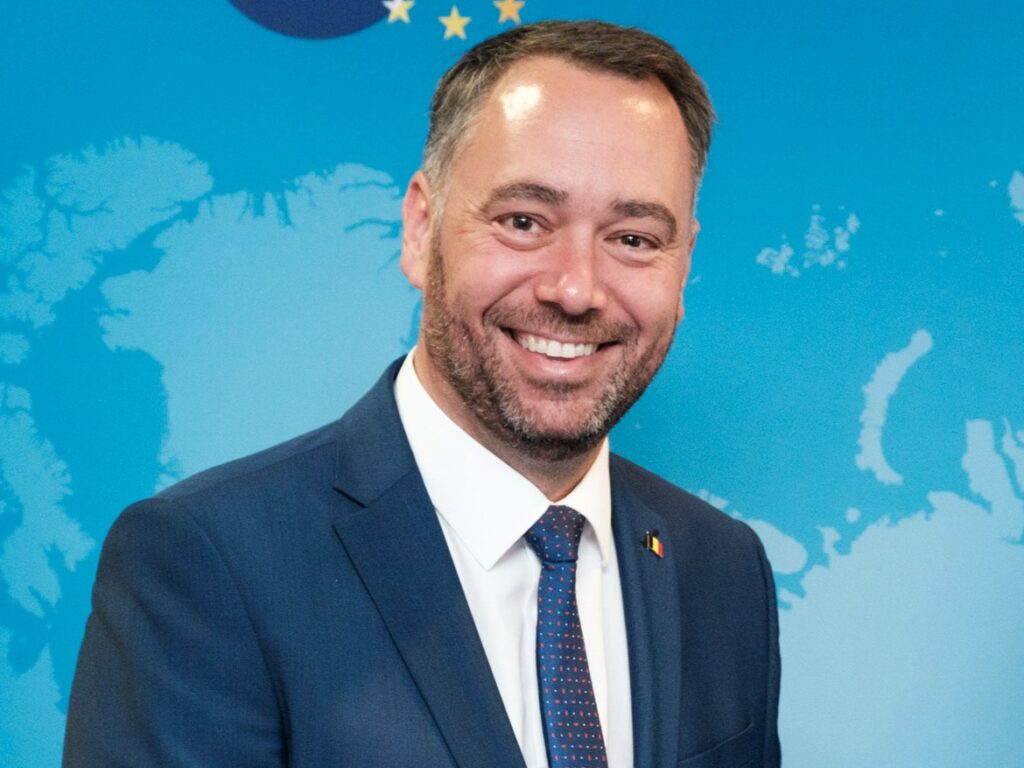
Belgian Foreign Minister Maxime Prévot spoke after an informal meeting of EU foreign ministers in Ireland on 2 September. Four countries had put the frozen-assets question back on the agenda, and his colleagues showed little interest in taking it up, he said. Belgium's own position has not moved in a year, he added. Anything that amounts to confiscating the money would carry very significant risks for his country, he said.
The country's Defense Minister Theo Francken told Flemish broadcaster VRT in remarks published on 30 August that the door is closed and the question is not open for discussion. He also said the Baltic States should be more careful about returning to it, and recalled how much support Belgium gives Lithuania, Latvia, and Estonia, The Moscow Times reported.
Explore further
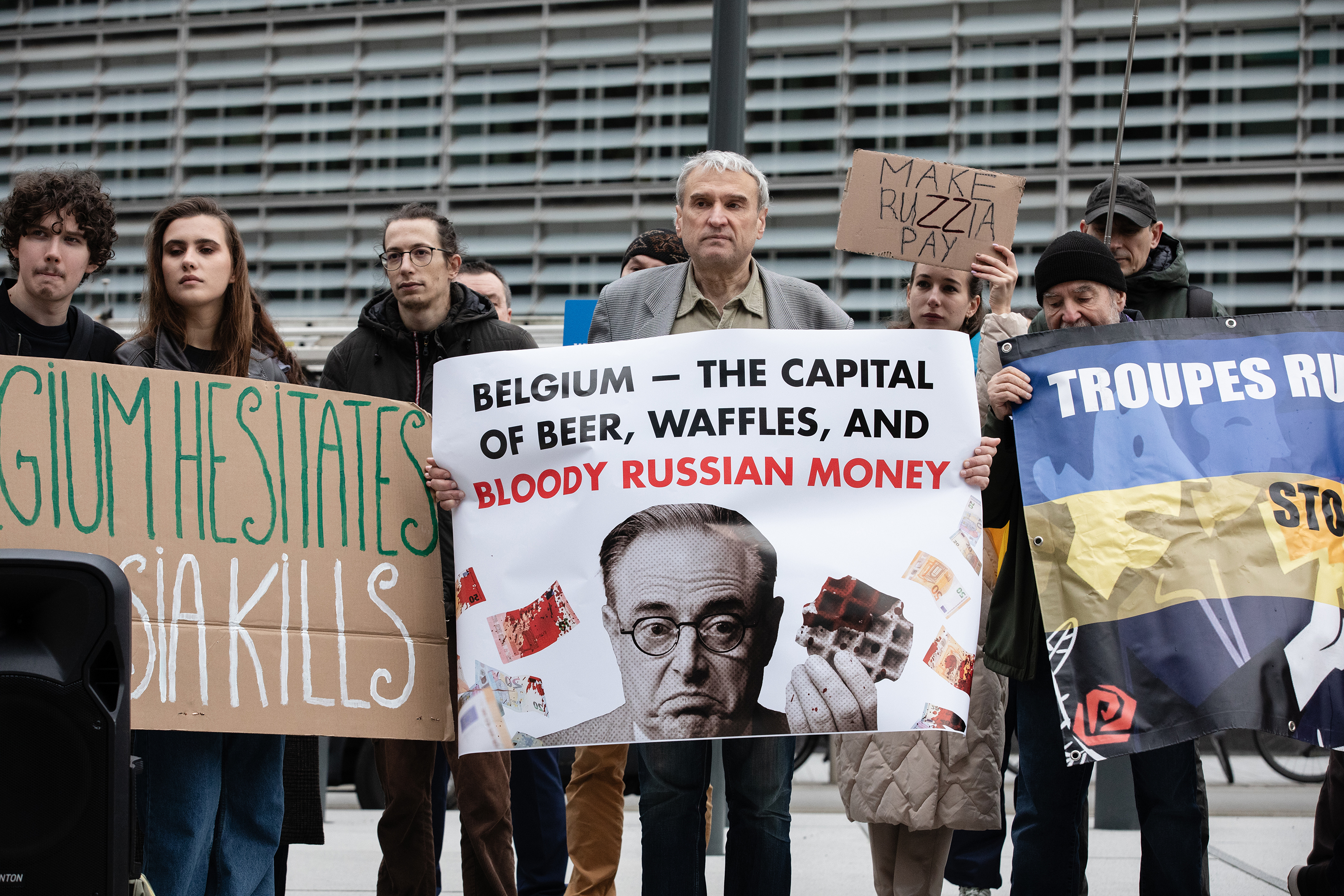
Ukrainians rally across dozens of countries to demand Europe use Russia’s frozen billions
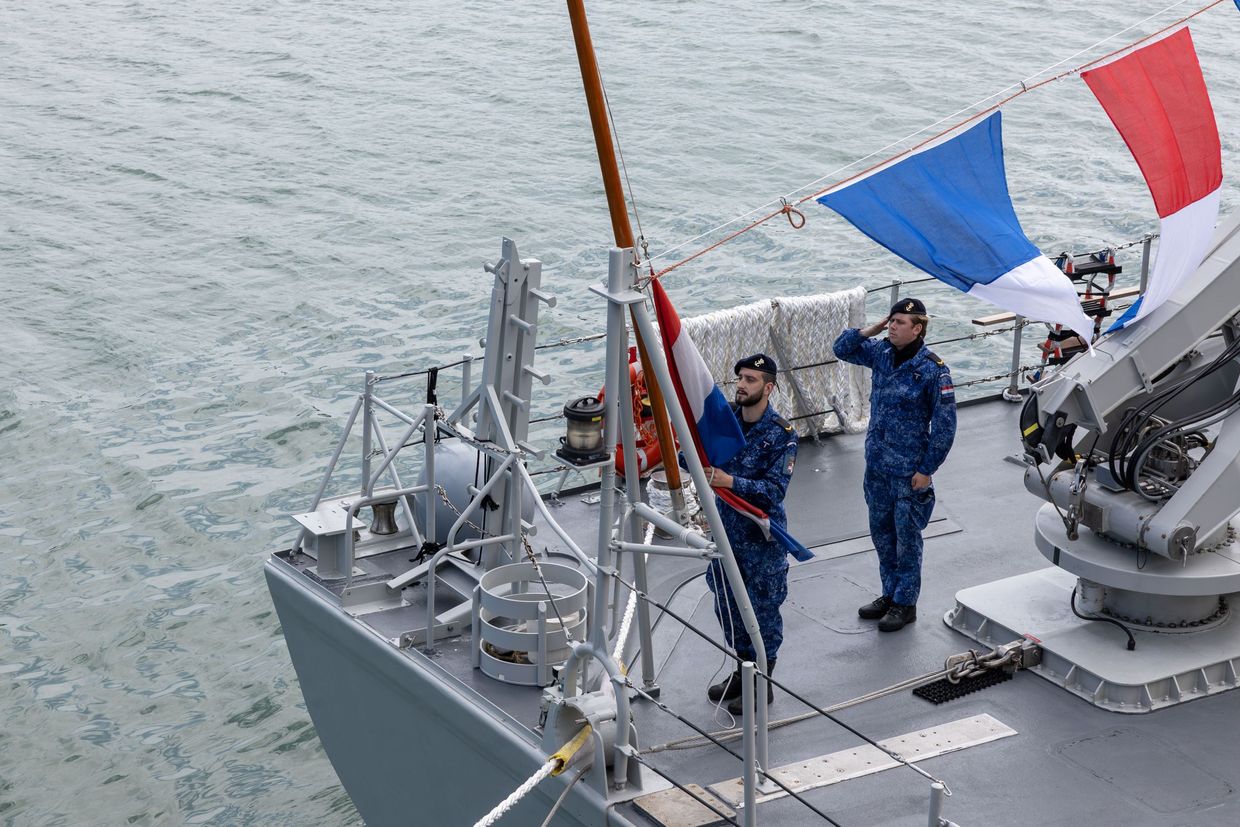
Bulgaria will add seven minehunter ships to its navy under two agreements with Belgium and the Netherlands, Reuters reported. Parliament cleared the acquisition on 26 August, and the vessels are meant for a sea where mines have drifted since Russia invaded Ukraine. They will work within a three-country task force whose mission widened this summer beyond mine clearance.
Russia's invasion turned the Black Sea into hostile water for civilian shipping: mines drift out of the fighting, strikes fall on port after port, and grain leaves through whatever routes are still open. Mine clearance is the slow work that keeps those lanes usable at all, and every hull committed to it widens the area the navies bordering that sea can actually cover.
What parliament approved
Three of the hulls come through a sale the Netherlands agreed with Sofia, and they carry the gear for locating mines and mine-like objects and blowing them up. The remaining four arrive under a three-way handover deal signed by the two donor countries and the recipient, according to Reuters.
Before the three sale ships change hands, the Dutch will put their systems back in working order and raise how much they can do at sea. The bill for the yard work on all seven, up to the level the alliance requires, falls to the buyer. Alongside the ships, a signed memorandum provides for training the crews and supplying spares and extra kit.
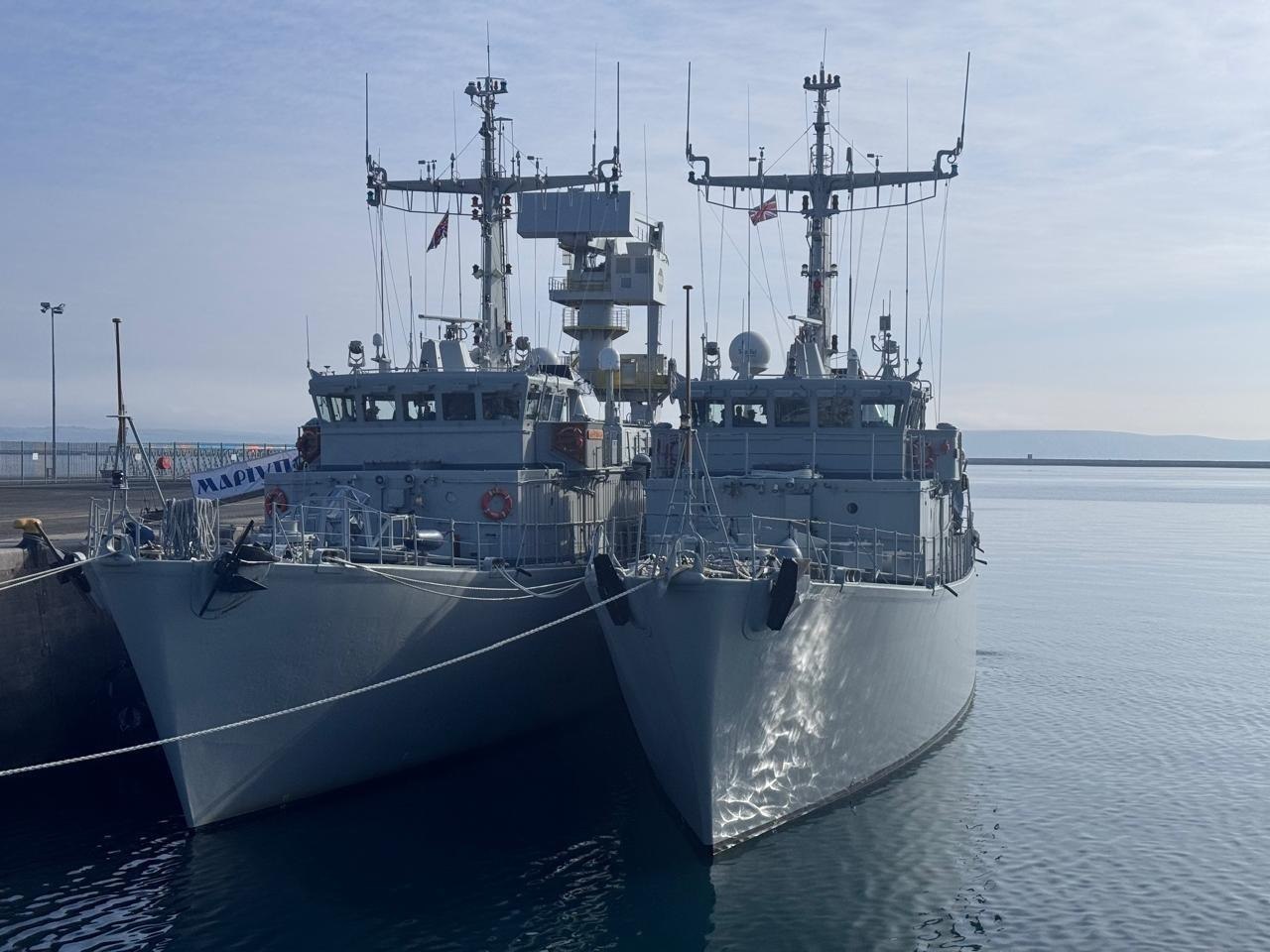
Ukrainian minehunters Mariupol and Melitopol. Both ships are named after Ukrainian cities that Russia now occupies. Credit: ArmyInform
Belgium and the Netherlands, together with the UK, handed Ukraine five mine countermeasure vessels in April, described at the time as the core of a future large-scale Black Sea clearance operation.
A task force that grew
Bulgaria, Romania, and Türkiye signed the agreement creating a joint Mine Countermeasures Task Group in January 2024, and the group began work that summer. Three other states hold coastline on the same sea: Georgia, Russia, and Ukraine.
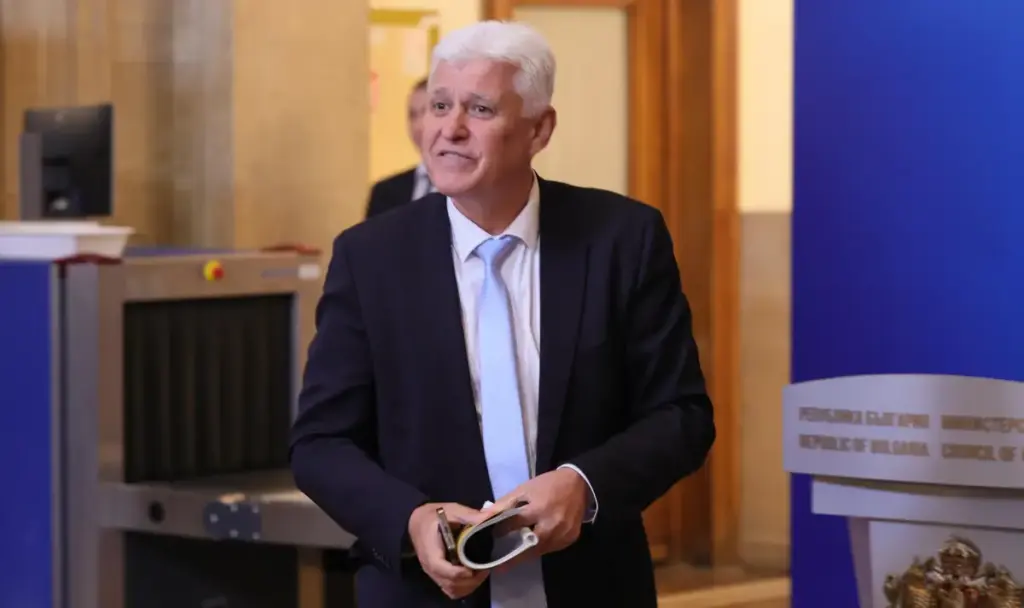
"Bulgaria is part of the mine countermeasures group established together with our colleagues from Türkiye and Romania, and it is working in excellent coordination to clear the maritime areas of the three countries," Bulgarian Defense Minister Dimitar Stoyanov said.
At a NATO summit in July, the three agreed to expand the force so it also protects critical infrastructure. Romania's national defense strategy had already flagged risks to Black Sea infrastructure.
Clément Vandenkerckhove was born to Belgium’s Prince Laurent before his marriage. He is now a prince himself, though he is not expected to have royal duties.
Clément Vandenkerckhove was born to Belgium’s Prince Clement before his marriage. He is now a prince himself, though he is not expected to have royal duties.
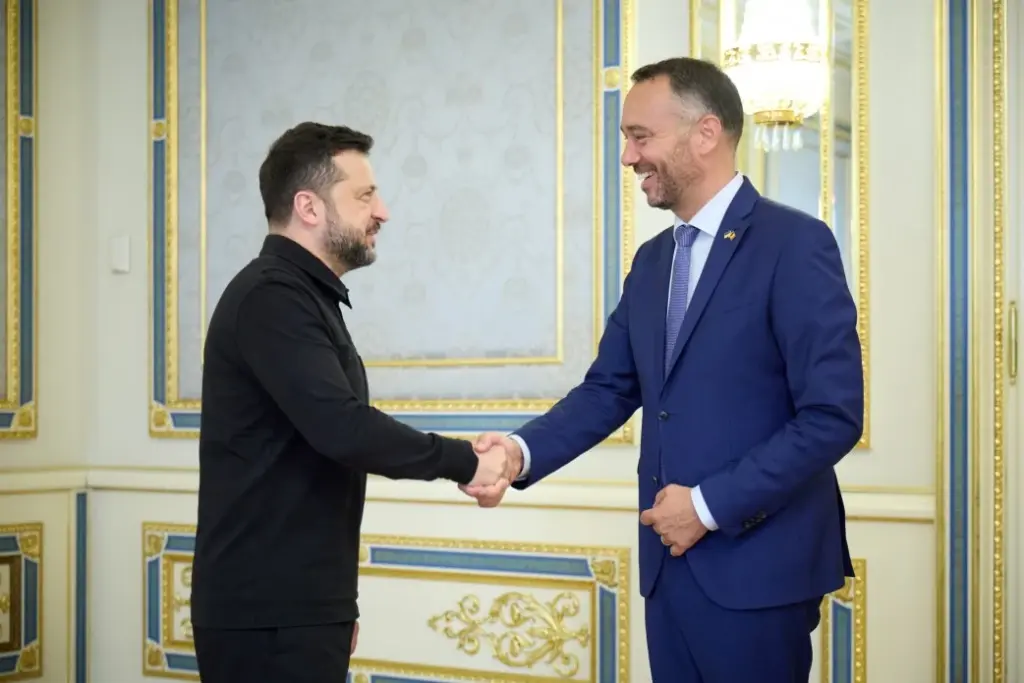
Ukraine and Belgium are drawing up a bilateral agreement to deepen cooperation on drones, President Volodymyr Zelenskyy said after meeting Belgian Foreign Minister Maxime Prévot in Kyiv on 18 August. The two also discussed strengthening Ukraine's air power and shielding it from Russian attacks.
Cheap drones now decide much of the fighting, and Kyiv has turned years of learning to fly and defeat them into leverage—trading that edge for weapons and money with a lengthening line of Western partners.
A new deal takes shape
Teams on both sides are now writing the text of the Drone Deal and weighing possible dates to sign it, ArmyInform reported. Ukraine is ready to share its own expertise in unmanned systems with partners, Zelenskyy said.
Defense ran through the meeting, with both sides focused on strengthening Ukraine's combat aviation and defending its skies.
"I expect that we will be able to implement what we discussed, and there will be more protection from Russian strikes," Zelenskyy said.
Belgium has promised 30 F-16 fighter jets—the largest F-16 pledge from any single country—though none have reached Ukraine yet, with deliveries tied to Belgium's own switch to newer aircraft.
Explore further
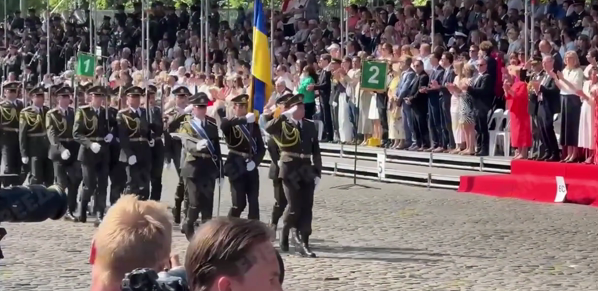
“First time”: Ukrainian troops joined Belgium’s National Day parade in Brussels
Belgium's deeper backing
Zelenskyy thanked Belgium for more than $1.28 billion in support this year, covering defense and civilian needs alike, and for backing Ukraine's move toward the European Union. The military share flows from a standing pledge: since 2025, Belgium has committed to at least $1.16 billion in defense aid a year.
A 2024 security pact locked in that relationship, making a small Western European country one of Ukraine's steadier partners. Belgian firms also service the F-16s Ukraine already flies, the jets delivered by other partners in the coalition.
Gold bars found at the site where a 19th-century brewery had stood in Dendermonde, Belgium. The police do not know who put the gold there, or what its fate might be.
Around 150 pro-Palestinian activists have broken into a storage facility and damaged military equipment intended for Ukraine, the Belgian news outlet 7sur7 reported on June 26.
The facility belongs to OIP Land Systems, a company that produces military equipment for Ukraine. The activists reportedly thought the equipment would be supplied to Israel.
The activists, who were wearing white overalls and masks, took part in the Stop Arming Israel campaign. The protests seek to pressure Belgian authorities to maintain the military embargo against Israel and impose sanctions on it.
The protesters, armed with hammers and grinders, first entered the company's offices, where they smashed computers, and then broke into the hangars, where they severely damaged some vehicles, Freddy Versluys, CEO of OIP Land Systems, said.
Since the beginning of the Russian invasion, the company has supplied the Ukrainian army with about 260 armored vehicles. The damage caused by the activists' actions is estimated at $1.1 million, according to 7sur7.
"A further delivery has now been delayed by at least a month. That's all these Hamas sympathizers will have achieved with their action," Versluys said.
The company was reportedly targeted by pro-Palestinian protesters because Elbit Systems, an Israeli defense company, owns it.
Protesters believe that Elbit supplies 85% of the drones and most of the ground military equipment used by the Israel Defense Forces, 7sur7 reported.
Yet, the OIP Land Systems CEO claimed that his company has not produced defense systems for Israel for over 20 years.
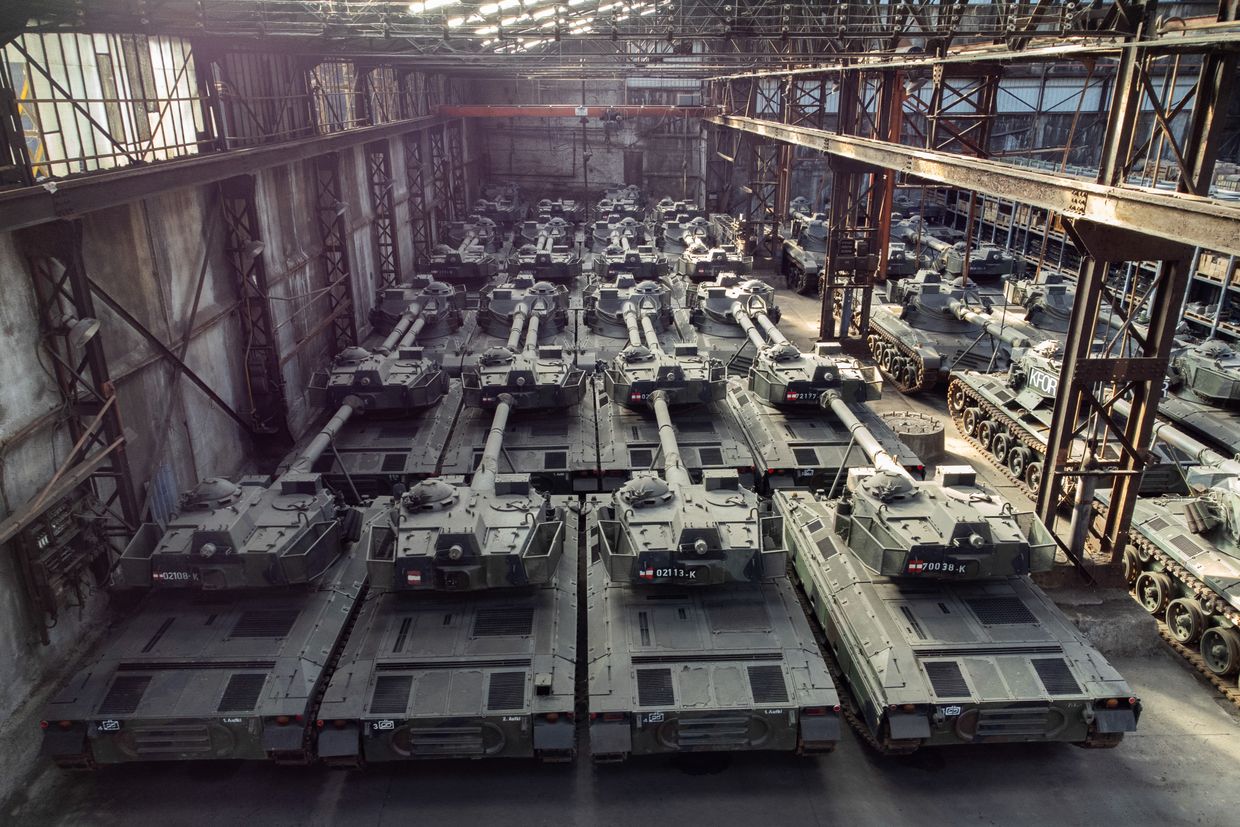
OIP Land Systems has provided defense products to Ukraine on several occasions, including Leopard 1 tanks, which are manufactured at the Tournai plant.
The Netherlands and Belgium have delivered two minehunter vessels to Ukraine to support maritime security in the Black Sea, Dutch Defense Minister Ruben Brekelmans announced on June 26.
"The Netherlands and Belgium are transferring two minehunters to Ukraine. A vital contribution to Black Sea security, and key to safeguarding trade routes and global food supply," Brekelmans said on X. He added that Ukrainian crews and technicians were trained "in record time."
According to the Dutch Defense Ministry, the vessels involved are the Belgian ship BNS Narcis and the Dutch Zr.Ms. Vlaardingen. The official handover ceremony took place earlier in Zeebrugge, Belgium, but was disclosed only later due to security concerns.
"The major ports of Odesa and the Black Sea shipping lanes are the lifeblood of the Ukrainian economy," Brekelmans said. "And (they are) under constant threat. Ukraine may not win the war at sea, but it can certainly lose the war there. We simply cannot let that happen. That is why it is so important for maritime security and free passage that Ukraine can use minehunters."
Since Russia's full-scale invasion of Ukraine began in February 2022, the Netherlands has provided Kyiv with a combined 8.4 billion euros ($9.4 billion) in support, according to the Kiel Institute for the World Economy while Belgium has allocated over two billion euros (about $2.2 billion) in support, including military, financial, and humanitarian assistance.

 Connexion