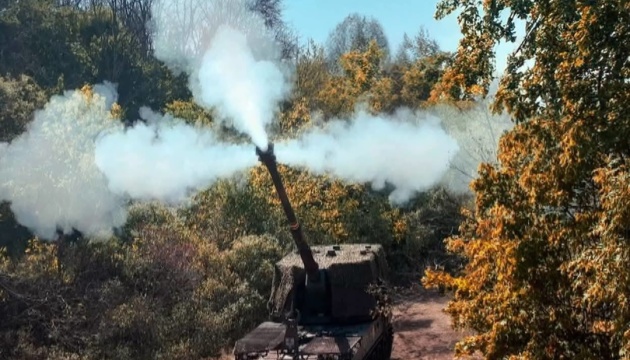
Russian forces in southern Ukraine have completed preparations for mechanized attacks in the autumn and are moving armored vehicles into areas from which they plan to launch offensive operations.
Russian forces in southern Ukraine have completed preparations for mechanized attacks in the autumn and are moving armored vehicles into areas from which they plan to launch offensive operations.
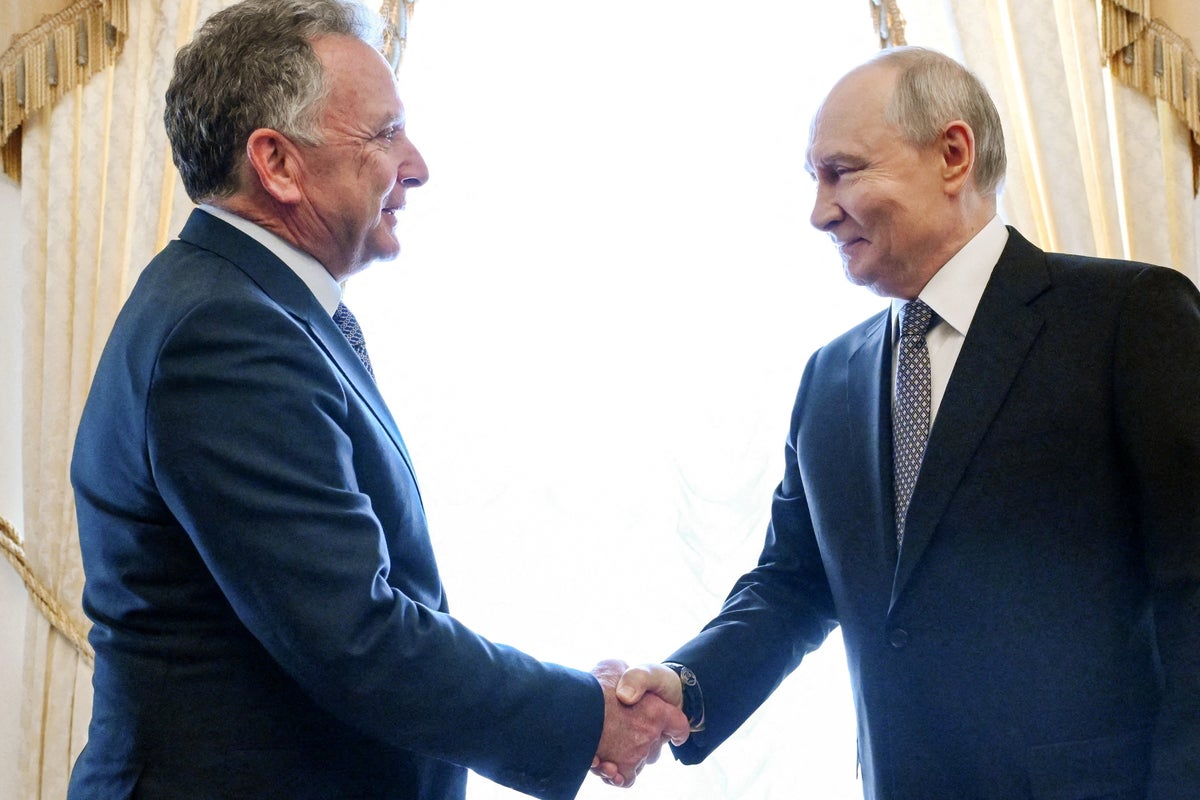
Les frappes, qui ont fait plusieurs morts en Ukraine, ont eu lieu quelques heures après la rencontre entre l'émissaire américain Steve Witkoff et le président russe Vladimir Poutine.
Les frappes, qui ont fait plusieurs morts en Ukraine, ont eu lieu quelques heures après la rencontre entre l'émissaire américain Steve Witkoff et le président russe Vladimir Poutine.
Battus 4-1 en Italie, les Red Devils sont désormais sans victoire depuis sept rencontres toutes compétitions confondues. Le Côme de Cesc Fabregas, avec deux victoires cette saison en Ligue des champions, est désormais 9e du classement.
Battus 4-1 en Italie, les Red Devils sont désormais sans victoire depuis sept rencontres toutes compétitions confondues. Le Côme de Cesc Fabregas, avec deux victoires cette saison en Ligue des champions, est désormais 9e du classement.
Battus 4-1 en Italie, les Red Devils sont désormais sans victoire depuis sept rencontres toutes compétitions confondues. Le Côme de Cesc Fabregas, avec deux victoires cette saison en Ligue des champions, est désormais 9e du classement.
Battus 4-1 en Italie, les Red Devils sont désormais sans victoire depuis sept rencontres toutes compétitions confondues. Le Côme de Cesc Fabregas, avec deux victoires cette saison en Ligue des champions, est désormais 9e du classement.
Après avoir suspendu tous les concours de beauté, le Burkina Faso a lancé un concours pour récompenser les bachelières scientifiques et inciter les jeunes filles à investir les filières techniques.
Après avoir suspendu tous les concours de beauté, le Burkina Faso a lancé un concours pour récompenser les bachelières scientifiques et inciter les jeunes filles à investir les filières techniques.
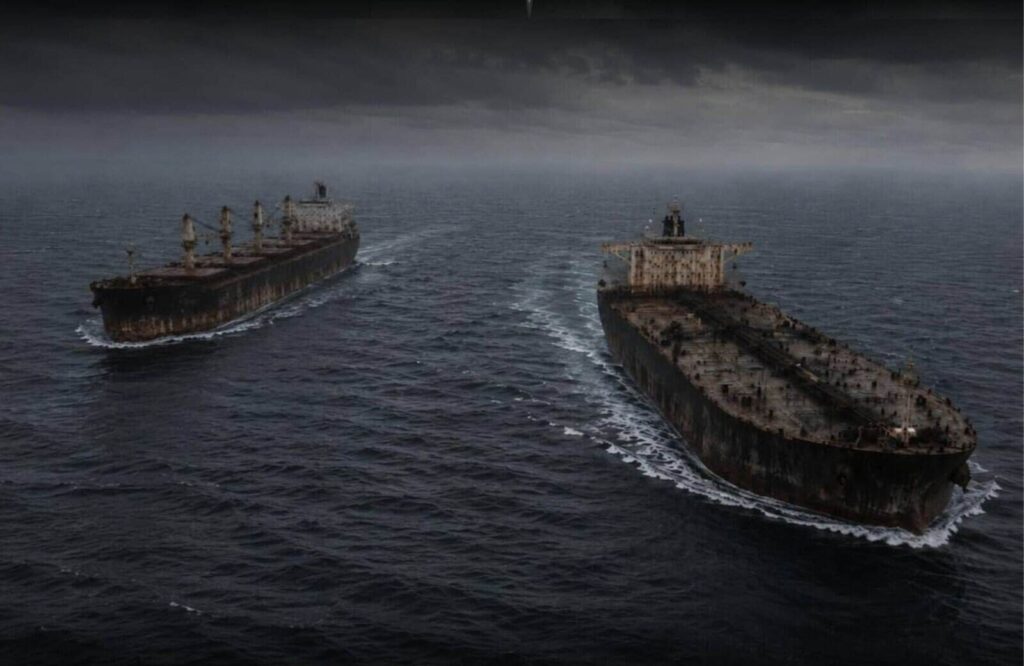
Investors who buy idle sanctioned tankers and refit them could put the ships back into legal oil trade, US Energy Secretary Chris Wright said on 19 October, Bloomberg reported. He laid out the plan five days after a US official described it to Reuters.
That official said the aim was to cut record tanker freight rates. The Energy Department added that any relief would not help Russia move its oil. The plan comes weeks before the 3 November midterms, with voters worried about fuel costs a
Investors who buy idle sanctioned tankers and refit them could put the ships back into legal oil trade, US Energy Secretary Chris Wright said on 19 October, Bloomberg reported. He laid out the plan five days after a US official described it to Reuters.
That official said the aim was to cut record tanker freight rates. The Energy Department added that any relief would not help Russia move its oil. The plan comes weeks before the 3 November midterms, with voters worried about fuel costs after gasoline and diesel prices surged in the Mideast conflict. Yet the shadow fleet is also how Russia sells oil past sanctions, and those sales fund its war against Ukraine. In December 2025, Ukraine’s foreign intelligence counted more than 1,100 tankers serving Russia alone, 226 of them under US sanctions.
An approval process Wright didn’t detail
Many sanctioned tankers sit idle, Wright told Bloomberg’s Annmarie Hordern, and buyers keep approaching the administration offering to fix them up and carry only legal oil.
“We’re going to move some of the ships from what I call the ‘bad-guy fleet’ to the ‘good-guy fleet,’” he said. “They will not carry sanctioned oil anymore.”
The ships must go through an approval process, Wright said, but he gave no criteria. He insisted “there is no removing of sanctions.”
He put the global dark fleet at about 1,600 ships, a count covering vessels that hauled Venezuelan, Iranian, and Russian oil. Dozens or even hundreds could turn legitimate, he said. The ships are no longer needed for Venezuelan oil, Wright said, and no Iranian oil is moving. Russian oil exports, he added, “are certainly not growing.”
Diesel, a waiver, and the tankers
Earlier, on 9 October, the Treasury issued General License 135, allowing some deals in Russian diesel until 7 April 2027. On 16 October, US President Donald Trump waived sanctions and tariffs under the Graham Act, leaving earlier sanctions intact. That law had directed him to review and sanction shadow-fleet vessels. Trump defended the waiver as a way to keep Moscow at the negotiating table.
House Speaker Mike Johnson told Fox News host Larry Kudlow on 18 October that he had asked the White House team to “carefully consider the unintended consequences,” The Hill reported. He added that he thought “the right decision will be made” in the end.
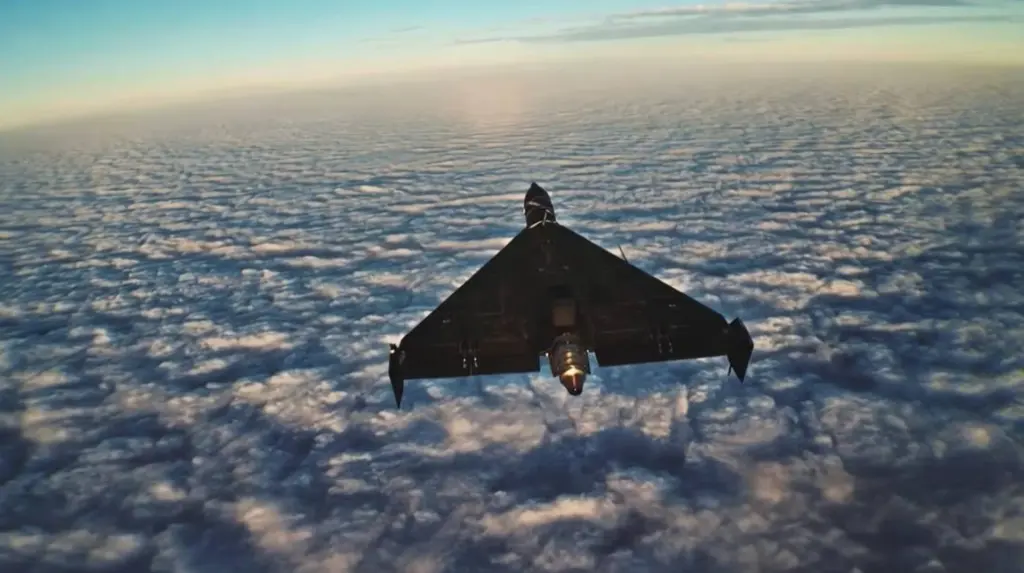
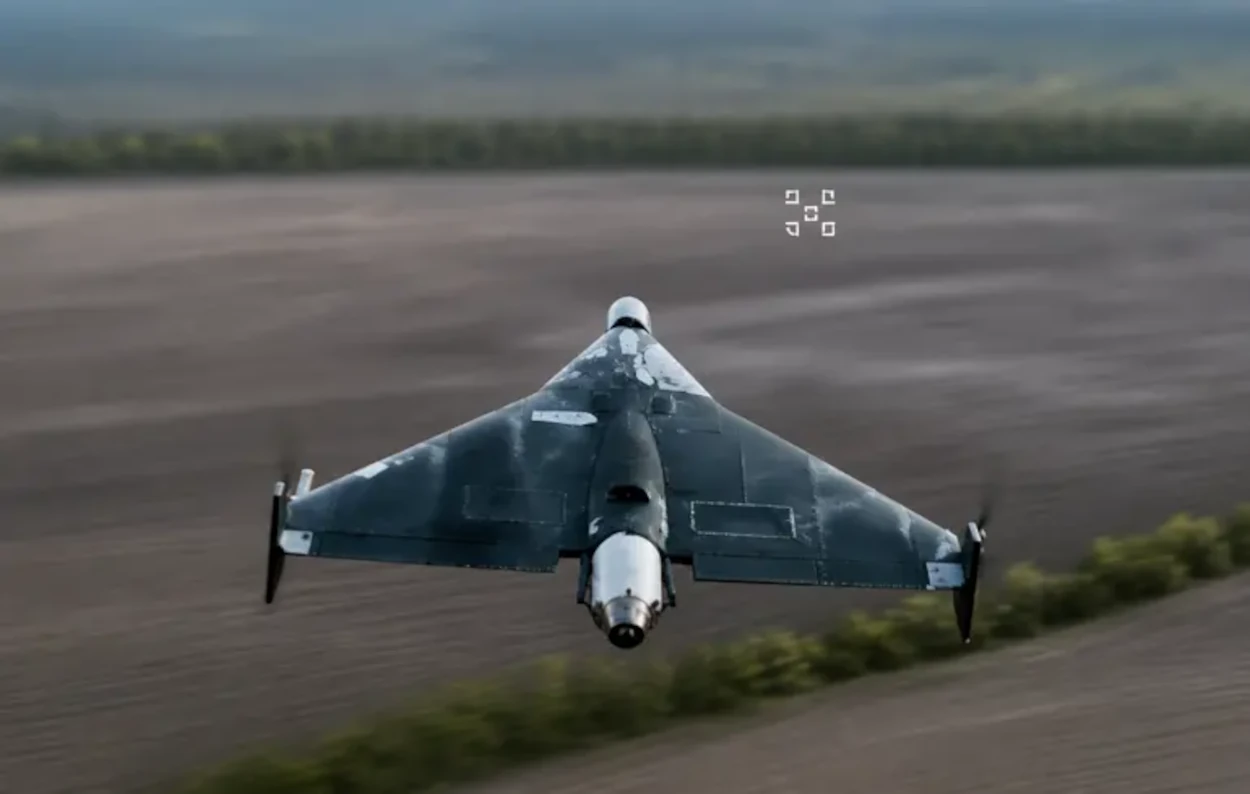
Overnight on October 22 (from 18:00 on October 21), Russian forces launched a massive combined attack on Ukraine. As of 9:00 on October 22, Ukrainian air defenses had shot down or suppressed 181 enemy UAVs, including 87 jet-powered drones.
Overnight on October 22 (from 18:00 on October 21), Russian forces launched a massive combined attack on Ukraine. As of 9:00 on October 22, Ukrainian air defenses had shot down or suppressed 181 enemy UAVs, including 87 jet-powered drones.
In a direct confrontation with Russia, European NATO states would likely be even more vulnerable than Ukraine to swarms of Russia’s new jet-powered strike weapons, Fabian Hoffmann of the Norwegian Institute for Defence Studies (NIDS) argued in a 20 October op-ed for the Center for European Policy Analysis (CEPA). He calls them low-cost cruise missiles. Just three days earlier, Romania met what it believes were two of them over the Black Sea.
Romanian F-16 fighter jets shot down two jet-
In a direct confrontation with Russia, European NATO states would likely be even more vulnerable than Ukraine to swarms of Russia’s new jet-powered strike weapons, Fabian Hoffmann of the Norwegian Institute for Defence Studies (NIDS) argued in a 20 October op-ed for the Center for European Policy Analysis (CEPA). He calls them low-cost cruise missiles. Just three days earlier, Romania met what it believes were two of them over the Black Sea.
Romanian F-16 fighter jets shot down two jet-powered Geran-family drones over Romania’s territorial waters on 17 October, the Defense Ministry said. Interim Defense Minister Radu Miruță said they flew at about 450 km/h and were likely Geran-4s, the first of that type Romania had downed.
Faster drones for a faster war
Russia began using the Geran-4 in May in response to effective Ukrainian interceptor drones, Ukraine’s military intelligence (HUR) said, adding that it reaches up to 500 km/h. By June, those interceptors were downing about half of slower Shahed-type drones, defense adviser Serhii Beskrestnov estimated.
Hoffmann traces the shift to the Geran-3, a model Ukraine recovered intact in 2025. In his account, a Chinese JT80 turbojet roughly doubled its speed, from 185 to 350 km/h. However, he puts newer models, including the Geran-4, at 600 km/h or more, above HUR’s figure for that model.
By his estimate, each costs $150,000–$250,000, against about $50,000 for a long-range drone. Still, from Russia’s perspective, he wrote, that buys a significantly higher chance of getting through.
Explore further
Ukraine is testing four new drone interceptors as Russia floods its skies with faster Gerans
Engines are the bottleneck
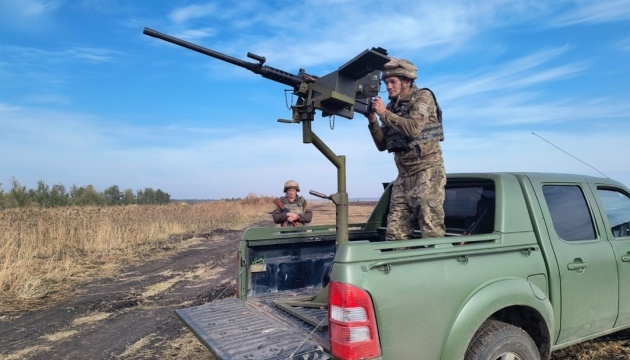
Hoffmann argues defenses must match the threat’s speed, for example with jet-powered interceptor drones. Ukraine already fields some. On 4 October, President Zelenskyy said its Bars interceptors had shown the highest percentage among Ukrainian interceptors, about 30% of targets, according to Militarnyi. One unit destroyed five aerial targets with five Bars interceptors, Defense Minister Yevhenii Khmara later told journalists. He also called aviation one of the most effective tools against jet drones.
Hoffmann’s concern is scale. Jet engines are in short supply, he wrote, because too few European and US suppliers can meet demand. Ukraine’s Defense Industry Council flagged a shortage of such engines for its drones in April. In his view, gun systems and higher-end missile defenses are too scarce or too costly to fill the gap.
A total of 187 combat engagements between the Ukrainian Defense Forces and Russian invaders were recorded at the front over the past day, October 21, with the Pokrovsk sector remaining the hottest.
A total of 187 combat engagements between the Ukrainian Defense Forces and Russian invaders were recorded at the front over the past day, October 21, with the Pokrovsk sector remaining the hottest.
Après les pillages survenus à Milan, le gouvernement italien a adopté un décret-loi durcissant les sanctions contre les violences en manifestation. Responsabilité financière des parents, nouvelles peines de prison, déploiement de militaires : des mesures qui font écho au projet de loi français "casseurs-payeurs", bientôt examiné au Sénat.
Après les pillages survenus à Milan, le gouvernement italien a adopté un décret-loi durcissant les sanctions contre les violences en manifestation. Responsabilité financière des parents, nouvelles peines de prison, déploiement de militaires : des mesures qui font écho au projet de loi français "casseurs-payeurs", bientôt examiné au Sénat.
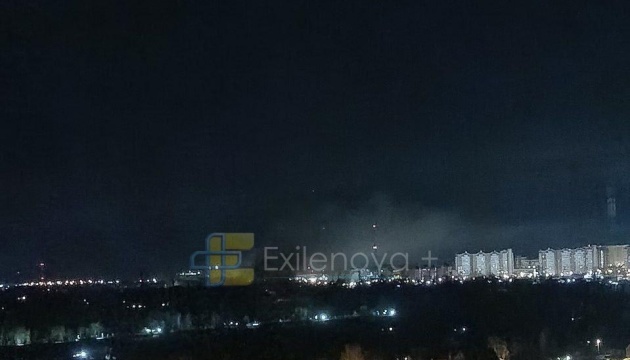
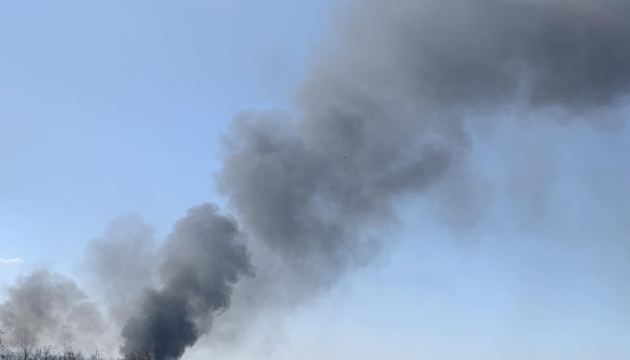
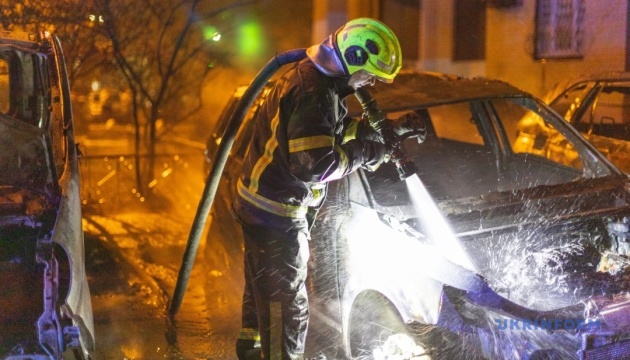
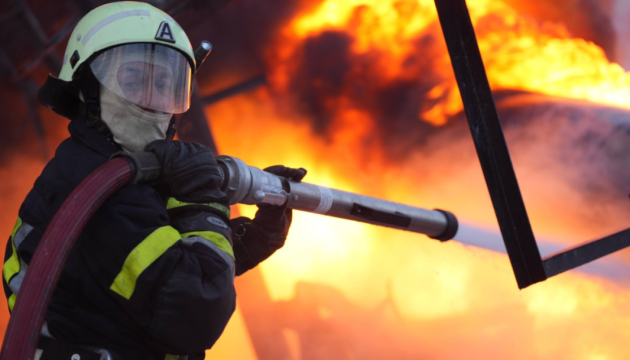
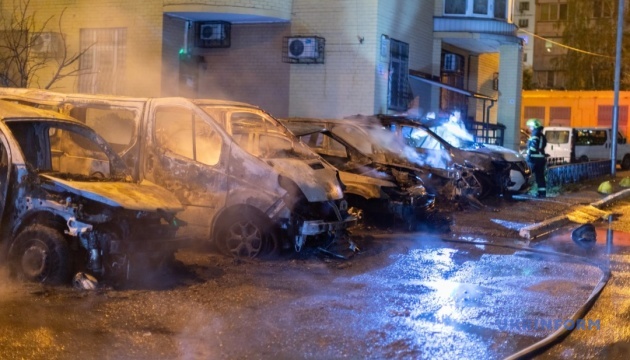
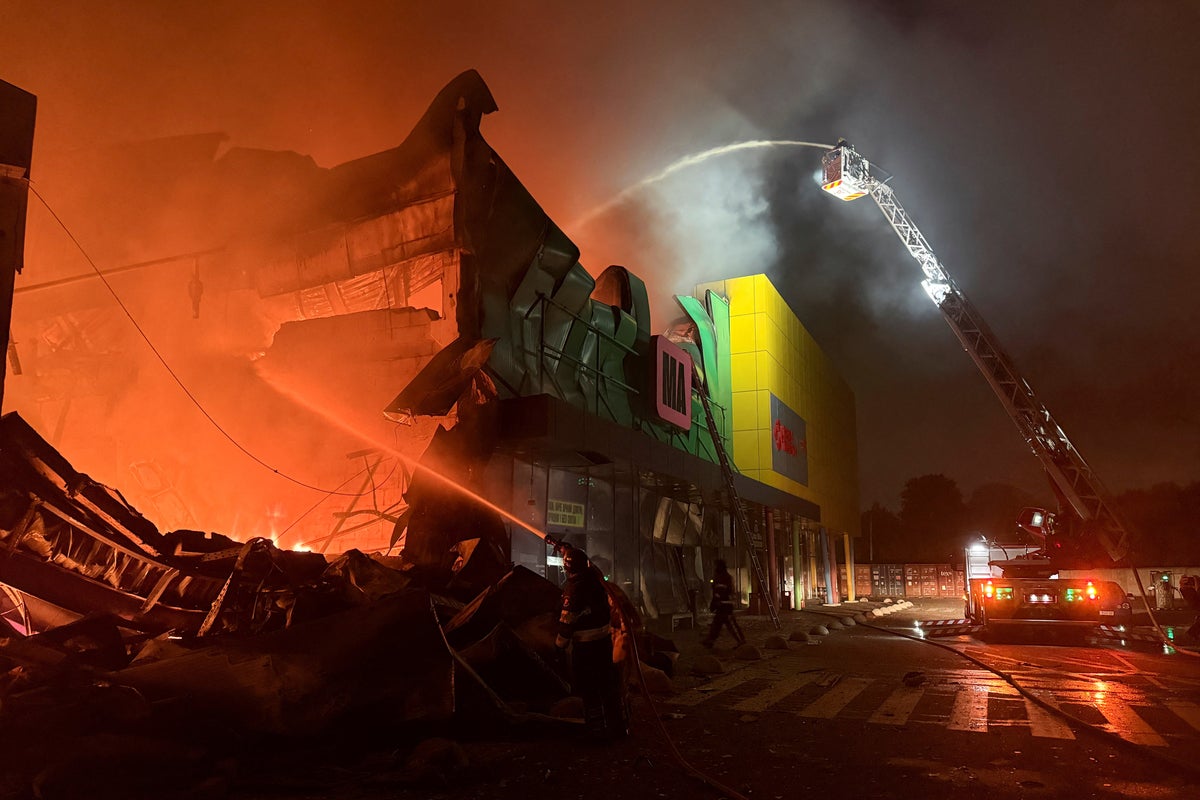
One person was killed and 22 injured, including four children, in a Russian ballistic attack on Kyiv. Fires and damage were reported in six districts of the capital.
One person was killed and 22 injured, including four children, in a Russian ballistic attack on Kyiv. Fires and damage were reported in six districts of the capital.
On the night of October 22, Russian drones attacked a private television and radio company and an energy infrastructure facility in the Poltava region.
On the night of October 22, Russian drones attacked a private television and radio company and an energy infrastructure facility in the Poltava region.
Des milliers de sites ont été mis hors ligne de façon préventive mercredi à cause d'une faille de sécurité identifiée par l'intelligence artificielle (IA) dans un logiciel de programmation très utilisé sur internet. Un épisode qui illustre la portée de l'IA en matière de cybersécurité.
Des milliers de sites ont été mis hors ligne de façon préventive mercredi à cause d'une faille de sécurité identifiée par l'intelligence artificielle (IA) dans un logiciel de programmation très utilisé sur internet. Un épisode qui illustre la portée de l'IA en matière de cybersécurité.
La Chine, dont les revendications sur Taïwan ne sont plus à prouver, continue de faire des démonstrations de force. Le dimanche 11 octobre 2026, un bateau de pêche chinois s’est introduit dans les eaux taïwanaises, sur les îles Pratas.
La Chine, dont les revendications sur Taïwan ne sont plus à prouver, continue de faire des démonstrations de force. Le dimanche 11 octobre 2026, un bateau de pêche chinois s’est introduit dans les eaux taïwanaises, sur les îles Pratas.
Il y a tout juste 10 ans, un train de la société Camrail déraillait à Eséka, au Cameroun, tuant 79 personnes et en blessant au moins 552. Pour les victimes et leurs proches, les blessures sont encore béantes, certaines familles n’ayant pas encore pu faire leur deuil, faute de corps, et certains attendant toujours d’être indemnisés. Retour sur la plus grave catastrophe ferroviaire du pays avec un reportage de Marcel Amoko, Richard Tessoh et Giresse Nganaa.
Il y a tout juste 10 ans, un train de la société Camrail déraillait à Eséka, au Cameroun, tuant 79 personnes et en blessant au moins 552. Pour les victimes et leurs proches, les blessures sont encore béantes, certaines familles n’ayant pas encore pu faire leur deuil, faute de corps, et certains attendant toujours d’être indemnisés. Retour sur la plus grave catastrophe ferroviaire du pays avec un reportage de Marcel Amoko, Richard Tessoh et Giresse Nganaa.
C’est un constat plutôt alarmant dans le contexte de forte concurrence économique internationale, mis en avant par le dernier rapport publié par l’Office européen des brevets.
C’est un constat plutôt alarmant dans le contexte de forte concurrence économique internationale, mis en avant par le dernier rapport publié par l’Office européen des brevets.
Au moins sept personnes ont été tuées en Ukraine dans une série de frappes dans la nuit de mercredi à jeudi, qui ont notamment touché la capitale Kiev. De son côté, Moscou a annoncé avoir abattu 808 drones ukrainiens. Ces échanges de tirs interviennent plusieurs heures après des pourparlers russo-américains en vue de mettre fin à la guerre avec l'Ukraine. Suivez notre direct.
Au moins sept personnes ont été tuées en Ukraine dans une série de frappes dans la nuit de mercredi à jeudi, qui ont notamment touché la capitale Kiev. De son côté, Moscou a annoncé avoir abattu 808 drones ukrainiens. Ces échanges de tirs interviennent plusieurs heures après des pourparlers russo-américains en vue de mettre fin à la guerre avec l'Ukraine. Suivez notre direct.
Dans ce quart d'heure américain, Alban Mikoczy revient sur l'actualité politique américaine, et se penche aujourd'hui sur la dégradation de la relation franco-américaine. Une séquence à retrouver dans l'émission "À suivre avec Loïc de la Mornais", diffusée entre 20h30 et 23h sur la chaîne info, canal 16.
Dans ce quart d'heure américain, Alban Mikoczy revient sur l'actualité politique américaine, et se penche aujourd'hui sur la dégradation de la relation franco-américaine. Une séquence à retrouver dans l'émission "À suivre avec Loïc de la Mornais", diffusée entre 20h30 et 23h sur la chaîne info, canal 16.
Total combat losses among Russian military personnel from February 24, 2022, to October 22, 2026, reached approximately 1,571,820 people, 2,250 of whom the enemy lost over the past 24 hours.
Total combat losses among Russian military personnel from February 24, 2022, to October 22, 2026, reached approximately 1,571,820 people, 2,250 of whom the enemy lost over the past 24 hours.
If Flávio Bolsonaro is elected, Brazil’s ecosystems will face collapse. The ruling class would rather burn the world than share it with the poor However grim the trajectory might seem, I’ve always believed that sense will ultimately prevail. As the great perils of dismantling the living world become increasingly obvious, even the most rapacious exploiters must come round. Nobody wants to live on a dead planet, do they?There are – or were – signs that this wasn’t just wishful thinking. Since 201
If Flávio Bolsonaro is elected, Brazil’s ecosystems will face collapse. The ruling class would rather burn the world than share it with the poor
However grim the trajectory might seem, I’ve always believed that sense will ultimately prevail. As the great perils of dismantling the living world become increasingly obvious, even the most rapacious exploiters must come round. Nobody wants to live on a dead planet, do they?
There are – or were – signs that this wasn’t just wishful thinking. Since 2015, mostly thanks to China, the area of the planet being reforested has increased, while thanks in large part to Brazil, the global rate of forest destruction has declined. The area of the Brazilian Amazon forest cleared each year is one-sixth of what it was when records began in 1988. In the past four years, as a result of Brazilian government policy, the deforestation rate has fallen by 71%. If Luiz Inácio Lula da Silva is re-elected president on Sunday, the country could reach zero deforestation by 2030. The arc of the moral universe seems to have bent towards justice.
Ces attaques surviennent après la rencontre mercredi à Saint-Pétersbourg entre l'émissaire américain, Steve Witkoff, et le président russe, Vladimir Poutine.
Ces attaques surviennent après la rencontre mercredi à Saint-Pétersbourg entre l'émissaire américain, Steve Witkoff, et le président russe, Vladimir Poutine.
In the Kherson region, as part of a pilot initiative, 227 mobile shelters will be installed along school routes; the first ten mobile shelters have been set up in the Kherson district.
In the Kherson region, as part of a pilot initiative, 227 mobile shelters will be installed along school routes; the first ten mobile shelters have been set up in the Kherson district.
🎧 Édition du 22 oct 2026 :– Deux failles critiques menacent les sites PHP– OpenAI arrive sur Google Cloud– OVHcloud prépare son propre modèle d’IA– Spotify lance les abonnements Memberships– La prochaine Xbox pourrait coûter jusqu’à 1 800 $ US « 120 secondes de Tech », un regard sur le quotidien de l’actualité numérique proposé par Bruno […]
🎧 Édition du 22 oct 2026 :– Deux failles critiques menacent les sites PHP– OpenAI arrive sur Google Cloud– OVHcloud prépare son propre modèle d’IA– Spotify lance les abonnements Memberships– La prochaine Xbox pourrait coûter jusqu’à 1 800 $ US « 120 secondes de Tech », un regard sur le quotidien de l’actualité numérique proposé par Bruno […]
 Connexion