❌

Vue normale

“Only the first season” – Ukraine unveils secret counteroffensive in a region Russia has been trying to seize for 12 years
15 septembre 2026 à 16:34

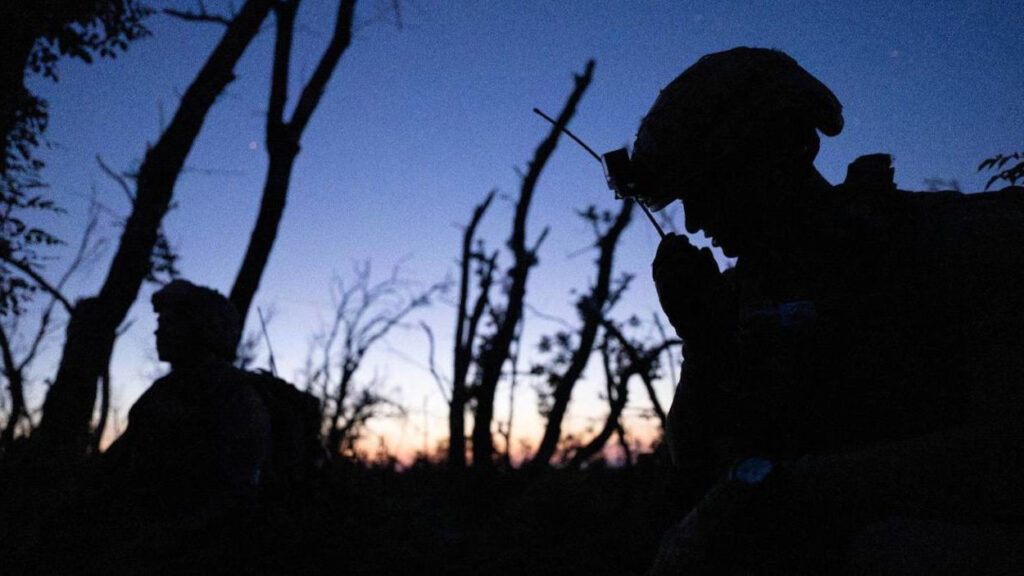
Soldiers of Ukraine's Third Army Corps. Photo: Ukraine's Third Army Corps

Ukraine’s Third Army Corps has revealed details of an offensive operation in northern Donetsk Oblast, saying its forces cleared Russian infiltrators from several settlements and liberated the village of Serednie.

Russia has made seizing the entirety of Donetsk Oblast both a battlefield and diplomatic priority of its invasion of Ukraine, repeatedly trying to break through heavily fortified Ukrainian defensive lines while demanding that Kyiv withdraw from the remaining Ukrainian-held territory in negotiations. Despite years of fighting and sustained Russian assaults, Moscow has failed to capture the entire oblast, and Ukraine is now conducting an offensive of its own.

The operation, dubbed “Vivaldi,” was conducted under a period of information silence and involved Ukrainian drone, reconnaissance, special operations, infantry, and other units working under a unified tactical command. The corps said the first phase cleared 75 square kilometers of Russian infiltrators and liberated another 10 square kilometers of territory.

The announcement was made by Third Army Corps commander Brigadier General Andrii Biletskyi on 15 September. 

Ukraine targets Russian infiltration

According to the corps, the operation focused initially on Russian troops that had infiltrated Ukrainian positions and settlements in the area.

Ukrainian forces cleared Novoselivka, Oleksandrivka, Yarova, the outskirts of Korovyi Yar, and liberated Serednie, the corps said. It described the total area cleared or retaken as 85 square kilometers.

The operation brought together units from the 60th and 125th Mechanized Brigades, the Third Assault Brigade, the KRAKEN special unit, and other formations of the Third Army Corps, alongside attached units from the 66th Mechanized Brigade, Ukraine’s Special Operations Forces, the military intelligence unit Artan, and the State Border Guard Service.

The corps said the operation was coordinated by a joint headquarters that brought special operations and reconnaissance units under a single tactical plan specifically to counter Russian infiltrators, whom it referred to as “flagovtyky.”
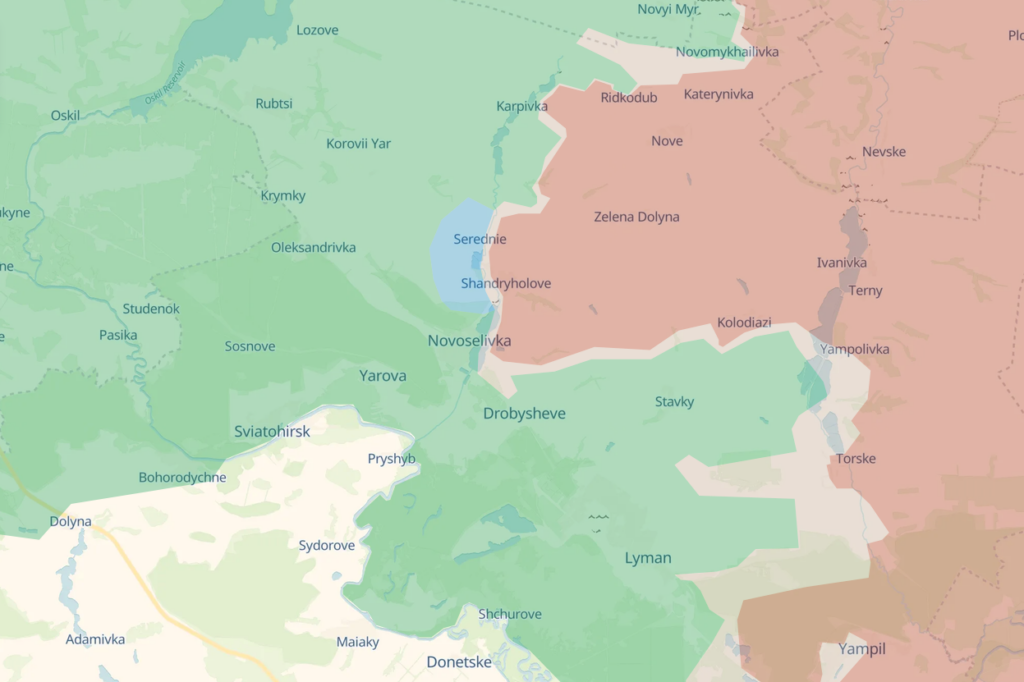
Frontline situation around Serednie, northern Donetsk Oblast, Ukraine, 15 September 2026. Map: DeepState

Russian logistics pushed back across the border

The Ukrainian operation also targeted Russian logistics supporting the front.

The corps said its drone units cut Russian supply routes and struck fuel infrastructure and storage facilities that had been supporting Russian forces.

According to the Ukrainian military, Russian forces subsequently moved the supply of fuel and lubricants out of Ukraine and into Russia’s Voronezh Oblast after a pipeline and fuel depots were destroyed.

The corps claimed Russian forces lost around 1,500 personnel during this phase of the operation, as well as more than 12,000 drones and hundreds of armored vehicles, artillery systems, and other vehicles.

‘This is only the first season’

Biletskyi said the operation’s ultimate objective has been the subject of speculation in open sources, with some reports suggesting Ukrainian forces could be seeking to reach the Chornyi Zherebets River.

He declined to confirm that objective, instead emphasizing the name of the operation.

“Our operation is called Vivaldi. And Vivaldi, as is known, has four seasons. And this is only the first one,” Biletskyi said.

The remarks suggest Ukraine does not consider the actions revealed on 15 September to be a standalone tactical operation, although the corps did not disclose what its next phase will involve.

The Third Army Corps said further details would be released in subsequent official statements.
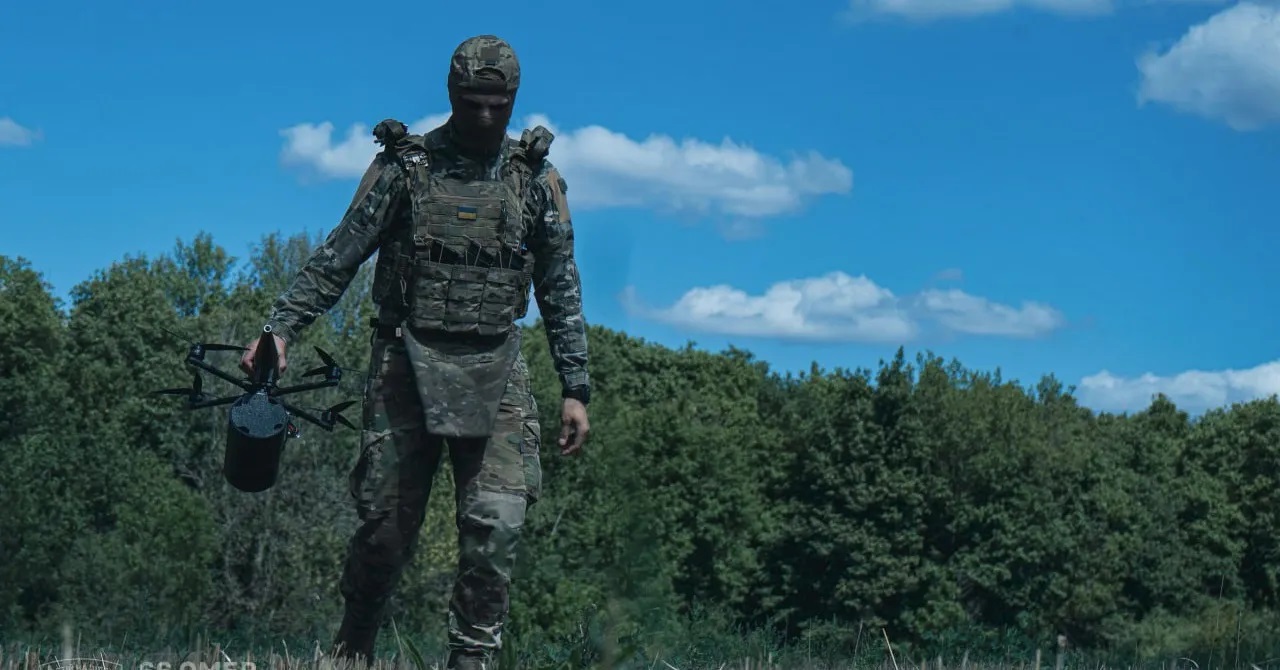
A Ukrainian soldier carries an FPV drone.
Explore further

Ukraine’s secret counteroffensive takes the pressure off Sloviansk

Donetsk remains Russia’s main territorial objective

Donetsk Oblast is central to Russia’s territorial demands in Ukraine. Moscow claims the entire oblast as Russian territory despite not controlling all of it, and has demanded that Ukraine withdraw from the remaining Ukrainian-held territory in Donetsk as part of peace talks.

The Donbas region – consisting of Donetsk and neighboring Luhansk oblasts – has been a battleground since Russia’s 2014 invasion, and capturing the remaining Ukrainian-held territory has remained the Kremlin’s core objective throughout the full-scale invasion since 2022.

  • ✇Euromaidan Press
  • Russian warship fires flares at Danish military helicopter as Moscow’s provocations escalate
    A Russian frigate fired two flares at a Danish military helicopter during a routine photographic mission in international waters off Denmark, with one flare passing close to the aircraft, Denmark’s armed forces said. The incident comes amid a growing series of confrontational incidents involving Russia and NATO countries, as Western officials warn that Moscow is becoming increasingly willing to test the alliance’s defenses and intimidate its members. Flare passed close to Danish heli
     

Russian warship fires flares at Danish military helicopter as Moscow’s provocations escalate

15 septembre 2026 à 15:03

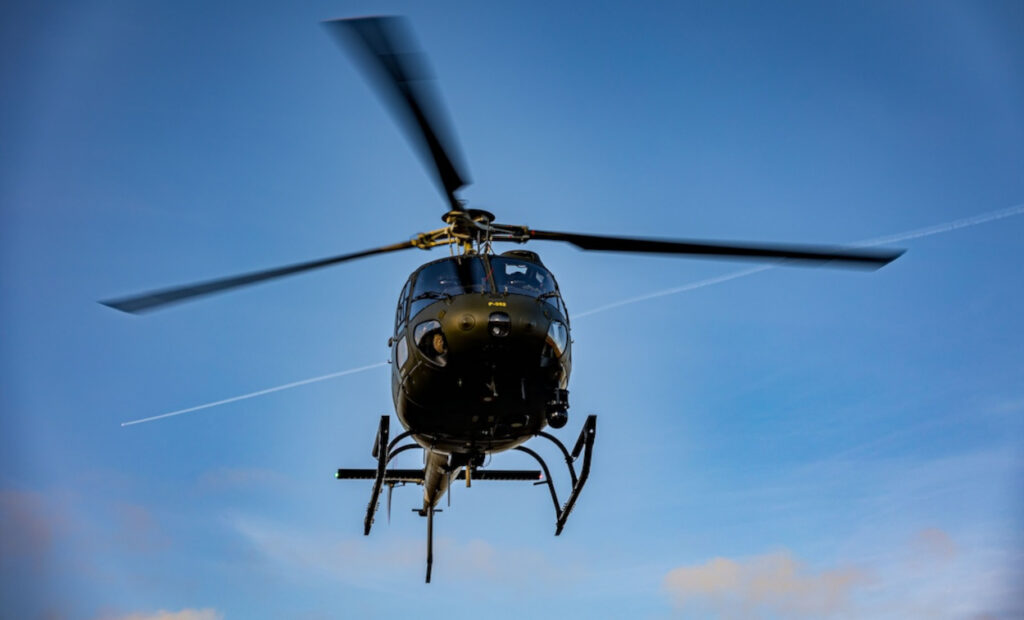
A Danish military helicopter, illustrative image. Photo: Denmark’s Armed Forces

A Russian frigate fired two flares at a Danish military helicopter during a routine photographic mission in international waters off Denmark, with one flare passing close to the aircraft, Denmark’s armed forces said.

The incident comes amid a growing series of confrontational incidents involving Russia and NATO countries, as Western officials warn that Moscow is becoming increasingly willing to test the alliance’s defenses and intimidate its members.

Flare passed close to Danish helicopter

The Danish Fennec helicopter was conducting routine photographic coverage of the Russian frigate when the ship fired two flares at it, according to Denmark’s Armed Forces. The incident occurred off Gedser, at the southern tip of Denmark, on 14 September.

One of the flares passed close to the helicopter. The Danish military did not report any injuries or damage and said it had no further comment on the incident.

Flares are pyrotechnic devices normally used as attention signals at sea.

Danish Foreign Minister Lars Løkke Rasmussen called the incident “completely unacceptable” and said Russia’s ambassador had been summoned for talks.

Prime Minister Mette Frederiksen called it “reckless action from Russia towards Danish military” during a routine overflight, saying Russian actions were intended to “intimidate and divide.”

PM Mette Frederiksen: ”Reckless action from Russia towards Danish military during a routine overflight yesterday. Russian actions are meant to intimidate and divide. They will not succeed. We will not waver.”

— Statsministeriet (@Statsmin) September 15, 2026

Russia’s ambassador to Denmark, Vladimir Barbin, disputed Copenhagen’s account, telling DR that Moscow would investigate and accusing the Danish helicopter of provocative actions near the Russian frigate.

Another incident in a growing pattern

The episode comes as Russia’s behavior toward NATO countries has become increasingly confrontational in recent months.

NATO fighters have repeatedly been scrambled over Russian military aircraft in the Baltic region, while European countries have dealt with airspace incidents, suspected Russian drones and other security threats linked to the war against Ukraine.

On 15 September, NATO aircraft also shot down a drone over Lithuania after it entered the country’s airspace from the direction of Belarus. The drone was believed to have been carrying an explosive device.

NATO spokesperson Allison Hart described the Danish incident as “another irresponsible Russian action” intended to intimidate the alliance, adding that NATO would continue defending its territory and supporting Ukraine.

The incidents are unfolding as Russia continues its full-scale war against Ukraine and expands pressure beyond the battlefield. Western officials have increasingly warned that Moscow is using military intimidation and other forms of pressure against European countries while testing how far it can push NATO without triggering a direct confrontation.

The flare incident comes amid a broader deterioration in European security, with Russian military activity increasingly creating dangerous encounters with NATO forces.

  • ✇Euromaidan Press
  • Finland approves second-largest defense package for Ukraine as Russia’s next brutal winter campaign looms
    Finland will send Ukraine its 34th package of military assistance, worth around €290 million, as Ukraine continues to defend itself against Russia’s full-scale invasion. The package comes as Ukraine faces sustained Russian attacks and prepares for another winter of war, when the demands on its military and air defenses are expected to grow further. Kyiv continues to rely on its European partners to replenish equipment and strengthen its ability to withstand Russia’s prolonged campaign.
     

Finland approves second-largest defense package for Ukraine as Russia’s next brutal winter campaign looms

15 septembre 2026 à 14:09

Finland will send Ukraine its 34th package of military assistance, worth around €290 million, as Ukraine continues to defend itself against Russia’s full-scale invasion.

The package comes as Ukraine faces sustained Russian attacks and prepares for another winter of war, when the demands on its military and air defenses are expected to grow further. Kyiv continues to rely on its European partners to replenish equipment and strengthen its ability to withstand Russia’s prolonged campaign.

Finland responds to Ukraine’s urgent needs

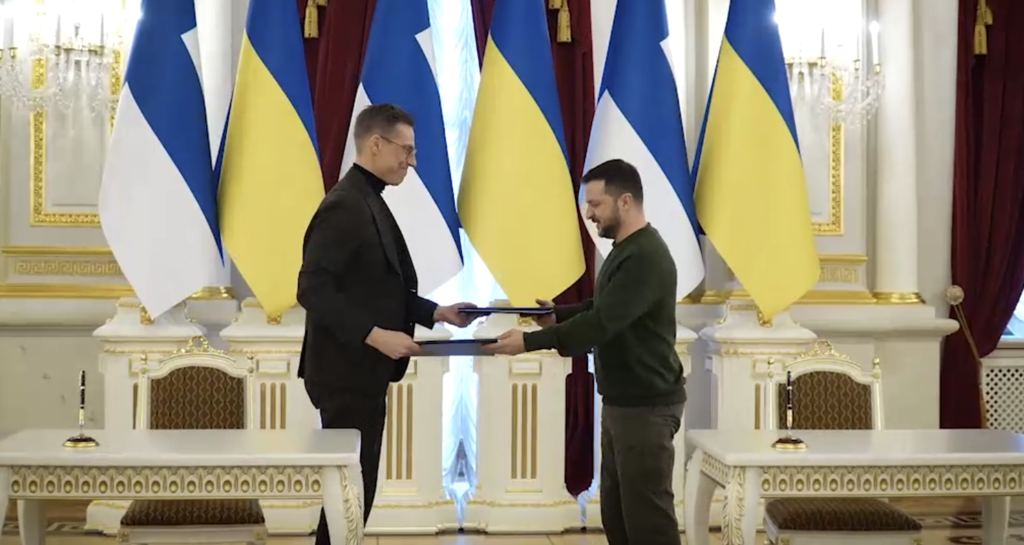
Finnish President Alexander Stubb approved the package on 15 September following a proposal from the government. It is the second-largest defense package Finland has provided to Ukraine since Russia launched its full-scale invasion.

The Finnish Ministry of Defense said the package contains military equipment that Ukraine has urgently requested.

Finland is withholding details about the contents, delivery method and schedule for operational security reasons and to ensure the equipment reaches Ukraine safely.

The latest package brings the total value of Finnish defense equipment delivered to Ukraine since the start of the full-scale invasion to approximately €3.6 billion.

Finnish Defense Minister Antti Häkkänen said Finland has based its military assistance throughout the war on Ukraine’s needs, combining equipment from Finnish military stocks with purchases from the country’s defense industry.

Ukraine faces another difficult winter

The timing of the new package is particularly important as Ukraine approaches its fifth winter since Russia launched its full-scale invasion.

Russia has repeatedly used the colder months to intensify attacks on Ukraine’s energy system and other critical infrastructure, seeking to put additional pressure on the Ukrainian population while the country continues fighting at the front.

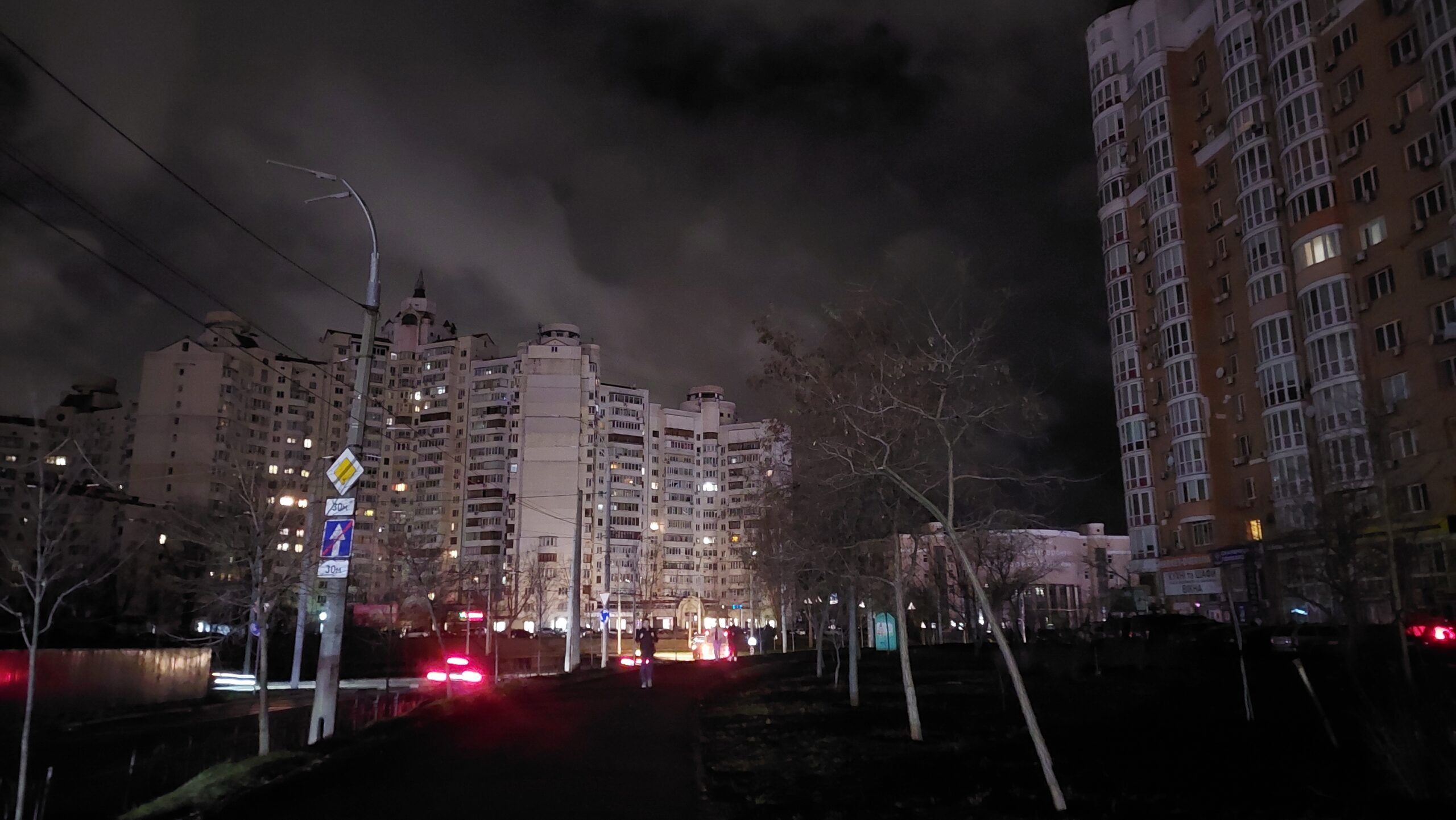
During blackouts, apartment blocks in Kyiv are mostly dark, with scattered lights from apartments with battery-powered sources. Generators power businesses on the ground floor. Street lights are largely off.
Explore further

Behind the black windows: How Kyiv survives a winter in the dark

Ukrainian officials and European partners have warned that Russia is preparing to maintain or intensify its attacks during the coming winter. Ukraine therefore needs to enter the season with sufficient military equipment to defend its cities and infrastructure while continuing operations against Russian forces.

The winter also creates additional demands on Ukraine’s civilian and military systems. Damage to energy infrastructure can affect heating, electricity and water supplies, while continued Russian attacks require Ukraine to devote resources to protecting infrastructure and responding to strikes.

Finland also supports its own defense industry

Some of the equipment in the new package will be procured from Finnish defense companies rather than taken from existing military stocks.

Häkkänen said this allows Finland to support Ukraine while also strengthening the capacity of its domestic defense industry.

Finland said both Ukraine’s needs and the resources of the Finnish Defense Forces were taken into account when approving the package.

The new delivery underscores Finland’s continued commitment to helping Ukraine sustain its defense as Russia’s war enters another winter.

  • ✇Euromaidan Press
  • Russia has damaged 500+ Ukrainian locomotives as attacks on railways reach Polish border
    Russia again struck railway infrastructure near Ukraine’s border with Poland overnight, directly hitting another locomotive in Volyn Oblast, Ukrainian Foreign Minister Andrii Sybiha said on 15 September. He appealed to Ukraine’s partners for urgent help replacing locomotives damaged or destroyed by Russian strikes. The latest strike adds to a rapidly growing toll on Ukraine’s railway fleet. More than 500 Ukrainian locomotives have been damaged or completely destroyed since Russia launch
     

Russia has damaged 500+ Ukrainian locomotives as attacks on railways reach Polish border

15 septembre 2026 à 13:09

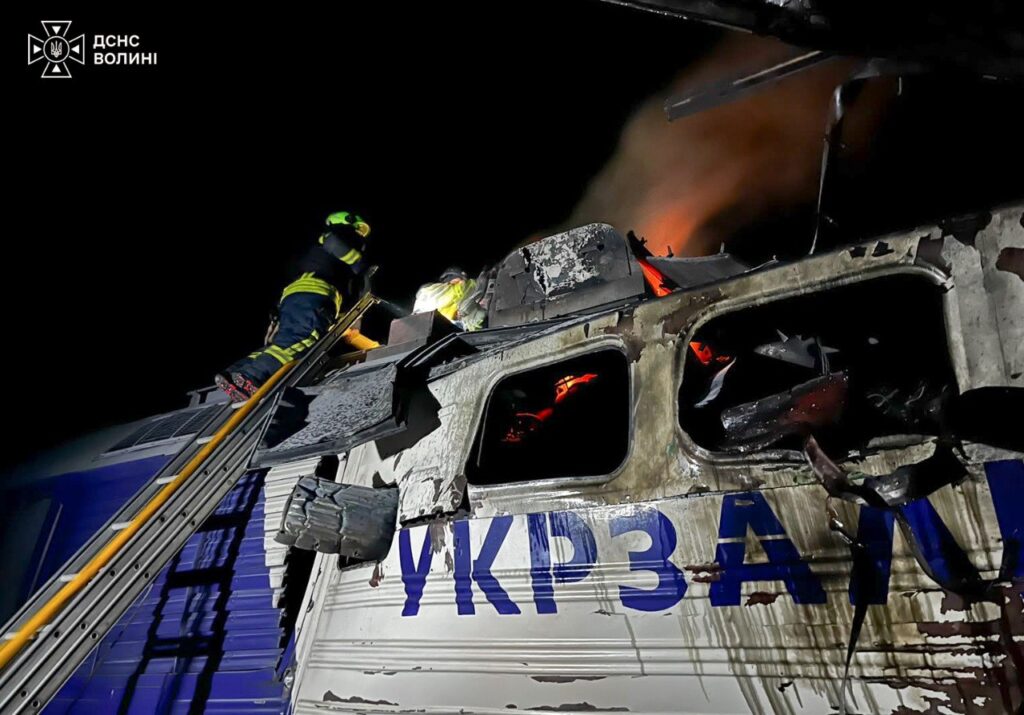
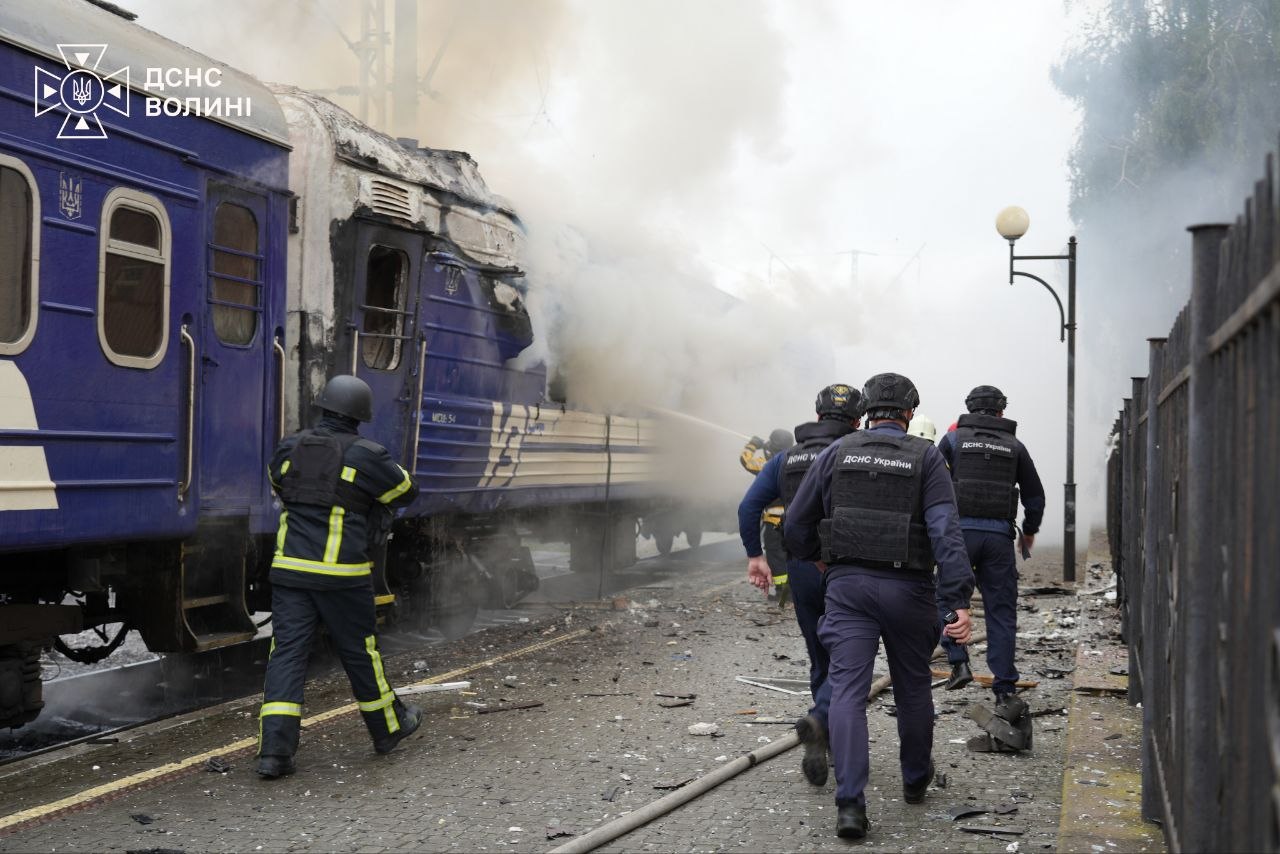
A locomotive damaged by a Russian strike on railway infrastructure in Ukraine’s Volyn Oblast near the Polish border, 15 September 2026. Photo: Ukraine's State Emergency Service

Russia again struck railway infrastructure near Ukraine’s border with Poland overnight, directly hitting another locomotive in Volyn Oblast, Ukrainian Foreign Minister Andrii Sybiha said on 15 September. He appealed to Ukraine’s partners for urgent help replacing locomotives damaged or destroyed by Russian strikes.

The latest strike adds to a rapidly growing toll on Ukraine’s railway fleet. More than 500 Ukrainian locomotives have been damaged or completely destroyed since Russia launched its full-scale invasion, Sybiha said. More than half of those losses have occurred this year alone, as Russian attacks on railways have intensified and increasingly reached western Ukraine.

Ukraine’s railway system remains essential for civilian travel, evacuating people from frontline areas and transporting goods across the country. Recent attacks show that Russia is increasingly putting even these routes at risk far from the front.

Russia once again struck Ukraine’s railway network, setting a locomotive on fire overnight in Volyn.

Russia is increasingly attacking Ukraine’s civilian railway infrastructure and targeting the western border region more frequently.

📷Ukraine’s State Emergency Service pic.twitter.com/kIwCkXusLx

— Euromaidan Press (@EuromaidanPress) September 15, 2026

Ukraine asks partners for locomotives

Sybiha said Ukraine urgently needs replacement locomotives and called on international partners to help provide equipment compatible with Ukraine’s 1,520 mm rail gauge, as well as financing to accelerate the purchase of new locomotives.

“Ukraine’s railway keeps the country moving,” Sybiha said, pointing to its role in civilian evacuations, essential cargo transport, and the movement of grain and other critical goods.

The appeal reflects a problem that is becoming harder to solve through repairs alone. With more than 250 locomotives reportedly damaged or destroyed in 2026, Ukraine needs to replace rolling stock while continuing to repair infrastructure under attack.

“Supporting Ukraine’s railway resilience will help avert a humanitarian crisis,” Sybiha said.

As Russia expands its attacks against transport routes deeper inside Ukraine, keeping the railway running is becoming not only a matter of logistics, but of maintaining the country’s basic civilian mobility and economic stability.

Russia continues its systematic attacks to disrupt logistics across Ukraine. Last night, another locomotive was directly hit in a Russian strike on railway infrastructure near the Polish border in Ukraine’s Volyn oblast.

Since the start of the full-scale invasion, over 500… pic.twitter.com/KVj3cj7ed0

— Andrii Sybiha 🇺🇦 (@andrii_sybiha) September 15, 2026

Russia is taking aim at trains and railway infrastructure

The latest strike came only days after a Russian drone hit the locomotive of a passenger train in Volyn Oblast, just two kilometers from the Polish border.

That 13 September attack was part of two consecutive days of Russian strikes on railway infrastructure across Ukraine. A drone also struck railway facilities in Lutsk, while another hit railway infrastructure in Vinnytsia Oblast.

Emergency responders work at the scene after a Russian drone struck a passenger train in Lutsk, Ukraine, on 12 September 2026. Photo: Ukraine's State Emergency Service
Explore further

Russia strikes passenger train near Polish border as drone swarms reach deeper into western Ukraine

The attacks are part of a broader expansion of Russia’s long-range drone campaign against transport and logistics infrastructure deep inside Ukraine. Railway stations, tracks, locomotives, and other infrastructure are increasingly being exposed to Russian drone strikes even in regions far from the battlefield.

The proximity of the latest attacks to Poland is particularly notable. Russia has also struck Ukrainian border crossings with Moldova and Romania in recent weeks, while Polish Prime Minister Donald Tusk warned on 10 September that Ukrainian crossings with Poland could also come under attack.

  • ✇Euromaidan Press
  • Russia keeps hitting Kyiv’s gas stations. Now they get military air-threat tracking
    Gas stations across Kyiv Oblast will receive access to a military air-awareness system to help them respond more quickly to Russian drone attacks, Kyiv Oblast military administration head Tymur Tkachenko said on 15 September. The move comes as Russian forces increasingly target fuel infrastructure during their attacks on Ukrainian cities. Two gas stations were hit in Kyiv on 15 September, killing one person and injuring 11, while at least three other Ukrnafta stations in the capital hav
     

Russia keeps hitting Kyiv’s gas stations. Now they get military air-threat tracking

15 septembre 2026 à 12:33

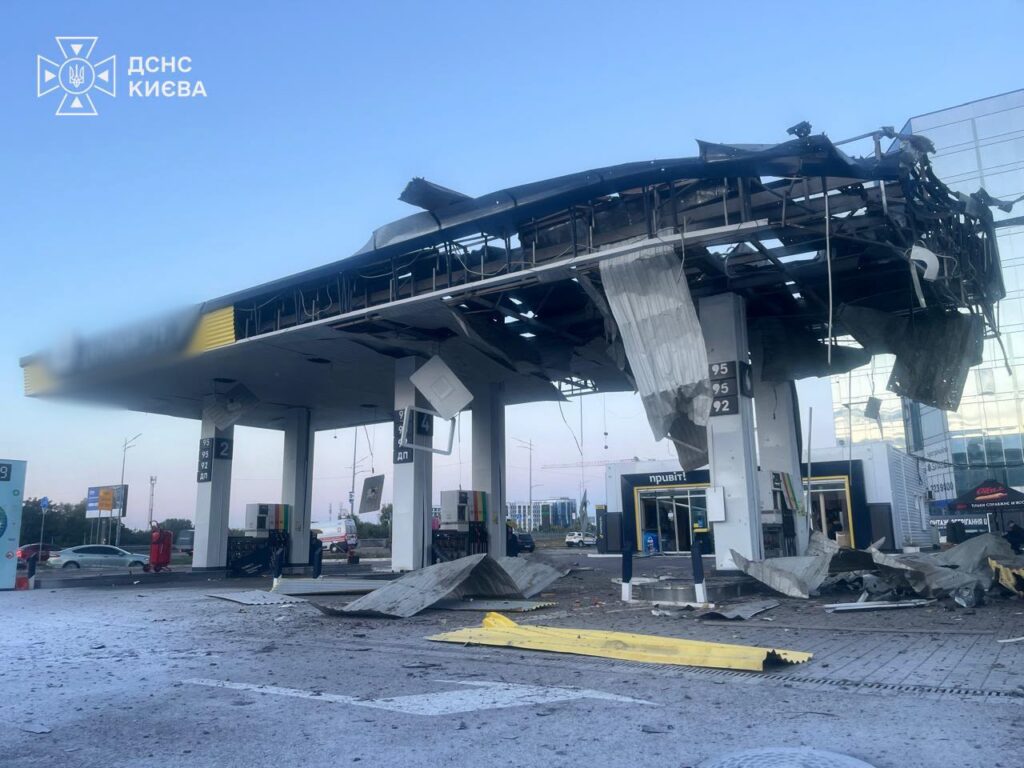
A gas station in Kyiv after being struck by a Russian drone on 15 September 2026. Photo: Ukraine's State Emergency Service

Gas stations across Kyiv Oblast will receive access to a military air-awareness system to help them respond more quickly to Russian drone attacks, Kyiv Oblast military administration head Tymur Tkachenko said on 15 September.

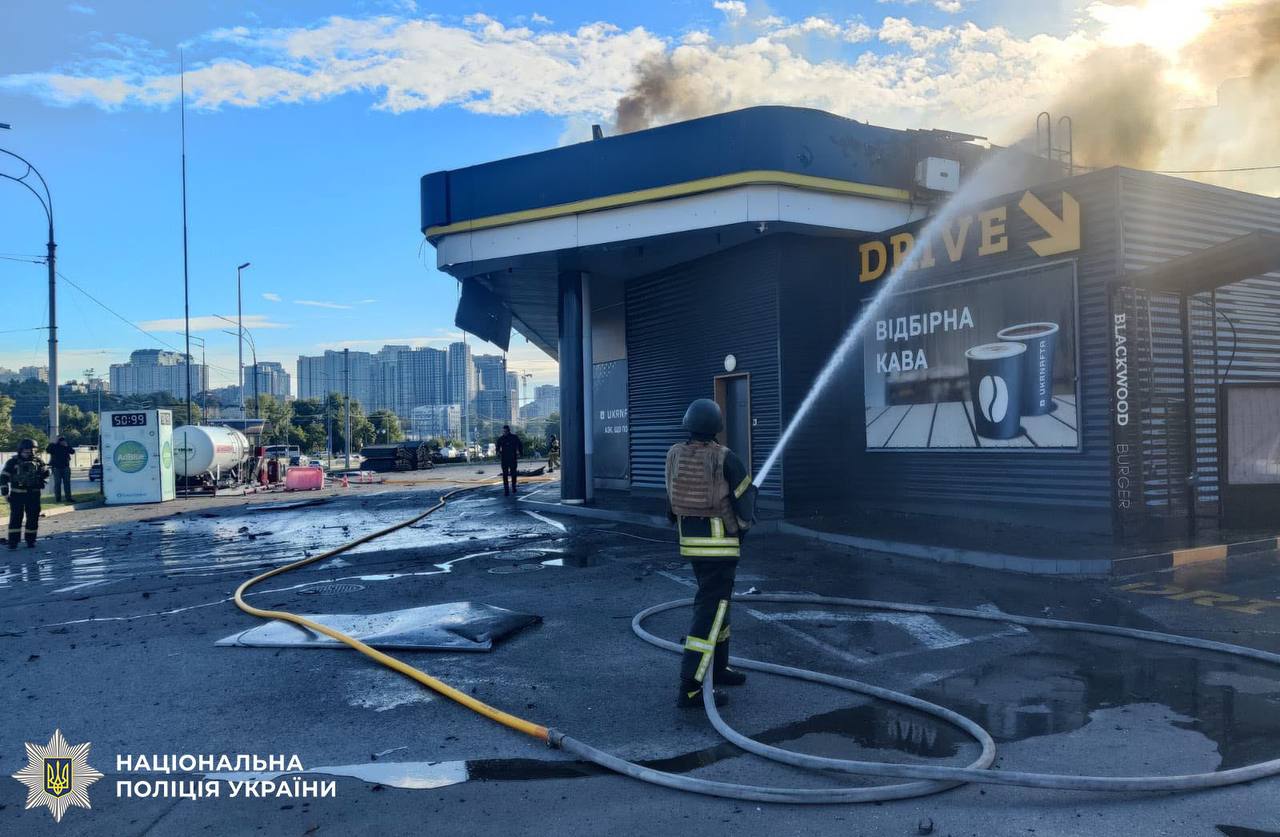
The move comes as Russian forces increasingly target fuel infrastructure during their attacks on Ukrainian cities. Two gas stations were hit in Kyiv on 15 September, killing one person and injuring 11, while at least three other Ukrnafta stations in the capital have been struck since 10 September.

The new system will allow designated gas-station employees to see real-time information about the movement of Russian aerial targets rather than relying only on the general air-raid alert. This should give stations more time to suspend operations, protect employees, and move customers away from danger.

Gas stations are becoming a recurring target

The attacks on Kyiv’s gas stations are part of a broader pattern. More than 300 gas stations across Ukraine have been attacked since the current wave began, according to Ukraine’s Energy Ministry, with strikes increasingly reaching deeper into the country.

In Kyiv, Russian forces have repeatedly used drones against fuel stations over the past week. The 15 September attack hit two more stations during a wider wave of around 200 drones launched against Ukraine.

russian drones killed man injured eight kyiv hitting two gas stations · post firefighter extinguishes burning shop ukrnafta station struck drone ukraine 15 2026 police5280922930982363336 news ukrainian reports
Explore further

Russian drones killed a man and injured eight in Kyiv, hitting two gas stations

The targeting of fuel infrastructure adds another dimension to Russia’s campaign against Ukraine’s civilian supply system. Gas stations are not only businesses but critical points in the country’s transportation and fuel network, making repeated attacks capable of affecting both public safety and civilian mobility.

Tkachenko said the new air-awareness access is intended to give businesses “maximum available tools” to detect threats earlier and react in time.

He also urged drivers to follow gas-station employees’ instructions during air raids, as the facilities adapt their operations to the growing threat.

  • ✇Euromaidan Press
  • Ukraine successfully tests interceptor against faster Gerans as Russia floods its skies with drones
    Ukraine has successfully tested another interceptor designed to counter Russia’s increasingly common jet-powered Geran attack drones, President Volodymyr Zelenskyy said on 15 September. The test comes as Russia rapidly expands the use of faster jet-powered Gerans, creating a new problem for Ukraine’s air defenses: these drones give defenders less time to detect and engage them while allowing Russia to maintain large-scale attacks. A successful interceptor could give Ukraine a cheaper, s
     

Ukraine successfully tests interceptor against faster Gerans as Russia floods its skies with drones

15 septembre 2026 à 11:57

money engineering what stands between ukraine russia's fastest drones zelenskyy says · post russia’s new “geran-4 seeker” shahed variant geran-4 news ukrainian reports

Ukraine has successfully tested another interceptor designed to counter Russia’s increasingly common jet-powered Geran attack drones, President Volodymyr Zelenskyy said on 15 September.

The test comes as Russia rapidly expands the use of faster jet-powered Gerans, creating a new problem for Ukraine’s air defenses: these drones give defenders less time to detect and engage them while allowing Russia to maintain large-scale attacks. A successful interceptor could give Ukraine a cheaper, scalable way to counter that threat without relying as heavily on scarce high-end air-defense missiles.

Zelenskyy said Commander-in-Chief Mykhailo Drapatyi reported the successful test, during which the new interceptor struck a Russian Geran drone.

The system still reportedly needs further work, including improvements to some aspects of its control. But the successful test marks another step in Ukraine’s effort to develop a new layer of air defenses against Russia’s faster drones.

Russia is making its drone attacks faster and larger

Russia has sharply expanded its use of jet-powered Gerans in recent months, adding a faster and more difficult-to-intercept threat to its large-scale drone campaign.

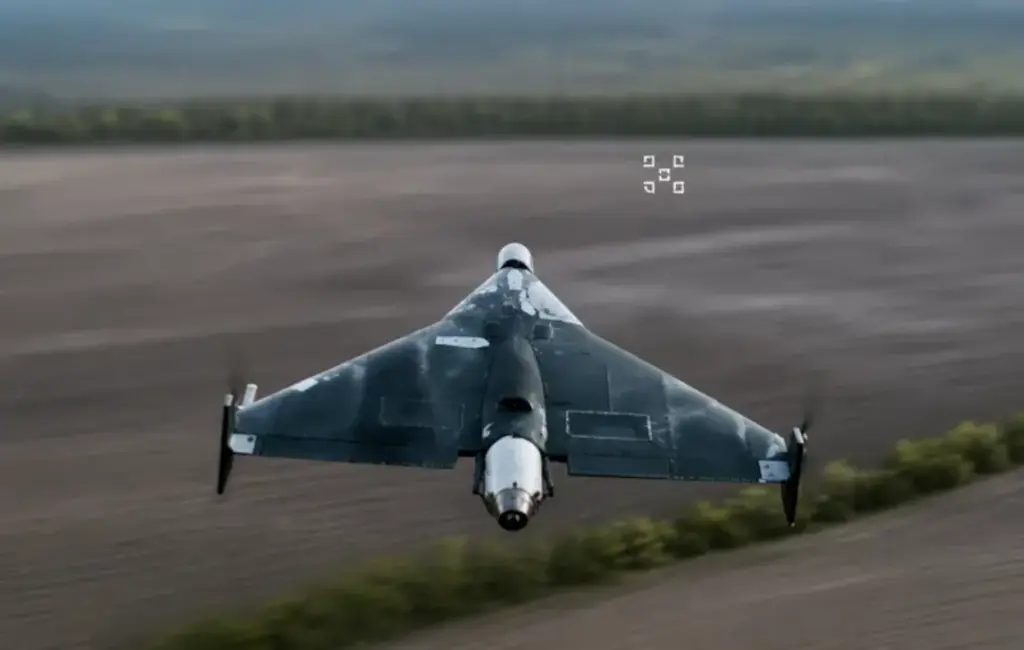
Geran is Russia’s designation for its domestically produced Shahed-derived attack drones, with newer jet-powered variants representing a major upgrade over the earlier propeller-driven models.

Zelenskyy recently said Russia launched around 2,100 drones against Ukraine last week, alongside nearly 1,700 guided aerial bombs and 78 missiles. The attacks have increasingly targeted energy facilities, railway infrastructure, businesses, and residential areas.

The newer Gerans are faster than earlier Shahed-derived drones and can reach targets deep inside Ukraine. Their speed gives Ukrainian air defenses less time to detect, track, and engage them.

Russia has also changed how it uses its drones. Rather than concentrating attacks almost exclusively overnight, Russian forces have increasingly launched waves during the day as well, keeping Ukrainian cities under repeated air-raid alerts.

The result is a growing challenge not only of interception, but of scale. Ukraine must defend a large territory against increasingly large drone barrages while preserving more sophisticated air-defense missiles for ballistic missiles and other threats.

Geran-5 (Above) and Geran-4 (Below)
Geran-5 (above) and Geran-4 (below). Image: TurDef

Ukraine is building a new layer of air defense

Ukraine has already been racing to develop such systems. In late August, Defense Minister Yevhen Khmara said four potential interceptor systems capable of shooting down jet-powered Gerans had undergone field testing. Ukraine was aiming to bring them to the required level and eventually produce thousands of units.

Today’s announcement shows that effort continues to produce concrete results.

Ukraine is also expanding other parts of its counter-drone network. Zelenskyy said the country is increasing purchases of electronic warfare equipment and reorganizing mobile fire groups and air-defense positions.

The goal is to build enough layers to cope with Russia’s evolving drone campaign: electronic warfare, mobile fire teams, traditional air defenses, and increasingly specialized interceptors.

Russia is making its drones faster and launching them at greater scale. Ukraine’s response is now moving beyond adapting existing defenses toward developing weapons specifically designed to catch them.

  • ✇Euromaidan Press
  • Ukraine’s drone campaign is changing where Putin goes – now his flagship forum is being moved out of Sochi
    Russian President Vladimir Putin has moved his flagship foreign policy conference from Sochi to Moscow Oblast amid growing concerns over Ukraine’s long-range drone strikes, the Financial Times reported on 15 September. The decision is likely an indirect acknowledgment of the impact of Ukraine’s ongoing deep-strike drone campaign. Russian officials may not publicly admit that Ukrainian drones pose a serious threat, but their actions suggest otherwise: Putin has increasingly avoided areas
     

Ukraine’s drone campaign is changing where Putin goes – now his flagship forum is being moved out of Sochi

15 septembre 2026 à 11:11

Russian President Vladimir Putin has moved his flagship foreign policy conference from Sochi to Moscow Oblast amid growing concerns over Ukraine’s long-range drone strikes, the Financial Times reported on 15 September.

The decision is likely an indirect acknowledgment of the impact of Ukraine’s ongoing deep-strike drone campaign. Russian officials may not publicly admit that Ukrainian drones pose a serious threat, but their actions suggest otherwise: Putin has increasingly avoided areas within range of Ukrainian drones, and now a major Kremlin event is being moved out of Sochi because of security concerns.

The annual Valdai Discussion Club meeting was originally planned for Sochi, but the venue was changed after Putin’s security service insisted on the move, according to four people familiar with the decision cited by the FT. Some 120 guests had already received invitations to the Black Sea resort before being informed of the change in August.

Putin has not visited Sochi since the Valdai conference there in early October 2025. Since then, Ukraine has significantly stepped up its long-range drone campaign against Russia. The change is stark compared with 2021, when Putin visited the Black Sea resort 24 times, according to the FT.

Ukraine is targeting the defenses behind Russia’s rear

Ukraine has repeatedly demonstrated its ability to strike targets in Russia’s rear. Its drones have reached energy and logistics infrastructure thousands of kilometers from Ukraine, while Sochi and other areas of Russia’s Black Sea coast have come under repeated attack.

The latest strike came on 13–14 September, when Ukraine’s Defense Forces hit the 92N6 multifunction radar of a Russian S-400 air defense system in Sochi, according to Ukraine’s General Staff. The radar tracks aerial targets and guides the S-400’s missiles, making it a critical component of the system defending the area.

The strike followed a 4 September Ukrainian attack on Sochi that hit two fuel depots and an air defense position near the Abkhazia border. Satellite imagery later showed nine destroyed fuel storage tanks and damage at the air defense position.

Fires broke out at two fuel depots in and beside Sochi, southern Russia, after drones struck overnight

One is a Rosneft depot in the resort's Adler district, the other a Lukoil site on the federal territory of Sirius, reported the Russian news Telegram channel Astra, which… pic.twitter.com/JqXiw2pRYG

— Euromaidan Press (@EuromaidanPress) September 4, 2026

Putin’s movements show the threat is changing

The relocation also fits a broader pattern in Putin’s movements. The Russian president has spent much of his time in Moscow, St Petersburg and his residence near Lake Valdai in Novgorod Oblast, while making more trips east of the Urals – areas farther from Ukraine’s long-range drone reach.

The Valdai forum will still take place from 28 September to 1 October, but now in Moscow Oblast rather than Sochi. Putin traditionally attends the final day and holds a lengthy question-and-answer session.

The Kremlin does not need to say Ukrainian drones are a serious threat. Moving Putin’s major foreign-policy forum away from Sochi says it for them.

❌