Ukraine provides over 40% of the weapons used to defend the nation's independence against Russia's full-scale invasion, President Volodymyr Zelensky said at the State and Business Forum in Kyiv on June 27. As Ukraine scales up domestic defense production, Zelensky has been lobbying foreign partners to provide funding to help match its manufacturing capacity. The government and Ukrainian businesses now provide more than 40% of the weapons the country uses in its fight against Russia, Zelensky sai
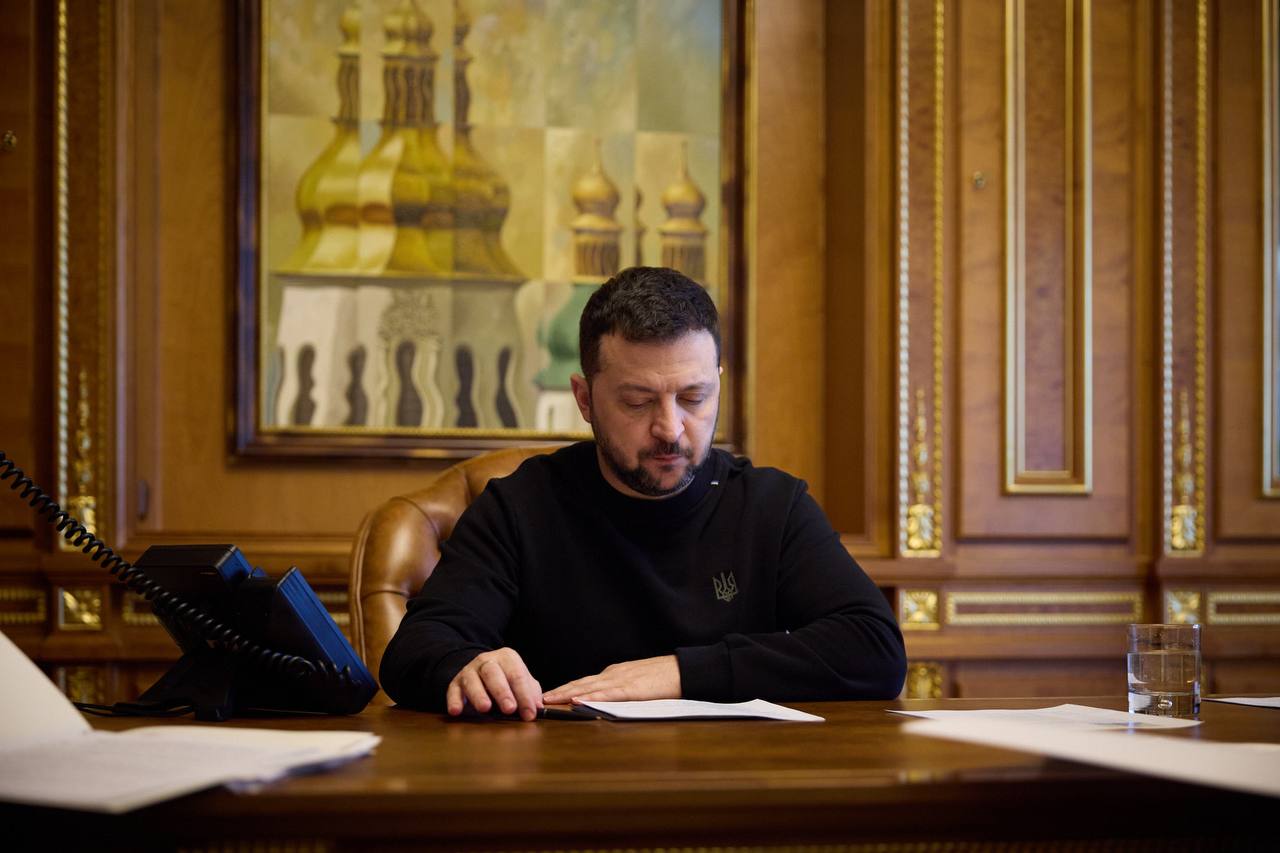
Ukraine provides over 40% of the weapons used to defend the nation's independence against Russia's full-scale invasion, President Volodymyr Zelensky said at the State and Business Forum in Kyiv on June 27.
As Ukraine scales up domestic defense production, Zelensky has been lobbying foreign partners to provide funding to help match its manufacturing capacity.
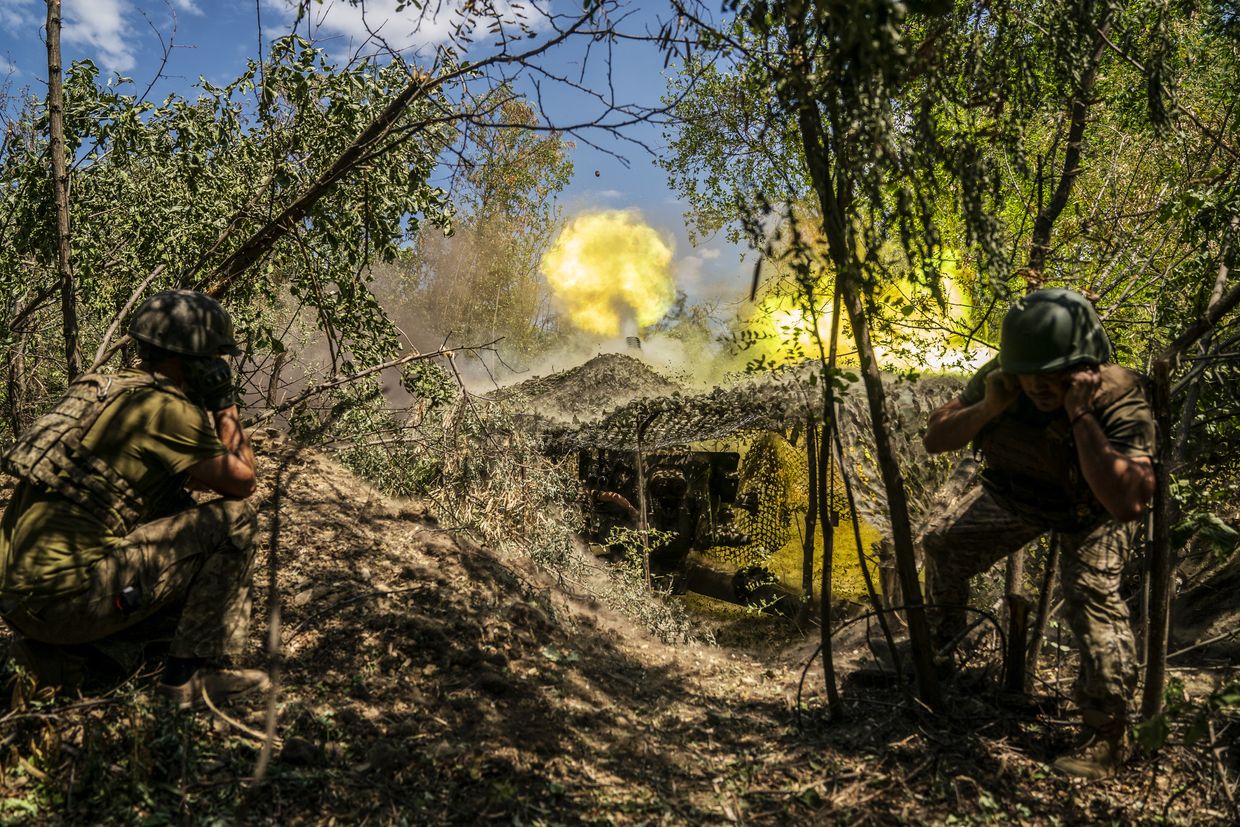
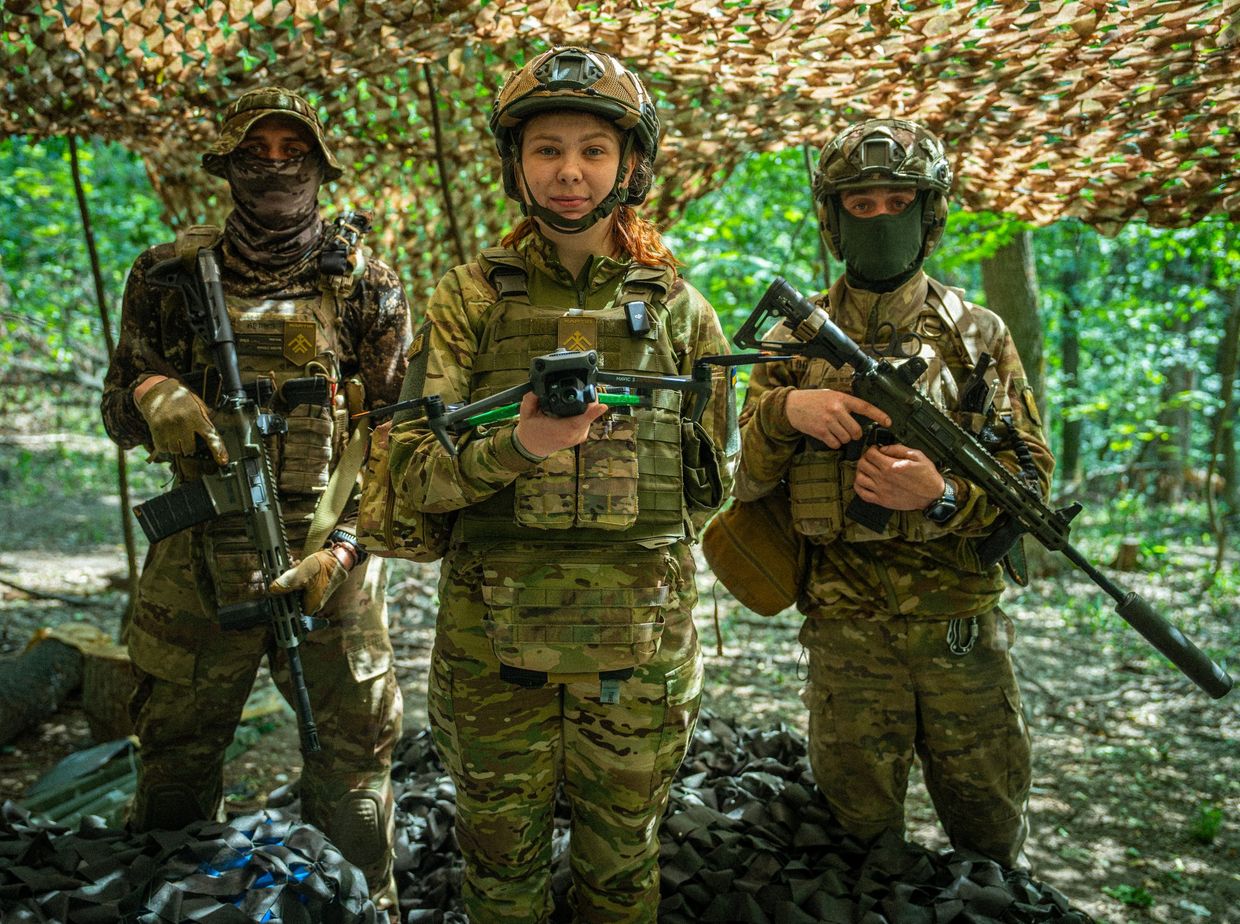
The government and Ukrainian businesses now provide more than 40% of the weapons the country uses in its fight against Russia, Zelensky said. Business-driven innovations in technology have helped Ukraine on the battlefield, particularly in drone development.
"Thanks to Ukrainian entrepreneurship and all the conditions we have created as a state, a new sector of our domestic manufacturing has emerged and immediately become one of the world’s most advanced — the production of drones of various types," Zelensky said.
"Hundreds of companies are now involved in weapons production in one way or another."
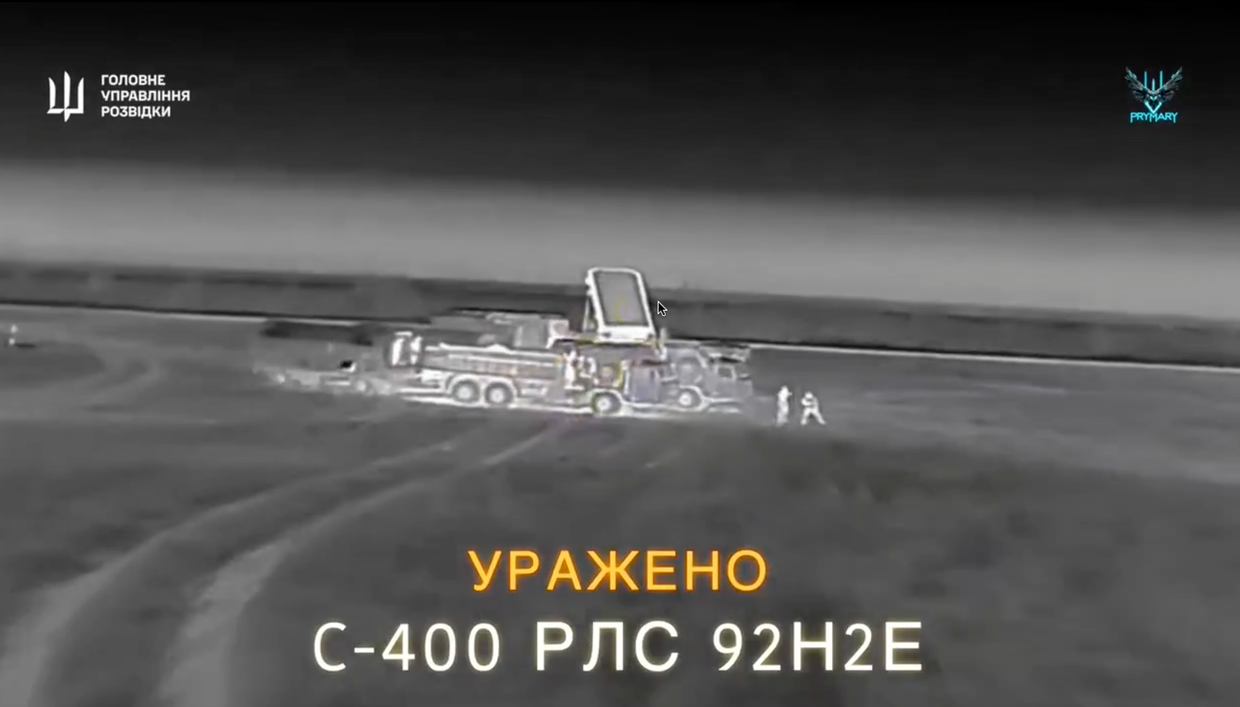
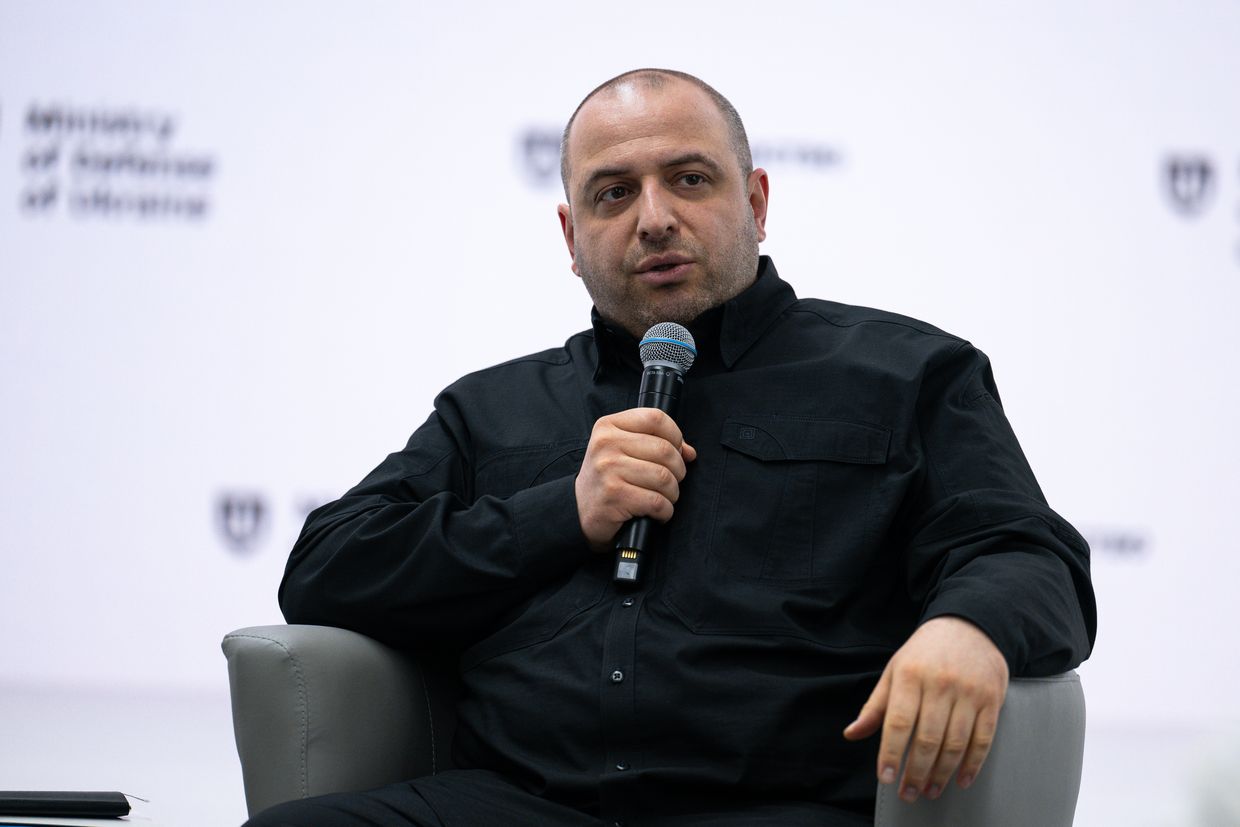
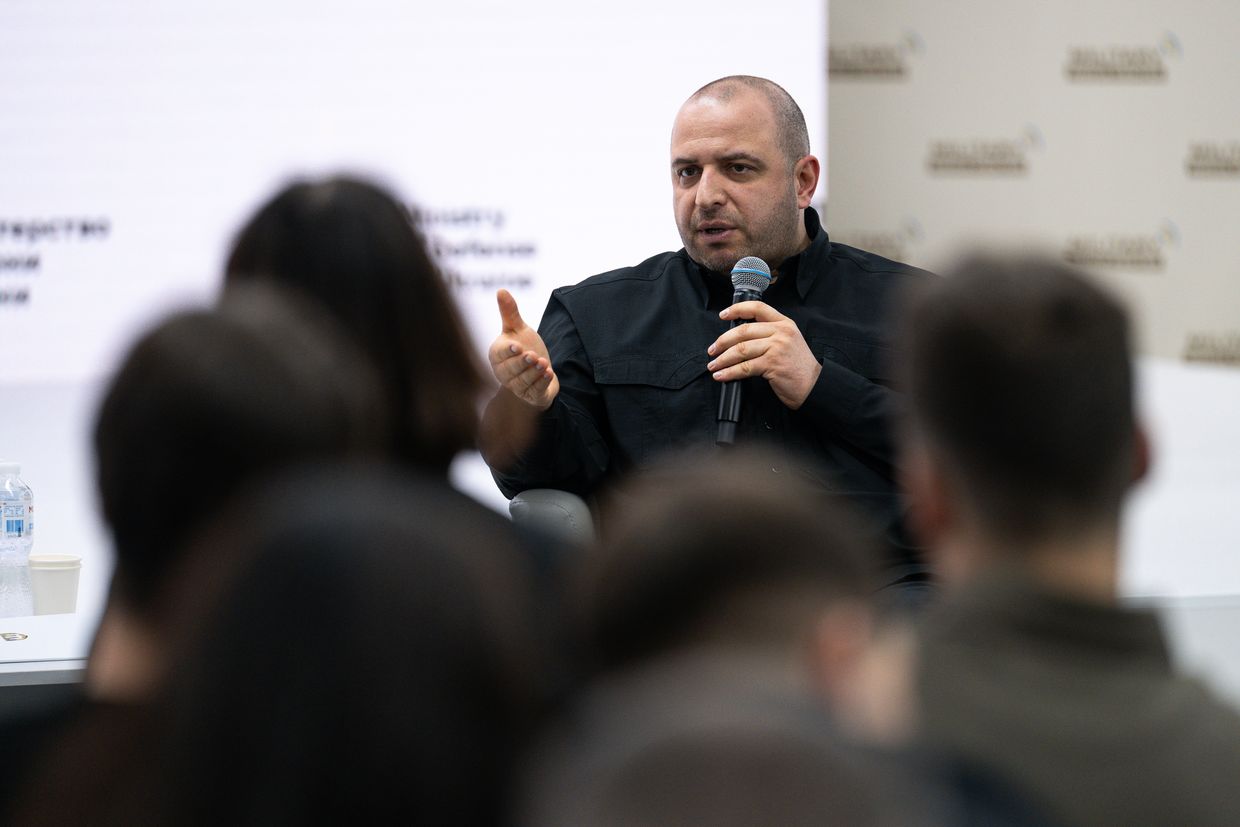
Zelensky's comments come a day after Defense Minister Rustem Umerov reported that Ukrainian companies have increased their industrial capacity in order to produce four million drones a year.
At the NATO summit in The Hague on June 24, Zelensky said Ukraine could potentially produce as many as eight million drones per year, but lacks the financial backing to achieve its full capacity. During the summit, Ukraine signed agreements on joint weapons production with the U.K. and Denmark in an effort to bridge the gap between Kyiv's capacity and current funds.
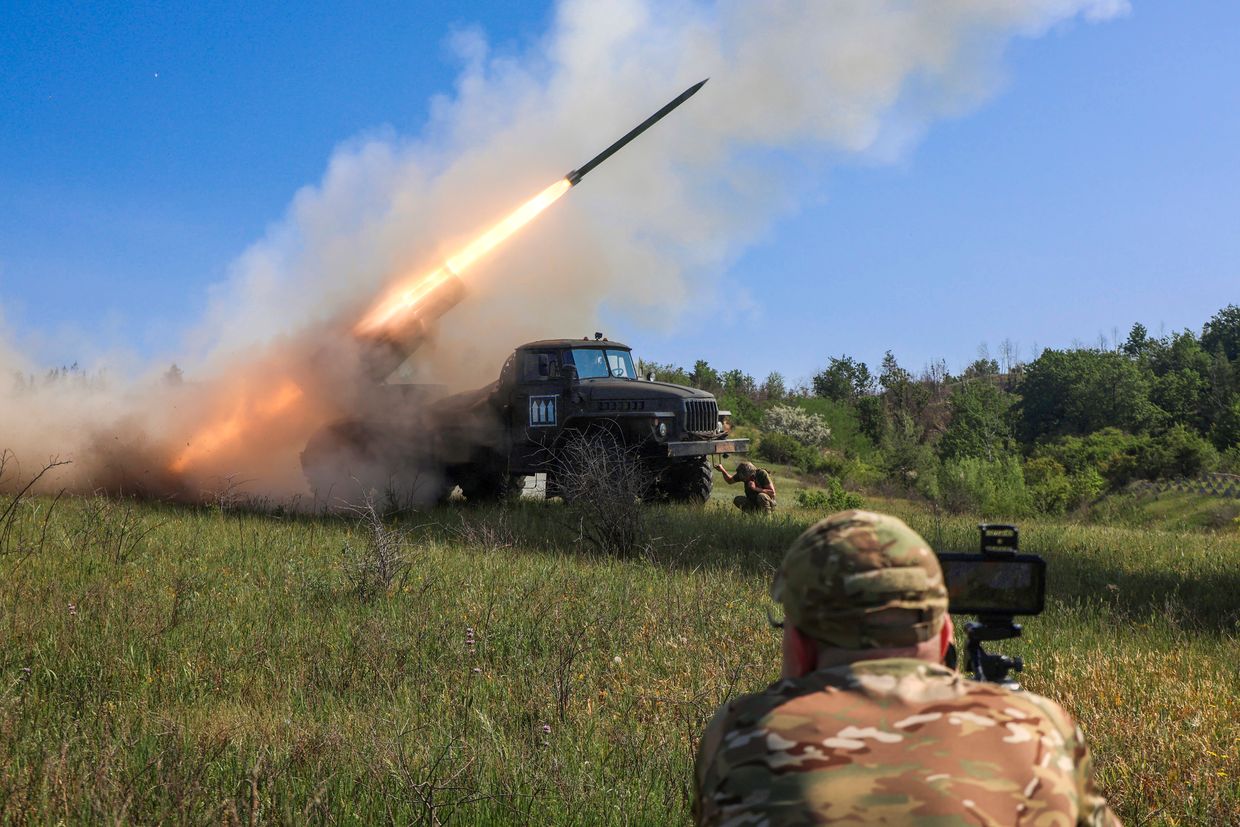
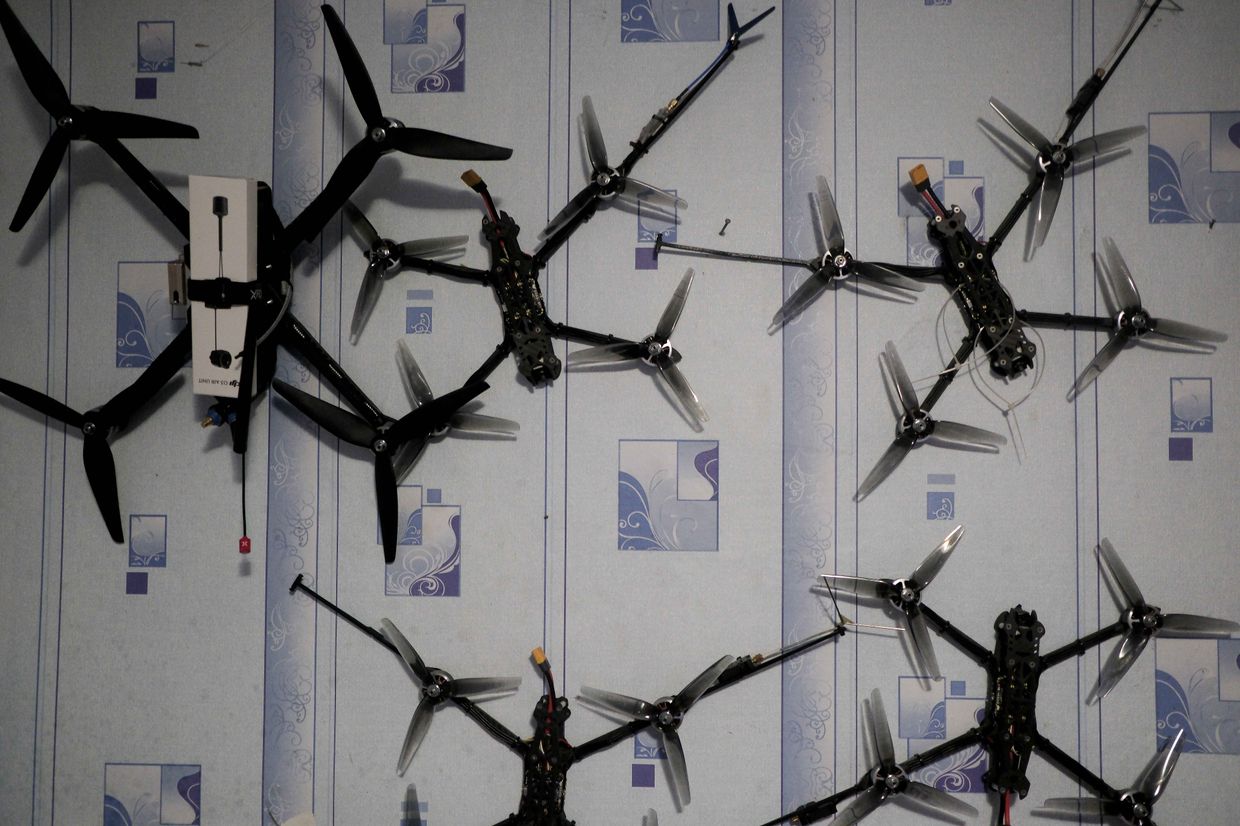
Ukraine has rapidly developed its drone capabilities since 2022, evolving from modifying commercial aircraft to producing military UAVs, attack drones, and reconnaissance systems at scale.
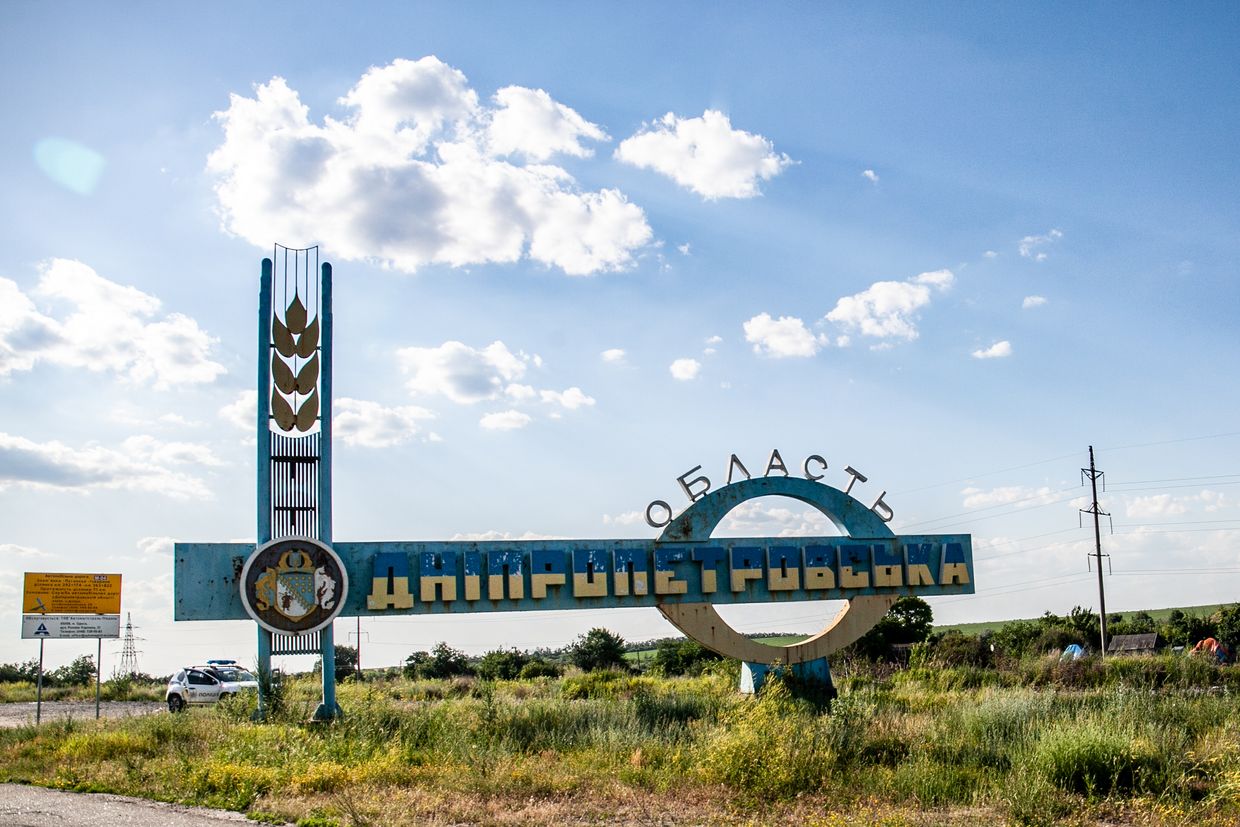
Pokrovsk remains the "hottest spot" along Ukraine's front lines, with Russia concentrating its largest group of personnel in that direction — a force numbering 111,000 troops, Commander-in-Chief Oleksandr Syrskyi reported on June 27. Russia has for months focused its offensive efforts on the embattled town of Pokrovsk in Donetsk Oblast and has recently been escalating attempts to break through to neighboring Dnipropetrovsk Oblast, a region that has not yet seen combat. Ukraine denied reports tha
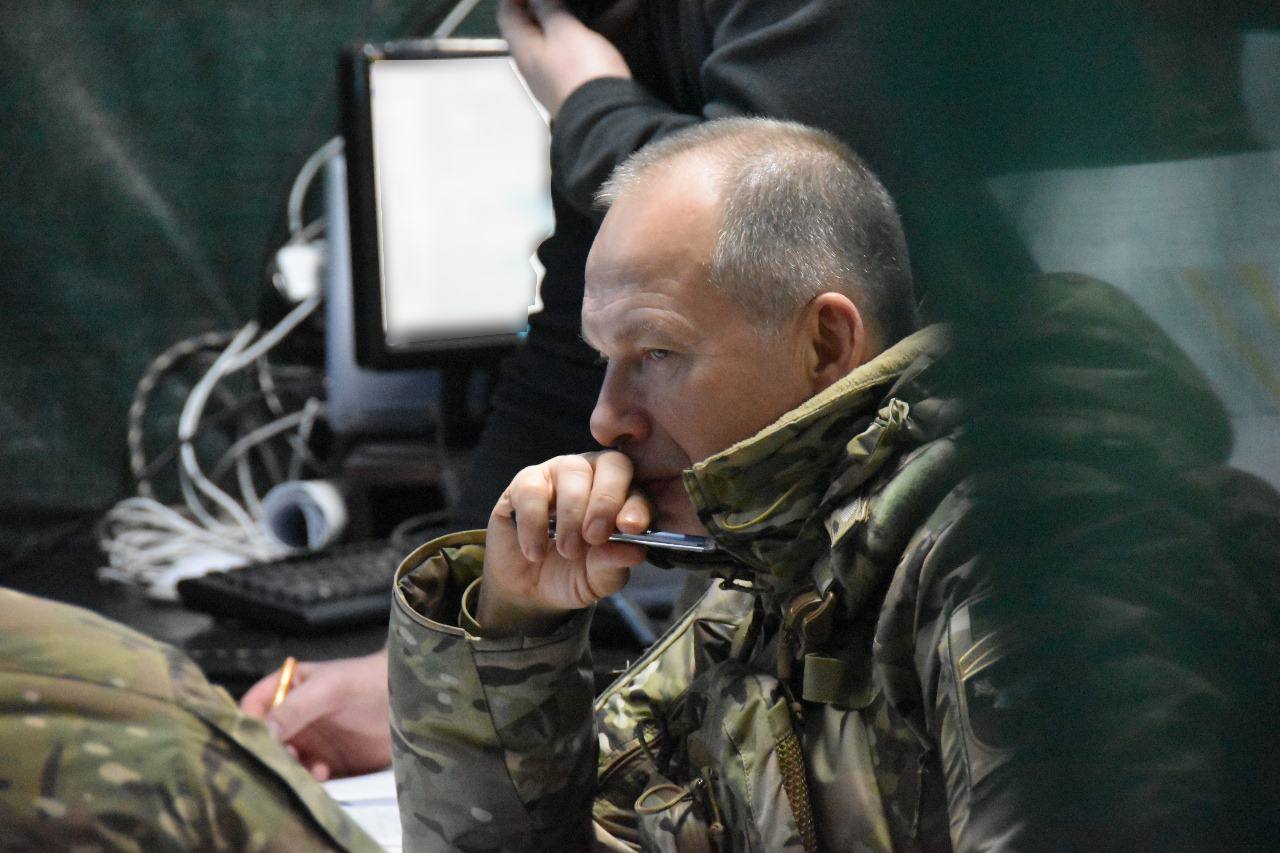
Pokrovsk remains the "hottest spot" along Ukraine's front lines, with Russia concentrating its largest group of personnel in that direction — a force numbering 111,000 troops, Commander-in-Chief Oleksandr Syrskyi reported on June 27.
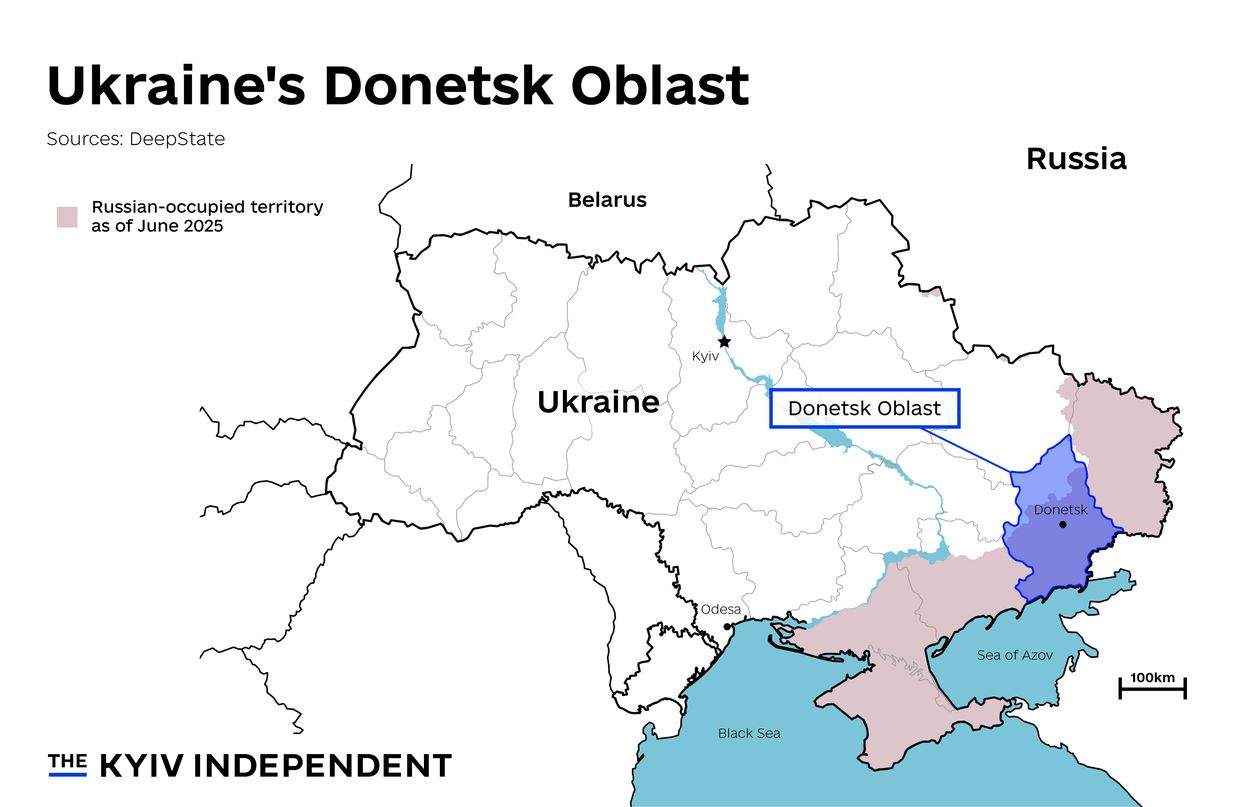
Russia has for months focused its offensive efforts on the embattled town of Pokrovsk in Donetsk Oblast and has recently been escalating attempts to break through to neighboring Dnipropetrovsk Oblast, a region that has not yet seen combat. Ukraine denied reports that Russian forces breached the regional border in May and June.
In May, Syrskyi reported that Ukraine had stabilized the situation in Pokrovsk.
After a working visit to the Pokrovsk sector, Syrskyi on June 27 said that the city is still "the hottest spot along the entire 1,200-kilometer front line" with nearly 50 combat clashes recorded per day. It's also where Russia has concentrated the bulk of its forces in Ukraine.
Russia has amassed "about 111,000 personnel" in the Pokrovsk sector, Syrskyi said, but Ukrainian forces are holding the line.
"The enemy continues to try to break through to the administrative border of Donetsk Oblast ... Russian sabotage and assault groups were particularly active here two weeks ago," Syrskyi said.
"But they were all destroyed or neutralized, and the remnants were pushed back from the administrative border. The situation is under control."
Ukraine's Donetsk Oblast (Nizar al-Rifai/The Kyiv Independent)
Russia is attempting to break into Dnipropetrovsk Oblast not only for operational reasons, but also for performative ones, Syrskyi said.
"To achieve a psychological effect: to put the infamous 'foot of the Russian soldier' there, plant a flag, and trumpet another pseudo-'victory.'"
Syrskyi's comments echo recent remarks by Russian President Vladimir Putin, who claimed in a propaganda-heavy speech on June 20 that "wherever the foot of a Russian soldier steps is Russian land." President Volodymyr Zelensky fired back the next day, promising "Ukrainian drones for the foot of every Russian soldier."
While Putin claimed on June 27 that Moscow is "ready" for a third round of peace talks with Kyiv, the Kremlin has sent no signal that it's ready to abandon its maximalist ambitions in Ukraine.
Russia's so-called "peace memorandum" demands that Ukraine recognize Russia's annexation of Crimea, as well as Kherson, Donetsk, Zaporizhzhia, and Luhansk oblasts — none of which are fully under Moscow's control.
Zelensky's Deputy Chief of Staff Pavlo Palisa said on June 6 that Russia aims to occupy all Ukrainian territory east of the Dnipro River and advance toward Odesa and Mykolaiv in a broader plan to sever Ukraine's access to the Black Sea amid a renewed summer offensive.
President Volodymyr Zelensky signed a decree on June 27 imposing sanctions on 52 Russian citizens as well as an additional 34 Russian companies and one Chinese entity involved in the production of Shahed-type drones and chip manufacturing machinery.Ukraine introduced new restrictions as Russia has escalated drone attacks against Ukrainian cities over the past weeks, launching upwards of 400-500 unmanned aerial vehicles (UAVs) per night.Individuals and legal entities subject to Ukrainian sanction
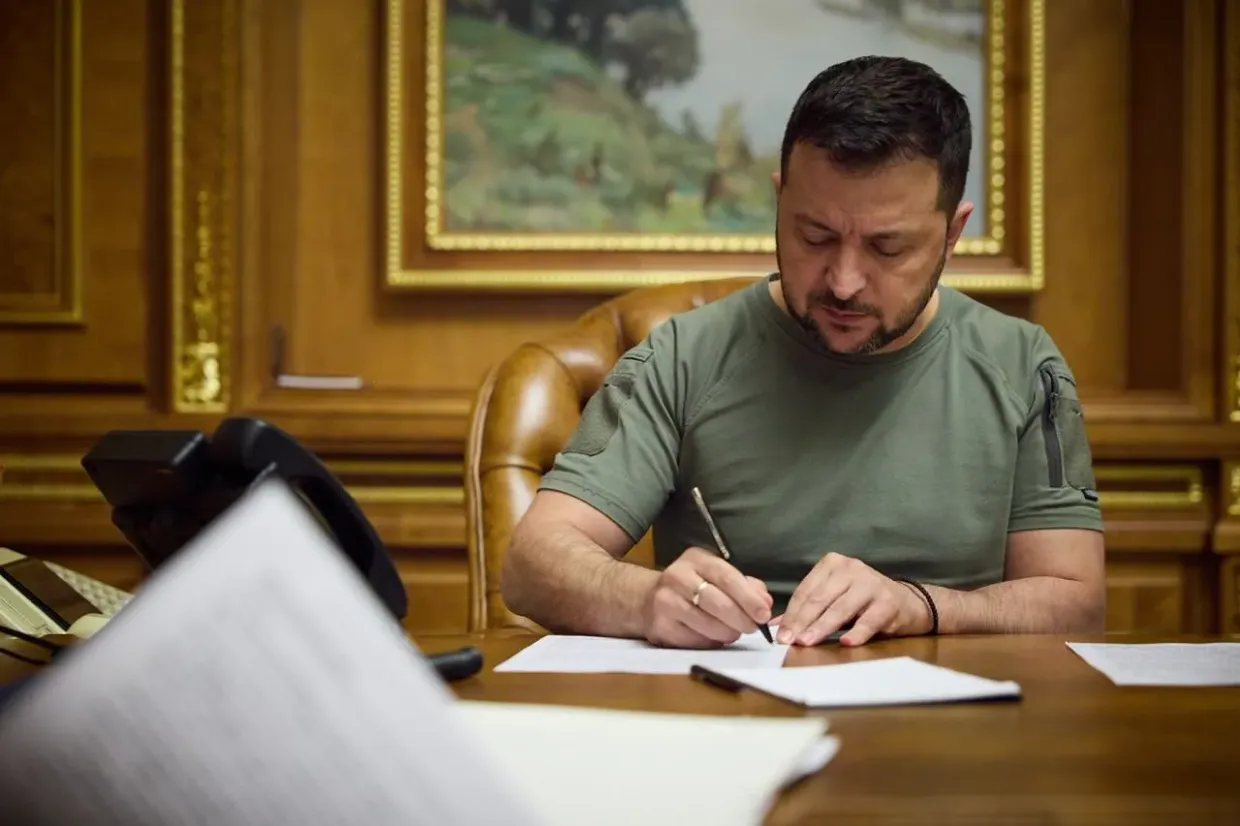
President Volodymyr Zelensky signed a decree on June 27 imposing sanctions on 52 Russian citizens as well as an additional 34 Russian companies and one Chinese entity involved in the production of Shahed-type drones and chip manufacturing machinery.
Ukraine introduced new restrictions as Russia has escalated drone attacks against Ukrainian cities over the past weeks, launching upwards of 400-500 unmanned aerial vehicles (UAVs) per night.
Individuals and legal entities subject to Ukrainian sanctions cannot do business and trade in Ukraine, cannot withdraw their capital from the country. In the meantime, their assets are blocked, as well as their access to public and defense procurement, and entry into the territory of Ukraine, among other restrictions.
Andrii Yermak, head of the Presidential Office, said on Telegram that the sanction primarily enterprises and individuals collaborating with a Shahed manufacturing facility located in the town of Yelbuga in Russia's Tatarstan.
Russia has launched thousands of cheap but effective Iranian-designed Shahed drones against Ukraine since the fall of 2022. Originally designed in Iran, Russia has since produced its own Shahed-type drones on Russian territory.
Drones have become one of the defining tools of the full-scale war, used extensively by both Ukraine and Russia for surveillance, long-range strikes, and tactical battlefield advantage.
Earlier in the day, Zelensky signeda decree to coordinate sanctions against Russia with international partners, particularly the European Union and the Group of Seven (G7).
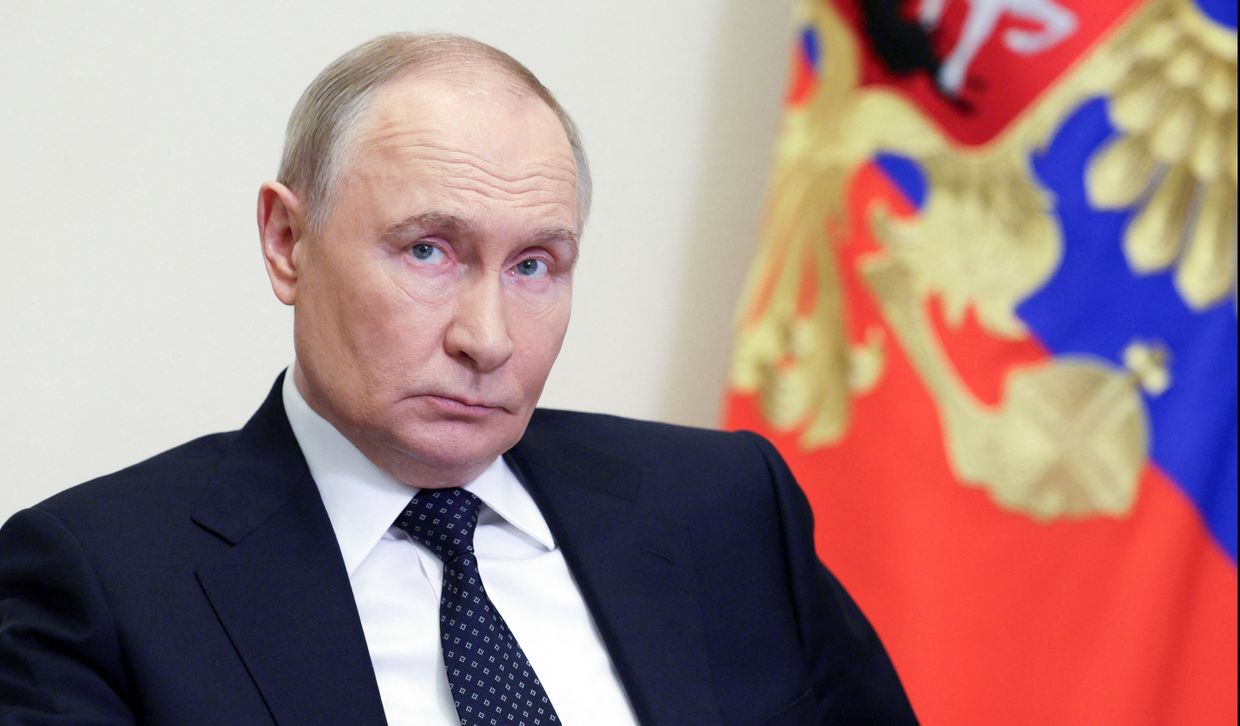
Russian President Vladimir Putin claimed on June 27 that Moscow plans to cut its military expenditure beginning next year, in a rebuke of NATO members' plans to increase defense spending to 5% of GDP.Putin's claims will likely be met with harsh skepticism from Western officials as Russia's military spending has continued to increase throughout its ongoing invasion of Ukraine. The Kyiv Independent cannot verify claims made by Putin. The Russian president did not provide any specifics as to how Mo
Russian President Vladimir Putin claimed on June 27 that Moscow plans to cut its military expenditure beginning next year, in a rebuke of NATO members' plans to increase defense spending to 5% of GDP.
Putin's claims will likely be met with harsh skepticism from Western officials as Russia's military spending has continued to increase throughout its ongoing invasion of Ukraine.
The Kyiv Independent cannot verify claims made by Putin. The Russian president did not provide any specifics as to how Moscow plans to cut military spending, but added there has yet to be an agreement between ministries.
"We are planning to reduce defence spending. For us, next year and the year after, over the next three-year period, we are planning for this," Putin told reporters during a visit to Belarus. "Europe is thinking about how to increase its spending, on the contrary. So who is preparing for some kind of aggressive actions? Us or them?" Putin continued.
Putin's comments comes as NATO allies are increasingly concerned about Russia's military capabilities, including future threats to alliance members as well as ongoing sabotage efforts.
On June 25, NATO member states agreed to a new defense spending benchmark, committing to allocate 5% of their GDP annually to defense and security-related expenditures by 2035.
The decision comes as NATO allies increasingly believe Russia could rebuild sufficient military capacity to challenge the alliance within five years, with NATO Secretary General Mark Rutte warning that allies must act urgently to prepare for future threats.
"We see Russia's deadly terror from the skies over Ukraine every day. We must be able to defend ourselves from such attacks," Rutte said during a press briefing on June 23. "Our security environment has changed, and not for the better. The threats we face today demand that we do far more," he added.
Various European intelligence agencies as well as officials have increasingly delivered dire warnings about the threat emanating from Russia and Europe's current lack of preparedness. German intelligence chief Bruno Kahl told a parliamentary hearing in October that Russia will have the military capabilities to be able to attack NATO by 2030.
In 2024, Russia’s military spending surpassed the combined defense budgets of all European nations. Russia’s total defense expenditures surged by 42% in real terms amounting to $462 billion, according to the data by the International Institute for Strategic Studies (IISS).
By comparison, total defense spending across Europe, including the U.K. and EU member states, increased by nearly 12% last year to $457 billion, slightly trailing Moscow’s budget.
The Moscow Times reported in December that the Kremlin had spentan unprecedented $43 billion in the third quarter of 2024 alone.
Russia is ready to hold a third round of peace talks on the war in Ukraine, Russian President Vladimir Putin told reporters on June 27, without specifying if he would directly participate in the negotiations."In general, we are ready for this (next round of peace talks), we need to coordinate the place and time," Putin said.Putin added that the talks could potentially be held in Istanbul but the details have not yet been worked out. He added that another round of talks may bring peace closer as
Russia is ready to hold a third round of peace talks on the war in Ukraine, Russian President Vladimir Putin told reporters on June 27, without specifying if he would directly participate in the negotiations.
"In general, we are ready for this (next round of peace talks), we need to coordinate the place and time," Putin said.
Putin added that the talks could potentially be held in Istanbul but the details have not yet been worked out. He added that another round of talks may bring peace closer as the terms for peace outlined in the countries' peace memorandumsremain "absolutely opposite."
The latest peace talks between Russia and Ukraine took place on June 2 in Istanbul, following an earlier meeting on May 16. Despite Ukraine's insistence on a 30-day ceasefire, Russiahas repeatedly rejected the offer, proposing only a temporary 2–3-day truce in limited areas to retrieve the bodies of fallen soldiers.
While no agreement on a comprehensive ceasefire has been reached, talks have led to a few major prisoner exchanges, including a 1,000-for-1,000 swap that took place in late May and a follow-up deal for up to 1,200 prisoners from each side.
Defense Minister Rustem Umerov said during a press briefing on June 26 that it was Ukraine's goal to organize a direct meeting between President Volodymyr Zelensky and Putin during the next round of negotiation.
In previous rounds, Putin had failed to show in-person sending lower-level officials to the meeting instead — despite Zelensky's willingness for in-person talks as well pressure from the United States.
On June 26, Turkish President Recep Tayyip Erdogan said Ankara is workingto organize a meeting between Zelensky and Putin, with U.S. President Donald Trump potentially joining the talks.
Putin said on June 27 that it was "quite possible" that a meeting between himself and the U.S. president could take place. "We will be happy to prepare it," he briefly added.
Zelensky and Trump met during the NATO summit on June 25, where the two leaders discussed battlefield developments, Kyiv's need for additionalair defense systems, and the potential for co-production of drones.
Zelensky has previously voiced openness to a trilateral meeting. On May 27, he told public broadcaster Suspilne that he was ready to sit down with both Trump and Putin.
Turkey previously hosted direct peace talks in March 2022 and has remained one of the few countries with open lines to both Kyiv and Moscow.
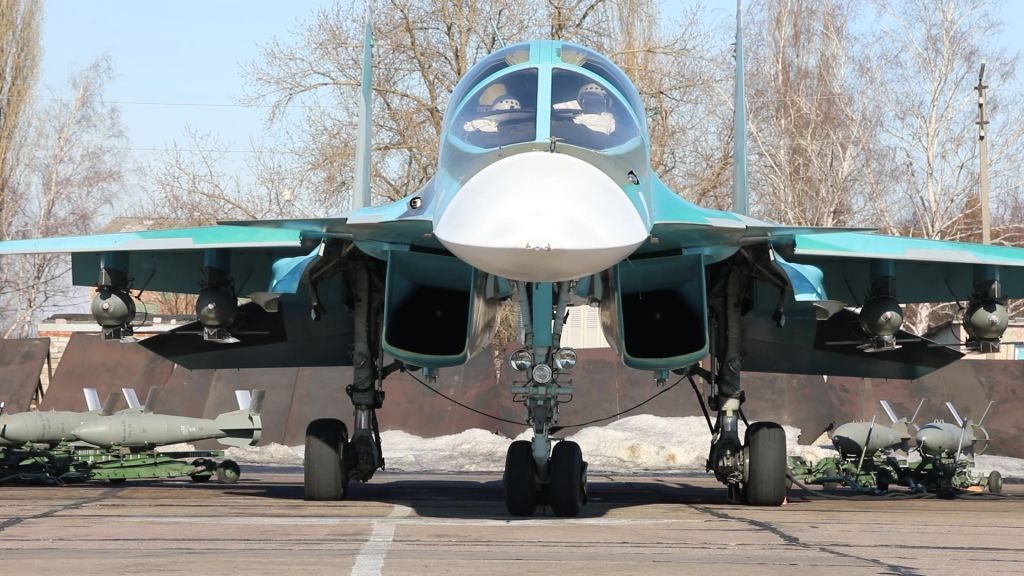
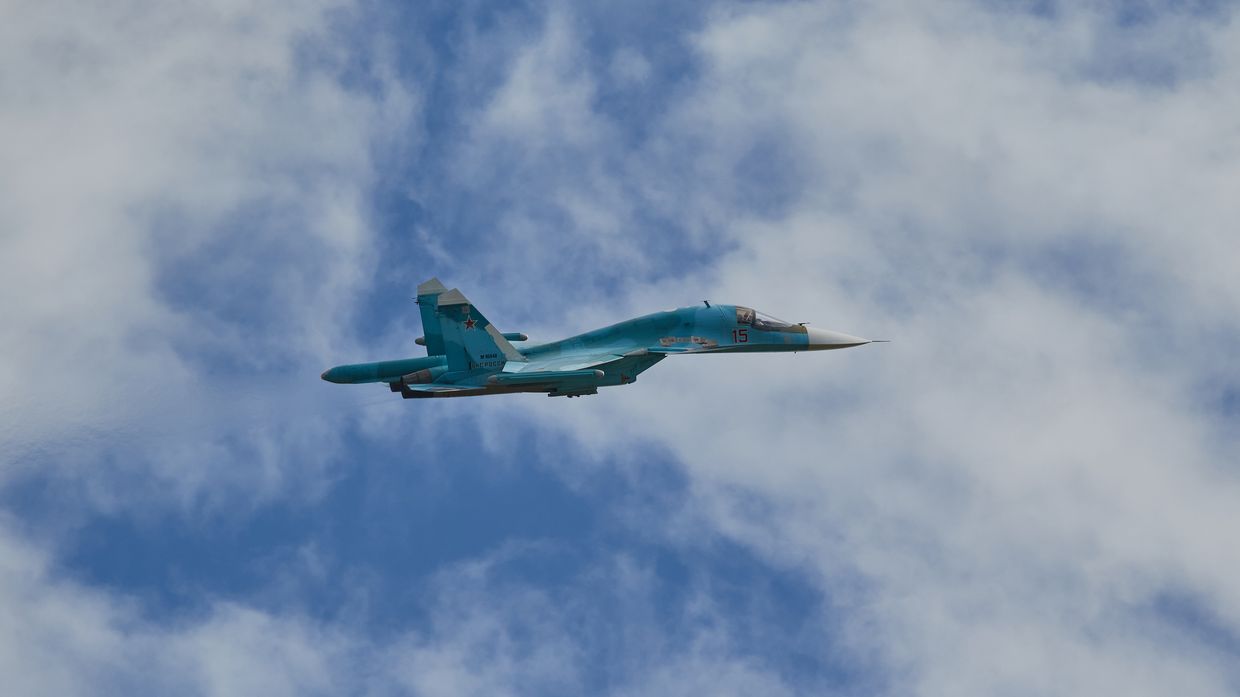
Ukrainian drones struck four Su-34 fighter jets at the Marinovka airfield in Russia's Volgograd Oblast overnight on June 27, Ukraine's General Staff said. The operation was carried out by the Special Forces and the Security Service of Ukraine (SBU) in cooperation with other military units, according to the General Staff. Volgograd Oblast is located some 900 kilometers (560 miles) southeast of Moscow.According to preliminary data, two Russian fighter jets were destroyed, and the other two were da
Ukrainian drones struck four Su-34 fighter jets at the Marinovka airfield in Russia's Volgograd Oblast overnight on June 27, Ukraine's General Staff said.
The operation was carried out by the Special Forces and the Security Service of Ukraine (SBU) in cooperation with other military units, according to the General Staff.
Volgograd Oblast is located some 900 kilometers (560 miles) southeast of Moscow.
According to preliminary data, two Russian fighter jets were destroyed, and the other two were damaged. Russia uses such aircraft to bomb Ukraine, particularly to drop guided aerial bombs, the General Staff said.
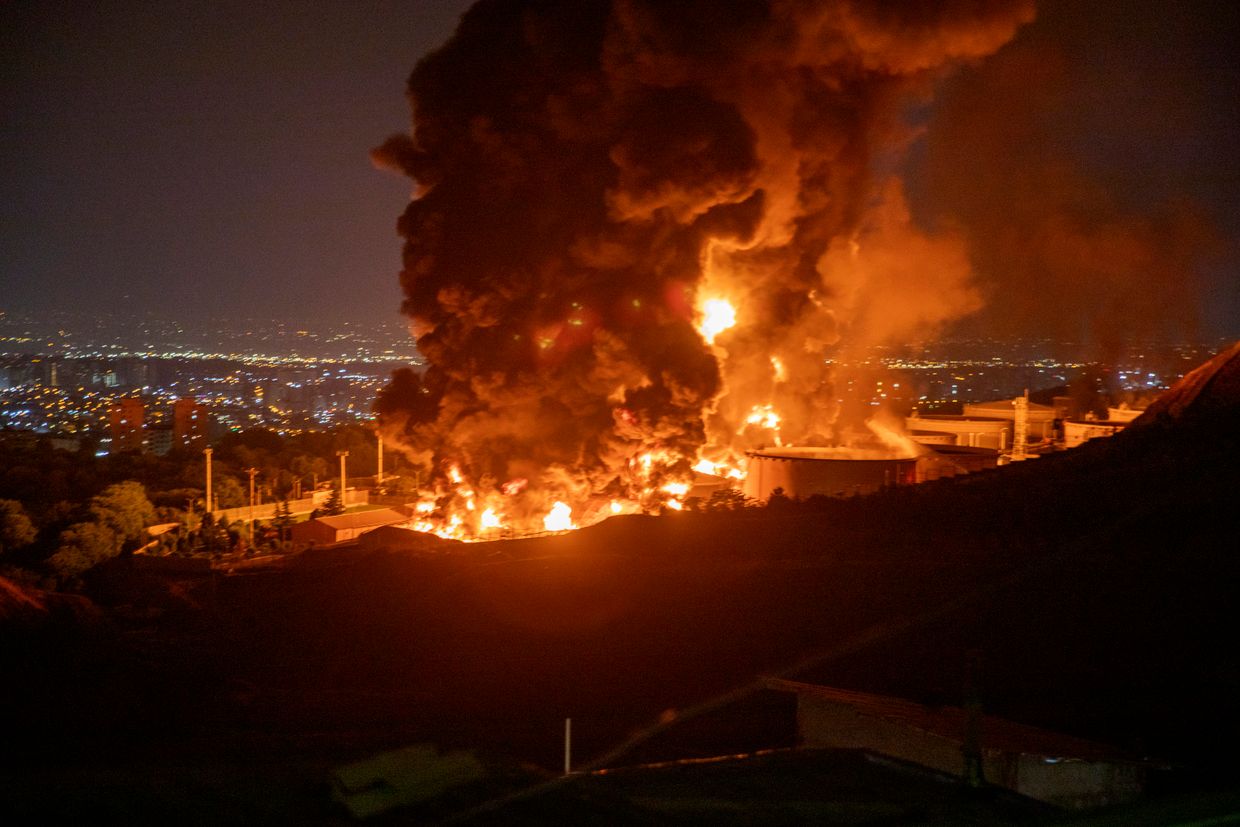
The attack also caused a fire in the airfield's technical and operational unit, a facility where combat aircraft are serviced and repaired, according to the General Staff.
The Kyiv Independent could not independently verify these claims.
As Russia intensifies aerial attacks on Ukraine and the civilian death toll climbs, Ukraine has stepped up its drone attacks on Russian territory. The recent surge in drone strikes aims to disrupt airport operations, overwhelm air defenses, and mount pressure against the Russian population.
Editor's note: The story was updated with Slovak Prime Minister Robert Fico's statement voiced during the EU summit. EU ambassadors have failed to approve the 18th package of sanctions against Russia due to opposition from Hungary and Slovakia, an unnamed EU official told the Kyiv Independent on June 27.After the 17th package of sanctions against Russia took effect on May 20, Ukraine's allies announced the following day that another round of restrictions was already in the works. Meanwhile, offi
Editor's note: The story was updated with Slovak Prime Minister Robert Fico's statement voiced during the EU summit.
EU ambassadors have failed to approve the 18th package of sanctions against Russia due to opposition from Hungary and Slovakia, an unnamed EU official told the Kyiv Independent on June 27.
After the 17th package of sanctions against Russia took effect on May 20, Ukraine's allies announced the following day that another round of restrictions was already in the works. Meanwhile, officials in Hungary and Slovakia protested against the approval of new restrictions against Russia.
Unlike Hungarian Prime Minister Viktor Orban, who has consistently opposed sanctions against Russia, Slovakia has not previously attempted to block EU sanctions.
"No agreement was reached. Ambassadors will return to this issue after two reservations are removed," the source told Suspilne in a reference to the position of Slovakia and Hungary.
Slovakia has requested that the adoption of the 18th package of EU sanctions against Russia be postponed until a decision is made on the consequences for the member states from RePowerEU, the European Commission's initiative to end dependence on Russian fossil fuels by 2030 in response to Russia's invasion of Ukraine.
Slovak Prime Minister Robert Fico voiced this proposal during the EU summit, the Slovak Foreign Ministry told Suspilne.
The ambassadors also agreed to extend sectoral sanctions against Russia for six months. These sanctions encompass a broad array of economic areas, including restrictions on trade, finance, technology and dual-use goods, industry, transport, and luxury goods.
In June, the European Commission presented the 18th package of sanctions, which includes new restrictions against the Russian energy and banking sectors and transactions related to the Nord Stream gas pipeline project.
Ukraine's European allies are tightening sanctions against Russia as Moscow refuses to accept a ceasefire. Despite Russia's refusal, no new U.S. sanctions have been imposed so far.
Active fighting is still taking place around the village of Shevchenko in Donetsk Oblast, home to one of Ukraine's largest lithium deposits, a spokesperson for Ukraine's Khortytsia group of forces told the Kyiv Independent on June 27, denying reports Russia had occupied the village.Earlier on June 26, Russia'a Defense Ministry said it had captured Shevchenko along with another other small settlements in the Velyka Novosilka region of the oblast, as Russian troops continue to push along all areas
Active fighting is still taking place around the village of Shevchenko in Donetsk Oblast, home to one of Ukraine's largest lithium deposits, a spokesperson for Ukraine's Khortytsia group of forces told the Kyiv Independent on June 27, denying reports Russia had occupied the village.
Earlier on June 26, Russia'a Defense Ministry said it had captured Shevchenko along with another other small settlements in the Velyka Novosilka region of the oblast, as Russian troops continue to push along all areas of the front line.
The spokesperson said that while Russian forces had pushed out Ukrainian soldiers on June 26, the situation is constantly evolving and subject to change several times a day.
"This is one of the two most intense directions right now," Viktor Trehubov, the spokesperson, told the Kyiv Independent.
According to the Ukrainian Geological Survey, the Shevchenkivske deposit covers nearly 40 hectares (98 acres) on the eastern outskirts of Shevchenko. Exact data on the Shevchenkivske deposit's lithium reserves are classified, but it's considered one of the most promising.
The deposit's main reserves consist of lithium ores, but it also contains other rare elements such as rubidium, cesium, tantalum, niobium, beryllium, and tin.
Ukraine is home to 20 of the world's critical minerals and metals like titanium used in the aerospace and defense industries and lithium, an essential component of electric vehicle batteries.
The U.S.-Ukraine minerals deal, signed April 30, specifically mentions lithium as one of the mineral resources that both parties could profit from extracting.
Despite the deposit's relatively small size, it could be operated by a single mine, which could make extraction more efficient, according to a Ukrainian Geological Survey data.
The survey classifies the deposit in the highest complexity category of three possible levels, which could complicate development.
According to KSE, Ukraine holds one-third of the European Union's lithium reserves and approximately 3% of global lithium reserves.
President Volodymyr Zelensky signed a decree on June 27 to coordinate sanctions against Russia with international partners, particularly the European Union and the Group of Seven (G7), the President's Office said on its website.A day earlier, EU member states' leaders gave their political consent to extend the sanctions previously imposed on Russia for its war against Ukraine. The EU Committee of Permanent Representatives (CORPER) also extended sectoral sanctions against Russia for another six m
President Volodymyr Zelensky signed a decree on June 27 to coordinate sanctions against Russia with international partners, particularly the European Union and the Group of Seven (G7), the President's Office said on its website.
A day earlier, EU member states' leaders gave their political consent to extend the sanctions previously imposed on Russia for its war against Ukraine.
The EU Committee of Permanent Representatives (CORPER) also extended sectoral sanctions against Russia for another six months on June 26, European Pravda reported, citing a diplomatic source. The sanctions include restrictions against entire sectors or industries of the Russian economy or areas of operation of Russian businesses.
Meanwhile, the participants did not approve the new 18th package of sanctions, which targeted Russia's energy and banking sectors, due to Slovakia's veto.
Zelensky's June 27 decree implements a decision by Ukraine's National Security and Defense Council's (NSDC) to synchronize the sanctions against Russia with the EU and G7.
According to the document, sanctions approved by partner states must be submitted to the NSDC for consideration and approval no later than the 15th day after the partner state's decision comes into force.
The Cabinet of Ministers, the Security Service of Ukraine (SBU), and the National Bank of Ukraine must also ensure the implementation of sanctions approved by international partners in Ukraine.
After the 17th package of sanctions against Russia took effect on May 20, Ukraine's allies announced the following day that another round of restrictions was already in the works.
The push for tighter sanctions comes as Russia continues to reject ceasefire proposals and presses forward with military operations.
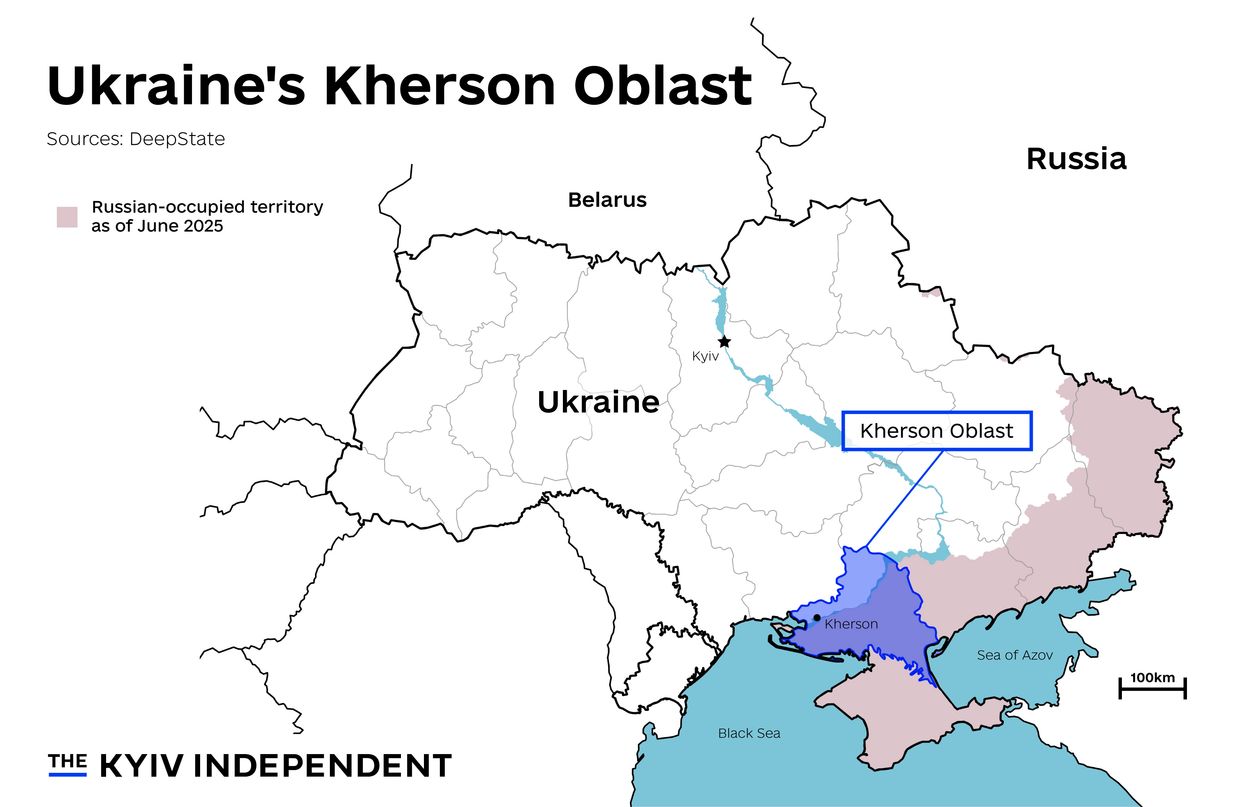
Russian forces struck a critical energy facility in Kherson Oblast, causing widespread power outages across several communities, Governor Oleksandr Prokudin said on June 27."Russia decided to plunge Kherson Oblast into darkness," Prokudin wrote on Telegram. He said the attack has disrupted electricity supply to multiple settlements.Local power engineers are working to stabilize the situation, Prokudin said. "I ask the residents of the region to prepare for a prolonged power outage. Power enginee
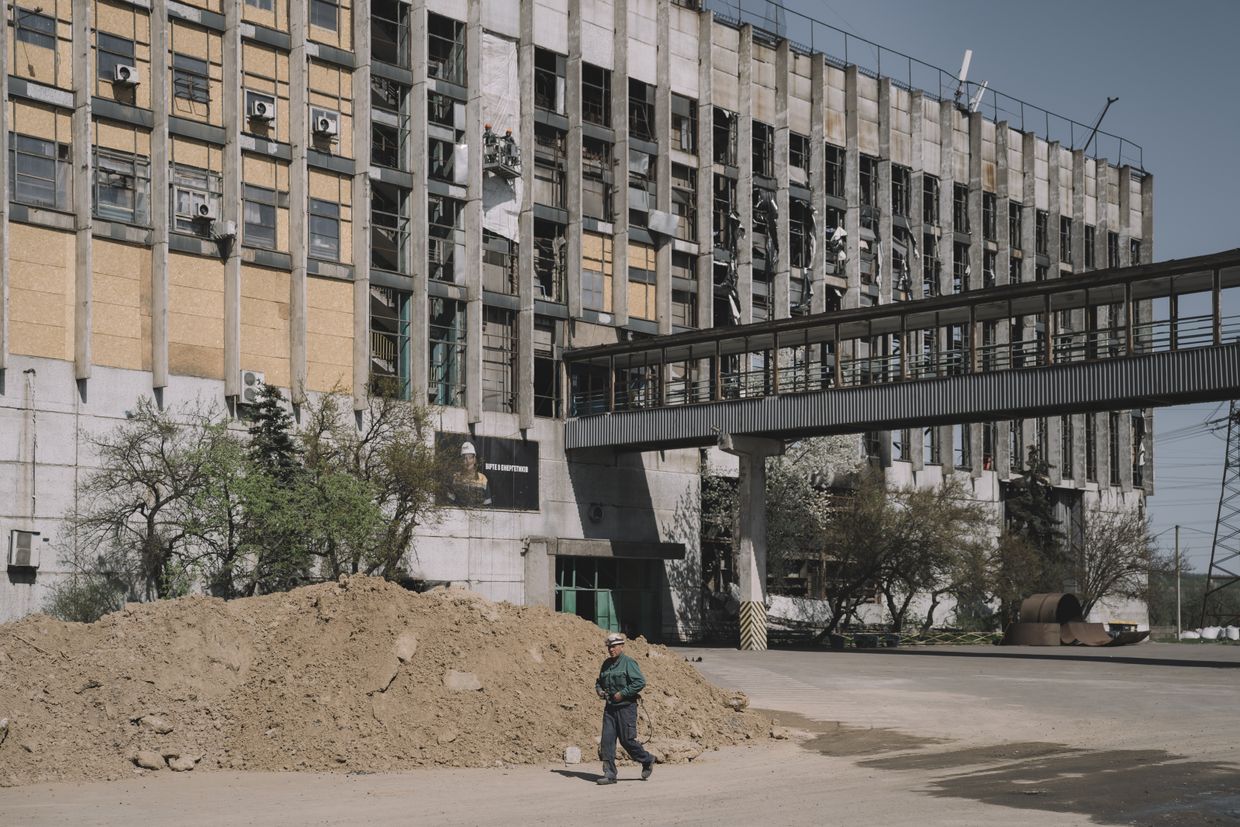
Russian forces struck a critical energy facility in Kherson Oblast, causing widespread power outages across several communities, Governor Oleksandr Prokudin said on June 27.
"Russia decided to plunge Kherson Oblast into darkness," Prokudin wrote on Telegram. He said the attack has disrupted electricity supply to multiple settlements.
Local power engineers are working to stabilize the situation, Prokudin said.
"I ask the residents of the region to prepare for a prolonged power outage. Power engineers are doing everything possible to stabilize the situation," he said.
Kherson and the surrounding regions have frequently come under Russian fire since Ukrainian forces liberated the city from occupation in November 2022. Russian troops continue to attack the area with artillery and drones from across the Dnipro River.
The Russian army consistently targeted Ukrainian energy infrastructure. Throughout 2024, Moscow launched 13 mass attacks with drones and missiles on Ukraine's energy infrastructure. Ukraine was forced to introduce emergency blackouts across the country.
Ukraine and Russia agreed to a partial 30-day energy truce, following consultations with the U.S. in Riyadh on March 25. Moscow violated the ceasefire more than 30 times, Foreign Ministry Spokesperson Heorhii Tykhyi said on April 16.
Ukraine is preparing to request European Union sanctions against Bangladeshi entities over importing wheat stolen from Russian-occupied Ukrainian territories, Ukraine's ambassador to India told Reuters.In comments for Reuters published on June 27, Oleksandr Polishchuk said that Bangladesh had failed to respond to Ukrainian diplomatic appeals to stop the trade, prompting Kyiv to escalate the matter to the EU level."It's a crime," Polishchuk told Reuters. "We will share our investigation with our
Ukraine is preparing to request European Union sanctions against Bangladeshi entities over importing wheat stolen from Russian-occupied Ukrainian territories, Ukraine's ambassador to India told Reuters.
In comments for Reuters published on June 27, Oleksandr Polishchuk said that Bangladesh had failed to respond to Ukrainian diplomatic appeals to stop the trade, prompting Kyiv to escalate the matter to the EU level.
"It's a crime," Polishchuk told Reuters. "We will share our investigation with our European Union colleagues, and we will kindly ask them to take the appropriate measures."
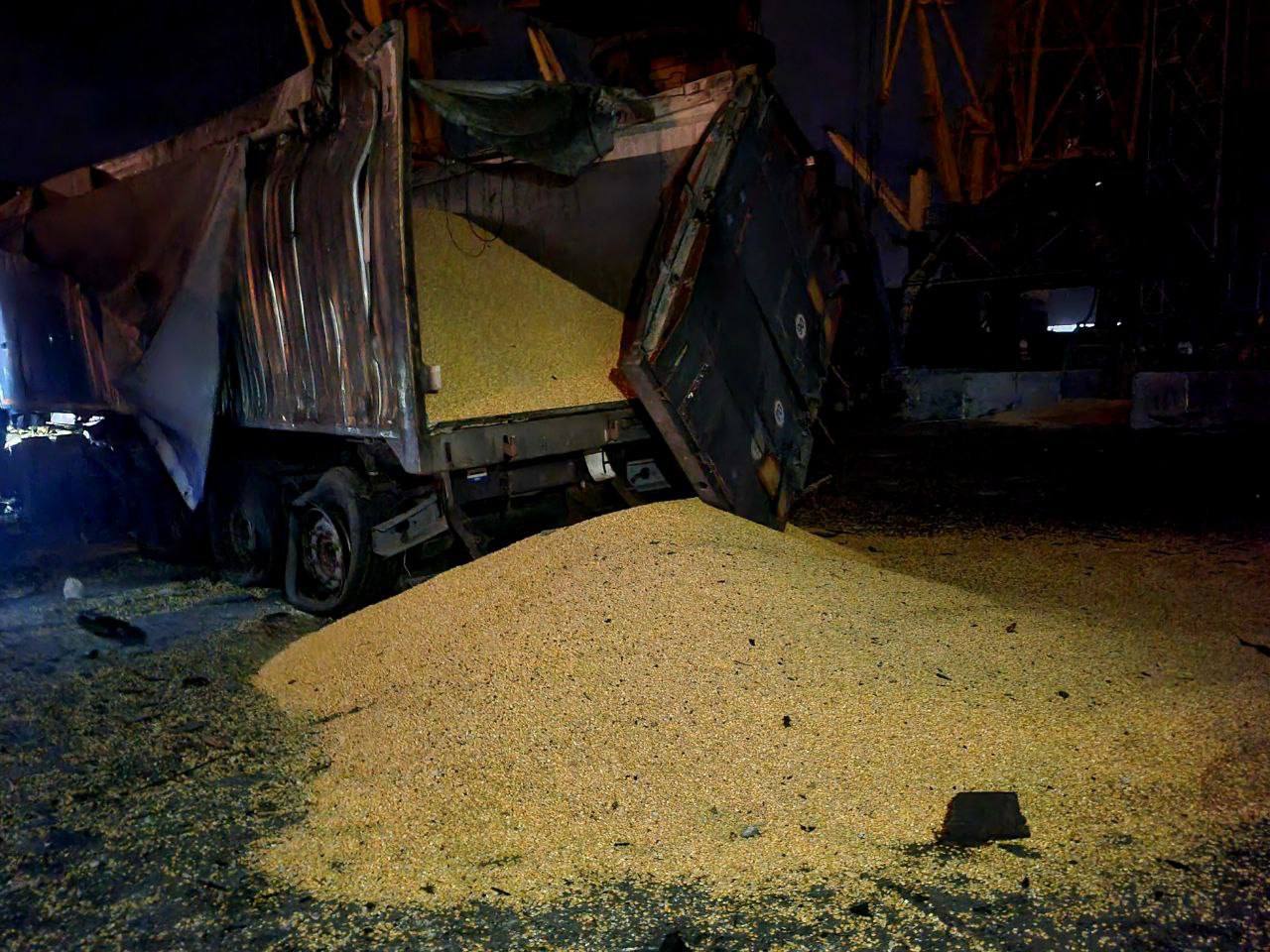
Russian forces have seized millions of tons of Ukrainian grain from occupied areas, with at least 180,000 tons looted through the port of Mariupol alone, Ukrainian Prime Minister Denys Shmyhalsaid in October 2024.
The Ukrainian Embassy in New Delhi sent multiple letters to Bangladesh's Foreign Ministry this year, requesting rejection of more than 150,000 tonnes of grain allegedly stolen and shipped from the Russian port of Kavkaz, according to documents reviewed by Reuters, shared by people familiar with the matter.
According to Polishchuk, Ukrainian intelligence showed that entities in Russia mask grain obtained from occupied Ukrainian territories by mixing it with Russian wheat before shipping it to other countries.
Bangladesh's Food Ministry, in comments to Reuters, denied the imports, saying that they banned grain deliveries originating from occupied Ukrainian territory.
Ukraine's agricultural sector has suffered approximately $80 billion in losses due to Russia's full-scale invasion, Agriculture Minister Vitalii Koval said in February.
The losses include direct damage, disrupted logistics, higher fertilizer and fuel costs, land reclamation expenses, demining costs, and impacts from occupied territories.
Editor's note: This is a developing story and is being updated.A Russian missile strike on the city of Samar in Ukraine's Dnipropetrovsk Oblast on June 27 killed five people and injured at least 25 others, Governor Serhii Lysak said.In a statement posted to Telegram, Lysak said most of the injured were hospitalized. Four of the victims are in serious condition, while the others sustained moderate injuries. A fire broke out following the strike, and emergency services are continuing to work at th
Editor's note: This is a developing story and is being updated.
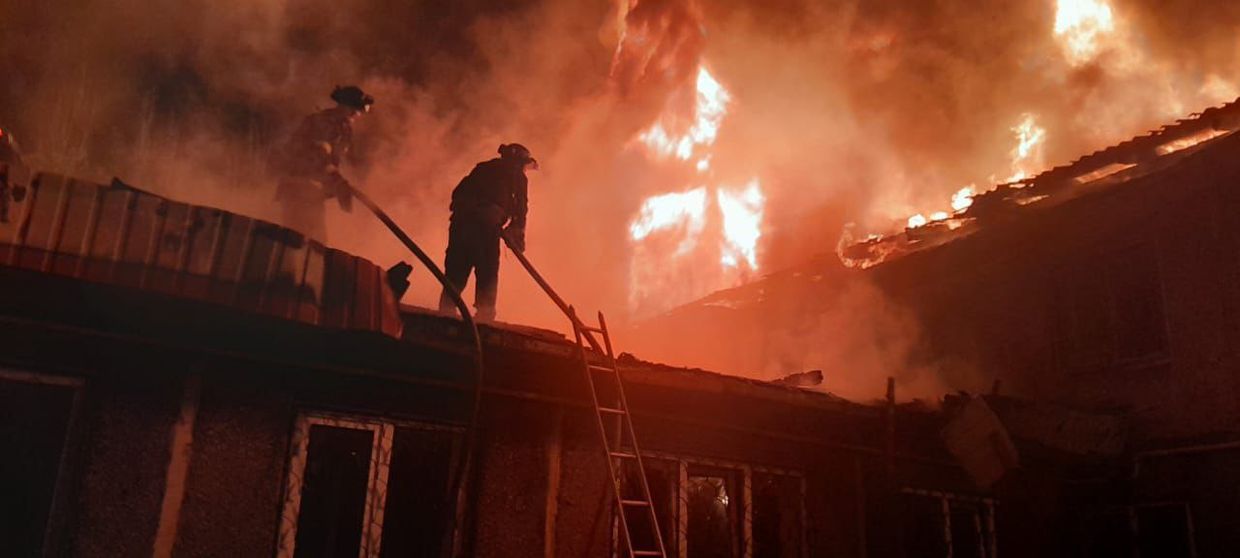
A Russian missile strike on the city of Samar in Ukraine's Dnipropetrovsk Oblast on June 27 killed five people and injured at least 25 others, Governor Serhii Lysak said.
In a statement posted to Telegram, Lysak said most of the injured were hospitalized. Four of the victims are in serious condition, while the others sustained moderate injuries. A fire broke out following the strike, and emergency services are continuing to work at the site.
"We're doing everything possible to assist those affected," Lysak said.
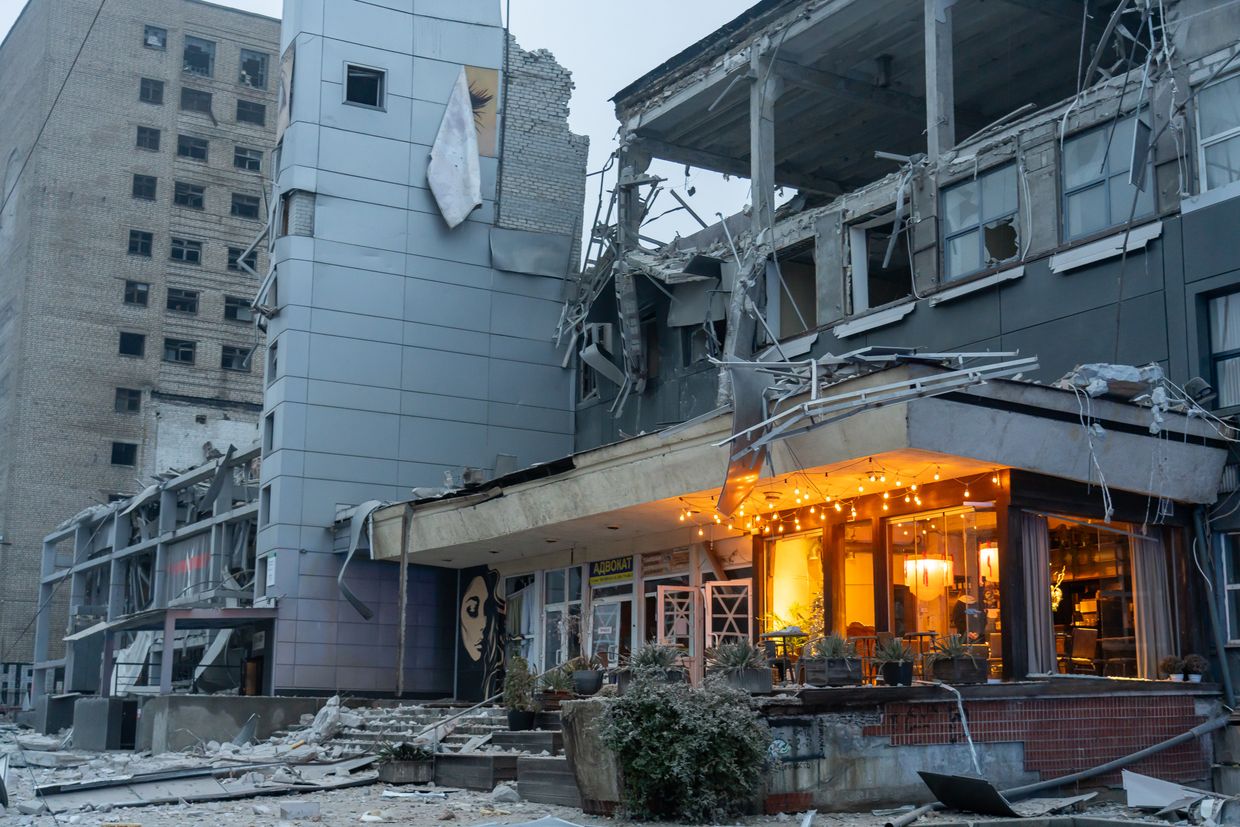
The attack comes just days after Russia launched one of the deadliest assaults on Dnipropetrovsk Oblast. On June 24, missiles struck multiple locations in the regional capital of Dnipro and in the oblast, killing at least 21 people and injuring over 300 others.
The strike hit civilian infrastructure, a dormitory, a gymnasium, and a train traveling from Odesa to Zaporizhzhia, as well as the nearby town of Samarske. Two people were killed and 14 others wounded there. At least 100 victims of the Dnipro attack remain hospitalized, Lysak said.
At least two civilians were killed and 13 were injured in Russian drone and missile attacks across Ukraine over the past day, local officials reported on June 27.According to Ukraine's Air Force, Ukrainian air defense intercepted 365 of 371 incoming Russian air weapons, including 363 Shahed-type drones, two Kinzhal ballistic missiles, and six Kalibr cruise missiles.In Kharkiv Oblast, Governor Oleh Syniehubov said one person was killed and four were wounded in Vovchanski Khutory and Pidlyman duri
At least two civilians were killed and 13 were injured in Russian drone and missile attacks across Ukraine over the past day, local officials reported on June 27.
According to Ukraine's Air Force, Ukrainian air defense intercepted 365 of 371 incoming Russian air weapons, including 363 Shahed-type drones, two Kinzhal ballistic missiles, and six Kalibr cruise missiles.
In Kharkiv Oblast, Governor Oleh Syniehubov said one person was killed and four were wounded in Vovchanski Khutory and Pidlyman during a Russian attack. Infrastructure damage included houses and an agricultural facility. The region also endured heavy shelling.
In Donetsk Oblast, Governor Vadym Filashkin reported one death, while three people were injured across Pokrovsk, Kramatorsk, and Bakhmut districts. Damage was observed to houses, a farm, administrative buildings, gas pipelines, and vehicles.
In Kherson Oblast, Governor Oleksandr Prokudin said four people were injured as Russian drones and artillery struck social and residential infrastructure. Seven apartment buildings and 25 houses were damaged, along with utilities and vehicles.
In Zaporizhzhia Oblast, Governor Ivan Fedorov said one person was injured when an air-dropped bomb hit a settlement in the Huliaipole district.
In Kyiv Oblast, a person was injured near Fastiv during an overnight drone and missile attack. One house was damaged each in Boryspil and Fastiv districts, while a tire repair shop and five cars were hit in Bila Tserkva. No critical infrastructure was reportedly affected, and air defense forces shot down Russian drones and missiles.
North Korea has already deployed around 11,000 elite troops to support Russia's war against Ukraine, accounting for more than 20% of North Korean leader Kim Jong Un's elite "personal reserve" force, Defense Minister Rustem Umerov said during a June 26 press briefing."These are soldiers specially selected based on physical, psychological, and other criteria," Umerov said. "These units have already suffered significant losses."Umerov said intelligence indicates North Korea had considered sending a
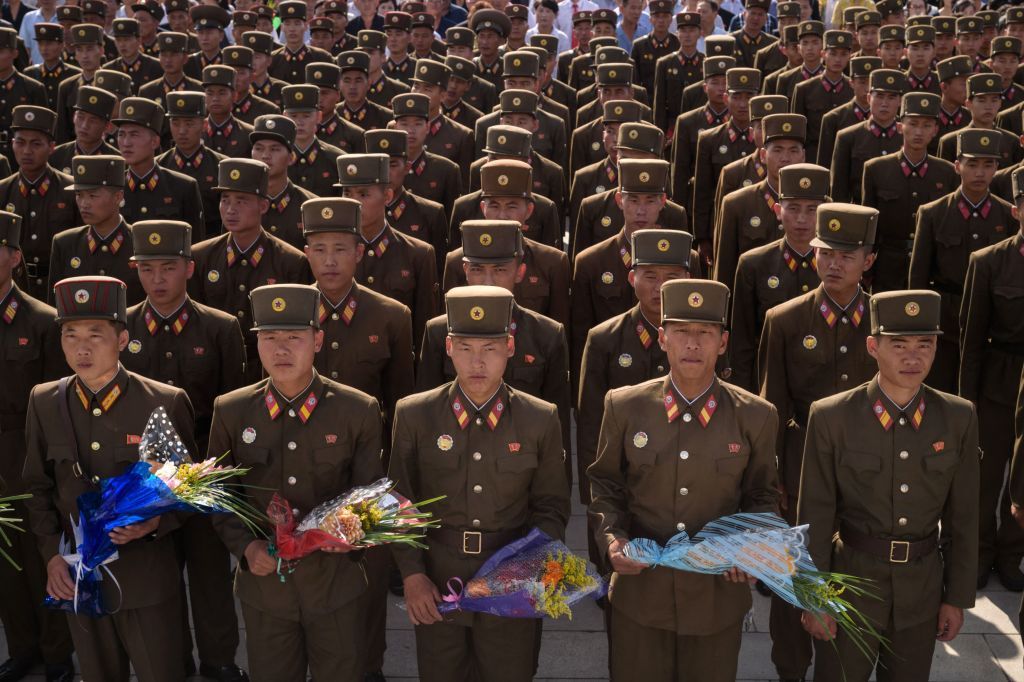
North Korea has already deployed around 11,000 elite troops to support Russia's war against Ukraine, accounting for more than 20% of North Korean leader Kim Jong Un's elite "personal reserve" force, Defense Minister Rustem Umerov said during a June 26 press briefing.
"These are soldiers specially selected based on physical, psychological, and other criteria," Umerov said. "These units have already suffered significant losses."
Umerov said intelligence indicates North Korea had considered sending additional forces to fight with Russia. However, according to Umerov, the move would further deplete its strategic reserves and increase risks to regime stability. There have been four known rotations of North Korean units deployed against Ukraine, according to Umerov.
According to a June 15 report from the United Kingdom's defense intelligence, North Korea has likely sustained more than 6,000 casualties in Russia since the deployment of troops to Kursk Oblast in fall 2024.
U.K. intelligence attributed the high casualty rate to large, highly attritional dismounted assaults.
Russia's growing military partnership with North Korea has raised concerns in Kyiv and among its allies. The two countries signed a Comprehensive Strategic Partnership Agreement in 2024. The treaty commits both countries to provide assistance if either is attacked.
Kim previously described the pact as having a "peaceful and defensive nature," framing it as a formal security guarantee between the longtime partners.
In practice, Umerov said, North Korea is bearing the military burden, while Russia has not upheld its reciprocal obligations, raising concerns within the North Korean regime.
"Russia's use of elite North Korean troops demonstrates not only a growing reliance on totalitarian regimes but also serious problems with its mobilization reserve," Umerov said. "Together with our partners, we are monitoring these threats and will respond accordingly."
Umerov added that Ukraine, working in coordination with its Western partners, is closely tracking the movement and deployment of North Korean units deployed to fight against Ukraine. He said Russia's dependence on foreign forces may signal critical shortages in its own recruitment and mobilization efforts.
According to South Korea's National Intelligence Service, North Korea is likely to send more troops to Russia over the summer. Pyongyang may also send up to 25,000 laborers to Russia to support drone production, according to the report.
The additional troop deployment would come on top of what Seoul estimates is already substantial support from North Korea, which includes the shipment of over 10 million artillery shells and ballistic missiles in exchange for economic and technical assistance from Moscow.
Ukraine's next goal in ongoing negotiations with Russia is to organize a direct meeting between President Volodymyr Zelensky and Russian President Vladimir Putin, Defense Minister Rustem Umerov said during a press briefing on June 26.Speaking to journalists in Kyiv, Umerov, who was part of Ukrainian peace talks delegation, outlined a multi-stage negotiation process that began in January with an initiative from U.S. President Donald Trump. Umerov stressed that Ukraine welcomed the idea of a cease
Ukraine's next goal in ongoing negotiations with Russia is to organize a direct meeting between President Volodymyr Zelensky and Russian President Vladimir Putin, Defense Minister Rustem Umerov said during a press briefing on June 26.
Speaking to journalists in Kyiv, Umerov, who was part of Ukrainian peace talks delegation, outlined a multi-stage negotiation process that began in January with an initiative from U.S. President Donald Trump. Umerov stressed that Ukraine welcomed the idea of a ceasefire from the outset and remains fully committed to a just peace.
"Ukraine has always remained consistent in its pursuit of peace," Umerov said. "We supported the U.S. initiative for a full ceasefire from the very beginning and demonstrated our commitment through multiple rounds of negotiations. But any dialogue must take place without ultimatums and with full respect for our country's sovereignty."
The talks unfolded in several rounds in Jeddah, Riyadh, Paris, London, and Istanbul. During the second round of negotiations in Riyadh, Ukraine communicated with Russia indirectly, through U.S. mediators. In Turkey, U.S. mediators were excluded from talks due to Russia's request, according to Umerov.
"President Zelensky's proposal to meet with Putin is aimed at showing Donald Trump that Moscow is not truly seeking peace," Mykola Kniazhytzkyi, a Ukrainian lawmaker from the European Solidarity party, told the Kyiv Independent.
"Its real goal is the destruction of Ukrainian statehood and the genocide of the Ukrainian people."
Oleksandr Merezhko, a lawmaker from Zelensky’s party and chair of the parliament's foreign affairs committee, called the proposal for a bilateral high-level meeting "an interesting political step." He said it is a logical move since "Putin decides everything in Russia."
However, the MP questioned the overall advisability of a direct meeting between Zelensky and Putin.
"It seems to me that it would be better to conduct such negotiations in a format involving not only Zelensky, but also the United States and the European Union," Merezhko said, adding that European leaders could help build a "balance of power," given the risk that the U.S. might potentially lean toward Russia.
He said that talks between the leaders should take place after the ceasefire, at least a temporary one, is in place.
"For them (Russia), negotiations are a tool of war. They have never conducted them in good faith and will never do this. In general, there is no need for negotiations, there is a need for pressure (from the West)," Merezhko said.
Umerov said Ukraine had accepted a U.S.-proposed full ceasefire across land, sea, and air in early March, but Russia has rejected the proposal.
While no agreement on a comprehensive ceasefire has been reached, talks have led to a few major prisoner exchanges, including a 1,000-for-1,000 swap that took place in late May and a follow-up deal for up to 1,200 prisoners from each side.
Umerov said the focus of recent negotiations has included humanitarian issues such as the release of civilians and children, as well as conditions for a meeting of Ukrainian and Russian leaders. He emphasized that the next stage must include top-level dialogue.
"After completing discussions on humanitarian issues, Ukraine plans to move forward to the topic of a leaders' summit for substantive dialogue," he said.
The latest peace talks between Russia and Ukraine took place on June 2 in Istanbul, following an earlier meeting on May 16. Both times, the Ukrainian delegation was led by Umerov. Despite Ukraine's insistence on a 30-day ceasefire, Russia proposed only a temporary 2–3-day truce in limited areas to retrieve the bodies of fallen soldiers. Umerov called this offer "insufficient" and accused Moscow of avoiding meaningful peace.
"Russia rejects even the very idea of stopping the killings," Umerov said following the June 2 talks. "That's why we appeal to the world: pressure is needed for real peace, not for an imitation of negotiations."
Zelensky has also criticized Moscow's limited ceasefire offers and called on Trump to follow through on promised sanctions if talks remain fruitless. Trump has repeatedly suggested that he is monitoring the peace process closely and warned that the U.S. response could change if Putin is not prepared to end the war.
No further U.S. sanctions were imposed after more than 100 days of Moscow's refusal to the proposed ceasefire.
A Chinese journalist was reportedly injured in a drone strike near Russia's border with Ukraine in Kursk Oblast, acting governor Alexander Khinshtein said on June 27.According to Khinshtein, 63-year-old reporter Lu Yuguang from the Chinese television network Phoenix TV was wounded in a Ukrainian drone strike on the village of Korenevo in Russia's Kursk Oblast. He sustained an open head injury and a contusion on the parietal region of his skull, but later declined hospitalization after being exam
A Chinese journalist was reportedly injured in a drone strike near Russia's border with Ukraine in Kursk Oblast, acting governor Alexander Khinshtein said on June 27.
According to Khinshtein, 63-year-old reporter Lu Yuguang from the Chinese television network Phoenix TV was wounded in a Ukrainian drone strike on the village of Korenevo in Russia's Kursk Oblast. He sustained an open head injury and a contusion on the parietal region of his skull, but later declined hospitalization after being examined at a regional hospital, Khinshtein wrote on Telegram.
"Fortunately, the journalist received skin wounds on the head. No other damage was found," the governor said, adding, "Please refrain from traveling to the border area, it can be dangerous."
If confirmed, this would be the first publicly reported case of a Chinese journalist being injured in Russia's Kursk Oblast as a result of cross-border drone strikes amid Moscow's full-scale war against Ukraine. The Kyiv Independent could not independently verify the claims.
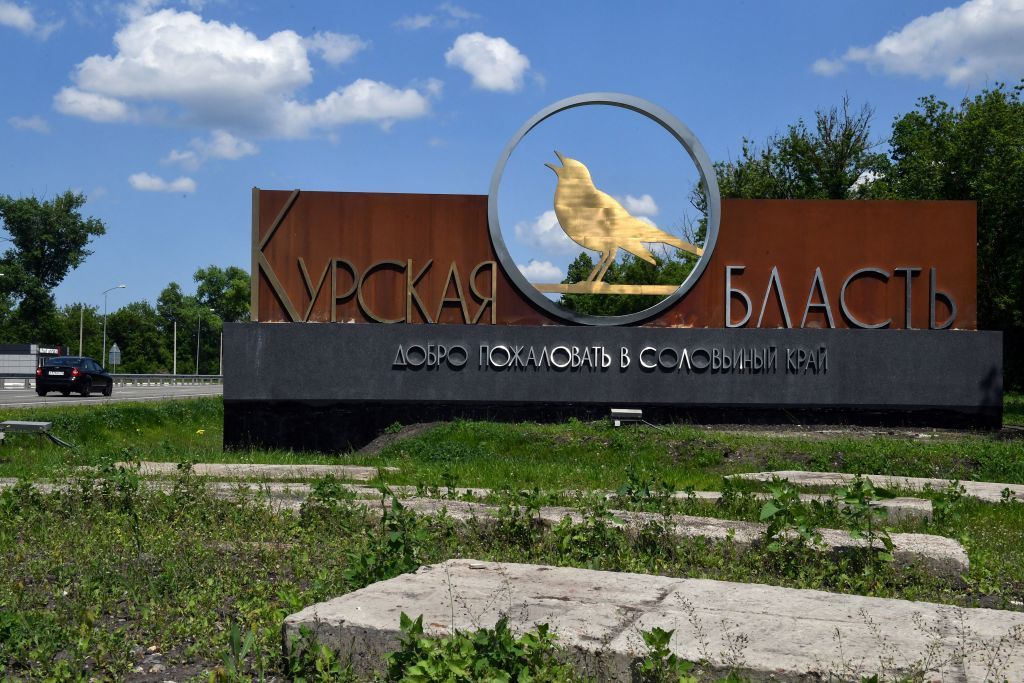
Ukrainian forces launched a cross-border incursion into Russia's Kursk Oblast in August 2024, marking the first large-scale invasion of Russian territory by foreign troops since World War II. The move was intended to disrupt a planned Russian offensive targeting Ukraine's Sumy Oblast and to relieve pressure on the Donetsk front.
Since then, Ukraine claims it has inflicted 63,402 Russian troop casualties in the oblast, including 25,625 killed and 971 captured. Ukrainian forces also say they have destroyed or damaged over 5,664 pieces of Russian military equipment in the area.
Russia retook most of the lost territory during a renewed offensive in March 2025, supported by North Korean troops.
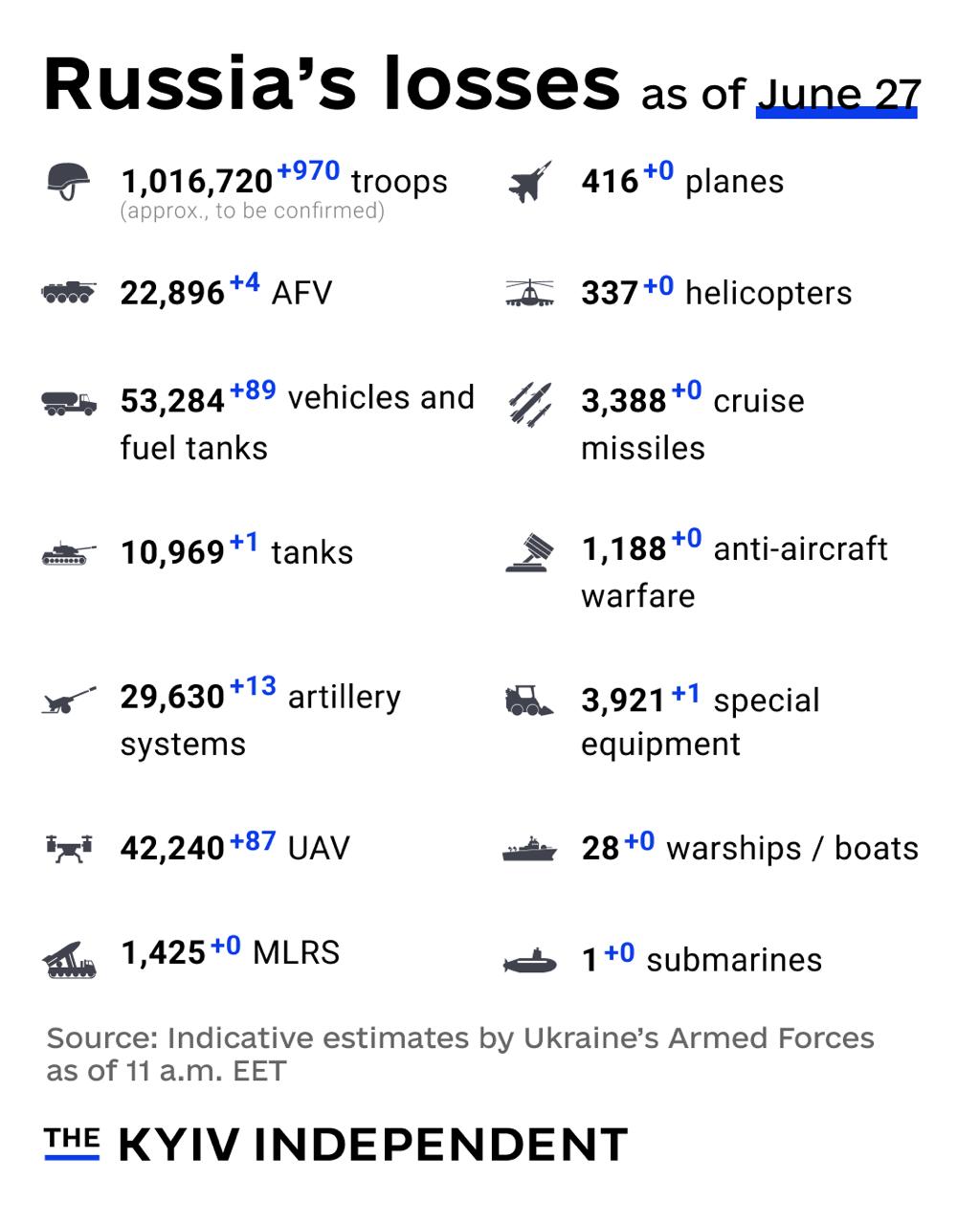
Russia has lost 1,016,720 troops in Ukraine since the beginning of its full-scale invasion on Feb. 24, 2022, the General Staff of Ukraine's Armed Forces reported on June 27.The number includes 970 casualties that Russian forces suffered just over the past day.These are the indicative estimates of Russia’s combat losses as of June 27, 2025, according to the Armed Forces of Ukraine.According to the report, Russia has also lost 10,969 tanks, 22,896 armored fighting vehicles, 53,284 vehicles and fue
Russia has lost 1,016,720 troops in Ukraine since the beginning of its full-scale invasion on Feb. 24, 2022, the General Staff of Ukraine's Armed Forces reported on June 27.
The number includes 970 casualties that Russian forces suffered just over the past day.
These are the indicative estimates of Russia’s combat losses as of June 27, 2025, according to the Armed Forces of Ukraine.
According to the report, Russia has also lost 10,969 tanks, 22,896 armored fighting vehicles, 53,284 vehicles and fuel tanks, 29,630 artillery systems, 1,425 multiple launch rocket systems, 1,188 air defense systems, 416 airplanes, 337 helicopters, 42,240 drones, 3,388 cruise missiles, 28 ships and boats, and one submarine.
Short-range drone attacks have become one of the deadliest threats to civilians in Ukraine’s front-line regions, killing at least 395 people and injuring 2,635 between February 2022 and April 2025, according to a new bulletin by the UN Human Rights Monitoring Mission in Ukraine. The report, "Deadly Drones: Civilians at Risk from Short-Range Drones in Frontline Areas of Ukraine," highlights the growing use of first-person-view (FPV) drones by Russian forces and their devastating impact on the civ
Short-range drone attacks have become one of the deadliest threats to civilians in Ukraine’s front-line regions, killing at least 395 people and injuring 2,635 between February 2022 and April 2025, according to a new bulletin by the UN Human Rights Monitoring Mission in Ukraine.
The report, "Deadly Drones: Civilians at Risk from Short-Range Drones in Frontline Areas of Ukraine," highlights the growing use of first-person-view (FPV) drones by Russian forces and their devastating impact on the civilian population.
The bulletin documents attacks in which drone operators deliberately targeted civilians engaging in daily activities — driving private cars, riding bicycles, walking outdoors, or evacuating others in clearly marked ambulances.
"Although individually less destructive than artillery or missiles, the sheer scale and increasing frequency of short-range drone attacks have made them one of the deadliest weapons in Ukraine," said Danielle Bell, head of the mission. "Over 3,000 civilian casualties — and the relentless frequency of these attacks — have not only caused immense human suffering but also instilled fear, severely disrupted daily life, and crippled access to essential services in several frontline communities."
The monitoring mission documented, verified, and analyzed 3,030 civilian casualties resulting from short-range drones between 24 February 2022 and 30 April 2025. The researchers conducted site visits to very high-risk areas, including the southern city of Kherson, Zolochiv in Kharkiv Oblast, and other front-line locations. Investigators interviewed survivors and witnesses of drone attacks, medical personnel, and humanitarian workers to assess the full impact of these strikes on civilian life.
Ukraine's Kherson Oblast (Nizar al-Rifai/The Kyiv Independent)
Casualties surged in late 2023 and early 2024, with numbers suddenly doubling in July 2024. April 2025 marked the deadliest month on record, with 42 civilians killed and 283 injured. Drone strikes continued into May and June.
On 23 June, a 65-year-old driver was killed in Kostiantynivka, Donetsk Oblast, when a drone struck a minibus. In Kharkiv region, a 58-year-old volunteer was killed on 22 May when a drone dropped a munition on a residential balcony. On 20 May, six civilians were injured when a drone hit a bus in Kherson Oblast.
The vast majority of casualties — 89% — occurred in territory controlled by the Ukrainian government. The UN says these attacks violate international humanitarian law, particularly the principles of distinction and precaution, and may in some cases constitute war crimes.

 Connexion
 The Kyiv IndependentThe Kyiv Independent news desk