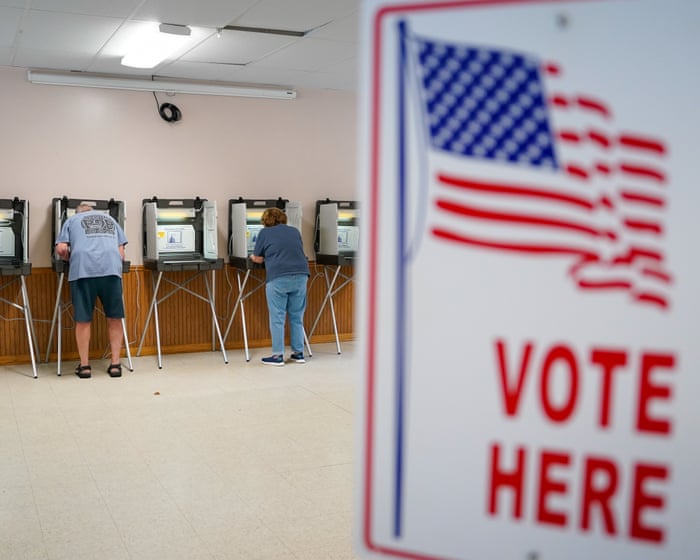
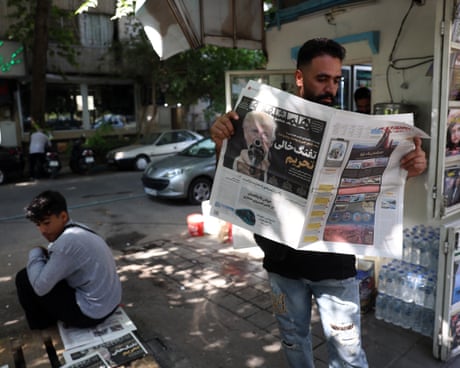
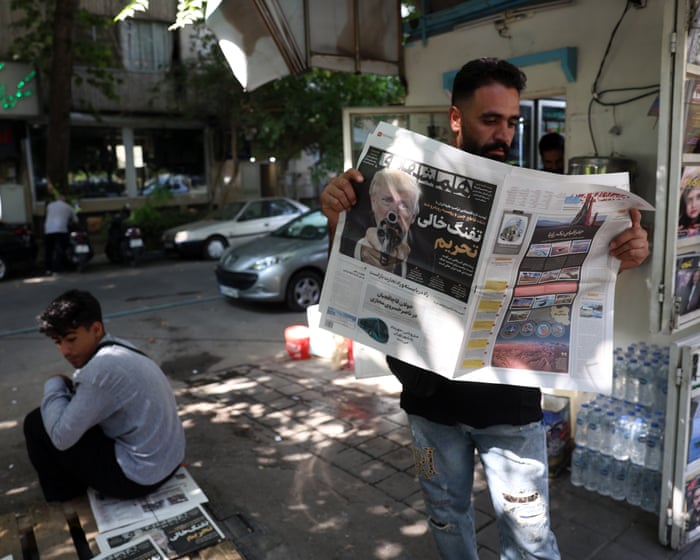
The Trump administration has deported thousands of immigrants to countries where they have no ties. Dozens were on the latest flight, to the Central African Republic.
The Trump administration has deported thousands of immigrants to countries where they have no ties. Dozens were on the latest flight, to the Central African Republic.
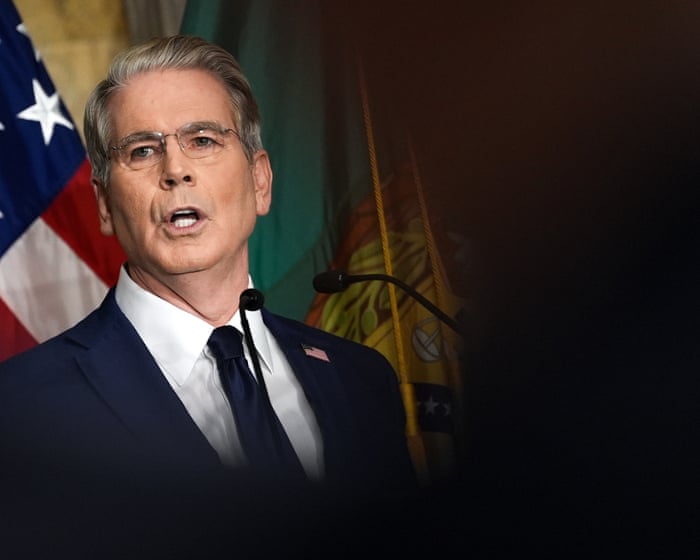
There’s little optimism about treasury secretary’s ability to handle Trump’s tariffs, Iran sanctions and colossal US debtHistory remembers Gen Dwight Eisenhower, the supreme commander of the allied forces in Europe during the second world war, for his role in the D-day invasion of Normandy. Whether Scott Bessent will achieve similar posterity as the face of the “economic D-day” in Iran remains to be seen.The US treasury secretary, already trying to manage a $40tn national debt pile, this week to
There’s little optimism about treasury secretary’s ability to handle Trump’s tariffs, Iran sanctions and colossal US debt
History remembers Gen Dwight Eisenhower, the supreme commander of the allied forces in Europe during the second world war, for his role in the D-day invasion of Normandy. Whether Scott Bessent will achieve similar posterity as the face of the “economic D-day” in Iran remains to be seen.
The US treasury secretary, already trying to manage a $40tn national debt pile, this week took charge of Donald Trump’s effort to reverse-engineer his war of choice. Whereas the US would typically take on an adversary with diplomacy, sanctions and military force, in that order, the US president started with a six-month bombing campaign and now hopes that economic isolation can finish the job.
President Recep Tayyip Erdogan in Ankara, Turkey, this year. Analysts and officials fear the growing rivalry between Turkey and Israel could exacerbate volatility in the Middle East.
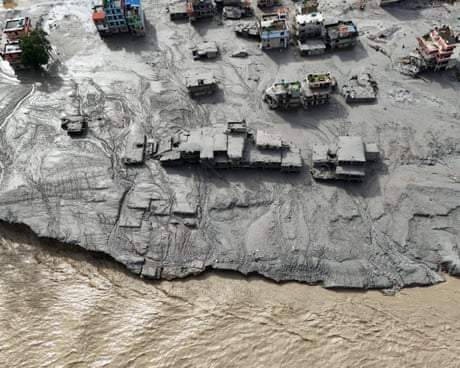
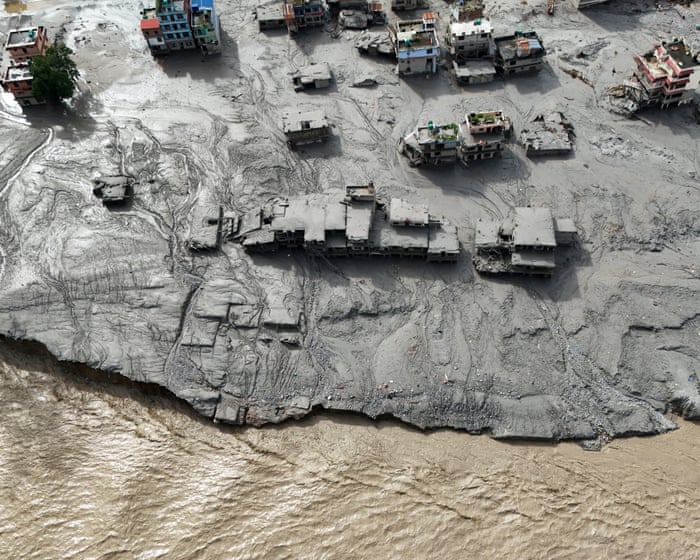
The Nepal-Tibet flood disaster, Russian strikes in Kyiv, Israeli settlers in the West Bank and tributes to Dolly Parton – the past seven days as captured by the world’s leading photojournalists Continue reading...
President denies visit was to gain support for Iran sanctions or due to fears that Putin plans to ‘test Nato resolve’US politics live – latest updatesDonald Trump has downplayed a visit to Moscow by the CIA director, John Ratcliffe, as “semi-routine” after he turned up in the Russian capital unannounced, triggering a wave of speculation about the reasons for his trip.Ratcliffe was reported to have flown to Moscow on a government transport plane on Tuesday in a rare visit after taking off from th
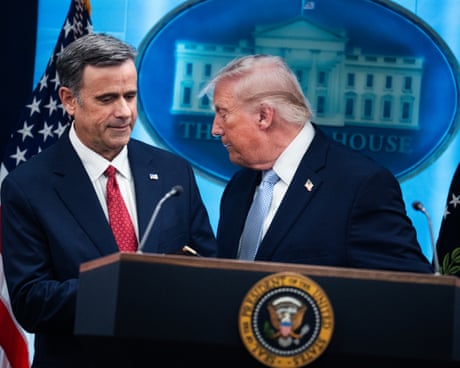
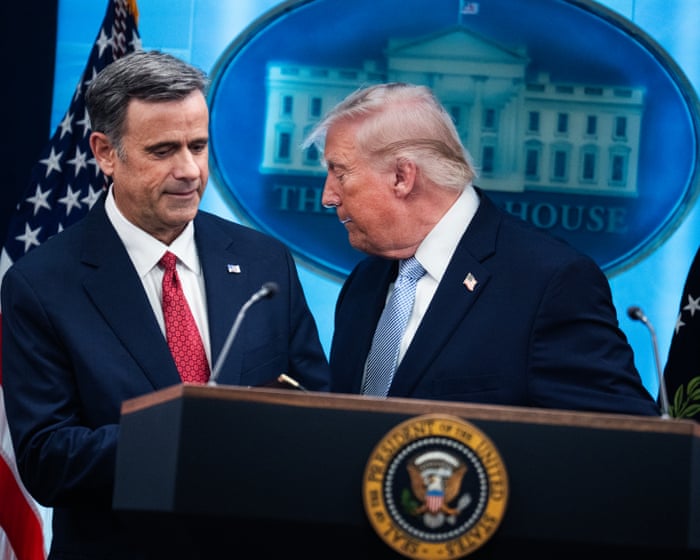
Donald Trump has downplayed a visit to Moscow by the CIA director, John Ratcliffe, as “semi-routine” after he turned up in the Russian capital unannounced, triggering a wave of speculation about the reasons for his trip.
Ratcliffe was reported to have flown to Moscow on a government transport plane on Tuesday in a rare visit after taking off from the Andrews air force base in Maryland.
Everyone can see that the Iran war has been a strategic disaster for the US, while a failing president pretends he is winningNow is the twilight of Donald Trump’s supremacy. The US is still the richest and most heavily armed nation on Earth. That status is secure. The current president, contemptuous of law and indulged in lawlessness by a supine Congress, enjoys even greater power than the constitution allows.With those advantages it takes a special talent for incompetence to look as thwarted an
Everyone can see that the Iran war has been a strategic disaster for the US, while a failing president pretends he is winning
Now is the twilight of Donald Trump’s supremacy. The US is still the richest and most heavily armed nation on Earth. That status is secure. The current president, contemptuous of law and indulged in lawlessness by a supine Congress, enjoys even greater power than the constitution allows.
With those advantages it takes a special talent for incompetence to look as thwarted and impotent as Trump does with more than two years of his second term still to run.
Exclusive: internal correspondence reveals USCIS anti-fraud officers shifted on to two ‘high-priority’ initiativesAll US immigration officers working for a key anti-fraud unit have been reassigned by the Trump administration to focus on screening South African refugees and alleged “unlawful” voters.Fraud Detection and National Security Directorate (FDNS) immigration officers have been shifted full-time on to two “high-priority” initiatives, according to internal correspondence seen by the Guardi
Exclusive: internal correspondence reveals USCIS anti-fraud officers shifted on to two ‘high-priority’ initiatives
All US immigration officers working for a key anti-fraud unit have been reassigned by the Trump administration to focus on screening South African refugees and alleged “unlawful” voters.
Fraud Detection and National Security Directorate (FDNS) immigration officers have been shifted full-time on to two “high-priority” initiatives, according to internal correspondence seen by the Guardian, leaving US Citizenship and Immigration Services (USCIS) unable to provide officers to train asylum officers in “the near future”.
Abbas Araghchi says country is unbowed but president Masoud Pezeshkian admits its people face ‘many problems’Iran’s foreign minister has dismissed the threat of a fresh round of US economic sanctions as a “desperate” ploy, even as its president acknowledged that the Iranian people are facing “many problems” amid Washington’s efforts to isolate and debilitate the country’s economy.Last week, Donald Trump announced a new campaign to increase the pressure on the Iranian economy, calling it “the mos
Abbas Araghchi says country is unbowed but president Masoud Pezeshkian admits its people face ‘many problems’
Iran’s foreign minister has dismissed the threat of a fresh round of US economic sanctions as a “desperate” ploy, even as its president acknowledged that the Iranian people are facing “many problems” amid Washington’s efforts to isolate and debilitate the country’s economy.
Last week, Donald Trump announced a new campaign to increase the pressure on the Iranian economy, calling it “the most crushing economic operation ever taken against any country”. The US Treasury secretary, Scott Bessent, is expected to announce further punitive economic measures on Iran – which he has described as “the toughest sanctions in history” – on Monday.
At least five of the people flown to Liberia under the Trump administration’s third-country deportation program resisted leaving the plane. They were then flown to Equatorial Guinea.
At least five of the people flown to Liberia under the Trump administration’s third-country deportation program resisted leaving the plane. They were then flown to Equatorial Guinea.
While the government says it is preventing an insurrection, activists and international observers have raised fears about arbitrary arrests and electoral fraud.
While the government says it is preventing an insurrection, activists and international observers have raised fears about arbitrary arrests and electoral fraud.
Zambian police officers watched as supporters of President-elect Hakainde Hichilema celebrated his victory in the street in the capital, Lusaka, on Tuesday.
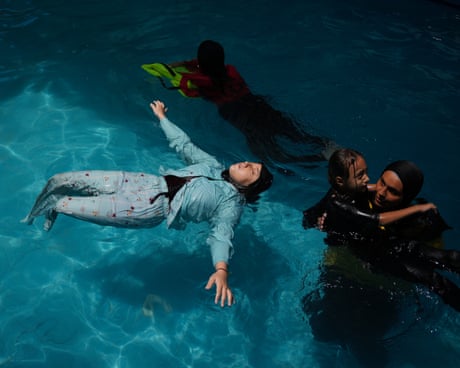
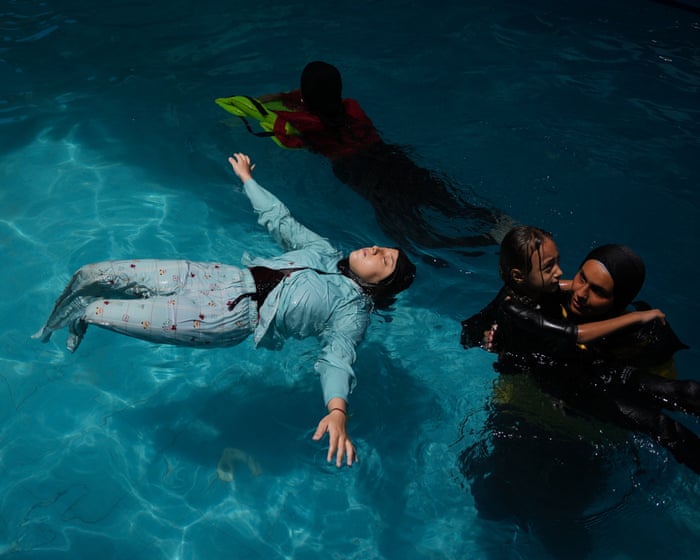
Wildfires in Europe, Russian strikes in Kyiv, the Meta trial and swimming in Gaza – the past seven days as captured by the world’s leading photojournalists Continue reading...
While Customs and Border Protection said it intercepted more than half a ton of the controlled substance, experts say far more of the East African plant makes it into the country.
While Customs and Border Protection said it intercepted more than half a ton of the controlled substance, experts say far more of the East African plant makes it into the country.
The five men were part of the first group of deportees to be sent to the West African nation by the Trump administration. The Liberian government has not clarified their status.
The five men were part of the first group of deportees to be sent to the West African nation by the Trump administration. The Liberian government has not clarified their status.
Monrovia, the capital of Liberia. The U.S. deportation deal with Liberia is one of the largest so-called third-country deportation agreements struck by the Trump administration so far.
Africans have turned to one of their own for fuel as the world’s supplies run low. But they are not the only ones with the continent’s richest man on speed dial.
Africans have turned to one of their own for fuel as the world’s supplies run low. But they are not the only ones with the continent’s richest man on speed dial.
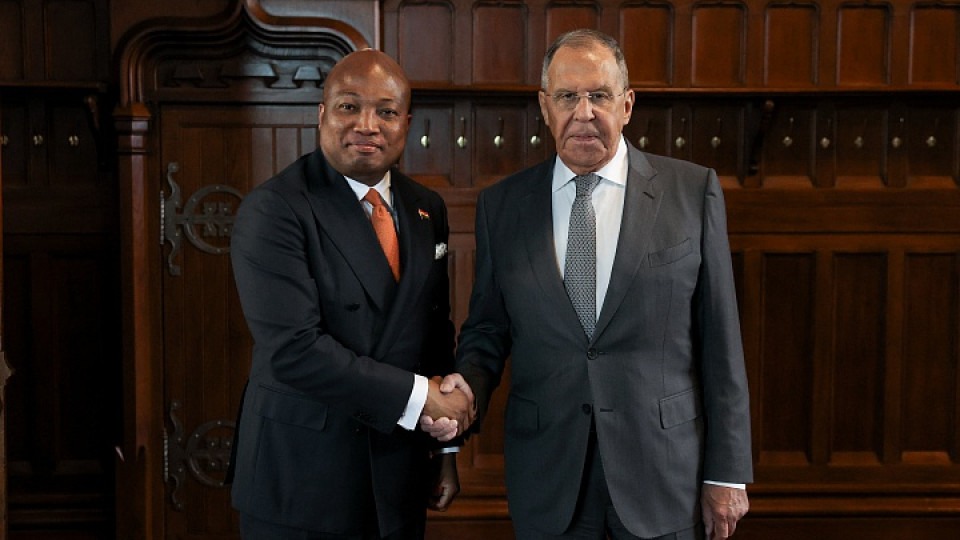
Ghana has publicly demanded that Russia halt the recruitment of its citizens to fight in the war against Ukraine, following 17 August talks between the two countries' foreign ministers in Moscow, The Moscow Times reported. Ghana's top diplomat said Moscow agreed to work on the matter, while Russia confirmed that Ghanaians had signed military contracts but defended the practice.
The move places Ghana on a growing list of governments across Africa and beyond that accuse
Ghana has publicly demanded that Russia halt the recruitment of its citizens to fight in the war against Ukraine, following 17 August talks between the two countries' foreign ministers in Moscow, The Moscow Times reported. Ghana's top diplomat said Moscow agreed to work on the matter, while Russia confirmed that Ghanaians had signed military contracts but defended the practice.
The move places Ghana on a growing list of governments across Africa and beyond that accuse Russia of channeling their nationals to the front. Russia's mounting manpower needs have pushed its recruiters deep into the Global South, and Ukraine has documented fighters drawn from dozens of nations — its ombudsman says captured recruits alone come from 51 countries.
Ghana brings its dead and missing to the table
Ghanaian Foreign Minister Samuel Okudzeto Ablakwa accused Russia of the "illegal recruitment" of Ghanaians for the war on Ukraine. After the Moscow talks, he said his Russian counterpart, Sergei Lavrov, agreed to work toward resolving the issue, according to Interfax Russia. Ablakwa reported that 62 of his compatriots had died in Ukraine, with a further 15 listed as missing, Bloomberg reported.
Russia confirms the contracts, then justifies them
Lavrov confirmed that Ghanaian citizens had signed contracts with Russia's Defense Ministry. He claimed the Ghanaians had signed out of solidarity with a country that had helped Africa fight racism and for financial reasons. He stated that Moscow had received similar appeals from other countries, and that a dedicated Defense Ministry structure reviews such cases and would examine the additional requests raised by the Ghanaian side.
Explore further
Fighters from 51 countries now held in Ukraine after fighting for Russia, ombudsman says
A pattern stretching across two continents
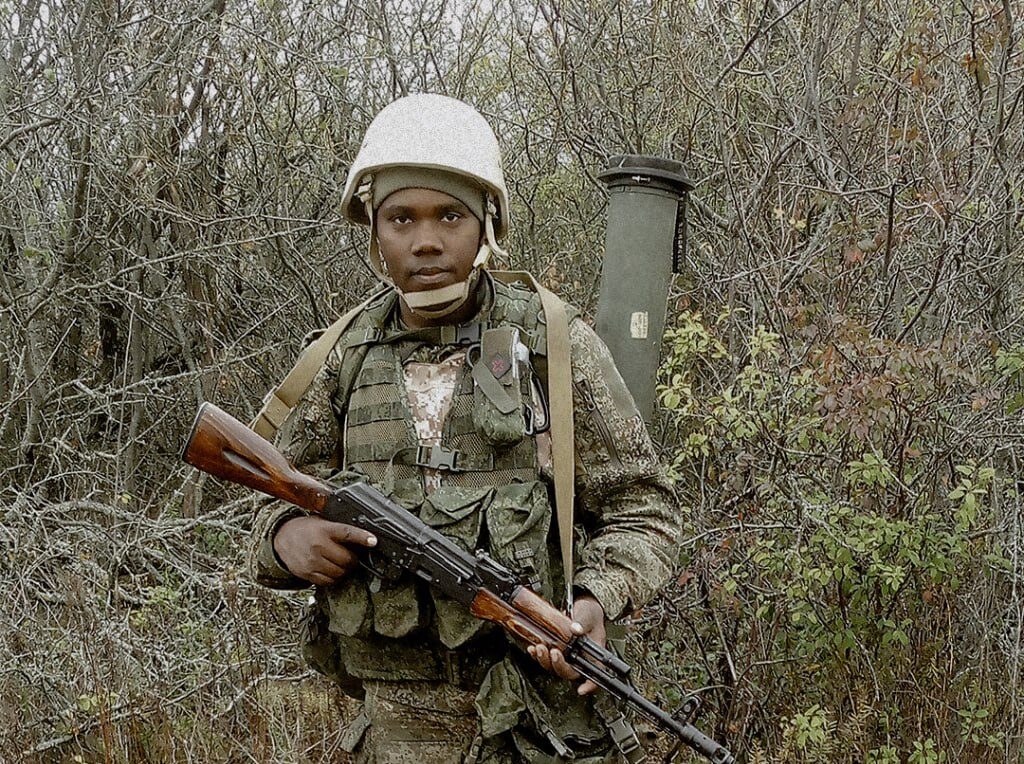
The recruitment of African nationals to reinforce Russian forces has alarmed governments across the region. Kenya and South Africa had already pressed Moscow with similar demands. In February, Kenyan intelligence said Russia had deceptively lured more than 1,000 Kenyans into the war, many of them promised jobs as truck drivers or security guards.
In December 2025, South Africa detained five people suspected of recruiting mercenaries for the Russian army. Last fall, Duduzile Zuma-Sambudla, daughter of former South African President Jacob Zuma, was reportedly involved, convincing 20 young men they were traveling to Russia for bodyguard training to later work in her father's party. Botswana in July reported the deceptive recruitment of its citizens, saying the number of victims was "growing at an alarming rate," and Panama later leveled similar accusations. Russia's Foreign Ministry claimed the signed contracts were voluntary.
Explore further
Over 1,000 Kenyans lured into Russia’s war in Ukraine, 50+ Ghanaians killed there — three governments confirmed it, none confronted Moscow
Ghana's confrontation echoes earlier ones
Ukrainian officials say the death toll among African recruits has climbed into the hundreds, turning what Moscow frames as voluntary service into what several governments describe as trafficking.
In March, three governments had already confirmed their citizens were being lured to the war, including more than 1,000 Kenyans and over 50 Ghanaians killed. Kenya said the same month that Russia had agreed to stop using its recruits, though families of the missing were still waiting.
A European Parliament resolution has separately accused Russia of stripping African recruits of their documents and sending them to the Ukrainian front.
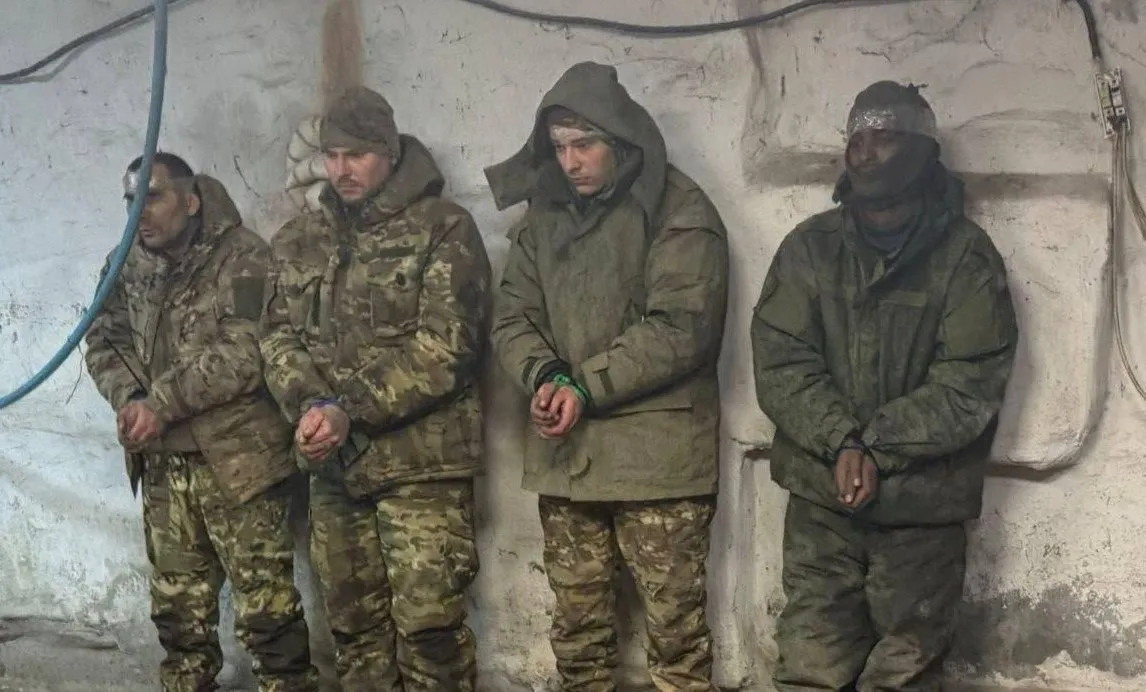
486 Africans recruited into Russia’s armed forces are dead, while Ukraine is holding 35 citizens from 17 African countries as prisoners of war, Ukraine’s Ministry of Foreign Affairs (MFA) told Ukrainian public broadcaster Suspilne in findings published on 16 August 2026. Its overall tally rose only slightly from May, climbing from 2,965 recruits from 36 countries to at least 2,982 from 37.
Russia’s recruitment in Africa is part of a broader effort to enlist foreigners f
486 Africans recruited into Russia’s armed forces are dead, while Ukraine is holding 35 citizens from 17 African countries as prisoners of war, Ukraine’s Ministry of Foreign Affairs (MFA) told Ukrainian public broadcaster Suspilne in findings published on 16 August 2026. Its overall tally rose only slightly from May, climbing from 2,965 recruits from 36 countries to at least 2,982 from 37.
Russia’s recruitment in Africa is part of a broader effort to enlist foreigners for its war. A joint human-rights investigation found that Russia had recruited at least 27,000 people from more than 130 countries since 2022. The system helps Moscow replenish its forces while shifting battlefield risk onto foreigners, many of whom are drawn in by financial pressure, deception, or coercion.
The largest groups of recruits came from Kenya, Egypt, Cameroon, Ghana, Nigeria, Uganda, Algeria, and Mali, the ministry told Suspilne.
Russia’s wider recruitment pipeline in Africa
Russian security services use a “broad arsenal of manipulative methods,” the Ukrainian MFA said. Recruiters promise civilian jobs, education, high salaries, Russian citizenship, or migration benefits. In many cases, foreigners must sign Russian-language military contracts under threat of deportation or imprisonment.
The FIDH–Truth Hounds–KIBHR report found recruiters using social media and intermediaries to advertise civilian jobs. Of 16 foreign POWs interviewed, 13 said they had been promised they would not fight. Most reached combat positions within weeks.
The human toll on African recruits
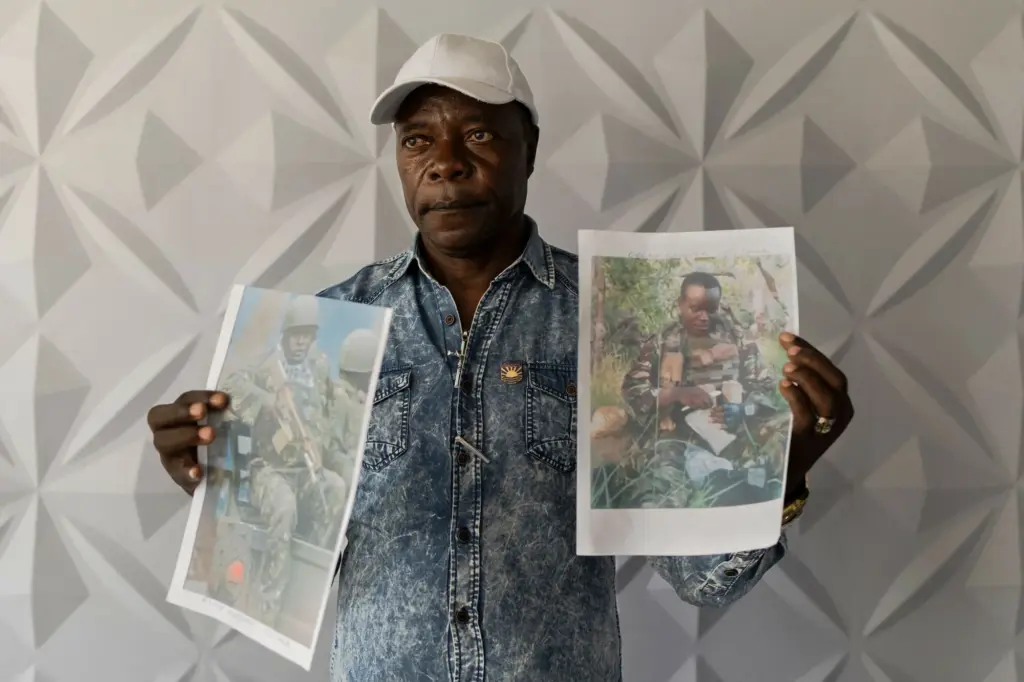
Kenyan engineer Francis told journalist Dmytro Karpenko, who interviews prisoners captured while fighting for Russia, that he thought he had accepted a security job. In Russia, he received a military uniform instead. After two weeks of training, he reached the front and was captured.
Ukraine’s response to Russia's recruitment campaign
Ukraine’s diplomatic missions regularly inform African officials about the recruitment of their citizens and run awareness campaigns, according to the ministry.
The MFA and Ukraine’s POW Coordination Headquarters also launched Stop Russian Recruiters, a website that explains recruitment methods, shares victims’ accounts, advises people at risk and their families, and accepts reports about recruiters.
Immigrants have long eased labor shortages on farms and factories in Italy. But churches also need foreign-born priests, like the Rev. Vincent Souly of the Ivory Coast.
Immigrants have long eased labor shortages on farms and factories in Italy. But churches also need foreign-born priests, like the Rev. Vincent Souly of the Ivory Coast.
Women gathering for a hot meal in al-Rahmaniyah camp for displaced people near the city of El-Obeid in the southern Kordofan region of Sudan last month.
A ride from Tangier, the largest city in northern Morocco to the Spanish enclave of Ceuta takes less than two hours. The border crossing has its own, sleepier rhythm, quite different from the tourist-driven bustle of Tangier. In Ceuta, traders run their errands, Morocco-based expats make visa runs and Spanish people catch ferries to the mainland. On most days, the border crossing seems almost ordinary. The fences, though menacing and topped with razor wire, are less imposing up close and officer
A ride from Tangier, the largest city in northern Morocco to the Spanish enclave of Ceuta takes less than two hours. The border crossing has its own, sleepier rhythm, quite different from the tourist-driven bustle of Tangier. In Ceuta, traders run their errands, Morocco-based expats make visa runs and Spanish people catch ferries to the mainland. On most days, the border crossing seems almost ordinary. The fences, though menacing and topped with razor wire, are less imposing up close and officers make small talk with the expats waiting to get their visas stamped.
Then there are those days when the routine collapses and Ceuta becomes the center of Europe’s migration debate.
The territory is a geographic and political paradox. Despite falling under Spain’s — and the European Union’s — jurisdiction, it sits on the northern edge of Africa, surrounded by Morocco and separated from the Spanish mainland by the Strait of Gibraltar. It is an entry point to Europe, yet not fully part of the Schengen zone, requiring additional immigration checks for travelers crossing to the mainland.
When more than 60,000 people — mostly Moroccan men and teenagers — rushed into Ceuta (almost doubling the coastal city’s population), the images reverberated across Europe. There seemed to be no dramatic buildup to the incident, nor any obvious explanation why thousands of people chose that day to make their way to Spain.
Europe’s far-right politicians seized the narrative, portraying the influx as an imminent invasion, warning that the men were on their way to “Calais” and “Germany.” Italy temporarily suspended the Schengen free movement regime with Spain, meaning travellers arriving by sea and air would now be subject to border checks. Spain threatened to take “proportional measures” in response and did so at midnight on August 8, when it imposed similar checks for visitors from Italy.
The standoff between European governments — led by socialist Pedro Sánchez in Spain and conservative Giorgia Meloni in Italy — is not simply a test for European border security. Instead, what transpired in Ceuta poses bigger questions about the shifting nature of state sovereignty itself: How are we to understand borders, if they’re shaped by forces beyond the state’s reach?
Borders are not just lines separating geographic entities. They are systems built on surveillance, diplomatic bargains and digital networks. Ceuta is the place where all three converge. Its borders, already protected by the sea, have been fortified with steel, outsourced through diplomacy and tested by coordinated rumors.
Steel
The crossings into the enclave are blocked by a multi-layered barrier of fences and wire. Morocco administers a fence separating it from the neutral area between the two countries. Two fences on the Spanish-controlled territory follow, creating an enclosure monitored by the Spanish Civil Guard. The physical infrastructure is reinforced with motion sensors, thermal and CCTV cameras, maritime communication systems and facial recognition technology.
Even the sea has now been incorporated into the border system. Just three days after the Ceuta border chaos, Spanish authorities installed a 500-metre floating barrier and anchored naval buoys to create another monitored enclosure.
The EU has funded most of the fortifications. The Border Violence Monitoring Network’s report says that since the construction of Ceuta’s border barrier in the 1990s, the EU has spent tens of millions of dollars to make the Spanish-Moroccan frontier more secure, technologically up-to-date and heavily surveilled. With the recent mass crossing, Spain will now receive additional emergency financial aid.
Yet, the architecture of physical surveillance, built and re-built with European money for decades, cannot prevent the human cost of attempting to cross a border. In Ceuta alone, at least 100 people died according to local authorities. “The rationale behind increasing surveillance is that you'll be able to save lives and smash the [people trafficking] gangs, right?” asked Nathan Akehurst, who has written about Ceuta’s border for Jacobin. “Where was that in this case?”
Diplomacy
Akehurst’s question touches upon the human-centered rationale for heavy border surveillance. But there is also a political one. It is not only Spain, as a EU member, that receives funds to manage migration. Morocco has received €427 million since 2015, for migration-related expenses, including technology and training. That’s part of Europe’s wider strategy of border externalization, a practice where Europe moves border control beyond its own territory.
The practice has been around for decades, but went into overdrive after 2015, when approximately 1.3 million people, mostly from Syria, came to the continent seeking asylum. Many of them reached Europe through Turkey, prompting the EU to strike a deal with Ankara: €6 billion in funds, visa liberalization and EU-ascension negotiations in exchange for stricter border controls and curbing irregular arrivals to Greece. The EU also agreed to resettle within Europe one Syrian from Turkey for every Syrian returned to Turkey from Greece. But by 2020, when the EU failed to resettle Syrians, Turkey’s president Recep Tayyip Erdoğan declared he would no longer prevent migrants from crossing Turkey en route to the EU.
“Border externalization is basically paying other countries, but also subjecting them, through a carrot and stick approach, to performing functions that are usually performed by a state itself at their borders,” explained Josephine Solanki from the Transnational Institute, an Amsterdam-based think tank. It leaves space for leaders like Erdoğan, Solanki added, to bargain for influence by turning migrants “into political leverage.”
The cost of outsourcing borders is not just material. It is measured in control that Europe cedes to the foreign governments it relies on for migration policy enforcement.
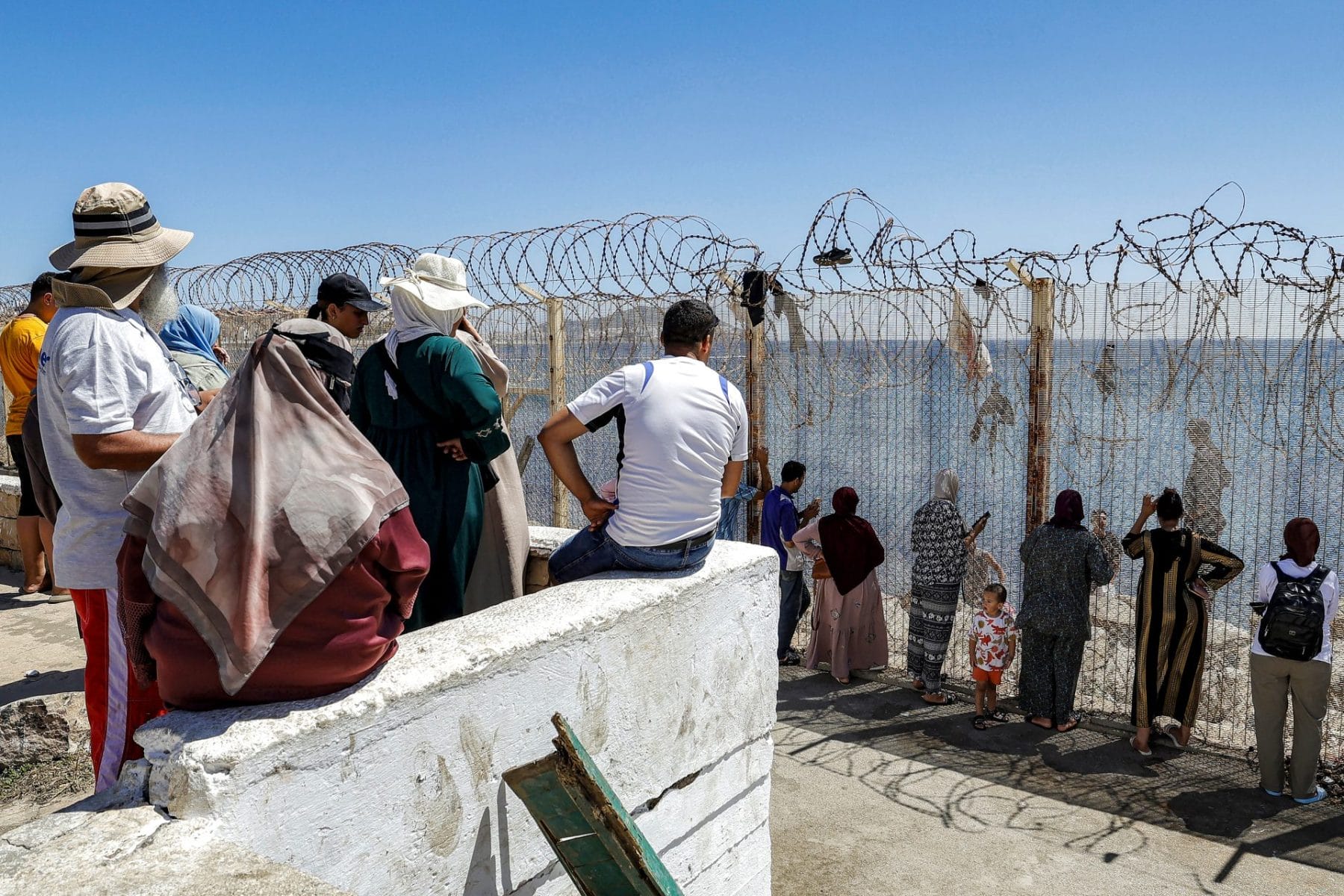
Relatives and friends waited by a fence topped with barbed-wire for the return of people who had previously crossed into Ceuta. Spanish authorities claim to have sent almost everyone back to Morocco. Abdel Majid BZIOUAT / AFP
In Ceuta, migrants claimed local authorities did not stop them from crossing the border. A young Moroccan man told the New York Times a day after the event: “They opened the border and let everyone go by.”
Border outsourcing agreements were made, among others, with authoritarian regimes in Tunisia, Egypt and Libya, where EU funds were used to detain migrants and quell domestic protests, rights organizations say. Alliances with “deeply unreliable and authoritarian actors” in the name of stability, said Nathan Akehurst, “is short-termist, insane and loses Europe any credibility it has left.” These alliances also allow Europe to “shift the blame to the Moroccans, the Eastern Libyans, the Turkish or whoever decides to take advantage of that moment.”
Rumors
It is yet to be revealed who, if anyone, has taken advantage of the mass crossing into Ceuta. Local and international media have uncovered now-deleted posts that shared tips on routes and equipment for the journey. One of the main networks was called Hrig Sebta network — “Sebta” being the Arabic name of Ceuta and “hrig” being the Maghrebi term for undocumented migrants, literally referencing the burning of identity papers.
In the wake of Ceuta, European ministers pledged to tackle online misinformation to avoid migration crises, but remained cautious when asked about thousands of posts reportedly linked to Russia. Other theories attributed the crossing to Morocco’s tensions with Spain over its closer ties with Algeria, or to Spain’s position on Palestine.
But those rumors, and what appears to be a weeks-long coordinated online campaign behind them, reveal something deeply human that fences can’t deter: movement that is spurred by hopes for a better life.
“[The crossing] would have happened anyway at some point,“ Akehurst argues. “There would have been a crossing because all of the circumstances that generate that are already there before someone with a twitter account throws a match on the fire.”
Yet, let’s pause at the match. It’s not about someone with a social media profile creating chain messages. It is about the ecosystem that can jeopardize borders by creating information flows, turning rumors into perceived opportunities.
Moroccan newspaper TeleQuel already published a report about social media posts amplifying the next hrig — another attempted crossing into Ceuta — on August 15.
When packaged to a hungry audience, rumors carry the currency of truth. They’ve driven migration long before social media was even conceptualized. Now those rumors speed through digital space owned and operated by private companies not prone to accountability and sitting well outside the reach of any single state.
And the EU has understood that for years. “It is necessary to structure the information space, as we have organized in the past the territorial space, the maritime space and the air space,” Thierry Breton, the European Commissioner for Internal Market of the EU said back in 2018. He warned about Big Tech companies treating digital space as a no-man’s-land that they would write rules for.
The no man’s land between Morocco and Spain appears calmer now. But the turmoil of the crossing revealed a new, digital dimension to border governance. Information has always found a way to spread; digital platforms have given it new channels: ones which allow those behind the information to remain faceless, while the information itself passes from screen to screen. It reaches a boiling point, spills over from the digital space and then can be disappeared, even before anyone has had a moment to scroll back.
A coup is underway in Mali, though it has not brought down the governing junta just yet. The country’s military leader, General Assimi Goïta has, after days in hiding, appeared in public to claim, unconvincingly, that the “situation is under control.” But rebel forces — an alliance of Al-Qaeda affiliates and Tuareg separatists — have taken over provincial cities and are calling for a blockade of the capital Bamako. Mali’s military junta hangs on by a thread, in a familiar regional story of viole
A coup is underway in Mali, though it has not brought down the governing junta just yet. The country’s military leader, General Assimi Goïta has, after days in hiding, appeared in public to claim, unconvincingly, that the “situation is under control.” But rebel forces — an alliance of Al-Qaeda affiliates and Tuareg separatists — have taken over provincial cities and are calling for a blockade of the capital Bamako. Mali’s military junta hangs on by a thread, in a familiar regional story of violence, civilian suffering and international intrigue.
On April 25, coordinated attacks across Mali exposed the junta’s fragile hold over the country. Jamaat Nusrat al-Islam wal-Muslimin (JNIM), the al-Qaeda affiliate that has driven insurgency across the region for over a decade, joined forces for the first time with Tuareg separatist groups — who have been fighting the central government for even longer — to simultaneously strike cities hundreds of miles apart, including the capital Bamako, Gao, Kidal, Sévaré, and the garrison town of Kati. A suicide car bomber drove into the residence of defence minister General Sadio Camara, killing him along with his wife, two grandchildren, and several civilians. Camara was one of the most influential figures in Mali's ruling junta and had been widely seen as a possible future leader of the country. He was also the key architect of Mali's military alliance with Russia. Mali, Burkina Faso and Niger, which together form the Alliance of Sahel States (AES), have all in recent years realigned away from France, the former colonial power in the region, and towards Russia.
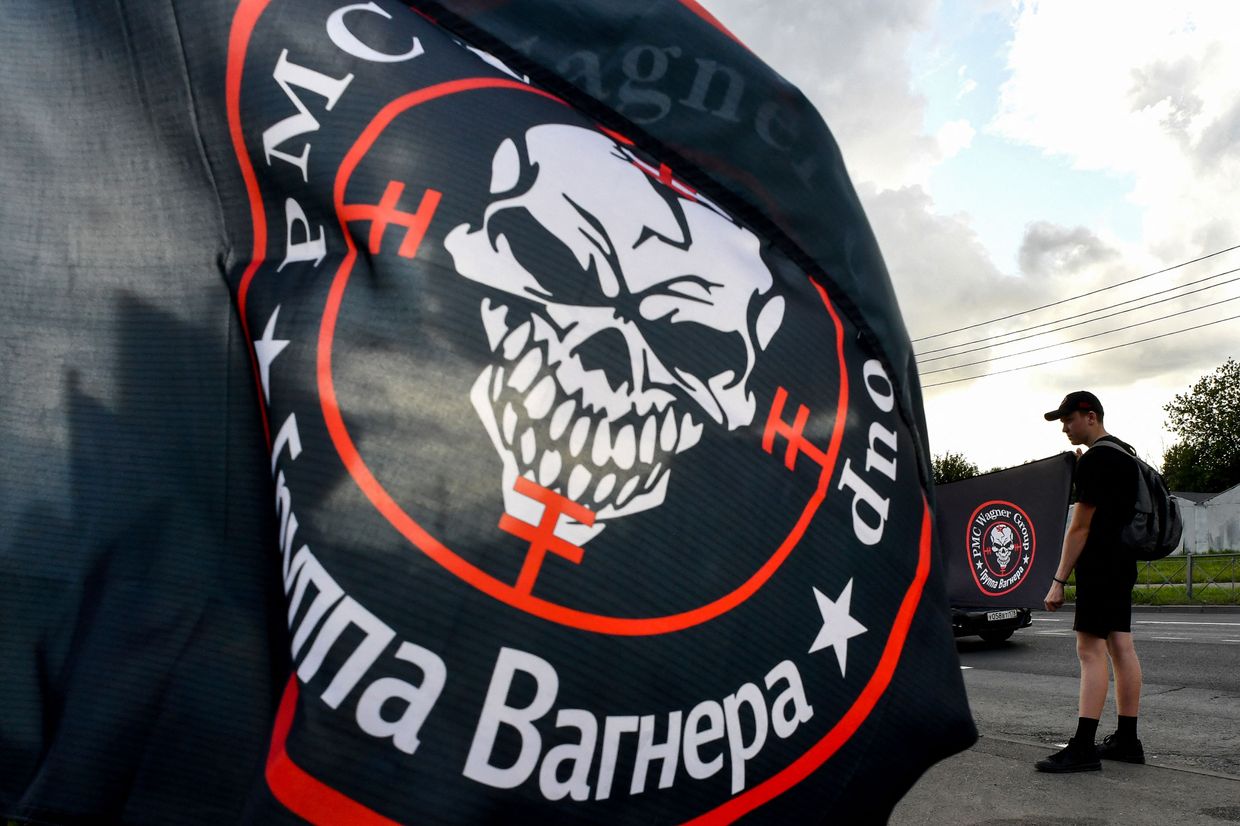
Russian mercenaries, in the form of the Wagner Group and more recently the Africa Corps, have backed military juntas in the Sahel, after coups in Mali, Burkina Faso and Niger led to the withdrawal of French troops from France’s former colonies. But during these latest rebel strikes, it was Russian fighters that were chased out of the northern city of Kidal to the sound of jeers. Africa Corps, the Kremlin-controlled paramilitary group, described the insurgent attacks as a "coup attempt" backed by "Western intelligence services." RT amplified these claims, accusing France and the West of orchestrating the violence, even as it claimed Russian fighters successfully repelled rebels. In 2024, Ukraine’s military agency said it had provided information to help Tuareg rebels ambush and rout a Wagner convoy, killing dozens of Russian mercenaries. Both Mali and Niger have cut diplomatic ties with Kyiv. Burkina Faso has described Kyiv as a destabilizing force in the region, making the Sahel effectively a front in Russia’s war with Ukraine.
The Kremlin’s combination of misinformation and mercenaries helped exploit growing anti-Western sentiments in the Sahel to give Russia a propaganda win in the region. Former colonial powers such as France didn’t help themselves, as can be seen even now in Madagascar, the latest nation to expel a French diplomat and accuse Paris of fomenting unrest. But the success of Russian propaganda hasn’t been matched on the ground. As Mali struggles to contain a rebel alliance that has fresh impetus and energy, Moscow’s control is weakening and the effectiveness of its military support is under question. Already, with Russian weapons in short supply because of war with Ukraine, it is China that the Malian junta turns to for arms. China’s strategic efforts in the Sahel have been similar to its efforts in the rest of the African continent – a focus on securing infrastructure contracts as part of the Belt and Road Initiative and securing access to mineral resources. But rebel attacks in the Sahel are bad for Chinese business. In February, the Chinese embassy in Niamey, the capital of Niger, warned Chinese companies to take their workers out of the firing line as rebels increasingly targeted Chinese infrastructure projects, including a $4.5 billion oil pipeline from Niger to Benin.
In 2024, the United States was forced to leave neighboring Niger after a coup, to withdraw from a $100 million base. It seemed the U.S. was losing ground to both Russia and China in the Sahel. Earlier this year, though, as security concerns in the Sahel escalated sharply, the U.S. adjusted its approach, choosing to deal pragmatically with military juntas. By late February, the U.S. lifted sanctions on top Malian officials, including General Camara, the recently slain defence minister. It may see closer cooperation with Sahel countries as essential to its security interests and a way to undercut Chinese access to Sahelian resources.
The three Sahel states, Mali, Burkina Faso and Niger, have turned away from France and Europe and towards Russia, while increasingly flirting with the U.S. and reliant on Chinese weapons. The result has been disaster. All three Sahel states are ranked in the top 5 for countries impacted by terrorism. And the humanitarian toll has been severe. Millions of people face internal displacement across the region and cuts in aid programmes mean many millions, especially children, also face acute hunger. But, as the great powers circle the region, jockeying for geopolitical gain, the talk remains about the logistics of propping up failing juntas, providing military solutions to human crises, and maintaining power rather than confronting problems.
Mali, Burkina Faso and Niger – all led by military authorities that came to power in a coup – have also isolated themselves from the rest of their neighbors by withdrawing from the West African regional bloc, Ecowas. Meanwhile, they sell their model as an alternative to Western-style democracy, a narrative that Russian propaganda networks have been all too eager to promote. But the strength of the insurgency against Mali’s government, and Russia’s apparent inability to protect it, sends a different message to the rest of the African continent.
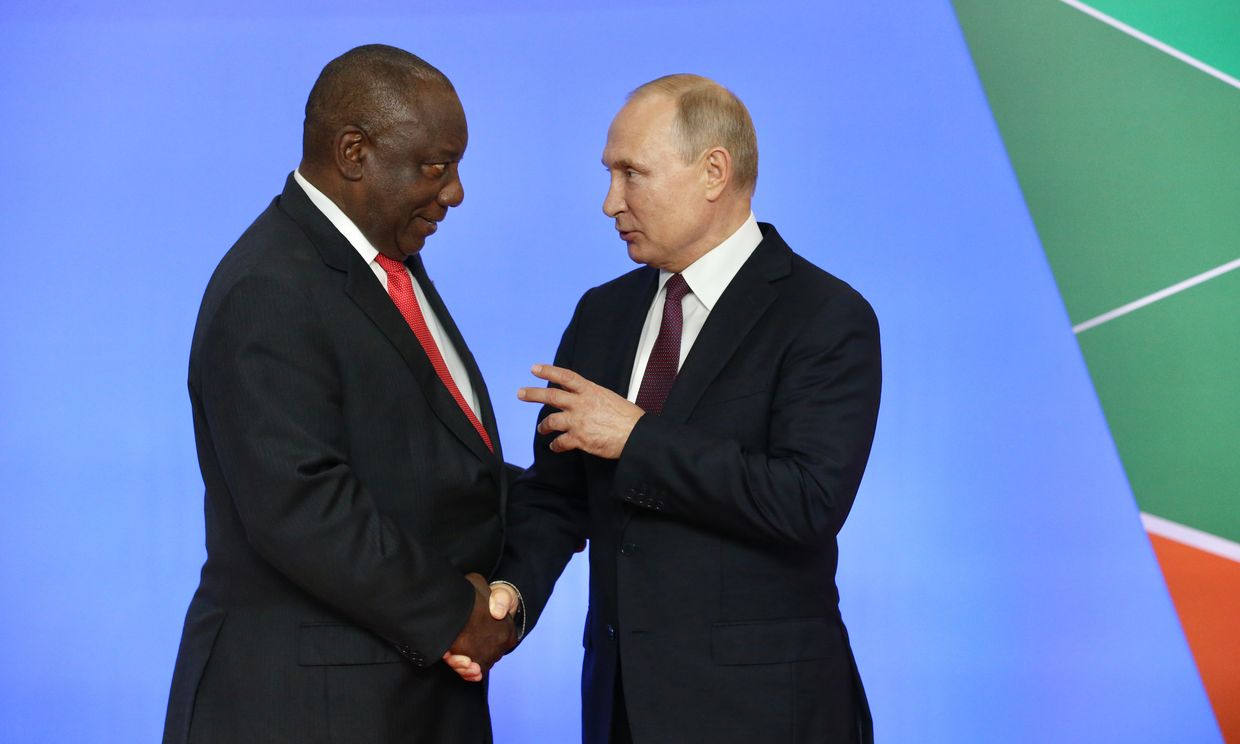
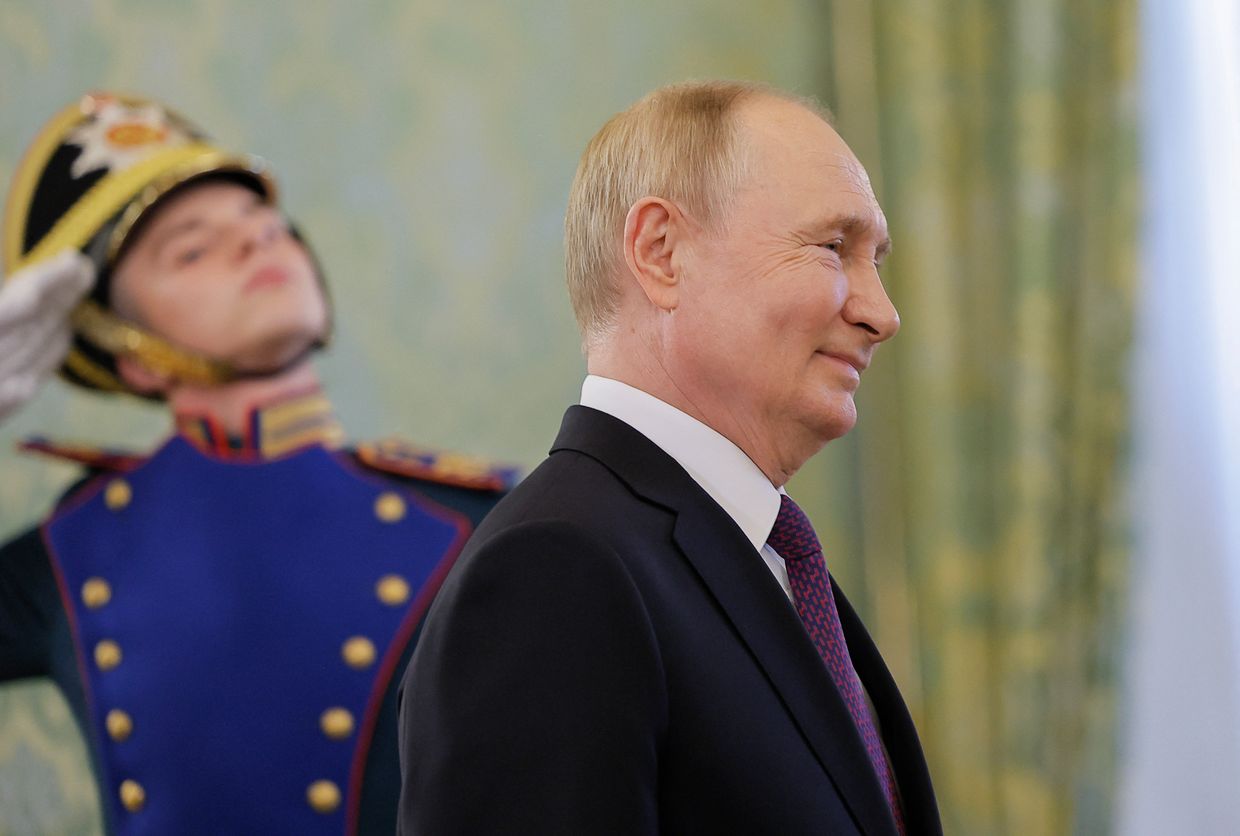
Russian President Vladimir Putin has received an official invitation to attend the G20 summit in South Africa, Russian Ambassador-at-Large Marat Berdyev said in an interview with state-owned media outlet RIA Novosti on June 19.South Africa is a member of the International Criminal Court (ICC) and a signatory to the Rome Statute, meaning it is obliged to arrest Putin if he enters the country.The ICC issued a warrant for the Russian leader's arrest in March 2023 over the illegal deportation of Ukr
Russian President Vladimir Putin has received an official invitation to attend the G20 summit in South Africa, Russian Ambassador-at-Large Marat Berdyev said in an interview with state-owned media outlet RIA Novosti on June 19.
South Africa is a member of the International Criminal Court (ICC) and a signatory to the Rome Statute, meaning it is obliged to arrest Putin if he enters the country.
The ICC issued a warrant for the Russian leader's arrest in March 2023 over the illegal deportation of Ukrainian children during Russia's full-scale invasion of Ukraine.
"Last week, we received an official invitation. This is an appeal from the head of state, the president of South Africa (Cyril Ramaphosa), to his colleagues," Berdyev said.
The summit is scheduled to take place in Johannesburg from Nov. 22 to 23. Berdyev noted that Russia's final decision on Putin's participation will be made closer to the date. In recent years, Russia has been represented at G20 summits by Foreign Minister Sergey Lavrov.
Despite the warrant, South Africa continues to deepen political and military ties with Moscow. In 2023, the country conducted joint naval drills with Russia and China, and maintains its membership in the BRICS bloc alongside both nations.
In November 2024, Putin skipped the G20 summit in Brazil, another ICC member state, and sent Lavrov instead. Russia's G20 participation has continued uninterrupted despite its war against Ukraine.
In September 2024, Putin made a rare visit to Mongolia, which is also a signatory of the ICC, prompting criticism over the non-enforcement of the warrant.
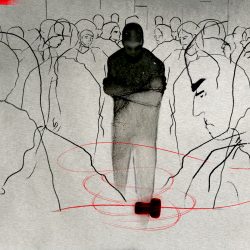
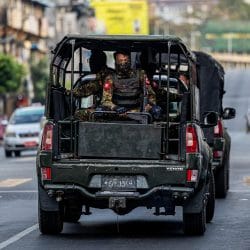
Since 2021, Russian Wagner mercenaries have detained, tortured, and forcibly disappeared hundreds of civilians in secret prisons across Mali, according to a joint investigation published on June 12 by Forbidden Stories, France 24, Le Monde, and IStories.The investigation found that mercenaries with Russia's Wagner Group, working alongside Malian government forces, had systematically abducted and detained civilians, holding them in prisons at former United Nations bases and military bases across
Since 2021, Russian Wagner mercenaries have detained, tortured, and forcibly disappeared hundreds of civilians in secret prisons across Mali, according to a joint investigation published on June 12 by Forbidden Stories, France 24, Le Monde, and IStories.
The investigation found that mercenaries with Russia's Wagner Group, working alongside Malian government forces, had systematically abducted and detained civilians, holding them in prisons at former United Nations bases and military bases across Mali.
Drawing on eyewitness accounts and satellite imagery, the investigation identified six detention centers where Wagner held civilians between 2022 and 2024. The total number of Wagner detention centers in Mali is likely to be much higher.
Prisoners were subjected to systematic torture – including beatings, waterboarding, electric shocks, starvation, and confinement in sweltering metal containers.
The investigation was carried out as part of the Viktoriia project, in memory of Ukrainian journalist Viktoriia Roshchyna, who was captured by Russian forces in 2023 while investigating the illegal detention of civilians in Russian-occupied territories of Ukraine. She was killed in Russian captivity in 2024.
The Russian mercenary group, known for its deployment in Ukraine and short-lived rebellion against the Kremlin in 2023, has a strong presence across the African continent, backing Russian business interests and Moscow-friendly regimes.
The mercenaries have been particularly active in Mali since late 2021 and have been accused of perpetrating war crimes. In December 2024, Human Rights Watch accused Wagner mercenaries and Malian government forces of deliberately killing 32 civilians.
The Wagner Group recently announced its withdrawal from Mali, where it fought alongside Malian government forces to fend off Islamist insurgents. Wagner has been active across the African continent for years and has been previously accused of committing human rights abuses.

 Connexion