Vue normale

For first time, Ukraine is tendering ground robots to ministry-set specifications and no maker can take more than half of any class
25 août 2026 à 15:41

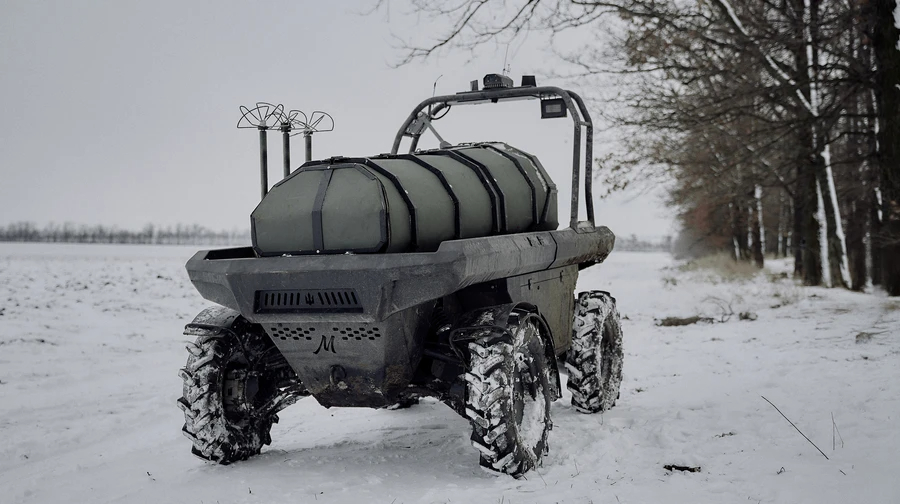
The MAUL unmanned ground vehicle. Source: AIDronesUA

Ukraine's ground robots ran more than 100,000 missions in the first eight months of 2026. The Defense Procurement Agency will now buy logistics and strike ground robotic complexes according to specifications set by the Defense Ministry, rather than approving models one at a time, the ministry announced.

The mechanism is three days old. The agency applied the same structure to fiber-optic FPV drones on 22 August—classes, multiple lots each, no supplier above half a class. Ukraine is standardizing how it buys entire weapons categories, one category at a time.

The rules sort makers by class

Complexes will be divided into classes by operating range and payload, with four to five lots per class. No single manufacturer may take more than half the order within one class.

Suppliers must meet the technical specifications and hold at least one codified ground robotic complex. The procurement runs in a closed environment under defense security requirements.

"A tender is one of the best instruments for this, because we can buy more equipment for the same money and minimize the risk of supply disruptions by splitting the order among different manufacturers," Deputy Defense Minister Mstyslav Banik said.

Mission volume keeps climbing

Monthly figures of ground robot missions logged in the DELTA combat system rose almost without interruption: 7,511 in January, 11,028 in April, 19,969 in July. Units recorded another 15,729 between 1 and 20 August, about 790 a day compared with roughly 640 a day in July, The Defense Post reported.

Ukraine has contracted more than 22,000 ground robots since January, nearly double the total for all of 2025. The number of units operating them grew from 117 at the end of 2025 to 230 by mid-2026.

A commander disputes the evacuation case

The ministry lists casualty evacuation as one of the tender's purposes. A frontline officer challenged that three days ago.

Tetiana Chornovol, who commands an anti-tank guided missile platoon, said ground robots are too slow for evacuation and often easy targets for Russian drones, arguing brigades need staffed evacuation teams and small light-armored vehicles instead.
  • ✇Euromaidan Press
  • Ukrainian drone maker is pitching its new five-inch strike FPV as assault squad’s mortar
    A Ukrainian drone maker is pitching a weapon that works like a mortar, not a drone. F-Drones has unveiled the F5, a compact five-inch strike FPV built for assault units working treelines, built-up areas, and position support at short range, according to the company's announcement. Fiber-optic drones are now a bulk consumable. Ukraine's military received 374,000 under state contracts in 2025 and nearly as many again in the first four months of 2026, the Defense Ministry
     

Ukrainian drone maker is pitching its new five-inch strike FPV as assault squad’s mortar

25 août 2026 à 12:24

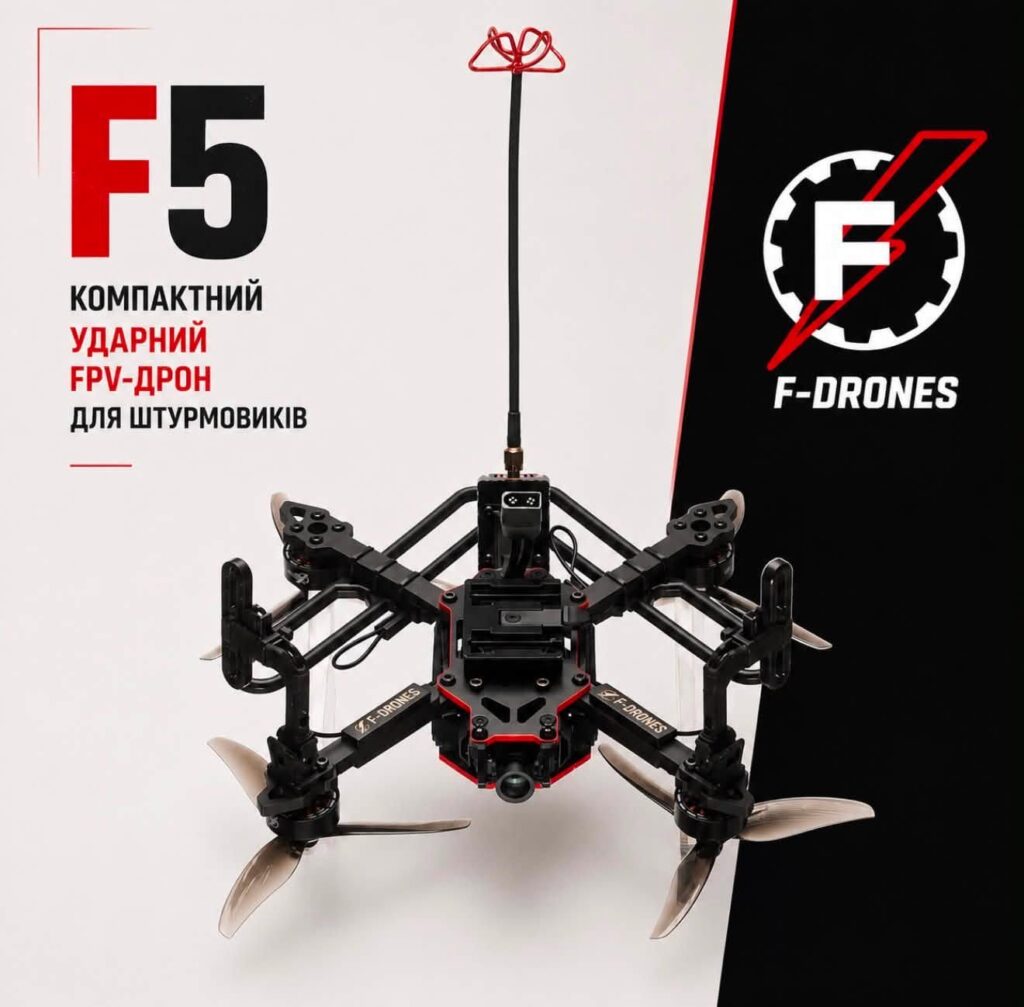
F-Drones has unveiled the F5, a compact five-inch strike FPV built for assault units. Source: F5

A Ukrainian drone maker is pitching a weapon that works like a mortar, not a drone. F-Drones has unveiled the F5, a compact five-inch strike FPV built for assault units working treelines, built-up areas, and position support at short range, according to the company's announcement.

Fiber-optic drones are now a bulk consumable. Ukraine's military received 374,000 under state contracts in 2025 and nearly as many again in the first four months of 2026, the Defense Ministry reported in April.

The F5 arrives three days after Ukraine's Defense Procurement Agency launched its first purchase of fiber-optic FPV drones, in line with ministry-set specifications rather than individual manufacturers.

The specifications come from the manufacturer

F-Drones describes a lightweight five-inch carbon frame that carries up to one kilogram and is supplied in two control configurations.

The fiber-optic version flies about six kilometers. The radio version reaches roughly twice that, up to 13 kilometers. Several drones fit in one backpack, and a ground robot can deliver nine to a position at once, compared with the six FPVs per carrier on the Black Widow ground system.

Fiber optics buys immunity at a cost

F-Drones calls the fiber version fully invulnerable to electronic warfare. Fiber-optic control does defeat jamming because the drone emits no radio signal, but the cable restricts range and maneuverability and can snap or tangle mid-flight, cutting control. Ukrainian crews have also tracked Russian operators by following reflective fibers in sunlight back to the launch point.

The company compares its drone to a mortar

The pitch is about availability, not reach.

"In its role, the F5 is closer to an 82mm mortar than to a classic long-range FPV: always nearby and ready to close out the task here and now," the company said.

The F5 ships with a codified Opera electronic initiation board, and F-Drones says the aircraft has been tested and codified by Ukraine's Defense Ministry.

Democratic Senators Ask Homeland Security for Details About Idled Planes

25 août 2026 à 08:00
The request follows a New York Times story, which revealed that Homeland Security had spent $464 million on used jets that rarely fly.

© Kathleen Flynn for The New York Times

A Boeing 737 that was purchased to be used for deportation flights is parked at Chennault International Airport in Lake Charles, La., on July 25.
  • ✇Euromaidan Press
  • Ukraine is buying jam-proof fiber-optic drones for first time to single standard, so any maker can compete
    Ukraine is buying the strike drones that Russian jamming cannot touch, and for the first time, to a common standard. The Defense Procurement Agency (DOT) has announced its first purchase of fiber-optic FPV kamikaze drones built to specifications defined by the Defense Ministry, the ministry announced. By defining the specifications a fiber-optic FPV must meet, the Defense Ministry lets any maker compete by hitting that standard rather than having each model approved ind
     

Ukraine is buying jam-proof fiber-optic drones for first time to single standard, so any maker can compete

22 août 2026 à 01:07

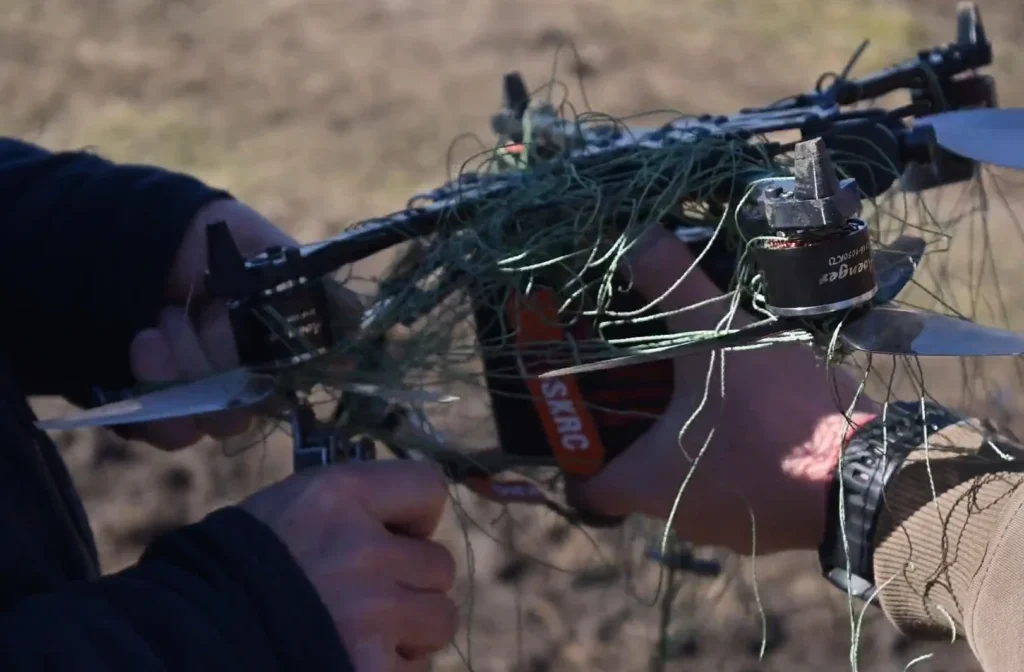
An FPV drone snared by a net fired from a Chipa net gun, developed by BlueBird Tech. Photo: BlueBird Tech via Defense Blog

Ukraine is buying the strike drones that Russian jamming cannot touch, and for the first time, to a common standard. The Defense Procurement Agency (DOT) has announced its first purchase of fiber-optic FPV kamikaze drones built to specifications defined by the Defense Ministry, the ministry announced.

By defining the specifications a fiber-optic FPV must meet, the Defense Ministry lets any maker compete by hitting that standard rather than having each model approved individually.

That is what makes it possible to split the purchase into competing lots among many suppliers, both large and mid-sized, and to buy the jam-proof drones at scale without relying on any single producer.

Why fiber-optic drones matter

The Ukrainian Defense Ministry is looking for a specific type of drone. They use a fiber-optic cable to connect to the operator, and unlike ordinary FPV drones that need a radio signal for control and video, these fiber-optic drones do not depend on the radio channel, so they work far better in the presence of active electronic warfare.

Fiber-optic drones let an operator keep control where radio-controlled drones lose their signal, and Defense Minister Yevhenii Khmara said the drones give Ukraine's forces added ability to disrupt Russian assaults and conduct their own operations, striking enemy manpower.

The standard opens the field to any maker

The buy is not tailored to one producer. It is not conducted for a specific manufacturer or model, and producers can offer their own drones if they meet the defined characteristics, with the drones sorted into classes by parameters such as range (the length of the fiber-optic cable) and camera type.

The lot structure spreads the orders

Deputy Defense Minister Mstyslav Banik said the tender is structured so that various suppliers can participate. Each tender is divided into lots, with four lots per class of fiber-optic FPVs, and no participant may win more than 50% of a class's total volume.

That structure guards supply while also driving competition.

"This creates an environment for healthy competition among manufacturers, and at the same time minimizes the risks of supply disruptions," Banik added.

Prison Firm Donated to Trump’s PAC After ICE Gave It $165 Million a Year in Contracts

21 août 2026 à 14:51
The GEO Group has profited from the administration’s mass deportation campaign. A subsidiary donated more than $1.4 million to the president’s super PAC last month.

© Cornell Watson for The New York Times

The GEO Group signed a five-year contract with Immigration and Customs Enforcement to operate a detention facility in Winton, N.C.

Ukraine’s top military marketplace has processed $235 million in orders. Now it goes further, letting units spec a custom drone across 17 characteristics

20 août 2026 à 11:03

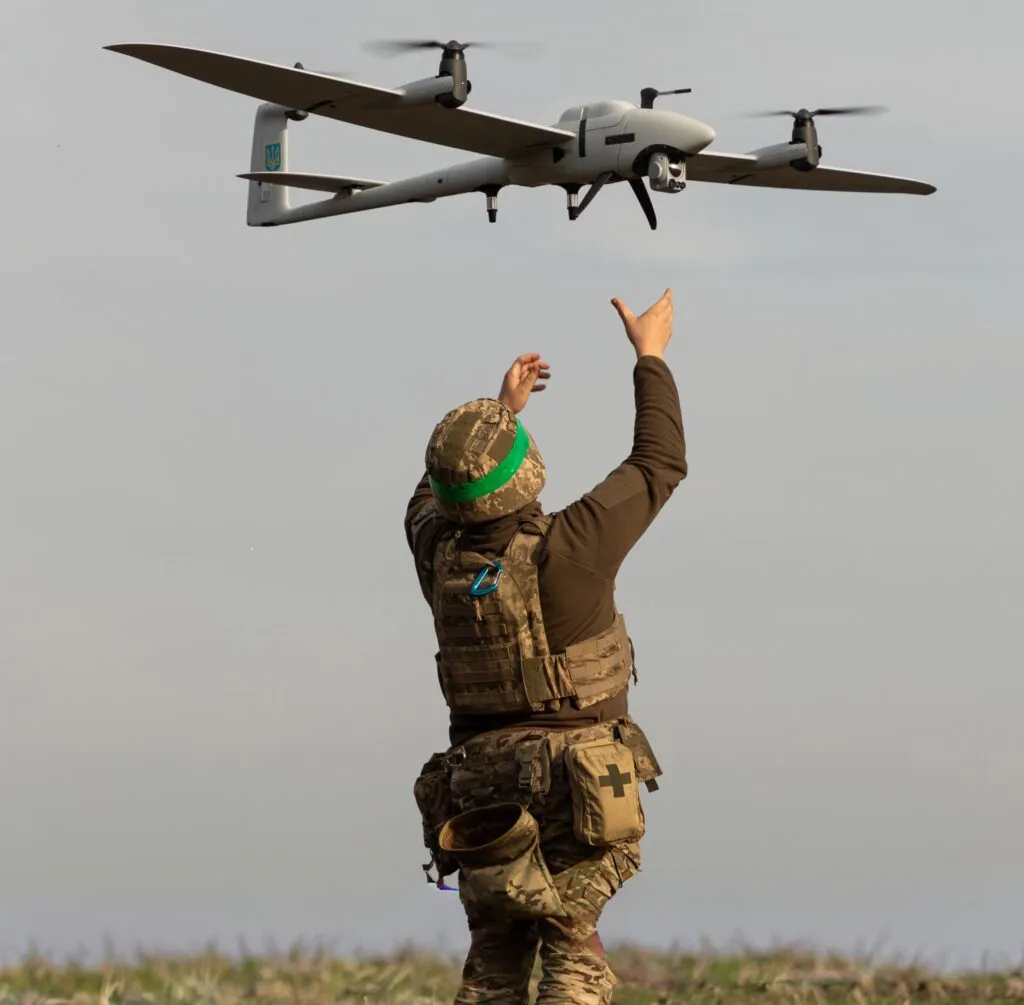
A Ukrainian soldier with a drone. Source: SBS

Ukrainian units can now tell drone makers exactly what they need and have it built. A new tool on the state defense-technology marketplace Brave1 Market lets military units order custom drones with defined specifications for specific battlefield needs, not only serial models, Ukraine's Defense Ministry announced.

Russia's war has pushed Kyiv to rebuild military procurement from the ground up, trading slow bureaucratic pipelines for digital platforms where frontline units pick and receive their own weapons faster. Brave1 has already processed over $235 million in orders.

The new tool turns Ukraine's drone procurement from a catalog-based system into a made-to-order one. Where units once chose from ready-made drones, they can now specify what they need across more than 17 characteristics and have makers compete to build it.

How the custom orders work

A unit defines the drone it wants. It submits a request specifying the required characteristics, quantity, and desired delivery timelines, selecting from parameters such as communication type, camera specifications, payload weight, and flight duration.

The manufacturer does not receive information about which unit made the request, and the system automatically sends the request to potential suppliers, who can submit offers or decline to participate. Keeping the requesting unit anonymous prevents makers from favoring or identifying particular units and keeps the competition on the drone itself.

Makers compete on price

When offers match, the system runs an auction. If several manufacturers propose solutions with identical characteristics, the system launches an automatic bidding process, and the lowest-priced offer wins. A military unit can then conclude a direct agreement with the maker, according to the Defense Ministry.

The mechanism drives cost down while meeting the spec. By pitting makers against each other on price once they meet the required characteristics, the system gets units the drone they specified at the lowest available cost, then lets them contract the winner directly, cutting out intermediaries.

Ukraine’s former Defense Minister Fedorov is out, but man behind his procurement reform and apps like Army+ isn’t going anywhere

19 août 2026 à 12:12

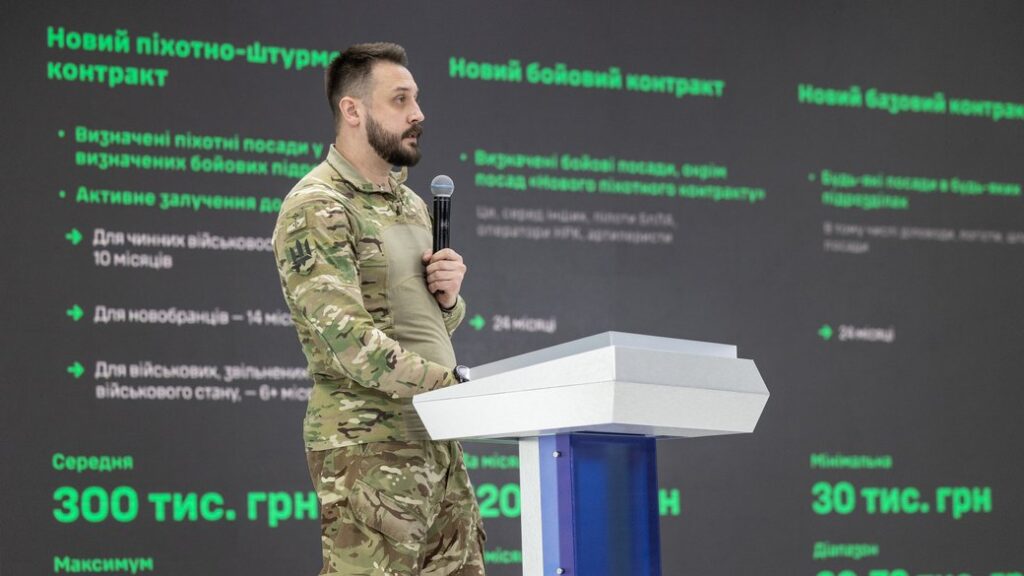
Mstyslav Banik, Ukraine's deputy defense minister. Source: The Ukrainian Defense Minister

A member of former Defense Minister Mykhailo Fedorov's team is moving over to the new minister. Mstyslav Banik, who served as a deputy to Fedorov, says he is staying on under the newly appointed Defense Minister, Yevhenii Khmara, Suspilne reports.

Khmara will propose that the core of the current Defense Ministry team stay in their positions. In particular, this concerns specialists responsible for procurement reform, according to sources from the ruling Servant of the People, per RBC-Ukraine.

Banik stays to continue the reform

Banik has run a central piece of the ministry's modernization. He is responsible for carrying out the defense-procurement reform and became a deputy defense minister under Fedorov on 25 March 2026, having previously led the ministry's digital products.

In 2025, he moved to the role of head of digital products at the Defense Ministry, where he led the development of "Army+" and "Reserve+", the apps that digitized military service and mobilization, before taking on procurement reform.

Khmara wants to keep the team

Banik is not the only figure Khmara wants to retain. According to reports, Khmara wants First Deputy Defense Minister Oleksii Vyskub to stay in his post as well, MPs said.

The priority behind the retentions is the reform's momentum. Khmara considers it important to continue the procurement reform, particularly the part connected to international support for Ukraine, MPs said, so keeping the specialists who built it preserves the expertise and the relationships with partners that the overhaul depends on.

Continuity amid a contested change

The retentions may temper a leadership change that drew protests. Khmara's appointment followed the removal of Fedorov, which prompted a month of rallies demanding Fedorov's return.

That the reformers are staying suggests that the change of minister need not mean a change in how Ukraine equips its forces.

Earlier, Fedorov addressed Ukrainians, saying the country cannot remain without a fully appointed defense minister, but at the same time called for mechanisms that would allow elections during the war.

  • ✇Euromaidan Press
  • 1.2 million weapons in a year: Inside Ukraine’s Amazon-for-arms that ships to the frontline in 24 hours
    Ukraine's weapons marketplace DOT-Chain Defense has compressed delivery times from months to weeks after one year of operation, the country's Defense Ministry reported. For the fastest product categories—electronic warfare gear, ground robots, interceptor drones—orders now reach units within 24 hours. Ukraine's war against Russia's invasion has pushed Kyiv to rebuild military procurement from the ground up, trading slow bureaucratic pipelines for digital platforms where
     

1.2 million weapons in a year: Inside Ukraine’s Amazon-for-arms that ships to the frontline in 24 hours

18 août 2026 à 15:46

A Ukrainian drone operator.

Ukraine's weapons marketplace DOT-Chain Defense has compressed delivery times from months to weeks after one year of operation, the country's Defense Ministry reported. For the fastest product categories—electronic warfare gear, ground robots, interceptor drones—orders now reach units within 24 hours.

Ukraine's war against Russia's invasion has pushed Kyiv to rebuild military procurement from the ground up, trading slow bureaucratic pipelines for digital platforms where frontline units pick and receive their own weapons faster than Western militaries have managed. Domestic manufacturers now make 90% of newly authorized systems.

Fastest deliveries measured in hours

The Defense Ministry and the Defense Procurement Agency DOT have jointly driven the acceleration, according to the ministry's statement.

"Delivery times for drones and other systems have shrunk from months to a matter of weeks, and often to days," the ministry said.

Beyond that general compression, several categories saw delivery within a single day. Electronic warfare systems, ground robotic platforms, reconnaissance and bomber drones, interceptor drones, and FPV drones on both fiber-optic and radio control all reached units within 24 hours. Ammunition for unmanned systems arrived within six days.

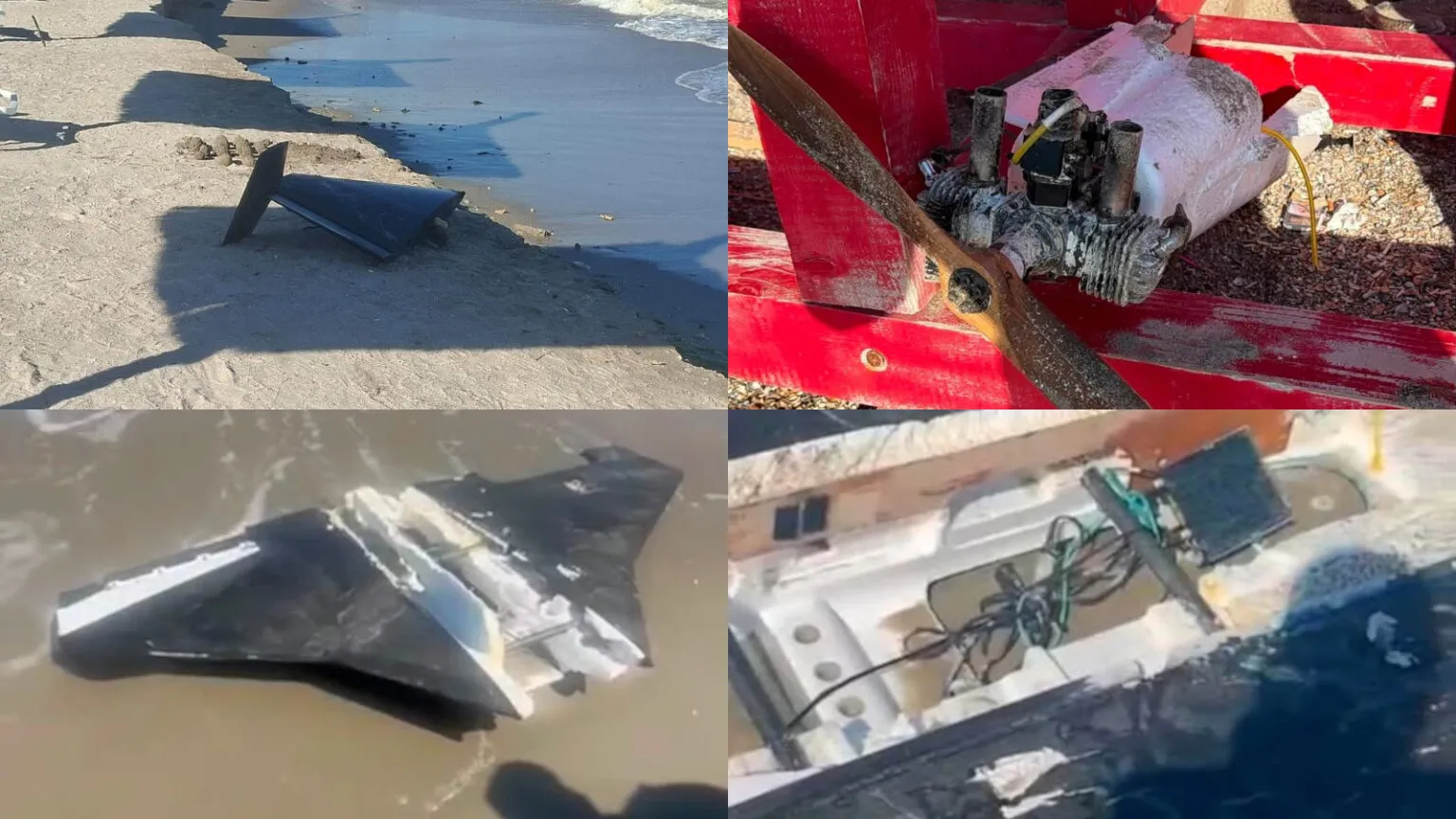
Four-image collage showing drone wreckage found on Romania’s coast and in nearby waters, including wing fragments, an engine and propeller, and exposed electronics.
Explore further

Russian drone attacks on Ukraine’s Danube ports hit recent high, Romania says

Over the first year, the platform shipped more than 1.2 million drones and other systems. Units now choose from 1,181 products made by 300 domestic manufacturers.

How the marketplace works

DOT-Chain Defense supplements centralized state supply rather than replacing it, the ministry noted. Combat units use allocated funds to browse and order the equipment they need for their section of the front. The marketplace handles contracts, payments, and delivery.

The platform's drone constructor tool lets units customize drone configurations before ordering. A dedicated training course on using the marketplace recently launched inside the Army+ mobile app.

ukraine timed its huliaipole operation around weather — worked here's why won't happen again soon · post ukrainian soldier 92nd assault battalion machine gun 2026 armed forces infantry frontline operations
Explore further

US copies Ukraine: Washington launches Amazon-backed UAVs marketplace, inspired by Kyiv’s Brave1 Market and DOT-Chain Defense

Broader procurement picture

The one-year milestone caps a period of rapid scaling across Ukraine's defense procurement. The country contracted about $8 billion worth of drones in the first half of 2026—double the same period last year, according to the Defense Ministry.

More than 400 combat units now shop for weapons through the marketplace's companion Brave1 Market program using points earned for confirmed battlefield activity. Washington modeled its own Unmanned Aircraft Systems Marketplace on the Ukrainian original earlier this year.

She Sewed the Blue Angels’ Suits for 40 Years. Then a Big Company Got the Job.

14 août 2026 à 15:11
Jellie Whitehurst in Pensacola, Fla., was surprised to learn that after decades, the Navy had awarded a $1.7 million contract to a company in Virginia to supply the gear.

© USA TODAY Network via Reuters Connect

Jellie Whitehurst, the owner of The Sewing Box, making flight suits for the Blue Angels in 2019. She started doing that work in 1989.

Homeland Security Paid $464 Million for Airplanes. Then It Parked Them.

The agency used a no-bid contract to buy 10 used jets, saying they were urgently needed for deportation flights. But the fleet has largely sat idle for months.

© Kathleen Flynn for The New York Times

A Boeing 737 passenger jet purchased by the Department of Homeland Security parked last month at Chennault International Airport in Lake Charles, La.
  • ✇The Kyiv Independent
  • UK to buy Ukraine weapons with frozen Russian asset proceeds
    The U.K. has used interest generated from frozen Russian assets to purchase weapons for Ukraine, buying 350 air defense missiles worth £70 million ($87 million), The Guardian reported on June 25.The move represents the U.K.'s first direct use of Russia-linked funds to buy weaponry for Kyiv.The weapons purchase was funded through Britain's Extraordinary Revenue Acceleration (ERA) scheme, which captures interest from frozen Russian central bank assets.According to The Guardian, the missiles, origi
     

UK to buy Ukraine weapons with frozen Russian asset proceeds

25 juin 2025 à 07:03
UK to buy Ukraine weapons with frozen Russian asset proceeds

The U.K. has used interest generated from frozen Russian assets to purchase weapons for Ukraine, buying 350 air defense missiles worth £70 million ($87 million), The Guardian reported on June 25.

The move represents the U.K.'s first direct use of Russia-linked funds to buy weaponry for Kyiv.

The weapons purchase was funded through Britain's Extraordinary Revenue Acceleration (ERA) scheme, which captures interest from frozen Russian central bank assets.

According to The Guardian, the missiles, originally designed as air-to-air weapons, were converted by RAF engineers and MBDA UK in just three months to fire from ground-based systems.

Five additional Raven launcher systems will accompany the missiles to Ukraine, bringing the total to 13.

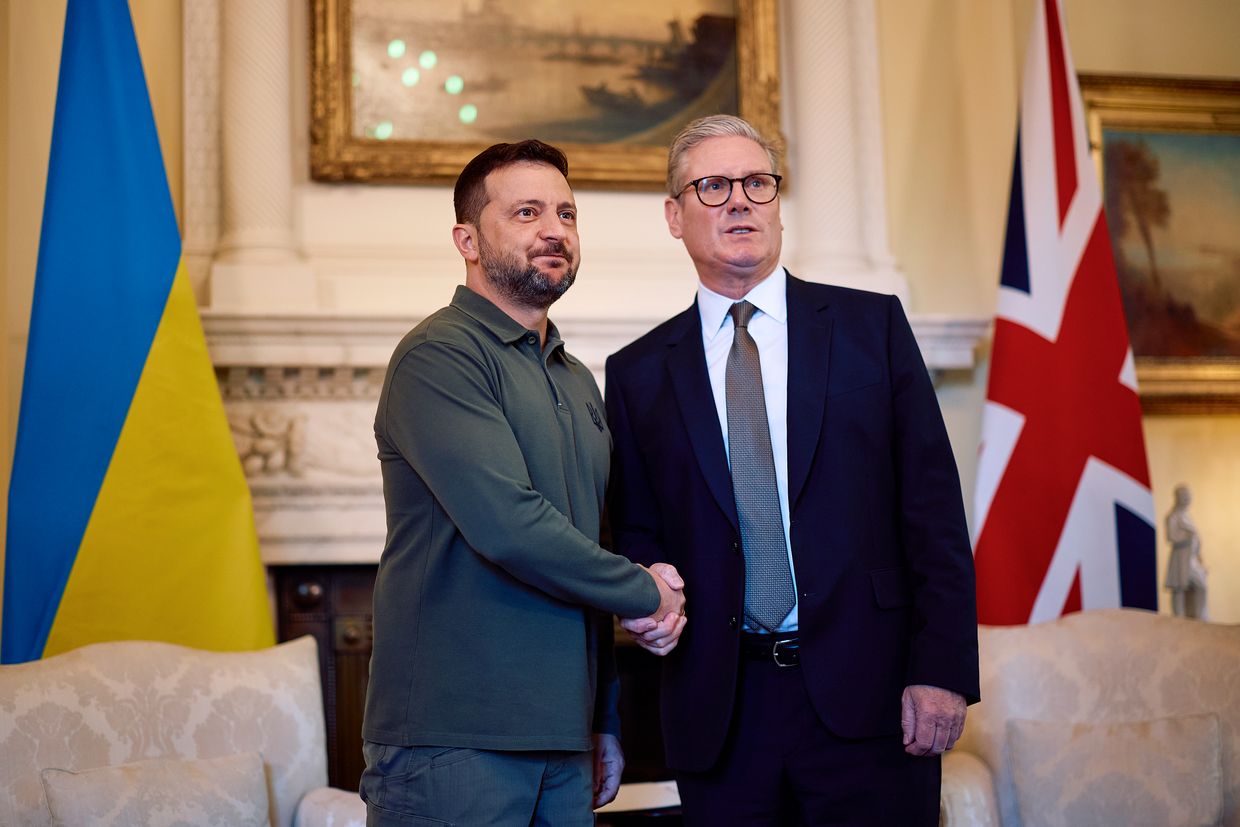
U.K. Prime Minister Keir Starmer announced the package ahead of NATO's annual summit.

"Russia, not Ukraine, should pay the price for Putin's barbaric and illegal war," he said.

The package is part of Britain's largest-ever annual military commitment to Ukraine of £4.5 billion ($5.6 billion), the Guardian reports.

It follows a £1.6 billion ($2.0 billion) deal in March for over 5,000 air defense missiles and a separate £350 million ($436 million) investment to increase drone deliveries tenfold.

The announcement comes as Starmer and President Volodymyr Zelensky agreed to work closely on military production between the UK and Ukraine. On June 24, Ukraine's Defense Minister Rustem Umerov announced that Britain will finance Ukrainian-designed drones manufactured in the UK.

European countries cannot fully confiscate the frozen Russian assets due to concerns about international law and financial stability. The European Central Bank warned that such a move could undermine confidence in the euro as a reserve currency, since most of the assets are euro-denominated.

Instead, only the interest generated from these funds is currently being used to back a $50 billion loan package for Ukraine, while the principal amount of 300 billion euros ($348 billion) remains frozen but not seized.

In June, Ukraine received another 1 billion euros ($1.1 billion) from the EU as part of the G7 loan program backed by frozen Russian assets, Prime Minister Denys Shmyhal announced.

  • ✇The Kyiv Independent
  • Ukraine's Sapsan ballistic missile to enter serial production following successful combat testing
    Ukraine’s domestically developed short-range Sapsan ballistic missile has successfully completed combat testing and is in the process of serial production, Ukrainian media reported on June 13.The missile, with a payload of 480 kg, completed testing in May after successfully striking a Russian military target at a range of nearly 300 km, Valentyn Badrak, head of the an independent Ukrainian think Center for Army, Conversion and Disarmament Studies told Liga.net.Ukraine's Defense Ministry reported
     

Ukraine's Sapsan ballistic missile to enter serial production following successful combat testing

13 juin 2025 à 18:24
Ukraine's Sapsan ballistic missile to enter serial production following successful combat testing

Ukraine’s domestically developed short-range Sapsan ballistic missile has successfully completed combat testing and is in the process of serial production, Ukrainian media reported on June 13.

The missile, with a payload of 480 kg, completed testing in May after successfully striking a Russian military target at a range of nearly 300 km, Valentyn Badrak, head of the an independent Ukrainian think Center for Army, Conversion and Disarmament Studies told Liga.net.

Ukraine's Defense Ministry reportedly dedicated a department to formulate and test the missile.

There is no reported timeline as to when the missiles can be seen in regular use on the battlefield.

Domestically produced long-range weapons are of key importance to Ukraine's defense strategy, as Western partners have been slow in delivering adequate weaponry amid increasing Russian attacks and offensives.

The news comes as U.S. Defense Secretary Pete Hegseth said in a congressional hearing on June 10 that the United States will reduce funding allocated for military assistance to Ukraine in its upcoming defense budget

In November 2024, President Volodymyr Zelensky announced that Ukraine has produced its first 100 missiles.

Since then, Ukraine has continued to increase domestic weapon production. Zelensky said on April 16 that over 40% of the weapons used at the front line are now produced in Ukraine, including over 95% of drones used at front line.

Zelensky also previously revealed that Ukraine had developed another domestic-made weapon, a missile-drone Palianytsia.

As Ukraine attempt to increase its defense production, Russia has continued to unleash large-scale attacks on Ukrainian cities, regularly launching hundreds of drones to overwhelm Ukrainian air defenses.

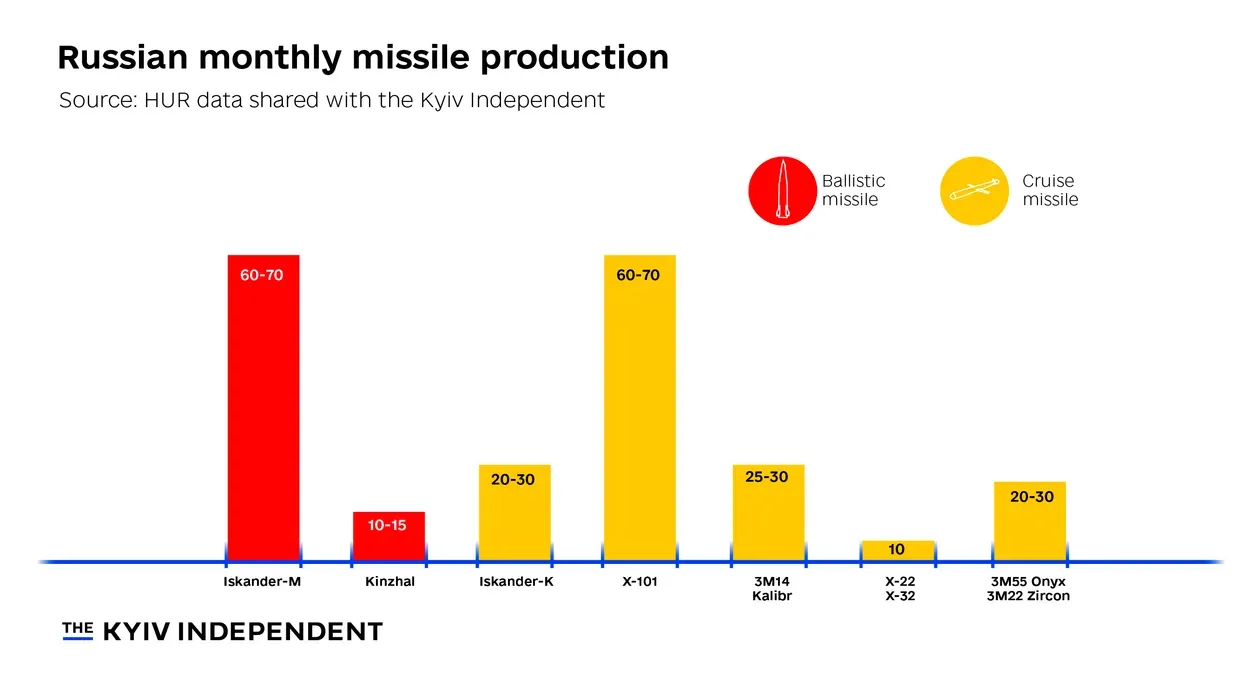
Ukraine's military intelligence (HUR) shared with the Kyiv Independent that Russia's production of ballistic missiles has increased by at least 66% over the past year.

Ukraine's Sapsan ballistic missile to enter serial production following successful combat testing
Russian monthly missile production (Nizar al-Rifai/The Kyiv Independent)

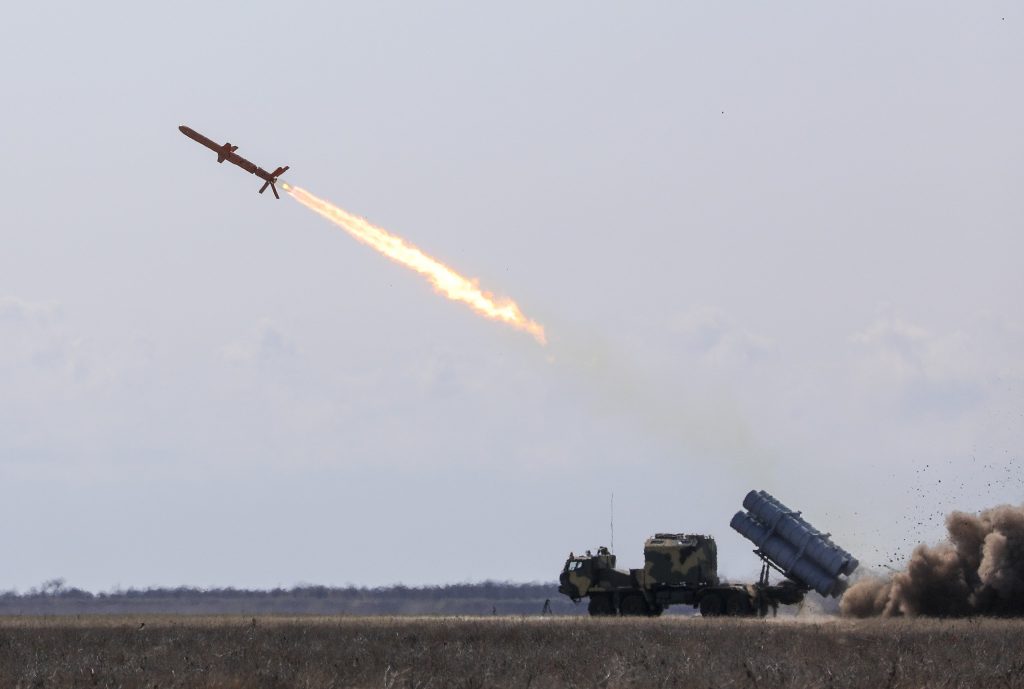
Ukraine's Defense Minister Rustem Umerov said in late 2024 that Ukraine also resumed and scaled up serial production of Neptune cruise missiles, modifying them to have a greater range.

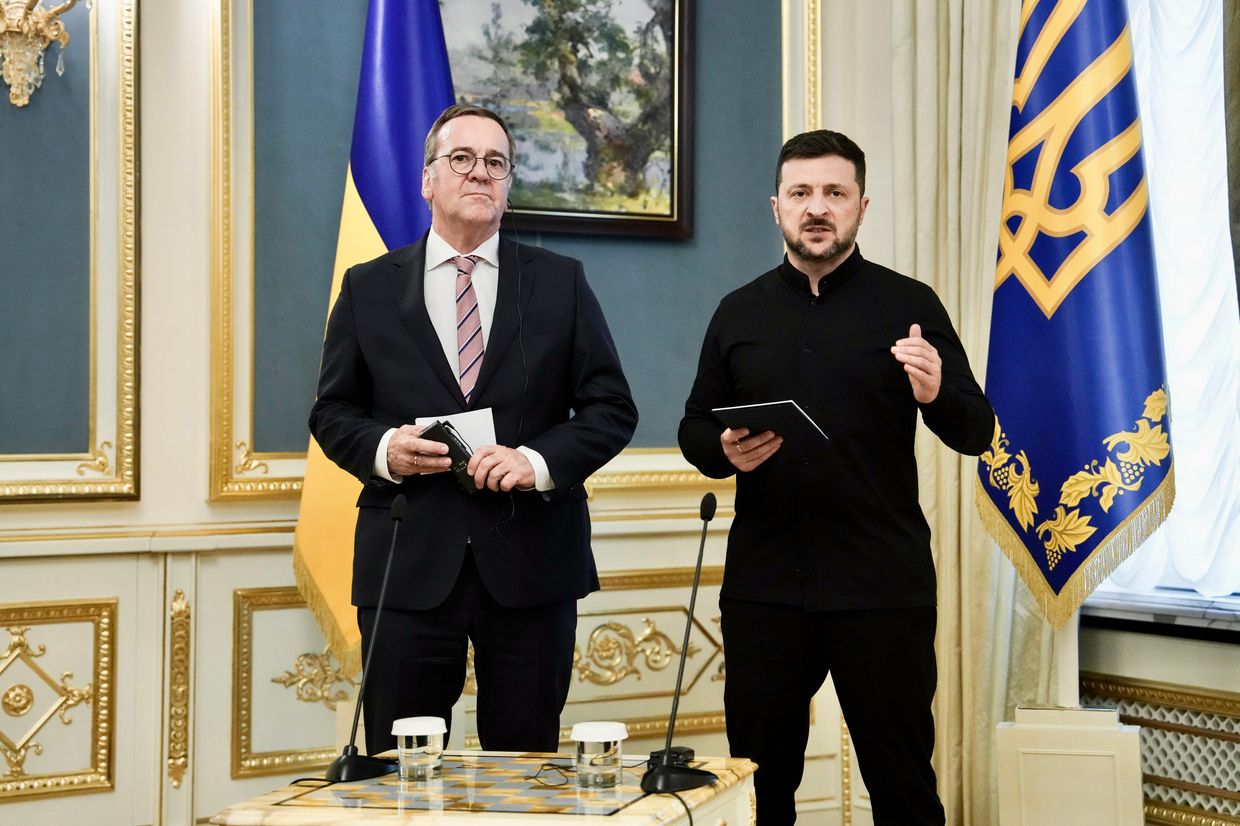
Kyiv has received a number of long-range missiles from partners, such as U.S.-made ATACMS, British Storm Shadow, or French SCALP/T. Despite Ukrainian requests, German Defense Minister Boris Pistorius said on June 12 that Berlin has no plans to provide Taurus long-range missiles to Kyiv.

Germany to supply new Iris-T air defense systems to Ukraine, rules out Taurus missiles
Germany will deliver new IRIS-T air defense systems to Ukraine under a three-year supply plan, President Volodymyr Zelensky said during a joint press conference with German Defense Minister Boris Pistorius, who said Berlin has no plans to provide Taurus long-range missiles.
Ukraine's Sapsan ballistic missile to enter serial production following successful combat testingThe Kyiv IndependentTim Zadorozhnyy
Ukraine's Sapsan ballistic missile to enter serial production following successful combat testing
❌