The city’s police chief, acknowledging community tensions, pledged full cooperation with state investigators. At a vigil for the man, Corey Ruiz, a witness described the moments before the shooting.
The city’s police chief, acknowledging community tensions, pledged full cooperation with state investigators. At a vigil for the man, Corey Ruiz, a witness described the moments before the shooting.
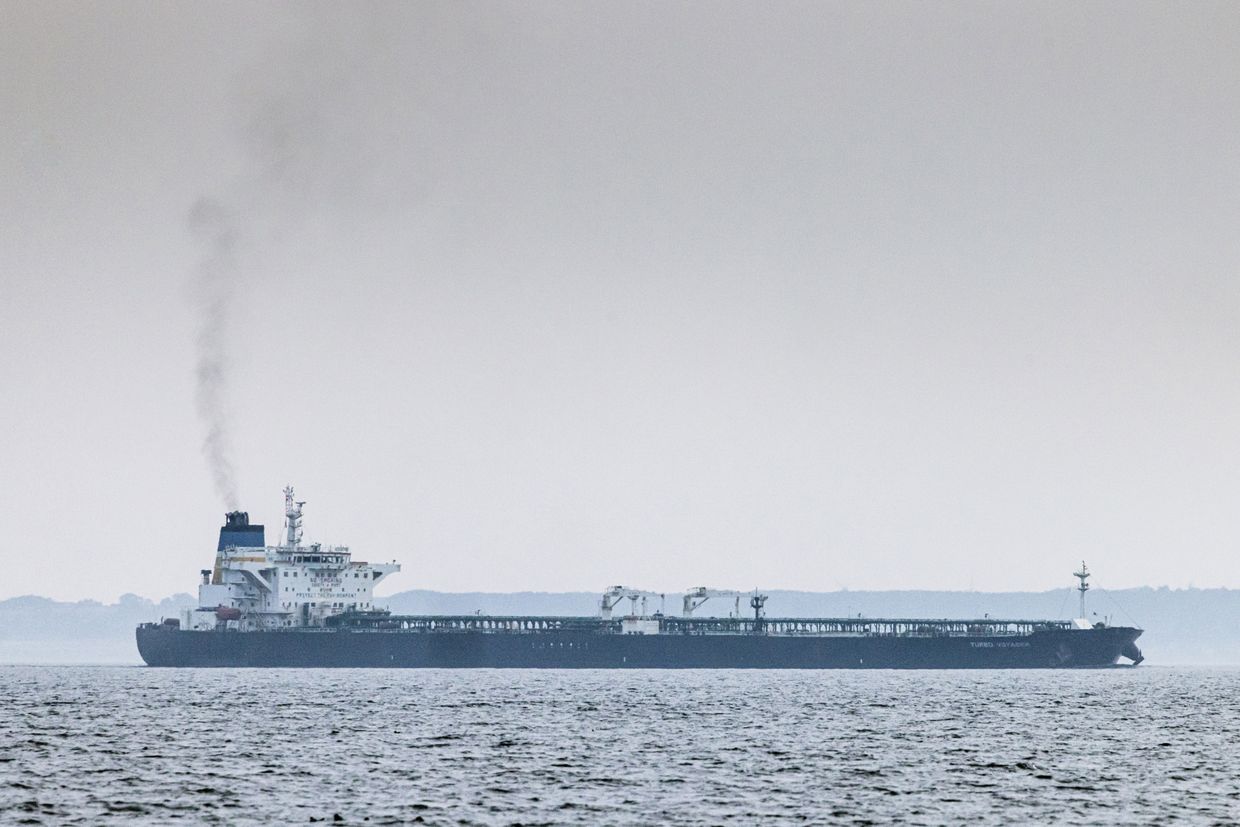
Evidence suggests the ship on which three Indian sailors died was not moving when it was struck in the Gulf of Oman, but it had been engaged in risky offshore transfers of oil.
Evidence suggests the ship on which three Indian sailors died was not moving when it was struck in the Gulf of Oman, but it had been engaged in risky offshore transfers of oil.
Russia struck a foreign-flagged civilian bulk carrier with cruise missiles as it left Odesa loaded with grain, killing much of its crew, Ukraine's Navy said. Fire broke out aboard the ship, and a search-and-rescue operation ran through the night to reach survivors. Ukrainian officials condemned the strike as another deliberate attack on unarmed civilian shipping.
Moscow can no longer blockade Ukraine's Black Sea ports, so it bombs the ships and terminals that keep the expor
Russia struck a foreign-flagged civilian bulk carrier with cruise missiles as it left Odesa loaded with grain, killing much of its crew, Ukraine's Navy said. Fire broke out aboard the ship, and a search-and-rescue operation ran through the night to reach survivors. Ukrainian officials condemned the strike as another deliberate attack on unarmed civilian shipping.
Moscow can no longer blockade Ukraine's Black Sea ports, so it bombs the ships and terminals that keep the export route open — a campaign that squeezes Ukraine's single largest source of hard currency and puts the foreign crews sailing the corridor in the line of fire. This comes amid Ukraine's campaign against Russian shipping in the Black and Azov seas.
Three cruise missiles hit the ship as it sailed out
Russian forces fired three Kh-59/Kh-69 cruise missiles at the GOLDEN LEO, a Guinea-Bissau-flagged bulk carrier owned by a Turkish company, as it moved out of the combat zone with a cargo of corn on 19 July, Ukraine's Navy reported. The strike hit the starboard side of the superstructure, and a fire broke out on board.
The burned, smoking superstructure of the GOLDEN LEO after the Russian missile strike, in the Black Sea off Odesa, 19 July 2026. Photo: Ukraine's Navy
The missiles came in from the sea. Ukraine's Air Force warned of Russian missiles approaching Odesa and Chornomorsk from the Black Sea in the late afternoon, minutes before explosions were heard in the city. The ship took serious damage but did not sink, the Odesa outlet Dumska showed in photos from the scene, as tugs and rescue crews fought to keep it afloat.
The toll climbed to 10 overnight, including a Ukrainian sea pilot
The death toll rose through the night. The Ukrainian Sea Ports Authority (USPA) said10 people were killed, among them a Ukrainian sea pilot from its Delta-Pilot branch, and that eight crew members were rescued and brought ashore. A sea pilot boards a vessel to guide it safely in and out of port through difficult or dangerous waters.
Eighteen people were on board: crew members from Syria and India, along with the Ukrainian pilot. Eight of the rescued were taken to an Odesa hospital, two of them injured. By Monday, the USPA said the fire aboard the ship had been contained.
A frame from Navy footage shows the deck of the civilian bulk carrier GOLDEN LEO, struck by Russian missiles in the Black Sea off Odesa on 19 July 2026. Photo: Ukraine's Navy
Ukraine calls it terror against civilian shipping
The Navy says the strike was an act of terror and a violation of the laws of war.
"This is another deliberate Russian strike on an unarmed civilian vessel under a foreign flag that posed no military threat," it said. "The attack is an act of terror against peaceful shipping and a gross violation of international humanitarian law."
Prime Minister Serhii Koretskyi instructed the Foreign Ministry to immediately inform the states whose citizens were affected and Ukraine's international partners. The government and military command are separately preparing measures meant to strengthen the safety of shipping and shield civilian vessels and sailors from Russian attacks.
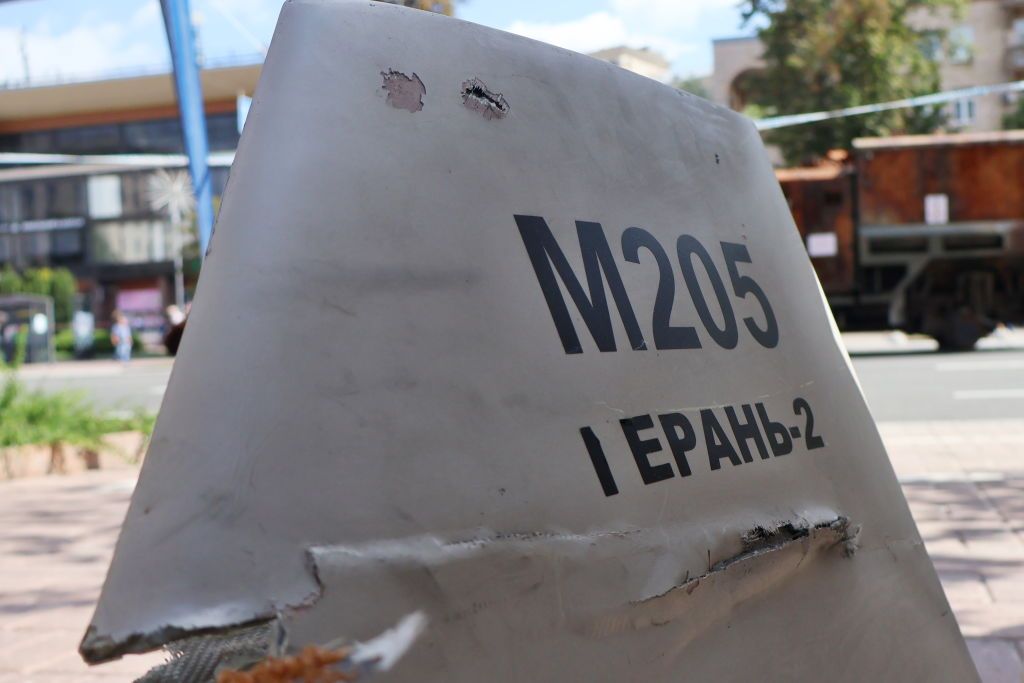
The strike lands in a month when Russia has been hammering the Odesa ports that carry the overwhelming share of Ukraine's farm exports. Russian forces have repeatedly gone after foreign-flagged ships moving through the maritime corridor, and used Geran-4 drones against grain carriers at Chornomorsk earlier in July.
Explore further
Russia hit two grain-loaded ships under Palau and Barbados flags in Odesa port overnight — grain bunker and administrative buildings also damaged
Botswana has become the latest African country to accuse Russia of tricking its citizens into fighting against Ukraine, luring them abroad with fake job offers and then forcing them into combat, Bloomberg reported. The government told its people to treat foreign work offers with suspicion, warning that the scheme is spreading fast. The move echoes alarms raised across the continent as Russia scours Africa for soldiers to feed its war.
Rather than order a politically risky g
Botswana has become the latest African country to accuse Russia of tricking its citizens into fighting against Ukraine, luring them abroad with fake job offers and then forcing them into combat, Bloomberg reported. The government told its people to treat foreign work offers with suspicion, warning that the scheme is spreading fast. The move echoes alarms raised across the continent as Russia scours Africa for soldiers to feed its war.
Rather than order a politically risky general mobilization at home, Moscow has kept its army filled with contract soldiers, convicts, and foreign recruits drawn from low-income regions across three continents.
Botswana sounds the alarm on a recruitment trap
Botswana's Ministry of International Relations issued the warning in a statement on 18 July. It said a growing number of its nationals are being coerced into Russian military service, and urged everyone to confirm that any overseas job offer is real before accepting it.
The ministry described people drawn out of the country under false pretenses, only to be pushed onto the battlefield once they arrive.
"The number of Batswana being misled into such arrangements is rising at an alarming rate," the ministry said, using the term for Botswana's citizens. It added that it "continues to receive heartbreaking calls from Batswana already on the front line, describing the perilous conditions they face."
Explore further
Wagner’s remnants run an opioid empire in the Central African Republic, WSJ reveals
Botswana joins Kenya and South Africa
The warning places Botswana alongside other African states that have traced the same pipeline. In Kenya and South Africa, prosecutors have already detained and charged suspects accused of funneling recruits into Moscow's ranks.
The European Parliament went further in March, condemning the practice as human trafficking and describing recruits who were deceived, stripped of their documents, and treated as expendable.
The toll is already counted in the dead
The recruitment has a body count. Inpact, the nonprofit behind the All Eyes On Wagner project, reported in February that Russia's war has already claimed at least 316 African lives, with most of the dead sent to the front barely trained.
Kenya, on its own, has put at 1,000 the number of its nationals swept into Moscow's military.
Russia launched the largest ballistic missile attack on Kyiv since the start of its full-scale invasion overnight on 19 July, firing more than 40 missiles at the capital in less than an hour.
At least one person was killed and 16 others were injured as explosions and falling debris damaged residential neighborhoods and civilian infrastructure across the city.
President Volodymyr Zelenskyy said Russia launched more than 40 missiles of various types overnight, most of
Russia launched the largest ballistic missile attack on Kyiv since the start of its full-scale invasion overnight on 19 July, firing more than 40 missiles at the capital in less than an hour.
At least one person was killed and 16 others were injured as explosions and falling debris damaged residential neighborhoods and civilian infrastructure across the city.
President Volodymyr Zelenskyy said Russia launched more than 40 missiles of various types overnight, most of them targeting Kyiv, alongside 120 attack drones across Ukraine. He described the assault as "one of the most massive ballistic attacks" on the capital.
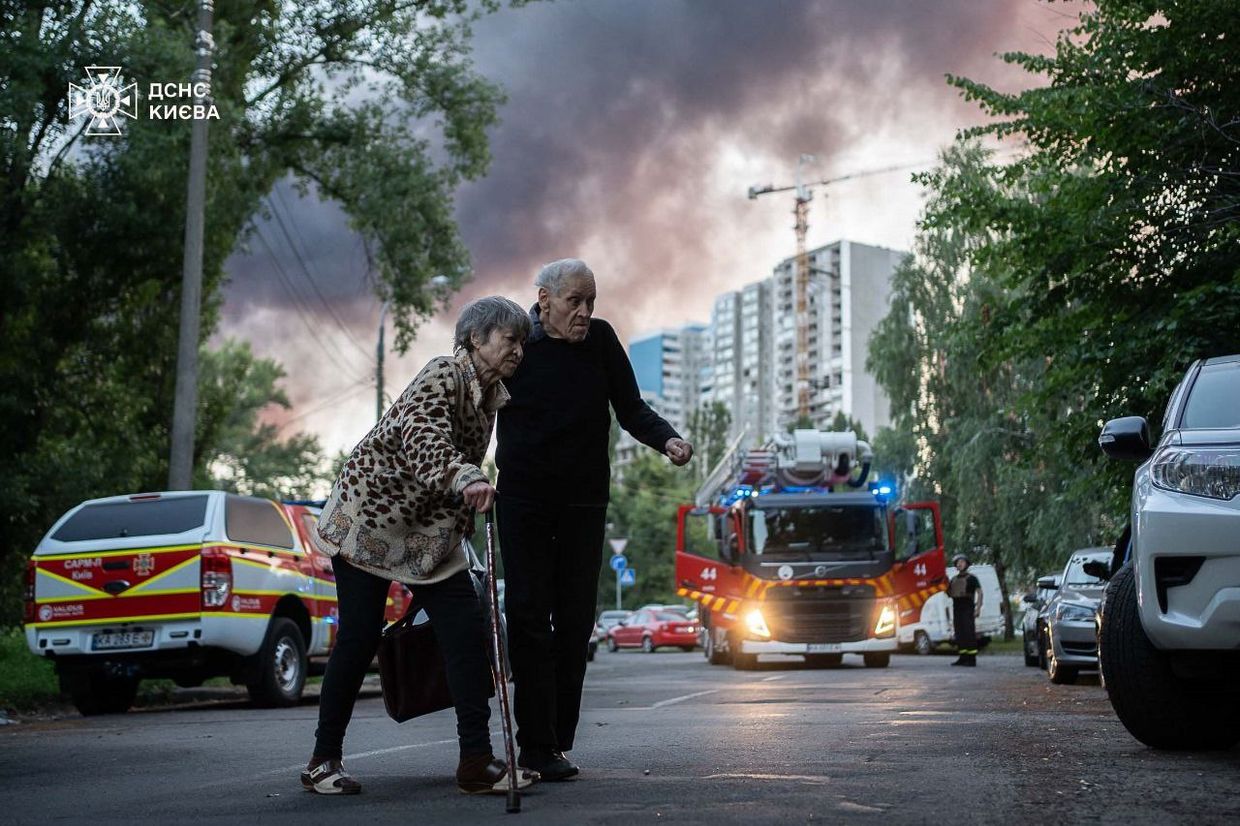
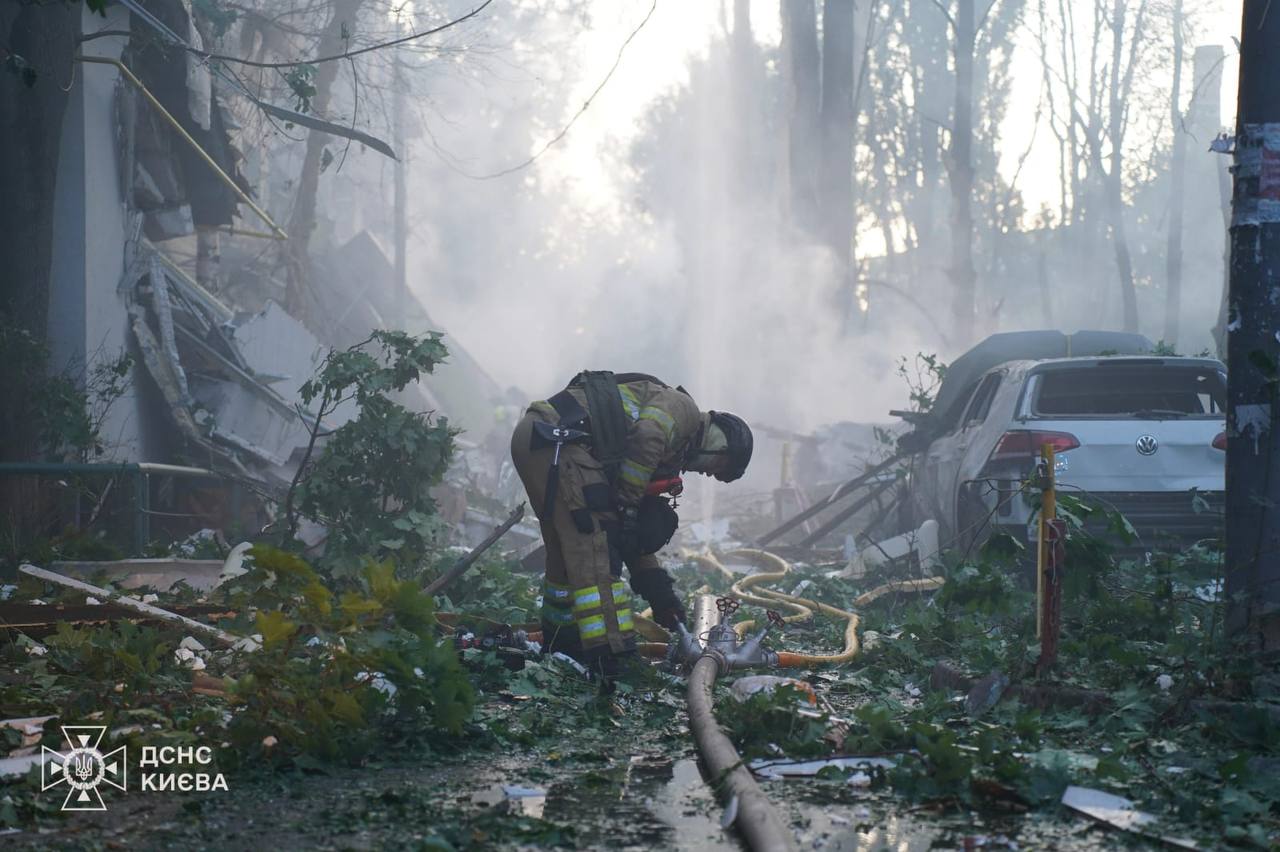
Nearly 600 emergency workers were deployed across multiple impact sites as rescuers spent the morning extinguishing fires, searching damaged buildings, and clearing debris.
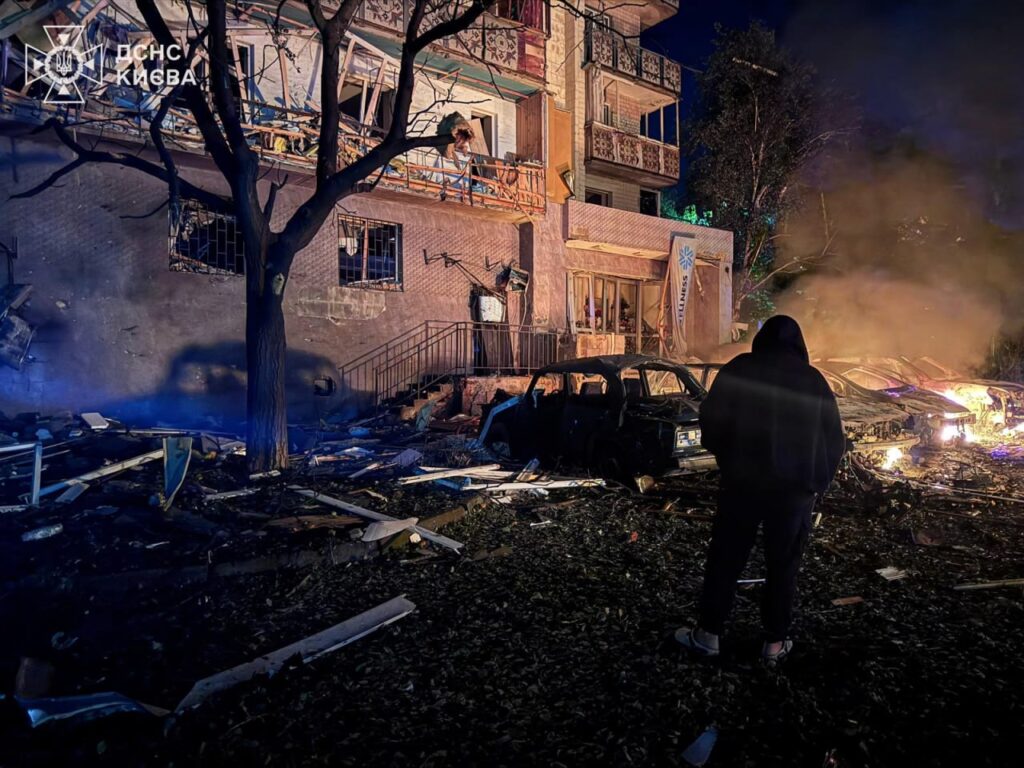
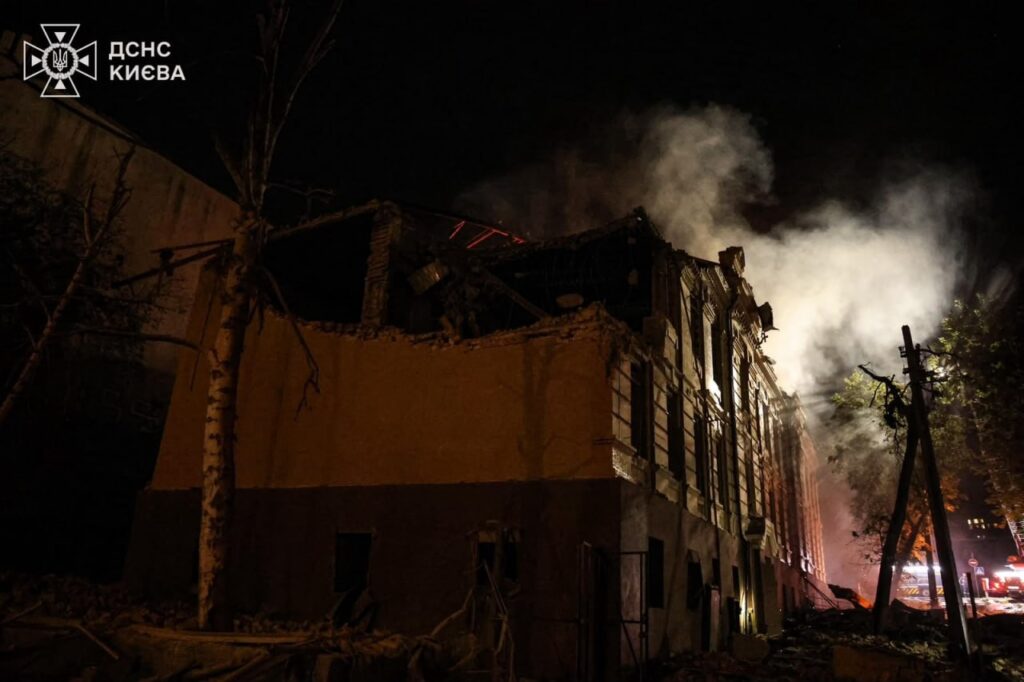
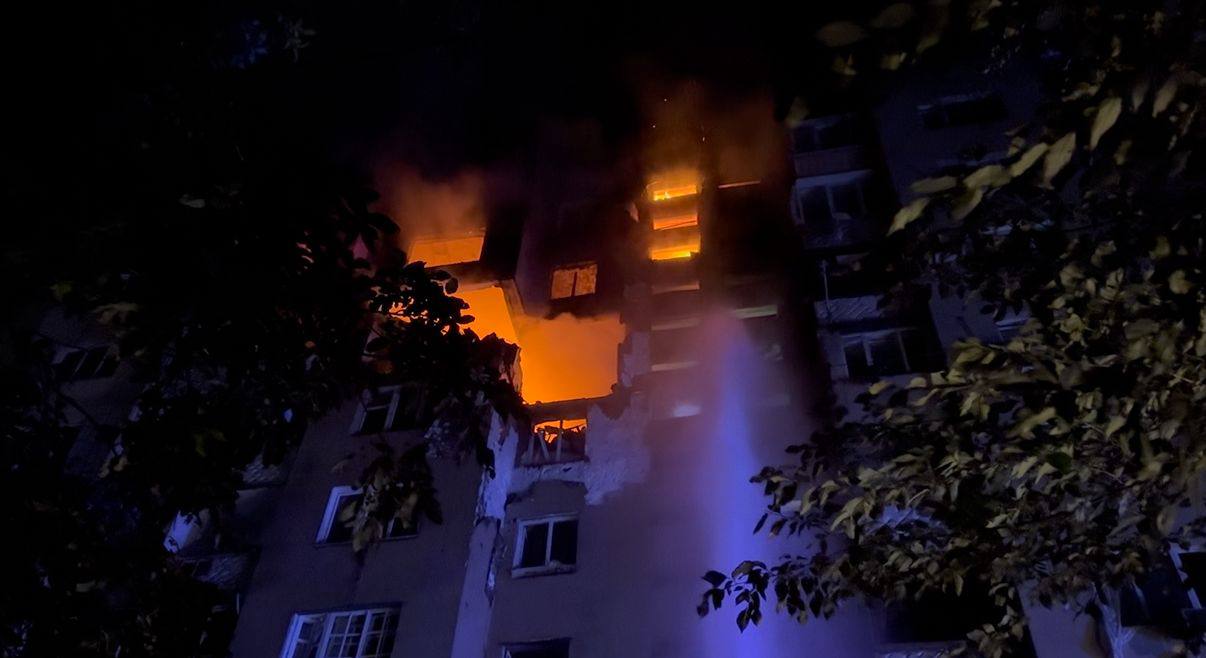
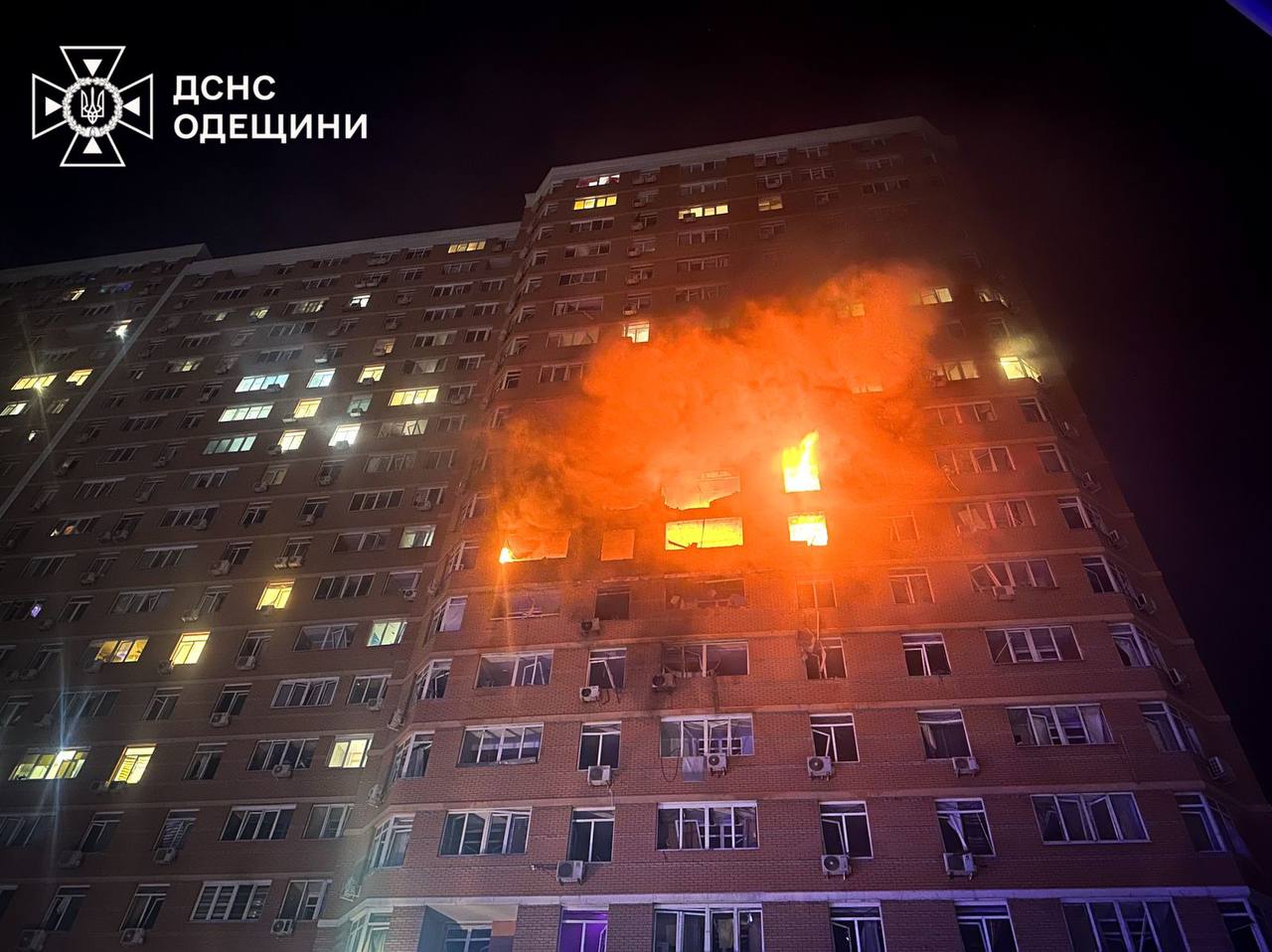
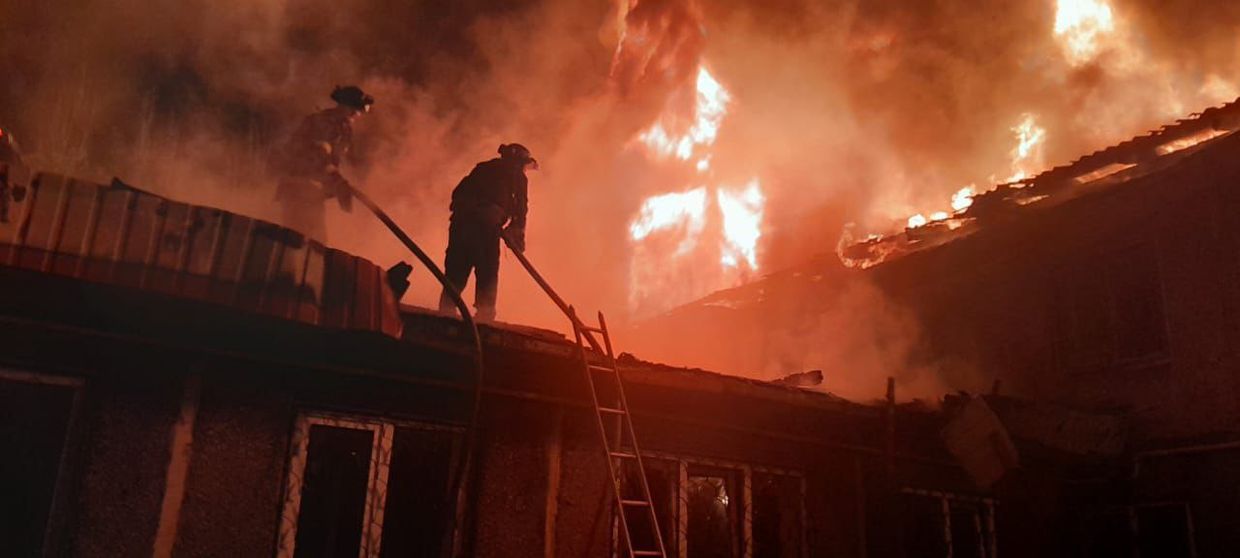
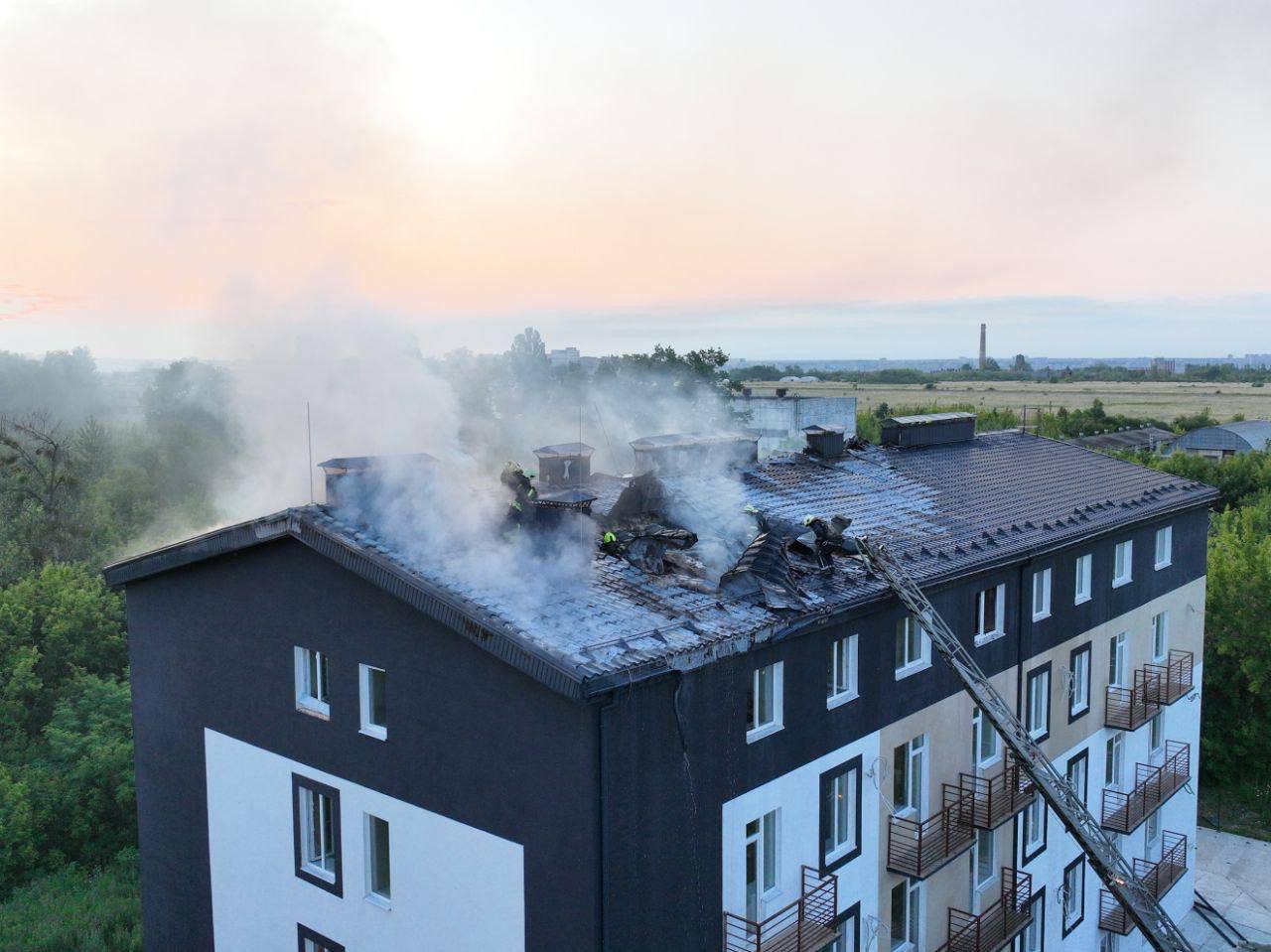
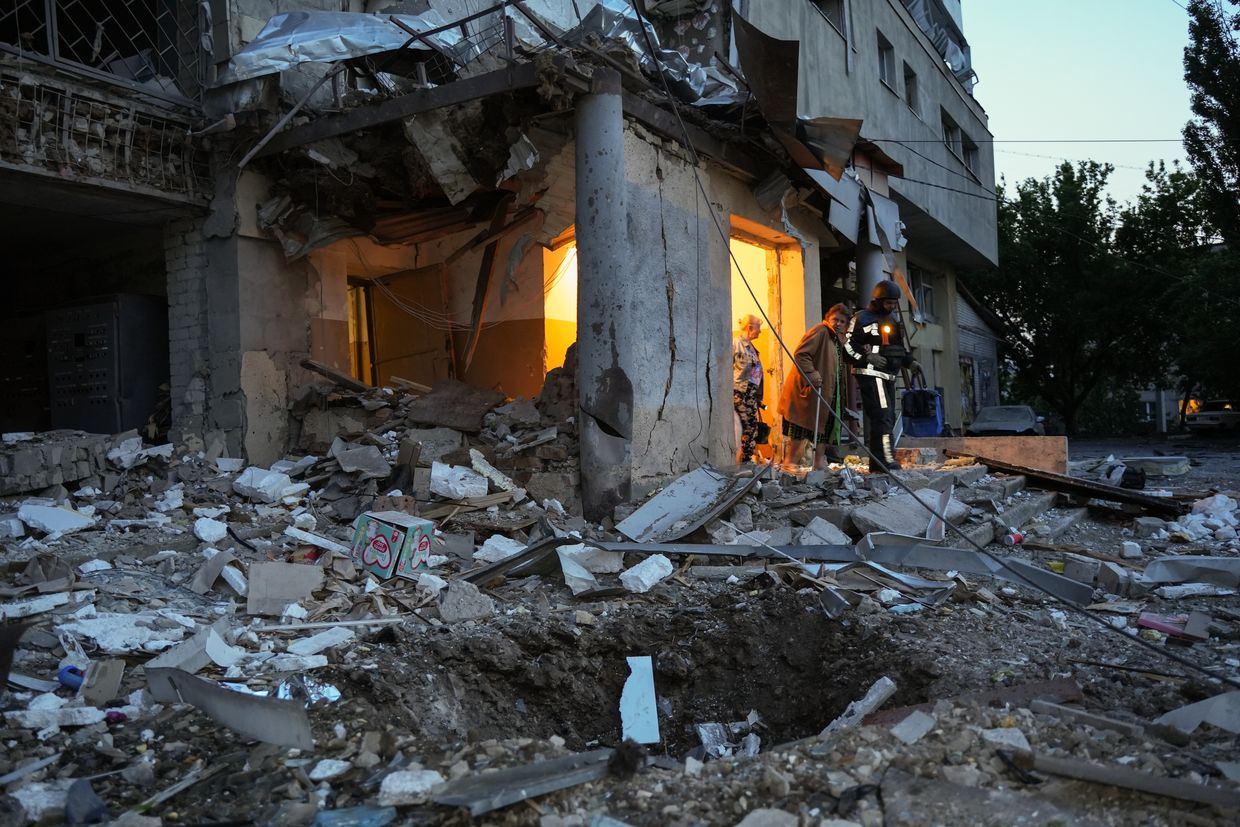
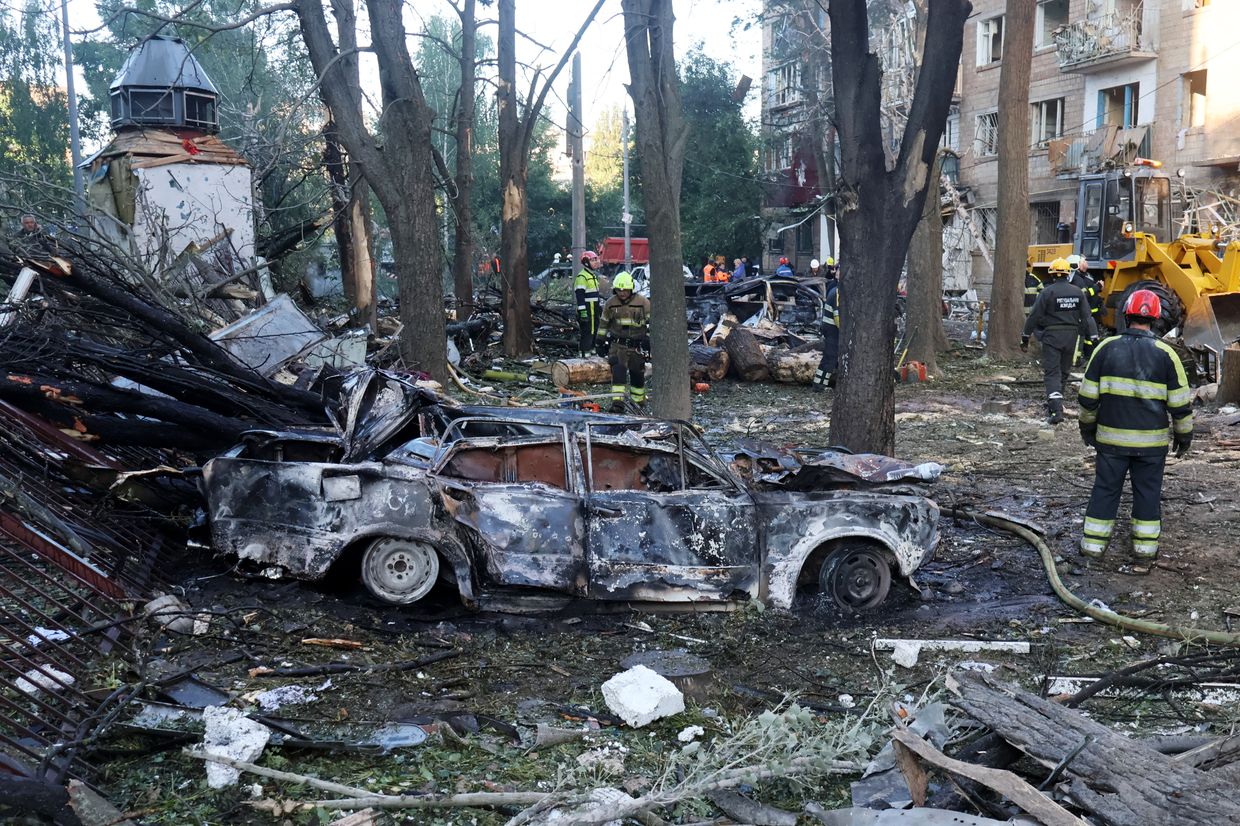
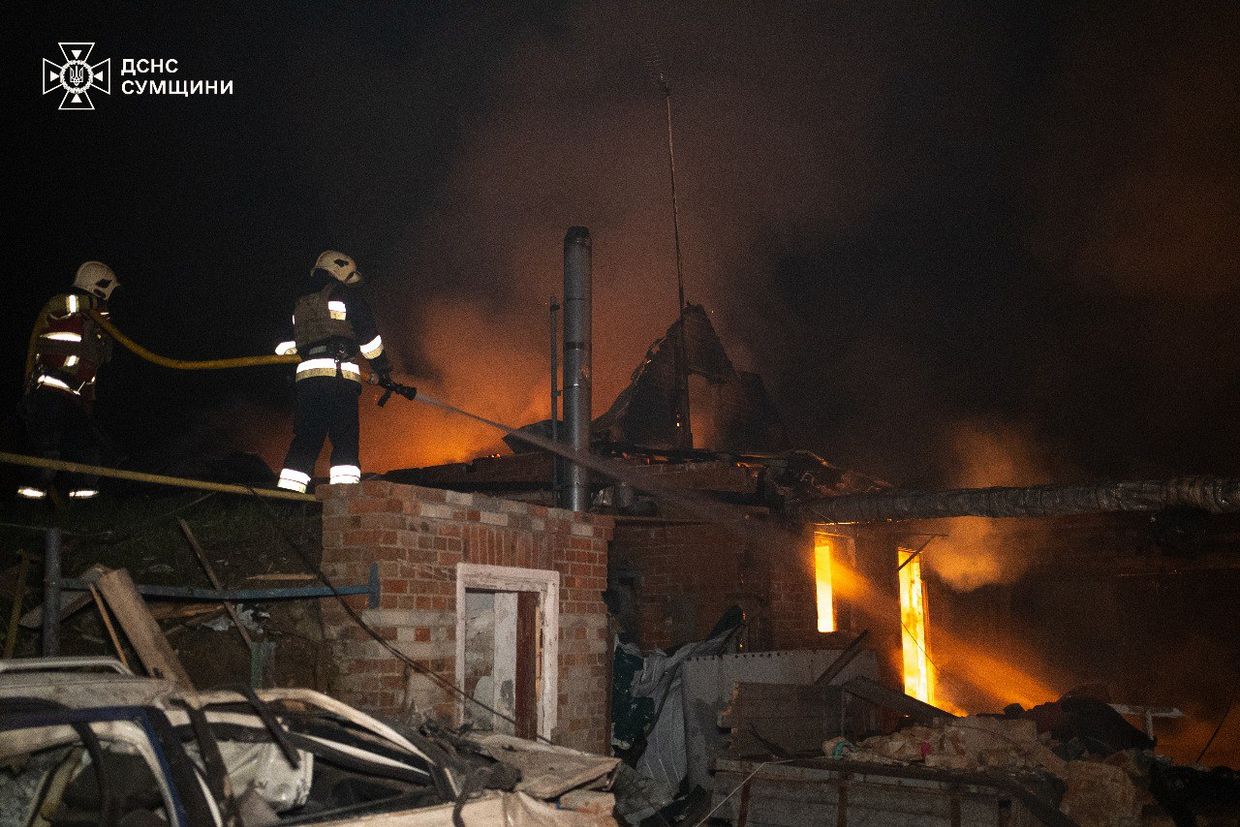
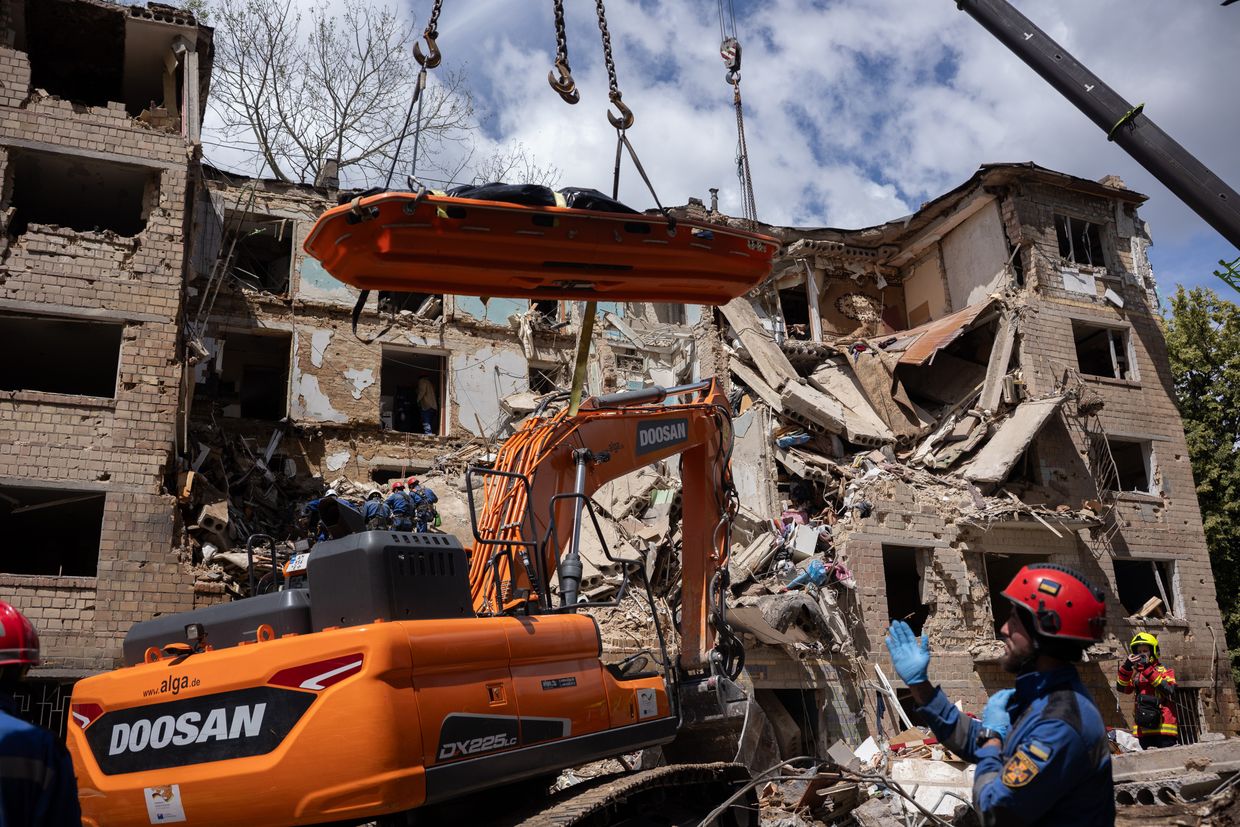
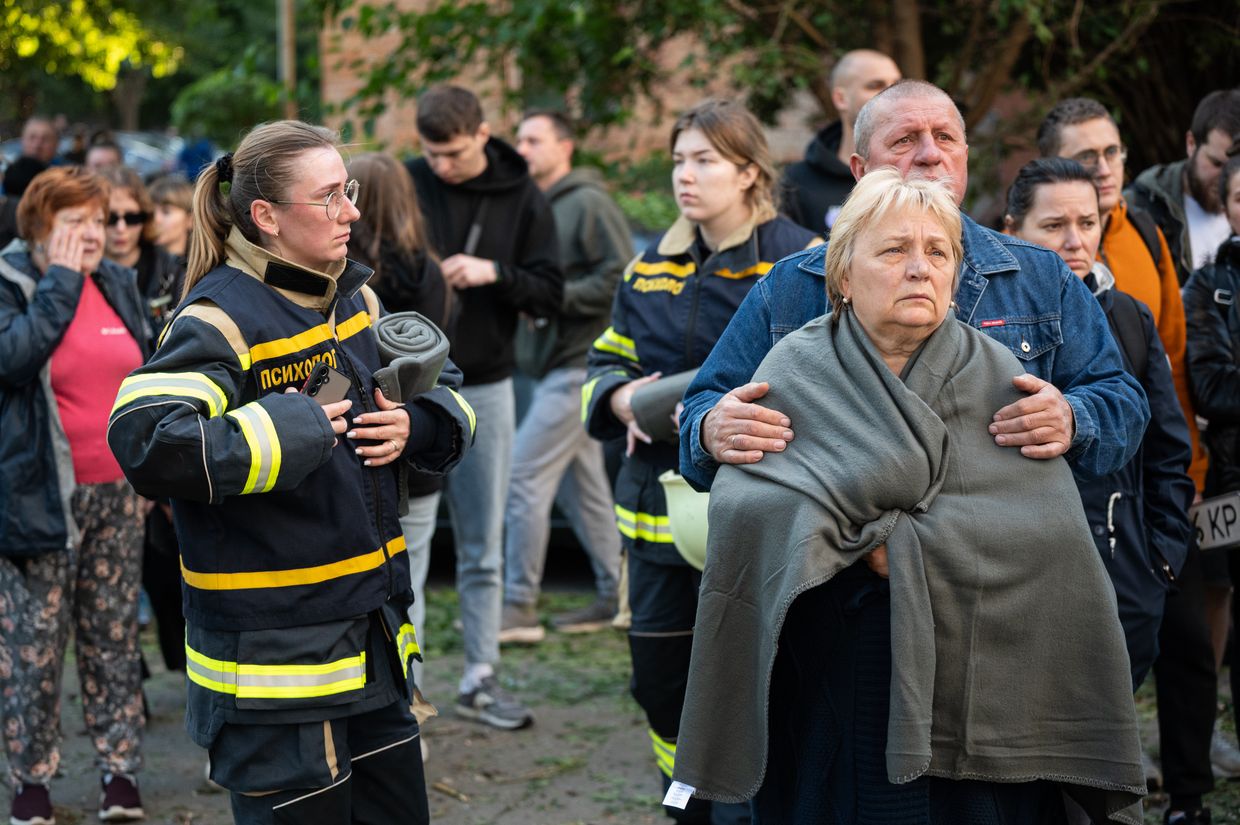
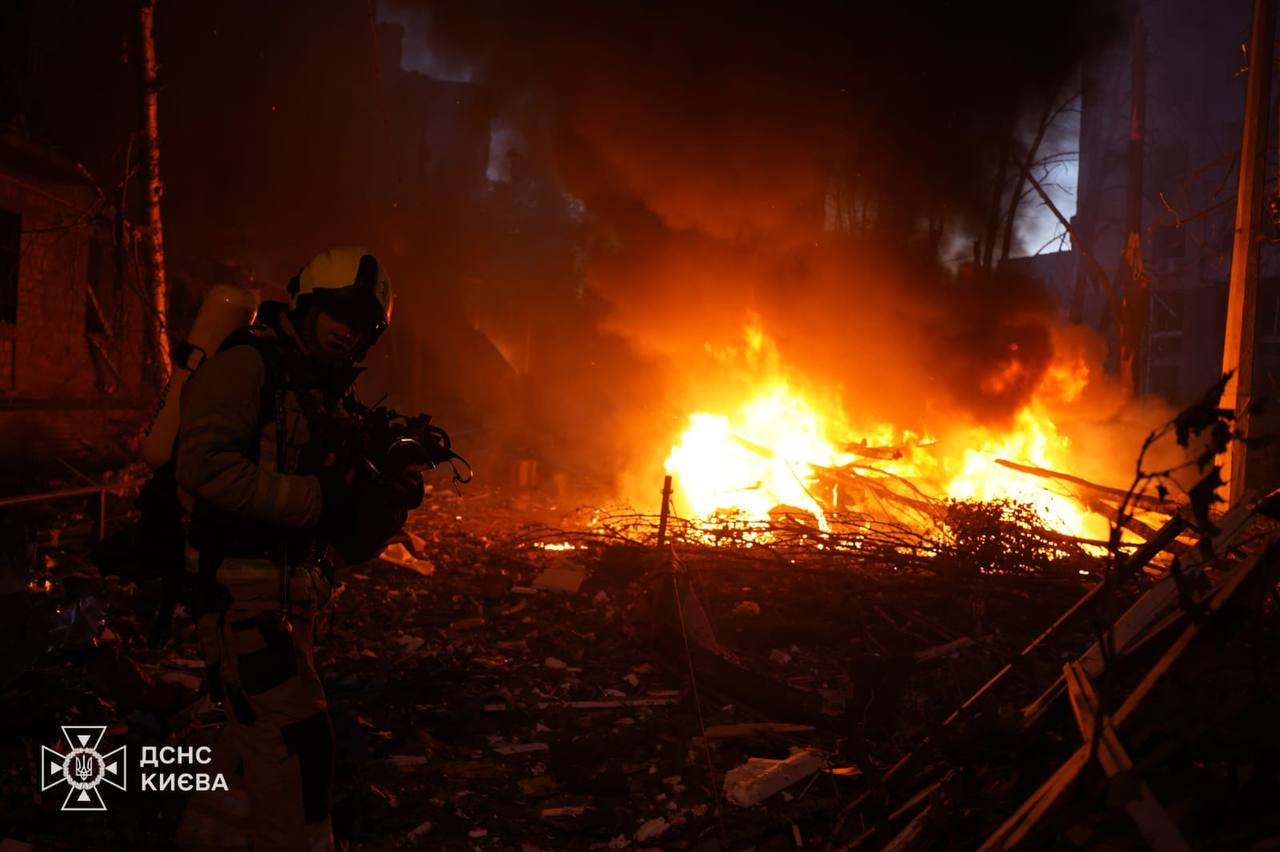
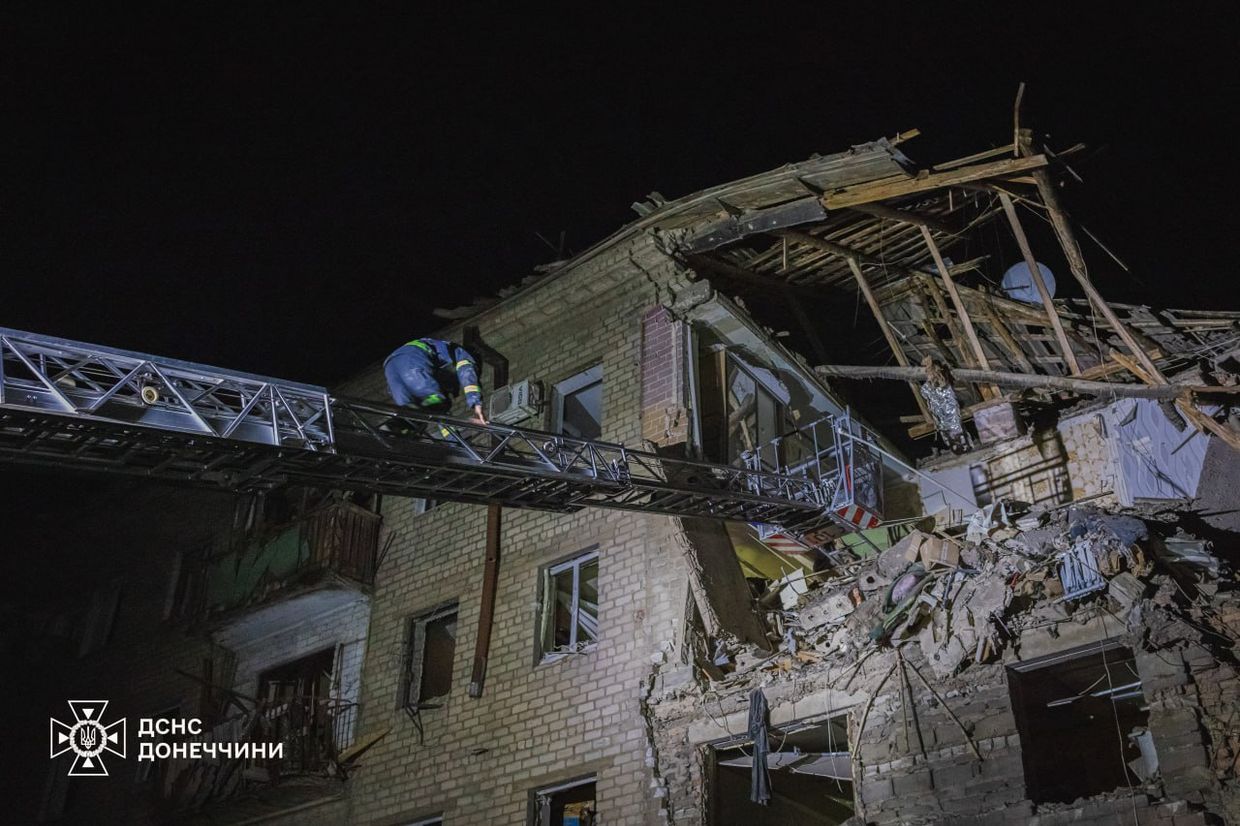
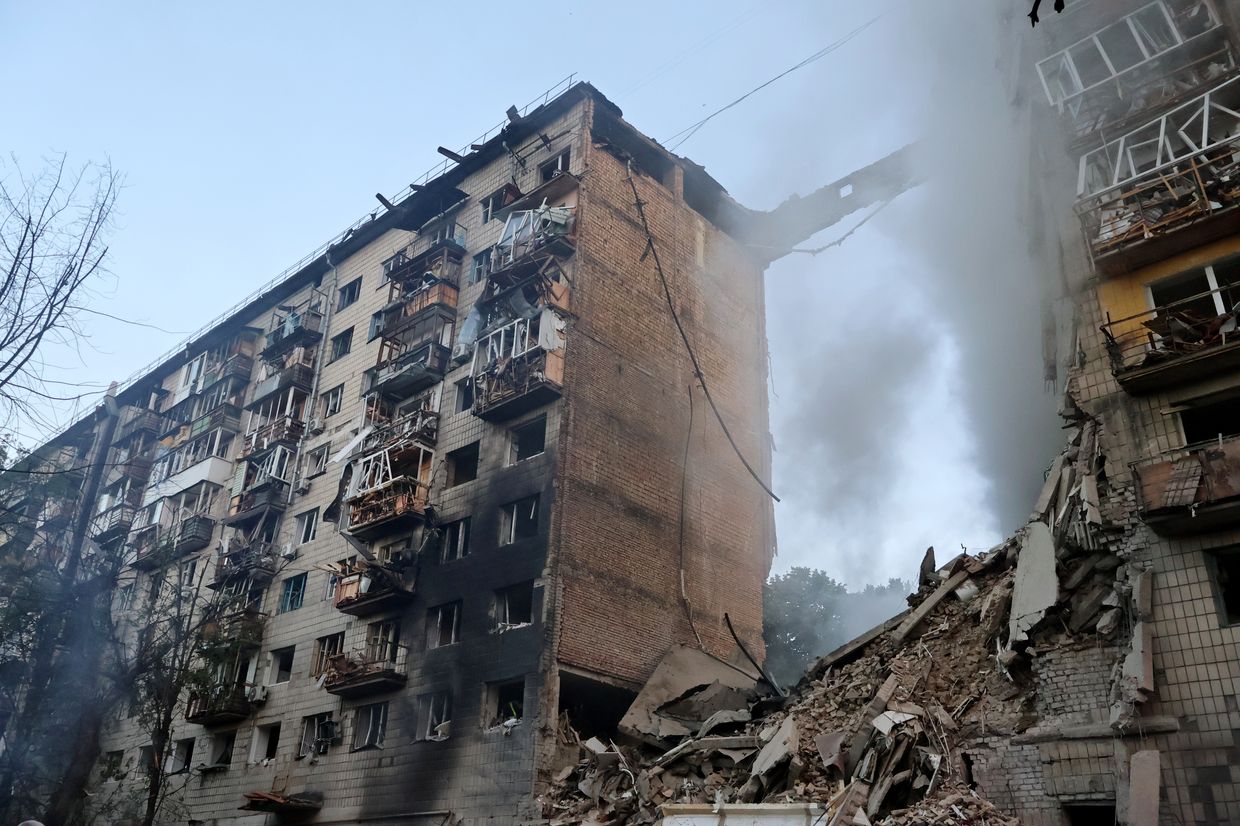
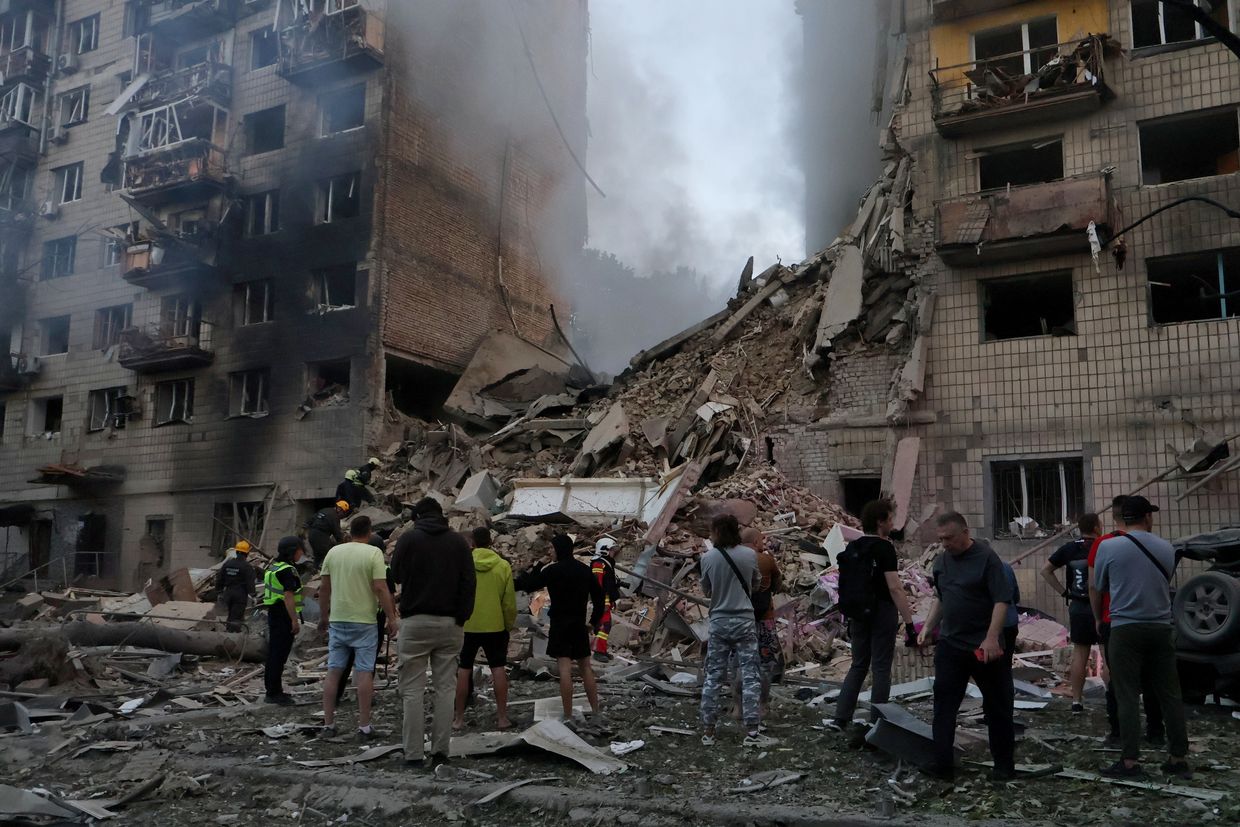
Aftermath of a massive Russian ballistic missile attack on Kyiv, 19 July 2026. Photo: Ukraine's State Emergency ServiceAftermath of a massive Russian ballistic missile attack on Kyiv, 19 July 2026. Photo: Ukraine's State Emergency Service
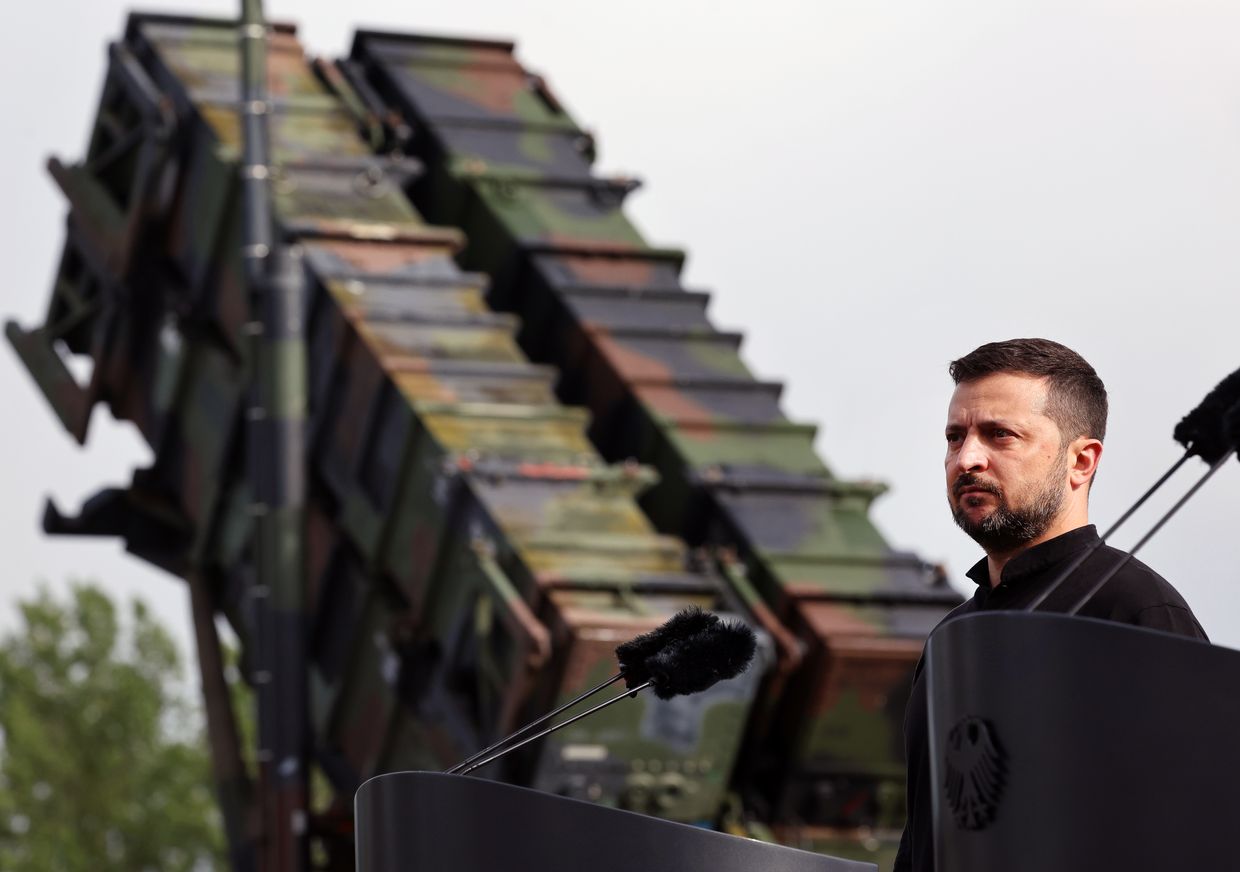
The attack featured some of Russia's most difficult weapons for Ukraine to intercept. Unlike drones or cruise missiles, ballistic missiles travel at extremely high speeds and require specialized anti-ballistic systems such as the US-made Patriot, which Ukraine has repeatedly said remain in limited supply.
The missiles' extreme speed also sharply reduces warning time for civilians. While drone attacks can often be tracked for hours, ballistic missiles can reach Kyiv within minutes of launch, leaving residents with only a short time to seek shelter after air raid sirens sound.
Kyiv was the main target
The Ukrainian Air Force said Russia launched a total of 166 aerial weapons overnight, including 41 missiles and 125 drones, with Kyiv identified as the primary target.
The missile barrage included 25 Iskander-M and S-400 ballistic missiles, 10 Zircon hypersonic missiles, three Oniks anti-ship missiles, and three Kh-59/69 guided air-launched missiles. Russia also launched 125 Shahed attack drones and other unmanned aerial vehicles, including decoys and loitering munitions.
Ukraine's air defenses intercepted or suppressed 126 incoming targets, including 18 missiles and 108 drones. According to the Air Force, 23 missiles and 10 attack drones nevertheless struck targets at 20 locations, while debris from intercepted drones fell at another 18 sites.
Russia hit Kyiv with a massive missile barrage on 19 July, and monitoring channels are putting the number at roughly 40 ballistic missiles in a single strike
The main part of the ballistic assault unfolded in less than an hour, with successive missile launches striking the capital before emergency responders could fully assess the initial impacts.
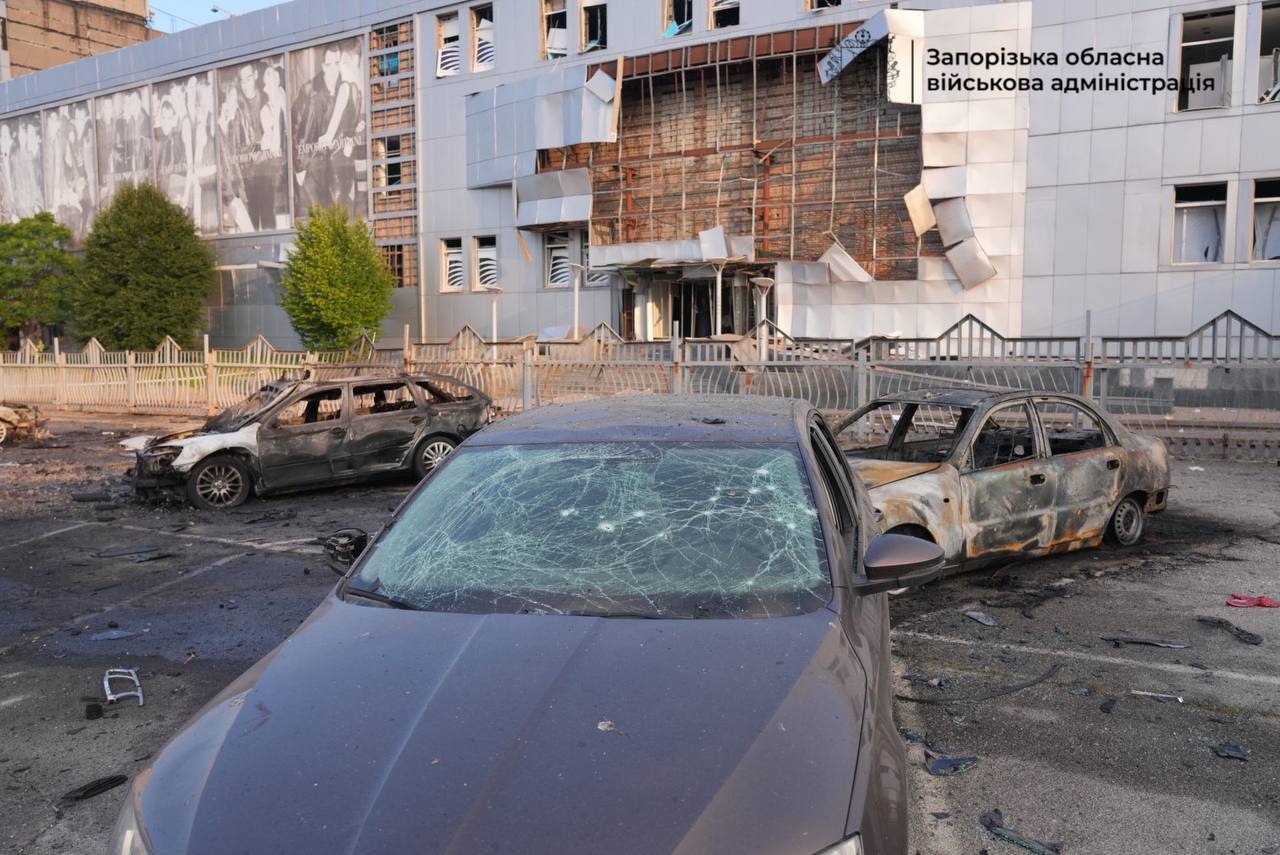
The attack damaged residential buildings, offices, warehouses, vehicles, and other civilian infrastructure across at least five districts of Kyiv, including Solomianskyi, Shevchenkivskyi, Dniprovskyi, Desnianskyi, and Sviatoshynskyi, according to Ukraine's State Emergency Service (DSNS).
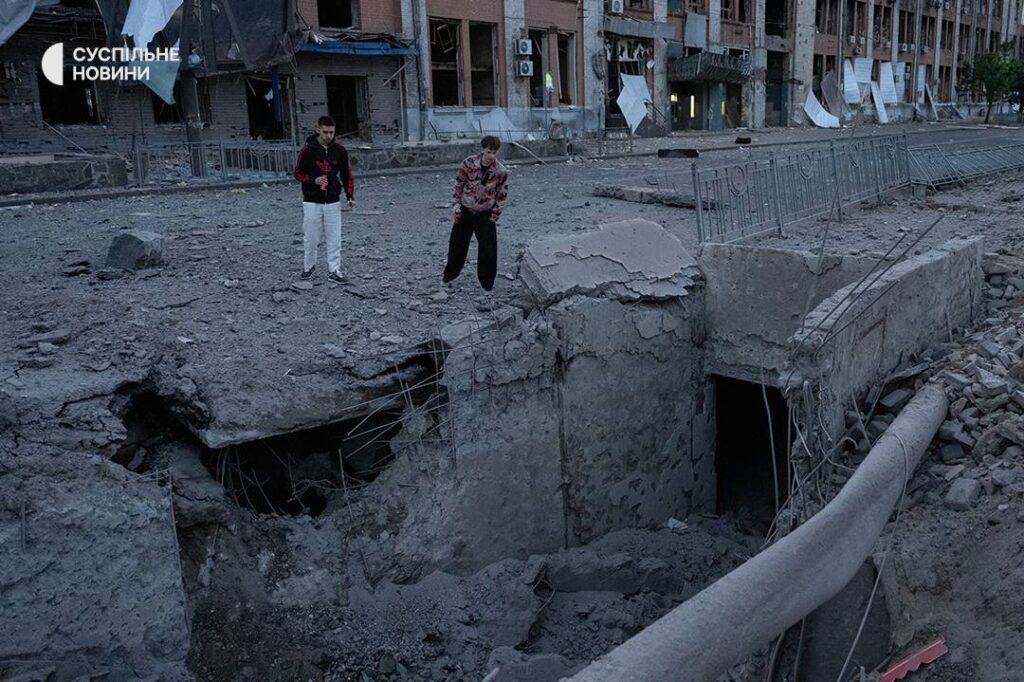
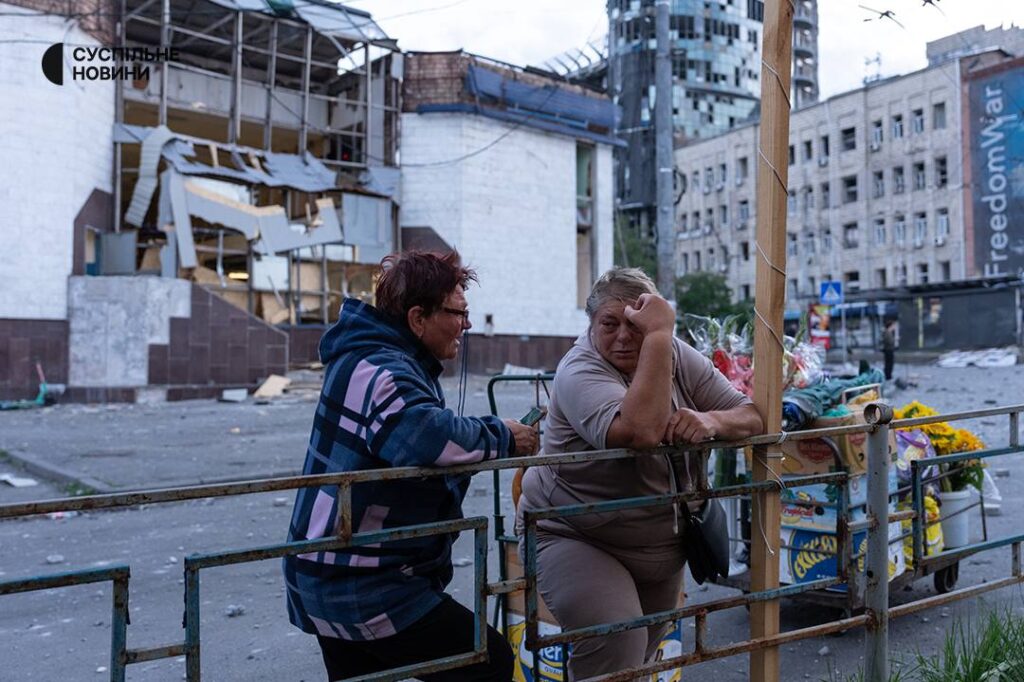
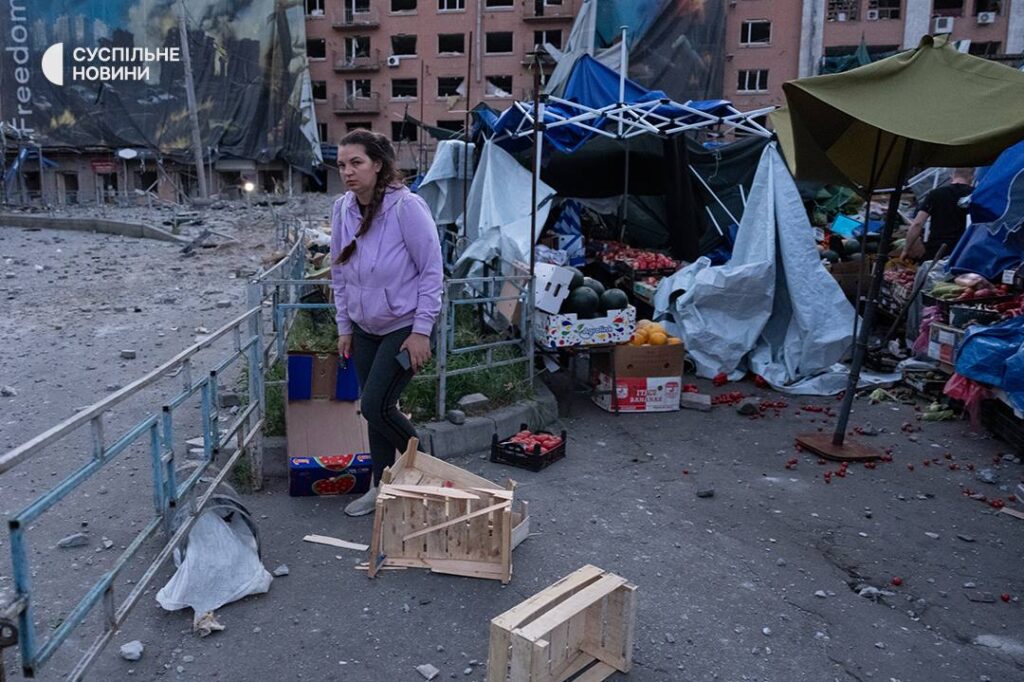
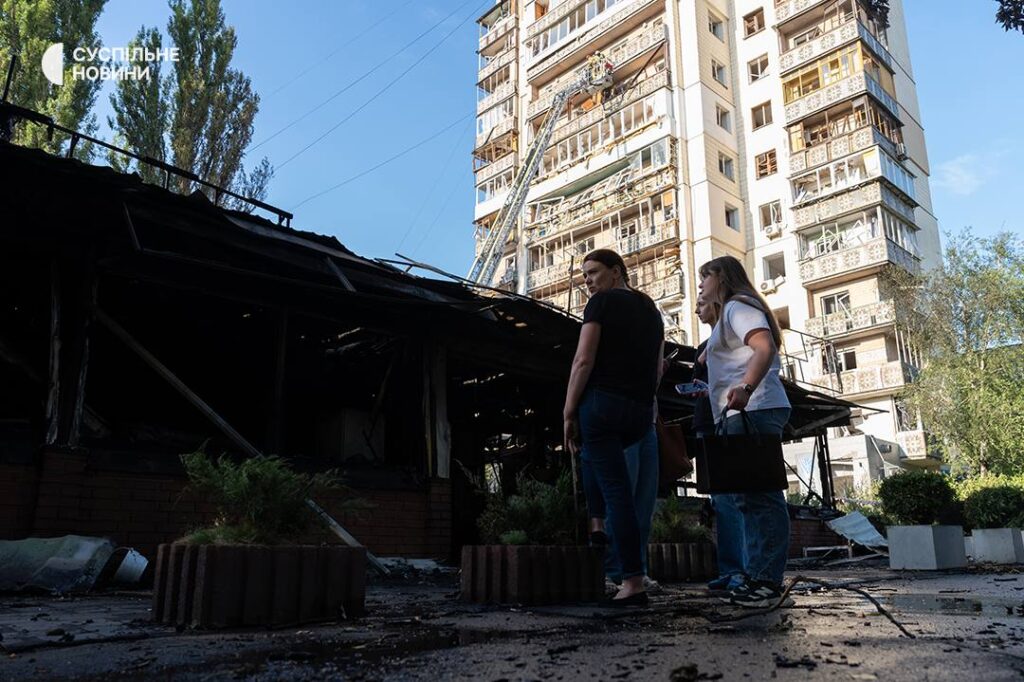
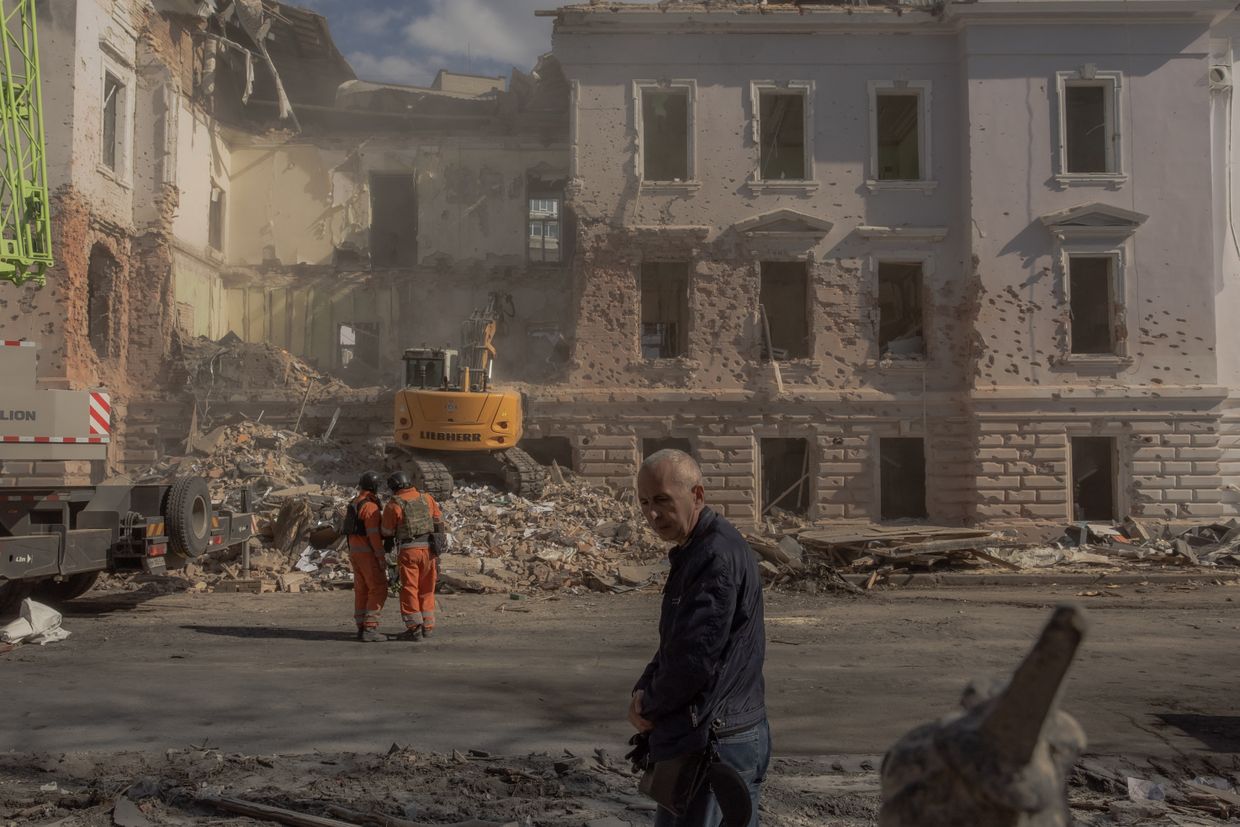
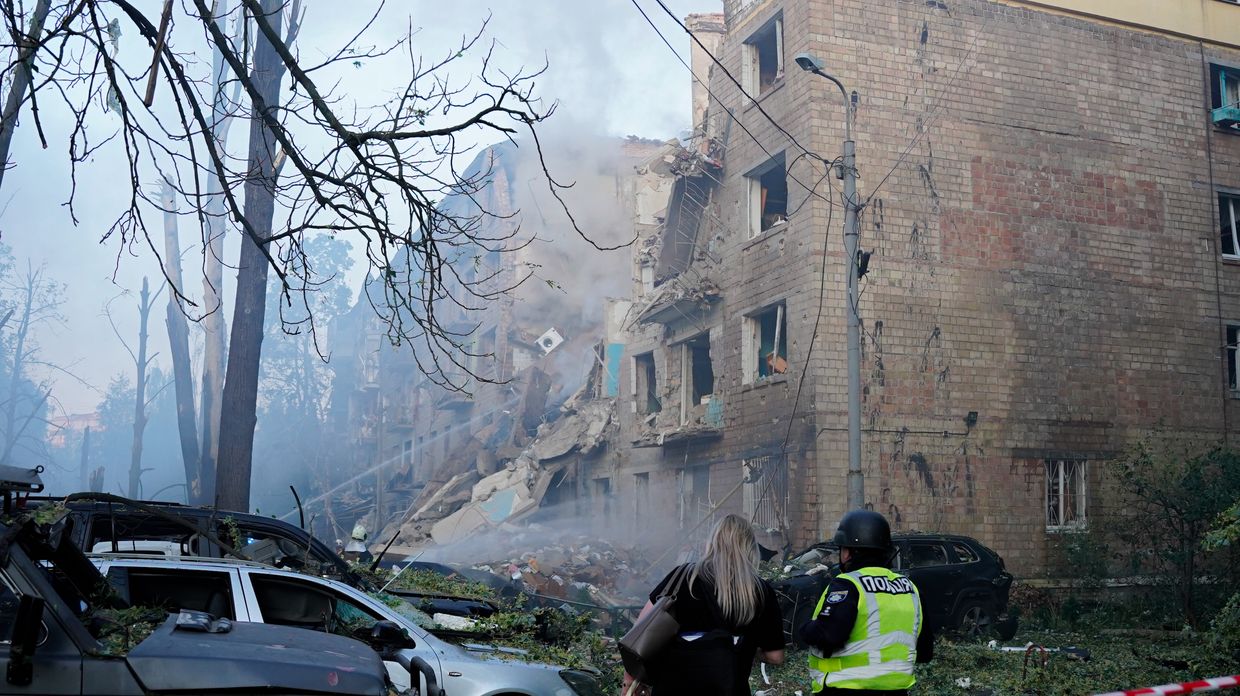
One of the hardest-hit locations was the area around Lukianivska metro station in Kyiv's Shevchenkivskyi district, where explosions damaged civilian buildings and sparked multiple fires. The neighborhood was also heavily struck during a Russian missile attack in May, when widespread destruction was recorded around the station.
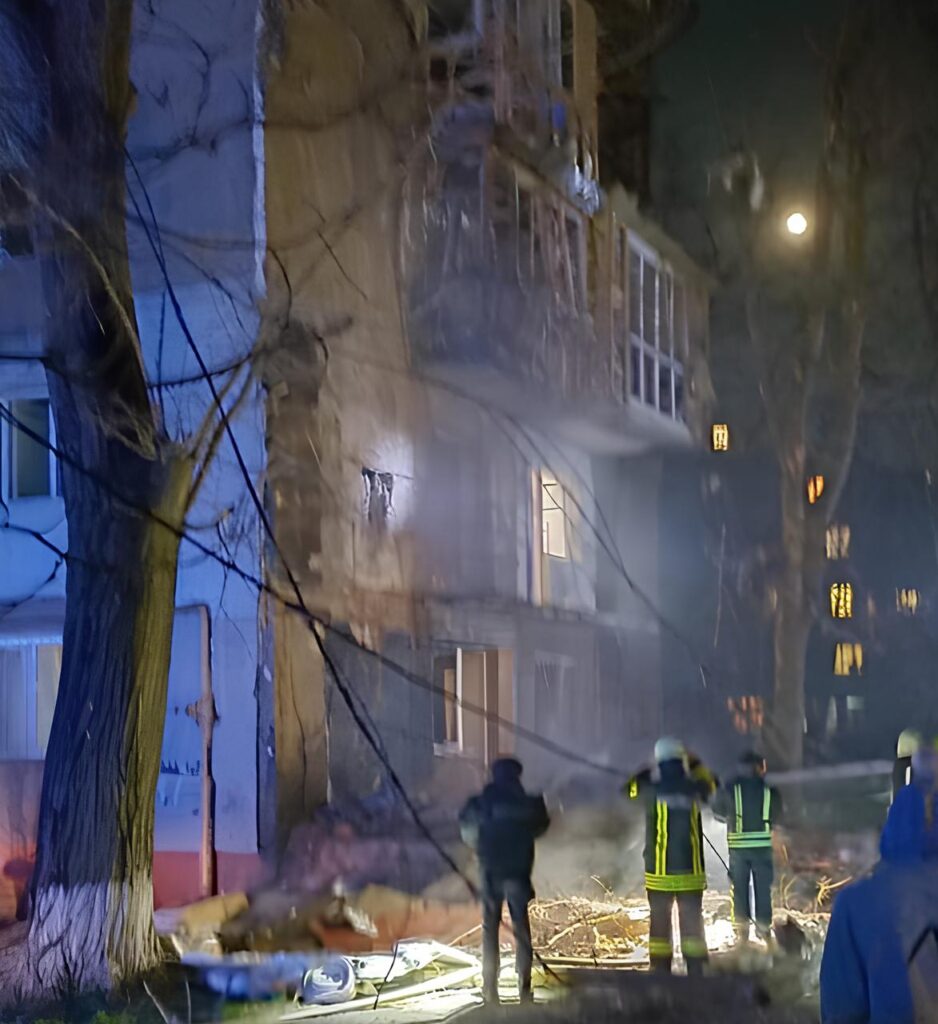
Aftermath of a massive Russian ballistic missile attack in Kyiv's Lukianivka district, 19 July 2026. Photo: SuspilneAftermath of a massive Russian ballistic missile attack in Kyiv's Lukianivka district, 19 July 2026. Photo: SuspilneAftermath of a massive Russian ballistic missile attack in Kyiv's Lukianivka district, 19 July 2026. Photo: SuspilneAftermath of a massive Russian ballistic missile attack in Kyiv's Lukianivka district, 19 July 2026. Photo: Suspilne
This is what the entrance to Kyiv's Lukianivska metro station looks like right now, damaged after tonight's ballistic missile attack
A subway entrance in ruins, in the capital of a European country, in 2026 Kyiv Info pic.twitter.com/4PSUygSagZ
In Solomianskyi district, firefighters battled blazes in an office building, residential buildings, and other structures. A five-story apartment building sustained significant damage, and later in the day rescuers removed unstable facade sections and balconies to protect residents.
In Shevchenkivskyi district, emergency crews extinguished fires in a three-story building, non-residential facilities, and more than 10 parked vehicles. The attack's only confirmed fatality was recovered there during rescue operations.
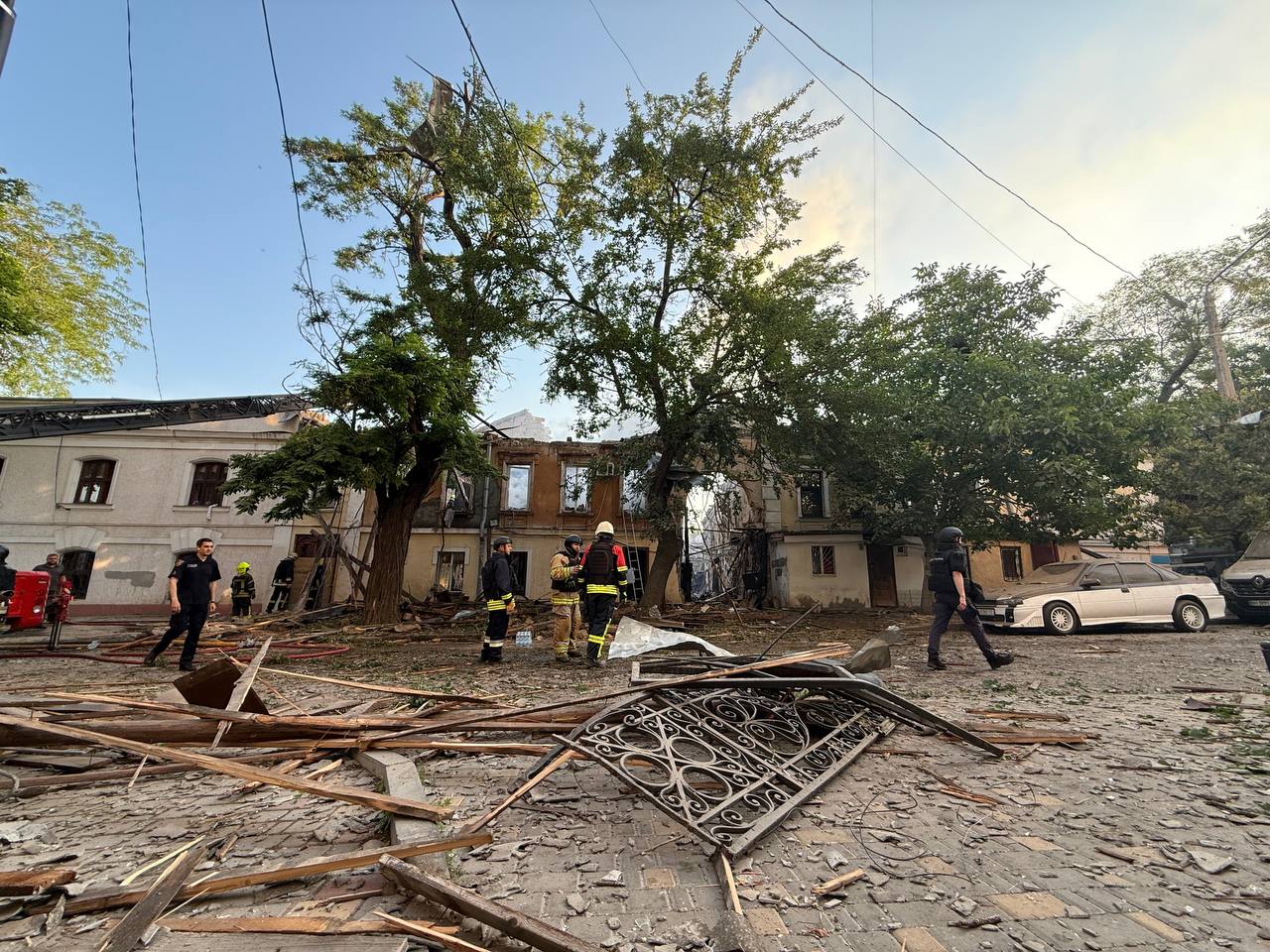
Aftermath of a massive Russian ballistic missile attack on Kyiv, 19 July 2026. Photo: Ukraine's State Emergency ServiceAftermath of a massive Russian ballistic missile attack on Kyiv, 19 July 2026. Photo: Ukraine's State Emergency Service
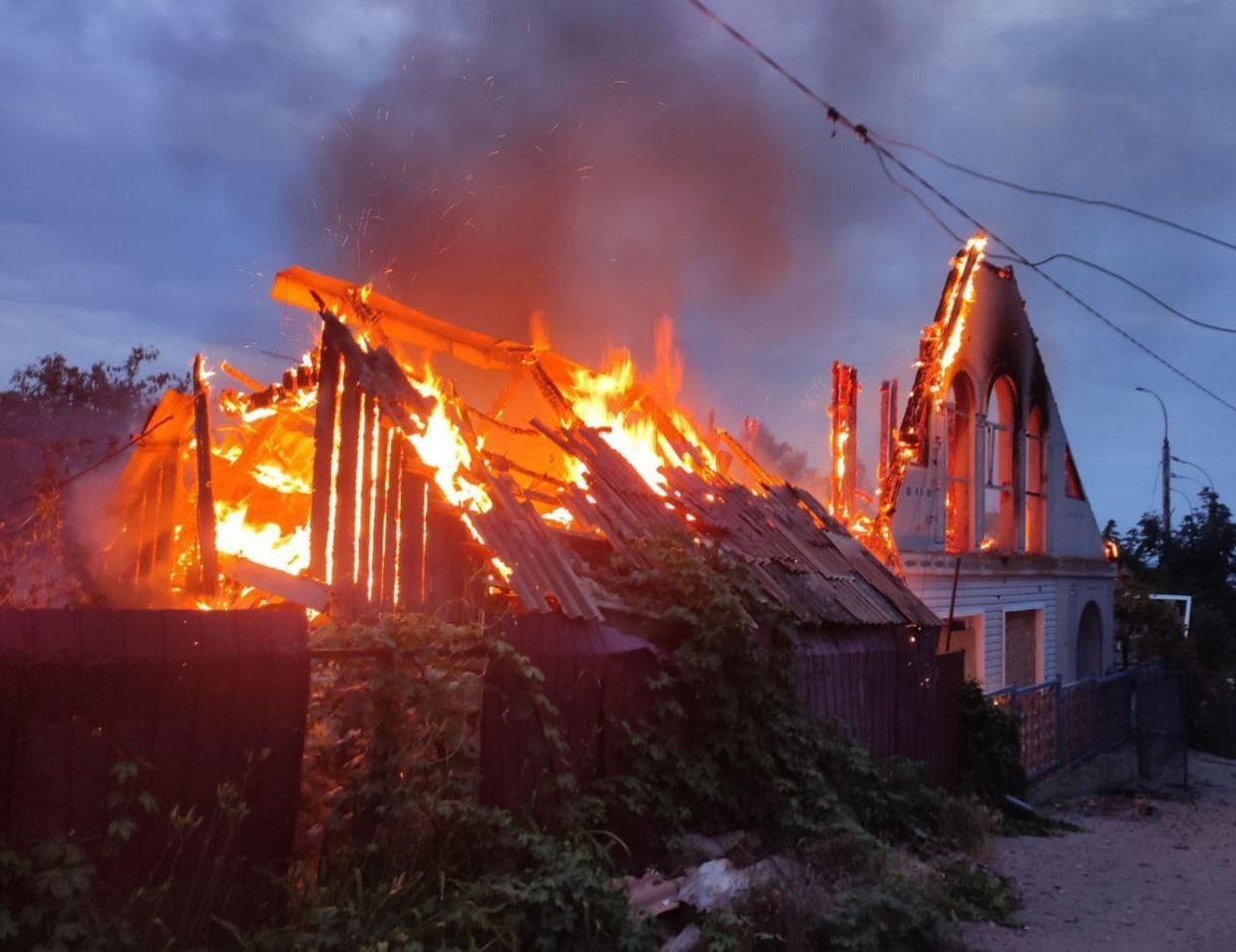
Elsewhere, fires broke out in a dormitory, private homes, industrial buildings, and vehicles across the city. By late morning, the DSNS said all fires caused by the attack in Kyiv had been extinguished, although recovery operations continued.
Ukraine's emergency responders spent the night battling the aftermath of Russia's largest ballistic missile attack on Kyiv since the start of the full-scale invasion.
More than 40 missiles struck the capital in under an hour, killing one person and injuring at least 16.… pic.twitter.com/SUcdBnah1y
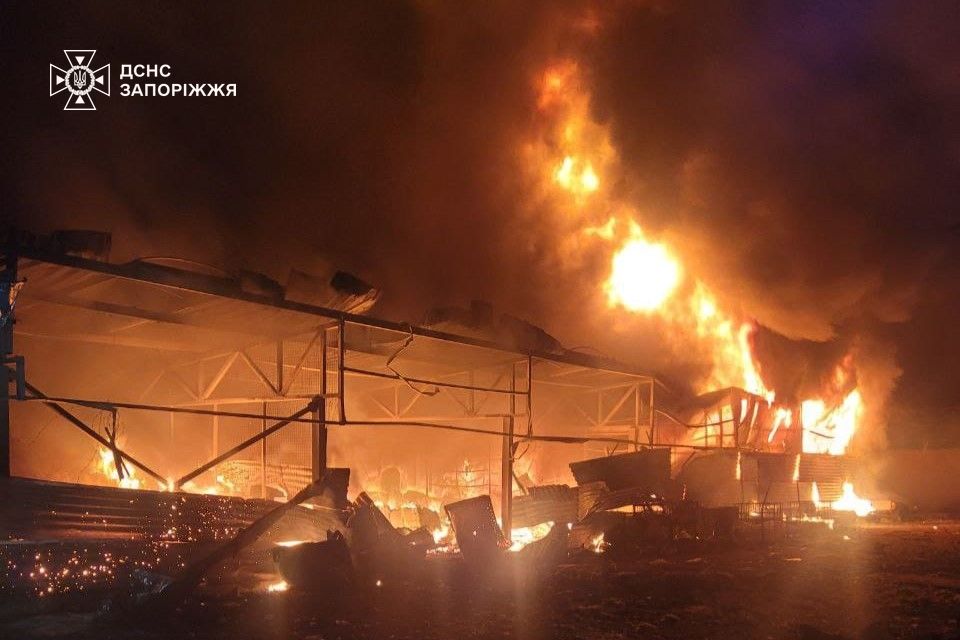
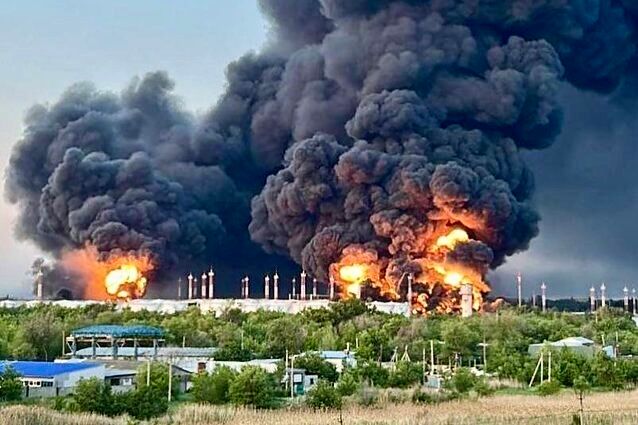
The assault also caused major destruction in Kyiv Oblast. In Bucha district, Russian strikes ignited a massive fire covering about 100,000 square meters across two warehouse buildings. More than 200 firefighters, 73 vehicles, and three helicopters were deployed to contain the blaze.
Russian strikes ignited multiple large fires in Kyiv Oblast's Bucha district overnight, setting warehouses and a logistics facility ablaze.
Emergency crews responded to several impact sites as firefighters worked to contain the blazes. According to preliminary information, two… pic.twitter.com/siqmjqHlMZ
Zelenskyy said Russia launched around 1,450 attack drones, more than 1,640 guided aerial bombs, and 99 missiles against Ukraine over the past week alone, causing casualties and destruction across numerous regions.
Calling protection against ballistic missiles Ukraine's "constant and highest priority," the president urged partners to accelerate deliveries of Patriot interceptors and other anti-ballistic capabilities, saying each new air defense package "literally saves lives" during Russia's increasingly frequent mass missile attacks.
He also called for continued sanctions pressure on Moscow, warning that delays in new measures give Russia time to prepare further strikes and adapt to existing restrictions.
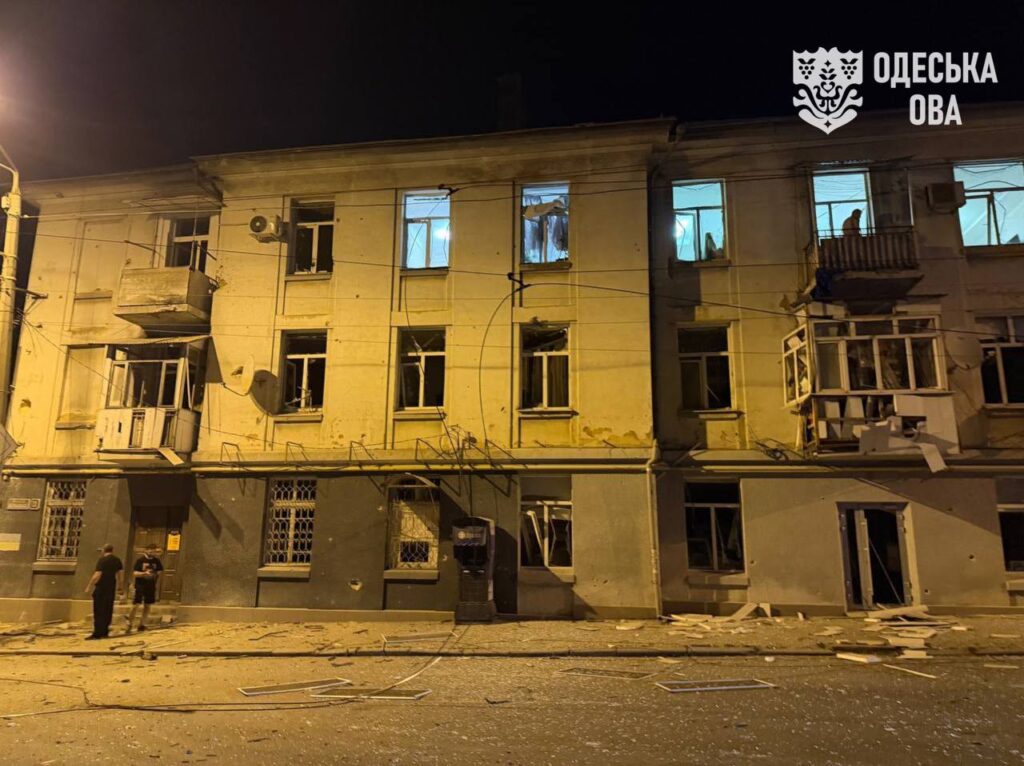
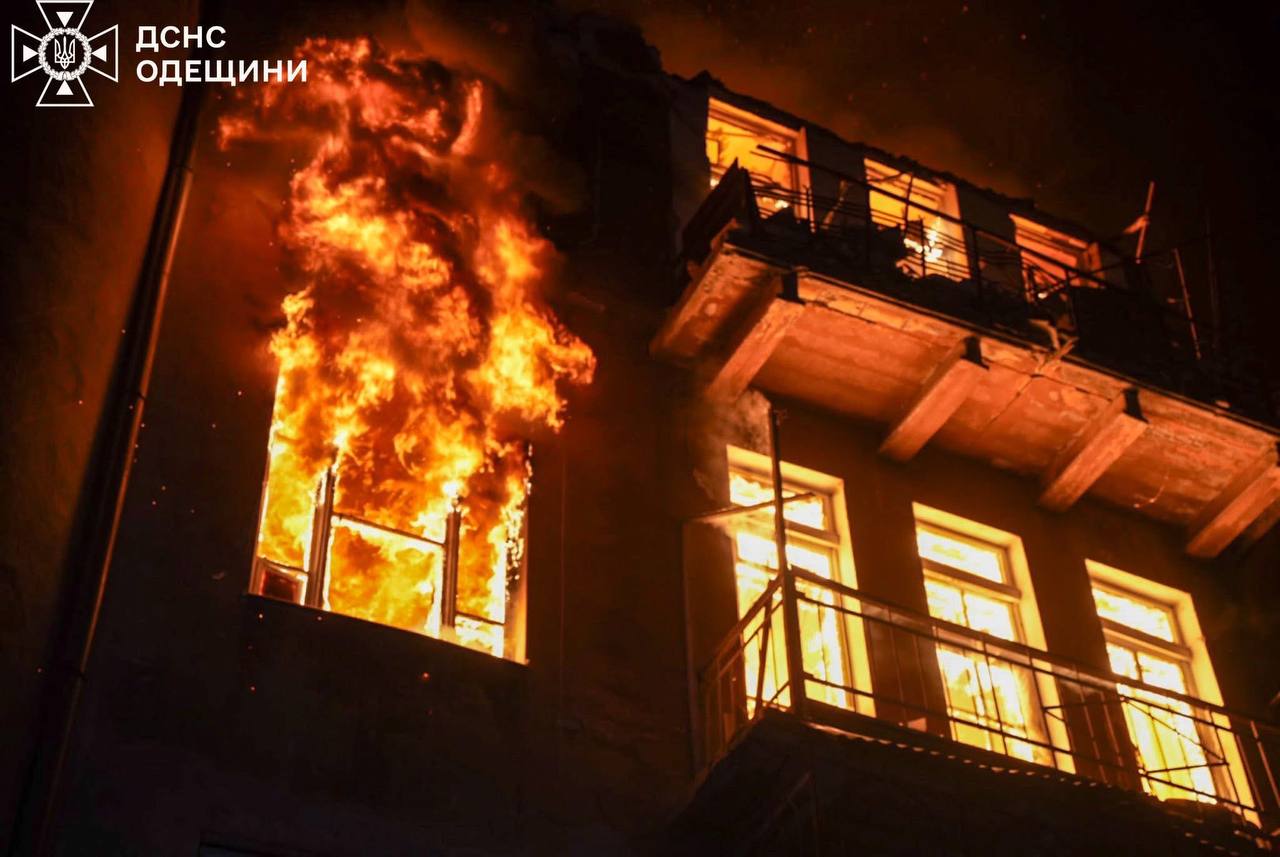
A Russian missile killed a 16-year-old boy in Odesa. Russian forces struck civilian infrastructure in Odesa Oblast on the evening of 18 July, wounding at least seven other residents, the Odesa Oblast Prosecutor's Office said.
Prosecutors opened a war crimes investigation under Part 2 of Article 438 of Ukraine's Criminal Code.
The strike came at the end of a week that had made Odesa one of Russia's most hit targets. Odesa's ports carry more than 90% of Ukraine's agricul
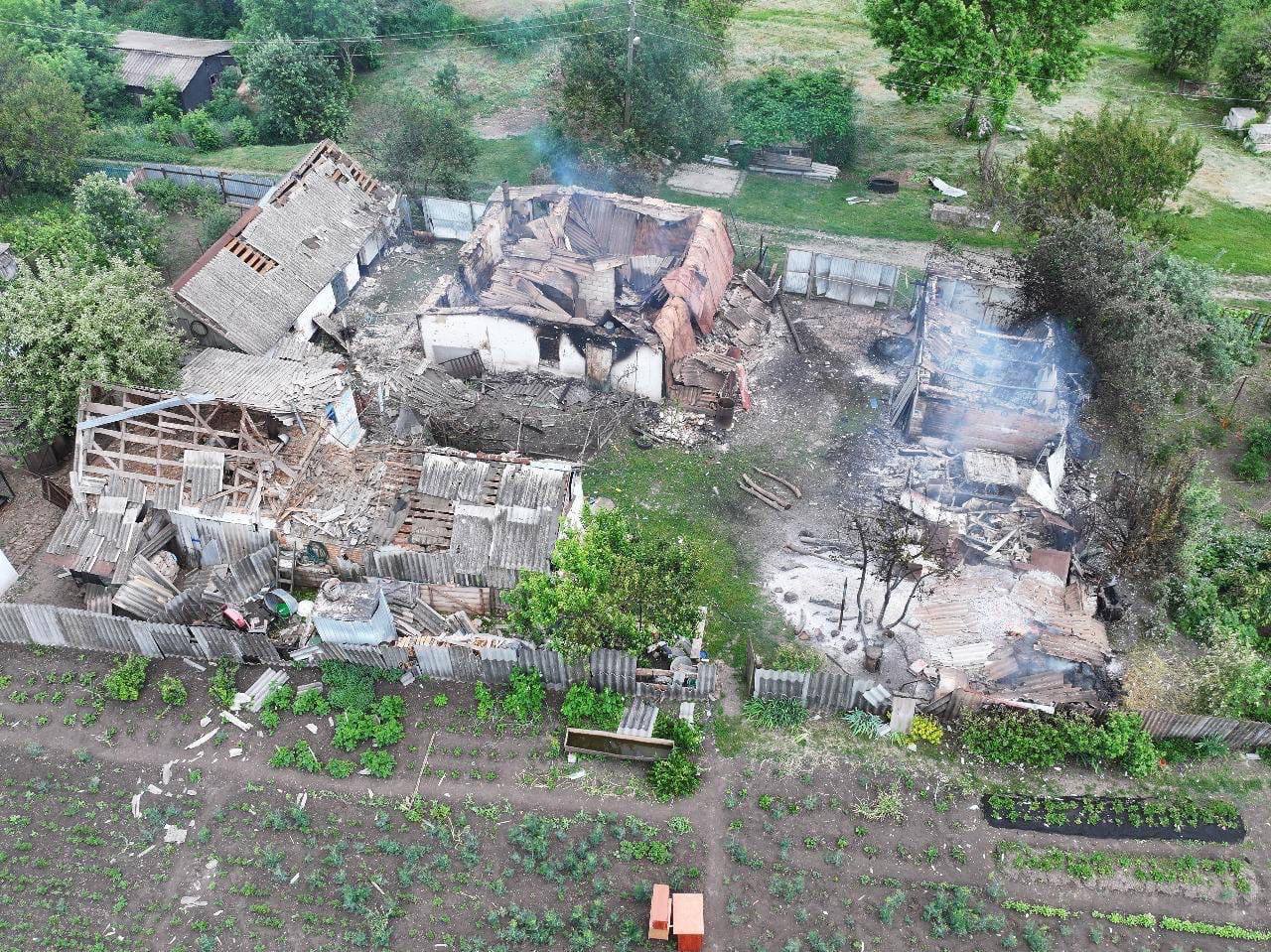
A Russian missile killed a 16-year-old boy in Odesa. Russian forces struck civilian infrastructure in Odesa Oblast on the evening of 18 July, wounding at least seven other residents, the Odesa Oblast Prosecutor's Office said.
Prosecutors opened a war crimes investigation under Part 2 of Article 438 of Ukraine's Criminal Code.
The strike came at the end of a week that had made Odesa one of Russia's most hit targets. Odesa's ports carry more than 90% of Ukraine's agricultural exports.
The evening attack damaged two private houses, buildings at a sports-and-entertainment complex, and eight cars, according to prosecutors.
Russia hit recreation park with families
Beyond the 16-year-old killed, the wounded included a two-year-old child, four women aged 22 to 28, and two men aged 27 and 40, all hospitalized.
Oblast administration head Oleh Kiper reported that a missile hit a recreation park, destroying fishermen's houses, and that people might still be under the rubble as a search-and-rescue operation continued. The casualty figures were still being clarified late on 18 July.
Eyewitnesses posted video of people digging through sand and debris by hand, apparently in the moments right after the missile struck, searching for anyone trapped.
Toll was still being counted late on 18 July
The information from the scene shifted through the evening, as it typically does in the hours after a strike.
Kiper initially reported two people killed and four wounded, including a child, at the recreation park, with people possibly still trapped under the rubble. He said a second location in another settlement saw a residential building and two cars damaged, with one person hurt.
The Security Service of Ukraine's Odesa directorate is conducting the pre-trial investigation and documenting the strikes as war crimes.
Odesa has been under sustained fire for over week
The 18 July strike is the latest in a campaign that has hammered Odesa and its ports throughout July. From 11 to 15 July, Russian strikes hit three Greater Odesa ports and the merchant ships anchored there, cutting the region's grain-export capacity by roughly a third, perReuters.
The civilian toll has run alongside the economic one. On 16 July, a Russian strike on Odesa killed Olena Arkhipova, a Red Cross first-aid instructor and single mother of three, as she hurried to shelter with her children; the children survived.
The Israeli military said the attack targeted members of the second-biggest militant group in Gaza. It also said it was “aware of the claims that several uninvolved individuals” had been harmed.
The Israeli military said the attack targeted members of the second-biggest militant group in Gaza. It also said it was “aware of the claims that several uninvolved individuals” had been harmed.
Ukrainian citizen Olena Arkhipova has been teaching other people how to keep someone alive since 2023. She was killed on the evening of 16 July, hurrying to a shelter with her three children when a Russian missile struck Odesa. The Ukrainian Red Cross Society (URCS) said her children survived and are receiving all necessary care.
Russia spent hammering Odesa for about a week, targeting Greater Odesa ports and the merchant ships anchored there, killing civilians in strikes
Ukrainian citizen Olena Arkhipova has been teaching other people how to keep someone alive since 2023. She was killed on the evening of 16 July, hurrying to a shelter with her three children when a Russian missile struck Odesa. The Ukrainian Red Cross Society (URCS) said her children survived and are receiving all necessary care.
Russia spent hammering Odesa for about a week, targeting Greater Odesa ports and the merchant ships anchored there, killing civilians in strikes on apartment buildings, homes, and shipping, and cutting the region's grain-export capacity by roughly a third, Reuters reports. Odesa's ports carry more than 90% of Ukraine's agricultural exports.
She was one of two people killed in the strike, which hit the Khadzhybeiskyi district and wounded at least eight others, including three children, according to Serhiy Lysak, head of the Odesa City Military Administration.
Arkhipova raised three children on her own. She joined the Ukrainian Red Cross in 2023 as a first-aid instructor, and in 2026 also became an instructor in first aid for animals.
Arkhipova taught people whose job is to respond
She lived in Odesa and gave herself to helping others. She ran first-aid training for workers of Ukraine's State Emergency Service and the National Police, for adults and children, for anyone who wanted to learn skills that save lives. She was an active volunteer with the Odesa regional branch of the Ukrainian Red Cross.
Colleagues describe a person who came when called
"For colleagues and friends, Olena will forever remain a bright, sincere, responsible person who was always ready to come to the aid of others," the URCS said.
According to the organization, "she taught others to save lives and every day proved by her own example that humanity, care, and not being indifferent are capable of changing the world."
The organization offered condolences to her family, her friends, and the whole volunteer community.
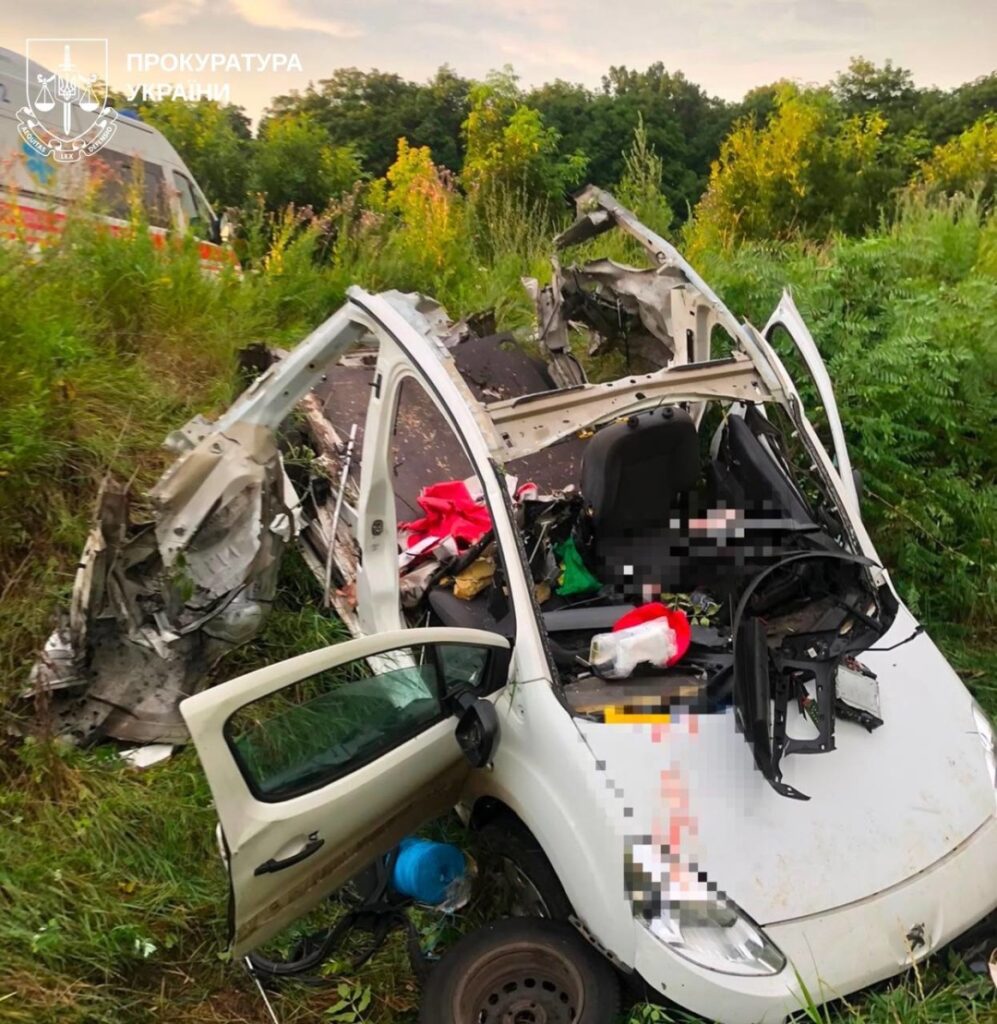
A Russian drone killed a man driving his car in Kharkiv Oblast. The strike hit a Peugeot on the Zolochiv-Maksymivka road near the village of Berezivka in Bohodukhiv raion on the evening of 14 July, killing the 61-year-old driver, the Kharkiv Oblast Prosecutor's Office said on Telegram. The drone was preliminarily identified as a Molniya.
The precise hit on the moving car suggests that the Molniya was piloted in real-time.
Prosecutors opened a pre-trial investigation into a
A Russian drone killed a man driving his car in Kharkiv Oblast. The strike hit a Peugeot on the Zolochiv-Maksymivka road near the village of Berezivka in Bohodukhiv raion on the evening of 14 July, killing the 61-year-old driver, the Kharkiv Oblast Prosecutor's Office said on Telegram. The drone was preliminarily identified as a Molniya.
The precise hit on the moving car suggests that the Molniya was piloted in real-time.
Prosecutors opened a pre-trial investigation into a war crime that caused a death, under Part 2 of Article 438 of Ukraine's Criminal Code. Russian drones hunting civilian cars on Kharkiv Oblast roads is a documented pattern.
In October 2025, a Russian Molniya drone hit a car in the Kupiansk district, wounding a 37-year-old volunteer, and an FPV drone killed two men in another car in the same raion two hours later. Both were classified as war crimes.
Molniya is cheap, common, and now flies itself
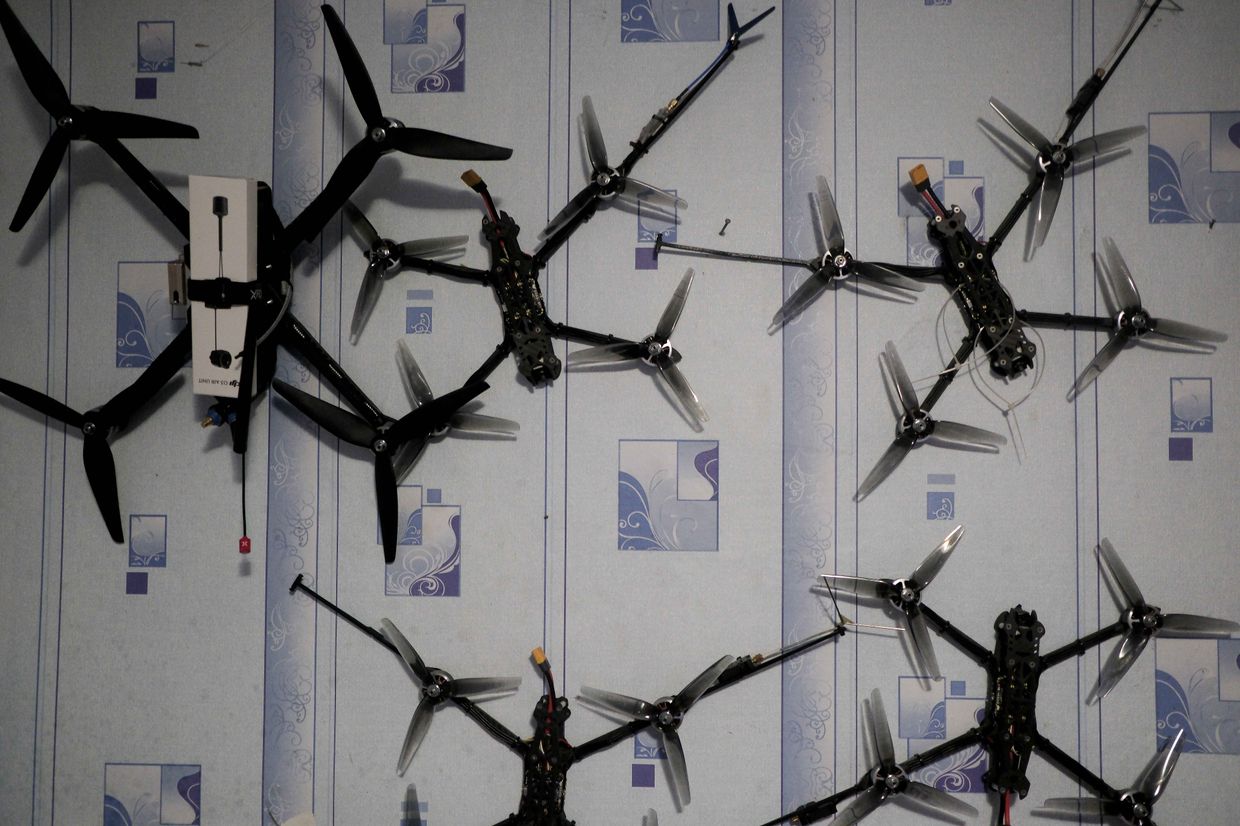
The Molniya is among the cheapest weapons in Russia's arsenal. It is a low-cost kamikaze drone built close to the front, reliable and ubiquitous. Russia launches up to ten a day on the Zaporizhzhia axis alone.
Ukraine shot down an AI-equipped Molniya over Zaporizhzhia for the first time on 9 July. The AI variant has no antenna, no operator link, and no emissions for a detector to catch, making electronic warfare useless against it. Ukraine's answer is kinetic interception. Defense Ministry adviser Serhii Beskrestnov has warned that a fiber-optic Molniya is already in testing, which would emit no radio signal at all.
Russia's terror documented
Ukraine's Prosecutor General's Office has documented over 11,000 Russian FPV attacks on civilians since 2024, with 2,010 recorded in the first four months of 2026 alone.
The road between Zolochiv and Maksymivka is a public road in a Ukrainian oblast. A man was driving home on it.
Earlier, a Russian FPV drone killed a 57-year-old hospital worker walking along a road in the same oblast — the last resident of the border village of Tokarivka Druha.
Russia's FPV drone killed the last resident of Tokarivka Druha, a Kharkiv Oblast border village. The 57-year-old woman was walking along the road between the villages of Prudianka and Tsupivka when a Russian FPV drone struck her, Vyacheslav Zadorenko, head of the Derhachi City Military Administration, said. She had multiple shrapnel wounds and died in the hospital despite medics' efforts.
She worked at Derhachi Central Hospital.
Ukraine's Prosecutor General's Office has doc
Russia's FPV drone killed the last resident of Tokarivka Druha, a Kharkiv Oblast border village. The 57-year-old woman was walking along the road between the villages of Prudianka and Tsupivka when a Russian FPV drone struck her, Vyacheslav Zadorenko, head of the Derhachi City Military Administration, said. She had multiple shrapnel wounds and died in the hospital despite medics' efforts.
She worked at Derhachi Central Hospital.
Ukraine's Prosecutor General's Office has documented over 11,000 Russian FPV-drone attacks on civilians since 2024, with 2,010 recorded in just the first four months of 2026. The current pace will make 2026 exceed 2025's full-year total.
The UN Independent International Commission of Inquiry ruled in May 2025 that Russia's drone hunting of Ukrainian civilians constitutes a crime against humanity, and extended that finding in fall 2025 across more than 300 kilometers of Kherson, Dnipropetrovsk, and Mykolaiv oblasts. Investigators traced the command chain up to the Kremlin.
Kharkiv border zone has been depopulating for months
Kharkiv Oblast border zones are being systematically depopulated. Derhachi is a city in Kharkiv Oblast about 15 kilometers north of Kharkiv. Villages within the 10-kilometer strip along the Russian border have been targeted by artillery, guided bombs, and increasingly FPV drones. Tokarivka Druha now has zero residents.
FPV drones that cannot be defeated by conventional radio-electronic warfare. They can stay in the air for up to one hour and are operated in real time. This means that its operator saw people on his screen and deliberately targeted them with a deadly weapon.
Ukrainian prosecutors have classified the FPV-drone attacks on civilians as war crimes under international humanitarian law.
Zadorenko named her workplace and the empty village
"The deceased was a worker at Derhachi Central Hospital and the last and only remaining resident of the village of Tokarivka Druha, located in the 10-kilometer border zone. Sincere condolences to the family, loved ones, and colleagues of the deceased," Zadorenko wrote.
Since February 2022, Russia has carried out more than 167,000 attacks on civilian targets in Ukraine—more than 100 a day, every day, for over four years. Civilian casualties in December 2025–May 2026 rose 40% compared to the same period the previous year, the UN Human Rights Monitoring Mission reported in late June. On 1 July, Ukraine put those numbers on the record of the UN General Assembly— and made a specific argument about what they mean.
"Russia systematically uses t
Since February 2022, Russia has carried out more than 167,000 attacks on civilian targets in Ukraine—more than 100 a day, every day, for over four years. Civilian casualties in December 2025–May 2026 rose 40% compared to the same period the previous year, the UN Human Rights Monitoring Mission reported in late June. On 1 July, Ukraine put those numbers on the record of the UN General Assembly— and made a specific argument about what they mean.
"Russia systematically uses terrorist methods as an instrument of state policy." Said Artem Bondarenko, chief of staff of the SBU Anti-Terrorist Center, on the 95th plenary meeting of the 80th General Assembly
The forum mattered: the 95th plenary was the ninth review of the UN Global Counterterrorism Strategy, a framework adopted by all 193 member states that is explicitly about state policy, not individual commanders. Ukraine was not filing a war crimes complaint. It was arguing that Russia's conduct fits a category the entire international community has already agreed to condemn.
Bondarenko described energy strikes designed to deprive millions of people of heat and water in extreme cold, the recruitment of Ukrainian minors for sabotage through online platforms, and the occupation of the Zaporizhzhia Nuclear Power Plant combined with Russia's deployment of nuclear weapons in Belarus," an unprecedented environment of nuclear pressure and intimidation affecting the entire European continent," he told the Assembly.
At the same session, Russia took the floor—in the explanation-of-vote phase, before Ukraine's speech in the general debate. Its delegate said Moscow was "prepared to have mutually respectful cooperation with all states who really are interested in an effective, uncompromising fight against terrorism," and named as a priority the need "to protect civilian objects, in particular energy facilities." Russia was not acknowledging a contradiction. It was claiming the same language, inside the same framework, as a co-author of international counterterrorism norms.
Earlier that morning, the United States had voted against the resolution that Ukraine welcomed. The US delegation called it "not fit for purpose"—"bloated, outdated, and lacking focus." The resolution passed 140–3. It is non-binding.
The General Assembly cannot enforce. The Security Council can—but Russia holds a veto. What Ukraine is building is a legal and political record: testimony, ICC arrest warrants already issued against two Russian commanders for energy strikes, UN human rights findings that those strikes "appear to have violated fundamental principles of international humanitarian law." The record feeds proceedings that may take years. On 1 July, the room where that record was made included the country that filled it.
Rescuers pulled another body from the wreckage of a residential building in Kyiv's Darnytskyi district on 7 July, raising the confirmed death toll from Russia's overnight strike to 19, the State Emergency Service (SES) reported. Search and rescue operations are ongoing, the agency said.
Moscow attacks Ukrainian cities with drones and missiles daily, targeting primarily residential buildings and civilian infrastructure and killing civilians across the country in strikes
Rescuers pulled another body from the wreckage of a residential building in Kyiv's Darnytskyi district on 7 July, raising the confirmed death toll from Russia's overnight strike to 19, the State Emergency Service (SES) reported. Search and rescue operations are ongoing, the agency said.
Moscow attacks Ukrainian cities with drones and missiles daily, targeting primarily residential buildings and civilian infrastructure and killing civilians across the country in strikes Ukraine and international bodies qualify as war crimes. Last night's assault was the second massive missile attack in days.
Russia launched a combined overnight strike on 6 July using drones and air-, ground-, and sea-launched missiles of various types, including Zircons, Iskanders, and Kalibrs. The attack involved 68 missiles and 351 attack drones—419 targets in total.
Ukraine's air defenses shot down or suppressed 363 of the 419 targets. Twenty-nine ballistic missiles and 18 attack drones struck 34 locations.
Rising toll in the capital
The death toll in Kyiv had earlier climbed to 18, with at least 56 people injured, before rescuers found the additional body in Darnytskyi district. Kyiv and Kyiv oblast were both targeted in the strike.
Separately, the death toll from the overnight attack on Kyiv oblast rose to eight, with 48 people injured, according to earlier reporting. A difficult situation developed in Vyshneve, in Kyiv oblast, Ukrainska Pravda reported, without providing further detail on casualties there.
Day of mourning and rerouted trains
Klitschko announced that 7 July would be a Day of Mourning in Kyiv. Flags on all municipal buildings drop to half-mast, and the city banned entertainment events. The search operation in Podilskyi district continued.
National railway operator Ukrzaliznytsia said the State Emergency Service restricted train movement on some Kyiv Oblast sections for safety reasons. Five long-distance trains switched to backup detour routes with all key stops preserved but delays expected. Suburban traffic in the Fastiv direction also suffered, so shuttle buses now link Boiarka with Kyiv.
Russian attacks on two towns in Donetsk Oblast left five people dead and another injured on July 6, Governor Vadim Filashkin reported. Russia attacked the front-line towns of Kostiantynivka and Druzhkivka.In Kostiantynivka, Russian airstrikes and missile attacks killed four people and injured another person, Filashkin said. The heavy attacks also damaged 14 homes, four high-rise buildings, an administrative building, a car, and five power lines. In Druzhkivka, a Russian first-person-view (FPV) d
Russian attacks on two towns in Donetsk Oblast left five people dead and another injured on July 6, Governor Vadim Filashkin reported.
Russia attacked the front-line towns of Kostiantynivka and Druzhkivka.
In Kostiantynivka, Russian airstrikes and missile attacks killed four people and injured another person, Filashkin said. The heavy attacks also damaged 14 homes, four high-rise buildings, an administrative building, a car, and five power lines.
In Druzhkivka, a Russian first-person-view (FPV) drone killed one person and damaged equipement.
Filashkin warned that both Kostiantynivka and Druzhkivka are "under constant enemy fire" and urged residents to relocate.
"It is dangerous to stay here! Evacuate to safer regions of Ukraine!" Filashkin wrote on Telegram after the attack.
In late June, Filashkin reported that Kostiantynivka, in easternDonetsk Oblast, faces an imminent "humanitarian catastrophe." The town lies just 10 to 15 kilometers (6 to 9 miles) from several areas currently occupied by Russian forces, according to battlefield mapping siteDeepState.
Kostiantynivka has come under intensifiedattack in recent months as Moscow pushes westward beyond its gains around other nearby towns.
A woman injured in Russia’s July 3 attack on Poltava has died in the hospital, bringing the total number of fatalities to three, the local military administration reported on July 6.The attack injured 59 people, sparked fires, and damaged civilian infrastructure."Doctors fought for her life to the last. Our sincere condolences to her family and friends!" Poltava Oblast Governor Volodymyr Kohut wrote on Telegram.One of Russia's July 3 strikes caused a fire at the Poltava military enlistment offic
A woman injured in Russia’s July 3 attack on Poltava has died in the hospital, bringing the total number of fatalities to three, the local military administration reported on July 6.
"Doctors fought for her life to the last. Our sincere condolences to her family and friends!" Poltava Oblast Governor Volodymyr Kohut wrote on Telegram.
One of Russia's July 3 strikes caused a fire at the Poltava military enlistment office. A separate strike nearby set fire to a private residential property, the authorities said.
Vitalii Sarantsev, a spokesperson for Ukraine's Ground Forces, said on national television that the attack on the enlistment office in Poltava was deliberate and that such strikes are intended to disrupt mobilization in Ukraine.
This wasn't the first time Russia has been linked to such attacks. Back in February, Moscow recruited the man who carried out a deadly bombing at a military enlistment office in the city of Rivne in northwestern Ukraine.
Editor's note: The story was updated with the latest reports from Mykolaiv and Sumy.Russian attacks against Ukraine have killed at least six civilians and injured at least 25 others over the past day, regional authorities reported on July 6.Russian forces launched four S-300 anti-aircraft missiles from Russia's Kursk Oblast and 157 Shahed drones from Russia's Shatalovo, Millerovo, and Primorsk-Akhtarsk airfields, as well as from Russian-occupied Crimea, against Ukraine overnight, according to Uk
Editor's note: The story was updated with the latest reports from Mykolaiv and Sumy.
Russian attacks against Ukraine have killed at least six civilians and injured at least 25 others over the past day, regional authorities reported on July 6.
Russian forces launched four S-300 anti-aircraft missiles from Russia's Kursk Oblast and 157 Shahed drones from Russia's Shatalovo, Millerovo, and Primorsk-Akhtarsk airfields, as well as from Russian-occupied Crimea, against Ukraine overnight, according to Ukraine's Air Force.
Ukraine's air defense shot down 98 drones, while another 19 disappeared from radar without causing any damage, according to the statement. Drones that disappear from radar before reaching their targets are often decoys that Russia launches alongside real drones to overwhelm Ukraine's air defense.
In Kharkiv Oblast, Russian forces attacked 13 settlements, killing two people and injuring 11 others, Governor Oleg Syniehubov reported.
An 8-year-old boy was killed, while a 3-year-old boy, a 40-year-old man, and a 36-year-old woman suffered injuries in the village of Odnorobivka.
In the town of Kupiansk, a 59-year-old man was killed, while a 56-year-old man, a 57-year-old woman, and two women aged 65 were injured due to the Russian strikes.
In Kharkiv, the regional capital, a 46-year-old woman and a 2-year-old girl suffered injuries.
The casualties were also reported in the villages of Prykolotne and Shyroke, where a 66-year-old man and a 27-year-old woman were injured.
In Donetsk Oblast, Russian forces killed a person in the town of Myrnohrad, and another person was killed in the village of Andriivka, according to Governor Vadym Filashkin.
In Andriivka, two people suffered injuries. Two more people were injured in the town of Siversk, and another one in the city of Pokrovsk.
In Kherson Oblast, Russia targeted 32 settlements, including the regional center of Kherson, over the past day. As a result of the attacks, two people were killed and three others were injured, Governor Oleksandr Prokudin reported.
In Mykolaiv Oblast, Russian drones attacked the port infrastructure in the regional center of Mykolaiv, damaging the power grid and warehouses.
A 31-year-old woman was injured and hospitalized, while a 35-year-old man, who also suffered injuries in the attack, was treated at the scene, according to Governor Vitalii Kim.
In Sumy Oblast, a Russian FPV drone attacked the Khotyn community, hitting a car and injuring a 49-year-old man, the local military administration reported. He was hospitalized.
In Dnipropetrovsk Oblast, a 39-year-old woman was injured in the attack against the Nikopol district. Russia targeted the area with FPV (first-person-view) drones and artillery, according to Governor Serhii Lysak.
In Zaporizhzhia Oblast, Russian strikes injured an 89-year-old woman in the village of Yurkivka, the local military administration reported.
In Kyiv Oblast, Russia attacked the Vyshhorod district, injuring a 35-year-old man. He suffered shrapnel wounds, the local military administration reported.
In Poltava Oblast, Russian drones struck the city of Kremenchuk, hitting an enlistment office and a neighboring house. The attack caused a fire, but no casualties were reported, according to the local military administration.
Ukraine's Emergency Service also reported that Russia had carried out double-tap attacks in the cities of Kharkiv and Kherson when rescuers arrived at the impact sites. As a result of the attacks, tanker trucks were damaged, but no rescuers were injured.
Life for children in Ukraine has become increasingly dangerous and deadly, according to the latest U.N. figures, which show a threefold jump in the number of deaths and injuries among children over the three months ending in May. From March through May, 222 children were killed or injured, compared to 73 in the preceding three months, according to a press release from the U.N. Humanitarian Aid Organization for Children (UNICEF) on July 4. The statement noted that "the ongoing use of explosive we
Life for children in Ukraine has become increasingly dangerous and deadly, according to the latest U.N. figures, which show a threefold jump in the number of deaths and injuries among children over the three months ending in May.
From March through May, 222 children were killed or injured, compared to 73 in the preceding three months, according to a press release from the U.N. Humanitarian Aid Organization for Children (UNICEF) on July 4.
The statement noted that "the ongoing use of explosive weapons in populated areas has been particularly deadly and destructive."
"There is no respite from the war for children across Ukraine," UNICEF Regional Director for Europe and Central Asia, Regina De Dominicis, said. "The situation for children is at a critical juncture, as intense attacks continue to not only destroy lives but disrupt every aspect of childhood."
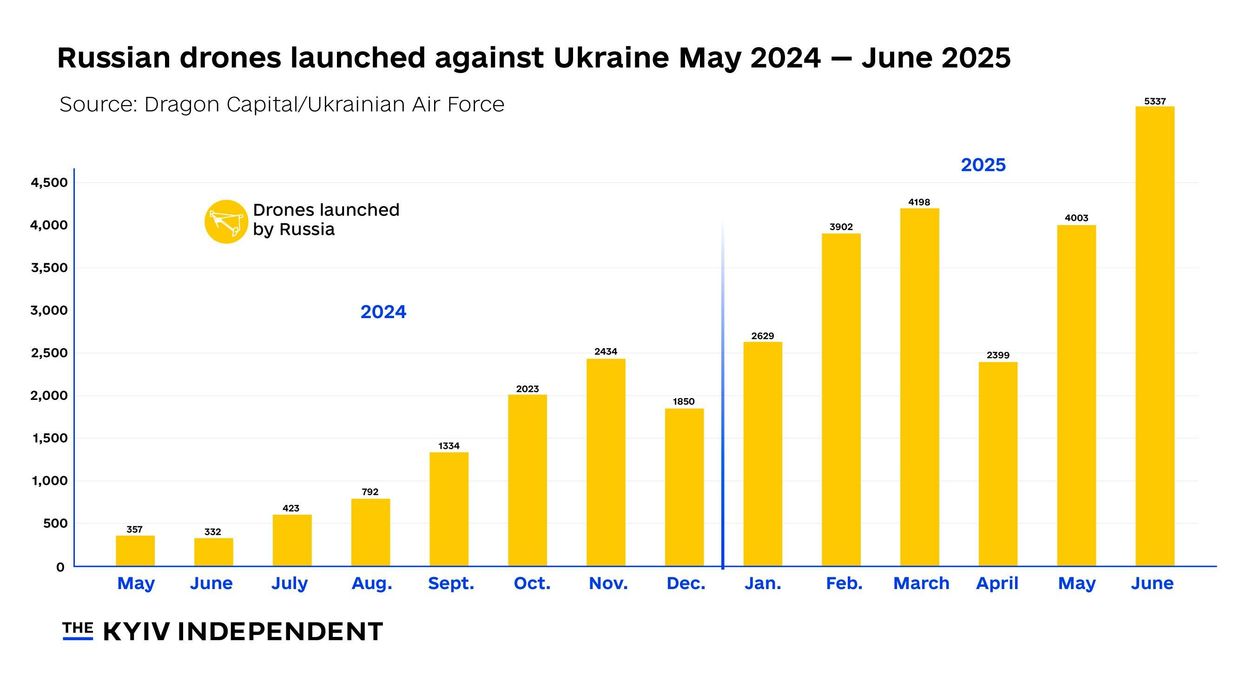
Recent months have seen some of the war's deadliest attacks on civilians, as Russia steps up its aerial strikes on civilian areas and launches record numbers of drones. Russia has dramatically increased its production of these weapons and is now capable of launching in a single night as many drones as it did over an entire month in early summer 2024.
At least three people were killed and 34 injured across Ukraine in Russian drone and missile attacks, Ukrainian regional officials reported on July 3. Ukraine's Air Force reported that Russia used 52 drones launched from several directions, including Oryol, Millerovo, and Primorsko-Akhtarsk. Air defenses destroyed 40 of them, including 22 shot down and 18 jammed electronically. In Donetsk Oblast, three people were killed and at least nine injured in multiple settlements, Governor Vadym Filashkin
At least three people were killed and 34 injured across Ukraine in Russian drone and missile attacks, Ukrainian regional officials reported on July 3.
Ukraine's Air Force reported that Russia used 52 drones launched from several directions, including Oryol, Millerovo, and Primorsko-Akhtarsk. Air defenses destroyed 40 of them, including 22 shot down and 18 jammed electronically.
In Donetsk Oblast, three people were killed and at least nine injured in multiple settlements, Governor Vadym Filashkin said. Damage was reported to residential buildings, cars, and utility infrastructure across Pokrovsk, Kostyantynivka, and other towns.
In Kherson Oblast, Russian forces shelled over 30 towns and villages, wounding nine civilians, Governor Oleksandr Prokudin said. Strikes hit both residential neighborhoods and critical infrastructure. One person was hospitalized in Kherson city after being hit by a drone.
In Dnipropetrovsk Oblast, seven civilians were injured, including a 17-year-old girl, as Russia used artillery and drones to strike Nikopol and Synelnykove districts, Governor Serhii Lysak said. Fires broke out in wheat fields, and residential buildings and infrastructure were damaged.
In Odesa, five people were injured, including two children aged 7 and 9, in a Russian drone strike on a residential building, Governor Oleh Kiper reported. Several apartments were destroyed or damaged.
In Zaporizhzhia Oblast, one person was injured and nine settlements were struck over 430 times in the past 24 hours, Governor Ivan Fedorov said. The attacks included airstrikes, FPV drones, and artillery, causing damage to houses and infrastructure.
In Kharkiv Oblast, two people were injured in separate strikes, Governor Oleh Syniehubov said. Civilian infrastructure was damaged in multiple areas, including houses and vehicles.
Editor's note: This is a developing story and is being updated. Two people have been killed and 80 others injured after explosions rang out beside a highway near the city of Zhytomyr, local officials reported.The cause of the explosions was not immediately clear and is under investigation, Ukraine's National Police said.Zhytomyr City Council reported that the explosions occurred unspecified facility located close to the M-06 highway near Zhytomyr. Serhii Sokalskyi, head of the Hlubochytska commu
Editor's note: This is a developing story and is being updated.
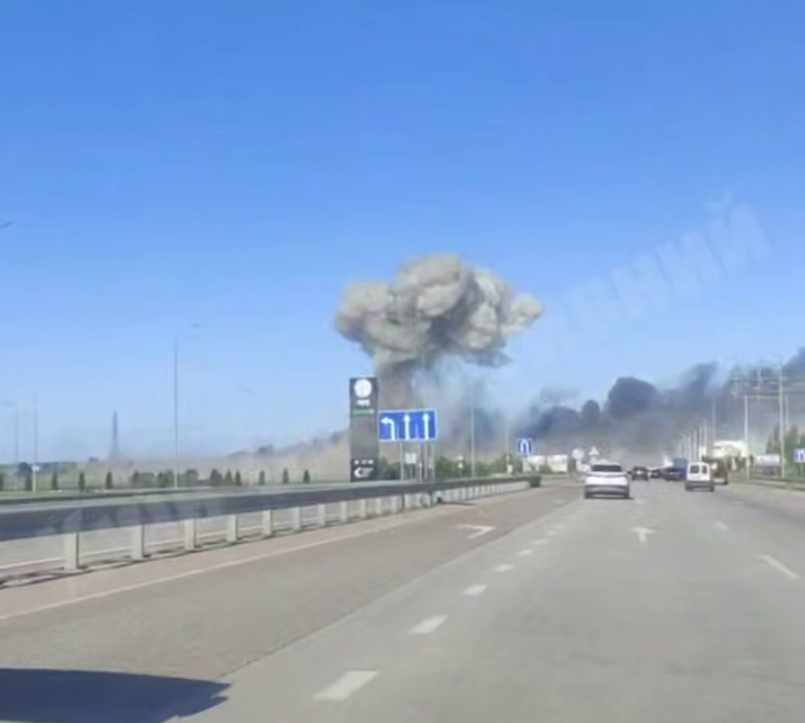
Two people have been killed and 80 others injured after explosions rang out beside a highway near the city of Zhytomyr, local officials reported.
The cause of the explosions was not immediately clear and is under investigation, Ukraine's National Police said.
Zhytomyr City Council reported that the explosions occurred unspecified facility located close to the M-06 highway near Zhytomyr. Serhii Sokalskyi, head of the Hlubochytska community in Zhytomyr Oblast, claimed that the explosions may have rang out at an industrial warehouse near the town of Berezyna — although those details have yet to be confirmed.
Vitaliy Bunechko, head of the Zhytomyr Oblast Military Administration, saidthat multiple homes and powerlines had been damaged in the explosions, while also confirming the closure of the highway as the investigation carries on.
Videos of the explosions posted to social media show large clouds of smoke billowing out of the area of the explosions.
No information was provided on the status of the injured victims. Emergency responders are currently on-scene.
Located about 140 km west of Kyiv, Zhytomyr has become an occasional target of Russian missile and drone attacks. In recent months, Russia has intensified its attacks on Ukrainian cities, using upwards of 500 drones in attacks.
Despite the increase in attacks, support from Ukraine's largest defense partner, the United States, has continued to wane. Politico reported on July 1, citing sources familiar with the matter, that the U.S. Defense Department (DOD) has halted shipments of some air defense missiles and other weapons previously promised to Kyiv out of concerns over the size of U.S. stockpiles.
At least two civilians were killed and 33 were injured in Russian attacks against Ukraine over the past 24 hours, according to local governors. Ukraine's Air Force said Russia launched 114 Shahed-type and decoy drones overnight from multiple directions, as well as four S-300 missiles. Air defenses shot down 40 drones, while 39 disappeared from radars or were intercepted by electronic warfare.In Kherson Oblast, Russian forces shelled a hospital in Kherson city late on July 1, injuring eight peopl
At least two civilians were killed and 33 were injured in Russian attacks against Ukraine over the past 24 hours, according to local governors.
Ukraine's Air Force said Russia launched 114 Shahed-type and decoy drones overnight from multiple directions, as well as four S-300 missiles. Air defenses shot down 40 drones, while 39 disappeared from radars or were intercepted by electronic warfare.
In Kherson Oblast, Russian forces shelled a hospital in Kherson city late on July 1, injuring eight people, including patients and medical staff, Governor Oleksandr Prokudin said.
Two other people were injured elsewhere in the region over the past day. Attacks damaged residential buildings, a farm, a business, and vehicles across more than 30 settlements.
In Kharkiv Oblast, four people were injured in attacks on Kharkiv city and six other communities, Governor Oleh Syniehubov reported. Russian forces used guided aerial bombs, various drones, and artillery. Civilian infrastructure, including houses, a transport stop, an emergency medical facility, and businesses, was damaged or destroyed.
In Donetsk Oblast, two civilians were killed and 10 others injured by Russian attacks on July 1, according to Governor Vadym Filashkin. In the city of Sloviansk, a mail terminal operated by Nova Poshta, Ukraine’s largest postal service, was destroyed. No employees were injured, according to an official statement.
In Dnipropetrovsk Oblast, five people were injured, four of whom were hospitalized, after a drone strike on Nikopol, Governor Serhii Lysak said.
Russian attacks damaged a private enterprise in Kryvyi Rih and a farm in the Samar district. Fires were reported in both locations. Drone and artillery strikes also hit residential and infrastructure targets in Nikopol and Pokrovske communities.
In Zaporizhzhia Oblast, four civilians were injured in Russian attacks on Vasylivka and Polohy districts, Governor Ivan Fedorov reported. Over the day, Russian forces launched 376 strikes across 14 settlements, using aircraft, drones, multiple rocket launchers, and artillery.
The Russian army attacked an evacuation vehicle carrying three wounded civilians, which resulted in the death of one of them, Ukraine's National Police reported on July 1.Russia has for months focused its offensive efforts on the embattled town of Pokrovsk in Donetsk Oblast and has recently been escalating attempts to break through to neighboring Dnipropetrovsk Oblast, a region that has not yet seen combat.According to the police, Russian forces attacked the evacuation vehicles provided by chapl
The Russian army attacked an evacuation vehicle carrying three wounded civilians, which resulted in the death of one of them, Ukraine's National Police reported on July 1.
Russia has for months focused its offensive efforts on the embattled town of Pokrovsk in Donetsk Oblast and has recently been escalating attempts to break through to neighboring Dnipropetrovsk Oblast, a region that has not yet seen combat.
According to the police, Russian forces attacked the evacuation vehicles provided by chaplains three times: at the entrance to the city, in the city center, and during the evacuation of civilians from Pokrovsk. The police called Russia's actions "targeted hunting."
The police picked up one injured person in the city, and the other two — on the way to the hospital. In the meantime, the Russian army hit the car with a Molniya drone. As a result of the attack, one of the police officers was injured.
As the evacuation vehicle came under fire, one of the injured could not be brought to the hospital in time and died of blood loss.
"We called for reinforcements and sent the injured civilian with them, hoping for a miracle. But it did not happen, Russia took another life," Hennadii Yudin, head of the "White Angel" police unit, said.
Another injured man, who was evacuated with a shrapnel wound, is undergoing treatment, the police said.
Commander-in-Chief Oleksandr Syrskyi reported on June 27 that Russia has amassed "about 111,000 personnel" in the Pokrovsk sector, but Ukrainian forces are holding the line.
Russia's so-called "peace memorandum" demands that Ukraine recognize Russia's annexation of Crimea, as well as Kherson, Donetsk, Zaporizhzhia, and Luhansk oblasts — none of which are fully under Moscow's control.
Editor's note: This is a developing story and is being updated. The article contains graphic footage.A Russian missile attack against the village of Huliaipole in Dnipropetrovsk Oblast on July 1 resulted in deaths and injuries, the Southern Defense Forces reported."As a result of the strike, a cultural center, two shops, and several private homes were destroyed or damaged," the statement read.Russia launched two ballistic missiles, likely Iskander-M, against the village at 9:15 a.m. local time,
Editor's note: This is a developing story and is being updated. The article contains graphic footage.
A Russian missile attack against the village of Huliaipole in Dnipropetrovsk Oblast on July 1 resulted in deaths and injuries, the Southern Defense Forces reported.
"As a result of the strike, a cultural center, two shops, and several private homes were destroyed or damaged," the statement read.
Russia launched two ballistic missiles, likely Iskander-M, against the village at 9:15 a.m. local time, the military reported.
The strike was reported earlier on July 1 by Serhii Lysak, the regional governor. No exact casualty figures have been provided so far, and officials promised detailed information at a later date.
The aftermath of a Russian missile attack against Huliaipole, Dnipropetrovsk Oblast, Ukraine, on July 1, 2025. (Southern Defense Forces/Telegram)
The aftermath of a Russian missile attack against Huliaipole, Dnipropetrovsk Oblast, Ukraine, on July 1, 2025. (Southern Defense Forces/Telegram)
The aftermath of a Russian missile attack against Huliaipole, Dnipropetrovsk Oblast, Ukraine, on July 1, 2025. (Southern Defense Forces/Telegram)
The aftermath of a Russian missile attack against Huliaipole, Dnipropetrovsk Oblast, Ukraine, on July 1, 2025. (Southern Defense Forces/Telegram)
The aftermath of a Russian missile attack against Huliaipole, Dnipropetrovsk Oblast, Ukraine, on July 1, 2025. (Southern Defense Forces/Telegram)
Huliaipole, with a pre-war population of around 1,200, lies in the western part of eastern Dnipropetrovsk Oblast, roughly 70 kilometers (40 miles) from the front line.
"Russia once again confirms its status as a terrorist state. It kills innocent civilians," the military said in a statement.
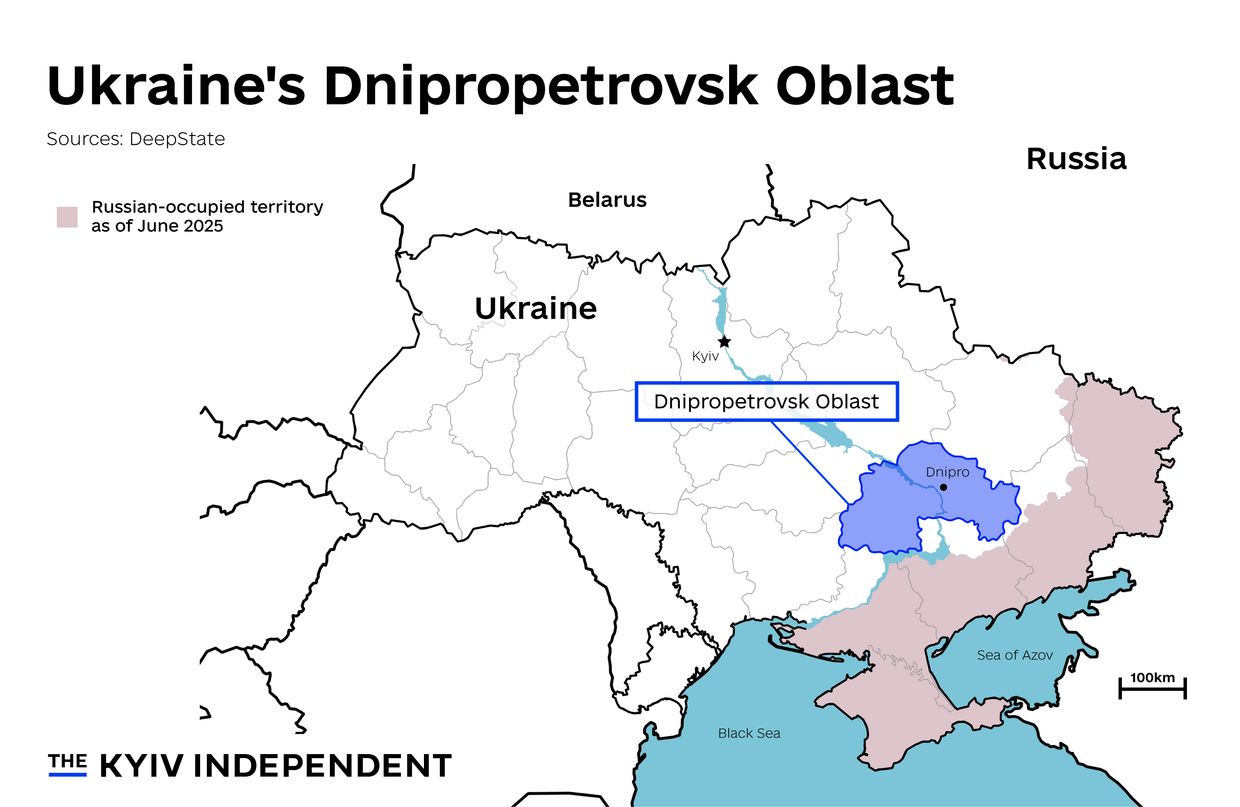
Dnipropetrovsk Oblast is regularly targeted by Russian drone and missile attacks. Moscow's ground troops have also been attempting to break into the region, though Kyiv has denied Russian claims that they had been successful.
Ukraine's Dnipropetrovsk Oblast (Nizar al-Rifai/The Kyiv Independent)
Russian strikes across Ukrainian regions killed at least four civilians and injured at least 15 over the past day, regional authorities reported on July 1.Russia launched 47 Shahed-type attack drones and decoys against Ukraine overnight, the Air Force reported. Ukrainian air defenses shot down 14 drones, while 33 were intercepted by electronic warfare or disappeared from radars, according to the statement. Russian attacks injured three civilians in Donetsk Oblast, Governor Vadym Filashkin repor
Russian strikes across Ukrainian regions killed at least four civilians and injured at least 15 over the past day, regional authorities reported on July 1.
Russia launched 47 Shahed-type attack drones and decoys against Ukraine overnight, the Air Force reported. Ukrainian air defenses shot down 14 drones, while 33 were intercepted by electronic warfare or disappeared from radars, according to the statement.
Russian attacks injured three civilians in Donetsk Oblast, Governor Vadym Filashkin reported.
In Kharkiv Oblast, two women aged 60 and 81 were injured during a Russian attack on the Tsykruny village, Governor Oleh Syniehubov reported.
Russian attacks across Kherson Oblast killed two people and injured five, said the regional governor, Oleksandr Prokudin. Three high-rise buildings and eight houses were damaged.
In Mykolaiv Oblast, a 45-year-old man was killed and a 37-year-old woman was injured during Russian shelling of the Kutsurub community on June 30, Governor Vitalii Kim reported. Houses, two schools, and a shop were damaged, and a fire erupted because of the attack.
A 75-year-old man was killed and his 76-year-old wife was injured during another artillery attack against the community on the morning of July 1, Kim said.
Russian attacks across multiple Ukrainian regions over the past 24 hours have killed at least six people and injured 26 others, according to local officials. The strikes involved drones, artillery, and guided bombs, hitting residential areas and critical infrastructure.According to Ukraine's Air Force, Ukrainian air defense hit 74 out of 107 drones launched overnight by Russia. In Kharkiv Oblast, two people were killed and eight injured following attacks on six settlements, Governor Oleh Syniehu
Russian attacks across multiple Ukrainian regions over the past 24 hours have killed at least six people and injured 26 others, according to local officials. The strikes involved drones, artillery, and guided bombs, hitting residential areas and critical infrastructure.
According to Ukraine's Air Force, Ukrainian air defense hit 74 out of 107 drones launched overnight by Russia.
In Kharkiv Oblast, two people were killed and eight injured following attacks on six settlements, Governor Oleh Syniehubov said. Damage was reported to houses, vehicles, and civilian infrastructure across Kharkiv, Kupiansk, and Chuhuiv districts.
In Kherson Oblast, Russian forces struck residential areas and civilian infrastructure in over two dozen localities, killing two people and injuring eight others, according to Governor Oleksandr Prokudin. Damage included houses, utility systems, and communications infrastructure.
In Zaporizhzhia Oblast, one person was killed in Vasylivka district. Governor Ivan Fedorov said Russian forces launched 375 strikes on 10 settlements, damaging houses and vehicles.
In Dnipropetrovsk Oblast, three people were injured in Kryvyi Rih following drone strikes and artillery attacks, Governor Serhii Lysak reported. Fires broke out, and damage was recorded at a farm and in residential areas.
In Donetsk Oblast, at least one person was killed and four others injured, Governor Vadym Filashkin said. Multiple residential buildings, a church, and a pharmacy were damaged across Pokrovsk, Kramatorsk, and Bakhmut districts.
In Sumy Oblast, Russian attacks injured three civilians, regional authorities said. Nearly 80 strikes targeted 29 settlements, damaging houses, educational institutions, and public buildings.
Editor's Note: This is a developing story. Russia attacked the southern city of Odesa overnight on June 28, killing two people and injuring at least 14 others, Ukraine's State Emergency Service reported. The drone attack hit a 21-story building, causing a fire on the 7th, 8th, and 9th floors that left residents trapped in their apartments. First responders rescued five people, including a small child.Two people, a married couple, were killed in the attack, Odesa Oblast Governor Oleh Kiper report
Russia attacked the southern city of Odesa overnight on June 28, killing two people and injuring at least 14 others, Ukraine's State Emergency Service reported.
The drone attack hit a 21-story building, causing a fire on the 7th, 8th, and 9th floors that left residents trapped in their apartments. First responders rescued five people, including a small child.
Two people, a married couple, were killed in the attack, Odesa Oblast Governor Oleh Kiper reported. Emergency workers recovered their bodies from the damaged building.
At least 14 other civilians were injured, including three children. Both are receiving treatment in medical facilities, Kiper said.
Ongoing air raid alarms throughout the night complicated rescue efforts, the State Emergency Service said.
Odesa, a port city on Ukraine's Black Sea coast with a population of around 1 million, has been a frequent target of Russian attacks since the full-scale invasion. A massive Russian drone strike on June 20 killed one civilian and injured 14 others, including three first responders.
Russian missile and drone attacks on Ukrainian cities have intensified dramatically in May and June.
Editor's note: This is a developing story and is being updated.A Russian missile strike on the city of Samar in Ukraine's Dnipropetrovsk Oblast on June 27 killed five people and injured at least 25 others, Governor Serhii Lysak said.In a statement posted to Telegram, Lysak said most of the injured were hospitalized. Four of the victims are in serious condition, while the others sustained moderate injuries. A fire broke out following the strike, and emergency services are continuing to work at th
Editor's note: This is a developing story and is being updated.
A Russian missile strike on the city of Samar in Ukraine's Dnipropetrovsk Oblast on June 27 killed five people and injured at least 25 others, Governor Serhii Lysak said.
In a statement posted to Telegram, Lysak said most of the injured were hospitalized. Four of the victims are in serious condition, while the others sustained moderate injuries. A fire broke out following the strike, and emergency services are continuing to work at the site.
"We're doing everything possible to assist those affected," Lysak said.
The attack comes just days after Russia launched one of the deadliest assaults on Dnipropetrovsk Oblast. On June 24, missiles struck multiple locations in the regional capital of Dnipro and in the oblast, killing at least 21 people and injuring over 300 others.
The strike hit civilian infrastructure, a dormitory, a gymnasium, and a train traveling from Odesa to Zaporizhzhia, as well as the nearby town of Samarske. Two people were killed and 14 others wounded there. At least 100 victims of the Dnipro attack remain hospitalized, Lysak said.
At least two civilians were killed and 13 were injured in Russian drone and missile attacks across Ukraine over the past day, local officials reported on June 27.According to Ukraine's Air Force, Ukrainian air defense intercepted 365 of 371 incoming Russian air weapons, including 363 Shahed-type drones, two Kinzhal ballistic missiles, and six Kalibr cruise missiles.In Kharkiv Oblast, Governor Oleh Syniehubov said one person was killed and four were wounded in Vovchanski Khutory and Pidlyman duri
At least two civilians were killed and 13 were injured in Russian drone and missile attacks across Ukraine over the past day, local officials reported on June 27.
According to Ukraine's Air Force, Ukrainian air defense intercepted 365 of 371 incoming Russian air weapons, including 363 Shahed-type drones, two Kinzhal ballistic missiles, and six Kalibr cruise missiles.
In Kharkiv Oblast, Governor Oleh Syniehubov said one person was killed and four were wounded in Vovchanski Khutory and Pidlyman during a Russian attack. Infrastructure damage included houses and an agricultural facility. The region also endured heavy shelling.
In Donetsk Oblast, Governor Vadym Filashkin reported one death, while three people were injured across Pokrovsk, Kramatorsk, and Bakhmut districts. Damage was observed to houses, a farm, administrative buildings, gas pipelines, and vehicles.
In Kherson Oblast, Governor Oleksandr Prokudin said four people were injured as Russian drones and artillery struck social and residential infrastructure. Seven apartment buildings and 25 houses were damaged, along with utilities and vehicles.
In Zaporizhzhia Oblast, Governor Ivan Fedorov said one person was injured when an air-dropped bomb hit a settlement in the Huliaipole district.
In Kyiv Oblast, a person was injured near Fastiv during an overnight drone and missile attack. One house was damaged each in Boryspil and Fastiv districts, while a tire repair shop and five cars were hit in Bila Tserkva. No critical infrastructure was reportedly affected, and air defense forces shot down Russian drones and missiles.
Short-range drone attacks have become one of the deadliest threats to civilians in Ukraine’s front-line regions, killing at least 395 people and injuring 2,635 between February 2022 and April 2025, according to a new bulletin by the UN Human Rights Monitoring Mission in Ukraine. The report, "Deadly Drones: Civilians at Risk from Short-Range Drones in Frontline Areas of Ukraine," highlights the growing use of first-person-view (FPV) drones by Russian forces and their devastating impact on the civ
Short-range drone attacks have become one of the deadliest threats to civilians in Ukraine’s front-line regions, killing at least 395 people and injuring 2,635 between February 2022 and April 2025, according to a new bulletin by the UN Human Rights Monitoring Mission in Ukraine.
The report, "Deadly Drones: Civilians at Risk from Short-Range Drones in Frontline Areas of Ukraine," highlights the growing use of first-person-view (FPV) drones by Russian forces and their devastating impact on the civilian population.
The bulletin documents attacks in which drone operators deliberately targeted civilians engaging in daily activities — driving private cars, riding bicycles, walking outdoors, or evacuating others in clearly marked ambulances.
"Although individually less destructive than artillery or missiles, the sheer scale and increasing frequency of short-range drone attacks have made them one of the deadliest weapons in Ukraine," said Danielle Bell, head of the mission. "Over 3,000 civilian casualties — and the relentless frequency of these attacks — have not only caused immense human suffering but also instilled fear, severely disrupted daily life, and crippled access to essential services in several frontline communities."
The monitoring mission documented, verified, and analyzed 3,030 civilian casualties resulting from short-range drones between 24 February 2022 and 30 April 2025. The researchers conducted site visits to very high-risk areas, including the southern city of Kherson, Zolochiv in Kharkiv Oblast, and other front-line locations. Investigators interviewed survivors and witnesses of drone attacks, medical personnel, and humanitarian workers to assess the full impact of these strikes on civilian life.
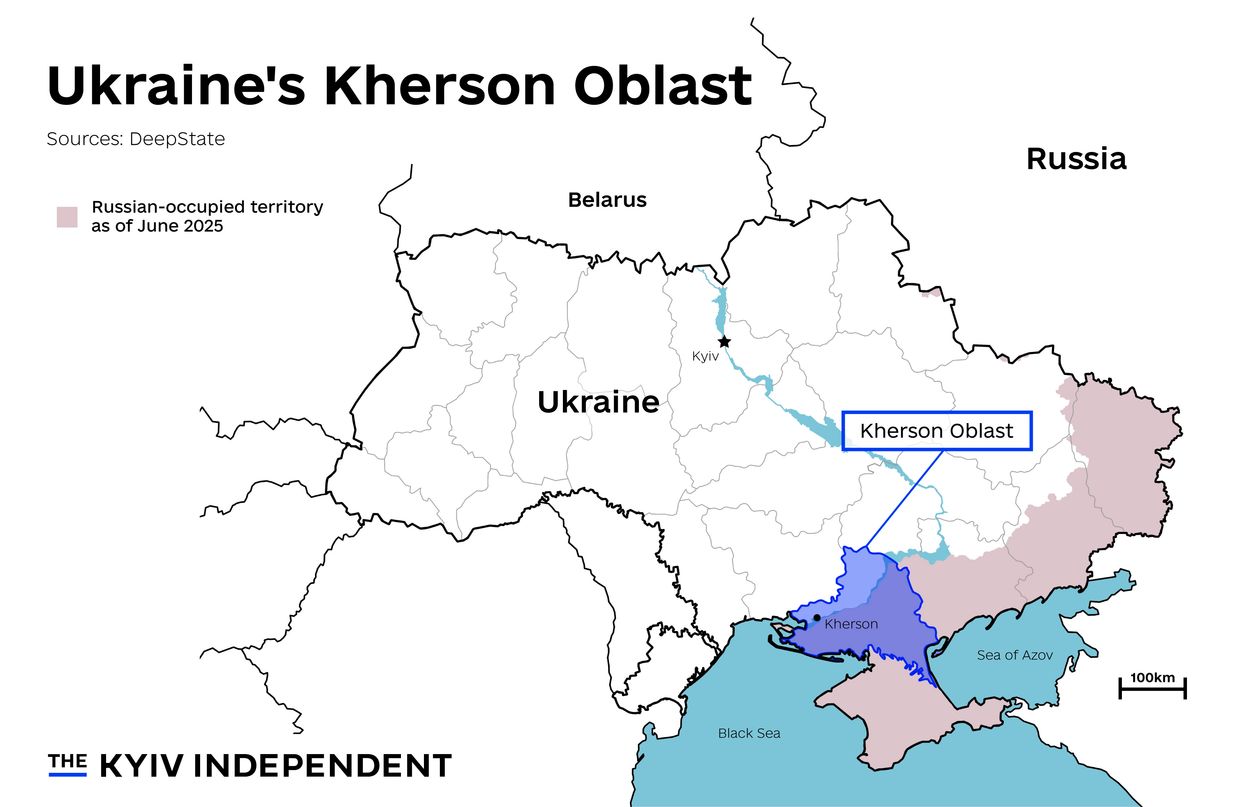
Ukraine's Kherson Oblast (Nizar al-Rifai/The Kyiv Independent)
Casualties surged in late 2023 and early 2024, with numbers suddenly doubling in July 2024. April 2025 marked the deadliest month on record, with 42 civilians killed and 283 injured. Drone strikes continued into May and June.
On 23 June, a 65-year-old driver was killed in Kostiantynivka, Donetsk Oblast, when a drone struck a minibus. In Kharkiv region, a 58-year-old volunteer was killed on 22 May when a drone dropped a munition on a residential balcony. On 20 May, six civilians were injured when a drone hit a bus in Kherson Oblast.
The vast majority of casualties — 89% — occurred in territory controlled by the Ukrainian government. The UN says these attacks violate international humanitarian law, particularly the principles of distinction and precaution, and may in some cases constitute war crimes.
Russian attacks across Ukraine killed at least 23 people and injured more than 300 others over the past 24 hours, local officials said on June 25.According to the Ukrainian Air Force, Russian forces launched 71 Shahed-type attack drones and decoys from multiple directions, including Bryansk, Millerovo, Kursk, and occupied Crimea. Ukraine's air defenses destroyed 52 of them.In Dnipropetrovsk Oblast, a ballistic missile attack killed at least 20 people, 18 in Dnipro and two in the Samarskyi distri
Russian attacks across Ukraine killed at least 23 people and injured more than 300 others over the past 24 hours, local officials said on June 25.
According to the Ukrainian Air Force, Russian forces launched 71 Shahed-type attack drones and decoys from multiple directions, including Bryansk, Millerovo, Kursk, and occupied Crimea. Ukraine's air defenses destroyed 52 of them.
In Dnipropetrovsk Oblast, a ballistic missile attack killed at least 20 people, 18 in Dnipro and two in the Samarskyi district, in one of the deadliest single attacks in recent weeks, governor Serhii Lysak said.
Nearly 300 people were injured, and extensive damage was reported to high-rise buildings, houses, dormitories, cars, schools, hospitals, administrative offices, and a passenger train. Drone strikes overnight also hit Nikopol and caused a fire in Synelnykove district.
In Kharkiv Oblast, nine people were injured in strikes on Kharkiv city, Kupiansk, and surrounding villages, according to Governor Oleh Syniehubov. Russian forces used a mix of weaponry, including air-launched rockets, glide bombs, and various drones. Civilian infrastructure was damaged, including residential buildings, houses, and an industrial hangar.
In Zaporizhzhia Oblast, five peope were injured in attacks across the Zaporizhzhia, Vasylivka, and Polohy districts, Governor Ivan Fedorov reported. Russian forces conducted four missile strikes on Zaporizhzhia and eight airstrikes on several towns. Around 300 drones, and over 150 artillery strikes were recorded across 13 settlements.
In Donetsk Oblast, three civilians were killed in Pokrovsk, Zoloti Prudy, and Novoiavlenka, Governor Vadym Filashkin said. 11 more were wounded in the region over the past day.
Editor's note: This is a developing story and is being updated. Russia launched a deadly missile attack on the Ukrainian city of Dnipro on June 24, striking civilian infrastructure and a passenger train, killing at least 17 people and injuring scores of others, local officials reported.Dnipropetrovsk Oblast Governor Serhii Lysak said the morning strike ignited a large fire and also damaged a dormitory, a gymnasium, and an administrative building in the city.The Russian military also struck the n
Editor's note: This is a developing story and is being updated.
Russia launched a deadly missile attack on the Ukrainian city of Dnipro on June 24, striking civilian infrastructure and a passenger train, killing at least 17 people and injuring scores of others, local officials reported.
Dnipropetrovsk Oblast Governor Serhii Lysak said the morning strike ignited a large fire and also damaged a dormitory, a gymnasium, and an administrative building in the city.
The Russian military also struck the nearby town of Samarske, Lysak said. Casualties were reported in both locations.
"Unfortunately, there are dead and wounded everywhere," he said.
An school in Dnipro that was damaged in Russia's ballistic missile attack on June 24, 2025. (Dnipro.media)
Multiple cars got damaged in Dnipro during Russia's ballistic missile attack on June 24, 2025. (Dnipro.media)
Multiple cars got damaged in Dnipro during Russia's ballistic missile attack on June 24, 2025. (Dnipro.media)
In Samarske, two people were killed, and 14 injured. Eight were hospitalized, with half of them in critical condition.
"As of now, more than 160 people are known to have been injured. Unfortunately, 11 people have died," President Volodymyr Zelensky said in a post on social media, adding: "The rubble is still being cleared, so the death toll may, unfortunately, increase."
Around 8:30 p.m. local time, the death toll rose to 17, while the number of wounded increased to 279, including 27 children, Lysak reported.
Almost a hundred of the victims remain in hospital, according to Lysak.
Ukraine's national railway company, Ukrzaliznytsia, said that a train traveling from Odesa to Zaporizhzhia was damaged in the attack.
"Ukrzaliznytsia is preparing a replacement train in Dnipro to evacuate passengers to Zaporizhzhia," the company said in a statement.
A damaged passenger train at a station in Dnipro Oblast, Ukraine after a Russian missile strike on June 25, 2025. (Ukrzaliznytsia / Telegram)
In an update, Ukrzaliznytsia said no passengers or railway workers were killed in the attack, though several people sustained injuries and are receiving medical care.
The attack came as NATO leaders convened for a high-level summit in The Hague. NATO Secretary General Mark Rutte warned on June 23 that Russia remains the alliance's most immediate and long-term threat.
Russian attacks on Kherson Oblast killed four people and injured five others between June 23 and 24, local officials reported.Russian forces launched drone and artillery strikes on dozens of settlements across the region, Governor Oleksandr Prokudin said on Telegram.Twenty-nine settlements were affected, including the regional capital, Kherson, which shares the same name as the oblast.The strikes damaged critical infrastructure and residential areas, including four private houses. A shop and sev
Russian attacks on Kherson Oblast killed four people and injured five others between June 23 and 24, local officials reported.
Russian forces launched drone and artillery strikes on dozens of settlements across the region, Governor Oleksandr Prokudin said on Telegram.
Twenty-nine settlements were affected, including the regional capital, Kherson, which shares the same name as the oblast.
The strikes damaged critical infrastructure and residential areas, including four private houses. A shop and several private vehicles were also reportedly damaged.
Kherson Oblast, located in southern Ukraine just north of Russian-occupied Crimea, has been repeatedly targeted by Russian forces since the start of the full-scale invasion.
Russian forces launched a drone attack on Kharkiv overnight on June 24, injuring three people and damaging civilian infrastructure, Mayor Ihor Terekhov said.The first explosions were reported around 2:00 a.m. local time, with three civilian injuries confirmed by 4:00 a.m., according to local officials.Seven Iranian-made Shahed drones were launched at the city, three of which struck their targets, Terekhov said.The strikes damaged a civilian enterprise in the Saltivka district and residential bui
Russian forces launched a drone attack on Kharkiv overnight on June 24, injuring three people and damaging civilian infrastructure, Mayor Ihor Terekhov said.
The first explosions were reported around 2:00 a.m. local time, with three civilian injuries confirmed by 4:00 a.m., according to local officials.
Seven Iranian-made Shahed drones were launched at the city, three of which struck their targets, Terekhov said.
The strikes damaged a civilian enterprise in the Saltivka district and residential buildings in Nemyshlianskyi.
Emergency services responded to the affected sites.
In recent weeks, Moscow has been intensifying attacks against Kharkiv – Ukraine's second-largest city – which sits just over 20 kilometers (15 miles) from the Russian border.
A Russian drone attack against the city overnight on June 12 injured at least 15 people, including children.
Russian forces launched a drone attack on Sumy Oblast overnight on June 24, killing three people, including an 8-year-old boy, and injuring six others, local officials reported.The strike targeted a settlement near Verkhnia Syrovatka around midnight local time, Governor Oleh Hryhorov said on Telegram. The victims included an adult man and woman, and the child.As of 7:00 a.m. local time, six people – including three children – have been reported injured. All have been hospitalized and are receivi
Russian forces launched a drone attack on Sumy Oblast overnight on June 24, killing three people, including an 8-year-old boy, and injuring six others, local officials reported.
The strike targeted a settlement near Verkhnia Syrovatka around midnight local time, Governor Oleh Hryhorov said on Telegram. The victims included an adult man and woman, and the child.
As of 7:00 a.m. local time, six people – including three children – have been reported injured. All have been hospitalized and are receiving medical care.
The attack damaged about 30 residential buildings and four cars, and sparked a large-scale fire. Police investigators, rescue workers, and medics are responding at the scene.
Sumy Oblast, which borders Russia, has faced intensified assaults in recent weeks amid a broader Russian offensive along Ukraine's northeastern border.
Since March, Russian forces have reportedly captured around 200 square kilometers in the region, prompting evacuations from over 200 settlements.
Ukrainian forces, however, have been reportedly driving Russian troops back amid the continued cross-border attacks.
Russian attacks have killed at least 13 civilians and injured 57 across multiple oblasts over the past day, Ukrainian officials reported on June 23.According to the Ukrainian Air Force, Russia deployed 368 aerial weapons, including 352 attack drones, 11 Iskander-M/KN-23 ballistic missiles, and 5 Iskander-K cruise missiles, striking primarily Kyiv. Ukraine's air defenses destroyed 354 of them.In Kyiv Oblast, Governor Mykola Kalashnyk said a person was killed in Bilotserkivka district, two were ho
Russian attacks have killed at least 13 civilians and injured 57 across multiple oblasts over the past day, Ukrainian officials reported on June 23.
According to the Ukrainian Air Force, Russia deployed 368 aerial weapons, including 352 attack drones, 11 Iskander-M/KN-23 ballistic missiles, and 5 Iskander-K cruise missiles, striking primarily Kyiv. Ukraine's air defenses destroyed 354 of them.
In Kyiv Oblast, Governor Mykola Kalashnyk said a person was killed in Bilotserkivka district, two were hospitalized, and two others received on-site medical aid. Attacks damaged houses in three districts: Boryspil, Bila Tserkva, where a medical facility in a hotel was destroyed, and Bucha, damaging several houses and vehicles.
In Kyiv city, Mayor Vitali Klitschko and Kalashnyk reported 6 killed and 25 injured, including a pregnant woman and a child rescued from a damaged 25-story building in the Shevchenkivskyi district.
In Kherson Oblast, Governor Oleksandr Prokudin said Russian drone, artillery, and air attacks hit numerous settlements, including Kherson city. Infrastructure damage included seven apartment buildings, 14 houses, a gas pipeline, a garage, and vehicles. One person was killed, and six were wounded. Early June 22, three more people were injured across the oblast.
In Donetsk Oblast, Governor Vadym Filashkin reported that a Russian attack killed two residents in Siversk and Myrne, with five more wounded. The numbers exclude casualties in occupied Mariupol and Volnovakha.
In Chernihiv Oblast, Russian missile and drone strikes killed at least three people and injured 11 others, including four teenagers, Governor Viacheslav Chaus said. The attacks damaged houses, businesses, and infrastructure across multiple districts, including Chernihiv, Nizhyn, Pryluky, Korukivka, and Novhorod-Siverskyi.
Editor's note: This is a developing story and is being updated as new details emerge.Russia launched a mass missile and drone attack on Kyiv overnight on June 23, killing at least nine people and injuring 33 others, including four children, local officials reported.Kyiv Independent journalists heard explosions and kamikaze drones flying overhead from around 1 a.m. Louder explosions from ballistic missiles were heard an hour later, with the attack lasting around 3.5 hours in total.The heaviest da
Editor's note: This is a developing story and is being updated as new details emerge.
Russia launched a mass missile and drone attack on Kyiv overnight on June 23, killing at least nine people and injuring 33 others, including four children, local officials reported.
Kyiv Independent journalists heard explosions and kamikaze drones flying overhead from around 1 a.m. Louder explosions from ballistic missiles were heard an hour later, with the attack lasting around 3.5 hours in total.
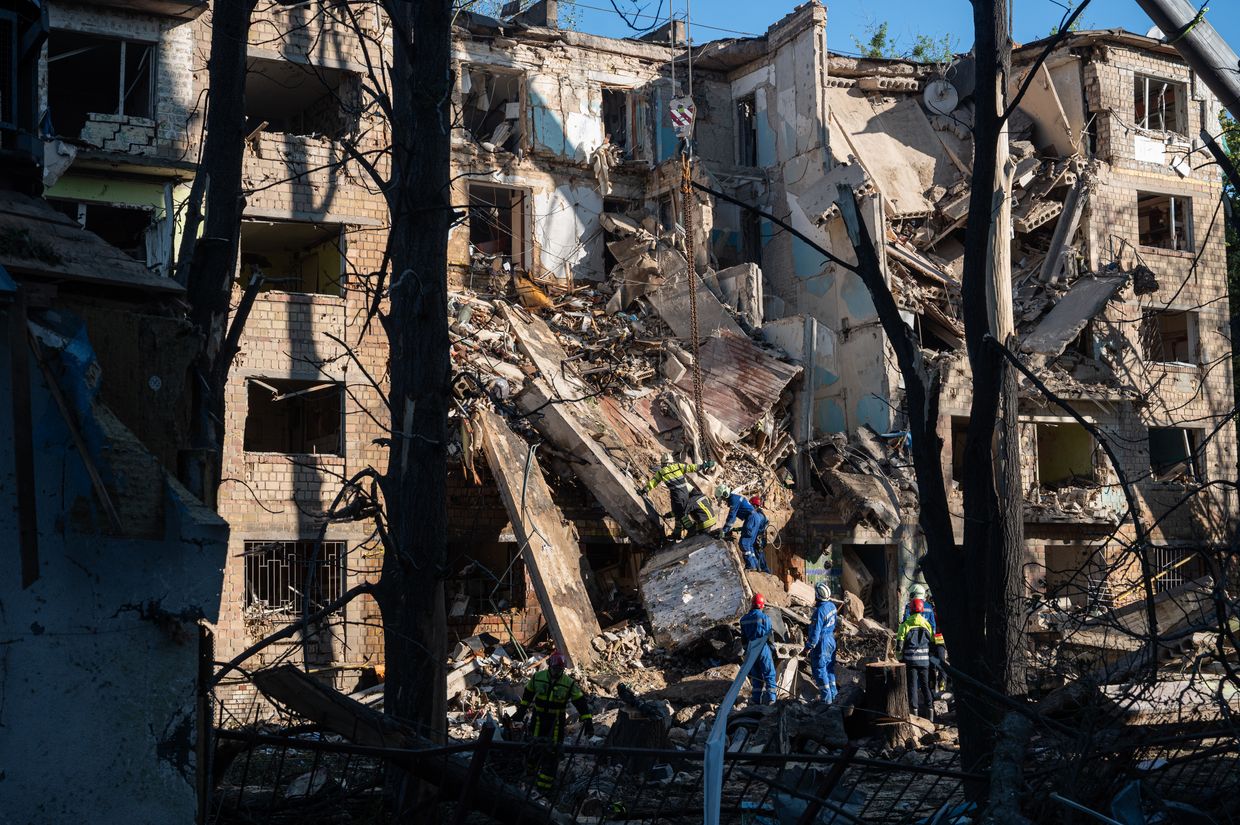
The heaviest damage occurred in the Shevchenkivskyi district of the city, when a five-story building partially collapsed after being hit by a ballistic missile, Ukraine's military reported. At least nine people died as a result, and more may be trapped under the rubble.
An 11-year-old girl was confirmed as the ninth victim of the strike, Tymur Tkachenko, head of the Kyiv City Military Administration, said. Her mother's body was recovered earlier from the rubble.
0:00
/
The scene of the damaged building in Shevchenkivskyi district (Vitalii Klitschko/Telegram)
Student Veronika Sherinova, who lives in a nearby building, said she didn't sleep all night — first because she was hiding from the attack, then because the missile strike shattered the windows in her home and neighboring apartments.
"Most of my former classmates lived in this building (that was hit), most of my friends and acquaintances, too," she told the Kyiv Independent at the site of the strike. "We got dressed right away and went over."
"When my mom and I arrived, I saw them coming out in just their underwear, covered in blood, wounded. It was impossible to look at. It was pure shock. We were all in a state of shock."
At first, she just wanted to help clear the shattered glass and debris. But after seeing the extent of the destruction, Sherinova realized that some of the people she knew might not have survived the attack.
"The strike hit exactly the floors where our friends lived," she said. "Unfortunately, they didn’t survive. My other friends did — they were on the first floor," she added, her eyes filling with tears.
"It was a miracle they came out without a single scratch. But the upper floors were just blown away, there wasn’t even a chance for anyone up there to survive."
A woman and policeman stand in front of the partially collapsed residential building after a Russian attack on June 23, 2025 in Kyiv, Ukraine (Ihor Kuznietsov/Novyny LIVE/Global Images Ukraine via Getty Images)
According to Sherinova, the Russian strike killed a family living on the upper floor — a father, mother, and grandfather — but their teenage son survived.
"We suspected it right away, but we didn’t want to believe it until the very end. But then we found out that they were the first ones they carried out," she said. "The boy is in shock right now; he doesn’t realize what’s happened. He’s just not reacting at all."
She said her two other friends who lived in the building left for abroad immediately after the strike.
"They went abroad — they took a bus and left right away."
State Emergency Service spokesperson Svitlana Vodolaha told journalists at the site that when rescuers arrived, they had been told only a few people would be affected there.
"As it turned out, the information we had was not reliable — there were more people here than we had been told. At this moment, we still don’t have complete information on how many people might be trapped under the rubble," Vodolaha said.
"That’s why we’ll keep working until the very end, until we’re completely sure no one is left under the debris."
Shortly after their arrival, rescuers pulled 10 people from under the rubble, including two children and a pregnant woman, Vodolaha said.
A wounded woman with smartphone stands near the partially destroyed building on June 23, 2025 in Kyiv, Ukraine (Ihor Kuznietsov/Novyny LIVE/Global Images Ukraine via Getty Images)
Vodolaha did not rule out the use of cluster munitions in this attack. After arriving at the site, Kyiv Independent journalists observed holes in the building across from the one that was hit, resembling those from the previous strike on the capital on June 17.
Cluster munitions are banned under international law by more than 100 countries due to their indiscriminate nature and the long-term threat they pose to civilians, especially when unexploded submunitions remain hidden in residential areas.
"It’s possible as such incidents have happened not only during today’s attack but at other times as well," Vodolaha said.
"I think everyone has noticed how our attacks have become longer and more intense, even across the capital," she added. "That’s why this morning we were working simultaneously at 15 locations."
Fifteen-year-old Roman Turko arrived at the site in the morning after the attack with his friend. His uncle lived in the destroyed building but, luckily, wasn’t home when the strike happened.
"He’s currently serving (in the military), he’s a border guard. He was on duty, so luckily he wasn’t home," Turko told the Kyiv Independent. "His apartment doesn’t really exist anymore: The balcony is gone, the walls are gone."
"If he had been there, it probably would have been the end for him."
After surviving such a heavy attack, Sherinova is now considering leaving Kyiv, at least for a while. But she says it feels like there’s nowhere left to hide from the Russian war.
"There’s a kindergarten nearby where my mom works. It has a shelter, and that’s where we usually go when we see reports of (Russian) jets taking off or a possible strike."
"But today it happened so suddenly, we wouldn’t have had time to run anywhere. We just stepped into the hallway, crouched down, and covered our eyes and ears," she said.
"It’s hitting everywhere, strikes are happening everywhere. I still can’t believe it happened to me, to my neighborhood, where I was born and have lived my whole life."
"I just can’t believe it. I’m still in such a state of shock, looking at all of this and not believing it really happened."
In the wider Kyiv Oblast, a woman was killed and eight others injured in Bila Tserkva, the Kyiv Oblast Military Administration reported.
Casualties were also reported in other areas around the capital in Kyiv Oblast, including Bucha, a town just northwest of Kyiv.
According to the Ukrainian Air Force, Russia deployed 368 aerial weapons, including 352 attack drones, 11 Iskander-M/KN-23 ballistic missiles, and 5 Iskander-K cruise missiles, striking primarily Kyiv. Ukraine's air defenses destroyed 354 of them.
The residential building damaged by a Russian attack as teams continue search and rescue effort in Kyiv, Ukraine on June 23, 2025 (Danylo Antoniuk/Anadolu via Getty Images)
Russian forces reportedly struck six locations directly, with debris falling in 25 sites across Kyiv and its surrounding region.
Earlier, it was reported that a high-rise apartment building was damaged as a result of the attack in the area, as well as an exit at the Sviatoshyn metro station and a nearby bus shelter.
Reports indicate that the Darnytskyi, Podilskyi, Solomianskyi, Shevchenkivskyi, and Sviatoshynskyi districts had been affected by the attack.
Fires also broke out in the Podilskyi district, where debris struck a residential building and a vehicle.
A large fire was also reported at a four-story office building in the Solomianskyi district. The fire reportedly covered an area of 800 square meters, the State Emergency Service said, with firefighting efforts ongoing.
Drone strike debris also landed in an open area of a stadium in Sviatoshynskyi without causing injuries or fire.
President Volodymyr Zelensky condemned the attack, noting that while Moscow had previously criticized strikes on Iran's nuclear program, it remained silent following its own "cynical" bombardment of Kyiv with Shahed drones and missiles.
"Only in Kyiv, five apartment buildings were damaged. These are ordinary residential buildings," he said, adding that one person was also killed in Bila Tserkva after a Shahed drone hit a hospital.
Zelensky said the attack damaged sites in four Ukrainian regions and involved 352 drones—including 159 Shaheds—and 16 missiles, possibly including North Korean ballistic missiles.
"Every country near Russia, Iran, and North Korea should be thinking about whether they can protect life if this coalition of killers continues spreading terror," Zelensky said.
The view in Kyiv seen outside of a window as Russia launches another large-scale attack on Kyiv on June 23, 2025. At least five people have been injured in the attack, local officials reported. (Olena Zashko/The Kyiv Independent)
A fire burns in the aftermath of a Russian attack on Kyiv on June 23, 2025. (Ukraine's State Emergency Service/Telegram)
A firefighter extinguishes burning debris in the aftermath of a Russian attack on Kyiv on June 23, 2025. (Ukraine's State Emergency Service/Telegram)
The attack on the capital comes just days after Russia launched one of its largest attacks on Kyiv, killing 28 people and injuring 134 others.
Russia's latest round of large-scale attacks comes as Commander-in-Chief Oleksandr Syrskyi warned on June 21 that Russian forces are attempting to advance along almost the entire front in eastern Ukraine while trying to establish a buffer zone in northeastern Sumy Oblast.
Editor's note: The article was updated after three bodies were found in Kramatorsk following a Russian attack.Russian strikes across Ukrainian regions killed at least seven civilians and injured at least 23 over the past day, regional authorities reported on June 22.Russia launched two Iskander-M or North Korean KN-23 ballistic missiles, an S-300 anti-aircraft missile, and 47 Shahed-type attack drones and decoy drones against Ukraine overnight, primarily targeting Chernihiv Oblast, Ukraine's Air
Editor's note: The article was updated after three bodies were found in Kramatorsk following a Russian attack.
Russian strikes across Ukrainian regions killed at least seven civilians and injured at least 23 over the past day, regional authorities reported on June 22.
Russia launched two Iskander-M or North Korean KN-23 ballistic missiles, an S-300 anti-aircraft missile, and 47 Shahed-type attack drones and decoy drones against Ukraine overnight, primarily targeting Chernihiv Oblast, Ukraine's Air Force said.
Ukrainian air defenses reportedly shot down 18 drones, while 10 disappeared from radars or were intercepted by electronic warfare. Seven hits by Russian aerial weapons were recorded overnight in Chernihiv, Sumy, and Odesa oblasts.
In Chernihiv Oblast, a civilian was killed in a Russian drone attack against the Nizhyn district, Governor Viacheslav Chaus reported.
In Dnipropetrovsk Oblast, Russian drone and artillery attacks against the Nikopol district injured seven people and damaged multiple houses and civilian infrastructure, Governor Serhii Lysak reported. A 63-year-old man has been hospitalized and is in moderate condition.
Russian attacks across Donetsk Oblast killed three people and injured 13, according to Governor Vadym Filashkin and the media. This included a civilian killed and three injured in Sloviansk, and another killed and two injured in Kostiantynivka.
Later on June 22, emergency workers found four bodies of people killed when a Russian missile hit a four-story residential building in Kramatorsk. Four people were injured, and one other resident may be trapped under the rubble, the State Emergency Service said.
In Kharkiv Oblast, a Russian attack killed a 77-year-old man in the village of Staryi Saltiv, Governor Oleh Syniehubov said.
Russian attacks against Kherson Oblast wounded three civilians, said the regional governor, Oleksandr Prokudin. Five multi-story apartment buildings and 11 houses were damaged.
Russian attacks on Kherson Oblast injured seven people between June 20 and 21, local officials reported.Russian forces launched drone attacks and artillery strikes on multiple settlements across Kherson Oblast, including the city of Kherson, Governor Oleksandr Prokudin reported on Telegram.Targets included Antonivka, Beryslav, Bilozerka, Vesele, Darivka, Zmiivka, Zorivka, Kizomys, Lvove, Mykolaivka, Novoberyslav, Novokairy, Olhivka, Poniativka, Sadove, Sofiivka, Tiahynka, Chervonyi Maiak, and Ch
Russian attacks on Kherson Oblast injured seven people between June 20 and 21, local officials reported.
Russian forces launched drone attacks and artillery strikes on multiple settlements across Kherson Oblast, including the city of Kherson, Governor Oleksandr Prokudin reported on Telegram.
The strikes damaged civilian infrastructure, including two apartment buildings, 14 private homes, outbuildings, a garage, and several cars.
Kherson Oblast, located in southern Ukraine just north of Russian-occupied Crimea, has been repeatedly targeted by Russian forces since the start of the full-scale invasion.
Russian attacks across Ukrainian regions killed two civilians and injured at least 39, including minors, over the past day, regional authorities reported on June 20.Russian forces launched 86 Shahed-type attack drones and decoys against Ukraine overnight, the Air Force said. Ukrainian air defenses reportedly shot down 34 drones, while 36 disappeared from radars or were intercepted by electronic warfare.Russia launched "massive" drone attacks against Odesa overnight, authorities reported, resulti
Russian attacks across Ukrainian regions killed two civilians and injured at least 39, including minors, over the past day, regional authorities reported on June 20.
Russian forces launched 86 Shahed-type attack drones and decoys against Ukraine overnight, the Air Force said. Ukrainian air defenses reportedly shot down 34 drones, while 36 disappeared from radars or were intercepted by electronic warfare.
Russia launched "massive" drone attacks against Odesa overnight, authorities reported, resulting in one civilian killed and at least 14 injured, including three emergency workers.
The attack drones struck over 10 targets, including seven residential buildings, and led to multiple large-scale fires. At the site of one of the attacks, a 23-story residential building caught fire between the 18th and 20th floors, and led to the evacuation of over 600 people.
In Dnipropetrovsk Oblast, two men aged 39 and 64 were injured in Russian attacks, Governor Serhii Lysak said. Two industrial facilities, two schools, and four houses were damaged during strikes against the Nikopol district overnight.
In Donetsk Oblast, one person was killed and another injured in Kostiantynivka, while five others were injured elsewhere in the region, according to Governor Vadym Filashkin.
Russian attacks against Kharkiv and eight other settlements in Kharkiv Oblast injured six people, two of them minors, Governor Oleh Syniehubov reported. Multiple residential buildings, houses, a school, warehouses, and other property were damaged.
In Kherson Oblast, 11 people were wounded in Russian strikes, said the regional governor, Oleksandr Prokudin. Seventeen houses were damaged.
Fred Grandy, a 62-year-old American artist and volunteer who was killed in Russia's mass missile attack against Kyiv on June 17, appears to be the first U.S. civilian killed by a Russian strike on Ukraine, the New York Times (NYT) reported on June 19. Russia launched a massive assault on Kyiv overnight on June 17, pounding the capital with hundreds of kamikaze drones and multiple missiles in a nine-hour attack that left 30 dead and around 172 injured. Among the vicitms was Grandy, a U.S. citizen
Fred Grandy, a 62-year-old American artist and volunteer who was killed in Russia's mass missile attack against Kyiv on June 17, appears to be the first U.S. civilian killed by a Russian strike on Ukraine, the New York Times (NYT) reported on June 19.
Russia launched a massive assault on Kyiv overnight on June 17, pounding the capital with hundreds of kamikaze drones and multiple missiles in a nine-hour attack that left 30 dead and around 172 injured.
Among the vicitms was Grandy, a U.S. citizen who arrived in Kyiv in May to volunteer to clear away rubble after Russian attacks. He had hoped to volunteer in Ukraine for five or six months, his sister told the NYT.
"He was a person who wanted to make a difference so badly," Grandy's sister Siestka Reed said. "I talked to him about five days ago, and he told me that he felt he was right where he should be."
During the attack, Kyiv Mayor Vitali Klitschko reported that a 62-year-old U.S. citizen had died near one of the attack sites, but the details of their death remained unclear. The U.S. State Department and Ukrainian authorities later confirmed that a U.S. citizien had been killed, the NYT reported.
According to Ukrainian authorities, Grandy died after sustaining shrapnel wounds.
Before arriving in Kyiv, Grandy had worked as a bartender, bouncer, and builder. He was also an artist, fashioning bird houses and planters out of reclaimed wood and flowers out metal. According to his family, his desire to volunteer in Ukraine stemmed from his dismay at U.S. Presidend Donald Trump's lack of support for Kyiv.
Grandy was upset by Trump's treatment of President Volodymyr Zelensky and withdrawal of military support, Reed told the NYT.
"He thought, you just don't let a bully do that stuff, and you don't just abandon people," Reed said.
"Then he saw how hard they fought to save their country, or are fighting still. It was just hard to understand walking away, you know? And he just believed that people need a hand up."
Russian drone and missile attacks are not new, but in May and June, mass strikes on civilian targets surged. Russia has launched a number of record-breaking attacks on Ukrainian cities in recent weeks, resulting in hundreds of casualties.
Moscow's escalating aerial assaults have even directly harmed U.S. enterprises and individuals. An office used by the U.S. aerospace and defense giant Boeing was hit in a mass strike on Kyiv launched overnight June 9-10. The Financial Times (FT) reported that Russia deliberately targeted the site.
Grandy's death marks the first time a U.S. civilian has been killed in a Russian aerial attack against Ukraine.
Meanwhile, Trump's interest in securing a ceasefire in Ukraine appears to have fizzled out. He left the G7 Leaders Summit in Canada early, jettisoning a much-anticipated meeting with Zelensky, and barely responded to the mass attack on Kyiv.
Editor's note: The story was updated after one of the injured victims died in the hospital. Russian attacks killed at least one civilian and injured at least 27 over the past 24 hours in Ukraine, regional officials reported on June 19. According to Ukraine's Air Force, Russian forces launched 104 Shahed-type drones and decoy unmanned aerial vehicles (UAVs) overnight from Russian territory and occupied Crimea. Ukrainian air defenses shot down 40 drones, while 48 disappeared from radars or were in
Editor's note: The story was updated after one of the injured victims died in the hospital.
Russian attacks killed at least one civilian and injured at least 27 over the past 24 hours in Ukraine, regional officials reported on June 19.
According to Ukraine's Air Force, Russian forces launched 104 Shahed-type drones and decoy unmanned aerial vehicles (UAVs) overnight from Russian territory and occupied Crimea.
Ukrainian air defenses shot down 40 drones, while 48 disappeared from radars or were intercepted by electronic warfare.
In Kherson Oblast, nine people were injured amid heavy shelling and drone attacks on dozens of settlements, including Kherson city, Governor Oleksandr Prokudin said. Russian forces struck social infrastructure facilities, three apartment buildings, and 10 houses. A gas pipeline, an ambulance base, a fire station, and several vehicles were also damaged.
In Donetsk Oblast, 13 people were wounded in Russian strikes across the region, Governor Vadym Filashkin said.
In Dnipropetrovsk Oblast, five people were injured in morning attacks on the Nikopol district, including an 11-year-old child, Governor Serhii Lysak reported. One of the victims, a 59-year-old man, later died in the hospital, Lysak said.
In Zaporizhzhia Oblast, one person was injured, Governor Ivan Fedorov said. Over the past day, Russian forces carried out 410 strikes on 12 settlements in the oblast, including 10 air strikes and 264 drone attacks. Additional shelling from artillery and multiple launch rocket systems damaged at least 94 houses, vehicles, and infrastructure sites.
Russian attacks on Kherson Oblast injured nine people and damaged residential infrastructure on June 18-19, according to local authorities. Thirty-four settlements were reportedly targeted with artillery and drones.On June 18 at 6:00 p.m. local time, eight civilians were reported injured, including two men in Komyshany and Romashkovo, and six others in Bilozerka, Beryslav, Antonivka, and the regional capital Kherson. One more person has been injured since then.Civilian infrastructure, including
On June 18 at 6:00 p.m. local time, eight civilians were reported injured, including two men in Komyshany and Romashkovo, and six others in Bilozerka, Beryslav, Antonivka, and the regional capital Kherson. One more person has been injured since then.
Civilian infrastructure, including private homes and residential buildings, was also damaged in the attacks. A gas pipeline, emergency medical clinic, and fire department were also damaged, according to the latest reports.
Kherson Oblast is located in southern Ukraine, just north of Russian-occupied Crimea, and has been relentless targeted by Russian forces throughout the war.
Ukrainian forces liberated the city of Kherson, the regional capital, in November 2022.
Russian troops continue to occupy large parts of the region and regularly launch attacks on civilian areas using artillery, guided bombs, and drones.
The U.S. Embassy in Kyiv on June 18 condemned Russia's massive missile and drone attack on Kyiv that killed at least 23 people and injured more than 130 a day earlier, saying it "runs counter" to U.S. President Donald Trump's peace efforts."Today, with all of Ukraine, we join a day of mourning in Kyiv for the victims of Russia's June 17 attack," the U.S. Embassy in Ukraine said in a statement. "We extend deepest condolences to the victims' families. This senseless attack runs counter to Presiden
The U.S. Embassy in Kyiv on June 18 condemned Russia's massive missile and drone attack on Kyiv that killed at least 23 people and injured more than 130 a day earlier, saying it "runs counter" to U.S. President Donald Trump's peace efforts.
"Today, with all of Ukraine, we join a day of mourning in Kyiv for the victims of Russia's June 17 attack," the U.S. Embassy in Ukraine said in a statement. "We extend deepest condolences to the victims' families. This senseless attack runs counter to President Trump's call to stop the killing and end the war."
The nine-hour overnight attack, which began late June 16, has become one of the largest aerial assaults on the Ukrainian capital since the start of Russia's full-scale invasion in 2022.
Ukrainian officials said Russia launched 472 aerial weapons, including nearly 280 Shahed-type attack drones and cruise and ballistic missiles. Ukraine's air defense downed 428 targets, but several struck residential areas, including a nine-story apartment building in Kyiv's Solomianskyi district.
Among the dead was a U.S. citizen, State Department Press Secretary Tammy Bruce confirmed at a briefing on June 17.
"We are aware of last night's attack on Kyiv, which resulted in numerous casualties, including the tragic death of a U.S. citizen," Bruce said. "We condemn those strikes and extend our deepest condolences to the victims and to the families of all those affected."
President Volodymyr Zelensky called it "one of the most horrifying attacks on Kyiv" and urged stronger international support to help Ukraine defend itself.
Despite the scale of the attack, Trump appeared to be unaware of the strike when questioned by reporters aboard Air Force One early on June 17.
"When was that? When?" Trump responded when a reporter asked for his reaction. Told that the drone and missile attack had occurred "very recently," Trump said: "Just now? You mean as I’m walking back to see you, that’s when it took place? Sounds like it. I’ll have to look at it."
As of a day later, the White House had still not issued an official response to the strike.
The June 17 attack caused extensive damage across the capital. Civilian infrastructure hit included kindergartens, a university dormitory, residential neighborhoods, and industrial sites.
Fahrenheit, a Ukrainian manufacturer of military and civilian clothing, reported that its Kyiv factory was damaged and operations were suspended. Ukrposhta, the national postal service, lost two branches. Ukrainian Railways said a grain-carrying train was struck, disrupting transit.
Kyiv Mayor Vitali Klitschko said unexploded cluster munitions were found in the city — a type of weapon banned by some countries due to the danger they pose to civilians. June 18 was declared a day of mourning in Kyiv.
Foreign Minister Andrii Sybiha called the timing of the attack, as G7 leaders gathered in Canada, a deliberate message from the Kremlin. Moscow has escalated strikes on Ukrainian cities in recent weeks, targeting residential areas and critical infrastructure.
Ukraine has urged Western allies to respond by reinforcing air defense capabilities and tightening economic pressure on Russia.
Russian attacks across Ukraine killed at least six civilians and injured at least 49, including a teenage boy, over the past day, regional authorities reported on June 18. Russian forces launched 58 Shahed-type attack drones and decoys against Ukraine overnight, targeting mainly the Donetsk, Dnipropetrovsk, and Zaporizhzhia oblasts, the Air Force said.Ukrainian defenses shot down 12 drones, while 18 disappeared from radars or were intercepted by electronic warfare systems, according to the state
Russian attacks across Ukraine killed at least six civilians and injured at least 49, including a teenage boy, over the past day, regional authorities reported on June 18.
Russian forces launched 58 Shahed-type attack drones and decoys against Ukraine overnight, targeting mainly the Donetsk, Dnipropetrovsk, and Zaporizhzhia oblasts, the Air Force said.
Ukrainian defenses shot down 12 drones, while 18 disappeared from radars or were intercepted by electronic warfare systems, according to the statement.
In Chernihiv Oblast, a Russian drone attack against a village in the Snovsk community on June 17 injured a 68-year-old woman, Governor Viacheslav Chaus reported.
A Russian attack against Nikopol in Dnipropetrovsk Oblast on June 17 killed a 63-year-old man, Governor Serhii Lysak reported. Two more people were injured, and an educational institution and houses were damaged.
Russian attacks across Donetsk Oblast killed a civilian in Myrnohrad and injured eight others in the region, according to Governor Vadym Filashkin.
In Kharkiv Oblast, three people were injured in Russian attacks, including a 69-year-old woman and a 15-year-old boy in Izium and a 52-year-old man in Ripky, Governor Oleh Syniehubov reported.
Russian attacks against Kherson Oblast killed two people and injured 34, according to the regional governor, Oleksandr Prokudin.
In Sumy Oblast, one person was killed and another injured in a Russian drone attack against the Bilopillia community, and another man was killed during an air strike against the Yunakivka community, the regional administration reported.
Russia launched missile and drone attacks against Zaporizhzhia, damaging multiple residential and non-residential buildings but inflicting no casualties, Governor Ivan Fedorov said.
U.S. President Donald Trump was unaware of a deadly Russian drone and missile strike on Kyiv that killed at least 15 people and injured over 120, when asked about the attack by reporters on June 17.On board Air Force One as he flew back from Canada, Trump was questioned about the attack by a reporter. A clock in the plane shows it was shortly after 1:30 a.m. Washington time, 8:30 a.m. Kyiv time, two-and-a-half hours after the nine-hour-long attack ended, and after reports of casualties had been
U.S. President Donald Trump was unaware of a deadly Russian drone and missile strike on Kyiv that killed at least 15 people and injured over 120, when asked about the attack by reporters on June 17.
On board Air Force One as he flew back from Canada, Trump was questioned about the attack by a reporter. A clock in the plane shows it was shortly after 1:30 a.m. Washington time, 8:30 a.m. Kyiv time, two-and-a-half hours after the nine-hour-long attack ended, and after reports of casualties had been made public.
When asked for his reaction, he responded: "When was that? When?"
The reporter then says the "Russian drone attack on Kyiv" occurred "very recently."
"Just now? You mean as I’m walking back to see you, that’s when it took place? Sounds like it. I’ll have to look at it," Trump replies.
At the time of writing some seven hours later, the White House has still yet to comment on the attack.
The comments came a few hours after Ukraine endured the largest aerial attack on Kyiv in 2025. According to Ukraine's Air Force, Russia launched 472 aerial weapons overnight, including nearly 280 Shahed-type attack drones, 16 Kh-101 cruise missiles, two Kinzhal ballistic missiles, and other guided munitions, primarily targeting the capital.
Air defenses downed 428 of them, including 239 Shaheds and 15 cruise missiles, while at least one Kinzhal was intercepted.
The almost nine-hour assault killed 15 people and injured 124, according to local authorities. A nine-story residential building in the Solomianskyi district was struck and partially collapsed, killing residents.
Kyiv Mayor Vitali Klitschko said cluster munitions were discovered in the city, a type of weapon banned under international conventions due to their indiscriminate nature and long-term threat to civilians. June 18 has been declared an official day of mourning in Kyiv.
President Volodymyr Zelensky called the strike "one of the most horrifying attacks on Kyiv" and urged international partners to respond decisively. Foreign Minister Andrii Sybiha said the timing of the strike, as G7 leaders meet, was a deliberate message from the Kremlin.
Civilian sites hit in the capital include kindergartens, residential areas, a university dormitory, and production facilities. Ukrainian manufacturer Fahrenheit, which produces military and civilian clothing, announced its factory was damaged and all orders suspended indefinitely. Ukrposhta, the national postal service, lost two branches. A Ukrainian Railways train carrying grain was also struck, temporarily halting traffic.
Russia has escalated attacks on Ukrainian cities in recent weeks, including mass strikes on energy infrastructure and residential areas.
Emergency services in Kyiv have recovered fragments of cluster munitions following the overnight Russian missile and drone attack on June 17, Mayor Vitali Klitschko reported, calling it further evidence of Russia's "genocide" against Ukrainians."In the capital's Nyvky neighborhood, emergency workers are now finding these kinds of cluster munition parts," Klitschko said in a statement shared on social media. "Another clear sign of the genocide Russia is committing against Ukrainians."Cluster muni
Emergency services in Kyiv have recovered fragments of cluster munitions following the overnight Russian missile and drone attack on June 17, Mayor Vitali Klitschko reported, calling it further evidence of Russia's "genocide" against Ukrainians.
"In the capital's Nyvky neighborhood, emergency workers are now finding these kinds of cluster munition parts," Klitschko said in a statement shared on social media. "Another clear sign of the genocide Russia is committing against Ukrainians."
Cluster munitions are banned under international law by more than 100 countries due to their indiscriminate nature and the long-term threat they pose to civilians, especially when unexploded submunitions remain hidden in residential areas.
While Russia and Ukraine are not signatories to the Convention on Cluster Munitions, international humanitarian organizations have repeatedly condemned the use of such weapons in populated areas. Ukraine uses cluster munitions on the battlefield against Russian forces.
The mayor's comments came hours after one of the largest and deadliest attacks on the Ukrainian capital in months, in which at least 15 people were killed and nearly 100 injured. The Russian strike, which lasted nearly nine hours, included waves of kamikaze drones, ballistic missiles, and what authorities now confirm were banned explosive parts.
President Volodymyr Zelensky called the assault "one of the most horrifying attacks on Kyiv," saying more than 440 drones and 32 missiles were launched across Ukraine overnight.
"Such attacks are pure terrorism," he said in a statement on social media. "And the whole world, the U.S., and Europe must finally respond as civilized societies respond to terrorists."
Zelensky confirmed that damage had been reported in eight districts of Kyiv, with emergency workers still searching for survivors beneath the rubble of a destroyed apartment block.
He added that strikes also hit Odesa, Zaporizhzhia, Chernihiv, Zhytomyr, Kirovohrad, Mykolaiv, and Kyiv regions. "Fifteen people are confirmed dead. My condolences to their families and loved ones," Zelensky said.
Foreign Minister Andrii Sybiha also condemned the attack, calling it a "massive and brutal strike" timed deliberately to coincide with the G7 summit, which is taking place in Canada on June 16-17.
Editor's note: This is a developing story and is being updated.Russian drone strikes on Odesa early June 17 killed 2 people and injured 17 others, including a pregnant woman and a child, regional authorities said.The body of a 60-year-old woman was recovered from the rubble of a collapsed building, along with the remains of another woman born in 1947, Odesa Oblast Prosecutor's Office reported."My sincere condolences to her family and loved ones," Odesa Oblast Governor Oleh Kiper wrote. One pers
Editor's note: This is a developing story and is being updated.
Russian drone strikes on Odesa early June 17 killed 2 people and injured 17 others, including a pregnant woman and a child, regional authorities said.
The body of a 60-year-old woman was recovered from the rubble of a collapsed building, along with the remains of another woman born in 1947, Odesa Oblast Prosecutor's Office reported.
"My sincere condolences to her family and loved ones," Odesa Oblast Governor Oleh Kiper wrote.
One person remains hospitalized as of 9 a.m., while the rest of the injured are receiving outpatient treatment.
The strike damaged multiple residential buildings in Odesa’s historic city center, as well as a kindergarten and an inclusive support center. Emergency services and volunteers continue clearing debris and responding to the aftermath.
The attack also damaged civilian infrastructure across the city, including residential buildings.
Emergency services and volunteers are working at the scene to clear debris.
Overnight, Russia also launched a mass attack on Kyiv, injuring at least 18 people.
Odesa, a port city on Ukraine’s Black Sea coast with a population of around 1 million, has been a frequent target of Russian attacks throughout the full-scale war.
Editor's note: This story has been updated to reflect the most recent casualty numbers.Russia attacked Ukraine with nearly 200 missiles and drones and shelled residents in Kherson and Donetsk oblasts, killing one and injuring three, Ukrainian authorities reported on June 15. Russian forces unleashed drones, artillery, and airstrikes on Kherson Oblast and the city over the last day, killing one person and injuring seven, the oblast administration reported. Russian attacks damaged apartments, home
Editor's note: This story has been updated to reflect the most recent casualty numbers.
Russia attacked Ukraine with nearly 200 missiles and drones and shelled residents in Kherson and Donetsk oblasts, killing one and injuring three, Ukrainian authorities reported on June 15.
Russian forces unleashed drones, artillery, and airstrikes on Kherson Oblast and the city over the last day, killing one person and injuring seven, the oblast administration reported. Russian attacks damaged apartments, homes, and gas pipelines, as well as other infrastructure.
In Donetsk Oblast, Russian attacks injured two people in Pokrovsk and Myrnohrad, regional governor Vadym Filashkin reported.
Russia’s combined mass missile and drone strikes largely targeted Kremenchuk in Poltava Oblast. No one was injured or killed, but the attacks hit energy and agricultural facilities, said Poltava governor Volodymyr Kohut.
Of 183 drones Russia launched, Ukrainian air defense neutralized 159, the Air Force said in their morning update. Ukraine also shot down 2 Kinzhal air-launched ballistic missiles and six out of eight cruise missiles.
Drones were also spotted flying through Kyiv and Kyiv Oblast, Chernihiv, Sumy, Dnipropetrovsk, Kirovohrad, Mykolaiv, Zaporizhzhia, and Donetsk oblasts.
Despite talks of peace negotiations, Russia has amped up its drone attacks on Ukraine over the last month. On May 26, Russia launched 355 drones at Ukraine, a record that was broken on June 1 with 472 drones, and on June 9, when Russia fired 479 drones and 20 missiles against Ukrainian cities.
Editor's note: This story has been updated to include the latest injury figures confirmed by Zaporizhzhia Governor Ivan Fedorov.At least three people were killed and 11 injured in Russian attacks across Ukraine over the past day, Ukrainian officials said on June 14.According to Ukraine's Air Force, Russia launched 58 attack drones, primarily Shahed-type UAVs, and decoys from multiple directions. Air defenses destroyed 43 of the drones.In Donetsk Oblast, one civilian was killed and two others wer
Editor's note: This story has been updated to include the latest injury figures confirmed by Zaporizhzhia Governor Ivan Fedorov.
At least three people were killed and 11 injured in Russian attacks across Ukraine over the past day, Ukrainian officials said on June 14.
According to Ukraine's Air Force, Russia launched 58 attack drones, primarily Shahed-type UAVs, and decoys from multiple directions. Air defenses destroyed 43 of the drones.
In Donetsk Oblast, one civilian was killed and two others were injured in Russian shelling of Yablunivka, Governor Vadym Filashkin said. Russian forces attacked settlements in the region 27 times over the past day.
In Kherson Oblast, five people were injured as Russia struck 23 settlements with drones, artillery, and airstrikes, Governor Oleksandr Prokudin reported. Residential buildings in Kherson city, Antonivka, and other towns were damaged, including a multi-story apartment block, six houses, a gas station, and some vehicles.
In Zaporizhzhia Oblast, at least one person was killed and four others injured in attacks targeting Zaporizhzhia and Polohy districts, Governor Ivan Fedorov said. Russian forces launched 438 strikes on 16 settlements, including 11 airstrikes and 266 drone attacks, mainly using FPV (first-person view) drones.
In a morning strike on Zaporizhzhia, more than 10 cars were burned at a parking lot, and at least 15 buildings were damaged. One person was injured.
According to Radio Free Europe/Radio Liberty, the Russian attack also destroyed a humanitarian aid warehouse in Zaporizhzhia. Over 100 metric tons of humanitarian supplies reportedly burned in the fire. The aid had recently arrived in five trucks and was intended for displaced people and residents of front-line areas. The damage is estimated at around $3 million.
At least four civilians were killed and 24 injured over the past day in Russian attacks across Ukraine, Ukrainian officials said on June 13.According to the Ukrainian Air Force, Russia targeted the country with 55 Shahed-type attack drones and decoy unmanned aerial vehicles (UAVs), as well as four Iskander-M/KN-23 ballistic missiles launched from Russian territory. Ukraine's air defenses shot down 28 drones, while 15 were intercepted by electronic warfare or disappeared from radars.In Kherson Ob
At least four civilians were killed and 24 injured over the past day in Russian attacks across Ukraine, Ukrainian officials said on June 13.
According to the Ukrainian Air Force, Russia targeted the country with 55 Shahed-type attack drones and decoy unmanned aerial vehicles (UAVs), as well as four Iskander-M/KN-23 ballistic missiles launched from Russian territory.
Ukraine's air defenses shot down 28 drones, while 15 were intercepted by electronic warfare or disappeared from radars.
In Kherson Oblast, Governor Oleksandr Prokudin said Russian troops shelled and launched drone and air strikes on dozens of settlements, including Kherson city. The attacks hit residential areas and critical infrastructure, damaging four apartment buildings and 13 houses. One person was killed and seven were wounded.
In Kharkiv Oblast, Governor Oleh Syniehubov reported that seven civilians were injured, including an 11-year-old child, during Russian attacks on seven settlements. Russian forces used 16 unguided rockets, six guided bombs, and over 20 drones, including Shaheds and first-person view (FPV) units. Civilian infrastructure, including houses and factory buildings in Kupiansk, Izium, and Bohodukhiv districts, sustained significant damage.
In Sumy Oblast, two people were injured when a Russian drone struck civilian infrastructure in the Mykolaivka community, regional officials said. Over the past 24 hours, Russia carried out more than 50 attacks on 25 settlements using FPV drones, multiple-launch rocket systems, and guided bombs.
In Zaporizhzhia Oblast, Governor Ivan Fedorov said one person was killed and three injured in Russian attacks on the region. Russian forces launched nearly 500 strikes across the region, including 283 drone attacks, mainly FPV types, and 10 air strikes.
In Donetsk Oblast, Governor Vadym Filashkin said two civilians were killed, while five others were injured across the region.
Russian independent media outlet Mediazona, in collaboration with the BBC Russian service, has confirmed the identities of 111,387 Russian military personnel killed in Ukraine.The publications' latest report covers the period of February 24, 2022 to June 6, 2025. Since it was last updated at the end of May, 1,762 additional Russian military personnel have been confirmed killed.The journalists note that the actual figures are likely significantly higher, as their verified information comes from p
Russian independent media outlet Mediazona, in collaboration with the BBCRussian service, has confirmed the identities of 111,387 Russian military personnel killed in Ukraine.
The publications' latest report covers the period of February 24, 2022 to June 6, 2025. Since it was last updated at the end of May, 1,762 additional Russian military personnel have been confirmed killed.
The journalists note that the actual figures are likely significantly higher, as their verified information comes from public sources such as obituaries, posts by relatives, memorial community tree-plantings, regional media reports, statements from local authorities, among other sources.
The outlet published the complete list of identified casualties for the first time in February, marking three years since Russia launched its full-scale invasion of Ukraine. According to the publication, volunteers manually enter and verify each record to prevent duplicate entries in the database.
The journalists' findings come as Russia surpassed 1 million losses on June 12, marking a symbolic, yet grim milestone in the 3-year-long war. The estimate, which is broadly in-line with estimates made by Western intelligence agencies, likely includes those killed, captured, wounded, and missing.
The confirmed death toll now includes 28,200 volunteers, 17,400 recruited prisoners, and nearly 12,300 mobilized soldiers, according to the media outlets. Over 5,100 officers have also been confirmed to have been killed.
Amid renewed summer offensives in multiple sectors of the front, Russia has steadily gained ground in eastern Ukraine and Kursk Oblast in recent months but at the cost of heavy casualties as well as equipment losses.
Ukraine's Coordination Headquarters for the Treatment of the Prisoners of War (POWs) said on June 12 said that more than 100,000 Russian families have contacted a Ukrainian-run initiative in search of information about missing Russian soldiers.
Moscow does not disclose its casualty figures, though a Defense Ministry official let slip in December that the department received 48,000 requests to identify missing soldiers.

 Connexion


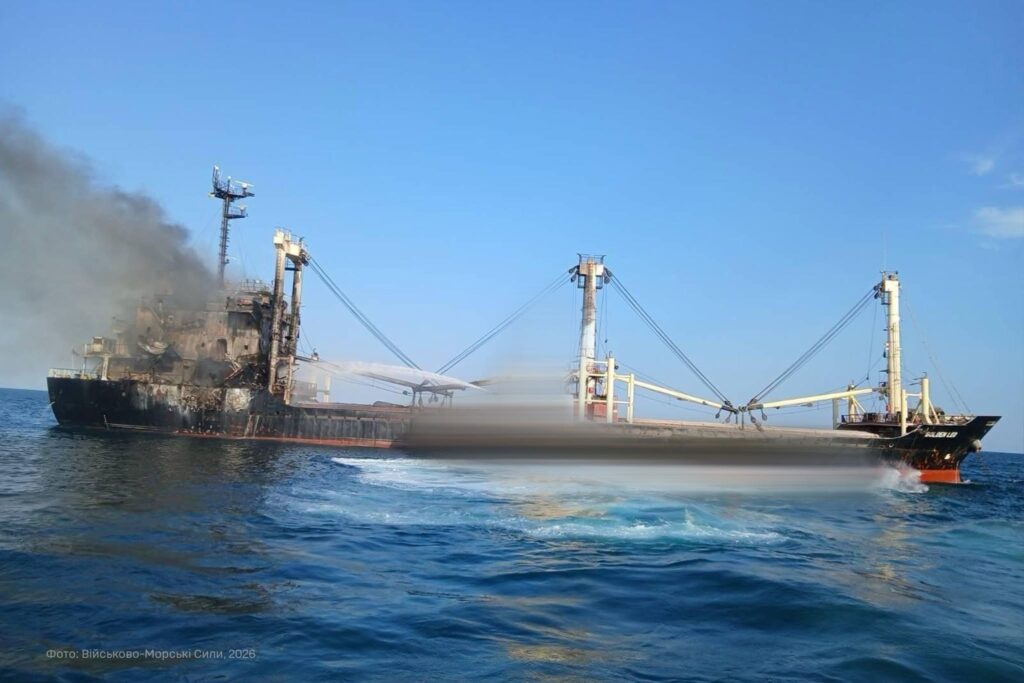
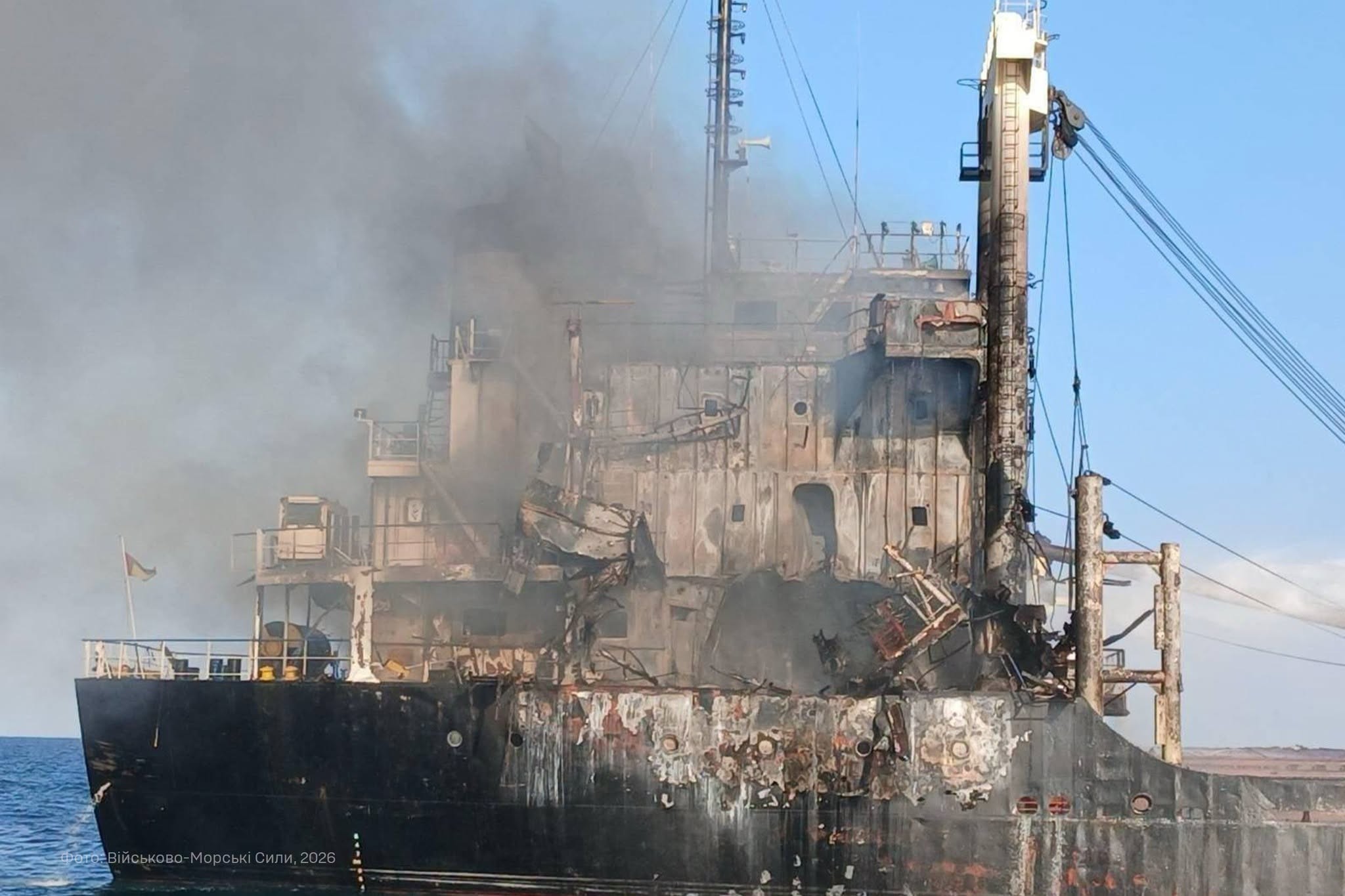
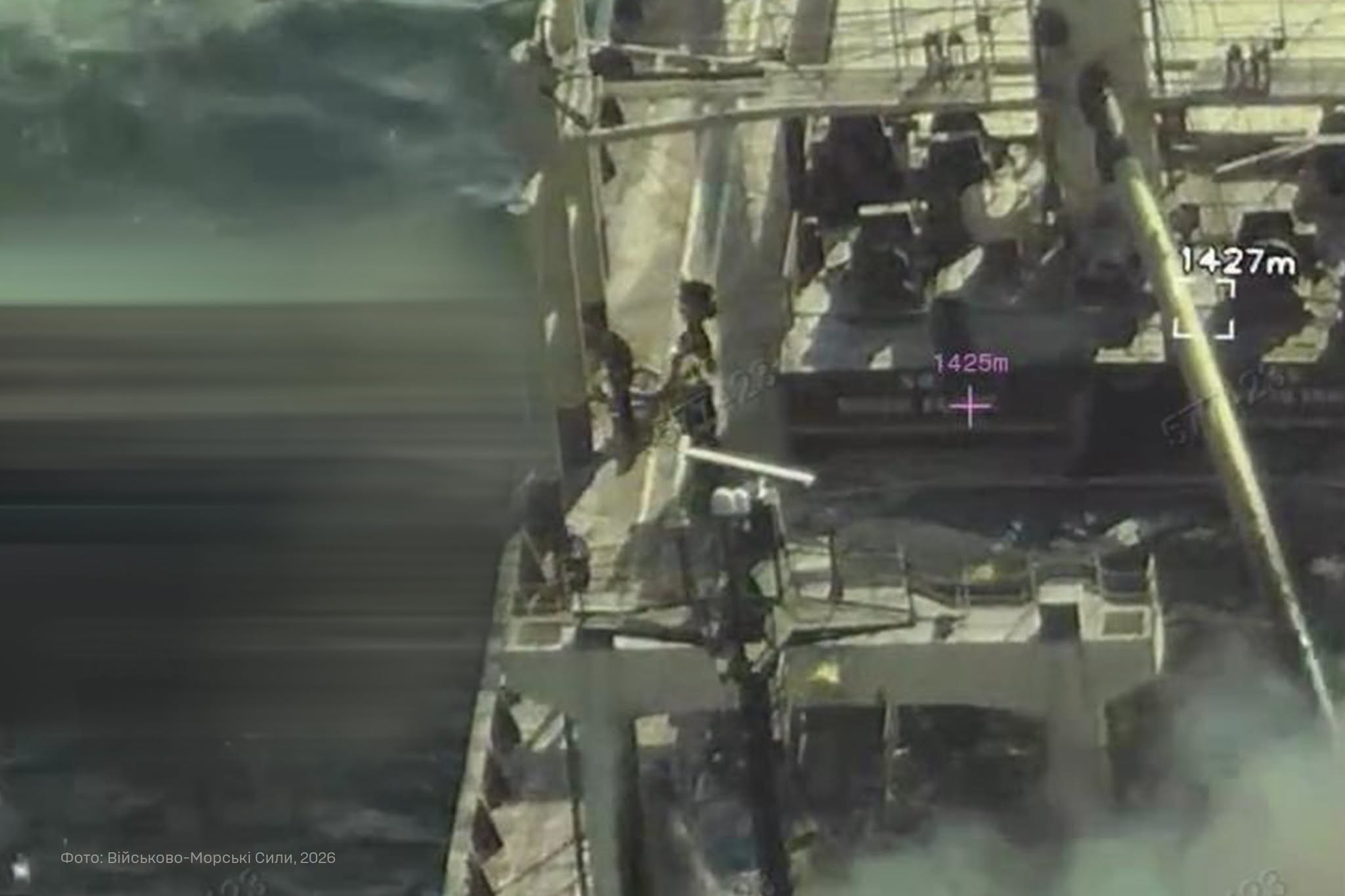
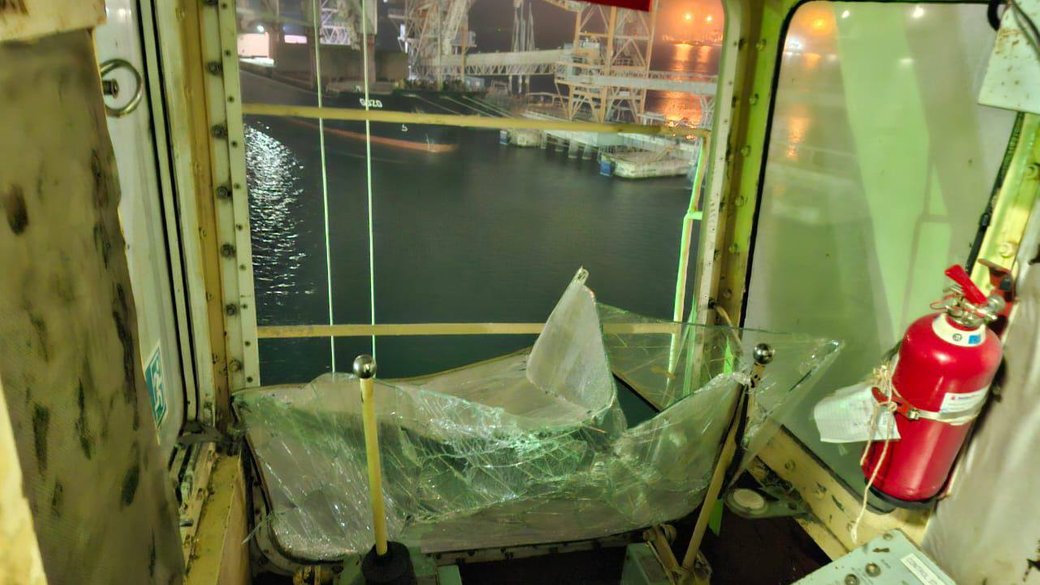


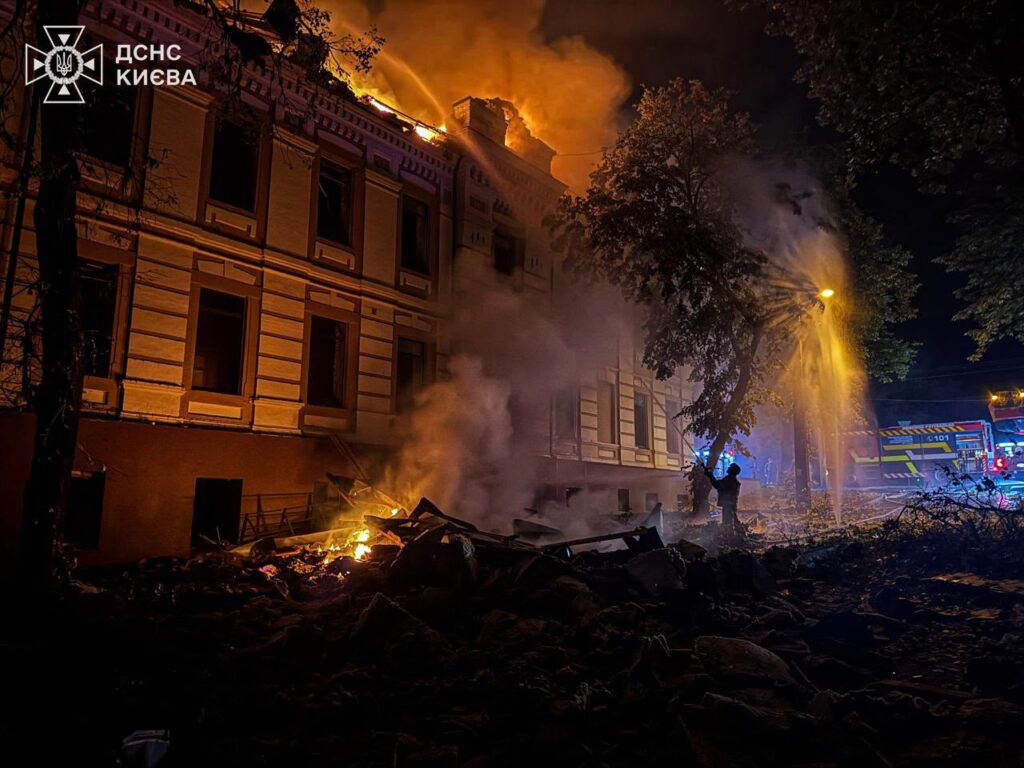
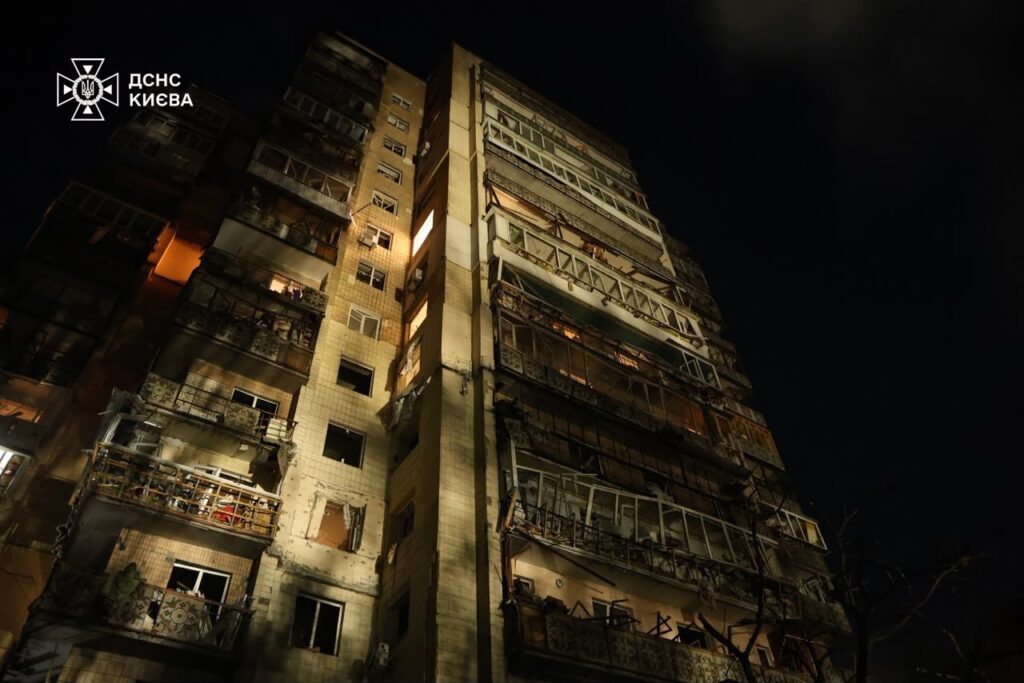
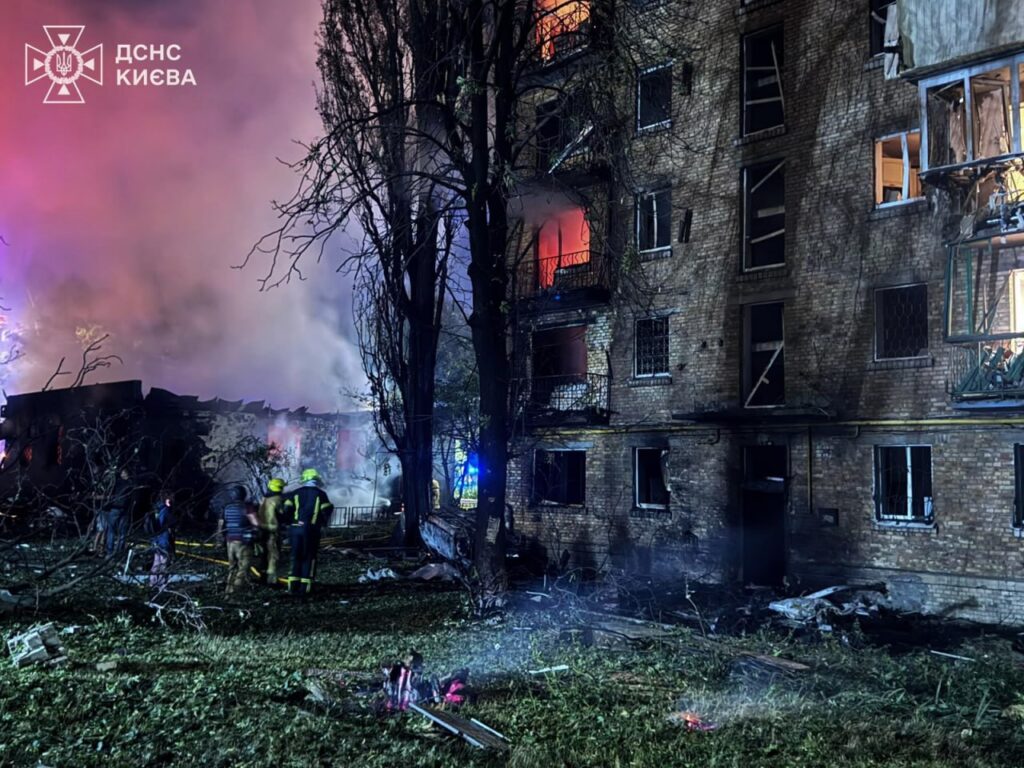
 Realnyi Kyiv