Connexion
Russia banned her for studying the famine it denies. She put it online for the whole world anyway.
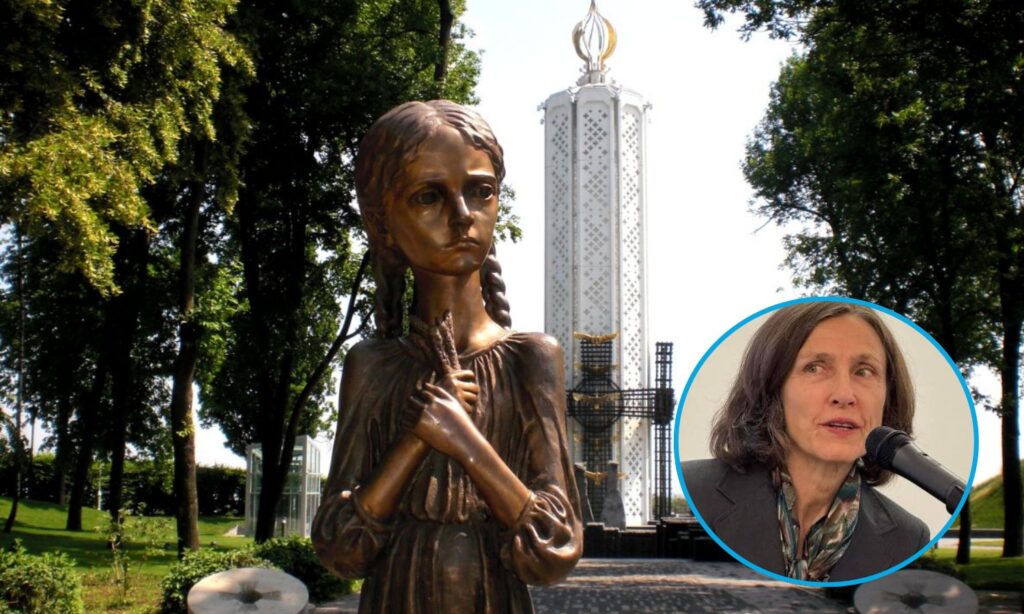
Russia's answer to scholars who document the Holodomor—Soviet Moscow's starvation of the Ukrainian people—is simple: ban them. In January 2026, it barred Marta Baziuk, one of 16 Canadian scholars sanctioned for studying the Holodomor.
That did not stop her. Seventy-seven days later, Baziuk helped put online a course she had spent three years building—free, worldwide, on a famine Russia dismisses as "western propaganda."
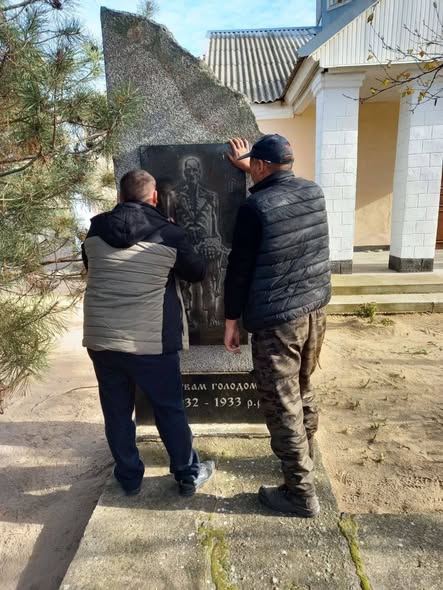
The Holodomor killed at least 3.5 million Ukrainians in 1932–33, most scholars estimate, due to a famine Stalin's policies manufactured. The present-day Kremlin still calls it a hoax.
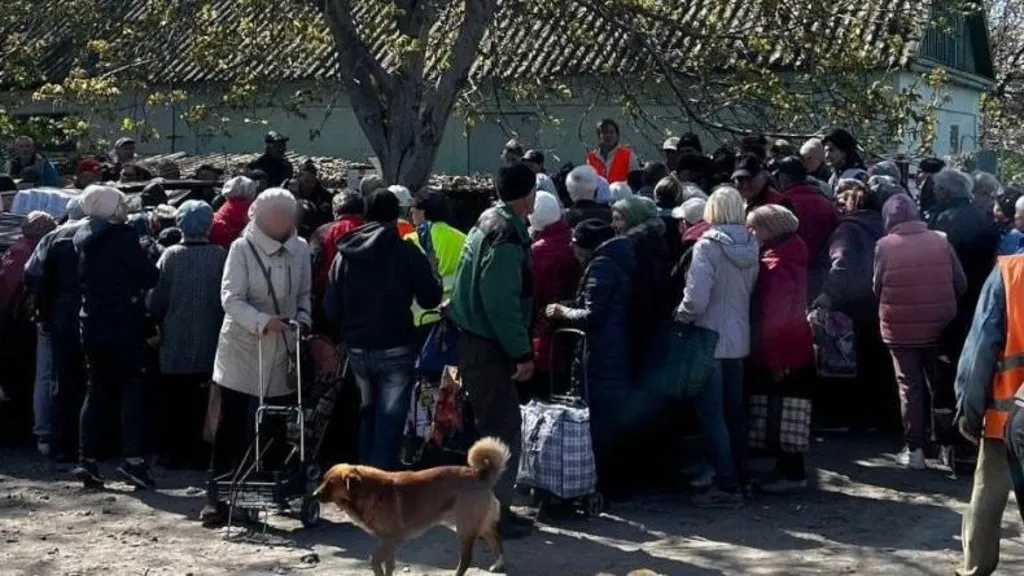
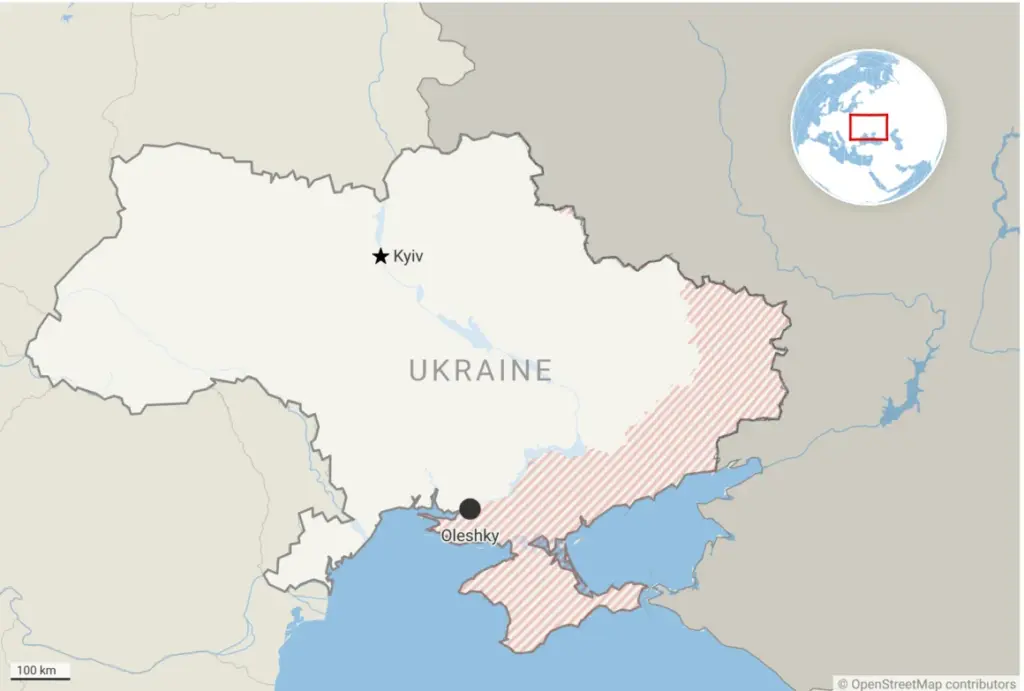
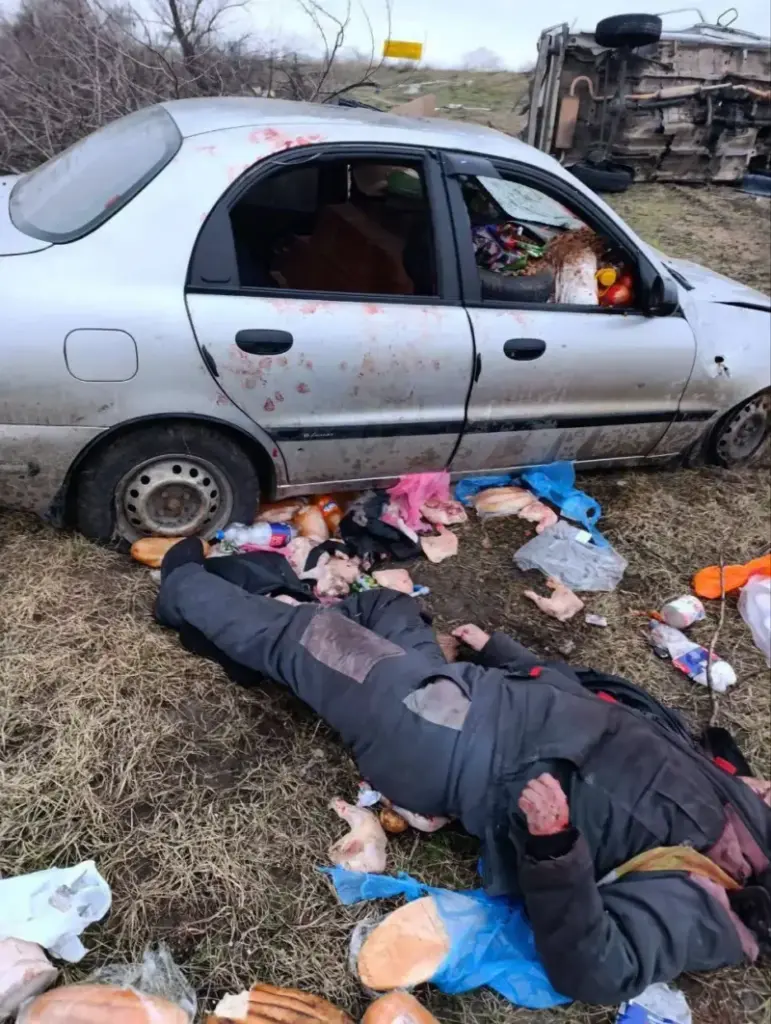
Russia’s actions today echo the Soviet actions at the time of the Holodomor. Ninety years on, Russia is reviving them in occupied Ukraine: in Oleshky, across the Dnipro from Kherson, UN monitors say civilians have been cut off from food.
The pattern is not lost on Ukraine's leaders. "If he could arrange another Holodomor for Ukraine, he would do it," Volodymyr Zelenskyy said of Vladimir Putin in 2023, hours after a Russian drone barrage on Holodomor Remembrance Day.
Baziuk, the Executive Director at the Holodomor Research and Education Consortium (HREC) at the University of Alberta, spoke to Euromaidan Press about building a permanent record of a famine Russia is still trying to erase—and why it could only be done now.
The course Baziuk helped design, Famine as Genocide: The Holodomor in Ukraine, went live on Coursera on 23 March 2026.
Unsealing the archives
Daniel Thomas: In a review of this course from a key scholar of the Holodomor, he said it would have been impossible to make ten years ago. Did Russia’s war put Ukraine and its history on people's minds? Or did research on the Holodomor reach a critical mass?
Marta Baziuk: I don't think we hit a critical point of research because of the war. Interest in the course is tied to the war; the research is its own, slower story.
It might have been a good course, but it would have sat quietly, with less interest.
"The war has made Ukrainian history matter to many people."
We could not have made this course 12 years ago. Now, due to all the research and scholars working on it, “Holodomor Studies” exists.
It goes back to the archives. They were sealed for so long that you simply couldn't do the necessary research. Most histories, such as Robert Conquest's The Harvest of Sorrow, relied primarily on survivors’ testimony and the reports filed by foreign diplomats.
You couldn't get into the Soviet archives and read the correspondence between Stalin and local officials who told him the quotas were too high, and people were starving.
"Until the Soviet Union collapsed and the archives opened, you couldn't prove Moscow’s narrative false."
Then came an explosion of research. Andriy Kohut, who now heads Ukraine's former KGB archives, treats his job as opening them rather than guarding them. He recently gave a talk charting, year over year, the spike in arrests of Ukrainians in education and culture at the very moment of the famine.
"It wasn't only the peasants starving—Ukraine's cultural, political, and religious elites were being attacked at the same time."
Books were pulled from libraries. Writers and scholars were expelled from institutions. Some were executed. The destruction was public and deliberate.
Building the course
Thomas: Thirteen modules is quite a lot of material. Was anything cut, given how large the course is?
Baziuk: It's quite a lot, but the subject deserves it. We commissioned Olga Andriewsky, a Soviet history professor at Trent University in Ontario, to design the structure, then matched each chapter to a writer.
Two modules on "dying" and "living" during the Holodomor are built entirely from survivor video interviews and letters. One module also traces what the Comintern—a Soviet organization that coordinated communist parties worldwide —told foreign papers to say about the famine. A lot was known to foreigners.
Ukrainians in Poland made enormous efforts to force the famine onto the world's attention. And when the International Red Cross offered aid, the Soviet Union refused it: “What famine? We don't need aid!”
We built a whole module on genocide because it's the question that comes up most often.
Soviet starvation was not confined to Ukraine. The course also looks at how collectivization caused famines all across the USSR, including the Kazakh famine, which killed 1.5 million people—roughly one-third of Kazakhstan’s population. That famine deserves its own reckoning. But the pattern is clear: Soviet terror didn’t stop at Ukraine’s borders.
There's more to be said about the Mennonite and German settlements and how they suffered. Brethren in Need—a German relief committee led by the Mennonite community — sent food and funds to ethnic Germans starving in Soviet Ukraine.
The research isn't yet deep enough to say as much as we'd like, but I hope we'll see many more works by local historians.
The genocide question
Daniel Thomas: Does the debate on whether the Holodomor was a genocide sometimes go too far? Do people get lost in the weeds on the question of intent, to the point where they lose sight of the bigger picture?
Baziuk: It's a legal definition, and I'm not a lawyer, and you're not a lawyer — but everyone thinks they're an expert on genocide.
You can agree on the facts of what happened and still disagree on whether to call it genocide. That doesn't change the facts. I can see someone in good faith arguing that it's not a genocide. I would disagree.
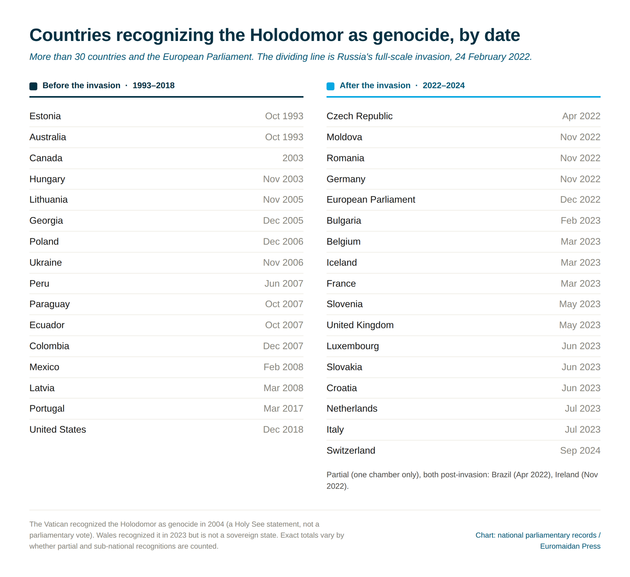
For a while I wondered whether the label even mattered.
"What changed my mind is that people don't take crimes against humanity seriously unless the genocide question is being asked. It's what gets the crime into the public conversation at all."
The most common-sense fact is that the Soviet Union took all the grain:
"We can now prove they knew people were starving, and they were selling grain on the international market as people starved."
"If that's not intent, I don't know what is."
The pictures that almost didn’t exist
Thomas: What about the visual element, the course’s photos?
Baziuk: The visuals were what we most wished we could have had. There are many places where we wanted photos that simply don't exist — no one was allowed to document the famine.
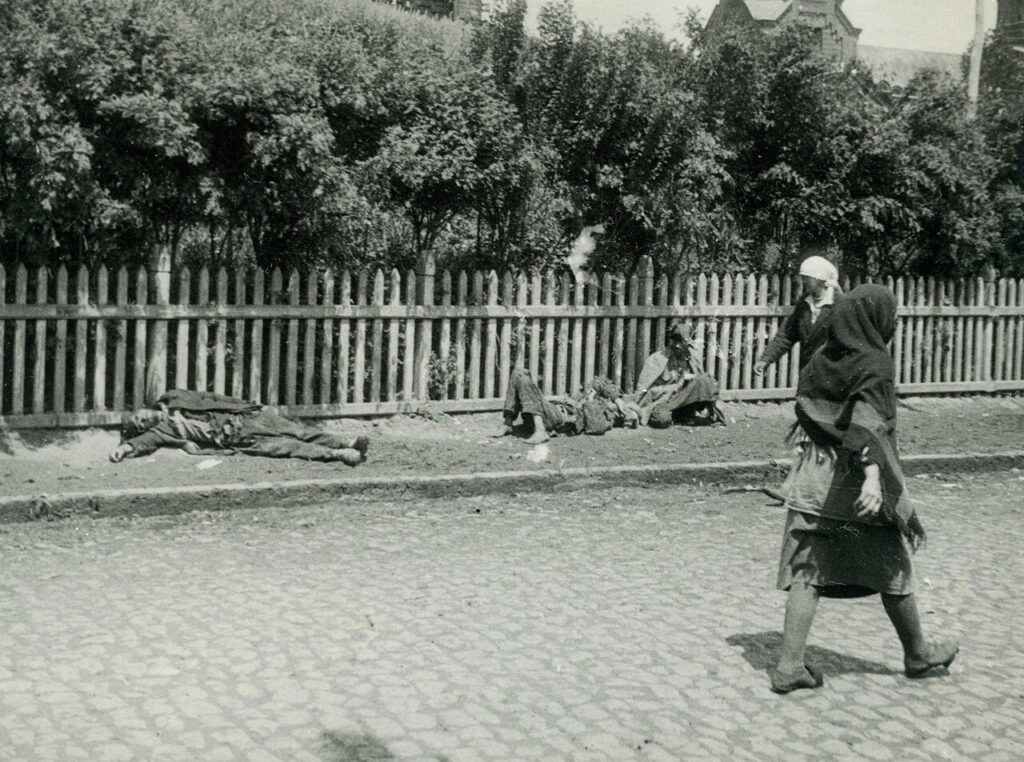
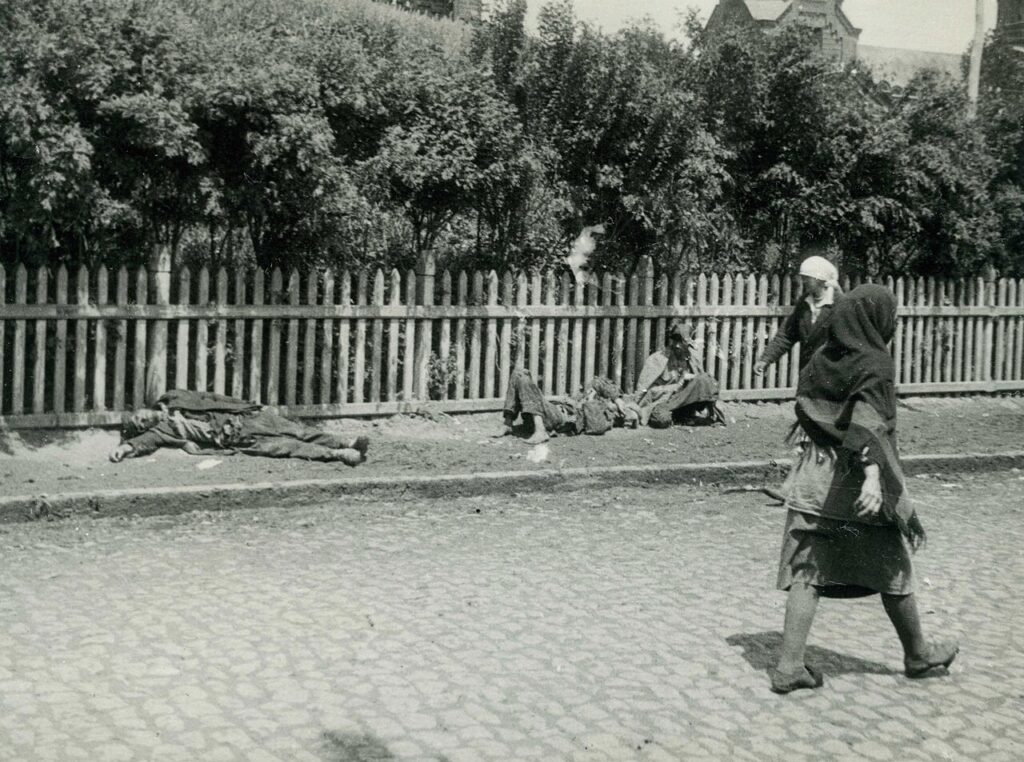
Even the most famous photographs, by an Austrian engineer in Kharkiv, are mostly city scenes: rural people who had reached the city to beg, dying in its streets. As terrible as those are, it was worse in the villages the camera never reached.
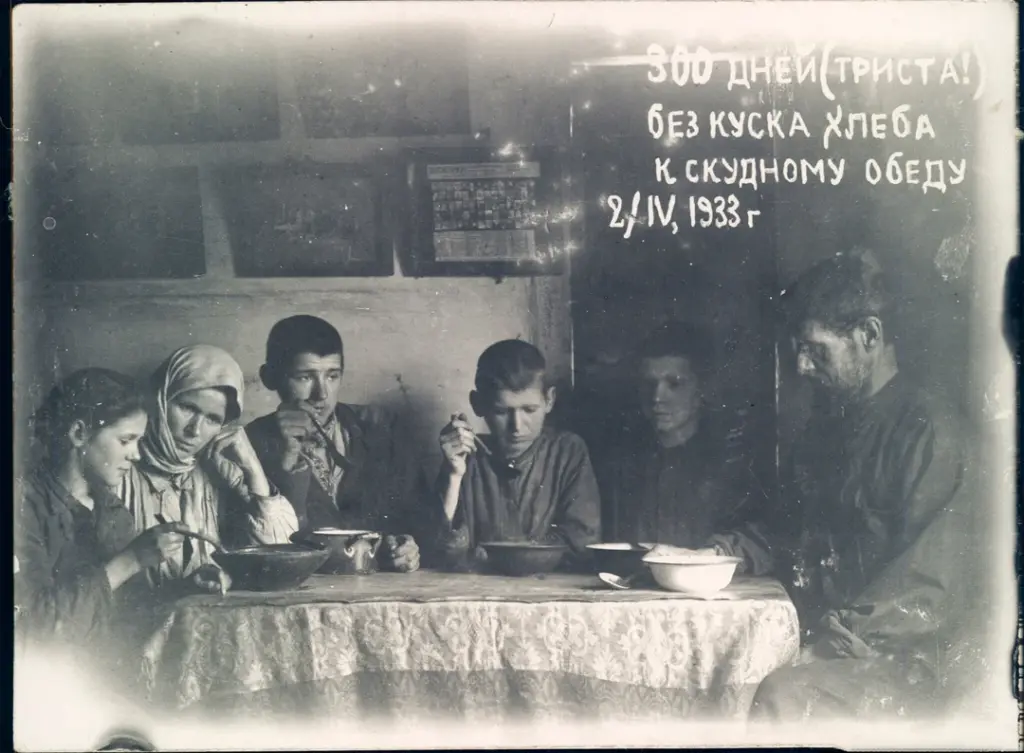
In the 1930s, Soviet authorities barred entry to all foreigners, so there are very few genuine images. That gap is what the deniers used. For years, anyone reaching for a photo of the Holodomor would pull one from the earlier famine of the 1920s, when the Soviets let foreign aid workers in to document the hunger.
"So the Soviet official line became: you're using pictures from the 1920s, so you're making it up! That's part of why we built the photo directory, to provide a visual record of what happened in 1932-33."
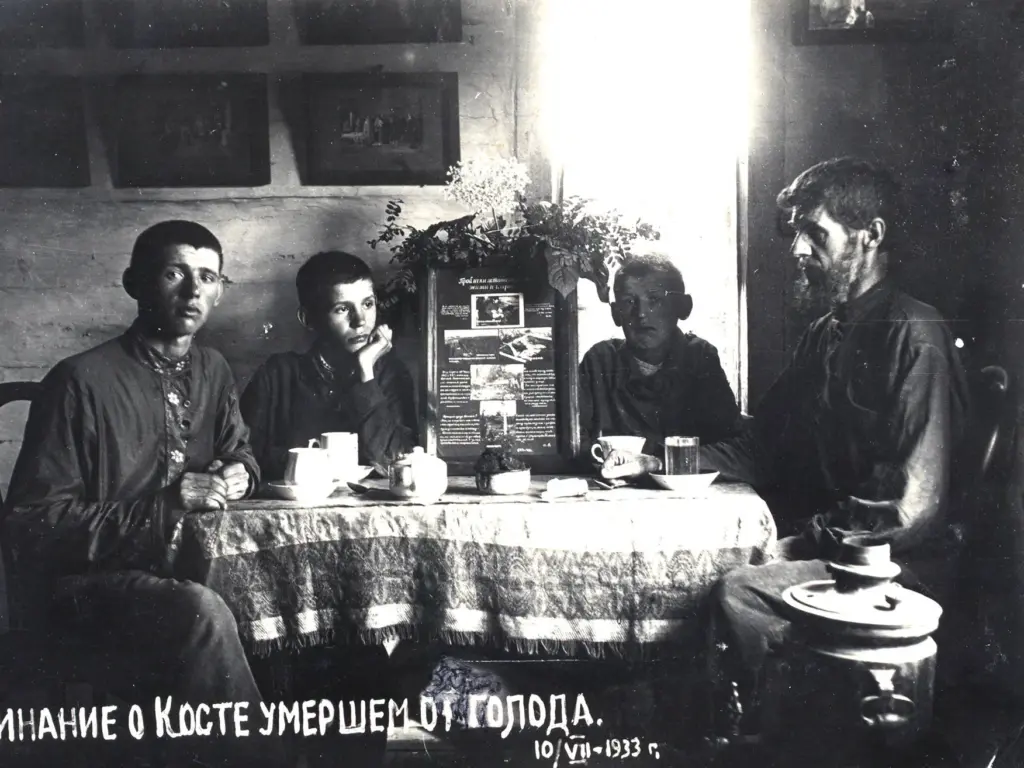
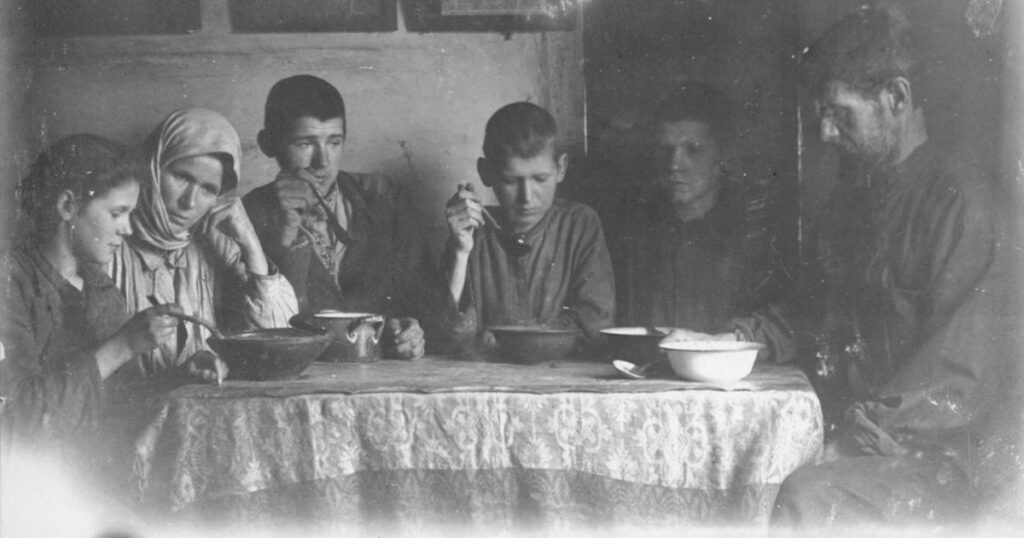
And then there are Mykola Bokan’s photos. You'd assume everything about the Holodomor that could be known is known by now. Yet his photos only surfaced in 2007, when researchers went to Chernihiv for a Holodomor exhibition and were told of a case file no one had tied to the famine. The file contained pictures from a local photographer of supposedly "counter-revolutionary activities."
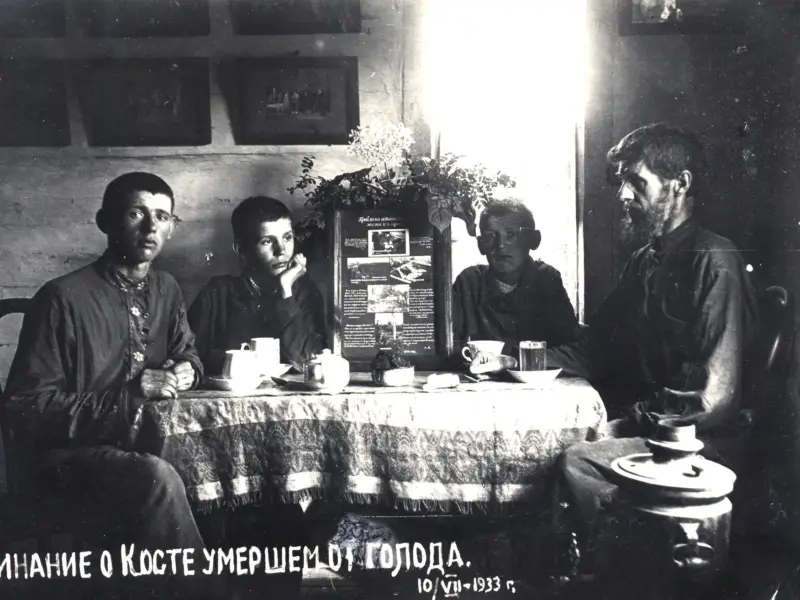
Bokan had documented his own family starving, writing a caption on each image. The photographs survived because the state entered them as evidence against him. He died in the camps. Getting hold of them ran, again, through Andriy Kohut and those same archives.
The Ukrainian artists who died alongside the peasants
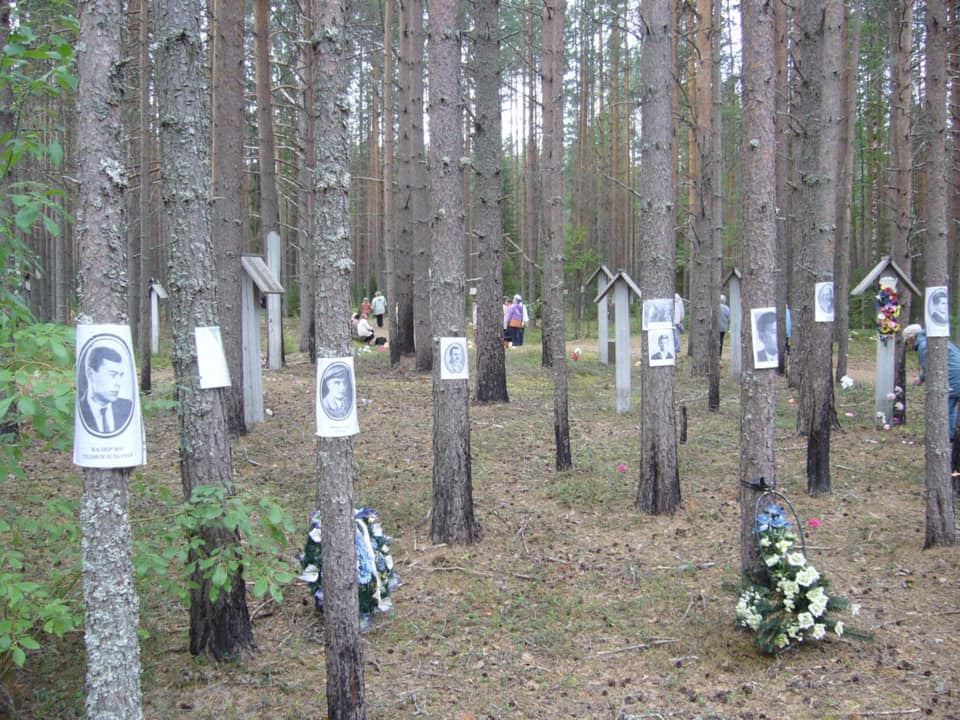
Thomas: The course also covers the Executed Renaissance—Ukrainian writers and intellectuals murdered under Stalin. Many were national communists — followers of Soviet ideals who still championed Ukrainian culture. Who were they, and why does modern Ukraine still revere them?
Baziuk: Many were young, idealistic Ukrainians — a lot of them rural boys getting an education in the cities — who were inspired by the slogans and ideology of the communist revolution. Under Ukrainianization — the short-lived Soviet state policy of supporting Ukrainian culture — Ukrainian figures thrived in film, design, theater, and literature. They thought they had more freedom than they had. Even then, state repression ran alongside the cultural renaissance.
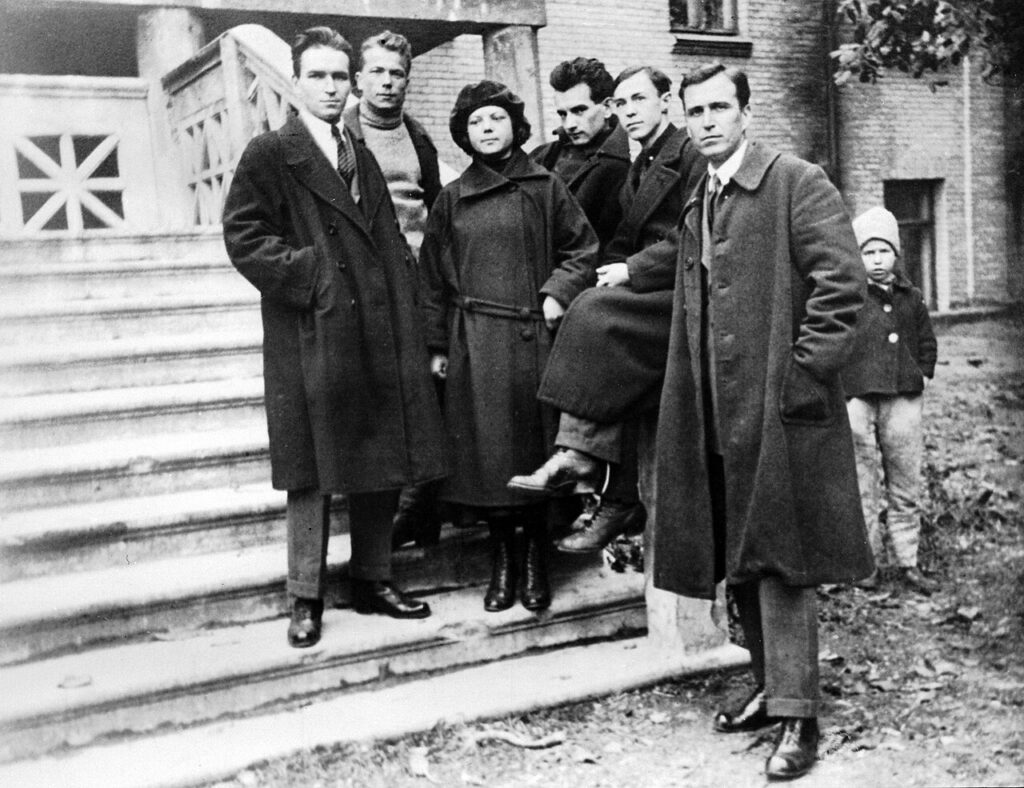
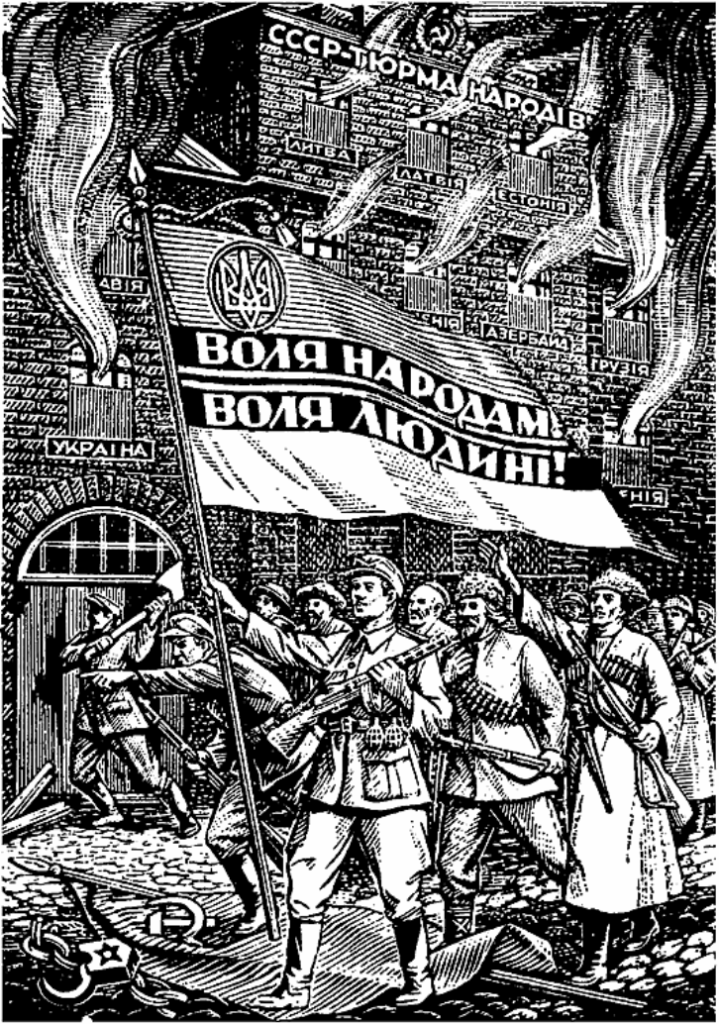
The moment they pushed too far, stressing Ukraine's links to Europe or a Ukrainian road to socialism leading away from Moscow, the Kremlin said stop. Their books came off the shelves, they were expelled, and some were shot. It was public and deliberate, a signal about what promoting Ukrainian identity would cost.
"Many of the people killed were committed Communists themselves… Even if you played ball, you still ended up being crushed."
The harder question is how much credit you give the true believers, when the system was built to crush anyone regardless. If you weren't a kulak, you were a spy or a fascist — the charge changed, the outcome didn't. Many of the people killed were committed communists themselves.
Perhaps Ukrainians today feel some compassion for the position these people were in.
Why the war makes the Holodomor more relevant
Thomas: Going back a little, Brethren in Need’s activities reminded me of Ukrainian diaspora organizations mobilizing after 2022. You see the same instinct to help ninety years apart. What are some other parallels that come to mind between the Holodomor and Russia’s current war against Ukraine?
Baziuk: I'm careful not to overstate the parallels. The war is its own horror, and the perpetrator in the 1930s was the Soviet Union, not Russia.
At the same time, there is a similar determination that Ukraine can exist only insofar as it fits the plans, ideology, and mold of what Stalin wanted then, or what Putin thinks Ukraine should be now — an appendage, something like Belarus.
"There is no room for Ukrainian autonomy or Ukrainian self-determination in Russia’s approach to Ukraine today, just as there was no room for it in the Soviet Union."
That determination to crush Ukrainian self-determination is a common thread.
"The more people look back at the Holodomor, the more convinced they are that it was genocidal in the context of [Russia’s] war today."
Another common thread is the power of disinformation. During the Holodomor, there was a confluence of outright agents with a motivation to hide the truth, Western interests in countering the rise of Nazism, and the Soviet Union actively denying the famine. A lot of things came together to suppress wider belief in the Holodomor.
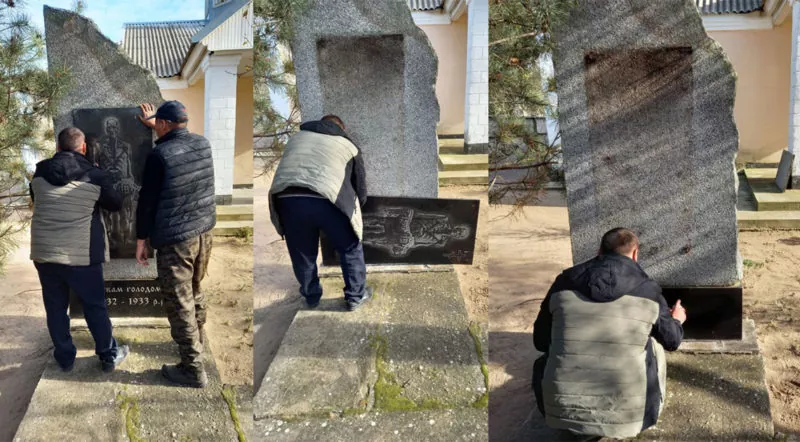
Today, you see similar things on social media—claims that if there is really a war, there should be more pictures, or that the evidence is fake. Some people will persist in that kind of denial.
Why did it take three years to make the course bulletproof
Thomas: Three years is a long time to prepare a course. Why so long?
Baziuk: Because we knew it would be attacked. We took such pains to make it bulletproof — accurate to the highest standard we could manage.
"Any mistakes we made could be amplified and used against us."
The criticism comes from two directions.
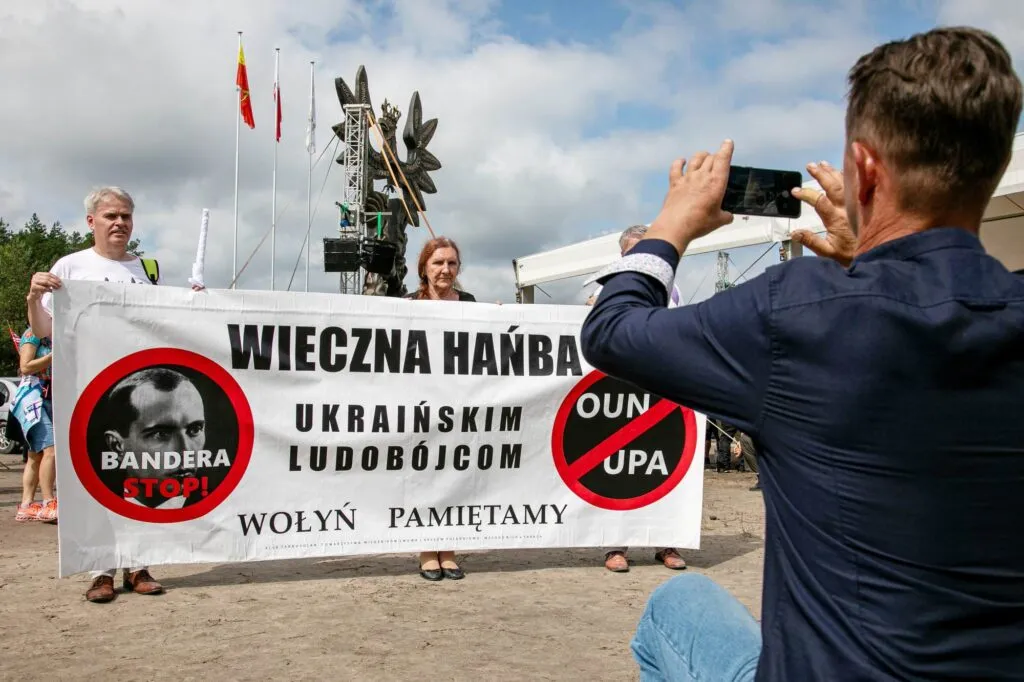
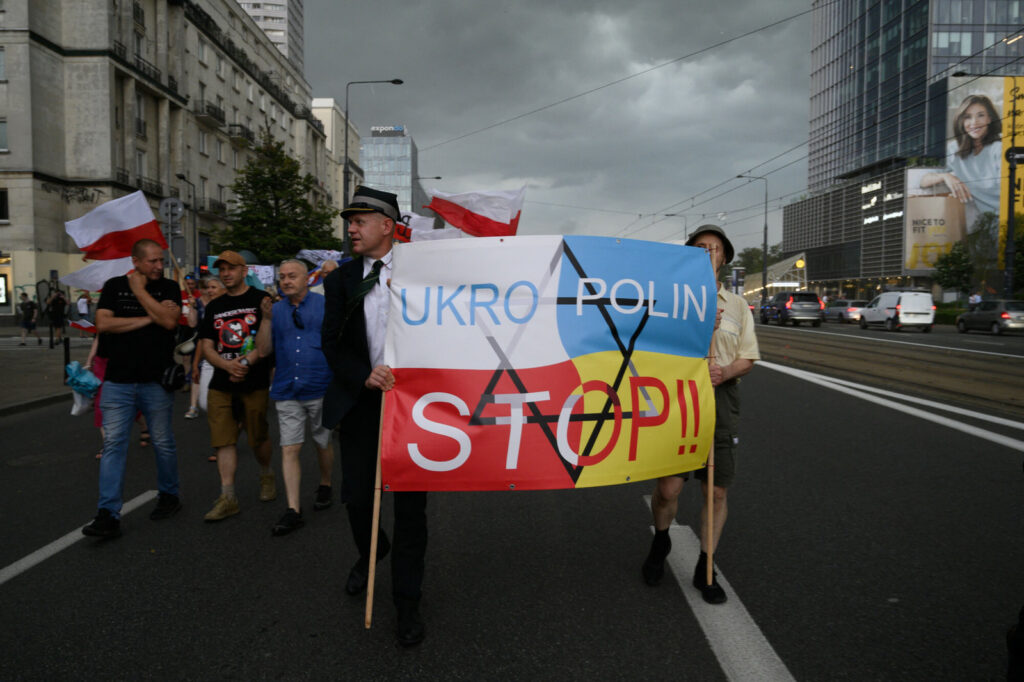
On one side is a loose-knit left that dismisses the subject as Ukrainian nationalist propaganda. They invoke Stepan Bandera — a World War II-era Ukrainian nationalist leader. Russian propaganda has turned his last name into a catch-all slur for anything Ukrainian or anything it wants to discredit.
On the other hand, right-wing Ukrainians ask why the death toll is not put at 10 million, or why the course mentions anyone besides ethnic Ukrainians.
We produced something at the highest scholarly level that the evidence allows.
Marta Baziuk is the executive director of the Holodomor Research and Education Consortium at the University of Alberta. Famine as Genocide: The Holodomor in Ukraine is free on Coursera.
This material was produced as part of a project by the Institute of Mass Information with the support of the Ministry of Foreign Affairs of the Netherlands. The content of this publication does not reflect the official position of the IMI or the Kingdom of the Netherlands.