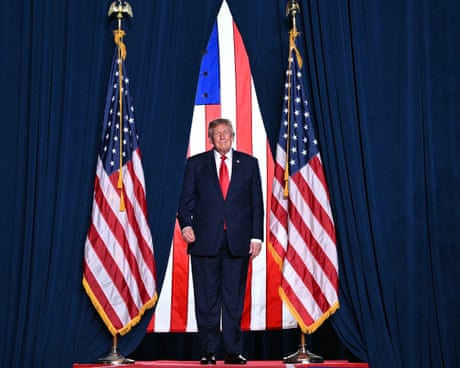
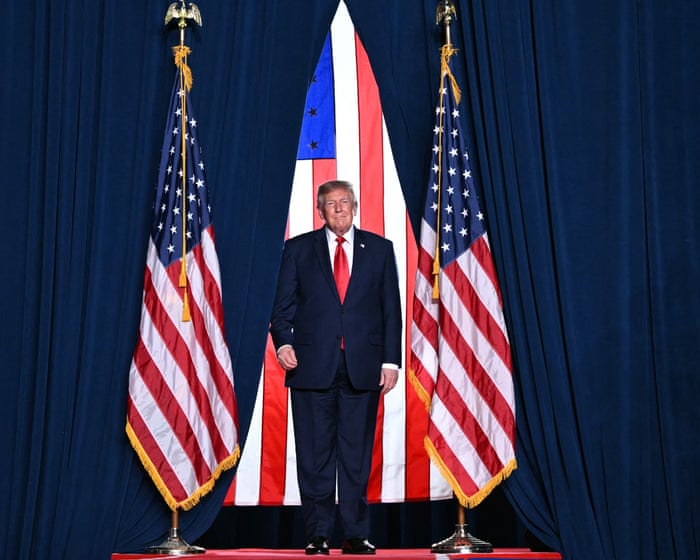
Poll finds 66% of Americans think Trump is using position for monetary gain as his approval rating hits a new low
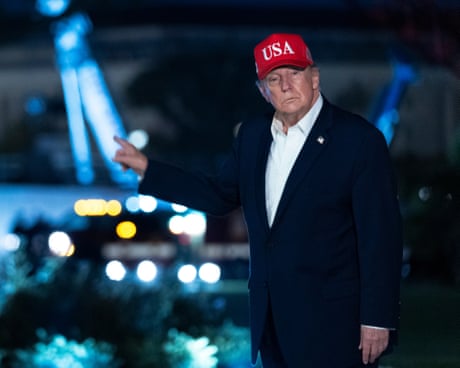
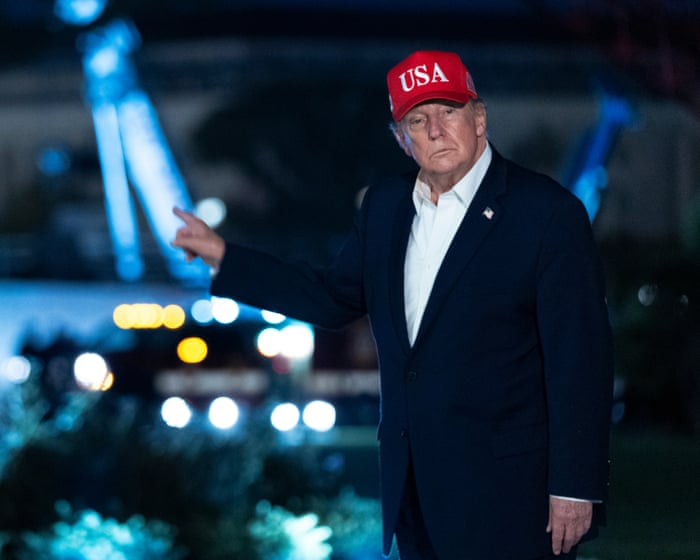
Most Americans think Donald Trump is using the presidency to enrich himself, according to a new poll, as the US president’s approval rating falls to a new low ahead of November’s midterm elections.
A new Washington Post-ABC poll put Trump’s approval rating at 33% as he continues to crisscross the country as part of his campaign blitz for embattled Republicans.
Overall, economic sentiment for Trump is poor, but small businesses seem fairly confident, according to several surveys
There are 34m small businesses in the United States. They employ approximately half of the country’s workers and generate about half of the country’s GDP. They’re an important voting block. So how are they feeling about the economy as we head into November’s midterm elections? Overall, economic sentiment for Donald Trump is poor but small business – admittedly a diverse demographic that’s hard to poll – seems fairly confident. A number of recently published surveys and reports can help understand their mood.
We’d like to hear about whether you feel like the US is in a recession and what you think signals such a downturn
Nearly two-thirds of Americans think the US is experiencing a recession, according to a new Harris Poll conducted for the Guardian. By the typical definition of a recession – when a country’s economic growth is in the negative for two consecutive quarters – the US is not experiencing one. Still, Americans are facing higher prices and a stagnant job market, which for many feels like a downturn.
We want to hear from Americans: do you feel like the US is experiencing a recession? What is your so-called personal “recession indicator”, or a signal in your everyday life that points to an incoming economic slump? It could be seen in your job or at your local grocery store, something you notice at your children’s school or out in your community. Tell us about it below.
It’s indisputable that the political polarization of our time has reduced (and confused) the influence of economic conditions on US elections.
In September of 2024, in the waning weeks of the Joe Biden presidency, 65% of Republicans believed the US economy was getting worse. About six months later, as Donald Trump launched a trade war on the rest of the world with his “liberation day” tariffs, the share of Republican pessimists had dropped to 33%.
The US government could spend hundreds of thousands of dollars on a media campaign in South Africa to figure out why more white Afrikaners are not applying to become refugees to the US, as Donald Trump had hoped.
State department officials, according to an August proposal seen by the Guardian, outlined a roughly $335,000 research and advertising effort after applications to the refugee program “trended lower than expected” since Afrikaners were allowed to apply directly online in November 2025. The document, written by the US mission in South Africa with a department research unit for the embassy in Pretoria, admits officials know little about why.
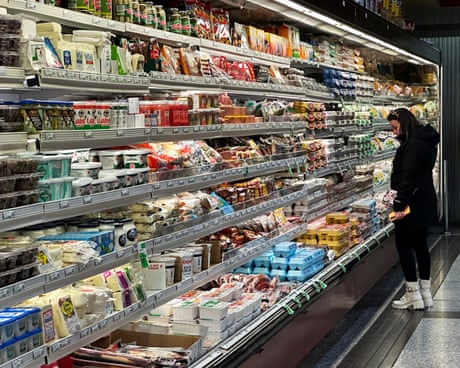
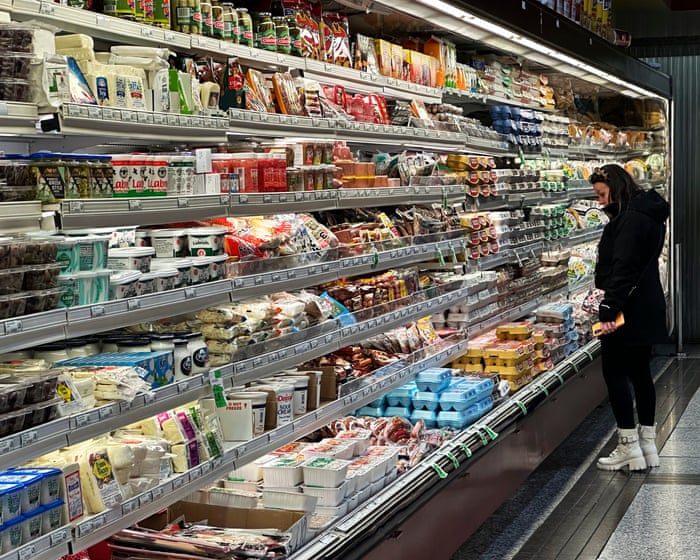
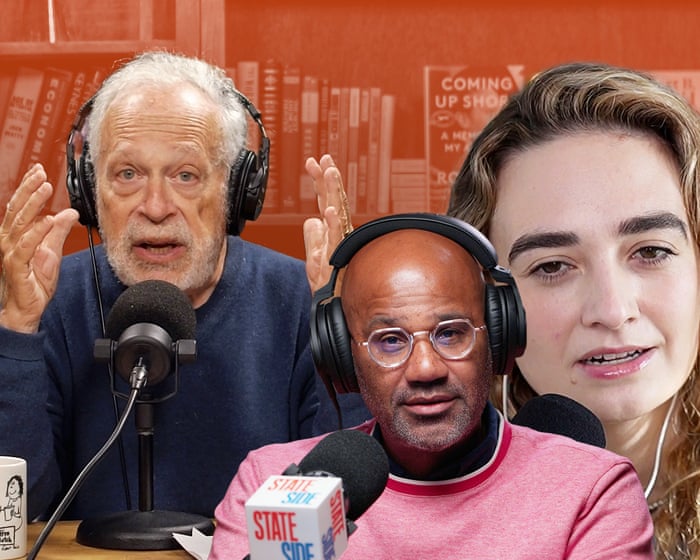
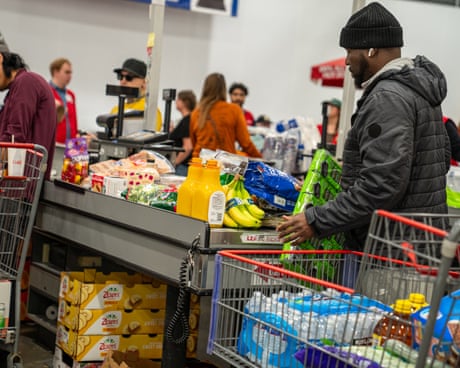
The vast majority of Americans say they are struggling to pay for gas and groceries, and are cutting back on luxuries. But what or who is actually behind these price rises? We asked you to tell us what's gotten too expensive in your own life. Now, Kai Wright and Carter Sherman enlist Guardian columnist and former labor secretary Robert Reich to explain why you’re feeling the pinch. From breaking down the market factors behind the cost of a $16 cheesesteak, to explaining why AI is playing into the price of a Nintendo Switch 2, Reich reveals who you should point the finger at in this economy. Additional music by Epidemic Sound
Robert Reich has written this week’s edition of How We Win, a pop-up opinion newsletter with bold ideas for defeating Trumpism. Sign up here
With the midterm elections less than three weeks away, key voting groups including independents, rural voters and even some Republicans are increasingly disenchanted with Donald Trump’s economy, according to an exclusive Harris poll for the Guardian.
The majority of those surveyed were pessimistic about the economy, with three-quarters of Americans saying they are concerned about a recession while 61% wrongly believe that the US is already experiencing one. By its typical definition, the US is not currently experiencing a recession.
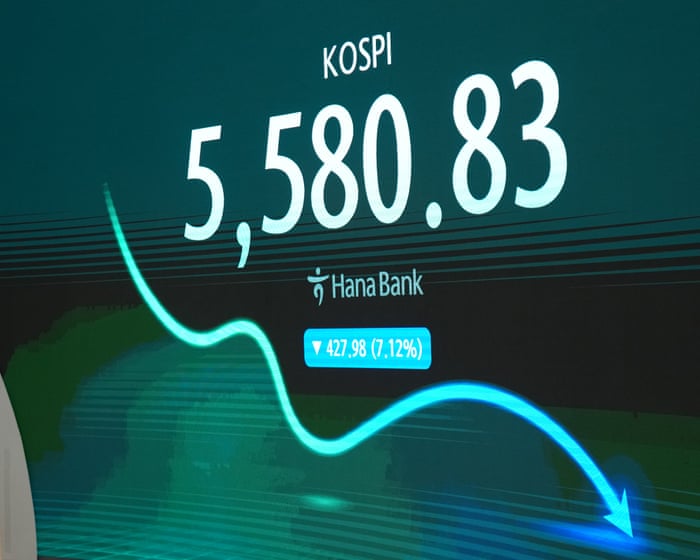
An accelerating sell-off of AI-linked shares has hit global markets, as fears over rising inflation and future interest rate hikes spooked traders already wary of the heavily indebted sector.
South Korea’s benchmark Kospi 200index, which is heavily skewed towards the companies that make memory chips, fell more than 8% overnight to a six-month closing low, triggering circuit breakers that brought trading to a halt at various points.
Republicans are entering the midterm elections with the highest rate of inflation since the spring, according to a government report released on Wednesday.
US price increases reached an annual rate of 3.7%in September, according to the latest data from the Bureau of Labor Statistics, up from 3.4% in August. This final inflation report before the pivotal midterm elections comes amid polls showing widespread dissatisfaction with the Trump administration over the cost of living.
The pre-midterm defenestration of ACA enrollees looks like political madness – but the president appears to believe hitting poor people might work for him
There is a manic quality to Donald Trump’s desperate dash to do something, anything, ahead of November’s midterm elections to convince beleaguered Americans that he can make the pressures his policies have imposed on their livelihoods go away.
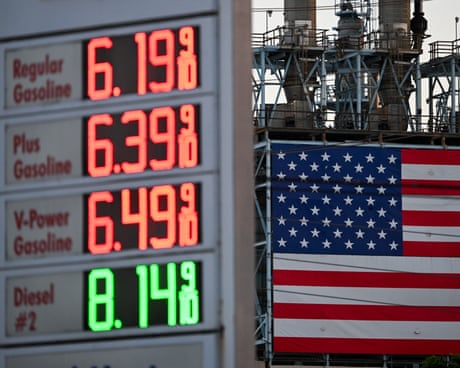
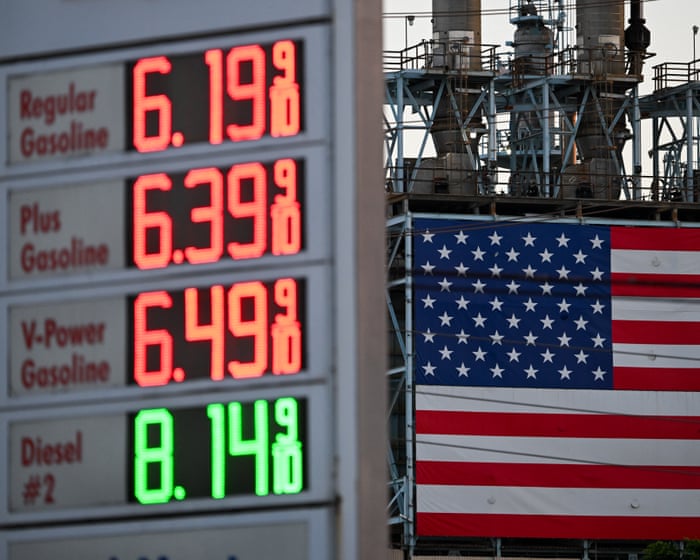
The US president offered to lower barriers against beef imports to limit surging meat prices, only to consider backtracking under pressure from the cow lobby. He offered to stop diesel exports, only to find oil companies werenot interested. He weakened fuel efficiency standards, claiming this would trim the price of a new car (and forgetting to point out it will also raise spending on gas.) In early October he started mailing $500 checks to nearly a million people touting his healthcare “wins”. Oh, and he promised adult Americans a $5,000 check if Republicans maintain control of Congress. That, too, will go nowhere.
Analysts say fuel will take weeks to ship and quantity is too small to affect prices, while full deal is unlikely to be met given damage to Russian refineries
Donald Trump’s deal with Vladimir Putin to temporarily lift sanctions on US imports of Russian diesel will have little “meaningful” effect on motorists and businesses in the US and overseas, energy and foreign policy analysts have predicted.
The US president infuriated Volodymyr Zelenskyy when he announced the deal on Friday, writing on Truth Social that the agreement with his Russia counterpart to supply millions of tonnes of diesel was essential to reduce fuel prices in the US, which have soared after his decision to go to war against Iran.
‘Even if AI supercharged the economy, its impact on the government’s finances would be muted’
Back through political history to the age of Ronald Reagan, Republicans have repeatedly promised the US public that tax cuts would pay for themselves, firing up economic growth and filling the government’s coffers.
The promise never really panned out. From the Gipper’s day on, the Republicans’ tax cuts inevitably increased the budget deficit. Despite its failure, though, the promise is back, coated in a fine new layer of artificial intelligence pixie dust. It will fail again.
US president renews his efforts to oust Cook despite supreme court ruling that her firing was unconstitutional
Donald Trump announced on Friday that he is establishing a committee to investigate Lisa Cook, the US Federal Reserve governor, over allegations that she committed mortgage fraud, renewing his efforts to oust her despite a June supreme court ruling that her earlier firing was unconstitutional.
Trump said a committee will consult with justice department officials to decide whether there is “cause” for her removal. The White House will hold an in-person hearing on 5 November to consider the allegations against Cook, which will be closed to the public but transcribed and published. Cook will be able to submit a written statement to present her own evidence and will be subject to examination from White House and her own legal counsel.

 Connexion