Vue lecture

EU proposes integrating Ukraine into bloc's mobile roaming area

EU proposes integrating Ukraine into bloc's mobile roaming area

The European Commission has proposed that Ukraine join the European Union's mobile roaming area starting January 1, 2026, providing Ukrainian users the ability to make phone calls, texts, and use mobile data in the bloc's 27 countries at no extra charge.

"We want Ukrainian citizens to stay connected to their loved ones across the EU, as well as in their home country. That's why we propose that Ukraine join our roaming family," European Commission President Ursula von der Leyen said in a statement.

The proposal, first announced on June 16, will serve as a means of integration into the European Union's "Roam like at Home" provision in affect between all EU nations. The proposed change will impact the over four million Ukrainian refugees living in the EU.

Ukraine's full integration in the roaming provisions will replace voluntary measures that "allowed for roaming without surcharges and affordable international calls for EU and Ukrainian citizens abroad," according to the European Commission. The current measure will extend to December 31, 2025, ahead of the planned integration.

If approved, Ukraine will become the only country outside of the EU to join the bloc's "Roam like at Home" policy.

The move, which awaits European Council approval, comes as Ukraine continues to implement reforms in pursuing membership in the European Union.

Ukraine applied for EU membership at the onset of Russia's full-scale invasion in 2022. The country has made quick progress, achieving candidate status within months, with the initial negotiations formally launching in June 2024.

Since the start of 2025, Ukraine has opened three negotiation clusters under Poland's rotating presidency.

Poland lead the EU Council's presidency until June, and Denmark will take over the role in July. Ukraine aims to open the remaining three negotiation clusters in the second half of 2025 under the Danish chairmanship, the President Volodymyr Zelensky said.

There are six accession negotiation clusters, consisting of several individual chapters. Negotiations prepare a candidate country to become an EU member.

The EU’s Commissioner for Enlargement, Oliver Varhelyi, said that Ukraine could potentially join the bloc by 2029 if it successfully implements necessary reforms.

‘I am against Ukraine’s entry into the European Union,’ Polish president-elect Nawrocki says
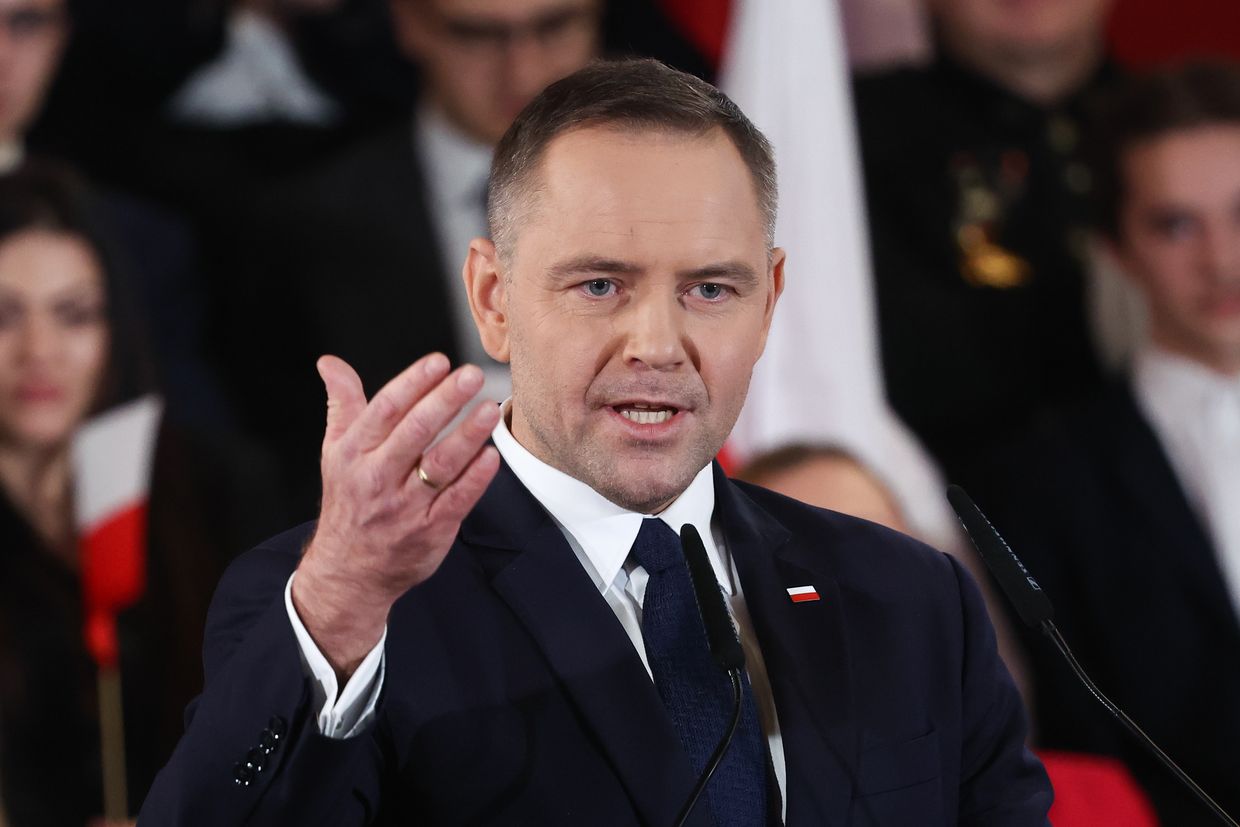
“Ukraine must understand that other countries, including Poland, Hungary, and other European countries, also have their own interests,” Polish President-elect Karol Nawrocki said.
EU proposes integrating Ukraine into bloc's mobile roaming areaThe Kyiv IndependentVolodymyr Ivanyshyn
EU proposes integrating Ukraine into bloc's mobile roaming area


  •  

Spain rejects NATO 5% defense spending push, calls proposal 'unreasonable'

Spain rejects NATO 5% defense spending push, calls proposal 'unreasonable'

Spain has rejected a U.S.-backed proposal for NATO members to raise defense spending to 5% of GDP, becoming the first alliance country to oppose the plan, Reuters reported on June 19.

The rejection adds pressure to the transatlantic debate ahead of the NATO summit in The Hague on June 24–25, which has beenreduced to a single session focused on defense spending and alliance capabilities.  

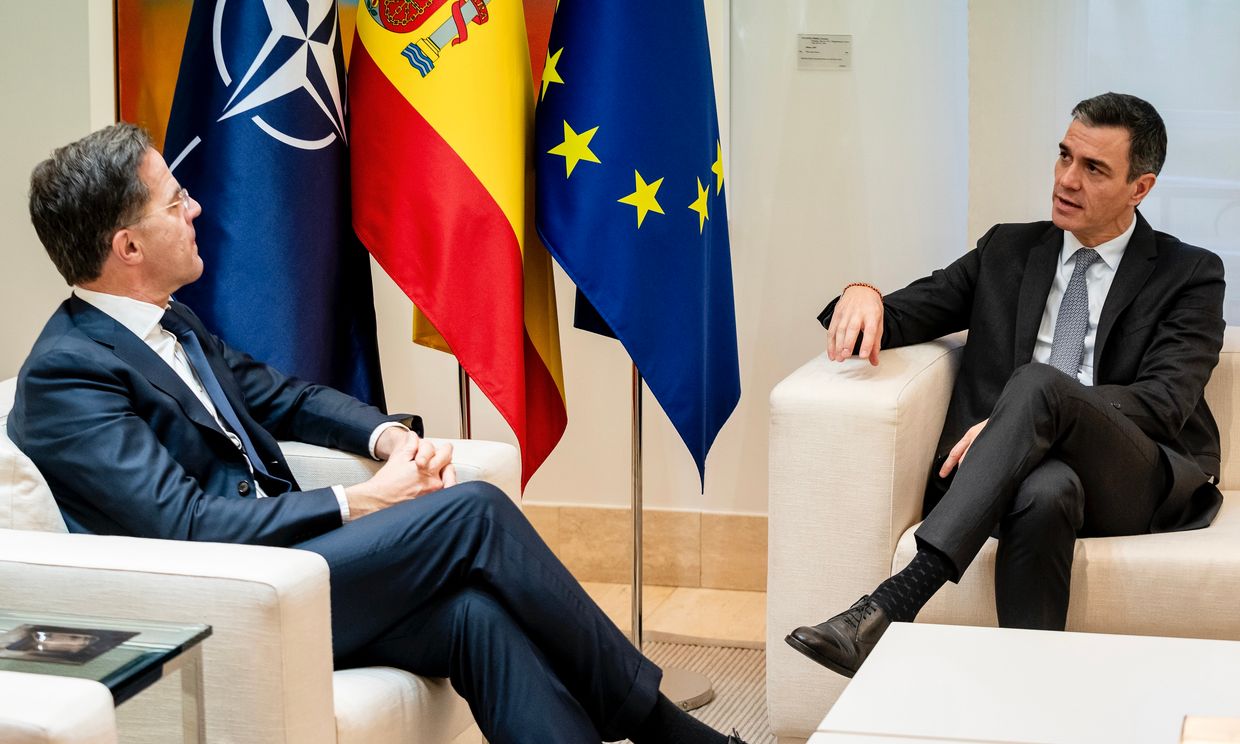
In a letter to NATO Secretary General Mark Rutte, Spanish Prime Minister Pedro Sanchez called the proposed target "unreasonable" and warned it would undermine broader European efforts to build an integrated defense ecosystem.

"Committing to a 5% target would not only be unreasonable, but also counterproductive," Sanchez wrote, arguing it would "move Spain further away from optimal spending."

Spain estimates that its armed forces require spending equal to 2.1% of GDP to meet national military objectives, below the U.S.-endorsed threshold but above NATO's 2% benchmark.

U.S. President Donald Trump has repeatedly accused NATO members of underfunding their militaries, pushing for raising defense spending benchmark to 5% of GDP.

While no other NATO members have formally rejected the proposal, most have remained noncommittal. Poland, the Netherlands, and Sweden have expressed willingness to consider the 5% target.

In 2024, only 23 alliance members met the 2% target, according to NATO estimates. Poland was ahead of all members with 4.12% of GDP allocated to defense, followed by Estonia (3.43%) and the U.S. (3.38%).

Rutte said on June 17 that all NATO countries are on track to meet the 2% threshold in 2025.

Spain, governed by a Socialist-led coalition, maintains a sharply different defense posture than the U.S. administration.

While Madrid supports Ukraine, it has taken a more cautious stance on the Middle East, including distancing itself from U.S. policy on Israel.

Diplomacy in crisis: G7 letdowns reveal limits to Western solidarity on Ukraine
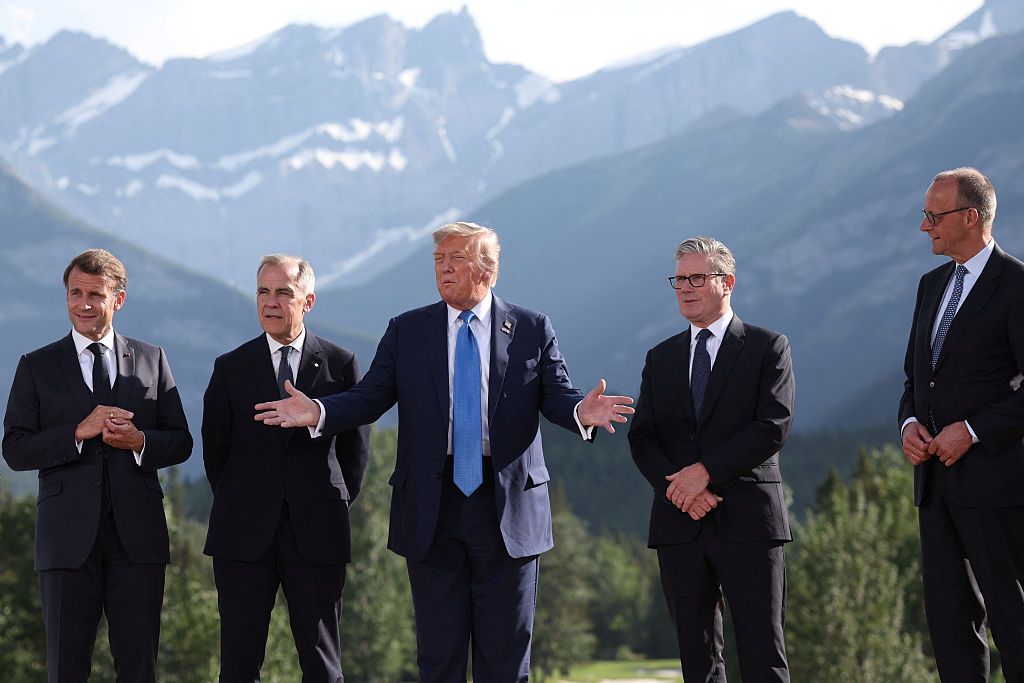
KANANASKIS, Canada — The Group of Seven (G7) Leaders’ Summit ended on June 17 with no joint statement in support of Ukraine, no commitments to provide desperately needed U.S. weapons, and no meeting between President Volodymyr Zelensky and U.S. President Donald Trump. The Ukrainian delegation headed into the summit,
Spain rejects NATO 5% defense spending push, calls proposal 'unreasonable'The Kyiv IndependentDmytro Basmat
Spain rejects NATO 5% defense spending push, calls proposal 'unreasonable'
  •  

Slovak police tried to detain ex-defense minister over Ukraine aid deal, media reports

Slovak police tried to detain ex-defense minister over Ukraine aid deal, media reports

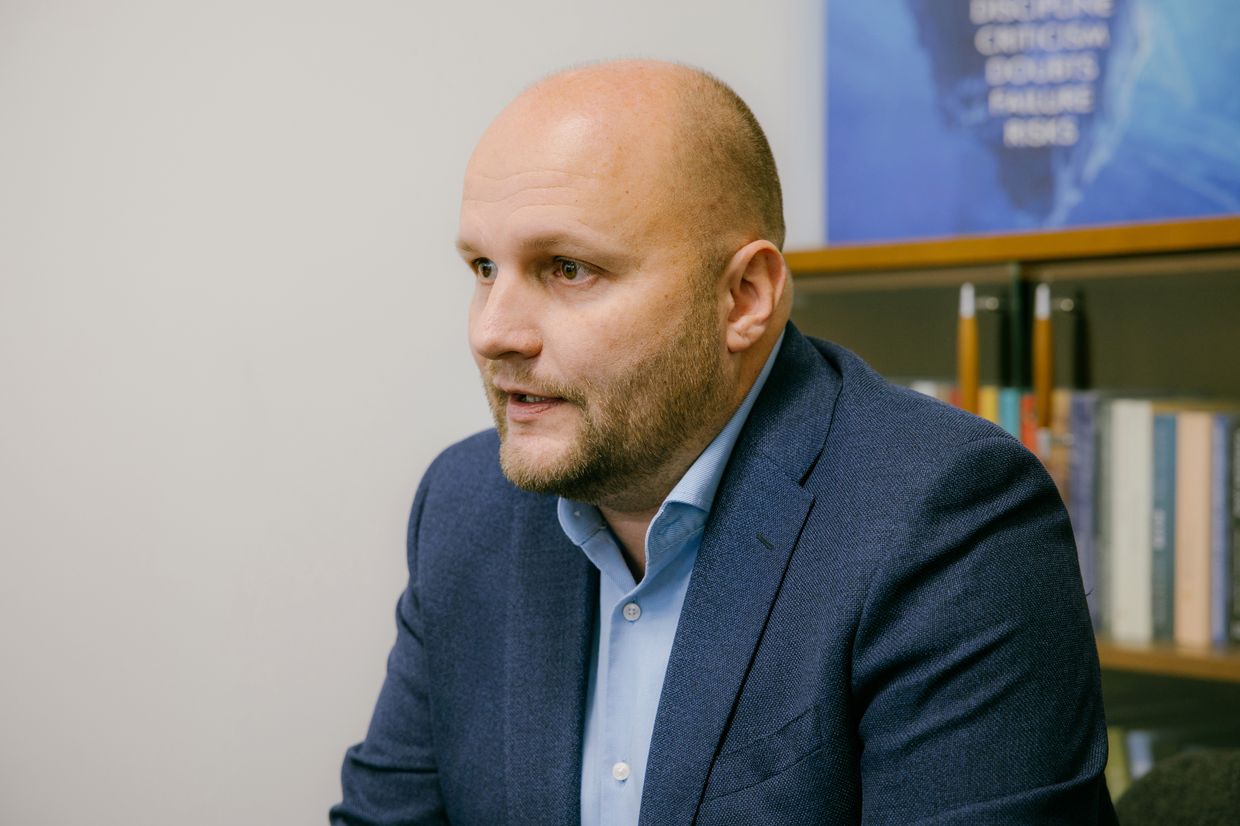
The Slovak police sought to detain ex-Defense Minister Jaroslav Nad over alleged misconduct during the donation of ammunition to Ukraine in 2022, the Slovak newspaper Dennik N reported on June 18, citing two undisclosed sources.

According to his social media, Nad is currently vacationing in Canada. The Slovak police reportedly also seek to detain a former Defense Ministry official and have detained an ex-head of the Konstrukta Defense state company in a move denounced by Nad's opposition Democrats party as politically motivated.

The police operation reportedly concerns 120 mm rounds that Slovakia donated to Ukraine at the onset of Russia's full-scale invasion in 2022. The Slovak Defense Ministry allegedly initially sold the obsolete ammunition to a private company, only to later purchase it through Konstrukta Defense for a higher price for swift deliveries to the war-torn nation.

Nad was the defense minister between 2020 and 2023, during which time Slovakia decisively supported Ukraine against Russian aggression and provided substantial military aid.

Bratislava's foreign policy radically shifted after the election victory of left-nationalist Robert Fico in September 2023, who halted military aid from Slovak military stocks, adopted more hostile rhetoric toward Kyiv, and sought close energy ties with Russia.

Nad dismissed the allegations as a "theater," portraying it as the government's attempt to distract the public from internal problems.

"Today's theater didn't shock or upset me in the slightest," Nad said on Facebook.

"I'll keep reminding myself of how proud I am of the support we gave to Ukraine. I'd make the same decision again — without hesitation."

Fico has long criticized Western military aid to Ukraine and the defense assistance provided to Kyiv under the previous Slovak government. In a separate case last year, Slovak Defense Minister Robert Kalinak denounced last year a decision to send MiG-29 jets to Ukraine as "treason."

Tired of military aid delays, Ukraine has designed its own ballistic missile — and it’s already in mass-production
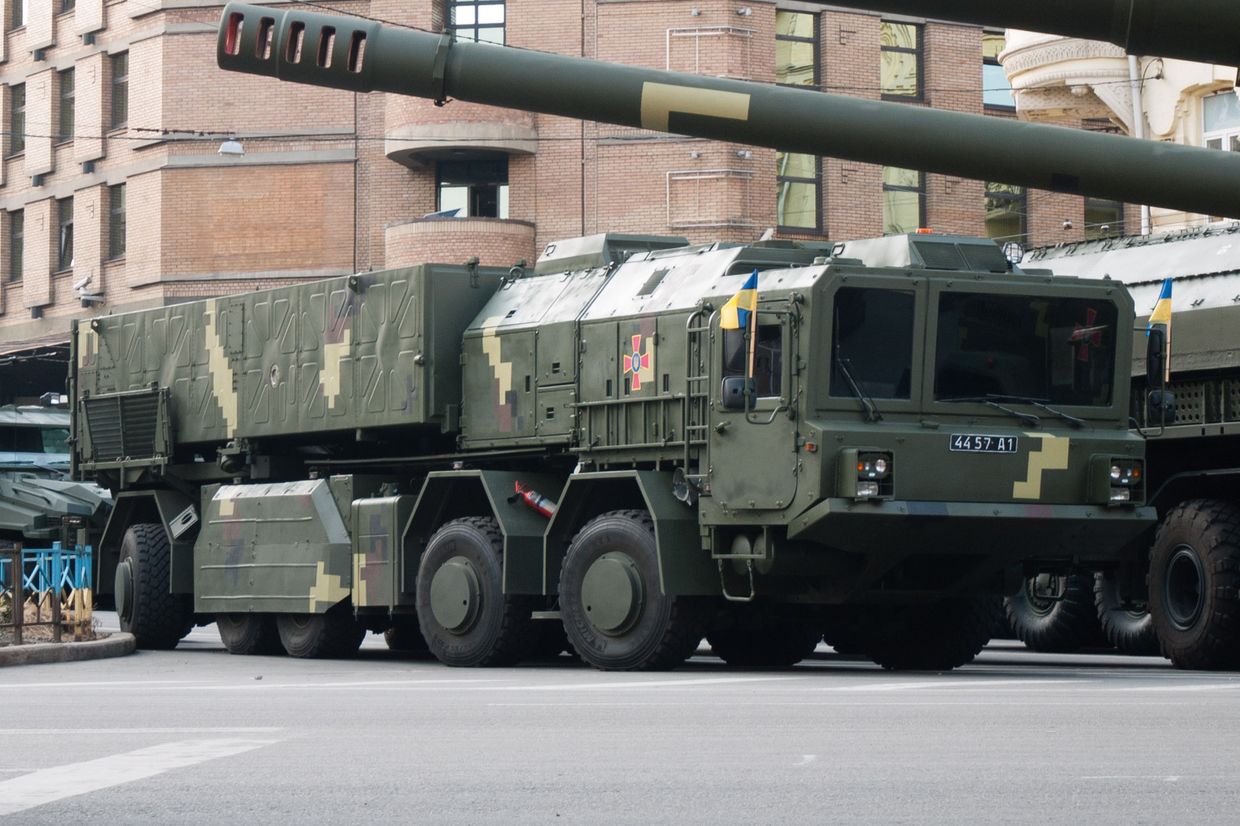
Ukraine announced on June 13 that its short-range Sapsan ballistic missile would go into mass production, a major development in Kyiv’s ongoing efforts to domestically produce the weapons it needs to fight Russia’s full-scale invasion. As Ukraine faces growing challenges in securing weapons from Western partners, and Russia continues launching
Slovak police tried to detain ex-defense minister over Ukraine aid deal, media reportsThe Kyiv IndependentYuliia Taradiuk
Slovak police tried to detain ex-defense minister over Ukraine aid deal, media reports
  •  

Satellite images show expansion at 5 Russian nuclear sites near Europe

Satellite images show expansion at 5 Russian nuclear sites near Europe

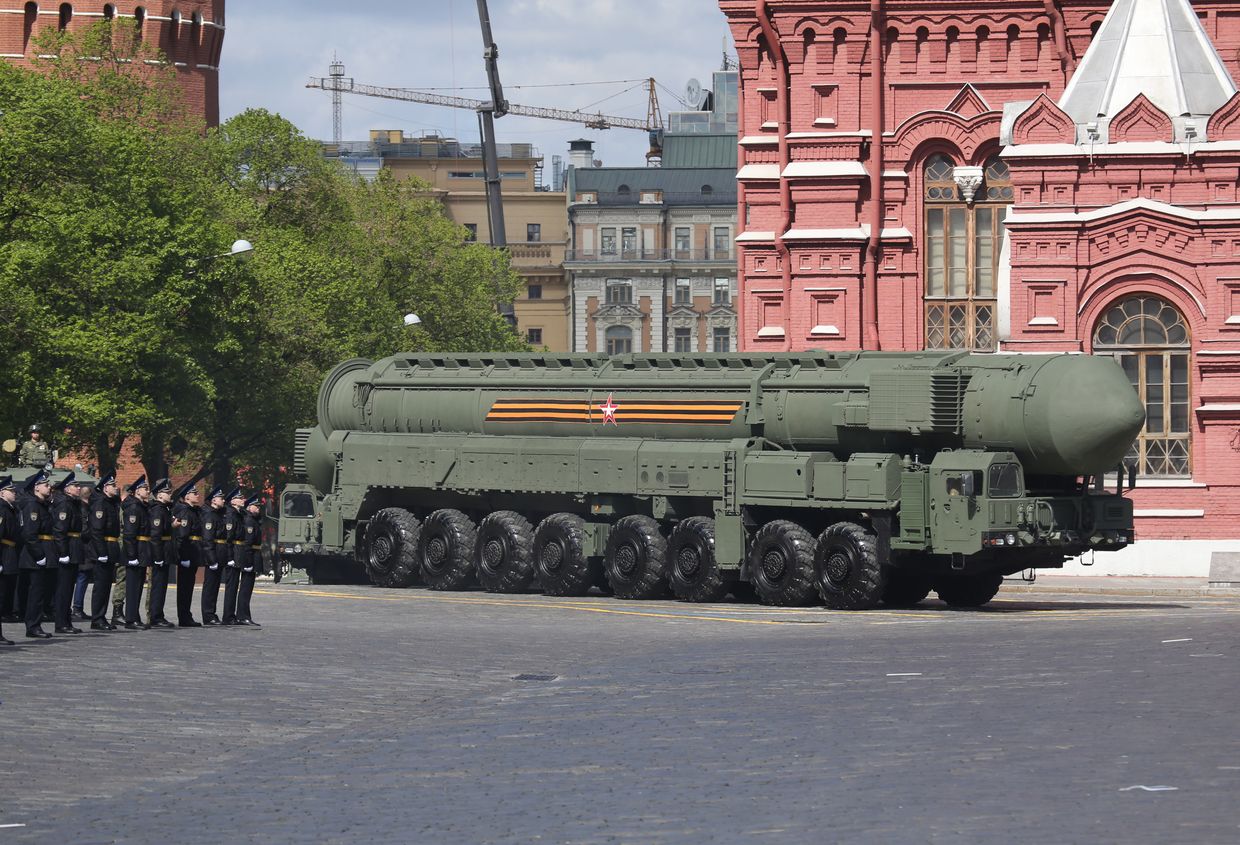
Satellite images reveal that Russia has expanded and modernized at least five nuclear-related facilities near European borders in recent years, Swedish broadcaster SVT reported on June 16, citing new imagery obtained from Planet Labs.

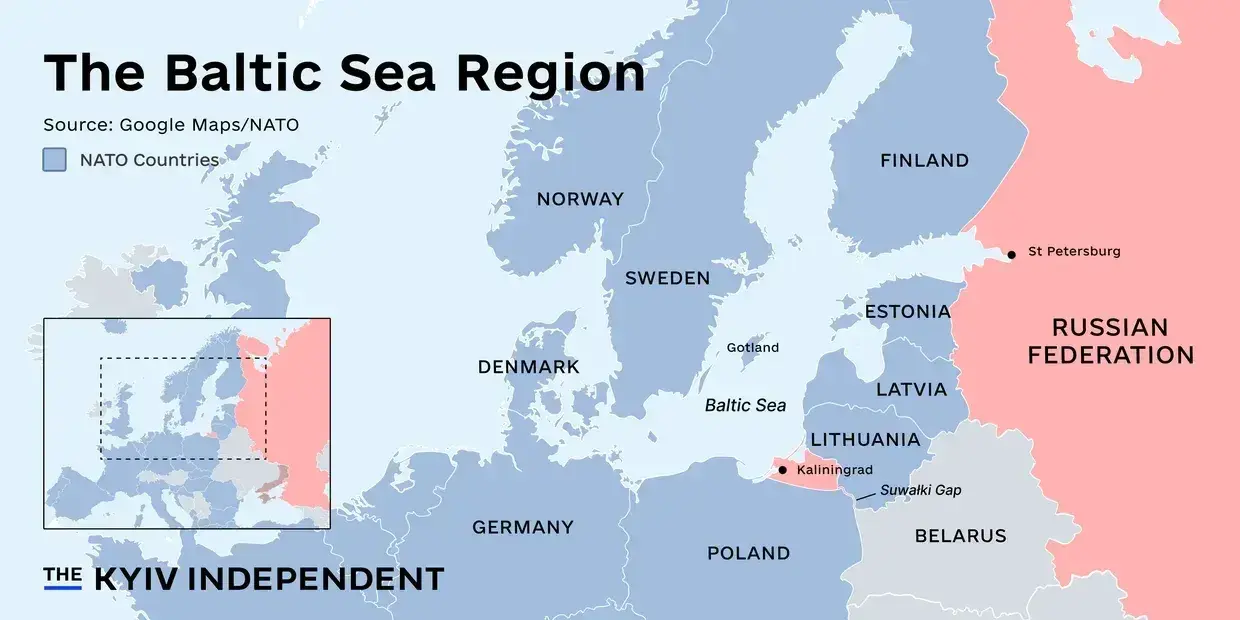
One of the most notable developments is in Kaliningrad, where the suspected nuclear weapons storage site has undergone significant reconstruction.

Images taken in May 2025 show the addition of triple-layered fencing, new buildings, and advanced communications equipment. Polish Foreign Minister Radoslaw Sikorski previously said that up to 100 tactical nuclear warheads might be stored at the site.

Kaliningrad, a militarized Russian exclave between Poland and Lithuania, is a key concern for NATO because of its advanced missile systems and expanding nuclear infrastructure.

Satellite images show expansion at 5 Russian nuclear sites near Europe
A map of the Baltic Sea Region. (Lisa Kukharska / The Kyiv Independent)

The Osipovichi base in Belarus, a former Soviet nuclear storage facility, is also being renovated. Satellite imagery shows new air defense installations and a modernized loading platform for rail-based logistics.

In Novaya Zemlya, a remote Arctic archipelago long linked to Soviet-era nuclear testing, several new buildings have appeared, reinforcing its role as a potential site for future test activities.

On the Kola Peninsula, near the borders with Finland and Norway, Russia has built about 50 storage bunkers for submarine-launched ballistic missiles and constructed a specialized pier for loading those missiles onto submarines, according to the imagery.

Swedish Defense Minister Pal Jonson responded to the findings, saying Stockholm is "closely monitoring" Russian nuclear capabilities. Sweden officially joined NATO in March 2024 after years of non-alignment, citing escalating Russian threats as a primary reason.

The Kremlin has repeatedly used nuclear threats to pressure Ukraine and Western countries since the start of its full-scale invasion in February 2022.

‘Russians lie about everything’ — Ukraine hits out at Kremlin claims after yet another drone strike on Kyiv
“This is a deliberate tactic of terror,” Tymur Tkachenko, head of the Kyiv City Military Administration, said.
Satellite images show expansion at 5 Russian nuclear sites near EuropeThe Kyiv IndependentTim Zadorozhnyy
Satellite images show expansion at 5 Russian nuclear sites near Europe
  •  

Europe must prepare for US scaling down support for Ukraine, Pistorius says

Europe must prepare for US scaling down support for Ukraine, Pistorius says

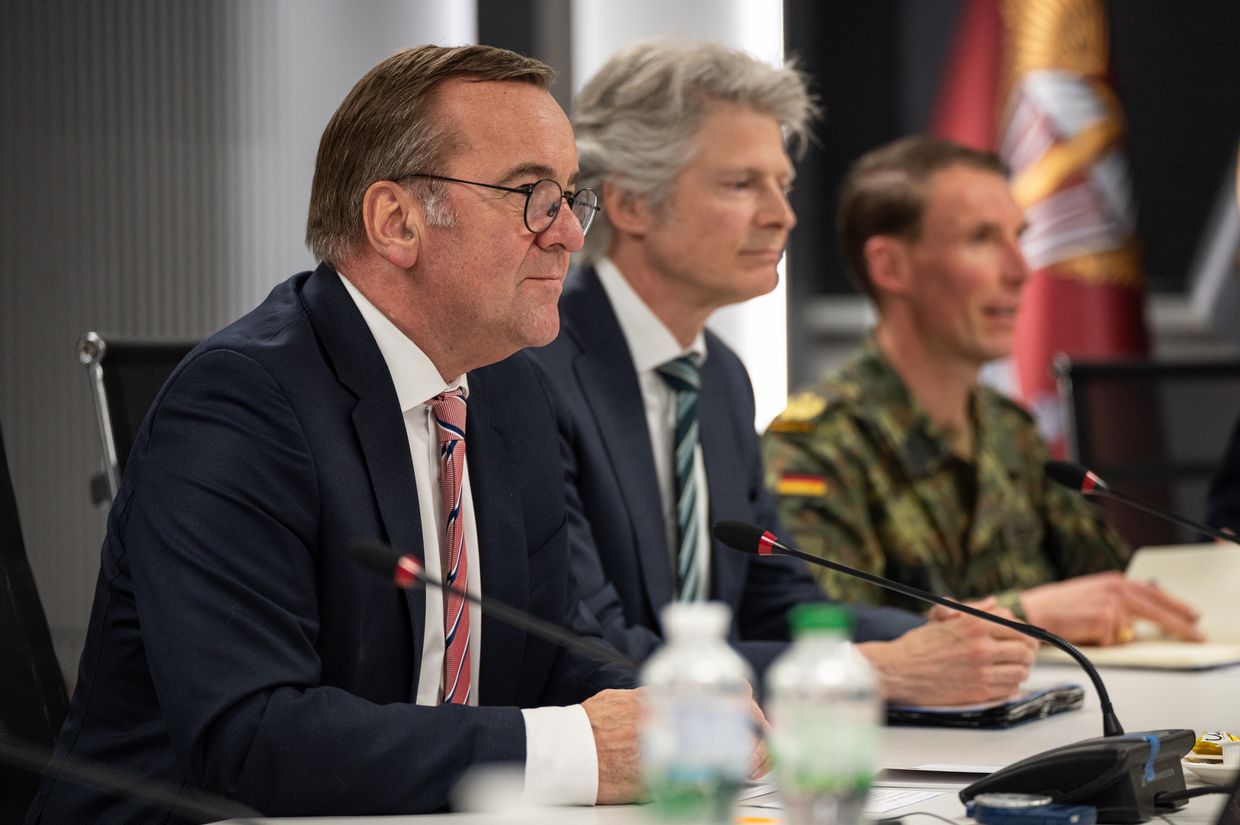
German Defense Minister Boris Pistorius said Europe must begin preparing for a gradual reduction in U.S. military support for both the continent and Ukraine, Tagesschau reported on June 13.

"Yes, that's right. That would be so, and we have to deal with that," Pistorius told journalists in response to a question about the U.S. potentially scaling down its support. He noted that the discussions focus on a reduction in U.S. backing rather than a full halt.

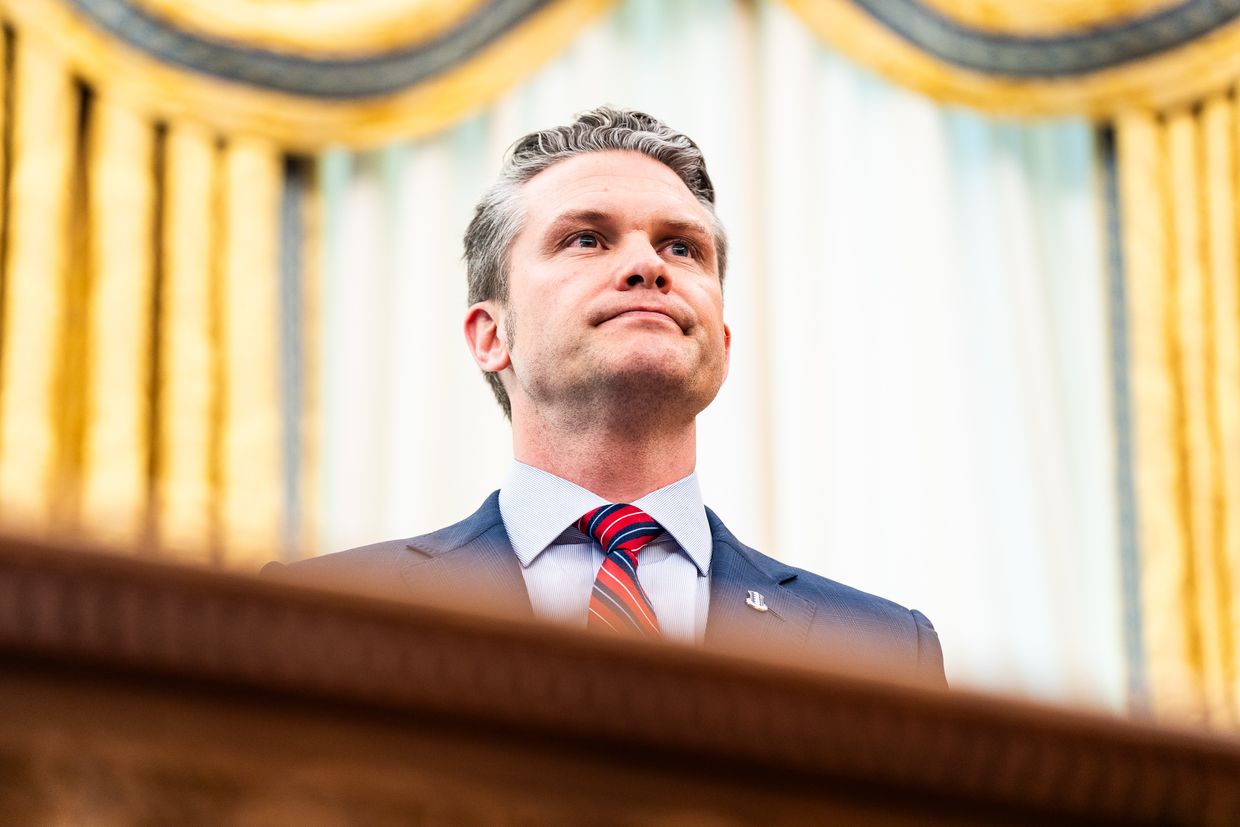
The comments come after U.S. Defense Secretary Pete Hegseth announced that Washington would reduce the assistance allocated to Ukraine in the next year's federal budget.

"We now have to look at how much support drops and whether Europeans can compensate for it," Pistorius added.

While the U.S. has been Ukraine's leading military backer under former President Joe Biden, the Trump administration has yet to approve any aid packages and has become increasingly disengaged from peace talks.

Pistorius's comments come amid increasing uncertainty in transatlantic relations. U.S. Ambassador to NATO Matthew Whitaker confirmed on May 16 that the United States plans to begin discussions with European allies later this year about reducing its military presence on the continent.

Speaking at a security conference in Estonia, Whitaker said the talks would begin after the NATO summit in The Hague in June.

"Nothing has been determined," Whitaker said, according to Reuters. "But as soon as we do, we are going to have these conversations in the structure of NATO."

Whitaker emphasized that any drawdown would be closely coordinated to avoid creating security gaps. Still, he reiterated U.S. President Donald Trump's position that long-standing U.S. efforts to reduce its European military footprint must now be implemented.

"This is going to be orderly, but we are not going to have any more patience for foot-dragging in this situation," he said.

In February, Hegseth reportedly told NATO allies that "stark strategic realities" prevent the United States from being primarily focused on Europe's security. Leaks reported by the Atlantic in March revealed that both Hegseth and Vice President JD Vance privately criticized European defense spending, with Hegseth allegedly expressing his "loathing of European free-loading."

Trump called on NATO member states to increase defense spending up to 5% of GDP. Ahead of the upcoming NATO summit in The Hague on June 24–25, U.S. Secretary of State Marco Rubio said that member states will have agreed to a new goal of increasing defense spending.

"We are headed for a summit in six weeks in which virtually every member of NATO will be at or above 2%, but more importantly, many of them will be over 4%, and all will have agreed on a goal of reaching 5% over the next decade," Rubio told Fox News on May 15.

Such a move would mark a historic shift, with NATO partners collectively accounting for more than half of the alliance's military capacity, according to Rubio.

Since the beginning of Russia's full-scale war against Ukraine in 2022, NATO members have significantly increased their defense spending, with countries like Poland and the Baltic nations aiming to reach the 5% target in the coming years.

Ukraine bracing for ‘painful’ reduction in US military aid after Hegseth announces cuts
Editor’s note: For security reasons, the real names of the soldiers mentioned in this story have not been used. A reduction in U.S. military aid to Ukraine would be “painful” and could have potentially “dire consequences” for the global order, Ukrainian lawmakers and soldiers have told the Kyiv Independent.
Europe must prepare for US scaling down support for Ukraine, Pistorius saysThe Kyiv IndependentKateryna Hodunova
Europe must prepare for US scaling down support for Ukraine, Pistorius says
  •  

NATO to strengthen missile defenses in Eastern Europe to counter Russian threats, Bloomberg reports

NATO to strengthen missile defenses in Eastern Europe to counter Russian threats, Bloomberg reports

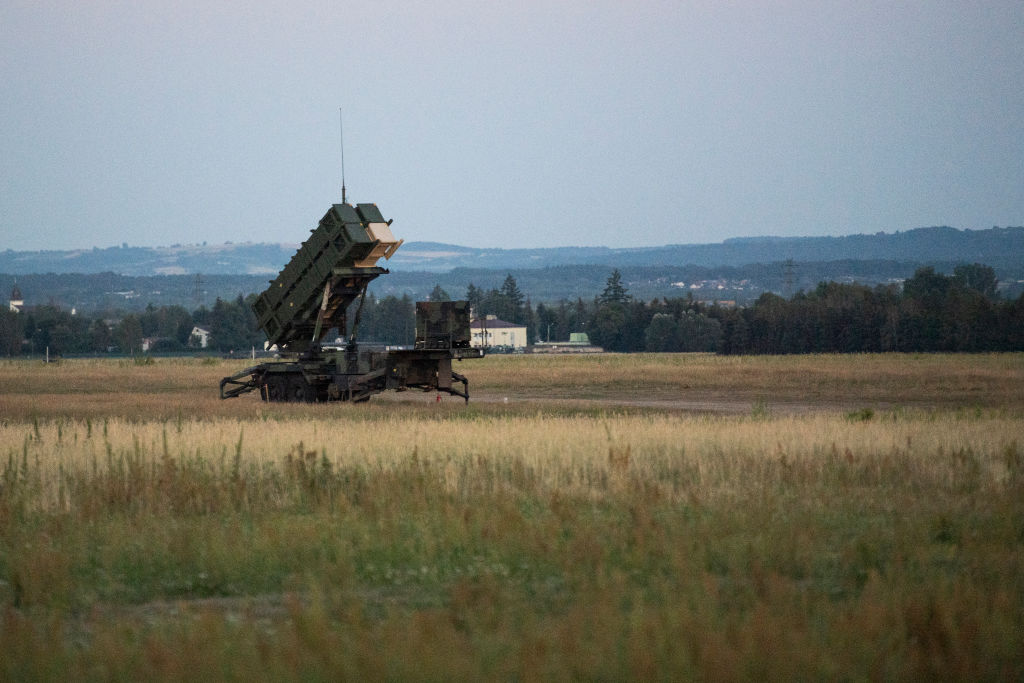
NATO plans to enhance its missile defense systems on its eastern flank in response to a growing threat from Russia, Bloomberg reported on June 12, citing its undisclosed sources.

For the first time, member states of NATO are reportedly considering combining the alliance's ballistic missile shield with other integrated missile defense assets. The talks are taking place behind closed doors and involve sensitive deliberations, Bloomberg reported, citing its sources.

Moscow has long opposed NATO's missile defense infrastructure, particularly the U.S.-built interceptors deployed in Poland and Romania, states neighboring Ukraine. The alliance has previously said those systems are intended to counter potential long-range threats from Iran, not Russia.

The so-called "NATO expansion to the east" is one of the key narratives used by Russian propaganda to justify its large-scale war against Ukraine.

The proposed integration of ballistic missile defense with NATO's broader air and missile defense network would address threats from any direction in the future. This shift suggests the effort would increasingly be focused on deterring Russian capabilities, according to Bloomberg's sources.

The move comes as NATO ramps up its defense posture more than three years after Russia launched its full-scale invasion of Ukraine. The alliance recently agreed on the most ambitious new weapons targets since the Cold War.

NATO Secretary General Mark Rutte called on alliance members to make a "quantum leap" in defense investment in response to the enduring threat from Russia. Speaking at Chatham House in London, Rutte urged allies to increase air and missile defense by 400%.

Talks on integrating the systems may wrap up ahead of the NATO summit in The Hague on June 24–25, but could continue afterward, the sources said. Ukraine is invited to attend the summit. It remains unclear whether the initiative will still officially cite Iran as a threat or move fully toward addressing Russia.

The effort is part of a broader strategy to reinforce NATO's eastern flank, but some officials have raised concerns about how it might affect peace efforts in Ukraine and whether the United States will fully support the integration, Bloomberg reported.

Previously, U.S. President Donald Trump echoed Russian claims that Kyiv provoked the invasion by pursuing its NATO ambitions.

Earlier, Bloomberg reported that NATO is deploying a new satellite surveillance system aimed at monitoring military activity in Ukraine and along the alliance's eastern borders. The system, known as Smart Indication and Warning Broad Area Detection (SINBAD), will use AI-powered analysis to scan large areas and detect potential threats with unprecedented frequency.

NATO expands satellite surveillance to monitor Ukraine, eastern flank
The initiative, named Smart Indication and Warning Broad Area Detection (SINBAD), will allow NATO to scan vast territories with unprecedented frequency, using AI-powered analysis to detect changes and alert allies to potential threats.
NATO to strengthen missile defenses in Eastern Europe to counter Russian threats, Bloomberg reportsThe Kyiv IndependentAnna Fratsyvir
NATO to strengthen missile defenses in Eastern Europe to counter Russian threats, Bloomberg reports
  •  
❌