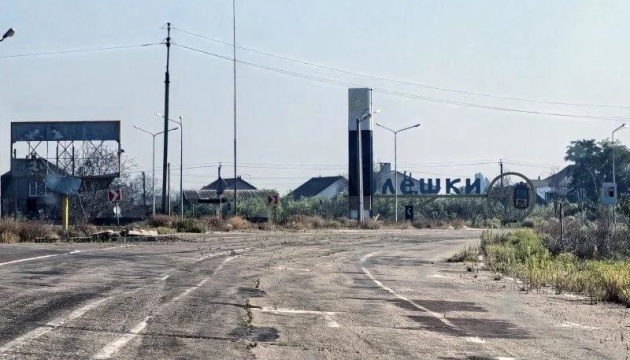
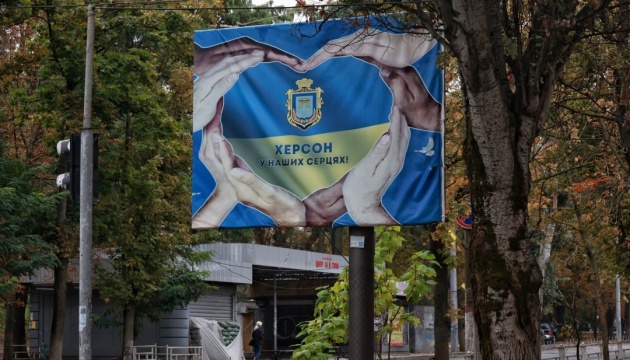
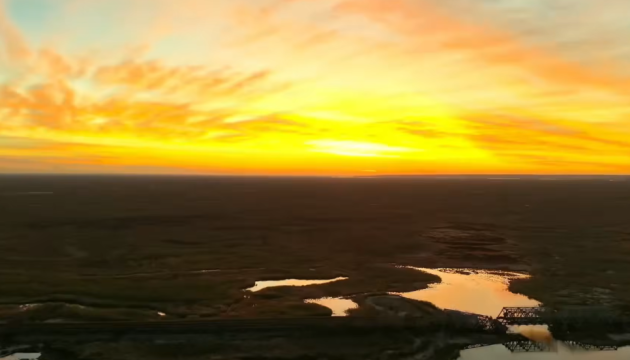
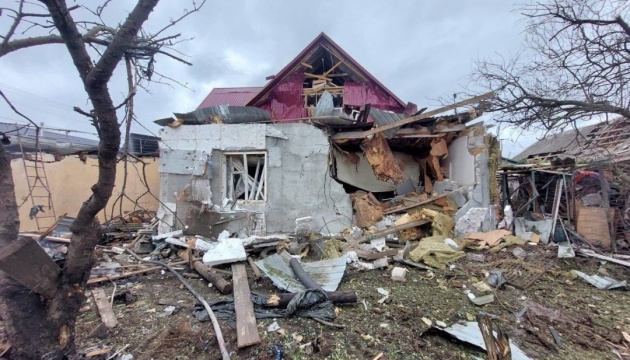
Ukrainian military personnel have delivered over four tons of humanitarian aid to residents trapped in the Russian-occupied city of Oleshky in the Kherson region.
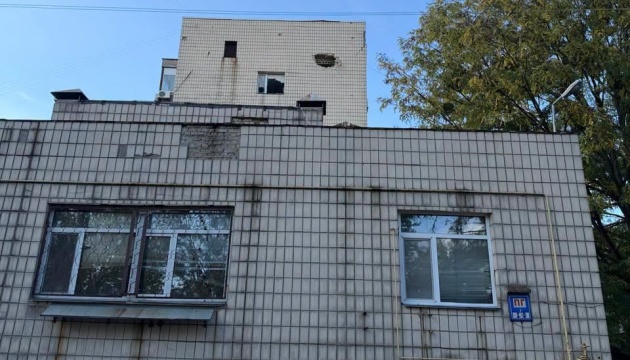
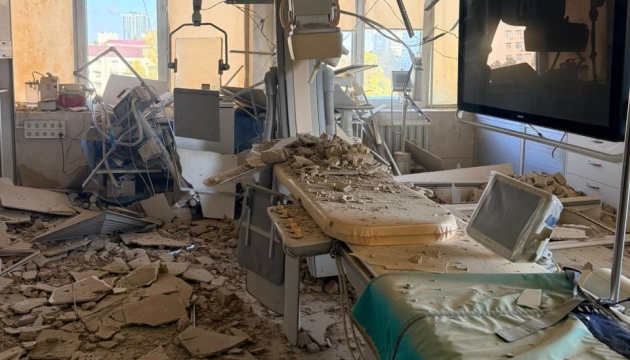
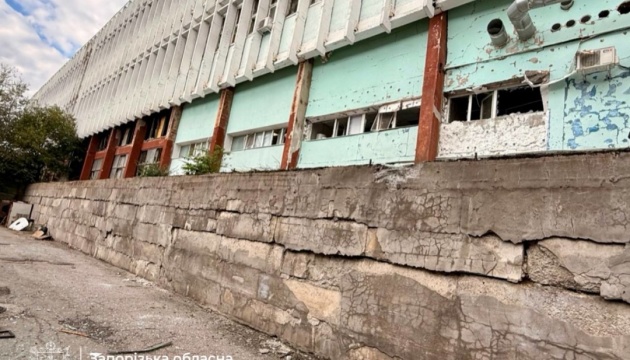
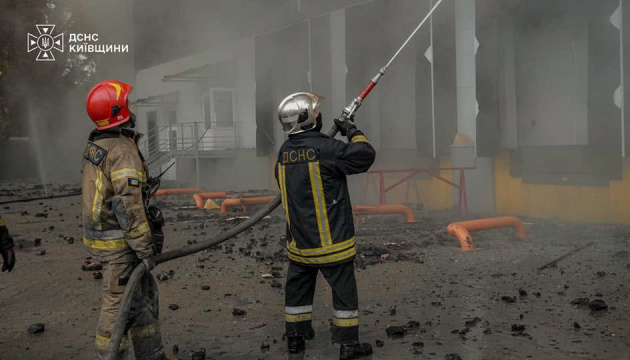
One patient was injured when the building of the M.D. Strazhesko Institute of Cardiology of the National Academy of Medical Sciences of Ukraine in the capital was hit.
The Cabinet of Ministers has extended measures to address the consequences of a state-level emergency in the energy sector, declared in January, to several additional sectors.
Fighters from the Group 10 special operations unit have foiled Russian invasion forces’ offensive plans and prevented them from cutting off logistical routes during a special operation in the Sumy region.
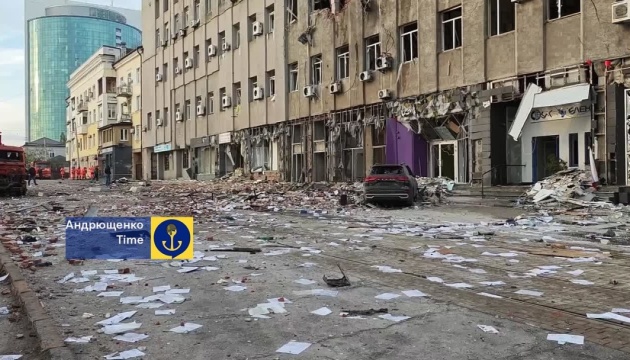
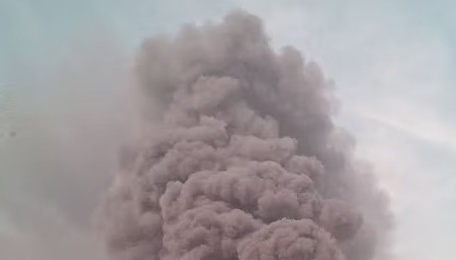
A data center was attacked overnight in Russian-occupied Donetsk; telephone services, internet access and telecommunications infrastructure were damaged.
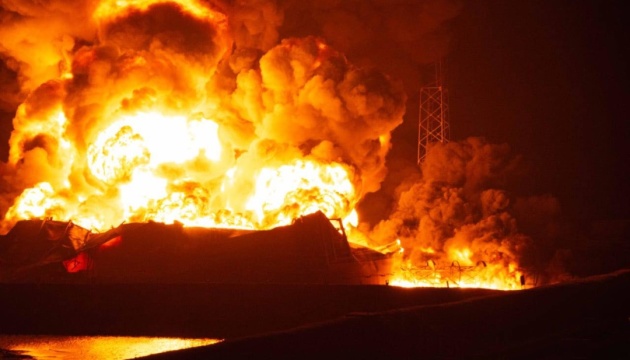
Ukraine’s Defense Forces struck a number of Russian military targets on October 19 and overnight into October 20, including logistics depots in the areas of Kripenske in the Luhansk region, Rivnopil in the Donetsk region, and Lahidne in the Zaporizhzhia region.
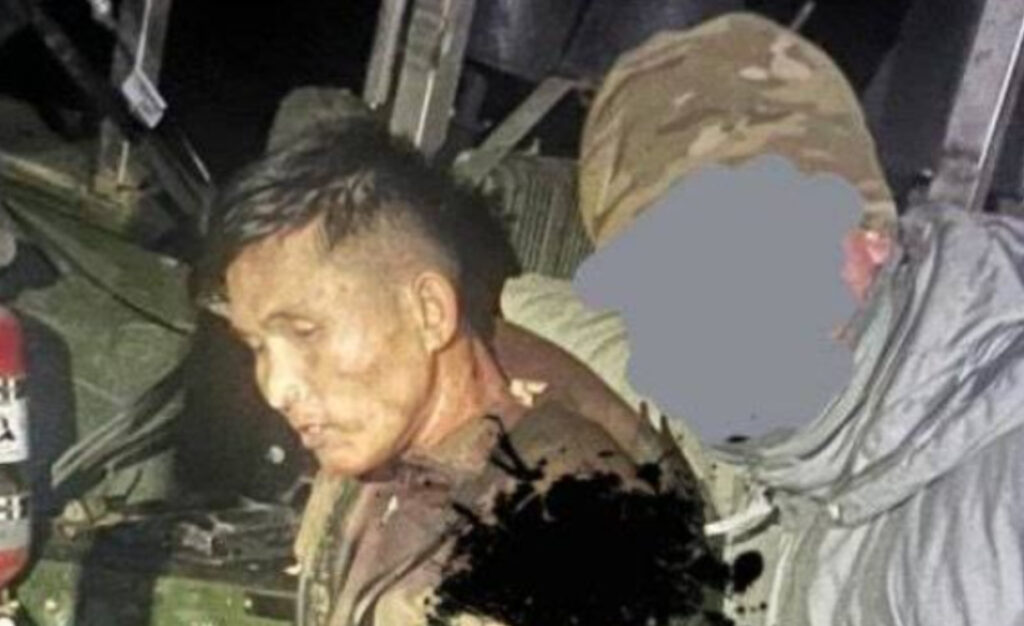
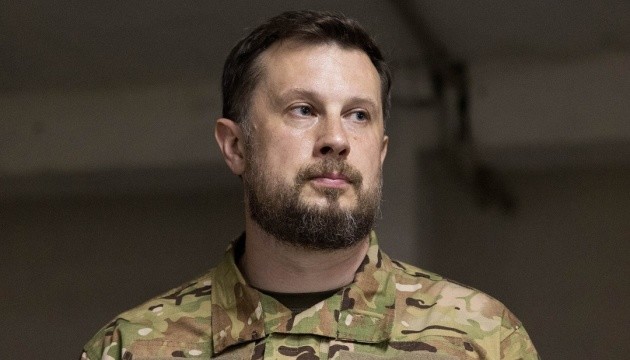
Ukraine holds personal data on each of the nearly 46,000 foreigners it has identified as signing with Russia’s army since 2022, Dmytro Usov, secretary of its prisoner-of-war coordination headquarters, said on 19 October. If the current pace holds, he expects this year’s contracts to reach Moscow’s plan. Meanwhile, a survey of captured foreigners gave a split answer on how many knew they were heading to war.
Usov said 41% of surveyed foreign POWs signed at enlistment offices and recruitment points, which the headquarters reads as a sign of a systematic campaign. He also said the hiring is meant to ease the social and budget burden of Russia’s own losses. Russia has long turned to foreigners to offset shortages in its regular forces. In April, Ukraine’s military intelligence (HUR) said enlistment offices had reportedly been assigned regional quotas.
A count built name by name
Usov, a brigadier general and secretary of Ukraine’s Coordination Headquarters for the Treatment of Prisoners of War, spoke at the international conference Crimea Global. He said Russia’s Defense Ministry has signed 45,959 foreigners from 151 countries. Ukraine’s records include each one’s rank, dog tag, and contract date.
The figure counts everyone who signed, not only those serving now. In April, Usov said his count left out North Korea’s regular troops, that 25–30% more recruits were likely still unidentified, and that at least 5,149 foreign recruits had died, Interfax-Ukraine reported.
This year’s contracts near the plan
Contracts have grown every year: 94 in 2022, 4,067 in 2023, 8,877 in 2024, and 16,085 in 2025. Some names surface late. At the same April event, Interfax-Ukraine reported, Usov had put 2025 at 13,997 and said the headquarters adds newly identified foreigners every month.
For 2026, Russia’s Defense Ministry planned 18,500 foreign contracts. Ukraine knows of 16,168 so far, roughly level with all of 2025. Another 668 contracts still have no year assigned. If the same dynamic holds, Usov said, the ministry will fully meet its plan and may even exceed it.
He named Indonesia, Peru, Chad, and Zimbabwe among the ten countries that drove the growth in recruits, Ukrinform reported. At the same time, he said, Ukraine’s Foreign Ministry and POW agencies have cut recruitment in some countries and stopped it in others.
What captured foreigners told Ukraine
Ukrainian forces have captured citizens of 59 countries since the full-scale invasion began. Uzbeks, Tajiks, Belarusians, and Colombians are among the largest groups.
In the headquarters’ survey of foreign POWs, nearly half said they knew they would fight Ukrainian soldiers and civilians. Another 28% said they didn’t know, 14.8% weren’t sure, and 13.8% said they were deceived. The headquarters ran the survey, and neither report gave a sample size or explained how the shares fit together. Usov said the results showed most knew where they were going. Almost 47% said they signed up for Russian citizenship.
A Sofia court has cleared European arrest warrants for two 19-year-old Germans charged with setting fire to Starlink antennas south of the Bulgarian capital, a court spokeswoman told dpa. Prosecutors named the pair in court, but both had already left Bulgaria. The case adds Bulgaria to a run of attacks on Starlink sites in Europe, which Poland and Lithuania have linked to Russia.
While Russia presses its assault along the front and strikes Ukraine’s cities, Starlink keeps Ukraine’s drone units and front-line troops connected, and Poland pays about $50 million a year for its terminals. The network’s ground links in Europe are now a target in their own right, and ISW has linked the Polish fire to a wider Russian pattern of sabotage. Each attack on a ground station hits a network whose speed caps already disrupted Ukraine’s drone missions this month.
Two names, a few hours in Bulgaria
Prosecutors identified the suspects as Zeka Islam and Tirpan Beytullah, Bulgaria’s state news agency BTA reported, noting the names may be misspelled. Their whereabouts are unknown, according to German authorities cited by the agency. They were charged in absentia on 14 October and face three to 12 years in prison if convicted.
According to the indictment, the two crossed from Serbia at the Kalotina checkpoint at 17:37 on 9 October and told border officers they were tourists. At about 22:25, wearing gloves and masks, they allegedly set fire to antennas at the Plana teleport, a satellite ground station near the village of Plana. They drove back into Serbia through the same checkpoint at 23:55.
Three antennas burned completely, two were partly damaged, and three more were affected, prosecutors say. The pair traveled in a Volkswagen with German plates, and a national warrant followed two days after the charges, ZDF reported.
Explore further
Musk pushed Trump to slow Starlink in Ukraine, weakening air defenses as Russian drones attacked cities – The Telegraph
The court-appointed lawyers argued that investigators had pinned down the vehicle, not the men in it. The court rejected those objections, finding reasonable grounds to suspect the pair. The lawyers said they would appeal. The ruling can be challenged within three days.
A Starlink antenna. Illustrative photo: Christoph Soeder/dpa
An opposition MP made the fire public three days later
The fire became public only on 12 October, when opposition MP Ivaylo Mirchev of Democratic Bulgaria posted about it on Facebook. He said 11 antennas had been set on fire, more than prosecutors later counted.
In parliament two days later, Prime Minister Rumen Radev asked the head of the State Agency for National Security (DANS) not to reveal details, saying disclosure could harm the investigation. DANS head Plamen Tonchev told lawmakers he believes the fire was sabotage and that more such attacks cannot be ruled out, dpa reported.
Explore further
White House ordered limits on Ukraine’s military satellite service — Reuters. Who made the decision remains unclear
After the ruling, Mirchev wrote that Radev personally owes the public an explanation of what has been achieved, BTA reported.
Bulgaria’s case joins attacks Poland and Lithuania tie to Russia
Bulgaria has not said who might be behind the fire. Authorities in Poland and Lithuania have linked similar recent arsons on Starlink equipment to Russia.
In September, fire hit a Starlink ground station south of Warsaw, and Germany later detained two suspects. On 18 October, Lithuania’s prime minister said intruders had tried to burn a company’s Starlink antennas used by Ukraine, calling it part of Russia’s hybrid war. Moscow claims such accusations are baseless, Reuters reported.
Russian claims that their forces have captured Velyka Shapkivka and Palamarivka, taken control of Kupiansk, and advanced toward Shevchenkove in the Kharkiv region do not reflect the actual situation on the front line.
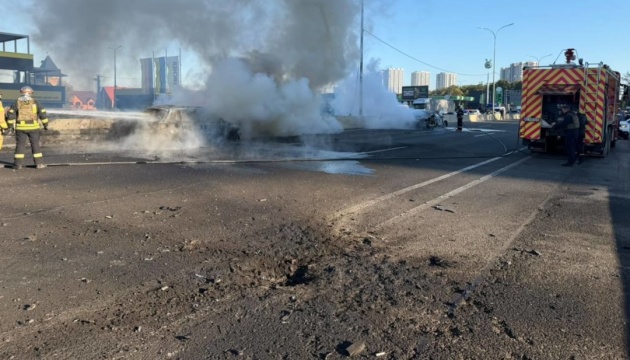
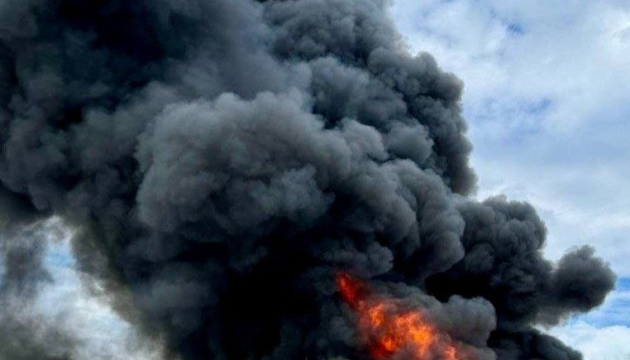
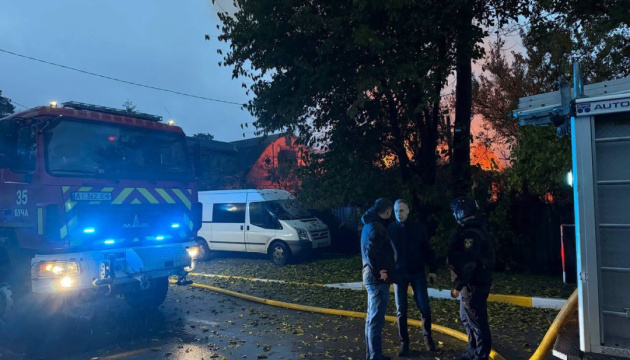
Cars caught fire on the Kyiv-Odesa highway in the Fastiv district of Kyiv region following a Russian drone attack. There are preliminary reports of fatalities and injuries.
Drones attacked the Nikolskoye linear production and dispatch station near the Russian city of Michurinsk in the Tambov region overnight on October 20.
A total of 206 combat engagements between Ukraine’s Defense Forces and Russian troops took place along the front line on October 19, with the most reported in the Southern Slobozhanskyi sector.
Russian forces launched 848 attacks on 52 settlements in the Zaporizhzhia region over the past 24 hours. One person was killed and five others injured in enemy strikes on Zaporizhzhia and the Zaporizhzhia district.
The total combat losses of Russian forces in the war against Ukraine from February 24, 2022, to October 20, 2026, have reached approximately 1,568,720 personnel, including 1,560 troops killed or wounded over the past 24 hours.
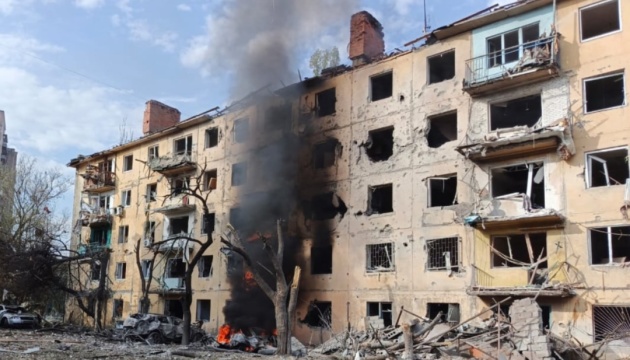
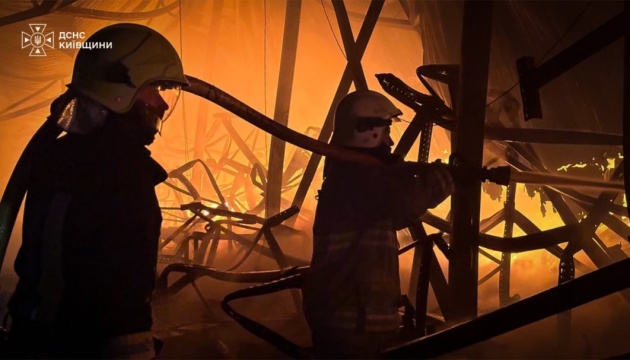
The death toll from a Russian strike on a production and warehouse building in a community in the Kyiv region's Obukhiv district has risen to three, with six other people injured.
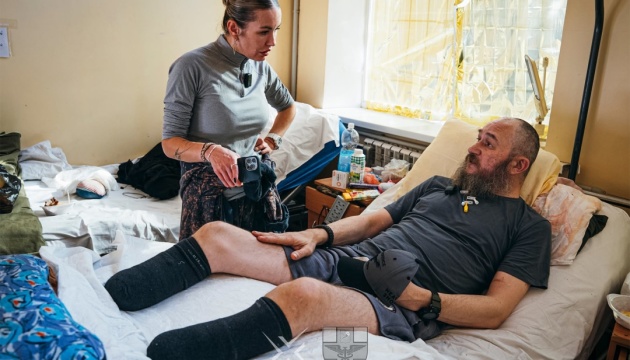
The Military Medical Clinical Center of the Northern Region in Kharkiv is currently treating a Ukrainian defender who underwent amputations of both legs and was evacuated by air from the Kupiansk sector using a drone.
A total of 177 combat engagements between Ukraine’s Defense Forces and Russian invaders were recorded on October 19, with the highest number of Russian attacks reported in the Southern Slobozhanshchyna sector.
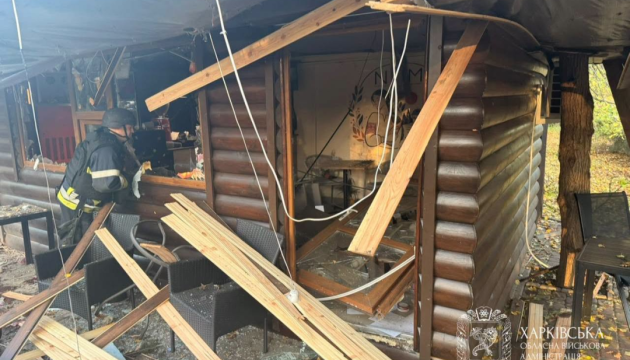
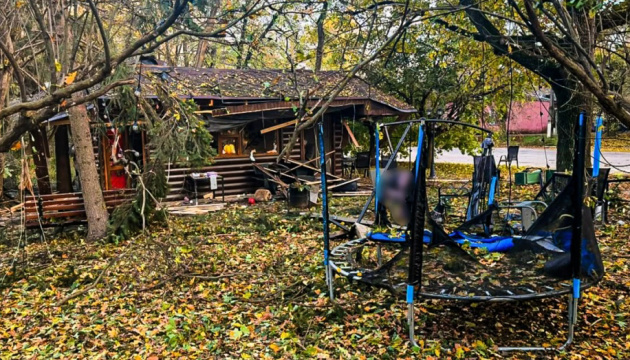
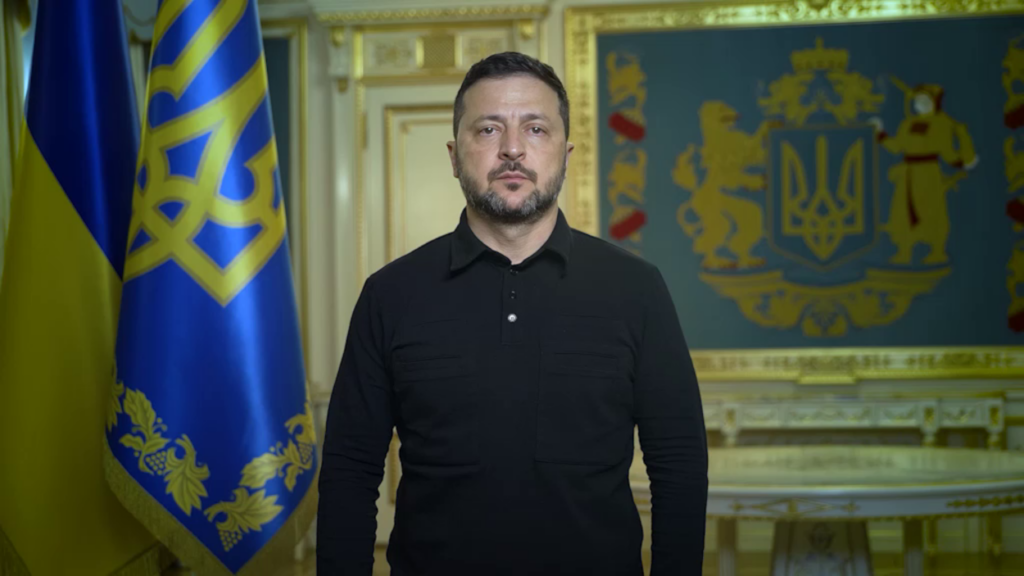
Following a Russian drone strike on a park near a café in the Kharkiv region that killed six people, including children, and injured 14, President Volodymyr Zelensky called on Ukraine’s partners not to lift sanctions against Russia, invoke the Lindsey Graham Act, and strengthen Ukraine’s air defenses.
Russian troops struck the central park in Nova Vodolaha, Kharkiv region; the attack killed two women and an infant, and at least 15 people were injured.
President Volodymyr Zelensky stated that during the latest wave of Russian attacks, the enemy struck 28 substations and other critical energy infrastructure sites.
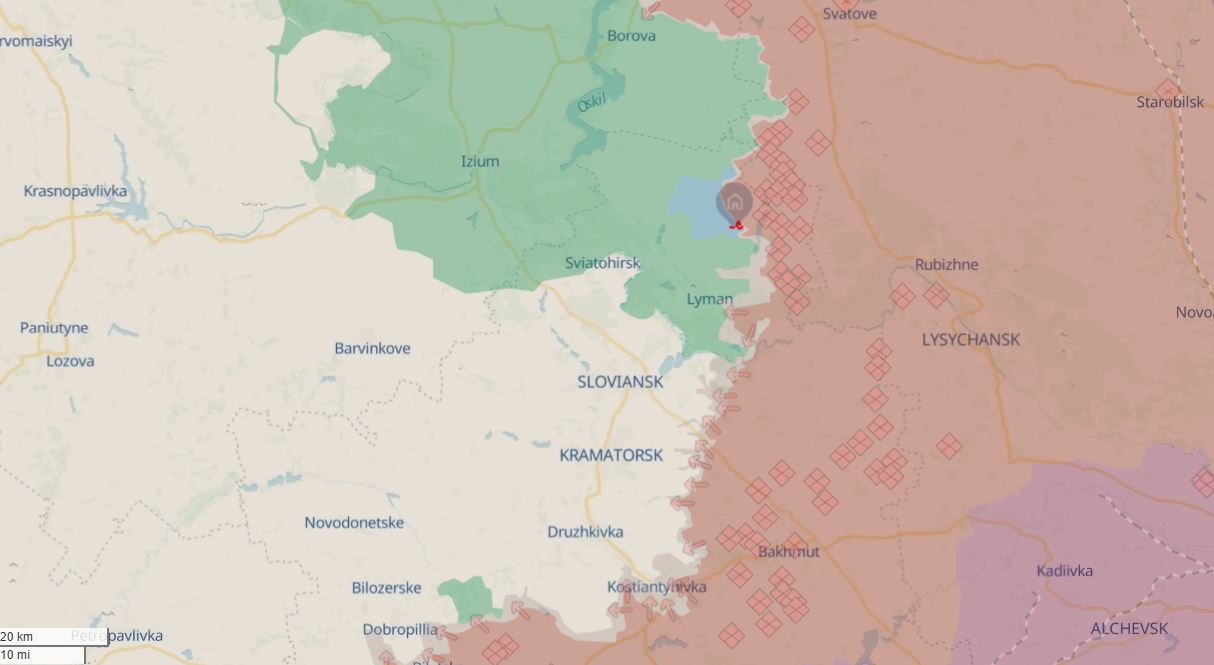
Ukrainian forces have liberated more territory since the beginning of the fall than Russian troops have captured during the same period. This trend has persisted throughout 2026, Ukrainian President Volodymyr Zelenskyy said in his 18 October address. He also reported that Dobropillia, Kostiantynivka, and five other settlements remain under Ukrainian control.
Russia systematically exaggerates its battlefield gains. A recent briefing by Valery Gerasimov, chief of the General Staff of the Russian Armed Forces, in which he claimed that Russian forces had captured 92 settlements since the beginning of September, as well as Kostiantynivka and Dobropillia, and advanced to within 5 kilometers of Zaporizhzhia, was based on “outright lies, manipulation, and exaggerations,” Ukrainian General Staff spokesperson Andrii Kovaliov said.
Ukraine also continues to defend areas near Kramatorsk, Zelenskyy said. He dismissed Russian claims about Zaporizhzhia.
“We are destroying Russians 20 kilometers from Zaporizhzhia, not five, as someone in Russia is fantasizing to Putin,” Zelenskyy said.
Ukrainian forces continue to hold back Russian assaults and destroy groups of occupying troops attempting to infiltrate Dobropillia, the president said. The Defense Forces are also defending positions elsewhere in Donetsk Oblast and in Kharkiv and Zaporizhzhia oblasts.
Zaporizhzhia axis: Russians seek to move artillery closer to the city
Russia seeks to advance on the Zaporizhzhia axis to bring the regional capital within range of its tube artillery, hold forward positions, and protect rear areas from Ukrainian strikes, the Institute for the Study of War (ISW) said on 18 October.
The aftermath of a Russian strike on Zaporizhzhia on 10 October 2026. Photo: Ukraine's National Police
Maksym Kravchuk, spokesperson for Ukraine's Southern Group of Forces, refuted Gerasimov’s claims that Russian forces had captured Malokaterynivka, located south of Zaporizhzhia, stressing that the settlement remains under Ukrainian control, the Center for Countering Disinformation said on 18 October. Ukrainian troops recorded a video directly from Malokaterynivka to confirm this.
As of 18 October, Russian forces had advanced or infiltrated to within 24 kilometers of Zaporizhzhia, ISW said.
Dobropillia remains under Ukrainian control despite Russian assaults
Dobropillia is now a fortress anchoring Ukrainian positions along the highway leading northeast toward Kramatorsk. Russia first tried to take Dobropillia in August 2025 and is now trying again.
Russia is redeploying reinforcements to the Dobropillia axis and continues to send assault infantry through the village of Nove Shakhove despite heavy losses. Russian command will likely try to encircle or at least envelop Dobropillia and cut off Ukrainian supply routes from the direction of Bilozerske, Ukrainian military analyst Kostiantyn Mashovets wrote on 9 October.
Mashovets sees the push as the southern flank of a Russian effort to envelop the whole Sloviansk–Kramatorsk urban area.
Explore further
Ukraine retook Kolodiazi north of Lyman as its drones hit 200-plus Russian vehicles in Operation Vivaldi’s last phase, Ukrainian drone officer says
Dobropillia remains under Ukrainian control, Zelenskyy said. On 18 October, footage located by analysts showed a Russian soldier hoisting a flag in the town's southeast after an infiltration, yet ISW has found no sign that Russian troops have dug in there.
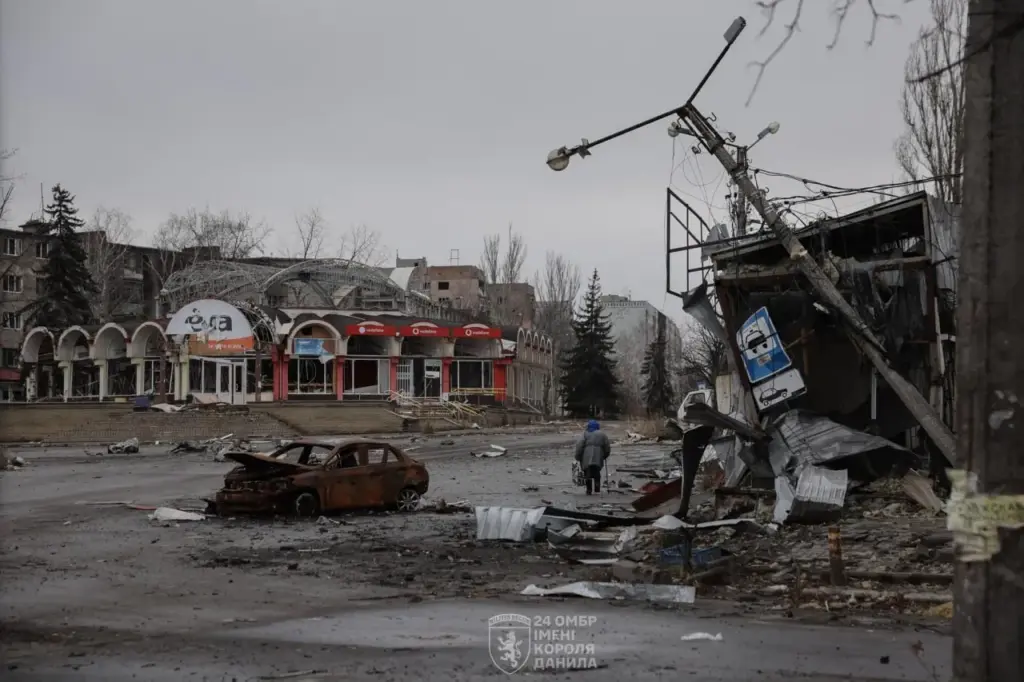
Russia claimed to have captured Kostiantynivka, but ISW found no evidence
Ukrainian troops in and around Kostiantynivka are stopping Russia from locking in its gains in the city or pushing on toward Druzhkivka and Kramatorsk, ISW said on 17 October.
Russian officials claimed that capturing Kostiantynivka was an important step toward establishing control over the Sloviansk–Druzhkivka–Kramatorsk urban agglomeration and the entire Donetsk Oblast, ISW said in August. The Kremlin also claimed that Russian forces had captured the city as early as 5 July, the institute added.
Ruins of a street in Kostiantynivka, Donetsk Oblast, 9 April 2026. Photo: UA Land Forces
A Russian military blogger claimed that Russian forces had full control over Kostiantynivka, but ISW found no evidence to support this claim, the institute said in its 16 October assessment. Russian troops had only infiltrated parts of southern and central Kostiantynivka without consolidating positions, and there was no evidence of their presence in its northern part, ISW added.
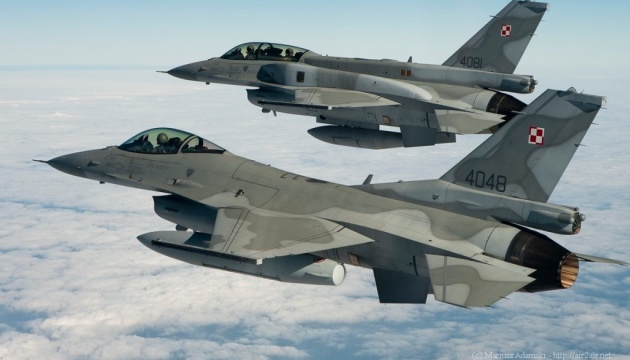
In Poland, against the backdrop of a Russian air attack on Ukraine, military aircraft were scrambled for the second time in 24 hours. Residents of the Lublin Voivodeship were alerted to an air raid alert.
Russian forces are unsuccessfully attempting to exploit autumn bad weather to make local breakthroughs in the Huliaipole sector. In one area, Ukrainian defenders recently destroyed a group of Russian military intelligence special forces.

 Connexion