Vue lecture

NATO vows to defend every inch. Svalbard is where Russia plans to prove it won’t.
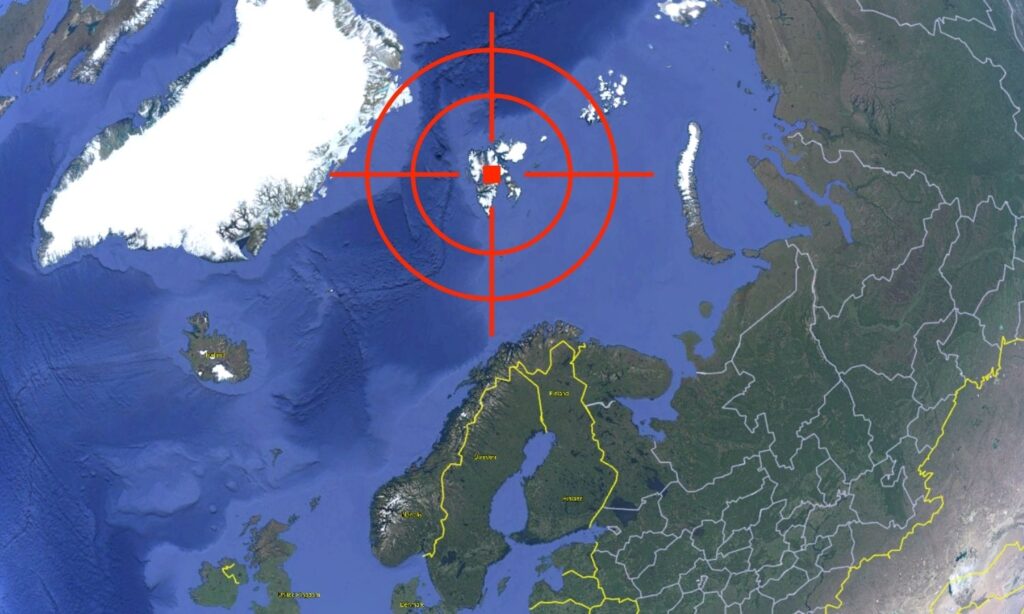
Svalbard in the crosshairs on a map. Collage: Euromaidan Press

US Central Intelligence Agency Director John Ratcliffe's visit to Moscow has triggered much speculation. The main thesis is that Russia may be preparing to conduct an act of aggression against a NATO member in the relatively near term to invalidate NATO's Article 5.

According to sources cited by the Wall Street Journal, Ratcliffe delivered a warning to Russia not to attack NATO countries. Estonia, Latvia, and Lithuania were singled out in a Politico report on 26 August, citing two "sources familiar with the matter."

Every warning names the Baltics. Estonia, Latvia, and Lithuania are where the CIA pointed, where the intelligence assessments focus, where NATO has massed its tripwire forces. But the Baltics are defended. The one piece of NATO territory Russia could seize before anyone could stop it—and that hands hesitant Western capitals a ready-made excuse not to respond—lies far to the north. It is Svalbard.
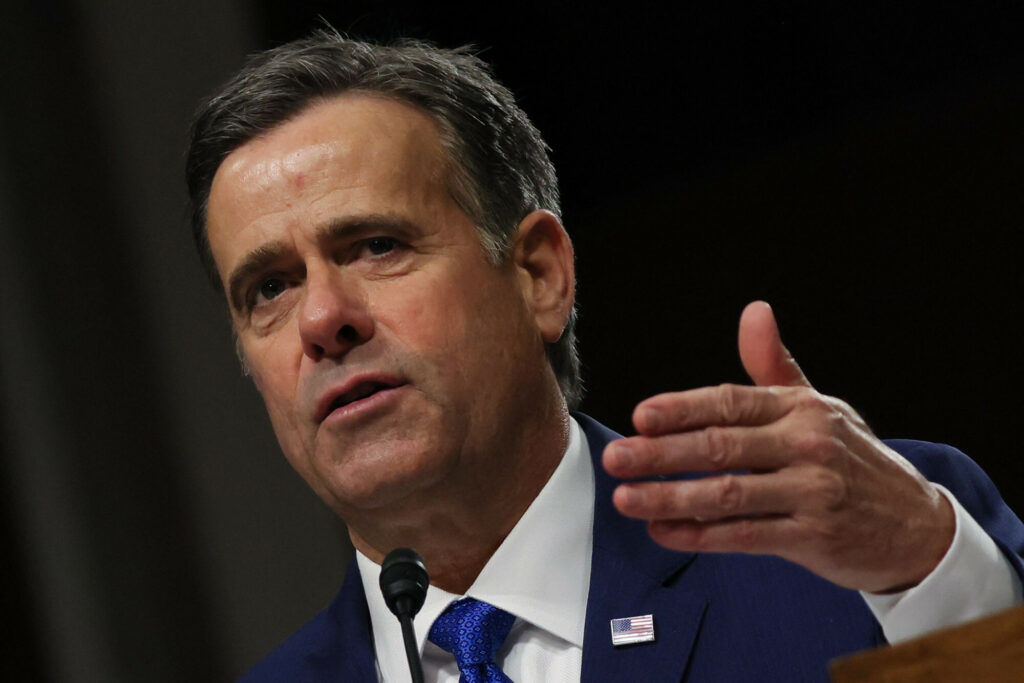
cia director john ratcliffe
CIA Director John Ratcliffe made the first known visit to Moscow by a serving CIA chief since 2021. Photo: Jemal Countess/AFP/East News.

The timeline

On 6 August, citing new US intelligence reports, the Wall Street Journal reported that "US intelligence is warning that Russia may attempt to test NATO's resolve by carrying out a limited strike against one of the Alliance's member states within the next few years." US intelligence assessments indicate that any action by Russia could occur between this autumn and 2029. This is only the latest in a series of warnings of the risk of war with Russia. Leaders of NATO's eastern flank countries recently issued public warnings, citing intelligence that Russia is preparing provocations on their territory.

On 29 August, the Polish Prime Minister said there were signs that Russia was seriously preparing for an escalation and that the next seven to eight months could be critical for the security of Ukraine, Poland, and the entire region.

The Institute for the Study of War (ISW) argues that a CIA director's personal visit to deliver a message is unusual and generally reserved for sensitive matters of the highest importance. Ratcliffe's arrival in Moscow on a C-17 military transport aircraft and his use of an American motorcade suggest that the US regarded its intelligence as urgent and sensitive—not a warning of a distant threat. The visit indicates concern about a much shorter timeline than the US intelligence reports of early August suggested.
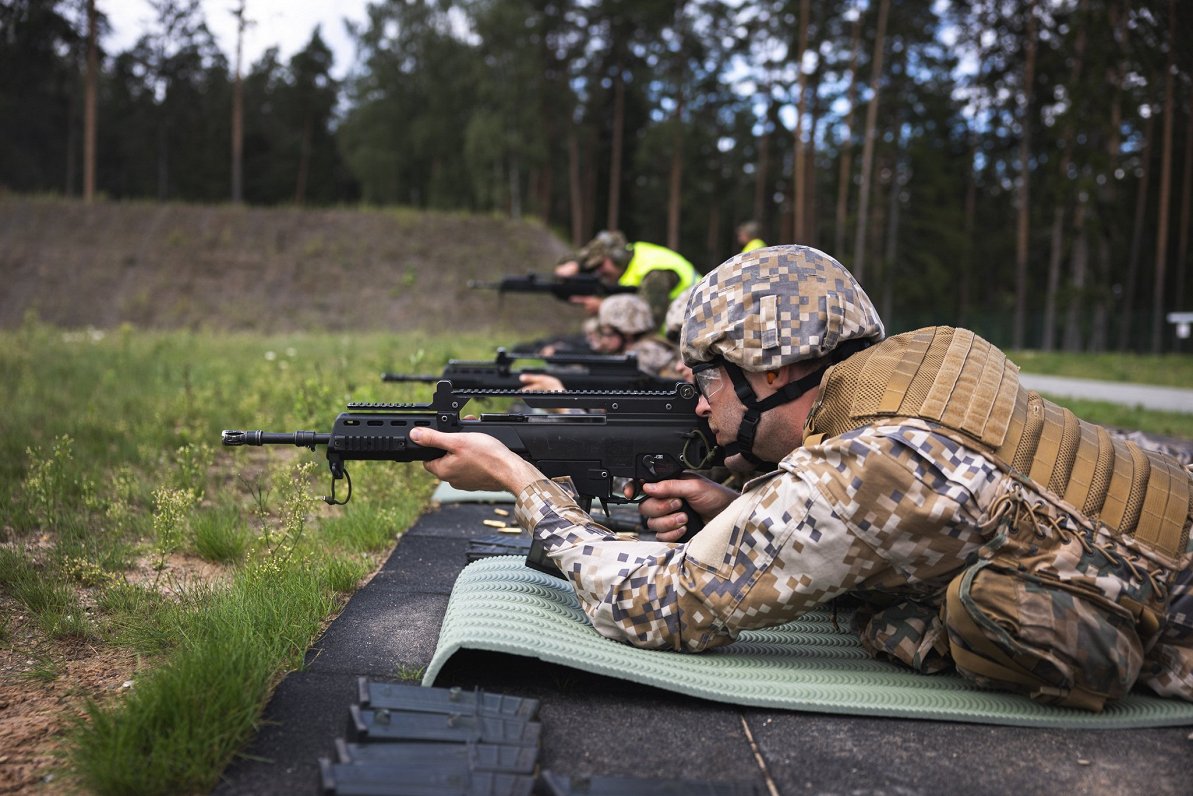
latvia just moved russia attack here's where report does · post latvian armed forces reservist training soldiers ukraine news ukrainian reports
Explore further

Latvia just moved from “Russia might attack” to “here’s where you report if it does”

That timeline is shaped by Europe's urgent effort to close its critical military vulnerabilities by 2030. Russia is unlikely to wait until Europe has regained its strength.

The last CIA director's trip to Moscow was in November 2021, when William Burns made a final effort to deter Russia's full-scale invasion of Ukraine. To state the obvious: Burns' effort failed—and he served a president friendly to NATO and to international law. Ratcliffe serves a president who treats Europe as a strategic adversary; his warning is unlikely to shift Moscow at all.

The threat: sub-threshold is over

The EU White Paper describes Russia as the "fundamental threat" to European security for the foreseeable future, citing its war economy, industrial mobilization, nuclear posture, and cooperation with Belarus, Iran, and North Korea.

According to assessments by several EU intelligence services, Russia's rapidly expanding military-production capacity could give it the ability to test the unity of Western countries and the effectiveness of Article 5 within the next three to five years. The US recently warned Poland that Russia is planning an armed provocation on Polish soil designed to test NATO's commitment to collective self-defense.

Let us be clear: Russia has been testing the unity of Western countries and the effectiveness of Article 5 for years already.

It is waging an ever-escalating hybrid war that could—and arguably should—have triggered Article 5 long ago. It is attacking critical infrastructure, conducting sabotage and cyberattacks, running influence and information operations, violating NATO airspace with missiles and drones, and flying UAV intelligence, surveillance, and reconnaissance missions over allied territory. On 23 August, The Telegraph reported, citing Western intelligence sources, that Russia has launched a new wave of attacks on weapons factories in Europe, recruiting members of local criminal gangs and testing NATO's response.

None of it has forced a response. That is the point. To test NATO's commitment to collective defense—rather than merely its patience—Russia must escalate beyond the sub-threshold. It must stage the one thing it has so far avoided: a military operation that forces NATO to confront Article 5.

To test NATO's commitment, Russia must ecalate—stage a military operation that forces NATO to confront Article 5

The window for doing so is closing. On 11 December 2025, NATO Secretary General Mark Rutte warned that Russia could attack a NATO country within five years, adding that the Alliance must "be prepared for the scale of war our grandparents or great-grandparents endured"—the first time since World War II that a secretary general has raised the prospect of a full-scale war on NATO soil. NATO's generals warn of war by 2029; Europe will not be ready until 2035. Russia has every incentive to act inside that gap, before it narrows.

The gap is real. These assessments have emerged against a backdrop of critical munitions shortages: Patriot interceptors, long-range precision-guided missiles, tactical ground-launched missile systems, 155mm artillery shells, and Stinger short-range surface-to-air missiles. US stocks have been badly depleted by weak defense-industrial production and by the Israel–US confrontation with Iran. NATO has since named Integrated Air and Missile Defense a top priority for the Alliance's survival and deterrence, calling for a 400 percent increase in air- and missile-defense capabilities. That is the measure of the shortfall. Worse, recent exercises have shown the Alliance is nowhere near ready to fight a drone war with Russia.

Most analysis fixes on the Baltics. In my opinion, there is a more likely scenario: the seizure of Norwegian sovereign territory in the High North.
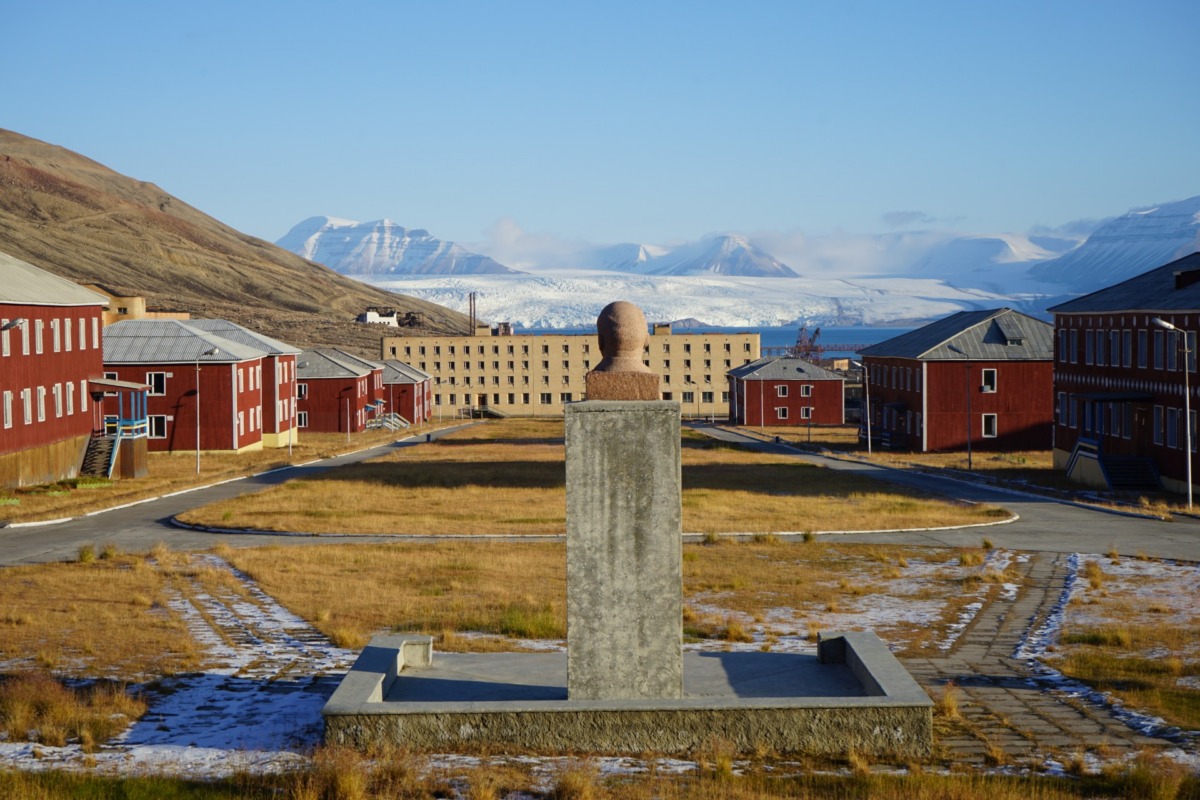
how norway became test target russia’s arctic hybrid war · post pyramiden abandoned soviet coal mining settlement norwegian archipelago svalbard now tourist destination which has become thomas nilsen barents observer
Explore further

How Norway became a test target for Russia’s Arctic hybrid war

Why Svalbard: the tripwire it lacks

Admittedly, no intelligence service has ranked Svalbard above the Baltics. That is puzzling, given that while the Baltic states are a challenge for Russia, Svalbard is a challenge for NATO.

Estonia, Latvia, and Lithuania are defended by a standing tripwire. NATO permanent battlegroups operate in each—the UK leads in Estonia, Canada in Latvia, Germany in Lithuania—backed by a forward-defense posture built to stop any incursion at the border rather than liberate territory afterward. In response to Russian airspace incursions, drone provocations, and GPS jamming, NATO stood up the Eastern Sentry initiative; after repeated undersea cable cuts, it added Baltic Sentry to patrol the sea and guard the infrastructure. The Suwałki Gap—the 60-kilometer land corridor linking Poland to Lithuania between Belarus and Kaliningrad—is heavily fortified and rehearsed in large multinational exercises.

An attack on the Baltic countries hits allied forces on day one, forcing the Alliance to act, and it requires a force buildup that telegraphs intent and escalates toward exactly the general war Russia wants to avoid.
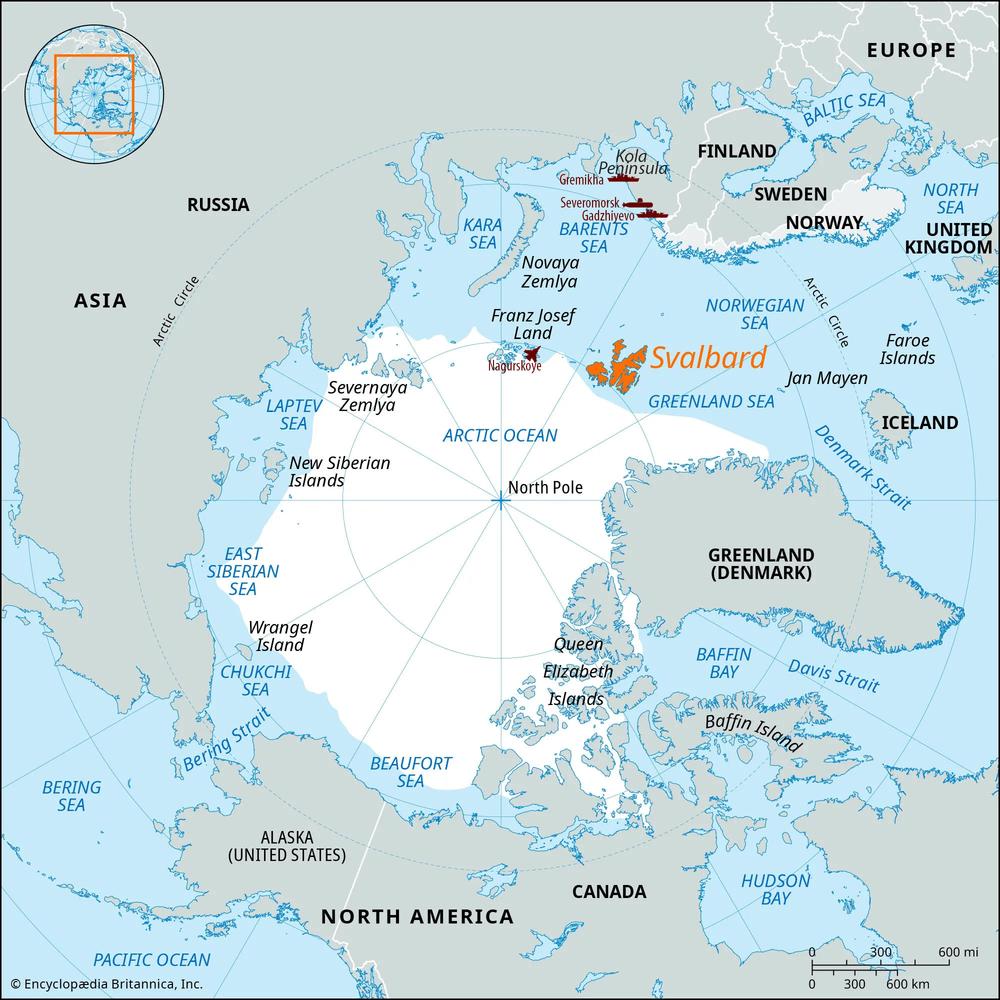
Arctic Russian military bases Norway
Map of selected Russian military bases in the Arctic by Encyclopedia Britannica, with edits by Euromaidan Press

Svalbard offers the opposite. There is no permanent garrison and no fortification, because Article 9 of the 1920 Svalbard Treaty bars naval bases, fortifications, and any "warlike" use of the archipelago. Norway retains the sovereign right to defend it—Coast Guard and naval vessels call at Longyearbyen, and defensive measures under Article 5 are permitted—but there is no standing tripwire, and the treaty ensures there never will be.

That is the vulnerability: Russia can seize the archipelago by surprise and present a fait accompli before any force can reach it.

And it hands hesitant Western capitals a ready-made excuse. Svalbard is Norwegian sovereign territory, and Norway holds—correctly—that Article 5 applies to it. The land-territory question is not genuinely ambiguous; Russia manufactures the ambiguity, contesting Norway's interpretation and pointing to the treaty's demilitarized character to argue that any response is itself a violation. But in a strategic environment where Western leaders seek any reason not to engage Russia, that manufactured doubt—remote outpost, unpopulated rock, a "demilitarized" treaty—is enough.

The excuse is political, not legal. And the excuse is the objective: a visibly divided Alliance, unable to agree whether or how to respond, is the entire purpose of a Russian move against a NATO member.

If Russia achieves surprise, it will meet no opposing force. The Northern Fleet operates in the area routinely; Russia's Arctic forces—roughly 15,000 to 20,000 troops across motor-rifle and naval-infantry brigades, with cold-weather armor and layered anti-access/area-denial systems—are already in place. Svalbard sits within range of Russian tactical aviation flying from the Kola Peninsula, which could establish air control fast enough to keep NATO from landing at all.
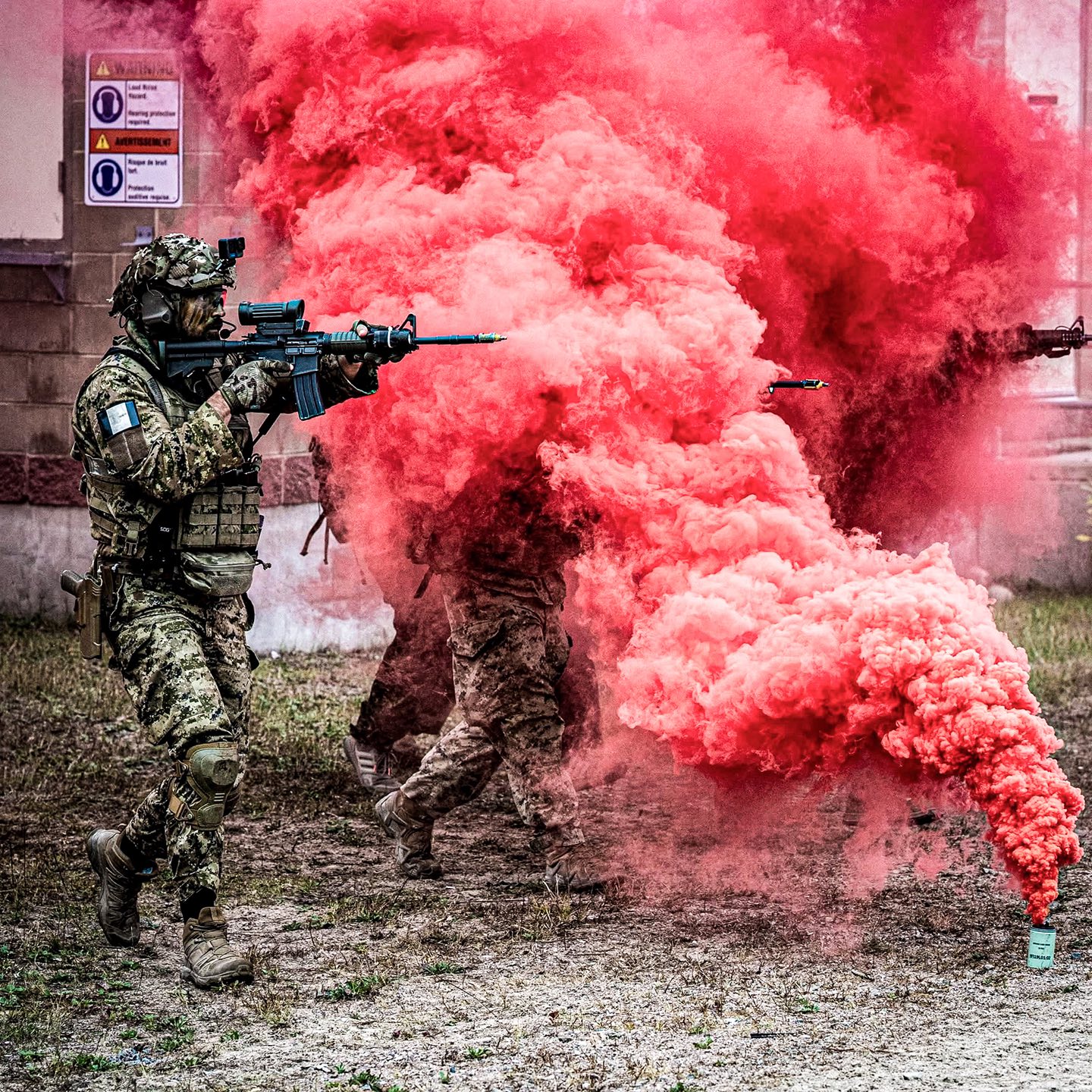
NATO soldiers at the training. Source: Supreme Headquarters Allied Powers Europe (SHAPE)
Explore further

NATO’s generals warn of war by 2029. Europe won’t be ready until 2035.

What Russia would gain

The occupation would also pay for itself many times over, shifting the balance across the entire Arctic and North Atlantic.

The primary military incentive is nuclear. The Kola Peninsula houses Russia's strategic ballistic-missile submarines, and holding Svalbard would close the shallow Barents Sea into a protected bastion where those submarines—the core of Russia's second-strike deterrent—could operate insulated from NATO. Control of the archipelago also locks the "Bear Gap," the stretch between Svalbard and Norway's North Cape. Anti-ship and anti-air batteries on the islands would let Russia choke off NATO surface and anti-submarine forces from the Barents Sea while guaranteeing its Northern Fleet unhindered breakout routes into the North Atlantic.

norwegian vessels
The Norwegian Coast Guard and Norwegian Customs were checking when the Russian Belomorye loaded fish to the Norwegian Silver Copenhagen in a fjord in Svalbard. Credit: Kystvatnek

The archipelago is also a forward platform. Using existing infrastructure such as Longyearbyen's airport, Russia could base tactical aircraft and long-range maritime patrol aircraft hundreds of kilometers further west than its current fields on Franz Josef Land. Seizing SvalSat—one of the world's largest commercial satellite ground stations—would let Moscow blind or repurpose a hub critical to Western environmental, civilian, and dual-use satellite operations. And by holding the "gateway to the Arctic," Russia would gain physical leverage over the western entrance to the Northern Sea Route, an increasingly viable shipping lane as the ice retreats.

These are gains Russia would want under any circumstances. They are not why Svalbard is the likely next target—that case rests on the tripwire it lacks and the window that is closing. But they explain why, of all the ways to test Article 5, this one carries no offsetting cost.
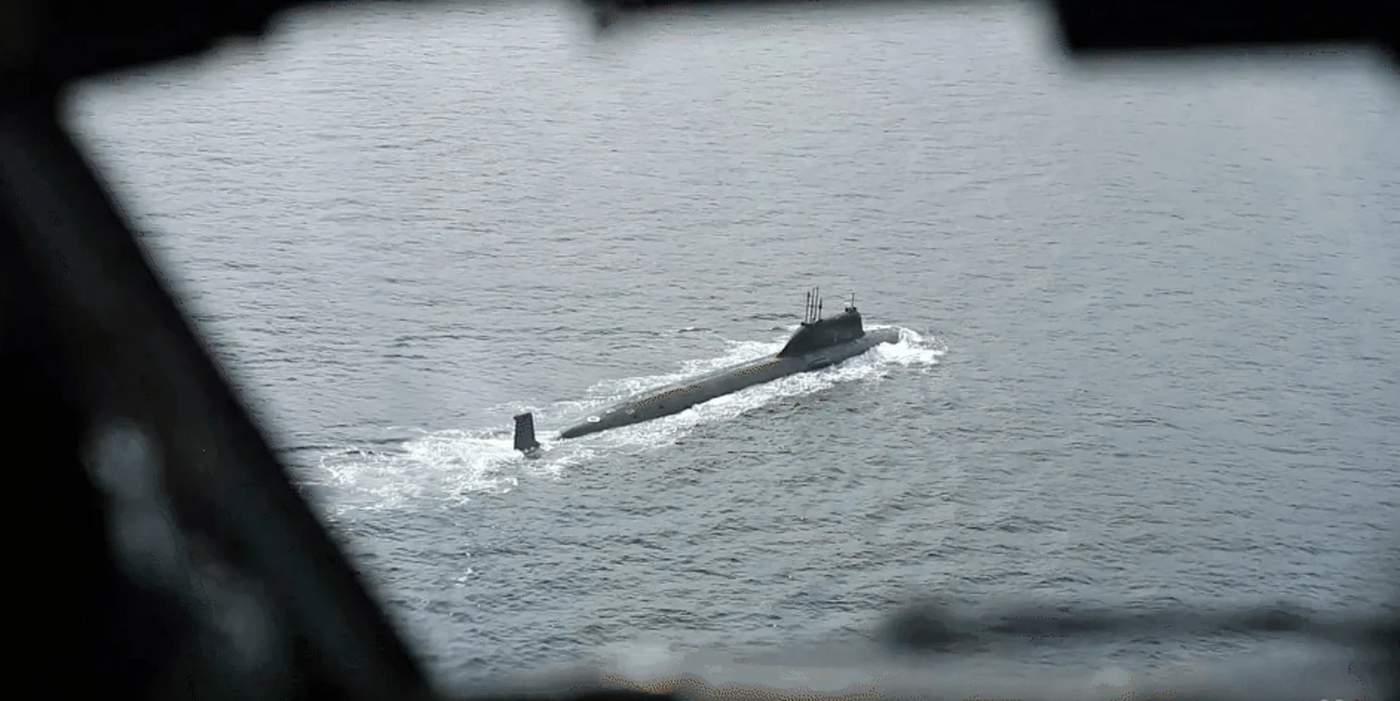
Russian nuclear submarine Norway
Explore further

Frozen front: Why Norway sees Ukraine as its Arctic security shield

Conclusion

The map confirms the logic. Baltic officials and government-affiliated analysts stress that NATO should take the Russian threat seriously but that their immediate assessment has not changed—there is no large-scale buildup along the Russian border with the Baltic states. The only NATO territory open to invasion without such a buildup is Svalbard.

According to the Norwegian Intelligence Service, Russia "will remain intent on preventing NATO from making military use of the archipelago" and aims "to increase Russian scope for action in Svalbard, to influence attitudes to Norwegian defence policy, to instil fear, polarisation and political apathy in the population and to undermine trust in Norwegian authorities—in addition to weakening support to Ukraine." Norway's proximity to the Arctic, its energy supply to Europe, and its role as a logistics and reception hub for allied forces all make it a target.

A limited attack on NATO's northern flank would aim to invalidate Article 5 by producing a situation the North Atlantic Council—which must vote unanimously to honor the mutual-defense clause—cannot resolve. Moscow would choose the operation most likely to leave NATO unable to unify on a decisive response, and thus unable to come to the aid of the member attacked.

A failure to invoke Article 5, or to act on it, would gut the credibility of the guarantee—one of Vladimir Putin's longest-standing strategic objectives beyond Ukraine.

Retaking Svalbard would mean moving NATO amphibious forces more than 1,000 kilometers across open ocean patrolled by Russian submarines and dominated by Russian aviation—an extremely risky and costly endeavor, with no guarantee of success. A Russian occupation would also feed an unhinged American president's fixation on Greenland, eroding Alliance cohesion further still.

Attacking the Baltics—defensively prepared, reinforced by allied forces, and offering none of Svalbard's advantages—makes no comparable sense.

The information war has already started. Russian Foreign Minister Sergei Lavrov published an article on 31 August accusing NATO of militarizing the Far North in a "direct threat" to Russian security and an attempt to turn the Arctic into a "new front" against Russia—laying the groundwork to frame any Russian move as a pre-emptive defense. The same day, Russia's Ambassador to Norway, Nikolay Korchunov, claimed that Norway's "creeping abandonment of its own guiding principles regarding foreign military activity on its territory undermines the country's sovereignty" and warned of "a slide into direct military conflict."

Forcing Article 5 requires a military act, and the one place where it can be staged is Svalbard.

NATO has committed, repeatedly and at every level from the Strategic Concept to the Secretary General, to defend "every inch of Allied territory." Svalbard is where Russia intends to prove that commitment empty.

Russia has exhausted the sub-threshold; forcing the Article 5 question now requires a discrete military act, and the window for it closes as Europe rearms. The one place that act can be staged—without a telegraphing buildup, against territory with no tripwire, offering a built-in political excuse for NATO to hesitate—is Svalbard.

That is why, if Russia moves, the logic points north.

Hans Petter Midttun

Hans Petter Midttun, independent analyst on hybrid warfare, Non-Resident Fellow at the Centre for Defense Strategies, board member of the Ukrainian Institute for Security and Law of the Sea, former Defense Attaché of Norway to Ukraine, and officer (R) of the Norwegian Armed Forces. 
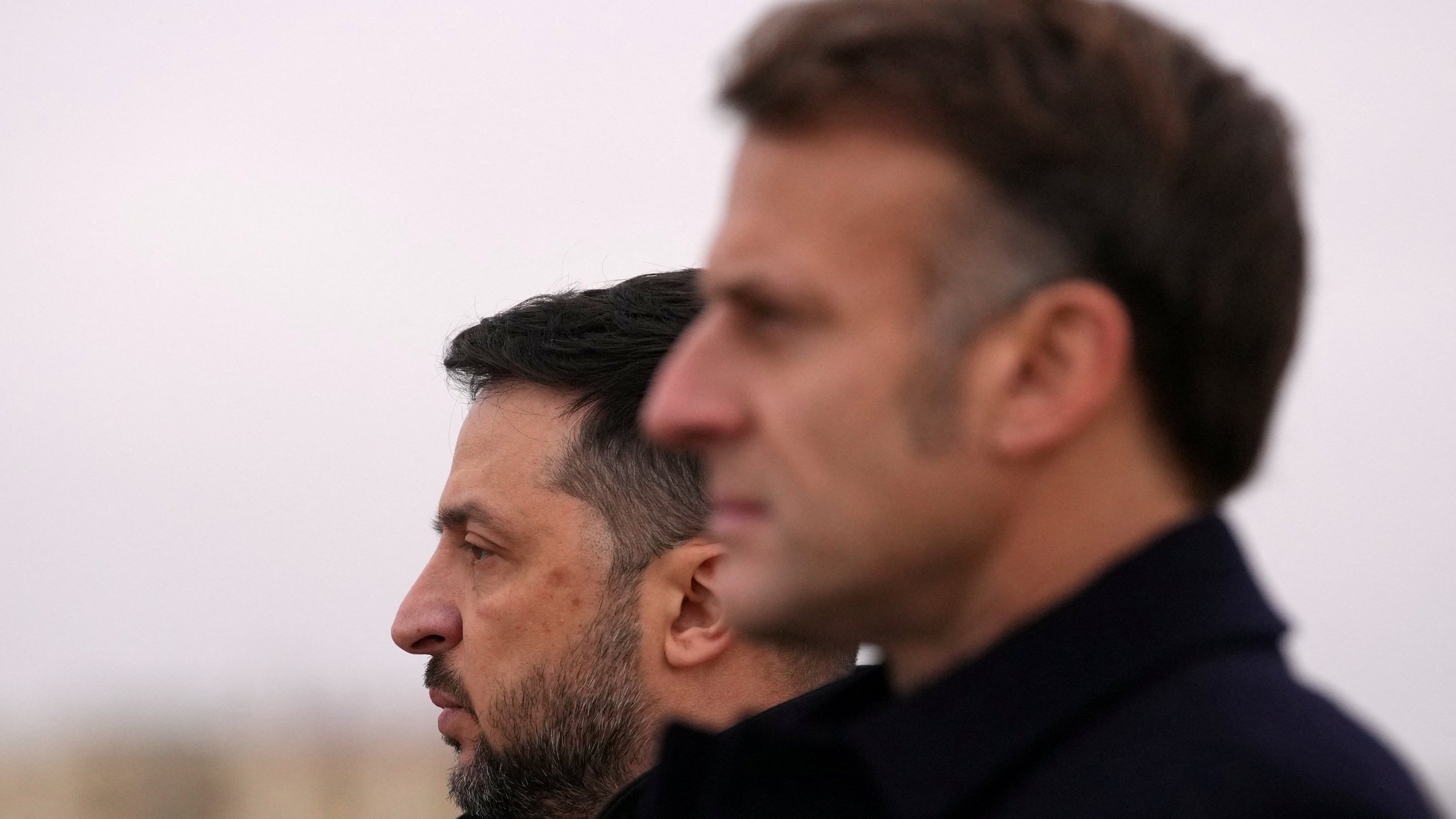
zelenskyy in france
Explore further

The alliance Russia fears isn’t NATO. It’s a coalition that will actually fight.

  •  

Mourners in Norway Remember King Harald V

Norwegians grieved a monarch who remained popular despite scandals involving the royal family. His death marks a new era for the country.

© Cornelius Poppe/NTB, via Agence France-Presse – Getty Images

A gathering in Palace Square, Oslo, to mourn King Harald V of Norway, who died on Friday.
  •  

Who Is Haakon, Norway’s New King?

Crown Prince Haakon, the only son of King Harald V, will become monarch, a largely ceremonial and symbolic role.

© Lise Aserud/Agence France-Presse, via NTB

Crown Prince Haakon of Norway in 2024. As heir to the throne, Haakon has spent a life carrying out royal duties, and increasingly took on a more central role as his father’s health deteriorated.
  •  

Harald V, Norway’s King as Tradition and Modernity Collided, Dies at 89

His 35-year reign opened an ancient monarchy to marriages with so-called commoners and to an incendiary association with Jeffrey Epstein.

© Inge Gjellesvik/NTB, via Agence France-Presse — Getty Images

King Harald V of Norway at his consecration ceremony in 1991.
  •  

Norway’s Air Force put its first anti-drone system into service at the fighter base—and wants its own drones doing the same job

norway's first drone defense went live fighter base—and it's training its own drones do same job · post launcher norway has acquired specifically shoot down mounted beside runway ørland base

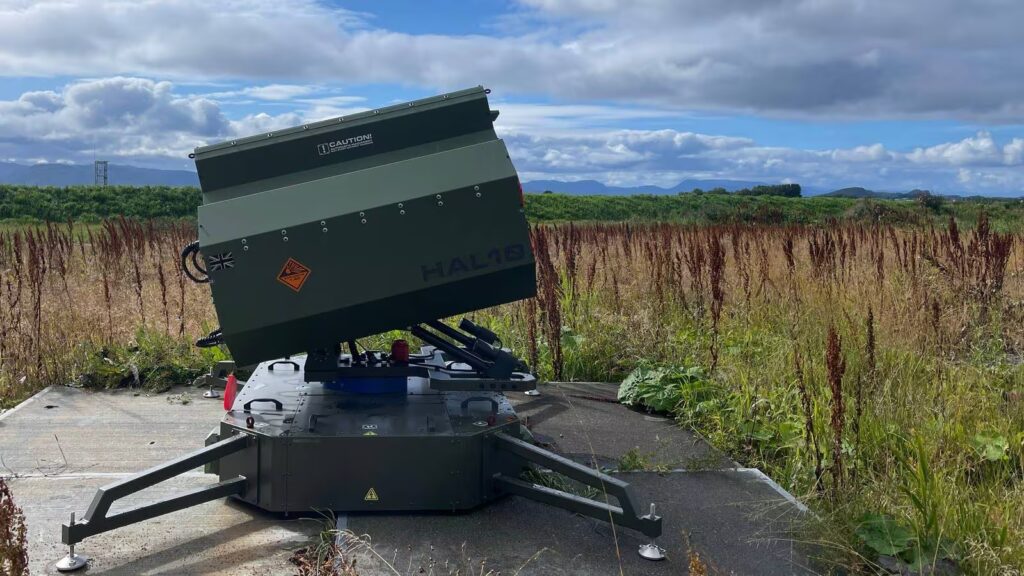
Norway's Air Force has put its first counter-drone system into service at Ørland, the country's only combat aircraft base, NRK reported. A launcher now stands beside the runway where Norway's F-35 stealth fighters are parked, bought specifically to bring drones down. The deployment follows a wave of drone sightings across Europe last autumn and will be phased in at other Norwegian bases.

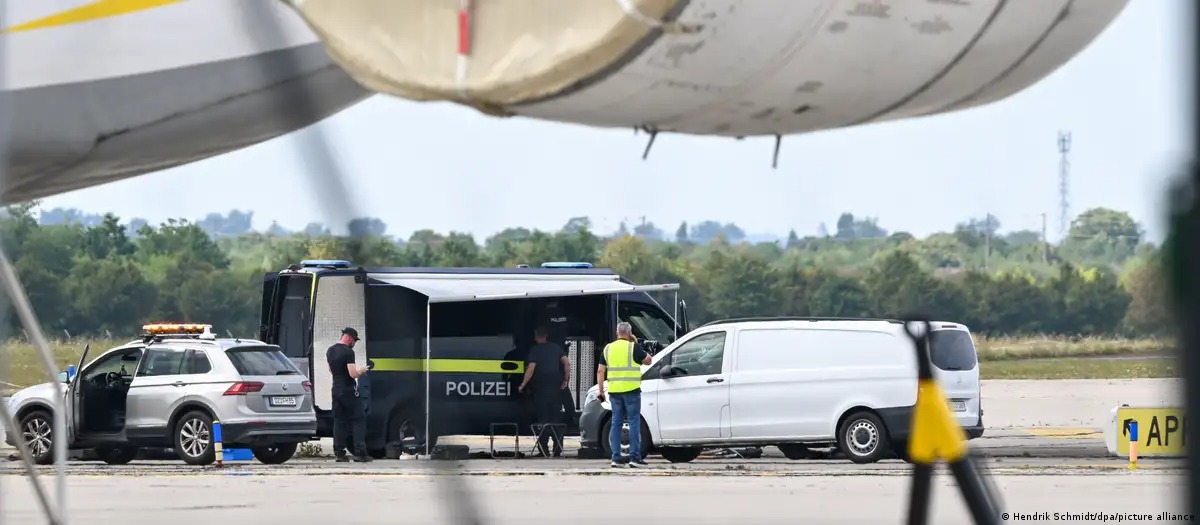
Since Russia's full-scale invasion, European states have logged drone sightings over airports and bases, airspace violations, sabotage, and arrests for espionage, much of it attributed to Moscow, which denies involvement. This month, a suspected case turned physical: an explosive drone struck a Ukrainian cargo plane at a German airport but failed to detonate.

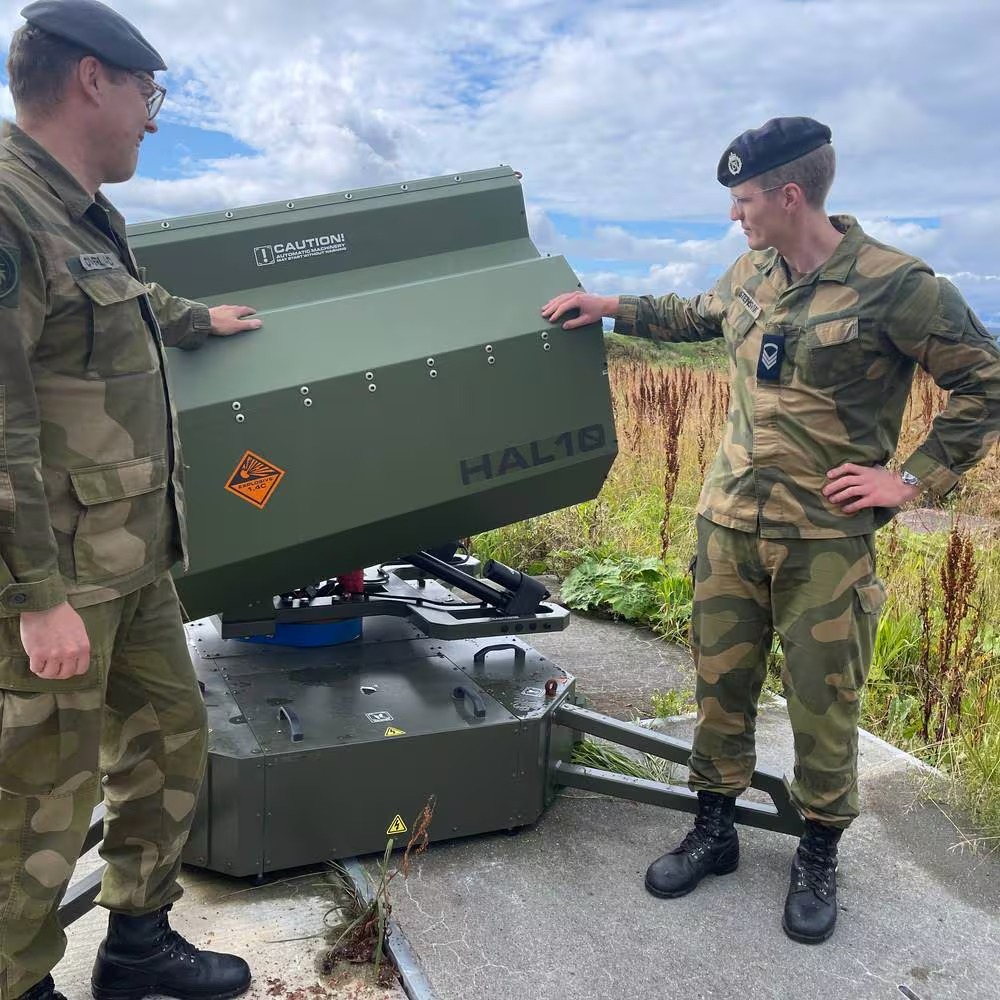
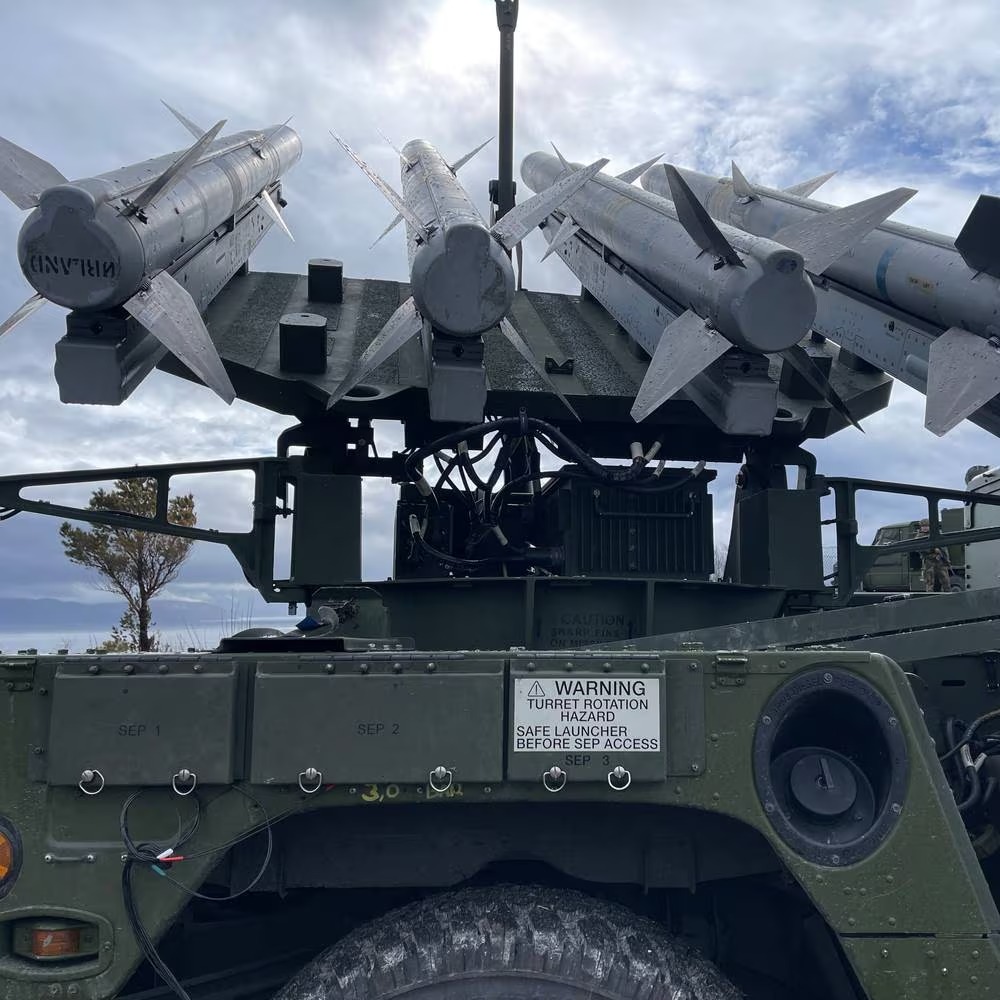
The launcher came from the British company ISS Aerospace and works as one of several effectors inside a system the military calls Counter Unmanned Aerial Systems, or C-UAS. Radars and other sensors spot the drones first. It is built to protect fixed installations against drones weighing up to 150 kilograms, and it can either jam a machine or destroy it. Ørland already has NASAMS air defenses, the Norwegian-American missile system Ukraine also uses, but firing interceptor missiles at small drones is expensive and described as shooting sparrows with cannons.

"We received a system in the spring, which we are introducing now, and it gives us a hugely increased capacity in drone defense," said the head of the counter-drone unit at the base, Sondre Steinsvik.

norway's first drone defense went live fighter base—and it's training its own drones do same job · post officers base battalion counter-drone unit beside british-supplied launcher ørland norway 26 2026
Officers of the base defense battalion and the counter-drone unit beside the British-supplied launcher at the Ørland fighter base in Norway, 26 August 2026. Photo: Ingrid Lindgaard Stranden / NRK

What pushed it forward

Police reported observations of possible drones near the base in September last year, part of a wider wave across Europe that also closed Oslo airport. Trøndelag police later concluded the lights had most likely been blinking celestial bodies. The purchase was already underway, but the sightings accelerated it, and the new sensors are meant to make such calls easier in future. Ørland's mayor said at the time the drone defense was arriving far too late.

norway's first drone defense went live fighter base—and it's training its own drones do same job · post nasams air launcher ørland base norway 26 2026 kampflybasen er godt beskyttet
A NASAMS air defense launcher at the Ørland fighter base in Norway, 26 August 2026. Photo: Ingrid Lindgaard Stranden / NRK

Small drones have become easily available, are relatively easy to smuggle in or rebuild locally, and could potentially do serious damage to aircraft parked in the open, according to Lars Peder Haga of Norway's Air Force Academy, who said that from a defense standpoint, such purchases can never move fast enough.

fifty grams hexogen ten days late what germany missed after attack ukraine's plane · post german police vehicles officers apron beneath wing ukrainian cargo aircraft leipzig/halle airport 2026 leipzig halle
Explore further

About 50 grams of suspected military explosive lay in a German field 10 days after the attempt on Ukraine’s plane

Next bases, and Norway's own drones

Evenes air station, which handles Norway's quick-reaction alert mission among other duties, is among the sites due to receive it, NRK reported. Parliament's long-term plan set aside nearly $2 billion for drones, electronic warfare, and autonomy through 2036.

The base has also built a drone troop of its own, flying machines for search and mapping, with the aim of arming them to strike other drones. 

"That is the direction we want to go. We see it is very effective in Ukraine," said the head of the base defense battalion, Tormod Overland.

  •  

Six Nordic-Baltic leaders came to Kyiv. Norway put a $9 billion figure on 2027 support

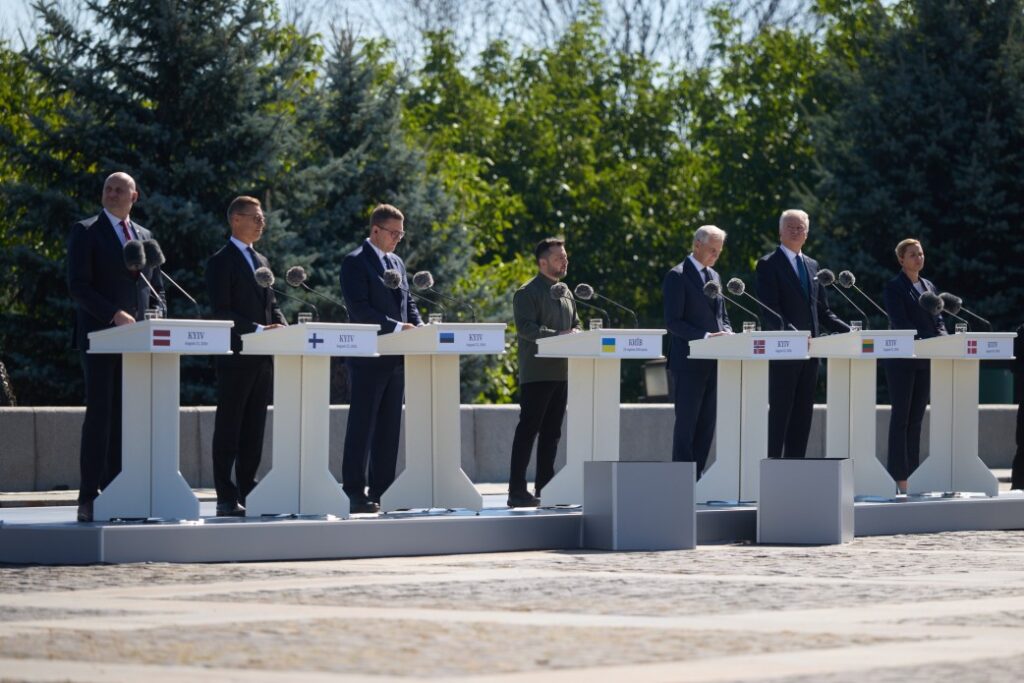
six nordic-baltic leaders came kyiv norway put $9 billion figure 2027 support · post ukrainian president volodymyr zelenskyy finland denmark estonia latvia lithuania attend ukraine's state flag day ceremony 23

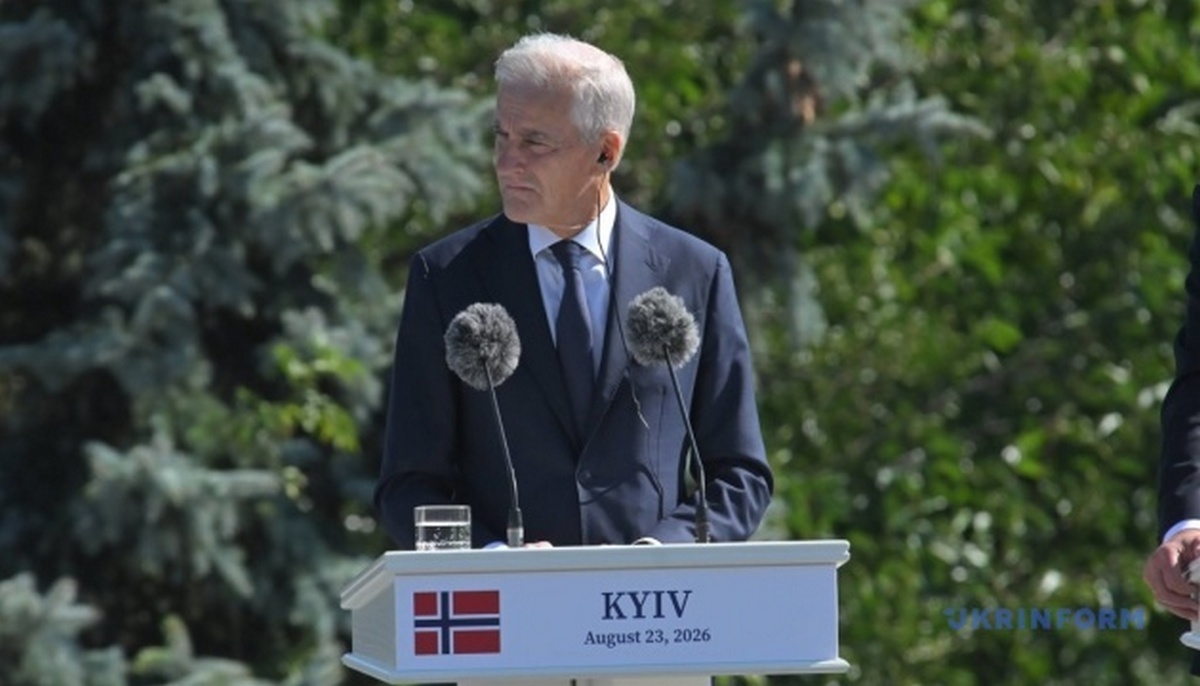
On 23 August, Norwegian Prime Minister Jonas Gahr Støre said Norway will keep Ukraine aid unchanged in 2027, Ukrinform reported. He spoke during Ukraine’s State Flag Day ceremony in Kyiv, attended by six Nordic-Baltic leaders. Ukrainian President Volodymyr Zelenskyy thanked them and tied the flag to Ukraine’s resistance against Russia’s war.

Nordic and Baltic states have been among Ukraine’s biggest supporters relative to their economies as Russia continues its all-out invasion of Ukraine. Their support carries disproportionate weight: Northern Europe accounts for only 8% of the combined economy of 31 tracked European countries, but provided 33% of their military aid to Ukraine in 2025, as European countries took on more of the burden after US assistance sharply declined.

Norway keeps 2027 support at about $9 billion

Norway's PM Støre put Norway’s 2027 assistance at about $9 billion, the same level as this year. It will cover military, humanitarian, and financial support.

In 2027, we will maintain aid at the same level as this year—approximately $9 billion,” Støre said.

He said every party in Norway’s Parliament supports continued aid. Støre also said the package would follow Ukrainian priorities. He noted that supporting and rebuilding Ukraine is not just aid but an investment in Europe's own security.

six nordic-baltic leaders came kyiv norway put $9 billion figure 2027 support · post norwegian prime minister jonas gahr støre speaks ukraine's state flag day ceremony 23 2026 leader today
Norwegian Prime Minister Jonas Gahr Støre speaks at Ukraine's State Flag Day ceremony in Kyiv on 23 August 2026. Photo: Ukrinform

Støre said Norway and Ukraine were due to sign a strategic partnership declaration later on 23 August. He said it would put cooperation on a long-term footing and benefit both countries.

On Kyiv's Poshtova Square, the little bronze boys who founded the city got dressed up for the holidays.

For National Flag Day and Independence Day, the sculptures known as "Kids, founders of Kyiv" were given new outfits—embroidered shirts and costumes sewn by the artist's wife,… pic.twitter.com/uy3kL0KUde

— Euromaidan Press (@EuromaidanPress) August 23, 2026

Zelenskyy puts Ukraine’s flag at the center of the ceremony

Ukraine marked State Flag Day on 23 August, one day before Independence Day. In his address, President Zelenskyy pointed to the historic Independence Flag displayed at the ceremony. Ukrainians carried that flag into Parliament after restoring independence on 24 August 1991.

Zelenskyy said Ukrainians had preserved their blue-and-yellow symbol through 70 years of Soviet rule. He then connected it directly to Russia’s invasions.

In 2014 and in February 2022, Russia attacked to take away this flag, our symbols, our freedom and independence,” Zelenskyy said.

He also thanked the Nordic-Baltic leaders standing alongside him. The visitors came from Denmark, Estonia, Finland, Latvia, Lithuania, and Norway.

Ukraine marks the 35th anniversary of restoring its independence tomorrow, on 24 August.

Ahead of our Independence Day, we feel we are not alone. Our allies are with us.

Today in the morning, I was pleased to welcome leaders of Denmark, Estonia, Finland, Latvia, Lithuania, Norway, alongside other high representatives, at the Kyiv Railway Station.

They will hold… pic.twitter.com/NmPgIVH1g3

— Andrii Sybiha 🇺🇦 (@andrii_sybiha) August 23, 2026

Norway’s support already spans defense, budget, and energy needs

The 2026 Nansen Program covers Norwegian support for Ukraine’s military and civilian needs.

  • Norway supplied Ukraine with missiles for NASAMS air defense systems in January.
  • In March, Oslo provided $200 million in budget support for pensions, teachers, emergency workers, and other civilian needs.
  • Zelenskyy and Støre signed a declaration on enhanced defense and security cooperation in April.
  • Norway then pledged $45 million for Ukraine’s energy resilience in May.
  • In June, Støre pledged further support for Ukraine’s air defenses after a Russian attack.
  •  

Norway to deploy F-35 fighter jets to Poland to protect Ukrainian aid hub

Norway to deploy F-35 fighter jets to Poland to protect Ukrainian aid hub

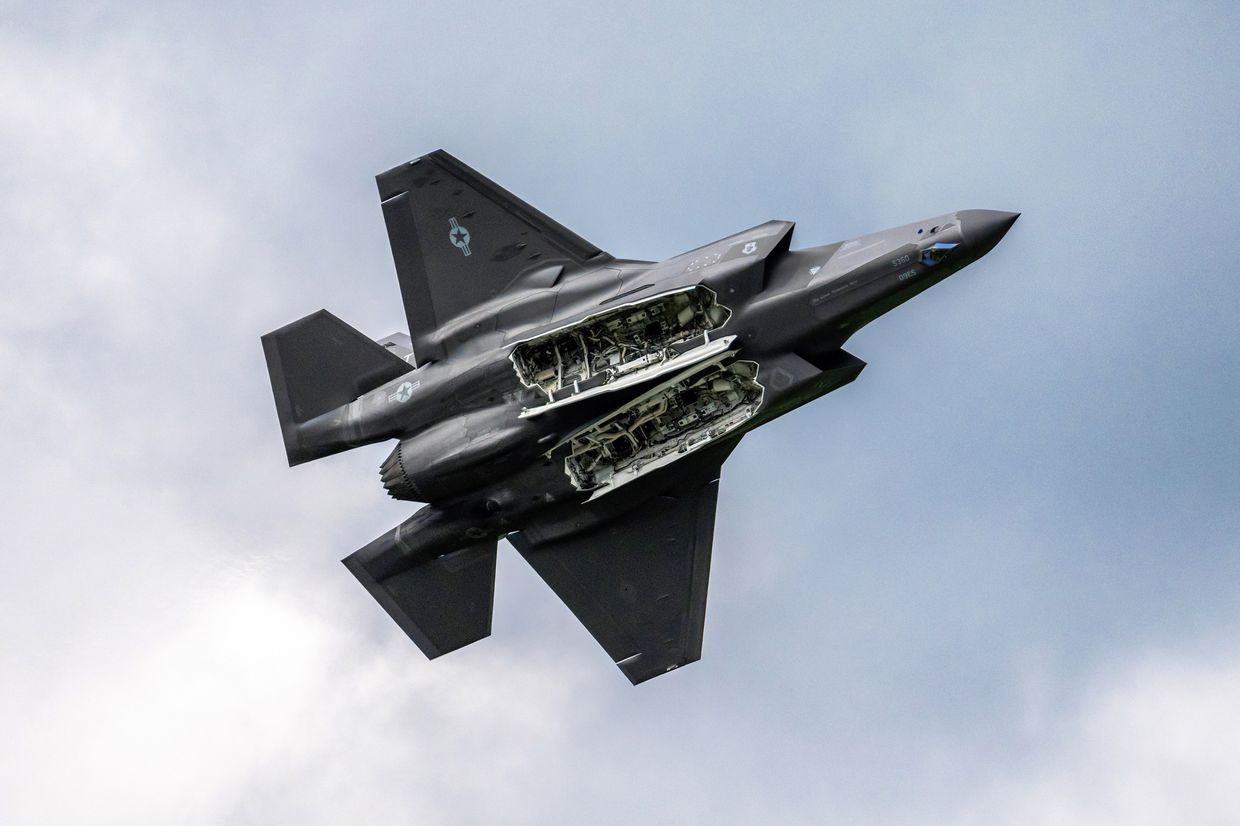
Norway will send F-35 fighter jets to Poland in the fall to protect the Rzeszow-Yasenka airport, one of the key transportation hubs for NATO military aid to Ukraine, Norwegian Defense Ministry announced on June 30.

The news came as Russia has escalated attacks against Ukrainian cities over the past weeks, launching record 400-500 unmanned aerial vehicles (UAVs) per night.

Norway is thus strengthening its contribution to NATO's air and missile defense, while the main goal of the mission is to support the protection of Polish airspace and a key logistics center for assistance to Ukraine, the statement read.

"This is a vital contribution. We are helping ensure that support to Ukraine reaches its destination, and that Ukraine can continue its fight for freedom," Norwegian Defense Minister Tore Sandvik said.

The Rzeszow-Jasionka airport is located less than 100 kilometers (62 miles) from the Ukrainian border and transports a significant percentage of Western materiel bound for the front lines in Ukraine. Polish Prime Minister Donald Tusk said that 90% of aid for Ukraine was going through the airport in Rzeszow as of Novermber 2024.

It is also a main stopover point for foreign leadership traveling to Kyiv on official visits.

In January, German Defense Minister Boris Pistorius announced that Berlin will deploy the promised Patriot air defenses around the Polish airport to protect it.

Smashing previous monthly record, Russia launches 5,337 kamikaze drones against Ukraine during June
Russia launched a record 5,337 Shahed-type drones against Ukraine in June, according to data from the Ukrainian Air Force and Dragon Capital, smashing the previous record of 4,198 set in March. Russia’s bombardments, a fact of life after three years of full-scale war, have intensified dramatically in May
Norway to deploy F-35 fighter jets to Poland to protect Ukrainian aid hubThe Kyiv IndependentYuliia Taradiuk
Norway to deploy F-35 fighter jets to Poland to protect Ukrainian aid hub
  •  

Lithuania signs memorandum with Northrop Grumman, Nammo amid Russian threat to regional security

Lithuania signs memorandum with Northrop Grumman, Nammo amid Russian threat to regional security

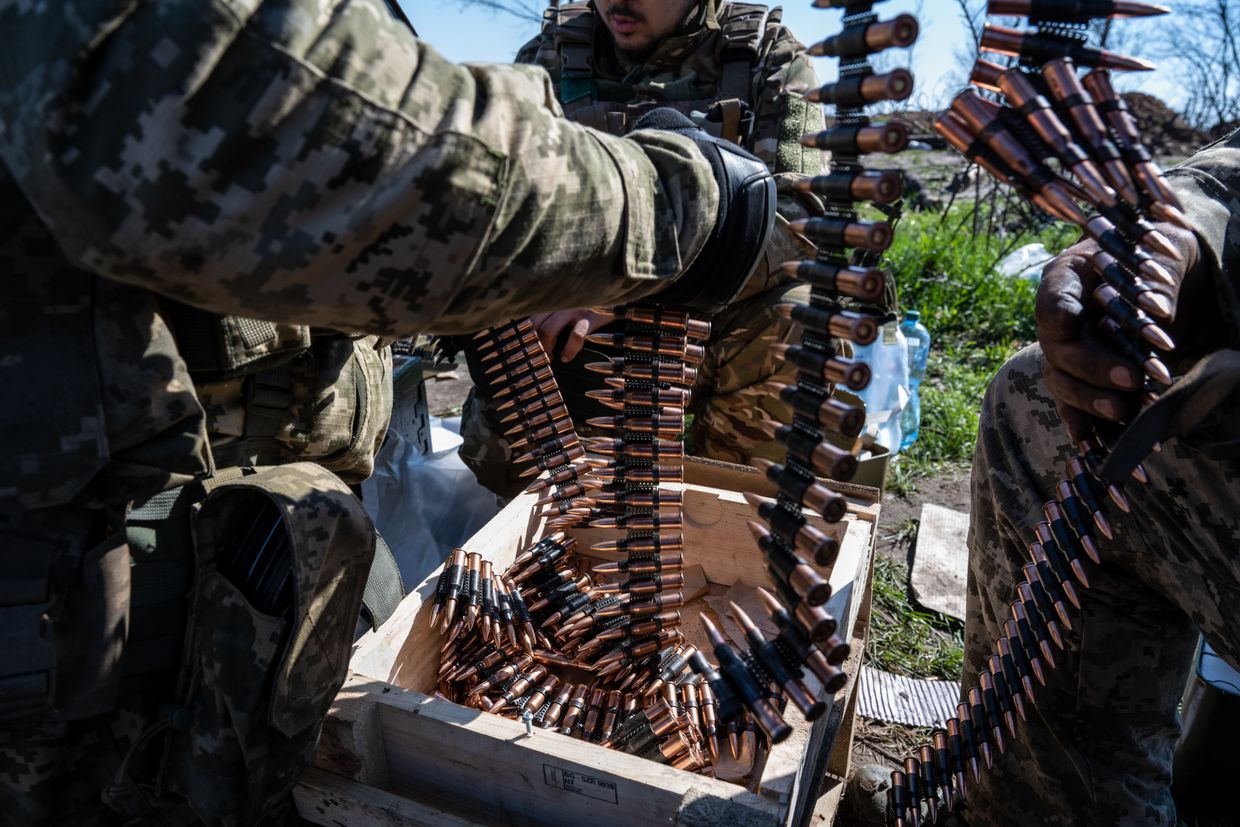
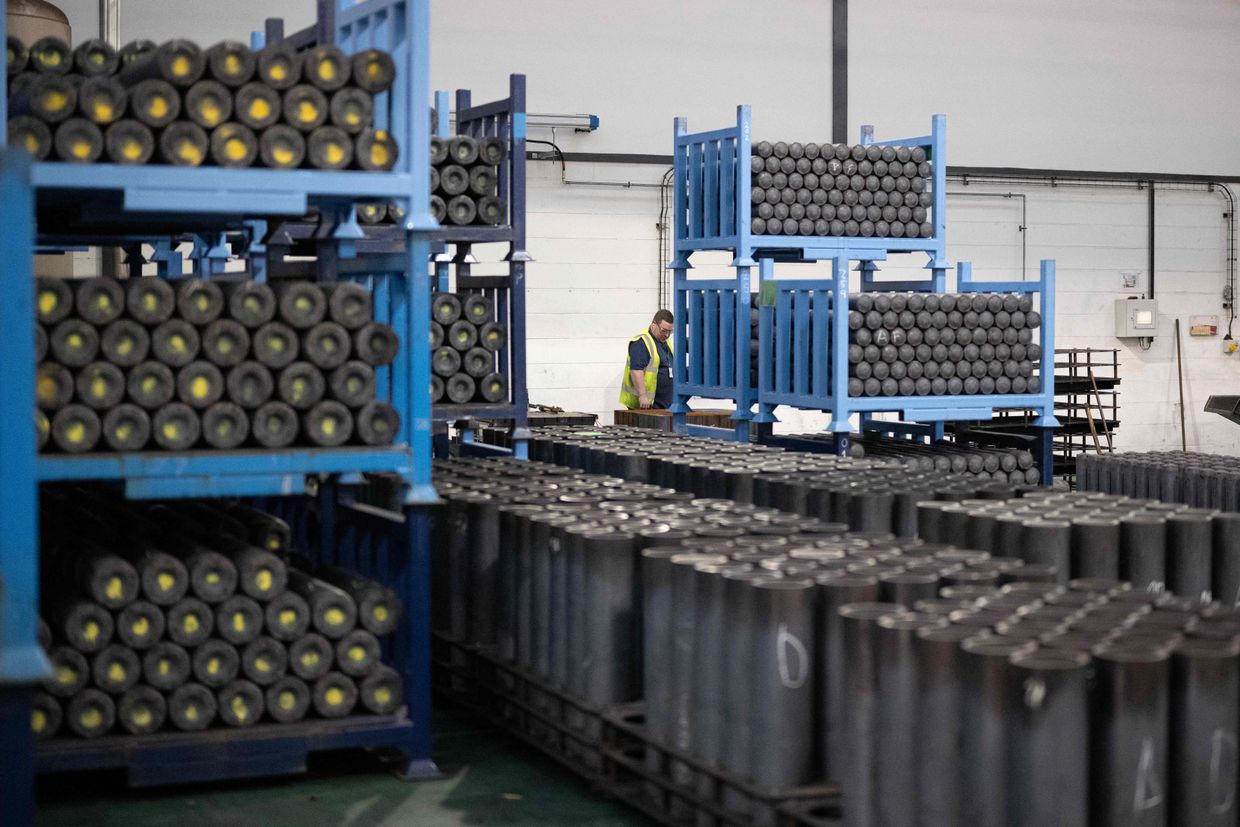
Lithuania has signed a memorandum with American defense firm Northrop Grumman and Norwegian Nammo to secure the production of ammunition amid Russia's war against Ukraine, the Lithuanian Defense Ministry announced on June 24.

"By strengthening our national defense industry, we are investing in both technological capabilities and Lithuania’s resilience to crises. This Memorandum of Understanding will allow us to better equip our armed forces and help Lithuania become an important link in international supply chains," Lithuanian Vice Minister of National Defense Loreta Maskalioviene said.

"The investment and expertise of our allies... will significantly contribute to strengthening of the national defense industry and security not only in Lithuania, but also in the entire region, including Ukraine. The development of the defense industry and investment in production must come without delay," Lithuanian Finance Minister Rimantas Sadzius said.

Russia's full-scale war against Ukraine has sparked concern in Europe that Russia could attack NATO's eastern flank, including Poland, the Baltic countries, and Finland.

Ukrainian intelligence has evidence that Russia is preparing new military operations in Europe, President Volodymyr Zelensky said on June 22.

The partnership will be implemented at the state-owned Giraite Armament Factory, the announcement said, adding that the factory is set to be integrated into Northrop Grumman’s international supply chains.

Northrop Grumman will supply ammunition produced in the Lithuanian defense factory to the international market.

Nammo, as a subcontractor, will provide Northrop Grumman with the 35 mm ammunition production technology.

"It will enhance national strategic autonomy in defense and deepen partnerships with NATO allies, the United States, and Norway. The planned production of ammunition is of critical importance to the Lithuanian Armed Forces, our allies, and Ukraine," Lithuanian Defense Minister Dovile Sakaliene said.

The memorandum will initiate negotiations for the production of medium caliber ammunition, ranging in size from 20-50 mm.

The Giraite Armament Factory will be provided with 35 mm ammunition production technology from the two defense firms, the announcement said.

Sakaliene noted that the new partnership will ensure an uninterrupted supply of ammunition to Lithuania's Armed Forces.

NATO is holding a summit in The Hague from June 24-25 with world leaders, including Zelensky and U.S. President Donald Trump present.

The White House has confirmed that Trump and Zelensky will hold a meeting at the NATO summit.

‘Like any technology, it’s a race’ — UK’s largest ammo maker rebooting chemistry to break NATO’s dependence on explosive imports
Russia’s war in Ukraine has drained Western ammunition stocks. Despite years of claimed weapons ramp-ups, NATO’s arms manufacturing is still not refilling those stocks apace, let alone making it to Ukraine in needed mass. The West has come to recognize that these shortages are due to the offshoring
Lithuania signs memorandum with Northrop Grumman, Nammo amid Russian threat to regional securityThe Kyiv IndependentKollen Post
Lithuania signs memorandum with Northrop Grumman, Nammo amid Russian threat to regional security
  •  

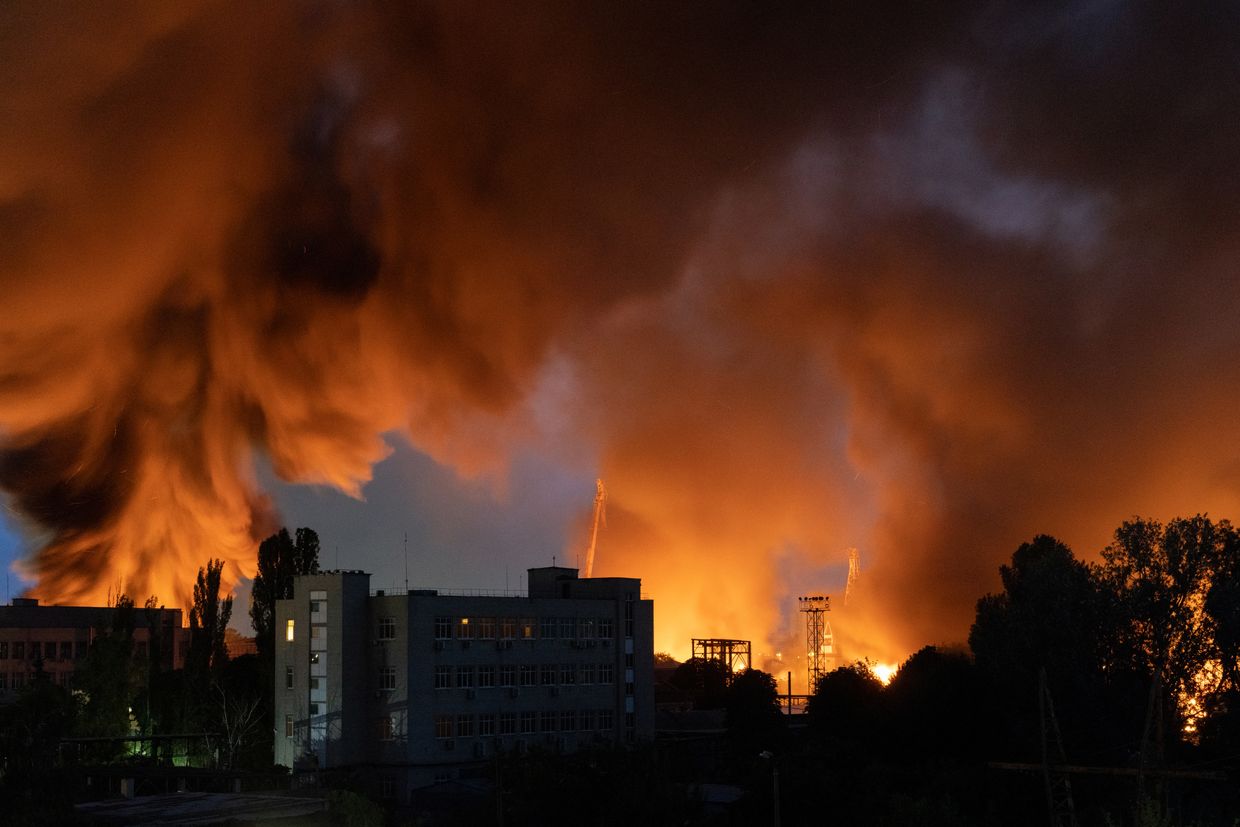
Norway to invest $400 million in Ukraine's drone, air defense missile production

Norway to invest $400 million in Ukraine's drone, air defense missile production

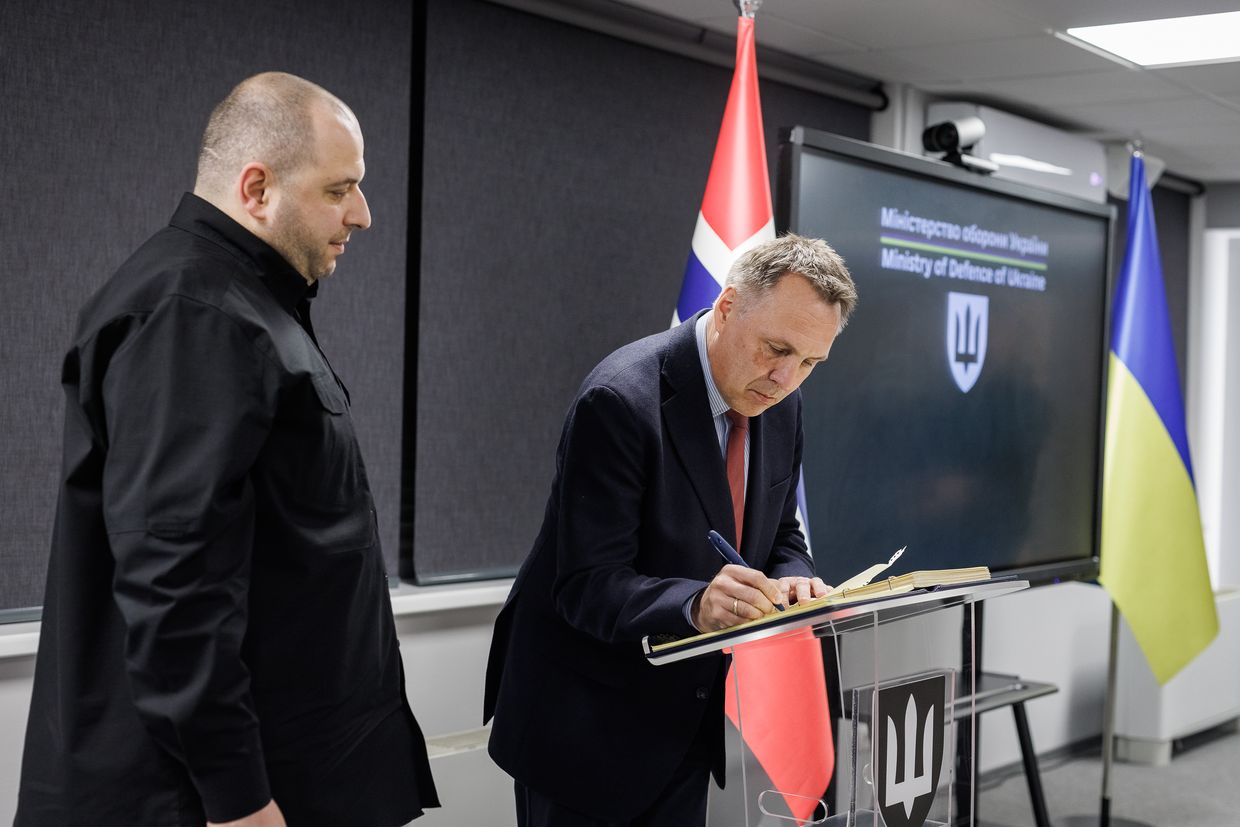
Norway will invest $400 million in Ukraine's defense industry to support drone and air defense missile production, President Volodymyr Zelensky said in his nightly address on June 22.

The announcement followed a visit to Ukraine by Norwegian Defense Minister Tore Onshuus Sandvik.

"Today, Norway’s Minister of Defense visited Ukraine. A decision has been reached to invest $400 million in our production – new funding, primarily for drones," Zelensky said.

Zelensky added that the two countries are also working together to establish joint air defense production inside Ukraine.

"We are working together to create all the necessary conditions to produce air defense systems in Ukraine — jointly with partners, jointly with Norway," Zelensky said.

He added that Norway's largest defense company – Kongsberg Defence & Aerospace – has already opened an office in Ukraine as part of the cooperation.

"We are expediting all processes to the maximum extent," Zelensky said.

On X, Norway's defense ministry confirmed that Kongsberg has signed agreement with a major Ukrainian company to jointly develop and produce missiles for air defense systems in Ukraine.

The collaboration will focus on producing missiles for the National Advanced Surface-to-Air Missile System, or NASAMS.

"The Norwegian NASAMS system saves lives in Ukraine every day, and is crucial in protecting critical infrastructure. That is why it is important for the Norwegian Government to finance this development of cheaper missiles for the NASAMS system in Ukraine," said Minister Sandvik.

The announcement marks deepening ties between Kyiv and Oslo as Ukraine seeks to expand its domestic defense industry amid Russia’s ongoing full-scale invasion and reduced military aid from the United States.

Ukraine war latest: ‘Ukrainian drones for the foot of every Russian soldier’ — Zelensky responds to Putin’s threat to conquer all of Ukraine
Key developments on June 21-22: * ‘Ukrainian drones for the foot of every Russian soldier’ — Zelensky responds to Putin’s threat to conquer all of Ukraine. * 3 killed, 14 wounded as Russia strikes Ukrainian military training facility. * Russia seeks to advance along almost entire eastern front, Ukraine holding ground in Kursk Oblast,
Norway to invest $400 million in Ukraine's drone, air defense missile productionThe Kyiv IndependentSonya Bandouil
Norway to invest $400 million in Ukraine's drone, air defense missile production
  •  
❌