❌

Vue normale

Russian ballistic missiles hit Kyiv before sirens, gap that lands hard amid fears that Washington could cut data that warns of launches
12 octobre 2026 à 18:43

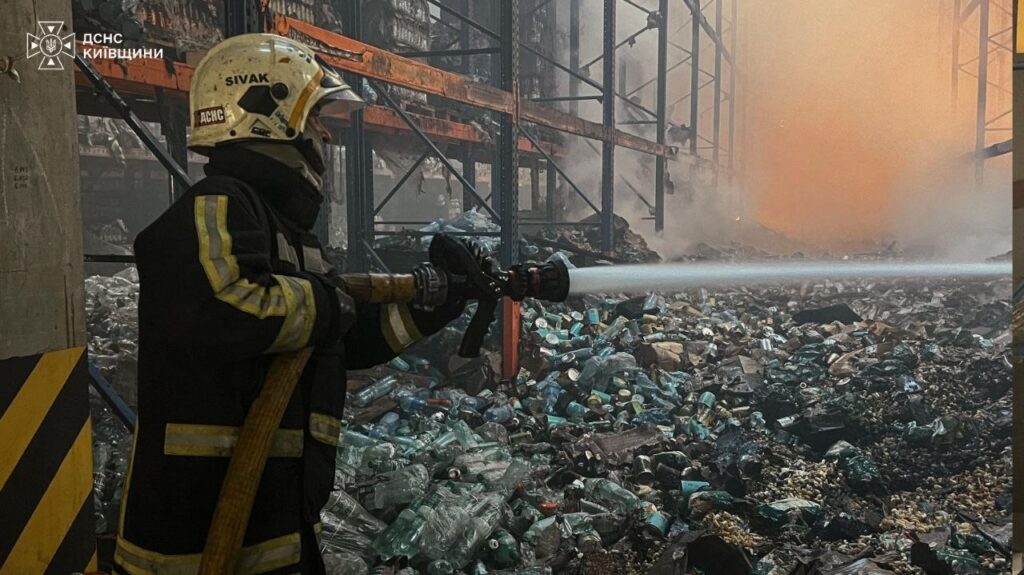
just power plants russia’s drones also went after warehouses groceries hardware chain · post firefighter puts out fire warehouse burned food drink stock hit russian attack bucha district kyiv oblast

Russian forces struck several districts of Kyiv late on 12 October with what the Air Force called, by preliminary data, six ballistic missiles. For once, the air-raid alert reached people only after the attack had begun, Ukraine’s Air Force reported.

Reports of Russian ballistic launches are part of the intelligence the US shares with Ukraine, and that data is what lets sirens sound before the missiles arrive, giving civilians a few minutes to hide. Those minutes save lives, which is why the warning gap landed hard amid fears that Washington could cut Ukraine off from such intelligence amid US President Donald Trump's agreement with Russia to let its diesel into the US.

The alert came late because Ukraine’s radar detected the ballistic targets only during the attack, with no advance data on launches from Russian territory, according to the Air Force.

“No information was received about launches from enemy territory. The causes are being established,” the Air Force said.

The stakes are human, presidential adviser Serhii Beskrestnov, known as Flash, stressed.

“This information is needed first of all by civilians, so that people have time to hide in a shelter,” he said.

Beskrestnov says he does not want to believe the US would leave Ukraine without that data because it is a matter of civilian survival. He urged caution on the cause, saying there were nuances and that it was too early to draw conclusions.

When the sirens fall behind the missiles

However, Ukraine usually sees the launches first. The warning system normally flags Russian ballistic launches before the missiles reach their targets, giving people time to move, but on 12 October, that did not happen, the Air Force noted.

Beskrestnov later added a note of doubt about what flew. The suspected S-400 missiles were not being recorded by partners’ intelligence services, he wrote, stopping short of blaming the lapse on a loss of US data.

Two cities hit within the same hour

The damage in Kyiv was concrete. A missile struck a transport-infrastructure site in the Dniprovskyi district, and another hit a four-story warehouse in the Desnianskyi district, Mayor Vitali Klitschko said.

Russia struck Kharkiv at about the same time with nine S-8000 Banderol loitering munitions, Mayor Ihor Terekhov reported. One of the last strikes hit a residential building, where people may be trapped under the rubble and a fire is burning.

“Very serious destruction, an entire stairwell collapsed,” Terekhov said.

  • ✇Euromaidan Press
  • Kinzhal is 90% identical to Iskander-M: Ukraine’s intelligence identifies 58 companies in production chain
    Ukraine’s Defense Intelligence (HUR) released information on the components of Russia’s Kinzhal air-launched ballistic missile and the companies involved in its production, according to a statement dated 12 October. Russia has used Kinzhal missiles to strike targets across Ukraine since the start of its full-scale invasion. However, 22 of the 58 companies in Russia’s Kinzhal production network are not subject to sanctions, the intelligence agency noted. Kinzhal missile: design, compo
     

Kinzhal is 90% identical to Iskander-M: Ukraine’s intelligence identifies 58 companies in production chain

12 octobre 2026 à 17:47

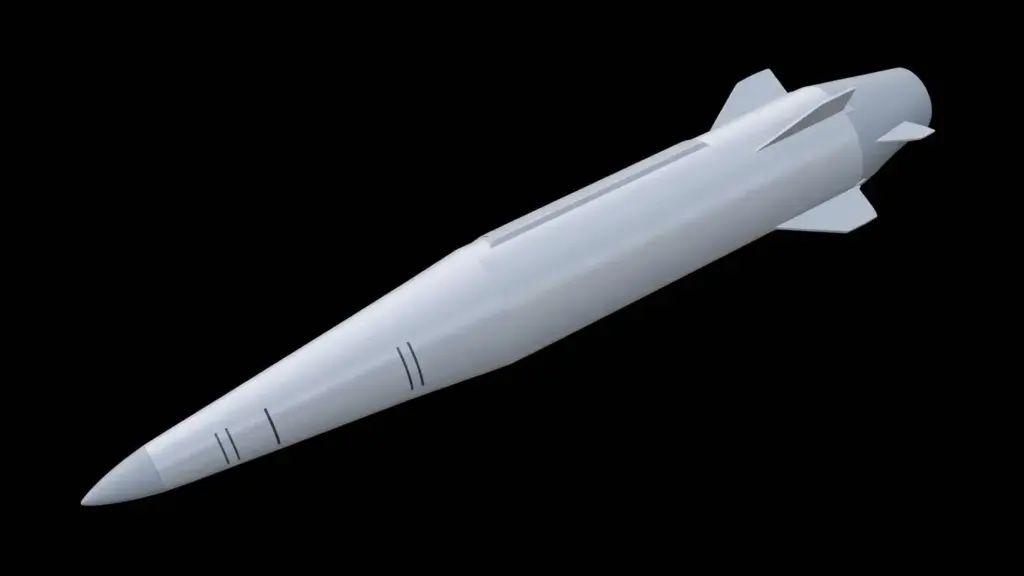
3D model of the Kh-47M2 Kinzhal missile. Photo: Ukraine’s Ministry of Defence

Ukraine’s Defense Intelligence (HUR) released information on the components of Russia’s Kinzhal air-launched ballistic missile and the companies involved in its production, according to a statement dated 12 October.

Russia has used Kinzhal missiles to strike targets across Ukraine since the start of its full-scale invasion. However, 22 of the 58 companies in Russia’s Kinzhal production network are not subject to sanctions, the intelligence agency noted.


Kinzhal missile: design, components, and production changes

Ukraine’s Defense Intelligence has published an interactive 3D model of the Russian Kinzhal missile on its War&Sanctions portal.

The 9-S-7760 missile, known as the Kh-47M2 Kinzhal, uses solid fuel and has a single stage. This means the missile does not consist of multiple stages that separate sequentially during flight. About 90% of its components are identical to those used in the 9M723 ballistic missile of the Iskander-M system, HUR noted.

The Kinzhal is equipped with a radar homing seeker, an active jamming station, and a decoy deployment system, according to the statement. The homing seeker helps the missile determine the direction to its target, while decoys are designed to make interception by air defense systems more difficult.

The missile can carry one of two types of warheads: a penetrating high-explosive warhead or a nuclear warhead. Russia is also developing a version with a high-explosive fragmentation warhead that strikes targets through an explosion and fragments. HUR believes this development may be linked to problems with the missile’s accuracy.

In 2026, Russia significantly reduced its state procurement order for Kinzhal missiles and redirected some production resources, components, and raw materials towards manufacturing Iskander-M missiles, HUR noted. Another reason is the limited number of MiG-31I and MiG-31K aircraft used to launch Kinzhal missiles, the intelligence agency reported.

Ukraine intercepts Kinzhal missiles, but has limited resources to do so

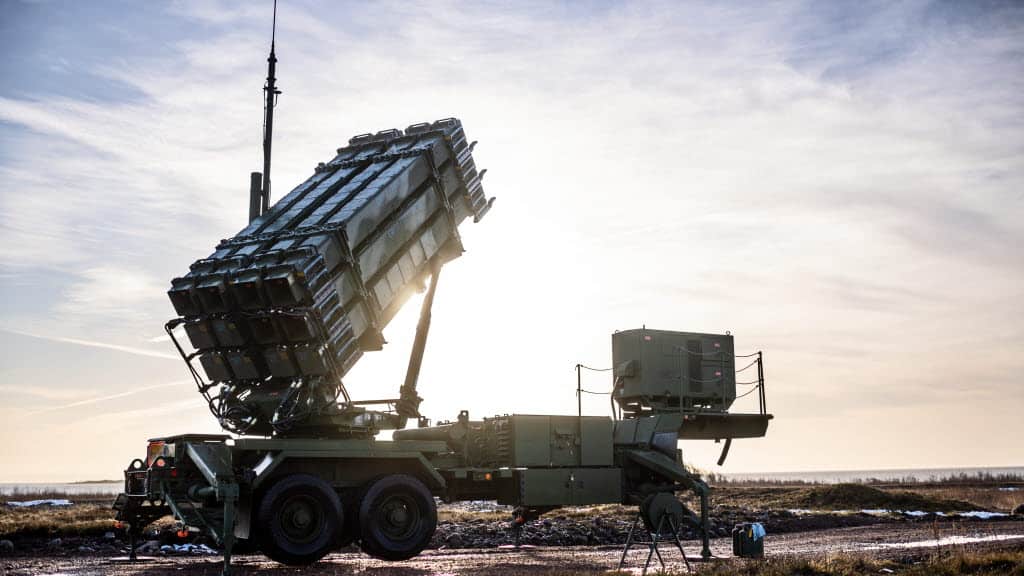
Despite their high speed, Russian Kinzhal missiles can be intercepted using US-made Patriot surface-to-air missile systems. In particular, PAC-3 interceptor missiles are designed to destroy ballistic targets and can be used against threats such as the Kinzhal and Zircon, Ukraine’s Ministry of Defense reported.


Ukraine is seeking additional Patriot interceptor missiles to defend against Russian ballistic attacks during the winter.

Patriot PAC-3 surface-to-air missile system.
The Patriot PAC-3 surface-to-air missile system. Photo: Swedish Ministry of Defense

Most of the approximately 1,000 missiles Kyiv has contracted for are not expected to arrive for several years, prompting Ukraine to ask its allies to supply missiles from their existing stockpiles, Defense News reported on 12 October 2026.

Sanctions loopholes allow Russia to obtain foreign components for Kinzhal missiles

Russia continues to use foreign components in missile production despite sanctions. For instance, the US-made Texas Instruments processors were found again in a newer version of the Kinzhal missile, Ukrainian presidential commissioner for sanctions policy Vladyslav Vlasiuk said in September, Interfax reported. According to him, foreign electronics continue to reach Russia through various supply channels.

Earlier, Ukraine had provided its partners with information on more than 100 Russian companies involved in ballistic missile production and urged them to impose sanctions on those entities, according to the President's Office.

On 12 October, the EU Council imposed sanctions on 1,569 individuals and entities linked to Russia’s military-industrial complex, including 826 Russian companies and 743 company CEOs.

EU blacklists 1,569 Russian arms suppliers and their bosses in its biggest sanctions round ever, as Trump eases up on Moscow

12 octobre 2026 à 10:58

trade banks energy crypto—the eu keeps its full russia economic sanctions wall standing 2027 · post flags member states headquarters council european union brussels belgium 17 2025 getty images/thierry monasse

The EU adopted its largest-ever round of sanctions listings on 12 October, targeting the suppliers behind Russia’s war industry, the Council of the EU announced. The bloc acted as Russia keeps killing Ukrainian civilians every day, while US President Donald Trump eases sanctions on Russian diesel.

Russia’s planned winter campaign against Ukraine’s infrastructure depends on arms factories fed by a web of component suppliers and on oil revenue that still flows despite Ukraine’s refinery strikes, so every supplier cut off from that web raises the cost of waging it. As Washington eases off, Europe’s own pressure has a gap: its ports still take record volumes of Russian Arctic gas, and a full ban on long-term contracts starts only in 2027.

Missile suppliers top the list

More than half of the new listings hit the supply chain for ballistic missiles that Russia “uses to kill Ukrainian civilians every day,” EU foreign policy chief Kaja Kallas said in the statement. Russian attacks killed more than 150 people in the past week, Ukrainian President Volodymyr Zelenskyy said on 11 October.

The list names 826 Russian companies, mid-level firms the Council calls the “core” of Russia’s arms industry, with at least €20 billion in yearly turnover, and 743 people who run them. They make parts for missiles, drones, and military aircraft, from semiconductors and radars to explosives and navigation systems. Their assets are frozen, EU firms may not finance them, and the executives may not enter the EU.

Foreign ministers ratified a deal EU envoys reached on 7 October. Ukraine’s sanctions commissioner Vladyslav Vlasiuk said 60% of the listings came from Ukrainian proposals.

Ministers reject the diesel deal

EU foreign ministers in Luxembourg vowed to keep the sanctions despite Trump’s diesel deal with Russian President Vladimir Putin, Euronews reported. Kallas addressed Washington directly as she arrived.

“The US is our biggest ally, but our message is clear: if we want to end this war, the only way we can do this is (by) putting more pressure on Russia,” Kallas said.

Irish Foreign Minister Helen McEntee called the deal “concerning,” and Lithuanian Foreign Minister Kęstutis Budrys said it was “not the European way.” Kallas warned that an energy truce covering only refineries would favor Russia, since Ukraine has one refinery and Russia “plenty.”

Trump announced the diesel deal on 9 October, and the US Treasury waived sanctions on Russian diesel until April 2027. Zelenskyy said the EU would provide about €3 billion more in military aid this week.

Washington presses Kyiv

Trump expects Ukraine to stop hitting Russian refineries under his proposed energy ceasefire, a White House official told Axios. Zelenskyy said Kyiv would halt such strikes if Moscow did the same. On 10 October, Trump told reporters it was time for Ukraine to get a new president. Germany’s foreign minister, Britain’s defense secretary, and a senior lawmaker from Chancellor Friedrich Merz’s party backed Zelenskyy, while the Kremlin sided with Trump.

Zelenskyy offered to hold elections after a 60-day ceasefire, and Kallas said elections are impossible while the war goes on. The Institute for the Study of War assessed that Russia exploits Ukraine’s legal ban on wartime elections to drag out the war.

Short on interceptors, Ukraine goes after the launchers: eight Russian ballistic systems hit, three destroyed since September, a minister says

12 octobre 2026 à 04:35

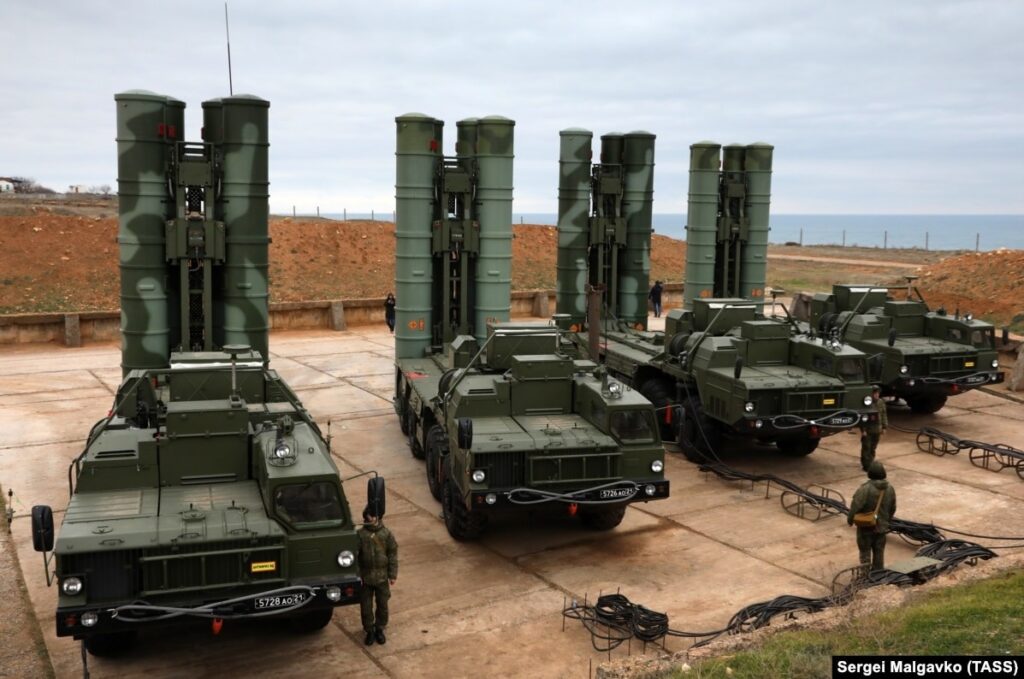
russia's arctic bases sit near-naked air defenses vanish guard moscow refineries burning inland · post s-400 defense missile launcher vehicles 2018 file sergei malgavko/tass rferl ukraine news ukrainian reports

Ukraine has been striking the launchers Russia uses to fire ballistic missiles at its cities, Ukrainian Defense Minister Yevhenii Khmara told journalists. He said the strikes have already disrupted some Russian attack plans, but supplies of anti-ballistic interceptors still fall short of the threat.

Russia strikes Ukraine’s cities and power grid with drones and missiles every day as it prepares to leave civilians without power and heat this winter. Ballistic missiles are the part of that barrage Ukraine still struggles to stop, so every launcher put out of action before it fires means fewer missiles to intercept.

Iskander and S-400 launchers hit since September

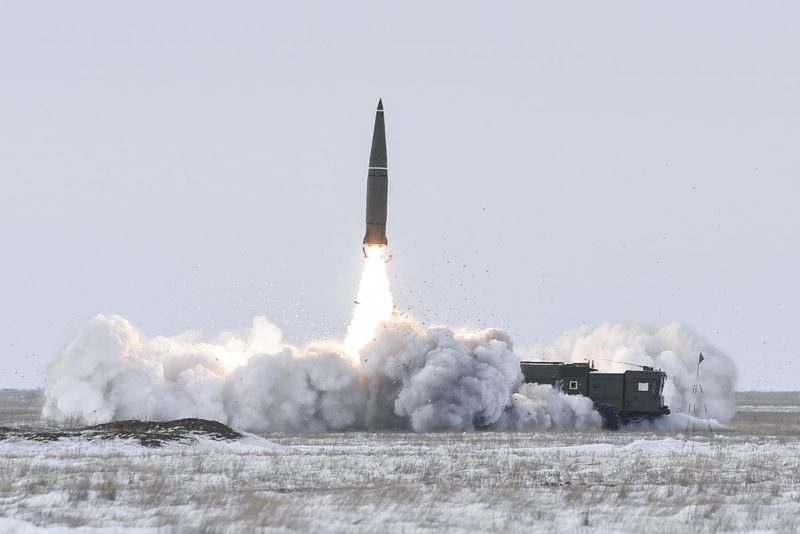
Ukrainian forces hit eight launchers used for ballistic strikes on Ukraine in September and early October, destroying three and damaging five, Khmara said. They belonged to Russia’s Iskander tactical missile systems and S-400 air defense systems, he added. Such strikes have already forced Russia to cancel or change planned ballistic attacks, the minister said.

The S-400 was designed to shoot down aircraft and missiles, but Russia also uses it to fire ballistic missiles at Ukrainian cities, including Kyiv. In mid-September, Ukraine reported hitting two S-400 launchers near Vygonichi in Russia’s Bryansk Oblast. Russia had used the same systems against Kyiv the night before.

russian ballistic missile launch
Explore further

Can’t intercept the missiles? Hit the factories—Ukraine’s other way to stop Russia’s ballistic missiles

On 23 August, Ukrainian President Volodymyr Zelenskyy said Ukrainian forces had hit an Iskander launcher near the border. He described it as part of a separate operation to hunt nearby launch positions and linked the tactic to low stocks of anti-ballistic missiles.

Strikes on launchers while interceptors stay scarce

Khmara called the launcher strikes Ukraine’s asymmetric response to a ballistic threat that remains critical.

“Existing and potential supplies of missiles for anti-ballistic defense are not enough to fully cover this threat,” he said.

Instead of waiting for large long-term contracts, the Defense Ministry is looking for missiles in partners’ available stocks to speed up transfers, Khmara added. “We need dozens and hundreds of missiles, not one-off deliveries,” he stressed.

Meanwhile, Russia significantly cut its 2026 state orders for Kinzhal air-launched ballistic missiles, Ukraine’s military intelligence said on 12 October. It redirected the production capacity, components, and raw materials to Iskander-M ballistic missiles, the agency added.

Russia’s missile and drone attacks continue

Overnight on 12 October, Russia attacked Ukraine with a Kh-59 guided missile and 121 attack drones, 76 of them jet-powered, Ukraine’s Air Force reported. Air defenses downed or suppressed 89 drones, but strikes hit 15 locations, and the attack was still going on in the morning.

An Iskander test launch in 2018
Explore further

Russia’s new ballistic missile could reach western Ukraine—and it may be tested there within months

In the week to 11 October, Russia hit Ukraine’s power generation and transmission facilities more than 200 times and its gas and oil sites 17 times, Zelenskyy said. Russian attacks that week killed more than 150 people and injured more than 700, he added.

Jet-powered drones are still the main problem for Ukraine’s air defense. It stops more than 90% of slower propeller-driven Shaheds, compared with about 55% for the jet ones.

Ballistic missiles have struck Kyiv repeatedly this autumn. On 24 September, Russian ballistic and hypersonic missiles damaged a maternity hospital in the capital. On 7 October, a Russian missile barrage killed 22 people in Pryluky, Chernihiv Oblast.

❌