An Australian woman, Erin Patterson, was found guilty of murdering three of her husband’s relatives and trying to kill a fourth by serving them deadly mushrooms.
An Australian woman, Erin Patterson, was found guilty of murdering three of her husband’s relatives and trying to kill a fourth by serving them deadly mushrooms.
Ukraine’s military intelligence (HUR) has named 10 people and two institutions it says are teaching Ukrainian children under occupation to handle weapons—and preparing them to serve Russia.
HUR says those named use youth groups, occupation education authorities, and schools to erase children’s Ukrainian identity and prepare them for Russian military service. Publishing their names supports Ukraine’s efforts to document the system and hold its organizers accountable, but
Ukraine’s military intelligence (HUR) has named 10 people and two institutions it says are teaching Ukrainian children under occupation to handle weapons—and preparing them to serve Russia.
HUR says those named use youth groups, occupation education authorities, and schools to erase children’s Ukrainian identity and prepare them for Russian military service. Publishing their names supports Ukraine’s efforts to document the system and hold its organizers accountable, but HUR announced no charges or sanctions with the update.
How Russia militarizes Ukrainian youth in occupied territory
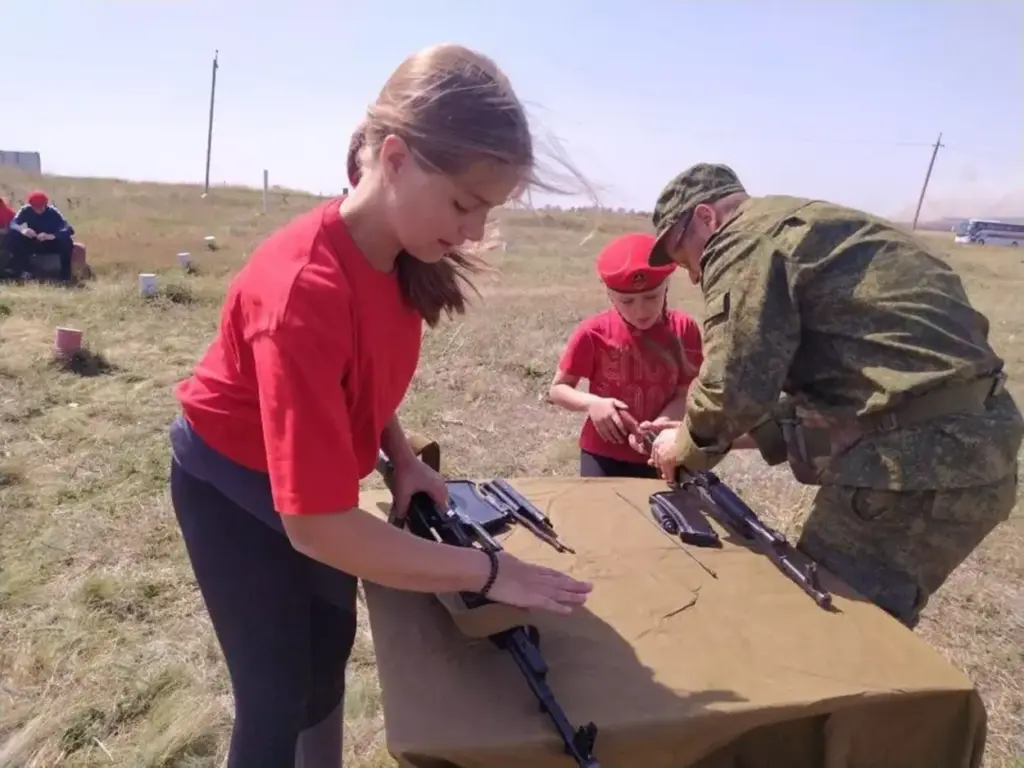
At a May 2026 “Zarnitsa 2.0” competition, the Kremlin-backed Movement of the First taught children to handle weapons and explosives and operate drones, HUR said.
At the competition’s stage in occupied Zaporizhzhia Oblast, regional organizer Viktoria Kostromina stated those skills would provide children with a “reliable foundation in life.”
The training sits inside a much larger school system. From 1 September, occupation schools will add a separate basic military-training track alongside a new Russian ideology class and behavior grades. More than 582,000 children across nearly 2,000 schools study under the imposed Russian curriculum, according to the Almenda Center of Civil Education.
Russia is also embedding combat preparation more deeply. “Cossack classes” will make ideological and combat-related drills compulsory for fifth-graders in four occupied Donbas cities. In Crimea, occupation authorities say they have built a pipeline that selects schoolchildren for drone training and ultimately for the Russian military reserve.
The policy has a long horizon. Putin’s 2025 strategy set a 95% “Russian civic identity” target for occupied populations by 2036.
Who HUR says is behind the indoctrination
HUR linked the individuals to the Movement of the First, Yunarmia, occupation education bodies, and a school in Simferopol.
Whom the HUR identified
Artur Orlov: chairman of the Kremlin-backed Movement of the First.
Oleksii Lavrentiev, Marina Tsvetinskaya, Ruyal Aliyev, Ekaterina Kozyr, Viktoria Kostromina and Kateryna Popova: regional Movement of the First organizers in occupied Ukraine.
Svitlana Bespalova: occupation deputy education minister in Crimea.
Nikita Polyakov: Yunarmia organizer in occupied Kherson Oblast.
Dmytro Pryvidion: director of School No. 5 in occupied Simferopol.
HUR also identified two institutions: Pryvidion’s School No. 5 and the Selet–Ak Bars youth center in Foros. It says the school holds militaristic activities and produces devices for loading rifle magazines, while the center stages pro-war events for children.
All 12 entries now appear in the “Child Kidnappers” section of HUR’s War&Sanctions database.
Ukraine has previously pursued individual organizers through criminal cases. In 2024, the SBU accused a Crimea occupation official of using schools and military camps to indoctrinate pupils and encourage enlistment in Russia’s forces.
Russia has threatened Britain with “consequences” over reports that Ukrainian forces used drones manufactured by UK companies to carry out strikes inside Russia.
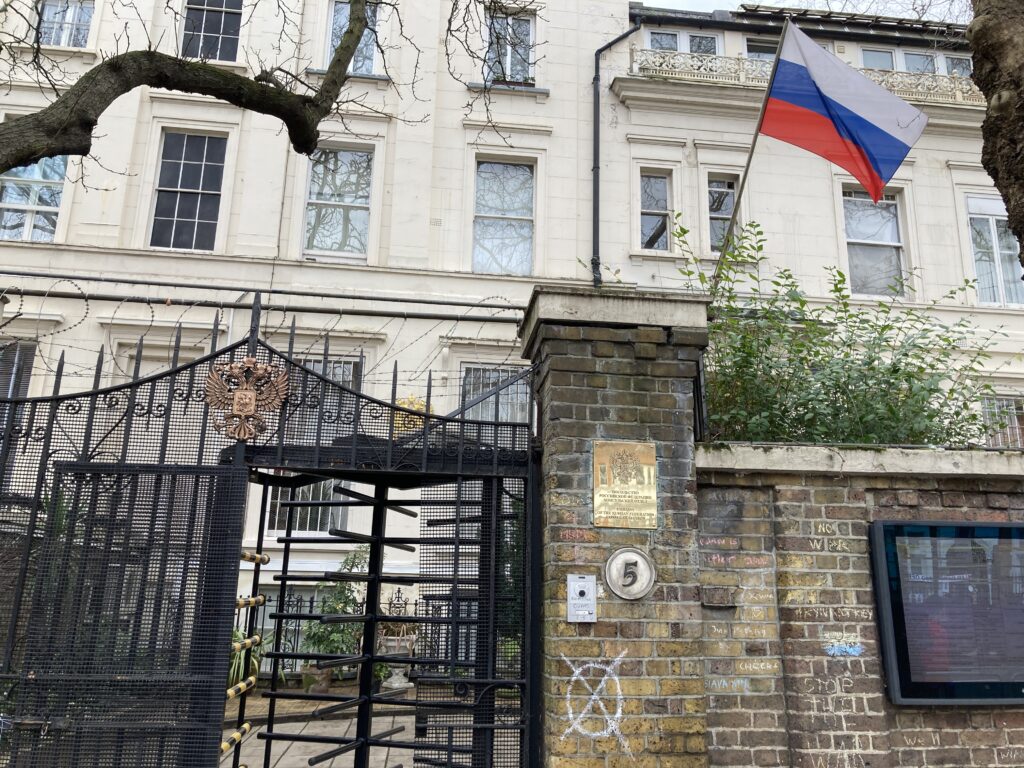
The Russian Embassy in London accused the UK of deliberately escalating the war by supporting Ukraine’s long-range strike campaign, saying Britain was seeking to “contain Russia and inflict maximum damage on it by proxy.” It warned that the deeper Britain becomes involved, “the higher the price it will pay.”
Russia has threatened Britain with “consequences” over reports that Ukrainian forces used drones manufactured by UK companies to carry out strikes inside Russia.
The Russian Embassy in London accused the UK of deliberately escalating the war by supporting Ukraine’s long-range strike campaign, saying Britain was seeking to “contain Russia and inflict maximum damage on it by proxy.” It warned that the deeper Britain becomes involved, “the higher the price it will pay.”
The threat followed news that Ukrainian forces had used two British-built drone systems to strike targets inside Russia for the first time. The Sunday Times, citing Ukrainian military sources, reported that the drones had been used against targets including oil refineries in Volgograd and Yaroslavl over the past six months.
Moscow warns Britain of “consequences”
The Russian Embassy said in a statement that the reported use of British-made drones “confirms that London is deliberately opting for an escalation of the Ukraine crisis.”
It warned that British actions would “inevitably carry consequences for which it will have to answer,” without specifying what form those consequences could take.
The warning comes as Ukraine has significantly expanded its long-range strike campaign against Russian military and energy targets. Kyiv has increasingly used large drone swarms to hit targets deep inside Russia, seeking to disrupt military production, logistics, and energy revenues while forcing Moscow to spread its air defenses across a much larger area.
Burnham says UK will continue backing Ukraine
UK Prime Minister Andy Burnham rejected Moscow’s warning, saying Britain would continue supporting Ukraine despite Russian threats, The Independent reported on Tuesday.
“This is the UK doing what it has long said it would do, which is to support Ukraine 100 per cent against this illegal war led by Vladimir Putin,” Burnham said during a visit to Wolverhampton.
“We are providing support so that Ukraine can defend itself,” he said, adding: “We are not fair weather friends. We will be there in Ukraine’s hour of need, and that won’t change.”
UK Work and Pensions Minister Lilian Greenwood similarly said Britain’s resolve to support Ukraine remained “completely steadfast” and that the country would continue providing the military equipment Kyiv needs.
The UK Ministry of Defence also said Russia should have “no doubt” about the government's resolve to oppose Russian aggression in Ukraine and against Britain and its allies.
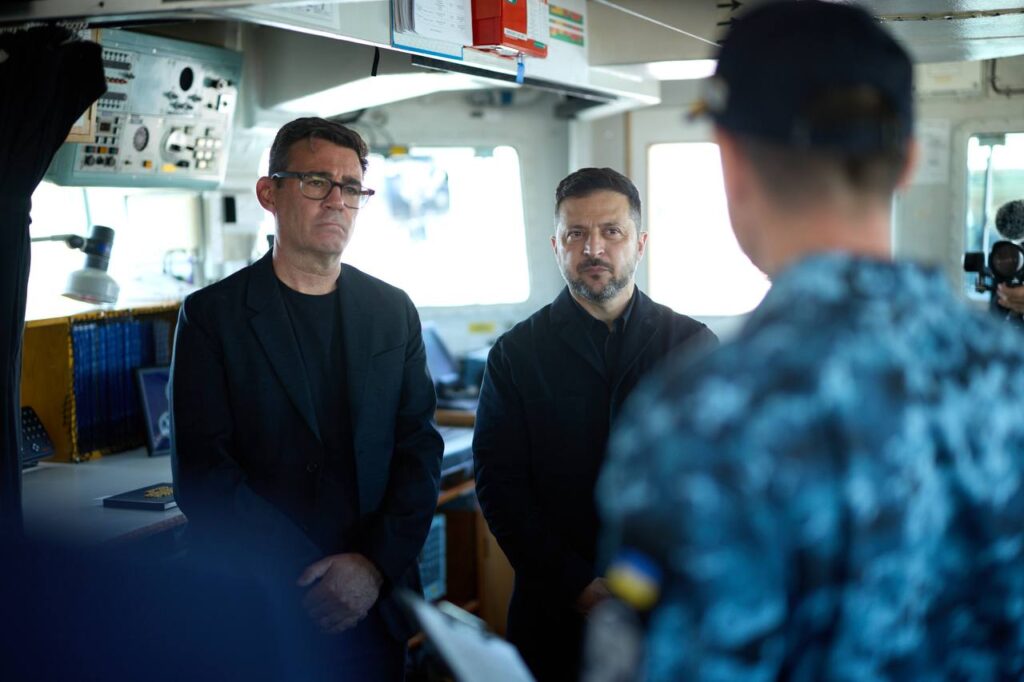
UK Prime Minister Andy Burnham and Ukrainian President Volodymyr Zelenskyy aboard the Ukrainian Navy’s Cherkasy minehunter at Portsmouth Naval Base, UK, 27 July 2026. Photo: Zelenskyy
British drones expand Ukraine’s deep-strike capabilities
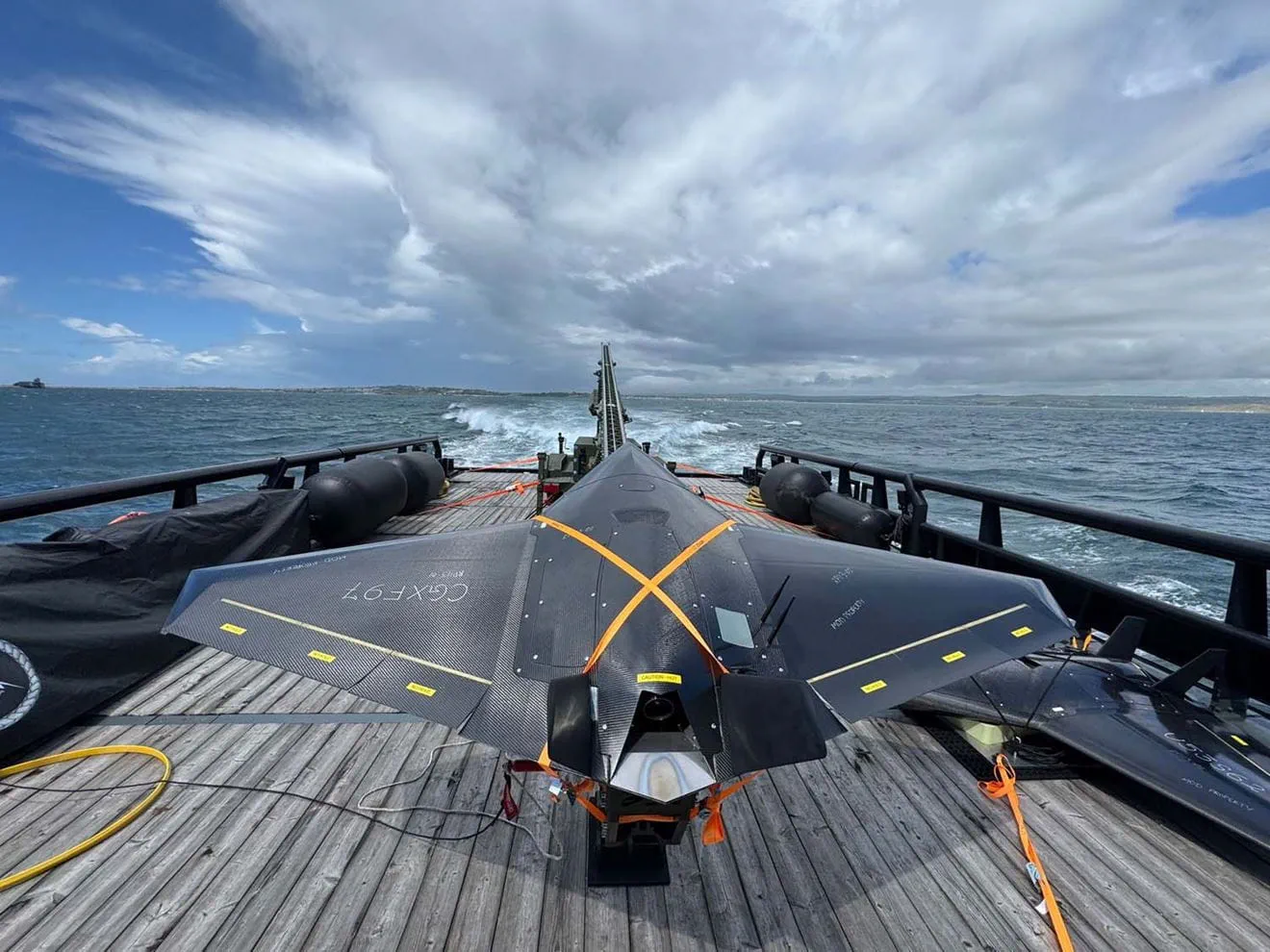
According to The Sunday Times, one of the British systems used by Ukraine is the Nyan, a jet-powered one-way attack drone produced by BAE Systems subsidiary Callen-Lenz, with a reported range of more than 150 miles.
The second system has a reported range exceeding 600 miles, although its manufacturer was not identified for security reasons. The drones provide Ukraine with additional long-range strike capacity that can be produced and deployed in larger numbers than more expensive Western cruise missiles.
Explore further
British drones hit Russia for first time in Ukraine’s deep-strike campaign – The Sunday Times
The reported deployment marks a further expansion of UK military support for Ukraine as Kyiv increasingly takes the fight to Russian military and energy infrastructure inside Russia.
Romania detected more than 100 drones involved in seven attacks on Ukraine’s Danube ports in recent days, interim Romanian Defense Minister Radu Miruță told Romanian channel Digi24 on 17 August 2026. He said the attacks were the most intense recorded recently and that Ukrainian forces destroyed most of the drones “a few dozen meters from Romanian airspace.”
Russia’s growing attacks on Ukraine’s Danube ports put a key export route at risk as Kyiv seeks other outlets whil
Romania detected more than 100 drones involved in seven attacks on Ukraine’s Danube ports in recent days, interim Romanian Defense Minister Radu Miruță told Romanian channel Digi24 on 17 August 2026. He said the attacks were the most intense recorded recently and that Ukrainian forces destroyed most of the drones “a few dozen meters from Romanian airspace.”
Russia’s growing attacks on Ukraine’s Danube ports put a key export route at risk as Kyiv seeks other outlets while its Black Sea ports are under attack. They also put Ukraine's southern border region under pressure as Kyiv develops trade links with Moldova and Romania, and NATO routes more military aid through Romania.
The latest drone swarms remained over Ukraine, and officials found no indication that Romania’s threat level had risen, Miruță stated. The Romanian military nevertheless remained on alert as attacks intensified across the Danube.
Ukraine looks south for trade and military aid
With Russia hitting its ports, Ukraine is turning to Romania and Moldova to keep trade moving. Kyiv and Chișinău are discussing a rail link through Moldova to Romania’s Constanța port, though Ukraine estimates it could carry only about 10% of its grain exports.
The rail proposal comes as Russian port strikes have cut monthly agricultural exports by 20–30% and left up to 10 million tons of grain in storage without buyers, Agriculture Minister Taras Vysotskyi has said.
Explore further
More than 100 drones detected near Romania in four days, NATO jets scrambled seven times
NATO said in December that a second aid hub in Romania would begin operating in January. It was designed to supplement the main center in Rzeszów, Poland, and route supplies toward Ukraine’s southern and eastern fronts.
Romania faces repeated drone incursions
Russian drones targeting Ukraine have repeatedly entered Romania as Moscow attacks Ukrainian ports across the Danube. More than 40 such incursions had been recorded by early June, Romanian Foreign Minister Oana Țoiu said.
The most serious occurred on 29 May, when a drone hit an apartment building in Galați. Two people were injured, and about 70 residents fled or were evacuated.
Vladimir Putin suggested that the aircraft might have been Ukrainian, but Romania’s forensic investigation later identified it as a Russian-built Geran-2.
Romanian forces later shot down three drones in 72 hours in July, while Miruță said Spanish pilots and Romanian troops destroyed a fourth on 16 August.
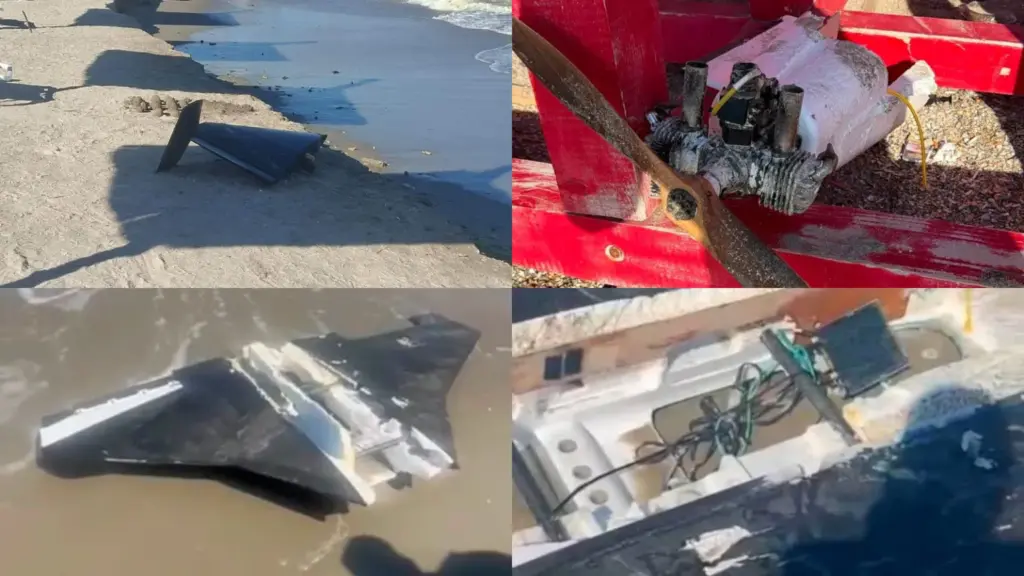
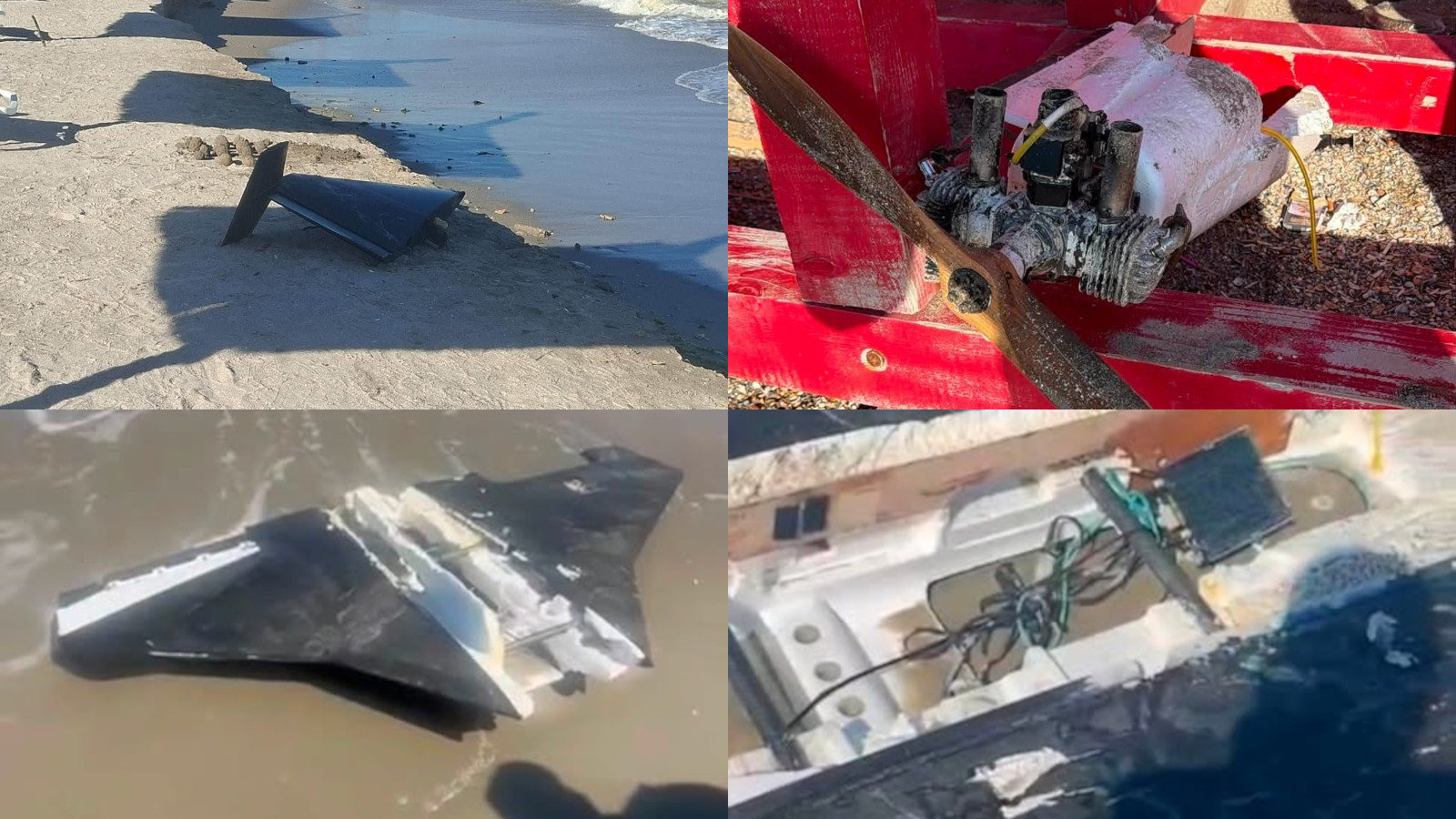
Debris from drones intercepted over Ukraine has also washed onto Romania’s coast, prompting temporary access restrictions while specialists checked for explosives.
Bucharest is buying low-altitude radars and ground interceptors through the EU’s SAFE program. Miruță said drones often fly at 70 to 150 meters, and ground systems would be cheaper to use than fighter-launched missiles.
They made a risky bid to reunite after three years of separation, illness and deprivation — the kind of ordeal suffered by many thousands of families torn apart by the war in eastern Ukraine.
They made a risky bid to reunite after three years of separation, illness and deprivation — the kind of ordeal suffered by many thousands of families torn apart by the war in eastern Ukraine.
Liliia Prutian, 55, a military medic and a former POW, who spent more than 2 years in Russian captivity, at a rehabilition center Lisova Poliana in Kyiv region, Ukraine, in February.
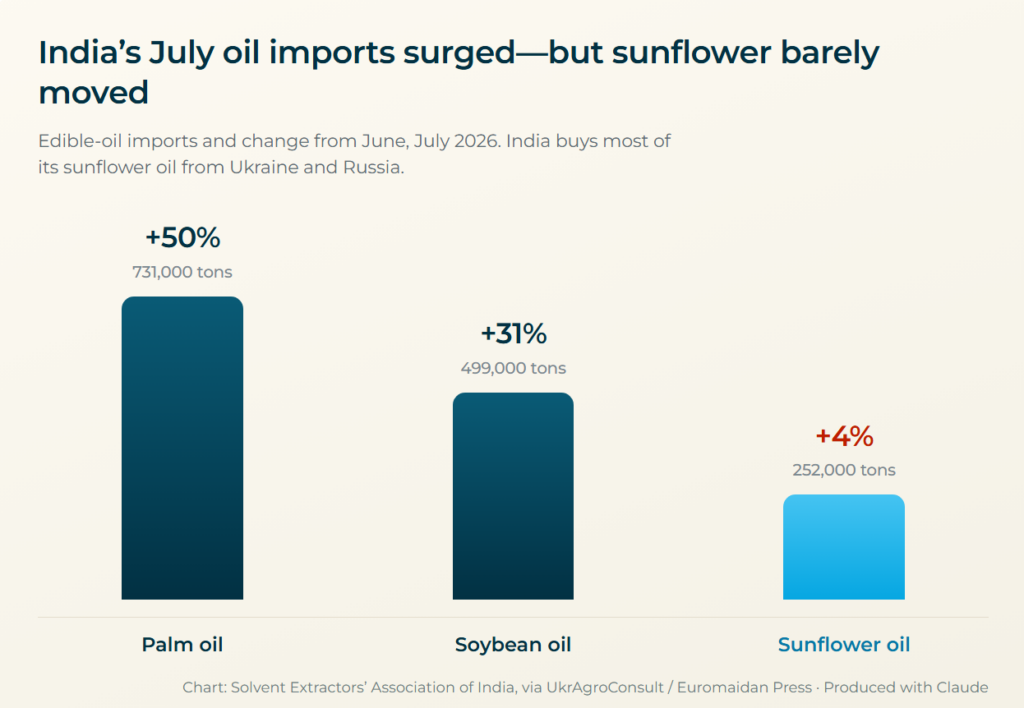
India, the world’s biggest edible-oil importer, bought a 10-month high of about 1.5 million tons of vegetable oil in July, up roughly a third from June, as refiners restocked for the August-to-November festival season.The jump was led by palm oil, up by half, and soybean oil, up about a third, data compiled by UkrAgroConsult. Sunflower oil rose just 4%, the weakest of the three, and India buys most of it from Ukraine and Russia, the world’s leading exporters.
Vegetable
India, the world’s biggest edible-oil importer, bought a 10-month high of about 1.5 million tons of vegetable oil in July, up roughly a third from June, as refiners restocked for the August-to-November festival season.
The jump was led by palm oil, up by half, and soybean oil, up about a third, data compiled by UkrAgroConsult. Sunflower oil rose just 4%, the weakest of the three, and India buys most of it from Ukraine and Russia, the world’s leading exporters.
Vegetable oil and meal earn more than 15% of Ukraine’s foreign currency.
Now the sunflower supply is the one going into reverse. India’s sunflower-oil imports are set to fall in August to their lowest since February, with about 150,000 tons of cargo delayed at Black Sea ports and buyers in the south switching to soybean, four traders told Reuters.
The switch is only partly about the war. Soybean and palm oil are cheap, and India’s own mills are pressing less oil from a smaller domestic harvest, leaving refiners leaning on imports, Rajesh Patel told OFI. The GGN Research partner expects soybean oil imports to top 500,000 tons a month into the autumn.
India’s edible-oil imports hit a 10-month high in July 2026 as refiners stocked up for the festival season, but the surge went to palm and soybean oil while sunflower barely moved. Chart: Solvent Extractors’ Association of India, via UkrAgroConsult / Euromaidan Press · Made with Claude
Russia’s strikes close Ukraine’s window
Ukraine is in no position to capture that demand. Russian strikes on Chornomorsk in mid-July forced Kernel, its largest exporter, to halt its terminals there, and the country’s farmers’ union reckons the summer attacks have cost a third of its capacity to ship grain by sea.
Explore further
Russia’s port strikes leave Ukraine’s grain with almost nowhere else to go
Vegetable oil and meal earn more than 15% of Ukraine’s foreign currency, among its largest sources of the hard cash that funds the war, the industry association Ukroliyaprom has said.
The squeeze runs through geography Ukraine cannot change: almost all its farm exports leave by sea, through a handful of Odesa ports now under regular fire, with no land route at anything near the scale.
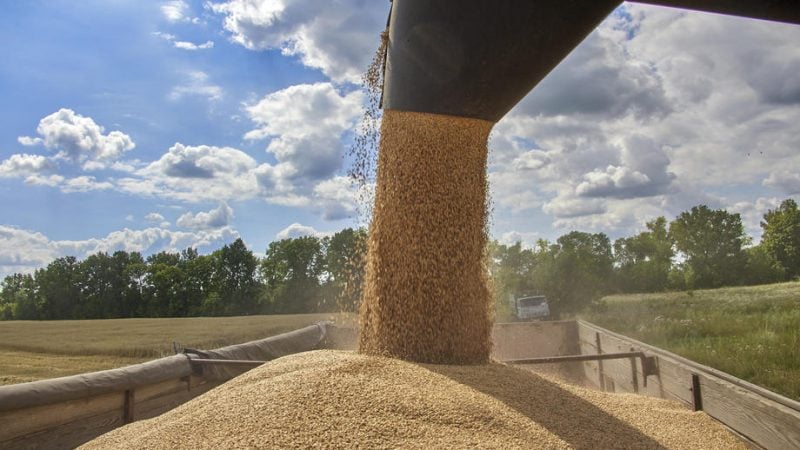
Kyiv now expects to export barely half the harvest it had planned to sell abroad this season, and is arranging emergency loans so farmers can plant the next crop. Since the start of August, grain leaving by rail has dropped by more than three-quarters year-on-year, according to Ukrzaliznytsia data.
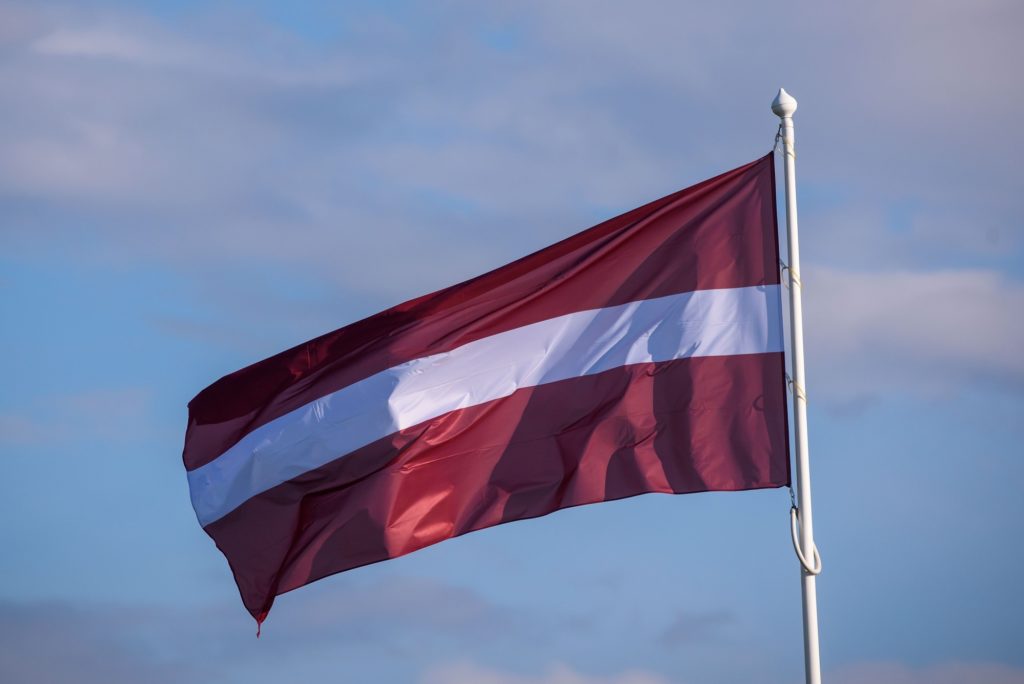
Latvia's public broadcaster opened a new fundraising drive on 17 August to pay for the rehabilitation of wounded Ukrainian soldiers, LSM reported. The effort is timed to Ukraine's Independence Day on 24 August. Donations run through the charity Ziedot.lv.
Russia's invasion has produced a generation of wounded and traumatized Ukrainians whose recovery will outlast the war. The state already counts more than a million registered veterans, a number that climbs every month.
Latvia's public broadcaster opened a new fundraising drive on 17 August to pay for the rehabilitation of wounded Ukrainian soldiers, LSM reported. The effort is timed to Ukraine's Independence Day on 24 August. Donations run through the charity Ziedot.lv.
Russia's invasion has produced a generation of wounded and traumatized Ukrainians whose recovery will outlast the war. The state already counts more than a million registered veterans, a number that climbs every month.
A new channel for Ukraine's wounded
The drive, called "Together with Ukraine in Thought and Deed!", runs from 17 August to 13 September 2026. Latvian Public Media (LSM) organized it with Ziedot.lv and the Ukrainian Embassy in Latvia. It is dedicated to rehabilitation. Organizers said every euro goes to that goal. Latvians can give online through Ziedot.lv, or by calling a national donation line charged at €5 including VAT.
"Fighting for the security of us all"
The campaign's ambassador is Odita Krenberga, an LSM journalist who has reported from the Ukrainian front line. She said only seconds separated her from death or serious injury, and that many others never got that chance. Russia has taken hundreds of thousands of lives and wounded even more, she said, calling it a painful injustice. Ukrainians, she added, are fighting "for the security of us all, for a safe Europe."
Wounds that take years to heal
Rūta Dimanta, who heads Ziedot.lv, said "the wounds of war take a long time to heal." They are not only physical, she said, but also the pain of loss, helplessness, and injustice. Soldiers must live with the deaths of comrades and the pain in their souls. The money cannot erase that, but it can fund recovery in Ukraine and Latvia, allowing them to carry on with their lives.
Latvia keeps giving
Since the war began, LSM and Ziedot.lv have raised more than €2 million across earlier appeals. The two partners have already sent Ukraine a locally built naval drone, and Latvia has funneled millions to front-line oblasts on the Russian border. Latvia has also pledged 0.25% of its GDP a year to Ukraine's defense—a bigger share than most larger allies give.
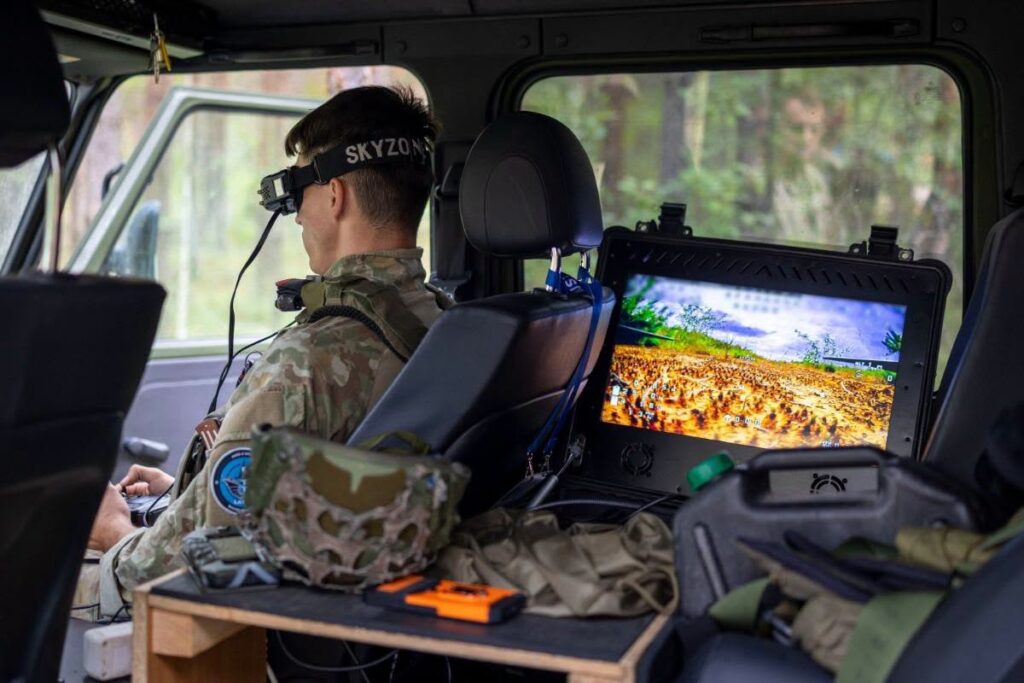
Ukraine brought the world's most battle-tested counter-drone experience to a NATO exercise. From 3 to 14 August, Ukraine took part in NATO's Baltic Trust 2026 exercise in Latvia, which focused on countering drones and other threats posed by uncrewed aerial systems, the General Staff reported.
The exercise responds to a mounting Russian threat against NATO's Baltic flank. Russia has probed the alliance's eastern edge so aggressively that NATO scrambled over the Baltic, j
Ukraine brought the world's most battle-tested counter-drone experience to a NATO exercise. From 3 to 14 August, Ukraine took part in NATO's Baltic Trust 2026 exercise in Latvia, which focused on countering drones and other threats posed by uncrewed aerial systems, the General Staff reported.
The exercise responds to a mounting Russian threat against NATO's Baltic flank. Russia has probed the alliance's eastern edge so aggressively that NATO scrambled over the Baltic, jumping more than 250% in July.
Also, Moscow has increasingly launched drones on the Baltic States. Even on 14 August, the final day of the drill, a NATO fighter shot down a drone over Latvia after Russian electronic warfare pushed it off course, the second Baltic drone incursion that week. Baltic Trust 2026 was NATO's answer: about 650 participants from 24 countries building the counter-drone defenses that the threat demands.
The exercise tested systems working together
Baltic Trust focused on integration, not single technologies. Soldiers, specialists, and industry representatives jointly tested new technological solutions in conditions close to a modern operational environment, the General Staff said.
The core was whether the pieces work as one system. Participants checked how detection tools, command-and-control systems, and counter-drone measures can exchange data, form a common operational picture, and enable coordinated response.
Ukraine's experience is the draw
Ukraine's participation carries particular weight in this field. No NATO member has faced the scale of drone attack Ukraine confronts nightly, and its forces have built and continually adapt the detection, interception, and electronic-warfare methods that down Russian drones by the tens of thousands.
That makes Ukraine a source of hard-won practical knowledge for allies still preparing for threats Ukraine already lives with. Bringing Ukrainian experience into a NATO drill turns the country's battlefield lessons into shared allied capability, on exactly the drone warfare the alliance is scrambling to counter on its eastern flank.
The exercise builds collective defense
Baltic Trust served NATO's broader readiness. Jointly testing and integrating such solutions helps turn technological innovation into practical capabilities that strengthen readiness and collective defense.
Previously, Russia's Foreign Intelligence Service Head Sergey Naryshkin accused NATO of escalating military activity near Russia’s borders. He warned that Poland and the Baltic states would be the first to suffer in the event of a war between Moscow and the Alliance.
In Chocó, a remote region, “pain, hunger and homelessness await” survivors of last week’s earthquake, the governor said. Shakira visited to help draw awareness.
In Chocó, a remote region, “pain, hunger and homelessness await” survivors of last week’s earthquake, the governor said. Shakira visited to help draw awareness.

 Connexion