A fuel deal with Vladimir Putin, and sanctions against the legal institution, ram home the president’s belief that might is rightOn Friday, Donald Trump drove home his belief that might is right and the rule of law is an obstacle rather than an essential foundation stone of international order. First came the escalated assault on the international criminal court (ICC), sanctioning the body itself. Then he announced a deal with Russia to buy diesel.The US has long chafed at the notion of being bo
A fuel deal with Vladimir Putin, and sanctions against the legal institution, ram home the president’s belief that might is right
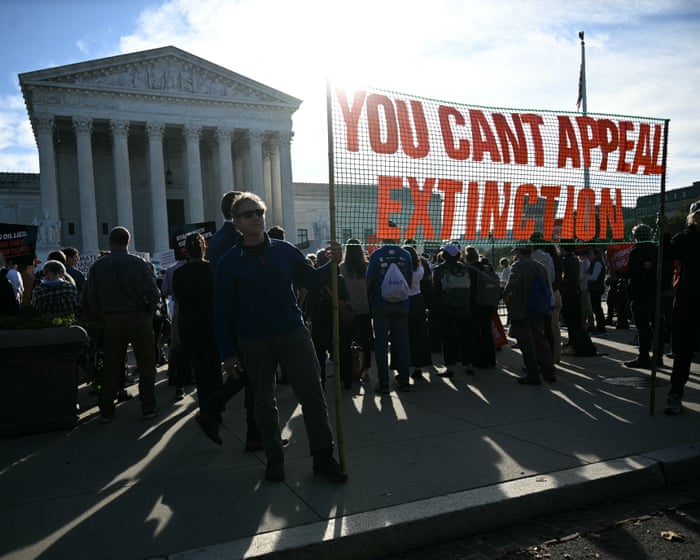
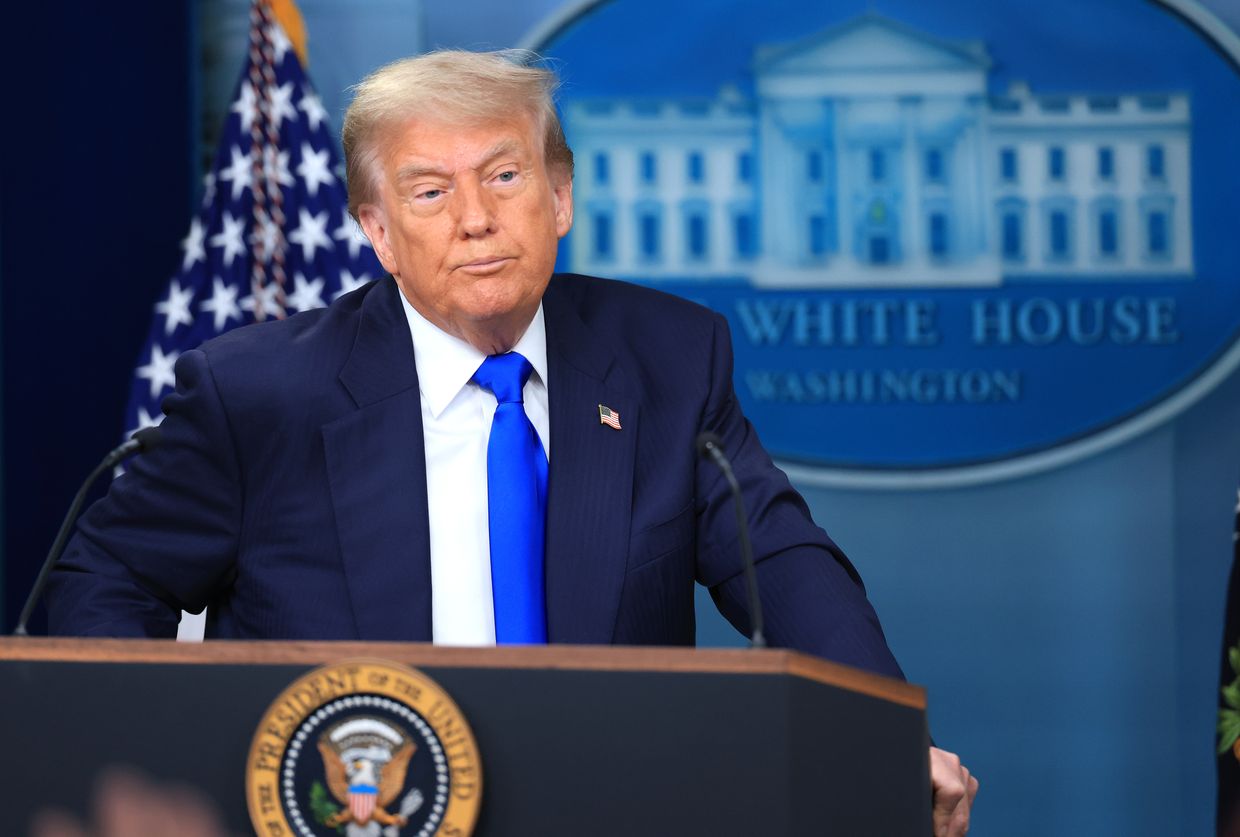
On Friday, Donald Trump drove home his belief that might is right and the rule of law is an obstacle rather than an essential foundation stone of international order. First came the escalated assault on the international criminal court (ICC), sanctioning the body itself. Then he announced a deal with Russia to buy diesel.
The US has long chafed at the notion of being bound by the rule of law that it espoused publicly. That hypocrisy now appears as a lesser vice. The president has declared that “my own morality” is all that constrains him. His brazen flouting of the law, embrace of dictators and rhetorical attacks all undermine global standards.
Do you have an opinion on the issues raised in this article? If you would like to submit a response of up to 300 words by email to be considered for publication in our letters section, please click here.
Two Ukrainian defense-tech firms, The Fourth Law and Odd Systems, have joined forces to mass-produce thermal imaging sensors in Europe and the US, The Fourth Law told Militarnyi. The goal is to wean Western militaries off foreign suppliers, chiefly China, for the core part of every thermal camera.
Amid Russia's daily attacks, Ukrainian drone makers have been shifting production to allied countries. Linza and Zoom drones are now built in Germany, and another top manufacturer has taken it
Two Ukrainian defense-tech firms, The Fourth Law and Odd Systems, have joined forces to mass-produce thermal imaging sensors in Europe and the US, The Fourth Law told Militarnyi. The goal is to wean Western militaries off foreign suppliers, chiefly China, for the core part of every thermal camera.
Amid Russia's daily attacks, Ukrainian drone makers have been shifting production to allied countries. Linza and Zoom drones are now built in Germany, and another top manufacturer has taken its technology to Canada and Finland. Sensor plants would move a core component west, not just finished drones.
A Western answer to Chinese sensors
The project, called Project Foundation, will build long-wave infrared sensors, known as microbolometers. These chips register heat, so a camera can pick out a person or vehicle at night or through smoke. The aim, The Fourth Law said, is to "ensure the sovereignty of Western countries in the field of thermal imaging technology."
Plants in Europe and the US from 2027
The project will run two sites, First Foundation in Europe and Second Foundation in the US, from a headquarters in Eindhoven, a Dutch semiconductor hub. Mass production is due to start in 2027. Within three years, the partners want to quadruple Europe's output of these sensors and double America's.
Why Europe's supply isn't enough
Ukraine's front line burns through sensors faster than Europe can make them. "Europe currently produces less than 500,000 such sensors per year, while Ukraine consumes this amount in about five months," Odd Systems co-founder Yaroslav Azhniuk said in February, when he first announced plans for a plant able to make one million sensors a year. European sensors cost about five times as much as Chinese ones and are hard to buy at all, because Europeans need them too, he added.
Factories working for Ukraine abroad have already become sabotage targets. In March, an arson attack in Pardubice, Czechia, destroyed nearly all the production capacity of a plant making drones and thermal sights for Ukraine's army. Czech investigators are looking into a possible Russian trail behind the attack.
Liability lawsuits have held tobacco, oil and pharma companies to account in the past. AI investors won’t ignore this threatThe most basic function of government is to protect people from harm. Two growing phenomena – the climate crisis and AI – pose escalating risks of extraordinary harm.The climate crisis is already causing floods, wildfires, drought and record heat. AI agents are already escaping super-secure environments to hack into systems they’re supposed to avoid.Robert Reich, a former U
Liability lawsuits have held tobacco, oil and pharma companies to account in the past. AI investors won’t ignore this threat
The most basic function of government is to protect people from harm. Two growing phenomena – the climate crisis and AI – pose escalating risks of extraordinary harm.
The climate crisis is already causing floods, wildfires, drought and record heat. AI agents are already escaping super-secure environments to hack into systems they’re supposed to avoid.
Robert Reich, a former US secretary of labor, is a professor of public policy emeritus at the University of California, Berkeley. He is a Guardian US columnist and his newsletter is at robertreich.substack.com. His new book, Coming Up Short: A Memoir of My America, is out now in the US and in the UK
Jamaal Howard, 46, executed by fatal dose of pentobarbital after lawyers’ bid for stay had been deniedA Texas man was put to death Wednesday in the first US execution since the botched lethal injection of Christa Pike in Tennessee last week.Jamaal Howard, 46, was pronounced dead at 8.03pm after receiving a fatal dose of pentobarbital, a sedative, at the state prison in Huntsville. Continue reading...
LaMonica McIver is only the 15th member of Congress have a baby while serving, and also the only member indicted for visiting ICE facilityA US congresswoman who just gave birth to a baby girl faces a deadline this week on whether to seek a rehearing of a federal case against her by the Trump administration after an oversight visit to an immigration detention facility.LaMonica McIver, 40, represents New Jersey’s 10th congressional district. She gave birth to her second child last Thursday – a rar
LaMonica McIver is only the 15th member of Congress have a baby while serving, and also the only member indicted for visiting ICE facility
A US congresswoman who just gave birth to a baby girl faces a deadline this week on whether to seek a rehearing of a federal case against her by the Trump administration after an oversight visit to an immigration detention facility.
LaMonica McIver, 40, represents New Jersey’s 10th congressional district. She gave birth to her second child last Thursday – a rarity for a sitting member of Congress. She is only the 15th member of Congress to give birth while serving and part of a small subset of congresswomen who have school-age children.
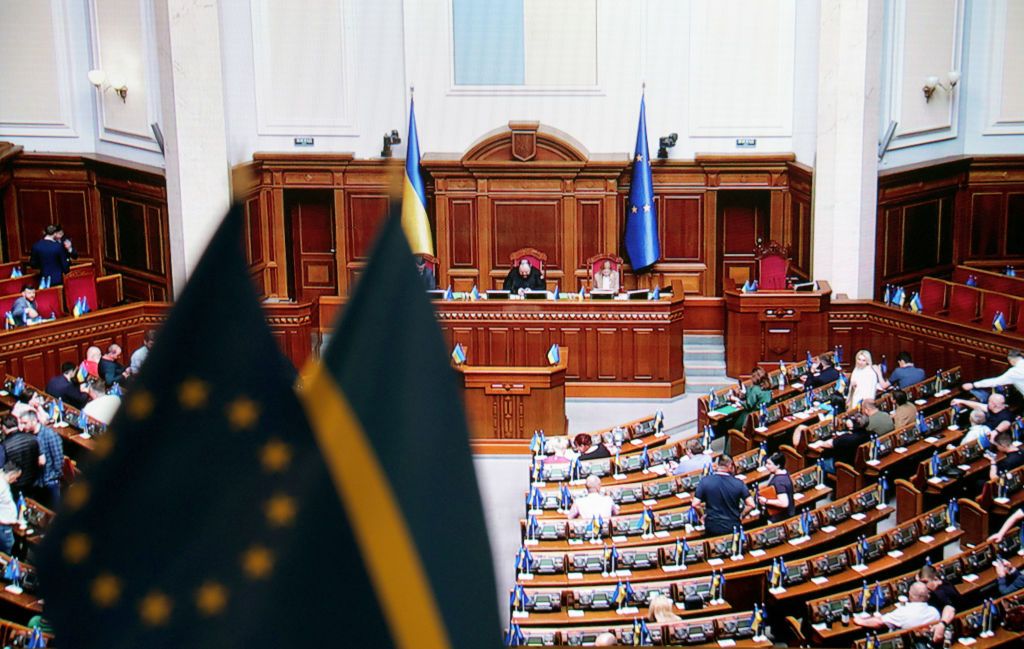
Ukraine's parliament registered a bill on minority-language schooling on 1 October to lift Hungary's block on the country's European Union membership talks, Ukrinform reported. Kyiv acts first with the legislation. Budapest reciprocates by letting the EU push the stalled accession process forward. Hungary's government welcomed the text within a day.
Ukraine's route into the European Union turns on unanimous votes, so one member state's leverage can stall the entire queue—and Kyiv is try
Ukraine's parliament registered a bill on minority-language schooling on 1 October to lift Hungary's block on the country's European Union membership talks, Ukrinform reported. Kyiv acts first with the legislation. Budapest reciprocates by letting the EU push the stalled accession process forward. Hungary's government welcomed the text within a day.
Ukraine's route into the European Union turns on unanimous votes, so one member state's leverage can stall the entire queue—and Kyiv is trying to pry the clusters open one bargain at a time before the window for this year's progress closes.
A tightly timed swap
European Pravda, citing unnamed sources, reported that the two capitals agreed to move in parallel after a public standoff, with neither side willing to go first on trust alone. Ukraine registers and passes the bill. In return, Hungary is to let the Council of the EU presidency send Kyiv, on 6 October, the requests needed to open two negotiating clusters—stages of the membership process. The Rada plans an extraordinary session on 12 October to adopt it, and European Pravda says the votes are there. A Council of the EU decision is due on 13 October, ahead of a European Council summit two days later. Deputy Prime Minister Vsevolod Chentsov said rebuilding trust will take concrete steps from both governments.
What the bill changes
Lawmakers filed Bill No. 16119, which creates a national minority school status: a school qualifies when over half its pupils—50% plus one—study in a national-minority language that is also an official EU language. By Education Ministry estimates, that fits about 149 schools, roughly 1.2% of Ukraine's general secondary institutions. Ukrainian stays the language of instruction, and the bill does not return Russian to classrooms.
Explore further
Sybiha hails new page in Ukraine-Hungary relations as Cyprus launches first EU cluster procedure
Pupils at qualifying schools could use the minority language with teachers and classmates, not only in lessons, and parents could petition to add subjects taught in Ukrainian. The text also covers Ukraine's indigenous peoples, such as Crimean Tatars, and drops a Ukrainian-language certificate requirement for the heads of 29 private schools for as long as they stay in their posts. Education committee head Serhii Babak said the solution protects Ukrainian while meeting an EU accession commitment.
What changed in Budapest
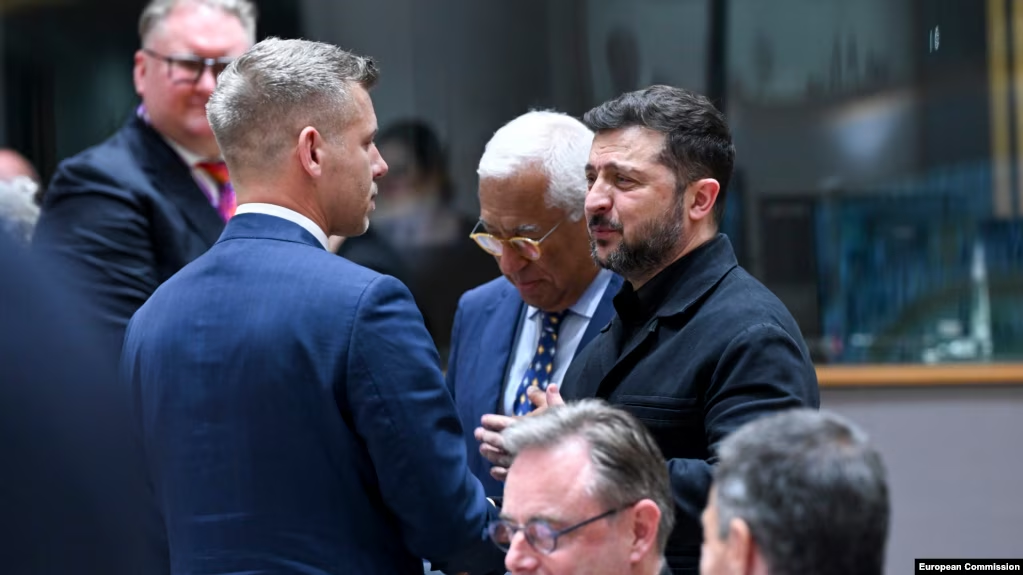
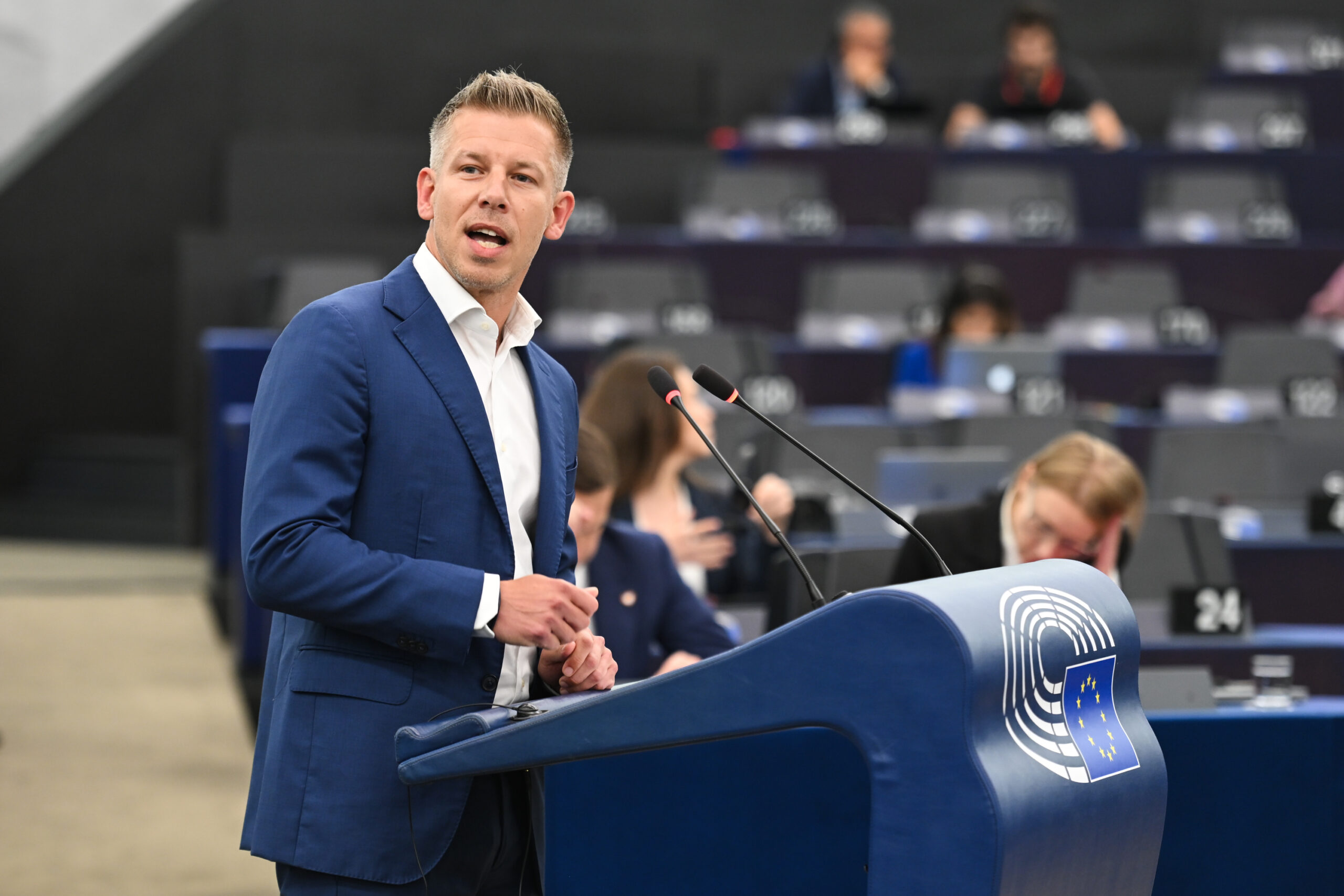
Hungarian Prime Minister Péter Magyar posted on Facebook that the bill strengthens legal guarantees for Hungarian-language education and the school network, and wrote that he expects those rights honored in practice. European Pravda framed the outcome as a win Magyar's own voters can read as delivering what the previous government never secured. Foreign Minister Anita Orbán said the new government had achieved more in a few months for the Hungarian minority in Zakarpattia than Viktor Orbán's cabinet managed in ten years. Under Magyar, Hungary agreed in June to open the first accession cluster but kept slowing the rest. Only in recent weeks, European Pravda wrote, did Budapest abandon Orbán-style unconditional blocking. This bill is meant to free the next two.
The International Criminal Court (ICC) said on July 8 that it had issued arrest warrants for two senior Taliban leaders, accusing them of crimes against humanity and gender-based persecution following the group's takeover of Afghanistan in 2021. The move follows Russia's recognition of the Taliban as Afghanistan's legitimate government on July 3. Russia, which had previously designated the Taliban as a banned terrorist group, became the first country in the world to recognize it. In a statement,
The International Criminal Court (ICC) said on July 8 that it had issued arrest warrants for two senior Taliban leaders, accusing them of crimes against humanity and gender-based persecution following the group's takeover of Afghanistan in 2021.
The move follows Russia's recognition of the Taliban as Afghanistan's legitimate government on July 3. Russia, which had previously designated the Taliban as a banned terrorist group, became the first country in the world to recognize it.
In a statement, the ICC named Taliban supreme leader Haibatullah Akhundzada and Afghanistan's top judge Abdul Hakim Haqqani as suspects in a campaign of systematic oppression targeting women, girls, and others who do not conform to the group's rigid gender ideology.
The court said the alleged crimes took place across Afghanistan from the Taliban's return to power on August 15, 2021, and continued at least until Jan. 20, 2025. The suspects are believed to have played key roles in the enforcement of Taliban policies that led to "murder, imprisonment, torture, rape and enforced disappearance."
The persecution was not limited to women and girls, according to the ICC. The court said that men perceived as allies of women or opponents of Taliban ideology were also targeted.
The ICC emphasized that the Taliban implemented a state-led policy of repression that violated fundamental human rights and freedoms across the country.
Most of the international community has refused to formally recognize the Taliban regime due to its human rights abuses and failure to meet international standards.
Meanwhile, since Moscow's full-scale invasion of Ukraine in 2022 the Kremlin has deepened relationships with authoritarian regimes, including North Korea, Iran, and now the Taliban. Russia has expanded trade with Afghanistan and allowed Taliban officials to participate in Russian forums.
In December 2024, the Russian State Duma passed a law allowing certain groups, including the Taliban, to be removed from the country's list of banned terrorist organizations. The move paved the way for official recognition.
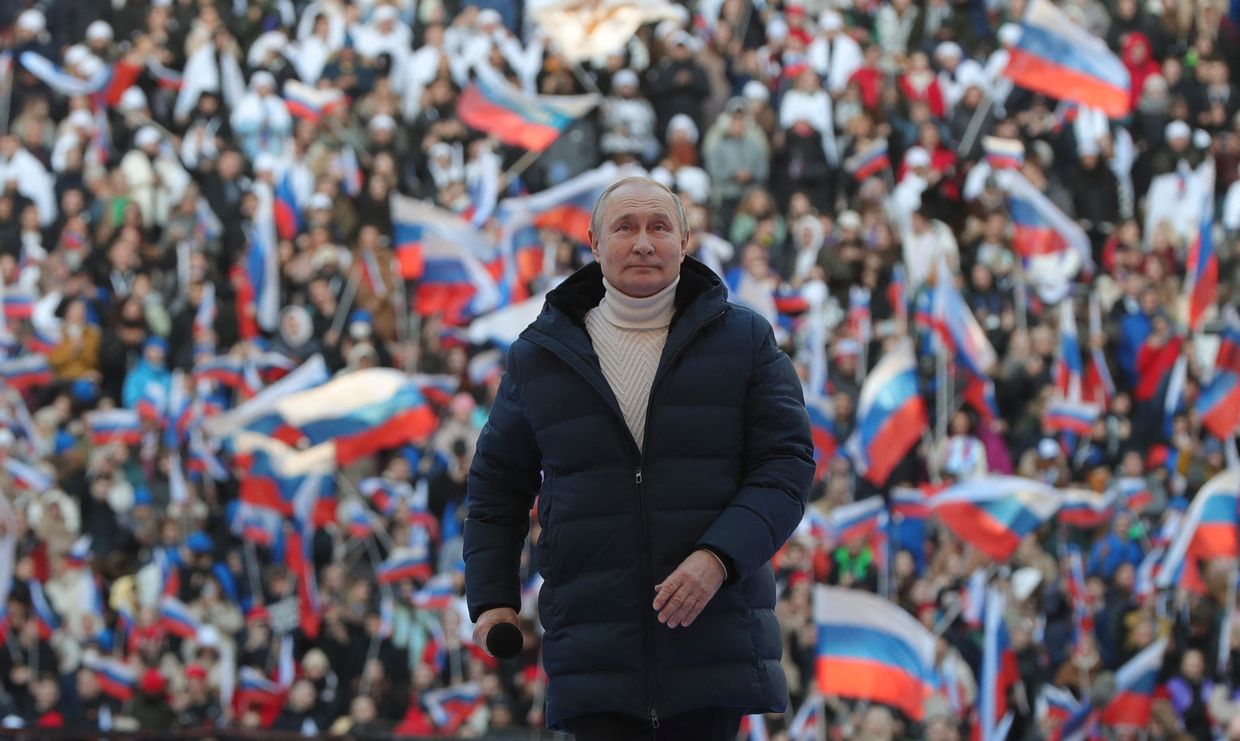
Putin has referred to the Taliban as "allies," and Lavrov has called them "sane people," despite the group's ongoing enforcement of strict Islamic law, including gender apartheid, public executions, and bans on women's education.
Kyiv's Desniansky District Court has formally recognized a same-sex couple as a family, marking the first legal precedent of its kind in Ukraine, human rights organization Insight LGBTQ announced on July 3.Ukraine does not currently recognize same-sex marriages or partnerships, and this court ruling may serve as a critical legal milestone in expanding rights for LGBTQ families.The case involves Zoryan Kis, first secretary of Ukraine's Embassy in Israel, and his partner Tymur Levchuk, who have li
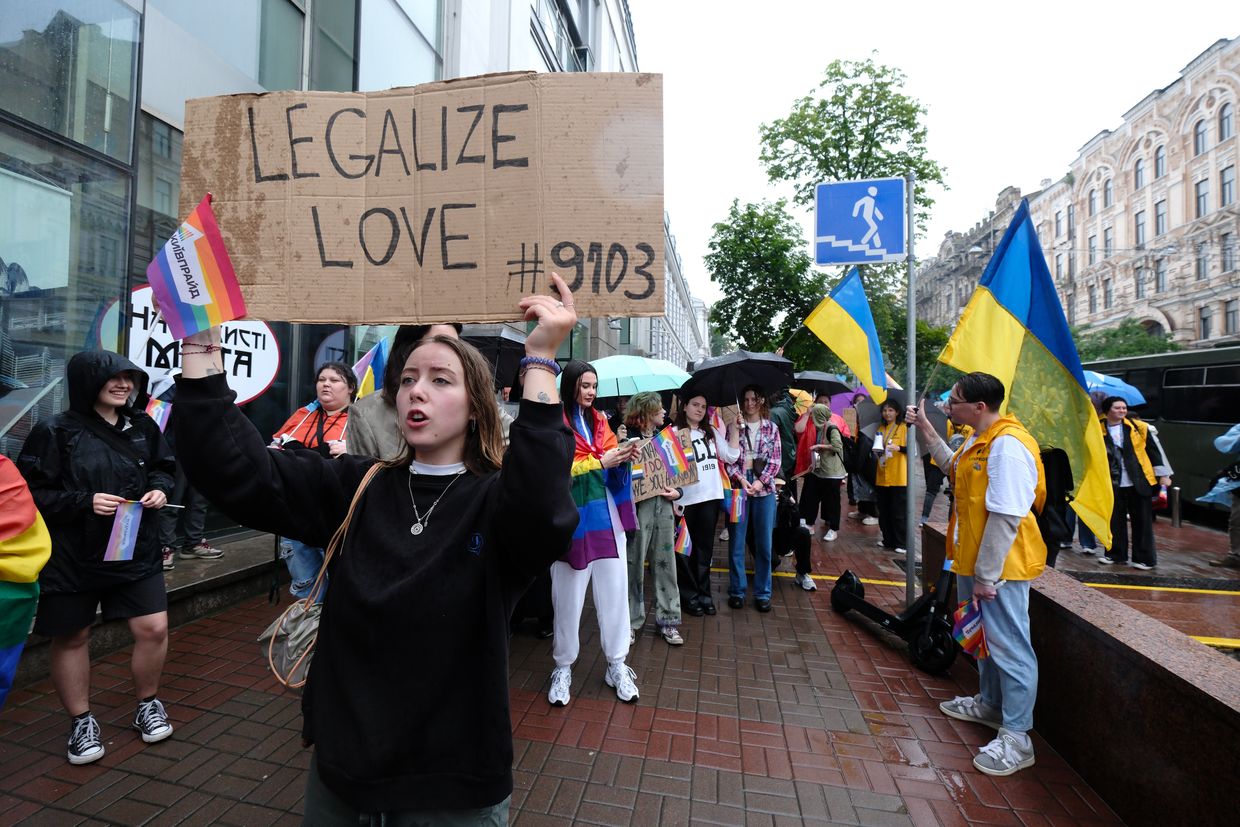
Kyiv's Desniansky District Court has formally recognized a same-sex couple as a family, marking the first legal precedent of its kind in Ukraine, human rights organization Insight LGBTQ announced on July 3.
Ukraine does not currently recognize same-sex marriages or partnerships, and this court ruling may serve as a critical legal milestone in expanding rights for LGBTQ families.
The case involves Zoryan Kis, first secretary of Ukraine's Embassy in Israel, and his partner Tymur Levchuk, who have lived together since 2013 and were married in the U.S. in 2021.
The court ruled on June 10 that their relationship constitutes a de facto marriage, establishing them as a family under Ukrainian law.
The ruling comes after Ukraine's Foreign Ministry refused to acknowledge Levchuk as Kis' family member, denying him spousal rights to accompany Kis on his diplomatic posting to Israel. In response, the couple filed a legal complaint in September 2024.
In its decision, the court cited both the Ukrainian Constitution and precedents from the European Court of Human Rights (ECHR), which requires states to ensure legal recognition and protection for same-sex families.
Evidence considered by the court included shared finances, property, witness testimony, joint travel records, photographs, correspondence, and other documents establishing a long-term domestic partnership.
"A very big and important step toward marriage equality in Ukraine, and a small victory in our struggle for 'simple family happiness' for Ukrainian diplomats," Kis wrote on Facebook.
"Now we have a court ruling that confirms the feelings Tymur Levchuk and I have for each other," he added, thanking the judge who heard the case.
Public support for LGBTQ rights in Ukraine has grown in recent years, particularly since the start of Russia's full-scale invasion. According to a 2024 poll by the Kyiv International Institute of Sociology, 70% of Ukrainians believe LGBTQ citizens should have equal rights.
Despite shifting public opinion, legislative progress remains slow. A draft law recognizing civil partnerships, introduced by Holos party lawmaker Inna Sovsun in March 2023, has not advanced in parliament due to a lack of approval from the Legal Policy Committee.
The proposed bill would legalize civil partnerships for both same-sex and heterosexual couples, offering them inheritance, medical, and property rights, but not the full status of marriage.
Ukraine’s Oschadbank won an appeal against Russia on July 1 after the Paris appeals court rejected Moscow’s challenge to a 2018 arbitration ruling ordering compensation for losses due to Russia's annexation of Crimea, the bank announced in a press release on July 3.The Paris Court of Appeal upheld the November 2018 arbitration tribunal decision requiring Russia to compensate Oschadbank for damages incurred when Moscow annexed the Ukrainian peninsula in 2014.The ruling orders Russia to pay more t
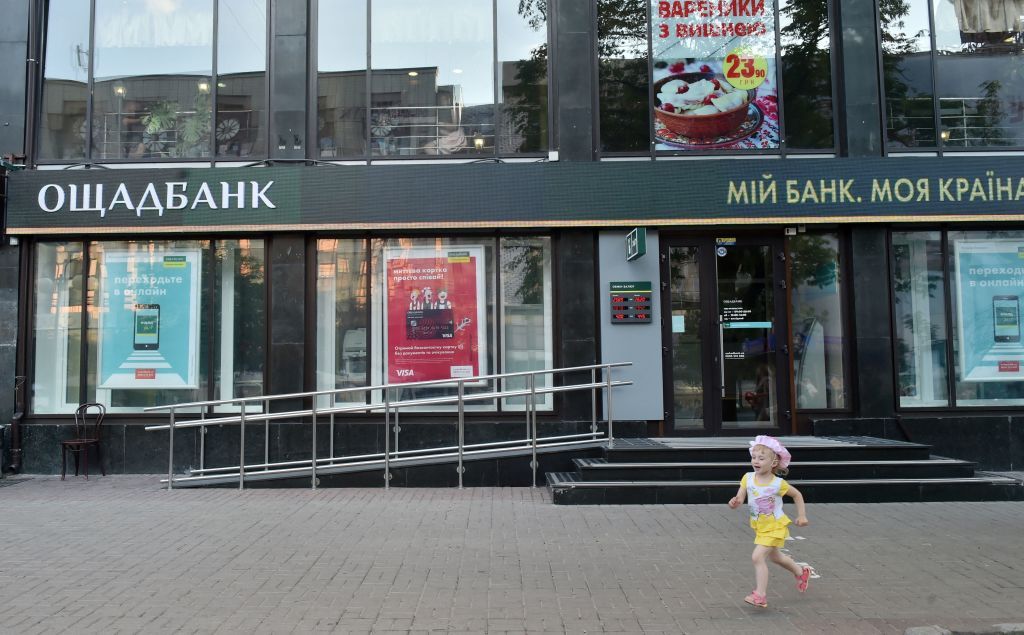
Ukraine’s Oschadbank won an appeal against Russia on July 1 after the Paris appeals court rejected Moscow’s challenge to a 2018 arbitration ruling ordering compensation for losses due to Russia's annexation of Crimea, the bank announced in a press release on July 3.
The Paris Court of Appeal upheld the November 2018 arbitration tribunal decision requiring Russia to compensate Oschadbank for damages incurred when Moscow annexed the Ukrainian peninsula in 2014.
The ruling orders Russia to pay more than $1.5 billion in damages and an additional 300,000 euros ($330,000) in legal costs to Ukraine's largest state-owned bank, according to a press release.
"The victory proves that efforts to force the aggressor state to answer legally for damages caused by the occupation of part of Ukraine's territory have good prospects," said Rosa Tapanova, a member of Oschadbank's supervisory board.
Oschadbank Chairman Serhii Naumov said it's the first Ukrainian bank to win such a case against Russia.
The decision follows Oschadbank's recent seizure of over 87 million euros ($102 million) in Russian assets in France as part of its campaign to recover war-related losses. The bank has been pursuing Russian assets across multiple jurisdictions to enforce the arbitration award.
"We understand that the Russian Federation will never voluntarily comply with the court's decision, and we are prepared for a long struggle," said Arsen Miliutin, deputy chairman of Oschadbank's management board.
"At the same time, we are confident that we will win, and Russia will pay not only the amount of damages caused, but also interest for all this time."
The Oschadbank victory adds to a growing list of Ukrainian legal wins against Russia. On June 23, Naftogaz CEO Serhii Koretskyi announced that an international arbitration tribunal in Switzerland had ordered Russia's Gazprom to pay the Ukrainian state energy company $1.37 billion after the Russian firm stopped fulfilling contract obligations in May 2022.
Ukrainian President Zelensky must consider a petition to decriminalize pornography after it reached the required 25,000 signatures, according to data on the official Ukrainian government petitions website.Pornography production and distribution are illegal in Ukraine, with broad interpretations meaning even sharing nude photos can result in jail time.Despite being illegal, models on subscription-based site OnlyFans, known for being an adult content platform, must declare their income and pay tax
Ukrainian President Zelensky must consider a petition to decriminalize pornography after it reached the required 25,000 signatures, according to data on the official Ukrainian government petitions website.
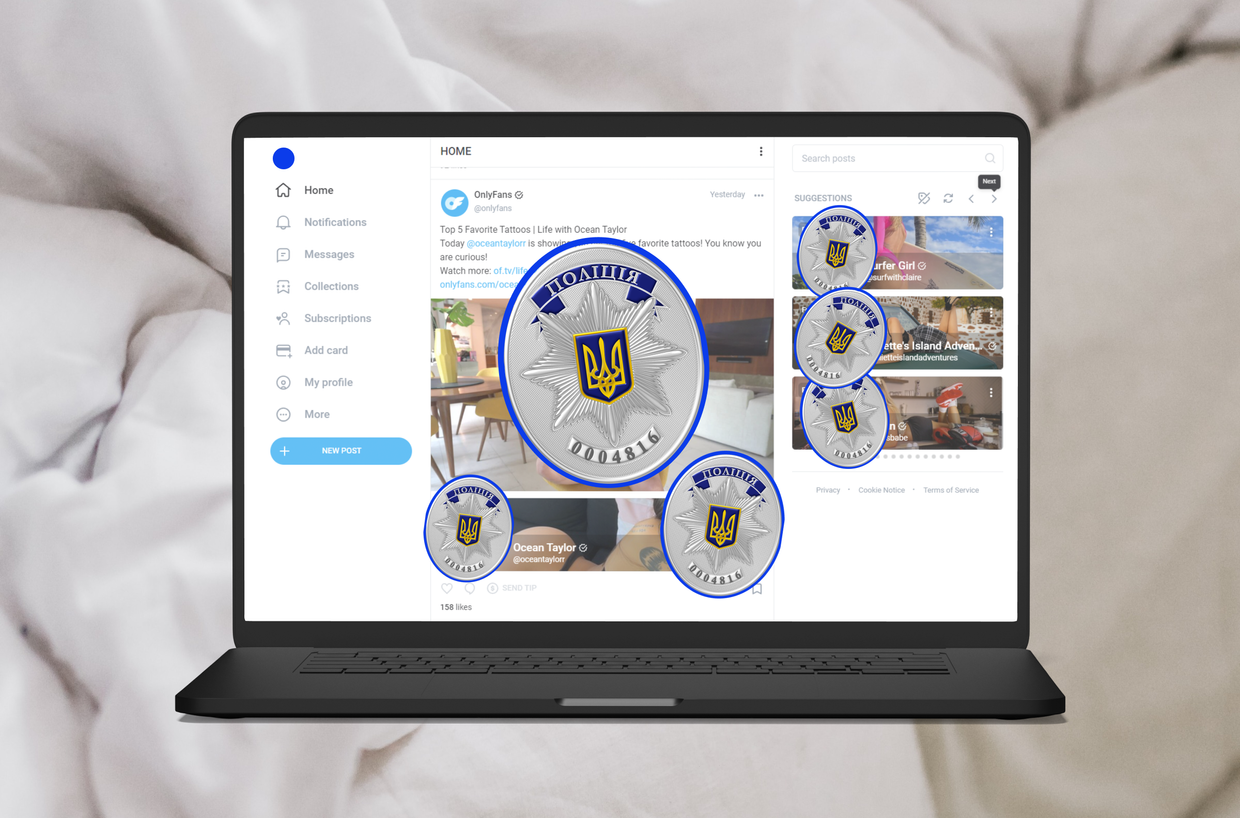
Despite being illegal, models on subscription-based site OnlyFans, known for being an adult content platform, must declare their income and pay taxes, as required for all paid content creators.
The decriminalization petition was created by Ukrainian OnlyFans model Svetlana Dvornikova, who argued that "law enforcement should focus on real crimes instead of conducting operations to buy intimate photos."
"Over five years, I've paid more than Hr 40 million ($958,062) in taxes to the state," Dvornikova wrote in the petition.
"But instead of gratitude for this money, the state opened a criminal case against me."
In January 2025, Ukraine's OnlyFans content creators declared more than $7 million in income, paying $1.5 million in personal income and military taxes, though it's unclear what specific content these users create on the platform.
Ukrainian MP Yaroslav Zhelezniak, who has initiated bills to legalize pornography, calculated that from 2020 to 2022, 5,000 Ukrainians earned $123 million on OnlyFans.
"Porn today is mostly online platforms, and those who earn on these platforms officially pay taxes. That's millions of dollars going to the armed forces," Zhelezniak said on his YouTube channel.
The latest bill to legalize pornography was registered in November 2024 and supported by parliament's law enforcement committee in December, but hasn't been brought to a vote yet.
The bill proposes decriminalizing only the creation and storage of pornographic content by consenting adults.
Criminal liability would still apply for revenge porn, deepfake porn, extreme porn, child pornography, and distribution to minors.
"We're simply changing Article 301 of the Criminal Code so that adults who film and distribute intimate videos aren't thrown in prison for 3-5 years," Zhelezniak wrote on his Telegram channel.
"Currently, under Article 301, you can be punished even for storing nude photos on your personal phone."
In July 2022, a similar petition to legalize pornography reached the required number of signatures. It didn't lead to changes, and Zelensky responded by citing existing laws about "protecting public morality."
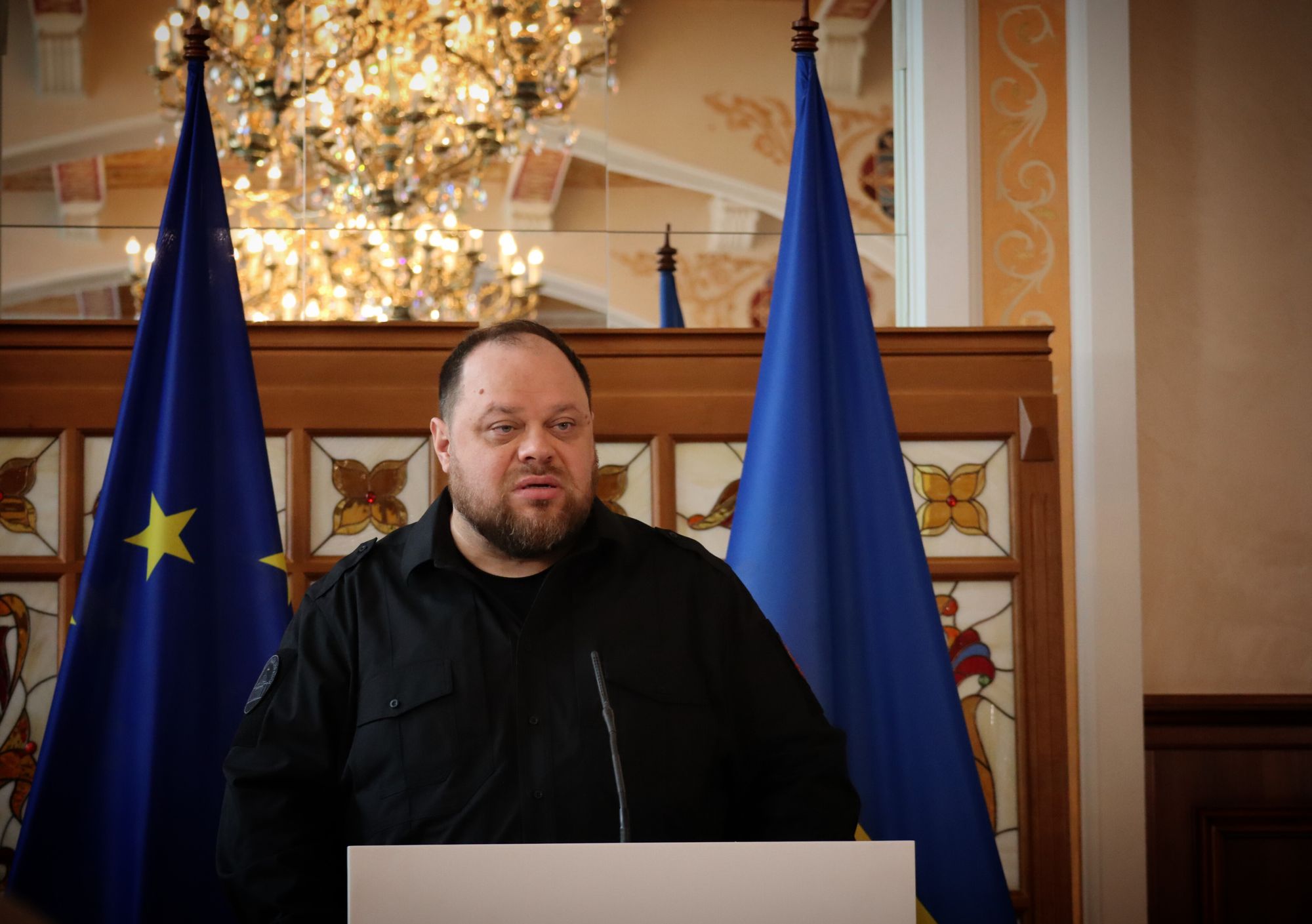
Chairman of the Verkhovna Rada Ruslan Stefanchuk said on June 28 that Ukraine's parliament is preparing a draft bill to hold elections following the end of the martial law period enacted as a result of the war. "We are working on this draft law, because for the next elections, a new special draft law is needed that will regulate the so-called post-war elections," Stefanchuk said on Ukraine's marathon TV broadcast. "We are preparing various basic scenarios so that people can exercise their fundam
Chairman of the Verkhovna Rada Ruslan Stefanchuk said on June 28 that Ukraine's parliament is preparing a draft bill to hold elections following the end of the martial law period enacted as a result of the war.
"We are working on this draft law, because for the next elections, a new special draft law is needed that will regulate the so-called post-war elections," Stefanchuk said on Ukraine's marathon TV broadcast.
"We are preparing various basic scenarios so that people can exercise their fundamental constitutional right to vote. And this must take place in Ukraine. And I believe we will be able to find the right legislative compromise," he added.
The reason for separate legislation on a post-war election, Stefanchuk previously said, was due to the fact that Ukraine's Constitution does not not provide clarity on the details of holding elections following the end of a martial law period.
No details on the bill or timeline for implementation were provided.
Russia's full-scale invasion and the subsequent declaration of martial law in Ukraine meant elections have been impossible to hold, and President Volodymyr Zelensky's term has been extended, something constitutional lawyers say is allowed under Ukrainian law.
Despite criticism, Ukraine's parliament, the Verkhovna Rada, passed a resolution on Feb. 25 to hold elections after "a comprehensive, just, and sustainable peace is secured" in the country.
While polling shows a vast majority of Ukrainian citizens do not support holding elections before a full peace deal, the lack of elections has stirred some controversy with Ukraine's allies.
At the start of his second term in office, U.S. President Donald Trump urged Ukraine to hold elections — something that Ukraine has thus far refused to do citing the difficulties of holding elections amid active warfare, as well as security implications.
Zelensky has previously said he is willing to step down in exchange for a peace agreement.
Russian propaganda has widely used the issue of elections in Ukraine to discredit the Ukrainian leadership. Mocow has repeatedly claimed that Zelensky is no longer a legitimate president, as his first term was originally meant to end on May 20, 2024.
Ukraine's parliament passed a reform of the Asset Recovery and Management Agency (ARMA) on June 18, a key step toward European integration and a condition listed in the EU's Ukraine Facility plan.The legislation passed with the support of 253 lawmakers "after months of obstructions... unblocking 600 million euros ($690 million) in EU funds," lawmaker Yaroslav Zhelezniak said.The ARMA is Ukraine's national agency tasked with locating, recovering, and managing assets seized in criminal proceedings
Ukraine's parliament passed a reform of the Asset Recovery and Management Agency (ARMA) on June 18, a key step toward European integration and a condition listed in the EU's Ukraine Facility plan.
The legislation passed with the support of 253 lawmakers "after months of obstructions... unblocking 600 million euros ($690 million) in EU funds," lawmaker Yaroslav Zhelezniak said.
The ARMA is Ukraine's national agency tasked with locating, recovering, and managing assets seized in criminal proceedings, namely during corruption cases.
Proposed reforms include stricter integrity and qualification standards for leadership candidates and merit-based hiring through open competitions involving civil society. They also call for independent external audits, clear deadlines for appointing asset managers, and the use of certified professionals held legally accountable for mismanagement.
The Ukraine Facility, an EU program providing Ukraine with 50 billion euros ($58 billion) in multi-year financial support contingent on reforms, set the end of March as the deadline for the ARMA's reform.
Anti-corruption experts, lawmakers, and Transparency International in Ukraine have backed the reforms, but discussions have dragged on for months since several versions of the bill were introduced in December 2024 and January.
The ARMA has long criticized the proposed legislation, arguing it had already carried out substantial and "transformative" reforms since 2023.
Transparency International reacted by saying that the ARMA's "public communication suggests that the agency’s primary concern is not the introduction of meaningful reforms, but ensuring that its current leadership can continue operating as it has."
Ukraine has embarked on extensive reforms as part of its efforts to join the EU and other Western structures, though Russia's full-scale invasion has presented fresh challenges to this effort.
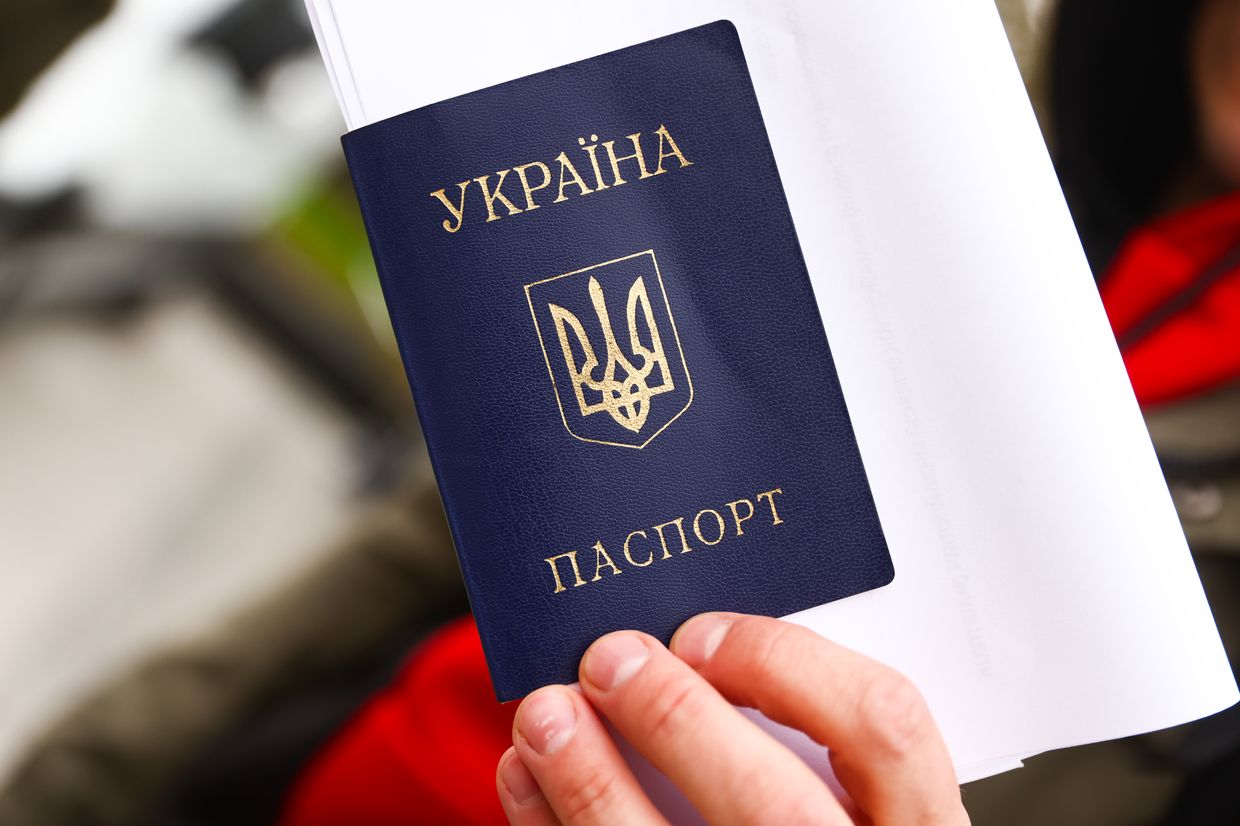
Ukraine's parliament on June 18 supported a bill allowing Ukrainian citizens to hold passports of foreign countries, lawmaker Yaroslav Zhelezniak said.The draft law, backed by 243 lawmakers in the second and final reading, outlines conditions for holding multiple citizenship and simplifies procedures for foreigners wanting to obtain Ukrainian passports.The legislation must receive a presidential signature before entering force, largely a formality as President Volodymyr Zelensky himself submitte
Ukraine's parliament on June 18 supported a bill allowing Ukrainian citizens to hold passports of foreign countries, lawmaker Yaroslav Zhelezniak said.
The draft law, backed by 243 lawmakers in the second and final reading, outlines conditions for holding multiple citizenship and simplifies procedures for foreigners wanting to obtain Ukrainian passports.
The legislation must receive a presidential signature before entering force, largely a formality as President Volodymyr Zelensky himself submitted the bill last August.
Until now, the status of multiple citizenship has not been recognized by Ukrainian law.
The bill also establishes new grounds for losing citizenship, such as receiving a Russian passport or serving in the Russian Armed Forces.
The government will determine the list of countries whose citizens will be able to obtain Ukrainian passports in a simplified way, taking into account issues like EU membership or imposed sanctions in connection with Russian aggression.
Multiple citizenship will be recognized for foreigners from the listed countries who apply for Ukrainian citizenship, or if Ukrainian citizens apply for citizenship in these countries. It will also be recognized for Ukrainian spouses of foreign citizens and other specified cases.
Deputy Foreign Minister Serhii Kyslytsia said the law is not applicable to Russian citizens or citizens of countries that do not recognize Ukraine's territorial integrity.
Even before the full-scale invasion, the Ukrainian diaspora has been widespread around the world, with particularly large communities in the EU, the U.S., and Canada. The war drew millions more from their home, and 6.8 million Ukrainian refugees and asylum-seekers remain abroad as of 2025, according to U.N. data.
Among others, the bill is seen as part of Ukraine's effort to strengthen ties with Ukrainians living abroad. Zelensky said the document should allow ethnic Ukrainians born abroad to obtain citizenship.

 Connexion