Despite the growing diplomatic isolation of the government, the agreement makes clear that the Israeli defense industry is still finding considerable demand abroad.
Despite the growing diplomatic isolation of the government, the agreement makes clear that the Israeli defense industry is still finding considerable demand abroad.
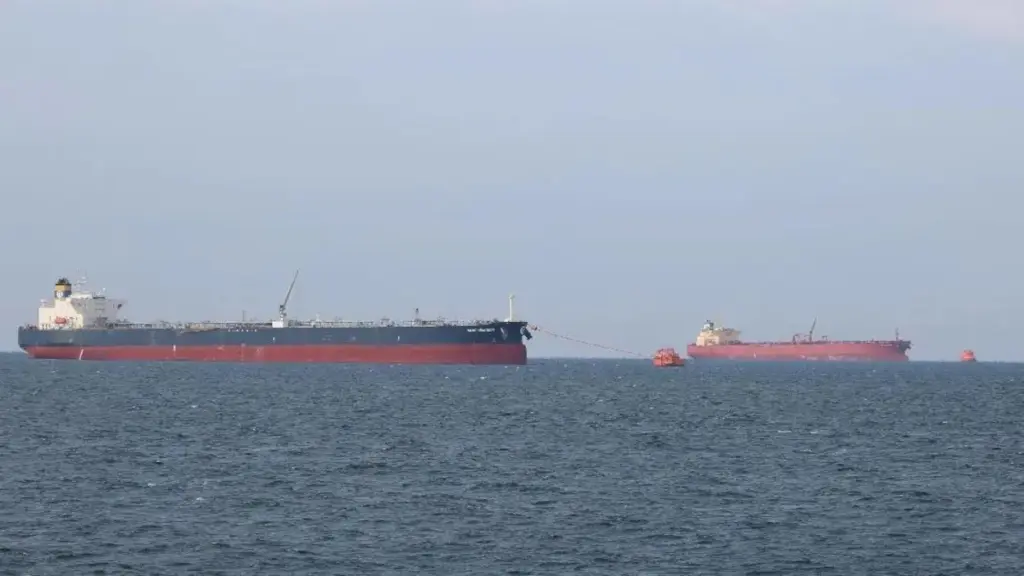
The Greek-run oil tanker Skiros was attacked near Novorossiysk on 16 August 2026 after loading Russian crude at the Caspian Pipeline Consortium (CPC) terminal, Bloomberg reported.The Suezmax-class vessel can carry about 1 million barrels. Bloomberg identified no attacker and provided no information about damage. Skiros’s Athens-based manager told the outlet that no one was injured and no pollution occurred.
CPC primarily exports Kazakh oil and carries more than two-thir
The Greek-run oil tanker Skiros was attacked near Novorossiysk on 16 August 2026 after loading Russian crude at the Caspian Pipeline Consortium (CPC) terminal, Bloomberg reported.
The Suezmax-class vessel can carry about 1 million barrels. Bloomberg identified no attacker and provided no information about damage. Skiros’s Athens-based manager told the outlet that no one was injured and no pollution occurred.
CPC primarily exports Kazakh oil and carries more than two-thirds of Kazakhstan’s oil exports. Its shipments recently accounted for almost 2% of the global oil supply. Russian crude typically makes up only 5% to 10% of CPC exports.
Earlier in August, Ukraine agreed not to attack CPC infrastructure or non-Russian ships bound for the terminal if they were not under Ukrainian sanctions and did not carry Russian cargo. Because Skiros carried Russian crude, the protection did not apply to it under the terms Bloomberg described.
Following the July attacks, CPC considered suspending operations due to environmental and safety risks but decided to continue operations, Bloomberg reported.
The Skiros attack ended an almost three-week lull in attacks on ships using the terminal. Bloomberg did not say whether it disrupted oil loading, and CPC declined to comment.
Earlier attacks cut Kazakhstan’s oil production
Earlier attacks suspended loading at the terminal. Kazakhstan’s Energy Ministry confirmed a temporary reduction in oil production to prevent storage facilities from reaching capacity, while Reuters reported CPC loadings fell by a fifth in July.
The disruption also increased shipping and war-risk insurance costs as some operators became reluctant to call at the terminal, The Financial Times reported.
Commander of Ukraine’s Unmanned Systems Forces, Robert “Madyar” Brovdi. Photo: Madyar
Robert “Madyar” Brovdi, commander of Ukraine’s Unmanned Systems Forces, later described the wider objective as the “paralysis of the logistics” of oil, fuel, and cargo that bypasses sanctions.
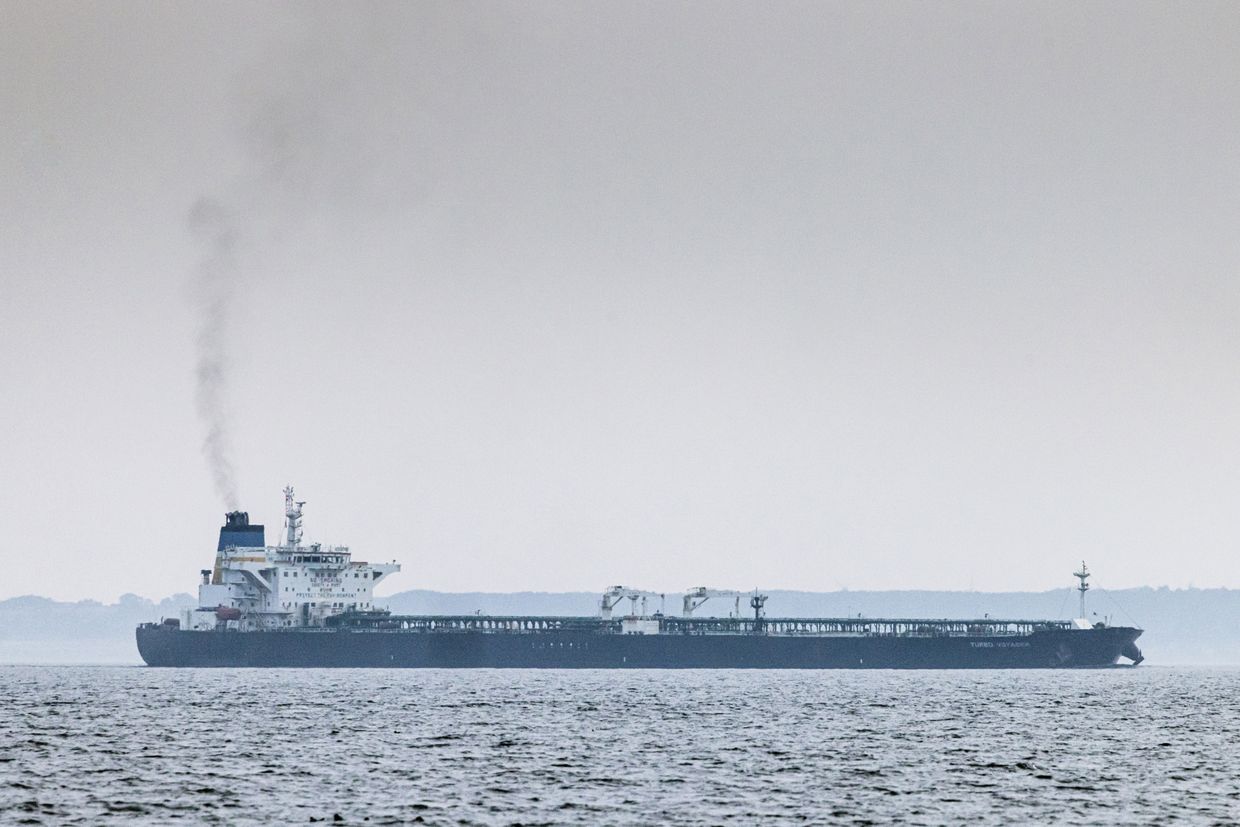
An uninsured Russian Aframax-class tanker has been illegally conducting ship-to-ship oil transfers in international waters near Greece and Cyprus since July 2024, Ukraine's military intelligence (HUR) reported on June 16.According to the agency, the vessel, operating without Western insurance, is part of Russia's expanding shadow fleet used to bypass G7 and EU sanctions on Russian oil exports. HUR said such transfers "pose an environmental threat, allow the aggressor to conceal the origin of oil
An uninsured Russian Aframax-class tanker has been illegally conducting ship-to-ship oil transfers in international waters near Greece and Cyprus since July 2024, Ukraine's military intelligence (HUR) reported on June 16.
According to the agency, the vessel, operating without Western insurance, is part of Russia's expanding shadow fleet used to bypass G7 and EU sanctions on Russian oil exports.
HUR said such transfers "pose an environmental threat, allow the aggressor to conceal the origin of oil, evade international control, and ensure its supply to third countries in circumvention of sanctions."
Ukraine has identified the tanker as IMO 9247443 and listed it on the War&Sanctions platform, along with 159 other tankers allegedly belonging to Russia's shadow fleet and 55 captains involved in sanction-busting operations.
Despite price caps and Western restrictions, Russia continues to profit from oil and gas exports, which remain a vital revenue source. According to HUR estimates, roughly one-third of those profits are expected to fund Russia's war against Ukraine in 2025.
In May, the EU approved its 17th sanctions package, targeting nearly 200 shadow fleet vessels. The U.S. Treasury had earlier sanctioned over 180 tankers, which together accounted for nearly half of Russia's offshore oil shipments.
While the Biden administration ramped up pressure on Russia's oil trade early in 2024, U.S. President Donald Trump has since declined to impose new sanctions, despite Moscow's continued refusal to agree to a ceasefire.

 Connexion