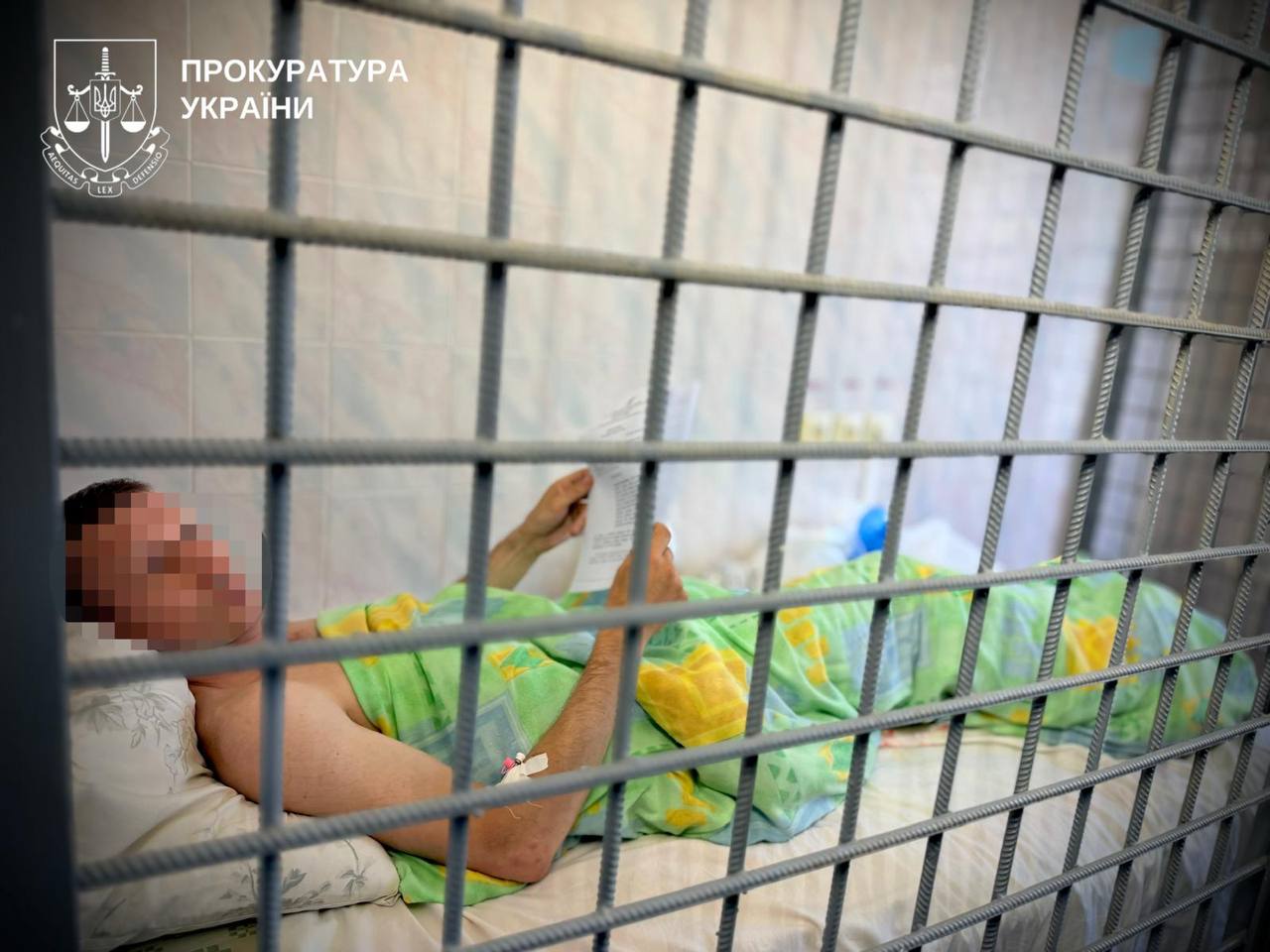
Polish officers have detained a Ukrainian accused of trying to murder a figure from Ukraine's weapons sector on Moscow's orders, Reuters reported. Investigators say his homemade explosive failed to detonate, and he fled to Poland, where officers detained him. The case is the latest in a run of Russian-directed plots targeting people tied to Ukraine across Europe.
Russia increasingly pays ordinary Ukrainians to set fires, plant bombs, and carry out killings inside their
Polish officers have detained a Ukrainian accused of trying to murder a figure from Ukraine's weapons sector on Moscow's orders, Reuters reported. Investigators say his homemade explosive failed to detonate, and he fled to Poland, where officers detained him. The case is the latest in a run of Russian-directed plots targeting people tied to Ukraine across Europe.
Russia increasingly pays ordinary Ukrainians to set fires, plant bombs, and carry out killings inside their own country, recruiting them with offers of "easy money". That recruitment machine now stretches across Europe, where handlers surface on Telegram to enlist spies and saboteurs and mark out targets before the violence lands.
A car bomb that failed
The suspect, named only as Serhii P. under Polish privacy rules, allegedly went after a figure in Ukraine's weapons sector in Irpin, a town in Kyiv Oblast just northwest of the capital. The ABW, Poland's Internal Security Agency, said he planted an improvised explosive device under a car used by the potential victim. The device was meant to be set off remotely with a cellphone, but it "did not detonate due to a malfunction," the agency said.
The suspect, a 63-year-old Ukrainian, fled to Poland after the attempt collapsed and was arrested in Warsaw on 5 August 2026, the Ukrainian outlet NV says. Polish authorities announced the arrest on 20 August and said it kept him from using Poland as a hideout while he dodged investigators. Prosecutors charged him with trying to kill with a bomb and with holding explosives without a permit. The charges carry a floor of 15 years behind bars and a ceiling of life, they said.
Explore further
Ukraine detains organizer of defense industry event struck by Russian missile that killed 10, charged with negligence
The ABW framed the case as proof that Russian intelligence runs operations far beyond its own borders, using people who move between countries to do the work. For years, Kyiv and Western capitals have said Moscow enlists people — Ukrainians among them — to run sabotage and spying missions, a charge Russia keeps rejecting.
A pattern across Europe
The plot fits a wider Russian campaign. Weeks earlier, Warsaw detained a Russian man whom Moscow had allegedly recruited to murder a Ukrainian-American in the same city.
Earlier this year, Ukrainian investigators recently exposed a coordinated scheme to kill a Russian dissident and Ukraine supporter in Lithuania, German prosecutors filed sabotage charges against a Ukrainian and a Latvian, and an earlier plot targeted the chief of German arms-maker Rheinmetall.
Poland and the Baltic States have been named prime targets for Russian sabotage over their backing for Kyiv.
Editor's note: This is a developing story.
Russia launched a massive overnight missile and drone attack targeting Kyiv and the surrounding region, killing 14 people and injuring more than 40, Ukrainian authorities said on 20 August.
The attack involved ballistic and cruise missiles alongside hundreds of drones. Ukraine’s Air Force said the main direction of the attack was Kyiv Oblast, with strikes and debris recorded at multiple locations. Several explosions were hea
Russia launched a massive overnight missile and drone attack targeting Kyiv and the surrounding region, killing 14 people and injuring more than 40, Ukrainian authorities said on 20 August.
The attack involved ballistic and cruise missiles alongside hundreds of drones. Ukraine’s Air Force said the main direction of the attack was Kyiv Oblast, with strikes and debris recorded at multiple locations. Several explosions were heard in the capital around midnight on 20 August, according to Euromaidan Press reporters in the city.
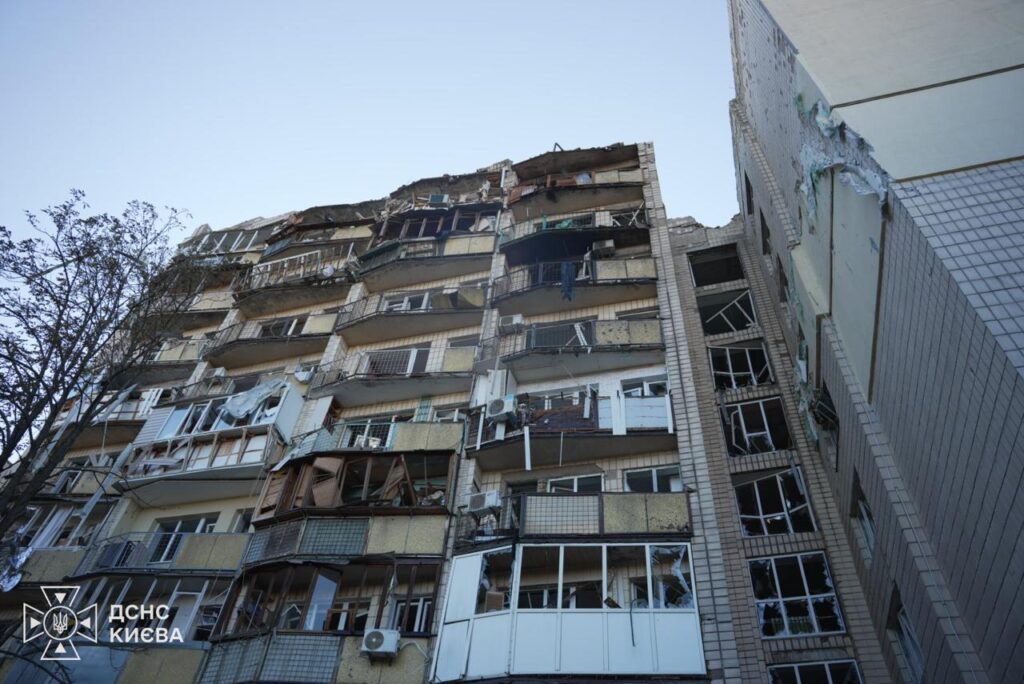
Residential building hit in Kyiv
In Kyiv, strikes, damage, and fires were reported in the Sviatoshynskyi, Darnytskyi, and Solomianskyi districts.
In Solomianskyi district, the upper two floors of a nine-story residential building were destroyed, with a fire breaking out across the seventh through ninth floors.
People were trapped in two residential buildings and a school bomb shelter, prompting emergency crews to carry out rescue operations.
Thirteen people have now been confirmed killed in Kyiv, including a woman whose body was discovered by rescuers in Solomianskyi district, Interior Minister Ivan Vyhivskyi said.
Ukrainian President Volodymyr Zelenskyy said a children's hospital and a school were also damaged in the capital.
Kyiv Mayor Vitali Klitschko said the city would observe 21 August as a day of mourning, with entertainment events banned and flags lowered.
Death toll from Russia's missile attack on Kyiv city and Oblast climbs to 14
Ukraine's Interior Minister Ivan Vyhivskyi says another woman's body was found in Solomianskyi. More than 40 were wounded. The strikes damaged about 20 residential buildings, a school, a children's… pic.twitter.com/3wicnc5lni
Around 20 residential buildings in Kyiv were significantly damaged, along with a school, children's hospital, and kindergarten, Vyhivskyi said.
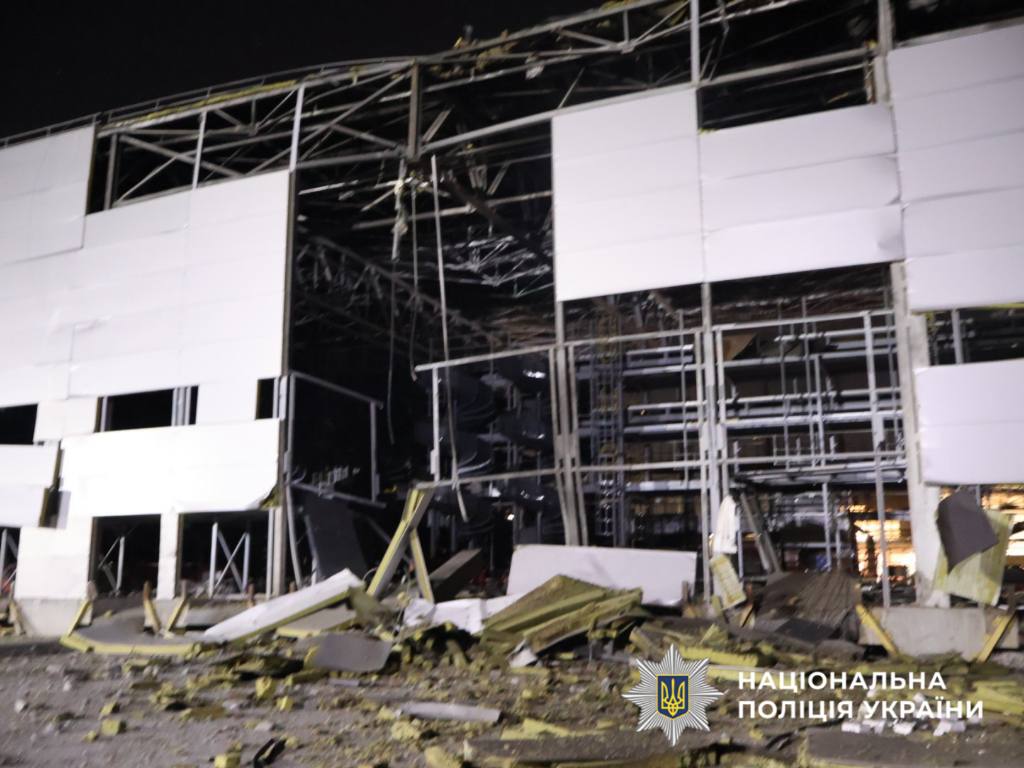
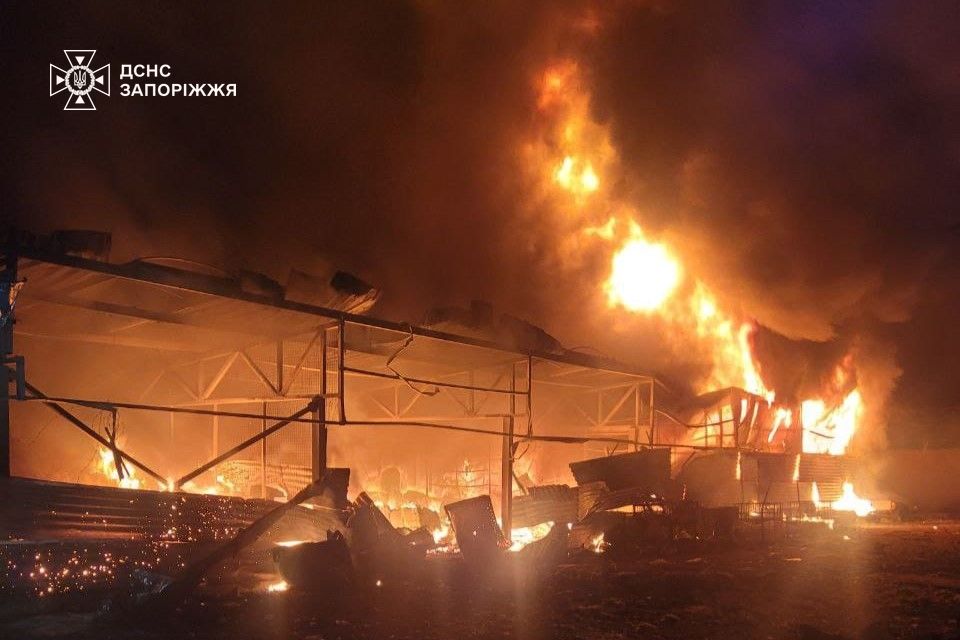
In Sviatoshynskyi district, Russian strikes hit an industrial site and sparked fires at warehouses covering 500 and 1,000 square meters. Another warehouse also caught fire.
In Darnytskyi district, a non-residential site was hit, causing fires across warehouses and vehicles covering about 1,000 square meters. Rescuers saved one person and handed them over to medics.
Other locations saw damage to residential buildings, a medical facility, cars, garages, and stores.
More than 600 rescuers and police officers have been involved in clearing the aftermath since overnight. Emergency crews are currently working at two sites in Kyiv and three more in Boryspil and Brovary districts.
Rescuers are using specialized equipment and robotic systems to clear the rubble and check whether anyone remains trapped.
Police have set up assistance centers at the attack sites to register reports of damaged or destroyed property. More than 200 reports have already been processed in Kyiv, while psychologists are assisting people who lost relatives or their homes.
Russia's overnight missile attack killed at least 12 people in Kyiv and injured 34.
Russia pounded Kyiv and its surrounding region for hours into 20 August with dozens of ballistic missiles, Kalibr cruise missiles, and jet-powered Shahed drones.
The attack also hit Kyiv Oblast. One man was killed in Brovary district and another was injured.
In Boryspil district, six people were injured, four of whom were hospitalized. The attack damaged 14 private homes, four warehouses, a gas station, an apartment building, and eight vehicles.
Vyhivskyi said fires also engulfed warehouses storing household goods in Kyiv Oblast. Firefighters are working to contain the blaze, with aviation also deployed.
Russian attack leaves Kyiv and six oblasts with power outages
Ukrenergo says outages hit Kyiv and Kyiv, Donetsk, Odesa, Zaporizhzhia, Dnipropetrovsk, and Kharkiv oblasts. Ukrainians are asked to limit powerful appliances from 18:00–22:00.
Zelenskyy calls for stronger ballistic missile defenses
Zelenskyy said Russia’s growing investment in ballistic missiles requires a stronger international response and more air defense for Ukraine.
He said Ukraine is working daily on its FREYJA interceptor program, but stressed that Patriot interceptors remain irreplaceable and are needed every day to protect Ukrainian cities from Russian ballistic missile attacks.
“Every additional missile saves the lives of our people,” Zelenskyy said, thanking those working to provide Ukraine with additional air defense capabilities.
Russia spent months preparing its missiles. Zelenskyy says Ukraine still lacks enough interceptors to stop them
Russia combined different ballistic missiles, cruise missiles, and drones in its overnight attack to maximize damage to civilian infrastructure, President Volodymyr… pic.twitter.com/4iaRPs7dLC
Ukraine's Air Force said Russia launched 168 Shahed-type attack drones, Gerbera decoy drones, and other drones, along with 36 Kh-101, Iskander-K, and Kh-59 cruise missiles, eight Kalibr missiles, two Banderyl-type loitering munitions, and ballistic missiles including Oniks, Zircon, Iskander-M, and S-400 missiles.
As of 9:30 a.m., Ukrainian air defenses had shot down or suppressed 31 cruise missiles, all eight Kalibr missiles, both loitering munitions, and 145 drones, according to the Air Force.
The Air Force reported impacts at 28 locations and debris from intercepted targets at two others.
The attack continued into the late morning, with air raid sirens still active and several Russian drones still in Ukrainian airspace.
Ukraine is under a massive Russian attack right now: Russia's Kalibr missiles were launched from the Novorossiysk port
The warhead of the Kalibr family of cruise missiles typically weighs 450 kg Exilenova+ pic.twitter.com/DBgfRX7xhB
Russia hit Kyiv with ballistic and hypersonic missiles overnight, damaging a children’s hospital, with people trapped in a shelter
Rail traffic disrupted
Russia's strikes also disrupted rail traffic around Kyiv after railway infrastructure was damaged. Several suburban and regional trains between Kyiv and Nizhyn were rerouted or canceled.
Strikes reported in other regions
Zelenskyy said the attack also caused damage in Odesa and Chernihiv oblasts.
In Odesa Oblast, Russian drones targeted a border crossing with Moldova, while strikes in Chernihiv Oblast damaged gas infrastructure.
Russia strikes food trucks in Odesa Oblast
The attack ignited two trailers carrying food. Ukrainian firefighters extinguished the blaze, the State Emergency Service reported. No one was killed or injured.
Russia could assemble a strike force for an offensive into northern Ukraine by February 2027 if Moscow launches another mobilization, Ukrainian military intelligence's (HUR) deputy chief Major General Vadym Skibitskyi told RBC-Ukraine on 18 August.
Skibitskyi said another mobilization could follow Russia’s September parliamentary elections. Depending on its scale, that call-up could produce a strike force by February 2027. Skibitskyi based the February estimate on Russi
Russia could assemble a strike force for an offensive into northern Ukraine by February 2027 if Moscow launches another mobilization, Ukrainian military intelligence's (HUR) deputy chief Major General Vadym Skibitskyi told RBC-Ukraine on 18 August.
Skibitskyi said another mobilization could follow Russia’s September parliamentary elections. Depending on its scale, that call-up could produce a strike force by February 2027. Skibitskyi based the February estimate on Russia’s 2022 mobilization. He said some personnel reached the front in December 2022, while combat-ready units arrived in January 2023.
Earlier warnings identified a northern route
The February estimate follows Ukrainian warnings about possible attacks across the northern border. In May, Zelenskyy said Ukraine was tracking five scenarios for expanding the war through the north, including an advance through Chernihiv Oblast toward Kyiv.
Syrskyi called an attack from Russia’s Bryansk Oblast into Chernihiv Oblast Moscow’s most realistic northern option, ranking it above an operation through Belarus. Its purpose, he said, would be to draw Ukrainian forces away from the east and south.
Russia has also struggled to prepare other major campaigns as Ukraine targeted the forces and systems needed to carry them out. ISW assessed that Ukrainian drones likely disrupted preparations for a spring–summer offensive in Donetsk Oblast, while a planned Russian naval-drone campaign reportedly stalled after Starlink access was blocked.
Ukrainian intelligence says Russia lacks the manpower
Skibitskyi said Moscow cannot form the units required for a new offensive without mobilization. HUR estimates Russia lost more personnel than it recruited in both June and July. The shortfall reached 3,000 in June and at least 1,000 in July, meaning monthly contracts no longer replaced battlefield losses.
The agency says Russia’s operational reserve is about one-tenth the size of its combat component against Ukraine. Moscow also lacks enough personnel to expand brigades into divisions, while recruitment for its unmanned-systems forces has reached only 30% of its quota.
CSIS estimated in January that Russia had suffered losses unmatched by any major state since World War II while advancing extremely slowly.
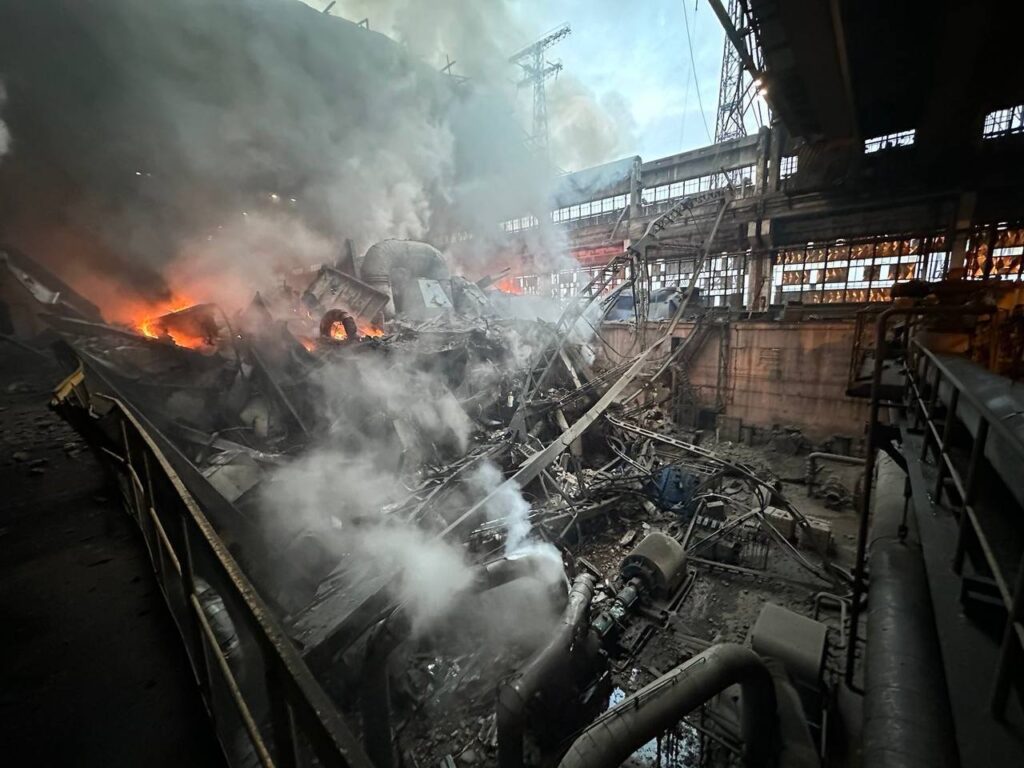
Russia launched a massive attack on one of Ukraine’s DTEK thermal power plants, severely damaging equipment and forcing the facility to stop generating electricity, the energy company said on 18 August.
The strike comes as Russia continues its campaign against Ukraine’s energy infrastructure ahead of another winter, with Ukrainian officials warning that Moscow is expected to intensify attacks on critical civilian systems.
DTEK power plant sustains significant damage
Russia launched a massive attack on one of Ukraine’s DTEK thermal power plants, severely damaging equipment and forcing the facility to stop generating electricity, the energy company said on 18 August.
The strike comes as Russia continues its campaign against Ukraine’s energy infrastructure ahead of another winter, with Ukrainian officials warning that Moscow is expected to intensify attacks on critical civilian systems.
DTEK power plant sustains significant damage
DTEK said Russian forces heavily damaged equipment at one of its thermal power plants, forcing the station to halt electricity generation. The company did not identify the plant or provide an estimate of when it could resume operations.
DTEK’s thermal power plants have been attacked more than 230 times since the start of Russia’s full-scale invasion, according to the company.
During the previous major attack on 12 June, one DTEK employee was killed, the company said.
Ukraine faces another winter of energy attacks
The latest strike adds to extensive damage Russia has inflicted on Ukraine’s power system. Energy Minister Denys Shmyhal said earlier this month that Russia has destroyed or damaged more than 80% of Ukraine’s power-generating capacity.
Ukraine is preparing for another difficult winter after repeated Russian strikes last winter caused widespread damage to electricity and heating infrastructure.
Shmyhal has also warned that Russia could broaden its campaign this winter by targeting Ukraine’s water systems. Such attacks could make prolonged power outages significantly more dangerous for civilians by disrupting water supplies and sewage systems.
Kyiv Oblast faces mounting Russian attacks
The power plant strike came as Russia launched another large drone attack on Ukraine, with Kyiv Oblast the main target. Ukraine’s Air Force said dozens of drones were launched during the day, with most intercepted or suppressed by Ukrainian air defenses.
The latest assault is part of a broader pattern of Russian attacks on Kyiv Oblast in recent weeks. Alongside energy infrastructure, Russian forces have repeatedly targeted warehouses, distribution centers and other logistics facilities around the capital, disrupting the systems that supply Kyiv and other parts of Ukraine.
With winter approaching, the combination of attacks on energy generation and civilian logistics is adding pressure to a country already dealing with years of damage to its critical infrastructure.
Russia struck the capital with ballistic missiles early on 11 August. One of them came down on the grounds of a Kyiv children's hospital in the Shevchenkivskyi district. Rescuers also fought a warehouse fire nearby that left one man injured.
The Kyiv children's hospital strike
Two craters opened on the hospital grounds, while the impact shattered windows and ruptured a gas line, rescuers reported. Utility crews sealed the leak within the hour. Staff at the Kyiv child
Russia struck the capital with ballistic missiles early on 11 August. One of them came down on the grounds of a Kyiv children's hospital in the Shevchenkivskyi district. Rescuers also fought a warehouse fire nearby that left one man injured.
The Kyiv children's hospital strike
Two craters opened on the hospital grounds, while the impact shattered windows and ruptured a gas line, rescuers reported. Utility crews sealed the leak within the hour. Staff at the Kyiv children's hospital had moved patients into the shelter before the strike, so it hurt no one there.
"Luckily, the children and medics were in the shelter — there were no casualties," - State Emergency Service reported
A warehouse ablaze and one man hurt
At a second address in the same district, a strike ignited a fire across 1,200 square meters of warehouse space. Crews first contained the flames, then put them out. Medics soon treated the lone casualty, a 28-year-old man. Earlier, the Air Force had warned of the ballistic threat before the missiles arrived.
Kyiv Oblast also under fire
The wider Kyiv Oblast took damage as well. In the Bucha district, the strike wrecked warehouse buildings and three trucks, although it caused no casualties. Officials said the enemy had again hit the region with ballistic missiles and attack drones.
A far deadlier night beyond Kyiv
Elsewhere, the toll climbed sharply. In Zaporizhzhia, a combined missile and guided-bomb strike killed six people and injured 19, regional authorities reported. Across the oblast, meanwhile, Russian forces launched 938 strikes on 58 settlements in a single day, injuring 52 residents in total. Officials also logged 341 reports of damage to homes, vehicles, and infrastructure.
In central Dnipropetrovsk Oblast, drones and artillery hit five districts more than 20 times. The strikes killed three people, among them a 15-year-old boy, and hurt five others, including a 7-year-old girl. To the northeast, an attack on Zlatopil in Kharkiv Oblast damaged civilian infrastructure and injured a resident.
Meanwhile, in Mykolaiv, drones hurt a 75-year-old woman and damaged homes and an industrial site, and officials described her condition as satisfactory. In nearby Snihurivka, six more drone strikes damaged houses, a shop, and a car, though they caused no injuries.
The strikes add to a wave of Russian attacks on Ukrainian cities this summer. The capital had already endured ballistic missiles days earlier, on the night of 8 August. That evening, explosions also echoed through Kyiv and Dnipro during a mass drone assault.
Editor's note: The story was updated with the latest reports from Mykolaiv and Sumy.Russian attacks against Ukraine have killed at least six civilians and injured at least 25 others over the past day, regional authorities reported on July 6.Russian forces launched four S-300 anti-aircraft missiles from Russia's Kursk Oblast and 157 Shahed drones from Russia's Shatalovo, Millerovo, and Primorsk-Akhtarsk airfields, as well as from Russian-occupied Crimea, against Ukraine overnight, according to Uk
Editor's note: The story was updated with the latest reports from Mykolaiv and Sumy.
Russian attacks against Ukraine have killed at least six civilians and injured at least 25 others over the past day, regional authorities reported on July 6.
Russian forces launched four S-300 anti-aircraft missiles from Russia's Kursk Oblast and 157 Shahed drones from Russia's Shatalovo, Millerovo, and Primorsk-Akhtarsk airfields, as well as from Russian-occupied Crimea, against Ukraine overnight, according to Ukraine's Air Force.
Ukraine's air defense shot down 98 drones, while another 19 disappeared from radar without causing any damage, according to the statement. Drones that disappear from radar before reaching their targets are often decoys that Russia launches alongside real drones to overwhelm Ukraine's air defense.
In Kharkiv Oblast, Russian forces attacked 13 settlements, killing two people and injuring 11 others, Governor Oleg Syniehubov reported.
An 8-year-old boy was killed, while a 3-year-old boy, a 40-year-old man, and a 36-year-old woman suffered injuries in the village of Odnorobivka.
In the town of Kupiansk, a 59-year-old man was killed, while a 56-year-old man, a 57-year-old woman, and two women aged 65 were injured due to the Russian strikes.
In Kharkiv, the regional capital, a 46-year-old woman and a 2-year-old girl suffered injuries.
The casualties were also reported in the villages of Prykolotne and Shyroke, where a 66-year-old man and a 27-year-old woman were injured.
In Donetsk Oblast, Russian forces killed a person in the town of Myrnohrad, and another person was killed in the village of Andriivka, according to Governor Vadym Filashkin.
In Andriivka, two people suffered injuries. Two more people were injured in the town of Siversk, and another one in the city of Pokrovsk.
In Kherson Oblast, Russia targeted 32 settlements, including the regional center of Kherson, over the past day. As a result of the attacks, two people were killed and three others were injured, Governor Oleksandr Prokudin reported.
In Mykolaiv Oblast, Russian drones attacked the port infrastructure in the regional center of Mykolaiv, damaging the power grid and warehouses.
A 31-year-old woman was injured and hospitalized, while a 35-year-old man, who also suffered injuries in the attack, was treated at the scene, according to Governor Vitalii Kim.
In Sumy Oblast, a Russian FPV drone attacked the Khotyn community, hitting a car and injuring a 49-year-old man, the local military administration reported. He was hospitalized.
In Dnipropetrovsk Oblast, a 39-year-old woman was injured in the attack against the Nikopol district. Russia targeted the area with FPV (first-person-view) drones and artillery, according to Governor Serhii Lysak.
In Zaporizhzhia Oblast, Russian strikes injured an 89-year-old woman in the village of Yurkivka, the local military administration reported.
In Kyiv Oblast, Russia attacked the Vyshhorod district, injuring a 35-year-old man. He suffered shrapnel wounds, the local military administration reported.
In Poltava Oblast, Russian drones struck the city of Kremenchuk, hitting an enlistment office and a neighboring house. The attack caused a fire, but no casualties were reported, according to the local military administration.
Ukraine's Emergency Service also reported that Russia had carried out double-tap attacks in the cities of Kharkiv and Kherson when rescuers arrived at the impact sites. As a result of the attacks, tanker trucks were damaged, but no rescuers were injured.
Editor's note: This is a developing story and is being updated as new details emerge.Russia launched a series of drone attacks on Kyiv Oblast overnight on June 15-16, targeting both the capital city and regional settlements, according to government officials.In the Obukhiv district of Kyiv Oblast, a 60-year-old man was injured as a result of Russia's drone strike, reported regional governer Mykola Kalashnyk at 1:37 a.m. local time.The injured man received medical assistance, Kalashnyk confirmed.
Editor's note: This is a developing story and is being updated as new details emerge.
Russia launched a series of drone attacks on Kyiv Oblast overnight on June 15-16, targeting both the capital city and regional settlements, according to government officials.
In the Obukhiv district of Kyiv Oblast, a 60-year-old man was injured as a result of Russia's drone strike, reported regional governer Mykola Kalashnyk at 1:37 a.m. local time.
The injured man received medical assistance, Kalashnyk confirmed.
Civilian targets, including a private home, were also damaged in the attack. Emergency services are currently working at the scene.
Earlier in the night, explosions were also heard in Kyiv.
Kyiv Mayor Vitali Klitschko confirmed that the city's air defenses were operating and that drones were entering the city late on Sunday night, at about 11:29 p.m. local time.

 Connexion

 Exilenova+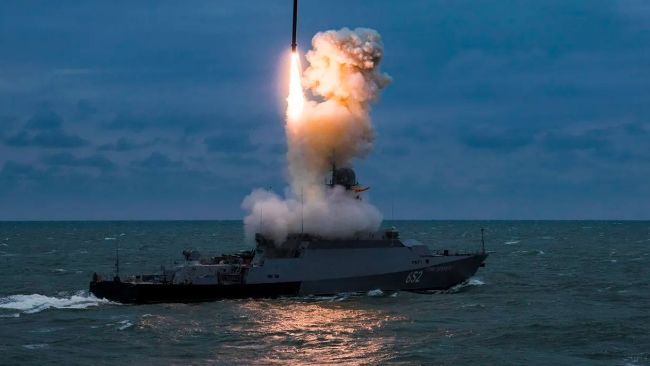
 DSNS
DSNS