Connexion
Russia launches record ballistic missile barrage on Kyiv, firing over 40 missiles in under an hour
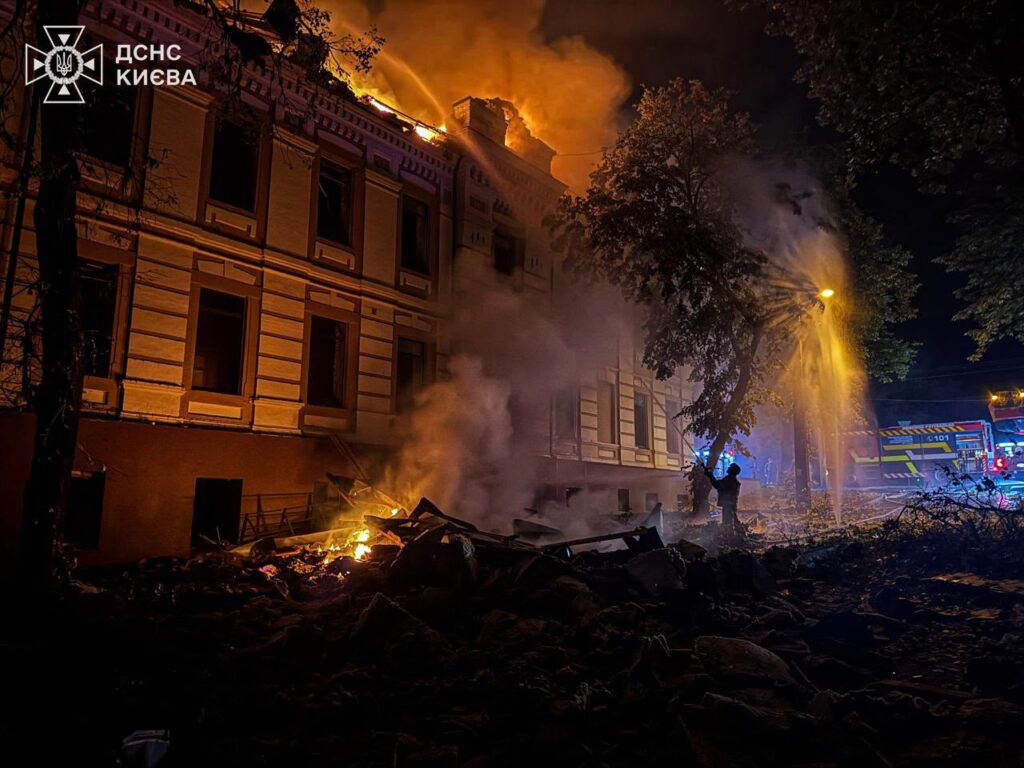
Russia launched the largest ballistic missile attack on Kyiv since the start of its full-scale invasion overnight on 19 July, firing more than 40 missiles at the capital in less than an hour.
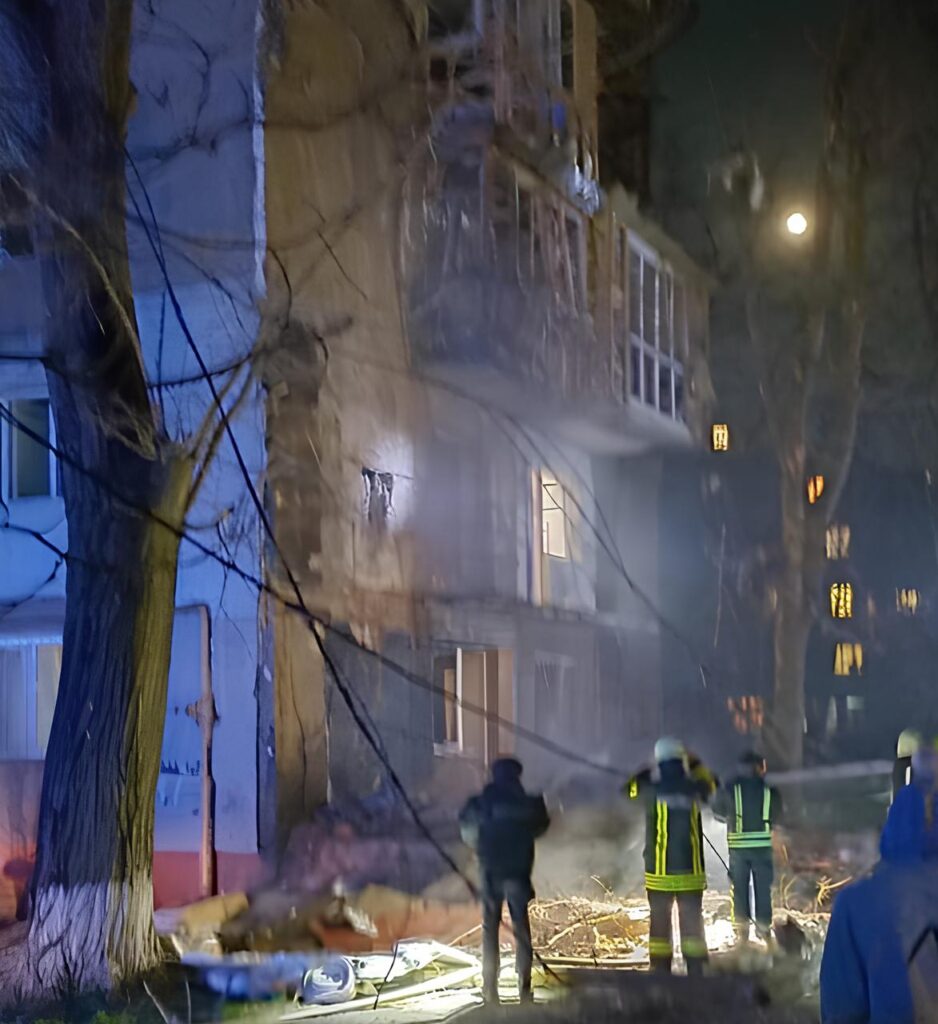
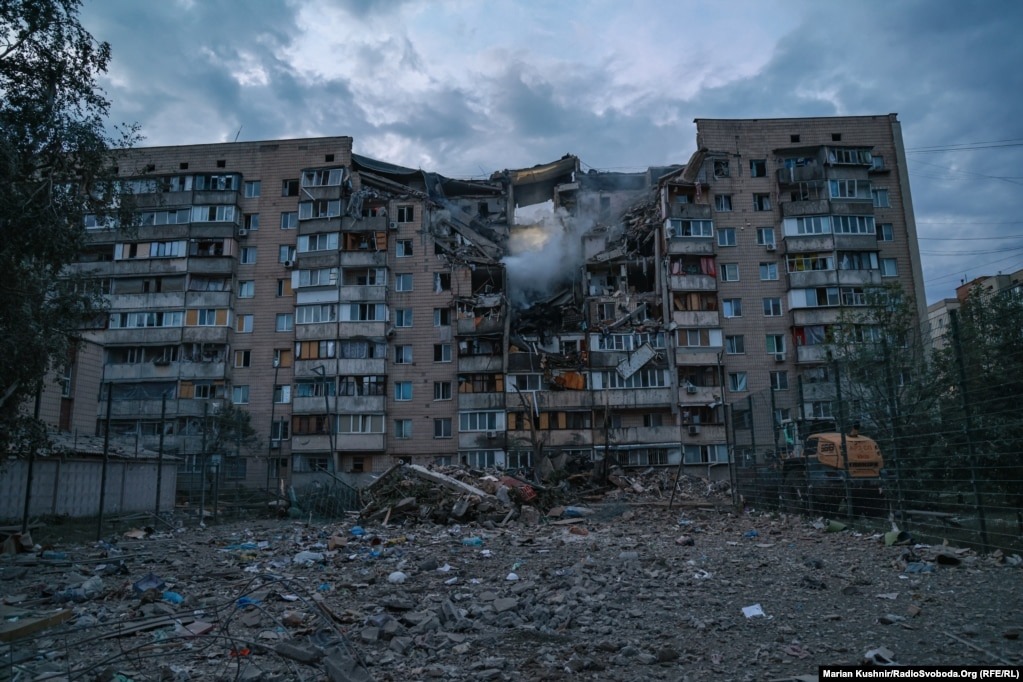
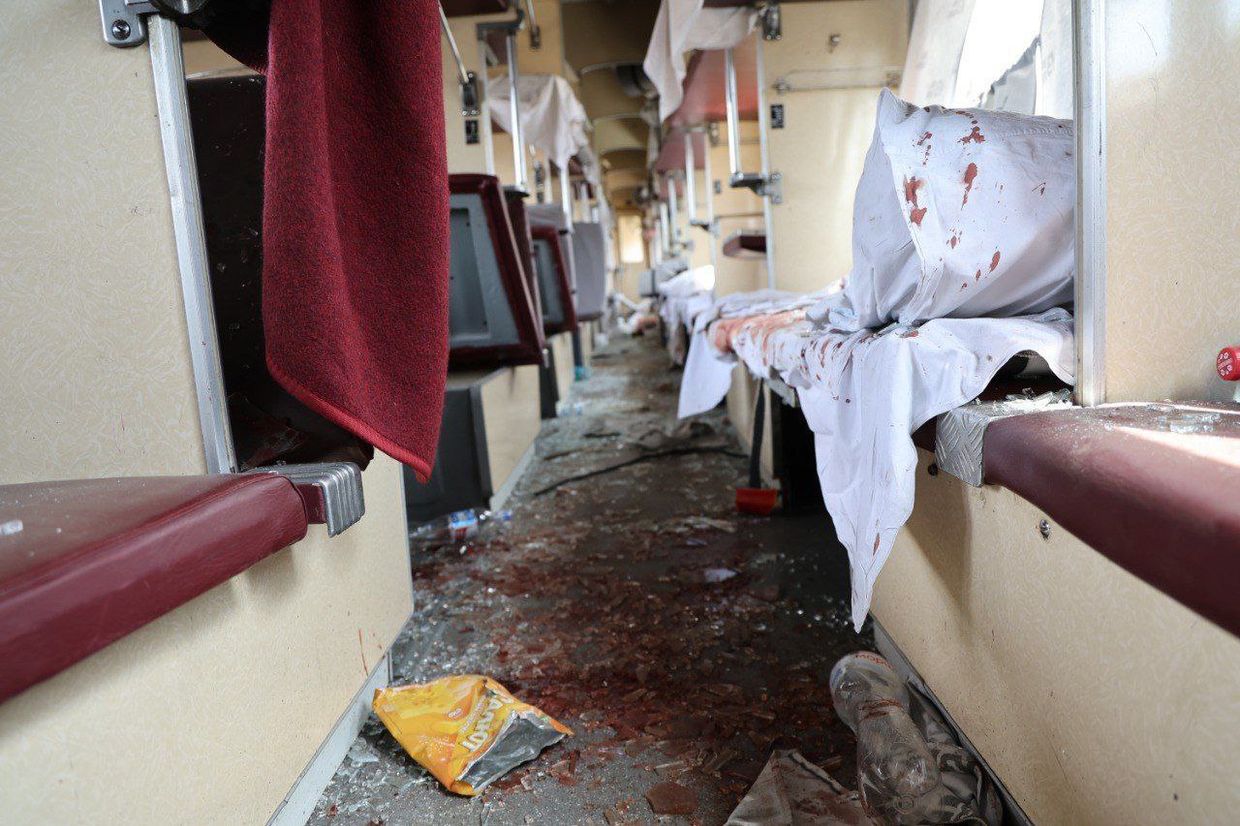
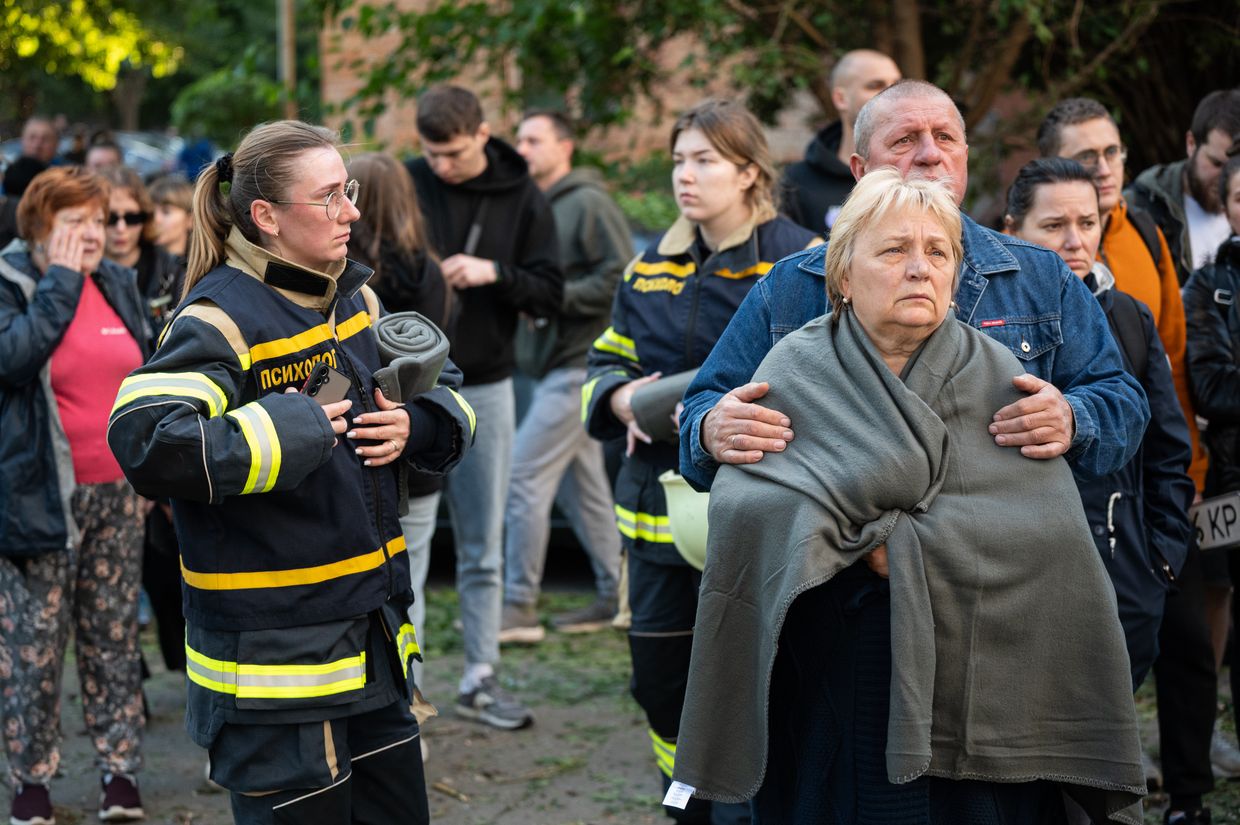
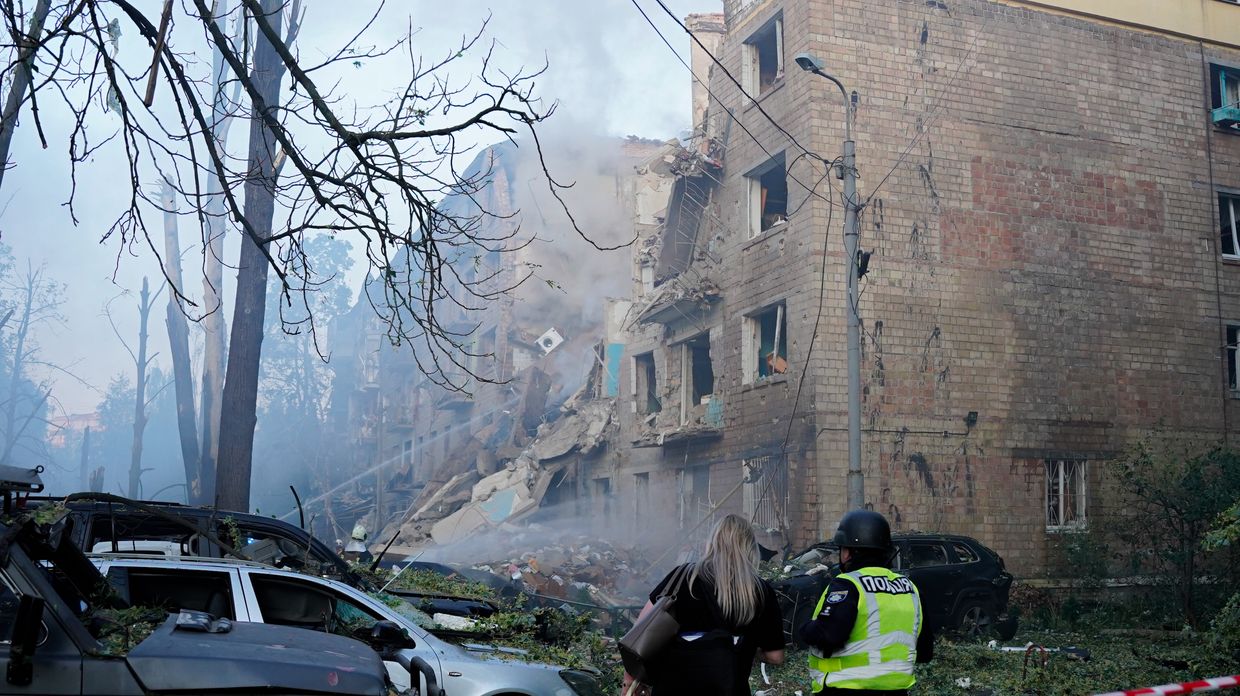
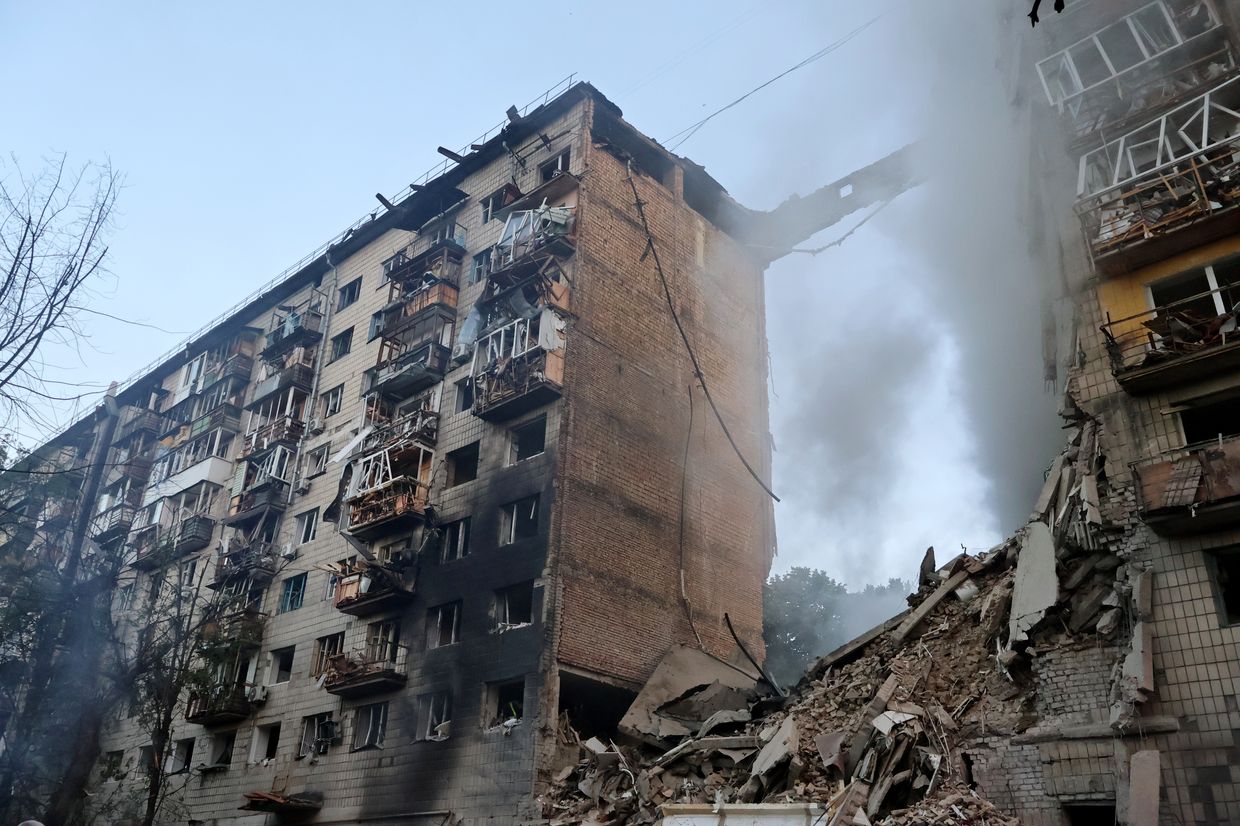
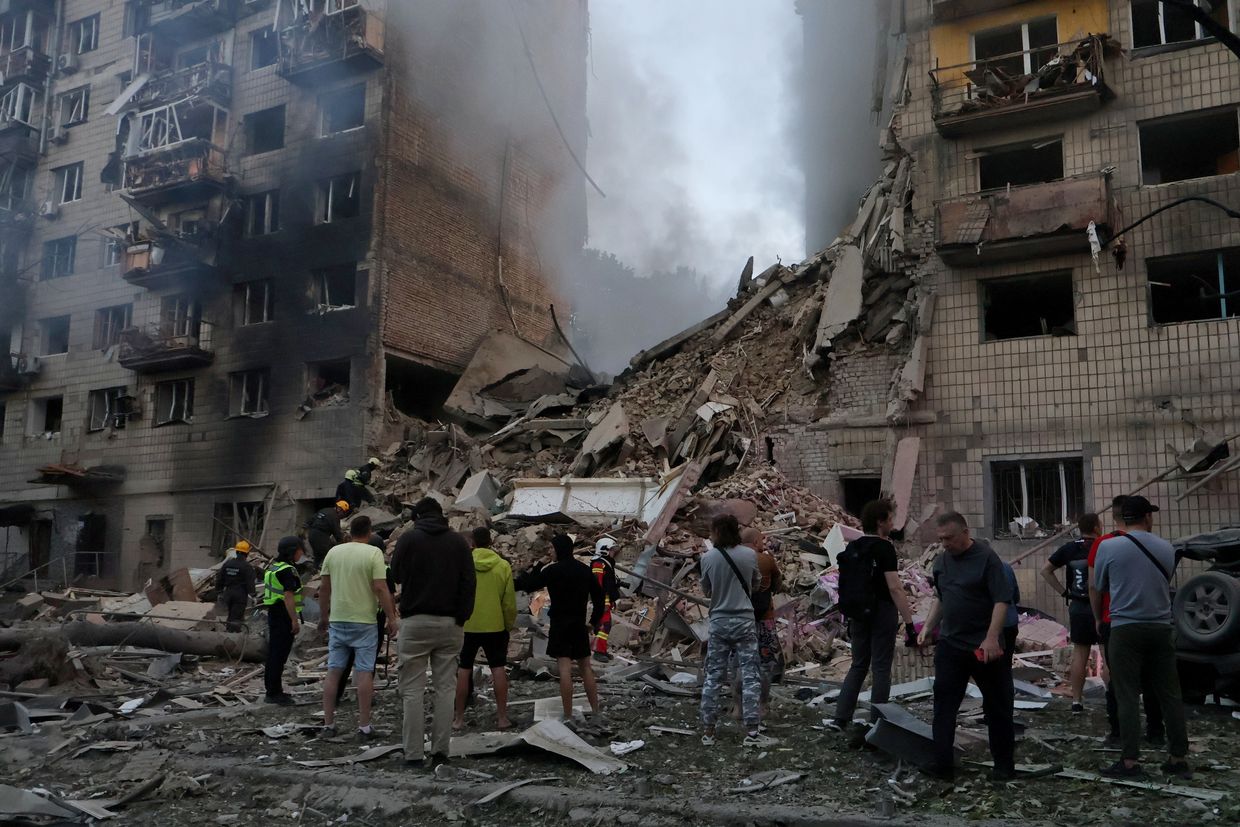
At least one person was killed and 16 others were injured as explosions and falling debris damaged residential neighborhoods and civilian infrastructure across the city.
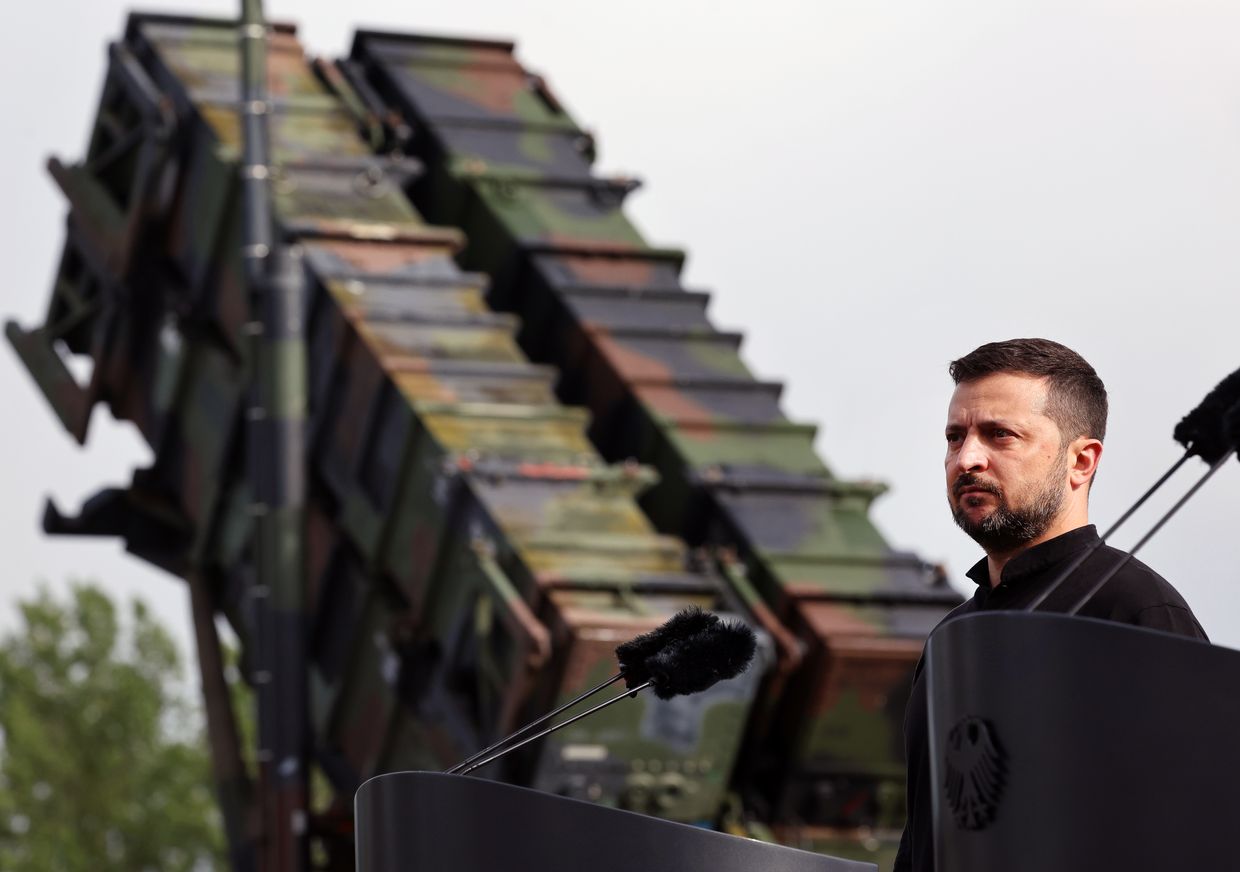
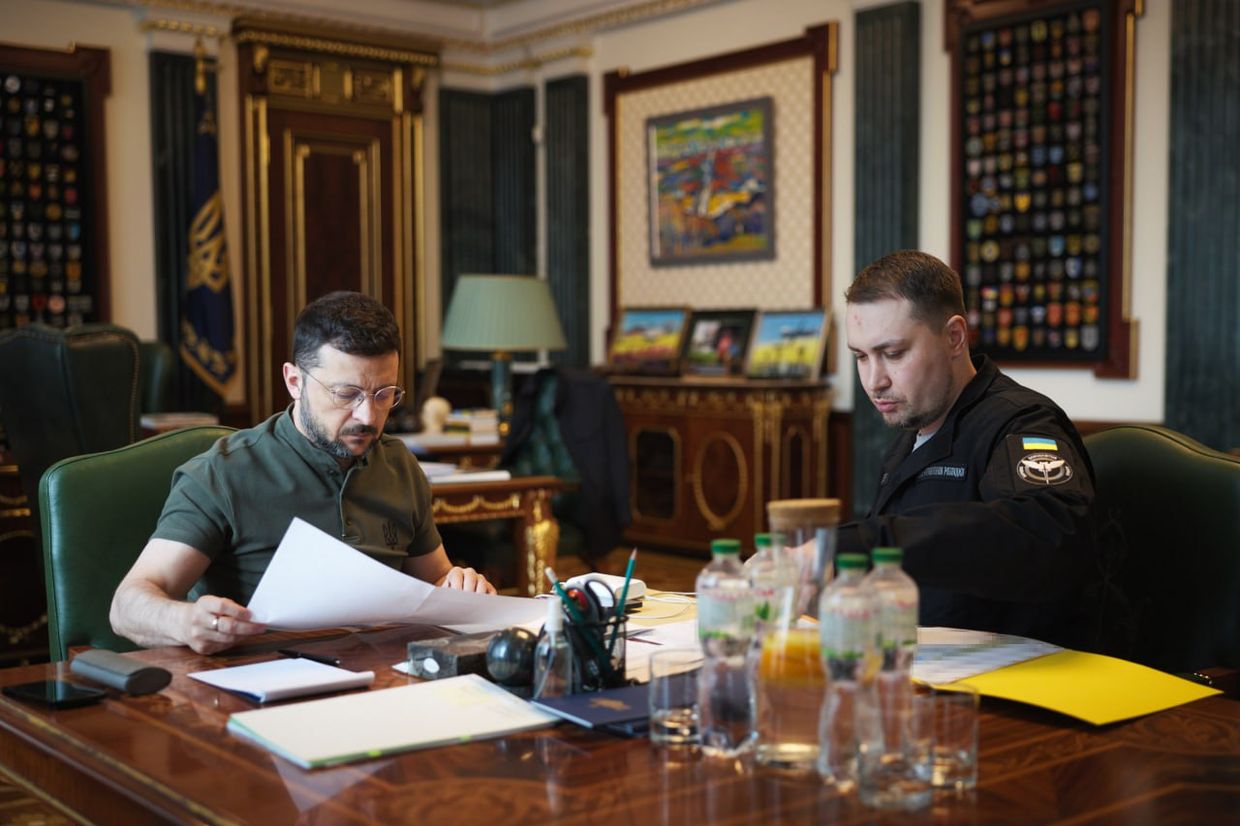
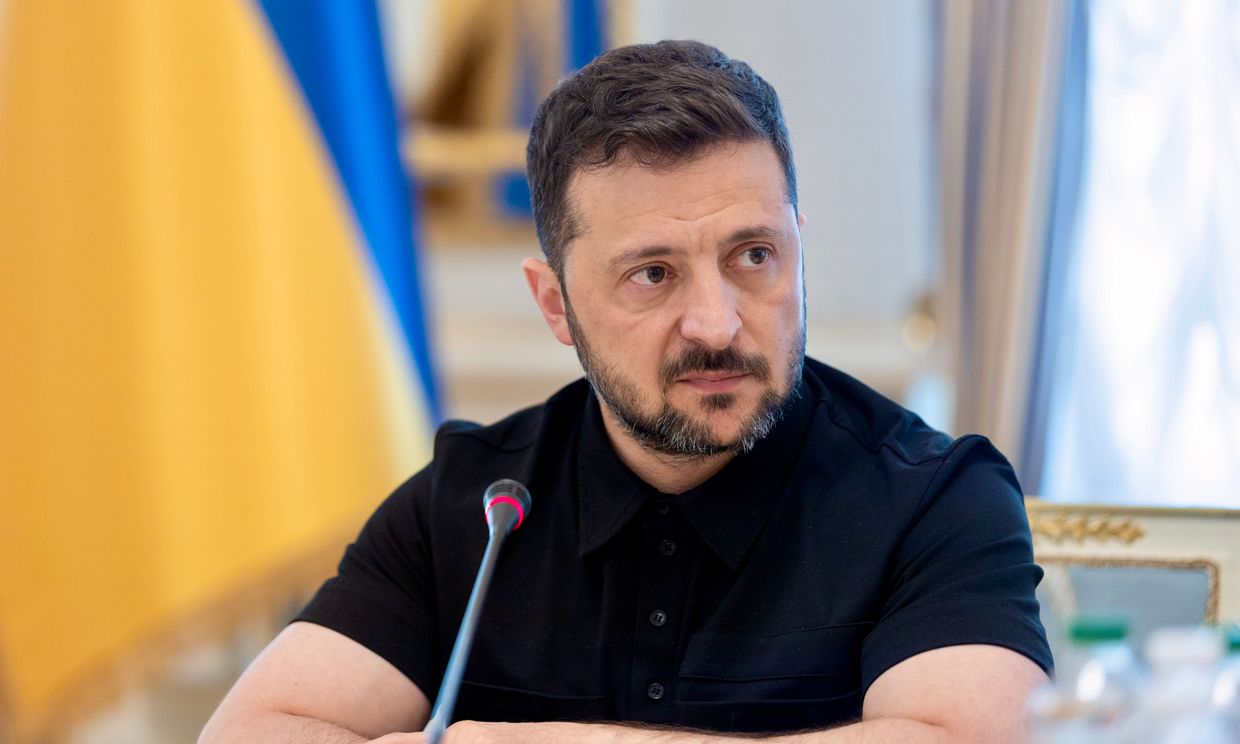
President Volodymyr Zelenskyy said Russia launched more than 40 missiles of various types overnight, most of them targeting Kyiv, alongside 120 attack drones across Ukraine. He described the assault as "one of the most massive ballistic attacks" on the capital.
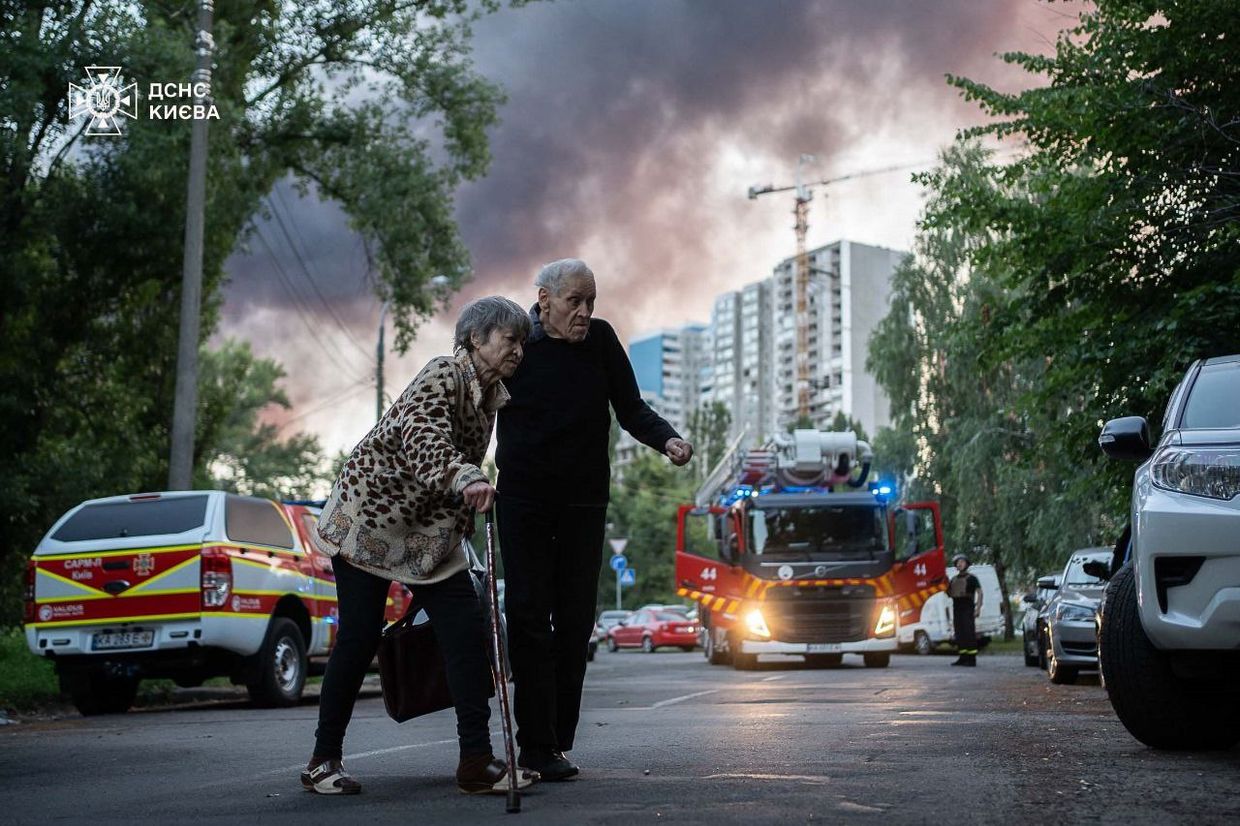
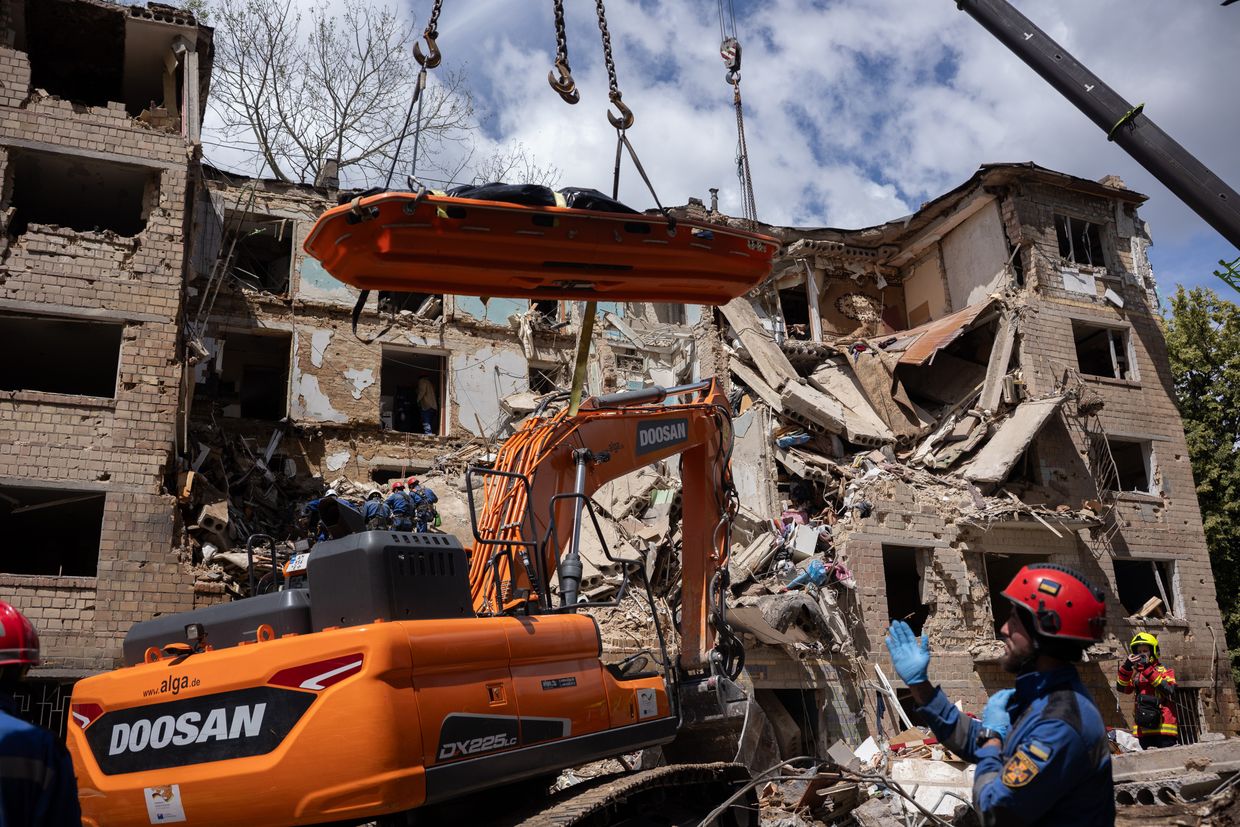
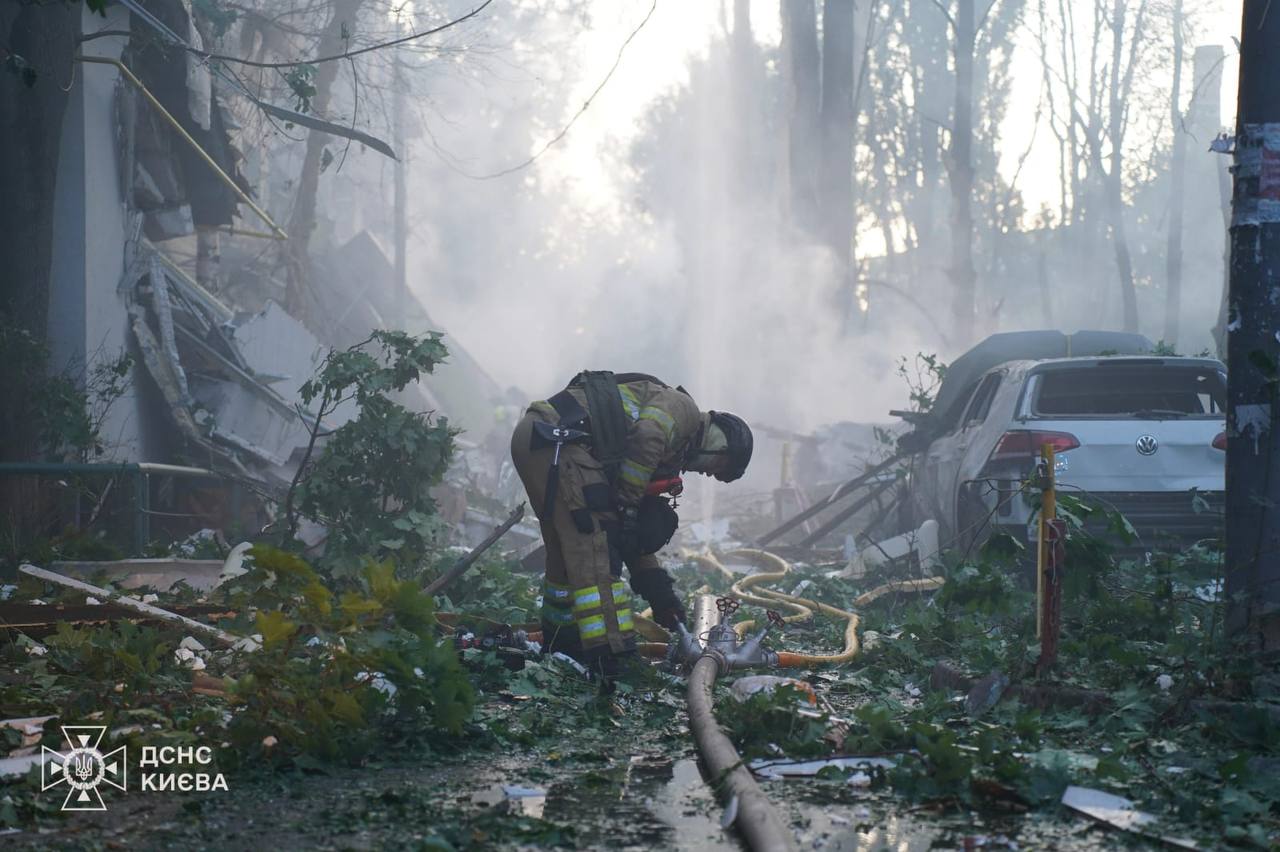
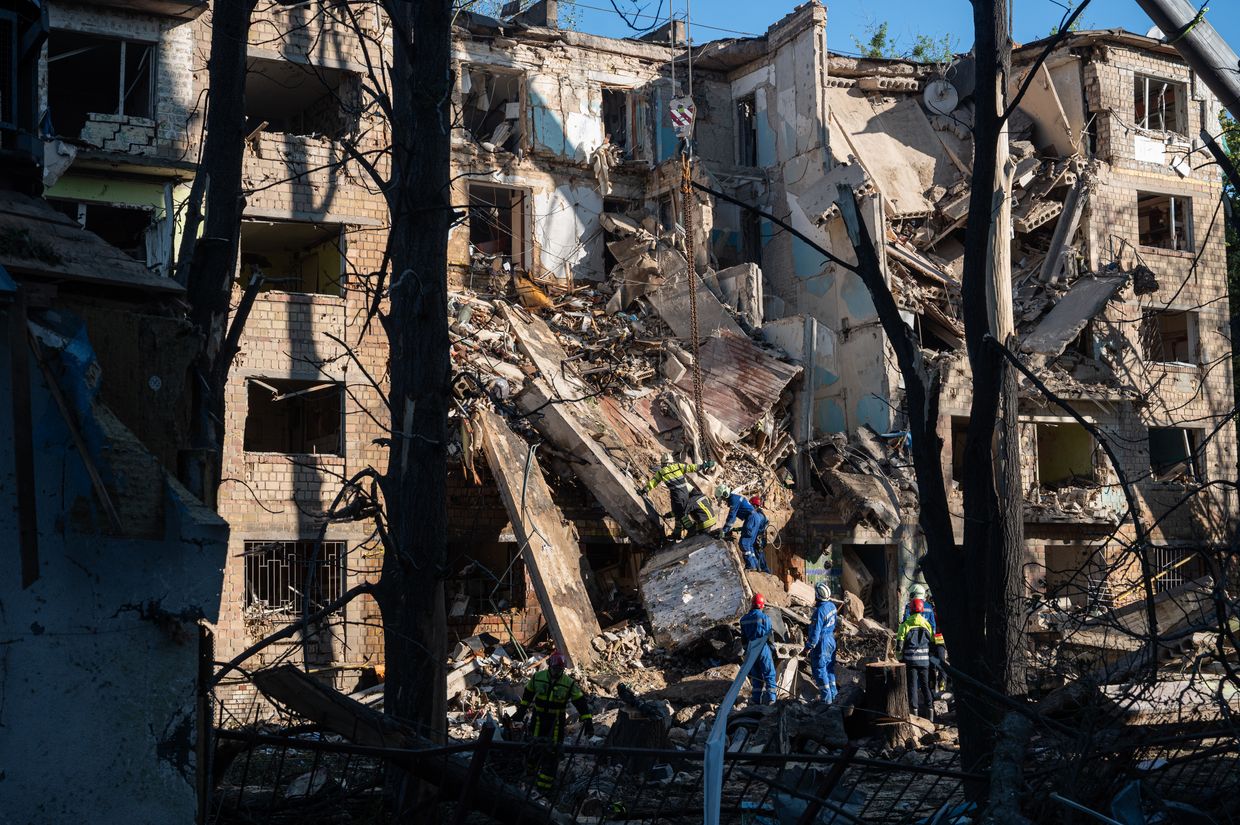
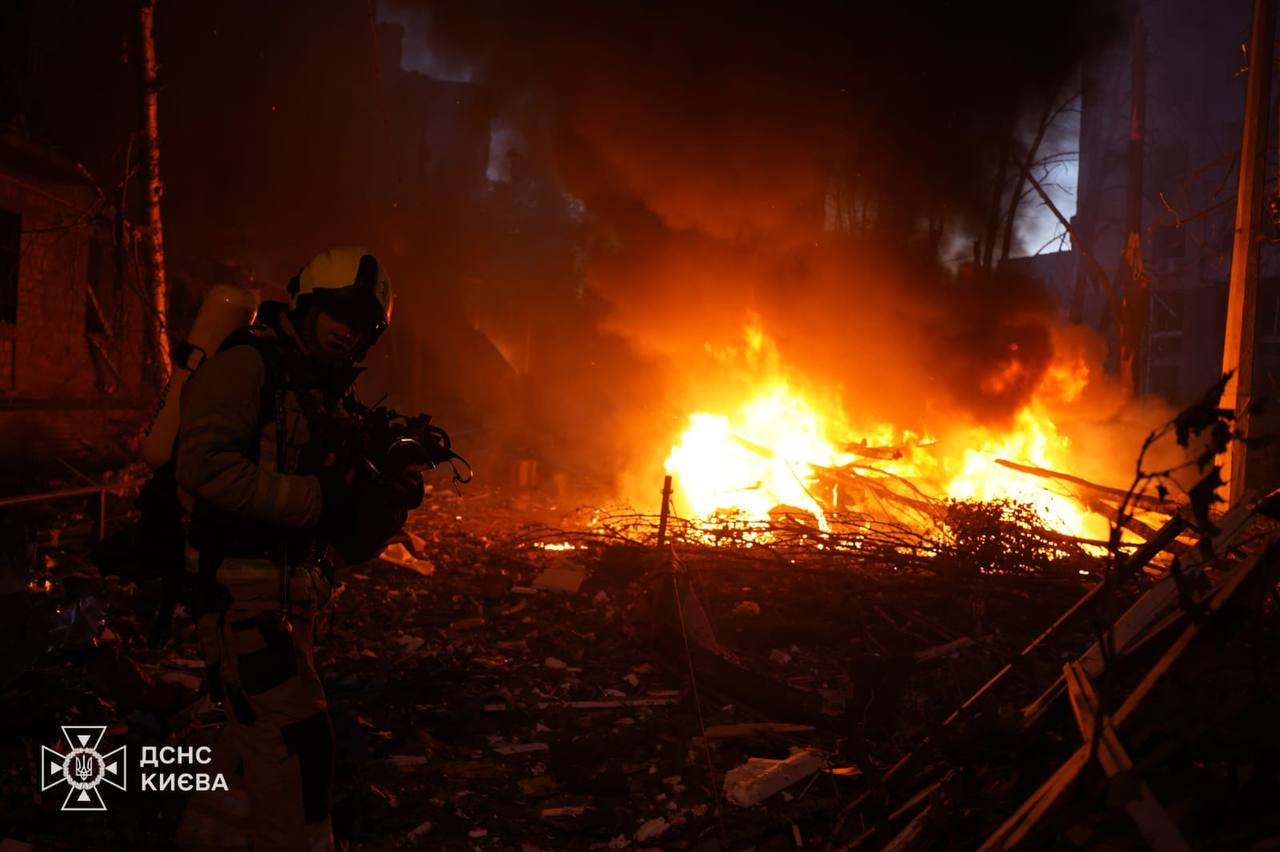
Nearly 600 emergency workers were deployed across multiple impact sites as rescuers spent the morning extinguishing fires, searching damaged buildings, and clearing debris.
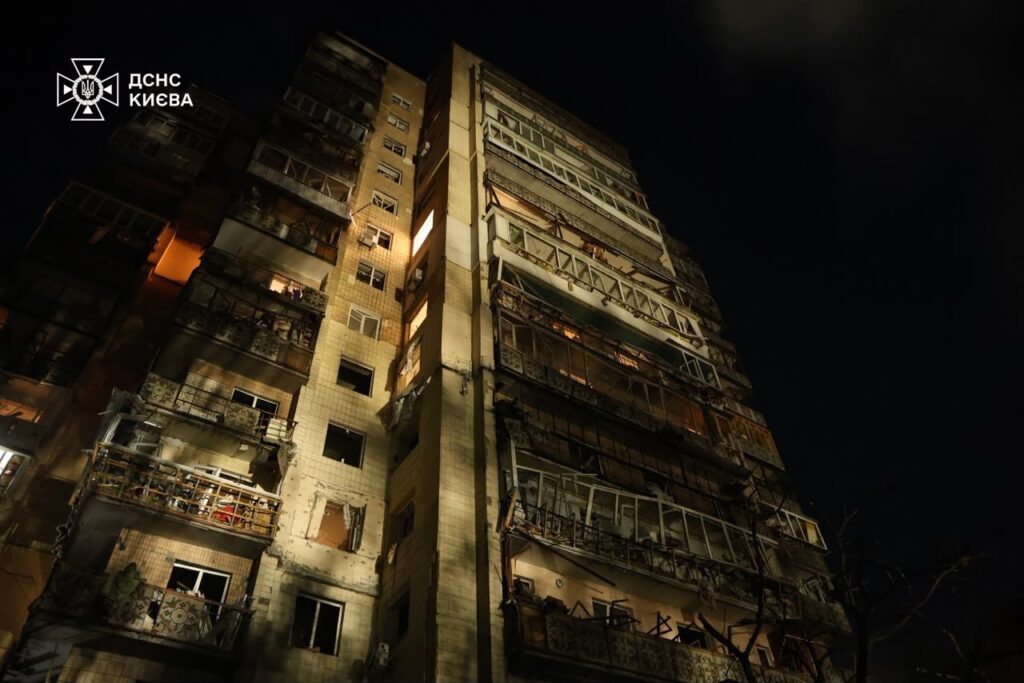
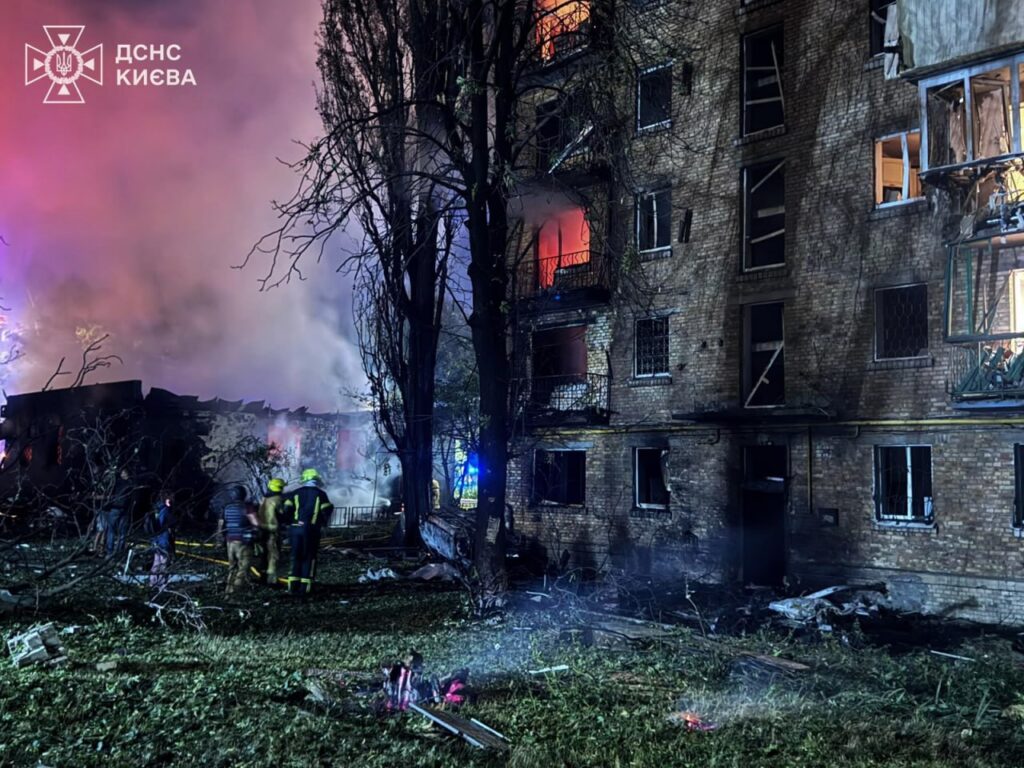
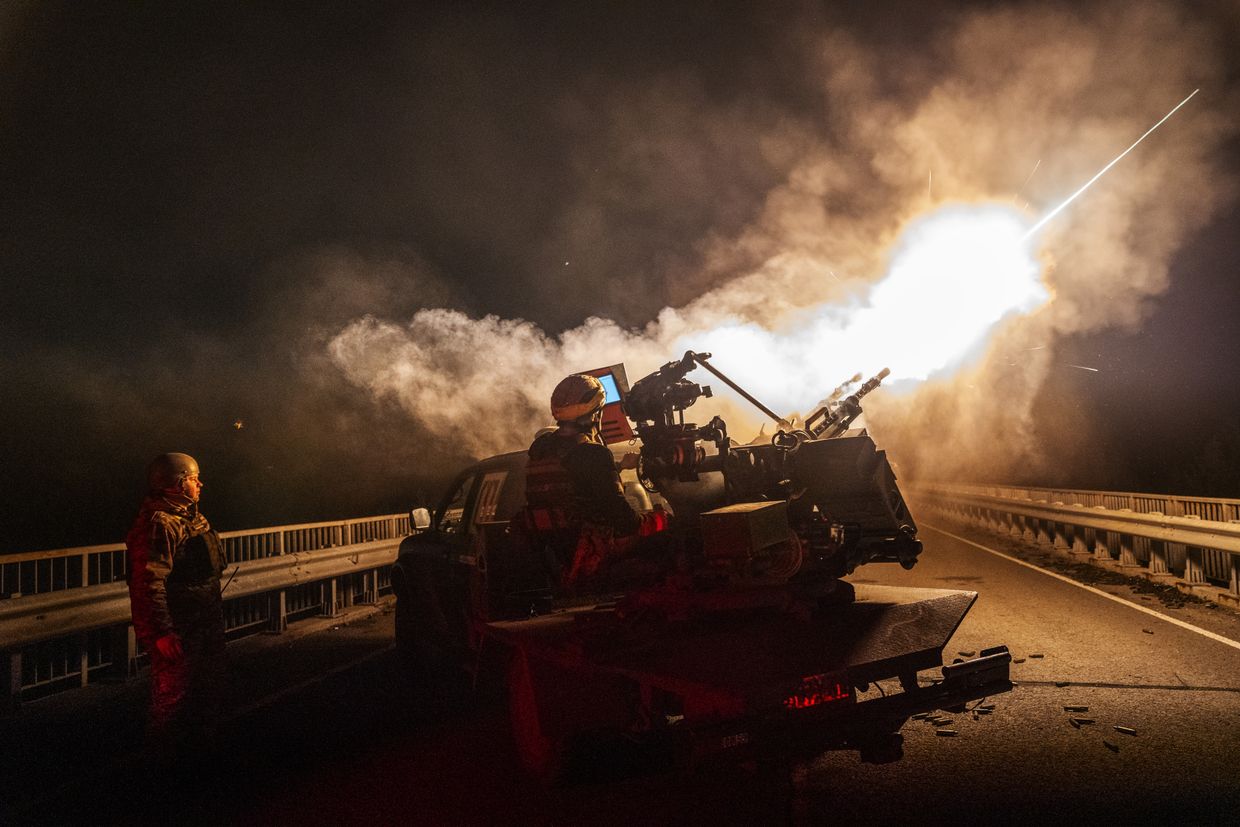
The attack featured some of Russia's most difficult weapons for Ukraine to intercept. Unlike drones or cruise missiles, ballistic missiles travel at extremely high speeds and require specialized anti-ballistic systems such as the US-made Patriot, which Ukraine has repeatedly said remain in limited supply.
The missiles' extreme speed also sharply reduces warning time for civilians. While drone attacks can often be tracked for hours, ballistic missiles can reach Kyiv within minutes of launch, leaving residents with only a short time to seek shelter after air raid sirens sound.
Kyiv was the main target
The Ukrainian Air Force said Russia launched a total of 166 aerial weapons overnight, including 41 missiles and 125 drones, with Kyiv identified as the primary target.
The missile barrage included 25 Iskander-M and S-400 ballistic missiles, 10 Zircon hypersonic missiles, three Oniks anti-ship missiles, and three Kh-59/69 guided air-launched missiles. Russia also launched 125 Shahed attack drones and other unmanned aerial vehicles, including decoys and loitering munitions.
Ukraine's air defenses intercepted or suppressed 126 incoming targets, including 18 missiles and 108 drones. According to the Air Force, 23 missiles and 10 attack drones nevertheless struck targets at 20 locations, while debris from intercepted drones fell at another 18 sites.
Russia hit Kyiv with a massive missile barrage on 19 July, and monitoring channels are putting the number at roughly 40 ballistic missiles in a single strike
— Euromaidan Press (@EuromaidanPress) July 19, 2026
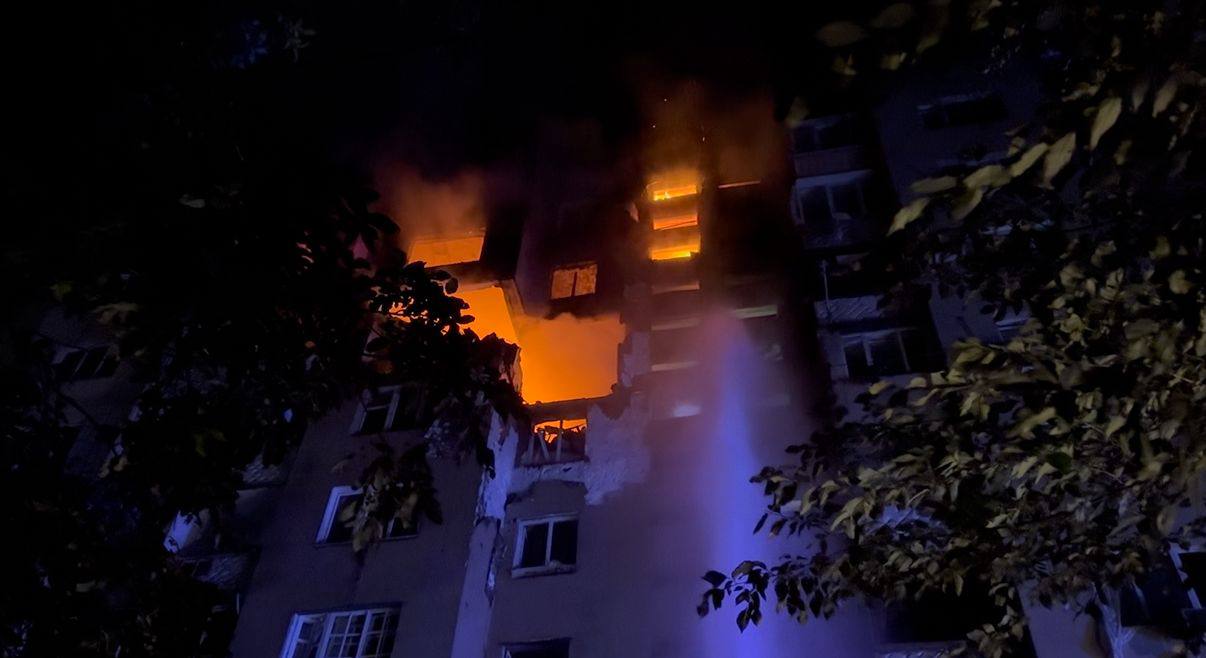
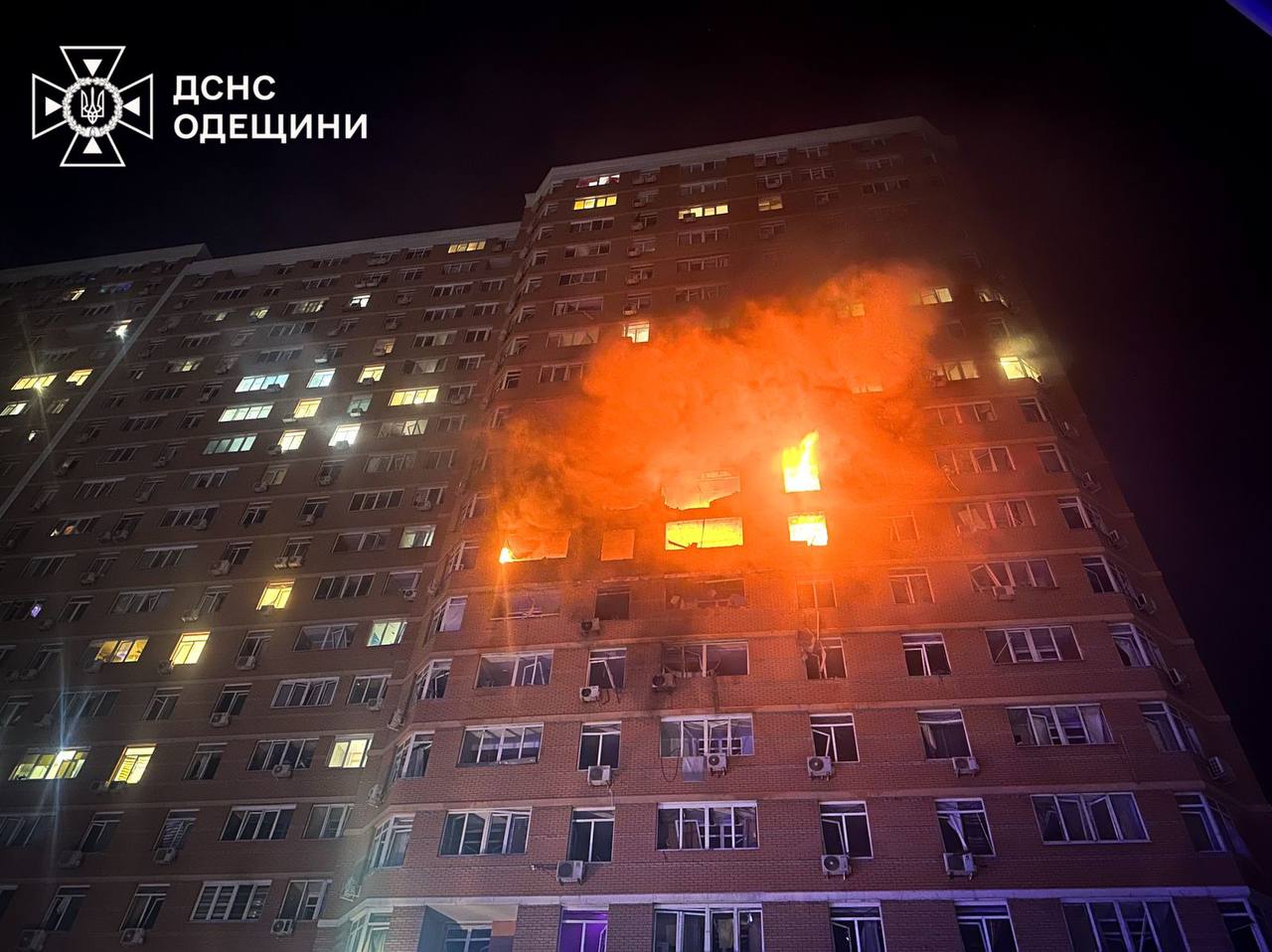
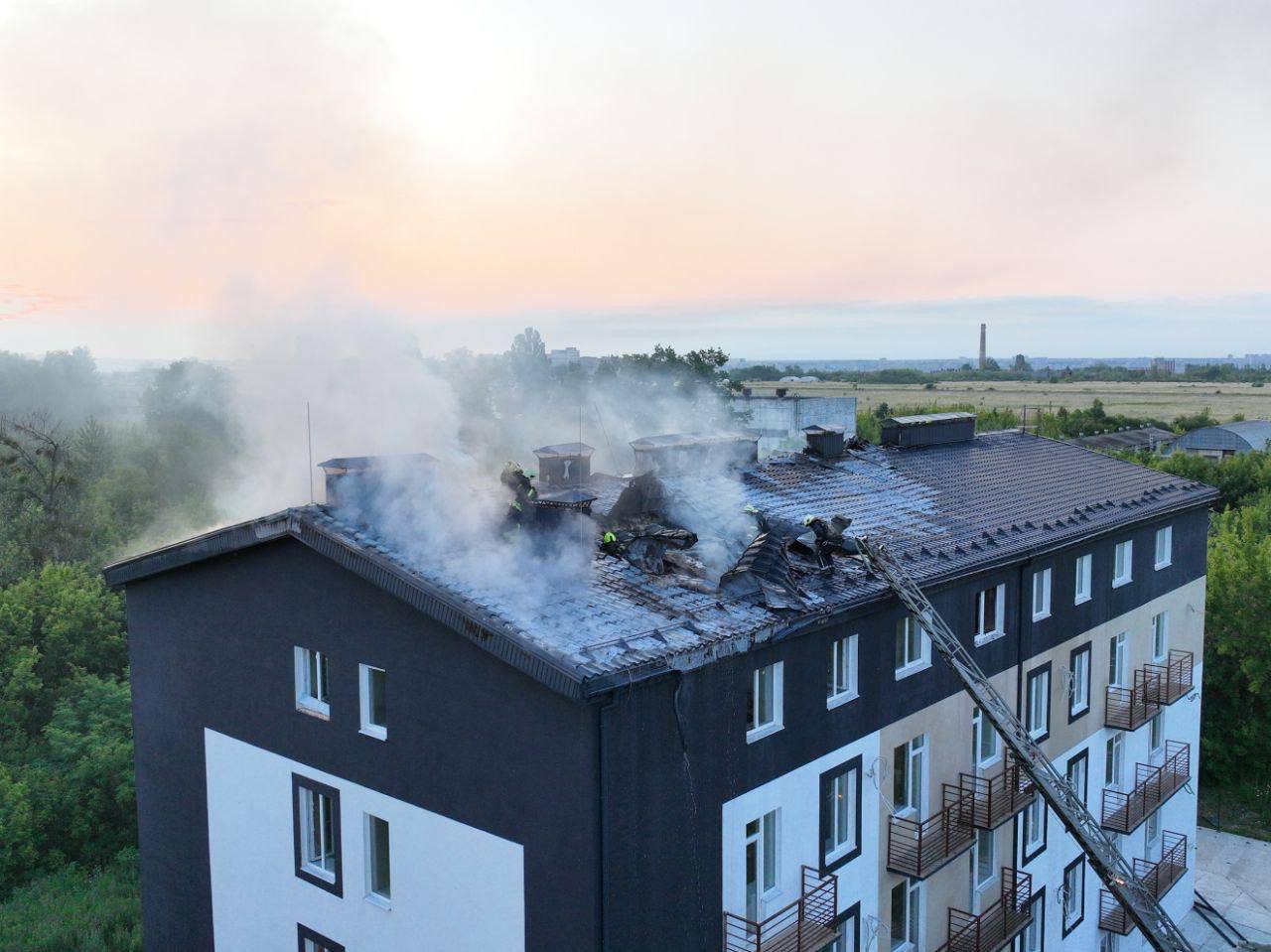
A residential high-rise is burning right nowRealnyi Kyiv pic.twitter.com/kHFFx3kamV
Civilian neighborhoods damaged across Kyiv
The main part of the ballistic assault unfolded in less than an hour, with successive missile launches striking the capital before emergency responders could fully assess the initial impacts.
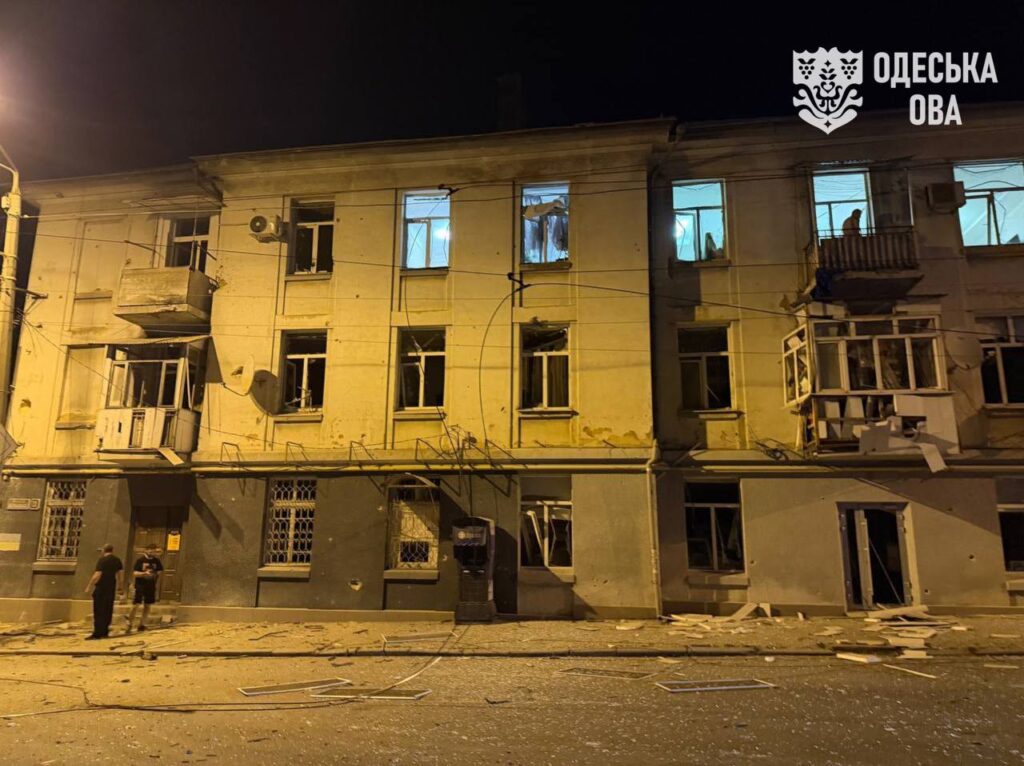
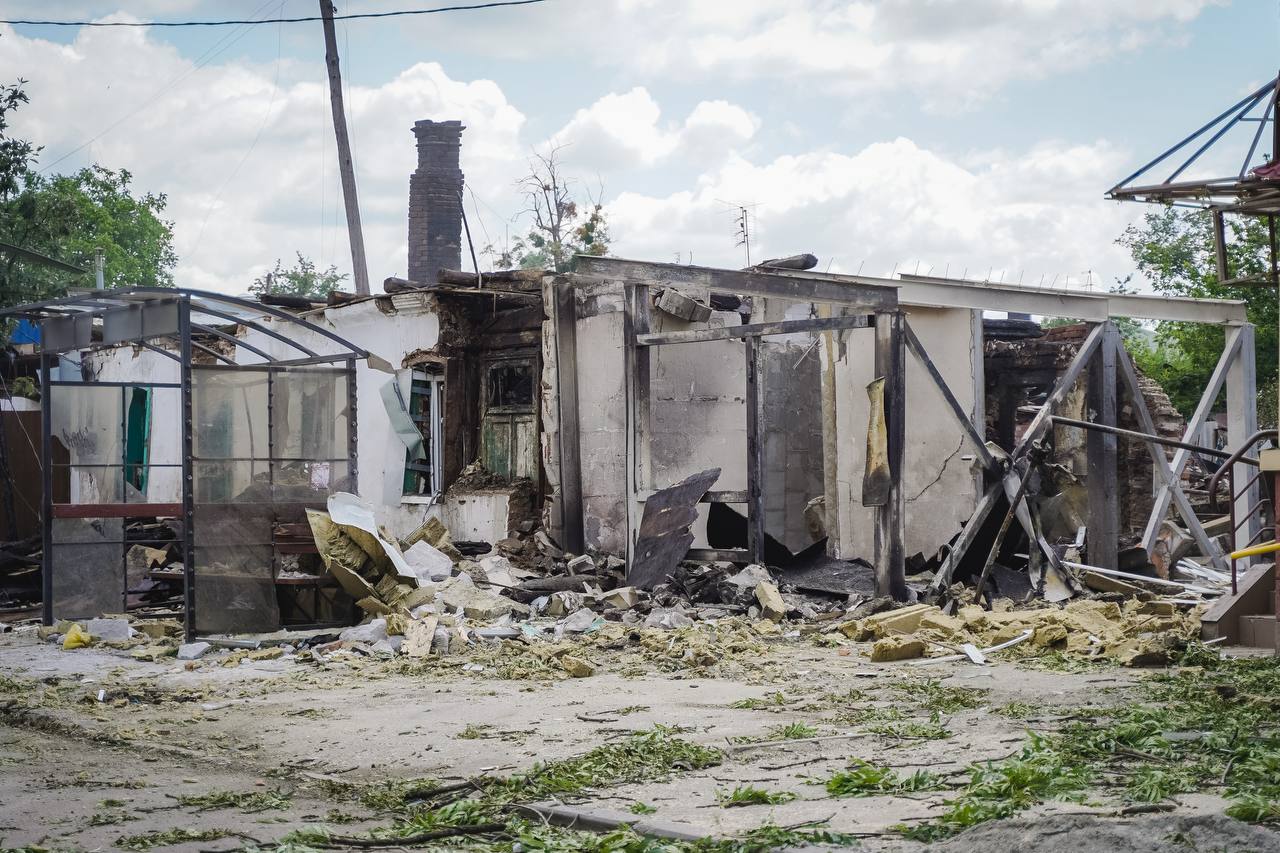
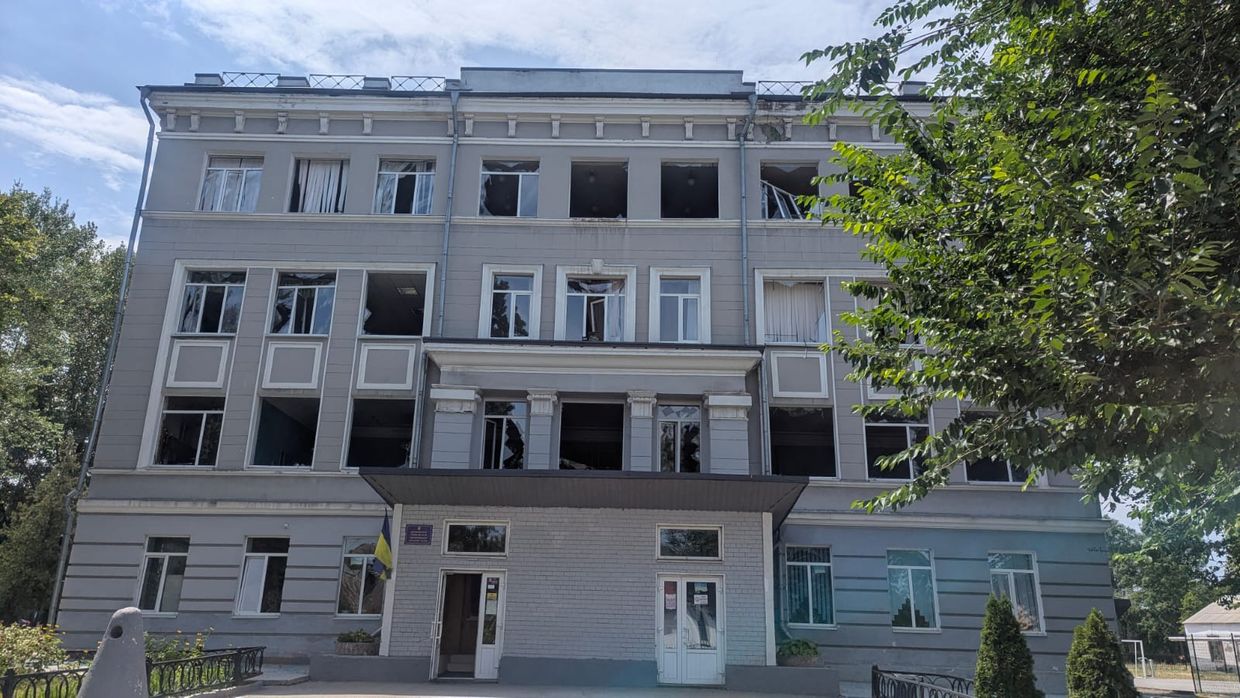
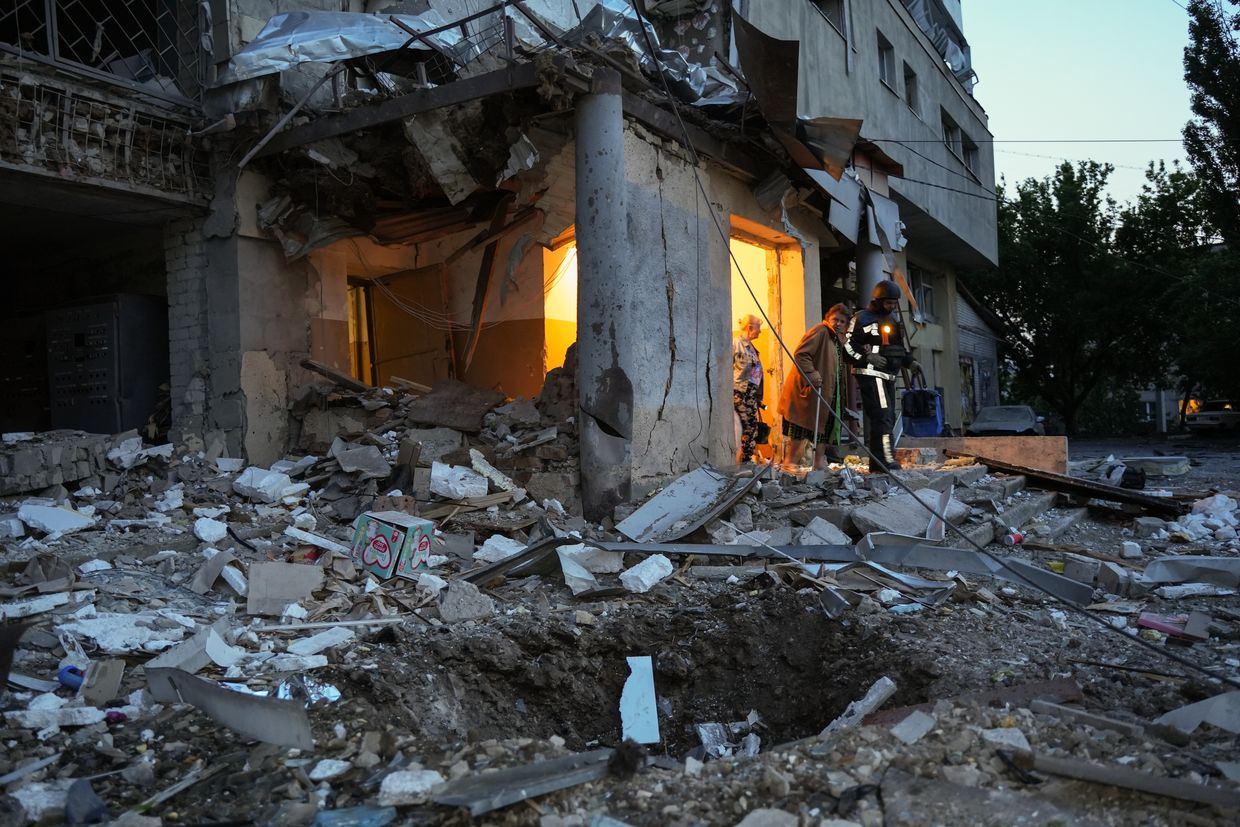
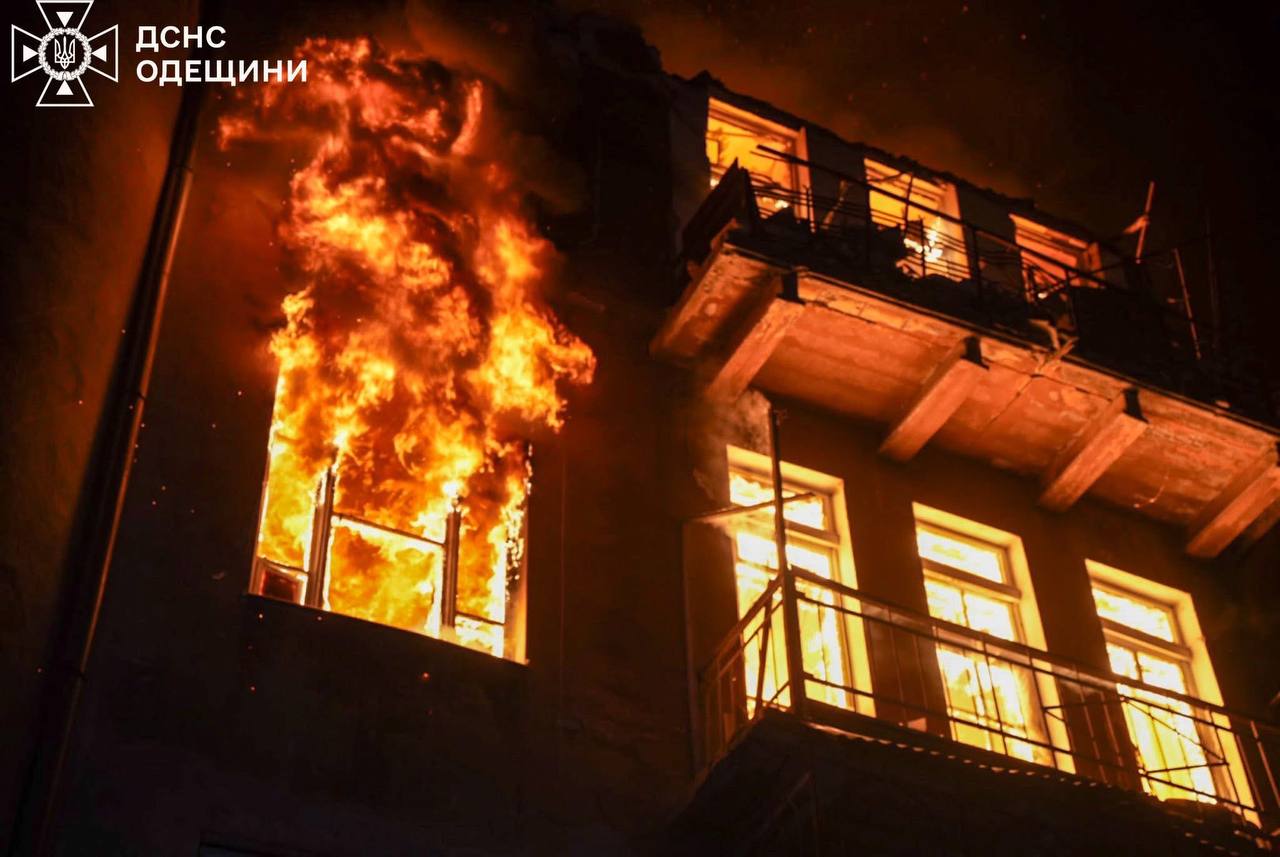
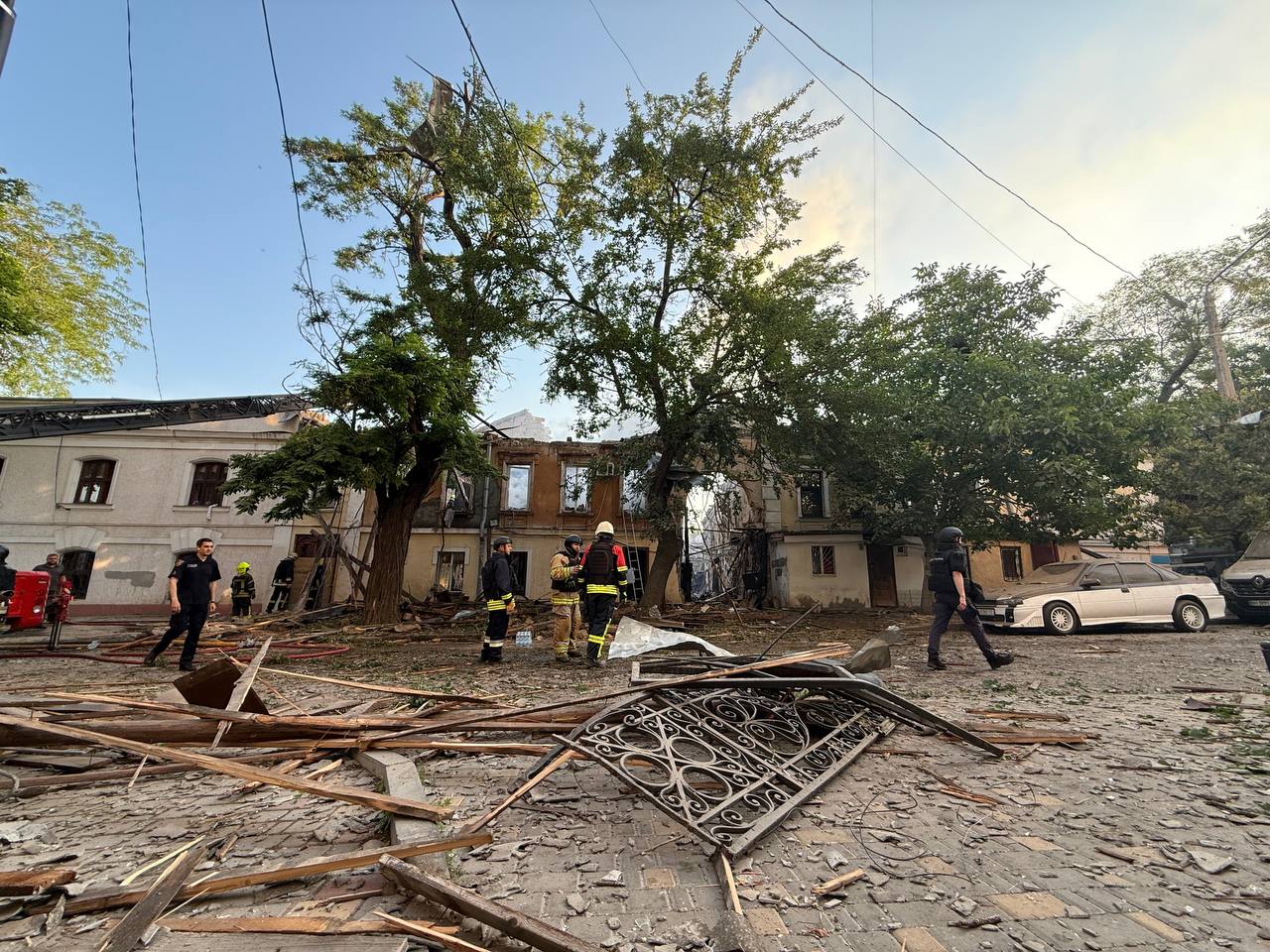
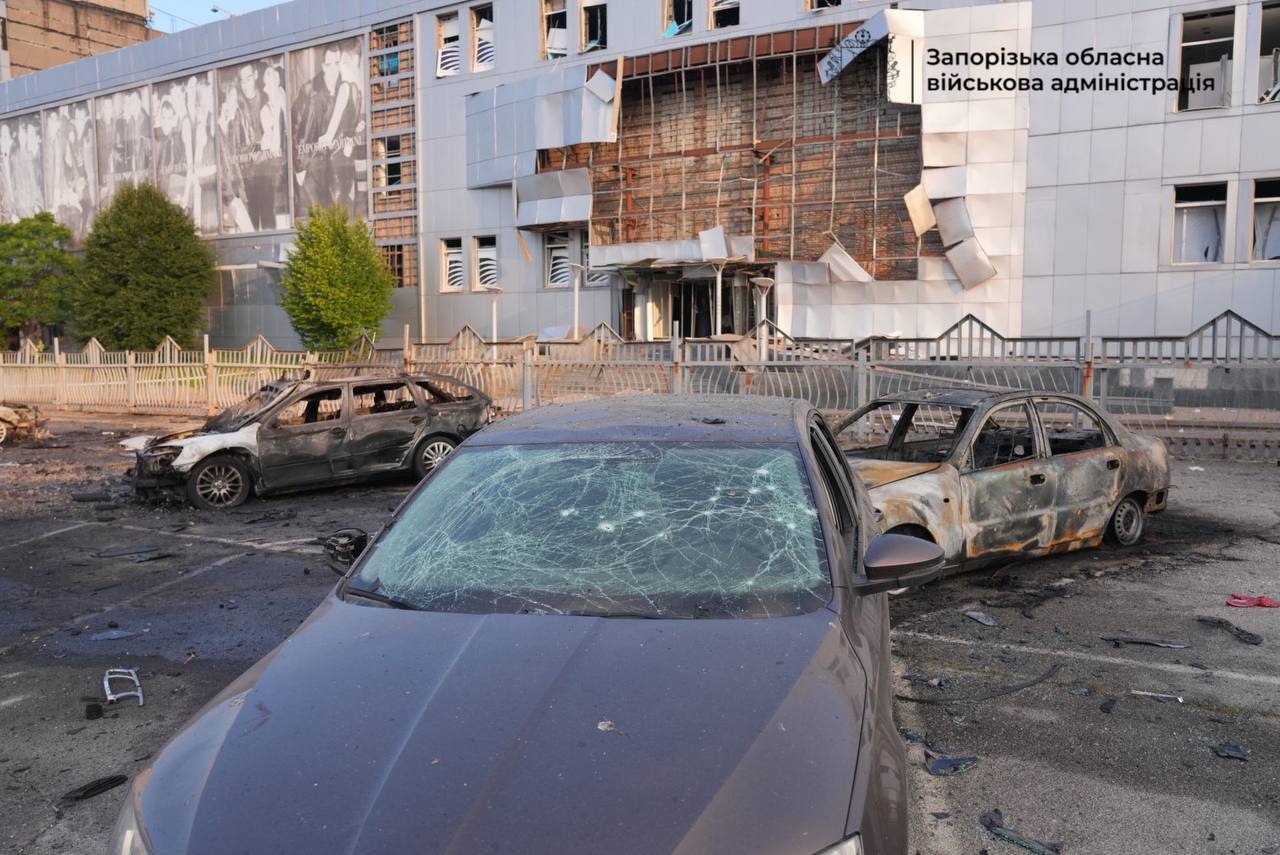
The attack damaged residential buildings, offices, warehouses, vehicles, and other civilian infrastructure across at least five districts of Kyiv, including Solomianskyi, Shevchenkivskyi, Dniprovskyi, Desnianskyi, and Sviatoshynskyi, according to Ukraine's State Emergency Service (DSNS).
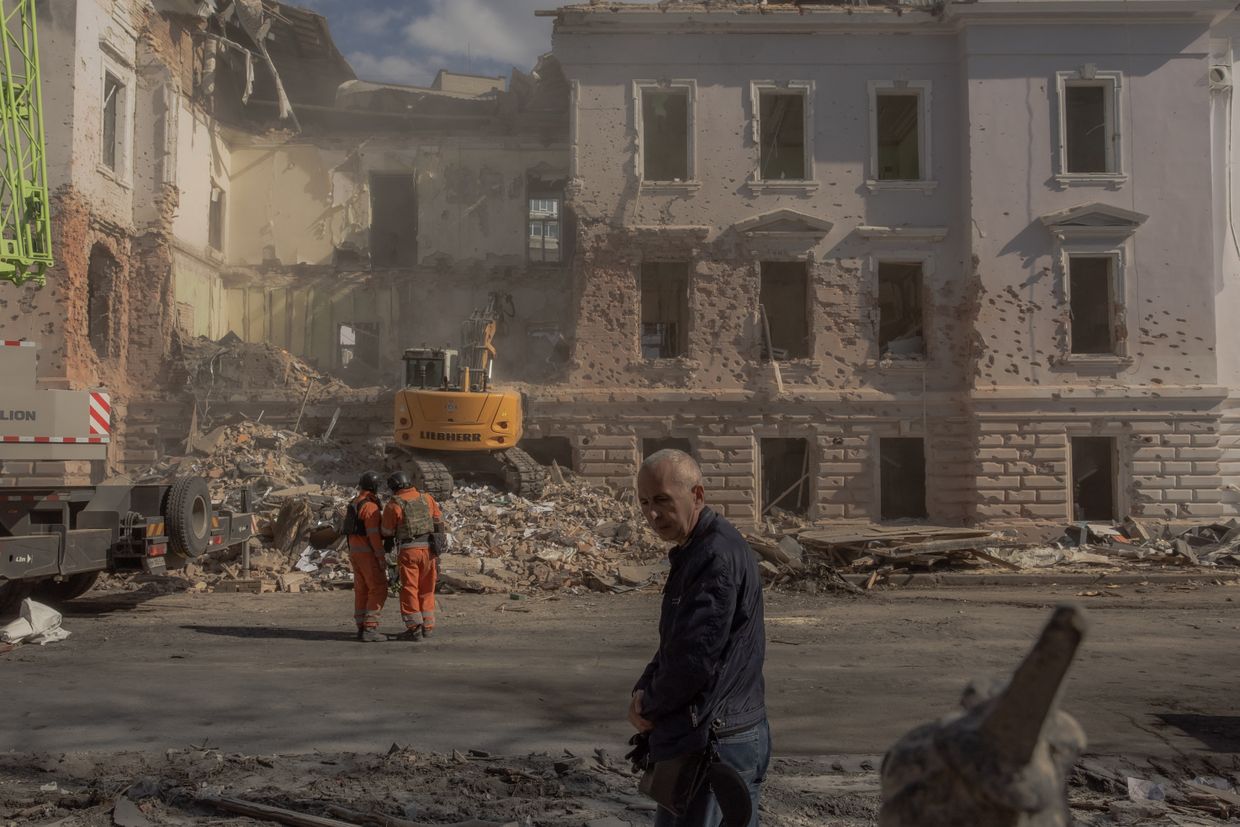
One of the hardest-hit locations was the area around Lukianivska metro station in Kyiv's Shevchenkivskyi district, where explosions damaged civilian buildings and sparked multiple fires. The neighborhood was also heavily struck during a Russian missile attack in May, when widespread destruction was recorded around the station.
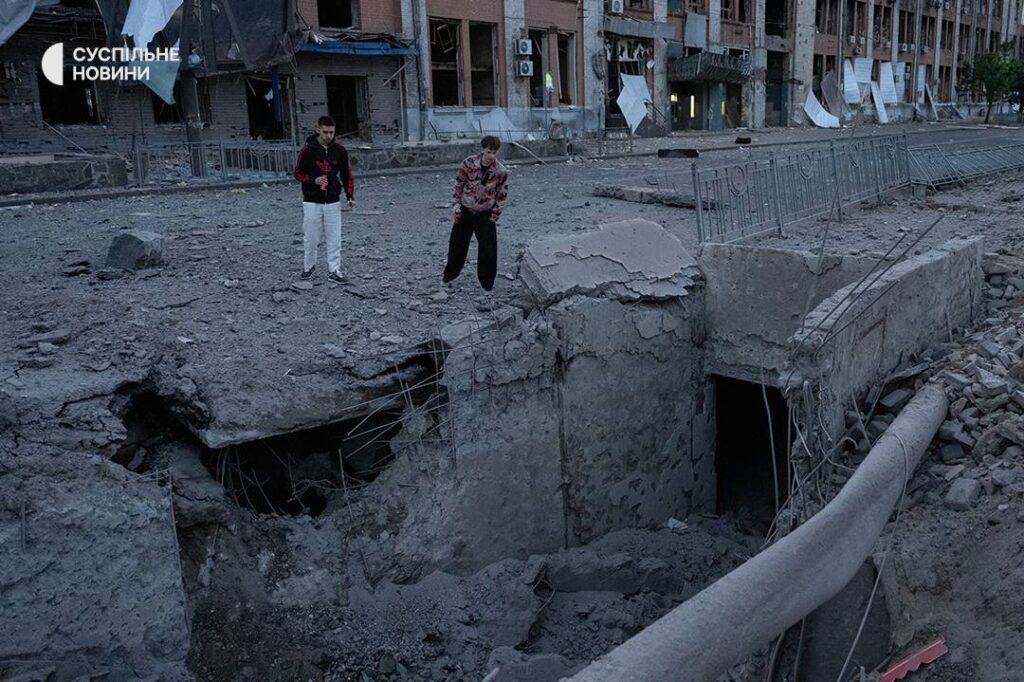
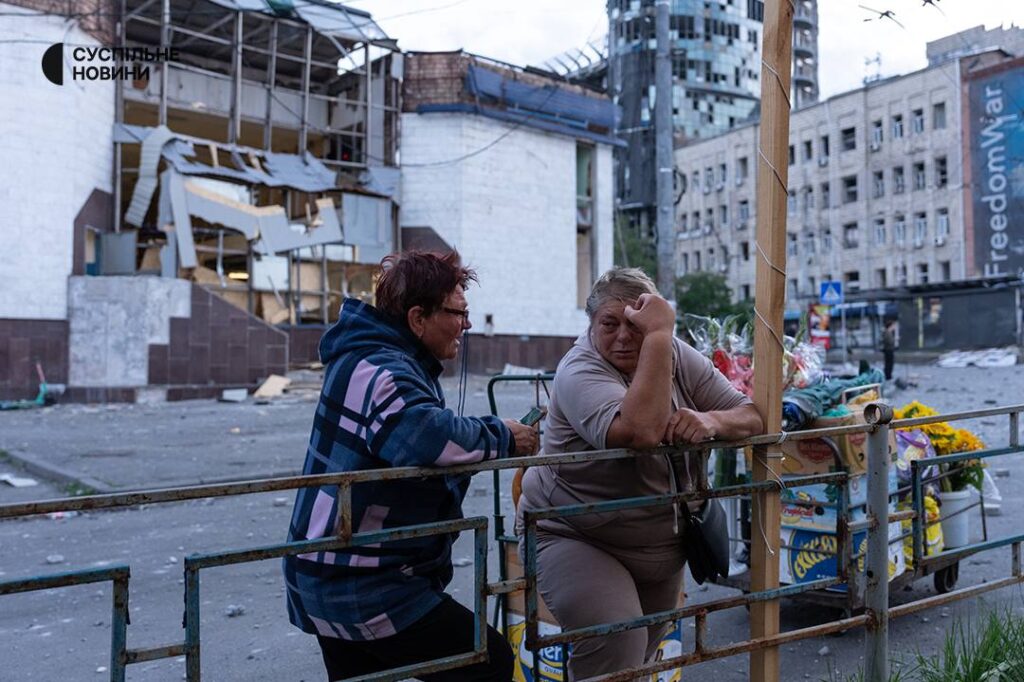
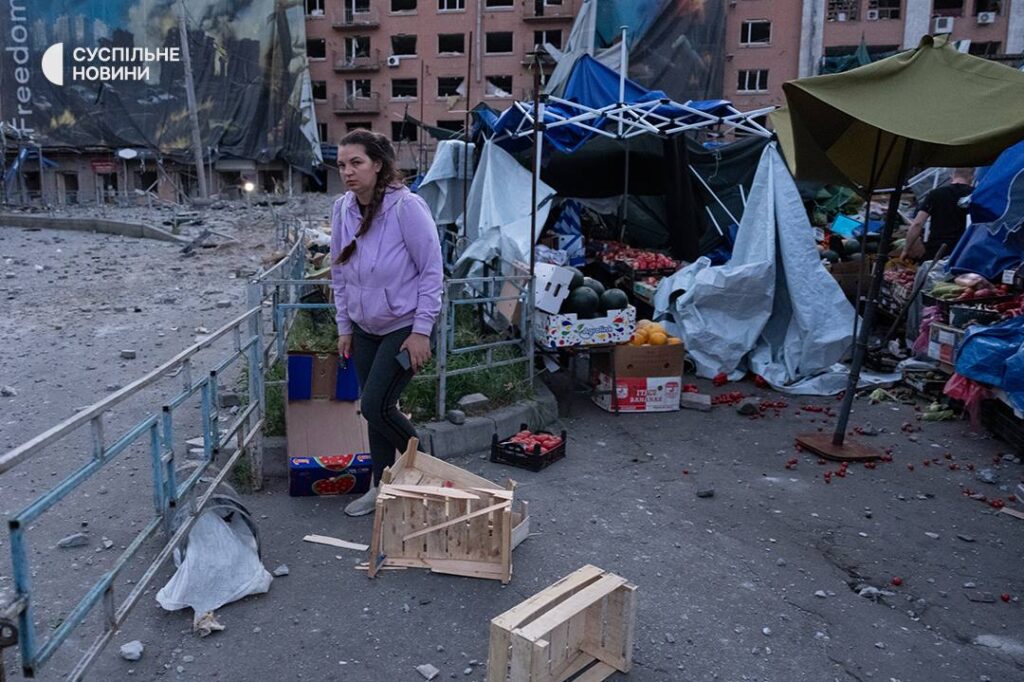
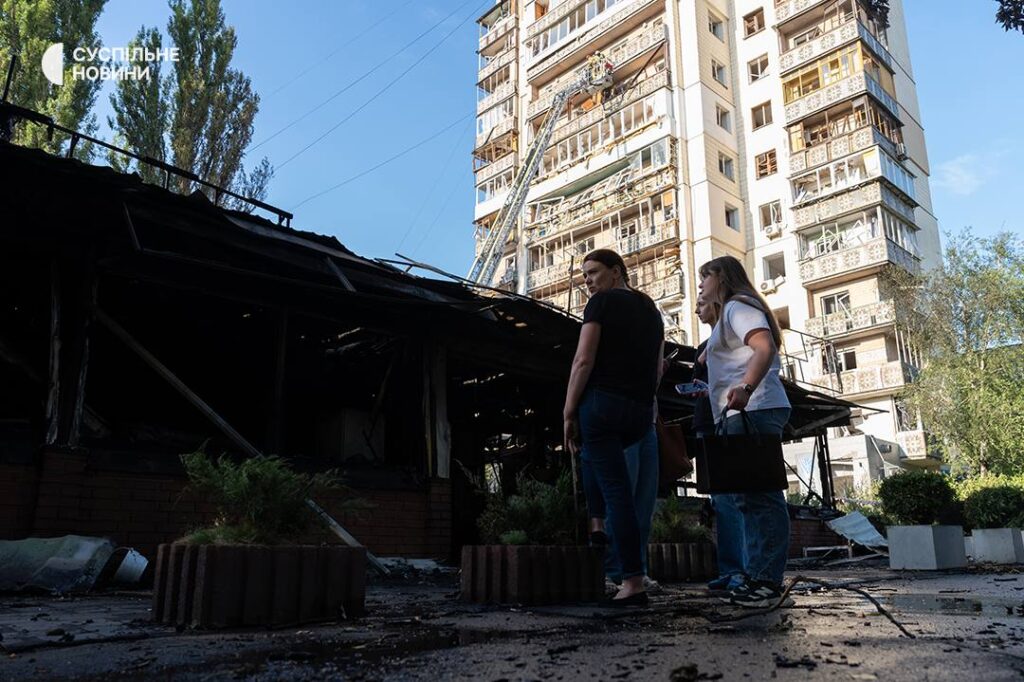
This is what the entrance to Kyiv's Lukianivska metro station looks like right now, damaged after tonight's ballistic missile attack
— Euromaidan Press (@EuromaidanPress) July 19, 2026
A subway entrance in ruins, in the capital of a European country, in 2026
Kyiv's subway station, packed with residents sheltering from tonight's ballistic missile strike, took a direct hit of its own
— Euromaidan Press (@EuromaidanPress) July 19, 2026
Part of the ceiling came down, and smoke filled the station while people were still inside
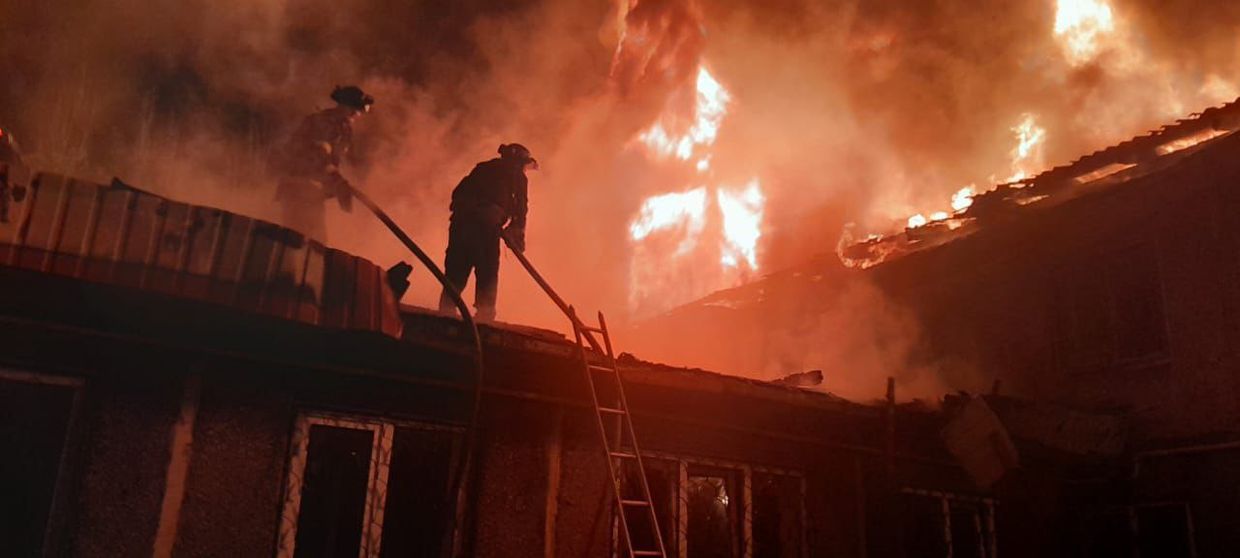
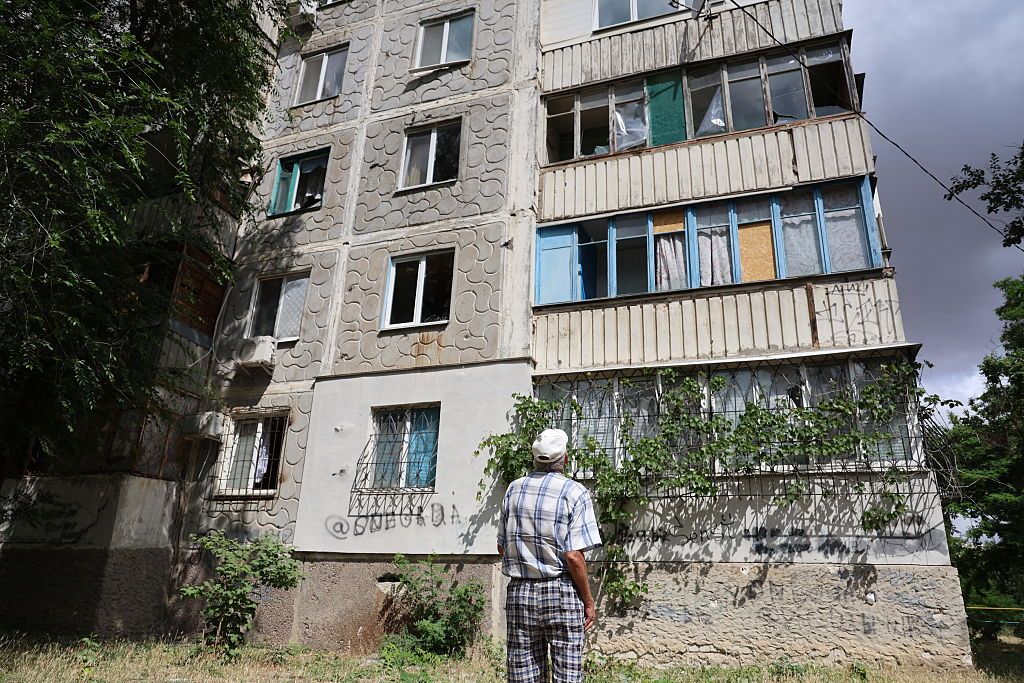
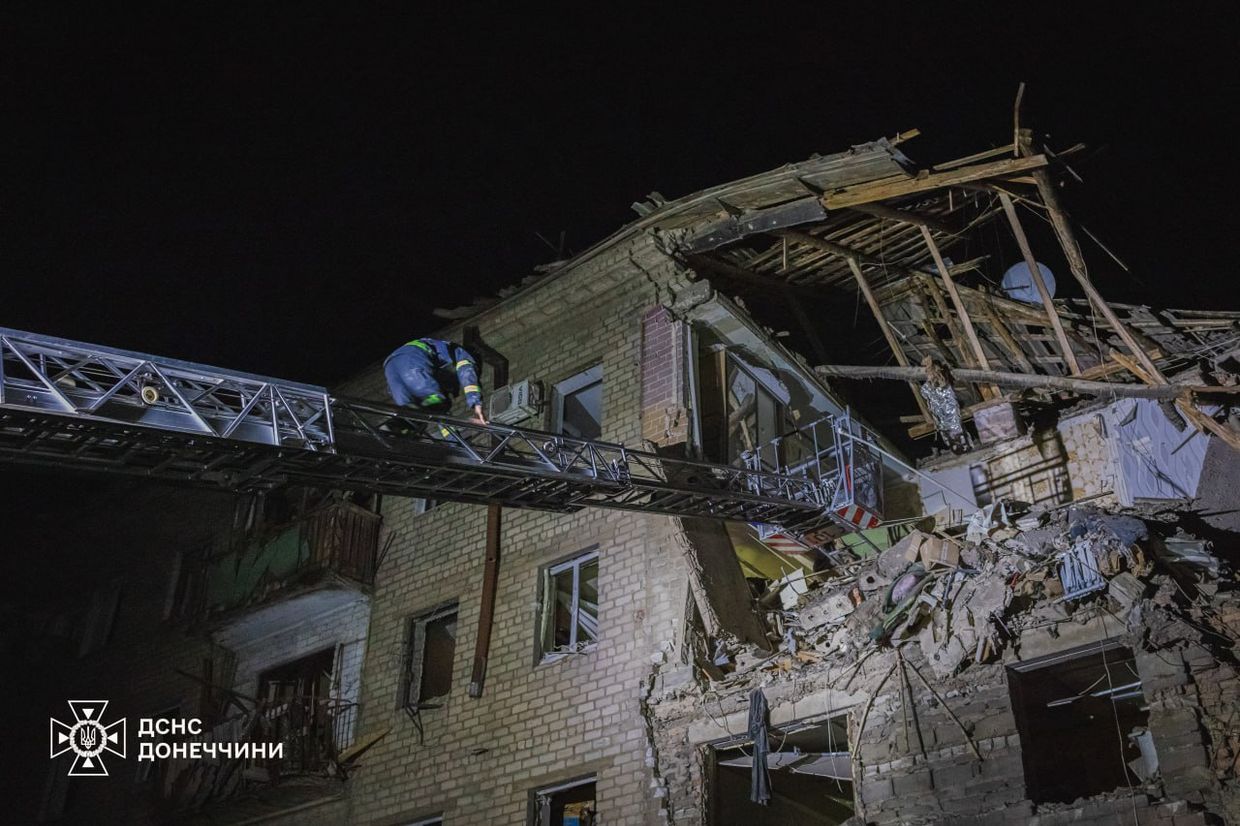
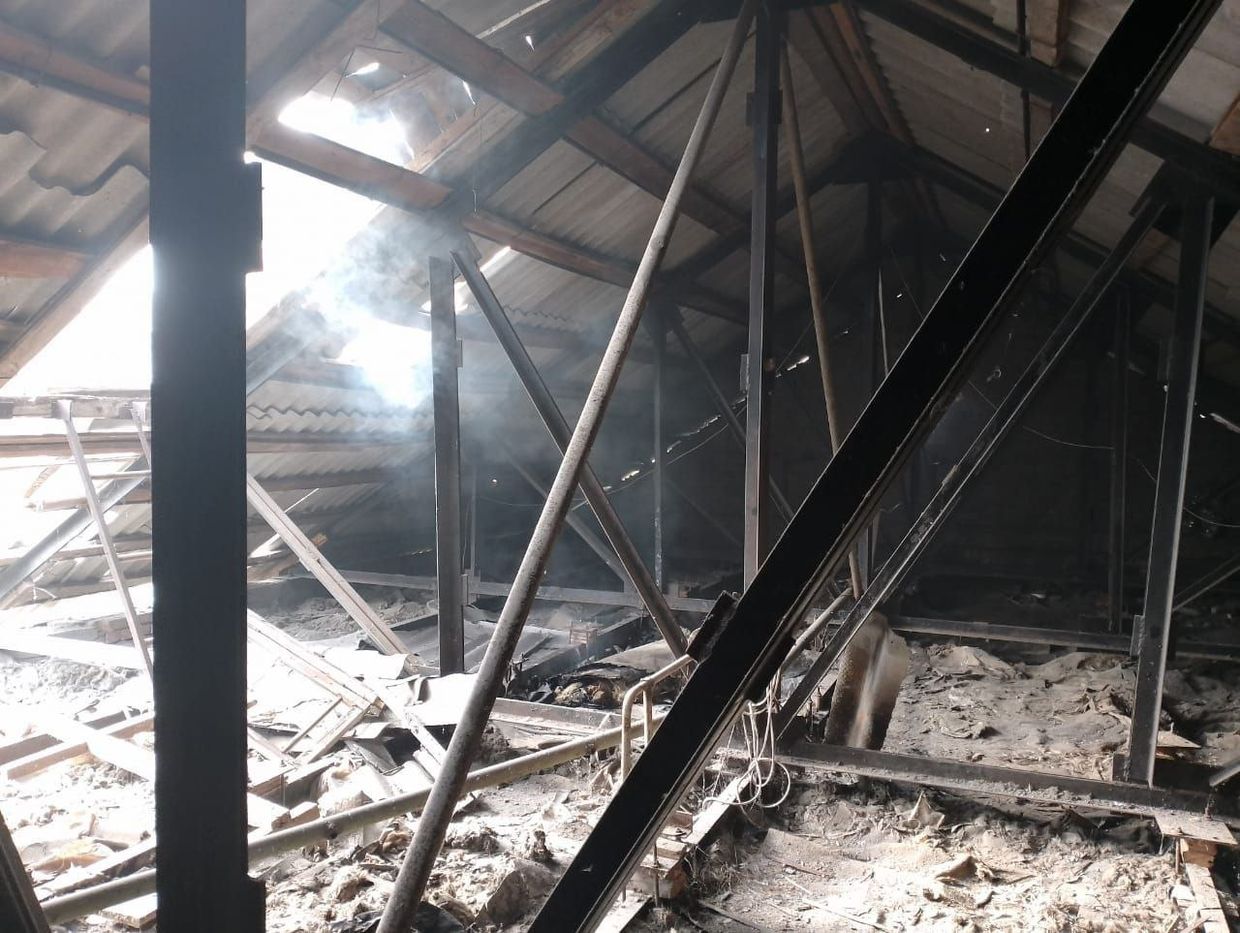
In Solomianskyi district, firefighters battled blazes in an office building, residential buildings, and other structures. A five-story apartment building sustained significant damage, and later in the day rescuers removed unstable facade sections and balconies to protect residents.
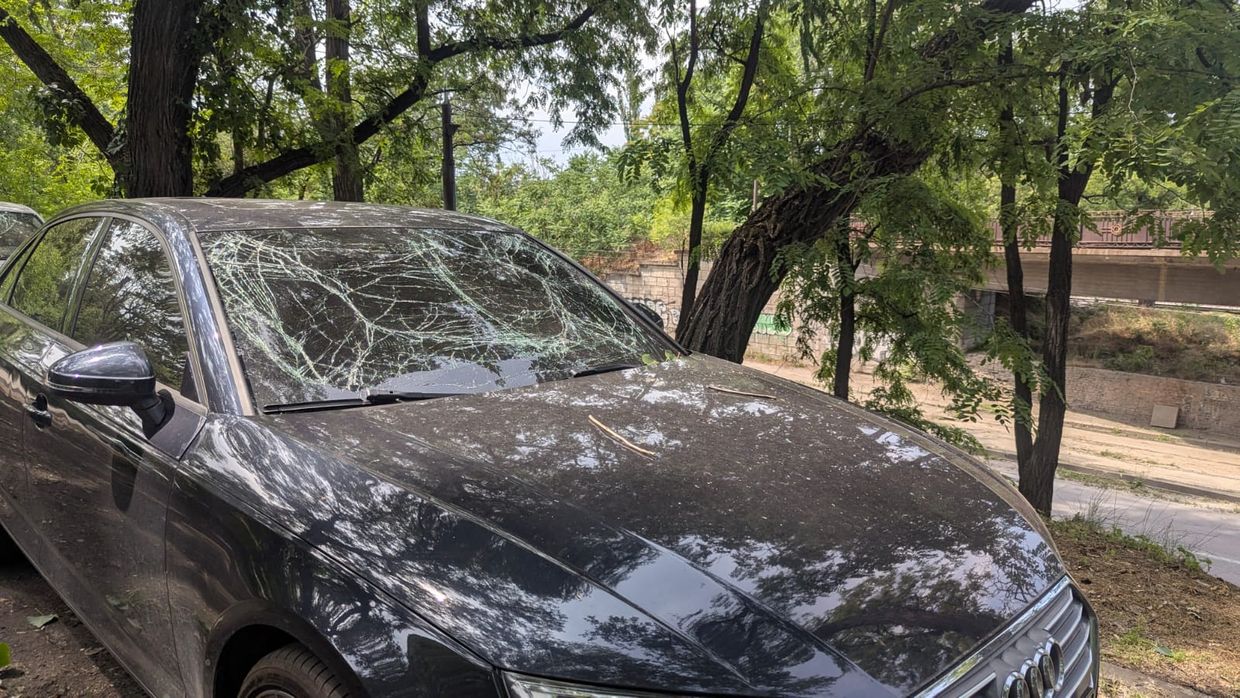
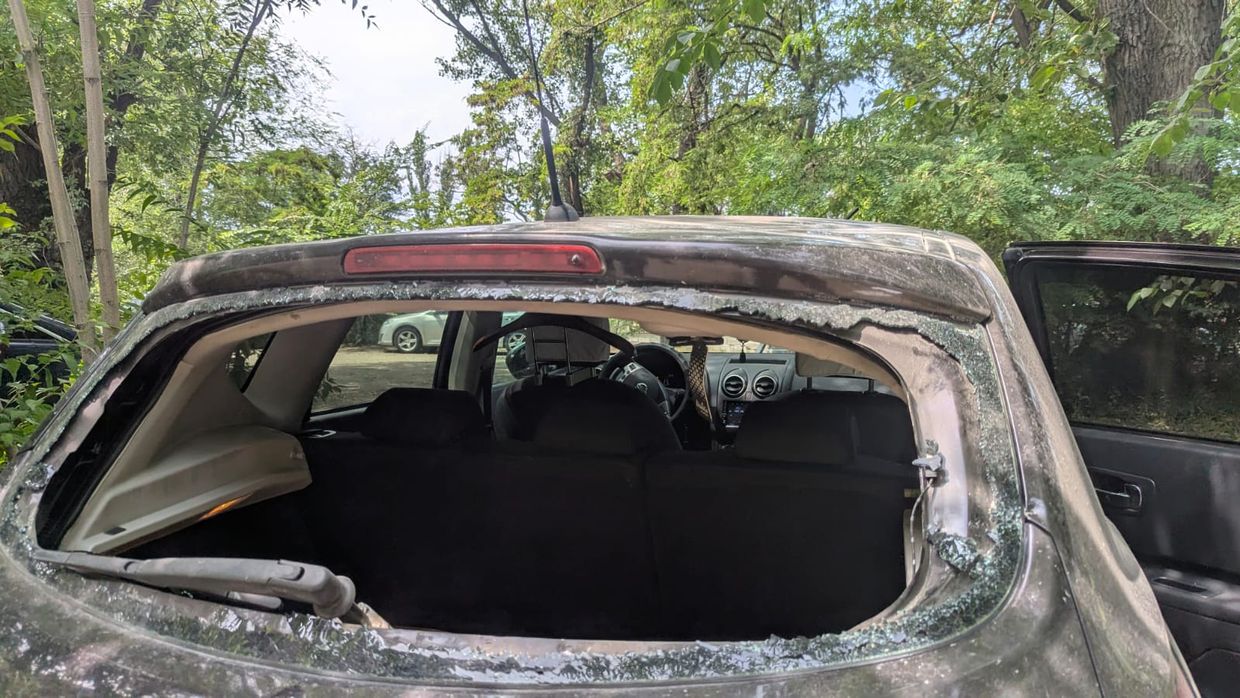
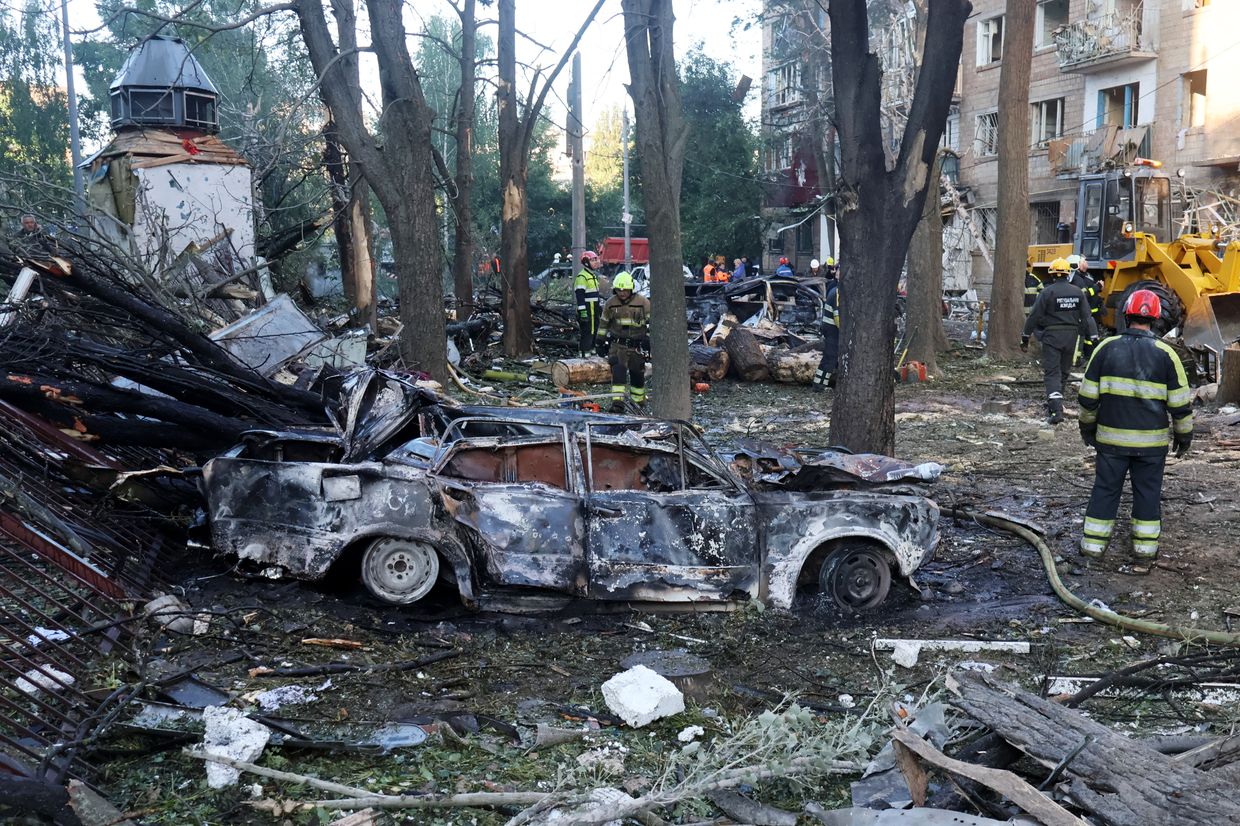
In Shevchenkivskyi district, emergency crews extinguished fires in a three-story building, non-residential facilities, and more than 10 parked vehicles. The attack's only confirmed fatality was recovered there during rescue operations.
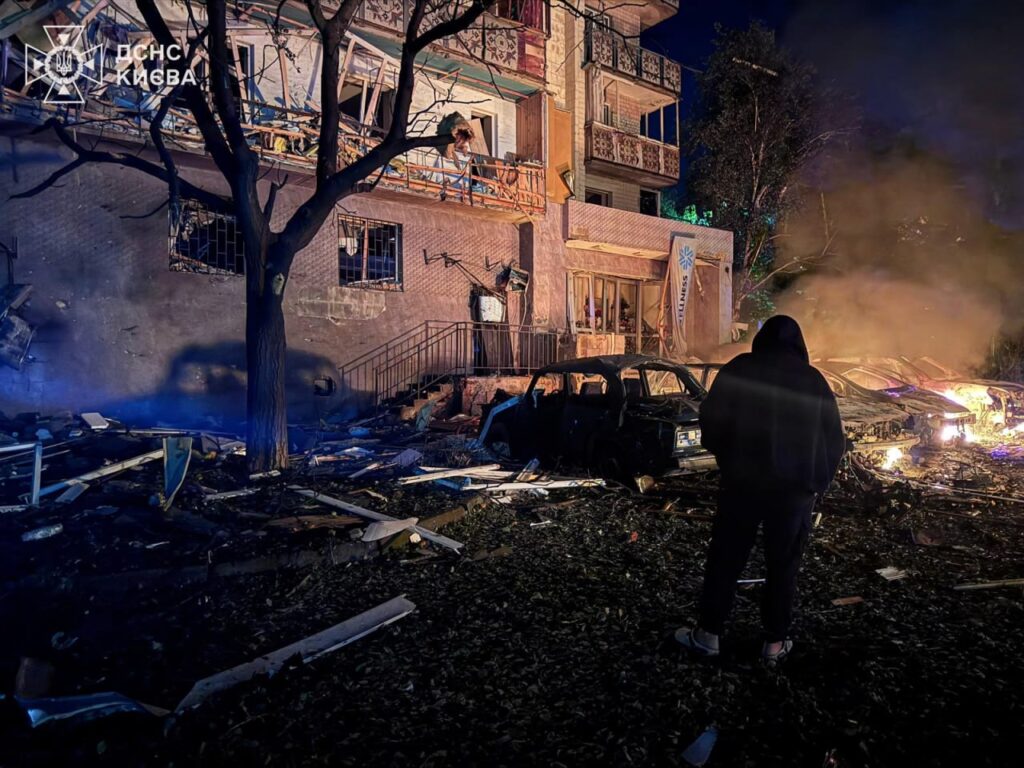
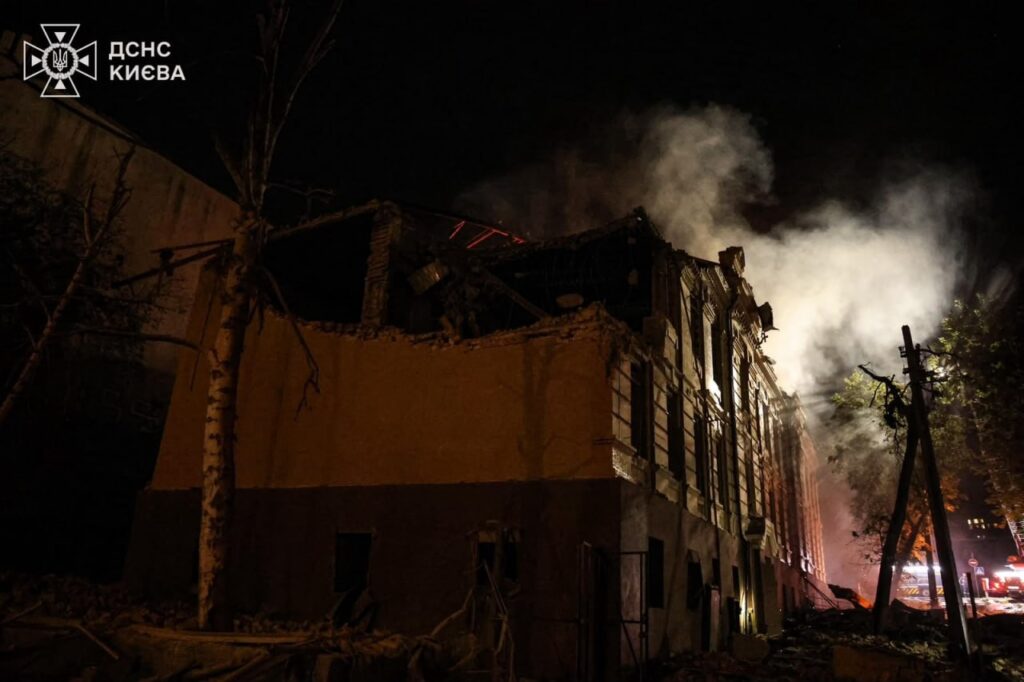
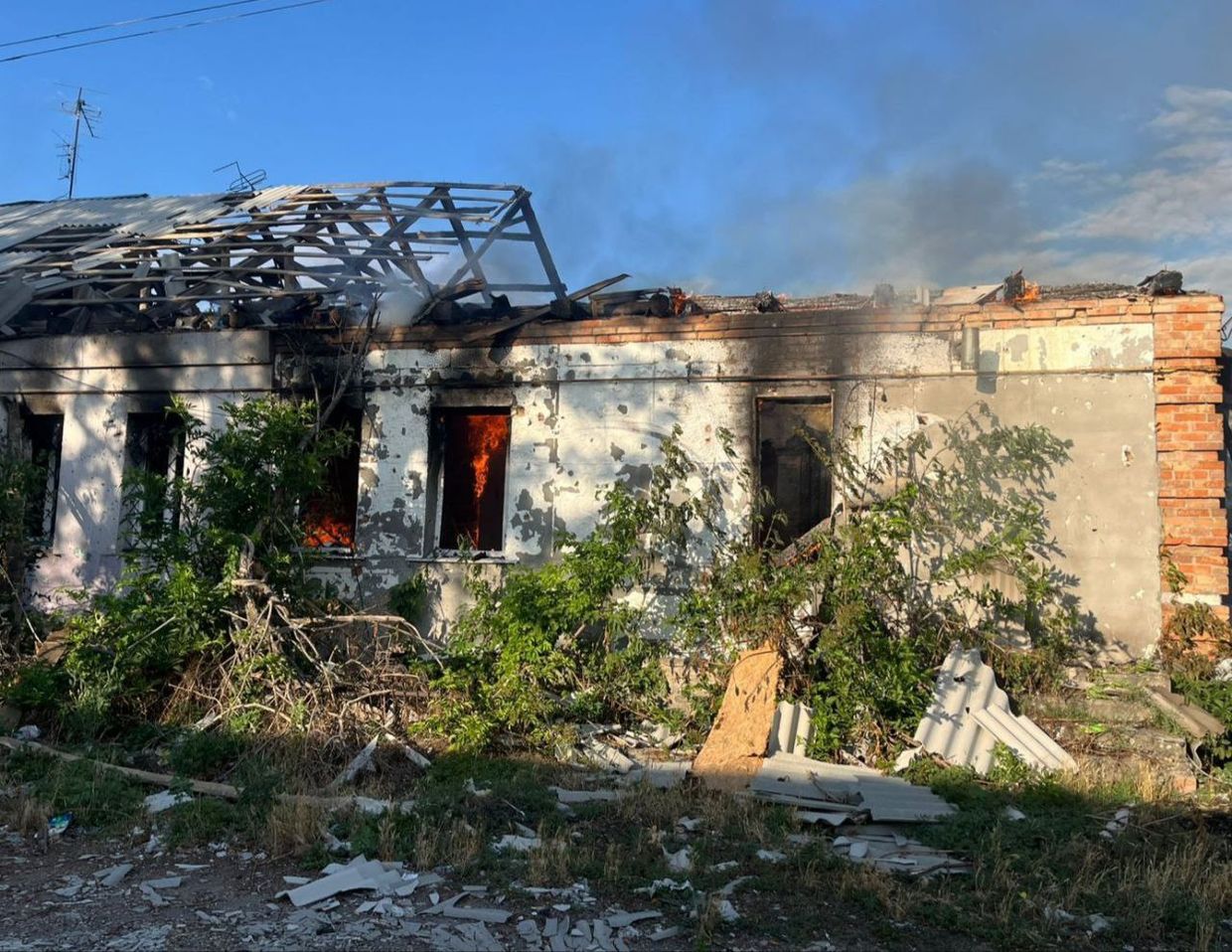
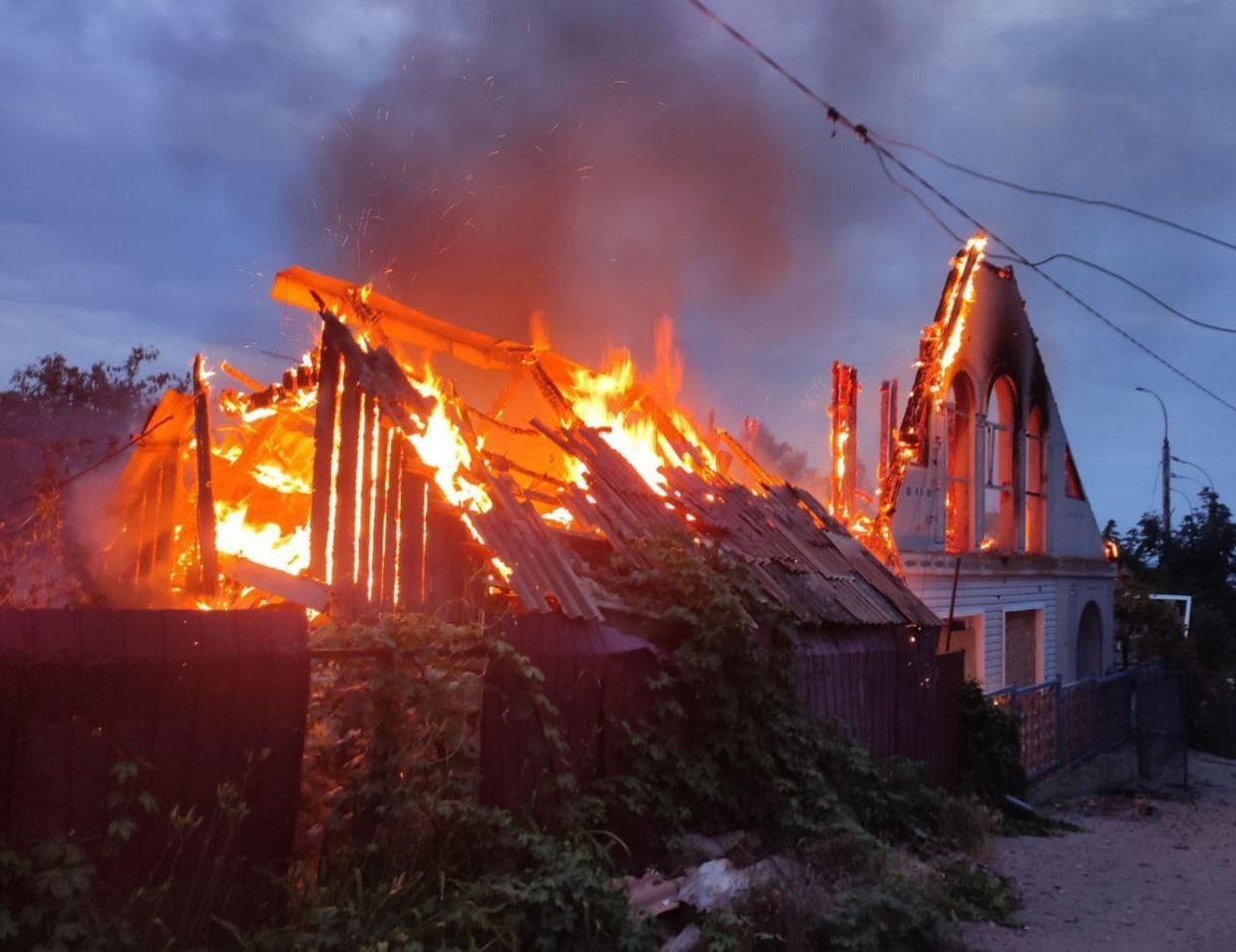
Elsewhere, fires broke out in a dormitory, private homes, industrial buildings, and vehicles across the city. By late morning, the DSNS said all fires caused by the attack in Kyiv had been extinguished, although recovery operations continued.
Ukraine's emergency responders spent the night battling the aftermath of Russia's largest ballistic missile attack on Kyiv since the start of the full-scale invasion.
— Euromaidan Press (@EuromaidanPress) July 19, 2026
More than 40 missiles struck the capital in under an hour, killing one person and injuring at least 16.… pic.twitter.com/SUcdBnah1y
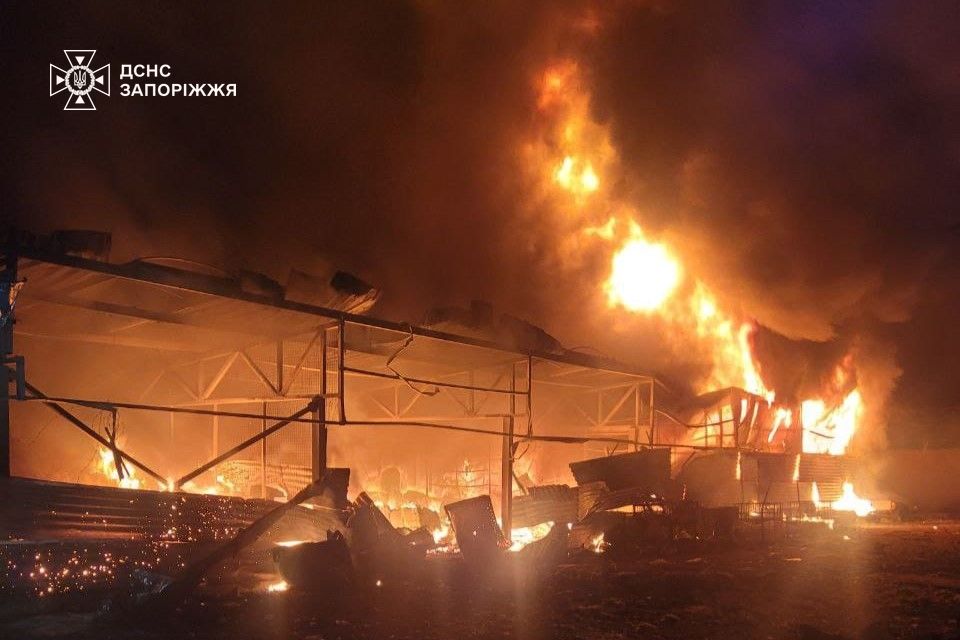
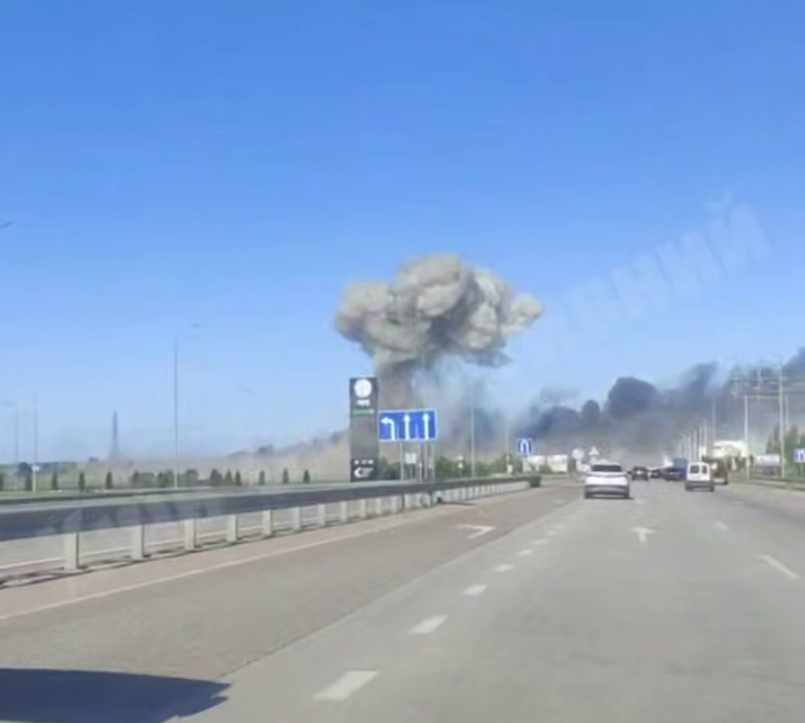
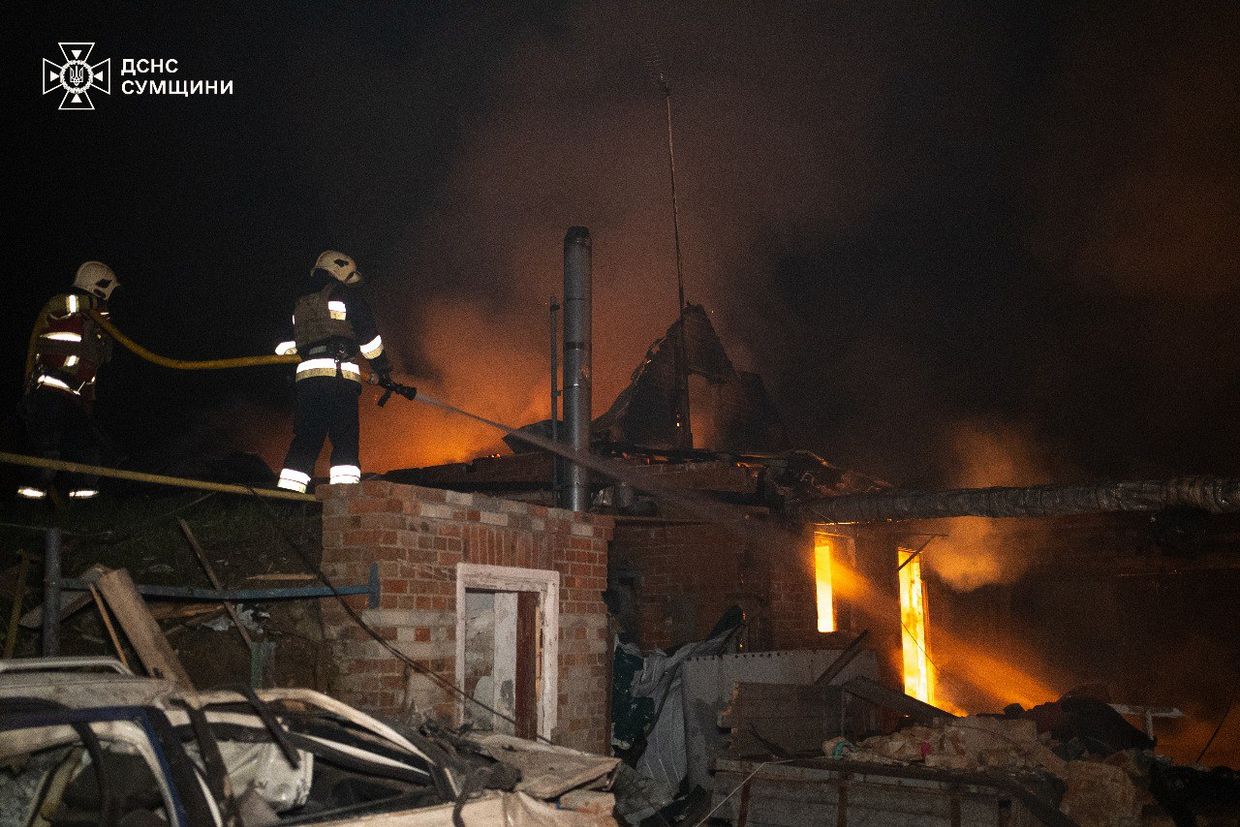
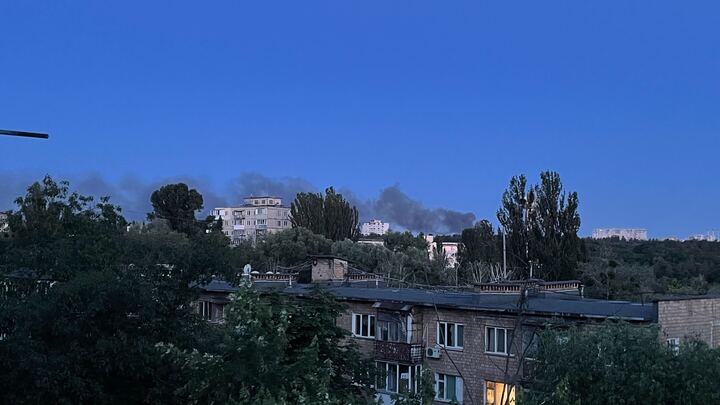
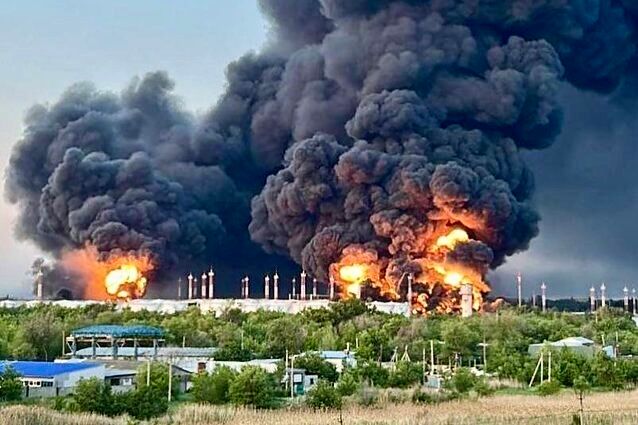
The assault also caused major destruction in Kyiv Oblast. In Bucha district, Russian strikes ignited a massive fire covering about 100,000 square meters across two warehouse buildings. More than 200 firefighters, 73 vehicles, and three helicopters were deployed to contain the blaze.
Russian strikes ignited multiple large fires in Kyiv Oblast's Bucha district overnight, setting warehouses and a logistics facility ablaze.
— Euromaidan Press (@EuromaidanPress) July 19, 2026
Emergency crews responded to several impact sites as firefighters worked to contain the blazes. According to preliminary information, two… pic.twitter.com/siqmjqHlMZ
Zelenskyy urges more air defense support
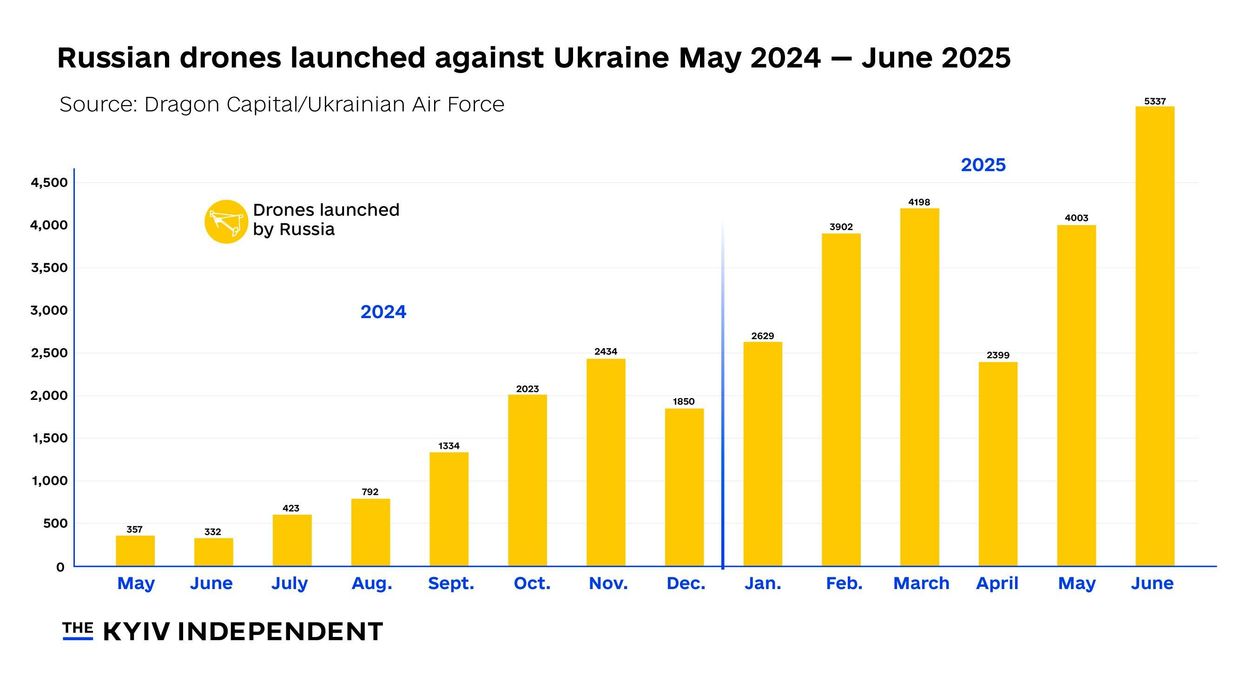
Zelenskyy said Russia launched around 1,450 attack drones, more than 1,640 guided aerial bombs, and 99 missiles against Ukraine over the past week alone, causing casualties and destruction across numerous regions.
Calling protection against ballistic missiles Ukraine's "constant and highest priority," the president urged partners to accelerate deliveries of Patriot interceptors and other anti-ballistic capabilities, saying each new air defense package "literally saves lives" during Russia's increasingly frequent mass missile attacks.
He also called for continued sanctions pressure on Moscow, warning that delays in new measures give Russia time to prepare further strikes and adapt to existing restrictions.
Read also
-
First the pumps, then the harvest, now the commute—Russia’s fuel shortage keeps finding new victims
-
Ukraine’s most feared kamikaze drone just showed up at UK arms fair—carrying missiles instead of being one
-
Whatever came down on Lipetsk overnight, it started with a missile warning and ended in flames by the steel mill