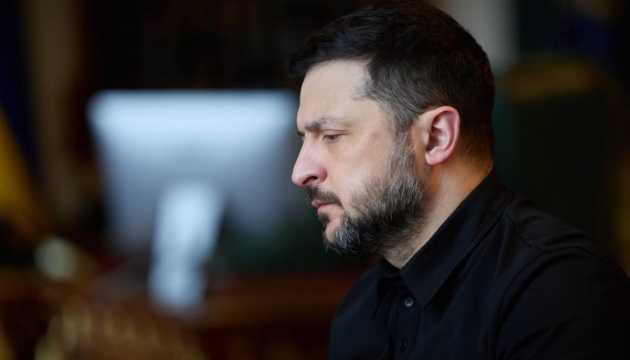
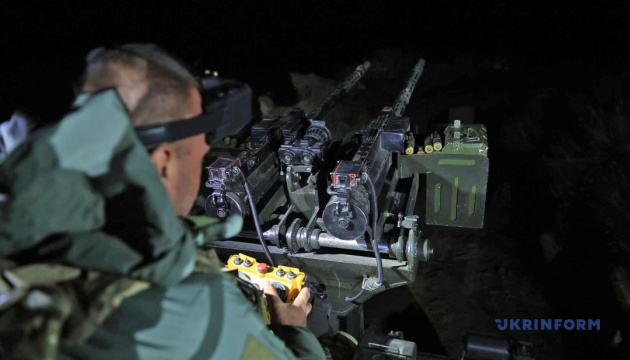
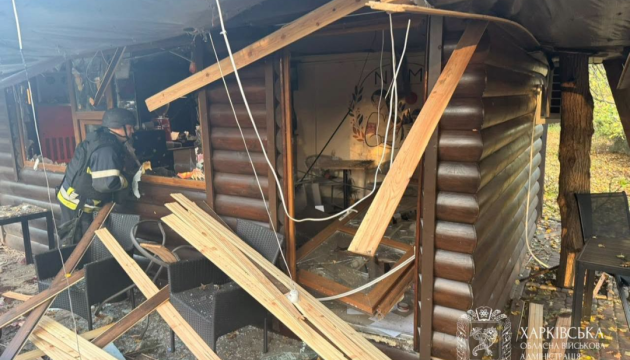
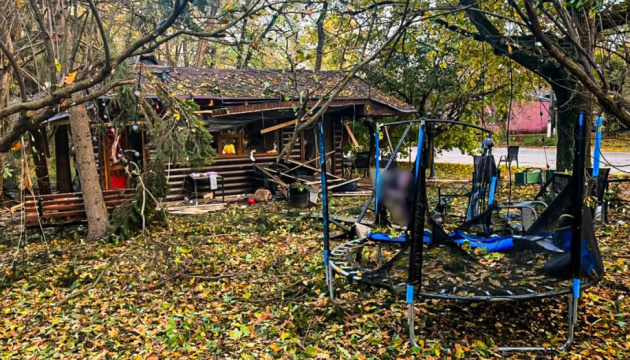
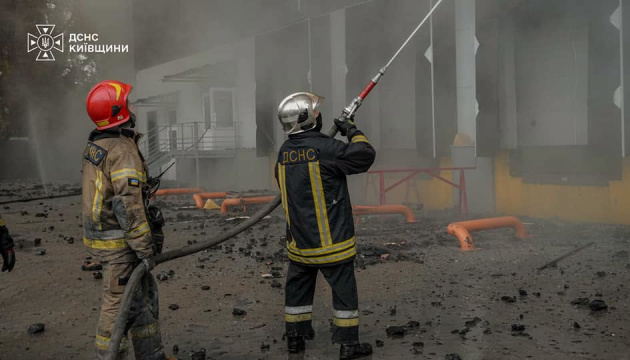
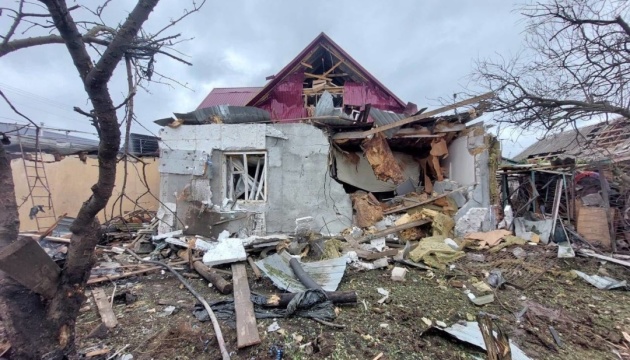
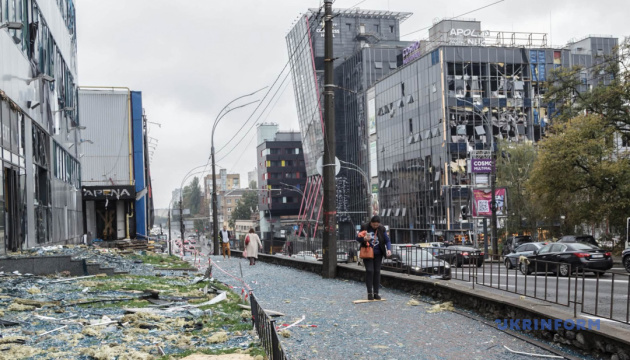
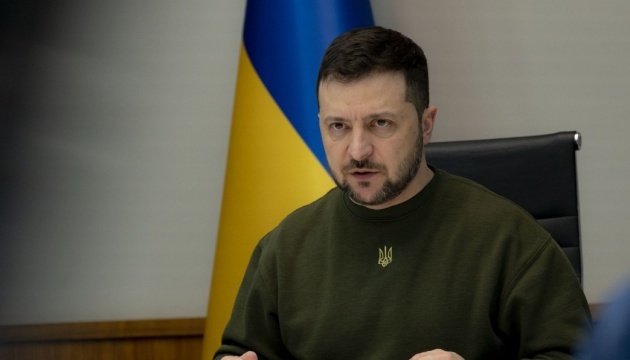
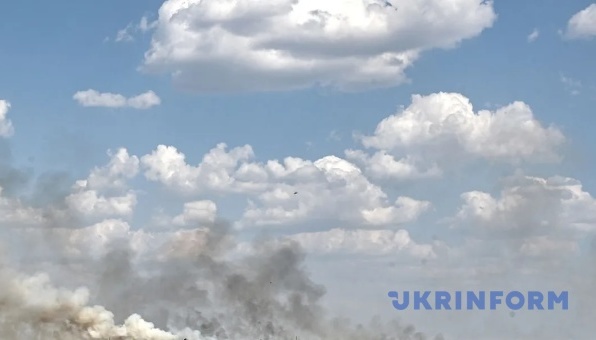
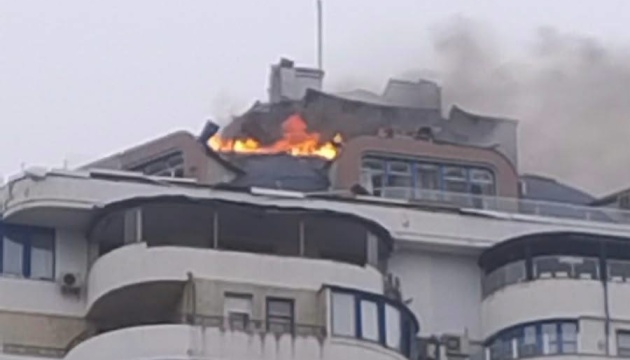
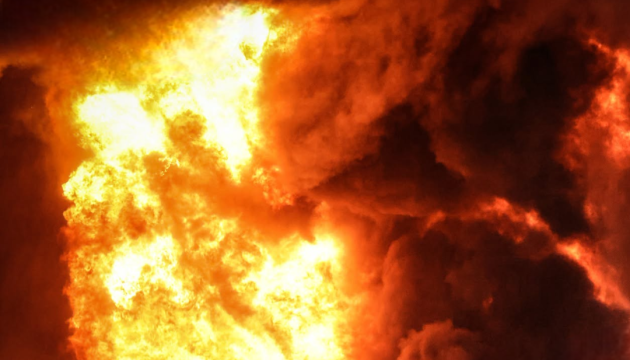
Following a Russian drone strike on a park near a café in the Kharkiv region that killed six people, including children, and injured 14, President Volodymyr Zelensky called on Ukraine’s partners not to lift sanctions against Russia, invoke the Lindsey Graham Act, and strengthen Ukraine’s air defenses.
Following a Russian drone strike on a park near a café in the Kharkiv region that killed six people, including children, and injured 14, President Volodymyr Zelensky called on Ukraine’s partners not to lift sanctions against Russia, invoke the Lindsey Graham Act, and strengthen Ukraine’s air defenses.
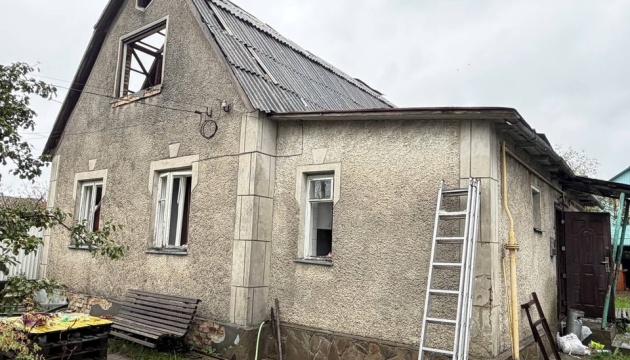
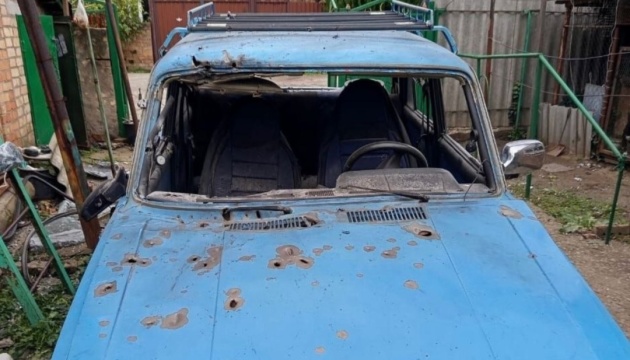
Russian troops struck the central park in Nova Vodolaha, Kharkiv region; the attack killed two women and an infant, and at least 15 people were injured.
Russian troops struck the central park in Nova Vodolaha, Kharkiv region; the attack killed two women and an infant, and at least 15 people were injured.
President Volodymyr Zelensky stated that during the latest wave of Russian attacks, the enemy struck 28 substations and other critical energy infrastructure sites.
President Volodymyr Zelensky stated that during the latest wave of Russian attacks, the enemy struck 28 substations and other critical energy infrastructure sites.
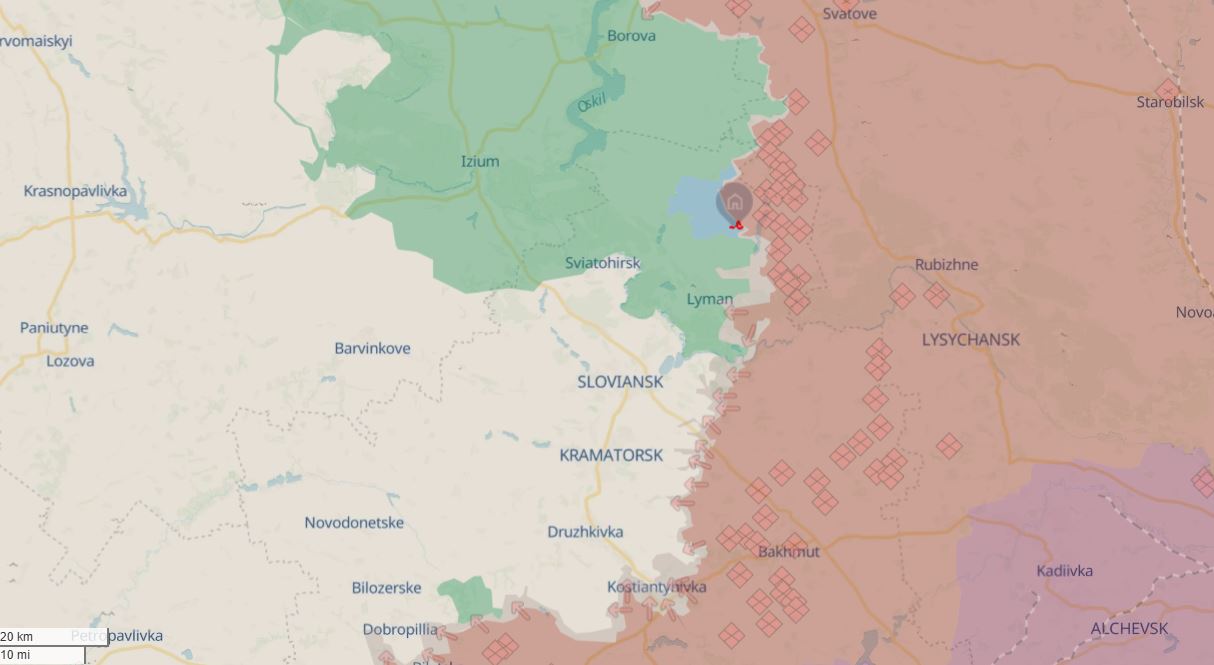
Ukrainian forces have liberated more territory since the beginning of the fall than Russian troops have captured during the same period. This trend has persisted throughout 2026, Ukrainian President Volodymyr Zelenskyy said in his 18 October address. He also reported that Dobropillia, Kostiantynivka, and five other settlements remain under Ukrainian control.
Russia systematically exaggerates its battlefield gains. A recent briefing by Valery Gerasimov, chief of the General Staff of the
Ukrainian forces have liberated more territory since the beginning of the fall than Russian troops have captured during the same period. This trend has persisted throughout 2026, Ukrainian President Volodymyr Zelenskyy said in his 18 October address. He also reported that Dobropillia, Kostiantynivka, and five other settlements remain under Ukrainian control.
Russia systematically exaggerates its battlefield gains. A recent briefing by Valery Gerasimov, chief of the General Staff of the Russian Armed Forces, in which he claimed that Russian forces had captured 92 settlements since the beginning of September, as well as Kostiantynivka and Dobropillia, and advanced to within 5 kilometers of Zaporizhzhia, was based on “outright lies, manipulation, and exaggerations,” Ukrainian General Staff spokesperson Andrii Kovaliov said.
Ukraine also continues to defend areas near Kramatorsk, Zelenskyy said. He dismissed Russian claims about Zaporizhzhia.
“We are destroying Russians 20 kilometers from Zaporizhzhia, not five, as someone in Russia is fantasizing to Putin,” Zelenskyy said.
Ukrainian forces continue to hold back Russian assaults and destroy groups of occupying troops attempting to infiltrate Dobropillia, the president said. The Defense Forces are also defending positions elsewhere in Donetsk Oblast and in Kharkiv and Zaporizhzhia oblasts.
Zaporizhzhia axis: Russians seek to move artillery closer to the city
Russia seeks to advance on the Zaporizhzhia axis to bring the regional capital within range of its tube artillery, hold forward positions, and protect rear areas from Ukrainian strikes, the Institute for the Study of War (ISW) said on 18 October.
The aftermath of a Russian strike on Zaporizhzhia on 10 October 2026. Photo: Ukraine's National Police
Maksym Kravchuk, spokesperson for Ukraine's Southern Group of Forces, refuted Gerasimov’s claims that Russian forces had captured Malokaterynivka, located south of Zaporizhzhia, stressing that the settlement remains under Ukrainian control, the Center for Countering Disinformation said on 18 October. Ukrainian troops recorded a video directly from Malokaterynivka to confirm this.
As of 18 October, Russian forces had advanced or infiltrated to within 24 kilometers of Zaporizhzhia, ISW said.
Dobropillia remains under Ukrainian control despite Russian assaults
Dobropillia is now a fortress anchoring Ukrainian positions along the highway leading northeast toward Kramatorsk. Russia first tried to take Dobropillia in August 2025 and is now trying again.
Russia is redeploying reinforcements to the Dobropillia axis and continues to send assault infantry through the village of Nove Shakhove despite heavy losses. Russian command will likely try to encircle or at least envelop Dobropillia and cut off Ukrainian supply routes from the direction of Bilozerske, Ukrainian military analyst Kostiantyn Mashovets wrote on 9 October.
Mashovets sees the push as the southern flank of a Russian effort to envelop the whole Sloviansk–Kramatorsk urban area.
Explore further
Ukraine retook Kolodiazi north of Lyman as its drones hit 200-plus Russian vehicles in Operation Vivaldi’s last phase, Ukrainian drone officer says
Dobropillia remains under Ukrainian control, Zelenskyy said. On 18 October, footage located by analysts showed a Russian soldier hoisting a flag in the town's southeast after an infiltration, yet ISW has found no sign that Russian troops have dug in there.
Russia claimed to have captured Kostiantynivka, but ISW found no evidence
Ukrainian troops in and around Kostiantynivka are stopping Russia from locking in its gains in the city or pushing on toward Druzhkivka and Kramatorsk, ISW said on 17 October.
Russian officials claimed that capturing Kostiantynivka was an important step toward establishing control over the Sloviansk–Druzhkivka–Kramatorsk urban agglomeration and the entire Donetsk Oblast, ISW said in August. The Kremlin also claimed that Russian forces had captured the city as early as 5 July, the institute added.
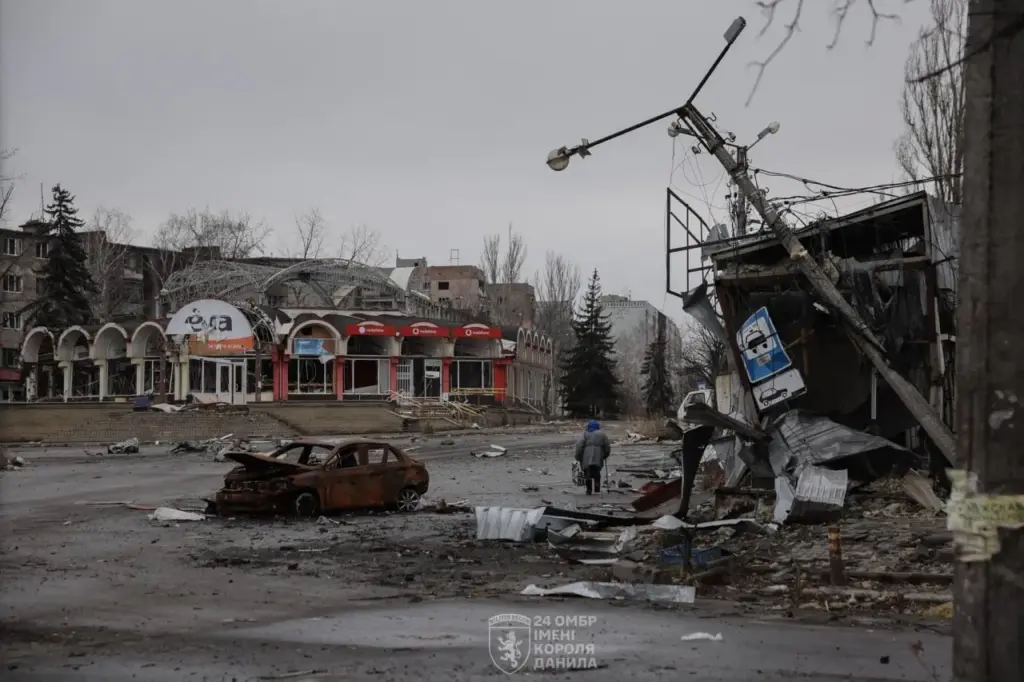
Ruins of a street in Kostiantynivka, Donetsk Oblast, 9 April 2026. Photo: UA Land Forces
A Russian military blogger claimed that Russian forces had full control over Kostiantynivka, but ISW found no evidence to support this claim, the institute said in its 16 October assessment. Russian troops had only infiltrated parts of southern and central Kostiantynivka without consolidating positions, and there was no evidence of their presence in its northern part, ISW added.
In Poland, against the backdrop of a Russian air attack on Ukraine, military aircraft were scrambled for the second time in 24 hours. Residents of the Lublin Voivodeship were alerted to an air raid alert.
In Poland, against the backdrop of a Russian air attack on Ukraine, military aircraft were scrambled for the second time in 24 hours. Residents of the Lublin Voivodeship were alerted to an air raid alert.
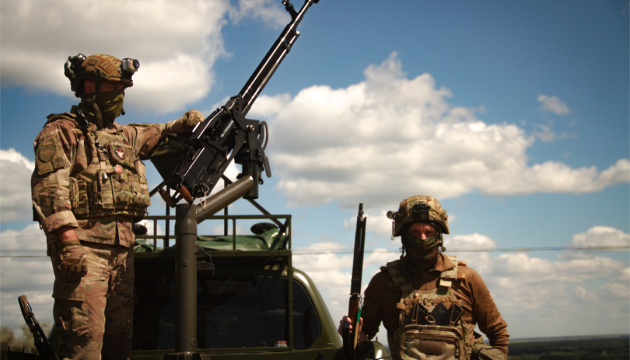
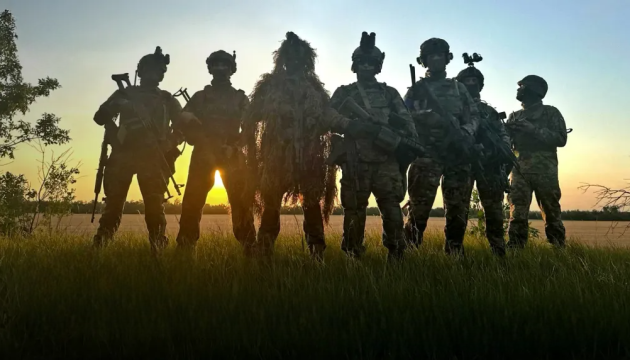
Russian forces are unsuccessfully attempting to exploit autumn bad weather to make local breakthroughs in the Huliaipole sector. In one area, Ukrainian defenders recently destroyed a group of Russian military intelligence special forces.
Russian forces are unsuccessfully attempting to exploit autumn bad weather to make local breakthroughs in the Huliaipole sector. In one area, Ukrainian defenders recently destroyed a group of Russian military intelligence special forces.
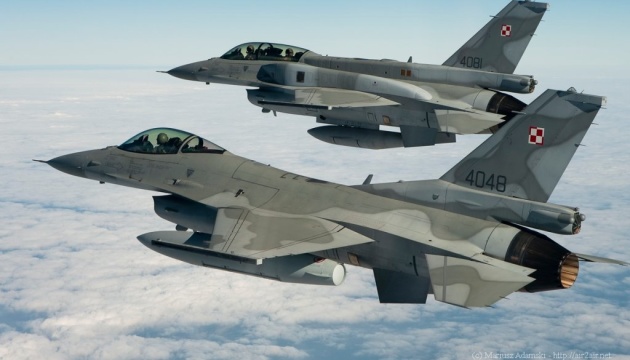
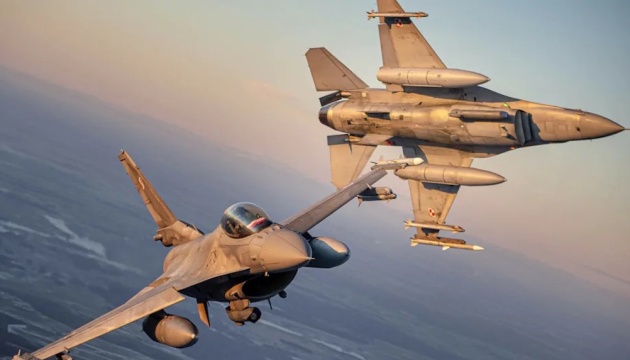
Poland scrambled military aircraft on Monday morning in response to a Russian air attack on Ukraine. Residents of the Lublin and Subcarpathian voivodeships received alerts.
Poland scrambled military aircraft on Monday morning in response to a Russian air attack on Ukraine. Residents of the Lublin and Subcarpathian voivodeships received alerts.
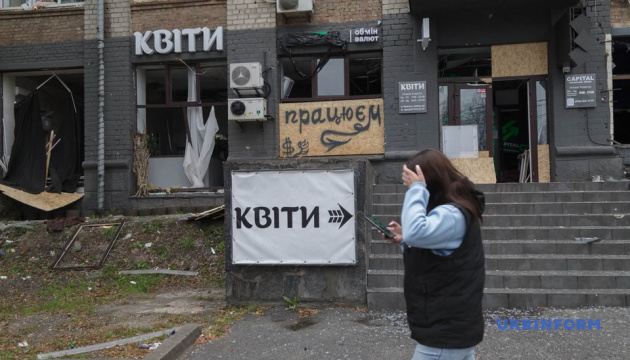
More than 10 energy infrastructure facilities were damaged in Ukraine as a result of Russia’s overnight attack, leaving at least 550,000 households without electricity.
More than 10 energy infrastructure facilities were damaged in Ukraine as a result of Russia’s overnight attack, leaving at least 550,000 households without electricity.
Russian forces attacked energy infrastructure in the Vinnytsia region, leaving parts of the region and the regional capital without electricity and water.
Russian forces attacked energy infrastructure in the Vinnytsia region, leaving parts of the region and the regional capital without electricity and water.
Air defense forces intercepted four missiles and 243 drones used by Russian troops to attack Ukraine on the night of October 19. Enemy strikes were recorded at 25 locations.
Air defense forces intercepted four missiles and 243 drones used by Russian troops to attack Ukraine on the night of October 19. Enemy strikes were recorded at 25 locations.
The total combat losses of Russian forces in the war against Ukraine from February 24, 2022, to October 19, 2026, amount to approximately 1,566,160 personnel, including 2,100 troops over the past 24 hours.
The total combat losses of Russian forces in the war against Ukraine from February 24, 2022, to October 19, 2026, amount to approximately 1,566,160 personnel, including 2,100 troops over the past 24 hours.
Total combat losses among Russian military personnel from February 24, 2022, through October 19, 2026, reached approximately 1,567,160 people, 2,100 of whom the enemy lost over the past 24 hours.
Total combat losses among Russian military personnel from February 24, 2022, through October 19, 2026, reached approximately 1,567,160 people, 2,100 of whom the enemy lost over the past 24 hours.
Throughout the day on October 18, the Russian army struck four districts of the Dnipropetrovsk region more than 20 times using drones, artillery, and aerial bombs; one person was wounded.
Throughout the day on October 18, the Russian army struck four districts of the Dnipropetrovsk region more than 20 times using drones, artillery, and aerial bombs; one person was wounded.
On October 18, there were 173 combat engagements between Ukraine’s Defense Forces and Russian forces, with the enemy making the most attempts to attack in the Pokrovsk sector, where they launched 22 assaults.
On October 18, there were 173 combat engagements between Ukraine’s Defense Forces and Russian forces, with the enemy making the most attempts to attack in the Pokrovsk sector, where they launched 22 assaults.
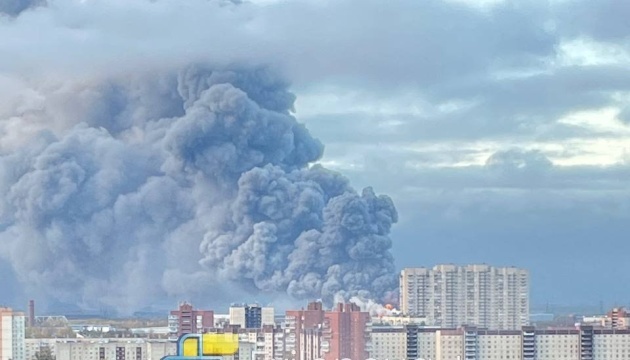
Ukraine’s Defense Forces used FP-1 drones overnight on October 18 to strike several oil and digital infrastructure facilities in St. Petersburg, including an oil terminal, the Ruchi oil depot and a VKontakte data center.
Ukraine’s Defense Forces used FP-1 drones overnight on October 18 to strike several oil and digital infrastructure facilities in St. Petersburg, including an oil terminal, the Ruchi oil depot and a VKontakte data center.
Russian forces have once again attacked critical infrastructure in the Vinnytsia region, and residents of the region have been urged to reduce their electricity consumption.
Russian forces have once again attacked critical infrastructure in the Vinnytsia region, and residents of the region have been urged to reduce their electricity consumption.
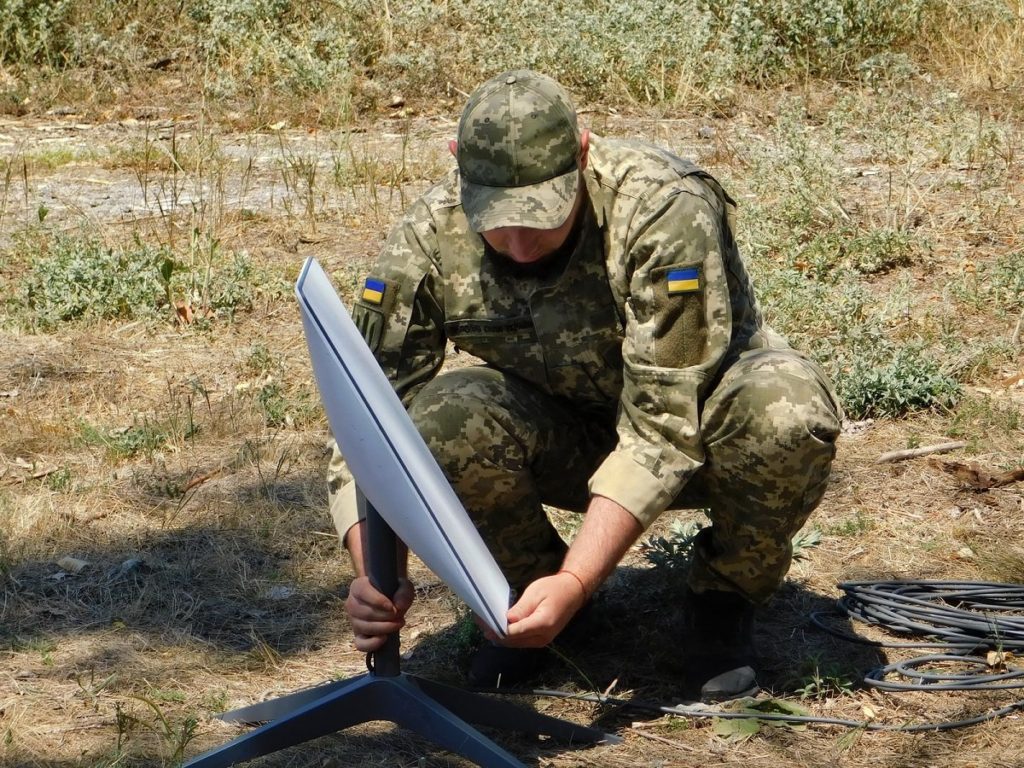
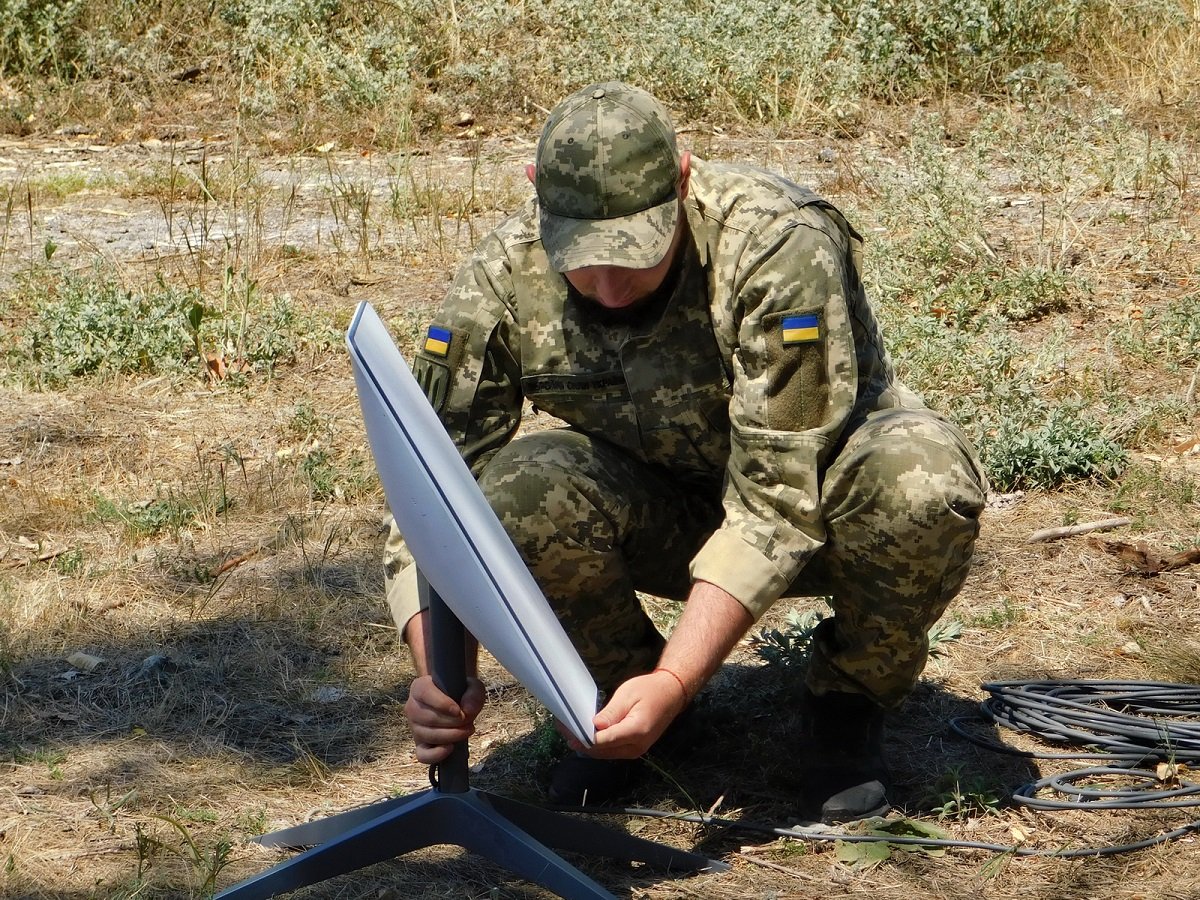
Someone tried to set fire overnight to a Lithuanian company that stores Starlink communication equipment, but tipped-off guards foiled the attempt, Lithuanian Prime Minister Mindaugas Sinkevičius said. He linked the attack to Russia’s hybrid war against Europe. It is the third suspected sabotage of Starlink infrastructure in Europe in under a month.
Russia keeps attacking Ukraine at the front and from the air while running a sabotage campaign behind the lines in Europe, which ISW has li
Someone tried to set fire overnight to a Lithuanian company that stores Starlink communication equipment, but tipped-off guards foiled the attempt, Lithuanian Prime Minister Mindaugas Sinkevičius said. He linked the attack to Russia’s hybrid war against Europe. It is the third suspected sabotage of Starlink infrastructure in Europe in under a month.
Russia keeps attacking Ukraine at the front and from the air while running a sabotage campaign behind the lines in Europe, which ISW has linked into one pattern. Starlink keeps Ukraine’s drone units and front-line troops connected, and Poland pays for much of that service.
Fuel canisters and a control unit
The attack came just after midnight, the prime minister wrote. Security services had warned the company about possible attacks, security was stepped up, and the attempt failed.
The company provides connectivity through nine Starlink satellite antennas used by Ukraine, Sinkevičius told Lithuanian public radio LRT. At almost 2 a.m., intruders tried to burn the antennas and their control unit, leaving behind incendiary liquid in canisters of 3 to 10 liters.
“It is obvious that this is part of Russia’s hybrid war with elements of sabotage,” he said, adding that the client was likely “the Russian side.”
He said he believes the people involved, and how many there were, are known, but gave no details, citing the investigation.
Police Commissioner General Arūnas Paulauskas said no suspects had been detained, any damage was minimal, and the company kept working. A pretrial investigation is under way.
Explore further
New Starlink restrictions disrupt Ukrainian drone missions. Kyiv adviser says move is tied to “political situation”
A drone the same morning
Hours later, an object that apparently entered from Poland crossed northern Lithuania, and NATO jets failed to identify it, Defense Minister Robertas Kaunas said. Possible fragments were found in the Pasvalys district near the Latvian border. Latvia’s military said the object may have blown itself up on a course toward Latvia.
Sinkevičius said the sabotage version had to be checked for the drone too. He called the National Security Commission for Monday, 19 October, to examine both incidents and consider giving services more powers to neutralize drones.
The third Starlink site
In September, a fire destroyed the distribution panel at a Starlink ground station in Wola Krobowska, Poland. Germany detained two Turkish nationals on 12 October, and Warsaw blamed Russian intelligence. In Bulgaria, masked intruders burned 11 of 17 Starlink antennas near Sofia.
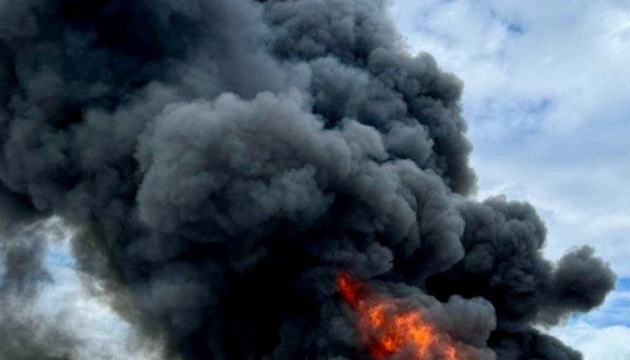
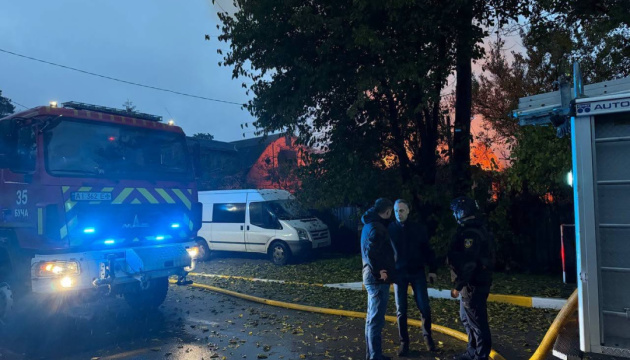
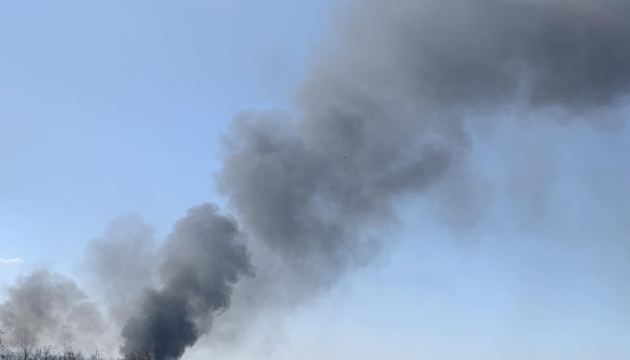
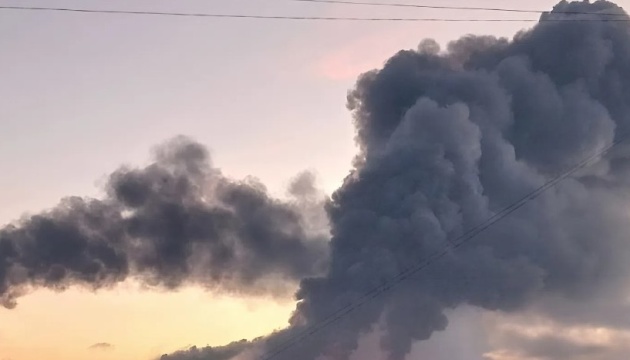
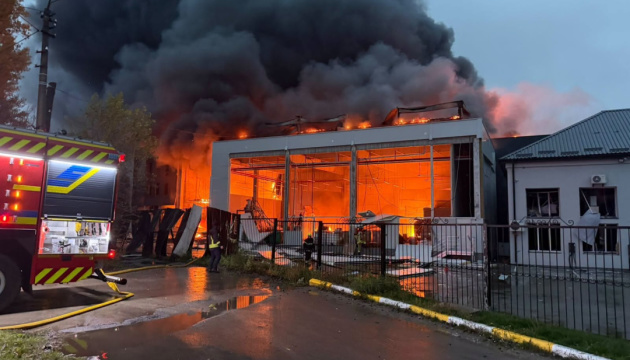
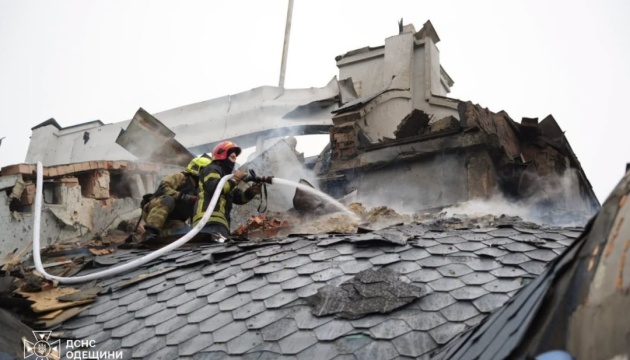
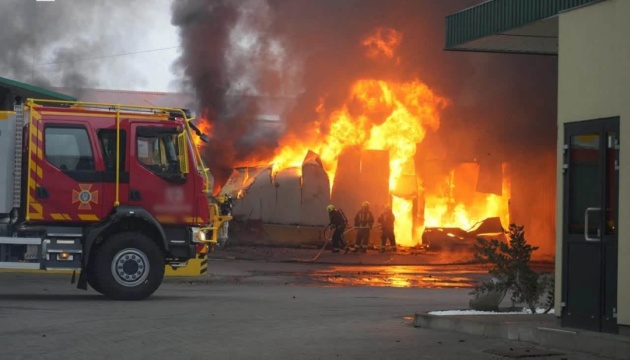
Firefighters have contained a blaze that broke out at a private enterprise in the Kamin-Kashyrskyi district of the Volyn region following a Russian attack in the morning of October 18.
Firefighters have contained a blaze that broke out at a private enterprise in the Kamin-Kashyrskyi district of the Volyn region following a Russian attack in the morning of October 18.
Units of Ukraine's Defense Forces struck a Russian attack drone launch site, a repair base for motor vehicles and armored combat vehicles, and a concentration of Russian troops in temporarily occupied Ukrainian territories on October 17 and overnight into October 18.
Units of Ukraine's Defense Forces struck a Russian attack drone launch site, a repair base for motor vehicles and armored combat vehicles, and a concentration of Russian troops in temporarily occupied Ukrainian territories on October 17 and overnight into October 18.

 Connexion