Video Pushed Local Police to Come Clean. D.H.S. Is Ignoring the Lessons.

© Meridith Kohut for The New York Times


© Meridith Kohut for The New York Times


© Jim Young/Reuters


© Hugh Hastings/Getty Images


© Jack Taylor/Reuters
Un échange de tirs a eu lieu samedi soir au cœur d’un festival qui réunissait 13 000 personnes, au nord du centre-ville de Toronto.
Selon la police de la ville ontarienne, six personnes ont été blessées par balle.
Une enquête est en cours pour déterminer les circonstances du drame.
[L'article Deux morts et quatre blessés par balle lors d’un festival à Toronto a d'abord été publié dans InfoBref.]


© Bikas Das/Associated Press


© Hollie Adams/Reuters


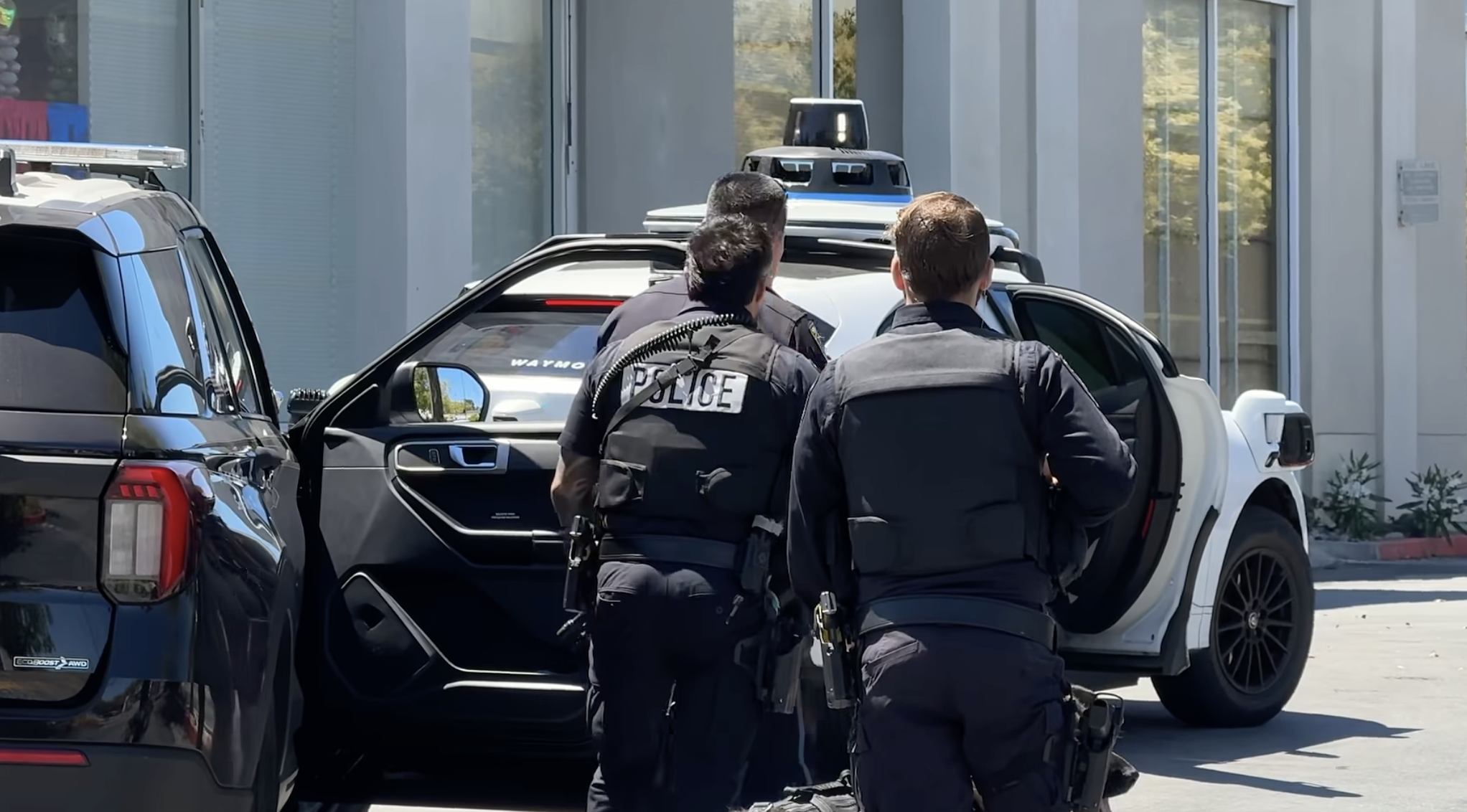
A Waymo in California allegedly called the cops on two teenagers for “drinking and shooting from the vehicle,” according to local police.
On Monday, the San Mateo Police Department posted on Facebook: “Parents do you know where your teens are? @waymo does!”
The police department continued in the post: “Two 15 year olds up to trouble in a Waymo this afternoon were detained after Waymo reported they were drinking and shooting from the vehicle. After calling us and stopping the car, we were able to safely remove both subjects and determined they were shooting Orbeez from the car as they sipped on afternoon libations while being chauffeured around town in the driverless vehicle.”


© WEWS


© Kyle Mazza/Shutterstock


© Allison Bailey/NurPhoto via AP


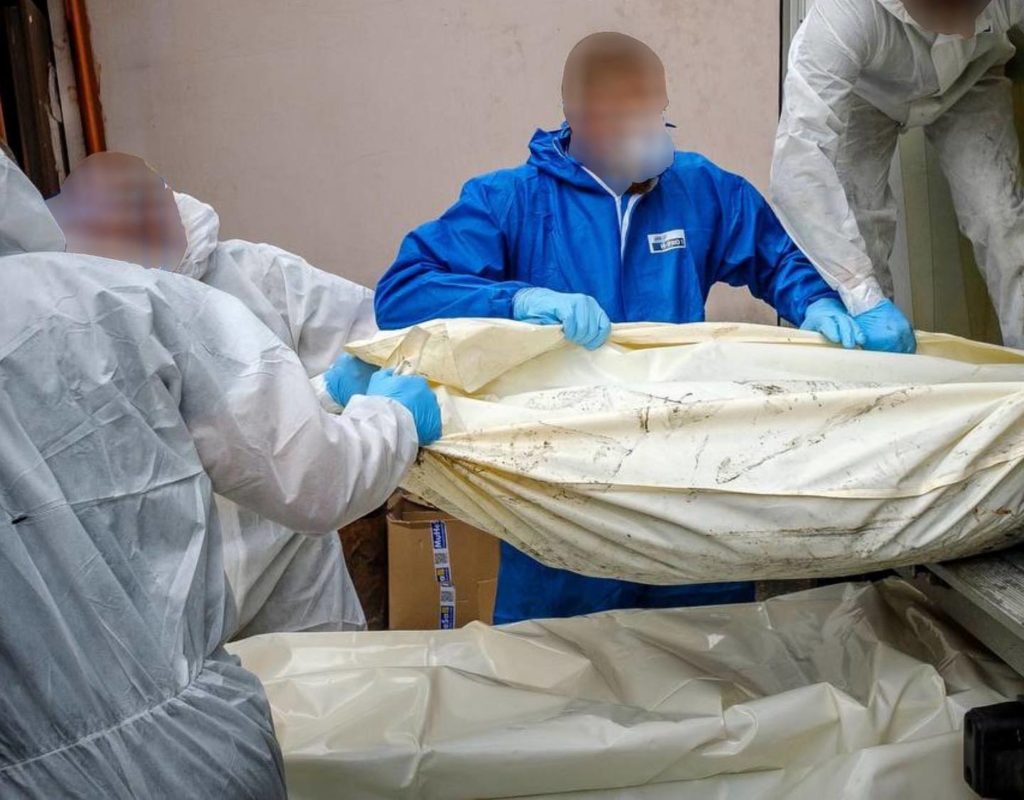
Bodies returned from Russia to Ukraine sometimes contain explosives. Ukrainian police have repeatedly found explosive devices and grenades during initial inspection of remains returned by Russia, said Taras Tarasenko, head of crimes against life and health investigations at Kirovohrad Oblast Main Police Department, in an interview with Ukrinform.
The finding extends a documented pattern of Russian misconduct in body returns since Ukraine and Russia began large-scale repatriation under the June 2025 Istanbul talks. The most recent transfer brought 522 bodies on 18 June 2026, with full forensic identification of each repatriated body taking around 14 months due to the condition in which remains arrive.
Former Ukraine's Military Intelligence chief and current Head of Presidential Office Kyrylo Budanov previously characterized Russia's handling of fallen Ukrainian soldiers as "dirty games."
After repatriated bodies arrive in Ukraine, police conduct an initial inspection with the first priority being to check whether the remains carry items that could be dangerous, Tarasenko told the journalists.
"Such cases have been repeated. We found explosive devices, grenades, and other things, so we work as carefully as possible," Tarasenko said.
In parallel, investigators search for personal items that can help identify the fallen soldier, such as documents, mobile phones, dog tags, and bank cards. Detailed examination follows, with investigators recording and photographing distinguishing marks, tattoos, clothing, and other details.
Police also report that repatriated remains are sometimes found mixed with the bones and tissue of multiple individuals returned as one body. Visual inspection and DNA expertise identify these cases.
Then, law enforcement and forensic medical experts conduct segmentation to separate the remains for further investigation.
Previously, Russia has been caught hiding its own war dead in handovers by sending back remains in Ukrainian uniforms with Ukrainian dog tags, possibly to dodge compensation owed to Russian soldiers' families. Ukrainian families have also reported bodies returning with missing internal organs.


Poland arrested nine Ukrainian and two Belarusian nationals on charges of organizing paid demonstrations among Ukrainian refugees using Russian funds, Defense Minister Tomasz Siemoniak announced on 29 June.
The arrests mark a documented case of Russian-backed influence operations targeting Ukraine's refugee diaspora in a NATO member state—using Ukrainian citizens as instruments against their own country's interests.
The suspects recruited participants and paid them to attend "demonstrations" among Ukrainians in Poland beginning in autumn 2025, Siemoniak said. "According to the Internal Security Agency, the funds for this purpose came from Russia. This is classified as an attempt at an influence operation targeting Ukrainian migrants in Poland," he stated.
All 11 will be deported, Siemoniak added.
The organizers exploited politically charged topics—including news about corruption scandals in Ukraine—to inflame emotions and provoke protests among Ukrainian refugees, Polish law enforcement reported. Their stated aim was to manipulate the mood of the refugee community and use participants to promote political slogans, according to authorities.
Poland's Internal Security Agency said the hybrid influence operation's objective was to undermine public trust, stoke tensions, and exploit Ukrainian refugees as instruments of Russian intelligence services, Rzeczpospolita reported.


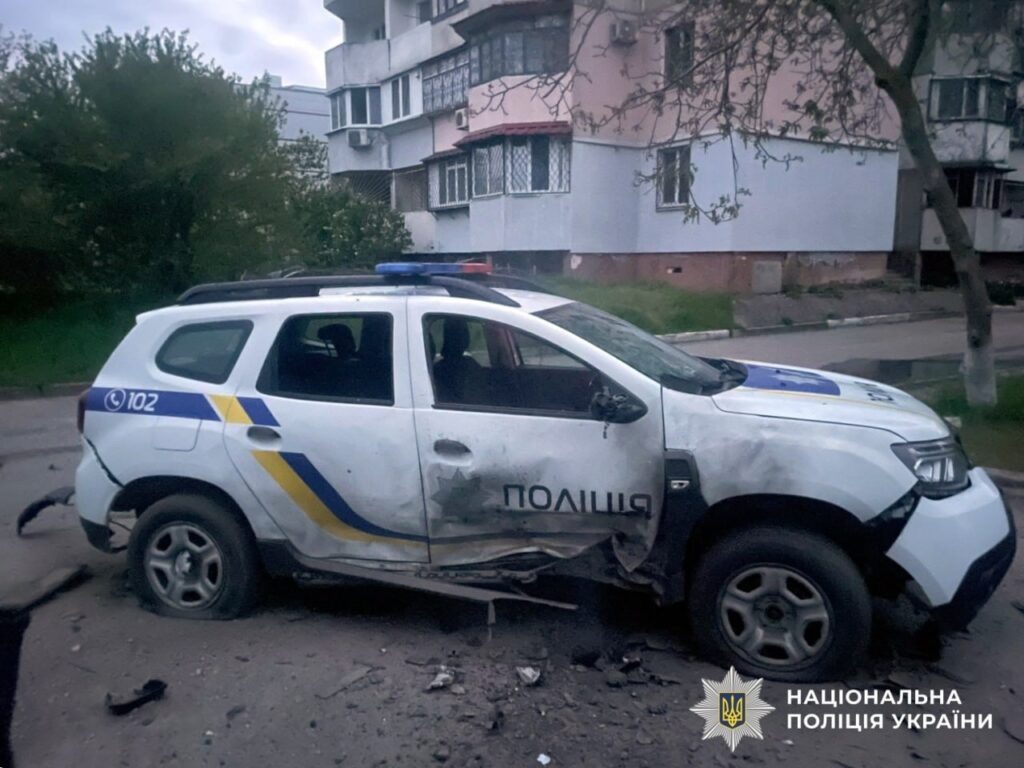
Russia dropped four guided aerial bombs on the outskirts of Kyrylyvka village in Chuhuiv district on 28 June, striking a police vehicle carrying officers from Police Department No. 1 of the Chuhuiv District Police Directorate, the Main Directorate of the National Police in Kharkiv Oblast reported.
Roman Komarov, a community liaison officer with the department's community interaction sector, was killed at the scene. A juvenile prevention inspector from the same unit sustained serious injuries and was hospitalised in intensive care.
Komarov was 25 years old. "Roman Komarov remained faithful to his oath until the last moment, conscientiously performed his official duties, and together with his colleagues rescued civilians, risking his own life. He gave his life fulfilling his duty to the Ukrainian people," the Kharkiv Oblast police directorate said.
The 28 June strike is not an isolated incident. On 20 February, two officers from the White Angels special evacuation unit — Yuliia Keleberda and Yevhen Kalhan — were killed near the village of Seredniy Burluk in Kharkiv Oblast when a Russian Lancet-type drone struck their armoured vehicle during a civilian evacuation. "The White Angels special unit officers had set out to conduct a civilian evacuation. Near the village of Seredniy Burluk, the officers' armoured vehicle was attacked by a Russian Lancet-type UAV. As a result of the strike, two police officers sustained fatal wounds and died at the scene," the National Police of Ukraine reported.
The killing of Roman Komarov on 28 June is part of a documented pattern. Rescuers, police officers, and paramedics are among the most vulnerable to Russian strikes, since they are the first to arrive at the scene of an attack.
The tactic most associated with targeting first responders is the "double-tap" strike — a follow-up attack timed to hit emergency personnel responding to an initial strike. Double-tap strikes involve an initial strike followed shortly thereafter by a second strike, often aimed at first responders or civilians rushing to aid victims of the first attack. The Russian military has employed this tactic in Sumy, Kharkiv, Zaporizhzhia, Kherson, and other frontline cities.
Russian attacks on civilian infrastructure workers have also escalated more broadly. On 1 February 2026, a Russian drone struck a bus carrying mineworkers, killing at least a dozen people. Ukrainian Energy Minister Denys Shmyhal called the attack "a cynical and targeted attack on energy sector workers."
Un tireur a ouvert le feu hier avant midi dans le quartier Côte-des-Neiges.
Le suspect a tué un policier et blessé grièvement une policière et légèrement une autre personne.
Le suspect a été abattu par les policiers.
Selon Fady Dagher, chef du Service de police de la ville de Montréal, aucun policier n’avait été tué en service à Montréal depuis 24 ans.
[L'article À Montréal, un policier et un autre homme ont été tués dans une fusillade a d'abord été publié dans InfoBref.]


A former deputy mayor for Kharkiv is facing multiple charges related to creating and leading a scheme that allegedly embezzled 5.4 million hryvnias ($130,000) of budget funds allocated for fortifications, law enforcement agencies announced on June 28.
Ukraine's military as well as public officials has seen several corruption scandals since the start of Russia's full-scale war, related to illicit enrichment, money laundering, bribery, and misconduct of the command.
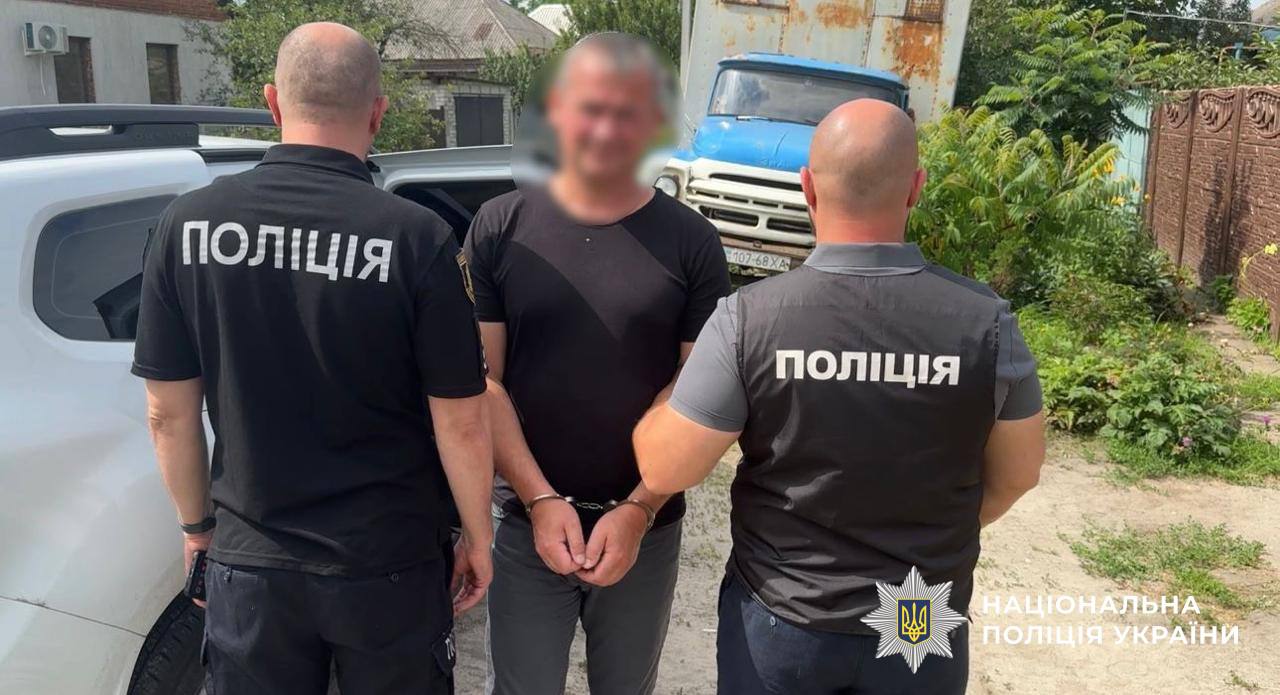
A total of four people, including two company heads and two entrepreneurs, were arrested alongside the former official, the National Police said.
The scheme allegedly involved a shell company procuring purchased materials for fortifications at prices over 30% above market value.
While authorities did not name the former official, Ukrainska Pravda reported, citing law enforcement sources, that the suspect in question is Andrii Rudenko, Kharkiv's Deputy Mayor for Housing and Communal Services between 2015 and 2024.
Authorities did not publicly release the identities of the remaining suspects.
The five suspects are currently facing charges under 17 articles of Ukraine's Criminal Code, with motions filed to impose pre-trial detention without bail.
It was not immediately clear as to the maximum sentence the suspects may receive if found guilty, however, Ukraine's Prosecutor General Ruslan Kravchenko said that he will seek for "stolen budget funds must be fully returned to the state."
Law enforcement agents have previously arrested Kharkiv officials with corruption related charges.
In April, authorities charged a total of eight individuals, including local officials and entrepreneurs, accused of colluding with contractors to supply firewood to the military at prices significantly above market value. Several officials and entrepreneurs of housing and utilities departments in several regions, including Kharkiv, were allegedly implicated.