The aging Palestinian leader, Mahmoud Abbas, pushed off the planned vote until late 2027. Palestinians haven’t had major elections for about two decades.
The choice drew condemnation from Israel over Ms. Pillay’s role leading a U.N. commission that said the country had committed genocide against Palestinians.
Ms. Pillay, a human rights lawyer, was drawn into the international spotlight last year as chair of a commission that found that Israel had committed genocide in Gaza.
While neurotechnologies have become powerful clinical tools for patients with brain injuries, the United Nations on Thursday warned that future technologies could be abused by governments.
After trading his military uniform for civilian clothes, Myanmar’s strongman president, U Min Aung Hlaing, is in Malaysia, his ninth stop on a search for international legitimacy.
The UN Human Rights Office verified some 15,280 civilian casualties in Ukraine during the first eight months of 2026, 55% more than in the same period last year, UN High Commissioner for Human Rights Volker Türk said on 2 October.
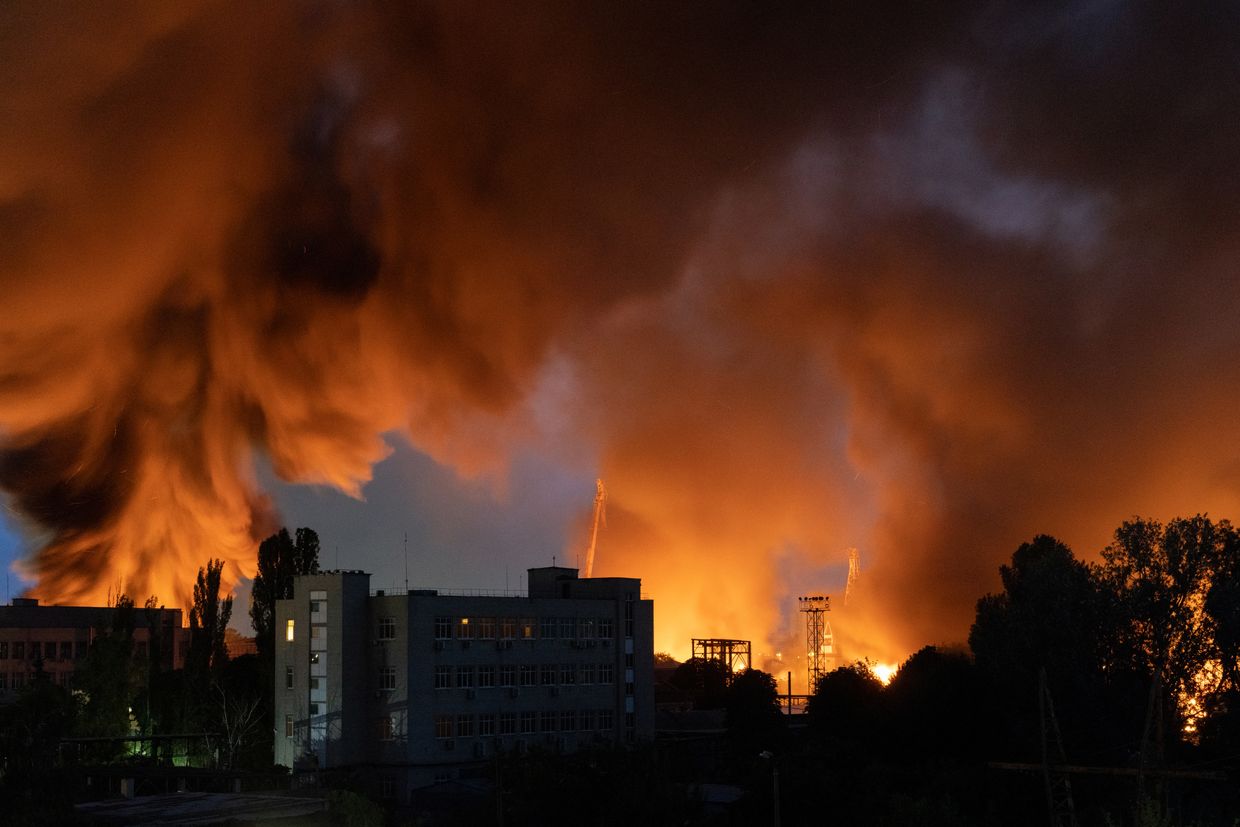
Türk's statement comes as Russia has begun its Winter 2026-2027 campaign of long-range strikes against Ukrainian energy infrastructure. The Institute for the Study of War (ISW) said Russian forces began the campaign in late September. Damage to energy infrastructure disrupt electricity, heating, and water supplies during the winter, increasing the risks to civilians.
Russian glide bombs killed and injured nearly 2,500 civilians in Donetsk, Kharkiv, Sumy, and Zaporizhzhia oblasts during the first eight months of the year, 62% more than in the same period last year, according to UN figures.
"As winter approaches, Ukrainians fear the worst is yet to come," Türk said.
On 4 October, Russia's Defense Ministry announced that it was intensifying strikes on infrastructure in Kyiv City and Oblast and across Ukraine, according to ISW.
Why Russia is turning to long-range strikes
ISW said Ukraine's 2026 battlefield successes "appear to be forcing" Russian President Vladimir Putin to shift focus from advances on the battlefield toward a winter campaign intended to compel Ukraine to surrender.
A week earlier, ISW assessed that Putin was likely attempting to force Ukraine to capitulate before spring 2027, with his theory of victory heavily relying on cheap, jet-powered Geran-type drones.
A toll rising all year
The 15,280 figure extends a trend the UN has tracked all year. Over the first seven months of 2026, its monitoring mission verified 1,839 civilians killed and 10,638 injured. In September, UN Under-Secretary-General Rosemary DiCarlo told the Security Council that more civilians were killed or injured in the first eight months of 2026 than in all of 2025.
Mr. Milei wants to go all in on artificial intelligence even as other leaders struggle to get a handle on a technology many fear poses existential threats.
Russia’s foreign minister met with his German counterpart during the U.N. General Assembly but spent part of his address defending his country’s war on Ukraine.
A host of African leaders including the presidents of Ghana, Liberia, Kenya and Namibia demanded the change while the U.N. Secretary General said the lack of a permanent African seat was “indefensible.”
President Joseph Nyuma Boakai of Liberia lobbied for African representation on the U.N. Security Council, whose mandates, he pointed out, mostly concerned Africa’s peace.
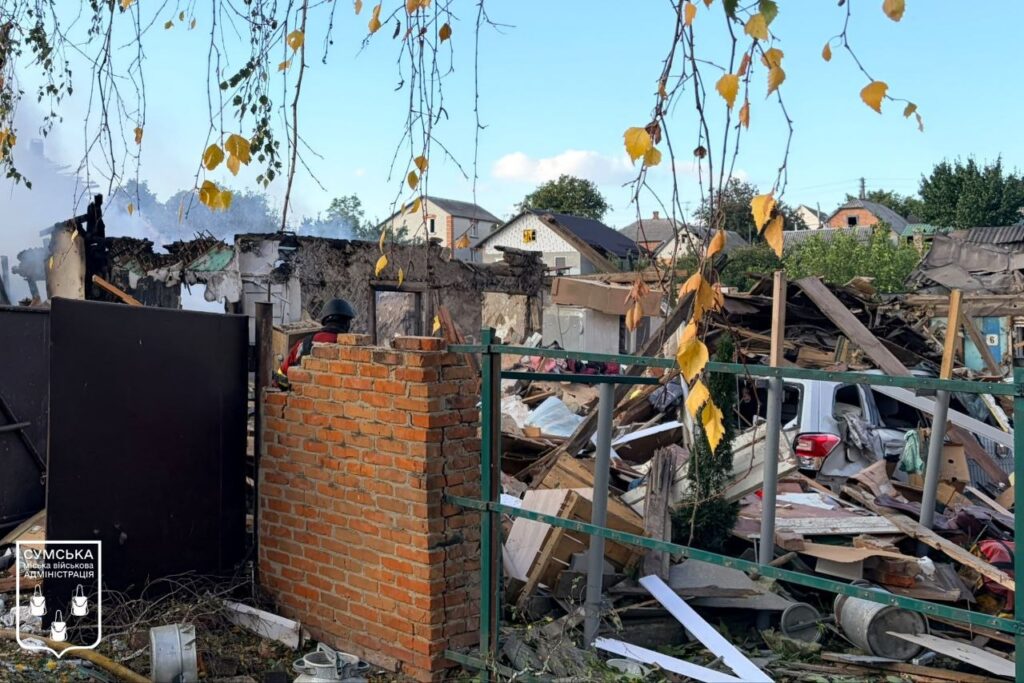
Russian strikes have killed or wounded more Ukrainian civilians in the first eight months of 2026 than in all of last year, a senior United Nations official told the Security Council, Censor.net reported. The official warned that the toll keeps climbing as missiles and drones increasingly reach cities far from the front line. She also cautioned that mounting attacks on Ukraine's battered energy grid could push millions into a dark, cold winter.
In the war's fifth year, Russia's long-range strikes on Ukrainian cities have shifted the danger from the front to the streets where people live, and the rising civilian toll now tracks how far those weapons reach.
Casualties outpace all of 2025
Rosemary DiCarlo, the UN Under-Secretary-General for Political and Peacebuilding Affairs, gave the toll as the Council met on Ukraine, Ukrinform reported.
"In just the first eight months, more civilians were killed or injured in Ukraine than in all of 2025," she said.
The heavy toll already recorded in September shows the trend continuing, she added, as strikes hit populated areas away from the front.
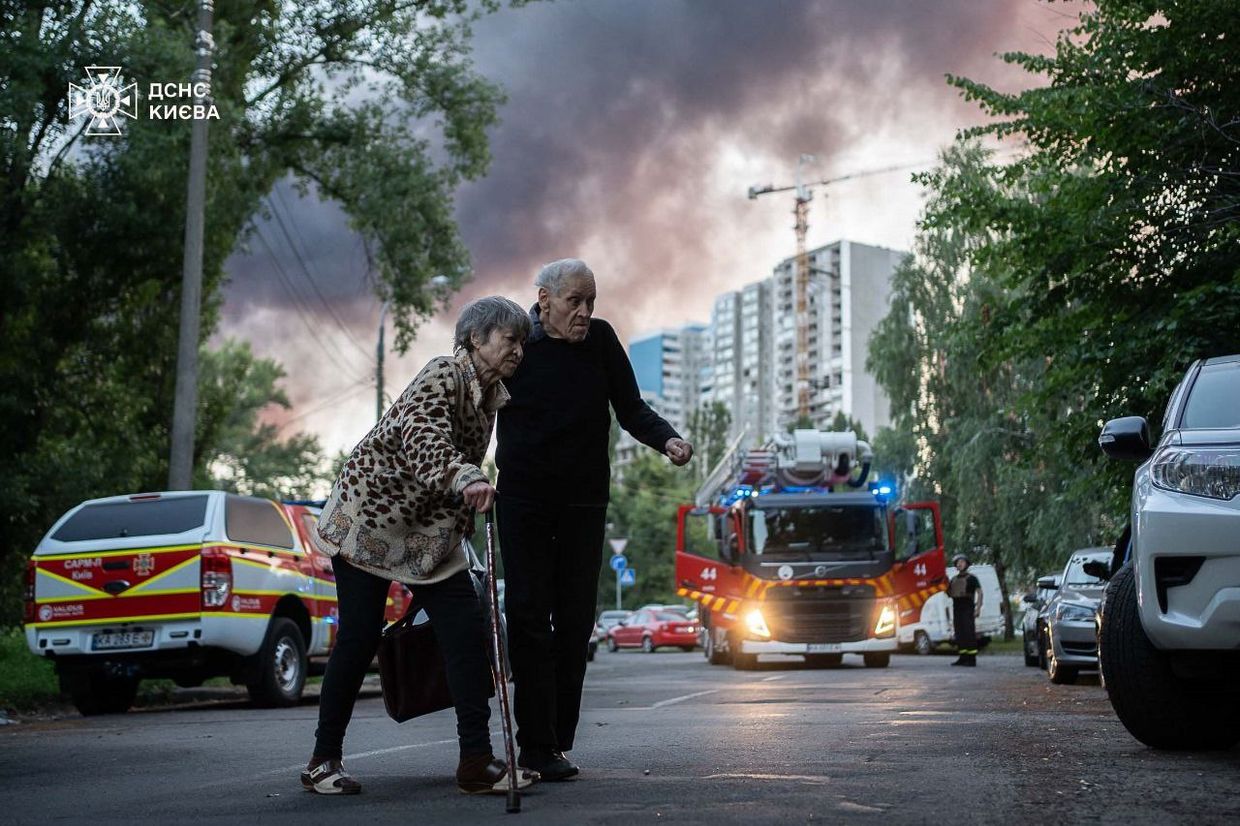
The UN human rights office has confirmed at least 17,257 civilians killed since February 2022, including 835 children. Another 53,693 people have been wounded, among them 3,247 children, and DiCarlo said the real numbers are likely far higher. Kyiv and other cities have faced near-daily attacks in recent weeks, she said, with strikes hitting railways, shopping centers, gas stations, warehouses, and food and logistics firms.
A warning over the coming winter
DiCarlo said the mounting strikes on Ukraine's already-damaged energy infrastructure are especially worrying with another war winter near.
"The cumulative impact of these strikes could plunge millions of people into darkness and cold in the coming months," she said.
She urged an immediate moratorium on strikes on populated areas and urgent action to protect the power grid. Targeting civilians and civilian sites is prohibited under international law, she noted.
The warning follows the deadliest stretch of the war for civilians, when UN monitors counted 437 people killed in July, the worst monthly toll since May 2022. Russia has also renewed strikes on gas production and power plants ahead of the heating season.
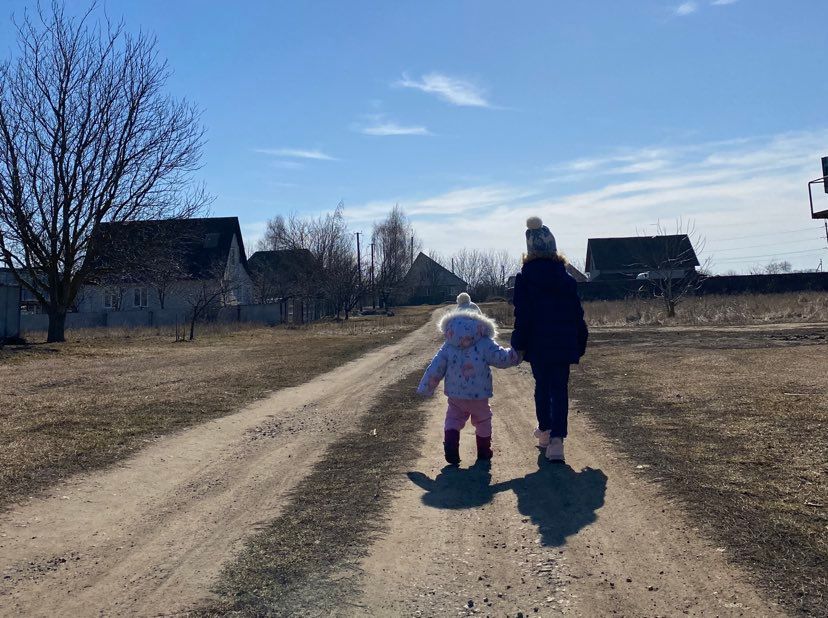
Life for children in Ukraine has become increasingly dangerous and deadly, according to the latest U.N. figures, which show a threefold jump in the number of deaths and injuries among children over the three months ending in May.
From March through May, 222 children were killed or injured, compared to 73 in the preceding three months, according to a press release from the U.N. Humanitarian Aid Organization for Children (UNICEF) on July 4.
The statement noted that "the ongoing use of explosive weapons in populated areas has been particularly deadly and destructive."
"There is no respite from the war for children across Ukraine," UNICEF Regional Director for Europe and Central Asia, Regina De Dominicis, said. "The situation for children is at a critical juncture, as intense attacks continue to not only destroy lives but disrupt every aspect of childhood."
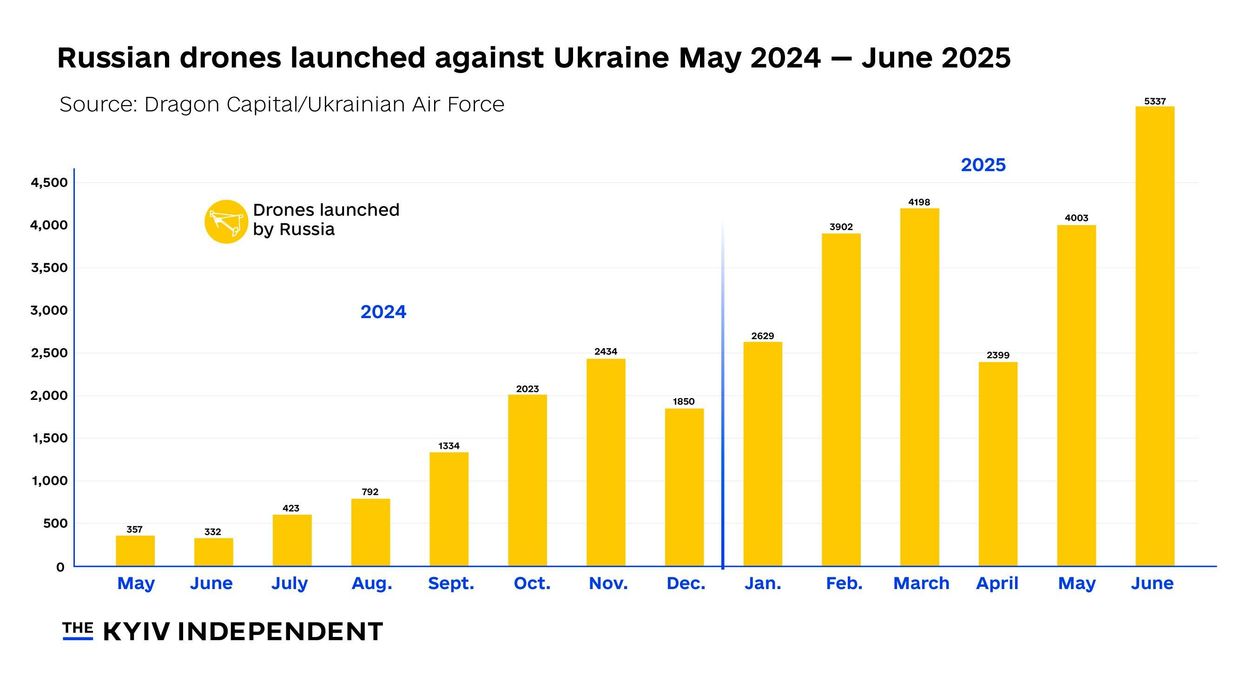
Recent months have seen some of the war's deadliest attacks on civilians, as Russia steps up its aerial strikes on civilian areas and launches record numbers of drones. Russia has dramatically increased its production of these weapons and is now capable of launching in a single night as many drones as it did over an entire month in early summer 2024.
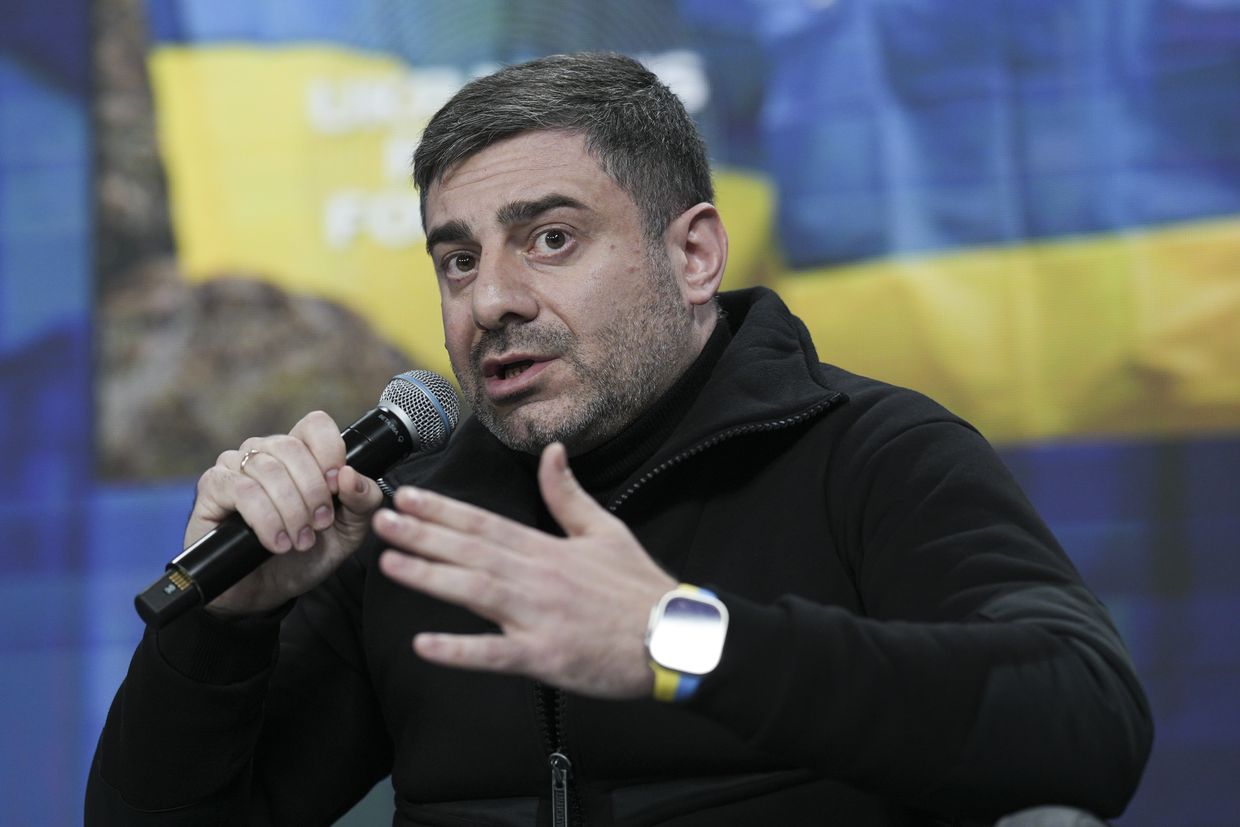
An internal U.N. analysis has found Russia responsible for a 2022 explosion at Olenivka prison, which killed over 50 Ukrainian prisoners of war (POWs), Ombudsman Dmytro Lubinets said on June 30.
"(A)n internal analysis of the U.N. showed that it was the Russian Federation that planned and carried out the attack," he said in a post to social media.
The investigation, published on June 26, reads that an "internal U.N. analysis concluded that it was the Russian Federation who planned and executed the attack," though the U.N. did not publicly acknowledge Russia's responsibility.
Russia has denied being responsible for the attack but prevented efforts by the international community to independently investigate the attack and contaminated evidence at the site, according to a report published by the U.N.
Kyiv has said that days before the July 2022 attack, Russia deliberately put Ukrainian members of the Azov Regiment, who were awaiting a prisoner exchange, in a separate part of the Olenivka prison building that was later destroyed in the explosion.
"The report identifies the weapons and ammunition that the Russian Armed Forces used to kill Ukrainian prisoners of war, and also examines in detail the planning, organization, and execution of the murder," Lubinets said.
The ombudsman noted that the U.N. fact-finding mission on Olenivka was disbanded due to a lack of security guarantees, adding that the mission has previously refused to review evidence provided by Ukraine.
Russia has repeatedly violated international conventions protecting the rights of POWs as it continues to carry out its war against Ukraine.
A Russian military court has convicted 184 Ukrainian POWs captured in Kursk Oblast of acts of terrorism, Mediazona reported on June 25.
The POWs captured in Kursk were charged with carrying out a grave terrorist act by a group of individuals, as outlined by the Russian Criminal Code.
Junior Lieutenant Yevhen Hoch was convicted of allegedly carrying out an act of terrorism by taking part in Ukraine's Kursk Oblast incursion.
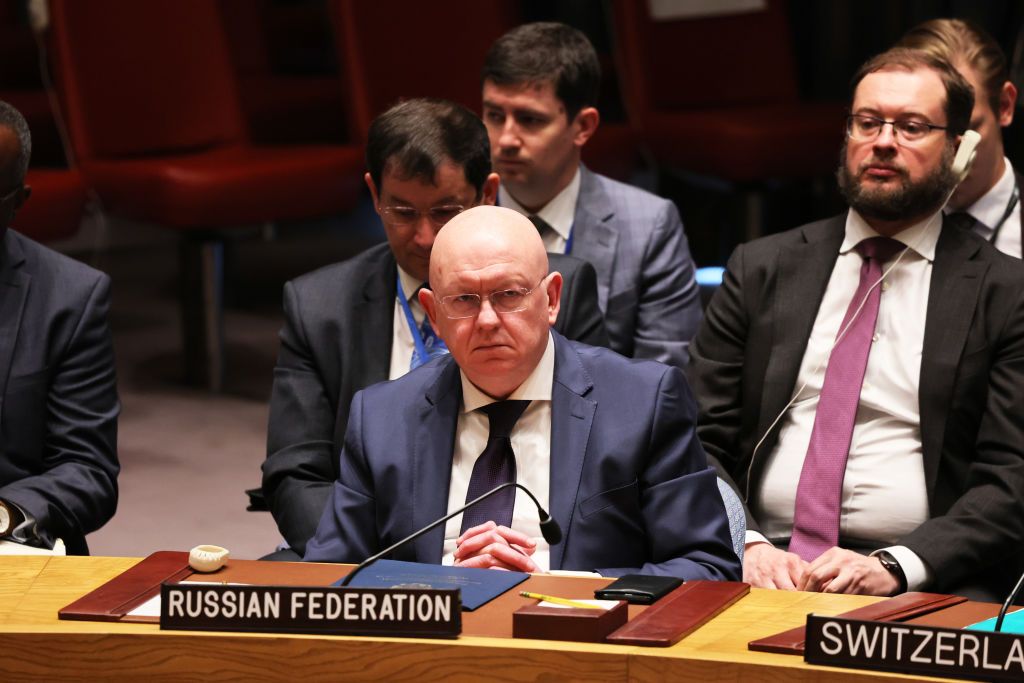
Russia's memorandum on a peace proposal is the "best offer Ukraine can get today," Russia's envoy to the United Nations (UN), Vasily Nebenzya, said at a UN Security Council meeting on June 20.
"During the direct Russian-Ukrainian talks that were held, we presented our memorandum on a peaceful settlement. It consists of two parts: conditions for a comprehensive long-term peace and conditions for a ceasefire," Nebenzya said.
"This is the best offer Ukraine can get today. We advise accepting it as things will only get worse for Kyiv, from here on out," he said.
At Istanbul peace talks on June 2, Russian negotiators told the Ukrainian delegation that their so-called "peace memorandum" is an ultimatum Kyiv cannot accept, President Volodymyr Zelensky said in an interview published on June 10.
"They even told our delegation: we know that our memorandum is an ultimatum, and you will not accept it," Zelensky said. "Thus, the question is not the quality of the Istanbul format, but what to do about the Russians' lies."
"In Istanbul, we also agreed on a large-scale exchange of prisoners of war," Nebenzya said at the UN Security Council meeting on Ukraine.
Aside from agreeing on large-scale prisoner exchanges, peace negotiations between Ukraine and Russia have been largely inconclusive as Moscow continues to issue maximalist demands toward Kyiv.
Nebenzya noted that Ukraine and Russia should resume direct peace talks in Turkey after June 22, despite Russia's intensified drone and missile attacks on Ukraine.
On June 17, a Russian drone and missile attack on Kyiv killed 30 people and injured another 172. The nearly nine-hour-long strike saw Moscow's forces launch large numbers of drones and missiles at Ukraine's capital.
Russia's statements diverged from those of other speakers at the UN Security Council meeting on June 20.
"We call on Russia to agree to an unconditional ceasefire. Russia initiated this war; we call on Russia to end it," Barbara Woodward, the U.K.'s Permanent Representative to the UN, said.
Russia has illegally laid claim to five Ukrainian regions despite not controlling all of the territory. The regions include Donetsk, Luhansk, Zaporizhzhia, and Kherson oblasts, as well as the Autonomous Republic of Crimea.

 Connexion