❌

Vue lecture

Russia has a plan for Ukraine this winter, Ukraine says: intercepted document reportedly outlines up to 1,000 missiles, drones, and bombs targeting 60 critical infrastructure sites

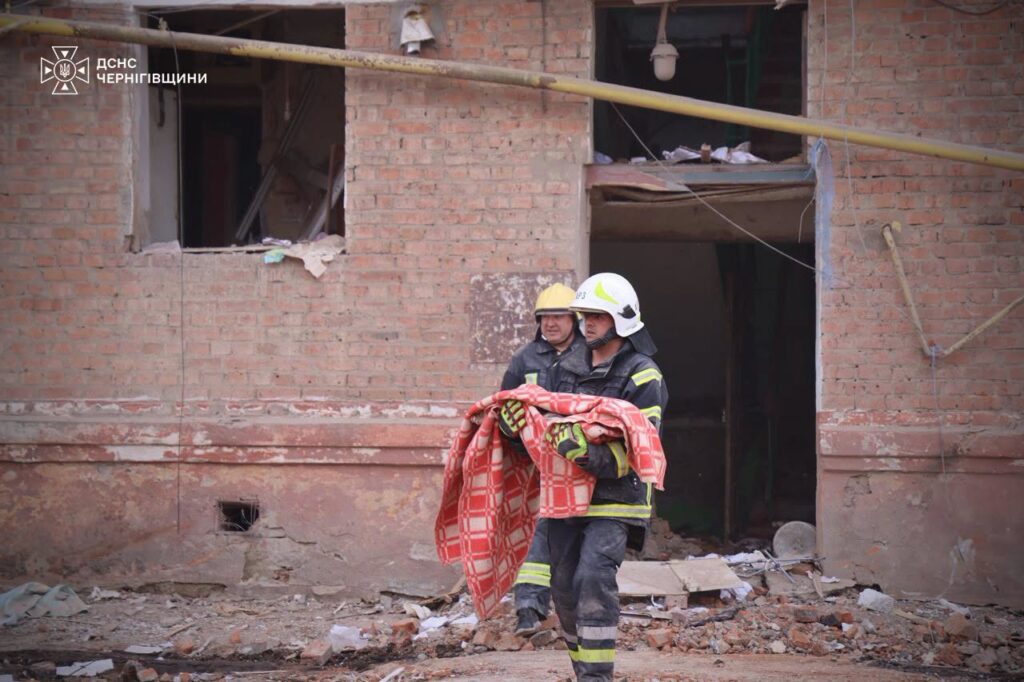
kindergarten school railway's warming shelter russia's overnight targets trump-pushed abu dhabi talks enter day two · post fire building roof after russian attack kyiv 5 2026 2f15ff6d-cd98-4bc0-839c-18fc74a3ef67 forces launched wave

Russia is planning a winter strike campaign involving up to 1,000 missiles, drones, and bombs targeting, among other facilities, electrical substations, hydroelectric and thermal power plants, and boiler houses. The information is contained in a document that, according to sources cited by The New York Times, Ukraine's Energy Minister Denys Shmyhal presented as an intercepted Russian plan to destroy energy infrastructure systematically. The newspaper reported on 2 October.

Russia has been striking critical infrastructure across Ukraine since the beginning of its full-scale invasion. Such attacks have become particularly frequent ahead of and during winter. Ukraine's recent battlefield gains may have prompted Putin to reconsider his strategy and attempt to force Ukraine to surrender through winter strikes, analysts at the Institute for the Study of War (ISW) suggest. Russia's reported plans to attack Ukraine's energy, water supply, and sewage systems could threaten the basic living conditions of millions of people. Such strikes could increase pressure on civilians and the Ukrainian economy while forcing the state to divert more resources to emergency infrastructure repairs instead of defense needs.

The New York Times was unable to verify the document's authenticity independently, but noted that it was written in Russian and dated August.
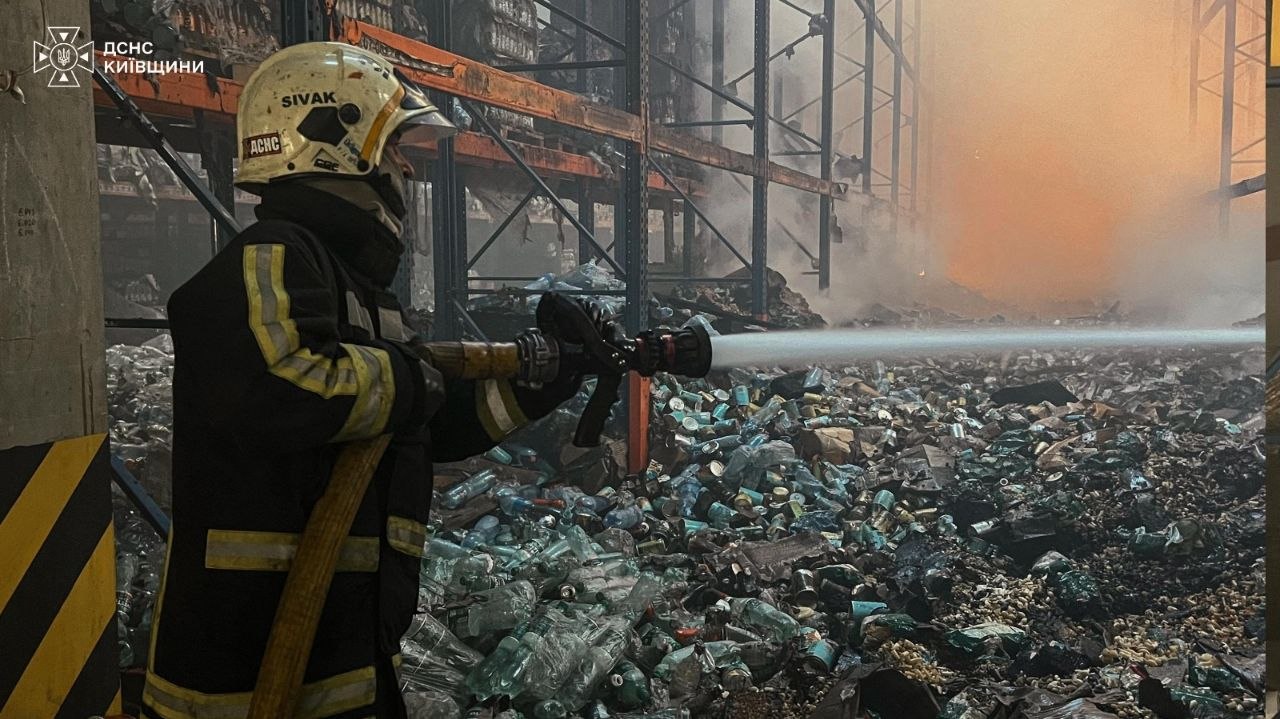
just power plants russia’s drones also went after warehouses groceries hardware chain · post firefighter puts out fire warehouse burned food drink stock hit russian attack bucha district kyiv oblast
Explore further

Warehouses, a home-improvement store, a farm: Russia’s strikes aimed past the grid at Ukraine’s civilian economy

A representative of Ukraine's defense-industrial sector who has reviewed the document believes it is more of a calculation than a finalized Russian military operations plan, according to Schemes, an investigative journalism project by Radio Free Europe/Radio Liberty (RFE/RL), in a report published on 8 October.

60 targets: how Russia could attack Ukraine's critical infrastructure

The document outlines how many missiles, drones, and bombs Russia would need to deprive Kyiv, Kharkiv, and Odesa of electricity, heating, water, and sewage services, Radio Liberty reported on 9 October. The document's full list of priority cities also includes Dnipro, Zaporizhzhia, Mykolaiv, Kherson, Poltava, Chernihiv, Kryvyi Rih, Cherkasy, Kropyvnytskyi, Lviv, Vinnytsia, and Ivano-Frankivsk.

Regions of Ukraine containing cities listed as “priority” targets in Russia's plan to attack critical infrastructure this winter (shown in grey). Map: Euromaidan Press

According to the document, Russia plans to begin by attacking substations near Ukraine's western border, through which the country receives electricity from Europe. Hydroelectric power plants could be targeted next, followed by facilities intended to shut down Ukraine's three operational nuclear power plants, Radio Liberty reports. The document lists a total of 60 key targets.

According to Schemes, the document states that Russia would need up to 770 Molniya and Geran drones, Dan-T/Banderol missile-drones, 170 FAB guided aerial bombs, and 75 Kinzhal and Iskander-M ballistic missiles to carry out the attacks.

Sewage systems could become Russia's next target

The document devotes particular attention to water supply and wastewater systems. These include pumping stations, treatment facilities, and other infrastructure essential for cities to provide residents with water and dispose of wastewater.

One of the water supply facilities. Illustrative photo: Ukrinform

Russia has not previously attacked such facilities on a similar scale, The New York Times notes.

Preparing for possible attacks on water supply and sewage systems is significantly more difficult than protecting energy infrastructure, Oleh Popenko, head of the Ukrainian Union of Utility Services Consumers, told Current Time, RFE/RL's Russian-language network.

“Sewage is a very complex system. There are specific challenges: where to discharge wastewater, how to organize treatment facilities, and so on. Some work is also underway in this sector, but it will be much more difficult here than with district heating utilities,” Popenko says.

Creating alternative routes in case sewage pumping stations are destroyed is an expensive and technically challenging task, he adds. Such construction could cost billions of hryvnias.
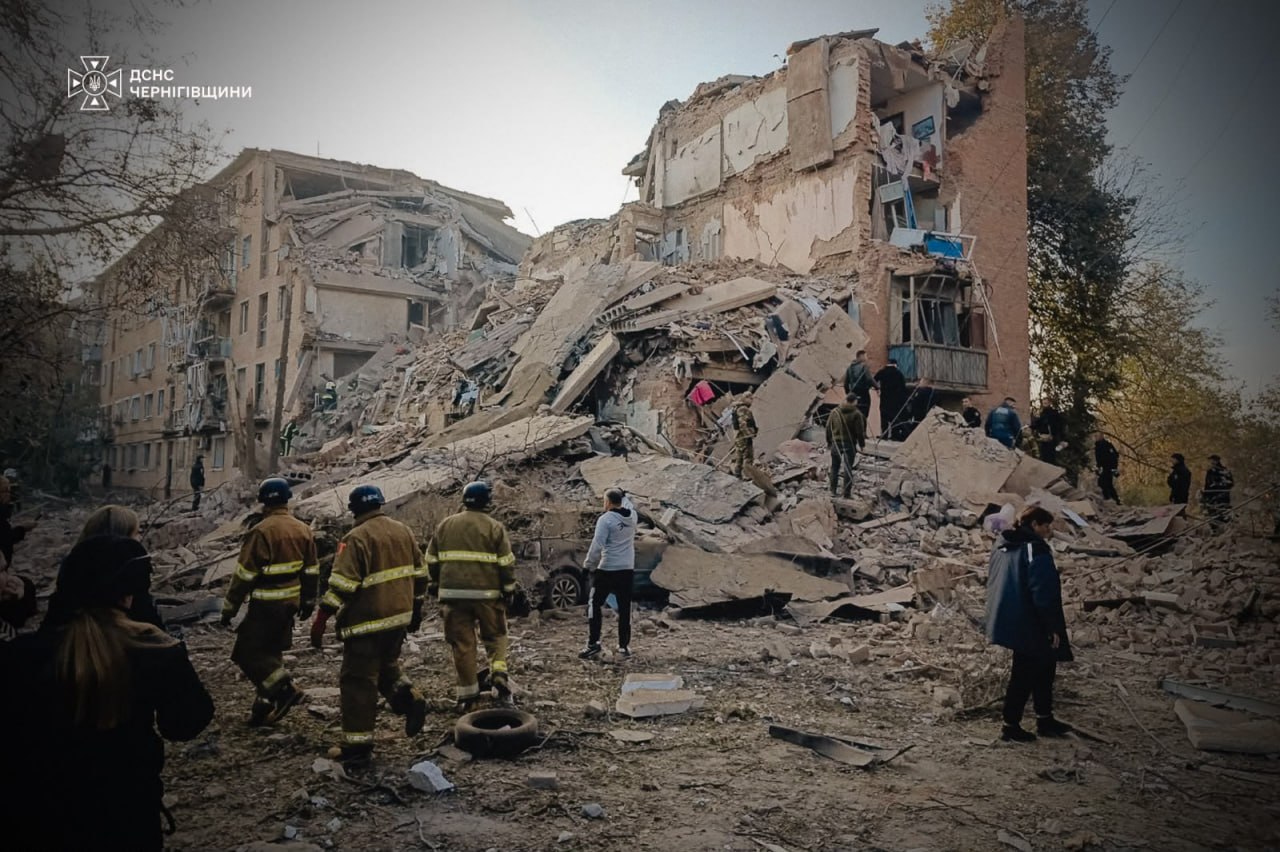
five dead pryluky two each kyiv kremenchuk oleksandriia russia's night 70 missiles · post rescuers collapsed section apartment building chernihiv oblast after russian missile strike 7 2026 ukraine news ukrainian
Explore further

14 dead in Pryluky, two each in Kyiv, Kremenchuk, and Oleksandriia: Russia’s night of 70 missiles

The priority is to equip water utilities with backup power sources so they can continue operating during power outages. However, if Russian strikes damage the sewage system itself, resolving the problem quickly will be much more difficult, Popenko believes. Specific solutions, including wastewater disposal and the operation of treatment facilities, will have to be determined according to the extent of the damage.

Sewage pumping stations play a particularly important role. They pump wastewater onward for disposal and treatment. If such a station is put out of operation by a strike, the city needs an alternative way to divert wastewater while the damaged facility is being repaired, Popenko says. Bypass pipes or channels could be installed for this purpose, but setting up such a system during wartime is far from easy.

Air defenses remain crucial to Ukraine's winter preparations

Preparations for winter are underway, but protection for energy infrastructure remains inadequate, Popenko believes. The main concern is large substations that transmit electricity from nuclear power plants and distribute electricity imported from Europe.
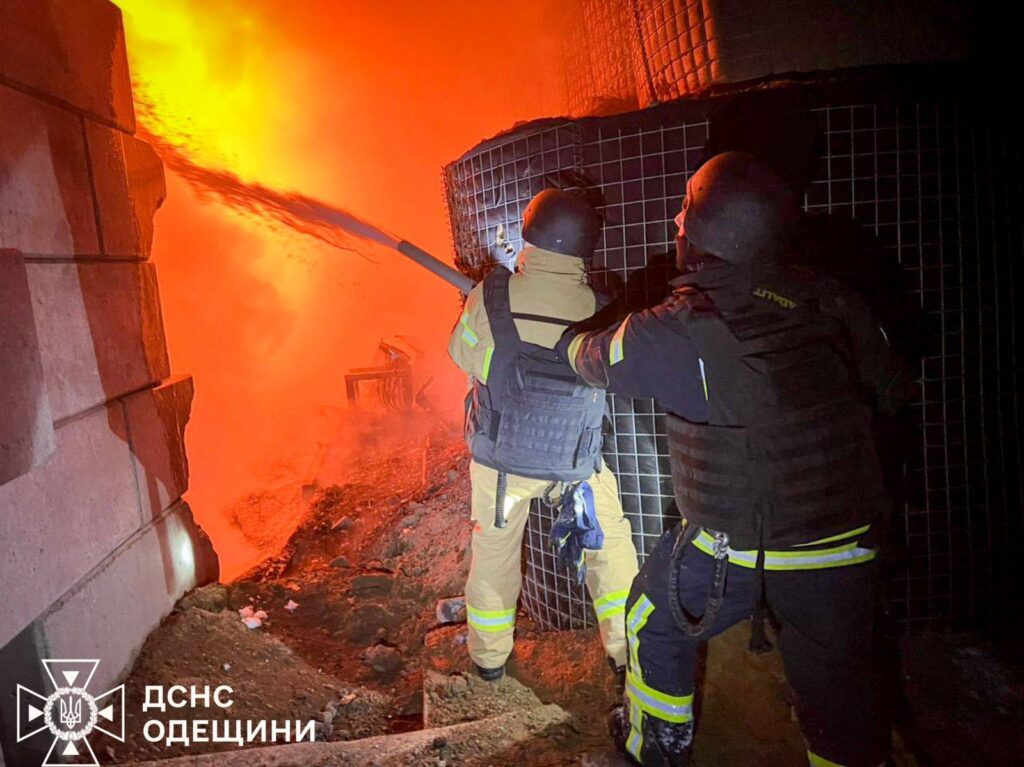
Rescuers extinguish a fire caused by a Russian strike in Odesa Oblast. Illustrative photo: State Emergency Service of Ukraine in Odesa Oblast

At the same time, some protective measures are already proving effective. Despite drone attacks over two days, one of Kyiv's substations withstood the strikes, and the city did not lose power, although scheduled outages were in effect, the expert says.

Popenko considers a repeat of last winter's scenario, when parts of Kyiv went without heating for weeks, entirely possible. Russian forces continue to attack energy facilities, and in his assessment, strengthening air defenses in Kyiv is the only way to protect its combined heat and power (CHP) plants from large-scale attacks.

“There are no other ways — for example, building some sarcophagi around CHPs or constructing shelters — because Russia can destroy these facilities again through massive strikes. And then the city risks being left 50–60% without heat,” Popenko believes.

Residents are also preparing for winter, but their options vary, he says. Some homeowners' associations participate in government programs to insulate apartment buildings and purchase backup power supplies for elevators and pumping stations. Owners of private houses are buying generators, among other measures. However, such equipment and preparations require substantial funds, meaning not everyone can afford them, he notes.

Ukraine has already experienced prolonged power outages during previous winters, particularly in 2022 and 2023. At the time, some regions went without electricity for 18–20 hours a day, the expert says. This experience may help people prepare for possible disruptions, but it does not eliminate the risk of further attacks and infrastructure damage.
  •  

Russia sells cheaper fuel abroad and pays to keep its own pumps running amid Ukraine’s refinery strikes, but crude money still flows

ukraine says its strikes have knocked out 51% russia's oil refining capacity · post flames saratov refinery after reported ukrainian drone strike 2 2026 image_2026-08-02_14-32-39 news reports

Russia's seaborne exports of refined oil products rose to a three-month high in September, but the growth came from cheaper fuel oil and naphtha as diesel shipments fell to their lowest in more than a decade, Bloomberg reported, citing Vortexa data. Russia kept diesel at home after Ukrainian refinery strikes and paid oil companies to supply its pumps, while high crude prices lifted its crude export earnings.

During the ongoing deep-strike campaign, Ukraine's long-range drones have knocked out more than half of Russia's oil refining capacity, Kyiv says, and Russia's budget oil revenues are falling even as it raises war spending. High global crude prices are softening that blow.

Cheaper fuel out

Total seaborne product exports reached about 1.17 million barrels a day in September. Fuel oil shipments rose 6% to about 613,000 barrels a day, the highest since April. Naphtha, a feedstock for petrochemicals, jumped 35% to 363,000 barrels a day. Exports of refinery feedstocks, including vacuum gasoil, rose to about 32,000 barrels a day, according to Bloomberg.

The trade has moved north. Almost 80% of fuel oil cargoes left from Baltic ports, and naphtha loadings there rose almost 50% as Ukrainian attacks disrupted Black Sea infrastructure. In September, Ukraine reported hitting an oil terminal in Novorossiysk, Russia's main Black Sea oil port—one in a string of attacks on Russia's Black Sea ports and oil sites.

more than 500 drones moscow’s count kh-101 fuel plant second yandex data center far-north refinery hit · post smoke over ukhta komi republic after reported drone attack lukoil 9 2026
Explore further

More than 500 drones by Moscow’s count: Kh-101 fuel plant, second Yandex data center, and a far-north refinery hit

Diesel kept at home

Diesel and gasoil exports fell 28% to 144,000 barrels a day, the lowest monthly volume in Vortexa data going back more than a decade. Russia has restricted diesel exports to protect domestic supply after Ukrainian attacks on its refineries. Drones kept hitting them into October, from a Lukoil refinery in Volgograd to Gazprom's Salavat complex in Bashkortostan.

In September, Russia paid oil companies the biggest subsidy in more than four years to keep road fuel on the domestic market. It also imported about 350,000 tonnes of motor fuel by sea, mostly gasoline from India, Morocco, and Türkiye, Reuters calculations showed. Officials are considering letting some producers resume diesel exports in October to avoid overstocking, according to Interfax.

The diesel squeeze has reached the White House. US President Donald Trump stated on 30 September that diesel was hurt "not by the Middle East, but by what's going on in Russia, because those diesel refineries are being knocked out at a pretty alarming rate."

Crude carries the revenue

Russia's crude exports reached about 3.99 million barrels a day in the week to 27 September, and the estimated value of its seaborne crude shipments neared its highest since the full-scale invasion began, Bloomberg reported. Brent crude traded at about $102.60 a barrel on 9 October, according to Trading Economics data.

  •  

More than 500 drones by Moscow’s count: Kh-101 fuel plant, second Yandex data center, and a far-north refinery hit

more than 500 drones moscow’s count kh-101 fuel plant second yandex data center far-north refinery hit · post smoke over ukhta komi republic after reported drone attack lukoil 9 2026

Drones struck a plant making fuel components for Russia's Kh-101 cruise missiles and a second Yandex data center overnight on 9 October, Russian officials and monitoring channels reported. The same night, fires were reported at a refinery in Russia's far north and an oil depot near Belgorod. Russia claimed it downed more than 500 drones, and Ukraine has not claimed any of the strikes.

Ukraine has spent months hitting refineries and arms suppliers deep inside Russia. Russia, meanwhile, keeps firing Kh-101 cruise missiles at Ukrainian cities, including the one that killed 22 people in Pryluky on 7 October.

The plant behind the Kh-101's fuel

The Redkino Experimental Plant in Tver Oblast came under attack overnight, Ukrainian monitoring channel Exilenova+ reported. It said the plant makes components of Decilin-M, a fuel for Kh-55 and Kh-101 cruise missiles, as well as additives for diesel and aviation kerosene.

Tver Oblast Governor Vitaly Korolev claimed a plant in Redkino caught fire as a drone attack was being repelled. He did not name the plant. No workers were hurt, he said.

The plant also makes ferrocene derivatives, which serve as burn catalysts in solid-fuel rocket motors, Militarnyi reported. The UK sanctioned it in September 2025. Drones attacked it in September 2023 and twice in one night in June 2024, the outlet said.

In February, drones of the Security Service of Ukraine's (SBU) Alpha unit struck the plant, sparking a large fire, SBU sources told Kyiv Post. The Kh-101 is the missile Russia used against Pryluky on 7 October, Ukrainian President Volodymyr Zelenskyy said.

Yandex loses a second data center

Part of Yandex's data center in Kaluga was damaged in the drone attack, and several modules were completely knocked out, the company's press service told Interfax, Russian newspaper Kommersant reported. Some Yandex services may run with interruptions, no one was hurt, and the company is still assessing the damage, Yandex said.

Kaluga Oblast Governor Vladislav Shapsha claimed nine people were injured in the overnight attack on the region. A day earlier, a drone attack forced Yandex to fully shut its data center in Sasovo, Ryazan Oblast.

A refinery in the north, a depot near Belgorod

Locals reported an attack on the Ukhta refinery in the Komi Republic, followed by a fire, Exilenova+ said. The Lukoil-owned plant can process about 4.2 million metric tons of oil a year, making gasoline, diesel, fuel oil, and vacuum gasoil. The extent of the damage is unclear.

An oil depot north of Belgorod was also burning after the night's attack, the channel posted. Belgorod's regional headquarters claimed two people were killed and four injured, including a child, in the Belgorod district.

A large fire also broke out in Pushkino near Moscow, likely at a truck parking lot, Astra reported. The cause is unknown.

Repeated strikes on Redkino target a specialty fuel that Russia's cruise missiles depend on, while two Yandex data centers hit in two nights bring the war to services ordinary Russians use every day.

  •  

Moldova pulls its border officers off Ukrainian soil again as Russian drones keep hitting crossings

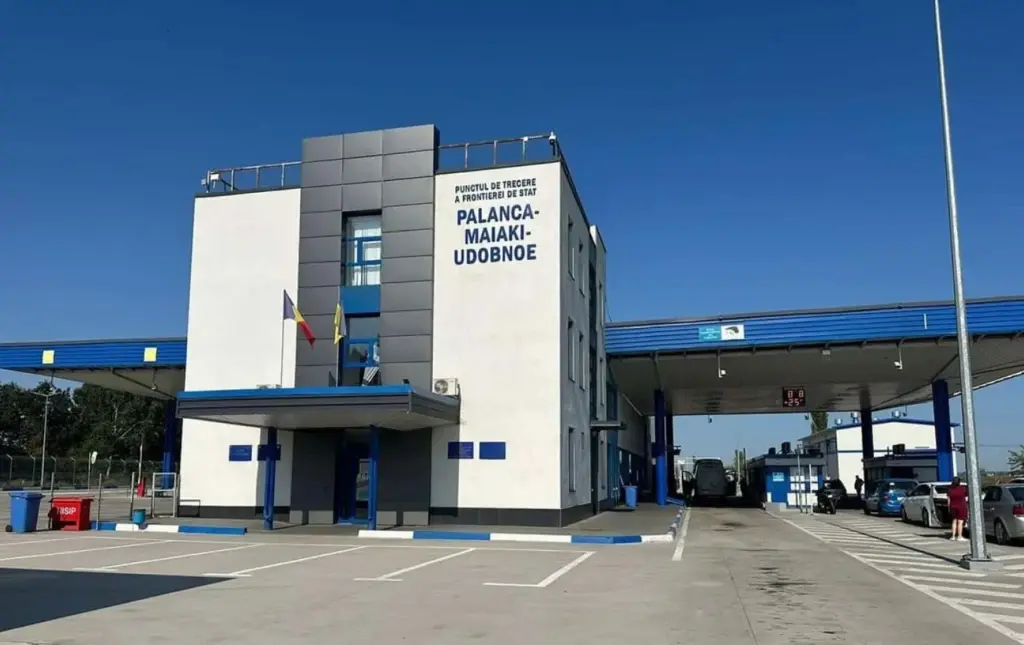
Palanca–Mayaky-Udobne border crossing on the Moldova-Ukraine border, illustrative photo: Zahidnuy.kordon/Facebook

Moldova is creating protective zones at border crossing points along its border with Ukraine amid the threat of drone attacks. It is also relocating its personnel from joint border crossings on Ukrainian territory back to Moldova. Moldovan Interior Minister Daniella Misail-Nichitin said this on 7 October, according to NewsMaker.

In recent months, Russian attacks on Ukrainian border crossing points near the country's borders with neighboring states have become more frequent. Ukrainian-Moldovan border crossings are among those most frequently targeted by Russia. As a result, Moldova now plans to withdraw all of its border personnel from Ukrainian territory.

A Moldovan border guard was also recently injured when a projectile struck near a passenger bus at the Palanca border crossing, Moldova's Border Police reported.

Chisinau strengthens protection of border crossings against Russian drone attacks

Moldovan authorities are working to strengthen security measures at all Border Police crossing points, including those located on Ukrainian territory, according to the statement.

Authorities are already setting up protective zones so that Border Police officers, government officials and civilians at the crossings can evacuate to a safe location if necessary, the minister said.

Moldova is also discussing moving its personnel from joint border crossings located on Ukrainian territory to Moldova. Personnel have already been withdrawn from two crossings, with plans to do the same at other joint crossings, Missail-Nikitin said.

NewsMaker clarified with Moldova’s Interior Ministry that the measure involves withdrawing Moldovan personnel from two joint border crossing points with Ukraine — Criva and Palanca.

Ukraine and Moldova seek a response to a new challenge

The first time Chisinau withdrew its personnel from Ukrainian territory at the Ukrainian-Moldovan border crossings was a month ago. Moldova temporarily changed the operating arrangements at three joint border crossings with Ukraine because of security risks linked to Russian attacks on Ukrainian infrastructure near the border, Moldova's Border Police reported on 11 September.

The crossings in question are Giurgiulesti–Reni, Briceni–Rossoșani, and Criva–Mamalyga, where Moldovan border guards and customs officers had previously carried out controls on Ukrainian territory, according to the Border Police.

Criva–Mamaliga border crossing on the Moldova-Ukraine border, illustrative photo: State Border Guard Service of Ukraine

Starting 12 September, Moldovan personnel returned to Moldovan territory for 90 days and began working from existing infrastructure on the Moldovan side. The crossings themselves remained operational, and the cross-border movement of people and vehicles continued. Only the location where Moldovan services carried out their duties changed, the authorities said.

Ukraine is also strengthening the protection of its border infrastructure. The State Agency for Restoration and Infrastructure Development plans to install 135 basic mobile shelters at 28 border crossing points and on access roads leading to them. The shelters are intended to protect civilians crossing the border and border crossing personnel. Procurement is being carried out by the Restoration Services in Vinnytsia, Odesa, Chernivtsi, Zakarpattia, and Volyn Oblasts, according to the statement.

Ukraine’s border crossings near Moldova face ongoing Russian attacks

Russia has repeatedly attacked Ukrainian border infrastructure near the Moldovan border in recent weeks. On 25 August, a Russian drone struck the Vynohradivka–Vulcănești border crossing in Odesa Oblast.

On 5 October, Russian strikes on Ukrainian infrastructure caused an incident near the Palanka–Mayaky–Udobne border crossing. A projectile fell near the crossing, ricocheted off the ground and struck a passenger bus. The control booth was also damaged, and one Moldovan border guard sustained a minor injury.

On 9 September, Russia attacked the Starokozache–Tudora border crossing. One drone struck the crossing, while two others crashed nearby on Ukrainian territory. Two people were killed and three others were injured in the attack, and the crossing was temporarily closed. Russia claimed that this strike on a border crossing was prompted by Ukraine transporting weapons through the facility, a claim Moldova has denied.

  •  

A 3-year-old girl came to visit her aunt in Pryluky, Ukraine. By morning, a Russian missile had killed her grandmother and uncle

Rescue worker carries a child from the rubble following a Russian missile strike on an apartment building in Pryluky, Chernihiv Oblast.

A Russian missile strike on an apartment building in Pryluky, a town in northern Ukraine's Chernihiv Oblast, killed 22 people on 7 October, regional police reported on the morning of 8 October. Five of the dead were children: three one-year-old boys, an eight-year-old boy, and a 13-year-old girl, police said.

Russian strikes on Pryluky, Kremenchuk, Oleksandriia, and Kyiv killed 28 people on 7 October, Interior Minister Ivan Vyhivskyi said. For the town, it was the second deadly missile strike since May. Behind the toll are families like this one: three generations hit by a single strike.

A family visit that ended under rubble

Three-year-old Zlatoslava is now in the Chernihiv Oblast children's hospital, Pryluky district police chief Vladyslav Stoianov told. Her mother, Kateryna, is hospitalized too. The two had come on the evening of 6 October to visit Kateryna's sister, police officer Yuliia Malysh. The girl's father stayed home in Lynovytsia, a village 15 km away.

Yuliia was wounded and is in hospital, Stoianov said. Her husband, Oleh Malysh, was killed. Until recently, Oleh had fought at the front in the Chernihiv Oblast police rifle battalion. The sisters' mother, Liudmyla, had also come over that evening, and she died too. All the family details come from Stoianov, who was describing a colleague's family.

pryluky
Explore further

22 killed in Russian missile strike on Pryluky, including five children

Footage of an emergency worker carrying a little girl from the ruins reached almost all media, Vyhivskyi wrote in the same post. Suspilne first reported that the filmed rescuer had carried Zlatoslava. It then corrected itself: he had carried a different child, five-year-old Zoriana. Vyhivskyi also gives the girl's age as five, and he named the rescuer as State Emergency Service section commander Pavlo Levchenko. With colleagues, Levchenko freed the girl and her mother after the blast threw them out of the building.

  •  

22 killed in Russian missile strike on Pryluky, including five children

pryluky

The death toll from Russia's 7 October missile strike on Pryluky, a city in Chernihiv Oblast in northern Ukraine, has risen to 22, including five children, Ukraine's State Emergency Service said on 8 October. Another 54 people were injured, and 15 were rescued from the rubble.

Pryluky suffered the heaviest losses in Russia's 7 October attack, which struck cities across Ukraine. The attack involved about 70 missiles, many of them ballistic, as well as Shahed drones.

Search ends with 15 rescued

Seven of the injured are children, and the rescued include a 5-year-old. The search-and-rescue operation, which involved more than 500 emergency workers, has ended, Ukrainian President Volodymyr Zelenskyy said.

five dead pryluky two each kyiv kremenchuk oleksandriia russia's night 70 missiles · post rescuers collapsed section apartment building chernihiv oblast after russian missile strike 7 2026 ukraine news ukrainian
Explore further

14 dead in Pryluky, two each in Kyiv, Kremenchuk, and Oleksandriia: Russia’s night of 70 missiles

A five-story building hit early in the morning

Russia attacked Pryluky with cruise missiles and directly hit a five-story apartment building, Chernihiv Oblast head Viacheslav Chaus said. The strike came in the morning, when people were still asleep.

The strike hit the apartment building, a children's and youth creativity center, and a business, according to the National Police.

The death toll rose through 7 October and overnight. On the morning of 7 October, the National Police reported five dead and 26 injured. By the afternoon, the State Emergency Service put the figure at 14, including four children. By the morning of 8 October, it had reached 22, Chaus said. Four of the children died at the scene, and one died in hospital.

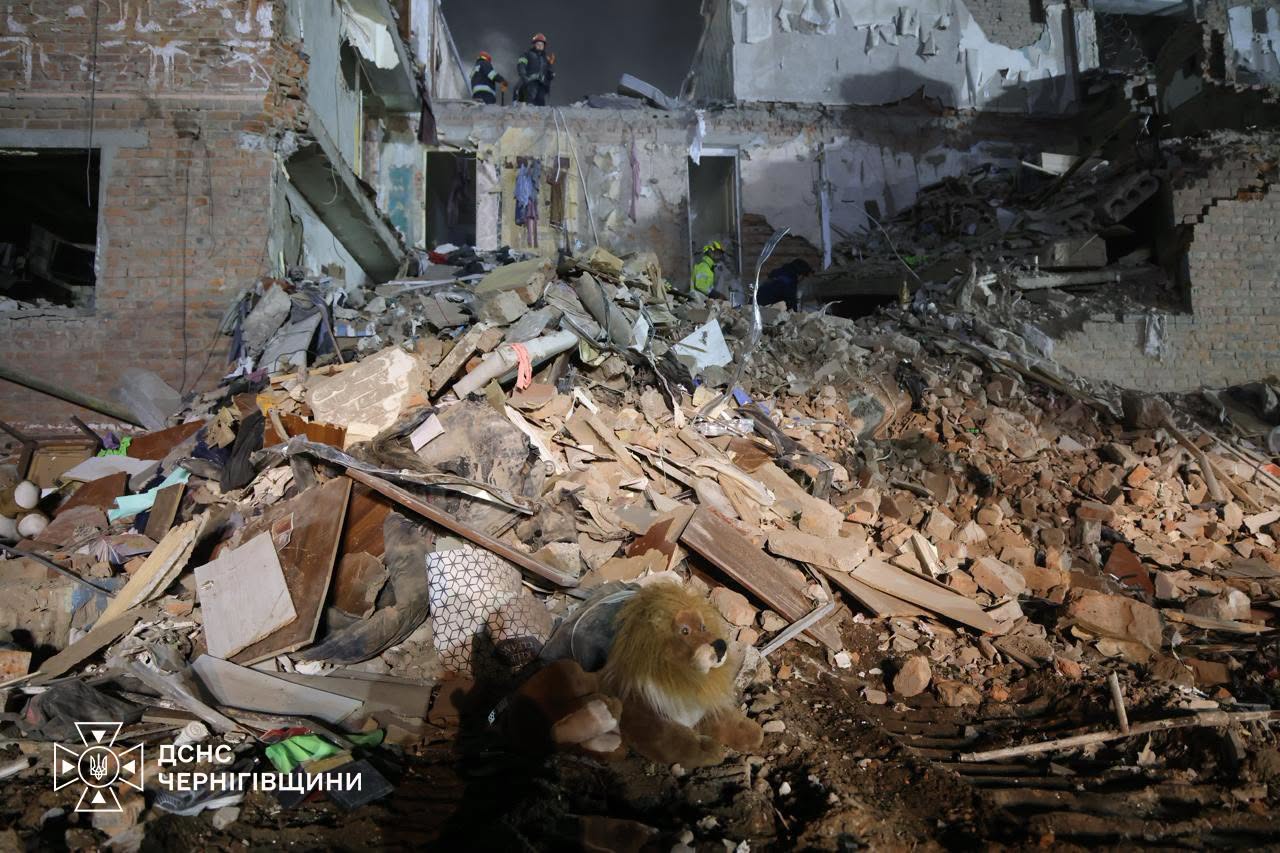
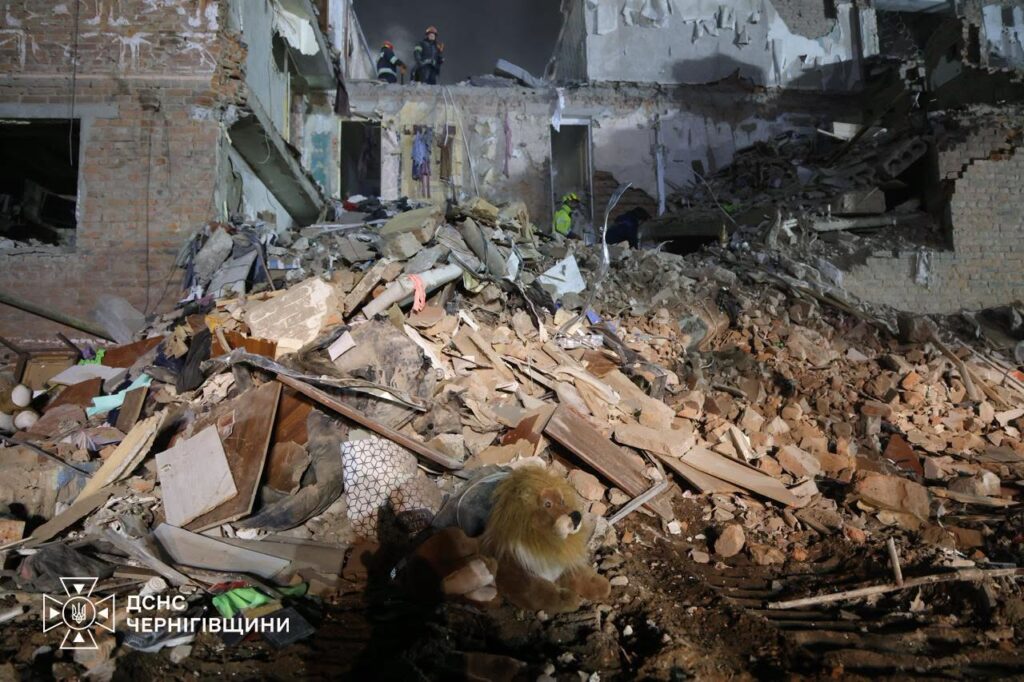
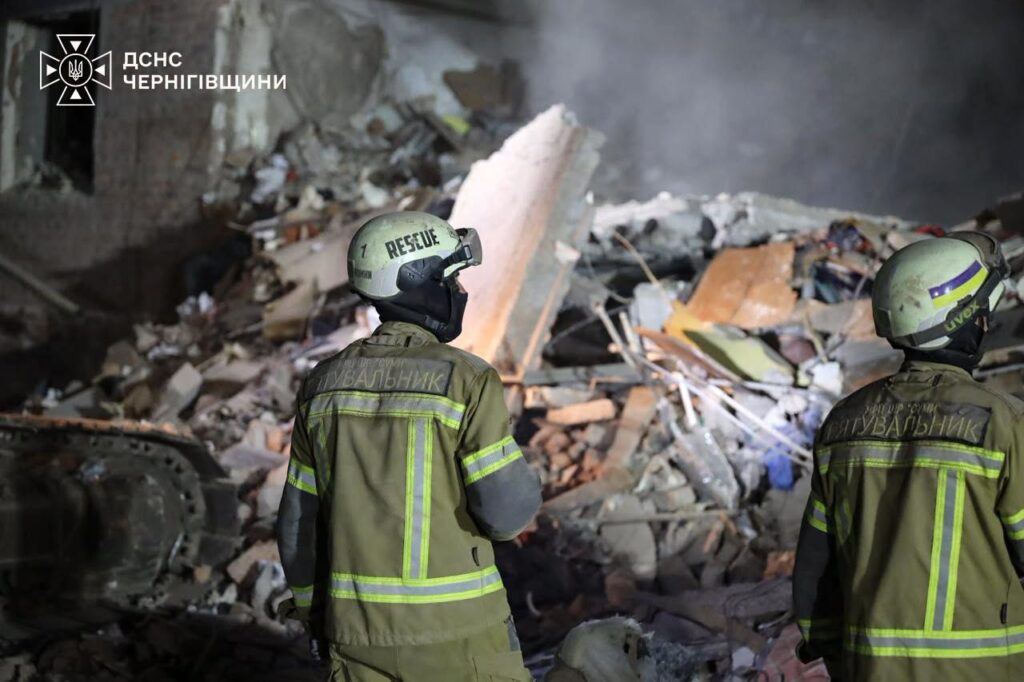
Rescuers at the rubble of the apartment building in Pryluky, Chernihiv Oblast
Rescuers at the rubble of the apartment building in Pryluky, Chernihiv Oblast, 7 October 2026. Photo: State Emergency Service of Ukraine in Chernihiv Oblast

Russian strikes in Kyiv, Kremenchuk, and Oleksandriia

Russia attacked Kyiv and 12 oblasts overnight on 7 October, Zelenskyy said. Two people were killed in each of Kyiv, Kremenchuk, and Oleksandriia.

Air defense downed or suppressed five ballistic missiles, 39 cruise missiles, and 117 drones, while missiles and drones hit 18 locations, according to the Air Force.

  •  

It was built to shield Russian crops from hail. Now it’s being pitched as a drone interceptor

Alazan-6 anti-hail rockets

Russia has shown a drone interceptor built on the Alazan, a civilian anti-hail rocket, Militarnyi reported. The sample went on display at a weapons exhibition that Russian dictator Vladimir Putin toured at the Chebarkul training range in the Urals on 2 October.

Ukraine now sends drones at Russia by the hundreds, by Moscow's own count. Russia's Defense Ministry claimed its air defenses intercepted nearly 900 overnight into 6 October. Russia's missile-based air defense was built to repel aircraft raids and a few cruise missiles, not swarms of low-flying drones.

In May, Ukrainian intelligence said Russia was adding four regiments, 24 battalions, and 162 batteries to counter Ukrainian strike drones. The converted Alazan, which Militarnyi calls an anti-drone system, is one more piece of that search. Meanwhile, the commander of Ukraine's Unmanned Systems Forces, Robert Brovdi, said his forces struck 300 Russian air-defense assets between January and 19 September.

From hail reagent to shrapnel

Based on the size of the sample on display, the interceptor builds on the Alazan-2M or Alazan-6 series, Militarnyi assessed. The outlet put the stated cost at up to $12,000 per unit but did not say who named the figure. In civilian service, the rocket flies about 10 km, climbs up to 8 km, and carries about 0.5 kg of reagent. For air defense, the developers plan to replace that reagent with a fragmentation warhead.

Militarnyi's analysis of the published photos describes the front end as a steering assembly: four cruciform deflector fins, probably paired with a seeker or a fuze. At the rear sit folding stabilizers and the open nozzle of a solid-fuel motor, held in a metal cradle.

Anti-drone missile based on the Alazan, 2 October 2026
Anti-drone missile based on the Alazan, 2 October 2026. Photo: kremlin.ru

One sample among 300 exhibits

The Kremlin's account of the visit lists more than 300 weapons on display, including interceptor drones, but does not mention the rocket. Propaganda channel Russia 1 aired the interceptor in its report from the visit, and the Kremlin pool of state news agency RIA posted photos.

  •  

Oleksandr, Kyrylo and Serhii, all aged one, and eight-year-old Maksym were killed in Ukraine’s city by Russian strike on Putin’s birthday

Ukrainian rescuers in Chernihiv Oblast on 7 October 2026. Source: The State Emergency Service of Ukraine

Ukrainian rescuers are still pulling bodies from a collapsed apartment block in Pryluky. A Russian missile strike on the five-story residential building in the city of Chernihiv Oblast that borders both Russia and Belarus killed 19 people, including five children, and injured 55, Ukraine's State Emergency Service reported on 7 October.

Russia hit Kyiv and a dozen other regions overnight. Air defense downed five ballistic missiles, 39 cruise missiles, and 117 drones, while missiles and drones hit 18 locations, the Air Force said. The nationwide strike killed at least 24 people, including four children.

Among the dead in Pryluky were three one-year-old boys, Oleksandr, Kyrylo, and Serhii, and eight-year-old Maksym, President Volodymyr Zelenskyy says. Seven of the injured are children. Some residents are still unreachable, and all emergency services are working at the site. Russia keeps using missiles against Ukrainian cities and civilians by deliberate choice, he states.

"My condolences to all the families and loved ones," Zelenskyy says.

The strike comes on Putin's birthday

The attack came on Russian President Vladimir Putin's birthday on 7 October.

"Continuing to use missiles against Ukraine, against our people, our children, is an absolutely conscious choice of terror. This is what Moscow chooses despite all our efforts with partners to bring peace closer," Zelenskyy says.

He urges partners to increase pressure on Russia and bolster defense support for Ukraine, saying it is important that world leaders understand this and that the world not remain silent.

A pattern of strikes on Chernihiv Oblast

Pryluky, about 150 kilometers east of Kyiv, lies in a region Russia has hit repeatedly. The overnight barrage also damaged civilian and utility infrastructure across the Pryluky community, the city council said.

Ukraine had seen the attack. The day before, Zelenskyy warned that intelligence indicated a massive Russian strike was in preparation. Russia fired about 70 missiles overnight, killing two people each in the capital Kyiv and in the cities of Kremenchuk and Oleksandriia in addition to the Pryluky dead.

  •  
❌