A public phone booth in Narooma on Australia’s east coast has been awarded heritage status for the role it played during and after wildfires in the region.
Bogong moths have been in decline since the 1980s, but this spring the insects have been sighted in the thousands across southeastern Australia, delighting scientists.
The first known breach of a government website by rogue artificial intelligence agents has prompted global calls for more regulation of the technology.
Prime Minister Anthony Albanese of Australia at the U.N. General Assembly in New York on Thursday. He has called for international standards to govern A.I.
A new bilateral security agreement puts Australia's support for Ukraine on a long-term footing, the Australian government said. The pact bundles fresh money for Kyiv, wider sanctions on Russia, and a new role for Australia in a multinational effort to rebuild Ukraine's Navy.
Australia sits half a world from the front, yet it wants what Ukraine has learned. The deal runs both ways—Australia sends money and equipment, and treats more than four years of Ukrainian war-fighting as a lesson for its own forces. One-off aid packages are giving way to long-term security pacts as Ukraine's partners lock in support—and, more and more, ask to learn from the force that has spent years fighting Russia.
A bigger package and new sanctions
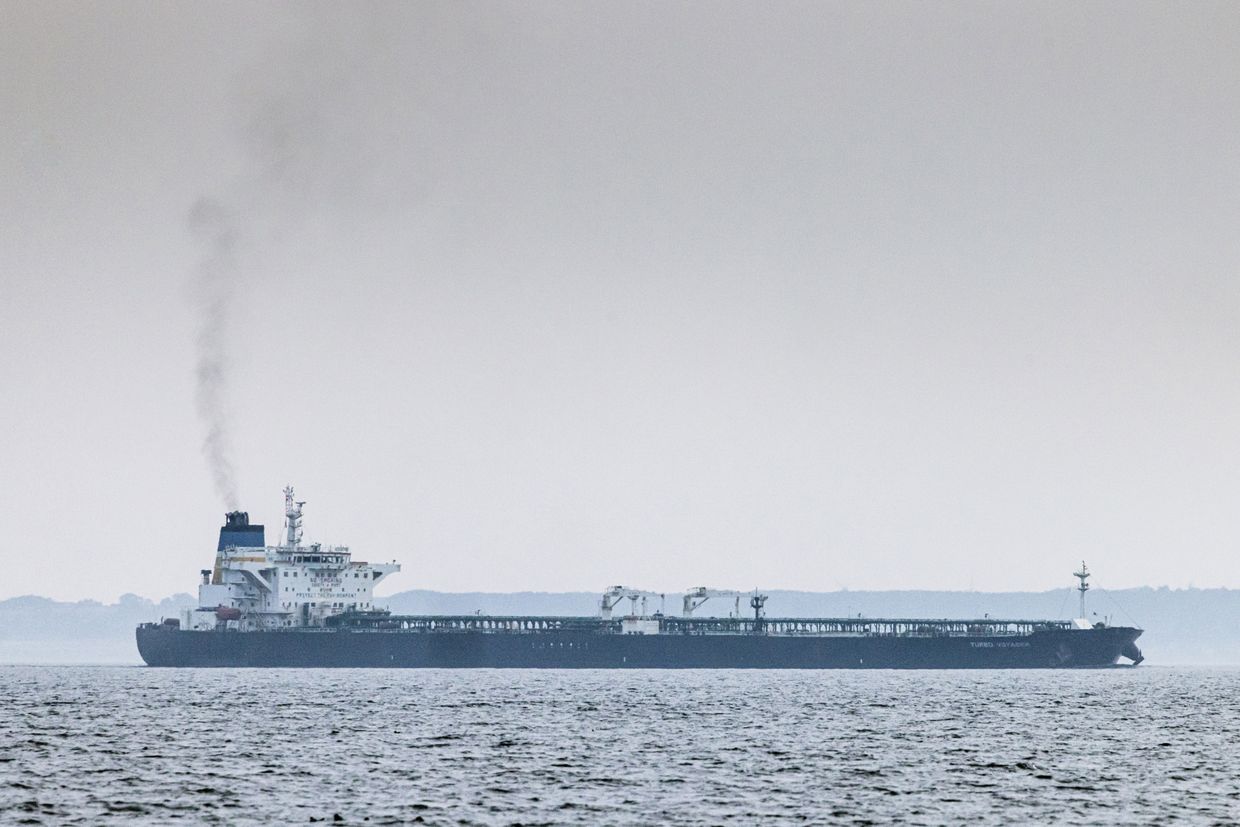
Prime Minister Anthony Albanese and President Volodymyr Zelenskyy signed the agreement on 24 September. Albanese pledged an additional A$60 million ($42 million) in support. It splits into A$45 million ($32 million) of Australian Defence Force equipment, A$10 million for Ukraine's Energy Support Fund, and A$5 million in humanitarian aid. That lifts Australia's total contribution to almost A$1.9 billion ($1.3 billion). Australia also widened its sanctions on Russia to almost 1,900 measures and listed nearly 300 shadow-fleet vessels—the aging tankers Moscow uses to move oil around Western price caps.
Explore further
“What happens in Ukraine matters in Indo-Pacific”: Australia pledged Ukraine another $70 million
Australia will also join the Maritime Capability Coalition for Ukraine, a UK- and Norway-led group building up Ukraine's Navy. The government cast the move as another two-way exchange: it helps Ukraine at sea while giving Australian planners insights into advanced maritime capabilities and their operational use.
Lessons that run both ways
The agreement frames the partnership as a trade in know-how, not just aid. Deputy Prime Minister Richard Marles said that through deeper cooperation Australia could "lend our strengths and insights to help grow Ukraine's defence industrial base, and likewise learn from the hard-fought lessons of Ukraine's resistance in developing our future capabilities." Ukraine has shown what an innovative, agile force can do in a drone-heavy war, and Canberra wants the lessons. Australia has already supplied 49 retired M1A1 Abrams tanks and 120 Bushmaster protected vehicles, hardware Ukrainian crews took straight into frontline use. Two Australian companies are also developing Arrow interceptor drones for delivery to Ukraine.
Australia has, for the first time, imposed sanctions on Russia's so-called "shadow fleet" of oil tankers, targeting 60 vessels used to circumvent international sanctions and sustain the Kremlin's war effort in Ukraine, the Australian government said on June 18.
The move aligns Canberra with similar measures introduced by the United Kingdom, Canada, and the European Union.
Australia's Foreign Ministry said the sanctioned vessels operate under "deceptive practices, including flag-hopping, disabling tracking systems and operating with inadequate insurance," enabling illicit Russian oil trade that undermines international sanctions.
"Russia uses these vessels to circumvent international sanctions and sustain its illegal and immoral war against Ukraine," the ministry said in a statement.
With this move, Australia has now sanctioned more than 1,400 Russian individuals and entities since Moscow's full-scale invasion of Ukraine began in February 2022, the government said.
The step comes amid the continued operation of Russia's shadow fleet. According to a recent study by the Kyiv School of Economics (KSE), Russia currently operates 435 tankers outside the control of Western regulators to evade sanctions such as the G7-EU price cap on Russian oil.
These vessels are typically un- or underinsured and pose a rising environmental risk due to their age and operational opacity.
KSE estimates that as of April 2024, 83% of Russia's crude oil and 46% of its petroleum product exports were shipped using shadow fleet tankers. The study warns that this undermines the effectiveness of Western sanctions and increases the likelihood of maritime disasters, as many of these ships fall outside international safety and insurance standards.
The EU formally adopted its 17th sanctions package against Russia in May, sanctioning nearly 200 vessels tied to the shadow fleet. EU foreign policy chief Kaja Kallas said the new measures also target hybrid threats and human rights violations, with more sanctions under consideration.
Some EU member states and observers have criticized the package for lacking stronger provisions to disrupt Russia's sanction evasion schemes.
Now, the EU seeks to approve its 18th sanctions package, which will add 77 more shadow fleet vessels to comply with the cap to prevent Russia from circumventing sanctions and propose imposing a ban on imports of petroleum products made from Russian oil.
The United States has signaled reluctance to pursue additional sanctions despite Moscow's continued aggression in Ukraine and rejection of ceasefire proposals supported by Western allies.

 Connexion