Vue lecture

Ukraine logged impacts at 11 sites while the American peace delegation was still in Moscow
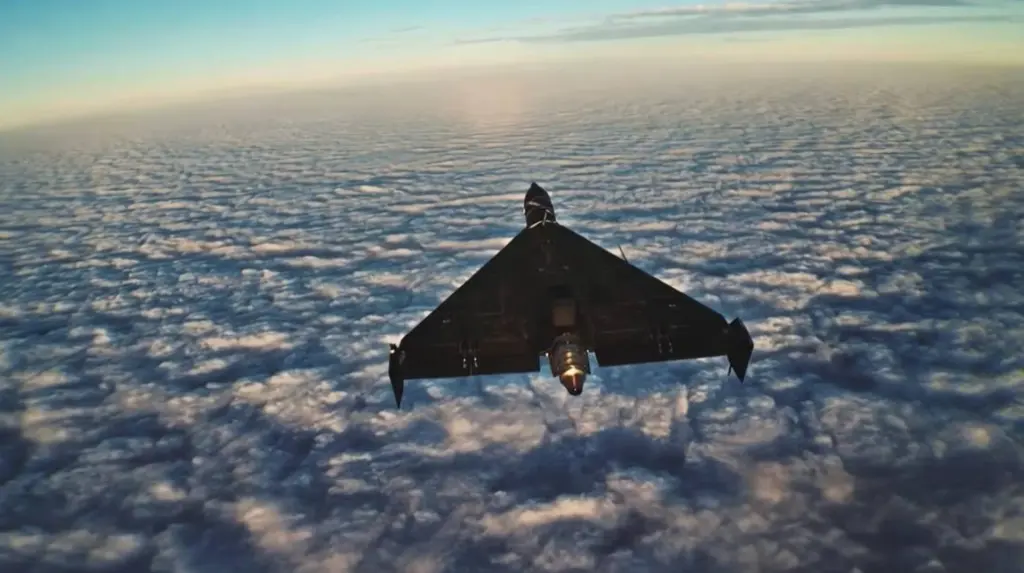
ukraine spent three years learning catch russian drones—so russia made fly faster · post geran-3 jet-powered attack drone wild hornets c1c840787fca380485636007cf683d71 news ukrainian reports

Russia attacked Ukraine from 18:00 on 5 September and through the night into 6 September with 108 strike drones and S8000 Banderol cruise missiles, Ukraine's Air Force reported. The assault ran while US envoys Steve Witkoff and Jared Kushner were finishing three hours of talks with Russian President Vladimir Putin in Moscow. They left the Russian capital after midnight and were expected in Kyiv on 6 September, again carrying a US proposal to end the war. Ukraine's own offer of a four-day pause in the fighting went unmatched by Russia.

Russia has kept up daily air attacks on Ukrainian cities and towns throughout the ongoing war, killing civilians in apartment blocks, hospitals, and shelters. No round of diplomacy or declared truce has interrupted it — Russia's own Easter ceasefire drew thousands of violations within hours.

The attack was still running in the morning

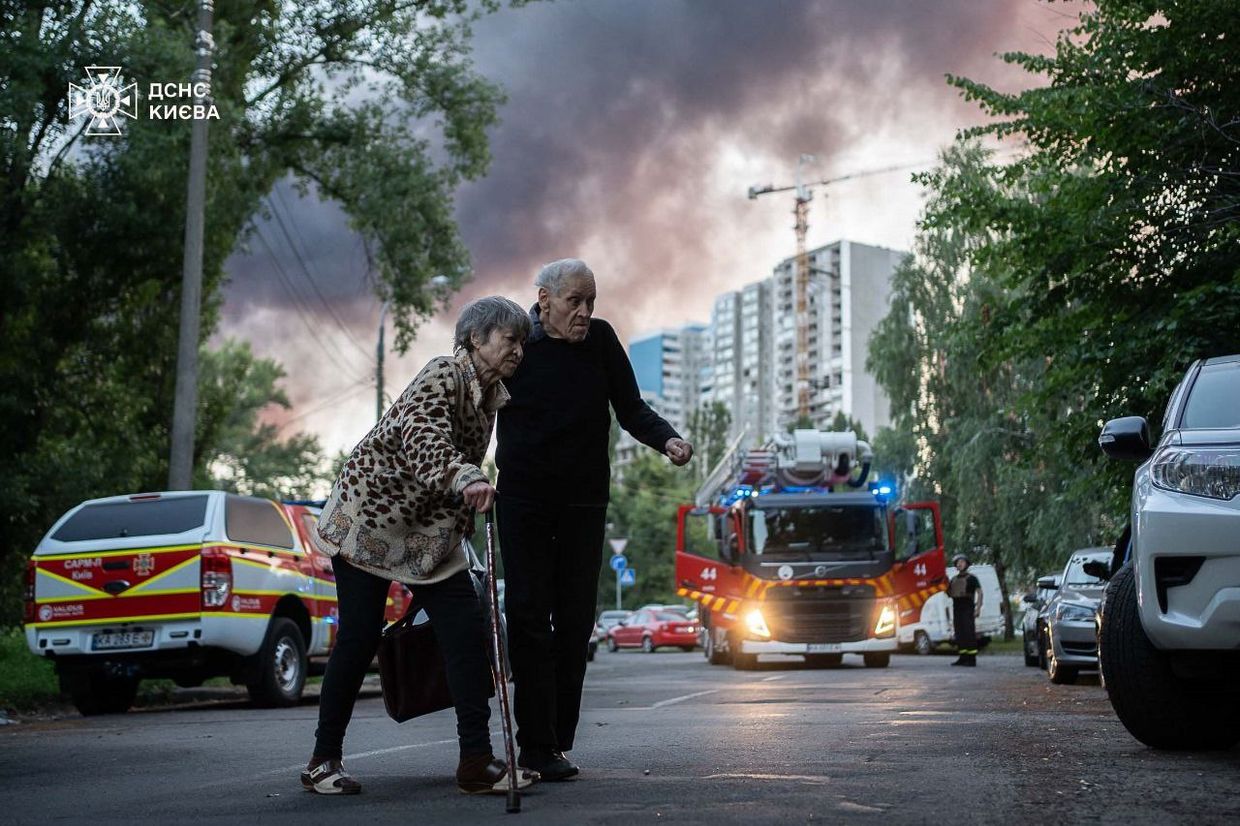
By 09:30 air defenses had downed or suppressed 82 Shahed-type, Gerbera, and other drones, along with six Banderol missiles. The military logged impacts at 11 locations and falling debris at seven more, and warned that Russian drones were still in Ukraine's airspace.

Over the previous day, Russian strikes killed seven people and injured 57 across Kharkiv, Kherson, Zaporizhzhia, Dnipropetrovsk, and Donetsk oblasts, according to oblast administration figures published on the morning of 6 September. Kharkiv Oblast lost four people, three of them one family in Chuhuiv. Zaporizhzhia Oblast reported one death, 25 injured, and 886 strikes on 54 settlements.

A children's playground in the center of Chuhuiv, the morning after a Russian drone hit the town

Russia killed three members of one family in the strike on the evening of 5 September: an 11-year-old boy, his 19-year-old sister, and their 45-year-old father. The children's mother… pic.twitter.com/OHDSJg2Qdj

— Euromaidan Press (@EuromaidanPress) September 6, 2026

Three hours in the Kremlin

Witkoff and Kushner met Putin on 5 September and left the Kremlin close to midnight. Putin opened by telling them he had "full trust" in the US side, Axios reported, and Washington's goal is to restart direct Russian-Ukrainian talks that stopped six months ago. Putin's aide Yuri Ushakov called the discussion "substantive, constructive, exceptionally candid," ABC News reported, and stated the envoys had promised to carry Putin's own assessments into their meetings in Kyiv. Ushakov also repeated that Russia will achieve its goals and that the war's "root causes" must be removed — the Kremlin's shorthand for barring Ukraine from NATO and cutting down its army.
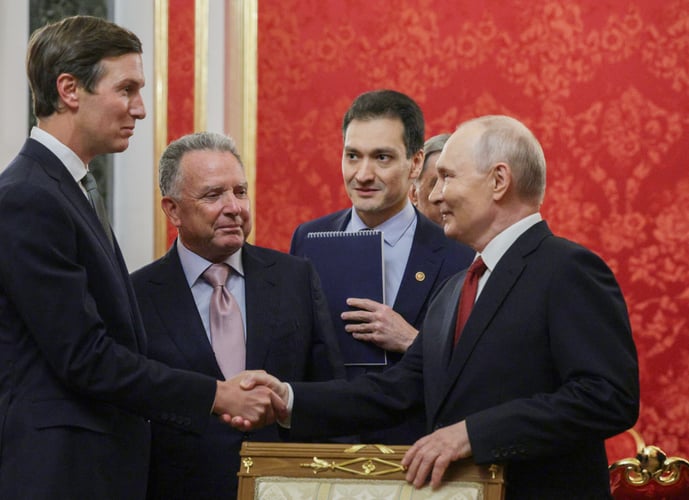
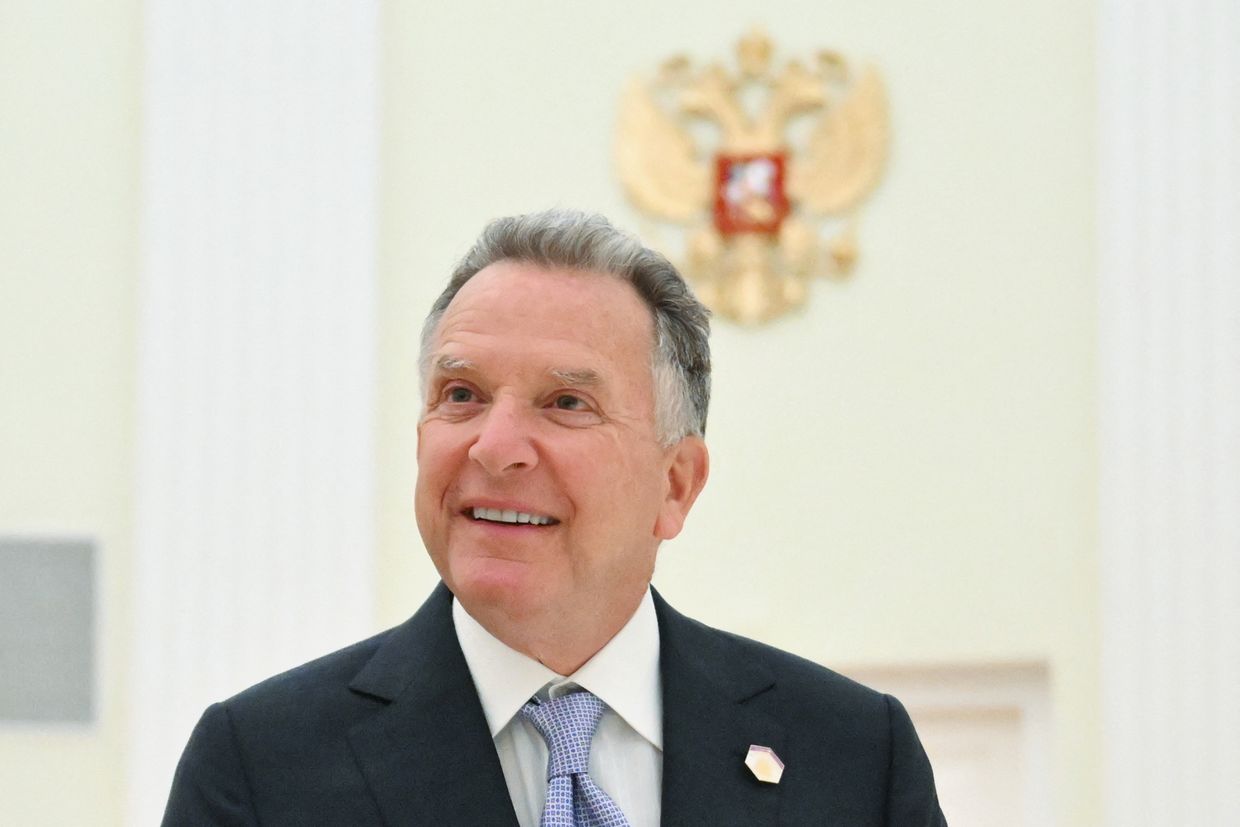
Jared Kushner shakes hands with Russian President Vladimir Putin, with US special envoy Steve Witkoff beside him, at the Kremlin in Moscow, Russia, 5 September 2026. Photo: Gavriil Grigorov/Sputnik

A White House official told RFE/RL that the sides discussed "concrete plans" for next steps, to be announced in the coming weeks. Kremlin envoy Kirill Dmitriev, who sat in on the talks, called the Moscow trip an important peacemaking visit, Al Jazeera reported. The Kyiv leg would be the envoys' first trip to Ukraine since taking over the US effort; it was set for August and postponed as Russian strikes intensified.
  •  

Witkoff and Kushner to visit Kyiv and Moscow to revive peace talks as Russia ramps up attacks across Ukraine

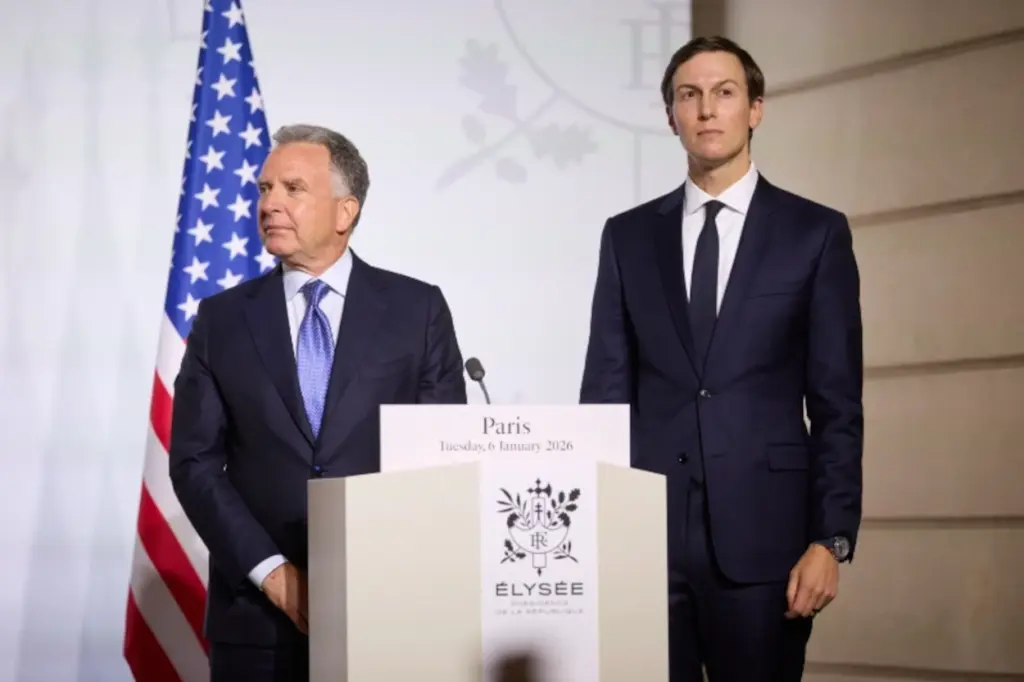
US envoys Steve Witkoff and Jared Kushner at the Coalition of the Willing summit at the Élysée Palace, 6 January 2026. Photo: Presidential Office

US President Donald Trump’s special envoys Steve Witkoff and Jared Kushner are expected to travel to Moscow and Kyiv this weekend for talks aimed at restarting efforts to end Russia’s war against Ukraine, Axios reported, citing US officials.

The planned trip comes as Washington seeks to revive negotiations that stalled earlier this year and as Russia continues its military campaign against Ukraine. Russia has dramatically stepped up its attacks on Ukraine in recent weeks, launching increasingly large waves of drones and missiles against Ukrainian cities and infrastructure.

Moscow talks Saturday, Kyiv on Sunday

Witkoff and Kushner are expected to travel to Moscow on Friday, 4 September, and meet Russian President Vladimir Putin on Saturday, 5 September, Axios reported.

They are then scheduled to travel to Kyiv for talks with Ukrainian President Volodymyr Zelenskyy on Sunday, 6 September. Zelenskyy confirmed the planned meetings on 4 September.

The Kyiv visit would be the first by Witkoff and Kushner since Trump returned to the White House. The two envoys have traveled to Moscow several times to meet Putin but have not previously visited Kyiv during the current Trump administration.

Ukrainian and US officials have discussed a Kyiv visit for several months, but it has reportedly been postponed multiple times for various reasons.

Zelenskyy confirms visit, calls for reciprocal pause in strikes

Zelenskyy said Ukraine is preparing for the envoys’ visit and will ensure the necessary conditions for their safe arrival.

He said Ukraine would refrain from airstrikes against Russia for the period required for the talks and related logistics, and called on Moscow to provide a reciprocal pause in its air attacks.

“We care specifically about them, not Russia,” Zelenskyy said, adding that Kyiv expects Russia to “mirror” the pause.

Zelenskyy said Ukraine wants the visit and negotiations to be as constructive and substantive as possible, while acknowledging that the outcome will depend on the proposals Witkoff and Kushner bring and Russia’s response to them.

Talks stalled earlier this year

The Trump administration’s mediation between Russia and Ukraine was effectively frozen in February after the outbreak of the US-Israeli war with Iran.

Witkoff and Kushner have continued holding separate discussions with Russian and Ukrainian negotiators in the months since, but the talks have produced little significant progress.

The renewed push comes as Washington has again sought a path toward direct negotiations. CIA Director John Ratcliffe also recently traveled to Moscow and discussed the possibility of restarting diplomatic efforts, including a potential Trump-Putin-Zelenskyy summit.

Kyiv remains skeptical of Moscow’s intentions

The diplomatic effort comes alongside continued Russian attacks and an increasingly escalatory military situation.

Kyiv has faced near-constant large-scale drone attacks in recent weeks, while Ukrainian officials have warned that Russia may be preparing further military escalation. Axios reported that Ukrainian officials remain highly skeptical of Putin’s intentions and believe Russia could be preparing a major escalation in the war.

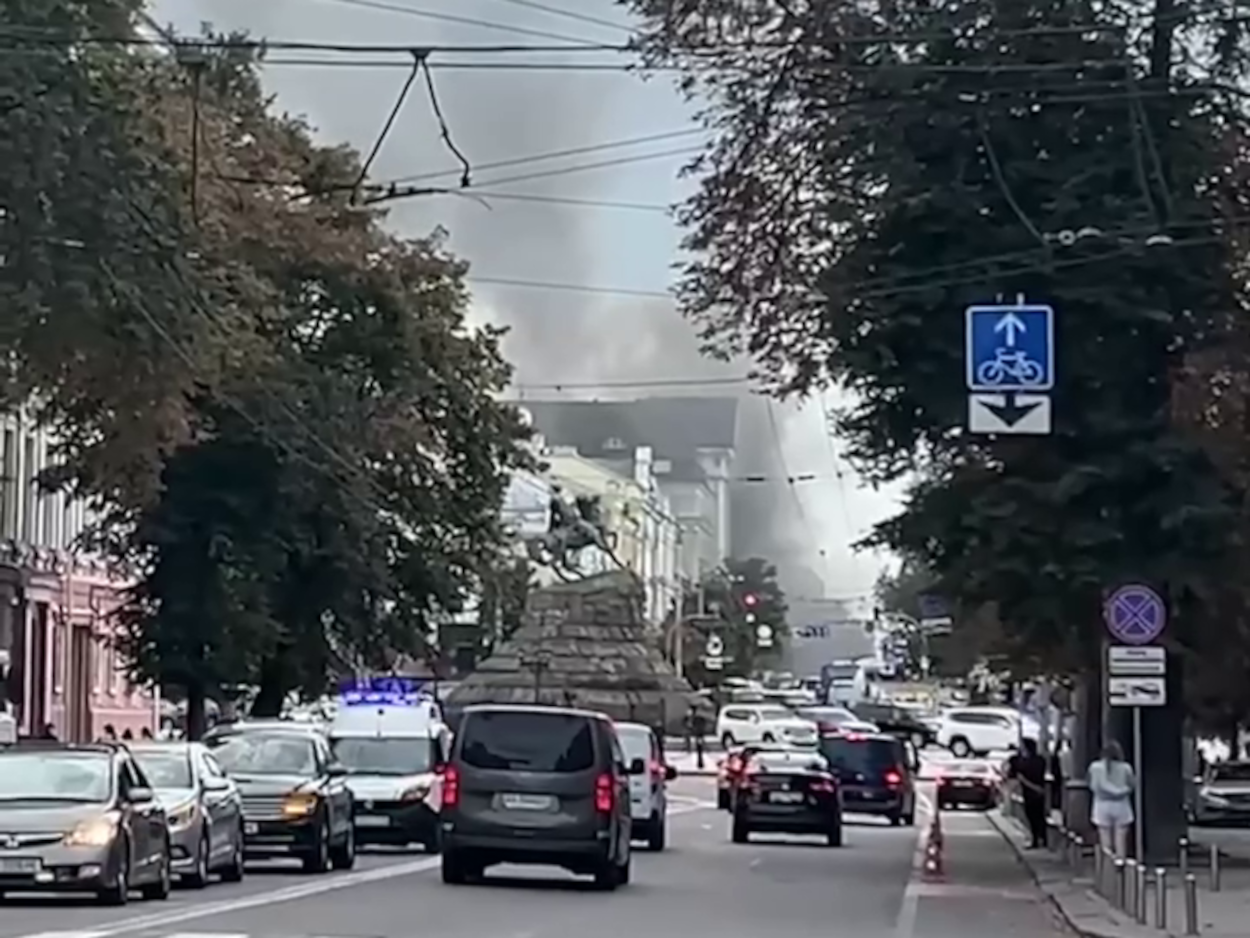
Smoke seen from the damaged SBU headquarters building on Volodymyrska Street in central Kyiv following a Russian drone strike on 4 September, 2026. Screenshot from video: Suspilne
Explore further

Russian drone strikes SBU headquarters in central Kyiv. Zelenskyy says “geography” of Ukraine’s response is set

At the same time, Ukrainian officials have continued to argue that negotiations should not be abandoned.

Kyrylo Budanov, Zelenskyy’s chief of staff and former military intelligence chief, told The New York Times that US-mediated talks could resume in September. He said, however, that conditions for a ceasefire were unlikely to emerge before spring 2027.

Budanov has argued that Ukraine must keep diplomatic channels open even while fighting continues, saying that “the war cannot be eternal.”

The planned meetings will therefore take place against a backdrop of continued battlefield fighting and increased air attacks, with major disagreements still unresolved between Kyiv and Moscow.

  •  

Trump envoy Steve Witkoff pushing to lift energy sanctions on Russia, Politico reports

Trump envoy Steve Witkoff pushing to lift energy sanctions on Russia, Politico reports

U.S. President Donald Trump's Special Envoy Steve Witkoff is pushing to lift U.S. energy sanctions on Russia, Politico reported on July 4, citing two people familiar with the matter.

The move is part of a broader debate within Trump's administration over how to engage with Moscow amid the ongoing war in Ukraine.

While Witkoff is reportedly advocating for the easing of energy sanctions, others in the administration disagree. Interior Secretary Doug Burgum favors reducing U.S. reliance on Russian imports rather than expanding trade, according to Politico.

Despite pledging during his campaign to end the war in Ukraine in "24 hours," Trump has made little progress on securing a ceasefire. After nearly seven months of his presidency, and several peace talks between Russia, Ukraine, and the United States, no ceasefire agreement has been reached.

Moscow continues intensifying its attacks against Ukrainian cities. Russia launched one of the largest aerial attacks on Ukraine on July 4, hours after Russian President Vladimir Putin had a phone conversation with Trump.

When journalists asked if he had made any progress with Putin on the call, Trump responded: "No, I didn't make any progress with him today at all."

Europe's energy sector is a central issue in the debate. According to Politico, Moscow is in early talks with Washington about potentially restarting the Nord Stream pipeline project, with backing from U.S. investors. The development has sparked concern in Brussels.

One senior EU official reportedly warned that Trump and Putin appear to be aiming to "divide the European energy market and create (separate) spheres of influence."

Witkoff, a real estate developer-turned-envoy, has raised eyebrows in Washington and abroad over his handling of high-level talks with Russia. As reported by NBC News in May, he has relied on Kremlin-provided translators during multiple meetings with Putin, including a visit to Moscow on April 26, just a day after a Russian missile attack killed 12 people in Kyiv.

Trump's administration has so far refrained from imposing new sanctions against Russia, even as Putin continues to reject calls for a ceasefire.

‘Nothing but terror and murder’ — Russia pounds Kyiv with ballistic missiles in massive overnight attack
Fires broke out across the city as Russia attacked the capital overnight on July 4. At least 23 people have been injured, with 14 of the victims hospitalized.
Trump envoy Steve Witkoff pushing to lift energy sanctions on Russia, Politico reportsThe Kyiv IndependentThe Kyiv Independent news desk
Trump envoy Steve Witkoff pushing to lift energy sanctions on Russia, Politico reports
  •  

'Treasonous' — Trump, Witkoff slam intel leak undermining US strikes on Iran, insist nuclear targets 'obliterated'

'Treasonous' — Trump, Witkoff slam intel leak undermining US strikes on Iran, insist nuclear targets 'obliterated'

U.S. Special Envoy to the Middle East Steve Witkoff condemned on June 24 the leak of an intelligence assessment that undercuts U.S. President Donald Trump's claims of having "obliterated" Iran's nuclear program.

His remarks follow a leaked U.S. Defense Intelligence Agency (DIA) assessment, reported by CNN, which found that strikes on three major Iranian nuclear sites, Fordow, Natanz, and Isfahan, did not destroy the core of Tehran's nuclear program. Instead, the intelligence suggests the attacks likely delayed Iran's progress by "a few months."

"It goes without saying that leaking that type of information, whatever the information, whatever side it comes out on, is outrageous. It's treasonous," Witkoff said during an appearance on Fox News. "It ought to be investigated, and whoever is responsible should be held accountable."

Witkoff, who served as Assistant to the U.S. president and led peace mission efforts during the recent conflict between Israel and Iran, defended Trump's portrayal of the U.S.-led strikes as a decisive success.

"The objective was to eliminate enrichment in Iran… and he achieved that objective," Witkoff said, adding that he personally reviewed damage assessments and saw "no doubt" that key nuclear infrastructure was destroyed.

The report leaked in media contradicts public statements from Trump and Defense Secretary Pete Hegseth, who had described the operation as delivering "total obliteration." Trump, for his part, stood by the claim on June 24. "Those targets were obliterated," he said. "That place is demolished."

According to the DIA assessment, though the strikes damaged above-ground infrastructure, most of the centrifuges and the enriched uranium stockpile reportedly remain intact. The assessment also noted that underground sections of the sites, where Iran's most sensitive work is done, were largely unaffected. Two officials told CNN that Iran likely retains operational nuclear facilities that were not targeted.

Witkoff dismissed the report as "preposterous," insisting that the Isfahan conversion facility, critical to Iran's ability to weaponize enriched uranium, was "completely destroyed" by a 30,000-pound bunker buster bomb.

"Without conversion, you can't begin or end enrichment," he said. "They cannot weaponize, even if they've enriched to 90%."

Witkoff also claimed successful targeting of Fordow and Natanz, saying the U.S. dropped more than a dozen bunker busters on the sites that made the facilities inoperable.

The White House acknowledged the assessment’s existence but strongly dismissed it. "This alleged assessment is flat-out wrong and was classified as ‘top secret’ but was still leaked to CNN by an anonymous, low-level loser in the intelligence community," press secretary Karoline Leavitt said.

"The leaking of this alleged assessment is a clear attempt to demean President Trump, and discredit the brave fighter pilots who conducted a perfectly executed mission to obliterate Iran’s nuclear program. Everyone knows what happens when you drop fourteen 30,000 pound bombs perfectly on their targets: total obliteration."

Trump, for his part, stood by his assessment of the mission's success. "I think it’s been completely demolished," he said on June 24. "Those pilots hit their targets. Those targets were obliterated, and the pilots should be given credit.” Asked if Iran could rebuild, Trump responded: "That place is under rock. That place is demolished."

While both Trump and Hegseth praised the strikes as decisive, others expressed caution. Chairman of the Joint Chiefs of Staff Dan Caine said it was "way too early" to determine whether Iran retained nuclear capabilities.

Trump says Putin called him to offer help with Iran
“He (Vladimir Putin) said, can I help you with Iran? I said, ‘no, I don’t need help with Iran. I need help with you,’” Donald Trump said.
'Treasonous' — Trump, Witkoff slam intel leak undermining US strikes on Iran, insist nuclear targets 'obliterated'The Kyiv IndependentKateryna Hodunova
'Treasonous' — Trump, Witkoff slam intel leak undermining US strikes on Iran, insist nuclear targets 'obliterated'
  •  
❌